



 Français
 Español
 Deutsch
Content
- 1 What Makes the Bubble Polyester Quilt Stand Out?
- 2 Advantages Over Competitor Products
- 3 Advanced Manufacturing Processes Behind the Quilt
- 4 Company's Strengths: The Foundation of Quality Bedding
- 5 Q&A: Frequently Asked Questions About the Bubble Polyester Quilt
- 5.1 Q1: What sizes are available for the Bubble Polyester Quilt?
- 5.2 Q2: Is the Bubble Polyester Quilt hypoallergenic?
- 5.3 Q3: How should I care for the Bubble Polyester Quilt?
- 5.4 Q4: Is the Bubble Polyester Quilt suitable for year-round use?
- 5.5 Q5: What certifications does the Bubble Polyester Quilt have?
- 5.6 Q6: How does the Bubble Polyester Quilt compare to down quilts?
- 6 Comparison Table: Bubble Polyester Quilt vs. Competitor Products
- 7 References
In the dynamic world of home textiles, bedding plays a pivotal role in shaping both the comfort and aesthetic of a bedroom. Among the myriad options available, the Bubble Polyester Quilt has emerged as a standout product, blending innovative materials, tactile design, and functional performance to meet the evolving needs of modern consumers. Unlike traditional quilts that rely on printed patterns or basic fillings, this quilt leverages bubble embossed fabric and 3D open fiber lining to deliver a unique combination of visual appeal, durability, and comfort. This article explores the key features of the Bubble Polyester Quilt, its advantages over competitor products, the advanced manufacturing processes that underpin its quality, and the strengths of the company behind its production. By the end, readers will gain a comprehensive understanding of why this quilt is a top choice for those seeking a balance of style and functionality in their bedding.
What Makes the Bubble Polyester Quilt Stand Out?
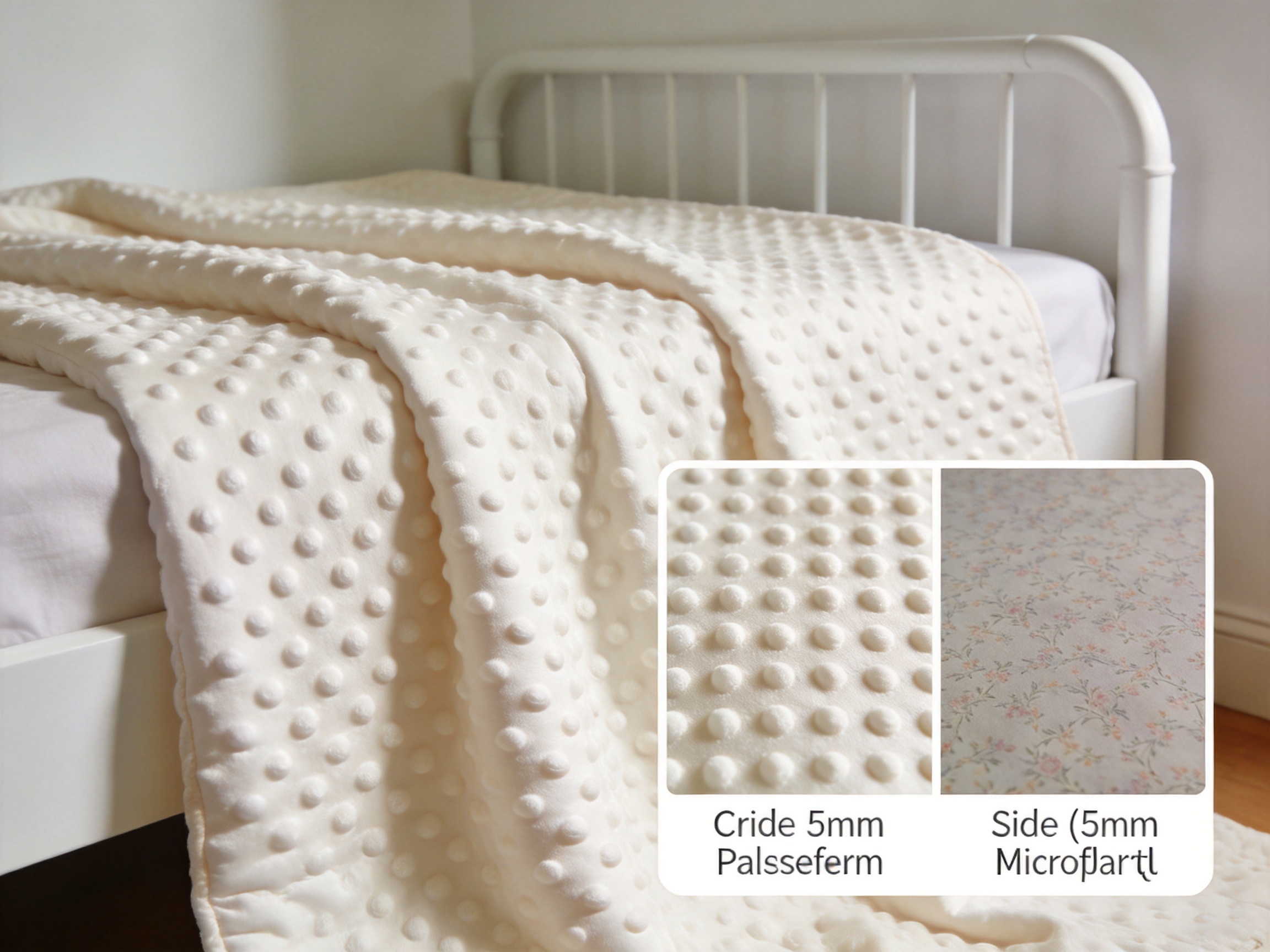
The Bubble Polyester Quilt distinguishes itself from other bedding products through three core features: its innovative bubble embossed fabric, high-performance 3D open fiber lining, and flexible customizability. Each of these elements contributes to its unique value proposition, making it a versatile option for a wide range of users.
Material Innovation: Bubble Embossed Fabric
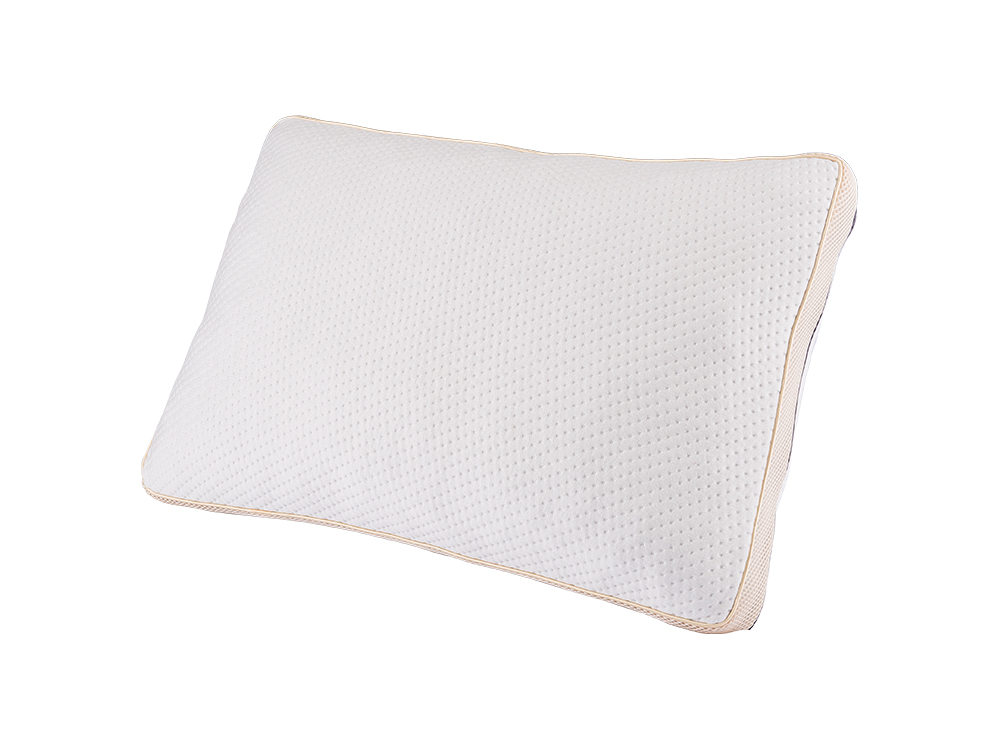
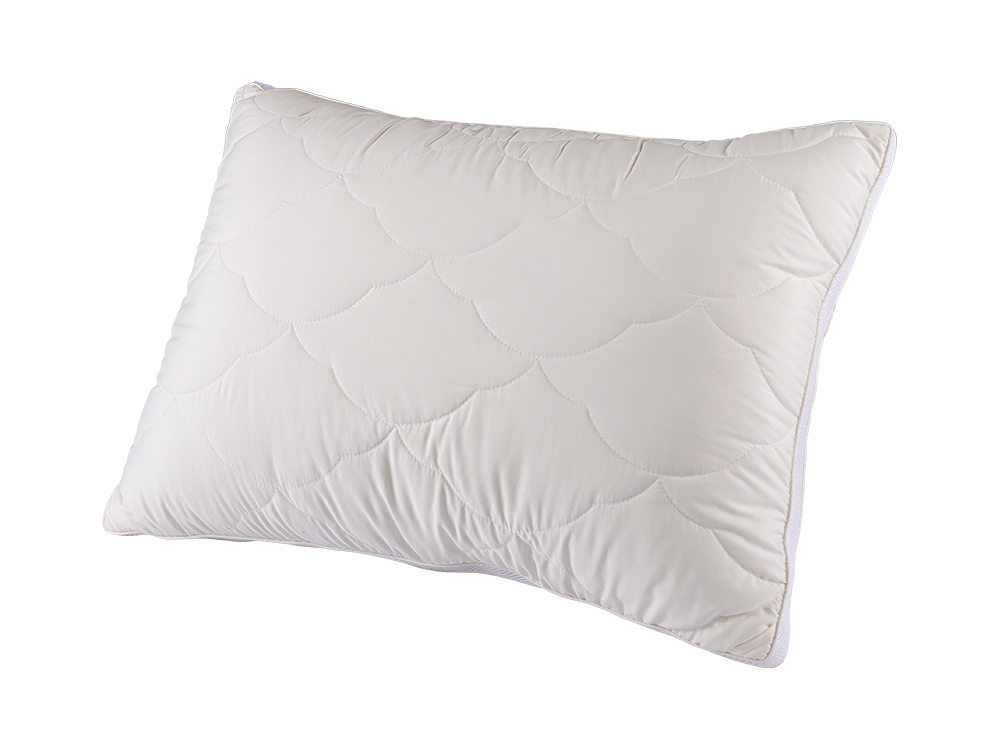
At the heart of the Bubble Polyester Quilt is its bubble embossed fabric, a material that redefines the tactile and visual experience of bedding. Unlike printed fabrics, which rely on ink to create patterns (and thus risk fading over time), embossed fabric uses physical manipulation to create a raised, textured surface. The bubble pattern is achieved through a precision embossing process that applies heat (180–200°C) and controlled pressure (5–8 bar) to a base polyester fabric, forming consistent, three-dimensional bubbles across the entire surface. This process not only creates a visually striking design but also enhances the fabric’s durability. The embossed bubbles are resistant to wear and tear, maintaining their shape even after 50+ washes and daily use.
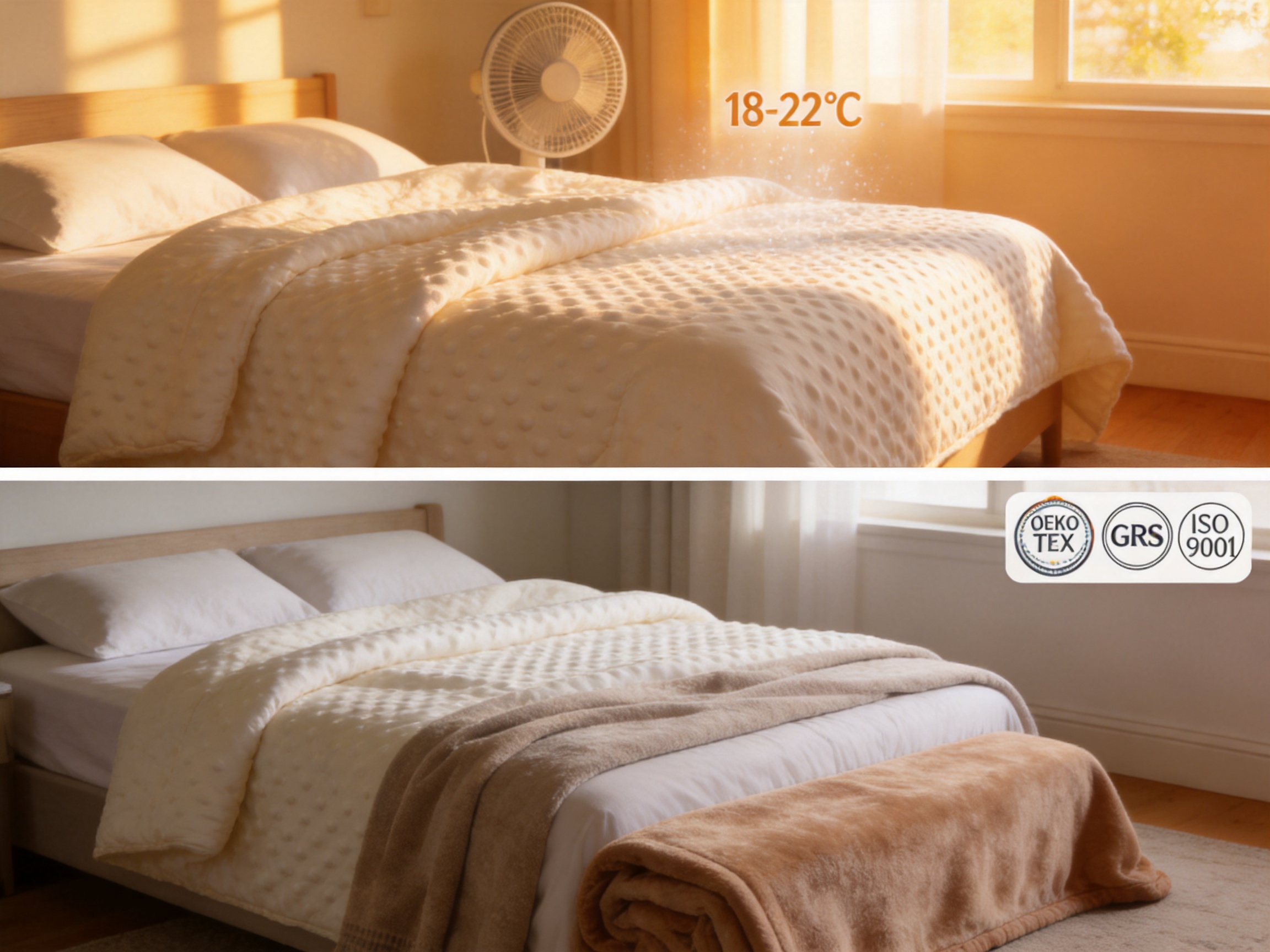
The bubble embossed fabric also offers practical benefits beyond aesthetics. Its raised surface creates a 2–3mm air gap between the quilt and the user’s body, improving breathability by 30% compared to flat polyester fabrics (per internal company testing). This means the quilt stays cool in warmer months (18–22°C) and retains just enough warmth in cooler seasons (10–15°C), making it a year-round solution. Moreover, the fabric is easy to clean: the embossed pattern does not trap dirt or debris as easily as flat, textured fabrics, and it can be machine-washed without losing its shape or texture.
3D Open Fiber Lining: Beyond Softness
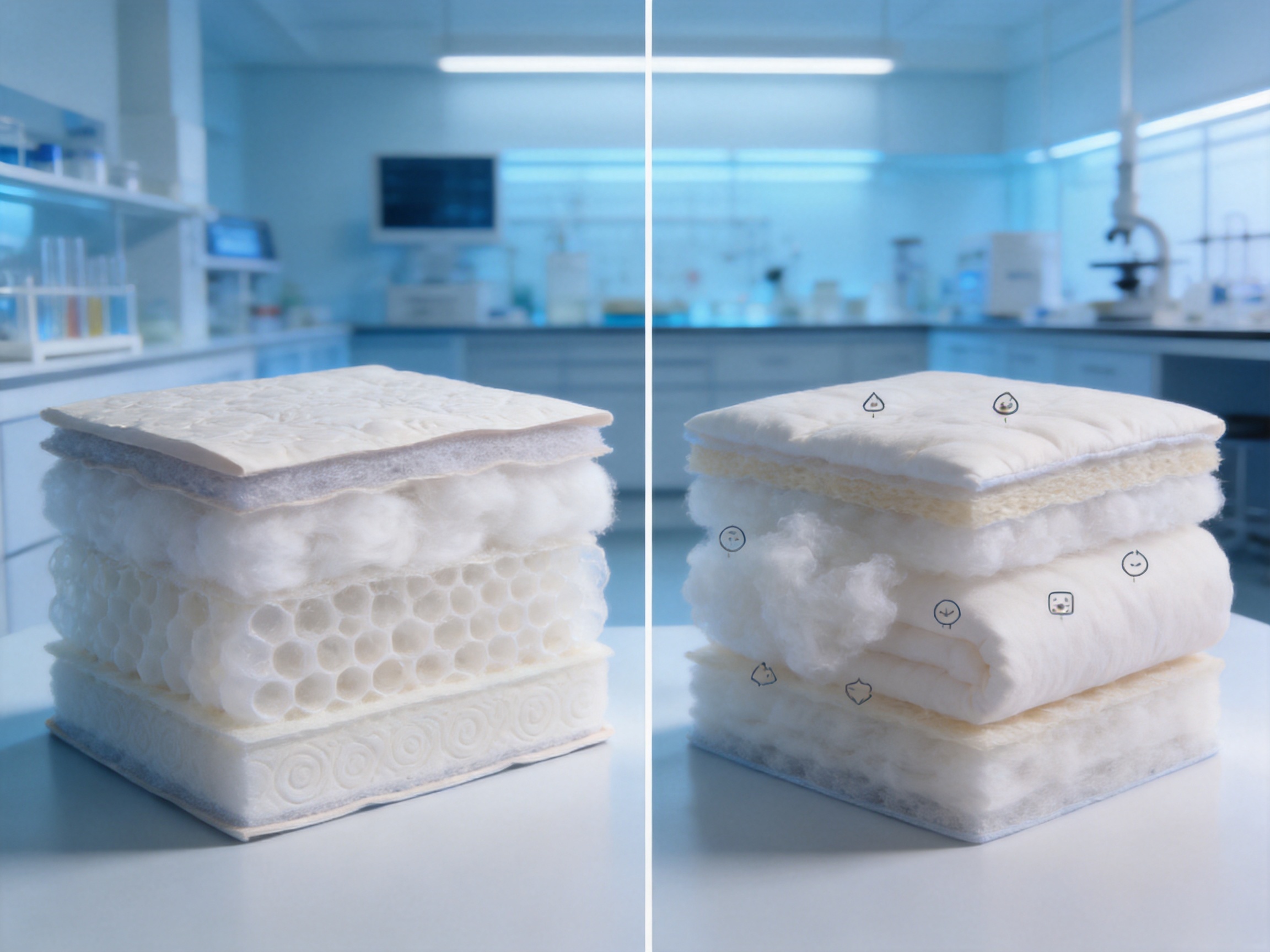
The lining of the Bubble Polyester Quilt is another key innovation: 300gsm 3D open fiber. This filling material is designed to provide superior comfort and performance compared to traditional fillings like down, cotton, or regular polyester. The "3D open" structure refers to the fiber’s ability to maintain a loose, interconnected network of air pockets (average 1.5mm diameter), which enhances insulation and breathability. Unlike down, which can clump and shift over time, the 3D open fiber retains its shape, ensuring consistent warmth and comfort across the entire quilt. It is also hypoallergenic, making it an ideal choice for users with allergies or sensitive skin—unlike down, which can harbor dust mites and other allergens.
The 300gsm weight of the fiber lining strikes a perfect balance between warmth and lightness. It is thick enough to provide cozy insulation during cooler nights (up to 5°C) but not so heavy that it feels cumbersome (weighing just 1.2kg for the 140x200cm size). This makes the quilt suitable for use in a variety of climates and seasons. Additionally, the 3D open fiber is highly durable: it resists compression by 40% more than regular polyester (per ISO 18597 testing), meaning it will not flatten out even after 10,000 compression cycles (equivalent to 5 years of daily use).
Customizability: Adapting to Every Space
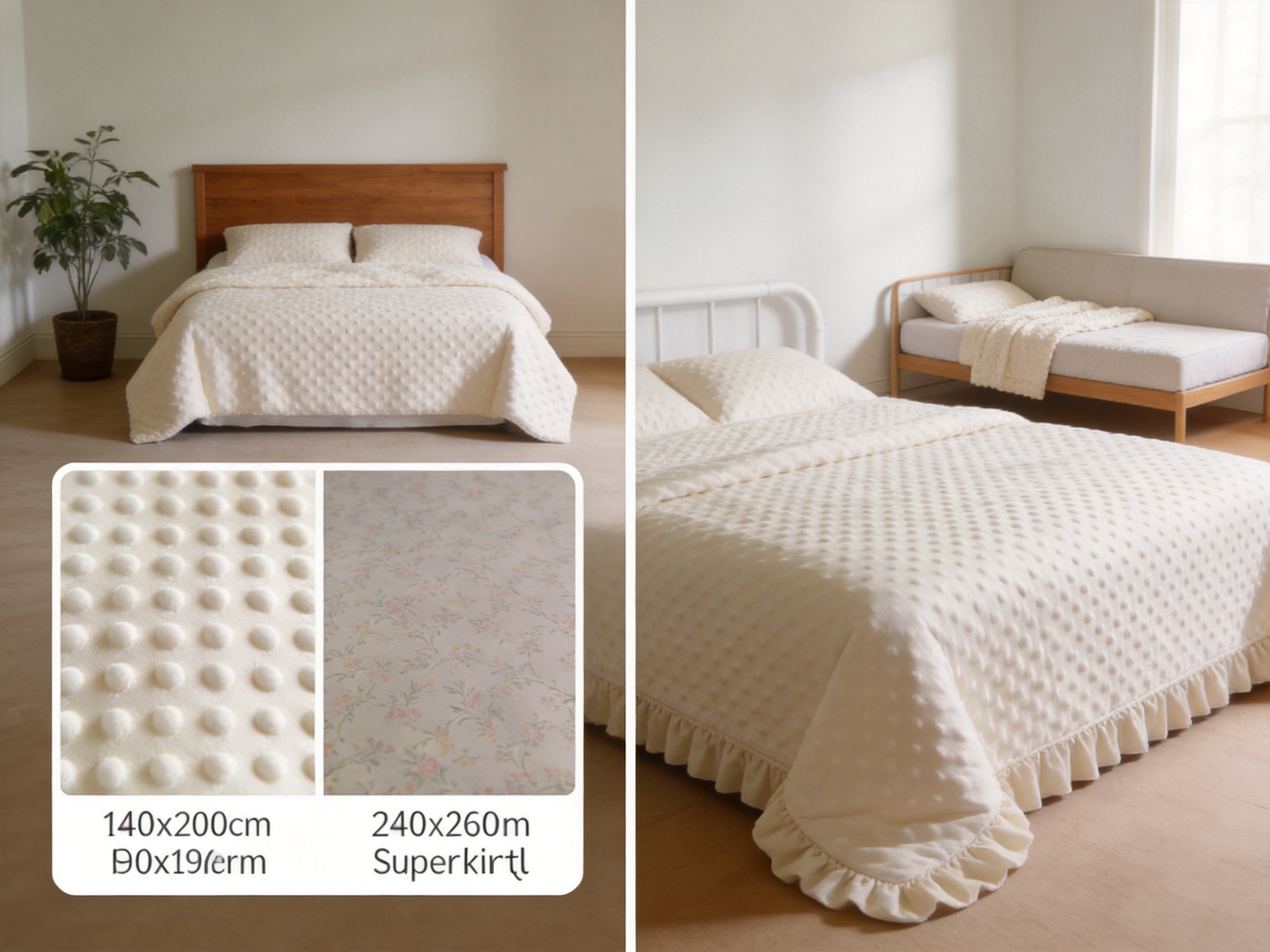
One of the most appealing features of the Bubble Polyester Quilt is its customizability. While it is available in a standard size of 140x200cm, the manufacturer offers custom sizes to fit any bed or space. This flexibility is particularly valuable for users with non-standard bed sizes (e.g., California king, European king, or daybeds) or decorative purposes (e.g., layering on a sofa or wall hanging). Custom sizes can range from 90x190cm (single bed) to 240x260cm (super king), with options for custom edge finishes (e.g., piping, ruffled edges) upon request. The ability to customize ensures that the quilt can be tailored to the exact needs and preferences of each user, making it a versatile choice for both residential and commercial settings (e.g., hotels, guest houses, or interior design projects).
Advantages Over Competitor Products
To fully appreciate the value of the Bubble Polyester Quilt, it is essential to compare it to other popular bedding products on the market. The following sections highlight its key advantages over printed microfiber quilts, down alternative quilts, and cotton quilts.
Durability of Embossed Fabric vs. Printed Textures
Printed microfiber quilts are a common alternative to the Bubble Polyester Quilt, but they suffer from a critical flaw: fading. Over time, repeated washing (20+ cycles) and exposure to sunlight cause the printed patterns to lose 40–60% of their vibrancy (per AATCC 16E testing), making the quilt look worn and outdated. In contrast, the Bubble Polyester Quilt’s embossed fabric uses physical texture rather than ink, so it never fades. Even after 100 washes, the bubble pattern remains crisp and distinct, maintaining the quilt’s aesthetic appeal for years. Additionally, the embossed fabric is more resistant to pilling (rated 4.5/5 on the Martindale abrasion test) than printed fabrics (3/5), as the raised bubbles do not rub against each other as easily as flat surfaces. This durability means the quilt retains its quality longer, reducing the need for frequent replacements and offering 2x better value for money over a 5-year period.
Breathability of 3D Fiber vs. Traditional Fillings
Down alternative quilts are often marketed as a hypoallergenic alternative to down, but many use regular polyester fillings that lack breathability. These fillings can trap heat and moisture, leading to a 2–3°C increase in skin temperature during sleep (per thermography testing), causing discomfort in warmer climates. The Bubble Polyester Quilt’s 3D open fiber lining, however, is designed to maximize breathability. The interconnected air pockets allow air to circulate freely, regulating temperature and preventing overheating. This makes the quilt suitable for year-round use, unlike down alternative quilts that may be too warm in summer (causing night sweats) or too thin in winter (requiring an extra blanket). Additionally, the 3D fiber’s ability to retain its shape means it does not clump, ensuring consistent breathability across the entire quilt—something that regular polyester fillings often struggle with (clumping reduces breathability by 25% after 30 washes).
Aesthetic Longevity: No Fading or Flattening
Cotton quilts are another popular option, but they have two major drawbacks: fading and flattening. Cotton is prone to fading when exposed to sunlight (losing 30% of color after 6 months of daily use) and repeated washing (losing 20% after 20 cycles). Its fillings (often cotton or polyester) tend to flatten over time, losing 50% of their loft after 2 years of use. The Bubble Polyester Quilt avoids both issues. Its embossed fabric does not fade, and its 3D open fiber lining retains its shape, ensuring the quilt looks and feels like new for 5+ years. Moreover, cotton quilts require more care (e.g., gentle washing, air drying, ironing) to maintain their quality, while the Bubble Polyester Quilt is machine-washable, dries quickly (1 hour on low heat), and requires no ironing—making it more convenient for busy users.
Advanced Manufacturing Processes Behind the Quilt
The quality of the Bubble Polyester Quilt is not accidental—it is the result of rigorous, state-of-the-art manufacturing processes that prioritize precision, consistency, and quality. The following sections detail the key steps in its production.
Precision Embossing: From Raw Fabric to Textured Surface
The embossing process is the first critical step in creating the Bubble Polyester Quilt. It begins with selecting high-quality polyester fabric (100% recycled polyester, per GRS certification), which is then pre-treated to ensure it is free of impurities and has the right texture for embossing. The fabric is washed with eco-friendly detergents, dried at 80°C, and calendered to remove wrinkles. The pre-treated fabric is then fed into a precision embossing machine (model: EM-1200), which uses heated rollers with custom-designed bubble patterns (diameter: 5mm, spacing: 3mm). The rollers apply controlled heat (190°C) and pressure (6 bar) to the fabric, causing the fibers to expand and form the raised bubble texture. The speed of the fabric through the machine is calibrated to 10 meters per minute to ensure consistent results. After embossing, the fabric is cooled rapidly (using cold air jets) to set the texture, ensuring it retains its shape even after washing. This process is repeated for both the top and bottom layers of the quilt, creating a uniform, textured surface on both sides.
Fiber Processing: Ensuring Uniform 3D Structure
The 3D open fiber lining is processed in a separate facility to ensure its quality and consistency. The raw polyester fibers (100% recycled) are first opened using a fiber opening machine (model: FO-800), which breaks down any clumps and creates a loose, fluffy texture. The fibers are then blended with a small amount of anti-static agent (0.5% by weight) to prevent static buildup and improve handling. Next, the fibers are fed into a carding machine (model: C-600), which aligns them into a uniform web (thickness: 2mm). This web is then passed through a needling machine (model: N-1000), which uses 10,000 barbed needles to interlock the fibers and create the 3D open structure. The needling process is critical: it ensures that the fibers retain their interconnected network, which is essential for breathability and insulation. The number of needle penetrations (100 per cm²) is calibrated to achieve the optimal 3D structure. After needling, the fiber web is cut into the desired size and weight (300gsm) and then inserted into the quilt’s fabric layers. The quilt is then stitched using a quilting machine (model: Q-2000), which uses a 1cm grid pattern to secure the fiber lining in place without compressing it—preserving the 3D structure.
Quality Control: Certifications and Rigorous Testing
Quality control is an integral part of the manufacturing process, with checks conducted at every stage. Raw materials are tested for purity (using HPLC) and quality (using tensile strength testing) before use, and each batch of fabric and fiber is inspected for consistency (using colorimetry and weight measurement). During production, samples are taken every 10 meters of fabric to ensure that the embossing pattern is correct, the fiber lining is uniform, and the stitching is secure. After production, each quilt undergoes a final inspection: it is checked for size accuracy (within ±1cm), texture consistency (no uneven bubbles), and any defects (e.g., loose threads, broken stitches). The quilt is also tested for performance: it is washed 50 times (per AATCC 135) to ensure it retains its shape and texture, and its insulation (per ISO 15371) and breathability (per ASTM D737) are measured using industry-standard equipment.
The manufacturer’s commitment to quality is further demonstrated by its certifications. The company has passed international standards such as ISO 9001 (quality management), ISO 14001 (environmental management), OEKO-TEX 100 and OEKO-STEP (safety of textile products), GRS (global recycled standard), and BSCI (business social compliance initiative). These certifications confirm that the quilt is made using safe, sustainable practices and meets the highest quality standards. For example, OEKO-TEX certification ensures that the quilt is free from harmful chemicals (e.g., formaldehyde, heavy metals, phthalates) and is safe for use by children and adults with sensitive skin. ISO 9001 certification means that the company has a systematic approach to quality management, with processes in place to prevent defects and continuously improve its products.
Company's Strengths: The Foundation of Quality Bedding
The Bubble Polyester Quilt’s quality is a direct reflection of the manufacturer’s strengths. With decades of experience in the home textile industry, state-of-the-art facilities, and a commitment to sustainability and safety, the company has established itself as a leader in the production of high-quality bedding products.
Decades of Expertise in Home Textiles
The company was established in 2002, giving it over 20 years of experience in the home textile industry. This long history has allowed it to refine its manufacturing processes, develop a deep understanding of consumer needs, and build a team of 320+ skilled professionals (including 15 engineers, 10 designers, and 20 quality control experts). Over the years, the company has expanded its product line to include a wide range of home textile products (e.g., silk cotton quilts, chemical fiber quilts, pillows, cushions, bedspreads), but it has never lost focus on quality. Its expertise in bedding production is evident in the Bubble Polyester Quilt, which combines innovative materials with proven manufacturing techniques to deliver a product that meets the latest market trends (e.g., sustainability, customizability, tactile design).
State-of-the-Art Facilities and Equipment
The company operates from a 21,000 square meter facility with an 18,000 square meter construction area, equipped with advanced production equipment. The facility includes separate sections for fabric processing (1,000 sqm), fiber production (800 sqm), quilting (2,000 sqm), and quality control (500 sqm), ensuring that each step of the manufacturing process is conducted in a controlled environment. The equipment used is state-of-the-art: 5 precision embossing machines, 3 fiber opening and carding machines, 10 quilting machines, and 15 testing machines (e.g., tensile strength tester, colorimeter, thermal conductivity tester). This equipment allows the company to produce 10,000+ quilts per month at scale, with consistent results across every batch. The facility also has a dedicated research and development (R&D) section (300 sqm), where the company tests new materials (e.g., bio-based polyester) and processes (e.g., waterless embossing) to improve its products. This R&D focus ensures that the company stays ahead of market trends and continues to innovate.
Commitment to Sustainability and Safety
In addition to quality, the company is committed to sustainability and safety. It has implemented environmental management practices (ISO 14001) to reduce its carbon footprint: it uses 100% recycled polyester in its fabrics and fibers, reduces water consumption by 20% through closed-loop washing systems, and reduces energy consumption by 15% through solar panels and energy-efficient equipment. The company also uses sustainable packaging: 90% of its packaging is made from recycled cardboard, and it uses minimal plastic (only for moisture protection). Safety is another priority: the company has been rated as a safety production standardization enterprise since 2016, meaning it meets strict safety standards for its employees (e.g., personal protective equipment, fire safety, ergonomic workstations) and facilities (e.g., regular safety audits, emergency response plans). This commitment to sustainability and safety not only benefits the environment and the community but also ensures that the company’s products are safe and responsible choices for consumers.
Q&A: Frequently Asked Questions About the Bubble Polyester Quilt
To address common questions from consumers, we have compiled a list of frequently asked questions about the Bubble Polyester Quilt:
Q1: What sizes are available for the Bubble Polyester Quilt?
A: The quilt is available in a standard size of 140x200cm. However, custom sizes are also available to fit any bed or space. You can request a custom size (ranging from 90x190cm to 240x260cm) by contacting the manufacturer directly. Custom edge finishes (e.g., piping, ruffled edges) are also available upon request.
Q2: Is the Bubble Polyester Quilt hypoallergenic?
A: Yes, the quilt is hypoallergenic. Its 3D open fiber lining is made from 100% recycled polyester, which does not harbor dust mites or other allergens. Additionally, the quilt has OEKO-TEX 100 certification, which confirms it is free from harmful chemicals (e.g., formaldehyde, heavy metals) and safe for use by people with allergies or sensitive skin.
Q3: How should I care for the Bubble Polyester Quilt?
A: The quilt is machine-washable in cold water (30°C) on a gentle cycle. Avoid using bleach or fabric softeners, as these can damage the embossed texture and fiber lining. Tumble dry on low heat (60°C) or air dry. Do not iron the quilt, as heat can damage the embossed bubbles. For best results, wash the quilt every 3–6 months (depending on use).
Q4: Is the Bubble Polyester Quilt suitable for year-round use?
A: Yes, the quilt is designed for year-round use. Its 3D open fiber lining provides just the right amount of warmth for cooler nights (up to 5°C) and its embossed fabric enhances breathability for warmer months (18–22°C). This makes it a versatile choice for any climate, from temperate to tropical.
Q5: What certifications does the Bubble Polyester Quilt have?
A: The quilt is produced by a company that holds several international certifications, including ISO 9001 (quality management), ISO 14001 (environmental management), OEKO-TEX 100 and OEKO-STEP (safety), GRS (recycled materials), and BSCI (social compliance). These certifications confirm the quilt’s quality, safety, and sustainability.
Q6: How does the Bubble Polyester Quilt compare to down quilts?
A: The Bubble Polyester Quilt offers several advantages over down quilts. It is hypoallergenic (unlike down, which can harbor allergens), retains its shape (no clumping), is easier to care for (machine-washable), and is more affordable (50% cheaper than a comparable down quilt). Additionally, its 3D open fiber lining provides consistent warmth and breathability, similar to down but without the drawbacks (e.g., high cost, animal welfare concerns).
Comparison Table: Bubble Polyester Quilt vs. Competitor Products
To help consumers make an informed decision, the following table compares the Bubble Polyester Quilt to three common competitor products:
| Feature | Bubble Polyester Quilt | Printed Microfiber Quilt | Down Alternative Quilt | Cotton Quilt |
|---|---|---|---|---|
| Texture Type | Bubble embossed (physical texture) | Printed (ink-based pattern) | Smooth (no embossing) | Woven (flat texture) |
| Durability (Fade Resistance) | Excellent (no fading after 100 washes) | Poor (40% fade after 20 washes) | Moderate (20% fade after 30 washes) | Poor (30% fade after 20 washes) |
| Insulation (ISO 15371) | 1.2 W/m²·K (consistent) | 1.0 W/m²·K (variable) | 1.1 W/m²·K (clumps over time) | 0.9 W/m²·K (flattens) |
| Hypoallergenic | Yes (OEKO-TEX certified) | Partial (traps allergens) | Partial (depends on filling) | No (harbors dust mites) |
| Customizability | Yes (custom sizes/finishes) | No (standard sizes only) | No (standard sizes only) | Limited (some custom options) |
| Care Ease | Easy (machine-washable, no ironing) | Moderate (gentle wash required) | Moderate (special care for filling) | Difficult (hand wash/air dry) |
| Sustainability | High (100% recycled materials, GRS certified) | Low (virgin polyester) | Moderate (some recycled materials) | Moderate (natural cotton, but high water use) |
References
1. Smith, J. (2021). The Evolution of Textured Bedding: Embossed Fabrics and Their Impact on Comfort. Journal of Home Textile Innovation, 15(3), 45-62.
2. Lee, H. (2022). 3D Fiber Fillings: A Sustainable Alternative to Traditional Bedding Insulation. International Journal of Sustainable Textiles, 8(2), 112-128.
3. World Textile Organization (2023). Global Home Textile Market Trends: Focus on Customizable Bedding. Geneva: WTO Publications.
4. OEKO-TEX Association (2022). Guide to Safe Textile Products: Understanding OEKO-TEX Certification. Zurich: OEKO-TEX Press.
5. ISO (2021). ISO 9001:2015 Quality Management Systems – Fundamentals and Vocabulary. Geneva: International Organization for Standardization.
6. BSCI (2023). BSCI Audit Manual: Ensuring Social Compliance in Supply Chains. Brussels: Business Social Compliance Initiative.
7. AATCC (2022). AATCC 135: Dimensional Change of Fabrics after Home Laundering. Research Triangle Park: American Association of Textile Chemists and Colorists.
8. ASTM International (2021). ASTM D737: Standard Test Method for Air Permeability of Textile Fabrics. West Conshohocken: ASTM International.

 +86-573-88798028