



 Français
 Español
 Deutsch
Content
- 1 Product Overview
- 2 The Value of Cotton Jacquard Fabric
- 3 Balanced Warmth Without Excessive Weight
- 4 Breathability for Multi-Season Use
- 5 Skin-Friendly and Non-Allergenic Comfort
- 6 Advantages Over Ordinary Quilts
- 7 Manufacturing Strength Behind the Product
- 8 Advanced Production Processes
- 9 Quality Management and Certifications
- 10 Comfort Engineering: Creating a Constant Temperature Sleeping Environment
- 11 Applications in Home and Commercial Bedding
- 12 Customization and Product Development Potential
- 13 Durability and Everyday Practicality
- 14 Design Appeal: Elegant, Simple, and Timeless
- 15 Why This Quilt Stands Out in a Competitive Market
- 16 Responsible Production and Modern Market Expectations
- 17 Care, Use, and Customer Experience
- 18 Q&A Section
- 18.1 What is the main fabric of the Cotton Jacquard Quilt?
- 18.2 What filling is used inside the quilt?
- 18.3 What size is the quilt?
- 18.4 Is the quilt suitable for all seasons?
- 18.5 Is this quilt suitable for sensitive sleepers?
- 18.6 How does cotton jacquard fabric differ from plain fabric?
- 18.7 What makes this quilt different from cheaper alternatives?
- 18.8 Can the product be used by children?
- 18.9 Why is the manufacturer’s certification background important?
- 18.10 Is the quilt appropriate for hotel or guest room use?
- 19 Conclusion
- 20 References
In modern home bedding, a quilt is expected to do more than provide warmth. It must feel gentle against the skin, regulate comfort across changing seasons, maintain its structure after repeated use, and present a refined appearance that complements the bedroom environment. The Cotton Jacquard Quilt is designed with these expectations in mind. Built with cotton jacquard fabric and a balanced polyester filling system, it offers a combination of natural softness, breathable comfort, stable warmth retention, and elegant textile craftsmanship.
This quilt is especially suitable for customers who value skin-friendly materials, simple luxury, and dependable performance. Its design is elegant without being excessive, making it appropriate for a wide range of bedroom styles, from minimalist interiors to classic home textile settings. The cotton jacquard surface gives the product a textured visual identity, while the inner filling provides loft, warmth, and resilience for everyday sleeping comfort.
Unlike ordinary quilts that may focus only on thickness, this product emphasizes comfort balance. It is light enough for regular use, warm enough to support a stable sleeping environment, and breathable enough to reduce the discomfort that can come from trapped humidity. These features make it suitable for multiple seasons and for a broad user group, including sensitive sleepers and young children.
Behind the product is the manufacturing capability of Tongxiang Xinlong Bedding Co., Ltd., a home textile manufacturer with experience in quilts, pillows, cushions, mattress protectors, blankets, covers, and related bedding products. With a factory foundation built on quality management, advanced production equipment, technical personnel, international certifications, and long-term product development, the company provides a strong production base for consistent quilt quality.
Product Overview
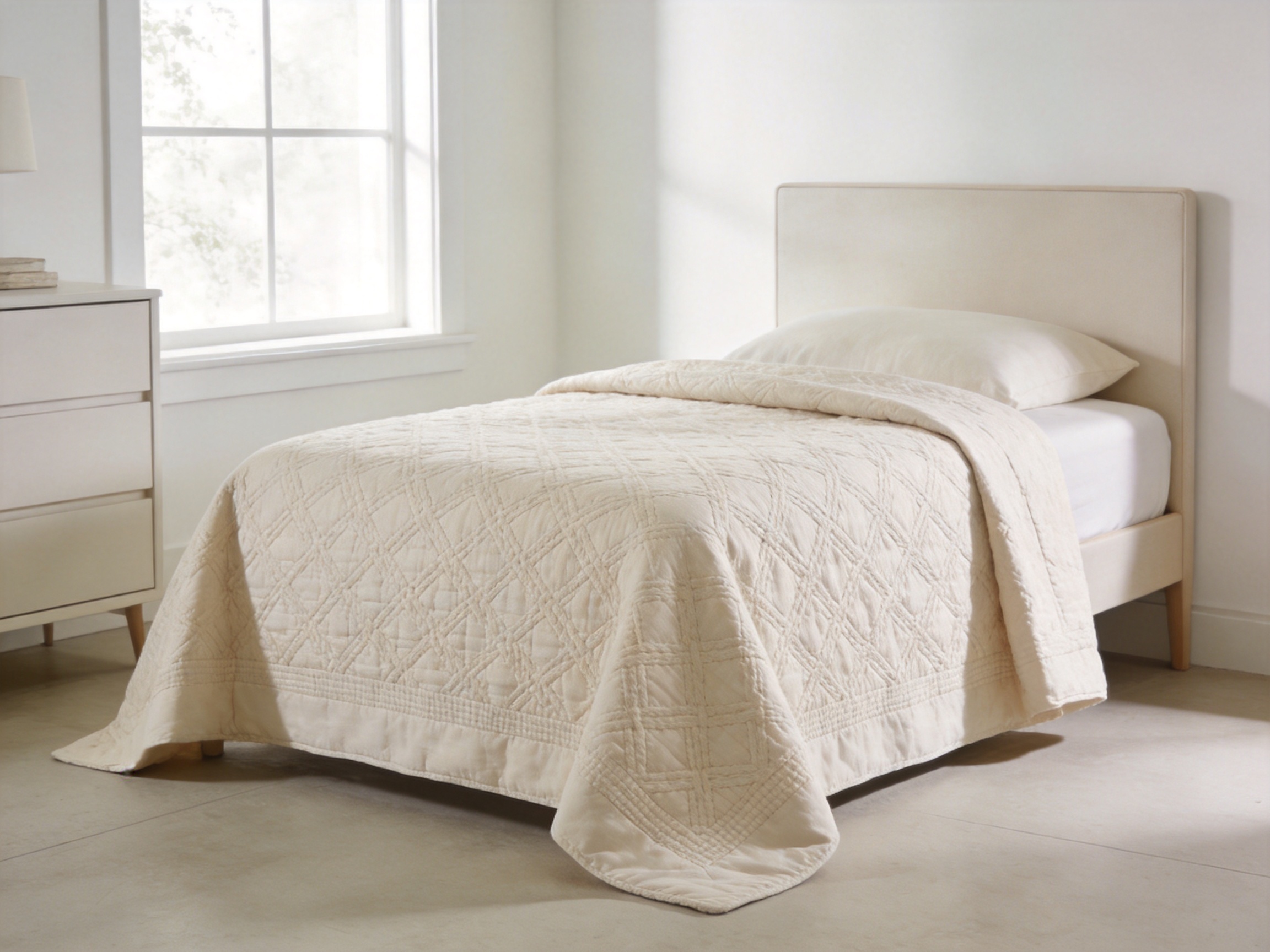
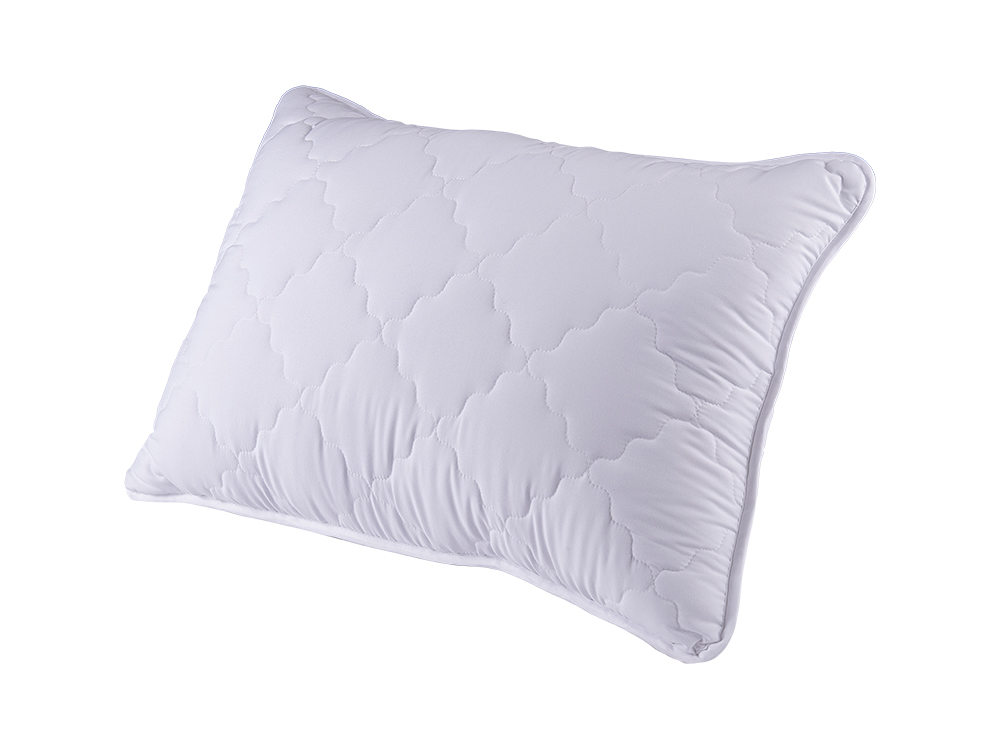
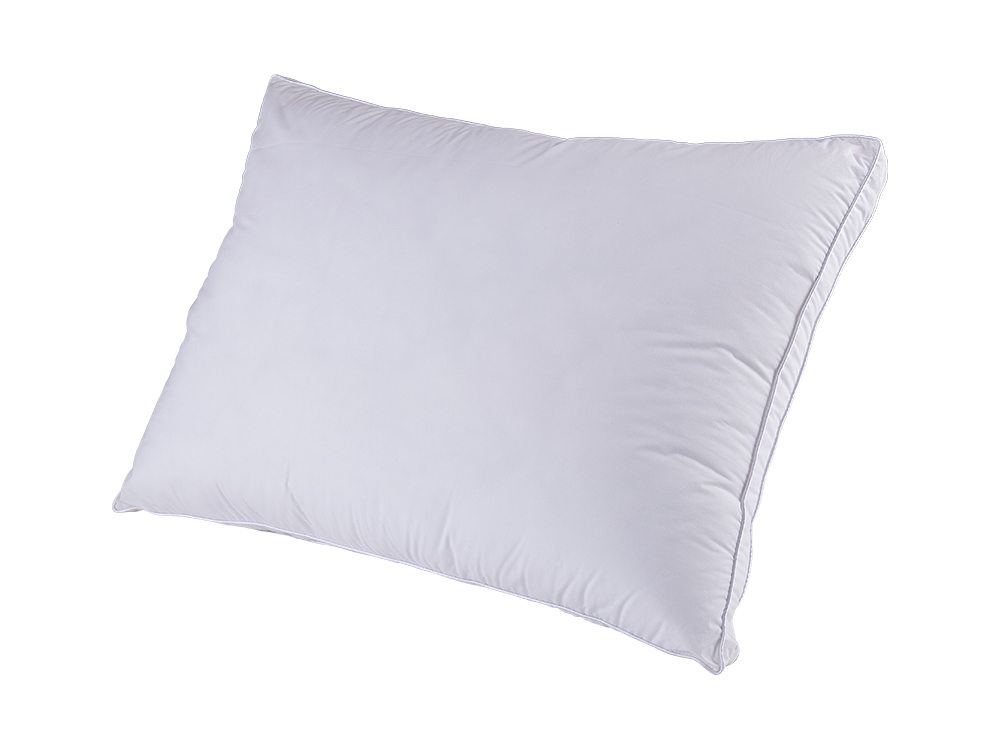
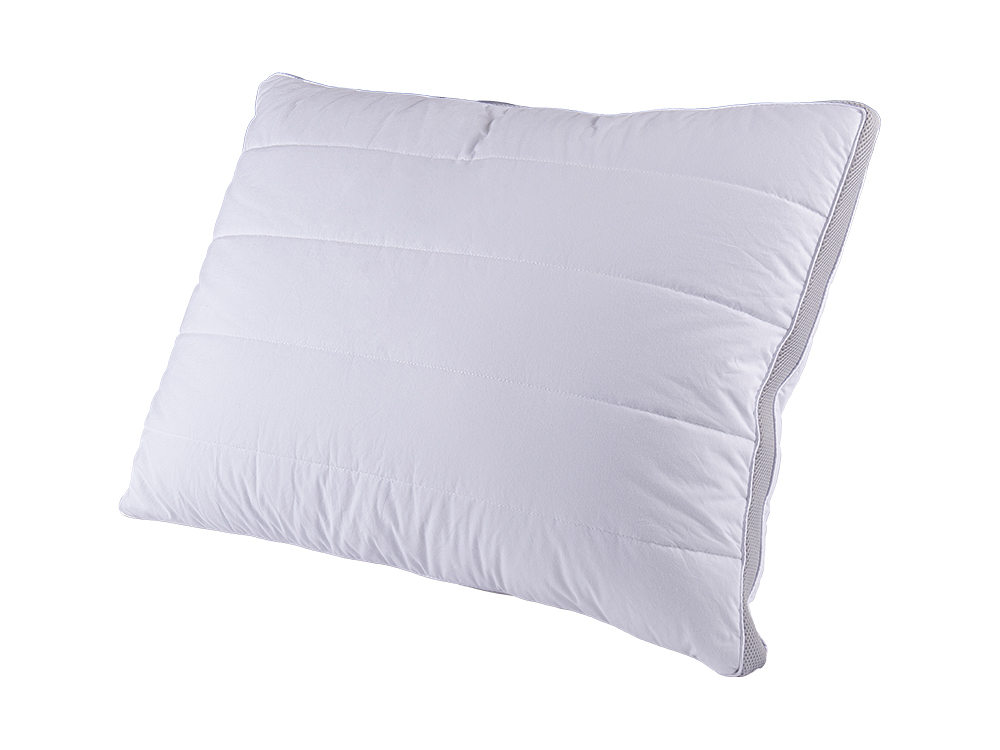
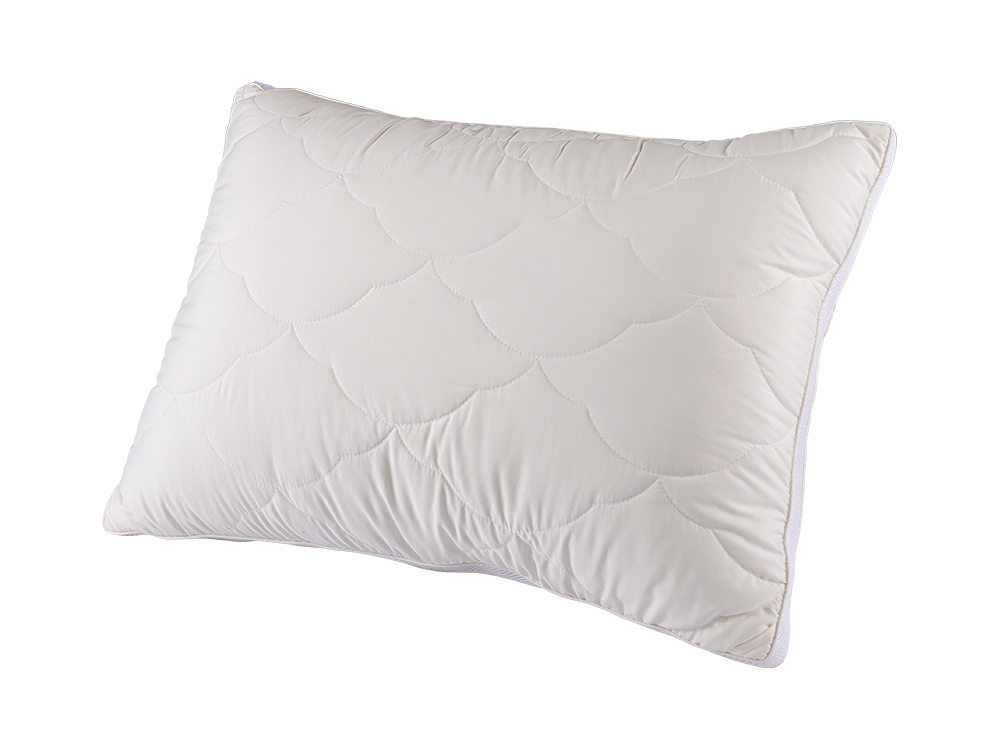
The Cotton Jacquard Quilt is a bedding product that combines a cotton jacquard fabric exterior with a carefully selected synthetic filling. Its standard size is 140 x 200 cm, making it suitable for single beds, guest rooms, children’s rooms, dormitory settings, hotels, and compact modern living spaces. The quilt is designed to deliver a soft touch, comfortable warmth, and a refined appearance while remaining easy to use in daily life.
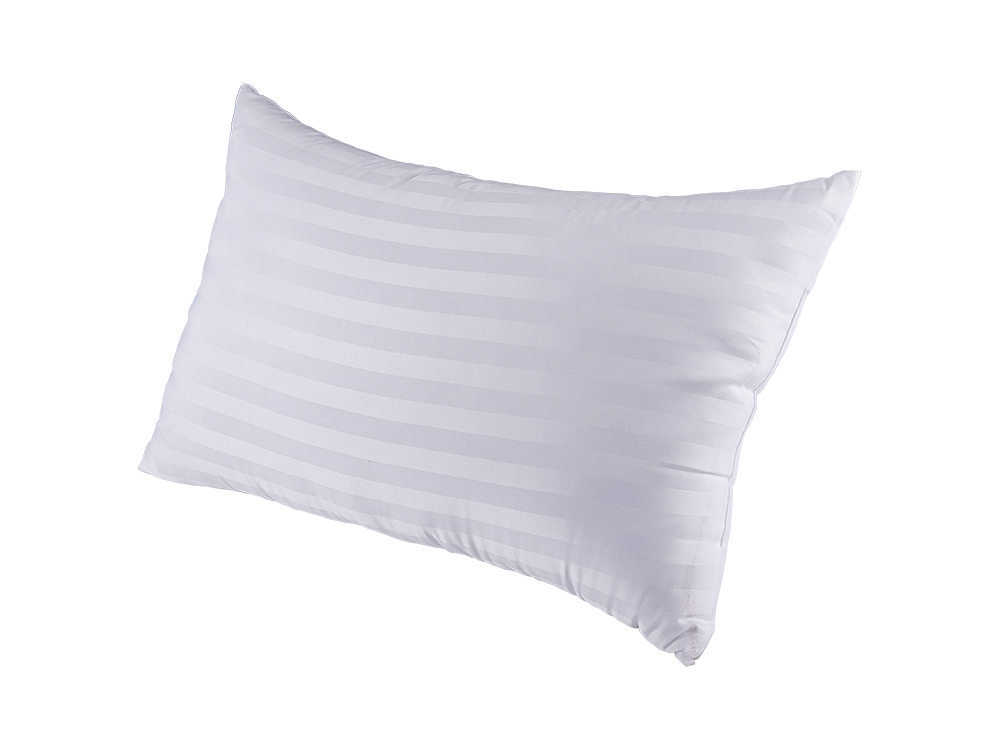
The fabric is cotton jacquard, a textile known for woven patterns and a more dimensional surface than plain fabric. Jacquard weaving creates a decorative effect directly in the fabric structure rather than relying only on printed patterns. This gives the quilt a more premium look and a subtle tactile quality. Cotton as the fabric base contributes natural softness, breathability, and skin-friendly comfort.
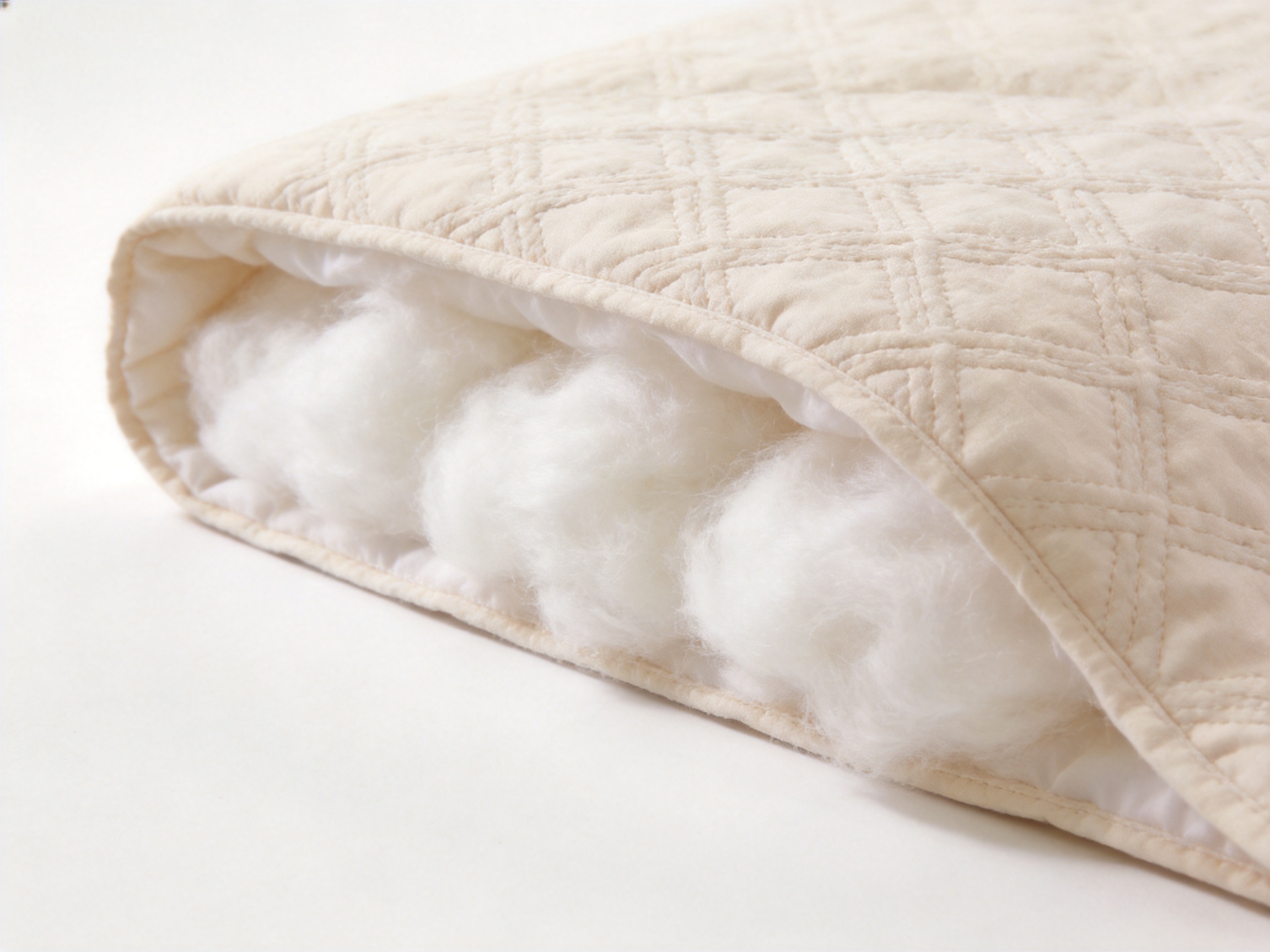
The filling is 350gsm 3D + 0.9D polyester. This means the quilt uses a filling system designed to provide loft and warmth without excessive heaviness. The 3D structure helps the filling retain volume, while the fine denier component supports a softer, more delicate hand feel. Polyester filling is also valued for durability, resilience, and easy maintenance compared with some natural fillings that may require more specialized care.
The product description emphasizes several essential qualities: natural and skin-friendly raw materials, light and breathable use, long-lasting warmth, good warmth retention value, a constant temperature sleeping environment, suitability for every season, and non-allergenic use for sensitive people and young children. These qualities position the quilt as a practical and versatile bedding choice for both household and commercial buyers.
Product Type |
Cotton Jacquard Quilt |
Category |
Cotton Quilt |
Size |
140 x 200 cm |
Fabric |
Cotton Jacquard Fabric |
Filling |
350gsm 3D + 0.9D Polyester |
Main Comfort Features |
Soft, breathable, lightweight, warm, skin-friendly, non-allergenic |
Suitable Users |
Adults, sensitive sleepers, children, guest users, hotel guests |
Seasonal Use |
Designed for year-round comfort in suitable indoor conditions |
The Value of Cotton Jacquard Fabric
Fabric is the first point of contact between the sleeper and the quilt, so it plays a major role in comfort. Cotton jacquard fabric provides several advantages that distinguish this quilt from lower-grade bedding products. Cotton is widely recognized for its softness, breathability, and natural hand feel. It allows air to circulate and helps reduce the stuffy sensation that may occur with less breathable synthetic cover fabrics.
Jacquard fabric adds another level of value. Instead of relying on a flat printed surface, jacquard patterns are woven into the material. This gives the fabric a richer texture and a refined appearance. For consumers, this means the quilt can look elegant on the bed even without an additional decorative cover. For hotels and retailers, the jacquard surface provides visual appeal that supports higher perceived value.
The elegant and simple design is one of the product’s most important characteristics. In bedding, simplicity often has practical advantages. A quilt with a clean pattern can fit many home styles and is less likely to become outdated. The Cotton Jacquard Quilt is suitable for modern apartments, family homes, hospitality spaces, and seasonal bedding collections because its design is not limited to one narrow aesthetic trend.
Compared with quilts using basic plain polyester fabric, the cotton jacquard surface offers a more comfortable touch and a stronger premium impression. Compared with overly decorative fabrics that may feel stiff or heavy, cotton jacquard maintains a balance between beauty and usability. This balance is one of the product’s competitive strengths.
Balanced Warmth Without Excessive Weight
A good quilt must provide warmth, but warmth alone is not enough. If a quilt is too heavy, it can feel restrictive. If it traps too much moisture, the sleeper may wake up uncomfortable. If it is too thin, it may not provide enough insulation. The Cotton Jacquard Quilt is designed to solve this challenge through a balanced filling specification of 350gsm 3D + 0.9D polyester.
The 350gsm filling weight supports warmth and body coverage while still allowing the quilt to remain manageable. This is particularly important for users who want a comfortable quilt for daily sleeping rather than an overly bulky winter-only product. The 3D polyester structure helps create loft, which is essential for insulation. Loft traps air within the filling, and this trapped air helps maintain warmth around the body.
The 0.9D component indicates fine fiber characteristics that contribute to softness and a more delicate feel. Fine polyester fibers can create a smoother and more comfortable filling layer, helping the quilt drape naturally over the body. A quilt that drapes well reduces cold gaps and helps maintain a stable temperature through the night.
Compared with heavy quilts that rely only on weight, this product focuses on efficient warmth retention. Its good warmth retention value supports a constant temperature sleeping environment. That is important because sleep comfort depends on temperature stability. When a quilt is too hot or too cold, the sleeper may toss, turn, or wake frequently. A quilt that maintains a more balanced microclimate can contribute to better rest.
Breathability for Multi-Season Use
One of the product’s key advantages is breathability. Breathability matters because the human body releases heat and moisture during sleep. If bedding does not allow adequate air movement, humidity can build up inside the sleep environment. This may cause dampness, overheating, or discomfort. Cotton jacquard fabric helps address this issue by allowing a more natural air exchange than many dense, non-breathable textiles.
The quilt is described as suitable for every season. In practical terms, this means it can serve as a versatile bedding option in many indoor environments. During cooler weather, the filling provides warmth. During milder seasons, the breathable fabric helps reduce the overly hot feeling sometimes associated with thick quilts. This versatility is valuable for families, retailers, hotels, and distributors because a single product can meet different seasonal needs.
For competitors that sell quilts with poor air permeability, comfort may be limited to narrow climate conditions. A quilt that performs well only in winter may be stored for much of the year. A quilt that is too thin may require extra blankets. The Cotton Jacquard Quilt provides a more flexible solution by combining softness, warmth, and breathability in one product.
Multi-season usability also offers economic value. Consumers can use the quilt more frequently and reduce the need to purchase multiple bedding pieces for different seasons. Commercial buyers can simplify inventory and offer customers a product with broad appeal. This practical versatility strengthens the quilt’s competitive position in the home textile market.
Skin-Friendly and Non-Allergenic Comfort
Many consumers today pay close attention to skin contact materials. Bedding is used for many hours every night, so softness and low irritation are essential. The Cotton Jacquard Quilt is designed with natural and skin-friendly comfort in mind. The cotton fabric helps create a gentle surface suitable for regular contact with the body.
The product is also described as non-allergenic and suitable for sensitive people and young children. This is a meaningful advantage because some sleepers are sensitive to certain natural fillings, dust retention, rough textile surfaces, or chemical odors. Polyester filling is often selected in bedding because it can provide warmth and loft while reducing concerns associated with some animal-based fillings.
For children, bedding must be soft, breathable, and comfortable. A quilt that is too heavy may not be ideal for younger users, while a quilt that lacks breathability may cause overheating. The Cotton Jacquard Quilt’s lightweight warmth and skin-friendly surface make it appropriate for households with young family members, provided the product is used according to suitable safety and care practices.
For sensitive sleepers, a quilt that feels clean, breathable, and gentle can improve comfort confidence. While no textile product can guarantee suitability for every individual, the non-allergenic positioning and careful material selection make this quilt a strong choice for customers seeking a more comfortable sleep surface.
Advantages Over Ordinary Quilts
The Cotton Jacquard Quilt has several advantages over ordinary quilts in the same general category. First, its fabric is not just a basic cover material. Cotton jacquard fabric provides both tactile comfort and decorative value. Many lower-cost quilts use simple plain-weave synthetic fabric, which may lack softness, breathability, and visual richness. By using cotton jacquard, this quilt immediately offers a more refined experience.
Second, the filling is designed for balanced performance. Some quilts use low-grade filling that becomes flat after repeated use, reducing warmth and comfort. The 3D polyester structure improves loft retention and resilience. The fine fiber component supports softness and a better drape. This helps the quilt maintain comfort through everyday use.
Third, the product focuses on constant temperature comfort. Cheaper quilts may be either too warm and stuffy or too light and ineffective. The Cotton Jacquard Quilt aims to provide warmth while supporting breathability. This makes it more adaptable to different climates and sleeping preferences.
Fourth, the quilt’s simple and elegant appearance gives it a broader market range. It can suit both home and hospitality settings. Products with overly narrow designs may appeal only to specific customers, while this quilt’s classic look can reach wider consumer groups.
Fifth, the manufacturing background adds value. A quilt is not only the sum of its materials; it is also the result of cutting, filling distribution, stitching, inspection, packaging, and quality management. Tongxiang Xinlong Bedding Co., Ltd. has long-term experience in home textile production, and this manufacturing strength supports consistent product quality.
Manufacturing Strength Behind the Product
Tongxiang Xinlong Bedding Co., Ltd. was established in January 2002 and is located in Wuzhen, Tongxiang, Jiaxing, Zhejiang Province, China. With more than two decades of development, the company has built a comprehensive manufacturing system for home textile products. Its product range includes silk cotton quilts, chemical fiber quilts, pillows, cushions, bedspreads, travel quilts, mattress protectors, blankets, quilt covers, pillowcases, shower curtains, curtains, and other textile products.
The company covers an area of 21,000 square meters, with a construction area of 18,000 square meters. This scale provides the production space needed for material storage, cutting, sewing, quilting, inspection, packing, and finished goods handling. A factory of this size can support both regular production and customized order requirements for different customers.
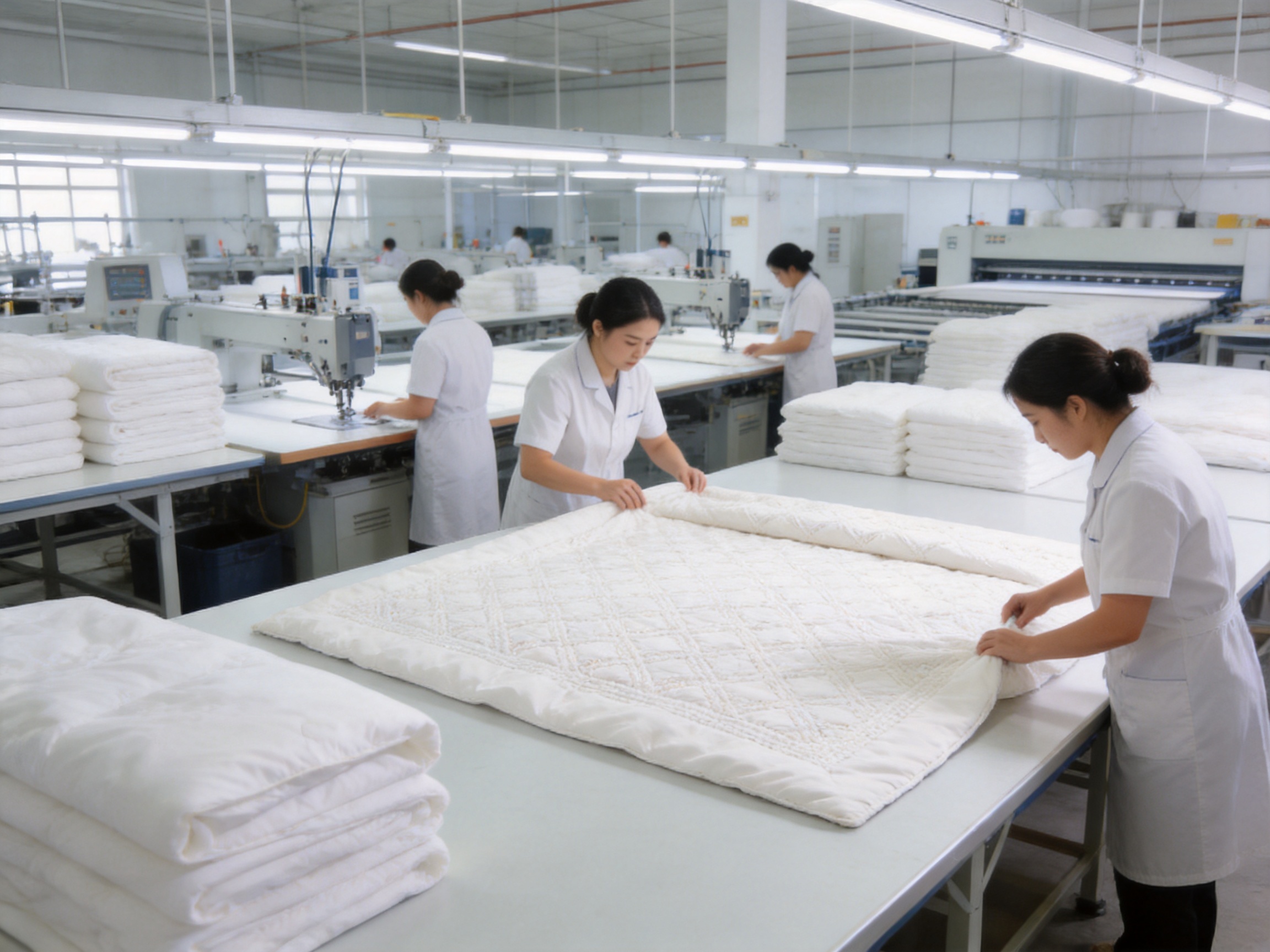
The company currently has more than 320 employees and is equipped with various advanced production equipment. Skilled workers and technical personnel are essential in bedding manufacturing because the quality of a quilt depends on many coordinated steps. Fabric must be handled carefully, filling must be distributed evenly, seams must be secure, and finished products must meet appearance and size standards.
The company continues to develop and innovate in response to the changing home textile industry. This is important because bedding trends shift over time. Customers may request new fabrics, new filling structures, new stitching designs, improved packaging, more sustainable materials, or different size specifications. A manufacturer with development capability can adapt to these demands more effectively than a factory focused only on basic production.
Advanced Production Processes
High-quality quilt production begins with material selection. For the Cotton Jacquard Quilt, the cotton jacquard fabric must be chosen for softness, appearance, durability, and suitability for quilting. The filling must meet the required weight and performance characteristics. Consistent raw material quality helps ensure that every finished quilt delivers the same level of comfort.
After material preparation, cutting accuracy is essential. The quilt size of 140 x 200 cm requires precise fabric cutting to maintain correct dimensions after sewing and finishing. Inconsistent cutting can cause uneven edges, poor fit, and reduced product value. Advanced cutting processes help improve consistency and reduce waste.
Filling placement is another key stage. A quilt’s warmth and comfort depend on even filling distribution. If filling is concentrated in some areas and thin in others, the user may experience cold spots or uneven loft. The 350gsm 3D + 0.9D polyester filling must be spread uniformly before quilting and closing. Production teams must control both the quantity and arrangement of filling.
Quilting or stitching then stabilizes the layers. Proper stitching prevents filling from shifting and helps the quilt maintain its shape during use. Stitching also contributes to the product’s visual appearance. For a jacquard quilt, the sewing design should complement the fabric texture without overwhelming it. Clean, accurate stitching reflects manufacturing discipline and attention to detail.
Quality inspection is performed to check size, fabric condition, stitching, cleanliness, filling balance, and overall appearance. A quilt may appear simple, but defects such as loose threads, uneven seams, stains, poor edge finishing, or irregular filling can affect customer satisfaction. Systematic inspection helps prevent defective products from reaching the market.
Finally, packaging protects the quilt during storage and transportation. Proper compression, folding, labeling, and carton packing are important for wholesalers, retailers, e-commerce sellers, and hospitality buyers. A well-packed quilt arrives in better condition and creates a stronger first impression when opened by the customer.
Quality Management and Certifications
The company has passed international certifications such as ISO9001, ISO14001, OEKO-100, OEKO-STEP, GRS, and BSCI. These certifications reflect a broad commitment to quality systems, environmental management, product safety, responsible textile standards, recycled material chain considerations, and social compliance. For global buyers, certifications are often important indicators when selecting a bedding supplier.
ISO9001 relates to quality management systems. In bedding production, a quality system helps standardize procedures, control documents, improve traceability, and support continuous improvement. This is valuable because consistent quality cannot rely only on individual worker experience; it must be supported by structured processes.
ISO14001 relates to environmental management. Textile production involves materials, energy, water, packaging, and waste control. A manufacturer with environmental management awareness is better positioned to meet modern market expectations and customer requirements for responsible production.
OEKO-related certifications are particularly relevant to textiles because they address concerns around harmful substances and responsible production. For a product used close to the skin, textile safety matters. Customers purchasing bedding for families, children, hotels, or healthcare-adjacent environments often prefer suppliers that understand textile safety standards.
BSCI reflects attention to social responsibility and business compliance in supply chains. Many international buyers require evidence that suppliers operate under acceptable labor and management conditions. This gives customers more confidence when building long-term procurement relationships.
Since 2016, the company has also been rated as a safety production standardization enterprise for several consecutive years. Safe production management supports stable manufacturing, protects workers, and reduces operational risk. For buyers, stable and safe manufacturing helps ensure reliable delivery and consistent cooperation.
Comfort Engineering: Creating a Constant Temperature Sleeping Environment
The phrase “constant temperature sleeping environment” is important because sleep comfort depends on thermal balance. During the night, the body’s temperature changes. Bedding must support warmth during cooler periods while allowing excess heat and moisture to escape. The Cotton Jacquard Quilt uses a breathable cotton fabric and resilient polyester filling to help create this balance.
The cotton jacquard cover contributes air permeability and a pleasant hand feel. The polyester filling contributes loft and insulation. Together, these layers form a microclimate between the body and the bedroom air. When the quilt performs well, the sleeper feels comfortably covered without being overheated.
Compared with quilts that use dense synthetic shells, the cotton jacquard fabric can feel more natural and less clammy. Compared with heavy natural-filled quilts, the polyester filling can be easier to manage and less demanding in care. This gives the product a practical comfort profile for a wide range of users.
Thermal comfort is not only about material; it is also about construction. Even filling distribution, suitable stitching density, and correct fabric tension all affect the final sleeping experience. A well-manufactured quilt avoids cold patches, excessive compression, and uneven drape. This is where factory capability directly supports product performance.
Applications in Home and Commercial Bedding
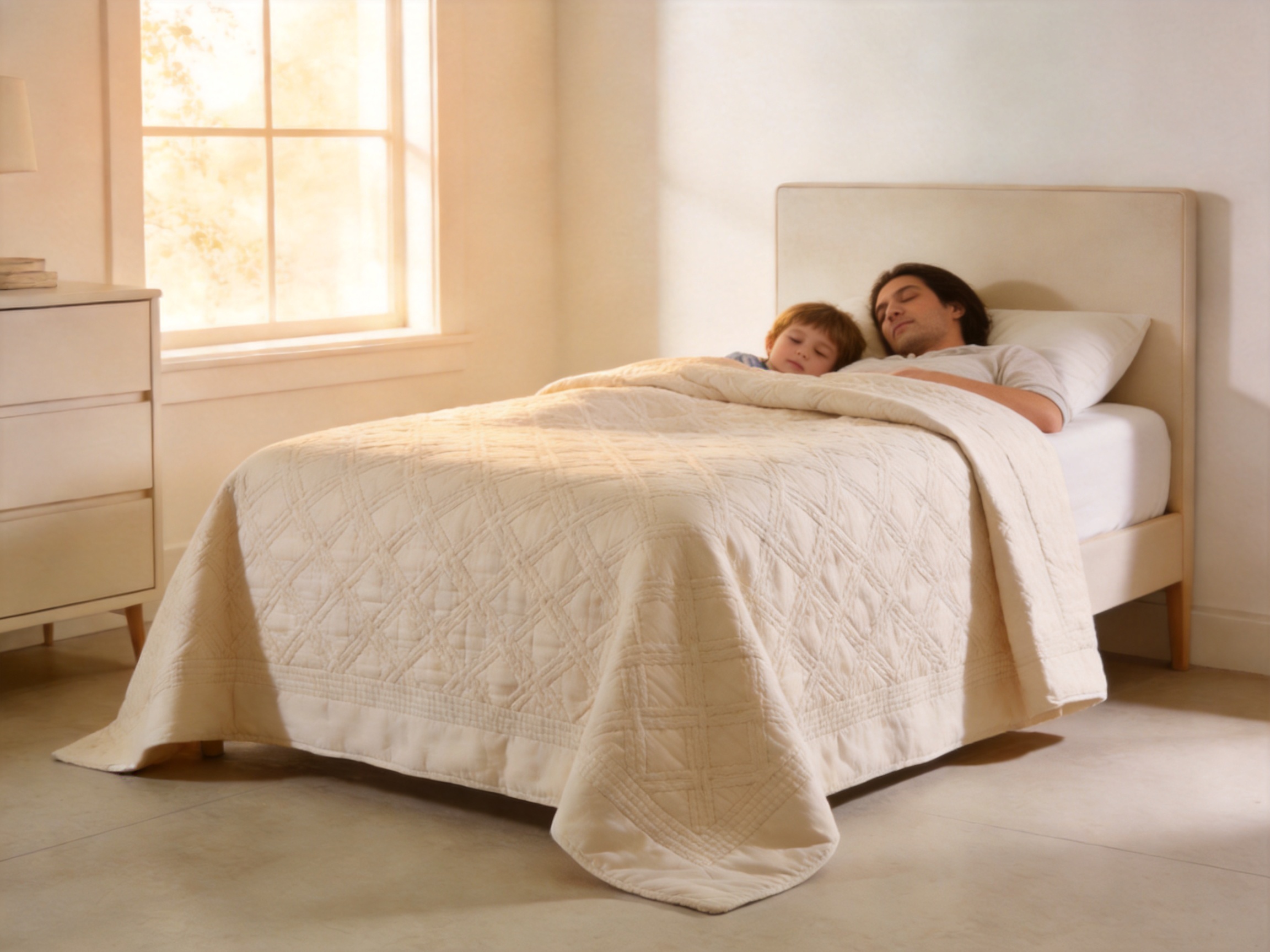
The Cotton Jacquard Quilt is suitable for many bedding applications. In household use, it can serve as a daily quilt for bedrooms, guest rooms, children’s rooms, and seasonal bedding arrangements. Its 140 x 200 cm size is convenient for single-person use and is easy to fold, store, and handle.
For guest rooms, the quilt’s elegant appearance and moderate warmth make it a practical choice. Guest bedding should be comfortable for different sleepers, and a breathable, non-allergenic quilt can help accommodate varied preferences. The clean design also keeps the room looking organized and inviting.
For hotels and hospitality projects, the quilt offers a balance of appearance, comfort, and manufacturability. Hotels need bedding that looks presentable, performs consistently, and can be sourced reliably. The manufacturer’s production scale and product range make it possible to support such procurement needs.
For retailers and distributors, the quilt has strong selling points: cotton jacquard fabric, soft touch, breathable comfort, year-round usability, skin-friendly materials, and a refined look. These features can be communicated clearly to consumers and help distinguish the product from basic quilts.
For e-commerce sellers, the product specification is easy to present. The size, fabric, filling, comfort features, and user suitability can be clearly listed. The product’s elegant surface also supports attractive product photography and online merchandising.
Customization and Product Development Potential
Although the provided specification describes a 140 x 200 cm Cotton Jacquard Quilt, the manufacturer’s broader capabilities suggest potential for custom bedding solutions. Tongxiang Xinlong Bedding Co., Ltd. offers home textile products for various customers and has experience producing many categories. This background supports flexibility in size, fabric selection, filling composition, quilting pattern, packaging, and other product details depending on buyer requirements.
Customization is important in today’s bedding market because different regions have different bed sizes, climate conditions, design preferences, and regulatory expectations. European customers may require specific dimensions. Hospitality buyers may require standardized packaging and labels. Retailers may request coordinated product collections. E-commerce brands may need compact packaging and clear care instructions.
A manufacturer with technical personnel and advanced equipment can respond to these needs more efficiently. Product development may include adjusting the filling weight for warmer or cooler climates, changing the jacquard pattern, selecting different fabric finishes, or creating matching pillow and mattress protector sets.
This flexibility gives the Cotton Jacquard Quilt a strong foundation as both a finished product and a platform for customer-specific bedding development. Buyers are not limited to a generic commodity item; they can work with the manufacturer to create products that fit their market positioning.
Durability and Everyday Practicality
Durability is a central concern for bedding buyers. A quilt must maintain comfort and appearance through regular use. The Cotton Jacquard Quilt benefits from a woven cotton jacquard surface that provides texture and visual depth. The filling system is selected to support loft and resilience. Proper stitching helps keep the filling stable and reduces shifting.
Everyday practicality also includes handling. A quilt that is too bulky can be difficult to fold, air, store, or transport. This product’s balanced weight makes it easier to manage than many heavy quilts. Its 140 x 200 cm size is convenient for individual use and simple household care routines.
Polyester filling also offers practical advantages. It is commonly used in modern bedding because it can be resilient, lightweight, and easier to maintain than some delicate natural fillings. For consumers who want comfort without complicated care, this is a meaningful benefit.
In commercial settings, durability affects cost efficiency. Bedding that loses shape quickly must be replaced more often. Quilts with poor stitching can create complaints and returns. A product made through controlled manufacturing processes can help reduce these risks.
Design Appeal: Elegant, Simple, and Timeless
The product’s design is described as elegant and simple. This is not a minor detail. In home textiles, visual design influences purchase decisions and long-term satisfaction. A quilt that looks refined can improve the overall appearance of a bedroom. At the same time, a simple design avoids the problem of becoming outdated quickly.
Cotton jacquard fabric naturally supports this design philosophy. Its woven texture can create subtle patterns without loud colors or excessive decoration. This allows the quilt to look premium while remaining versatile. It can coordinate with white sheets, neutral interiors, wooden furniture, modern apartments, or traditional bedrooms.
For retailers, a timeless design reduces inventory risk because the product is not tied to a short-lived trend. For hotels, it supports a clean and consistent room presentation. For households, it offers a quilt that can remain attractive across changes in bedroom décor.
Compared with printed quilts, jacquard textiles often provide a more durable sense of design because the pattern is part of the fabric structure. While care and use conditions always matter, woven texture can create a more lasting premium impression than surface decoration alone.
Why This Quilt Stands Out in a Competitive Market
The bedding market is crowded, and many quilts appear similar at first glance. However, differences in fabric, filling, construction, certification, and factory capability can create very different user experiences. The Cotton Jacquard Quilt stands out because it combines consumer-facing comfort with manufacturer-backed quality control.
Its cotton jacquard fabric distinguishes it from low-end quilts that rely on ordinary synthetic covers. Its 350gsm 3D + 0.9D polyester filling distinguishes it from flat, low-resilience alternatives. Its breathable and skin-friendly performance distinguishes it from quilts that feel hot, rough, or uncomfortable. Its elegant simplicity distinguishes it from products with overly specific patterns that may not suit broad markets.
The company’s production strength also gives the product an advantage. Buyers are not simply purchasing a quilt; they are working with an experienced bedding manufacturer that has production scale, certifications, technical teams, and a broad understanding of home textile categories. This matters for consistent quality, repeat orders, custom projects, and long-term supply reliability.
For international buyers, certifications and manufacturing discipline reduce uncertainty. For consumers, comfort and appearance create immediate value. For retailers, clear product benefits support marketing. For hotels, stable quality and practical use support operational needs. These combined advantages make the quilt a strong choice in both consumer and business-to-business markets.
Responsible Production and Modern Market Expectations
Modern bedding customers increasingly consider more than price. They ask whether products are safe, comfortable, responsibly produced, and consistent in quality. Certifications such as ISO9001, ISO14001, OEKO-100, OEKO-STEP, GRS, and BSCI help demonstrate that the manufacturer understands these expectations.
Responsible production does not only mean using certain materials. It also includes process control, worker safety, environmental management, supplier management, and continuous improvement. The company’s safety production standardization recognition since 2016 further supports its commitment to organized production.
For buyers developing private-label bedding collections, working with a certified and experienced manufacturer can reduce supply chain risk. It also helps meet the expectations of retailers, importers, and consumers who want confidence in textile quality and production integrity.
The Cotton Jacquard Quilt benefits from this responsible production background. Its comfort claims are supported not only by materials but also by the systems used to produce, inspect, and deliver the final product.
Care, Use, and Customer Experience
To preserve the quilt’s comfort and appearance, users should follow the care instructions provided with the finished product. In general, quilts benefit from regular airing, gentle handling, and proper storage in a clean, dry place. Avoiding excessive moisture helps protect loft and freshness. Using a suitable quilt cover can also reduce direct soiling and extend the life of the quilt.
Because the fabric is cotton jacquard, users should treat the surface with care to maintain its texture. Harsh friction, improper washing, or unsuitable drying may affect appearance. For commercial buyers, care instructions should be communicated clearly to housekeeping teams or end users.
Customer experience begins from the moment the quilt is unpacked. A product that feels soft, looks clean, and has an elegant texture creates a positive first impression. During use, balanced warmth and breathability contribute to sleep comfort. Over time, stable filling and good stitching help maintain satisfaction.
For families, the quilt’s non-allergenic and skin-friendly positioning makes it reassuring for everyday bedding. For hotels, consistent comfort supports guest satisfaction. For retailers, positive user experience can reduce returns and increase repeat purchases.
Q&A Section
What is the main fabric of the Cotton Jacquard Quilt?
The quilt uses cotton jacquard fabric. This fabric provides a soft, breathable, and skin-friendly surface while adding a refined woven texture that improves the quilt’s visual appeal.
What filling is used inside the quilt?
The filling is 350gsm 3D + 0.9D polyester. This filling structure is designed to provide warmth, loft, softness, and resilience without making the quilt excessively heavy.
What size is the quilt?
The specified size is 140 x 200 cm. This makes it suitable for single beds, guest rooms, children’s rooms, compact bedrooms, and hospitality use.
Is the quilt suitable for all seasons?
Yes, the quilt is designed for multi-season use in suitable indoor conditions. Its filling provides warmth, while the cotton jacquard fabric supports breathability to help reduce stuffiness.
Is this quilt suitable for sensitive sleepers?
The product is described as non-allergenic and suitable for sensitive people and young children. Its skin-friendly cotton surface and polyester filling make it a comfortable option for many users who prefer gentle bedding materials.
How does cotton jacquard fabric differ from plain fabric?
Jacquard fabric has patterns woven into the textile structure rather than simply printed on the surface. This gives the quilt a richer texture, a more elegant appearance, and a premium hand feel compared with many plain fabrics.
What makes this quilt different from cheaper alternatives?
The quilt combines cotton jacquard fabric, balanced polyester filling, breathable comfort, refined design, and controlled manufacturing. Many cheaper alternatives may use ordinary fabric, uneven filling, weak stitching, or less consistent quality control.
Can the product be used by children?
The quilt is suitable for young children when used appropriately according to normal bedding safety practices. Its lightweight warmth, breathable fabric, and skin-friendly feel make it a practical choice for family use.
Why is the manufacturer’s certification background important?
Certifications such as ISO9001, ISO14001, OEKO-related standards, GRS, and BSCI indicate that the manufacturer pays attention to quality management, environmental practices, textile safety, responsible production, and supply chain compliance.
Is the quilt appropriate for hotel or guest room use?
Yes. The quilt’s elegant appearance, balanced warmth, breathable comfort, and stable manufacturing background make it suitable for hotels, guest rooms, and other hospitality environments.
Conclusion
The Cotton Jacquard Quilt offers a strong combination of comfort, elegance, and practical performance. Its cotton jacquard fabric creates a soft and refined surface, while the 350gsm 3D + 0.9D polyester filling provides warmth, loft, and resilience. The product is light, breathable, skin-friendly, and suitable for year-round use in appropriate indoor conditions.
Its advantages over ordinary quilts are clear. It provides better fabric quality than basic synthetic covers, better comfort balance than overly heavy quilts, better design versatility than trend-based patterns, and stronger quality assurance through experienced manufacturing. For sensitive sleepers, children, families, hospitality buyers, retailers, and distributors, these features create meaningful value.
The manufacturing strength of Tongxiang Xinlong Bedding Co., Ltd. further enhances the product’s reliability. With extensive experience in home textile production, a large production facility, advanced equipment, skilled employees, technical development capability, and multiple international certifications, the company is well positioned to produce bedding that meets modern market expectations.
In a competitive bedding market, the Cotton Jacquard Quilt stands out because it does not rely on a single advantage. Instead, it brings together material comfort, thoughtful construction, elegant appearance, reliable warmth, breathable performance, and professional manufacturing. It is a quilt designed not only to cover the body, but to improve the sleeping environment with comfort, simplicity, and dependable quality.
References
Textile Institute. Textile Terms and Definitions. Manchester: The Textile Institute.
Kadolph, Sara J. Textiles. Pearson Education.
Collier, Billie J., and Phyllis G. Tortora. Understanding Textiles. Pearson.
International Organization for Standardization. ISO 9001 Quality Management Systems: Requirements.
International Organization for Standardization. ISO 14001 Environmental Management Systems: Requirements with Guidance for Use.
OEKO-TEX Association. Standard 100 by OEKO-TEX: General and Special Conditions.
OEKO-TEX Association. STeP by OEKO-TEX: Sustainable Textile and Leather Production.
Textile Exchange. Global Recycled Standard Implementation Manual.
amfori. BSCI Code of Conduct and System Manual.


 +86-573-88798028