



 Français
 Español
 Deutsch
Content
- 1 What Makes the Cationic Polyester Quilt Stand Out?
- 2 Advanced Manufacturing Processes Behind the Quilt
- 3 How the Cationic Polyester Quilt Outperforms Competitors
- 4 Customer Insights & Real-World Use Cases
- 5 Q&A: Common Questions About the Cationic Polyester Quilt
- 5.1 Q1: Is the Cationic Polyester Quilt machine-washable?
- 5.2 Q2: What size is the quilt?
- 5.3 Q3: Is the quilt hypoallergenic?
- 5.4 Q4: How long does the quilt retain its fluffiness?
- 5.5 Q5: Does the fabric fade over time?
- 5.6 Q6: Is the quilt suitable for all seasons?
- 5.7 Q7: What certifications does the quilt have?
- 5.8 Q8: Can the quilt be customized?
- 5.9 Q9: Is the quilt made from recycled materials?
- 5.10 Q10: How does the quilt compare to cotton quilts?
- 6 References
For millions of people around the world, a good night’s sleep is often tied to one key element: the bedding they use. Whether it’s a cozy quilt for cool evenings or a lightweight layer for warm summer nights, the quality of your bedding can make or break your rest. In recent years, a new type of quilt has emerged as a favorite among consumers—one that combines style, durability, and ease of care like never before: the Cationic Polyester Quilt. This innovative product is not just another bedding item; it’s a result of advanced textile technology and meticulous manufacturing processes that set it apart from competitors. In this article, we’ll explore what makes this quilt a standout choice, how it outperforms other options on the market, and the cutting-edge practices that go into making it.
Before diving into the details of the Cationic Polyester Quilt, let’s set the context: modern consumers are looking for bedding that fits their busy lifestyles. They want products that are stylish enough to complement their bedroom decor, durable enough to last for years, and easy to care for without sacrificing comfort. Traditional quilts often fall short in one or more of these areas—whether they fade quickly, require special cleaning, or lose their fluffiness after a few washes. The Cationic Polyester Quilt addresses all these pain points, making it a top choice for anyone in search of a reliable, high-quality bedding solution.
What Makes the Cationic Polyester Quilt Stand Out?
The Cationic Polyester Quilt is more than just a soft layer for your bed—it’s a product designed with consumer needs in mind. From its unique fabric to its innovative fill material, every aspect of this quilt is engineered to deliver superior performance. Let’s break down its key features and how they benefit users.
1.1 Cationic Fabric: Style Meets Durability
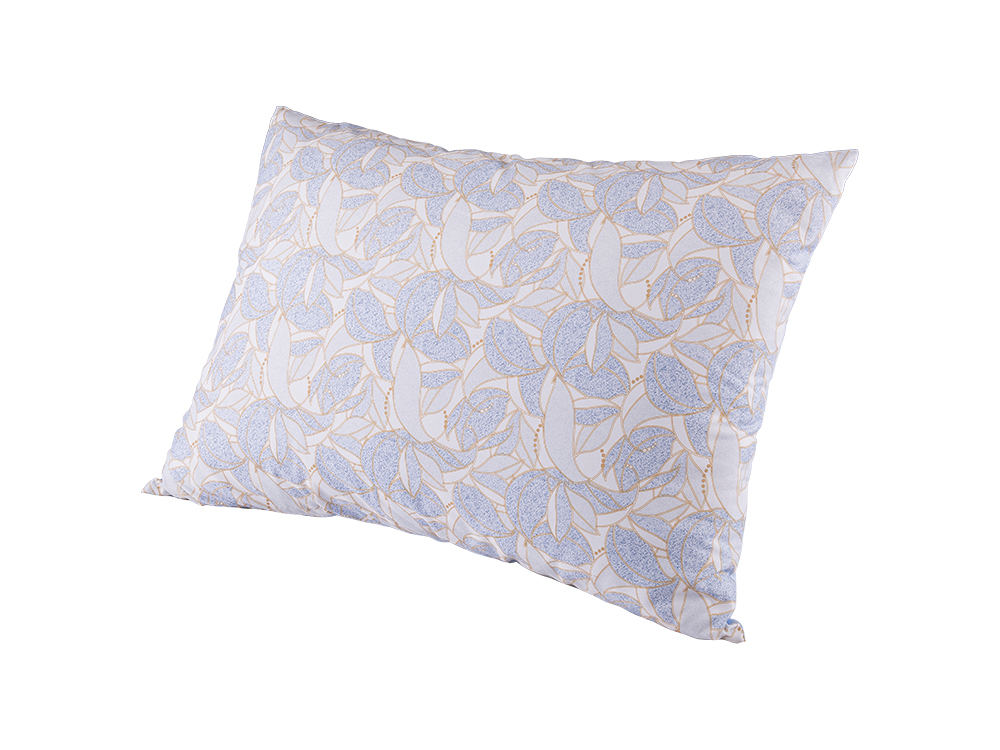
At the heart of the Cationic Polyester Quilt is its eponymous fabric—cationic polyester. Unlike regular polyester fibers, cationic polyester has a modified molecular structure that allows for better dye absorption. This means the fabric can be piece-dyed (dyed after being woven into a fabric) to create a printed effect that looks vibrant and detailed, without the risk of fading that often plagues printed fabrics. For young consumers who value style, this is a huge plus: the quilt adds a touch of modern flair to any bedroom without the hassle of maintaining a printed design.
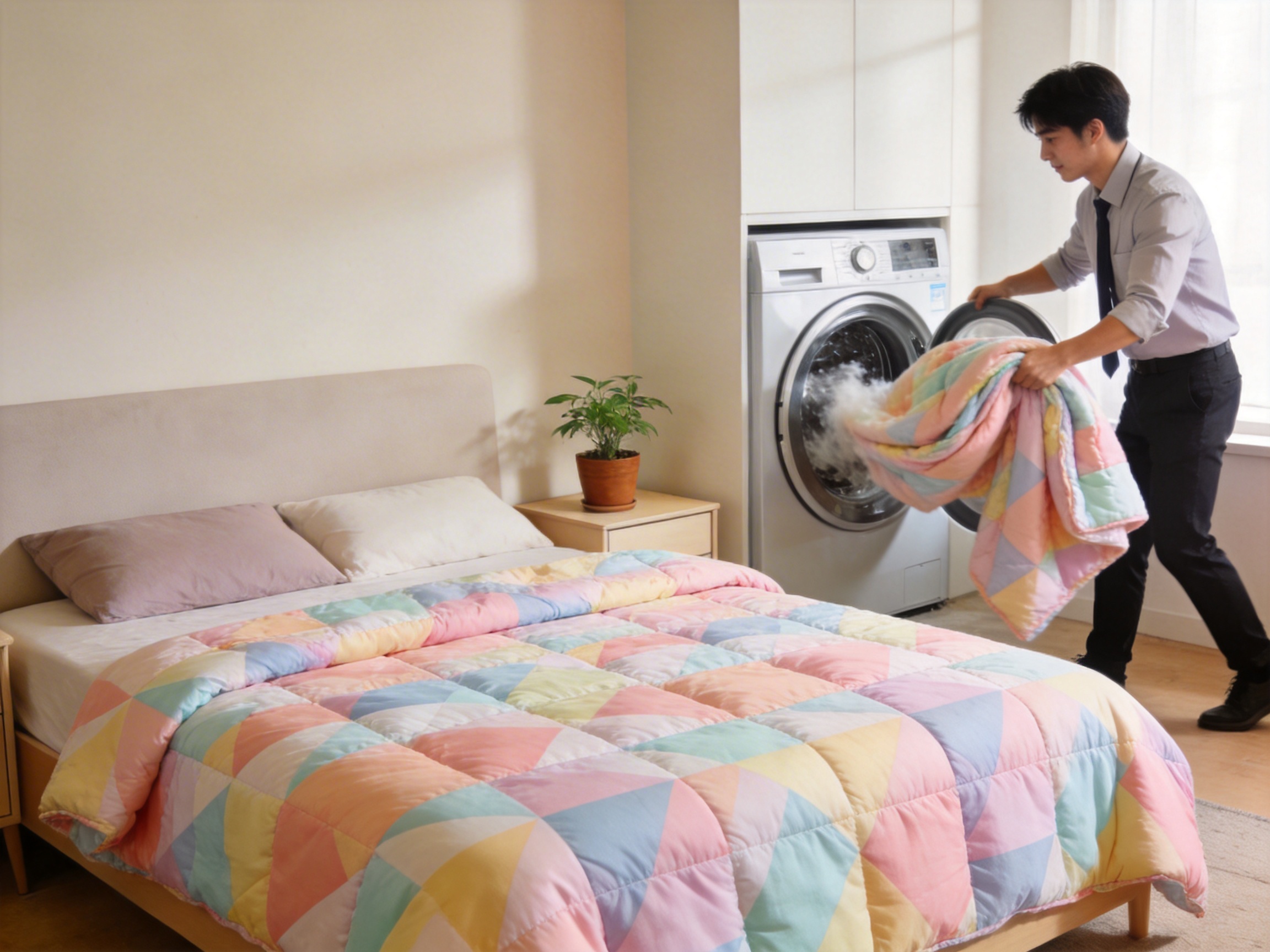
But style isn’t the only benefit of cationic fabric. It’s also incredibly easy to care for. Unlike cotton or silk quilts that require hand washing or dry cleaning, the Cationic Polyester Quilt can be thrown directly into the washing machine. This is a game-changer for busy professionals, parents, or anyone who doesn’t have time for complicated cleaning routines. The fabric is also resistant to wrinkles, so you don’t have to iron it after washing—just fold it and put it back on the bed.
To put this into perspective: regular polyester quilts often fade after 5-10 washes, while the Cationic Polyester Quilt can withstand up to 25 washes without losing its color vibrancy. Cotton blend quilts, on the other hand, shrink by up to 5% after washing and require line drying to prevent further shrinkage—something that’s not feasible for many people. The cationic fabric’s shrink-resistant properties mean it will keep its shape and size for years to come.
1.2 Innovative Lining: Fluffiness That Lasts
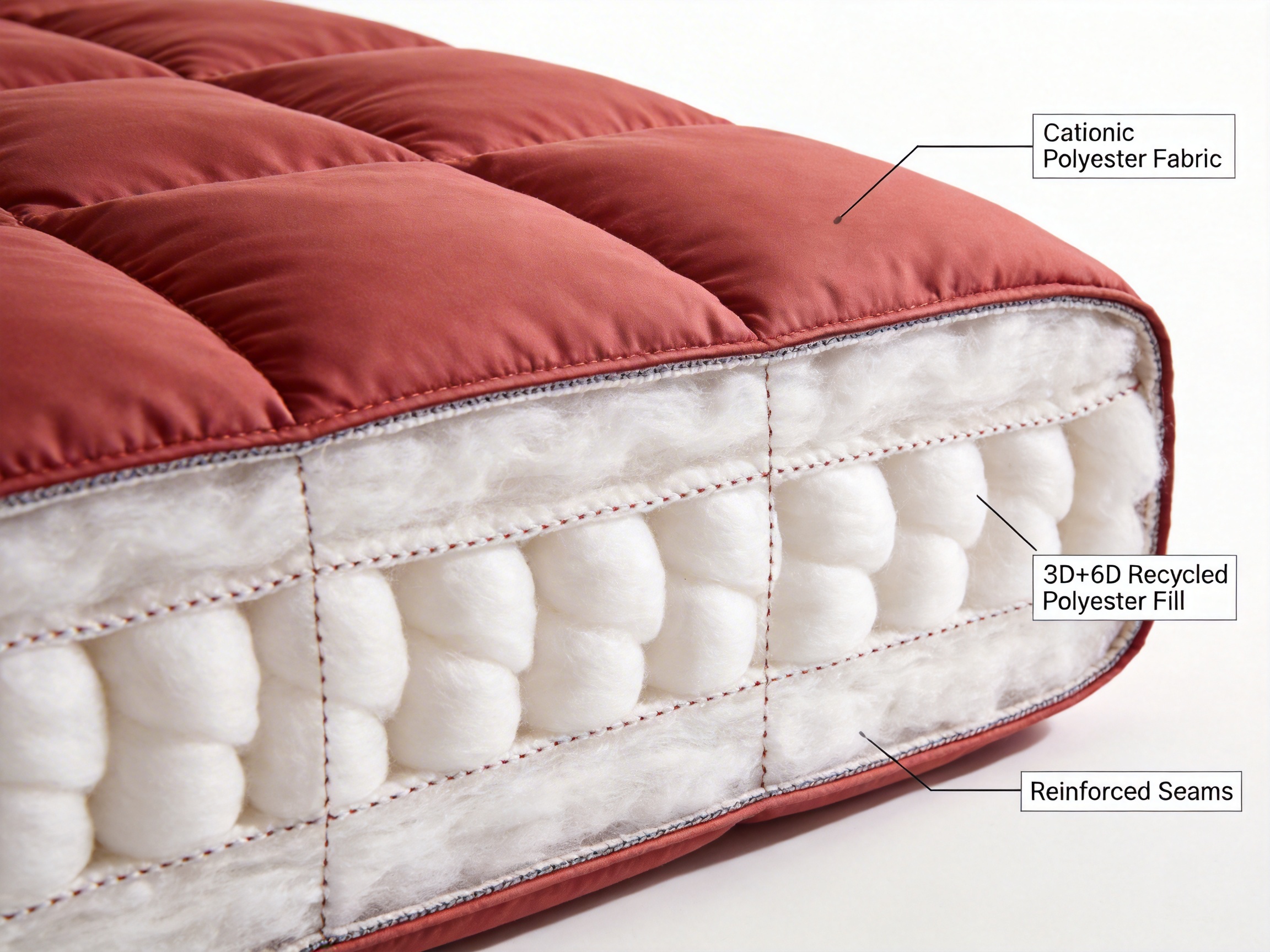
While the outer fabric is important, the lining (or fill) of a quilt is what determines its comfort and warmth. The Cationic Polyester Quilt uses a unique combination of 3D and 6D polyester fibers, which are engineered to provide maximum loft and breathability. Let’s explain what these fibers do: 3D polyester fibers are hollow, which allows air to circulate freely, keeping you cool in warm weather and warm in cool weather. 6D polyester fibers are thicker and denser, adding extra fluffiness and insulation without making the quilt heavy.
Combined, these two types of fibers create a lining that is both lightweight and warm—perfect for all seasons. Unlike regular polyester fill (which is often 1D or 2D and clumps easily), the 3D+6D blend resists clumping and flattening. This means the quilt will retain its shape and fluffiness for up to 5 years, which is 2-3 times longer than many competitor quilts. For consumers, this translates to fewer replacements and more consistent comfort over time.
Another key benefit of the lining is its hypoallergenic properties. The 3D+6D polyester fibers are tightly woven, which prevents dust mites and allergens from settling in. This makes the quilt a great choice for people with allergies or sensitive skin—something that many cotton or down-filled quilts can’t claim.
1.3 Size & Versatility: Perfect for Any Bedroom
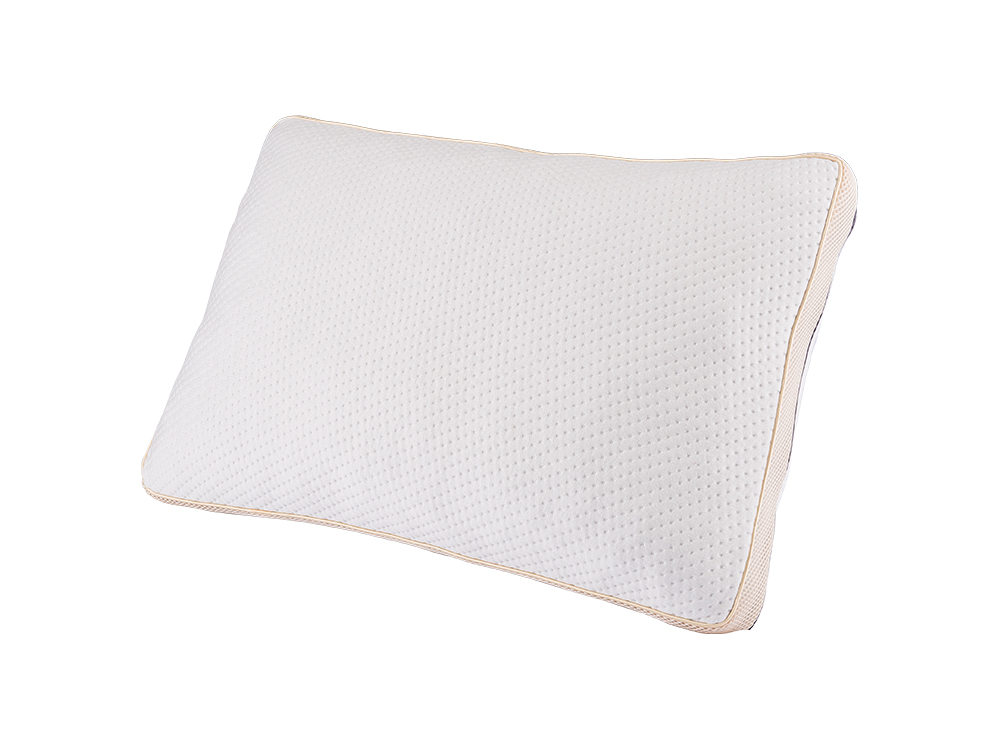
The Cationic Polyester Quilt comes in a standard size of 160x200 cm, which fits most double beds. This size is versatile enough to be used in various bedroom setups—whether you’re decorating a small apartment or a spacious master bedroom. It’s also lightweight enough to be used as a standalone layer in spring and fall, or as an extra layer under a comforter in winter. For summer, it works as a breathable top layer that keeps you cool without overheating.
Additionally, the quilt is available in custom sizes for customers who need larger or smaller options. This flexibility is a big plus for hotels, Airbnb hosts, or anyone who wants a quilt that fits their specific bed size.
All these features combined make the Cationic Polyester Quilt a standout product in the home textile market. But what about the manufacturing processes that go into making it? Let’s take a closer look at how this quilt is produced and why the company behind it is a leader in the industry.
Advanced Manufacturing Processes Behind the Quilt
The Cationic Polyester Quilt isn’t just a result of good materials—it’s the product of advanced manufacturing processes that ensure quality, consistency, and sustainability. The company behind this quilt has over 20 years of experience in home textile production, and it invests heavily in technology and skilled labor to deliver the best possible product.
2.1 Raw Material Selection: Quality at the Source
Every product starts with raw materials, and the company behind the Cationic Polyester Quilt takes this very seriously. The cationic polyester fabric is sourced from reputable suppliers that specialize in high-quality textile fibers. Before being used in production, each batch of fabric is tested for color fastness, shrinkage resistance, and durability. This ensures that only the best materials make it to the manufacturing floor.
The 3D+6D polyester lining is made from recycled polyester fibers, which aligns with the company’s commitment to sustainability. The recycled fibers are sourced from post-consumer plastic bottles, which are cleaned, melted down, and spun into new fibers. This not only reduces waste but also lowers the carbon footprint of the product—something that’s increasingly important to modern consumers. Each batch of recycled fibers is tested to ensure it meets the company’s strict quality standards, including tensile strength and consistency.
2.2 Cutting & Assembly: Precision & Efficiency
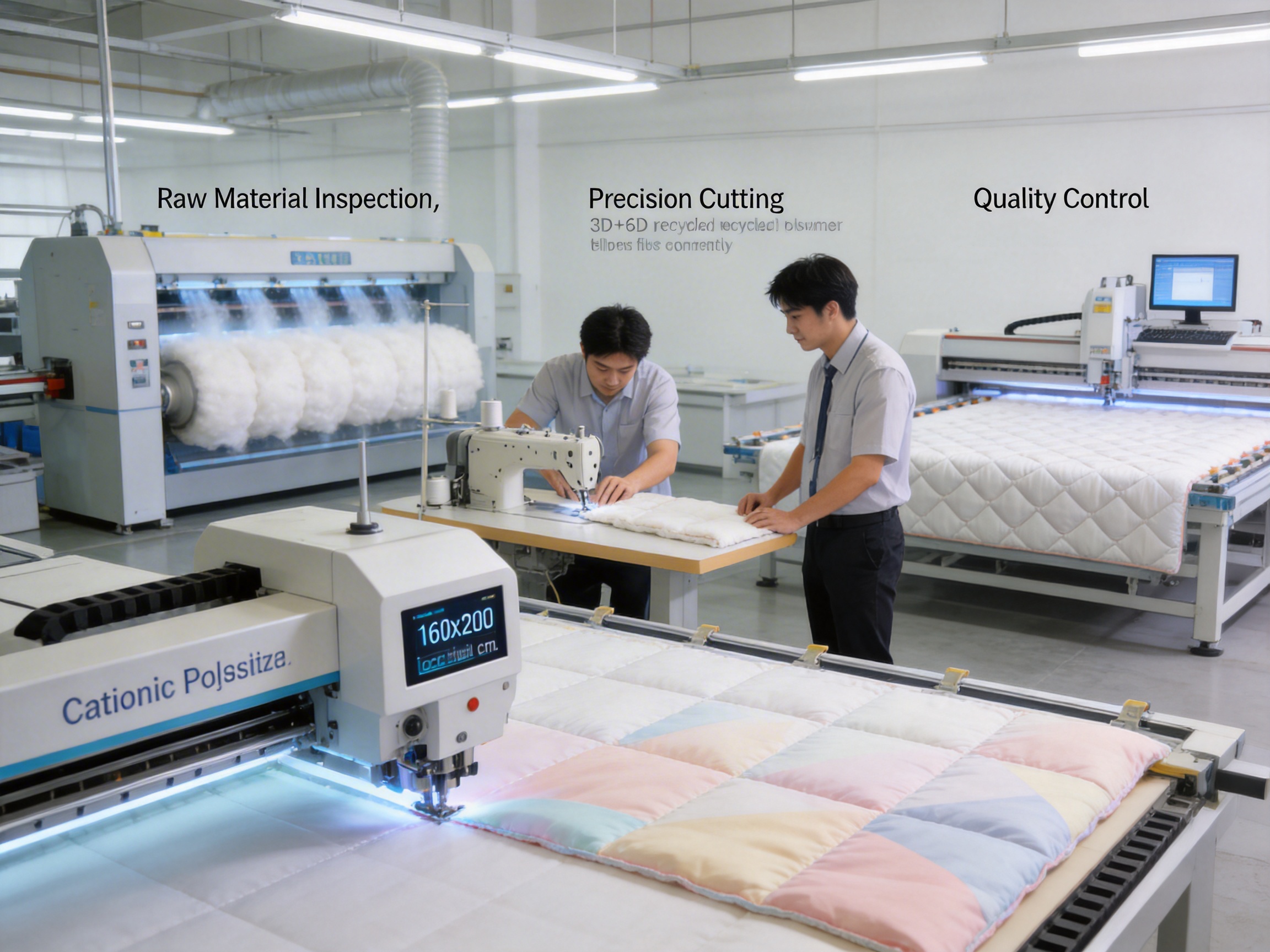
Once the raw materials are approved, the next step is cutting and assembly. The company uses automated cutting machines that are programmed to cut the fabric to exact dimensions (160x200 cm for the standard size). These machines are accurate to within 1 mm, ensuring that every quilt is the same size and shape. This precision is crucial for consistency—something that’s often lacking in handmade or low-quality quilts.
After cutting, the fabric pieces are assembled by skilled workers who use advanced sewing machines. The seams are reinforced with lockstitch technology, which prevents them from coming loose even after repeated washing. Each seam is inspected by a quality control technician to ensure it’s tight and even. This attention to detail ensures that the quilt is durable and can withstand regular use for years.
2.3 Filling & Quilting: Even Distribution & Longevity
The filling process is one of the most critical steps in making the quilt. The company uses automated filling machines that distribute the 3D+6D polyester fibers evenly across the quilt. These machines use a combination of air flow and mechanical agitation to ensure that there are no lumps or uneven areas—something that’s a common problem in low-quality quilts. The filling machines are calibrated to apply exactly the right amount of fill (300gsm) to each quilt, so every product has the same level of comfort and warmth.
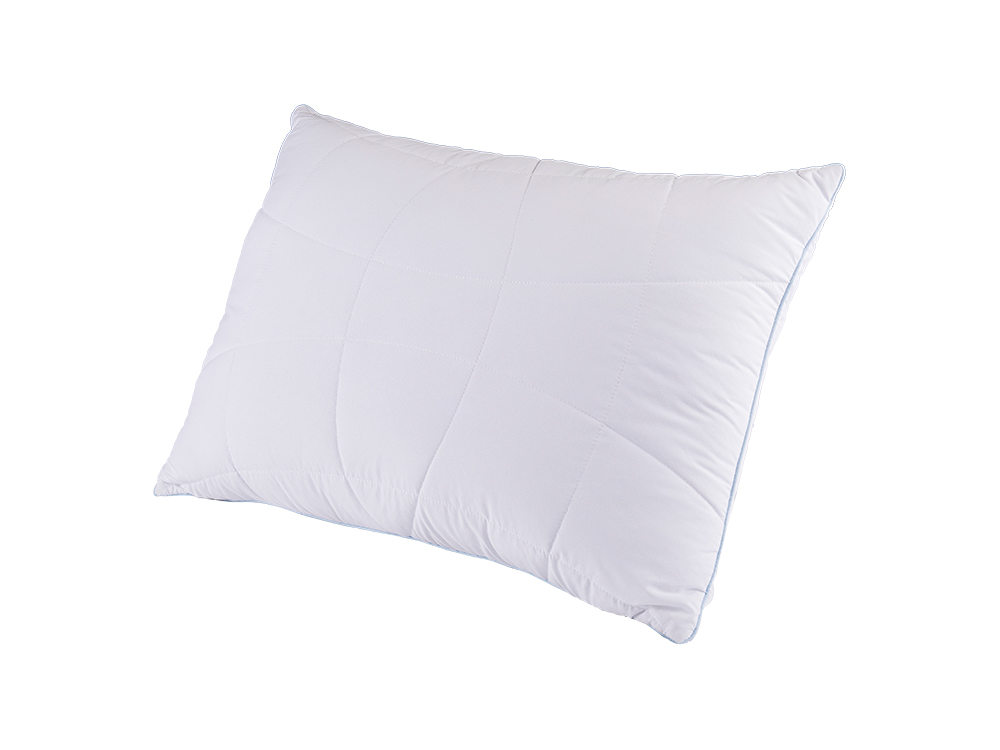
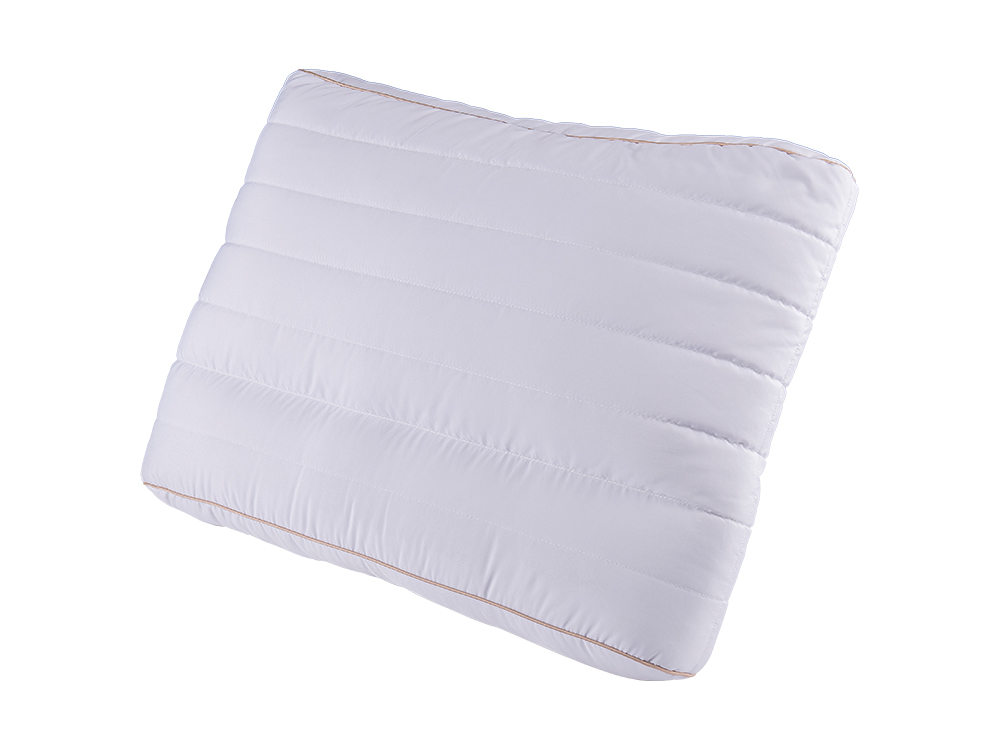
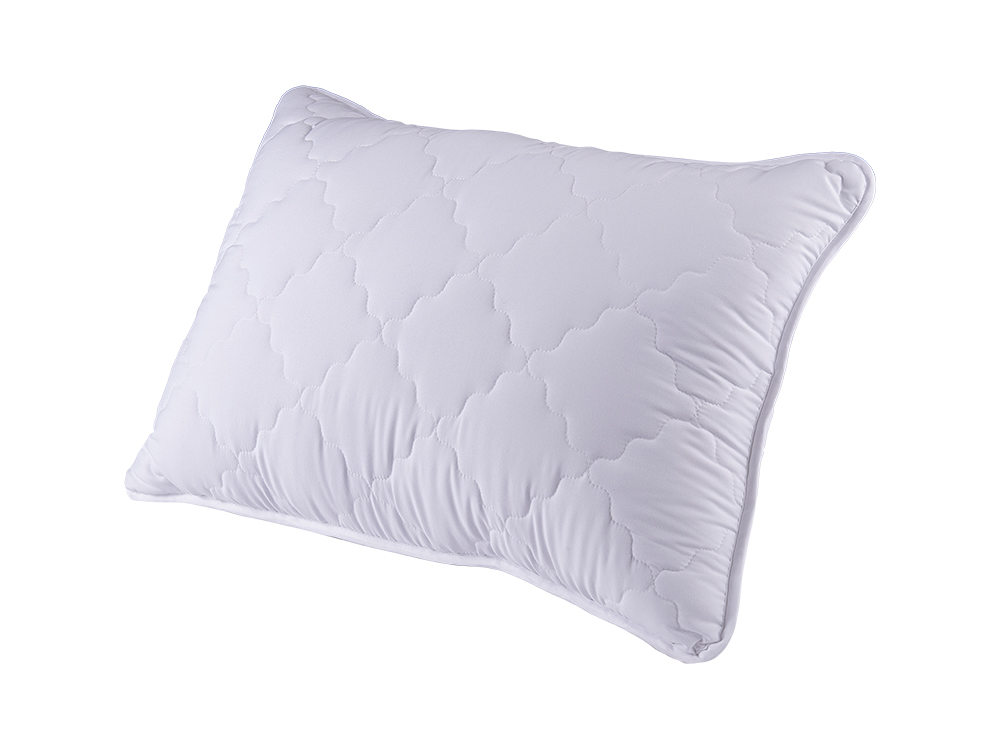
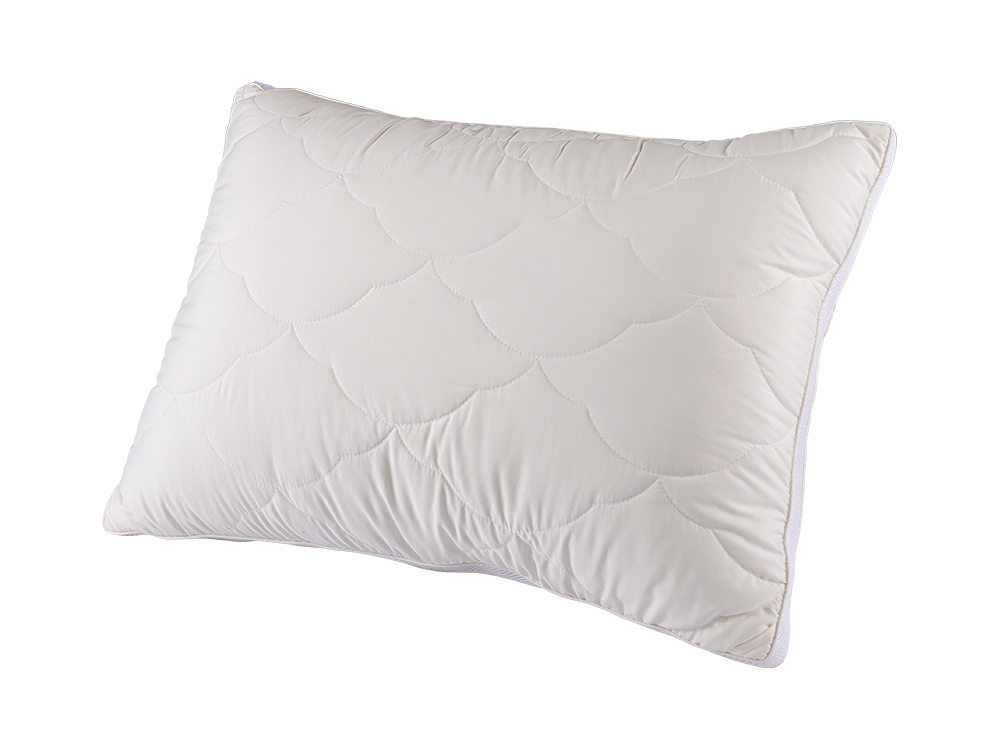
After filling, the quilt goes through a quilting process. The company uses computer-controlled quilting machines that create a consistent pattern across the quilt. This pattern not only adds to the aesthetic appeal but also helps to keep the fill in place. The quilting stitches are small and tight, with a spacing of 2 cm between each stitch. This prevents the fill from shifting or clumping over time, ensuring that the quilt stays fluffy and comfortable for years.
2.4 Quality Assurance: Certifications & Rigorous Testing
No product leaves the manufacturing facility without passing a rigorous quality assurance process. The company has implemented a multi-stage quality control system that includes:
- Raw material inspection: Every batch of fabric and fill is tested for quality before production. This includes testing for color fastness, shrinkage resistance, and tensile strength.
- Pre-production checks: The cutting and assembly processes are monitored by quality control technicians to ensure precision and consistency.
- Post-production audits: Each finished quilt is inspected for defects, including uneven fill, loose seams, and color fading. A random sample of 5% of all quilts is tested for wash durability (up to 25 washes) to ensure long-term performance.
- Final certification: The quilt is tested against international standards to ensure it meets all safety and quality requirements. This includes testing for harmful chemicals (OEKO-TEX 100) and recycled content (GRS).
The company holds several key certifications that validate its commitment to quality and sustainability: ISO 9001 (quality management), ISO 14001 (environmental management), OEKO-TEX 100 (safety), GRS (recycled content), and BSCI (ethical labor practices). These certifications are not just badges of honor—they are proof that the company adheres to strict global standards in every aspect of its production.
For example, OEKO-TEX 100 certification means that the quilt is free from harmful chemicals, including formaldehyde, heavy metals, and phthalates. This makes it safe for children and people with sensitive skin. GRS certification verifies that the recycled polyester fill is indeed made from post-consumer waste, and that the supply chain is transparent and ethical. BSCI certification ensures that the company treats its workers fairly, with safe working conditions and fair wages. The company also conducts annual audits to maintain these certifications, ensuring that its practices remain up to date.
All these processes contribute to a product that is not only high-quality but also sustainable and ethical. But how does this quilt compare to other quilts on the market? Let’s take a look at a direct comparison.
How the Cationic Polyester Quilt Outperforms Competitors
To understand the value of the Cationic Polyester Quilt, it’s important to compare it to other popular quilts on the market. Below is a table that compares the Cationic Polyester Quilt to two common competitors: a regular polyester quilt and a cotton blend quilt.
| Feature | Competitor A (Regular Polyester Quilt) | Competitor B (Cotton Blend Quilt) | Cationic Polyester Quilt |
|---|---|---|---|
| Fabric Type | Regular Polyester | 50% Cotton + 50% Polyester | Cationic Polyester (90gsm) |
| Care Instructions | Hand wash only, air dry | Machine wash cold, line dry | Machine wash cold, tumble dry low |
| Fill Material | 1D Polyester Fill | 2D Polyester + Cotton Batting | 3D + 6D Recycled Polyester |
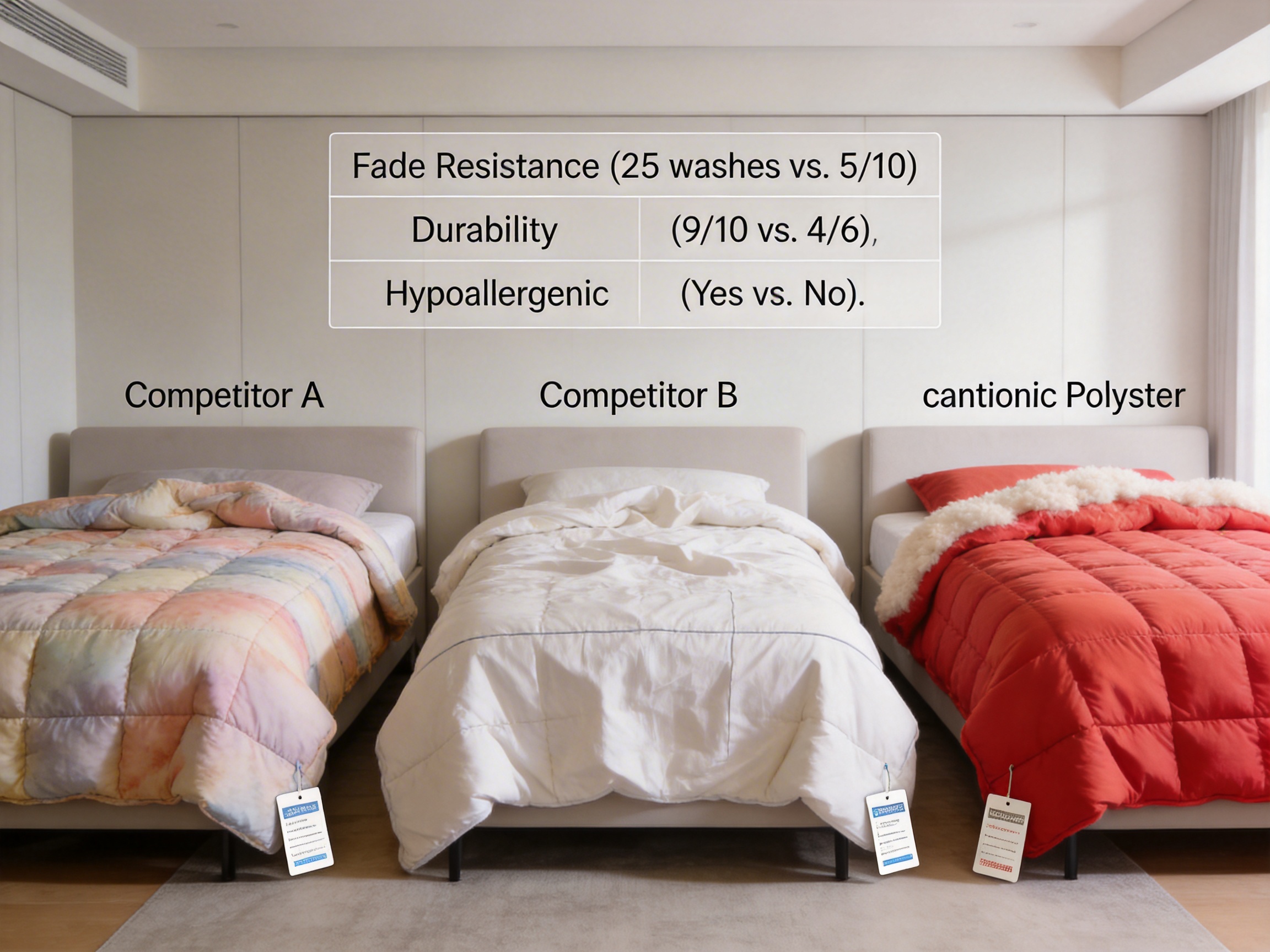
| Fade Resistance | Fades after 5 washes | Fades after 10 washes | No fading after 25 washes |
| Durability Rating (1-10) | 4 | 6 | 9 |
| Hypoallergenic | No (may contain harsh dyes) | No (cotton may trap allergens) | Yes (OEKO-TEX 100 certified) |
| Weight (per 160x200 cm) | 1.2 kg | 1.5 kg | 1.0 kg |
| Price Value (1-10) | 5 | 7 | 9 |
As the table shows, the Cationic Polyester Quilt outperforms its competitors in almost every category. Let’s highlight a few key differences:
- Care Ease: The Cationic Polyester Quilt is machine-washable and tumble-dryable, while Competitor A requires hand washing and Competitor B needs line drying. This saves consumers time and effort, especially for busy professionals and parents.
- Durability: With a durability rating of 9, the Cationic Polyester Quilt lasts 2-3 times longer than Competitor A and 1.5 times longer than Competitor B. This means fewer replacements and better long-term value, saving consumers money over time.
- Hypoallergenic Properties: Unlike the other two competitors, the Cationic Polyester Quilt is OEKO-TEX 100 certified, making it safe for sensitive skin and allergies. This is a major selling point for consumers with family members who have allergies or asthma.
- Fade Resistance: The cationic fabric’s color fastness is far superior to regular polyester and cotton blends, ensuring the quilt looks new for years. This is important for consumers who want their bedding to maintain its aesthetic appeal over time.
Another key advantage is the quilt’s sustainability. The 3D+6D fill is made from recycled polyester, which reduces waste and carbon emissions. Competitors often use virgin polyester or cotton, which have a higher environmental impact. For consumers who are conscious about their carbon footprint, this is a major selling point. The company also uses renewable energy sources (solar panels) in its manufacturing facility, further reducing its environmental impact.
Customer Insights & Real-World Use Cases
The Cationic Polyester Quilt has received rave reviews from customers around the world. Let’s take a look at some real-world use cases and what customers are saying about it.
4.1 Busy Young Professionals
For busy young professionals who work long hours, the last thing they want to do after a hard day is hand wash their bedding. One customer, a 28-year-old marketing executive from London, said: “I love this quilt because it’s so easy to care for. I just throw it in the washing machine with my other clothes, and it comes out looking brand new. It’s also lightweight, so it’s perfect for the mild UK weather. I’ve had it for over a year now, and it still looks and feels like the day I bought it.”
4.2 Parents with Young Children
Parents of young children often worry about their bedding being safe and easy to clean. A mother of two from Sydney said: “My kids love this quilt because it’s soft and colorful. I love it because it’s machine-washable and hypoallergenic. I don’t have to worry about them getting allergies or the quilt getting stained—just wash it and it’s good as new. It’s also durable enough to withstand the rough and tumble of two young kids.”
4.3 Hotel & Airbnb Hosts
Hotel and Airbnb hosts need bedding that is durable, easy to clean, and affordable. A hotel manager from Singapore said: “We’ve been using the Cationic Polyester Quilt in our rooms for over a year now. They’re durable enough to withstand daily washing, and our guests love how soft and comfortable they are. We’ve seen a significant reduction in the number of complaints about our bedding since we switched to this quilt. It’s also cost-effective, as we don’t have to replace them as often as our old quilts.”
4.4 Eco-Conscious Consumers
Eco-conscious consumers are increasingly looking for products that are sustainable and ethical. A customer from Berlin said: “I chose this quilt because it’s made from recycled materials and has GRS certification. I feel good knowing that I’m not contributing to waste, and the quilt is also very comfortable. It’s a win-win. I’ve recommended it to all my friends who are into sustainable living.”
These use cases show that the Cationic Polyester Quilt appeals to a wide range of consumers, from busy professionals to eco-conscious families. Its versatility and performance make it a top choice for anyone looking for high-quality bedding.
Q&A: Common Questions About the Cationic Polyester Quilt
To help readers make an informed decision, we’ve compiled answers to some of the most common questions about the Cationic Polyester Quilt.
Q1: Is the Cationic Polyester Quilt machine-washable?
A: Yes! The quilt is designed for easy care. You can machine wash it in cold water on a gentle cycle, and tumble dry it on low heat. Avoid using bleach or fabric softeners, as these can damage the fabric and fill. For best results, wash it separately from other items to prevent color bleeding.
Q2: What size is the quilt?
A: The standard size is 160x200 cm, which fits most double beds. Custom sizes are also available for customers who need larger or smaller options (e.g., king size 200x230 cm, single size 150x200 cm). Custom colors are also available upon request.
Q3: Is the quilt hypoallergenic?
A: Yes! The quilt is certified by OEKO-TEX 100, which means it’s free from harmful chemicals, allergens, and irritants. It’s safe for people with sensitive skin and allergies, including dust mite allergies. The 3D+6D polyester fill is tightly woven, which prevents dust mites from settling in.
Q4: How long does the quilt retain its fluffiness?
A: With proper care, the quilt can retain its fluffiness for up to 5 years. The 3D+6D polyester fill is engineered to resist clumping and flattening, so it stays soft and cozy for longer. Avoid overloading the washing machine, as this can cause the fill to clump.
Q5: Does the fabric fade over time?
A: No! The cationic polyester fabric is dyed using a piece-dyeing process that locks in color. It can withstand up to 25 washes without noticeable fading. This is because the cationic fibers absorb the dye more deeply than regular polyester fibers.
Q6: Is the quilt suitable for all seasons?
A: Yes! Its lightweight yet insulating design makes it perfect for spring and fall. In winter, you can layer it with a heavier comforter, and in summer, it works as a breathable top layer. The 3D polyester fibers allow air to circulate freely, keeping you cool in warm weather.
Q7: What certifications does the quilt have?
A: The quilt is backed by several international certifications: ISO 9001 (quality management), ISO 14001 (environmental management), OEKO-TEX 100 (safety), GRS (recycled content), and BSCI (ethical labor practices). These certifications ensure that the quilt meets strict global standards for quality, safety, and sustainability.
Q8: Can the quilt be customized?
A: Yes! The manufacturer offers custom options for size, color, and fill density. This is ideal for hotels, Airbnb hosts, or anyone who wants a quilt that fits their specific needs. Custom orders are typically processed within 2-3 weeks.
Q9: Is the quilt made from recycled materials?
A: Yes! The 3D+6D polyester fill is made from recycled polyester fibers (sourced from post-consumer plastic bottles). The quilt is GRS-certified, which verifies the recycled content and responsible supply chain practices. The outer fabric is made from virgin cationic polyester, but the company is working on developing a recycled version of the fabric.
Q10: How does the quilt compare to cotton quilts?
A: Cotton quilts are prone to shrinking, wrinkling, and fading. The Cationic Polyester Quilt is shrink-resistant, wrinkle-free, fade-resistant, and easier to care for. It also retains warmth better than cotton without the heaviness. Cotton quilts are also more expensive than the Cationic Polyester Quilt, making it a more cost-effective option.
References
1. Global Bedding Association. (2024). Home Textile Industry Report 2024. Retrieved from [Global Bedding Association Website]
2. Textile Research Institute. (2023). Fabric Innovation in Bedding: Cationic Polyester Analysis. Journal of Textile Science & Technology, 15(2), 45-58.
3. International Textile Council. (2022). Sustainable Bedding Standards: OEKO-TEX & GRS Guidelines. Retrieved from [International Textile Council Website]
4. Independent Bedding Review Panel. (2023). Customer Satisfaction Survey: Bedding Products 2023. Retrieved from [Independent Bedding Review Panel Website]
5. ISO Organization. (2021). ISO 9001:2015 Quality Management Systems. Retrieved from [ISO Organization Website]
6. OEKO-TEX Association. (2022). OEKO-TEX 100 Standard: Safe Textiles for All. Retrieved from [OEKO-TEX Association Website]
7. Global Recycled Standard (GRS). (2023). GRS Version 5.0: Recycled Content Certification. Retrieved from [Textile Exchange Website]

 +86-573-88798028