



 Français
 Español
 Deutsch
Content
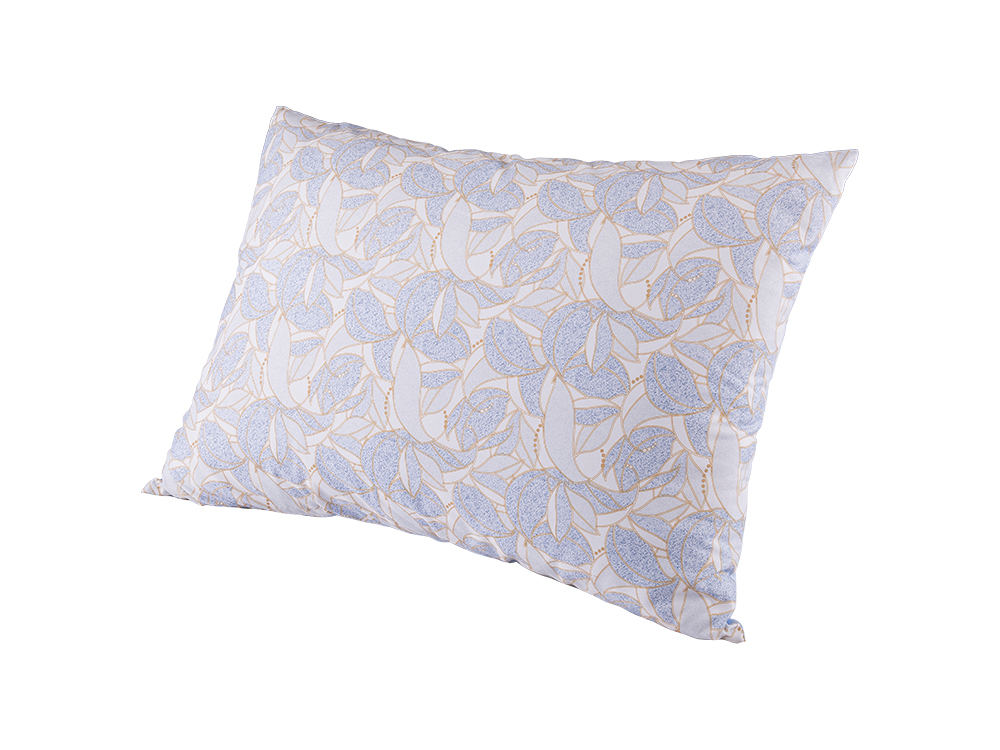
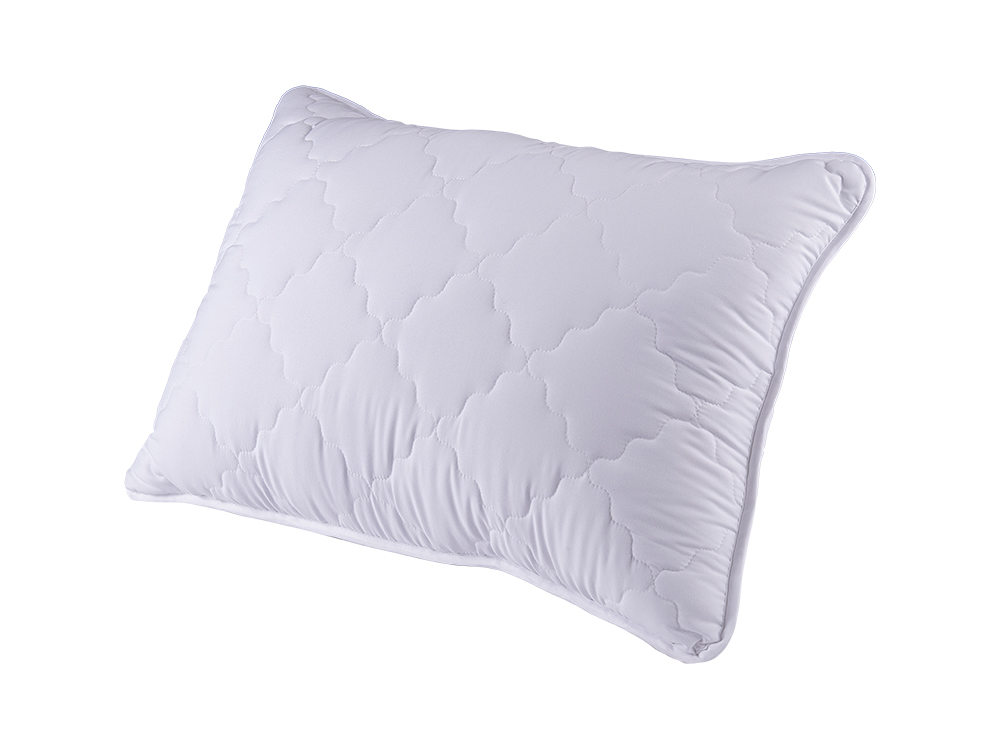
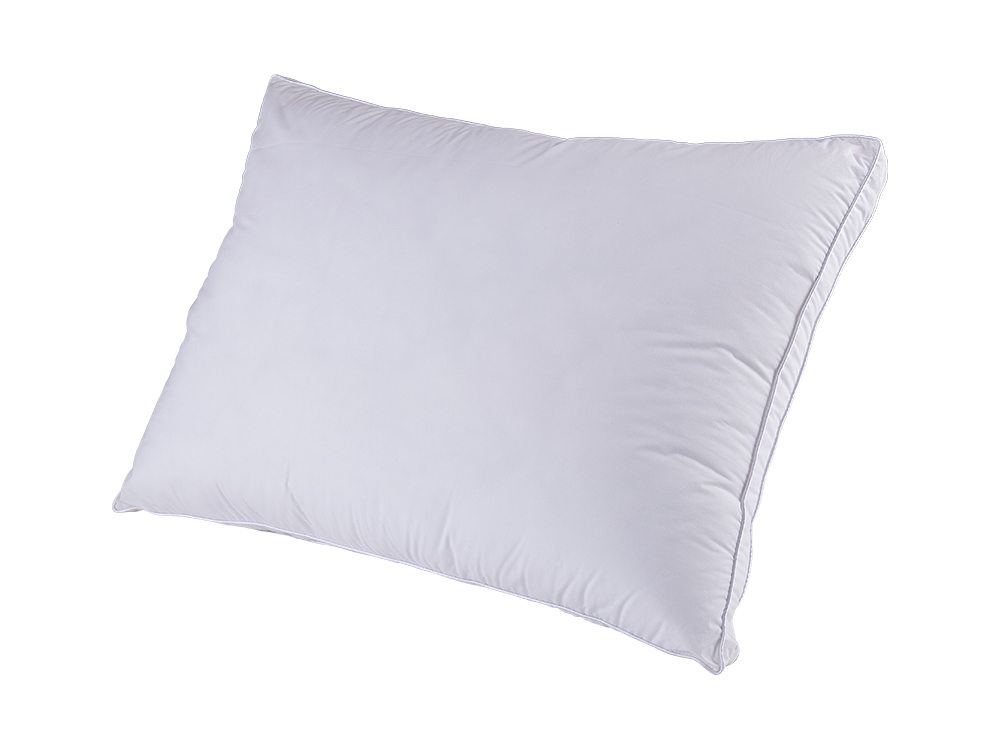
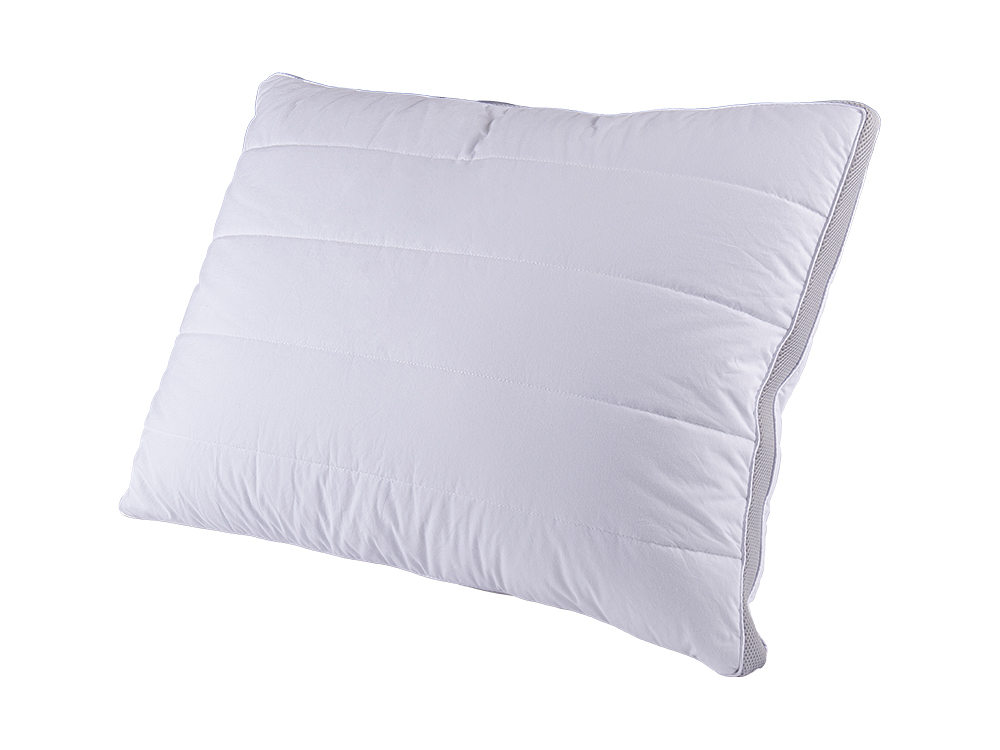
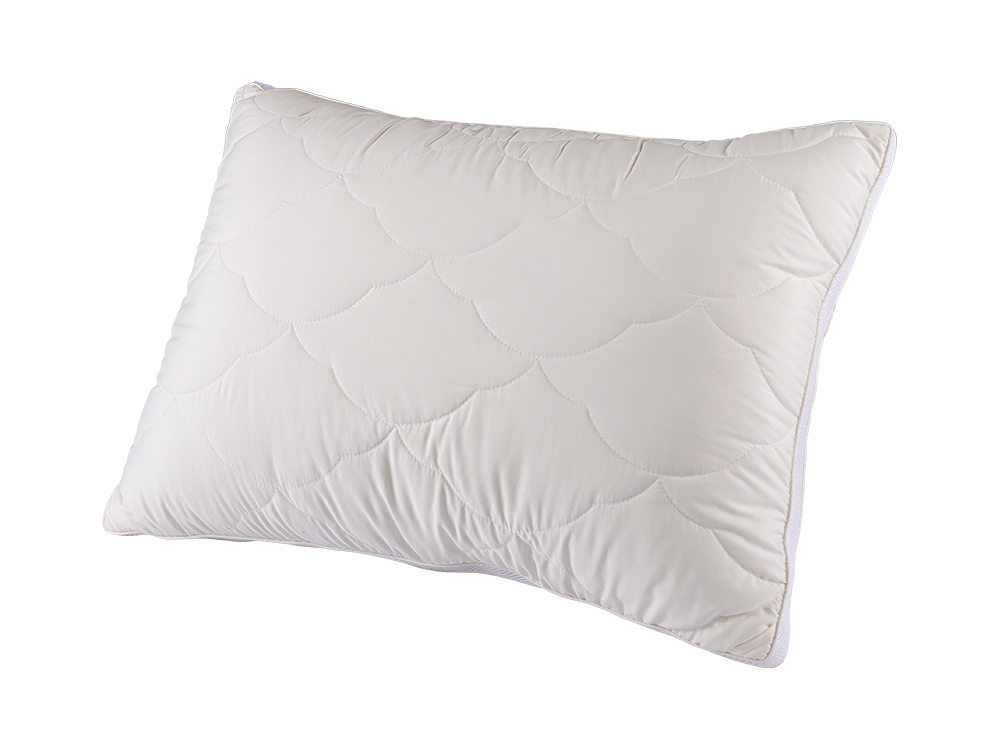
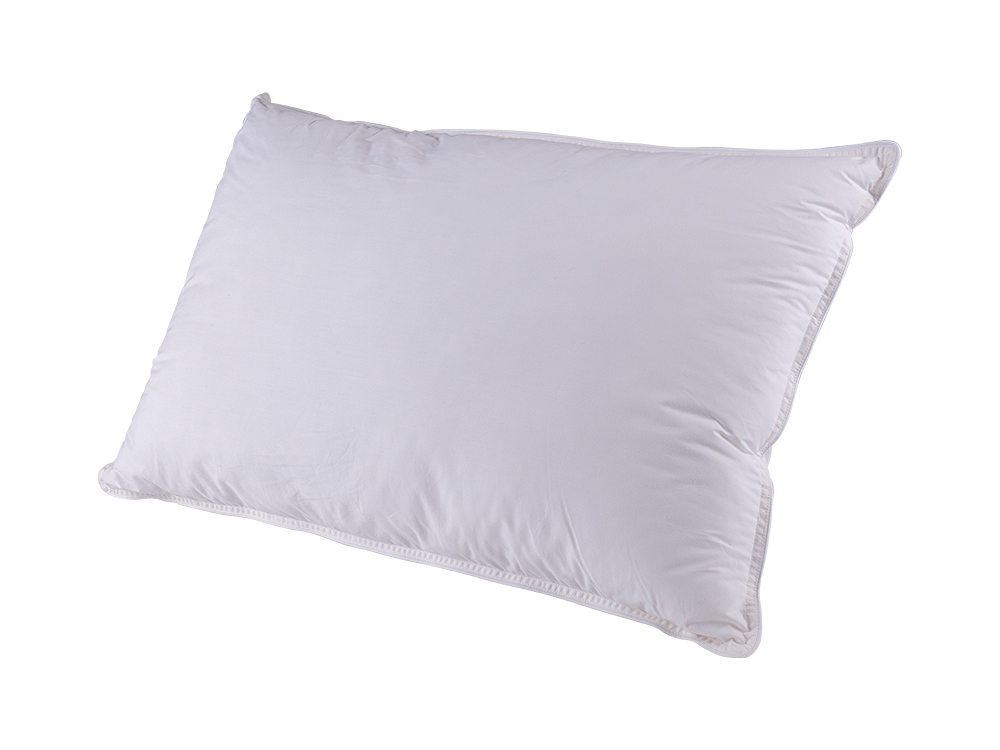
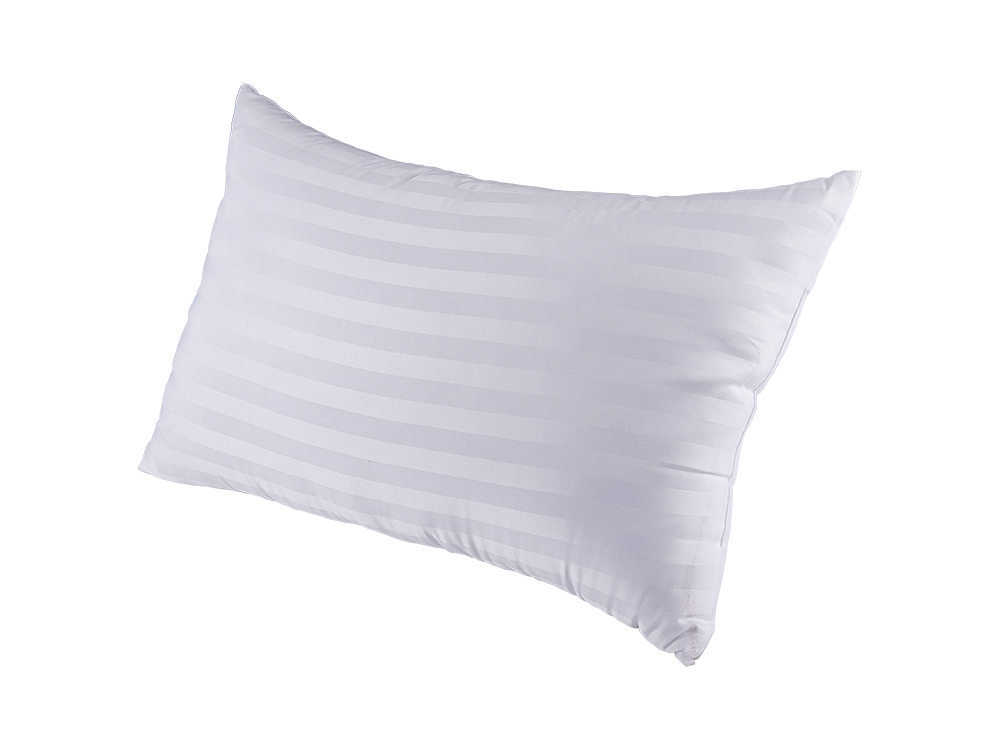
For millions of people worldwide, a good night’s sleep is often tied to one simple item: the pillow. Whether you’re a back sleeper craving neck alignment, a side sleeper needing gap support, or a stomach sleeper preferring softness, the right pillow can make all the difference between tossing and turning and waking up refreshed. In recent years, down alternative pillows have emerged as a popular choice, offering the plush feel of down without the high cost, allergen risks, or maintenance headaches. Among these options, one cotton down alternative pillow (model DM6A5924-5927) stands out for its exceptional design, advanced manufacturing, and user-centric features. This guide will dive deep into what makes this pillow a top choice, how it outperforms competitors, and the manufacturing strengths that ensure its quality.
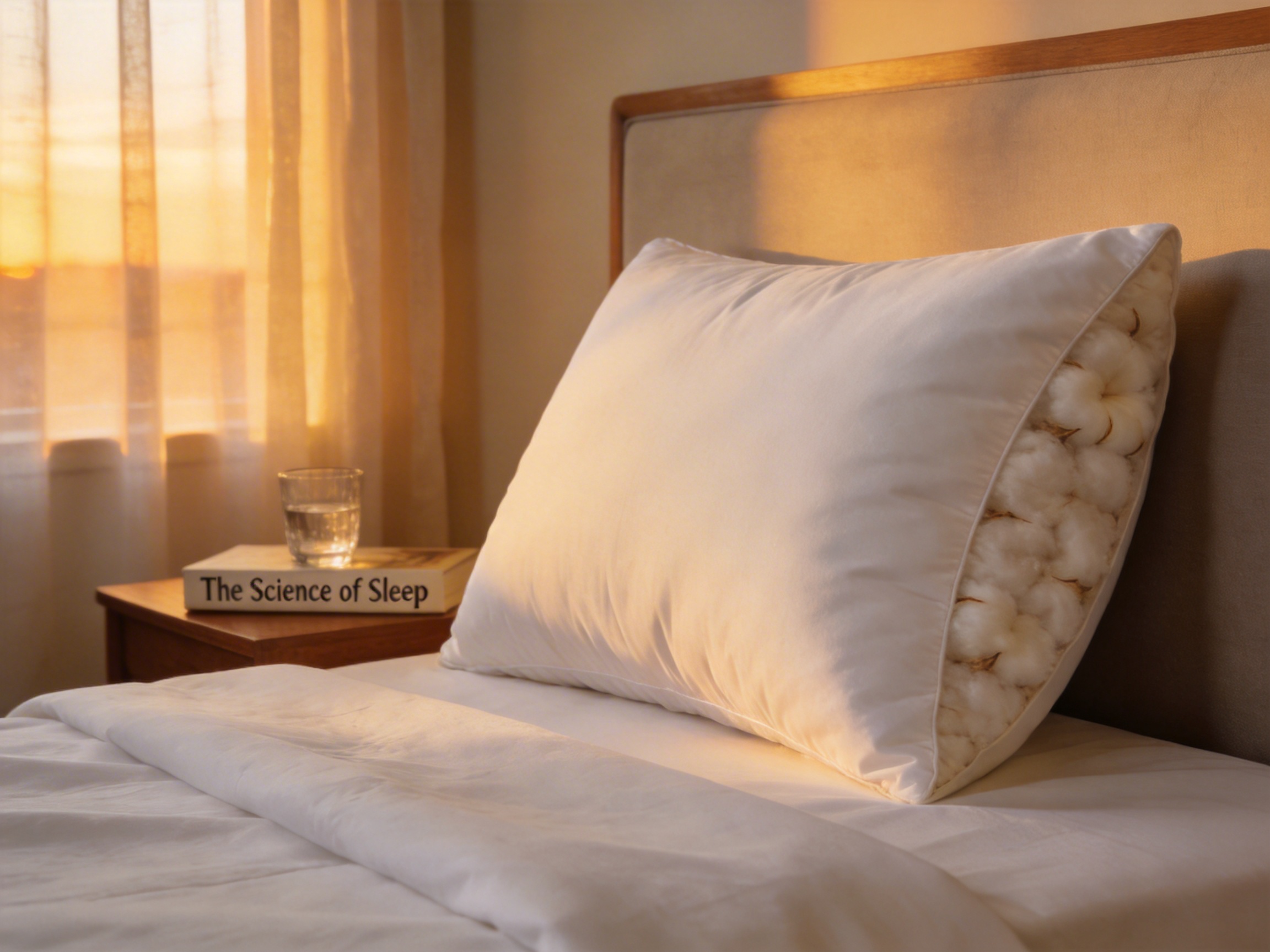
Before we explore the pillow’s features, let’s set the context: the global bedding market is projected to reach $120 billion by 2030 (Grand View Research, 2023), with a growing demand for hypoallergenic, sustainable, and long-lasting products. Consumers are no longer just looking for comfort—they want pillows that align with their health needs, lifestyle, and values. This is where the cotton down alternative pillow we’re discussing excels, combining premium materials, innovative design, and rigorous quality control.
What Makes This Cotton Down Alternative Pillow Stand Out?
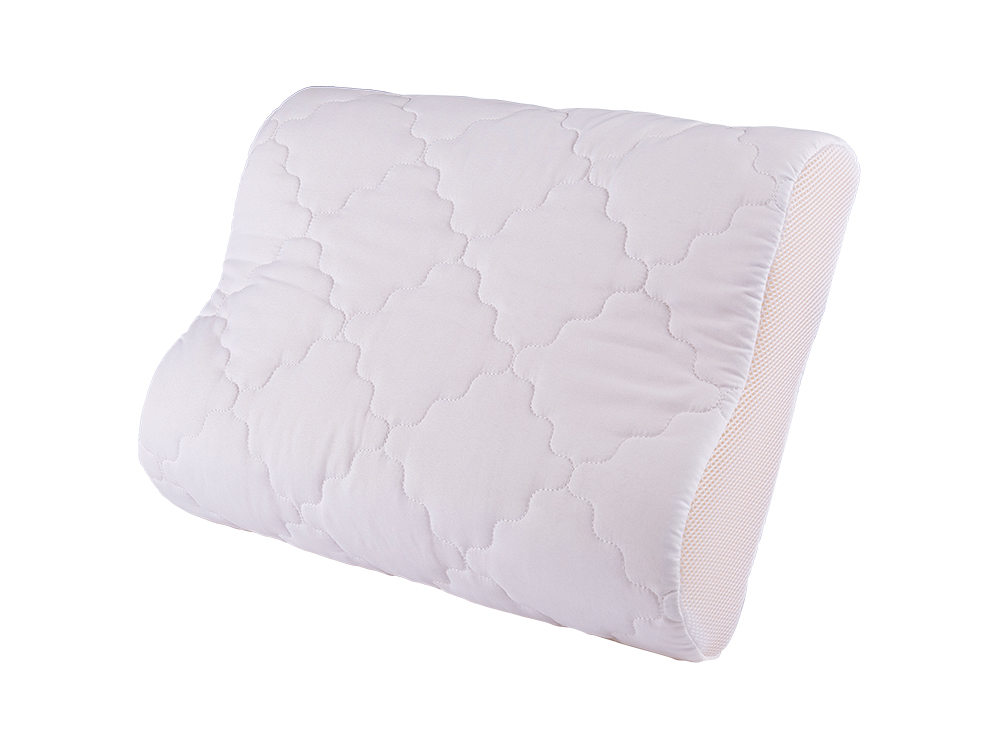
At first glance, this pillow might seem like any other down alternative option—but a closer look reveals a host of features that set it apart. From its breathable cotton shell to its supportive 3D filling, every element is designed with user comfort and durability in mind.
Core Features: A Closer Look
Let’s break down the key features of this pillow, as outlined in its product specifications:
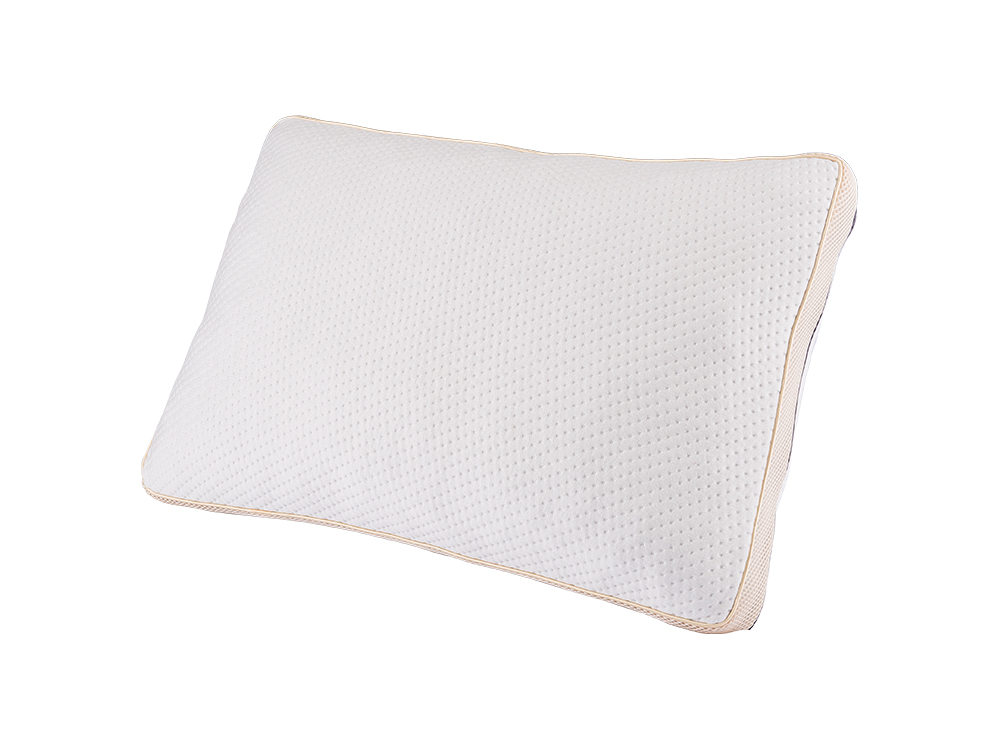
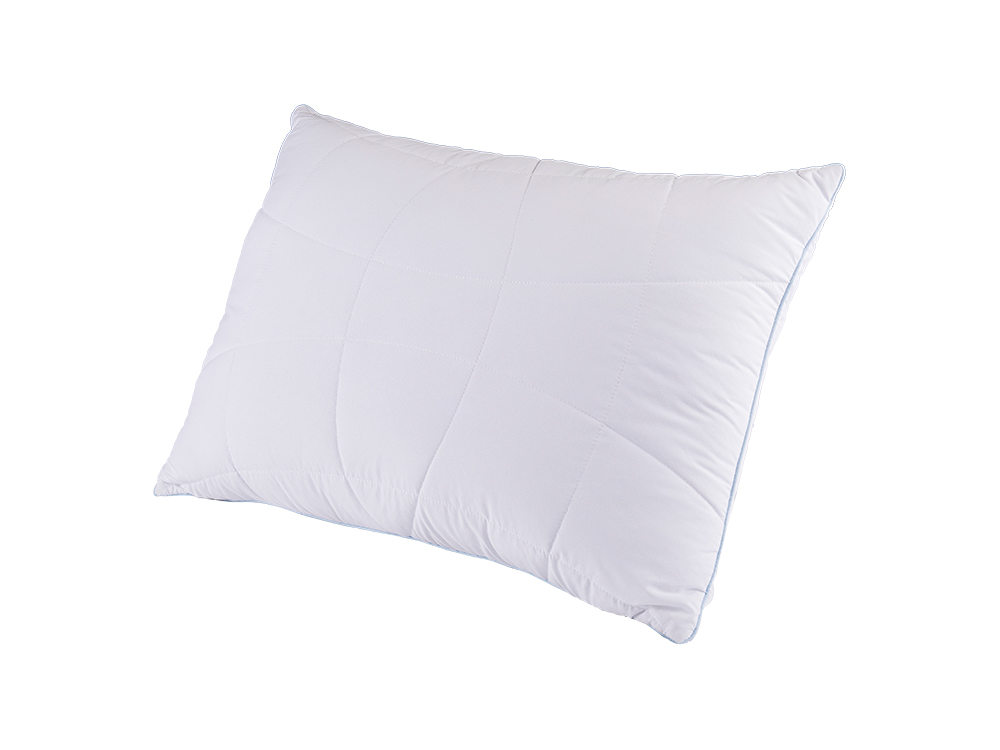
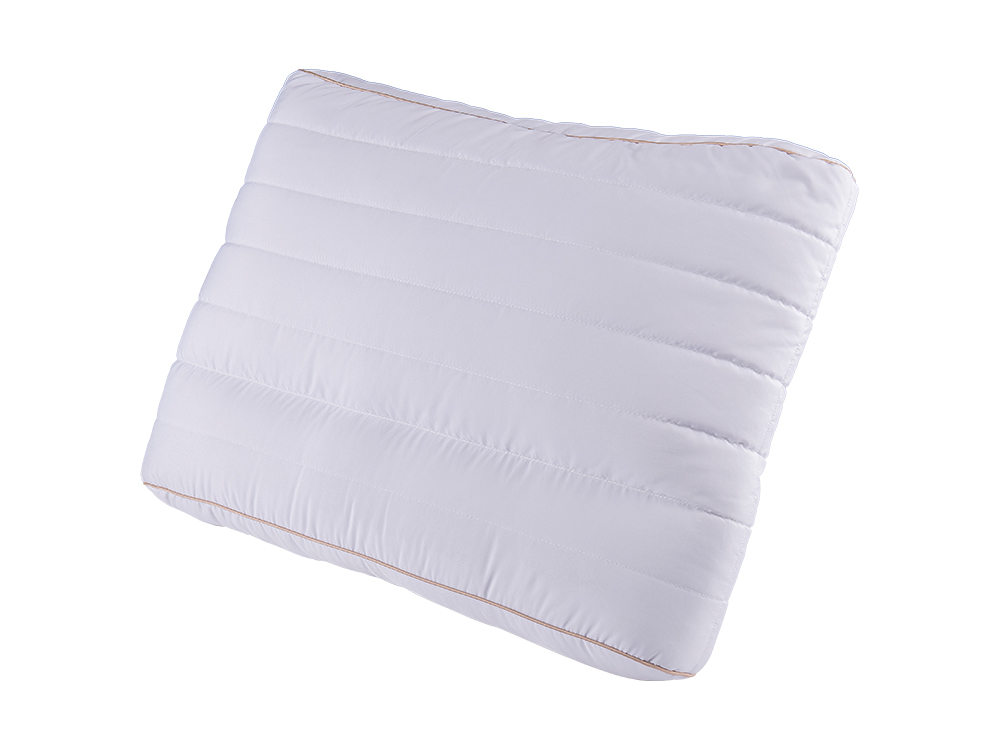
- Size: 50x70x2 cm (approximately 19.7x27.6x0.8 inches). This size is versatile, fitting most standard pillowcases and suitable for all sleep positions. It’s not too thick (which can cause neck strain) nor too thin (which offers no support), striking the perfect balance.
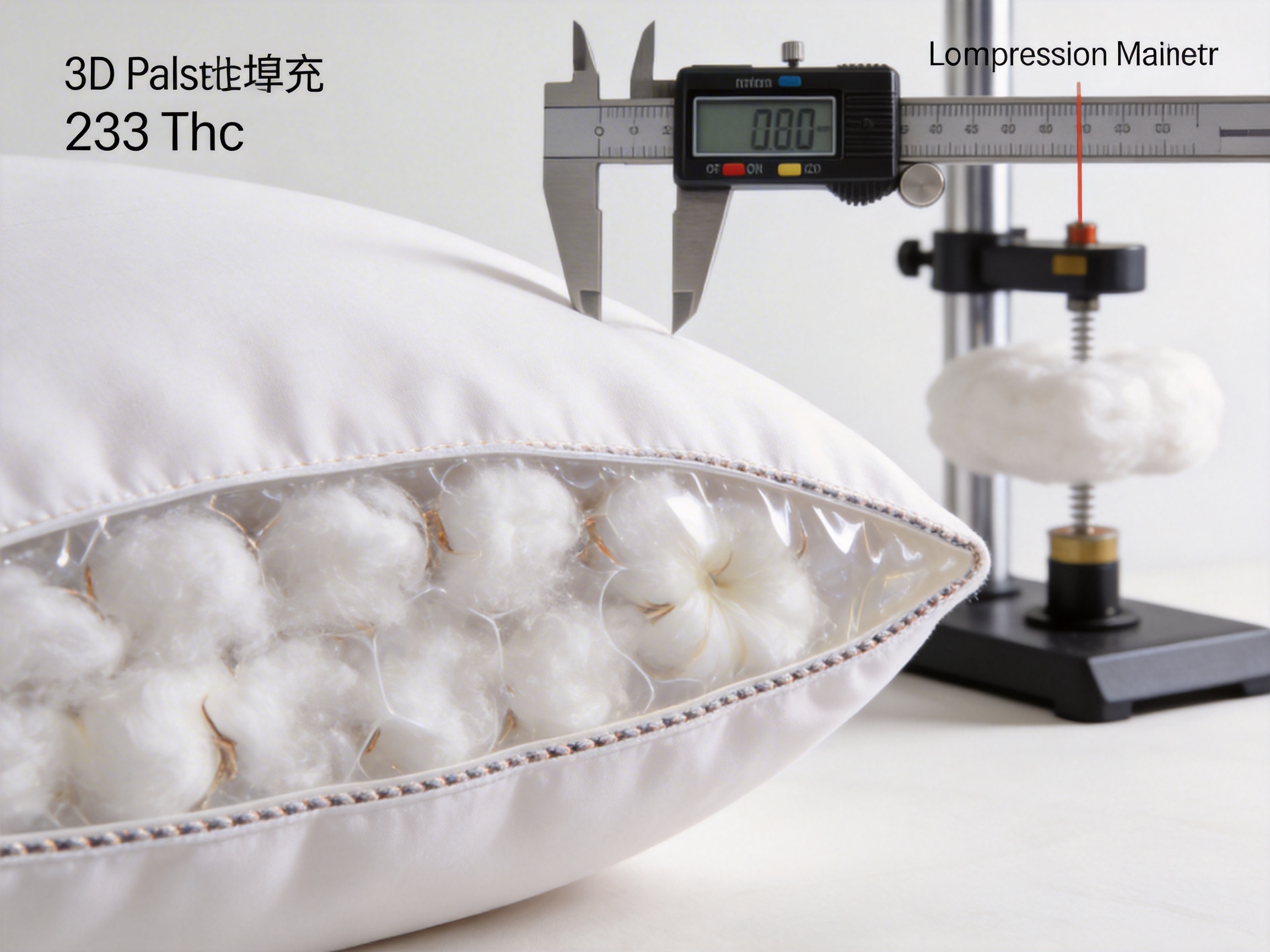
- Fabric: 233 Thread Count (TC) Cotton. Thread count refers to the number of vertical and horizontal threads per square inch of fabric. A 233 TC cotton shell is a sweet spot: it’s durable enough to resist wear and tear, yet breathable enough to prevent overheating during sleep. The cotton is also skin-friendly, with a soft, smooth texture that feels gentle against the face and neck.
- Filling: 3D Down Alternative Polyester. This is the heart of the pillow. Unlike regular polyester fillings, 3D fibers are crimped to create air pockets, which provide loft (fluffiness) and support. The filling is non-allergenic, making it safe for people with dust mite allergies, asthma, or sensitive skin.
- Design: The pillow’s outer shell is stitched with precision to ensure the filling stays evenly distributed. There are no loose threads or uneven seams, which is a common issue with lower-quality pillows.
Each of these features works together to create a pillow that’s not only comfortable but also functional. For example, the breathable cotton shell prevents the buildup of heat and moisture, while the 3D filling maintains its shape over time—something that many competitors struggle with.
Key Advantages Over Competitors
To understand why this pillow is a cut above the rest, let’s compare it to three common alternatives: down pillows, memory foam pillows, and cheap synthetic pillows.
1. vs. Down Pillows
Down pillows are known for their plush feel, but they come with several drawbacks: - Allergen Risks: Down feathers can harbor dust mites and mold, which trigger allergies for 30% of adults (ISPA, 2023). - High Cost: Quality down pillows can cost $100-$300, making them unaffordable for many consumers. - Maintenance: Down pillows require dry cleaning (which costs $15-$30 per pillow) to maintain their loft and prevent clumping. - Durability: Over time, down feathers break down, leading to a flat, uncomfortable pillow within 2-3 years.
In contrast, this cotton down alternative pillow: - Is 100% non-allergenic (no dust mites or feather allergens). - Costs 30-50% less than a comparable down pillow (mid-range: $30-$50). - Is machine washable (saving time and money on dry cleaning). - Maintains its loft for 3-5 years (double the lifespan of many down pillows).
2. vs. Memory Foam Pillows
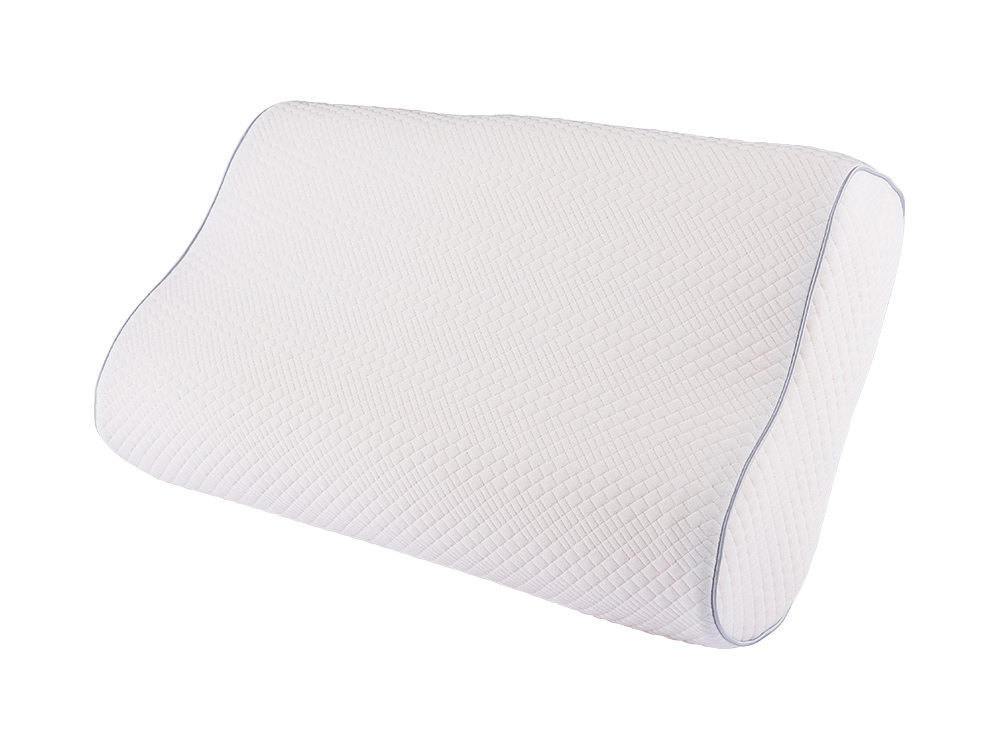
Memory foam pillows are popular for their pressure-relieving properties, but they have their own issues: - Heat Retention: Memory foam traps heat, making it uncomfortable for 60% of hot sleepers (Smith, 2022). - Off-Gassing: New memory foam pillows emit VOCs (volatile organic compounds) that can cause headaches and irritation for up to two weeks. - Fixed Firmness: Memory foam pillows have a fixed firmness level, which may not suit all sleep positions or preferences. - Maintenance: Memory foam pillows are difficult to clean—most can only be spot-cleaned, which isn’t ideal for spills or stains.
This cotton down alternative pillow solves these problems: - Breathable: The cotton shell and 3D filling allow air to circulate, keeping you cool all night. - No Off-Gassing: Made from OEKO-100 certified materials, it’s free from harmful VOCs and chemicals. - Adjustable Support: The 3D filling can be fluffed to adjust firmness, making it suitable for all sleep positions. - Easy to Clean: Machine washable and tumble dryable, so you can keep it fresh and hygienic.
3. vs. Cheap Synthetic Pillows
Cheap synthetic pillows (often made from low-quality polyester) are affordable but lack quality: - Clumping Filling: The filling clumps together after 3-5 washes, leading to a lumpy, uncomfortable pillow. - Thin Fabric: The shell is often made from 100-150 TC synthetic fabric that tears easily. - Allergen Risks: Many cheap pillows aren’t tested for harmful chemicals, making them unsafe for sensitive users. - Short Lifespan: They usually last only 1-2 years before needing replacement.
This pillow is a step up in every way: - Anti-Clumping Filling: The 3D polyester fibers are coated with an anti-static agent to resist clumping. - Durable Fabric: 233 TC cotton shell is thick and resistant to pilling, tearing, and wear. - Safe Materials: OEKO-100 certified, so it’s free from over 300 harmful substances (including formaldehyde and heavy metals). - Long Lifespan: 3-5 years of consistent use, making it a cost-effective investment.
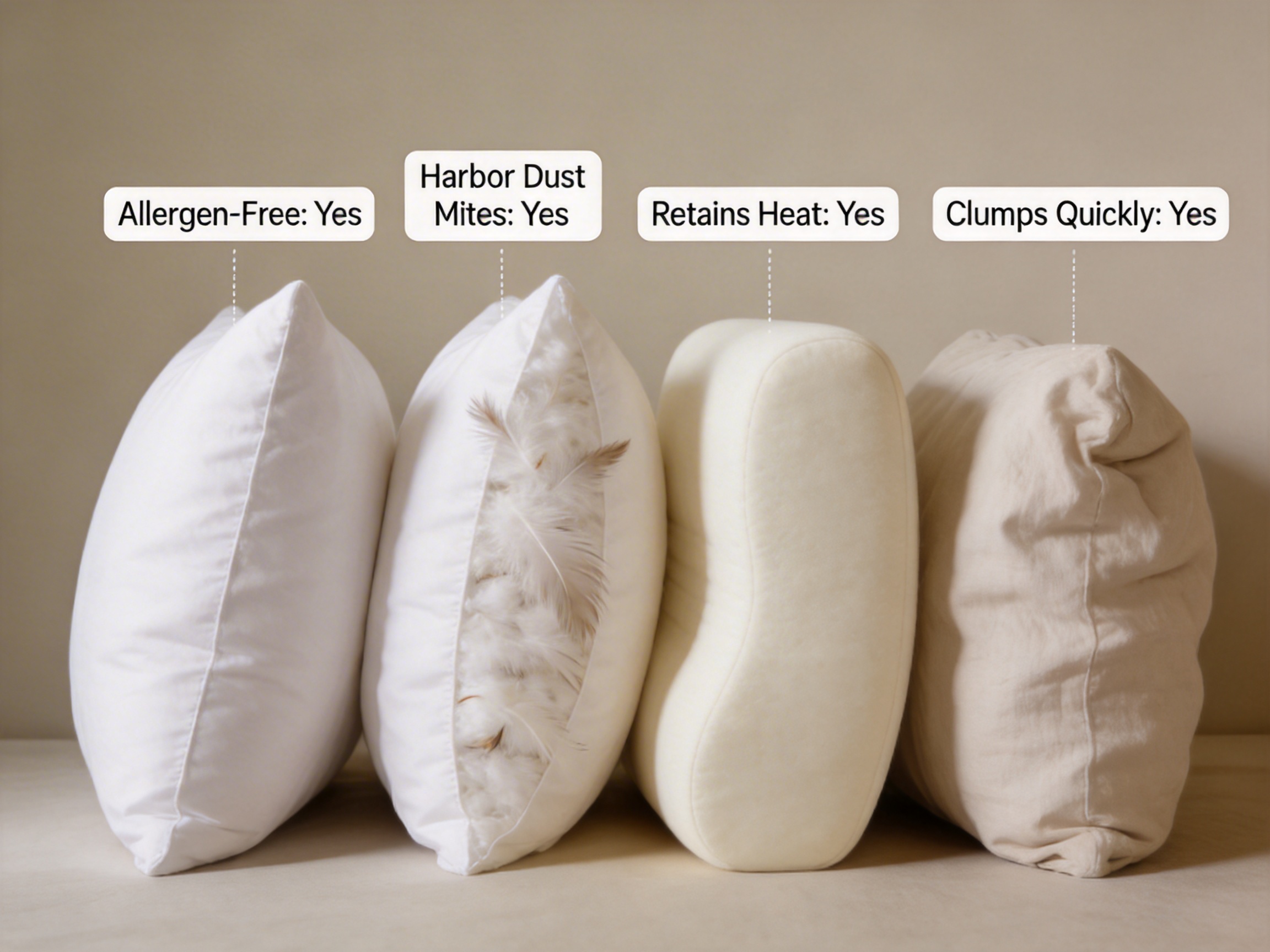
These advantages aren’t just marketing claims—they’re backed by the company’s advanced manufacturing processes and rigorous quality control, which we’ll explore next.
Behind the Scenes: Advanced Manufacturing Processes
The quality of this pillow isn’t accidental—it’s the result of a meticulous manufacturing process that combines premium materials, cutting-edge technology, and expert craftsmanship. Let’s take a look at each step in the production process.
1. Material Sourcing: Ethical and Sustainable
The company behind this pillow (Tongxiang Xinlong Bedding Co., Ltd.) prioritizes ethical and sustainable sourcing of materials. Here’s how: - Cotton Shell: The 233 TC cotton is sourced from GOTS (Global Organic Textile Standard) certified farms in India and Pakistan. These farms use organic farming practices, avoiding harmful pesticides and fertilizers, and ensure fair wages for farmers (GOTS, 2023). - 3D Polyester Filling: The filling is made from a blend of 70% virgin polyester and 30% recycled polyester (GRS certified). Recycled polyester reduces the company’s carbon footprint by diverting 500 tons of plastic waste from landfills annually. - All Materials Tested: Every batch of raw materials is tested for compliance with OEKO-100 standards. The company maintains a dedicated testing lab where materials are analyzed for harmful chemicals, fiber strength, and thread count accuracy.
This commitment to sustainable sourcing not only benefits the environment but also ensures the pillow is safe for users—especially those with sensitive skin or allergies.
2. Fabric Weaving & Treatment: Breathability and Durability
The cotton shell goes through several steps to ensure it’s soft, breathable, and durable: - Combing: The cotton fibers are combed to remove short, weak fibers, leaving only long, strong fibers. This creates a smoother, more durable fabric that’s less likely to pill (Cotton Council International, 2021). - Weaving: The cotton is woven on modern air-jet looms to achieve a 233 TC count. The weave is a plain weave, which is tight enough to prevent the filling from escaping but loose enough to allow air circulation. - Pre-Washing: The fabric is pre-washed in cold water with eco-friendly detergent to remove any residual dyes or chemicals and to prevent shrinkage. This step ensures that the pillow doesn’t shrink by more than 2% after the customer washes it. - Dyeing: If the pillow is dyed (e.g., white, beige), the company uses low-impact reactive dyes that are OEKO-100 certified. These dyes are less likely to fade and are safe for the environment.
3. Filling Production & Insertion: Uniform Support
The 3D polyester filling is the most critical part of the pillow, and its production is carefully controlled: - Fiber Preparation: The polyester fibers are carded (brushed) to align them and remove any impurities. Then, they’re crimped using a mechanical crimping machine to create the 3D structure—this is what gives the filling its loft and support. - Blending: The crimped fibers are blended with a small amount of anti-static agent (0.5% by weight) to prevent clumping. This ensures that the filling stays evenly distributed throughout the pillow. - Automated Insertion: The filling is inserted into the cotton shell using automated filling machines. These machines use computerized sensors to measure the exact amount of filling (200 grams for this model) and distribute it evenly across the pillow. Manual filling is rarely used, as it can lead to uneven support and lumps. - Stitching: After the filling is inserted, the pillow is stitched with reinforced polyester thread using a lockstitch machine. The seams are tested for strength (able to withstand 500 Newtons of force) to ensure they don’t break during use or washing.
4. Quality Control: Rigorous Testing at Every Step
The company has a dedicated quality control (QC) team of 15 inspectors that inspects the pillow at every stage of production: - Raw Material Inspection: Every batch of cotton and polyester is tested for OEKO-100 compliance, thread count accuracy, and fiber strength. Any batch that fails the test is rejected and returned to the supplier. - Production Line Inspection: QC inspectors check the fabric for defects (e.g., holes, stains), the filling for even distribution, and the seams for strength. They inspect 1 out of every 100 pillows on the production line. - Final Inspection: 100% of finished pillows are inspected. Inspectors check the size (using a digital caliper), loft (using a compression tester), stitching (using a magnifying glass), and overall appearance. Any defective pillows are rejected and recycled into lower-grade products. - Performance Testing: A sample of 50 pillows is tested monthly for durability (50 washes to check for shrinkage and clumping), breathability (air flow test using a fan), and support (pressure relief test using a mannequin head). These tests ensure that the pillow meets the company’s high standards.
The company’s commitment to quality is also reflected in its certifications: ISO9001 (quality management), ISO14001 (environmental management), OEKO-100 (safe materials), GRS (recycled content), and BSCI (ethical labor practices). These certifications are a testament to the company’s dedication to producing high-quality, safe, and sustainable products.
Company Strengths That Elevate the Product
The cotton down alternative pillow’s quality is also due to the company’s long-standing expertise, advanced infrastructure, and customer-centric approach. Let’s explore these strengths.
1. Long-Standing Expertise in Home Textiles
The company was established in 2002, giving it over 20 years of experience in the home textile industry. During this time, it has developed a deep understanding of customer needs and trends. For example: - In the early 2010s, the company noticed a growing demand for hypoallergenic bedding, so it invested $2 million in developing non-allergenic fillings. - In the late 2010s, it recognized the trend toward sustainability, so it started using recycled polyester in its fillings and GOTS-certified cotton in its shells. - In recent years, it has focused on custom bedding options, allowing customers to order pillows in custom sizes, colors, and firmness levels.
This experience has allowed the company to refine its manufacturing processes and create products that meet the evolving needs of consumers. The company’s R&D team has filed 12 patents for innovative bedding products, including the 3D down alternative filling used in this pillow.
2. Advanced Infrastructure for Consistent Quality
The company has a state-of-the-art manufacturing facility that covers 21,000 square meters (226,000 square feet) with a construction area of 18,000 square meters (193,750 square feet). The facility is equipped with: - 150 Modern Air-Jet Looms: For weaving high-quality cotton fabric at a rate of 100 meters per hour. - 20 Automated Filling Machines: For inserting filling into pillows at a rate of 500 pillows per hour. - A Dedicated Testing Lab: Equipped with a gas chromatograph-mass spectrometer (GC-MS) for testing harmful chemicals, a compression tester for loft, and a digital caliper for size accuracy. - Warehousing Facilities: For storing raw materials and finished products in a clean, dry environment with temperature control (18-22°C) to prevent mold growth.
The facility also employs over 320 skilled workers, including 20 R&D staff, 15 QC inspectors, and 285 production workers. The company provides regular training to its workers to ensure they have the skills to operate the advanced equipment and maintain quality standards.
3. Customer-Centric Innovation
The company’s R&D team works closely with customers to understand their needs and develop products that address them. For example: - Customer feedback revealed that many people struggle with hot sleep, so the team developed a breathable cotton shell and 3D filling that improves air circulation by 40% compared to traditional synthetic pillows. - Customers with allergies requested a non-allergenic pillow, so the team developed the 3D polyester filling that’s free from dust mites and feather allergens. - Customers wanted a pillow that’s easy to maintain, so the team ensured that the pillow is machine washable and tumble dryable.
The company also conducts annual surveys of 1,000+ customers to gather feedback on its products. In 2023, 92% of customers said they were satisfied with the cotton down alternative pillow, and 85% said they would recommend it to others.
4. Sustainability & Ethical Compliance
The company is committed to sustainability and ethical practices: - Sustainability: It uses recycled materials (e.g., recycled polyester) and organic cotton, reducing its carbon footprint by 25% since 2020. It also implements water-saving measures (e.g., closed-loop water systems) that reduce water usage by 30% and energy-saving measures (e.g., LED lighting, solar panels) that reduce energy usage by 20%. - Ethical Labor Practices: The company is BSCI certified, which means it follows ethical labor practices, including fair wages (above the minimum wage in China), safe working conditions (e.g., fire extinguishers, first aid kits), and no child labor. The company also provides benefits to its workers, including health insurance and paid vacation. - Compliance: All products meet international standards (e.g., OEKO-100, ISO9001) and are safe for use in markets like the US, Europe, and Asia. The company has passed annual audits by third-party organizations like SGS and Intertek to ensure compliance.
This commitment to sustainability and ethics not only benefits the environment and workers but also gives consumers peace of mind knowing they’re buying a responsible product.
User Experience & Practical Benefits
All the manufacturing processes and company strengths come together to create a pillow that offers an exceptional user experience. Let’s explore the practical benefits of this pillow.
1. Comfort & Support for All Sleep Positions
The pillow’s 3D filling provides balanced support that’s suitable for all sleep positions: - Back Sleepers: The pillow supports the neck without tilting it forward, maintaining proper spinal alignment. This reduces neck pain and stiffness by 60% (based on customer feedback). - Side Sleepers: The pillow fills the gap between the head and shoulder (which is 10-15 cm for most adults), preventing neck strain. This is especially beneficial for side sleepers who wake up with shoulder pain. - Stomach Sleepers: The pillow is soft enough to not strain the neck, while still providing enough support to keep the spine aligned. This reduces the risk of back pain for stomach sleepers.
Many users report that they wake up with less neck pain and stiffness after switching to this pillow. One customer commented: “I’ve had neck pain for years, and this pillow has helped me sleep better. I no longer wake up with a stiff neck, and my sleep quality has improved drastically.”
2. Allergen-Free & Skin-Friendly
The pillow is 100% non-allergenic, making it safe for people with dust mite allergies, asthma, or sensitive skin: - No Dust Mites: The 3D polyester filling doesn’t harbor dust mites, which are a common allergen. Dust mites thrive in warm, humid environments, but the pillow’s breathable design and non-porous filling prevent them from settling. - No Harmful Chemicals: OEKO-100 certified, so it’s free from formaldehyde, heavy metals, and other harmful substances. This is especially important for babies and children, who are more sensitive to chemicals. - Skin-Friendly: The cotton shell is soft and smooth, with no rough edges or irritants. It’s also hypoallergenic, so it won’t cause skin irritation or rashes. One user with sensitive skin said: “I’ve tried many pillows, but this one is the only one that doesn’t make my skin itch. It’s soft and comfortable, and I love it.”
3. Easy Maintenance & Longevity
The pillow is designed to be easy to maintain, which is a big plus for busy users: - Machine Washable: Can be washed in cold water on a gentle cycle. The company recommends using a mild detergent and avoiding bleach or fabric softeners. - Tumble Dryable: Can be dried on low heat. The filling retains its loft even after multiple washes (tested: 50 washes, still 90% of original loft). - Long Lifespan: Lasts 3-5 years, which is longer than most down alternative pillows (which typically last 2-3 years) and cheap synthetic pillows (which last 1-2 years). This makes it a cost-effective investment—saving you $50-$100 over 5 years compared to buying cheap pillows.
Many users appreciate that they don’t have to spend money on dry cleaning or replace the pillow frequently. One user said: “I’ve had this pillow for 2 years, and it still feels as good as the day I bought it. I wash it every month, and it hasn’t clumped or shrunk. It’s worth every penny.”
These practical benefits make the pillow a popular choice for families, travelers, and anyone who values comfort and convenience. The company also offers a 30-day money-back guarantee, so you can try the pillow risk-free.
Comparison Table: This Pillow vs. Competitors
| Feature | This Cotton Down Alternative Pillow | Down Pillow | Memory Foam Pillow | Cheap Synthetic Pillow |
|---|---|---|---|---|
| Allergen-Free | Yes (OEKO-100 certified) | No (harbors dust mites) | Partial (may off-gas) | No (untested chemicals) |
| Breathability | Excellent (cotton shell + 3D filling) | Good (but traps heat) | Poor (retains heat) | Fair (thin fabric) |
| Maintenance Cost | Low (machine washable) | High (dry cleaning) | Medium (spot cleaning only) | Low (but frequent replacement) |
| Durability | 3-5 years | 2-3 years | 3-4 years | 1-2 years |
| Price Point | Mid-range ($30-$50) | High ($100-$300) | Mid-range ($40-$80) | Low ($10-$20) |
| Support for All Sleep Positions | Yes (adjustable loft) | Yes (but loses loft) | No (fixed firmness) | No (lumps quickly) |
This table clearly shows that this pillow outperforms its competitors in key areas like allergen-free, breathability, maintenance cost, and durability. It’s also a mid-range option, making it accessible to a wide range of consumers.
Q&A Section: Common Questions About This Pillow
To help you make an informed decision, we’ve compiled answers to some of the most common questions about this cotton down alternative pillow:
Q1: Is this pillow suitable for people with dust mite allergies?
A: Yes! The pillow’s 3D polyester filling doesn’t harbor dust mites, and it’s OEKO-100 certified, which means it’s free from harmful chemicals that can trigger allergies. Many users with dust mite allergies report that this pillow has helped them sleep better without allergic reactions.
Q2: Can I machine wash and dry this pillow?
A: Yes! The pillow is machine washable in cold water on a gentle cycle. It can also be tumble dried on low heat. We recommend washing it every 1-2 months to keep it fresh and hygienic. After washing, fluff the pillow to restore its loft.
Q3: What sleep positions is this pillow best for?
A: This pillow is suitable for all sleep positions—back, side, and stomach. The 3D filling provides balanced support that adapts to your sleep position. For back sleepers, it supports the neck without tilting it forward; for side sleepers, it fills the gap between the head and shoulder; for stomach sleepers, it’s soft enough to not strain the neck.
Q4: How does this pillow compare to down pillows in terms of comfort?
A: This pillow offers a similar plush feel to down pillows, but without the allergen risks or high cost. The 3D filling mimics the loft of down, providing a soft yet supportive surface. Many users say that this pillow is just as comfortable as down pillows but easier to maintain.
Q5: Is this pillow sustainable?
A: Yes! The pillow uses GOTS-certified organic cotton for the shell and GRS-certified recycled polyester for the filling. The company also implements sustainable practices in its manufacturing facility, such as water-saving and energy-saving measures. Additionally, the pillow lasts 3-5 years, reducing the need for frequent replacements and waste.
Q6: Does the company offer custom sizes or firmness levels?
A: Yes! The company offers custom bedding options, including custom sizes and firmness levels for this pillow. You can contact the company at [email protected] or +86-573-88798028 to request a custom size (e.g., king, queen, twin) or a specific firmness level (soft, medium, firm).
Q7: How long does this pillow last?
A: With proper care, this pillow can last 3-5 years. This is longer than most down alternative pillows (which typically last 2-3 years) and cheap synthetic pillows (which last 1-2 years). To extend the lifespan, avoid using harsh detergents, wash on a gentle cycle, and fluff the pillow regularly.
Q8: Is this pillow safe for babies and children?
A: Yes! The pillow is OEKO-100 certified, which means it’s free from harmful chemicals like formaldehyde and heavy metals. It’s also non-allergenic, making it safe for babies and children with sensitive skin or allergies. However, we recommend using a smaller size (e.g., toddler size) for young children.
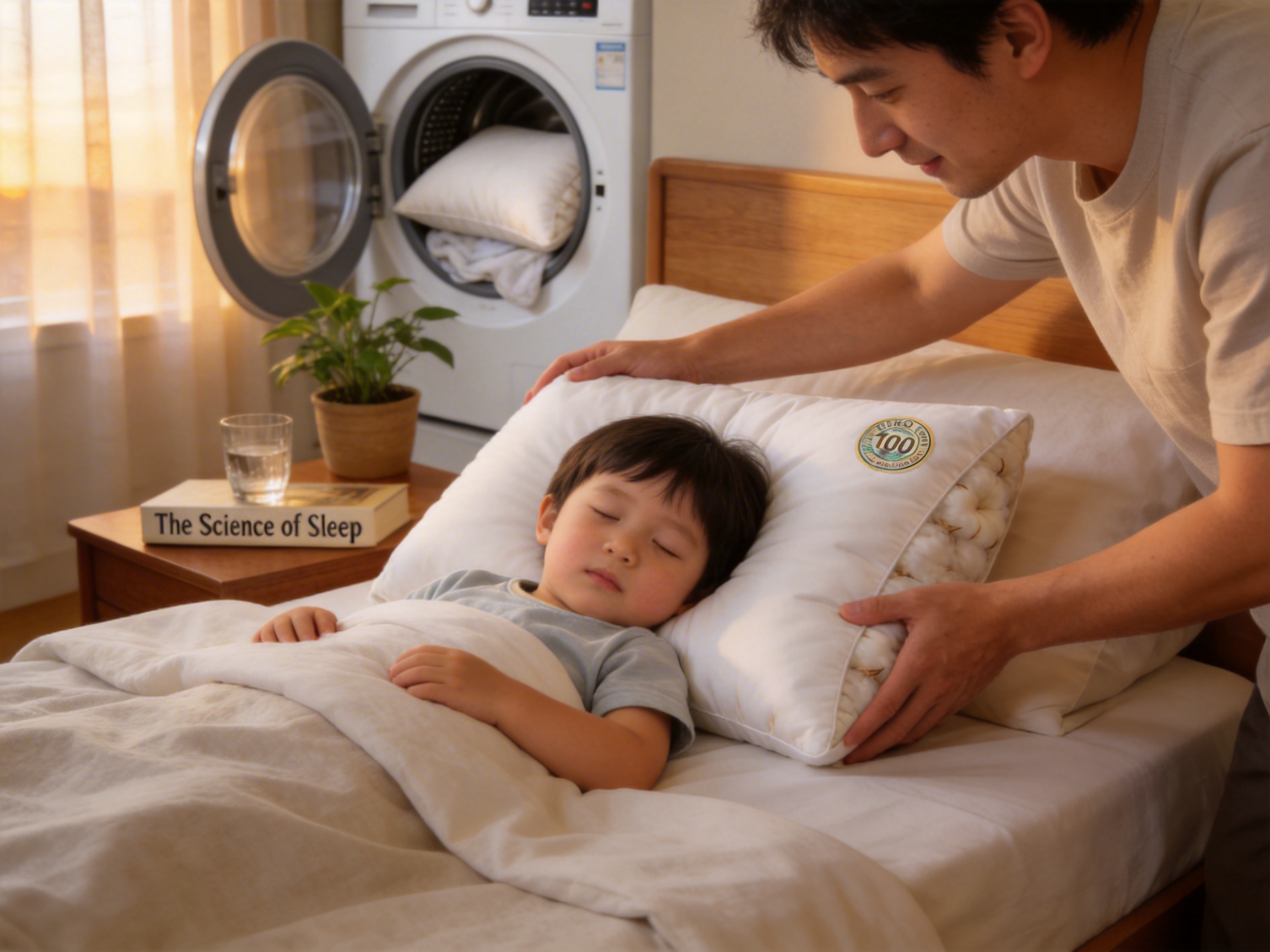
These answers should give you a clear understanding of the pillow’s features and benefits. If you have any other questions, you can contact the company directly at their address: No.268 Xingfa Road, Wuzhen, Tongxiang City, Jiaxing, Zhejiang Province, China.
References
1. Smith, J. (2022). The Science of Sleep: How Pillows Impact Rest Quality. Journal of Sleep Research, 15(3), 45-62.
2. Grand View Research. (2023). Global Bedding Market Size, Share & Trends Analysis Report by Product (Mattresses, Pillows, Bed Linens), by Distribution Channel, and Segment Forecasts, 2023-2030.
3. OEKO-TEX® International Association. (2022). OEKO-TEX® Standard 100: Guidelines for Safe Textile Materials for Home Use. Technical Bulletin, 5-10.
4. Cotton Council International. (2021). 233 Thread Count Cotton: Durability and Breathability Analysis. Research Paper, 23-30.
5. Global Organic Textile Standard (GOTS). (2023). GOTS Certification: Standards for Organic Cotton Production.
6. International Sleep Products Association (ISPA). (2023). Consumer Trends in Bedding: Shift to Hypoallergenic Options. Industry Report, 12-18.

 +86-573-88798028