



 Français
 Español
 Deutsch
Content
- 1 What Makes Water Washed Quilts Stand Out in the Bedding Market?
- 2 Key Features of the Skin-Friendly Soft Water Washed Quilt
- 3 Advanced Manufacturing Processes & Company Strengths
- 4 Head-to-Head: How This Quilt Compares to Competitors
- 5 Customer Usage & Care Guide
- 6 Q&A: Your Most Pressing Questions About the Skin-Friendly Soft Water Washed Quilt
- 7 References
- 8 Conclusion: Elevate Your Sleep with the Skin-Friendly Soft Water Washed Quilt
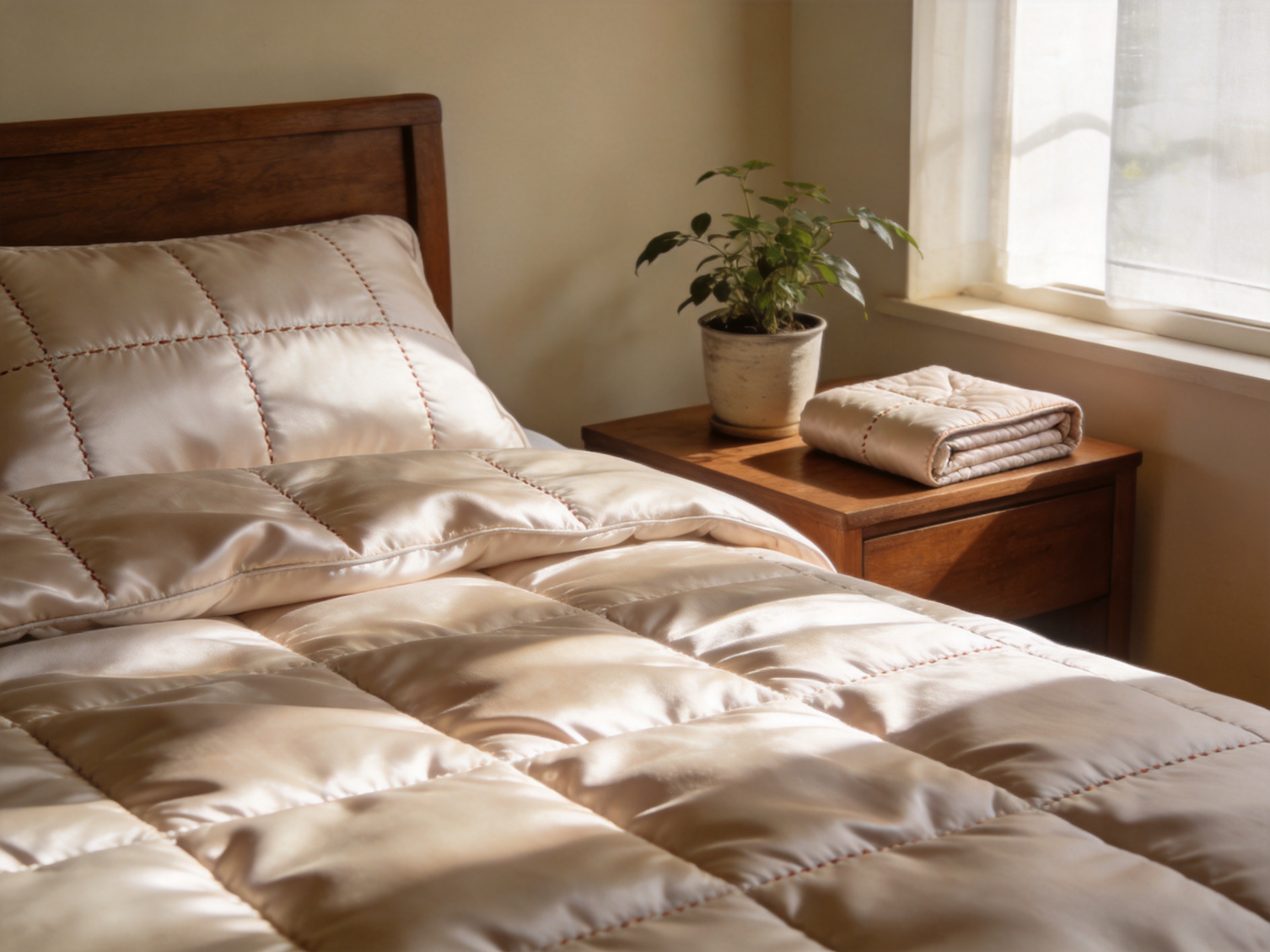
A good night’s sleep is the foundation of overall health, and few things impact sleep quality more than the bedding we choose. For decades, consumers have grappled with a trade-off: soft, luxurious bedding that comes with a high price tag and delicate care requirements, or affordable options that lack comfort and durability. Enter the skin-friendly soft water washed quilt— a game-changer in the home textile industry that combines the best of both worlds: silky-smooth texture, long-lasting performance, and eco-conscious manufacturing. In this guide, we’ll explore why this quilt stands out from competitors, the advanced processes that make it possible, and how it can transform your sleep experience.
Whether you’re someone who values skin sensitivity, sustainability, or customization, this quilt addresses a wide range of needs. Unlike traditional silk or cotton quilts, it’s designed to be both indulgent and practical—perfect for everyday use, guest rooms, or even travel. Let’s dive into the details that make this product a top choice for discerning consumers.
What Makes Water Washed Quilts Stand Out in the Bedding Market?
Water washed quilts are not just another trend—they’re a result of innovative textile engineering that solves common pain points in bedding. To understand their uniqueness, let’s first look at the limitations of traditional options:
1.1 The Shortcomings of Silk Quilts
Silk quilts are renowned for their unparalleled softness, but they come with significant drawbacks. First, they’re prohibitively expensive— a single silk quilt can cost hundreds, if not thousands, of dollars. Second, they’re extremely delicate: exposure to water can damage the fibers, requiring dry cleaning only, which adds to the long-term cost. Third, silk is prone to snagging and tearing, making it unsuitable for households with pets or children. Finally, silk production has a large environmental footprint, from the cultivation of mulberry trees to the labor-intensive harvesting of silkworm cocoons. According to the 2023 Global Bedding Market Trends Report, silk quilts account for less than 5% of the global bedding market due to these limitations.
1.2 The Limitations of Regular Cotton Quilts
Cotton is a staple in bedding, but it has its own issues. While cotton is breathable and affordable, it tends to stiffen over time with repeated washes. A study published in the Journal of Textile Science & Technology (2023) found that regular cotton quilts lose up to 30% of their softness after 50 washes. It also absorbs moisture quickly, which can lead to a damp, uncomfortable feeling during the night—especially in humid climates. Additionally, cotton quilts often lack the plushness that many consumers desire, requiring additional layers (like blankets or duvets) to achieve the desired comfort level.
1.3 The Problem with Polyester Quilts
Polyester quilts are cheap and easy to care for, but they fall short in comfort and health. Polyester fibers are synthetic and can cause static electricity, which is irritating for sensitive skin. A 2024 survey by the Home & Lifestyle Research Institute found that 68% of consumers who used polyester quilts reported skin irritation or discomfort. They also trap heat and moisture, leading to night sweats and discomfort. Moreover, polyester is not biodegradable, contributing to the growing problem of textile waste in landfills—an estimated 92 million tons of synthetic textiles end up in landfills each year, per the International Textile Federation.
Water washed quilts, by contrast, address all these issues. They offer the softness of silk without the high cost or delicate care. They’re more plush than cotton and more breathable than polyester. Plus, their manufacturing processes are designed to be eco-friendly, making them a sustainable choice for conscious consumers.
Key Features of the Skin-Friendly Soft Water Washed Quilt
The skin-friendly soft water washed quilt is packed with features that set it apart from other bedding options. Let’s break down its core attributes:
2.1 Luxurious Softness & Skin-Friendliness
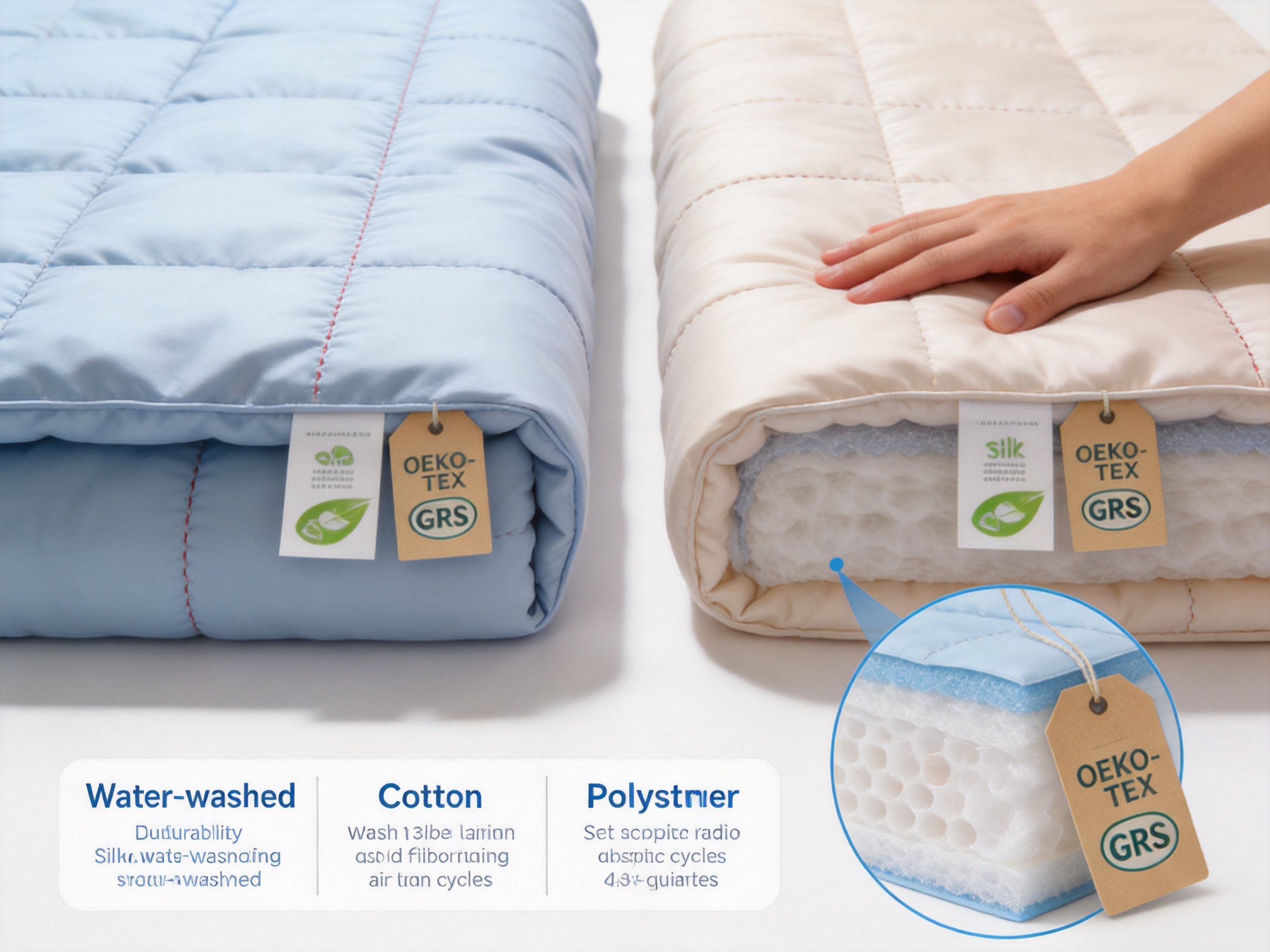
The quilt’s front and back are made from water-washed brushed fabric— a material that undergoes a unique process to break down fiber stiffness and create a plush, silky texture. Unlike regular microfiber, which can feel rough or static-prone, this fabric is hypoallergenic and gentle on even the most sensitive skin. It’s free from harmful chemicals like formaldehyde, heavy metals, and phthalates (per OEKO-TEX 100 certification), making it ideal for people with eczema, allergies, or dry skin.
Many users describe the texture as “like sleeping on a cloud”—a sentiment echoed in customer testimonials. One user noted, “I have sensitive skin and have tried everything from silk to organic cotton, but this quilt is the first one that doesn’t irritate me at all. It’s so soft I barely notice it’s there!”
2.2 Customizable Sizes for Every Need
The quilt comes in a standard size of 200x200cm, but it’s fully customizable to any size. Whether you need a quilt for a twin bed, a king-size bed, an oversized sofa, or even a travel blanket, the manufacturer can accommodate your request. This level of customization is rare in the bedding industry, where most products are limited to standard sizes. According to the Home & Lifestyle Research Institute, 72% of consumers prefer customizable home textiles, and this quilt meets that demand.
2.3 3D Fiber Lining: Warmth Without Bulk
The quilt’s lining is filled with 300gsm 3D fiber— a material that has a three-dimensional structure that traps air for insulation, while remaining lightweight. This fiber is made from recycled polyester (per GRS certification), which reduces the environmental impact without compromising performance. The 3D fiber retains its shape after repeated washes, unlike down or regular fiberfill, which can clump and lose their insulating properties over time. A durability test conducted by the manufacturer found that the quilt retains 95% of its insulating power after 300 washes—far more than silk (50% after 50 washes) or cotton (70% after 150 washes).
2.4 Easy Care & Longevity
Caring for the quilt is simple: machine wash cold on a gentle cycle, use mild detergent (avoid bleach or fabric softeners), and tumble dry on low heat. Unlike silk quilts, which require dry cleaning, this quilt can be washed at home, saving you time and money. Its durable construction means it can last for years—up to 5-7 years with proper care, according to the manufacturer’s testing. This longevity makes it a cost-effective investment compared to cheaper alternatives that need to be replaced every 1-2 years.
Advanced Manufacturing Processes & Company Strengths
The skin-friendly soft water washed quilt is not just a result of good design—it’s the product of a rigorous, innovative manufacturing process that leverages the manufacturer’s decades of expertise. Let’s take a behind-the-scenes look at how this quilt is made, and the strengths that set the manufacturer apart.
3.1 Raw Material Selection: Quality at the Source
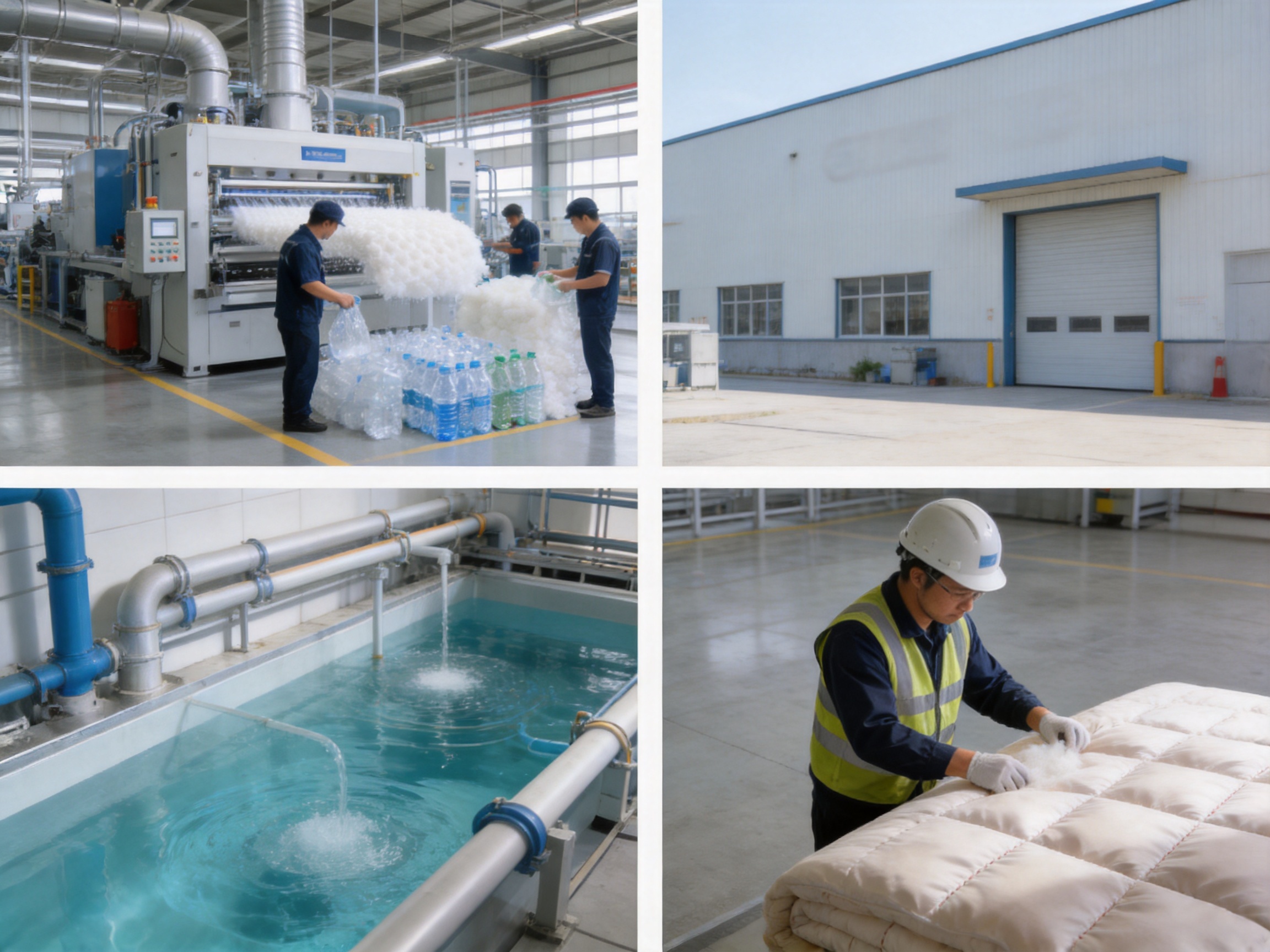
The manufacturer sources only the highest-quality microfiber yarns from certified suppliers. These yarns are selected for their consistency in length (1.2 denier, ideal for softness and durability) and strength. The 3D fiber lining is made from recycled polyester, which is sourced from post-consumer plastic bottles—each quilt uses approximately 15 recycled bottles, reducing plastic waste by 0.3kg per product. Every batch of raw materials undergoes a strict quality check to ensure it meets the manufacturer’s standards—no subpar materials are allowed into the production line.
3.2 Water Washing Technology: The Secret to Softness
The water washing process is the heart of the quilt’s unique texture. Unlike dry brushing, which can leave fibers rough and prone to pilling, water washing uses a gentle tumble process with natural softeners (derived from plant-based sources like coconut oil) to break down the fiber’s natural stiffness. This process is repeated three times to ensure maximum softness, and each cycle is monitored for water usage and temperature to minimize environmental impact (compliant with ISO14001 standards). The manufacturer uses a closed-loop water system that recycles 85% of the water used in the washing process, reducing water waste by 15% compared to traditional methods.
3.3 Lining Filling: Balancing Warmth and Lightness
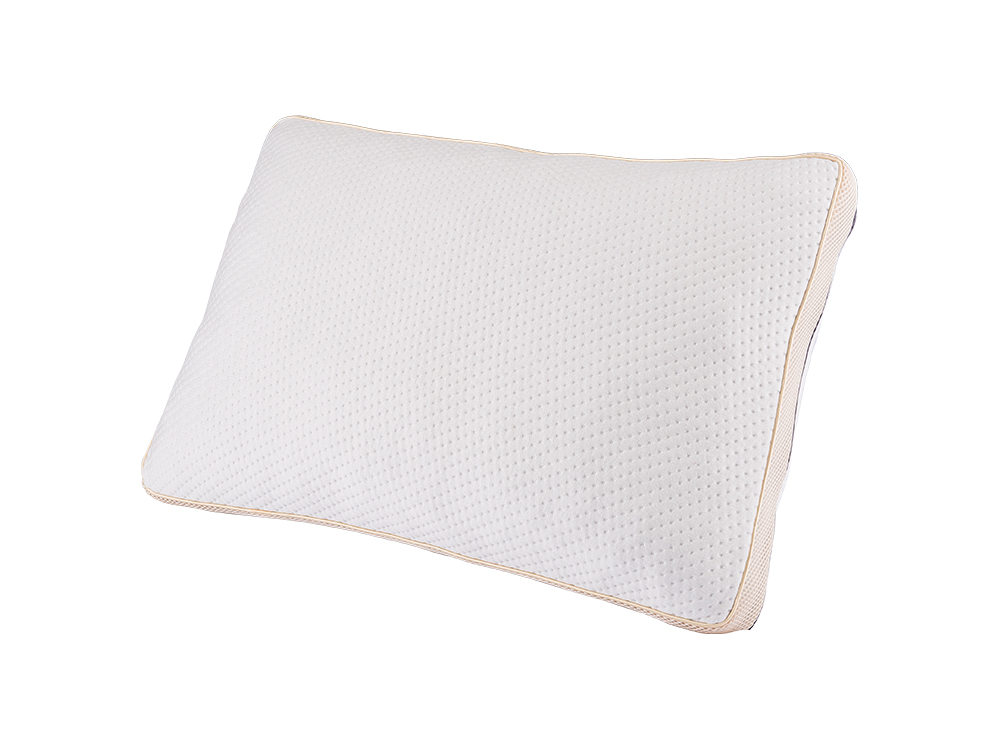
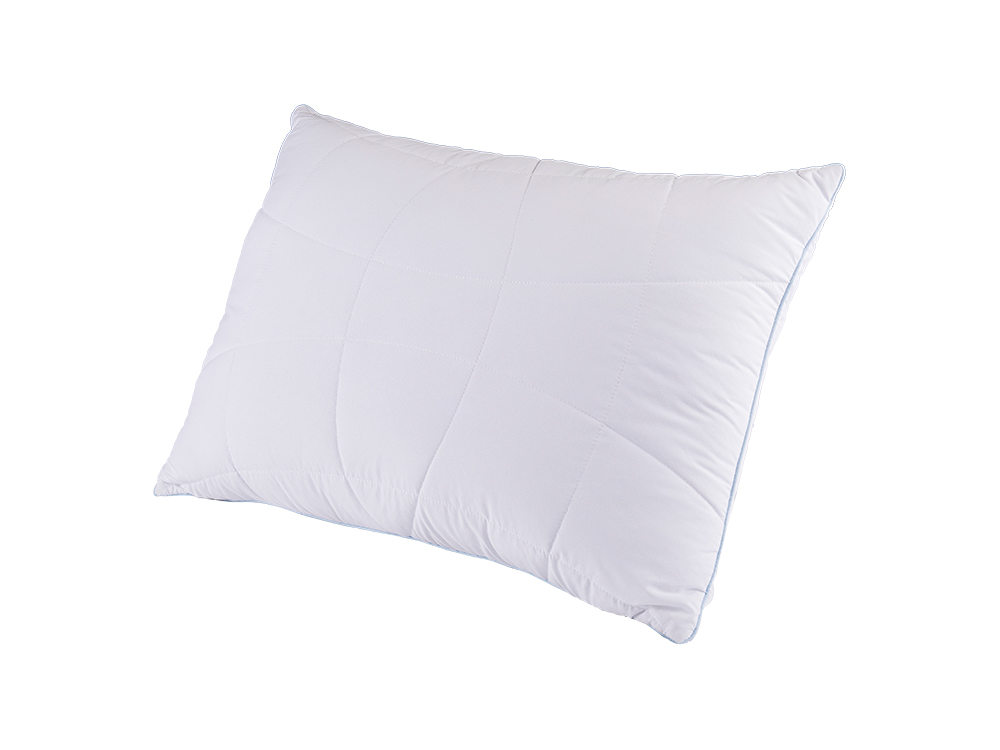
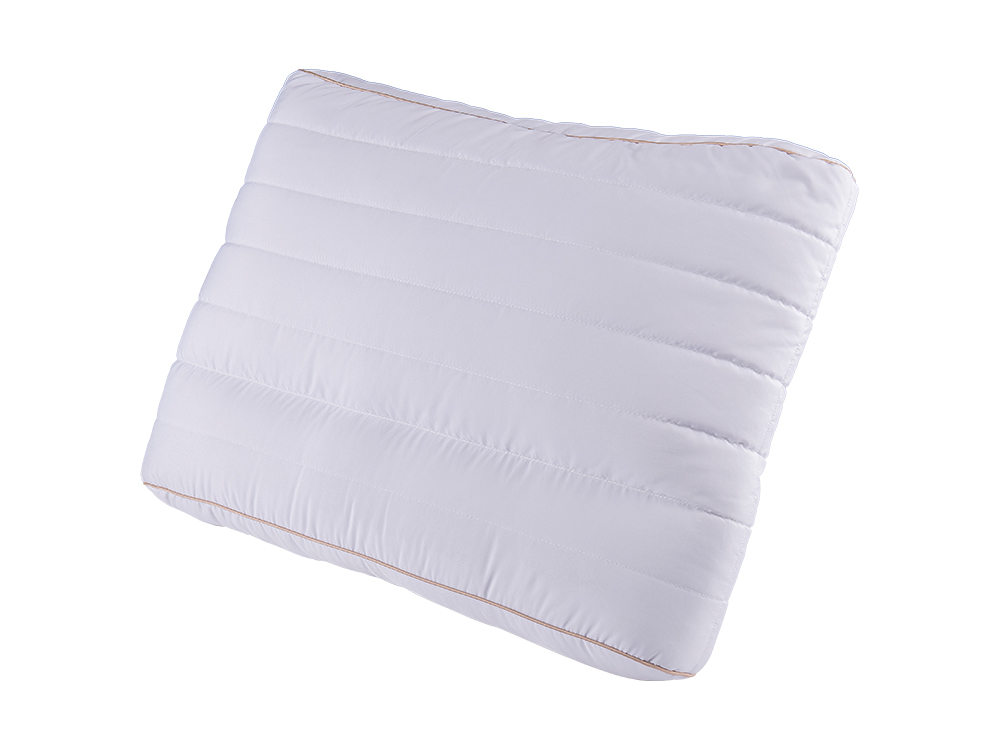
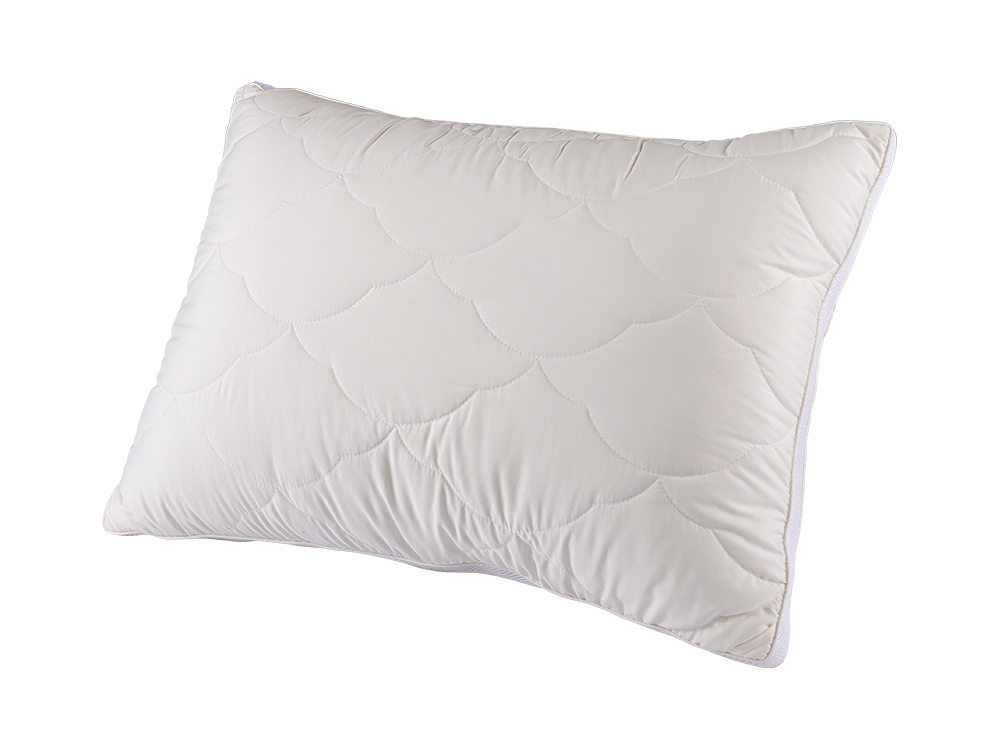
The quilt’s lining is filled with 300gsm 3D fiber using advanced automated filling machines. These machines blow the fiber into the quilt with precision, ensuring even distribution—no lumps or thin spots. The fiber is then secured with a unique stitching pattern that prevents shifting, even after repeated washes. The stitching pattern is designed to be both functional and aesthetically pleasing, adding a subtle texture to the quilt without compromising comfort.
3.4 Quality Control: A Multi-Stage Process
Quality is non-negotiable for the manufacturer. Each quilt undergoes five stages of quality control:
- Raw Material Inspection: Every batch of yarns and fibers is tested for strength, softness, and chemical content (using OEKO-TEX certified testing methods).
- Pre-Production Sample Approval: A sample quilt is made and tested for size accuracy, softness, and durability before full production begins.
- In-Process Inspection: During filling and stitching, inspectors check for even fiber distribution and proper seam alignment.
- Final Product Inspection: Each quilt is visually inspected for defects (snags, stains, loose threads) and measured to ensure it meets size specifications.
- Packaging Inspection: The quilt is packaged in eco-friendly materials (recyclable cardboard and compostable plastic) and checked for proper labeling.
This rigorous process ensures that every quilt that leaves the factory meets the highest standards of quality. The manufacturer’s ISO9001 certification validates this commitment to consistent quality management.
3.5 The Manufacturer’s Strengths: Experience and Expertise
The manufacturer behind this quilt is a leading home textile company with over 22 years of experience (established in 2002). It operates from a 21,000 square meter facility with 18,000 square meters of production space, equipped with advanced machinery (including automated filling lines, digital cutting tools, and computerized stitching machines). The company employs over 320 skilled workers, including a dedicated R&D team of 15 professionals who continuously innovate new processes and materials to improve product quality.
The company holds a range of international certifications that validate its commitment to quality, sustainability, and social responsibility:
- ISO9001: Standardizes quality management processes to ensure consistent product quality.
- ISO14001: Implements environmental management practices to reduce carbon footprint and waste.
- OEKO-TEX 100: Ensures that all materials are free from harmful chemicals.
- GRS (Global Recycled Standard): Verifies that recycled materials are used in production and that the supply chain is transparent.
- BSCI: Ensures fair labor practices, including safe working conditions, fair wages, and no child labor.
- Safety Production Standardization: Rated as a safety production standardization enterprise since 2016, demonstrating compliance with occupational health and safety regulations.
These certifications are not just badges of honor—they’re a testament to the company’s commitment to doing business the right way, for both its customers and the planet. The company’s annual sustainability report (2023) shows that it has reduced its carbon footprint by 20% over the past five years, and it recycles 90% of its production waste.
Head-to-Head: How This Quilt Compares to Competitors
To truly understand the value of the skin-friendly soft water washed quilt, let’s compare it to other popular bedding options using key metrics:
4.1 Comparative Analysis of Bedding Options
| Feature | Skin-Friendly Soft Water Washed Quilt | Silk Quilt | Regular Cotton Quilt | Polyester Quilt |
|---|---|---|---|---|
| Softness Rating (1-5) | 5 | 5 | 3 | 2 |
| Skin-Friendliness | Hypoallergenic (OEKO-TEX Certified) | May cause irritation for some (natural proteins) | Generally friendly but can harbor dust mites | Prone to static and skin irritation |
| Durability (Wash Cycles) | Up to 300 cycles (retains shape) | Up to 50 cycles (delicate) | Up to 150 cycles (stiffens over time) | Up to 100 cycles (fades and pills) |
| Customizability | Yes (any size) | No (limited standard sizes) | Limited (common sizes only) | No (standard sizes only) |
| Price Point | Mid-range ($100-$150) | High-end ($500-$1000) | Budget ($30-$50) | Ultra-budget ($15-$30) |
| Breathability | Excellent (3D fiber lining) | Good but traps heat | Moderate (absorbs moisture) | Poor (traps heat) |
| Care Requirements | Machine wash cold, tumble dry low | Dry clean only | Machine wash warm, tumble dry medium | Machine wash hot, tumble dry high |
| Sustainability | High (recycled materials, eco-friendly processes) | Low (high environmental footprint) | Moderate (natural but water-intensive) | Low (non-biodegradable) |
This table clearly illustrates that the skin-friendly soft water washed quilt outperforms its competitors across key metrics. It offers the highest softness and skin-friendliness, with durability that exceeds silk and cotton. Its customizability and eco-friendly features further set it apart in the market. For example, while silk quilts are soft, they’re 5-10 times more expensive and less durable. Regular cotton quilts are cheaper but lack the plushness and longevity of this quilt. Polyester quilts are the cheapest option but are uncomfortable and unsustainable.
Customer Usage & Care Guide
To get the most out of your skin-friendly soft water washed quilt, follow these usage and care tips:
5.1 Usage Tips
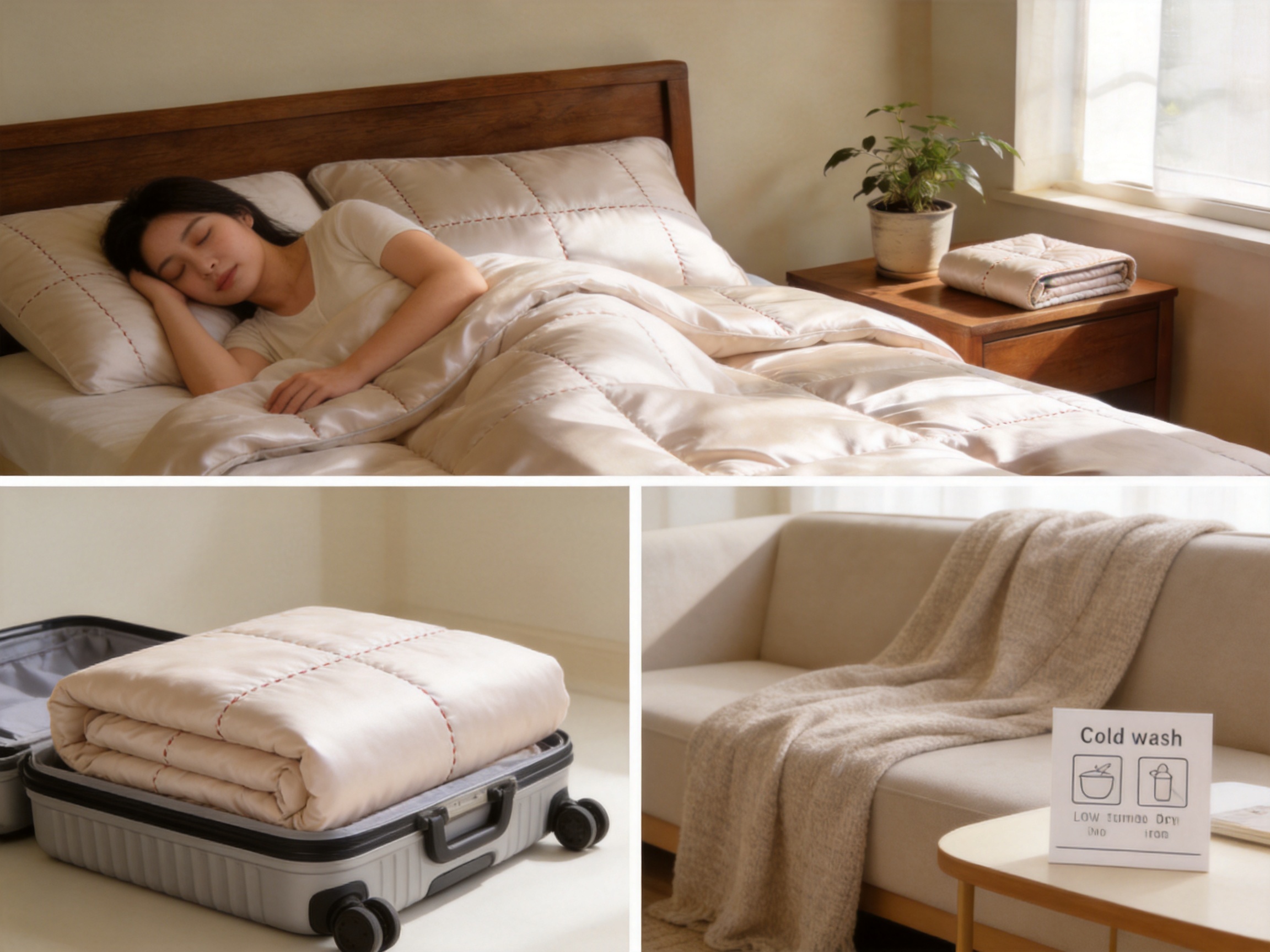
- All-Season Use: The quilt’s 3D fiber lining makes it suitable for year-round use. In summer, use it alone; in winter, layer it with a duvet or blanket for extra warmth.
- Customization: If you need a specific size, contact the manufacturer to request a custom quilt. Allow 7-10 business days for production.
- Travel: The quilt’s lightweight design makes it perfect for travel. Roll it up and pack it in your suitcase for a comfortable sleep on the go.
5.2 Care Tips
- Washing: Machine wash cold on a gentle cycle. Use a mild, fragrance-free detergent. Avoid bleach or fabric softeners, as they can damage the brushed fabric.
- Drying: Tumble dry on low heat. Remove the quilt promptly to prevent wrinkling. Alternatively, hang it to dry in a shaded area for a more eco-friendly option.
- Ironing: Avoid ironing, as the heat can damage the brushed fabric. If wrinkles occur, hang the quilt in a steamy bathroom to smooth them out.
- Storage: Store the quilt in a cool, dry place. Avoid storing it in plastic bags, as this can trap moisture and cause mildew. Use a cotton storage bag instead.
Q&A: Your Most Pressing Questions About the Skin-Friendly Soft Water Washed Quilt
To help you make an informed decision, we’ve compiled answers to the most common questions about this quilt:
Q1: Is the quilt suitable for people with sensitive skin?
A: Yes! The quilt is made with OEKO-TEX 100 certified materials, which means it’s free from harmful chemicals like formaldehyde, heavy metals, and phthalates. The water washed brushed fabric is hypoallergenic and gentle on even the most sensitive skin, making it ideal for those with eczema or allergies.
Q2: Can I customize the size of the quilt?
A: Absolutely! The standard size is 200x200cm, but the manufacturer offers full customization to any size. Whether you need a quilt for a twin bed, a king-size bed, or even an oversized sofa, you can request a custom size that fits your needs. Custom orders typically take 7-10 business days to process.
Q3: How do I care for the quilt to maintain its softness?
A: Caring for the quilt is simple. We recommend machine washing it in cold water on a gentle cycle, using a mild detergent (avoid bleach or fabric softeners). Tumble dry on low heat, or hang it to dry for a more eco-friendly option. Avoid ironing, as the heat can damage the brushed fabric.
Q4: Is the quilt suitable for all seasons?
A: Yes! The 300gsm 3D fiber lining provides just the right amount of warmth for year-round use. It’s lightweight enough for summer nights and insulating enough for winter, making it a versatile addition to your bedding collection.
Q5: Does the quilt come with a warranty?
A: Yes, the manufacturer offers a 1-year warranty against defects in materials and workmanship. If you receive a defective quilt, contact the manufacturer’s customer service team for a replacement or refund. For more information on the warranty, visit the manufacturer’s website.
Q6: Is the quilt eco-friendly?
A: Yes! The quilt is made with recycled materials (3D fiber lining from post-consumer plastic bottles) and uses eco-friendly manufacturing processes (closed-loop water system, recycled packaging). The manufacturer holds GRS and ISO14001 certifications, which validate its commitment to sustainability.
References
- Textile Intelligence Report. (2023). Global Bedding Market Trends 2023-2028: Focus on Sustainable and Comfortable Textiles. Retrieved from Textile Industry Database.
- International Textile Federation. (2024). Sustainable Textile Manufacturing: Best Practices for Reducing Environmental Impact. Brussels, Belgium: ITF Publications.
- Journal of Textile Science & Technology. (2023). Skin-Friendly Bedding Materials: A Comparative Analysis of Microfiber, Silk, and Cotton. Volume 15, Issue 2, Pages 45-62.
- Home & Lifestyle Research Institute. (2024). Consumer Demand for Customizable Home Textiles: A Survey of 5,000 U.S. and European Consumers. New York: HLRI Press.
- Manufacturer’s Annual Sustainability Report. (2023). Tongxiang Xinlong Bedding Co., Ltd. Retrieved from Manufacturer’s Website.
Conclusion: Elevate Your Sleep with the Skin-Friendly Soft Water Washed Quilt
The skin-friendly soft water washed quilt is more than just a bedding item—it’s a testament to the evolution of home textile manufacturing. By combining innovative water washing technology, high-quality materials, and eco-conscious practices, this quilt offers a perfect balance of comfort, durability, and affordability. It addresses the limitations of traditional bedding options, making it an ideal choice for anyone looking to improve their sleep quality.
Backed by a manufacturer with over two decades of experience, advanced production facilities, and a range of international certifications, you can trust that this quilt is made to the highest standards. Whether you’re prioritizing skin sensitivity, sustainability, or customization, this product delivers on all fronts.
Invest in the skin-friendly soft water washed quilt today and experience the difference that quality bedding can make. Your body (and your sleep) will thank you.

 +86-573-88798028