



 Français
 Español
 Deutsch
Content
- 1 Product Overview
- 2 Core Design Advantages
- 3 Comparison with Conventional Pillow Types
- 4 Comfort and Sleep-Oriented Benefits
- 5 Manufacturing Capability and Company Strengths
- 6 Certifications and Responsible Production Considerations
- 7 Production Process for a Memory Foam Pillow
- 8 Advantages for Wholesale and Private-Label Buyers
- 9 How the Product Can Stand Out in the Market
- 10 Recommended Quality Checks Before Order Confirmation
- 11 Care, Handling, and Consumer Communication
- 12 Application Scenarios
- 13 Customization and Collection Development
- 14 Q&A
- 14.1 What is the main material inside the pillow?
- 14.2 What does slow rebound mean?
- 14.3 What is the pillow size?
- 14.4 What fabric is used for the cover?
- 14.5 Is the pillow suitable for every sleeper?
- 14.6 Can the pillow help support the neck?
- 14.7 How does it differ from a polyester-filled pillow?
- 14.8 Can the product be customized?
- 14.9 What should buyers verify about certifications?
- 14.10 Can the pillow be shipped in compressed packaging?
- 14.11 What types of businesses may purchase this product?
- 14.12 What related products can be sourced from the same manufacturer?
- 15 Conclusion
- 16 References
- 17 Product: Memory Foam Pillow
A pillow is one of the most important products in a sleep environment because it supports the head, neck, and upper shoulders for several hours every night. Although pillows may look simple, their internal structure, outer fabric, shape, resilience, and manufacturing quality can have a meaningful effect on comfort and long-term usability. A well-designed pillow should provide stable support without creating excessive pressure. It should also feel comfortable against the skin, maintain its intended shape, and be suitable for a wide range of sleepers.
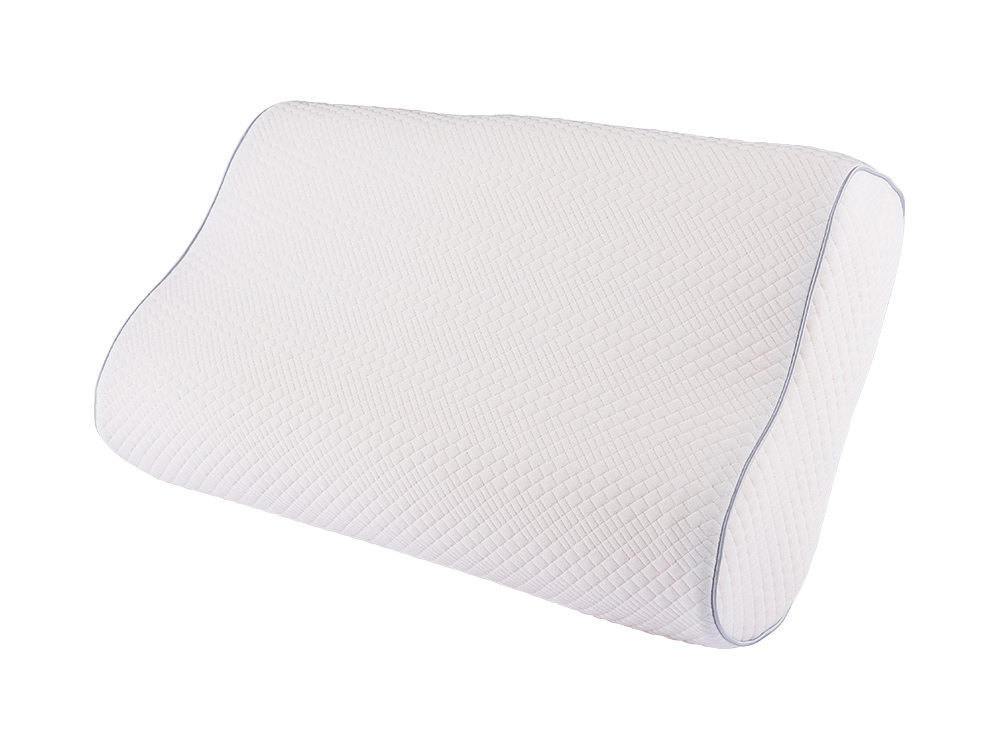
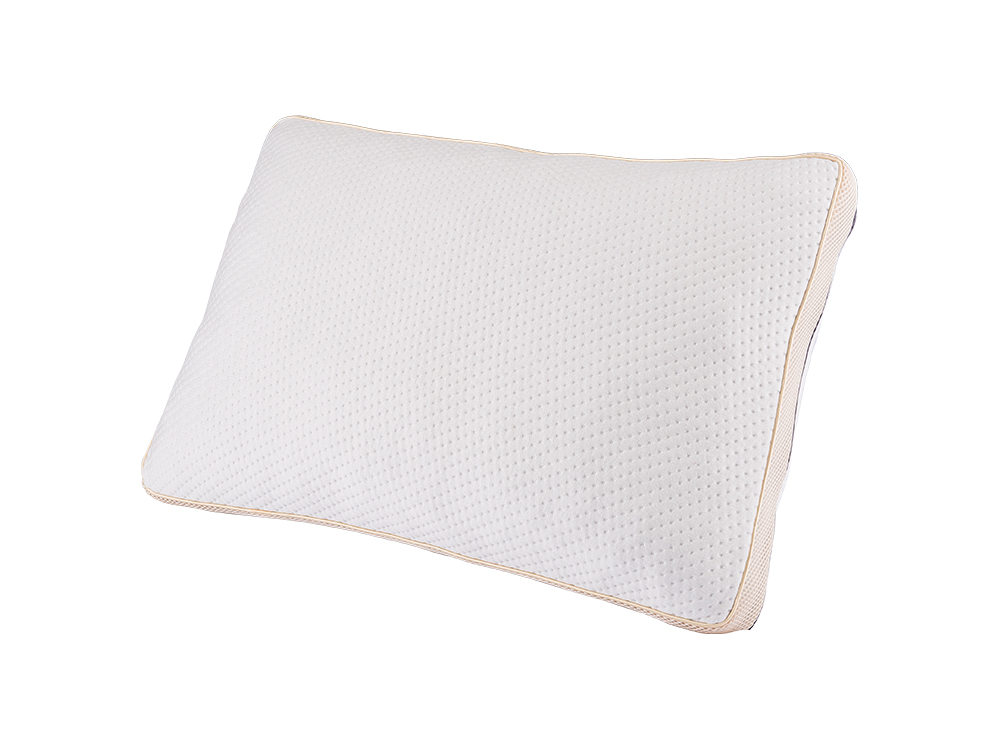
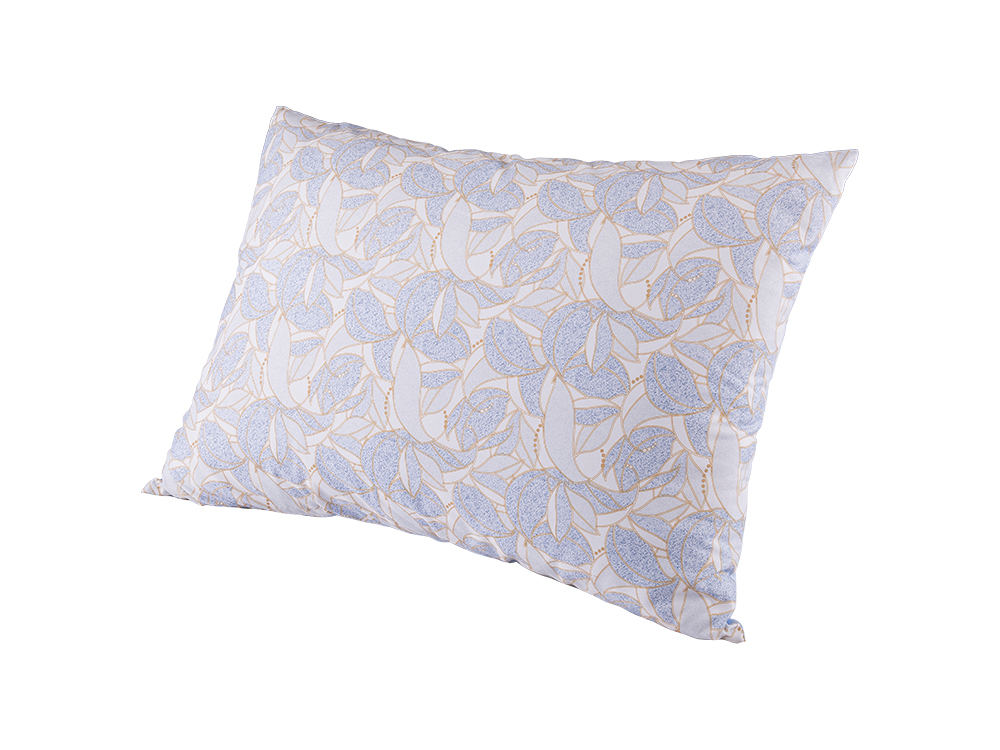
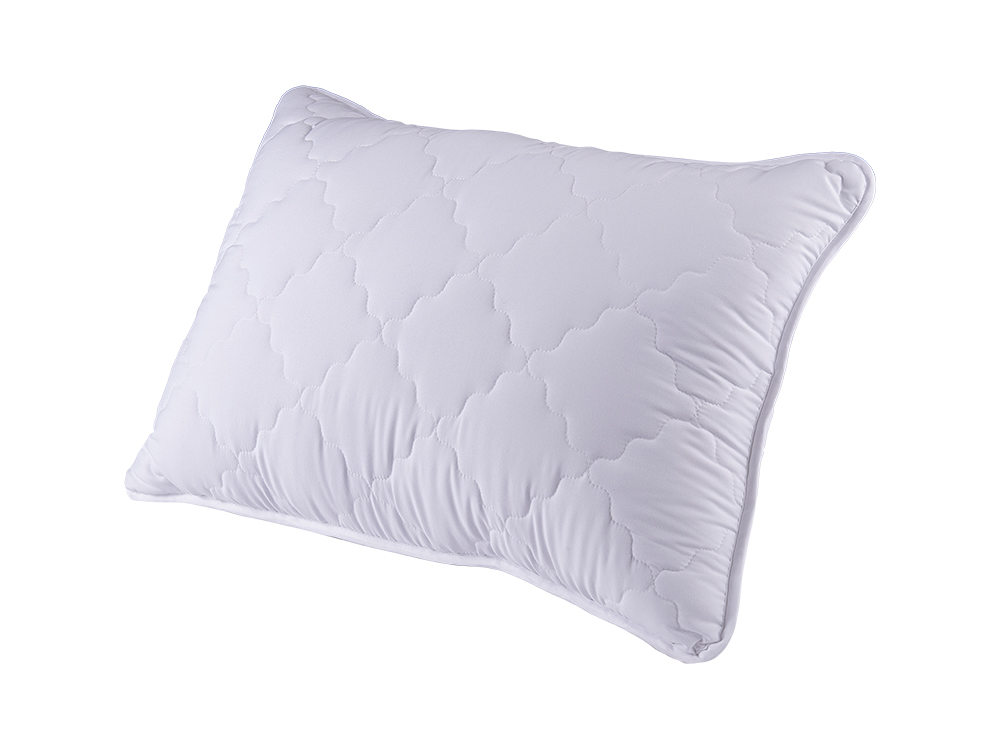
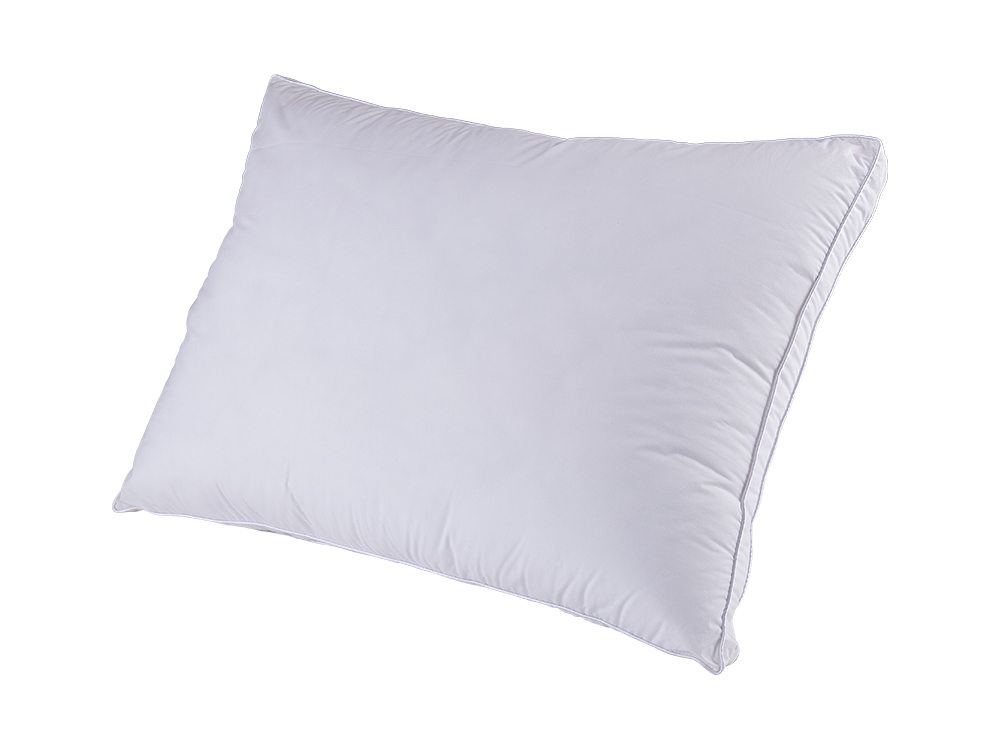
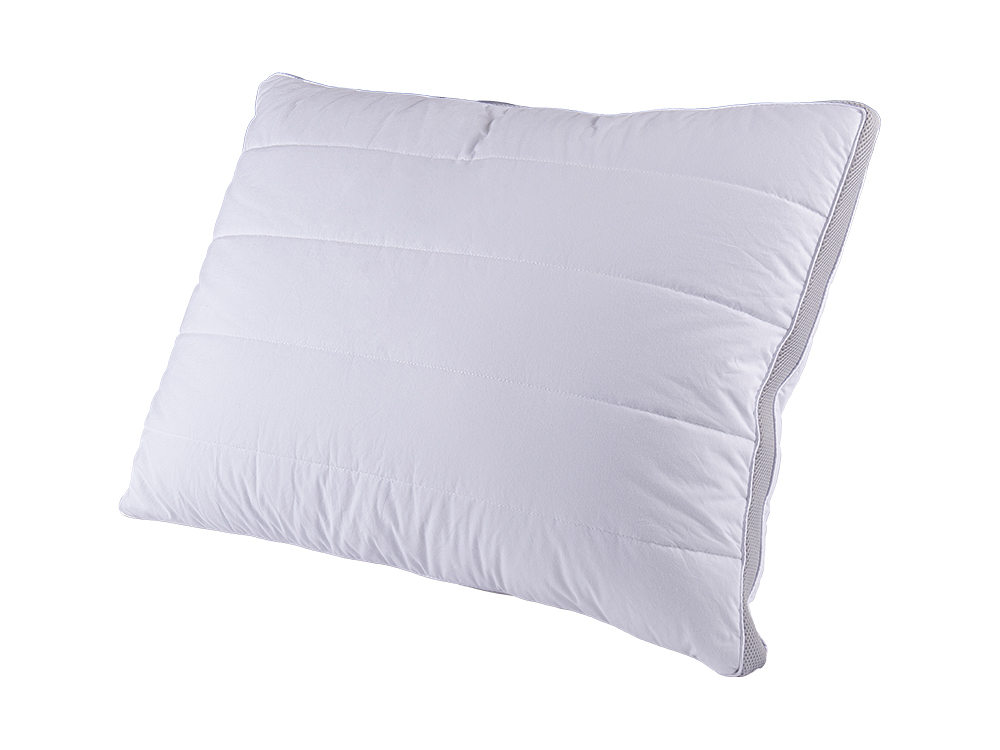
The Memory Foam Pillow described in this article is designed around these practical requirements. It combines a memory foam core with a 280gsm knitted fabric cover and a 50 x 70 cm format. Its slow-rebound construction is intended to respond gradually to the weight and contours of the head and neck. Instead of immediately springing back like some traditional fillings, memory foam can conform to the body and distribute pressure across a broader surface.
Behind the product is Tongxiang Xinlong Bedding Co., Ltd., a home textile manufacturer based in Wuzhen, Tongxiang, Zhejiang Province, China. Established in January 2002, the company produces pillows, quilts, cushions, mattress protectors, blankets, bedspreads, pillowcases, quilt covers, curtains, shower curtains, and other household textile products. Its manufacturing operations cover approximately 21,000 square meters, including around 18,000 square meters of construction area, and the company employs more than 320 people.
This combination of functional product design and established bedding production capability makes the pillow suitable for wholesalers, retailers, hospitality buyers, private-label customers, and distributors seeking a practical sleep-support product. The following discussion examines its design advantages, material structure, manufacturing strengths, quality considerations, customization potential, and position within the competitive bedding market.
Memory Foam Pillow
Product Overview
The Memory Foam Pillow has a simple but purposeful construction. Its primary filling is memory foam, while its exterior uses 280gsm knitted fabric. The stated size is 50 x 70 cm, a widely recognized pillow format that provides enough surface area for the head while remaining suitable for standard bedding arrangements.
Memory foam is a viscoelastic material. It reacts to body weight and temperature by slowly compressing under pressure and gradually returning toward its original form after the pressure is removed. This response creates the slow-rebound effect associated with memory foam pillows. The material does not simply provide softness; it also creates a degree of adaptive support.
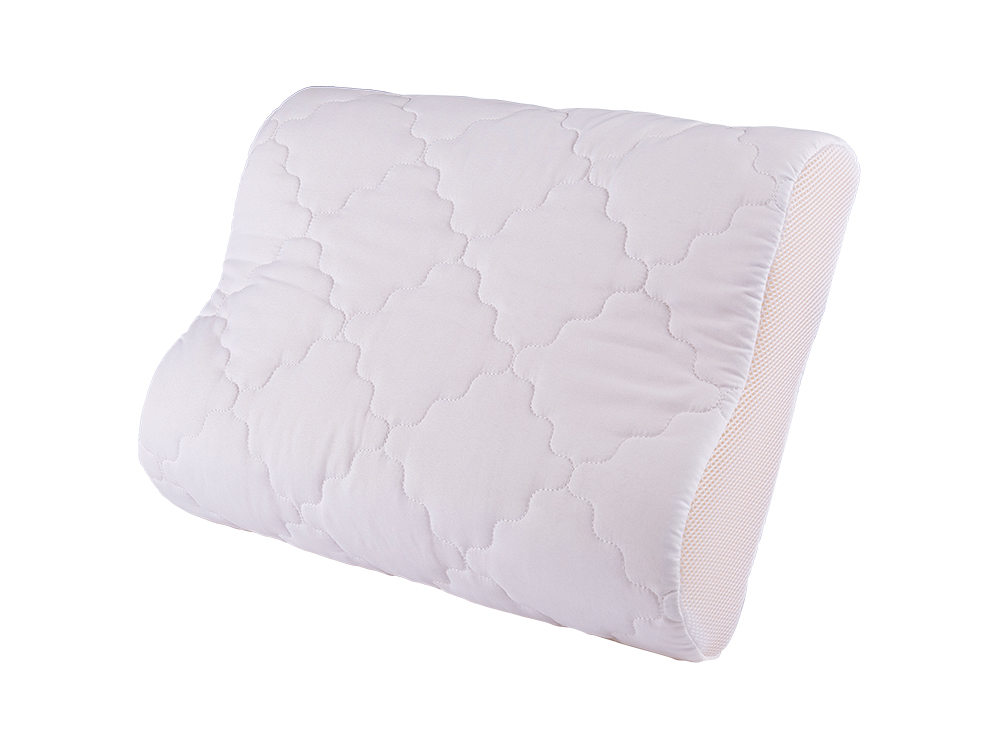
The product description emphasizes a shape that fits the neck and helps disperse pressure on the head and neck. In practical use, this means the pillow is intended to reduce concentrated pressure points that may occur when the head rests on a surface that is either too firm, too flat, or unable to adapt to the sleeper’s contours.
Because sleep preferences vary, no single pillow can be ideal for every person or every sleeping position. However, a memory foam pillow can offer a versatile balance between contouring and support. It may be used by people who prefer a more structured pillow than loose fiber filling provides, while still wanting a surface that adapts more closely than a conventional solid foam or tightly packed cushion.
Product Feature |
Specification or Function |
Practical Benefit |
Product type |
Memory foam pillow |
Adaptive support for the head and neck |
Size |
50 x 70 cm |
Generous surface area for common bedding applications |
Outer fabric |
280gsm knitted fabric |
Comfortable textile surface with a substantial hand feel |
Inner material |
Memory foam |
Slow rebound and pressure-conforming support |
Product alias |
Slow-rebound pillow |
Clear market positioning around its responsive foam behavior |
Core Design Advantages
Contoured Support for the Head and Neck
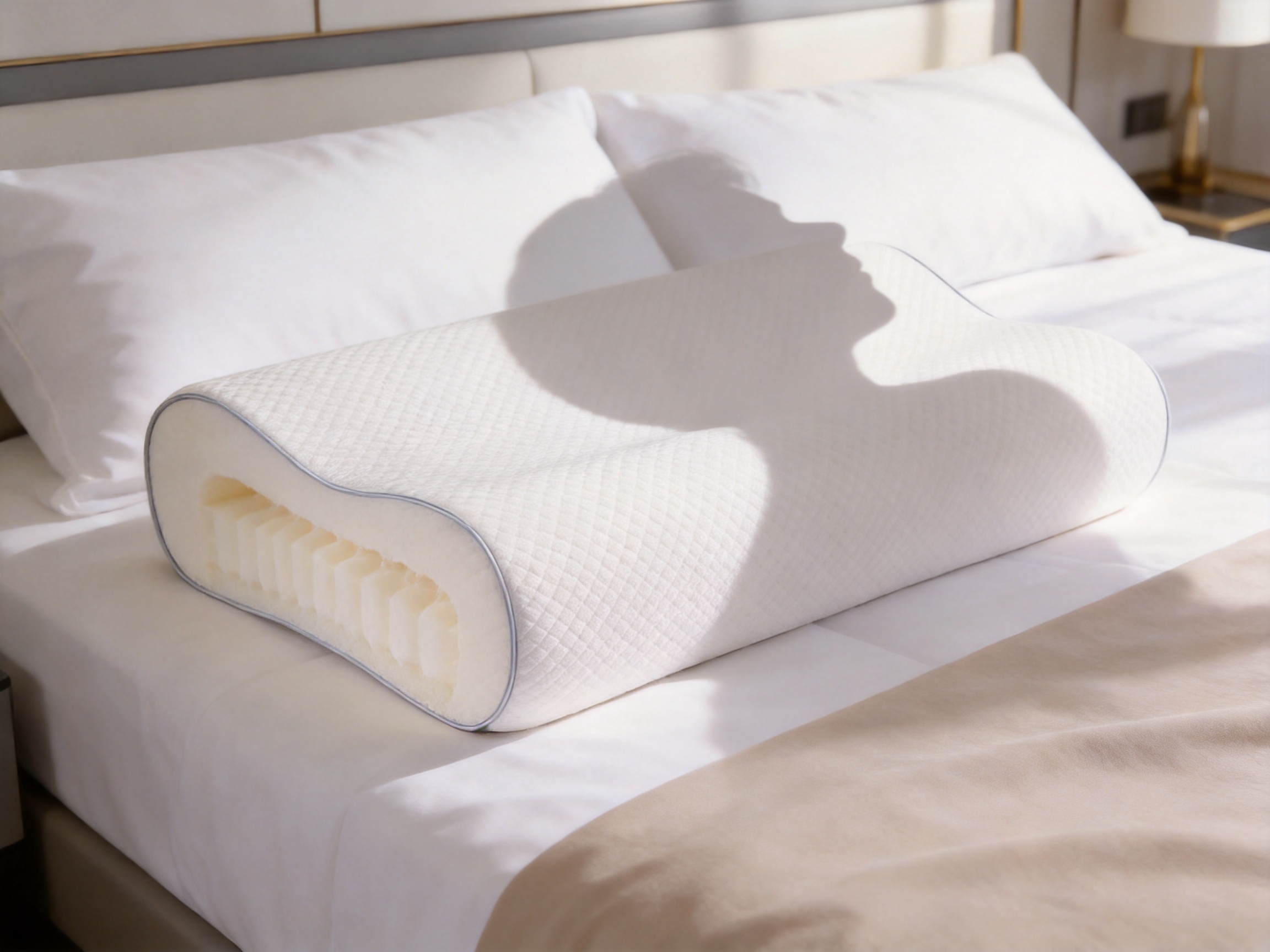
The primary advantage of the product is its memory foam core. Traditional pillows filled with loose polyester fiber, feathers, or other flexible materials can feel soft, but their support may change as the filling shifts during the night. Memory foam is a unified support material, so it is less dependent on the distribution of loose filling. This allows the pillow to maintain a more consistent supporting surface.
When a sleeper places the head on the pillow, the foam gradually responds to the load. Areas receiving more pressure compress more deeply, while areas receiving less pressure remain higher. This creates a contoured support zone around the head and neck. The result is a closer fit than may be achieved by a basic flat pillow.
A contoured surface can be particularly useful for sleepers who want to keep the neck in a more neutral resting position. If a pillow is too low, the neck may tilt downward. If it is too high, the neck may be pushed upward. The appropriate height depends on body shape, shoulder width, mattress firmness, and sleeping position. The adaptive quality of memory foam helps the material respond to these variables instead of offering only one fixed level of compression.
Pressure Distribution
Pressure distribution is another important advantage. A pillow that concentrates the weight of the head in a small area may create discomfort, especially when used for many hours. Memory foam can spread the load across more of the pillow surface by conforming to the shape of the head and neck.
This does not mean that the material eliminates all pressure. Rather, it changes how pressure is managed. Instead of allowing one or two hard contact points to carry much of the load, the foam can create a broader transition between the sleeper and the pillow. This may contribute to a more relaxed feeling during rest.
For product buyers, pressure-distribution performance is also a useful selling point because it is easy for consumers to understand. Customers often look for pillows that provide support without feeling rigid. A slow-rebound pillow communicates this balance clearly: it is designed to cushion the head while maintaining a supportive internal structure.
Slow-Rebound Response
The slow-rebound behavior of memory foam gives the pillow a recognizable user experience. When the head is placed on the surface, the pillow does not immediately collapse or rapidly spring upward. Instead, it compresses progressively and returns more gradually after the load is removed.
This characteristic can help the pillow retain a shaped impression during use. It also differentiates the product from fast-rebound foam, ordinary polyester filling, and many low-density cushion materials. For retailers, this distinction creates an opportunity to explain the product through a clear sensory benefit: the pillow gently adapts to the user rather than responding abruptly.
Slow rebound can also contribute to a premium perception. Consumers often associate controlled movement, supportive contouring, and material consistency with higher-value bedding. When combined with a substantial knitted cover, the product can be positioned above basic promotional pillows while remaining more accessible than highly specialized ergonomic systems.
Generous 50 x 70 cm Format
The 50 x 70 cm size gives the user a broad sleeping surface. A larger pillow can provide more room for natural movement during sleep and may be suitable for a variety of bedroom styles. It can be used as a primary sleeping pillow, a supportive pillow for reading, or an additional decorative and functional element in a bedding arrangement.
For commercial buyers, a recognized size also simplifies purchasing and merchandising. Retailers can present the product as a standard full-size pillow instead of requiring customers to understand a highly specialized dimension. The format may also be easier to match with existing pillowcases and bed linen programs, subject to local sizing conventions and final product tolerances.
280gsm Knitted Fabric Cover
The outer fabric is specified as 280gsm knitted fabric. Fabric weight is not the only measure of quality, but a 280gsm construction generally indicates a more substantial textile than a very lightweight cover. A knitted surface can offer softness, flexibility, and a comfortable hand feel, which are important for an item that remains in close contact with the sleeper throughout the night.
Knitted fabric is also capable of following the shape of the foam more smoothly than a rigid textile. Its flexibility can help the cover accommodate compression and expansion without creating unnecessary stiffness. The cover therefore supports both the tactile and functional qualities of the pillow.
The fabric layer can also serve as a practical protective barrier between the foam core and the user. Depending on the final construction, it may be removable, washable, or integrated into a complete pillow casing. Specific washing instructions, zipper details, seam construction, and treatment options should be confirmed during product development, but the use of a dedicated knitted fabric provides a strong foundation for these options.
Comparison with Conventional Pillow Types
The Memory Foam Pillow competes in a broad market that includes polyester-filled pillows, feather and down pillows, latex pillows, traditional foam pillows, and shaped orthopedic pillows. Each category has its own strengths. The advantage of this product is not that it replaces every other pillow, but that it offers a balanced combination of adaptive support, stable structure, and accessible sizing.
Compared with Polyester-Filled Pillows
Polyester-filled pillows are popular because they are affordable, lightweight, and easy to produce in many shapes. However, loose fiber filling can flatten, shift, or form uneven areas over time. Users may need to fluff the pillow frequently to restore its shape.
A memory foam core provides a more consistent internal structure. It does not depend on manual fluffing to distribute its support. This can make the product more convenient for consumers who prefer a pillow that maintains a defined form during the night. The memory foam construction also creates a clearer ergonomic story for marketing and retail communication.
Compared with Feather and Down Pillows
Feather and down pillows are valued for their softness and traditional luxury appeal. Nevertheless, they may require regular adjustment, and some users prefer to avoid animal-derived fillings. A memory foam pillow offers a non-feather alternative with a more stable support profile.
The product can therefore appeal to consumers looking for a modern synthetic solution. Its identity is based on material engineering and contouring rather than on the loft and softness of natural down. This distinction can be useful in markets where customers prioritize predictable support, easy product communication, or alternative filling materials.
Compared with Conventional Solid Foam
Conventional foam pillows may provide support, but not all foam types have the same ability to respond gradually to pressure. A basic foam pillow may feel more uniform and less adaptive. Memory foam is designed to conform more closely to the head and neck, creating a more personalized contact area.
The slow-rebound characteristic also gives the product a distinctive feel that can support premium positioning. Buyers can communicate that the pillow is not simply made from foam; it is designed to respond to the user’s body and provide pressure-conscious support.
Compared with Highly Specialized Ergonomic Pillows
Some ergonomic pillows use complex contoured shapes, multiple heights, or several material zones. These designs may be suitable for specific users, but they can also be difficult to select, package, and explain. A highly specialized shape may not suit every sleeping position or customer preference.
The 50 x 70 cm Memory Foam Pillow offers a more broadly marketable format. It retains the key benefit of adaptive support while using a familiar pillow size. This can reduce the barrier to purchase for consumers who want improved support but do not want an unusually shaped product.
Comfort and Sleep-Oriented Benefits
The product description presents the pillow as a way to help the head and neck relax, reduce sleep pressure, and support healthier and more effective sleep. These statements should be understood as comfort-oriented product benefits rather than medical claims. The pillow is designed to improve the physical conditions of rest, while individual sleep outcomes will depend on personal health, sleeping posture, mattress selection, room temperature, and other factors.
A supportive pillow can contribute to a more comfortable sleeping posture by reducing the need for repeated adjustments. When a pillow feels unstable or loses its shape, the sleeper may turn, fold, or reposition it during the night. A more structured memory foam core may help provide a stable foundation and reduce these interruptions for some users.
The pillow may also be useful during quiet activities outside normal sleep. Its broad surface and supportive structure can make it suitable for reading in bed, resting, watching television, or supporting the upper body while using a laptop. These secondary uses can increase the perceived value of the product and make it attractive as part of a broader comfort-focused bedding collection.
For side sleepers, the pillow’s contouring ability may help fill the space between the head and mattress, although the ideal height will vary according to shoulder width and mattress firmness. Back sleepers may appreciate a moderate supportive profile that helps avoid excessive sinking. Stomach sleepers often prefer a lower pillow, so product selection should remain based on personal comfort and posture. Retail communication should encourage customers to choose according to individual needs rather than promise one universal solution.
Manufacturing Capability and Company Strengths
More Than Two Decades of Industry Experience
Tongxiang Xinlong Bedding Co., Ltd. was established in January 2002. More than two decades of operation provide valuable experience in home textile product development, production planning, fabric handling, sewing, finishing, packaging, and order coordination.
Long-term industry experience can benefit buyers in several ways. A mature manufacturer is more likely to understand the practical requirements of bedding production, including dimensional control, seam quality, fabric behavior, filling placement, production scheduling, and product presentation. It can also be better prepared to manage the transition from a sample to a repeatable production order.
Experience across multiple bedding categories can be especially useful for customers seeking coordinated collections. A buyer may begin with memory foam pillows and later add mattress protectors, blankets, quilts, cushions, bedspreads, or pillowcases. A supplier with a broad product portfolio can help maintain a consistent approach to materials, colors, packaging, and seasonal product planning.
Established Production Infrastructure
The company operates on a site covering approximately 21,000 square meters, with a construction area of approximately 18,000 square meters. This scale indicates a substantial production infrastructure rather than a small workshop-based operation. The company also has more than 320 employees and is equipped with various advanced production machines.
A larger manufacturing base can support specialization between production stages. Different teams may be responsible for fabric preparation, cutting, sewing, filling, assembly, inspection, finishing, and packing. Such organization can improve workflow visibility and help the manufacturer coordinate orders with different specifications.
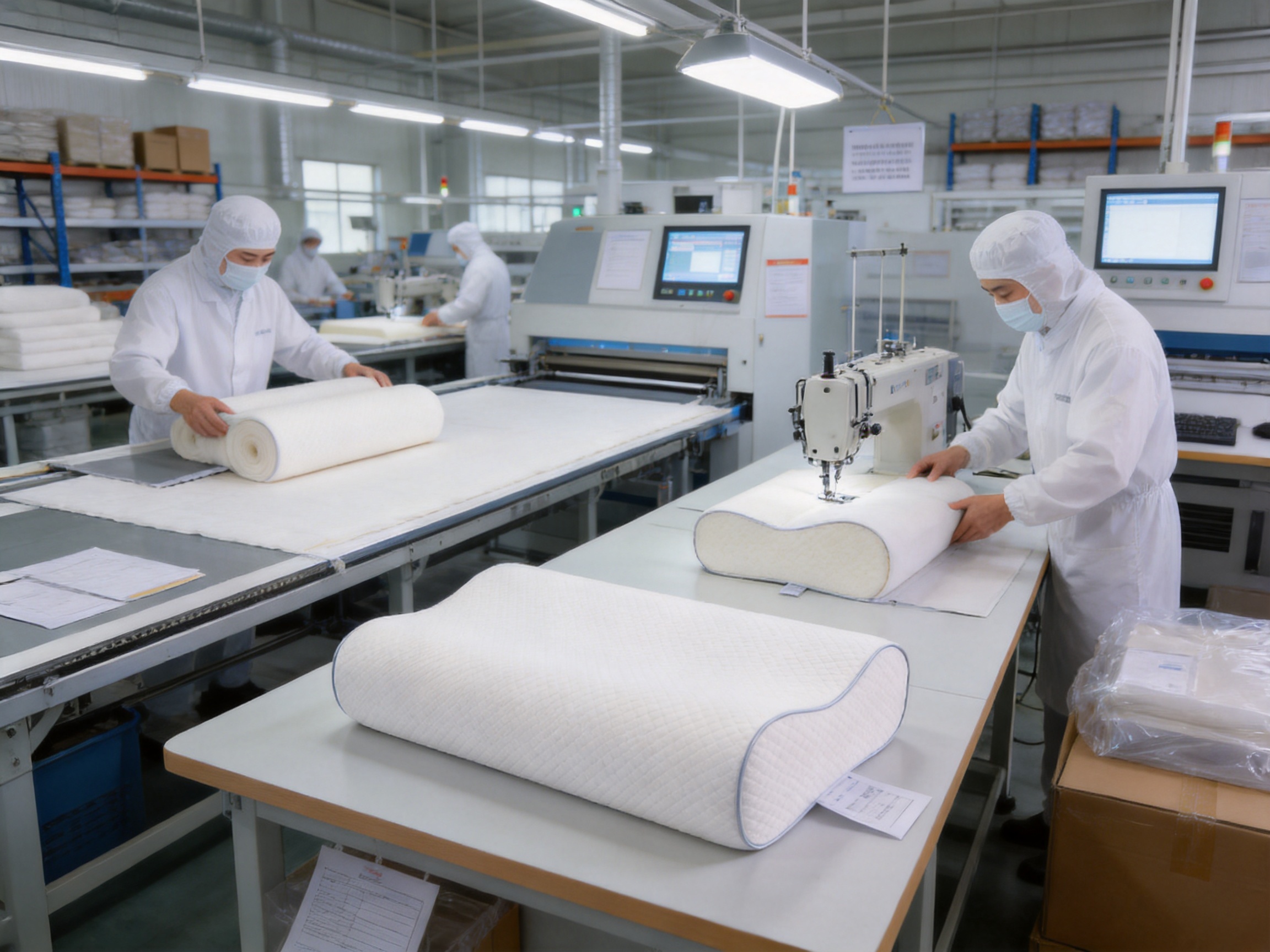
For the Memory Foam Pillow, production capability may include cover preparation, fabric cutting, seam sewing, foam core fitting, final inspection, labeling, and packaging. Each stage affects the finished result. A well-made foam core may not perform as intended if the cover is too tight, the seams are uneven, or the packaging causes unwanted deformation. An established production system helps treat the pillow as a complete product rather than only a piece of foam.
Product Development and Innovation
The company states that it continues to develop and innovate in response to changes in the home textile industry. This is important because bedding consumers increasingly look for products that combine comfort, function, appearance, convenience, and responsible material choices.
Innovation in pillow production does not necessarily require a complicated shape. It can involve improvements to foam density, rebound behavior, cover fabric, airflow, washability, packaging, edge finishing, or the relationship between the inner core and outer casing. For customers seeking private-label products, the ability to adjust these details can be more valuable than a single fixed design.
The company’s broader product experience may also support cross-category development. For example, a pillow collection can be coordinated with mattress protectors or quilts through matching colors, fabric textures, packaging concepts, and retail positioning. This allows buyers to develop a complete sleep collection rather than purchasing unrelated individual products.
Quality as a Core Operating Principle
The company identifies quality as the life of the enterprise and emphasizes standardized operating procedures, employee technical development, and continuous improvement. These principles are directly relevant to memory foam pillow production because consistency is essential to the customer experience.
Important quality points include the accuracy of the 50 x 70 cm dimensions, the consistency of the foam core, the fit of the knitted cover, the strength of the seams, the cleanliness of the product, the correctness of labels, and the protection provided by packaging. When these factors are controlled together, buyers can expect a more reliable product across multiple production batches.
Quality management is also important for export customers. Bedding products may pass through several stages of transportation, warehousing, retail handling, and final consumer use. Proper inspection and packaging can reduce avoidable issues such as staining, tearing, incorrect labeling, compression damage, or incomplete accessories.
Certifications and Responsible Production Considerations
The company reports certifications and assessment credentials including ISO 9001, ISO 14001, OEKO-TEX-related certification, GRS, and BSCI. These credentials represent different areas of management and production responsibility. Buyers should request current certificates and confirm their scope, validity, issuing organization, and relevance to the specific product and factory site before placing an order.
ISO 9001 Quality Management
ISO 9001 is associated with quality management systems. A quality management system can help a manufacturer document procedures, define responsibilities, manage corrective actions, and monitor process performance. For pillow production, this type of structure may support better control of incoming materials, production inspections, product release, and customer feedback.
Certification alone does not replace product-specific inspection. However, a functioning quality management system can provide a disciplined framework for maintaining consistency and addressing problems when they occur.
ISO 14001 Environmental Management
ISO 14001 relates to environmental management systems. It encourages organizations to identify environmental aspects, manage relevant impacts, establish objectives, and improve environmental performance. In a bedding factory, environmental considerations may include energy use, waste management, packaging materials, chemical handling, water consumption, and production efficiency.
For buyers with sustainability requirements, this certification can be part of a broader supplier evaluation. It should be considered together with material composition, recycled content claims, packaging decisions, and the manufacturer’s specific environmental practices.
OEKO-TEX-Related Requirements
OEKO-TEX standards are commonly associated with testing textiles and components for harmful substances. For products that remain close to the skin for many hours, material safety is an important purchasing consideration. Buyers should verify whether the certification applies to the fabric, finished pillow, foam, or another component, because the scope of a certificate can vary.
Clear documentation helps importers and retailers communicate responsibly with consumers. It also allows product teams to select appropriate fabrics, dyes, trims, labels, and packaging materials for the intended market.
GRS and Recycled Material Programs
The Global Recycled Standard, commonly known as GRS, is associated with recycled material content and chain-of-custody requirements. If recycled fibers or other recycled inputs are used in a product, buyers should confirm the exact component covered by the certification and the percentage of recycled content.
The Memory Foam Pillow is specified with a memory foam core and knitted fabric cover. The use of GRS-certified inputs should never be assumed without product-specific confirmation. Nevertheless, the company’s reported certification portfolio may provide a foundation for developing products that meet recycled-material requirements where technically and commercially suitable.
BSCI Social Compliance
BSCI is associated with social compliance and working-condition assessment. Responsible manufacturing includes not only product quality but also attention to workplace standards, employee welfare, and ethical business practices. Buyers increasingly evaluate suppliers through both commercial and social criteria, particularly when serving major retailers or international distribution channels.
Production Process for a Memory Foam Pillow
Material Planning
Production begins with confirming the product specification. This includes the pillow dimensions, foam type, cover fabric, fabric weight, color, labeling, packaging, and order quantity. Material planning helps ensure that the finished product matches the approved sample and that all components are available before mass production begins.
For the memory foam core, important considerations may include foam density, firmness, resilience, odor control, block dimensions, and cutting tolerances. The cover requires attention to fabric composition, knitted structure, color consistency, shrinkage, stretch, and resistance to seam slippage.
Foam Cutting and Shaping
Memory foam may be supplied in blocks or preformed units, depending on the production arrangement. The foam is cut to the required dimensions and may be shaped to create the desired profile. Cutting accuracy is important because an undersized core can create loose areas inside the cover, while an oversized core can place excessive tension on the fabric and seams.
Any shaped or contoured design should be checked against the approved sample. The shape must be comfortable, visually consistent, and suitable for the intended packaging method. Foam recovery after cutting and compression should also be considered when determining final measurements.
Fabric Inspection and Cutting
The knitted fabric is inspected before cutting. Typical checks may include color, surface appearance, holes, stains, knitting defects, width, weight, and stretch behavior. Fabric inspection helps prevent defects from becoming visible on the finished product.
After inspection, the fabric is cut according to the cover pattern. Accurate cutting supports balanced seams, a smooth appearance, and a consistent fit around the foam. Pattern placement is also important when the fabric includes a visual texture, stripe, print, or other directional feature.
Sewing and Cover Assembly
The cut fabric pieces are sewn into the pillow cover. Seam strength, stitch density, corner shape, zipper installation, and edge finishing all influence durability. A cover that is too loose may appear untidy and allow the foam to move inside. A cover that is too tight may restrict the foam’s ability to conform naturally.
The company’s experience in producing a range of home textile products can support this stage because sewing quality is central to many bedding categories. Consistent operator training, machine maintenance, and in-process inspection can help maintain a stable appearance throughout a production batch.
Core Insertion and Final Assembly
Once the cover is prepared, the memory foam core is inserted. This operation should be performed carefully to avoid tearing the fabric, damaging seams, or distorting the foam. The finished pillow is then checked for shape, dimensions, surface appearance, and overall construction.
If the cover is removable, the zipper and closure area receive additional inspection. If the cover is not removable, the complete product may require a different cleaning and packaging instruction. Buyers should approve the final construction and care labeling before production begins.
Inspection and Packaging
Final inspection may include measurement, visual checking, seam evaluation, material verification, label review, and packaging inspection. The product should be clean, dry, and free from visible manufacturing defects. Packaging should protect the pillow from dust, moisture, compression damage, and handling during transportation.
Memory foam products are sometimes compressed for shipping efficiency. If compression packaging is used, the recovery time and instructions should be validated. The pillow should be able to return to its intended shape within a reasonable period after opening. Packaging must also communicate any necessary ventilation, unpacking, and care information.
Advantages for Wholesale and Private-Label Buyers
The Memory Foam Pillow is suitable for several business models. A wholesaler can offer it as a functional upgrade from basic fiber pillows. A retailer can place it within a comfort, wellness, or ergonomic bedding collection. A hospitality buyer can evaluate it for guest-room use, subject to the required durability, care, hygiene, and replacement policies. A private-label customer can explore customized fabrics, labels, packaging, and product presentation.
The standard 50 x 70 cm format simplifies inventory planning. Buyers can create a core stock item while using packaging and marketing to target different channels. For example, the same basic product may be positioned for home use, guest rooms, student accommodation, serviced apartments, or seasonal gift programs.
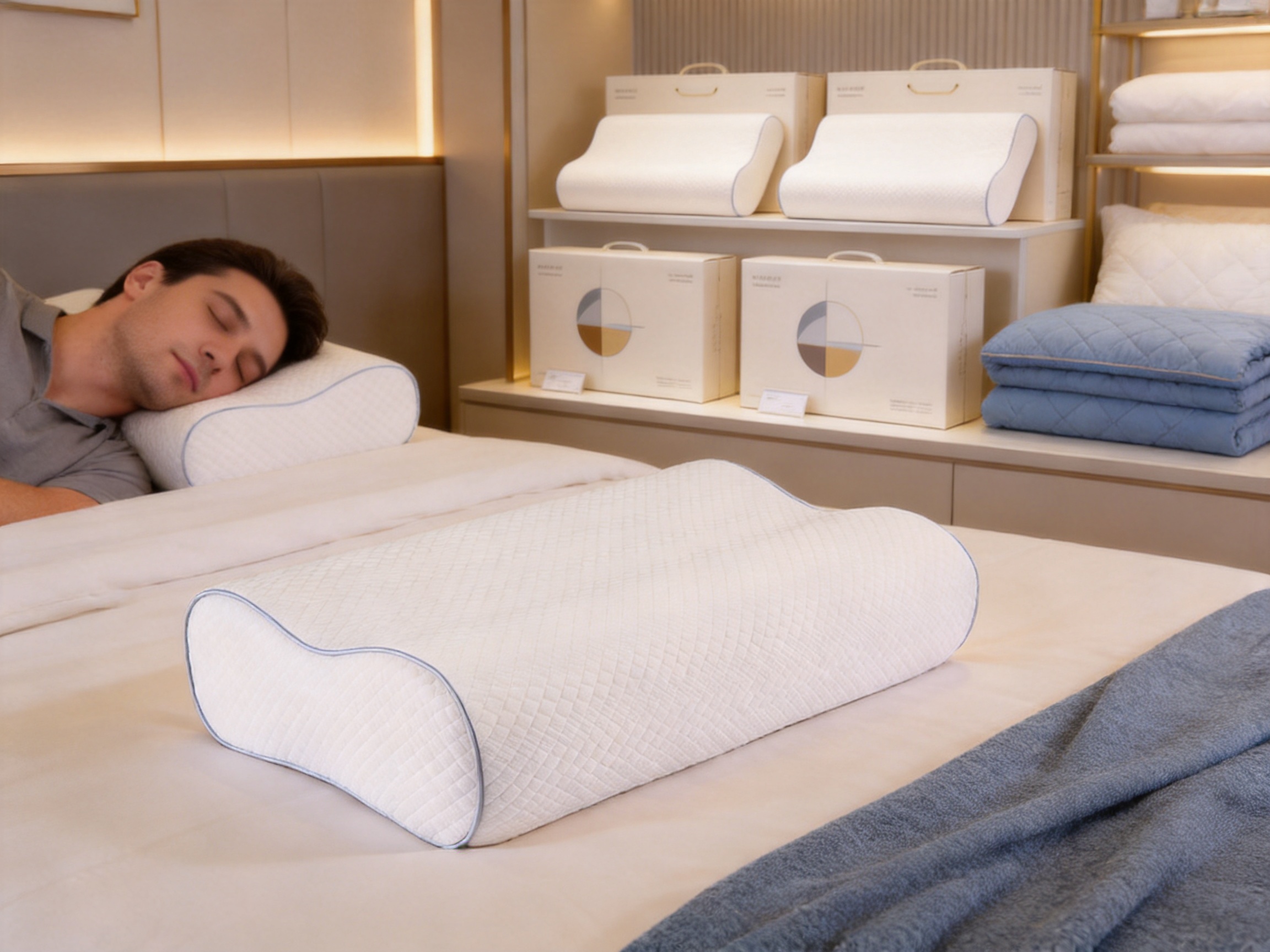
The product also has a clear sales message. “Memory foam,” “slow rebound,” “neck support,” and “pressure distribution” are straightforward concepts that consumers can recognize. These terms allow retailers to explain the product without relying on overly technical language. Demonstration displays can show how the foam responds to pressure, while packaging can highlight the fabric, size, and intended comfort benefits.
For private-label development, customization options may include the knitted fabric color, surface texture, label design, care label, carton artwork, polybag printing, insert card, and retail packaging. More advanced projects may consider different foam specifications, cover constructions, or coordinated pillowcase programs. All customization should be confirmed through technical sampling and written approval.
How the Product Can Stand Out in the Market
Competition in the bedding industry is intense, and pillow differentiation requires more than simply offering a foam core. The strongest market position comes from combining material functionality with dependable manufacturing, attractive presentation, clear documentation, and consistent quality.
First, the product offers a balance between familiar size and modern support technology. Customers do not have to learn an unfamiliar pillow format to experience the benefits of memory foam. The 50 x 70 cm shape is practical for both retail and household use.
Second, the 280gsm knitted fabric gives the pillow a tactile point of difference. Consumers frequently evaluate bedding by touch, and a substantial knitted cover can create a more comfortable first impression than a thin, basic shell.
Third, slow rebound creates a visible and sensory demonstration. Retailers can show how the surface gradually responds to pressure. This is useful in physical stores, product photography, showroom presentations, and digital marketing content.
Fourth, the product is supported by a manufacturer with broad home textile experience. Buyers can benefit from a supplier capable of producing related bedding categories, coordinating production, and supporting future product expansion.
Fifth, the company’s reported management and compliance certifications may support procurement requirements for international customers. Proper certificate verification and product-specific documentation can help build buyer confidence and simplify supplier assessment.
Finally, the pillow can be developed for different market segments without changing its central concept. A minimalist cover and recyclable packaging may suit a modern home collection. A soft neutral color and premium carton may suit hospitality or gift retail. A practical polybag and value-oriented label may suit mass distribution. This flexibility increases the product’s commercial potential.
Recommended Quality Checks Before Order Confirmation
Buyers should evaluate a sample before confirming a production order. The sample should be checked for dimensions, weight, shape, foam recovery, firmness, cover fit, fabric hand feel, stitching, odor, labeling, packaging, and overall appearance.
For memory foam, the buyer may request technical information about density, firmness range, rebound behavior, compression set, and applicable safety testing. These details should be matched to the target market and product positioning. A soft pillow and a supportive pillow may use different foam specifications even when they share the same outer size.
The cover should be checked after repeated handling and, where applicable, washing. Testing can help identify shrinkage, color change, pilling, seam opening, zipper failure, and loss of shape. If the cover is intended to be removable, the zipper should operate smoothly and remain securely attached.
Packaging tests are also important. The pillow may be exposed to stacking, vibration, compression, humidity, and temperature changes during transportation. A packaging trial can help determine whether the product arrives clean and properly shaped. If the pillow is vacuum-packed or tightly compressed, the recovery process should be included in the inspection plan.
Buyers should also request a pre-production sample or approved golden sample. This reference can be used during manufacturing and final inspection. It should clearly state the materials, measurements, colors, construction, labeling, packaging, and acceptable tolerances.
Care, Handling, and Consumer Communication
Memory foam pillows require suitable care instructions. The foam core should generally be protected from inappropriate washing, excessive moisture, and high heat unless the manufacturer has specifically validated those methods. The outer cover may have different care requirements from the foam itself.
Clear labels help consumers use the product correctly. Instructions may explain whether the cover can be removed, how it should be washed, how the foam should be aired, and how the pillow should be stored. Any compression-packaging instructions should also be included.
Retail descriptions should focus on support, slow rebound, pressure distribution, fabric comfort, and size. They should avoid unverified medical promises. Statements such as “designed to support the head and neck” and “made to conform gradually to body contours” are generally more responsible than claims that the pillow will treat a specific condition.
Consumers may notice a new-product smell when opening some foam products. If this possibility exists, packaging and care instructions can recommend airing the pillow in a well-ventilated area before use, according to the manufacturer’s verified guidance. Product communication should remain accurate and consistent with applicable regulations in the destination market.
Application Scenarios
Residential Bedrooms
In residential use, the pillow can serve as an everyday sleeping product. Its broad surface and supportive foam structure may appeal to adults seeking a more stable alternative to conventional fiber pillows. It can also be presented as part of a coordinated bedding set with quilts, mattress protectors, blankets, cushions, and pillowcases.
Hotels and Guest Accommodation
Hotels and other accommodation providers often seek bedding that creates a comfortable guest experience while remaining consistent across rooms. A memory foam pillow may be considered for premium rooms, suites, serviced apartments, or selected comfort packages. Commercial buyers should evaluate cleaning protocols, replacement cycles, fire and safety requirements, packaging, and the preferences of their guest profile.
Student Housing and Rental Properties
The pillow may also be suitable for student accommodation, rental housing, and furnished apartments. In these settings, buyers often value a balance of comfort, durability, manageable cost, and straightforward replacement. The standard size can make replenishment easier across multiple rooms or properties.
Gift and Seasonal Retail
Sleep-support products are suitable for gift programs because they combine practical use with a wellness-oriented message. Enhanced packaging, a carefully selected color palette, and a clear explanation of the slow-rebound function can make the pillow appropriate for seasonal retail, housewarming gifts, wedding registries, and personal comfort collections.
Customization and Collection Development
A manufacturer with experience across multiple home textile categories can support more than one isolated product. Buyers may develop a bedding collection around a common theme, such as natural colors, hotel-inspired comfort, seasonal warmth, modern minimalism, or environmentally conscious materials.
For the pillow itself, customization may include outer fabric color, knitted texture, piping, woven label, embroidered logo, zipper style, packaging format, and instruction card. The foam shape and firmness may also be reviewed when a target market has specific preferences. For example, one channel may prefer a softer profile, while another may request more structured support.
Coordinated products can include matching pillow protectors, mattress protectors, quilts, blankets, bedspreads, cushions, and pillowcases. A coordinated program can improve shelf presentation and provide opportunities for cross-selling. It may also help online retailers create complete bedroom bundles rather than relying on single-item purchases.
Customization should be managed through a structured process. The buyer should provide a technical brief, the manufacturer should prepare a sample, and both parties should record the approved specifications. Color standards, fabric composition, size tolerances, packaging artwork, and labeling requirements should be confirmed before bulk production.
Q&A
What is the main material inside the pillow?
The pillow uses memory foam as its lining or inner core. This material is designed to respond gradually to pressure and conform to the shape of the head and neck.
What does slow rebound mean?
Slow rebound means that the foam compresses progressively under body weight and returns toward its original shape more gradually than ordinary fiber filling or fast-rebound foam. This creates a distinctive adaptive support experience.
What is the pillow size?
The stated size is 50 x 70 cm. Buyers should confirm final production tolerances and local pillowcase compatibility before placing an order.
What fabric is used for the cover?
The specified outer fabric is 280gsm knitted fabric. The final cover construction, including whether it is removable and washable, should be confirmed in the approved technical specification.
Is the pillow suitable for every sleeper?
The product is described as suitable for all people, but individual comfort preferences vary. Sleeping position, shoulder width, mattress firmness, preferred pillow height, and personal sensitivity should be considered when selecting a pillow.
Can the pillow help support the neck?
The design is intended to fit the neck and provide supportive contouring. It may help distribute pressure across the head and neck area, but it is not a medical device and should not be promoted as a treatment for a medical condition.
How does it differ from a polyester-filled pillow?
A memory foam pillow has a unified foam core that provides structured, adaptive support. A polyester-filled pillow uses loose filling that may feel softer but can shift or flatten and may require regular fluffing.
Can the product be customized?
Potential customization may include fabric color, labels, packaging, care instructions, and possibly foam specifications or cover construction. All options should be confirmed through sampling and technical review.
What should buyers verify about certifications?
Buyers should request current certificates and verify their validity, issuing body, factory site, product scope, and expiration date. Certification should be reviewed together with product-specific testing and inspection requirements.
Can the pillow be shipped in compressed packaging?
Compression packaging may be possible depending on the foam specification and packaging design. The manufacturer should validate recovery time, shape retention, odor management, and transportation performance before this method is adopted.
What types of businesses may purchase this product?
Potential customers include bedding wholesalers, home textile retailers, online sellers, hospitality buyers, furniture stores, property managers, promotional distributors, and private-label brands.
The company produces a broad range of home textile products, including quilts, pillows, cushions, mattress protectors, blankets, bedspreads, quilt covers, pillowcases, curtains, and shower curtains. Buyers can discuss coordinated product development according to their market requirements.
Conclusion
The Memory Foam Pillow is designed to meet the growing demand for bedding that combines comfort with functional support. Its memory foam core provides slow rebound, adaptive contouring, and a more stable structure than many loose-fill alternatives. The 50 x 70 cm size offers a familiar and generous format, while the 280gsm knitted fabric adds softness, flexibility, and a substantial tactile quality.
Its competitive value comes from the balance of these features. It offers modern foam technology without requiring an unusually specialized shape. It can be positioned as a supportive everyday pillow, a premium retail item, a hospitality product, or part of a coordinated home textile collection. For buyers, the product also benefits from the manufacturing experience, production infrastructure, employee base, equipment, quality principles, and reported management certifications of Tongxiang Xinlong Bedding Co., Ltd.
As with any bedding product, successful commercialization depends on careful sampling, accurate specifications, appropriate testing, effective packaging, and responsible consumer communication. Buyers should confirm foam performance, fabric details, care instructions, certification scope, customization options, and shipment requirements before mass production. With these factors properly managed, the pillow can provide a dependable foundation for a modern sleep-product range and a practical alternative to conventional loose-filled bedding.
References
1. Product specification supplied for the 50 x 70 cm Memory Foam Pillow, including memory foam lining and 280gsm knitted fabric.
2. Manufacturer information supplied for Tongxiang Xinlong Bedding Co., Ltd., including company history, production area, workforce, product range, and manufacturing capabilities.
3. International Organization for Standardization. Quality management principles and ISO 9001 quality management system guidance.
4. International Organization for Standardization. Environmental management principles and ISO 14001 environmental management system guidance.
5. OEKO-TEX Association. Textile safety and harmful-substance testing principles.
6. Textile Exchange. Global Recycled Standard principles for recycled materials and chain-of-custody management.
7. amfori. Business Social Compliance Initiative principles for responsible supply-chain assessment.
8. General bedding product development practices concerning foam selection, textile construction, dimensional control, packaging, inspection, and consumer care communication.

 +86-573-88798028