



 Français
 Español
 Deutsch
Content
- 1 Product Overview
- 2 Core Product Specifications
- 3 Comfort Begins with the Surface
- 4 Memory Foam Core for Adaptive Support
- 5 Wavy Structure for Neck Curve Support
- 6 Balanced Softness and Support
- 7 Advantages Over Ordinary Pillows
- 8 Why Material Selection Matters
- 9 Manufacturing Strength Behind the Pillow
- 10 Advanced Production Processes
- 11 Quality Management and International Certifications
- 12 Customization Capability for Different Markets
- 13 Designed for Modern Bedding Demand
- 14 Applications and Target Users
- 15 Commercial Advantages for Bedding Buyers
- 16 How the Pillow Supports Healthier Sleep Habits
- 17 Durability and Long-Term Value
- 18 Sustainability and Responsible Production Considerations
- 19 Private Label and Export Potential
- 20 Why This Pillow Stands Out
- 21 Q&A Section
- 21.1 What is the main function of this memory foam pillow?
- 21.2 What makes the pillow different from ordinary fiber-filled pillows?
- 21.3 Is the pillow surface soft?
- 21.4 What is the benefit of the wavy sponge design?
- 21.5 What size is the pillow?
- 21.6 What materials are used inside the pillow?
- 21.7 Can this pillow be used for private-label programs?
- 21.8 Why is the manufacturer’s certification background important?
- 21.9 Is this pillow suitable for hotel supply?
- 21.10 How does the pillow support healthier sleep?
- 22 Conclusion
- 23 References
- 24 Product: Multifunctional Memory Foam Pillow
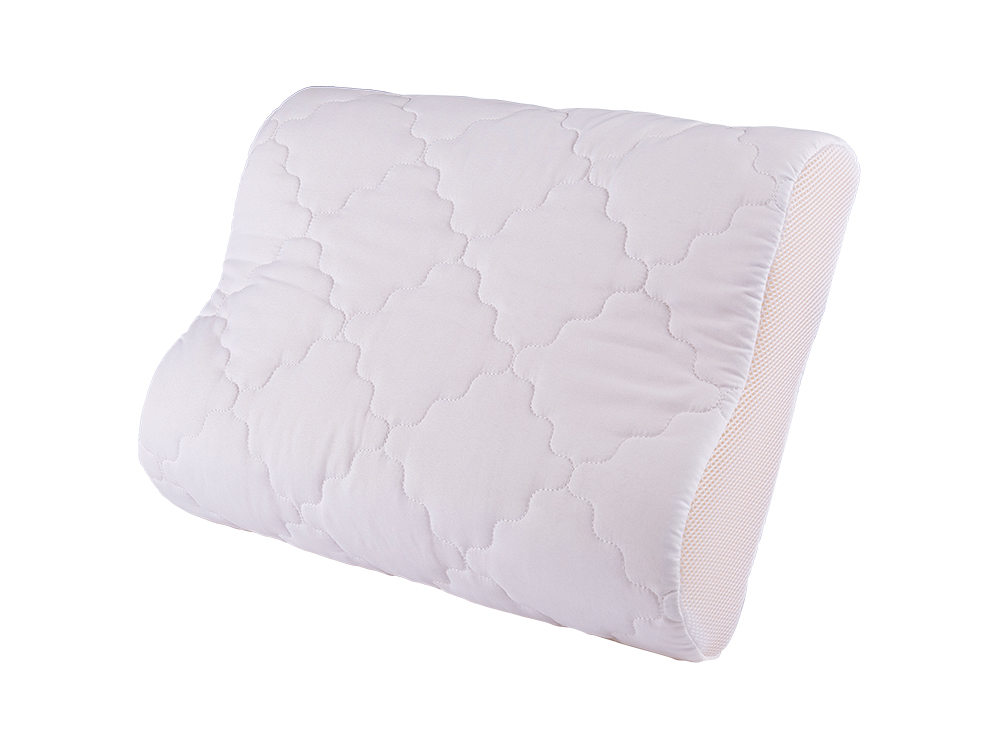
A pillow is not merely an accessory placed at the head of a bed. It is a daily comfort tool, a posture support product, and a key part of a bedding system that affects how rested a person feels in the morning. The Multifunctional Memory Foam Pillow is designed for users who want a soft, skin-friendly surface, a stable supportive core, and a contour that helps the neck rest in a more natural position. With a simple floral pillow shell, a quilted soft-touch layer, and a wavy slow-rebound memory foam inner core, this pillow brings together comfort, durability, and functional sleep support in one product.
The product is especially suitable for bedding buyers, retailers, hotels, home textile distributors, and private-label brands seeking a pillow that is both commercially attractive and technically competitive. Its appearance is gentle and elegant, while its internal structure is engineered for practical comfort. Unlike ordinary flat pillows that may collapse quickly or fail to align with the neck curve, this memory foam pillow uses a shaped sponge structure to disperse neck pressure more effectively. The result is a pillow that supports restful sleep while maintaining a soft and welcoming feel.
Produced by an experienced home textile manufacturer with advanced equipment, professional technical personnel, and internationally recognized management certifications, the pillow reflects a strong combination of product development capability and manufacturing reliability. It is not only a finished bedding item; it is also a showcase of modern home textile production, material selection, sewing quality, foam processing, and quality control.
Multifunctional Memory Foam Pillow
Product Overview
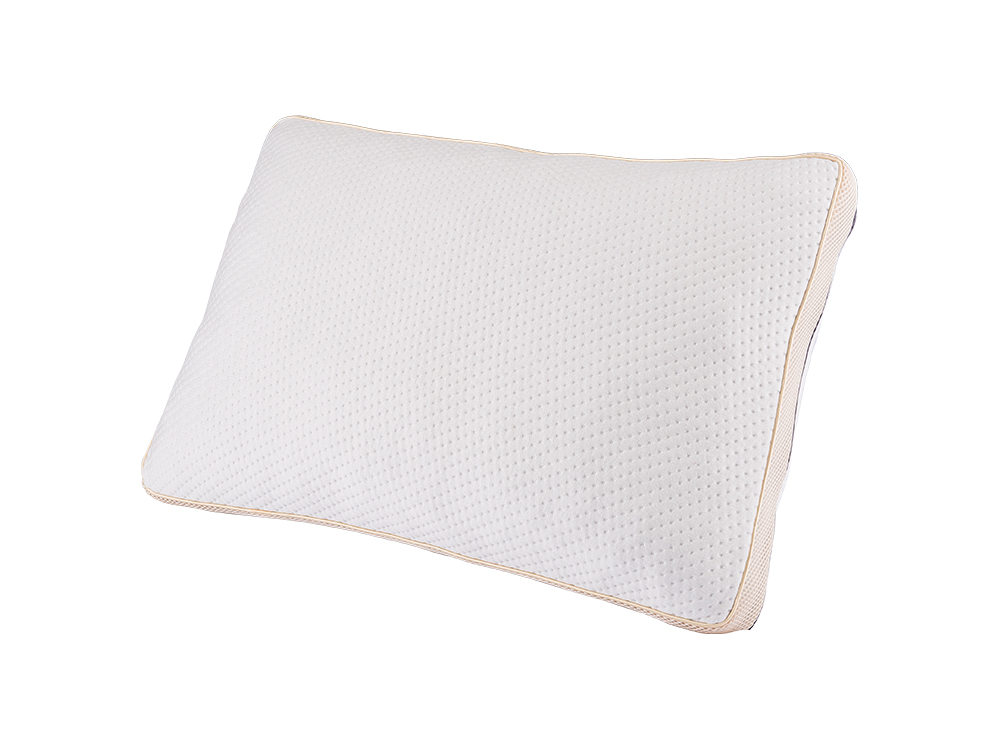
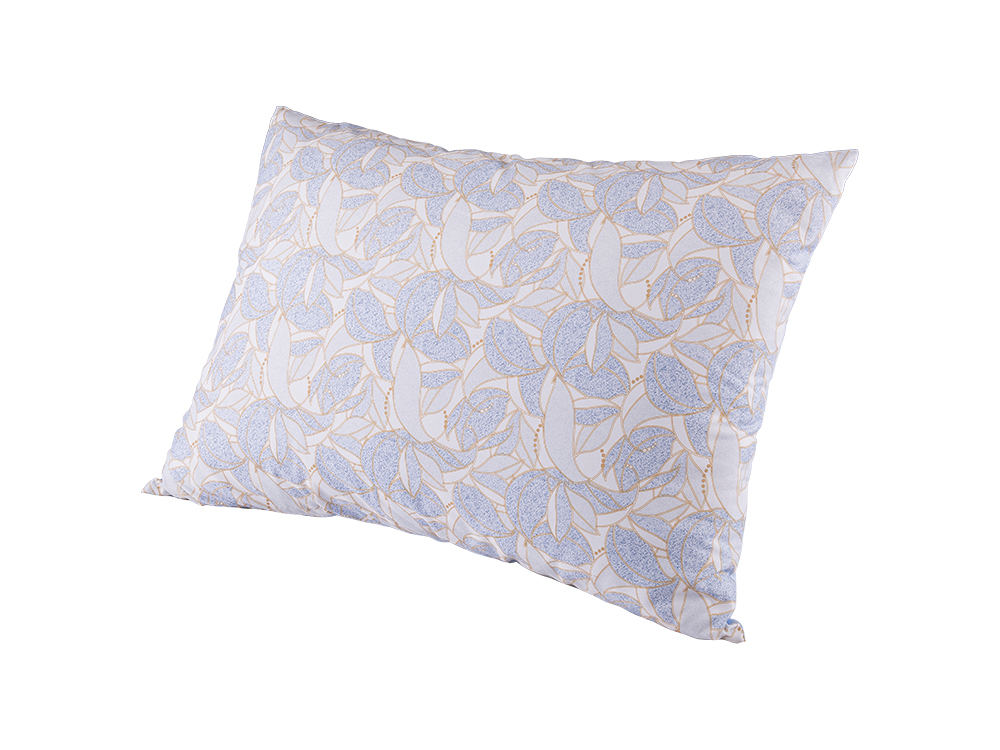
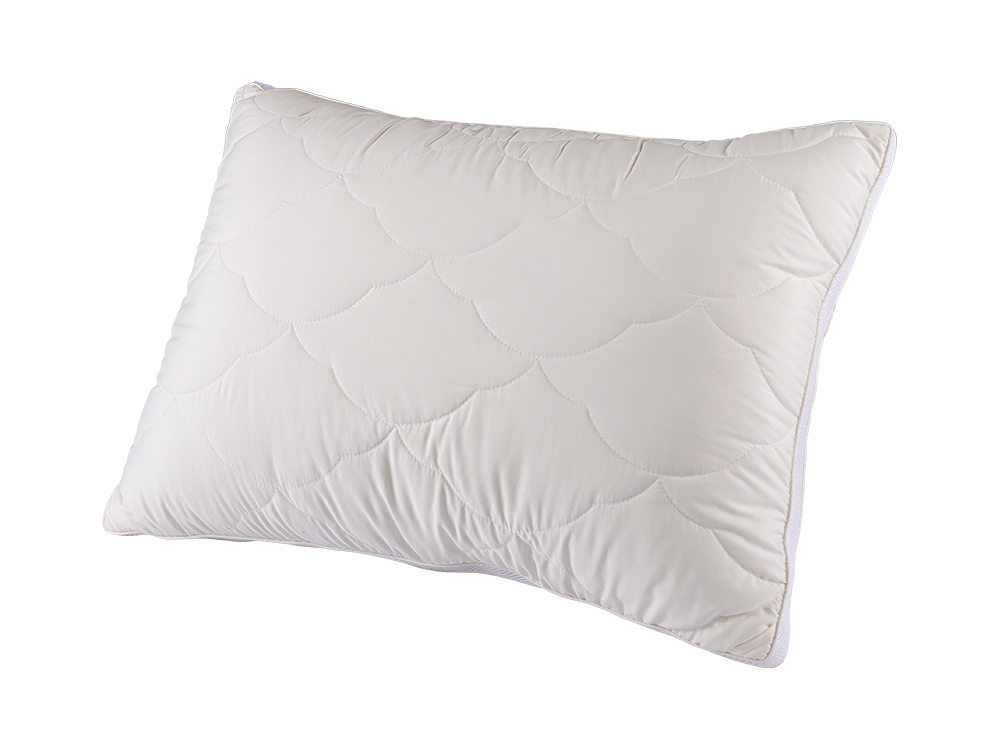
The Multifunctional Memory Foam Pillow is developed around a simple but important goal: to make sleeping more comfortable by balancing softness and support. The outer shell uses 95gsm brushed fabric, giving the surface a gentle hand feel. The shell also features a floral design and a soft quilted layer, which create a refined visual effect and make the pillow feel close to the skin. This is important because a pillow is touched every night and often for many hours at a time. Surface comfort can directly influence the user’s first impression and long-term satisfaction.
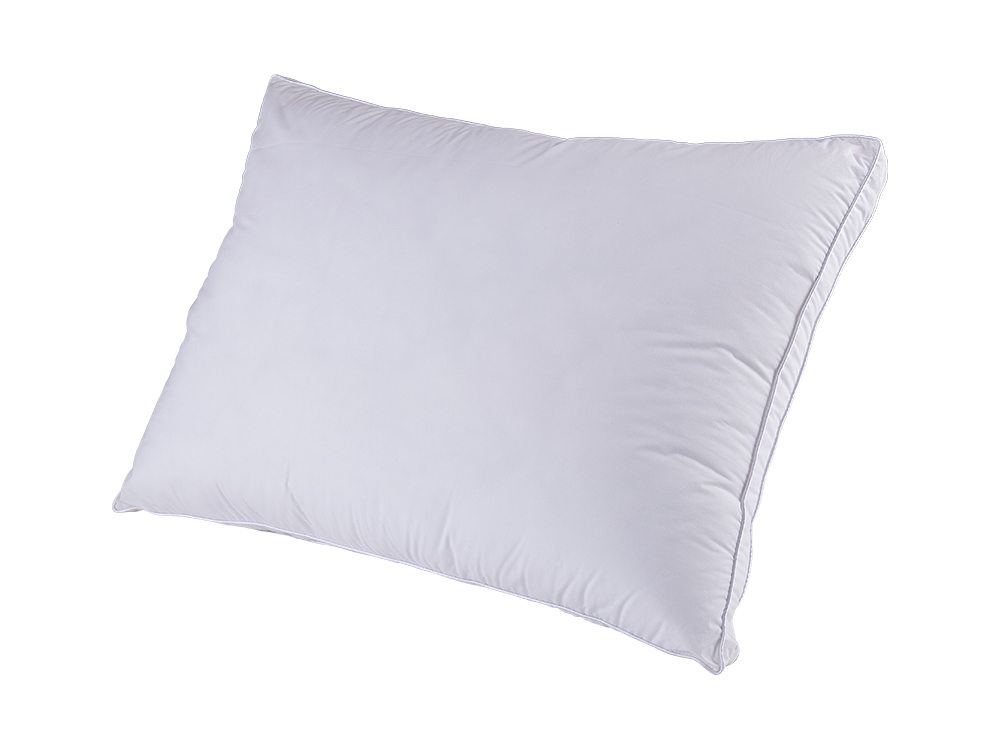
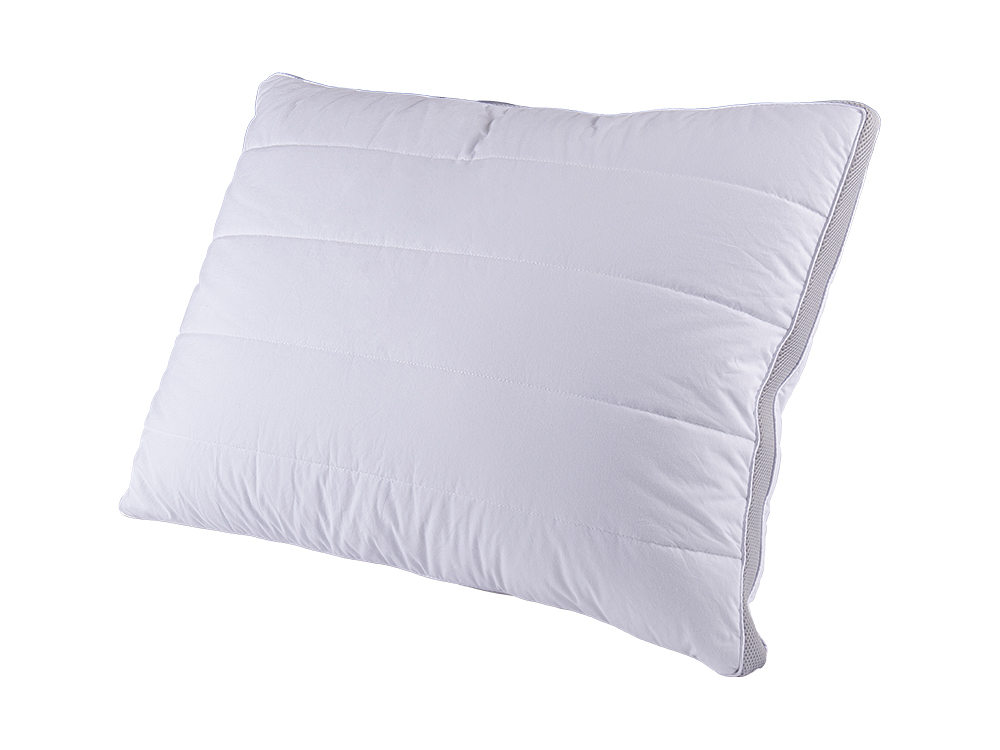
Inside the pillow, a memory foam core provides slow-rebound support. Memory foam is valued in bedding products because it responds gradually to body weight and pressure. Rather than pushing back sharply like some conventional foams, it adapts to the user’s shape and helps spread pressure across a broader area. In this pillow, the wavy sponge design is especially important. It is made to fit the natural curve of the neck and provide differentiated height support. The listed size of 60x70x5/7 cm indicates a practical pillow format with a contour height structure, allowing the user to enjoy a more ergonomic sleeping experience.
The pillow also uses a 30gsm non-woven fabric lining and a quilted layer filled with 3D polyester. These details may seem small, but they are important in a high-quality pillow. The lining helps separate and stabilize layers, while the 3D polyester filling adds loft and soft cushioning to the shell. Together, these materials create a pillow that is comfortable on the outside and supportive on the inside.
Core Product Specifications
Item |
Specification |
Benefit |
Product Type |
Multifunctional Memory Foam Pillow |
Designed for daily sleep support and comfortable bedding use |
Size |
60x70x5/7 cm |
Practical sleeping size with contour height support |
Fabric |
95gsm Brushed Fabric |
Soft, skin-friendly touch with a comfortable surface feel |
Lining |
30gsm Non-Woven Fabric |
Helps stabilize the internal structure and separate material layers |
Quilted Layer Filling |
3D Polyester |
Adds softness, loft, and a cushioned touch |
Inside Core |
Memory Foam Core |
Provides slow-rebound pressure dispersion and adaptive support |
Design Feature |
Wavy Sponge Structure |
Fits the neck curve and helps reduce concentrated sleeping pressure |
Comfort Begins with the Surface
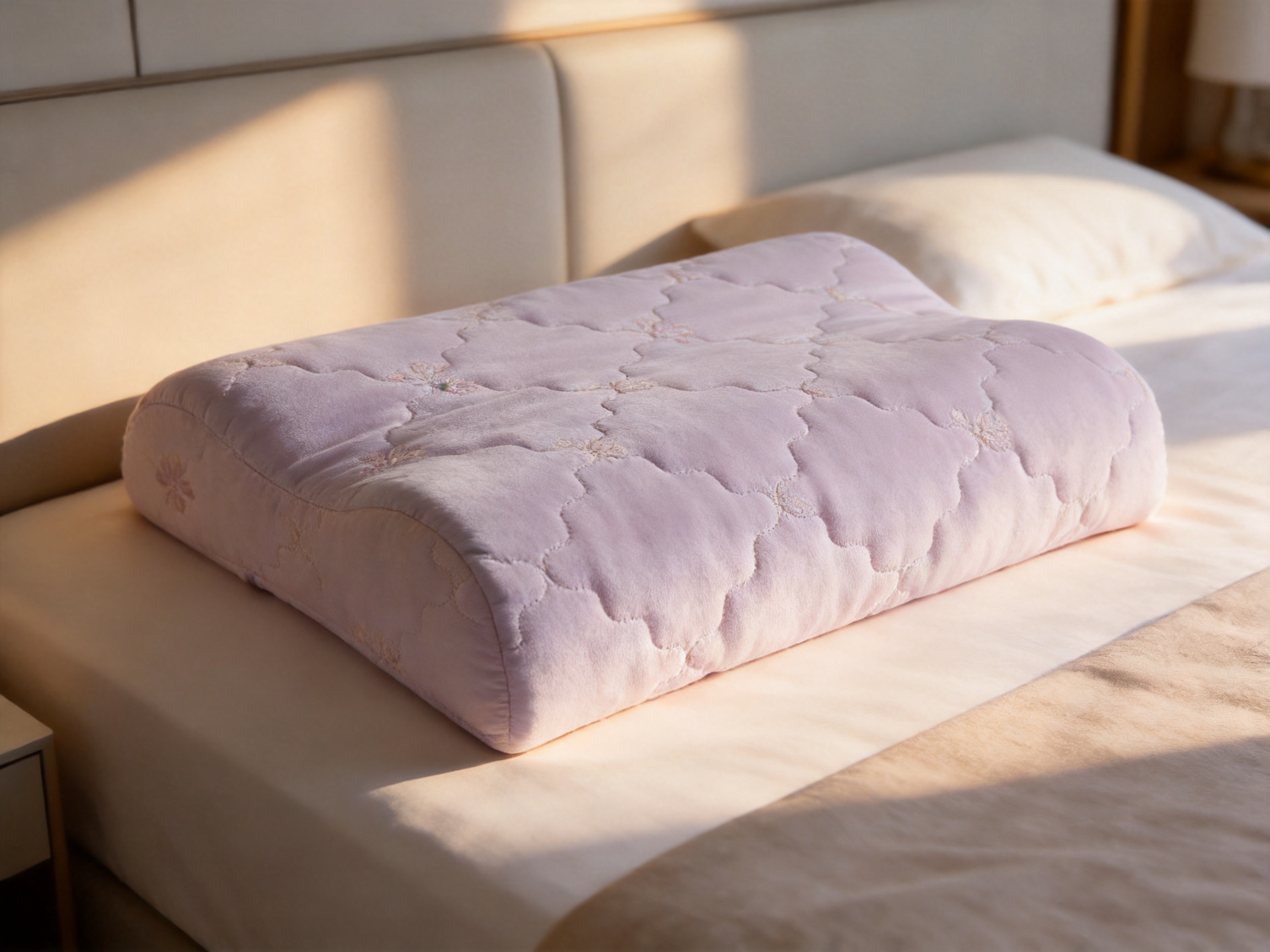
The first thing users notice when touching a pillow is the surface fabric. A pillow can have an advanced inner core, but if the outer fabric feels rough, stiff, or unpleasant, the overall product experience is weakened. This memory foam pillow uses 95gsm brushed fabric, which gives the surface a soft and comfortable feel. Brushed fabric has a slightly raised surface texture that feels warmer and gentler than many plain woven fabrics. For bedding products, this quality is highly desirable because it supports a cozy sleeping environment.
The simple floral design adds visual warmth without making the product too complicated. In modern bedding markets, consumers often prefer products that look clean, soft, and easy to match with different bedroom styles. A floral shell can create a sense of freshness and relaxation, while the simple pattern allows the pillow to remain suitable for many home textile collections. This balance of decoration and practicality gives the pillow broad retail appeal.
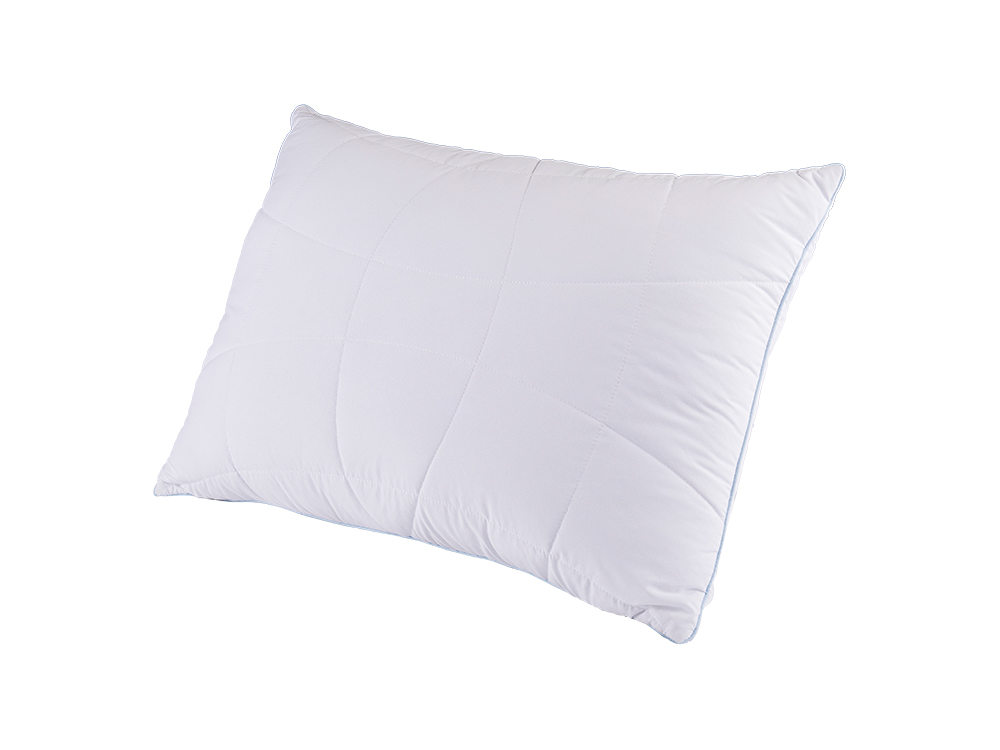
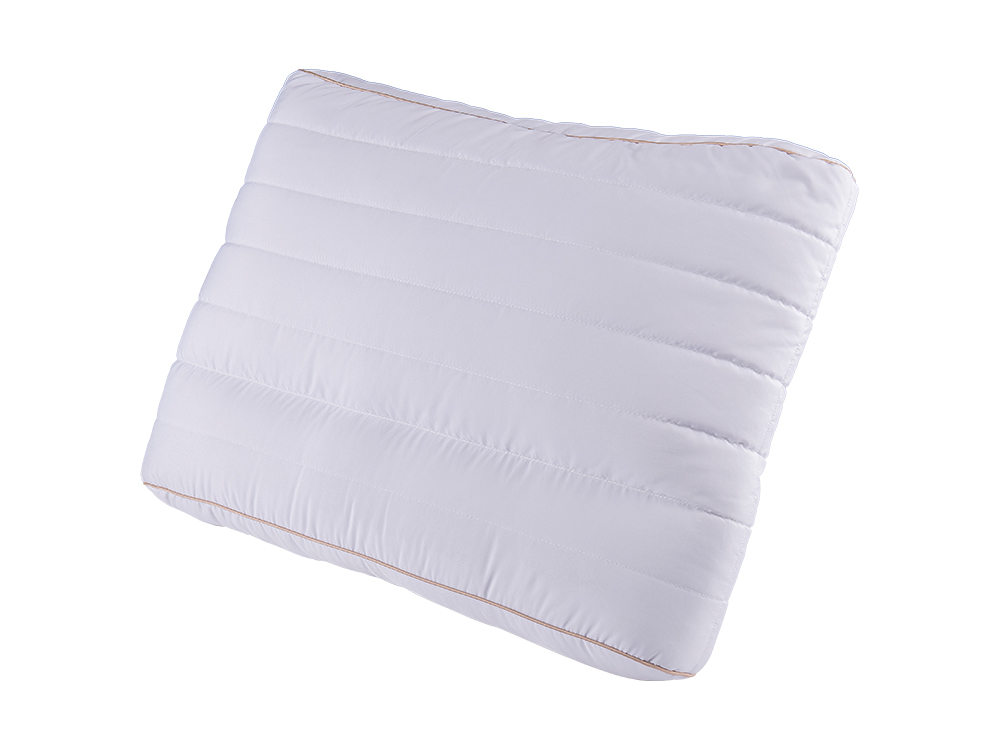
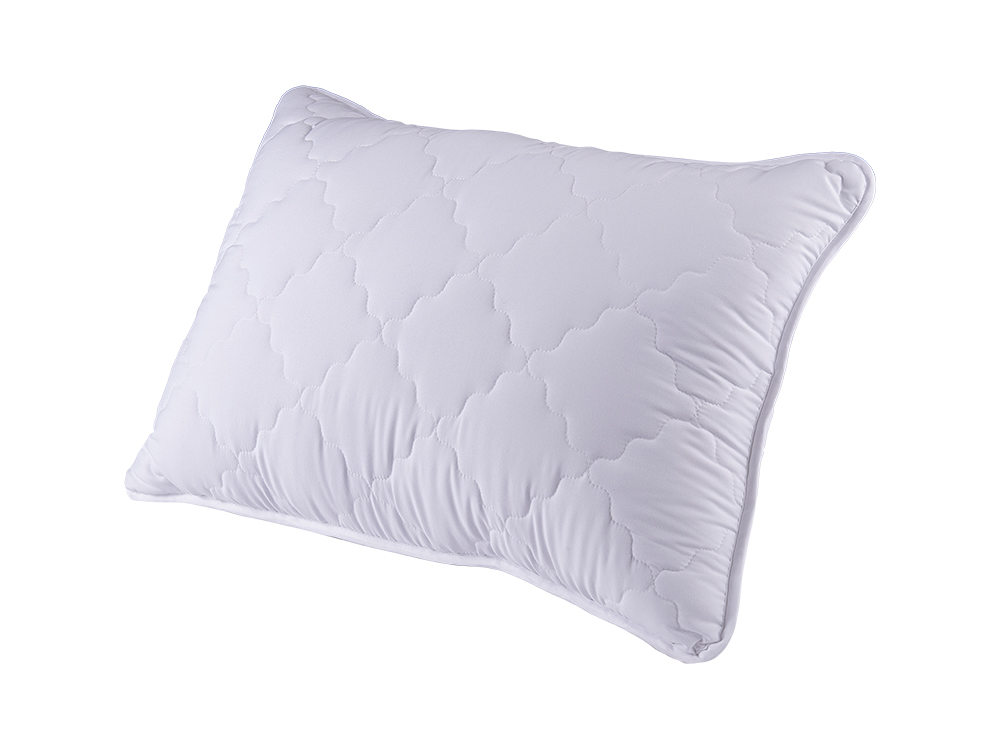
The quilted layer further improves the surface comfort. Quilting helps distribute the 3D polyester filling evenly and creates a padded, cloud-like touch. Compared with a plain cover without quilting, the quilted shell feels fuller and more luxurious. It also helps the pillow keep a neat appearance over time, because the filling is better controlled within the quilted pattern. This is a meaningful advantage for buyers who want the pillow to look attractive not only on the first day but also after repeated use.
Memory Foam Core for Adaptive Support
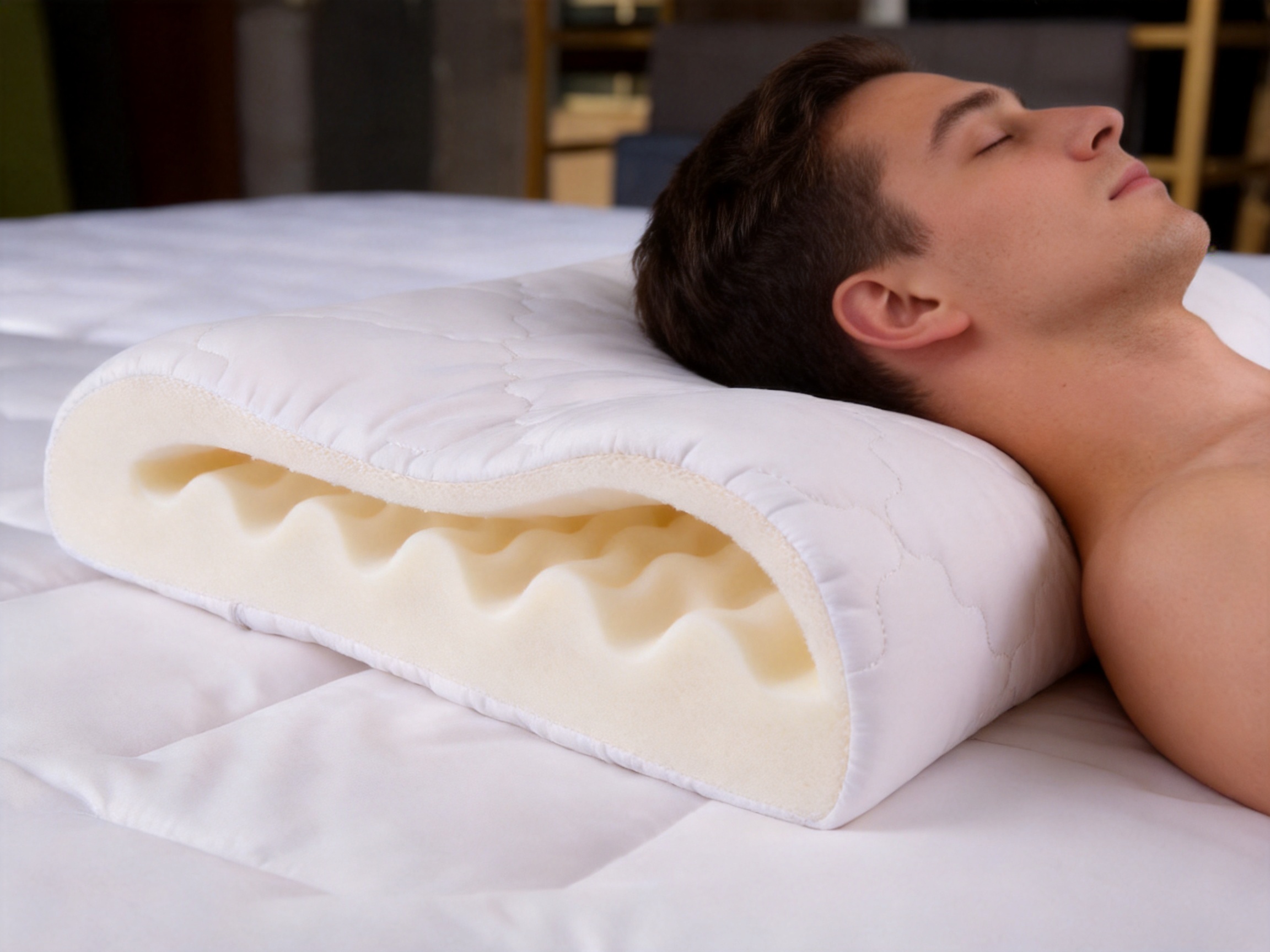
The center of the pillow’s performance is the memory foam core. Memory foam is widely used in modern sleep products because it can respond to heat and pressure, allowing the material to adapt gradually to the user’s body shape. For a pillow, this adaptive quality is especially valuable because the head and neck have different pressure points. A standard loose-filled pillow may shift unevenly, creating high and low areas that change during the night. A low-quality foam pillow may feel too hard or too bouncy, causing discomfort. The slow-rebound memory foam core is designed to offer a more balanced response.
When the user lies down, the pillow does not immediately flatten. Instead, it gradually receives the weight of the head and neck, then shapes itself around the contact area. This helps distribute pressure more evenly and can reduce the feeling of strain at the neck and shoulders. The user experiences a more stable sleeping surface that feels supportive without being harsh.
The slow-rebound characteristic also improves motion comfort. If a user changes position, the foam adjusts gradually rather than springing back too quickly. This creates a calmer sleeping sensation. For people who are sensitive to sudden pressure changes, a slow-rebound pillow can feel more soothing than a traditional high-resilience sponge pillow.
Another advantage of the memory foam core is consistency. Loose fiber pillows can become lumpy after repeated compression, while low-grade foams may deform quickly. A well-made memory foam core can provide more reliable shape recovery and support over time. This makes the product a stronger option for retailers and distributors who need bedding goods with dependable performance.
Wavy Structure for Neck Curve Support
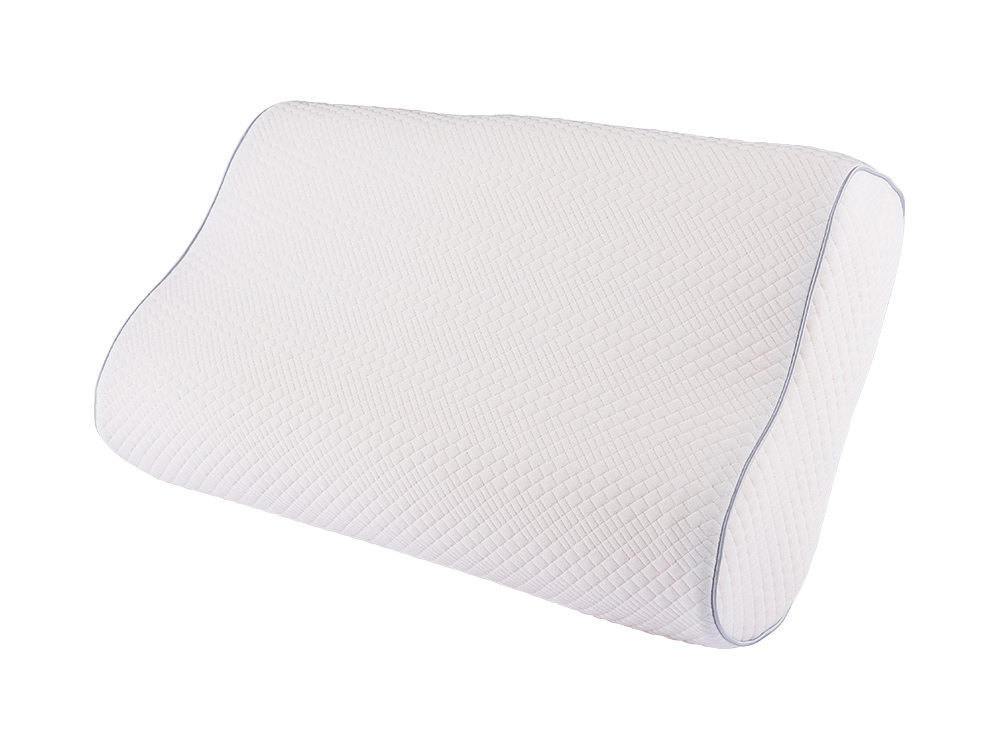
The wavy slow-rebound sponge design is one of the most important features of this pillow. Human necks are not flat, and a flat pillow does not always provide the most natural support. When the pillow height is not suitable, the neck may bend upward, downward, or sideways in a way that creates tension. The wavy contour of this pillow is developed to better fit the curve between the head, neck, and shoulders.
The 5/7 cm height structure gives the pillow a functional contour. This allows different areas of the pillow to provide different support levels. A lower section may suit certain sleeping preferences, while the higher contour can support the neck more fully. This makes the pillow multifunctional and adaptable, especially for users who want a more personalized sleep posture.
By fitting the neck curve, the pillow helps disperse sleeping pressure. Instead of allowing the head to sink deeply while the neck remains unsupported, the wave design helps create a smoother support line. Pressure dispersion is one of the key benefits that sets this pillow apart from many ordinary pillows. It may help users feel more relaxed during rest and more refreshed after sleep.
The wavy contour also makes the product more competitive in the market. Many pillows are sold simply as soft or firm, but modern consumers increasingly look for ergonomic features. A shaped memory foam pillow provides a clear functional selling point. Retailers can explain the benefit easily: the pillow is designed to match the neck curve and support healthier sleep posture. This gives the product stronger shelf appeal and better online product storytelling.
Balanced Softness and Support
A successful pillow must solve a common contradiction: it must feel soft enough to be comfortable, yet supportive enough to prevent the head and neck from sinking into an unhealthy position. This memory foam pillow addresses that challenge through a layered design. The brushed fabric and quilted 3D polyester layer deliver softness on the outside, while the memory foam core provides stable support inside.
This balanced construction gives the pillow an advantage over many competitors. Some conventional pillows feel soft at first but quickly lose support during the night. Others offer firm support but feel too rigid for comfortable sleep. The Multifunctional Memory Foam Pillow is designed to combine a welcoming surface with a functional core. It is not just a soft pillow; it is a structured comfort product.
The quilted surface can also reduce the direct firmness sometimes associated with memory foam pillows. Some users like the support of memory foam but prefer a softer contact layer. By adding a quilted shell with 3D polyester filling, the pillow provides a more comfortable first touch while preserving the benefits of the foam core underneath. This layered comfort strategy helps the pillow reach a wider customer group.
Advantages Over Ordinary Pillows
Compared with ordinary polyester-filled pillows, this memory foam pillow offers improved structure and pressure distribution. Fiber-filled pillows often depend on loose filling, which can move to the sides and create uneven areas. Over time, the filling may clump, flatten, or become less supportive. The memory foam core maintains a more defined shape and gives the pillow a stable support profile.
Compared with basic sponge pillows, this product offers a more refined sleeping experience. Ordinary sponge may rebound too quickly or feel too stiff. Slow-rebound memory foam adapts more gradually to the user, reducing pressure concentration. The wavy contour also creates an ergonomic advantage that a simple rectangular sponge block cannot provide.
Compared with many low-cost pillows, the surface details are more developed. The brushed fabric, floral design, quilted layer, non-woven lining, and 3D polyester filling show attention to both appearance and function. These elements help the pillow look and feel more complete. For retailers, this means the product can be positioned above basic commodity pillows and marketed as a comfort-upgrade item.
Compared with high-priced specialty ergonomic pillows, this product offers a practical balance of function and production efficiency. It provides key support features, including memory foam and wavy contour shaping, while using familiar home textile materials that can be manufactured consistently. This makes it suitable for large-scale supply, private-label programs, and broad consumer markets.
Why Material Selection Matters
Material selection is a major factor in bedding quality. A pillow touches the user’s face, neck, hair, and skin for many hours, so the fabric must feel pleasant and the inner materials must perform reliably. The 95gsm brushed fabric used in this pillow supports softness and comfort. Its weight is suitable for a pillow shell, providing a gentle surface without feeling overly heavy.
The 30gsm non-woven fabric lining contributes to internal stability. In home textile manufacturing, lining fabrics are often used to support shape, protect inner components, and improve construction quality. A pillow with a proper lining can feel more organized and durable than one without internal separation. This detail may not be visible immediately, but it can influence long-term product performance.
The 3D polyester quilted filling creates loft and resilience in the shell. Polyester is widely used in bedding because it is lightweight, practical, and suitable for mass production. The 3D structure helps create a fuller touch, making the pillow feel softer and more comfortable. When quilted properly, the filling stays distributed and does not easily gather in one area.
The memory foam core completes the structure. It is the functional heart of the product, providing slow rebound and pressure dispersion. The combination of these materials creates a product that performs better than pillows relying on a single simple filling. Each layer has a role: surface comfort, structural organization, soft cushioning, and ergonomic support.
Manufacturing Strength Behind the Pillow
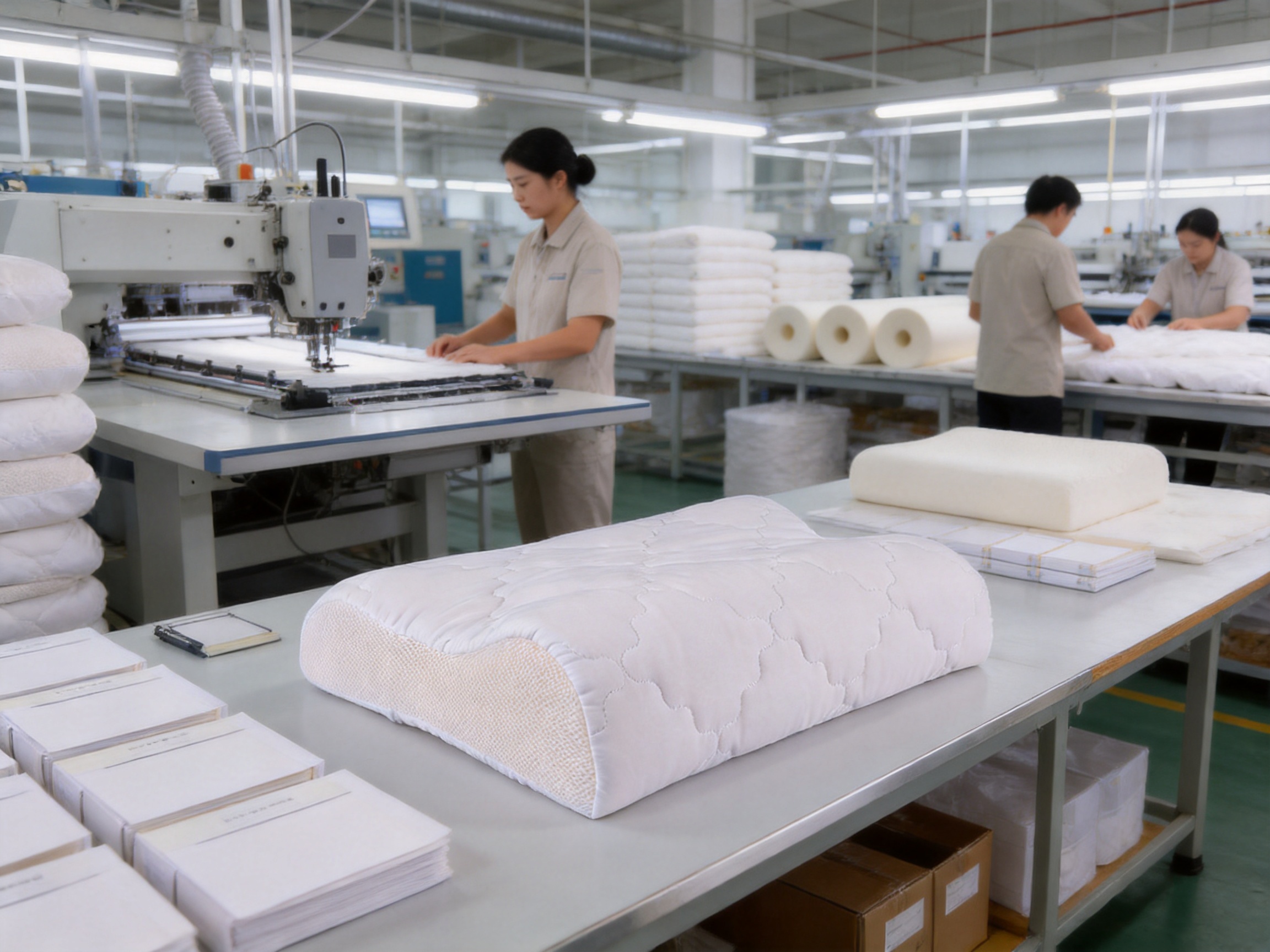
A good pillow is not created by materials alone. Manufacturing capability determines whether those materials become a consistent, reliable, and market-ready product. Tongxiang Xinlong Bedding Co., Ltd. was established in January 2002 and has developed extensive experience in home textile production. The company produces a wide range of bedding and household textile products, including quilts, pillows, cushions, bedspreads, travel quilts, mattress protectors, blankets, pillowcases, shower curtains, and curtains.
The company operates from a large production base covering 21,000 square meters, with a construction area of 18,000 square meters. With more than 320 employees and advanced production equipment, the company has the scale needed to serve both standard product orders and customized bedding programs. For buyers, this matters because a reliable supplier must be able to control quality, maintain delivery schedules, and support product development across different specifications.
Manufacturing a memory foam pillow requires coordination between fabric preparation, quilting, lining application, foam core processing, cutting, sewing, inspection, packaging, and shipment. Each step affects the final comfort and appearance. If the quilting is uneven, the shell may look poor. If the foam is not properly cut, the contour will not support the neck correctly. If sewing quality is inconsistent, the pillow may lose durability. The company’s experience in diversified home textile production supports a more complete quality process.
Advanced Production Processes
The production of this pillow begins with material selection and incoming inspection. Fabrics, linings, polyester filling, and memory foam cores must meet the required standards before entering mass production. Consistent fabric weight, clean appearance, and stable hand feel are important for the shell. Memory foam must have suitable rebound behavior and cutting accuracy. The manufacturer’s quality-oriented operation helps reduce variation and maintain product reliability.
Next, the brushed fabric is prepared for quilting. The quilted layer is an important comfort feature, so the 3D polyester filling must be distributed evenly. Advanced quilting equipment helps create consistent patterns and stable padding. Good quilting is both decorative and functional. It improves the surface appearance while preventing filling movement.
The non-woven lining is then integrated to support the pillow shell structure. Proper cutting and alignment help ensure that the shell fits the memory foam core correctly. The sewing process must maintain clean seams, stable edges, and accurate dimensions. Skilled workers and standardized procedures are essential at this stage.
The memory foam core is processed into a wavy slow-rebound shape. This contour is central to the product’s function, so the shape must be accurate and repeatable. A properly formed wave structure ensures the pillow can fit the neck curve as intended. Inconsistent foam shaping would reduce the ergonomic value of the product. Therefore, controlled processing is necessary for product competitiveness.
After the shell and core are assembled, the pillow undergoes inspection. Inspectors may check size, appearance, sewing quality, filling distribution, foam placement, and overall hand feel. The product must then be packed carefully to protect its shape and cleanliness during transportation. For export or large-volume supply, packaging consistency is also important because it affects warehouse handling, retail presentation, and customer satisfaction.
Quality Management and International Certifications
The company’s commitment to quality is supported by international certifications and management systems. It has passed certifications such as ISO 9001, ISO 14001, OEKO-TEX Standard 100, OEKO-TEX STeP, GRS, and BSCI. These certifications demonstrate attention to quality management, environmental responsibility, product safety, responsible production, recycled material management, and social compliance.
For international buyers, certification is more than a label. It reduces sourcing risk and supports compliance with market expectations. Bedding products are used closely against the body, so buyers must trust that production is controlled and materials are managed responsibly. A manufacturer with recognized certifications is better prepared to meet customer audits, documentation needs, and brand requirements.
The company has also been rated as a safety production standardization enterprise for several consecutive years since 2016. This reflects an ongoing commitment to safe, orderly, and standardized production. Stable internal management contributes to stable external supply. When a manufacturer values operational safety and process discipline, it is often better able to maintain production continuity and consistent product quality.
Customization Capability for Different Markets
The Multifunctional Memory Foam Pillow can serve a variety of market channels, but different customers may have different needs. Some buyers may want a specific fabric color or pattern. Others may require packaging suitable for supermarkets, e-commerce, hotel supply, or private-label distribution. Some may need product sets that include pillows, quilts, mattress protectors, or blankets. The manufacturer’s broad home textile experience makes customization more practical.
Customization can include fabric selection, quilting pattern, shell design, pillow height, foam density, packaging method, label design, carton configuration, and order quantity planning. A factory with technical personnel and diversified production equipment is better able to transform customer ideas into finished products. This is an advantage over suppliers that only offer standard items with limited flexibility.
For brand owners, custom development can create differentiation. A memory foam pillow with a unique cover design, special packaging, or coordinated bedding collection can stand out in competitive retail environments. For hotel buyers, consistent comfort and repeatable specifications are essential. For online sellers, clear product features such as slow rebound, wavy contour, and soft quilted fabric can support attractive product descriptions and customer education.
Designed for Modern Bedding Demand
Modern bedding customers expect more from pillows than simple softness. They increasingly look for products that support better sleep posture, provide comfortable materials, and match bedroom decoration. The Multifunctional Memory Foam Pillow answers these expectations through its ergonomic contour, memory foam core, and soft floral quilted shell.
Consumers also value practical comfort. A pillow should not feel overly technical or difficult to use. This product keeps the experience simple: the user places the pillow on the bed and enjoys a gentle surface with supportive slow rebound. The benefits are easy to understand and easy to communicate, making the pillow suitable for both physical stores and online sales.
The pillow also fits broader trends in home textiles. Many consumers are upgrading their bedding step by step, replacing basic pillows with products that offer better comfort and support. A multifunctional memory foam pillow is a logical upgrade because it affects nightly rest directly. Buyers looking for mid-range or value-added bedding products can use this pillow to strengthen their assortment.
Applications and Target Users
This pillow is suitable for many different users and sales channels. For home users, it provides a balance of softness and support for everyday sleep. The wavy memory foam core can be especially appealing to people who want better neck support than a traditional pillow provides. The soft surface makes it comfortable for nightly use, while the attractive shell design fits many bedroom styles.
For hotels and hospitality businesses, the pillow can enhance guest comfort. A hotel pillow must be durable, consistent, and widely acceptable. This product’s layered design offers a pleasant first touch and stable core support, helping guests feel more comfortable during rest. Hotels that want to upgrade from basic pillows may consider memory foam options to improve guest satisfaction.
For retailers, the pillow has strong selling points. It can be promoted as a memory foam pillow, a slow-rebound pillow, a neck-support pillow, a quilted pillow, or a multifunctional bedding product. Its features are visible and explainable, which helps sales staff and online listings communicate value. The floral shell and quilted surface also provide visual appeal for product photography and display.
For distributors and importers, the manufacturer’s production scale and certification background support long-term cooperation. Large-volume buyers need confidence in supply stability, quality control, and documentation. A factory with broad product experience and advanced equipment can better support seasonal programs, repeat orders, and market expansion.
Commercial Advantages for Bedding Buyers
From a commercial perspective, the pillow offers several clear advantages. First, it combines comfort and function in a single product. This makes it easier to position at a higher value level than basic pillows. Second, its material structure is understandable and marketable: brushed fabric, non-woven lining, 3D polyester quilted filling, and memory foam core. Third, the wavy contour gives the product a distinctive ergonomic feature.
Another advantage is supplier capability. Buyers often face problems when sourcing bedding products from factories without strong process control. Inconsistent sizes, uneven stitching, poor packaging, and delayed delivery can damage a buyer’s reputation. Working with an experienced manufacturer with standardized production systems helps reduce these risks.
The company’s wide product range also allows buyers to build coordinated bedding programs. A retailer may purchase memory foam pillows along with quilts, mattress protectors, blankets, or cushion products. This can simplify sourcing and support consistent quality across product categories. For private-label brands, supplier integration can reduce communication costs and improve product development efficiency.
How the Pillow Supports Healthier Sleep Habits
While no pillow can guarantee medical outcomes, a well-designed pillow can support healthier sleeping posture and comfort. The head and neck need a stable resting position during sleep. If the pillow is too high, the neck may bend upward. If it is too low, the head may drop backward or sideways. If it is too soft, the pillow may collapse. If it is too hard, pressure may concentrate around the neck or skull. The Multifunctional Memory Foam Pillow is designed to reduce these problems by combining adaptive foam with a wavy contour.
The slow-rebound memory foam helps cradle the head and neck. This can reduce localized pressure and create a smoother support feeling. The wavy shape helps fit the neck curve, allowing the pillow to support the natural line between the head and shoulders. The soft quilted shell improves comfort at the skin-contact level. Together, these features can help users relax more easily and maintain a more comfortable posture during rest.
Good sleep comfort also depends on emotional experience. A pillow that feels soft, clean, and attractive can make the bed feel more inviting. The floral design and brushed fabric create a gentle visual and tactile impression. This can contribute to a relaxing bedroom environment, which is an important part of healthy sleep habits.
Durability and Long-Term Value
Durability is important for both consumers and commercial buyers. A pillow that feels good at first but loses shape quickly creates dissatisfaction and replacement costs. The memory foam core in this pillow provides a more stable structure than loose filling alone. Its slow-rebound behavior supports shape recovery after compression, helping the pillow maintain functional comfort over time.
The quilted shell also contributes to long-term value. By securing the 3D polyester filling, the quilting helps prevent uneven clumping and maintains a neat surface. The non-woven lining adds internal organization, supporting the overall construction. Good sewing and material control are essential to ensure that the product remains attractive and usable through regular use.
For retailers, durability reduces complaint rates and strengthens customer trust. For hotels, durability affects operating costs because pillows are used frequently and must withstand repeated handling. For distributors, durable products support brand reputation. The layered construction and manufacturing process behind this pillow help create practical long-term value.
Sustainability and Responsible Production Considerations
Responsible production is becoming increasingly important in the global home textile industry. Buyers want products that not only perform well but also come from factories that manage quality, environmental impact, and social responsibility. The manufacturer’s certifications, including ISO 14001, OEKO-TEX related standards, GRS, and BSCI, indicate attention to these broader concerns.
ISO 14001 is associated with environmental management systems, helping companies organize their environmental responsibilities. OEKO-TEX Standard 100 is widely recognized in textile safety evaluation. OEKO-TEX STeP focuses on sustainable textile production. GRS relates to recycled material management and chain-of-custody requirements. BSCI supports social compliance expectations. Together, these certifications can help buyers meet modern sourcing requirements.
For a memory foam pillow, responsible production also means reducing waste through accurate cutting, improving process efficiency, and maintaining consistent quality to avoid defective goods. A well-managed factory can better control material use and production flow. This supports both business efficiency and more responsible manufacturing.
Private Label and Export Potential
The pillow has strong potential for private-label and export programs. Its specifications are clear, its materials are familiar to international bedding markets, and its functional selling points are easy to translate into retail language. A private-label buyer could present it as a neck-support memory foam pillow, a slow-rebound contour pillow, or a soft quilted comfort pillow.
Export buyers often need a supplier who can provide consistent quality, product documentation, packaging support, and production capacity. The manufacturer’s experience and certification background make it suitable for these requirements. Because the company produces many home textile categories, buyers may also develop complete bedding collections from a single source.
The pillow’s size and structure are practical for market adaptation. Depending on customer needs, packaging can be designed for retail shelves, online shipping, or hospitality supply. The cover design may be adjusted to match local style preferences. This flexibility gives the pillow stronger international appeal.
Why This Pillow Stands Out
The Multifunctional Memory Foam Pillow stands out because it combines four important strengths: comfort, support, appearance, and manufacturing reliability. The comfort comes from the brushed fabric and quilted 3D polyester layer. The support comes from the memory foam core and wavy contour design. The appearance comes from the simple floral shell and neat quilting. The reliability comes from experienced manufacturing, advanced equipment, standardized procedures, and certified management systems.
Many pillows offer one or two of these strengths, but not all of them together. A basic pillow may be soft but lack support. A firm foam pillow may support the neck but feel too hard. A decorative pillow may look attractive but not perform well for sleep. This product brings these qualities together in a balanced way, making it suitable for practical daily use and commercial distribution.
For buyers seeking product differentiation, the wavy slow-rebound sponge structure is a strong advantage. For consumers seeking comfort, the quilted shell and adaptive foam provide immediate appeal. For sourcing teams seeking dependable production, the manufacturer’s scale, equipment, experience, and certifications create confidence. This combination makes the pillow a competitive choice in the modern home bedding market.
Q&A Section
What is the main function of this memory foam pillow?
The main function is to provide comfortable sleep support through a slow-rebound memory foam core and a wavy contour structure. The design helps fit the neck curve and disperse sleeping pressure more evenly.
What makes the pillow different from ordinary fiber-filled pillows?
Ordinary fiber-filled pillows may flatten, shift, or become lumpy over time. This pillow uses a memory foam core that provides more stable support and better pressure distribution, while the quilted shell adds surface softness.
Is the pillow surface soft?
Yes. The pillow uses 95gsm brushed fabric and a quilted layer filled with 3D polyester. This creates a soft, skin-friendly surface that feels comfortable during nightly use.
What is the benefit of the wavy sponge design?
The wavy design is intended to fit the natural curve of the neck. It provides contour support and helps reduce concentrated pressure, making the pillow more ergonomic than a flat pillow.
What size is the pillow?
The listed size is 60x70x5/7 cm. The 5/7 cm measurement reflects the contour height structure, which supports different areas of the head and neck.
What materials are used inside the pillow?
The pillow includes a memory foam core, a 30gsm non-woven fabric lining, and a quilted shell filled with 3D polyester. The outer fabric is 95gsm brushed fabric.
Can this pillow be used for private-label programs?
Yes. The manufacturer has broad home textile production experience and can support customization in areas such as fabric design, quilting, packaging, labeling, and product specifications.
Why is the manufacturer’s certification background important?
Certifications such as ISO 9001, ISO 14001, OEKO-TEX related standards, GRS, and BSCI show that the manufacturer pays attention to quality management, environmental responsibility, textile safety, responsible production, and social compliance.
Is this pillow suitable for hotel supply?
Yes. Its combination of soft surface comfort and stable memory foam support makes it suitable for hospitality environments where guest comfort and product consistency are important.
How does the pillow support healthier sleep?
The pillow supports healthier sleep habits by helping the head and neck rest in a more comfortable position. Its slow-rebound foam and wavy contour help disperse pressure and improve sleeping posture comfort, although it should not be considered a medical treatment product.
Conclusion
The Multifunctional Memory Foam Pillow is a thoughtfully designed bedding product that combines soft surface comfort with ergonomic support. Its brushed fabric shell, floral design, quilted 3D polyester layer, non-woven lining, and memory foam core work together to create a pillow that feels gentle, supportive, and practical for daily sleep. The wavy slow-rebound sponge structure gives the product a clear advantage over ordinary pillows by helping fit the neck curve and disperse pressure more effectively.
Beyond the product itself, the manufacturing strength behind it adds significant value. With more than two decades of home textile experience, a large production base, advanced equipment, professional personnel, and internationally recognized certifications, Tongxiang Xinlong Bedding Co., Ltd. is positioned to support buyers who need quality, consistency, customization, and long-term supply reliability. The company’s broad product range also makes it suitable for complete bedding programs and private-label development.
For consumers, the pillow offers a more comfortable and supportive sleep experience. For retailers, it provides clear selling points and attractive visual appeal. For distributors and brand owners, it offers a competitive product backed by experienced manufacturing. In a market where bedding buyers seek both comfort and trust, this multifunctional memory foam pillow is a strong choice for modern home textile collections.
References
International Organization for Standardization. ISO 9001 Quality Management Systems: Requirements.
International Organization for Standardization. ISO 14001 Environmental Management Systems: Requirements with Guidance for Use.
OEKO-TEX Association. Standard 100 by OEKO-TEX: Textile Product Safety Criteria.
OEKO-TEX Association. STeP by OEKO-TEX: Sustainable Textile and Leather Production.
Textile Exchange. Global Recycled Standard: Requirements and Implementation Guidance.
Business Social Compliance Initiative. BSCI Code of Conduct and Social Compliance Principles.
Home Textile Industry Research. Bedding Comfort, Pillow Ergonomics, and Consumer Sleep Product Trends.

 +86-573-88798028