



 Français
 Español
 Deutsch
Content
- 1 Product Overview
- 2 Key Specifications
- 3 Why Breathability Matters in a Pillow
- 4 Natural White 233TC Cotton: Softness With Practical Strength
- 5 White Sandwich Mesh Wall: A Small Detail With a Big Comfort Effect
- 6 30gsm Non-Woven Lining for Internal Stability
- 7 3D Plus 0.9D Down Alternative Polyester Filling
- 8 Moisture-Wicking Comfort for Everyday Sleep
- 9 Odor Resistance Through Better Air Movement
- 10 Shape Retention and Deformation Resistance
- 11 Skin-Friendly Comfort for a Better Sleep Experience
- 12 Advantages Over Ordinary Competing Pillows
- 13 Designed for Home, Hospitality, and Custom Bedding Programs
- 14 Manufacturing Strength Behind the Product
- 15 Material Selection and Incoming Quality Control
- 16 Precision Cutting and Consistent Sizing
- 17 Sewing Quality and Edge Construction
- 18 Controlled Filling for Balanced Loft
- 19 Inspection, Packaging, and Shipment Readiness
- 20 Certifications and Responsible Production Capabilities
- 21 Innovation and Customization Capacity
- 22 Comfort Positioning in the Bedding Market
- 23 Care and Use Recommendations
- 24 Q&A Section
- 24.1 Q1: What makes this pillow different from ordinary cotton pillows?
- 24.2 Q2: Is the pillow suitable for warm sleepers?
- 24.3 Q3: Does the pillow use natural down or feathers?
- 24.4 Q4: How does the sandwich mesh wall help performance?
- 24.5 Q5: Is the pillow resistant to deformation?
- 24.6 Q6: What type of customer is this pillow best for?
- 24.7 Q7: Can the product be customized?
- 24.8 Q8: Why is 233TC cotton used for the fabric?
- 24.9 Q9: What role does the non-woven lining play?
- 24.10 Q10: Why should buyers consider the manufacturer’s production strength?
- 25 Conclusion
- 26 References
- 27 Product: Breathable Cotton Pillow
A pillow is one of the most personal products in the bedroom. It supports the head and neck through hours of rest, touches the skin every night, and influences how fresh, relaxed, and comfortable a sleeper feels in the morning. The Breathable Cotton Pillow is designed for people who want a soft, skin-friendly, moisture-managing, and durable sleep accessory made with practical materials and careful manufacturing. Built with natural white 233TC cotton fabric, a white sandwich mesh wall, a 30gsm non-woven lining, and a 3D plus 0.9D down alternative polyester filling, it offers a balanced combination of softness, ventilation, resilience, and everyday usability.
This product belongs to the cotton pillow category and is part of a wider home textile product range that includes pillows, quilts, mattress protectors, blankets, mattress covers, and cushions. While many ordinary pillows focus only on initial softness, this breathable cotton pillow is engineered to maintain comfort over longer use. Its outer cotton cloth is smooth and gentle, while the side sandwich mesh encourages air movement around the filling. The structure helps reduce stuffiness, moisture buildup, and unpleasant odor, creating a cleaner and more comfortable sleeping environment.
Product Overview
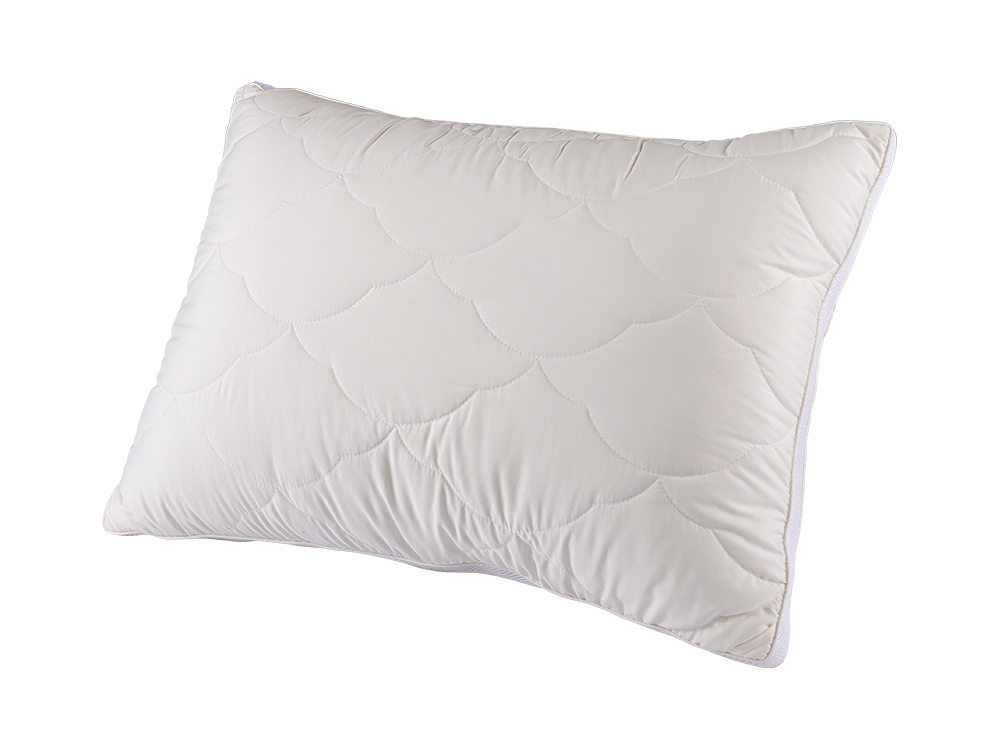
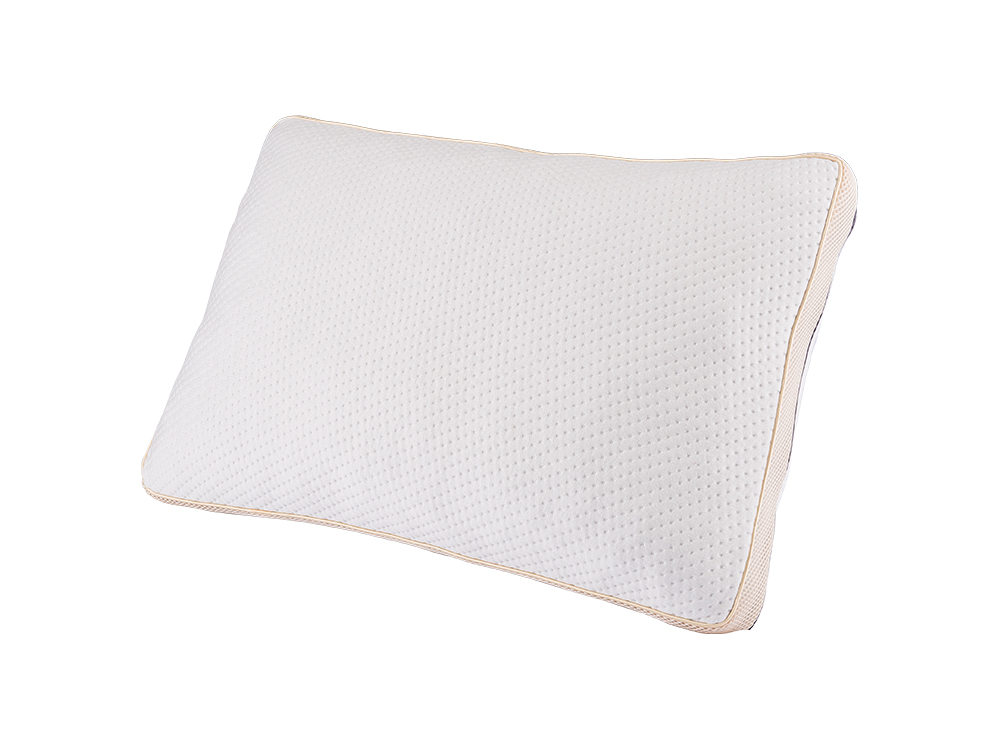
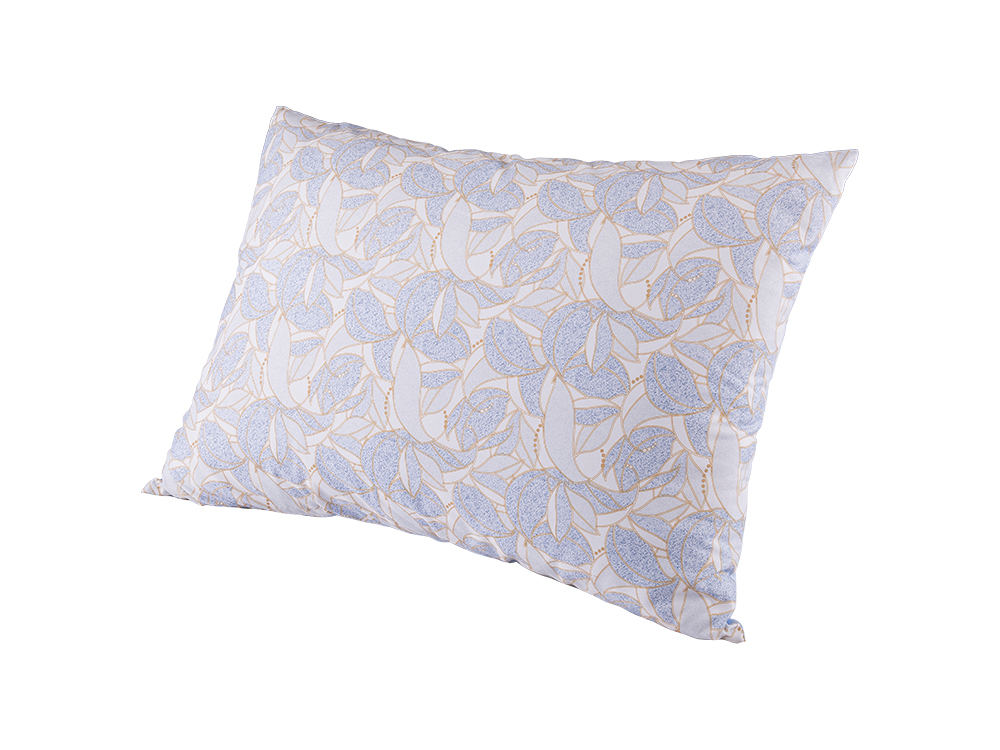
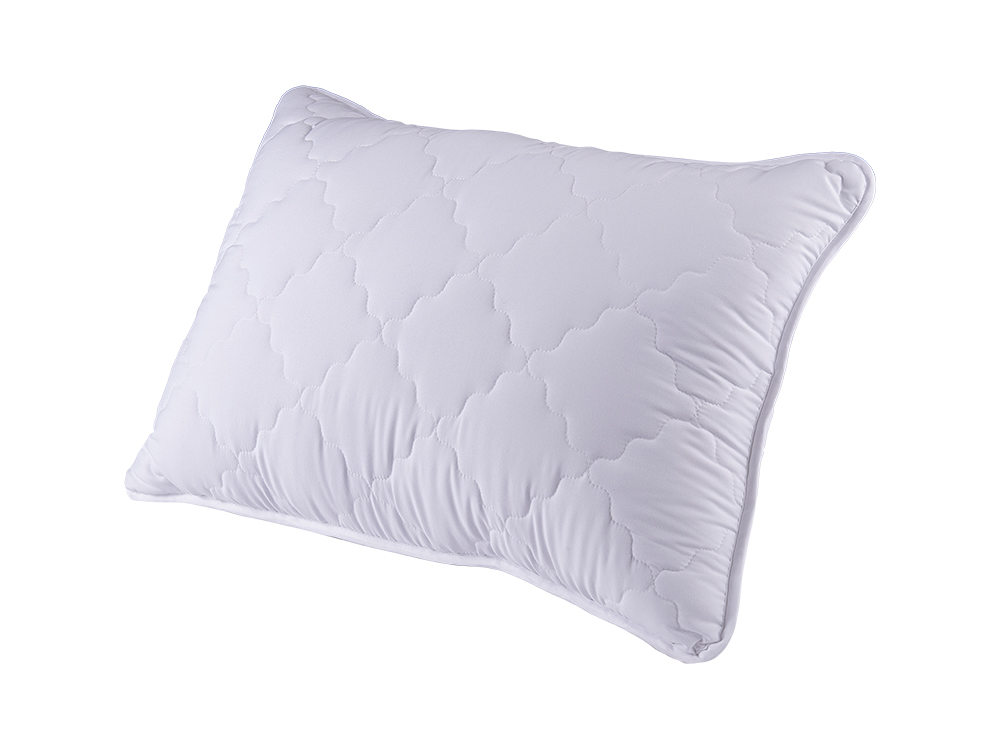
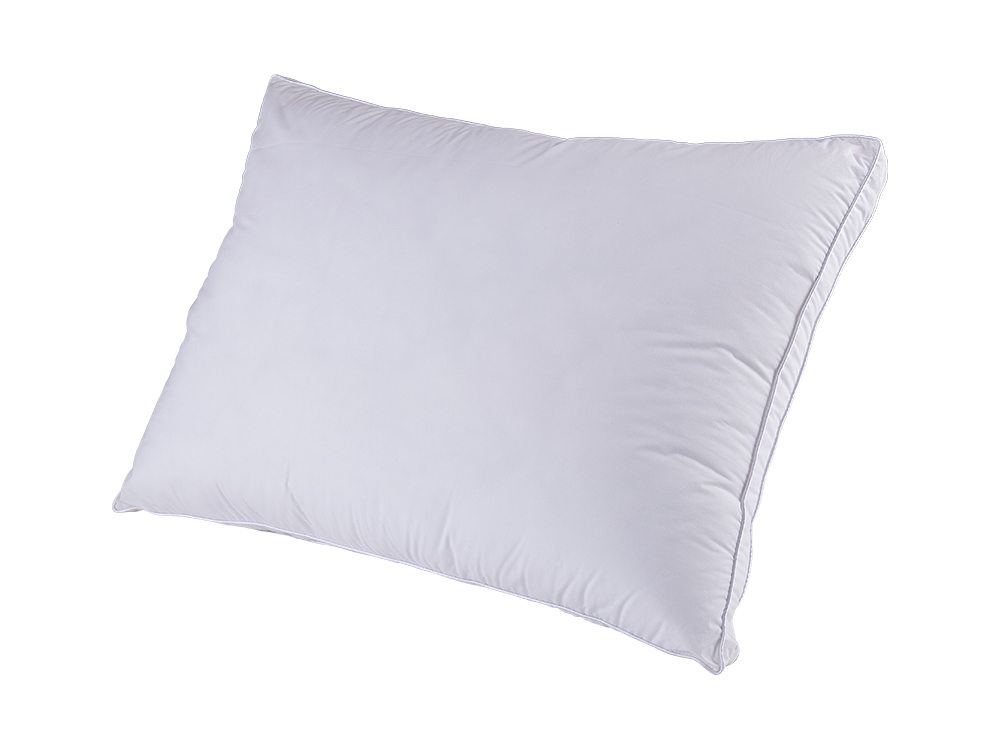
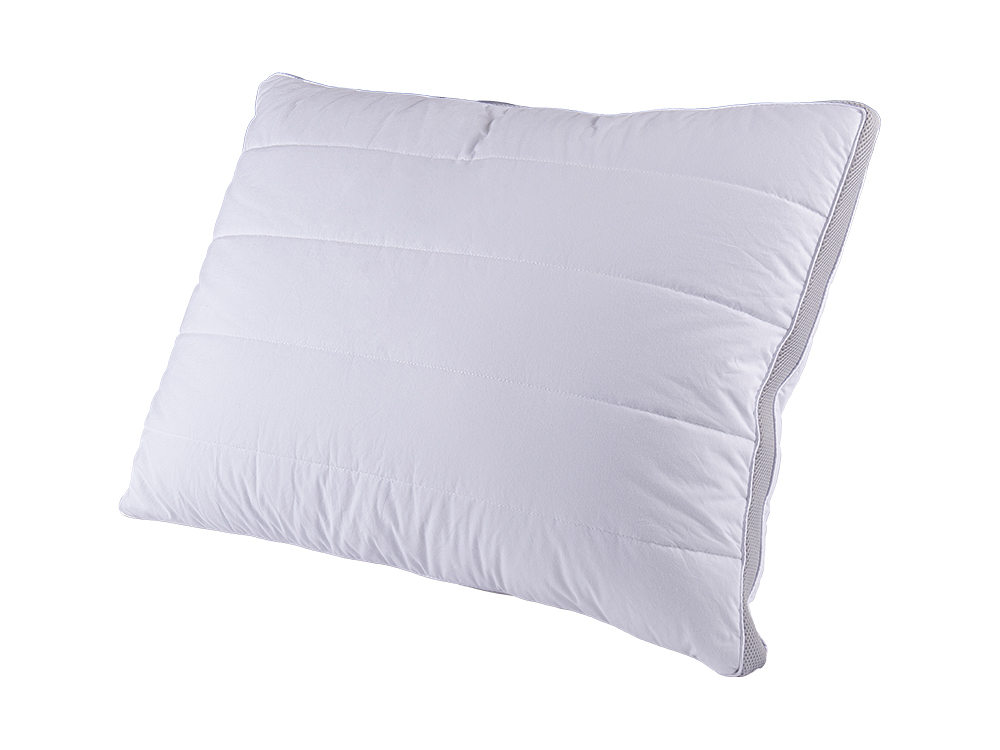
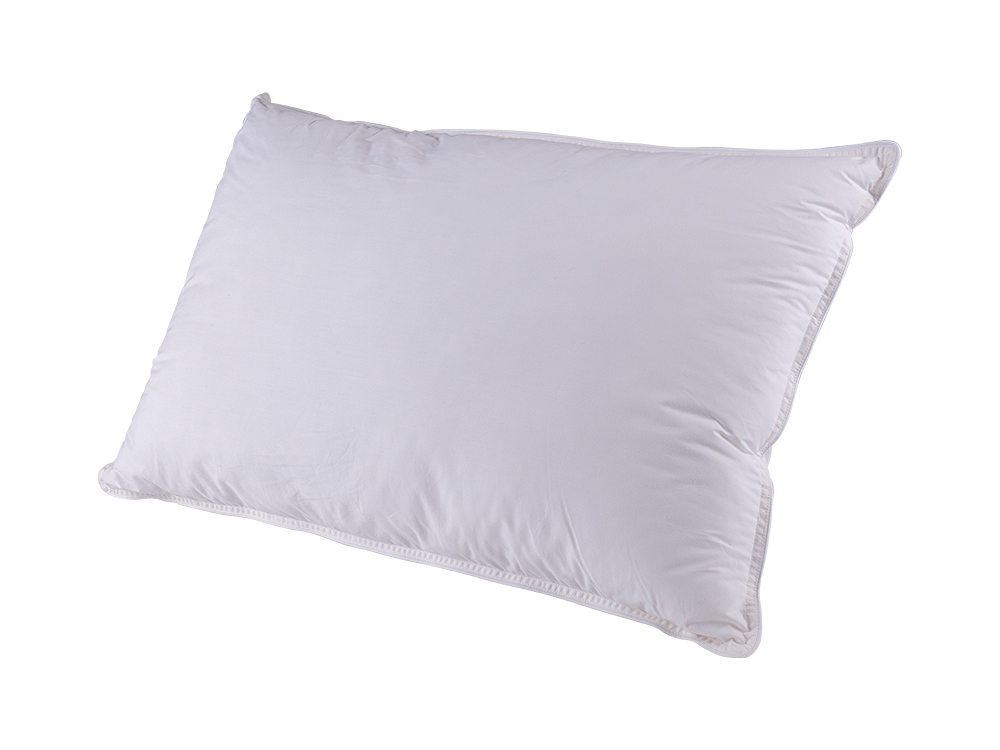
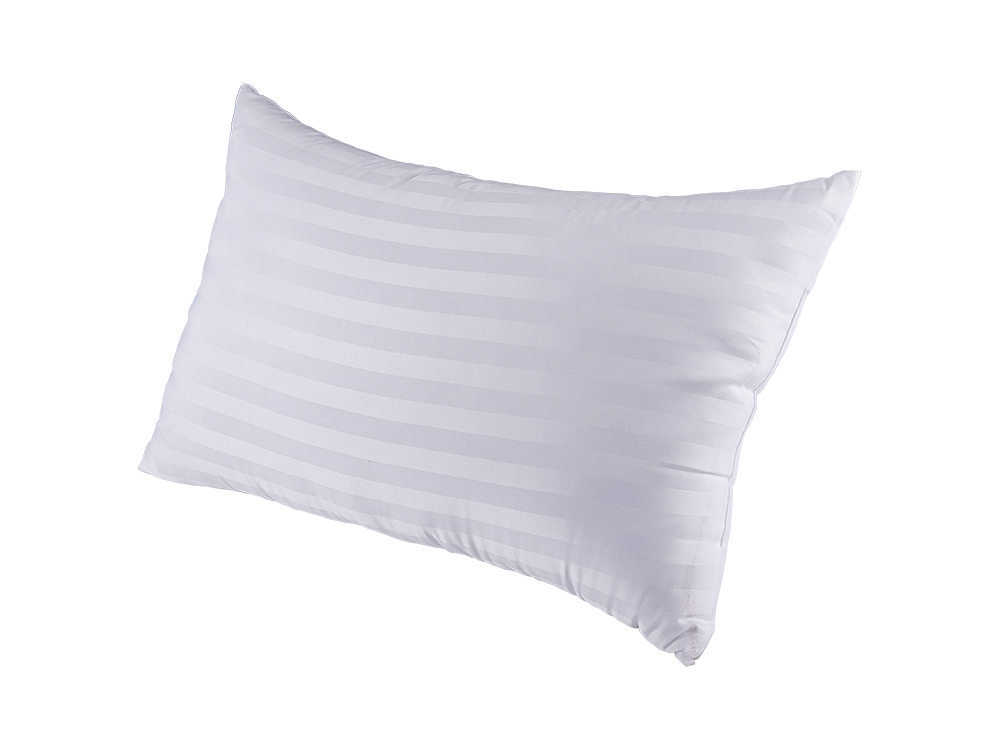
The Breathable Cotton Pillow is a white cotton pillow measuring 50 x 70 x 4 cm. Its construction is simple in appearance but carefully considered in performance. The natural white cotton fabric provides a soft touch and an elegant clean look. The sandwich mesh side wall improves breathability by giving the pillow an air pathway. The inner non-woven lining helps stabilize the filling and adds a neat internal structure. The down alternative polyester blend offers loft, flexibility, and a comfortable rebound without using animal-derived down.
For many consumers and hospitality buyers, the ideal pillow must satisfy multiple requirements at the same time. It should be soft without collapsing too quickly, breathable without feeling thin, clean-looking without being difficult to maintain, and affordable without appearing low-grade. This product addresses those needs through a balanced material combination. The 233TC cotton fabric gives the surface a smoother hand feel than lower-density coarse fabrics. The mesh wall supports airflow better than fully closed side seams. The polyester filling resists deformation better than many basic low-grade fiber fills. Together, these features create a pillow that is suitable for daily home use, guest rooms, dormitories, apartments, hotels, and customized bedding programs.
Key Specifications
Item |
Specification |
Practical Benefit |
Product Type |
Breathable Cotton Pillow |
Suitable for home bedding, guest bedding, and contract textile programs |
Size |
50 x 70 x 4 cm |
Common rectangular format for comfortable head support and easy pillowcase matching |
Fabric |
Natural White 233TC Cotton |
Soft, skin-friendly, smooth, and breathable surface |
Side Wall |
White Sandwich Mesh |
Improves ventilation and helps the inner filling breathe freely |
Lining |
30gsm Non-Woven Fabric |
Helps support internal structure and filling stability |
Filling |
3D + 0.9D Down Alternative Polyester |
Provides softness, resilience, shape retention, and animal-free comfort |
Main Comfort Features |
Moisture-wicking, breathable, odor-resistant, deformation-resistant |
Creates a fresher sleeping environment over long-term use |
Why Breathability Matters in a Pillow
Breathability is not a decorative feature. It directly affects sleep comfort. During sleep, the body releases heat and moisture through the skin and breath. A pillow that traps heat and vapor can become warm, damp, and uncomfortable. Over time, trapped moisture may also contribute to odor and a less fresh sleeping surface. For people who sleep warm, live in humid climates, or use pillows for long hours, ventilation can make a noticeable difference.
The Breathable Cotton Pillow uses two important breathable components: cotton fabric and a sandwich mesh side wall. Cotton is naturally comfortable against the skin and allows better air exchange than many dense synthetic coverings. The sandwich mesh wall adds an extra ventilation zone along the pillow edge. Instead of sealing the filling completely inside a closed fabric shell, the mesh side helps the internal air move more freely. This allows the filling to release heat and moisture more efficiently, reducing the heavy, stuffy feeling often associated with poorly ventilated pillows.
Compared with competitors that use only standard polyester fabric shells, this pillow offers a more skin-friendly surface and a more natural touch. Compared with pillows that have no mesh ventilation, it provides better airflow around the filling. Compared with low-quality cotton pillows that compress quickly, the down alternative fiber blend is designed to retain shape and comfort for longer. The result is a product that feels fresh, clean, and supportive in everyday use.
Natural White 233TC Cotton: Softness With Practical Strength
The outer fabric is one of the most important elements of pillow quality because it is the part closest to the face and neck. The Breathable Cotton Pillow uses natural white 233TC cotton cloth. The thread count gives the fabric a smooth, refined feel while remaining breathable. This is especially important for sleepers with sensitive skin or those who prefer bedding that does not feel slippery, plastic-like, or overly synthetic.
Cotton has long been valued in bedding because it balances softness, absorbency, and comfort. It can help manage small amounts of moisture during the night and provide a pleasant surface temperature. Natural white cotton also gives the pillow a clean and classic appearance, suitable for a wide range of bedding styles. It works well with white linens, patterned pillowcases, hotel-style bedding, and minimalist home interiors.
In the competitive pillow market, many products use low-cost microfiber shells. While microfiber can be soft, it may feel warmer or less breathable depending on its density and finishing. Some inexpensive pillow fabrics can also feel noisy, thin, or less durable. The 233TC cotton fabric in this pillow gives it a more premium hand feel and improves the user’s first impression. When customers touch the pillow, the fabric communicates quality before they even lie down.
White Sandwich Mesh Wall: A Small Detail With a Big Comfort Effect
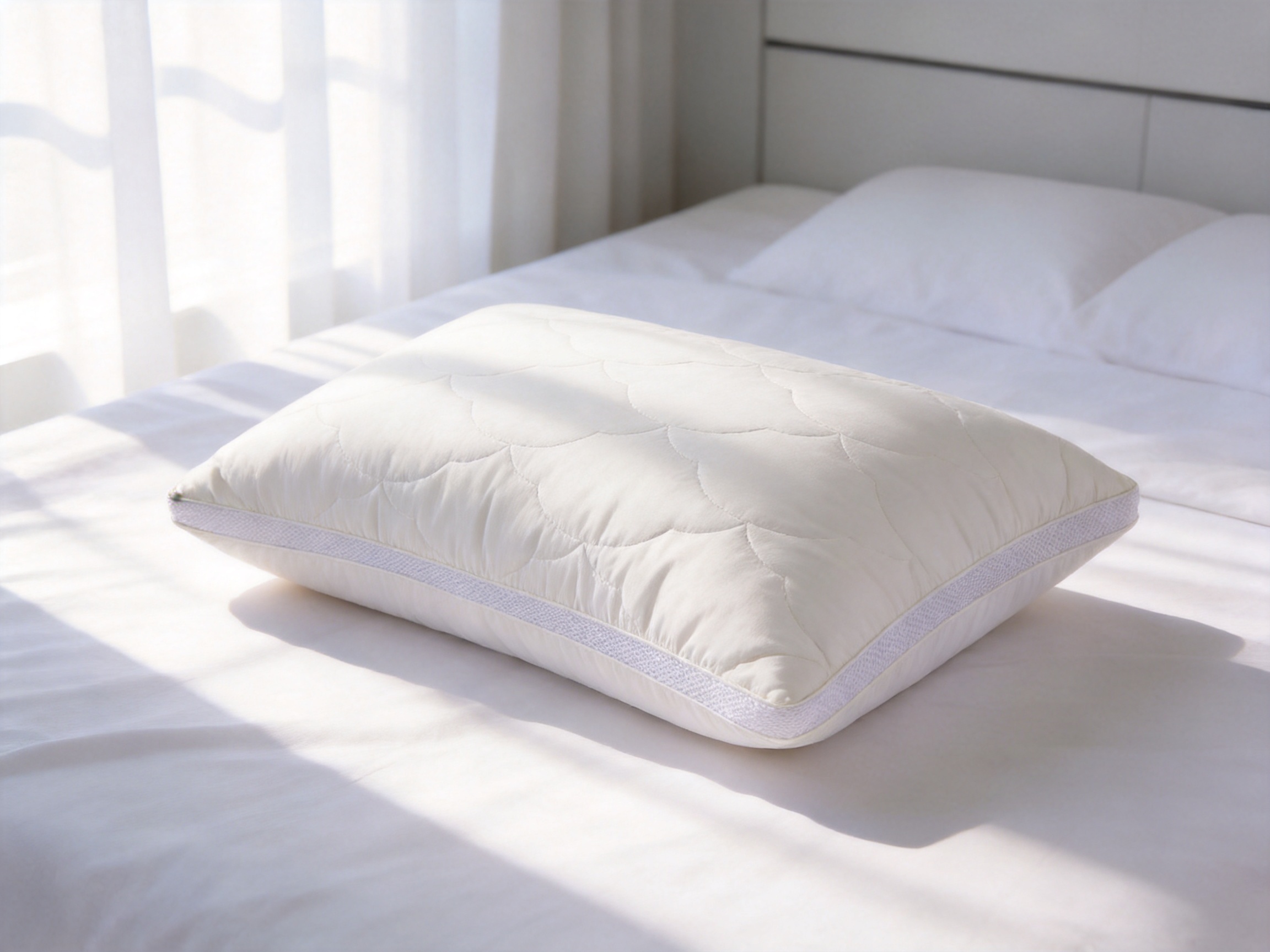
The side wall is often overlooked in pillow design, but it can change the way a pillow performs. The white sandwich mesh used on this pillow forms a breathable border around the pillow body. This helps air circulate from the sides rather than relying only on surface breathability. Because the filling is not completely trapped inside a sealed cotton shell, it can release excess heat and moisture more efficiently.
The mesh wall also gives the pillow a visually defined profile. It creates a neat side structure that can help the pillow maintain a more organized appearance. For hotels and retailers, this detail can increase perceived value. Customers often associate side-panel construction with more thoughtful pillow engineering, especially when compared with flat, basic pillows that have only simple edge stitching.
From a performance perspective, the mesh side wall helps reduce the risk of odor caused by poor ventilation. When air can move more easily through the pillow, moisture is less likely to stay trapped inside the filling. This does not replace regular care or airing, but it supports long-term freshness. For consumers who dislike pillows that become stuffy after repeated use, this breathable construction is a meaningful advantage.
30gsm Non-Woven Lining for Internal Stability
Inside the pillow, the 30gsm non-woven fabric lining plays a quiet but useful role. A pillow is not only an outer shell and loose filling; it also needs internal control. Without proper lining, fibers may shift unevenly, gather in certain zones, or create an inconsistent sleeping surface. The non-woven layer helps separate, protect, and stabilize the internal structure.
This lining contributes to cleaner manufacturing and improved product consistency. It helps keep the filling in place during filling, sewing, packing, shipping, and daily use. For large-scale buyers, consistency is essential. A hotel, distributor, or bedding retailer does not want one pillow to feel full and another to feel uneven. Internal lining helps improve repeatability across production batches.
Non-woven fabric is also practical because it is lightweight. At 30gsm, it supports structure without adding unnecessary bulk or stiffness. This means the pillow can remain soft and flexible while still benefiting from internal organization. The user feels comfort, while the product gains improved stability behind the scenes.
3D Plus 0.9D Down Alternative Polyester Filling
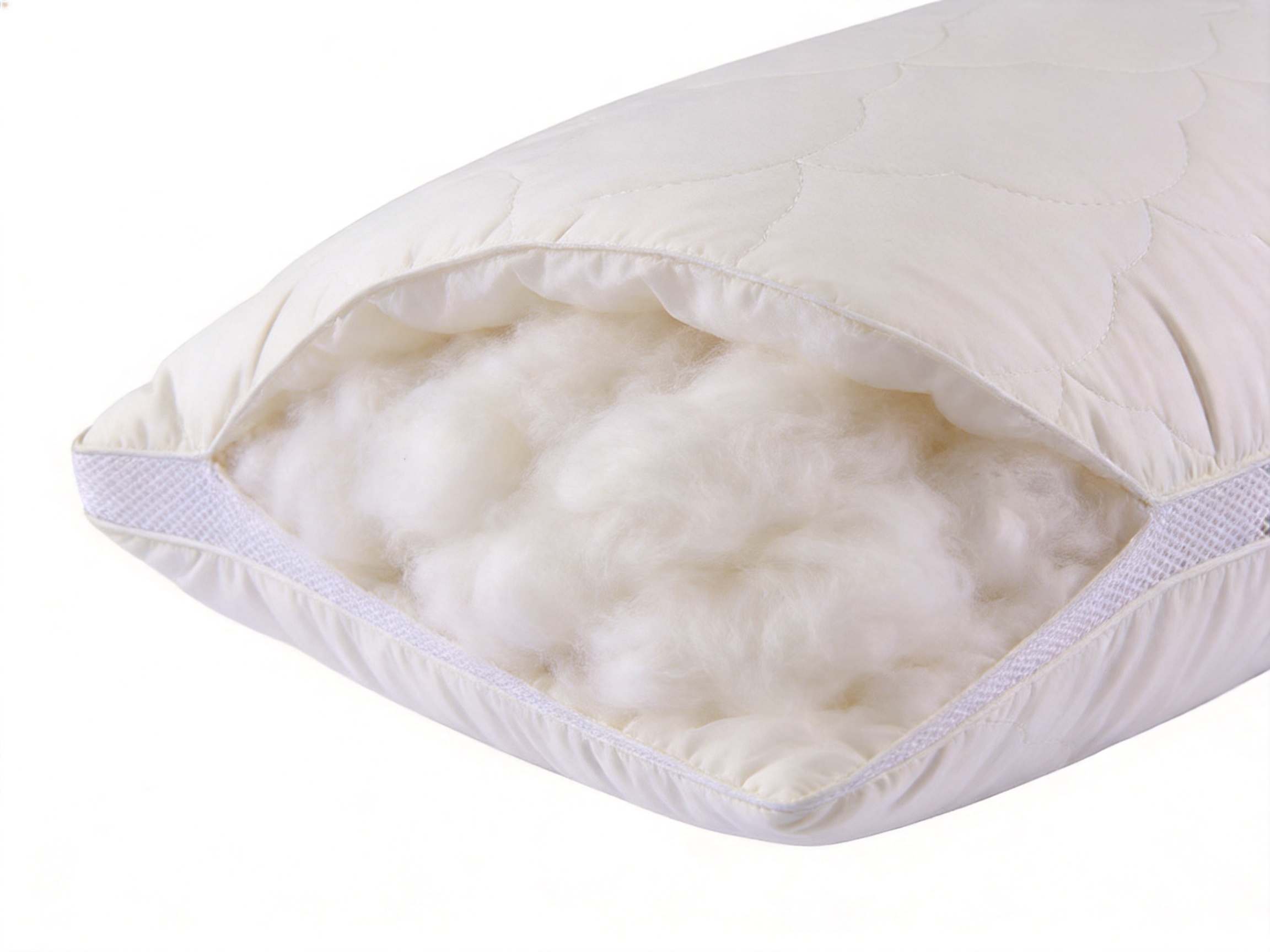
The filling determines the pillow’s loft, rebound, and long-term comfort. This pillow uses a blend of 3D and 0.9D down alternative polyester. The 3D fiber provides spring-like resilience and bulk, while the finer 0.9D fiber contributes softness and a down-like touch. This combination is designed to create a filling that feels comfortable and supportive without relying on natural down.
Down alternative polyester has several advantages for modern bedding. It is animal-free, generally easier to care for, and suitable for customers who prefer to avoid feather or down products. It can also reduce concerns about feather odor, quill poking, or allergen sensitivity associated with some natural fillings. While natural down is known for luxury softness, high-quality down alternative materials can offer an attractive balance of comfort, price, and practicality.
The blend used in this pillow is also selected for shape retention. Many low-cost pillows feel fluffy at first but flatten quickly because the filling lacks resilience. The 3D fiber structure helps the pillow recover after compression, while the finer fiber improves softness. This balance makes the product suitable for sleepers who want comfort that lasts beyond the first few nights.
Moisture-Wicking Comfort for Everyday Sleep
Moisture management is one of the strongest selling points of this product. The pillow is designed to be moisture-wicking and breathable, allowing the inner filling to breathe freely. This helps reduce dampness and maintain a more pleasant sleeping surface. Even when used for long periods, the pillow is intended to resist odor and deformation, supporting a healthier and more comfortable rest environment.
Moisture-wicking does not mean the pillow never requires care. Like all bedding, it benefits from regular airing, pillowcase washing, and proper storage. However, the breathable cotton surface and mesh wall provide a better foundation for freshness than tightly sealed, low-breathability designs. For warm sleepers, children, guest rooms, and humid environments, this feature adds practical value.
In competitive comparison, pillows with dense synthetic shells may trap heat and moisture, especially if they are filled with low-grade fibers. Some foam pillows provide support but can feel warm because foam has limited airflow unless specially perforated or ventilated. This cotton and mesh pillow offers an alternative for users who prioritize a lighter, fresher, and more breathable sleep feel.
Odor Resistance Through Better Air Movement
Odor in pillows often results from trapped moisture, poor drying, body oils, environmental humidity, or low-quality materials. The Breathable Cotton Pillow addresses this issue through material selection and structure. The cotton cloth is comfortable and naturally breathable. The sandwich mesh side wall encourages airflow. The down alternative filling avoids common feather-related odor concerns. Together, these features help the pillow remain fresher during long-term use.
For hospitality buyers, odor control is especially important. Guests judge bedding immediately. A pillow that smells stale can damage the entire room experience, even if the sheets are clean. A breathable pillow helps housekeeping teams maintain a fresher room environment and reduces the risk of complaints related to stuffy bedding.
For home users, odor resistance contributes to confidence. Many people keep pillows for extended periods, and they want bedding that still feels clean after repeated use. This product’s ventilation-focused design helps meet that expectation. It is not simply a soft pillow; it is a pillow built to support ongoing freshness.
Shape Retention and Deformation Resistance
One of the most common frustrations with pillows is flattening. A pillow may look attractive in packaging, but after several weeks of sleep, it can lose loft, become lumpy, or fail to support the head properly. The Breathable Cotton Pillow is designed to resist deformation through its fiber blend and structured construction.
The 3D polyester component gives the filling a more resilient quality. It can rebound after pressure and help the pillow keep its form. The 0.9D fiber adds a softer layer of comfort. The non-woven lining helps maintain distribution. The mesh side wall also contributes to the pillow’s shape by creating a defined edge structure. Each component supports durability in a different way.
Compared with basic pillows filled with loose, low-density polyester, this product provides more thoughtful filling engineering. Compared with memory foam pillows, it offers a softer and more breathable profile with less dense heat retention. Compared with natural feather pillows, it avoids quill discomfort and can provide more consistent filling distribution. These differences help the pillow stand out in a crowded market.
Skin-Friendly Comfort for a Better Sleep Experience
A pillow spends hours in contact with the face, neck, hair, and shoulders. A rough or irritating surface can disturb sleep, especially for sensitive users. The natural white cotton cloth used in this pillow is soft and skin-friendly. Its clean surface supports a gentle sleep experience and works well with standard pillowcases.
The cotton surface also gives the pillow a familiar, natural feeling. Some synthetic coverings can feel too slick or too warm, while certain low-grade fabrics may feel scratchy. The 233TC cotton offers a comfortable middle ground: smooth enough for a premium touch, breathable enough for nightly use, and durable enough for bedding applications.
Skin-friendly bedding is not only about softness. It is also about freshness, temperature, and moisture control. A breathable pillow can help reduce sweaty discomfort and maintain a more stable sleep climate. By combining cotton comfort with side mesh ventilation, this pillow supports a gentler environment for the skin throughout the night.
Advantages Over Ordinary Competing Pillows
The pillow market includes many products that look similar from the outside, but their internal performance can vary greatly. The Breathable Cotton Pillow has several advantages over ordinary competing pillows. First, the 233TC cotton fabric provides a better surface feel than many low-cost polyester covers. Second, the sandwich mesh side wall offers improved ventilation compared with fully enclosed pillow shells. Third, the 3D plus 0.9D down alternative filling balances softness and resilience better than many single-fiber fills. Fourth, the non-woven lining supports internal stability and cleaner construction.
Many competitors emphasize only one feature, such as softness or low price. However, a good pillow must perform as a system. If a pillow is soft but not breathable, it may become uncomfortable. If it is breathable but not resilient, it may flatten quickly. If it is affordable but poorly constructed, it may lead to returns or poor reviews. This product addresses multiple user concerns at once: comfort, breathability, moisture control, freshness, and durability.
Another advantage is its animal-free filling. Down alternative polyester appeals to buyers who want feather-like comfort without natural down. It is also more suitable for large-volume bedding programs where consistent material performance, cost control, and easy sourcing matter. This makes the pillow attractive for retailers, wholesalers, hospitality suppliers, and private-label programs.
Designed for Home, Hospitality, and Custom Bedding Programs
The Breathable Cotton Pillow is suitable for many market channels. For home users, it offers a clean, soft, and breathable pillow for daily sleep. For hotels, it provides a fresh and practical option that can support guest comfort. For bedding distributors, it delivers a clear selling story based on cotton fabric, mesh ventilation, and down alternative filling. For private-label brands, it can be positioned as a breathable comfort pillow with strong everyday value.
Its 50 x 70 cm size is widely recognized and easy to match with pillowcases. The natural white color is versatile and professional. The construction is not overly complex, which helps maintain cost efficiency, but the product still includes meaningful quality details such as mesh side panels and internal lining. This balance makes it a strong candidate for mid-range bedding collections and customized home textile product lines.
Because the manufacturer has experience across pillows, quilts, mattress protectors, blankets, mattress covers, and cushions, it can support buyers who need coordinated bedding categories. This is important for customers who want a full home textile solution rather than a single product. A buyer may begin with pillows and later expand into quilts, protectors, or cushion programs. Working with a supplier that understands multiple bedding categories can improve consistency, communication, and development speed.
Manufacturing Strength Behind the Product
The quality of a pillow depends not only on materials but also on manufacturing discipline. Tongxiang Xinlong Bedding Co., Ltd. was established in January 2002 and has developed long-term experience in home textile production. The company is located in Wuzhen, Tongxiang, Jiaxing, Zhejiang Province, China, an area with strong textile manufacturing resources. Its product range includes silk cotton quilts, chemical fiber quilts, pillows, cushions, bedspreads, travel quilts, mattress protectors, blankets, quilt covers, pillowcases, shower curtains, curtains, and related home textile items.
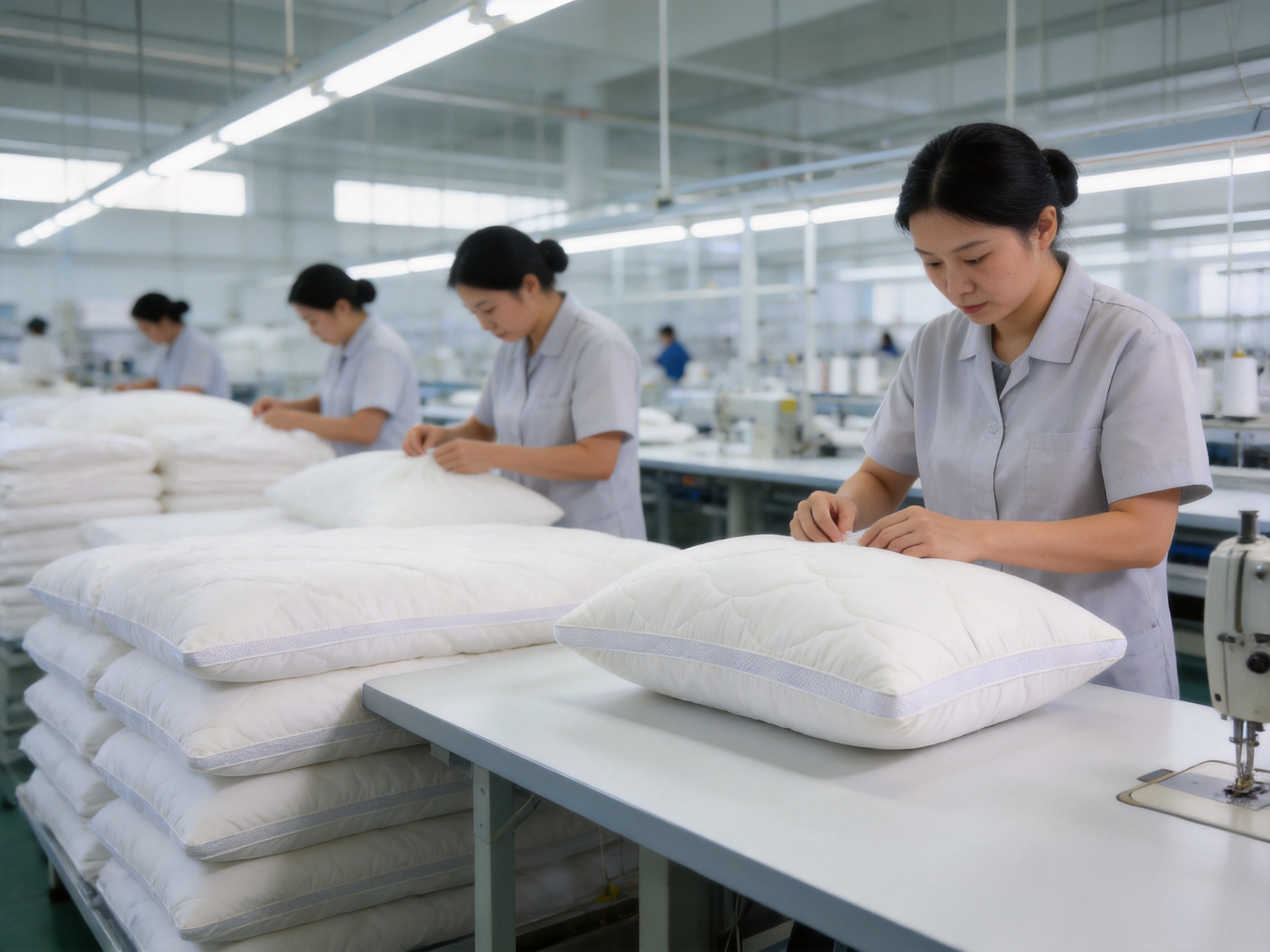
The company covers an area of 21,000 square meters, with a construction area of 18,000 square meters, and has more than 320 employees. This production scale supports stable supply for customers with different volume needs. The company is equipped with various advanced production equipment and continues to develop and innovate to adapt to changes in the home textile industry. Professional and technical personnel support design and production, helping customers create fashionable, warm, and practical household products.
For a product like the Breathable Cotton Pillow, advanced manufacturing matters at every stage. Fabric inspection helps ensure the cotton surface meets appearance and quality standards. Cutting accuracy supports consistent size. Filling control influences loft and comfort. Sewing quality affects durability and presentation. Final inspection helps reduce defects before shipment. Packaging must protect the product during storage and transportation. A well-established factory can manage these steps more reliably than a small workshop with limited process control.
Material Selection and Incoming Quality Control
High-quality pillow production begins before sewing. It begins with material selection. Cotton fabric, mesh wall fabric, non-woven lining, and polyester filling must meet functional and visual requirements. The natural white cotton should be clean, soft, and consistent in color. The mesh should have stable structure and proper breathability. The non-woven lining should be lightweight yet strong enough for internal support. The polyester filling should be clean, resilient, and suitable for uniform distribution.
Incoming quality control helps identify problems before materials enter production. This may include checking fabric appearance, width, weight, hand feel, color consistency, and surface defects. Filling may be inspected for cleanliness, fiber quality, and rebound. Mesh panels may be checked for stability and uniformity. By controlling materials early, the manufacturer reduces the risk of defects in finished pillows.
This approach gives the product an advantage over competitors that focus mainly on low-cost purchasing. When materials are inconsistent, the final pillow may vary from batch to batch. One shipment may feel soft, while another may feel thin or uneven. A manufacturer with systematic material control can provide greater reliability, which is especially valuable for retailers and hospitality programs that require repeat orders.
Precision Cutting and Consistent Sizing
The specified pillow size is 50 x 70 x 4 cm, and consistent sizing is important for user satisfaction. A pillow that is too small may not fill a pillowcase properly, while one that is too large may feel compressed or difficult to cover. Accurate cutting helps maintain the intended size and shape.
During production, fabric panels, mesh side walls, and lining components must be cut according to defined specifications. Precision cutting reduces waste and improves assembly. It also supports a neater appearance after sewing. When the pillow edges align correctly, the finished product looks more professional and performs more consistently.
For buyers, sizing consistency affects brand trust. If a customer buys multiple pillows, they expect them to match. If a hotel orders hundreds or thousands of pillows, it expects uniform fit and presentation across rooms. Manufacturing precision helps meet these expectations and distinguishes the product from lower-grade competitors.
Sewing Quality and Edge Construction
Sewing quality is a key factor in pillow durability. The Breathable Cotton Pillow includes a side sandwich mesh wall, which requires controlled sewing to connect different materials cleanly. Cotton, mesh, and lining must be joined securely without puckering, loose threads, or uneven seams. Good stitching helps prevent filling leakage and supports long-term use.
Edge construction also affects the pillow’s visual appeal. A well-sewn side wall gives the pillow a structured profile and a more finished look. It can make the product appear more premium than a flat-seamed basic pillow. For retail display, photography, and customer first impressions, this detail matters.
Competitors with poor sewing may suffer from seam failure, uneven edges, or visible defects. These issues can lead to returns and complaints. A manufacturer with experienced workers and standardized operating procedures can reduce such risks. The company’s focus on quality as the life of the enterprise supports a production culture where technical skill and process improvement are emphasized.
Controlled Filling for Balanced Loft
Filling is both a material and a process. Even high-quality fiber can perform poorly if it is not distributed correctly. Controlled filling helps create a balanced pillow surface with fewer lumps and more consistent comfort. The Breathable Cotton Pillow uses a 3D plus 0.9D down alternative polyester filling, and the manufacturing process must preserve the benefit of this blend.
During filling, the goal is to achieve the right amount of loft, softness, and resilience. Too little filling may make the pillow feel flat. Too much filling may make it feel stiff or overly high. Uneven filling can create uncomfortable pressure points. Proper equipment and trained workers help maintain the desired balance.
For customized orders, filling level can often be adjusted according to buyer requirements, market preferences, or target price points. This flexibility is one of the strengths of an experienced bedding factory. It allows customers to develop products that match their brand positioning, whether they need a soft guest pillow, a breathable retail pillow, or a customized collection.
Inspection, Packaging, and Shipment Readiness
Finished pillows should be inspected before packaging. Inspection may include checking size, fabric cleanliness, sewing quality, filling balance, labeling, and overall appearance. Any loose threads, stains, uneven seams, or obvious shape issues should be corrected or removed from shipment. These steps help protect both the manufacturer’s reputation and the buyer’s brand image.
Packaging is also important. Pillows are soft goods, but they can be affected by moisture, dust, compression, and rough handling. Proper packaging helps maintain product cleanliness and shape during transportation. For retailers, packaging may also include branding, labels, barcodes, and product information. For hospitality orders, efficient bulk packaging may be preferred. A capable manufacturer can support different packaging requirements according to customer needs.
Shipment readiness involves coordination among production, quality control, packing, warehousing, and export documentation. The company’s manufacturing scale and experience in home textiles provide a strong foundation for these processes. For international buyers, reliable delivery and consistent communication are as important as product quality.
Certifications and Responsible Production Capabilities
The company has passed international certifications such as ISO 9001, ISO 14001, OEKO-related certifications, GRS, and BSCI. These certifications demonstrate attention to quality management, environmental management, product safety, recycled material systems where applicable, and social compliance. In the home textile industry, certifications are increasingly important because buyers must meet consumer expectations, regulatory requirements, and brand responsibility standards.
ISO 9001 supports quality management systems, helping ensure that processes are documented, monitored, and improved. ISO 14001 relates to environmental management, showing that the company considers environmental responsibilities in operations. OEKO-related certifications are widely recognized in textile safety and can support confidence in materials. GRS relates to recycled content and chain-of-custody practices when recycled materials are involved. BSCI reflects social compliance expectations in global supply chains.
For the Breathable Cotton Pillow, these certifications add credibility behind the physical product. A buyer is not only purchasing a pillow; the buyer is also relying on the manufacturer’s process control, compliance awareness, and production responsibility. In competitive markets, this background can help distinguish the product from lower-cost alternatives produced without comparable management systems.
Innovation and Customization Capacity
The home textile industry changes quickly. Consumers look for better comfort, cleaner materials, improved sustainability, modern design, and strong value. The company continues to develop and innovate, with professional and technical personnel supporting product design and production. This is important for buyers who need more than standard catalog items.
The Breathable Cotton Pillow can serve as a strong base product for customization. Customers may request different sizes, fabric weights, fillings, packaging styles, labels, or decorative details. Some markets may prefer firmer pillows, while others prefer softer profiles. Some brands may want recycled fiber options, special quilting, piping, or printed packaging. A factory with broad home textile experience can help translate these ideas into manufacturable products.
Customization also supports private-label growth. Retailers and distributors often want products that reflect their own brand identity. By working with an experienced manufacturer, they can adjust specifications while keeping the core advantages of breathability, cotton comfort, and filling resilience. This makes the pillow not only a finished product but also a platform for product development.
Comfort Positioning in the Bedding Market
The Breathable Cotton Pillow is best positioned as a practical comfort pillow with breathable features and a skin-friendly cotton surface. It is not simply a luxury decorative item, and it is not a disposable low-end pillow. It sits in a valuable middle space where consumers expect comfort, cleanliness, durability, and fair pricing. This positioning is attractive because it serves a large audience.
In the home market, customers increasingly understand that sleep quality depends on bedding materials. They look for pillows that do not feel hot, do not smell unpleasant, and do not flatten quickly. In the hospitality market, hotels need pillows that please many different guests while remaining cost-effective and easy to source. In the wholesale market, buyers need a clear product story that sales teams can explain quickly. This pillow meets those needs with simple but persuasive features: cotton fabric, mesh ventilation, down alternative filling, and long-term freshness.
The product can be promoted as a breathable cotton pillow for everyday comfort, a moisture-wicking pillow for fresher sleep, or a down alternative pillow with improved ventilation. These market angles are easy for consumers to understand and align with current bedding preferences.
Care and Use Recommendations
To maintain the best performance, users should follow suitable care practices. A pillowcase should be used to protect the cotton surface from oils, sweat, and dust. Pillowcases should be washed regularly. The pillow should be aired periodically in a dry, ventilated place to help release moisture and maintain freshness. It should be stored in a clean and dry environment when not in use.
Users should avoid prolonged exposure to excessive moisture, as all textile products can be affected by damp storage. The pillow should not be compressed for very long periods if avoidable, because extended compression may influence loft. After unpacking, gently patting and allowing the pillow to expand can help restore its shape.
For commercial users, care instructions should be matched to the final product label and buyer requirements. Hotels and institutions should evaluate laundering, drying, and replacement schedules according to their service standards. Proper care extends product life and helps preserve the breathable, fresh, and comfortable qualities of the pillow.
Q&A Section
Q1: What makes this pillow different from ordinary cotton pillows?
This pillow combines natural white 233TC cotton fabric with a breathable white sandwich mesh side wall, a 30gsm non-woven lining, and 3D plus 0.9D down alternative polyester filling. Many ordinary pillows use only a basic fabric shell and simple fiber filling. This product improves airflow, moisture management, internal stability, and shape retention through a more complete construction.
Q2: Is the pillow suitable for warm sleepers?
Yes. The breathable cotton surface and sandwich mesh side wall help air move more freely through the pillow. This can reduce stuffiness and help the inner filling release heat and moisture. While individual comfort depends on room temperature, pillowcase material, and personal preference, this pillow is designed to support a fresher sleeping environment.
Q3: Does the pillow use natural down or feathers?
No. The filling is a down alternative polyester blend made with 3D and 0.9D fibers. It is designed to provide softness and resilience without using animal-derived down or feathers. This makes it suitable for customers who prefer animal-free bedding or want to avoid common feather-related issues such as quill discomfort.
Q4: How does the sandwich mesh wall help performance?
The sandwich mesh wall creates a breathable side structure. It allows air to circulate around the pillow filling more effectively than a fully closed fabric edge. This improves ventilation, supports moisture release, and helps reduce the risk of stale odor caused by trapped dampness.
Q5: Is the pillow resistant to deformation?
The pillow is designed to resist deformation during long-term use. The 3D polyester fiber provides resilience and rebound, while the finer 0.9D fiber improves softness. The internal non-woven lining and structured side wall also help maintain shape and filling distribution.
Q6: What type of customer is this pillow best for?
It is suitable for home users, hotels, guest rooms, apartments, dormitories, bedding retailers, wholesalers, and private-label bedding programs. It is especially appropriate for customers who value breathability, cotton comfort, freshness, and down alternative filling.
Q7: Can the product be customized?
The manufacturer has broad experience in home textile production and supports various customer needs. Depending on order requirements, customization may include size, filling level, packaging, labeling, fabric options, and other product details. This makes the pillow suitable for private-label and contract bedding programs.
Q8: Why is 233TC cotton used for the fabric?
233TC cotton offers a smooth, soft, and breathable surface suitable for bedding. It provides a more comfortable and refined touch than many coarse or low-density fabrics, while still allowing airflow. This supports both skin-friendly comfort and product quality perception.
Q9: What role does the non-woven lining play?
The 30gsm non-woven lining helps stabilize the internal structure of the pillow. It supports filling distribution, improves manufacturing consistency, and contributes to a neater finished product without making the pillow heavy or stiff.
Q10: Why should buyers consider the manufacturer’s production strength?
A pillow’s quality depends on more than materials. It depends on material inspection, cutting, sewing, filling control, quality checking, packaging, and delivery management. The manufacturer’s long history, large production area, experienced workforce, advanced equipment, and international certifications help support consistent product quality and reliable supply.
Conclusion
The Breathable Cotton Pillow is a thoughtfully constructed bedding product designed for users who want a cleaner, cooler, and more comfortable sleep experience. Its natural white 233TC cotton fabric provides a soft and skin-friendly surface. Its white sandwich mesh wall improves airflow and helps the inner filling breathe freely. Its 30gsm non-woven lining supports internal stability. Its 3D plus 0.9D down alternative polyester filling offers softness, resilience, and shape retention without the use of natural down.
Compared with ordinary competing pillows, it provides stronger breathability, better moisture management, improved freshness, and a more balanced comfort structure. It is suitable for home bedding, hospitality supply, wholesale distribution, and customized private-label programs. Behind the product is a manufacturer with more than two decades of home textile experience, a large production base, advanced equipment, skilled employees, broad product capabilities, and recognized international certifications.
For buyers seeking a pillow that combines practical comfort with reliable manufacturing support, this breathable cotton pillow offers a strong solution. It is not built around exaggerated claims; it is built around sensible material choices, functional construction, and disciplined production. In a bedding market where comfort, freshness, and trust are increasingly important, this product stands out as a dependable and marketable choice.
References
1. Kadolph, S. J. Textiles. Pearson Education.
2. Collier, B. J., and Epps, H. H. Textile Testing and Analysis. Prentice Hall.
3. Saville, B. P. Physical Testing of Textiles. Woodhead Publishing.
4. Horrocks, A. R., and Anand, S. C. Handbook of Technical Textiles. Woodhead Publishing.
5. Sinclair, R. Textiles and Fashion: Materials, Design and Technology. Woodhead Publishing.
6. ISO 9001 Quality Management Systems: Principles and Guidelines.
7. ISO 14001 Environmental Management Systems: Requirements and Guidance.
8. OEKO-TEX Textile Safety and Responsible Production Reference Materials.
9. Global Recycled Standard Implementation and Textile Chain-of-Custody Guidance.
10. Business Social Compliance Initiative Reference Guide for Responsible Supply Chains.

 +86-573-88798028