



 Français
 Español
 Deutsch
Content
- 1 Product Overview
- 2 Soft Short Plush Surface for Everyday Comfort
- 3 Ultrasonic Embossing: A Modern Alternative to Traditional Stitching
- 4 Advantages Over Common Competitor Blankets
- 5 Customizable Size for Different Markets
- 6 Material Composition and Performance Balance
- 7 Elegant Patterns for Home Decoration
- 8 Advanced Manufacturing Strengths
- 9 Ultrasonic Machine Capability
- 10 Quality-Oriented Production Philosophy
- 11 Why Certifications Matter for Bedding Buyers
- 12 Production Process from Concept to Finished Blanket
- 13 Practical Benefits for Retailers and Importers
- 14 Benefits for Hospitality and Institutional Use
- 15 Consumer Experience and Daily Usability
- 16 Design Flexibility and Market Trends
- 17 Sustainability and Responsible Manufacturing Considerations
- 18 Why Factory Scale Matters
- 19 Important Selection Factors for Buyers
- 20 Q&A Section
- 20.1 What is a short plush ultrasonic blanket?
- 20.2 What makes this blanket different from ordinary fleece blankets?
- 20.3 Can the size be customized?
- 20.4 Why is ultrasonic embossing beneficial?
- 20.5 Is the blanket suitable for all seasons?
- 20.6 Can it be used as a bed sheet?
- 20.7 What materials are used?
- 20.8 Why choose a manufacturer with in-house ultrasonic machinery?
- 20.9 Is the product suitable for private label orders?
- 20.10 What company strengths support this product?
- 21 Conclusion
- 22 References
- 23 Product: Short Plush Ultrasonic Blanket
The short plush ultrasonic blanket is designed for households, hospitality buyers, retailers, and home textile distributors that need a bedding product combining softness, visual refinement, practical warmth, and reliable manufacturing consistency. It belongs to the modern category of ultrasonic blankets, a type of textile product made with ultrasonic embossing technology instead of traditional stitched quilting in selected areas. This process allows the blanket to present elegant patterns, stable bonding, and a smooth surface while maintaining a comfortable hand feel.
Made with 160gsm polyester short pile fabric on the front, 80gsm polyester fabric on the back, and 100gsm bonded polyester filling, this blanket is suitable for use as a lightweight blanket, decorative throw, bed sheet alternative, sofa cover, guest bedding layer, or seasonal home textile product. The short plush surface gives it a premium touch, while the ultrasonic embossed patterns add depth, texture, and a more refined appearance than many flat printed or basic stitched blankets in the market.
Short Plush Ultrasonic Blanket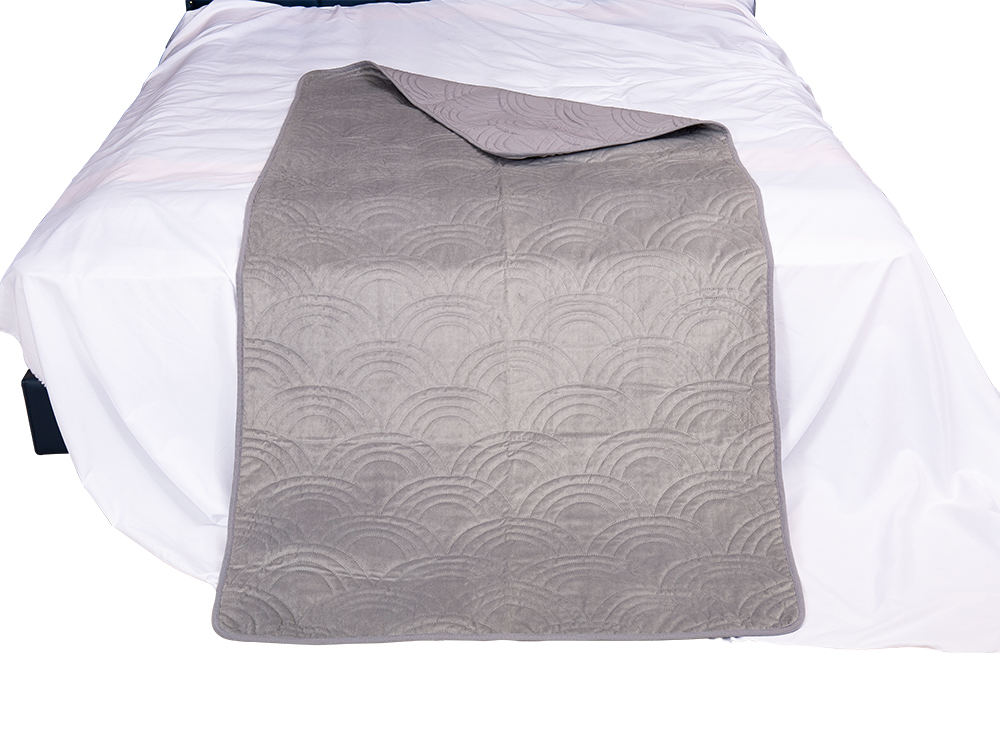
Product Overview
The short plush ultrasonic blanket is developed to meet the demand for comfortable, practical, and attractive home bedding. Unlike heavy winter quilts, it is light enough for flexible everyday use. Unlike simple fleece throws, it has a structured filling layer and an embossed surface that improves both appearance and usability. It can be placed on a bed as a light covering, used while relaxing on a sofa, or styled as an elegant bedspread.
The front fabric is 160gsm polyester short pile fabric. Short plush fabric is valued because it feels soft without being excessively thick or bulky. It offers a gentle touch against the skin and can create a warmer feeling than plain woven polyester. The back fabric is 80gsm polyester fabric, selected to help maintain overall lightness and flexibility. Between these layers is 100gsm bonded polyester filling, which provides mild insulation, fullness, and a smooth drape.
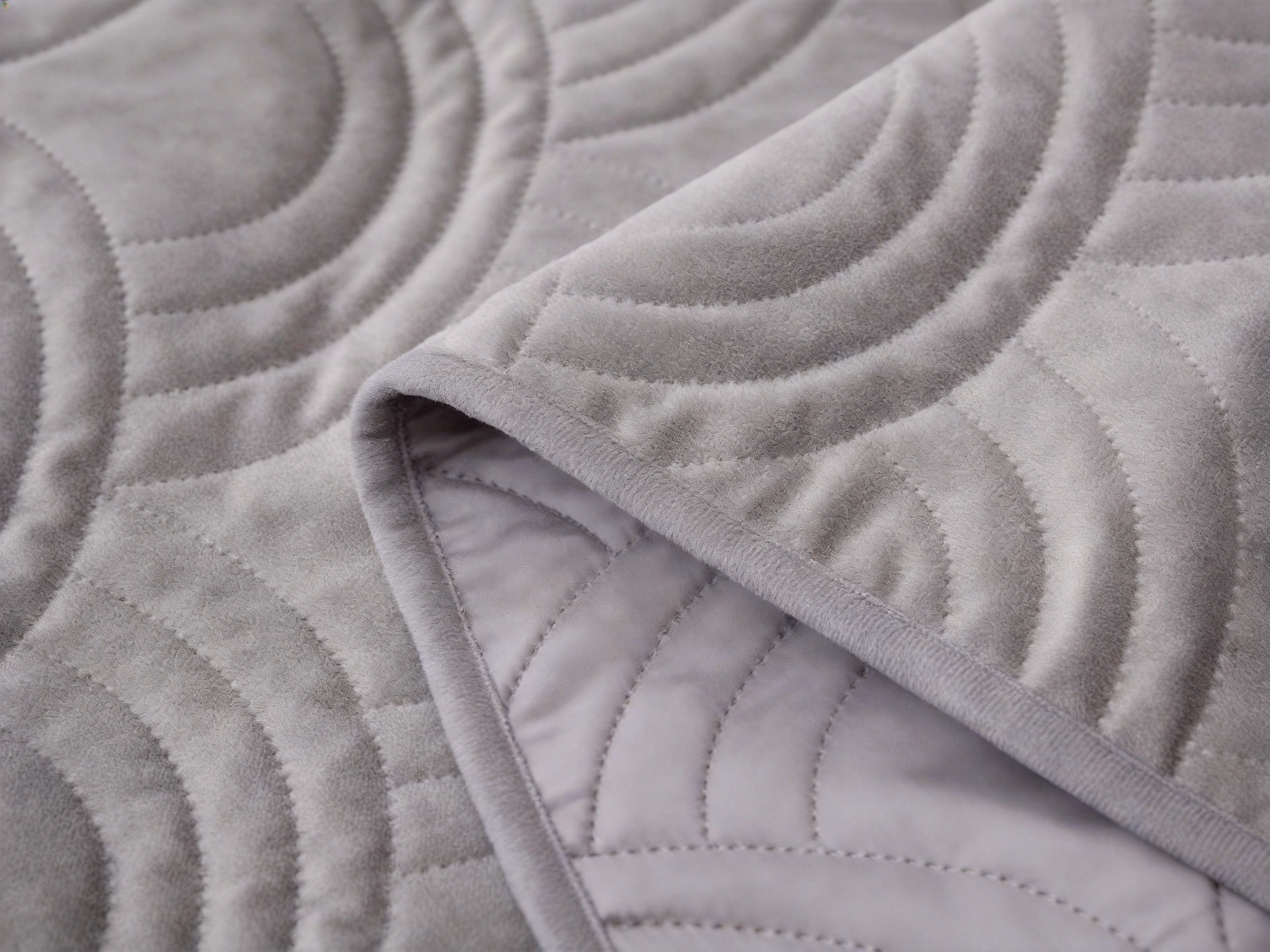
The ultrasonic process is one of the key features. Instead of relying only on thread stitching, ultrasonic bonding uses high-frequency vibration to create heat at the contact points of synthetic fibers. This heat bonds the fabric layers together in specific patterns. The result is a clean embossed effect with reduced loose threads, consistent pattern definition, and an attractive quilted appearance.
Item |
Specification |
Benefit |
Front Fabric |
160gsm polyester short pile fabric |
Soft touch, premium appearance, comfortable surface |
Back Fabric |
80gsm polyester fabric |
Lightweight structure, practical daily use |
Filling |
100gsm bonded polyester |
Moderate warmth, stable loft, smooth drape |
Pattern Technology |
Ultrasonic embossing |
Clean pattern, reduced thread issues, elegant texture |
Size |
Customizable to any size |
Suitable for retail, hospitality, private label, and export orders |
Use |
Blanket, bed sheet, bedspread, sofa throw |
Versatile for multiple home textile scenarios |
Soft Short Plush Surface for Everyday Comfort
The surface comfort of a blanket is often the first thing a customer notices. The 160gsm polyester short pile fabric gives this product a smooth, soft, and pleasant texture. Short plush has a refined feel because the pile is not too long, helping the blanket remain neat and easy to manage. Compared with long-pile plush blankets, short plush is less likely to appear messy after regular use and can offer a cleaner look on beds or sofas.
For consumers, softness is closely connected with perceived value. A blanket that feels gentle immediately communicates comfort and quality. The short plush ultrasonic blanket is suitable for bedrooms, living rooms, guest rooms, dormitories, apartments, and travel accommodation. It can be used during cool evenings, air-conditioned nights, spring and autumn seasons, or as an extra layer in winter.
Compared with ordinary flat polyester blankets, the short pile texture provides more tactile richness. It feels warmer and more inviting without becoming overly heavy. This balance is important for modern bedding markets, where customers increasingly look for products that are comfortable, stylish, washable, and easy to store.
Ultrasonic Embossing: A Modern Alternative to Traditional Stitching
One of the most important advantages of this blanket is its ultrasonic embossed construction. Traditional quilting usually depends on needle stitching and thread. While stitching remains useful for many bedding products, it can create visible thread lines, possible thread breakage, needle holes, and uneven tension if production is not carefully controlled. Ultrasonic embossing offers another solution for synthetic textile layers.
Ultrasonic bonding uses high-frequency vibration to generate heat through friction at targeted points. In polyester fabrics and polyester filling, this heat can create a stable bond. When shaped by patterned rollers or molds, the bonding forms decorative embossed designs. This gives the blanket a quilted look without the same amount of thread exposure associated with conventional stitching.
The result is a smoother, cleaner surface. Patterns can be designed according to customer preferences, allowing buyers to select classic geometric motifs, floral-inspired patterns, modern textures, or customized embossed effects. This is a strong advantage for distributors and retailers that need product differentiation. The same base fabric and filling can be transformed into multiple styles through pattern selection.

Advantages Over Common Competitor Blankets
In a competitive home textile market, many blankets appear similar at first glance. However, differences in fabric weight, filling, surface treatment, pattern technology, production control, and customization ability can significantly affect customer satisfaction. The short plush ultrasonic blanket offers several advantages over common alternatives.
Compared with Basic Fleece Throws
Basic fleece throws are often popular because they are affordable and lightweight. However, many fleece throws are single-layer products with limited structure. They may lack embossed texture, filling, or a premium appearance. The short plush ultrasonic blanket offers a more complete bedding structure with front fabric, back fabric, and bonded filling. It has a fuller feel and a more decorative look, making it suitable not only for warmth but also for room styling.
Compared with Heavy Quilts
Heavy quilts provide warmth but may be too thick for transitional seasons or air-conditioned rooms. They can also be harder to wash, dry, fold, and store. The short plush ultrasonic blanket provides moderate warmth in a lighter format. It is more flexible for daily use and can serve as an additional bedding layer without overwhelming the sleeper.
Compared with Traditional Stitched Blankets
Traditional stitched blankets may show thread ends, skipped stitches, or uneven stitch density when quality control is insufficient. Ultrasonic embossing reduces dependence on visible stitching for pattern formation. The embossed surface can appear cleaner and more modern. This helps improve visual consistency, especially for large production runs.
Compared with Plain Bed Sheets
A plain bed sheet is practical but does not provide the same soft plush comfort or light insulation. This product can be used as a bed sheet alternative when customers want a soft-touch surface with more warmth and decorative value. Its embossed pattern gives a bed a finished appearance, which is useful for both home and hospitality settings.
Compared with Low-Quality Printed Blankets
Some low-cost printed blankets rely heavily on surface graphics but may lack texture or dimensional appeal. Printed designs can fade or become visually flat after use. Ultrasonic embossed patterns create physical texture, adding depth even without complex printing. This gives the blanket a more durable decorative character.
Customizable Size for Different Markets
The blanket can be customized to any size, which is a major advantage for business buyers. Different markets require different dimensions. Retail customers may need single, twin, full, queen, king, or throw sizes. Hotels may require specific bed dimensions. E-commerce sellers may want compact packaging sizes. Private label brands may develop exclusive sizing strategies for their target customers.
Custom sizing allows the product to serve many channels, including supermarkets, home textile stores, online shops, promotional programs, hotel supply chains, and seasonal collections. It also supports buyers who need product families, such as matching throw blankets, bed blankets, and larger bedspread sizes.
This flexibility helps reduce inventory complexity for buyers. Instead of sourcing completely different products from multiple suppliers, a buyer can develop several size variations from the same material platform. This can improve consistency in color, texture, branding, and packaging.
Material Composition and Performance Balance
The combination of 160gsm short plush fabric, 80gsm back fabric, and 100gsm bonded polyester filling is designed to balance softness, warmth, weight, and cost. Fabric weight matters because it affects the product’s hand feel, perceived quality, and usability. A front fabric that is too thin may feel cheap, while one that is too thick may reduce flexibility or increase cost unnecessarily.
The 160gsm front fabric provides a soft and attractive surface. The 80gsm back fabric helps maintain a light structure. The 100gsm bonded polyester filling adds fullness without making the blanket too heavy. Bonded polyester filling is commonly used in bedding because it can maintain structure better than loose fibers in many applications. It helps create a more even layer and supports the embossed pattern effect.
Polyester is also practical for modern home textiles. It is widely used because it is durable, relatively easy to care for, resistant to many forms of wear, and suitable for ultrasonic bonding. For buyers who need dependable export products, polyester-based bedding can offer stable production performance and consistent appearance.
Elegant Patterns for Home Decoration
The visual appeal of a blanket is increasingly important. Bedding is no longer purchased only for warmth; it is also part of interior decoration. The ultrasonic embossed pattern makes the blanket suitable for modern home styling. It can add texture to a minimal bedroom, softness to a guest room, or a polished look to a sofa.
Because the company operates its own ultrasonic machine, customers can request various embossed patterns. This supports design flexibility and market responsiveness. If a retailer needs a floral pattern for a spring collection, a geometric design for a modern home line, or a subtle texture for hospitality use, the production process can be adjusted accordingly.
This capability is especially useful in export markets, where design preferences vary by region. Some customers prefer simple and elegant patterns, while others prefer more decorative motifs. The ability to customize embossed patterns allows the product to be adapted without changing its fundamental construction.
Advanced Manufacturing Strengths
Tongxiang Xinlong Bedding Co., Ltd. has developed strong manufacturing capabilities in the home textile industry since its establishment in January 2002. Located in Wuzhen, Tongxiang City, Zhejiang Province, China, the company operates from a production base covering 21,000 square meters, with a construction area of 18,000 square meters. With more than 320 employees and advanced production equipment, it is positioned to support stable, scalable, and customized bedding manufacturing.
The company produces a wide range of home textile products, including quilts, pillows, cushions, bedspreads, travel quilts, mattress protectors, blankets, quilt covers, pillowcases, shower curtains, and curtains. This broad experience gives it a strong understanding of fabric handling, filling control, cutting, sewing, quilting, finishing, inspection, packaging, and export requirements.
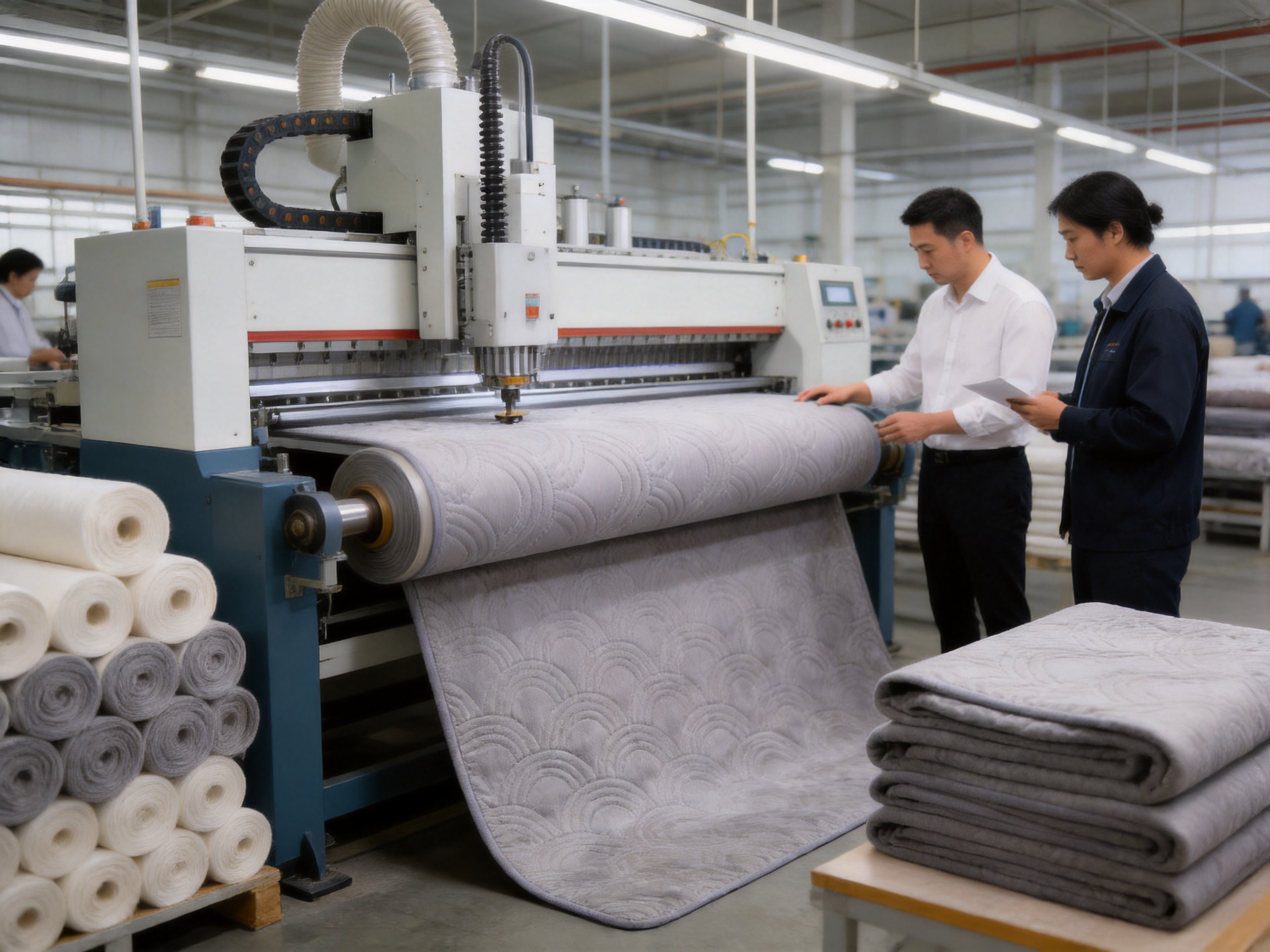
For the short plush ultrasonic blanket, manufacturing strength is especially important. Ultrasonic production requires proper material selection, precise machine settings, stable tension control, clean pattern molds, and experienced operators. If pressure, speed, or ultrasonic energy is not well controlled, the pattern may be weak, uneven, or overly compressed. A capable manufacturer can adjust these parameters to create a consistent embossed effect while preserving softness.
Ultrasonic Machine Capability
Owning ultrasonic machinery is a clear advantage. Some suppliers may outsource ultrasonic processing, which can increase lead times, reduce control, or limit customization. In-house ultrasonic equipment allows better coordination between design, sampling, production, and quality inspection.
When customers request new patterns, the company can evaluate feasibility, test bonding performance, adjust machine parameters, and produce samples more efficiently. This is valuable for buyers who need fast product development before seasonal launches. It also supports stable repeat orders because production knowledge remains inside the factory.
In-house ultrasonic capability also improves consistency. The company can control fabric feeding, bonding temperature effect, roller pressure, line speed, and pattern alignment. This level of control helps ensure that the blanket surface looks clean and professional across bulk production.
Quality-Oriented Production Philosophy
The company regards quality as the life of the enterprise. In practical manufacturing terms, this means standardizing operating procedures, improving employee skills, and continuously enhancing product quality. For home textile buyers, this philosophy matters because bedding products are judged by both appearance and long-term use experience.
Quality control for an ultrasonic blanket may include checking fabric weight, surface cleanliness, color consistency, filling distribution, pattern clarity, edge finishing, size tolerance, hand feel, packaging condition, and final carton inspection. Each step affects customer satisfaction. A blanket that looks good in photos but has weak bonding, uneven size, or poor finishing can create complaints. Strong production management reduces this risk.
The company has also passed international certifications such as ISO9001, ISO14001, OEKO-TEX related certifications, OEKO-STEP, GRS, and BSCI. These certifications indicate attention to quality management, environmental management, textile safety, responsible production, recycled material standards where applicable, and social compliance. For global buyers, such certifications can support supplier evaluation and purchasing confidence.
Why Certifications Matter for Bedding Buyers
Certifications are not just formal documents. They help buyers assess whether a supplier has structured systems in place. ISO9001 is associated with quality management, encouraging process control, documentation, corrective action, and continuous improvement. ISO14001 is associated with environmental management, helping factories manage environmental responsibilities more systematically.
OEKO-TEX related standards are important in textiles because consumers care about product safety and chemical management. OEKO-STEP evaluates sustainable textile and leather production conditions. GRS can be relevant when recycled materials are involved, helping support traceability and responsible claims. BSCI focuses on social compliance, including labor-related standards and workplace responsibility.
For retailers, importers, and hospitality groups, working with a certified manufacturer can reduce sourcing risk. It can also support their own brand image, especially in markets where consumers increasingly ask about safety, sustainability, and responsible manufacturing.
Production Process from Concept to Finished Blanket
The manufacturing process for a short plush ultrasonic blanket involves several coordinated stages. Although exact processes may vary by customer specification, a typical workflow includes material selection, fabric inspection, cutting, layering, ultrasonic embossing, edge finishing, inspection, folding, packaging, and shipment preparation.
First, fabrics and filling are selected according to the required weight, color, hand feel, and performance. The front short plush fabric must have a consistent pile surface. The back fabric should be stable and compatible with the ultrasonic process. The bonded polyester filling should be even and suitable for the desired thickness.
Second, materials are inspected. Fabric defects such as stains, holes, shade variation, or uneven pile must be identified before production. Early inspection prevents waste and improves finished product quality.
Third, materials are cut or prepared according to size requirements. Since the blanket is customizable to any size, accurate cutting is essential. Size accuracy affects both appearance and customer satisfaction.
Fourth, the layers are assembled. The front fabric, filling, and back fabric must be aligned correctly. Proper tension and smooth feeding are important to avoid wrinkles or distortion during ultrasonic embossing.
Fifth, ultrasonic embossing creates the decorative and structural pattern. Machine settings must be adjusted according to fabric thickness, filling density, pattern complexity, and production speed. The goal is to form clear bonding points without damaging the fabric surface or making the blanket too stiff.
Sixth, edges are finished. Edge quality is highly visible and affects durability. Depending on customer requirements, finishing may include binding, hemming, or other suitable methods.
Seventh, finished blankets are inspected for pattern clarity, size, surface appearance, cleanliness, and overall workmanship. Finally, blankets are folded, packed, labeled, and prepared for delivery according to customer requirements.
Practical Benefits for Retailers and Importers
Retailers and importers need products that are attractive, reliable, and easy to position in the market. The short plush ultrasonic blanket offers several business advantages. Its soft surface creates immediate customer appeal. Its embossed pattern helps it stand out from plain blankets. Its moderate weight supports multi-season sales. Its customizable size makes it adaptable for different channels.
Because the product can be used as a thin blanket or bed sheet, it can be marketed in multiple ways. Retailers can position it as a lightweight bedding layer, decorative bed cover, sofa throw, dormitory blanket, guest room essential, or seasonal comfort item. This flexibility helps broaden the target audience.
The product is also suitable for private label development. Buyers can select sizes, patterns, colors, packaging formats, and labeling details according to their market needs. With the manufacturer’s broad home textile production experience, buyers can also develop coordinated product lines, such as matching pillows, cushions, mattress protectors, and other bedding items.
Benefits for Hospitality and Institutional Use
Hotels, guesthouses, serviced apartments, and institutional buyers require bedding that is comfortable, presentable, and manageable. The short plush ultrasonic blanket can provide a clean and elegant appearance for guest beds. Its lightweight structure makes it easier for housekeeping teams to handle compared with heavier quilts.
In hospitality environments, visual consistency is important. Ultrasonic embossed patterns can help create a neat, uniform bed presentation. The blanket can be used as a top layer, an additional warmth layer, or a decorative cover depending on climate and property style.
Custom sizing is also important for hospitality. Beds may have specific dimensions, and properties often prefer bedding that fits neatly. A customizable blanket can help reduce overhang problems or insufficient coverage. For large orders, manufacturing consistency and quality control become especially important, making supplier capability a key selection factor.
Consumer Experience and Daily Usability
For end users, a successful blanket must be comfortable, attractive, practical, and easy to integrate into daily life. The short plush ultrasonic blanket meets these expectations by combining softness with moderate warmth. It is not limited to one season or one room. A user can keep it on the bed, fold it at the foot of the mattress, place it on a sofa, or use it as a spare guest blanket.
The embossed pattern gives a sense of design without relying on complicated decoration. This makes the blanket suitable for different interior styles, from simple modern spaces to warmer traditional rooms. The texture adds visual interest while remaining practical.
Because polyester fabrics are generally easy to maintain, the product can fit busy lifestyles. Consumers often prefer bedding that does not require complicated care. Although care instructions should always follow the final label provided by the seller, polyester-based blankets are widely recognized for convenience and durability in home textile use.
Design Flexibility and Market Trends
Modern bedding trends show growing demand for products that combine comfort, decorative value, and practical pricing. Consumers want their homes to feel cozy and stylish, but they also expect products to be durable and easy to care for. The short plush ultrasonic blanket responds to these expectations.
Texture is one of the important trends in home textiles. Even simple colors can look more sophisticated when combined with embossed patterns. This allows brands to create elegant collections without depending only on printed graphics. Solid-color embossed blankets can fit many room styles and reduce the risk of pattern mismatch with existing home décor.
Another trend is multi-functionality. Consumers increasingly prefer items that can serve more than one purpose. A blanket that can also function as a bedspread or sheet-like layer offers better value. It can be used in bedrooms, living rooms, travel settings, and guest spaces.
Sustainability and Responsible Manufacturing Considerations
Home textile buyers are paying more attention to responsible sourcing. While product comfort remains essential, many buyers also evaluate factory management, environmental practices, and social compliance. The manufacturer’s certifications and management systems help support this expectation.
ISO14001 reflects attention to environmental management. OEKO-related standards support textile safety and responsible production evaluation. BSCI is meaningful for buyers concerned with social compliance. GRS certification can support projects involving recycled materials when applicable. These strengths make the company suitable for customers who require more than basic production capacity.
Responsible manufacturing also includes reducing defects, improving production efficiency, and minimizing unnecessary waste. When ultrasonic machines are operated with stable settings and skilled control, the production process can create consistent results and reduce rework. Better first-pass quality is beneficial for both cost control and resource efficiency.
Why Factory Scale Matters
A factory’s scale can influence its ability to handle large orders, urgent schedules, and multiple product lines. With a 21,000-square-meter site, 18,000 square meters of construction area, and more than 320 employees, the manufacturer has the foundation to support volume production. This is important for importers and distributors who need stable supply.
Scale alone is not enough; it must be combined with technical capability and quality management. In this case, the company’s long operating history, advanced production equipment, certification background, and broad product range create a stronger manufacturing profile. Buyers can benefit from a supplier that understands both product development and bulk production.
The company’s experience across quilts, pillows, cushions, mattress protectors, blankets, and other home textiles also supports category expansion. A buyer that starts with ultrasonic blankets may later develop coordinated bedding collections through the same supplier, reducing sourcing complexity.
Important Selection Factors for Buyers
When selecting an ultrasonic blanket supplier, buyers should evaluate more than price. Price is important, but a low price without stable quality can create problems such as returns, poor reviews, delayed shipments, and brand damage. The following factors are especially important.
First, buyers should evaluate fabric quality. The short plush surface should be soft, even, and visually clean. The back fabric should be stable and suitable for regular use. Filling should be evenly distributed.
Second, buyers should examine the ultrasonic pattern. The embossed design should be clear and consistent, without weak bonding or excessive compression. The pattern should enhance the blanket rather than make it stiff.
Third, size accuracy matters. Customizable sizing is valuable only when production tolerances are well controlled.
Fourth, finishing quality should be checked. Edges, corners, seams, and binding should look neat and durable.
Fifth, packaging should match the sales channel. E-commerce may require compact and protective packaging, while retail stores may need attractive display packaging.
Sixth, certifications and factory audits may be necessary for international buyers. A supplier with recognized certifications can make sourcing approval easier.
Q&A Section
What is a short plush ultrasonic blanket?
It is a blanket made with a soft short plush front fabric, a polyester back fabric, bonded polyester filling, and ultrasonic embossed patterns. The ultrasonic process bonds the layers and creates decorative texture without relying only on traditional thread stitching.
What makes this blanket different from ordinary fleece blankets?
Ordinary fleece blankets are often single-layer and plain. This product has a layered structure, bonded filling, and embossed patterns, giving it better fullness, a more refined appearance, and broader use as a blanket, bedspread, or sheet-like bedding layer.
Can the size be customized?
Yes. The blanket can be customized to any size, making it suitable for retail, hospitality, e-commerce, private label programs, and export markets with different bedding standards.
Why is ultrasonic embossing beneficial?
Ultrasonic embossing creates clean, stable, and attractive patterns through high-frequency bonding. It reduces visible thread issues and allows multiple pattern choices, helping the blanket stand out from basic stitched or plain products.
Is the blanket suitable for all seasons?
It is best suited for mild weather, air-conditioned rooms, spring and autumn use, summer evening comfort, or as an additional winter layer. Its moderate weight makes it more versatile than very heavy quilts.
Can it be used as a bed sheet?
Yes. The product can be used as a thin blanket or as a soft bed sheet alternative, especially when users want a plush surface and light warmth.
What materials are used?
The front is 160gsm polyester short pile fabric, the back is 80gsm polyester fabric, and the filling is 100gsm bonded polyester.
Why choose a manufacturer with in-house ultrasonic machinery?
In-house ultrasonic machinery improves control over pattern development, sampling, production consistency, and delivery coordination. It also allows customers to request various embossed patterns more efficiently.
Is the product suitable for private label orders?
Yes. Because the size and patterns can be customized, it is suitable for private label bedding brands, retailers, importers, and promotional product programs.
What company strengths support this product?
The manufacturer has long experience in home textile production, advanced equipment, more than 320 employees, a sizable production base, and certifications including ISO9001, ISO14001, OEKO-related standards, OEKO-STEP, GRS, and BSCI.
Conclusion
The short plush ultrasonic blanket is a versatile home textile product that combines comfort, decorative value, and manufacturing efficiency. Its 160gsm polyester short pile front fabric provides a soft and premium touch, while the 80gsm polyester back fabric and 100gsm bonded polyester filling create a practical lightweight structure. The ultrasonic embossed pattern gives the blanket a refined appearance and helps distinguish it from ordinary fleece throws, plain sheets, and basic stitched blankets.
For consumers, it offers comfort and flexibility. For retailers, importers, and hospitality buyers, it provides customization, attractive styling, and reliable market positioning. For private label programs, it offers opportunities for size, pattern, color, and packaging development. The manufacturer’s in-house ultrasonic machinery, broad home textile experience, advanced equipment, certification background, and quality-oriented production philosophy further strengthen the value of the product.
In a market where bedding must be soft, stylish, functional, and dependable, the short plush ultrasonic blanket stands out as a strong choice. It is not merely a simple covering; it is a carefully constructed textile product designed for modern living, efficient sourcing, and long-term customer satisfaction.
References
Textile Institute. Textile Terms and Definitions. The Textile Institute.
Horrocks, A. R., and Anand, S. C. Handbook of Technical Textiles. Woodhead Publishing.
Kadolph, S. J. Textiles. Pearson Education.
ISO. ISO 9001 Quality Management Systems: Requirements. International Organization for Standardization.
ISO. ISO 14001 Environmental Management Systems: Requirements with Guidance for Use. International Organization for Standardization.
OEKO-TEX Association. Standard 100 by OEKO-TEX: General and Special Conditions.
Textile Exchange. Global Recycled Standard: Implementation Manual.
amfori. BSCI System Manual. amfori.


 +86-573-88798028