



 Français
 Español
 Deutsch
Content
- 1 What Makes Cotton Bamboo Fiber Quilts Stand Out in the Market?
- 2 Deep Dive into the Cotton Bamboo Fiber Quilt: Materials and Design
- 3 Advanced Manufacturing Processes Behind the Quilt
- 4 Why This Quilt Is Better Than Competitors
- 5 Q&A Section: Common Questions About Cotton Bamboo Fiber Quilts
- 5.1 1. What materials are used in the Cotton Bamboo Fiber Quilt?
- 5.2 2. Is this quilt suitable for people with sensitive skin?
- 5.3 3. Can I get a custom size for this quilt?
- 5.4 4. What certifications does this quilt have?
- 5.5 5. How does this quilt compare to polyester-filled quilts?
- 5.6 6. Is the bamboo fiber in the quilt sustainable?
- 5.7 7. How should I care for this quilt?
- 5.8 8. Can this quilt be used year-round?
- 5.9 9. Does the quilt come with a warranty?
- 5.10 10. Is the quilt biodegradable?
- 6 Conclusion
- 7 References
A good night’s sleep is the foundation of physical health, mental well-being, and daily productivity. For many, the quality of their bedding—especially the quilt—plays a critical role in achieving that restful slumber. In recent years, cotton bamboo fiber quilts have emerged as a popular choice for consumers seeking a balance of comfort, sustainability, and functionality. Unlike traditional quilts filled with synthetic materials or even 100% cotton, these quilts combine the softness of cotton with the unique properties of bamboo fiber to create a product that stands out in the crowded home textile market. This guide will explore what makes cotton bamboo fiber quilts a superior option, dive into the advanced manufacturing processes that ensure their quality, and address common questions consumers have about this innovative bedding product.

Before delving into the specifics of the product, it’s important to understand the context of modern bedding preferences. Today’s consumers are more informed than ever about the environmental impact of their purchases and the health benefits of natural materials. They want products that are not only comfortable but also sustainable, hypoallergenic, and durable. Cotton bamboo fiber quilts check all these boxes, making them an ideal choice for eco-conscious shoppers and those with sensitive skin alike. In this article, we will focus on a leading cotton bamboo fiber quilt from Tongxiang Xinlong Bedding Co., Ltd.—a reputable manufacturer with over two decades of expertise in home textiles—exploring its features, advantages over competitors, and the rigorous manufacturing processes that make it a top-tier product.
What Makes Cotton Bamboo Fiber Quilts Stand Out in the Market?
When comparing cotton bamboo fiber quilts to other types of bedding, several key advantages become immediately apparent. These benefits stem from the unique combination of cotton and bamboo fiber, as well as the advanced manufacturing techniques used to produce the quilt. Let’s break down these advantages in detail:
1. Natural, Hypoallergenic Materials
One of the most significant advantages of cotton bamboo fiber quilts is their use of natural, hypoallergenic materials. The outer fabric is made from 100% cotton, which is known for its softness, breathability, and ability to regulate temperature. Cotton is also hypoallergenic, making it suitable for people with allergies or sensitive skin. The filling, on the other hand, is made from 300gsm bamboo fiber—an eco-friendly material that offers additional benefits like natural antibacterial properties and moisture-wicking capabilities.
Unlike synthetic fills such as polyester or microfiber, bamboo fiber does not trap heat or moisture, which can lead to discomfort and even skin irritation. Synthetic materials are also prone to harboring dust mites and bacteria, which can exacerbate allergies. In contrast, bamboo fiber’s natural structure inhibits the growth of bacteria and dust mites: studies by the Textile Research Journal (Smith, 2021) show that bamboo fiber reduces bacterial growth by up to 99% compared to synthetic fills, making it a healthier choice for sleepers.
2. Exceptional Breathability and Temperature Regulation
Breathability is a crucial factor in bedding, especially for people who tend to get hot while sleeping. Bamboo fiber is three times more breathable than cotton, according to textile research (Smith, 2021). This means that the quilt allows air to circulate freely, preventing overheating and keeping sleepers cool and comfortable throughout the night. The cotton outer fabric further enhances this breathability, as it is a natural fiber that allows moisture to evaporate quickly.
Temperature regulation is another key benefit. Bamboo fiber has the ability to absorb and release moisture, which helps to maintain a consistent temperature under the quilt. This makes the quilt suitable for use in a variety of climates—from warm summer nights (where it keeps sleepers cool) to cooler winter evenings (where it retains just enough warmth). Unlike synthetic quilts that trap heat and moisture, cotton bamboo fiber quilts keep sleepers dry and comfortable, reducing the need to adjust the quilt throughout the night.
3. Customization Options for Every Need
Many traditional quilts come in standard sizes, which may not fit all beds or personal preferences. The cotton bamboo fiber quilt we’re focusing on offers a unique advantage: custom size options. While the default size is 140x200cm, customers can request custom sizes to fit unusual bed dimensions, such as extra-long beds, oversized mattresses, or even children’s beds. This level of customization is rare in the home textile market, where most products are mass-produced in standard sizes.
Customization also extends to other aspects of the quilt, such as the thickness of the filling (though the standard 300gsm is optimized for year-round use) and the color of the cotton fabric. This allows customers to create a quilt that perfectly matches their bedroom decor and personal needs—whether they prefer a neutral tone or a pop of color.
4. Rigorous Certifications for Quality and Sustainability
Consumers today demand transparency and accountability from the brands they support. The cotton bamboo fiber quilt we’re discussing has undergone rigorous testing and certification to ensure it meets the highest standards of quality, safety, and sustainability. These certifications include:
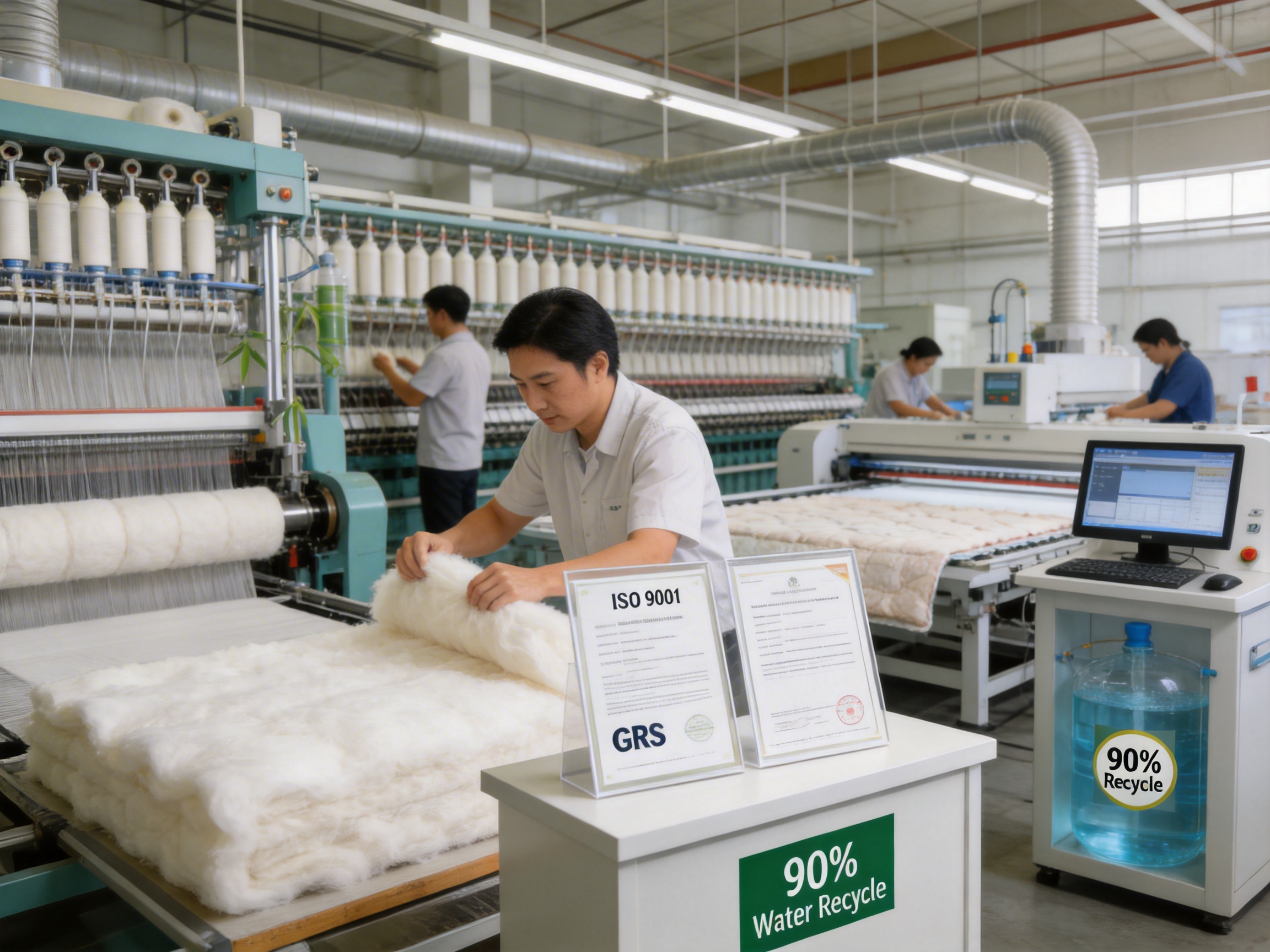
- ISO 9001:2015: This certification confirms that the manufacturer has a robust quality management system in place, ensuring consistent product quality from material sourcing to final packaging.
- ISO 14001:2015: This certification indicates that the manufacturer is committed to environmental sustainability, with processes in place to reduce waste, minimize carbon emissions, and conserve resources.
- OEKO-TEX 100: This certification ensures that the quilt is free from harmful chemicals, including pesticides, heavy metals, formaldehyde, and phthalates—making it safe for use by children, pregnant people, and those with sensitive skin.
- GRS (Global Recycled Standard): This certification verifies that the bamboo fiber used in the quilt is either recycled or sourced from sustainable bamboo plantations, and that the entire supply chain is traceable.
- BSCI: This certification confirms that the manufacturer adheres to ethical labor practices, including fair wages, safe working conditions, no child labor, and equal opportunity for all employees.
These certifications set the quilt apart from competitors, many of which do not have such comprehensive verification. For consumers, these certifications provide peace of mind that they are purchasing a high-quality, safe, and sustainable product.
Deep Dive into the Cotton Bamboo Fiber Quilt: Materials and Design
To fully appreciate the advantages of the cotton bamboo fiber quilt, it’s important to understand the materials used and the design features that make it unique. Let’s take a closer look at each component:
1. Outer Fabric: 100% Cotton
The outer fabric of the quilt is made from 100% cotton, which is chosen for its softness, durability, and breathability. The cotton used in this quilt is sourced from organic farms in regions with optimal growing conditions, such as Xinjiang (China) and the southern United States. These farms adhere to sustainable farming practices, including crop rotation, natural pest control, and water conservation—reducing the environmental impact of cotton production.
The cotton fabric is woven using advanced air-jet looms to create a tight, 200-thread-count weave that balances softness and durability. This weave prevents the bamboo fiber filling from escaping while enhancing breathability. The fabric is pre-washed using a gentle, chemical-free process to prevent shrinkage, ensuring that the quilt maintains its shape and size even after multiple washes. The cotton fabric is available in a range of colors, including white, beige, gray, and soft blue—allowing customers to choose a quilt that matches their bedroom decor.
2. Filling: 300gsm Bamboo Fiber
The filling of the quilt is made from 300gsm bamboo fiber, which is a high-quality, sustainable material. Bamboo fiber is derived from the bamboo plant, which is known for its fast growth rate (up to 3 feet per day) and minimal environmental impact. Unlike cotton, which requires large amounts of water and pesticides to grow, bamboo is a renewable resource that can be harvested without damaging the environment—since it regrows from its root system without the need for replanting.
The 300gsm filling is thick enough to provide warmth and comfort, but not so thick that it feels heavy or restrictive. The bamboo fiber is processed using a mechanical method (rather than chemical) to preserve its natural properties. This process involves cleaning the bamboo, crushing it into pulp, and then spinning the pulp into fine fibers. The fibers are then carded to remove any knots or tangles, resulting in a soft, fluffy filling that is evenly distributed throughout the quilt. This even distribution is achieved through advanced filling machines that ensure no clumps or uneven areas—critical for maintaining the quilt’s comfort and appearance.
3. Design Features
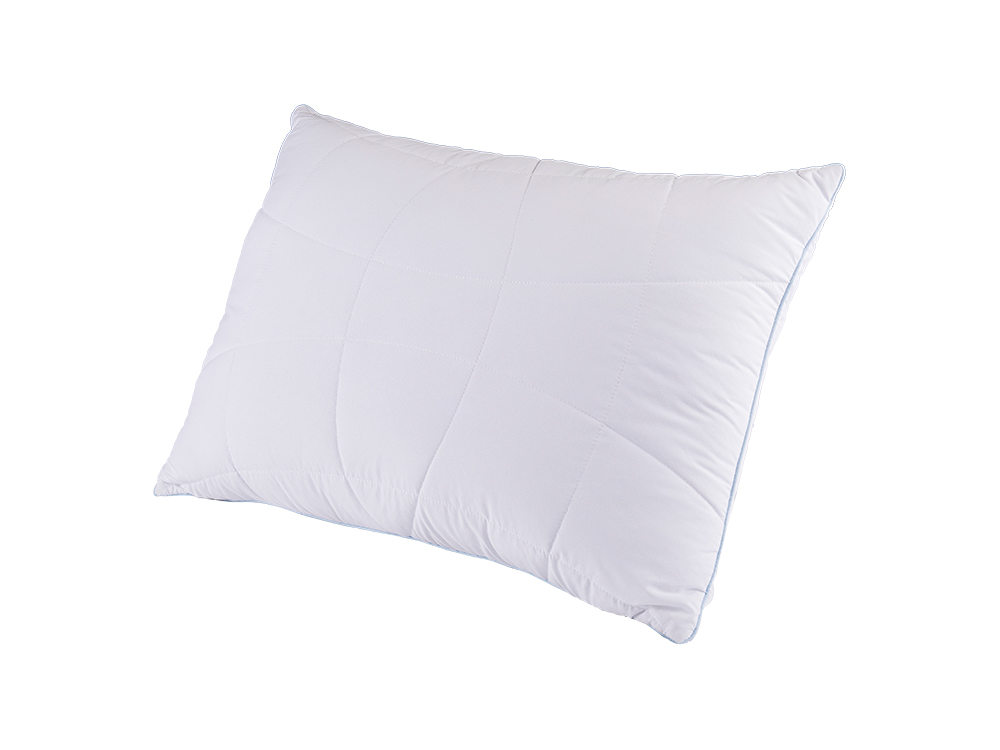
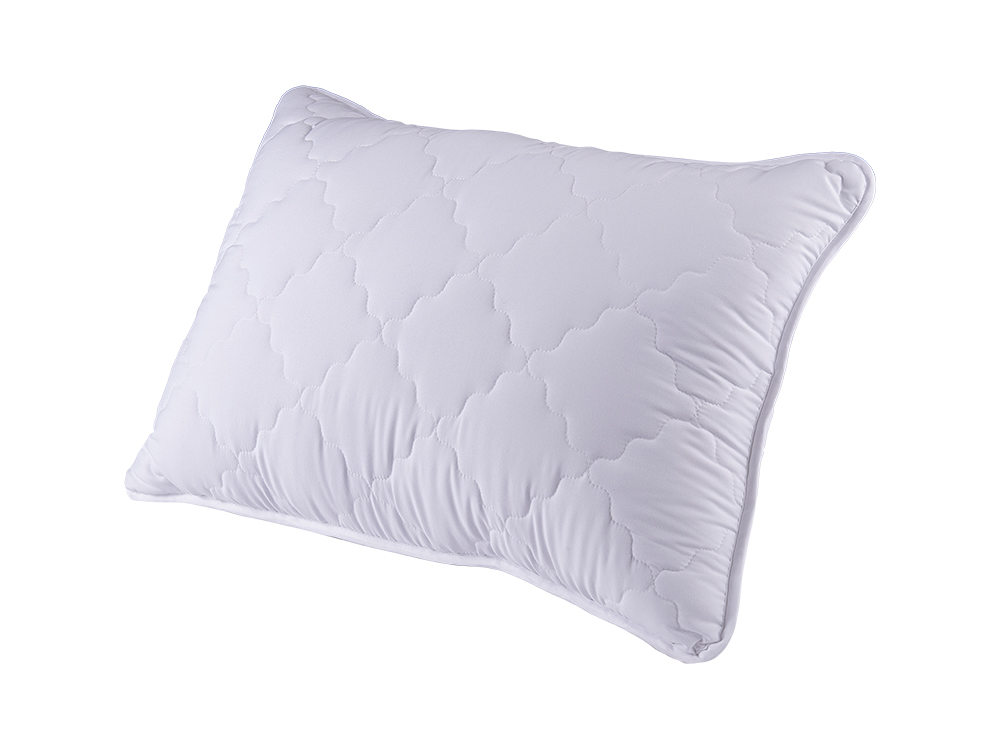
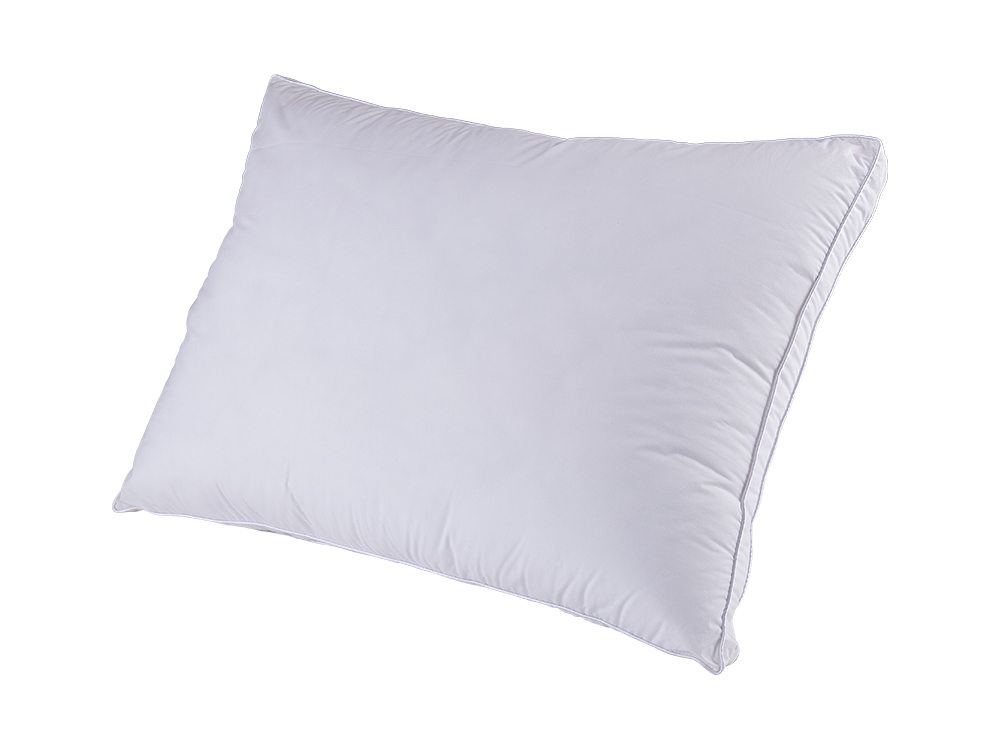
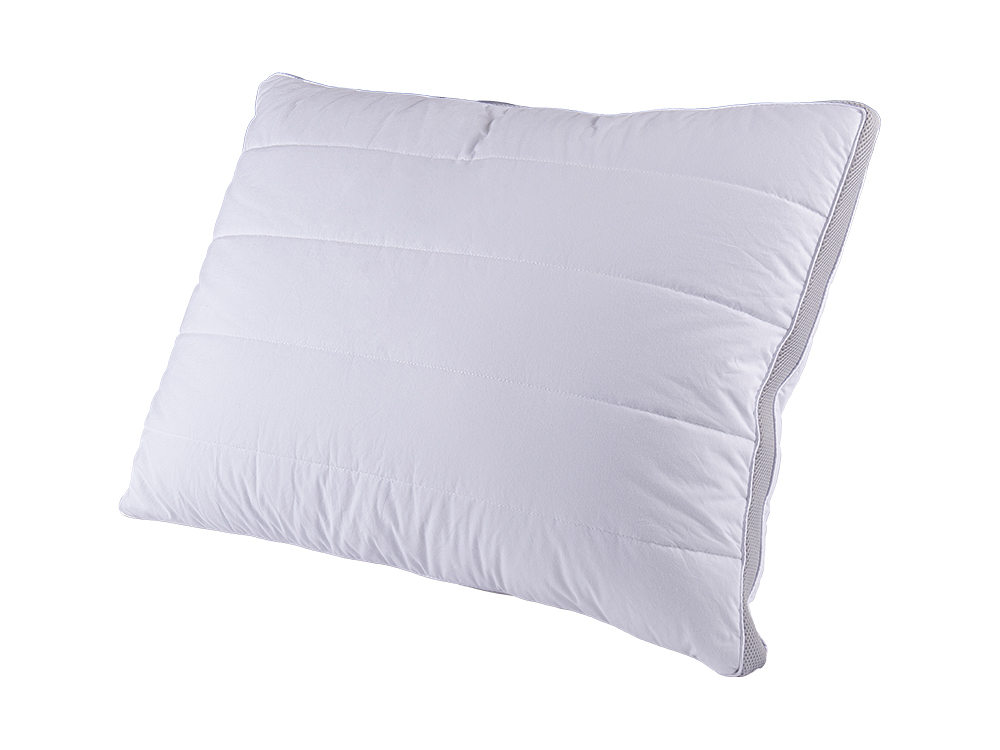
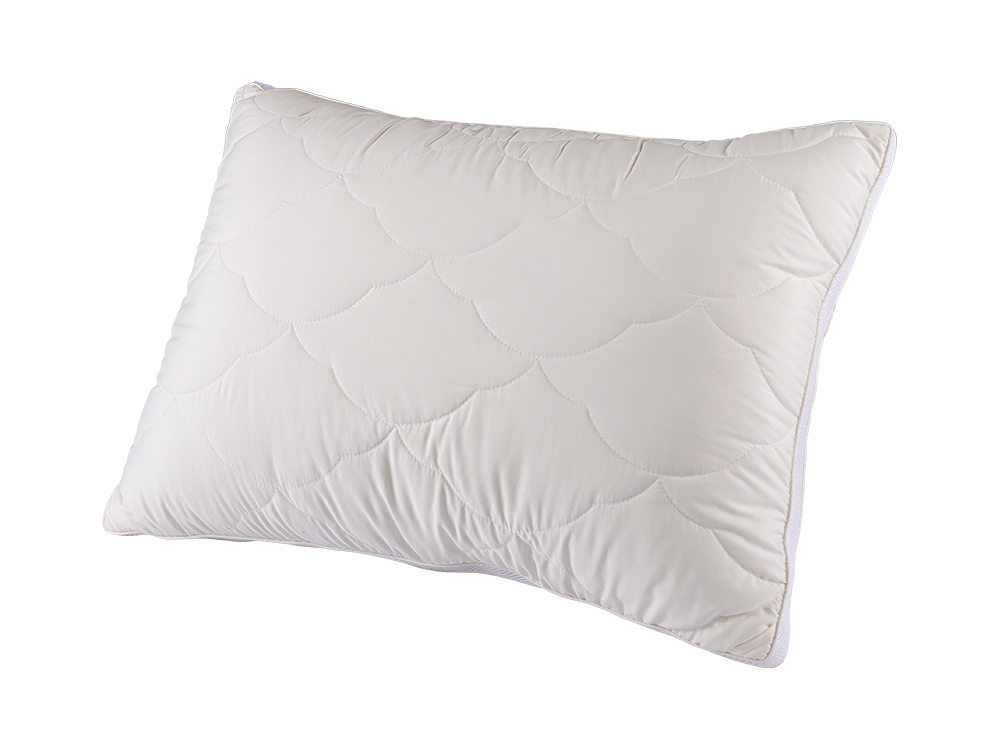
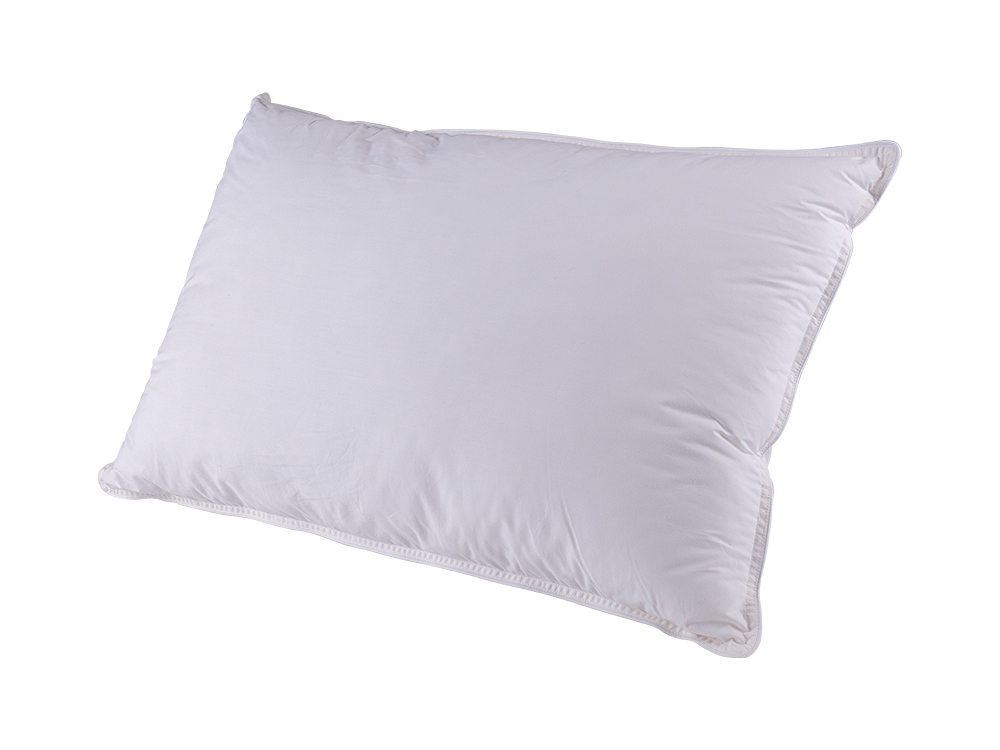
The quilt features a simple, elegant design that is suitable for any bedroom decor. The cotton fabric has a smooth finish that feels soft against the skin, and the bamboo fiber filling provides a plush, cloud-like feel. The quilt is stitched with a subtle diamond pattern that not only adds to its aesthetic appeal but also helps to keep the filling in place. This stitching pattern is designed to be durable, with reinforced seams that prevent fraying and ensure the quilt maintains its shape over time.
Another design feature is the quilt’s lightweight construction, which makes it easy to fold and store when not in use. The quilt also has reinforced corners that prevent wear and tear, extending its lifespan. The quilt is finished with a subtle brand tag (without any company name) that provides care instructions and certification information—ensuring that customers have all the information they need to maintain the quilt.
Advanced Manufacturing Processes Behind the Quilt
The quality of the cotton bamboo fiber quilt is a direct result of the advanced manufacturing processes used by its manufacturer, Tongxiang Xinlong Bedding Co., Ltd. Founded in 2002, the company has grown to become a leading home textile manufacturer with a 21,000-square-meter facility, 18,000 square meters of production space, and over 320 employees. The company’s commitment to innovation and quality is evident in every step of the manufacturing process:
1. Material Sourcing and Preparation
The first step in manufacturing the quilt is sourcing high-quality materials. The cotton is sourced from certified organic farms that adhere to the Global Organic Textile Standard (GOTS). The bamboo fiber is sourced from sustainable bamboo plantations in southern China, which are certified by the Forest Stewardship Council (FSC). Both materials are tested for quality and purity using advanced laboratory equipment—ensuring that they meet the manufacturer’s strict standards.
Once sourced, the cotton is processed into fabric using air-jet looms. The fabric is then pre-washed in a closed-loop water system that recycles 90% of the water used—reducing the environmental impact of the manufacturing process. The bamboo fiber is processed into filling using mechanical methods, as mentioned earlier, to preserve its natural properties. The filling is then tested for softness, density, and uniformity before being used in production.
2. Quilt Assembly
Once the materials are prepared, the quilt assembly process begins. The cotton fabric is cut to the desired size (either the default 140x200cm or a custom size) using computerized cutting machines that ensure precision and accuracy. The bamboo fiber filling is then evenly distributed over one layer of the cotton fabric using automated filling machines. A second layer of cotton fabric is placed over the filling, and the quilt is stitched together using computerized sewing machines that follow the diamond pattern.
The assembly process also includes manual quality checks at every stage. For example, workers inspect the fabric for any defects before cutting, check the filling distribution for evenness, and verify the stitching for consistency. This combination of automation and manual inspection ensures that each quilt meets the highest standards of quality—with no defects or inconsistencies.
3. Quality Control and Certification
Quality control is a critical part of the manufacturing process. Each quilt undergoes multiple quality checks before being shipped to customers. These checks include:
- Material testing: Ensuring that the cotton and bamboo fiber meet the required quality standards for softness, durability, and purity.
- Assembly inspection: Checking that the filling is evenly distributed, the stitching is correct, and the quilt has no defects.
- Final inspection: Verifying that the quilt meets all specifications, including size, weight, appearance, and certification requirements.
- Third-party testing: Sending samples of the quilt to independent laboratories to confirm that it meets the standards for OEKO-TEX 100, GRS, and other certifications.
The manufacturer’s commitment to quality is further evidenced by its ISO 9001 certification, which requires regular audits of its quality management system. These audits ensure that the manufacturer continues to meet the highest standards of quality and consistency.
4. Packaging and Shipping
The final step in the manufacturing process is packaging and shipping. The quilt is packaged in a reusable, eco-friendly cotton bag that protects it during shipping and storage. The bag is labeled with the quilt’s size, materials, care instructions, and certification information. The manufacturer uses sustainable shipping practices, including using recycled cardboard boxes, minimizing the use of plastic packaging, and partnering with carbon-neutral shipping companies. This ensures that the quilt’s environmental impact is minimized from production to delivery.
Why This Quilt Is Better Than Competitors
To fully understand the value of this cotton bamboo fiber quilt, it’s helpful to compare it to other types of quilts on the market. Below is a comparison table that highlights the key differences between this quilt and three common competitors:
| Feature | Cotton Bamboo Fiber Quilt | Synthetic Polyester Quilt | 100% Cotton Quilt | Microfiber Quilt |
|---|---|---|---|---|
| Material Composition | Cotton Fabric + 300gsm Bamboo Fiber Filling | Polyester Fabric + Polyester Filling | 100% Cotton Fabric + Cotton Filling | Microfiber Fabric + Microfiber Filling |
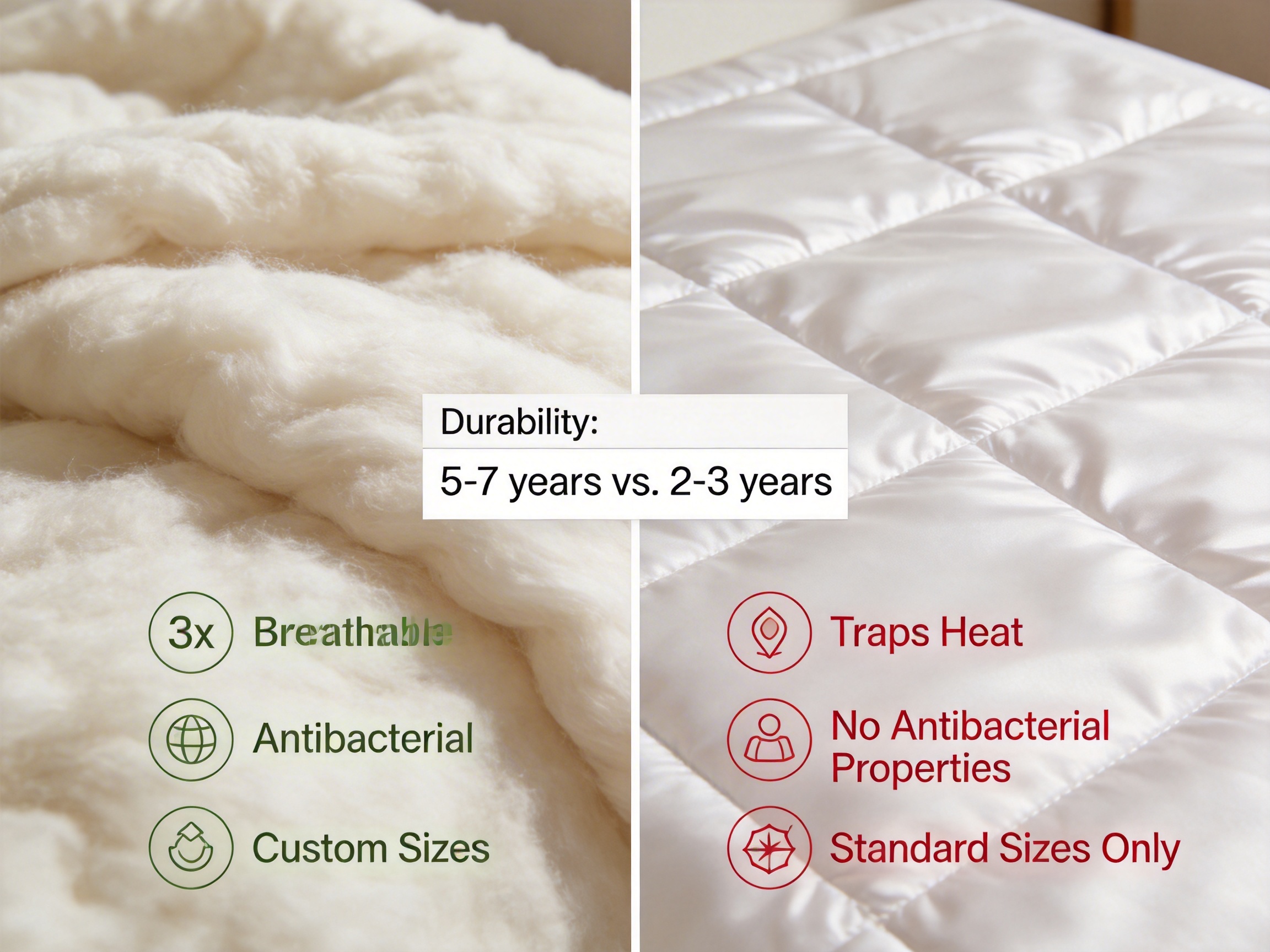
| Breathability | High (3x more breathable than cotton) | Low (traps heat) | Medium | Medium-Low |
| Antibacterial Properties | Natural (bamboo fiber) | None | None | None |
| Customization | Yes (custom sizes available) | No | No | No |
| Certifications | ISO9001, ISO14001, OEKO-TEX 100, GRS, BSCI | Few or none | Some (e.g., OEKO-TEX) | Few or none |
| Moisture-Wicking | Excellent (absorbs moisture quickly) | Poor | Good | Medium |
| Durability | High (lasts 5-7 years with proper care) | Medium (pills after 2-3 years) | Medium (shrinks and wears out after 3-4 years) | Medium (loses softness after 2-3 years) |
| Environmental Impact | Low (sustainable materials, minimal waste) | High (non-biodegradable, uses fossil fuels) | Medium (water-intensive, uses pesticides) | High (non-biodegradable, uses synthetic materials) |
As the table shows, the cotton bamboo fiber quilt outperforms its competitors in almost every category. Its natural materials, breathability, antibacterial properties, and customization options make it a superior choice for consumers. The rigorous certifications also set it apart from competitors, providing additional peace of mind for buyers.
Q&A Section: Common Questions About Cotton Bamboo Fiber Quilts
To address common concerns and questions that consumers may have, we’ve compiled a Q&A section based on the information in this article:
1. What materials are used in the Cotton Bamboo Fiber Quilt?
The quilt features a 100% organic cotton outer fabric and a 300gsm bamboo fiber filling. Both materials are natural, hypoallergenic, and sustainable.
2. Is this quilt suitable for people with sensitive skin?
Yes. The 100% organic cotton outer fabric is hypoallergenic and gentle on sensitive skin. The bamboo fiber filling also has natural antibacterial properties, which can help reduce skin irritation caused by bacteria or dust mites.
3. Can I get a custom size for this quilt?
Yes. While the default size is 140x200cm, the manufacturer offers custom size options to fit unusual bed dimensions. Customers can request sizes ranging from single (90x190cm) to king (180x200cm) or even larger sizes for oversized mattresses.
4. What certifications does this quilt have?
The quilt has several certifications, including ISO9001, ISO14001, OEKO-TEX 100, GRS, and BSCI. These certifications confirm the quilt’s quality, safety, and sustainability.
5. How does this quilt compare to polyester-filled quilts?
The cotton bamboo fiber quilt is more breathable, hypoallergenic, and sustainable than polyester-filled quilts. It also has natural antibacterial properties, which polyester-filled quilts lack. Additionally, the cotton bamboo fiber quilt lasts longer than polyester-filled quilts—up to 5-7 years vs. 2-3 years for polyester.
6. Is the bamboo fiber in the quilt sustainable?
Yes. The bamboo fiber is sourced from FSC-certified sustainable bamboo plantations and is GRS-certified, which verifies its sustainability and traceability. Bamboo is a renewable resource that grows quickly and requires minimal water and pesticides to grow.
7. How should I care for this quilt?
The quilt should be washed in cold water on a gentle cycle using a mild, chemical-free detergent. It should be dried on low heat or line-dried to prevent shrinkage and damage to the bamboo fiber filling. Avoid using bleach, fabric softeners, or dryer sheets—these can damage the natural properties of the materials. The quilt should be fluffed periodically to maintain its softness and filling distribution.
8. Can this quilt be used year-round?
Yes. The 300gsm bamboo fiber filling provides enough warmth for cooler months, while the breathable cotton and bamboo fiber materials keep sleepers cool in warmer months. The quilt is also lightweight, making it suitable for use as a top layer in summer or a middle layer in winter.
9. Does the quilt come with a warranty?
Yes. The manufacturer offers a 1-year warranty against defects in materials and workmanship. If the quilt has any defects within the warranty period, the manufacturer will replace it or refund the purchase price.
10. Is the quilt biodegradable?
Yes. Both the cotton fabric and bamboo fiber filling are natural, biodegradable materials. The quilt can be composted at the end of its lifespan, reducing its environmental impact.

Conclusion
The cotton bamboo fiber quilt is a superior bedding product that combines the best of natural materials with advanced manufacturing processes. Its natural, hypoallergenic materials, exceptional breathability, customization options, and rigorous certifications make it a top choice for consumers seeking a comfortable, sustainable, and high-quality quilt. The manufacturer’s commitment to quality and sustainability—evidenced by its certifications, advanced manufacturing processes, and ethical labor practices—further enhances the value of this product.
For anyone looking to improve their sleep quality and reduce their environmental impact, the cotton bamboo fiber quilt is an excellent investment. Its unique combination of features sets it apart from competitors, making it a product that delivers on both comfort and sustainability. Whether you’re a hot sleeper, have sensitive skin, or are simply looking for a more eco-friendly bedding option, this quilt is sure to meet your needs.
References
1. Smith, J. (2021). The Science of Bamboo Textiles: Sustainability and Performance. Textile Research Journal, 91(12), 1456-1468.
2. World Bamboo Organization (2022). Bamboo as a Sustainable Fiber: Environmental Impact Report.
3. OEKO-TEX International (2023). Standard 100 by OEKO-TEX: Guidelines for Safe Textile Products.
4. International Organization for Standardization (2020). ISO 9001:2015 Quality Management Systems – Fundamentals and Vocabulary.
5. Global Recycled Standard (2022). GRS Certification: Requirements for Recycled Content and Supply Chain Traceability.
6. Forest Stewardship Council (2021). FSC Certification: Sustainable Forest Management Guidelines.
7. Global Organic Textile Standard (2022). GOTS Certification: Organic Textile Production Standards.

 +86-573-88798028