



 Français
 Español
 Deutsch
Content
- 1 Product Overview
- 2 Why Brushed Microfibre Is Suitable for Bedding
- 3 The Role of 3D Polyester Filling
- 4 Comfort Advantages Compared with Common Alternatives
- 5 Applications for Different Buyers
- 6 Manufacturing Strengths and Production Experience
- 7 Advanced Manufacturing Processes
- 8 Quality Management and Certifications
- 9 Company Infrastructure and Product Development Capability
- 10 Commercial Advantages for Professional Buyers
- 11 Care, Handling, and Product Longevity
- 12 Ordering and Evaluation Considerations
- 13 Why This Quilt Is a Strong Alternative for Modern Bedding Programs
- 14 Q&A
- 14.1 What is the size of the Brushed Microfibre Quilt?
- 14.2 What fabric is used on the outside of the quilt?
- 14.3 What is used as the filling?
- 14.4 Is the quilt suitable for all seasons?
- 14.5 What are the main comfort advantages of brushed microfibre?
- 14.6 Why is 3D polyester filling used in the quilt?
- 14.7 How does this quilt compare with a heavy traditional quilt?
- 14.8 Is the quilt suitable for hotels and guest rooms?
- 14.9 Can the quilt be used in student accommodation?
- 14.10 Does the manufacturer produce other home textile products?
- 14.11 What quality certifications are associated with the manufacturer?
- 14.12 Can the product be customized?
- 14.13 How should buyers evaluate a sample?
- 14.14 What should be confirmed before mass production?
- 15 Conclusion
- 16 References
- 17 Product: Brushed Microfibre Quilt
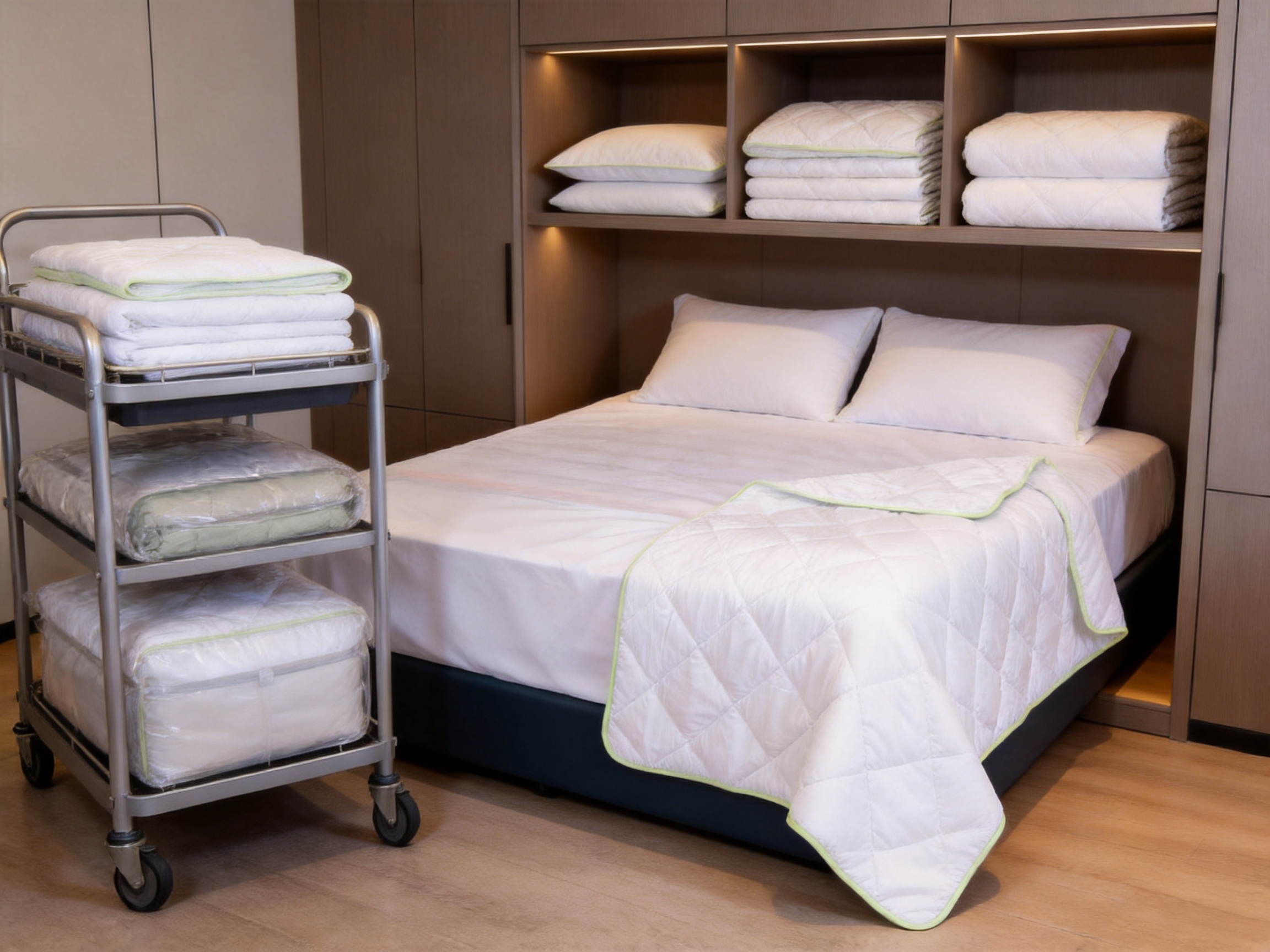
A good quilt should do more than provide warmth. It should feel comfortable against the body, remain breathable during sleep, maintain its shape through regular use, and offer dependable performance across different seasons. The Brushed Microfibre Quilt is designed around these practical expectations. Combining a soft 90gsm brushed microfibre outer fabric with a 250gsm 3D polyester filling, it provides a balanced sleeping environment that is light, fluffy, comfortable, and easy to use.
With its skin-friendly surface, strong wrapping properties, durable construction, and versatile seasonal performance, this quilt is suitable for homes, guest rooms, hotels, student accommodation, serviced apartments, and other bedding applications. Its simple and adaptable construction also makes it a suitable product for buyers seeking reliable home textile items for retail, hospitality, wholesale, and customized supply programs.
The quilt is manufactured by Tongxiang Xinlong Bedding Co., Ltd., a professional home textile producer based in Wuzhen, Tongxiang City, Zhejiang Province, China. Established in 2002, the company has developed substantial experience in the design and production of quilts, pillows, cushions, mattress protectors, blankets, bedspreads, quilt covers, pillowcases, curtains, shower curtains, and other household textile products.
This article examines the product’s material structure, comfort advantages, practical applications, manufacturing strengths, quality approach, and suitability for professional buyers. It also explains how the quilt compares with common alternatives and why its combination of brushed fabric and 3D polyester filling can provide a dependable balance between comfort, durability, and cost efficiency.
Product Overview
The Brushed Microfibre Quilt is a lightweight bedding product developed for comfortable everyday sleeping. Its outer fabric is made from 90gsm brushed microfibre, while the interior contains 250gsm 3D polyester filling. The product size is 140 by 200 centimeters, a practical dimension for a single bed, guest bed, children’s room, dormitory, or compact bedroom arrangement.
The overall construction is intended to create a soft and fluffy quilt with sufficient loft for warmth without becoming excessively heavy. The brushed microfibre surface contributes to a smooth and comfortable hand feel, while the polyester filling helps create an insulating layer between the sleeper and the surrounding air. This structure supports a pleasant sleeping environment in which the quilt can feel warm and enveloping while remaining easy to handle.
| Product Feature | Specification | Practical Benefit |
|---|---|---|
| Product type | Microfibre quilt | Suitable for everyday home and hospitality bedding |
| Quilt size | 140 x 200 cm | Appropriate for single beds and compact sleeping spaces |
| Outer fabric | 90gsm brushed microfibre | Soft, smooth, lightweight, and comfortable against the skin |
| Filling | 250gsm 3D polyester | Provides loft, insulation, and a fluffy feel |
| Seasonal use | Designed for versatile use | Can be used in different seasons depending on room conditions and personal preference |
| Primary qualities | Light, breathable, soft, durable, and wrapping | Supports comfortable and convenient sleep |
The product description emphasizes five central qualities: lightness, breathability, softness, durability, and strong wrapping performance. These characteristics are important because bedding must respond to several comfort requirements at the same time. A quilt that is warm but heavy may feel restrictive. A quilt that is soft but poorly constructed may lose its shape. A quilt that is durable but not breathable may become uncomfortable during extended use. The Brushed Microfibre Quilt is designed to balance these requirements through its coordinated fabric and filling selection.
Why Brushed Microfibre Is Suitable for Bedding
Microfibre is widely used in modern home textiles because its fine fibers can create a smooth, dense, and comfortable textile surface. In a brushed construction, the fabric surface is treated to produce a softer hand feel. This makes the material particularly suitable for products that come into direct contact with the body, including quilts, blankets, pillow covers, mattress protectors, and other sleeping products.
The brushed surface of this quilt helps create a gentle tactile experience. Rather than feeling rough or rigid, the fabric is intended to feel soft and inviting when the quilt is placed over the body. This is especially valuable during rest, when small details such as surface texture, flexibility, and weight can influence perceived comfort.
Another advantage of brushed microfibre is its lightweight character. The 90gsm fabric provides a protective outer layer without adding unnecessary bulk. A lighter shell can help the quilt remain easier to fold, transport, store, and place on a bed. For commercial buyers, this may support more efficient packaging, warehouse handling, and display arrangements.
Microfibre can also provide a clean and consistent appearance. Its smooth textile structure allows the quilt to look neat and well-presented in bedrooms, retail packaging, guest rooms, and hospitality environments. When combined with appropriate quilting and finishing processes, the material can support a product that remains visually appealing during regular use.
Softness and Skin-Friendly Comfort
Skin contact is one of the most important considerations in bedding selection. People spend many hours under a quilt, so the outer material should be pleasant and non-irritating under normal conditions. The brushed microfibre fabric used for this product is designed to be soft and skin-friendly, helping create a comfortable surface for nightly use.
The soft touch is also valuable for users who prefer bedding with a gentle, enveloping feel. The fabric works together with the fluffy 3D polyester filling to create a quilt that feels comfortable rather than flat or stiff. This combination can help improve the perceived quality of the product without relying on excessive weight.
For families, guest accommodation providers, and retailers, softness is a clear and easy-to-understand product benefit. It can be communicated effectively through product descriptions, packaging, showroom samples, and customer demonstrations. A soft surface also supports the quilt’s suitability for bedrooms where comfort and relaxation are central to the purchasing decision.
Breathability and Everyday Usability
Breathability is another important bedding characteristic. During sleep, the body naturally releases heat and moisture. A quilt should therefore provide warmth without creating an overly closed or uncomfortable feeling. The lightweight microfibre shell and flexible polyester filling are intended to support a more balanced sleeping experience.
The quilt’s breathable quality does not mean that it is designed only for warm weather. Instead, it supports versatile use by helping the product remain comfortable across different indoor conditions. In cooler rooms, the filling provides insulation. In milder conditions, its moderate weight and breathable construction can help prevent the quilt from feeling excessively heavy.
Personal comfort varies according to climate, room temperature, sleep habits, and individual preference. For this reason, the Brushed Microfibre Quilt is best understood as a flexible all-season bedding option rather than a product limited to a single temperature range. It can be used alone in moderate conditions or combined with other bedding layers when additional warmth is needed.
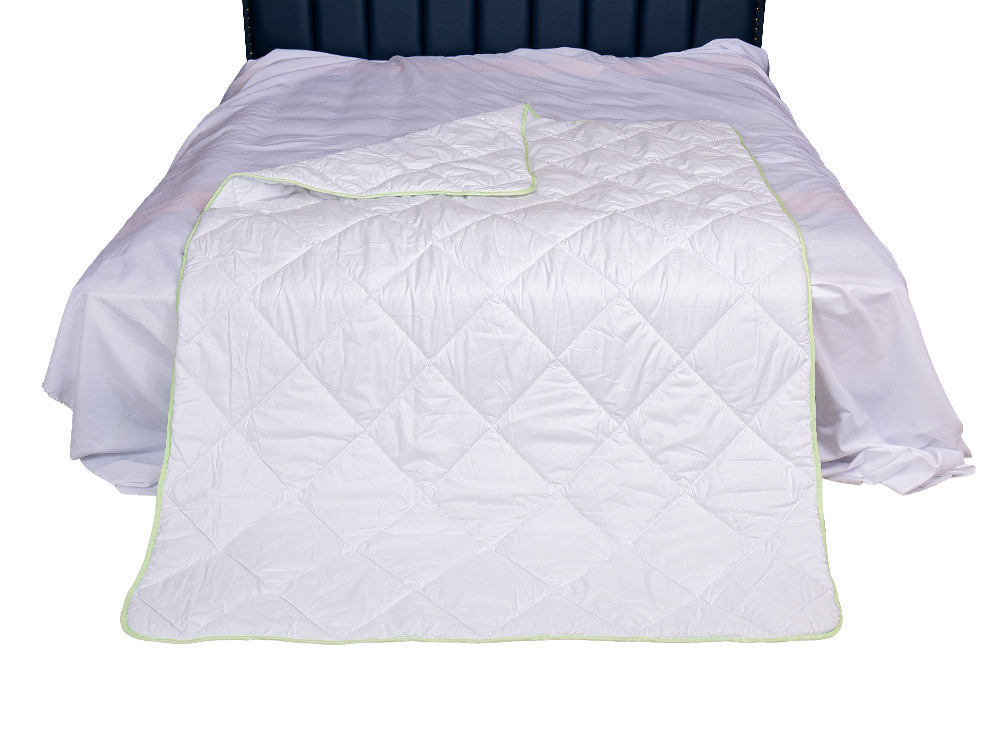
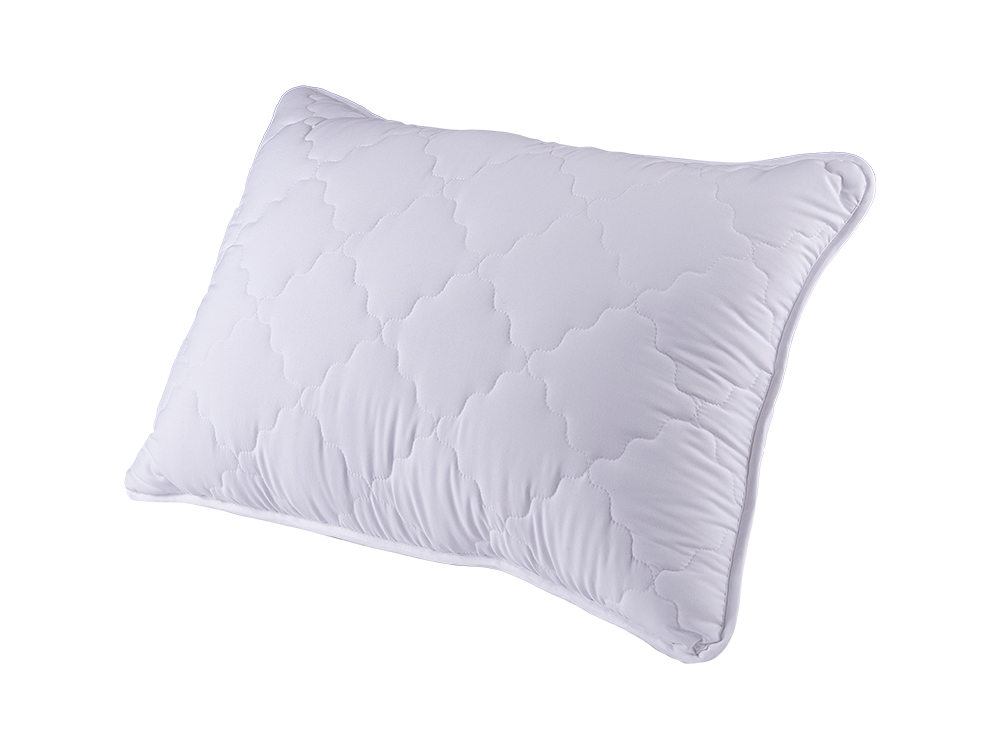
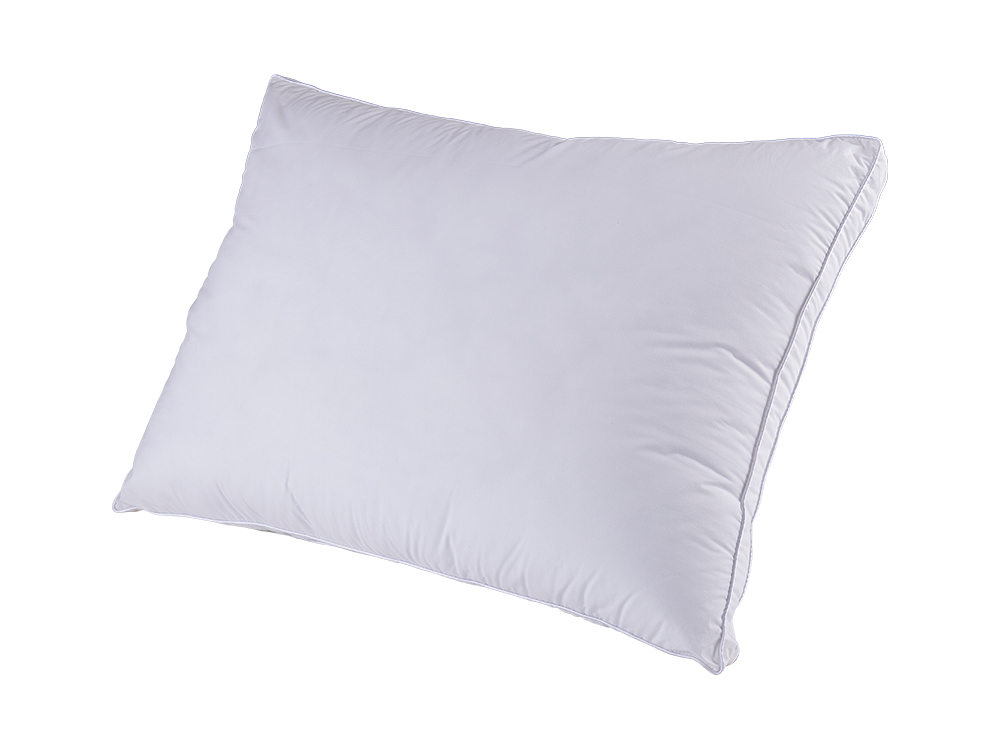
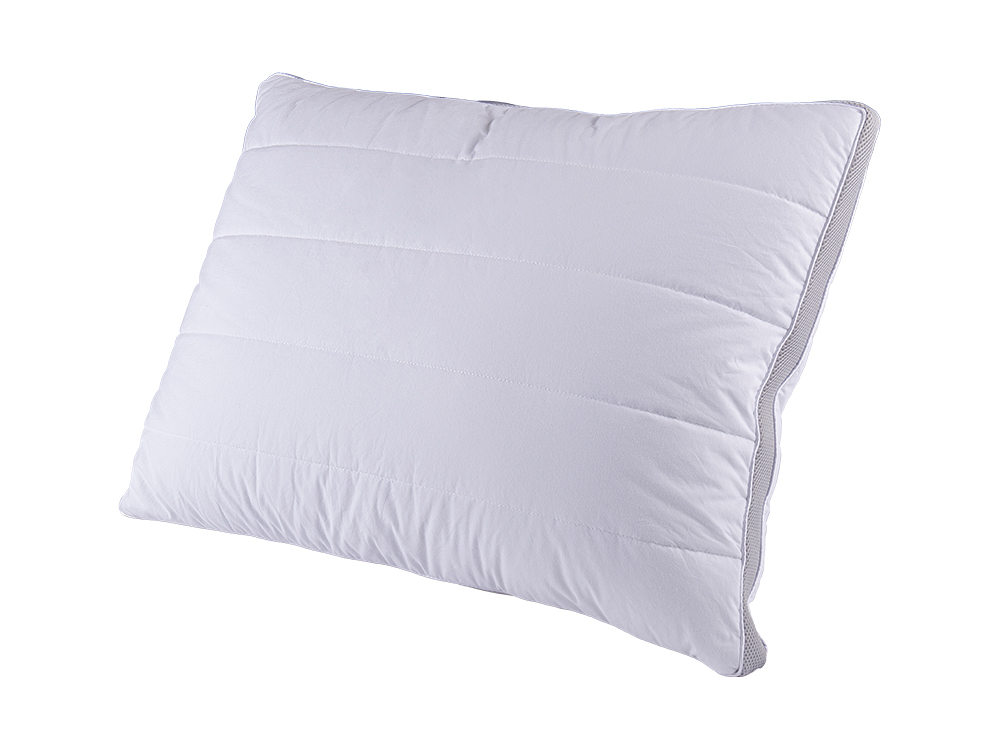
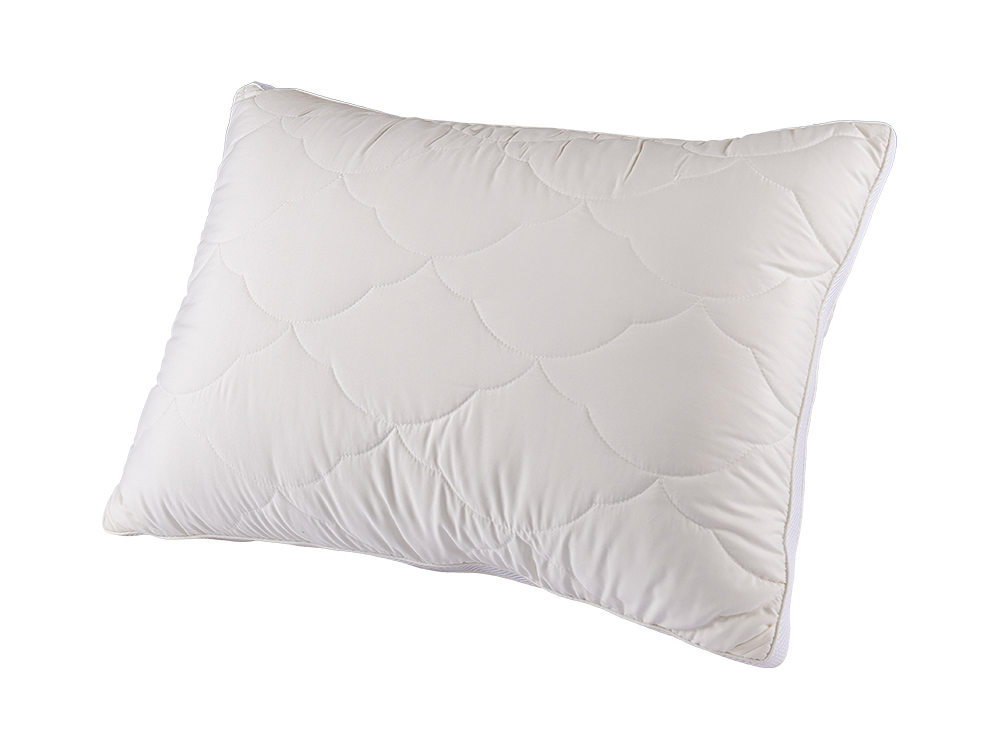
Brushed Microfibre Quilt
The Role of 3D Polyester Filling
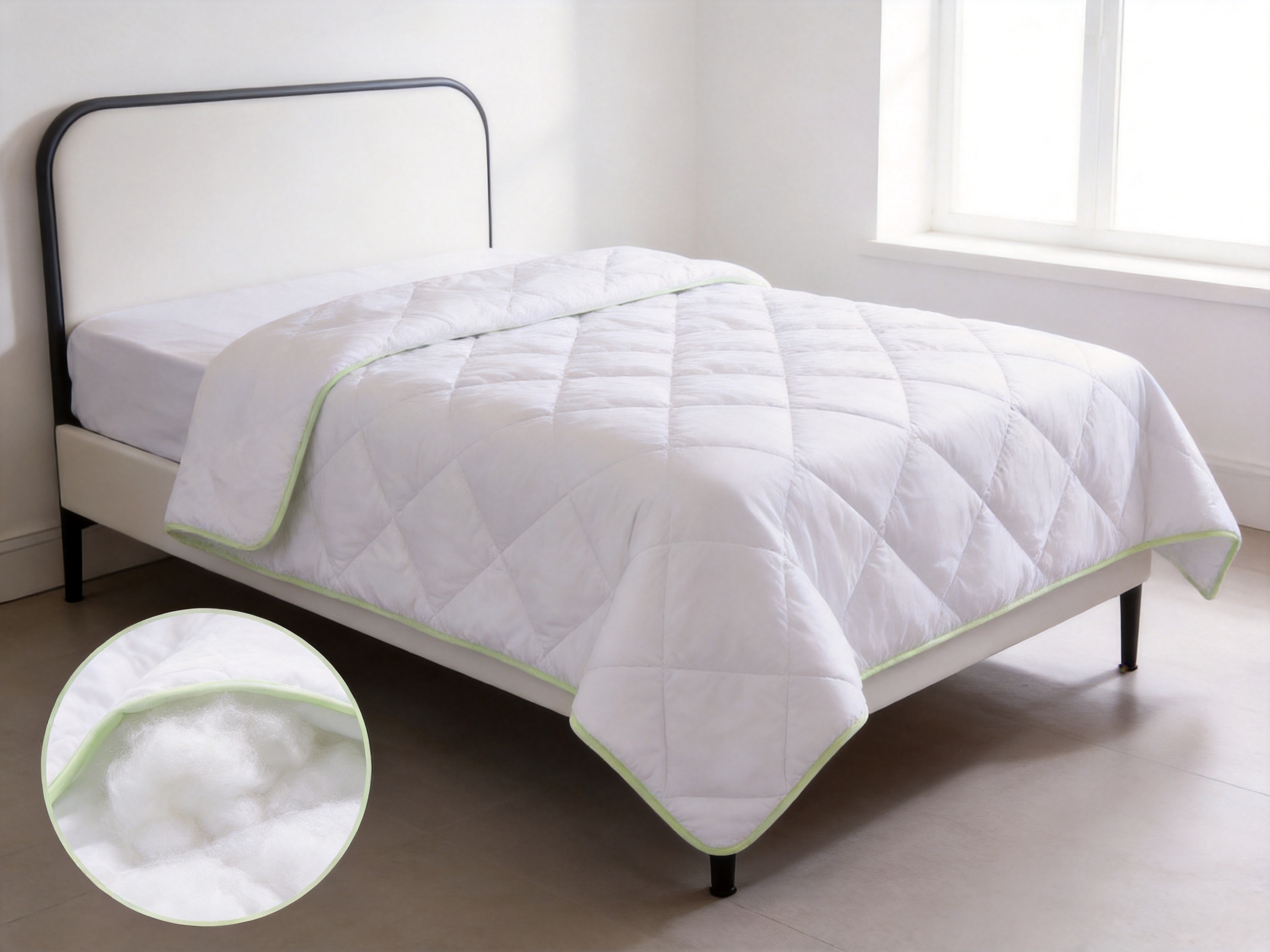
The filling is a major factor in determining a quilt’s warmth, loft, softness, and overall performance. This product uses 250gsm 3D polyester filling. The three-dimensional structure is intended to create a fuller and more resilient interior than a completely flat filling layer.
Polyester is widely used in bedding because it can provide a practical combination of comfort, consistency, durability, and cost efficiency. Compared with some natural fillings, polyester filling is generally easier to standardize during production. Manufacturers can control its weight, distribution, loft, and structural characteristics to produce more consistent finished products.
The 250gsm filling weight gives the quilt a moderate level of insulation while preserving a light and manageable feel. It is substantial enough to support warmth and fluffiness, yet not so dense that the product becomes difficult to handle. This balance is useful for everyday bedding because users can easily spread the quilt, fold it, change the bed, and store it when necessary.
Fluffiness and Loft
Fluffiness contributes to both comfort and visual appeal. A quilt with appropriate loft can look fuller on the bed and feel more enveloping when used. The 3D polyester filling is designed to help create this raised, soft structure. It can also help the quilt maintain a comfortable level of volume during normal use.
Loft is closely related to thermal performance because the spaces within a fluffy filling structure can help hold air. This trapped air contributes to insulation by slowing the movement of heat between the body and the surrounding environment. Although actual warmth depends on several factors, including room temperature and bedding layers, the quilt’s filling structure supports a practical level of thermal comfort.
Lightweight Warmth
One of the strongest advantages of the product is its ability to provide warmth without the heavy sensation associated with some thick quilts. Lightweight warmth is especially useful for sleepers who dislike restrictive bedding or who need a product that can be handled easily by children, elderly users, hotel staff, or household members who frequently change bedding.
For accommodation businesses, lighter quilts can also simplify housekeeping operations. Staff can make beds more efficiently, transport multiple quilts with less physical effort, and store products in a more organized way. For retailers and distributors, the manageable weight may support easier logistics and packaging calculations.
Resilience and Shape Support
A quilt’s comfort can decline if the filling quickly becomes flat, uneven, or concentrated in particular areas. The use of a structured polyester filling is intended to support a more stable and fluffy interior. Proper quilting, sewing, finishing, and care remain important, but the filling selection provides a suitable foundation for a durable product.
The product description also highlights the fabric’s wear resistance. When the outer shell and filling are properly assembled, the quilt can be used repeatedly while maintaining a practical level of comfort and appearance. This is particularly important for products used in guest rooms, rental accommodation, institutional housing, and other environments where bedding may experience frequent handling.
Comfort Advantages Compared with Common Alternatives
Consumers and professional buyers can choose from many types of quilts, including heavy cotton quilts, down and feather products, wool-filled bedding, flat polyester quilts, and other synthetic fiber constructions. Each option has its own strengths. The Brushed Microfibre Quilt is positioned as a balanced and accessible alternative that combines soft touch, manageable weight, practical warmth, and consistent manufacturing characteristics.
Compared with Heavy Traditional Quilts
Traditional heavy quilts may provide substantial warmth, but they can be difficult to move, fold, wash, and store. Their weight may also feel restrictive to some sleepers. The Brushed Microfibre Quilt offers a lighter alternative that is easier to handle while still providing a fluffy layer of insulation.
This distinction is useful in modern households where bedding is frequently washed, rotated, stored, or transported. It is also valuable for commercial accommodation providers, where housekeeping teams need bedding that can be managed efficiently throughout the day.
Compared with Flat or Low-Loft Synthetic Quilts
Some low-cost synthetic quilts use a very flat filling structure. While such products can be economical, they may provide less loft and a less luxurious appearance. The 3D polyester filling in this quilt is intended to create a fuller and more comfortable profile.
The brushed fabric adds another advantage by improving the outer hand feel. Together, the surface and filling help the product appear and feel more substantial than a basic flat quilt while retaining the practical benefits of synthetic fiber construction.
Compared with Down and Feather Quilts
Down and feather bedding is often associated with lightweight warmth, but it may not be suitable for every user, budget, or supply chain. Some buyers prefer synthetic alternatives because they offer a consistent filling material and straightforward product positioning. The Brushed Microfibre Quilt provides a non-down option with a soft surface, moderate loft, and practical everyday performance.
Synthetic filling can also be advantageous for buyers who prioritize uniformity across multiple units. Each quilt can be manufactured according to a defined fabric weight, filling weight, size, and construction specification. This consistency is helpful for hotel groups, retailers, distributors, and private-label programs.
Compared with Rough or Rigid Outer Fabrics
The outer shell affects the first impression of a quilt and its ongoing comfort. A rough or rigid fabric may reduce user satisfaction, even when the filling performs well. The brushed microfibre shell is designed to provide a softer, smoother, and more inviting surface.
Its skin-friendly feel gives the product a clear advantage in settings where comfort is a central selling point. It also supports a more pleasant tactile experience when the quilt is folded, handled, or placed directly against the body.
Applications for Different Buyers
The 140 by 200 centimeter size makes this quilt suitable for a wide range of single-sleeper applications. It can serve as an everyday home quilt, a guest-room product, a dormitory quilt, or a practical addition to a hospitality bedding program.
Household Use
For individual households, the quilt can be used in bedrooms, children’s rooms, guest rooms, and seasonal bedding rotations. Its manageable size allows it to fit comfortably on many single beds, while its soft feel makes it suitable for everyday sleep.
The product may also be useful as an extra quilt for visitors. Because it is light and easy to fold, families can store it in a wardrobe or linen cupboard until needed. Its versatile construction allows it to be used alone or layered with other bedding according to room temperature.
Hotels and Guest Accommodation
Hotels, inns, serviced apartments, hostels, and vacation properties require bedding that is comfortable, presentable, and practical to maintain. A quilt with a soft exterior and fluffy filling can improve the appearance and perceived comfort of a bed.
The product’s moderate weight is useful for housekeeping teams. Staff can lift, spread, remove, fold, and store the quilts without the burden associated with heavier bedding products. The durable microfibre shell also supports regular use in environments where bedding is handled frequently.
Student Housing and Institutional Accommodation
Student residences, staff accommodation, and institutional housing often require bedding that is economical, comfortable, and easy to distribute. The Brushed Microfibre Quilt offers a practical combination of these qualities. Its single-bed size is appropriate for many compact rooms, while the synthetic filling provides a consistent specification across large orders.
For these applications, product standardization can be as important as individual comfort. A defined size, fabric weight, and filling weight make it easier for procurement teams to plan quantities, compare quotations, manage replacement stock, and establish room-by-room bedding standards.
Retail and Wholesale Distribution
Retailers and wholesalers can position the quilt as a soft, lightweight, versatile, and affordable home bedding product. Its benefits are straightforward to communicate: brushed microfibre softness, 3D polyester loft, practical warmth, manageable weight, and all-season usability.
The product can be presented as a core bedding item or included in broader home textile collections. It may complement mattress protectors, bedspreads, pillow products, blankets, and quilt covers. A coordinated range can help retailers create a more complete bedroom offering for customers.
Manufacturing Strengths and Production Experience
The quality of a bedding product depends not only on its listed materials but also on the manufacturer’s ability to control sourcing, filling, sewing, quilting, inspection, finishing, and packing. Tongxiang Xinlong Bedding Co., Ltd. has operated in the home textile field since January 2002, giving it more than two decades of industry experience.
The company is located in Longxiang Industrial Park in Wuzhen Town, Tongxiang City, Zhejiang Province, China. Its stated site covers approximately 21,000 square meters, with a construction area of approximately 18,000 square meters. The company has more than 320 employees and is equipped with various production facilities for home textile manufacturing.
This scale supports the production of different categories and specifications. Rather than focusing on only one bedding product, the company manufactures silk cotton quilts, chemical fiber quilts, pillows, cushions, bedspreads, travel quilts, mattress protectors, blankets, quilt and pillowcases, shower curtains, curtains, and related household textile products.
A broad product portfolio can strengthen manufacturing knowledge because different products require different approaches to material handling, filling control, stitching, finishing, inspection, and packaging. Experience across multiple categories may also help the company respond to different customer requirements and develop coordinated product programs.
Advanced Manufacturing Processes
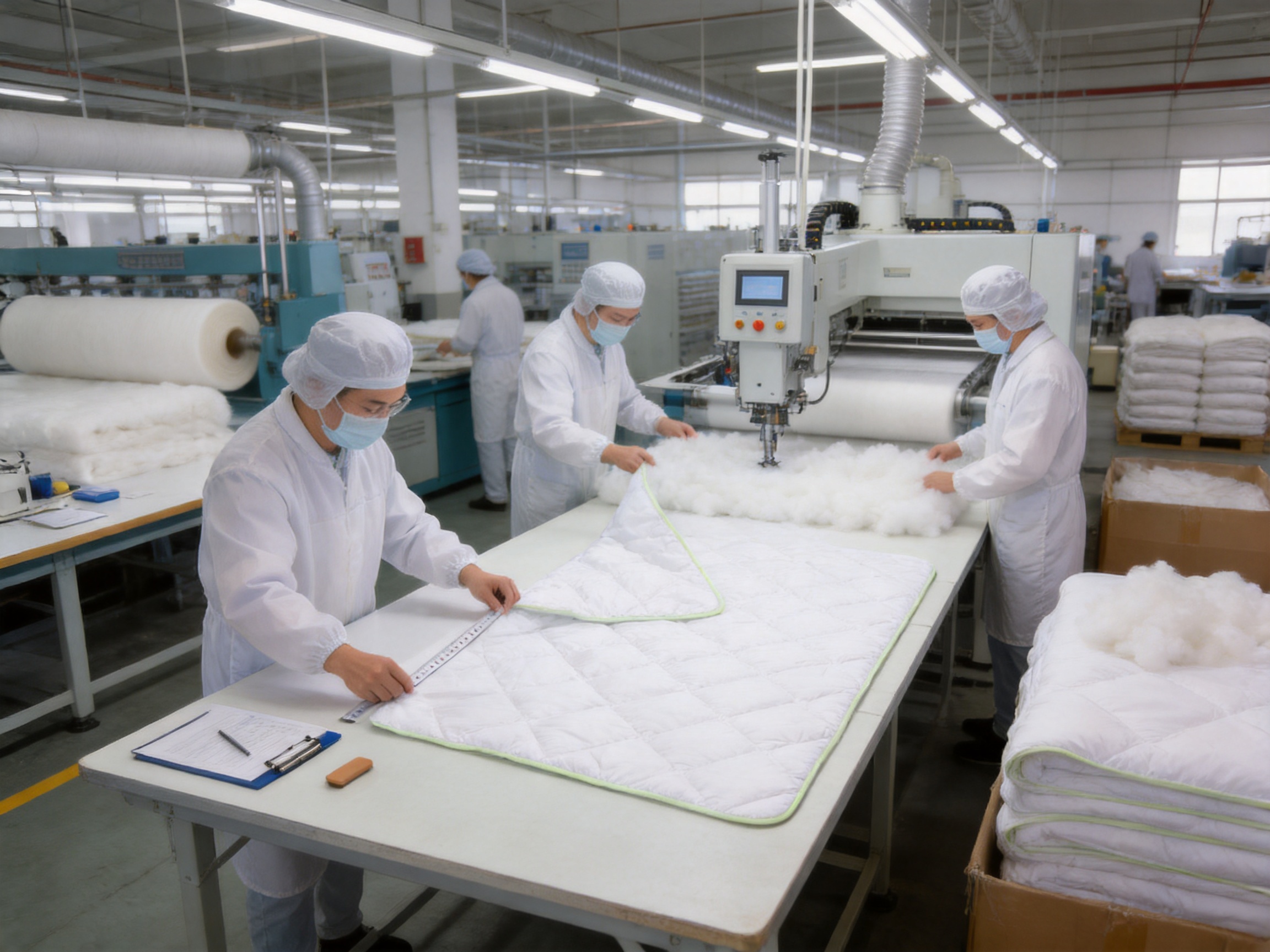
Although the finished quilt has a simple appearance, producing a reliable quilt involves a sequence of controlled operations. The process begins with material preparation and continues through fabric cutting, filling preparation, assembly, quilting or securing, edge finishing, inspection, and packing.
Material Selection and Preparation
The first stage is the selection and preparation of the brushed microfibre fabric and 3D polyester filling. The specified fabric weight is 90gsm, and the filling weight is 250gsm. Accurate material preparation helps ensure that the final product corresponds to its intended performance and commercial specification.
Fabric preparation may include checking the material for visible defects, preparing it for cutting, and organizing production according to the required size. Filling preparation involves ensuring that the polyester material is suitable for even distribution and compatible with the planned quilt construction.
Cutting and Dimension Control
For a product specified at 140 by 200 centimeters, accurate cutting is essential. Controlled cutting helps maintain consistent dimensions across production batches and supports a neat finished appearance. It also helps ensure that the quilt is properly proportioned for its intended bed size.
Dimension control is particularly important for professional buyers. Hotels and distributors often need products that fit standardized beds and packaging requirements. Consistency reduces installation problems, improves presentation, and makes replacement easier.
Filling Distribution
The filling must be spread carefully across the quilt area to support an even feel. Uneven filling can create thin areas, thick areas, or uncomfortable shifts in loft. A professional production process therefore pays attention to filling distribution before the quilt is closed and secured.
The 3D polyester filling is selected to create a fluffy structure, but its performance depends on correct processing. Manufacturing controls help ensure that the filling is positioned throughout the quilt rather than concentrated in only a few areas.
Quilting and Structural Securing
Quilting or other securing methods help connect the outer layers and interior filling into one stable product. Properly planned stitching can reduce unwanted movement of the filling and help the quilt maintain an even structure during use.
Structural securing also contributes to the product’s appearance. Even stitching, balanced panels, clean seams, and properly finished edges create a more professional visual result. These details can influence customer confidence, especially when the quilt is sold as part of a quality bedding collection.
Edge Finishing and Final Assembly
The edges of a quilt require careful finishing because they are frequently handled during use, washing, folding, and bed making. Neat edge construction can help reduce fraying and support the product’s overall durability.
Final assembly includes checking the quilt’s dimensions, surface appearance, filling distribution, seams, and overall form. Any necessary corrections should be made before the product reaches the packing stage.
Inspection and Packing
Inspection is an important part of responsible bedding manufacturing. Products can be reviewed for fabric defects, stitching quality, filling consistency, dimensions, cleanliness, and packaging condition. A systematic inspection approach helps identify problems before shipment.
Appropriate packing protects the quilt during storage and transportation. It also helps maintain a clean and presentable appearance when the product reaches a distributor, retailer, hotel, or final customer. For export-oriented supply, packing must also be coordinated with shipping requirements, carton planning, labeling, and buyer specifications.
Quality Management and Certifications
Tongxiang Xinlong Bedding Co., Ltd. states that it has passed international certifications and related standards including ISO 9001, ISO 14001, OEKO-TEX, OEKO-STEP, GRS, and BSCI. These certifications and assessments represent different aspects of quality management, environmental management, material responsibility, social compliance, and responsible production.
ISO 9001 is associated with quality management systems. In a bedding factory, a quality management approach can support documented procedures, process monitoring, corrective actions, customer requirement control, and continuous improvement. These elements are relevant to producing consistent quilts across repeated orders.
ISO 14001 is associated with environmental management systems. Environmental management encourages organizations to identify and control relevant environmental impacts, establish procedures, and pursue ongoing improvement. For textile manufacturers, this may involve attention to resource use, waste handling, operational controls, and environmental responsibilities.
OEKO-TEX-related certifications are commonly associated with testing and evaluation of textile products and materials for harmful substances. For bedding products intended for close and prolonged skin contact, material safety is an important consideration. Buyers should review the exact certificate scope and current validity for the specific product and production order.
GRS, or the Global Recycled Standard, relates to products containing recycled materials and includes chain-of-custody and social, environmental, and chemical requirements within its applicable scope. As with all certifications, professional buyers should confirm whether a particular material, product, or order is covered by the relevant certification.
BSCI is associated with social compliance and responsible working conditions within supply chains. It can provide an additional reference point for buyers evaluating a factory’s labor and ethical production practices.
Certifications do not replace product inspection or buyer testing, but they can provide useful evidence of a manufacturer’s structured approach. Buyers can request current certificates, audit documentation, test reports, product specifications, and samples when evaluating a supply relationship.
Company Infrastructure and Product Development Capability
A bedding manufacturer’s infrastructure influences its ability to handle standard orders, product variations, repeat production, and customized requirements. The company’s stated factory area, employee base, equipment, and multi-category production experience indicate a substantial operational platform.
The company’s continued investment in professional and technical personnel supports product design and development. This is relevant to home textiles because customers increasingly seek products that combine comfort, appearance, functionality, and commercial practicality. Technical teams can contribute to fabric selection, filling configuration, sizing, construction details, packaging, and product refinement.
Product development is also important when buyers need a quilt adjusted for a particular market. Possible discussion points may include size, fabric color, surface finish, filling weight, quilting pattern, labeling, packaging, and coordinated bedding items. Any customization should be confirmed through technical specifications, samples, and written production approval.
The company’s stated business philosophy places quality at the center of its operations. Standardized operating procedures, employee training, technical improvement, and quality control are described as ongoing priorities. These principles are especially valuable for buyers who need stable product performance across multiple purchase cycles.
Commercial Advantages for Professional Buyers
The Brushed Microfibre Quilt offers several commercial advantages beyond its basic comfort characteristics. Its materials are familiar to consumers, its size is practical, and its key benefits are easy to communicate. These factors can support sales across multiple distribution channels.
Clear Product Positioning
The product can be positioned around a concise set of benefits: soft brushed microfibre, fluffy 3D polyester filling, lightweight warmth, breathable comfort, durable fabric, and versatile seasonal use. Clear positioning helps retailers and distributors present the product without relying on complicated technical explanations.
Broad Market Applicability
Because the quilt is not limited to a highly specialized climate or customer group, it can be marketed to households, hospitality providers, dormitories, rental properties, and general home textile buyers. This broad applicability may reduce the risk associated with carrying a narrowly targeted bedding product.
Efficient Handling
The lightweight construction is convenient throughout the supply chain. Products can be folded and packed efficiently, handled more easily in warehouses, and displayed without requiring large amounts of storage space. Households also benefit from easier laundering, bed making, and seasonal storage, subject to the care instructions provided for the final product.
Potential for Product Range Coordination
The quilt can be included in a larger home bedding range. Retailers may combine it with pillows, mattress protectors, cushions, blankets, quilt covers, and bedspreads. Coordinated product categories can help create complete bedroom solutions and encourage customers to purchase complementary items.
Care, Handling, and Product Longevity
Proper care is important for maintaining the softness, loft, appearance, and usability of any quilt. Care instructions should always be confirmed from the product label or supplier documentation because washing and drying recommendations may vary according to the final construction, stitching, and packaging requirements.
In general, quilts should be handled according to their stated care instructions. Avoiding excessive heat, overloading washing equipment, and improper drying can help protect synthetic filling and fabric performance. The quilt should also be stored in a clean, dry, well-ventilated environment when not in use.
Regular airing may help refresh the quilt between washing cycles. It is also useful to spread the quilt fully rather than leaving it compressed for long periods. Periodic gentle shaking or repositioning can help preserve its fluffy appearance, provided that such handling is appropriate for the finished construction.
For commercial users, a clear linen management system can support product longevity. Quilts should be rotated, inspected, and replaced according to their condition and usage frequency. A simple record of purchase dates, washing cycles, repairs, and replacements can help accommodation providers plan future procurement.
Ordering and Evaluation Considerations
Before placing a commercial order, buyers should confirm the complete technical specification. Important points include the finished size, fabric composition, fabric weight, filling composition, filling weight, quilting method, edge treatment, color, packaging, labeling, carton dimensions, and shipping terms.
Samples are useful for evaluating actual softness, loft, stitching, dimensions, color, and overall workmanship. A sample review allows buyers to compare the quilt with competing products and determine whether it matches the intended market position.
Buyers should also clarify whether the stated 140 by 200 centimeter dimension refers to the finished measurement before or after any washing or finishing process. Small variations may occur in textile production, so acceptable tolerances should be agreed upon in advance.
For repeated orders, buyers can establish an approved sample or reference standard. Future production can then be evaluated against the agreed reference. This helps reduce misunderstandings and supports stable quality across different production batches.
Packaging requirements should be discussed early. Retail packaging, bulk packing, vacuum packaging, carton packing, private labels, barcodes, care labels, and language requirements may all affect production planning. Clear artwork approval and written packaging specifications are recommended before mass production begins.
Why This Quilt Is a Strong Alternative for Modern Bedding Programs
The Brushed Microfibre Quilt is not based on one isolated feature. Its value comes from the way several practical characteristics work together. The brushed microfibre outer fabric provides softness and a pleasant surface. The 3D polyester filling provides loft and lightweight insulation. The moderate filling weight supports versatility. The durable fabric contributes to repeated use. The standard single-bed size supports broad market application.
Compared with very heavy quilts, it is easier to handle. Compared with flat synthetic products, it offers a fuller and more comfortable structure. Compared with down-based products, it provides a practical synthetic alternative with consistent material specifications. Compared with rough or rigid bedding fabrics, it offers a softer and more welcoming touch.
These advantages make the quilt suitable for buyers seeking a dependable core product rather than a highly specialized luxury item. It can serve everyday users who want comfort and convenience, as well as professional customers who need a repeatable product specification for multiple rooms or sales channels.
The manufacturer’s experience, production scale, technical personnel, equipment, stated certifications, and broad home textile portfolio further strengthen the product’s commercial potential. Together, these factors support a supply model based on product consistency, manufacturing knowledge, and the ability to develop related bedding items.
Q&A
What is the size of the Brushed Microfibre Quilt?
The listed size is 140 by 200 centimeters. This dimension is generally suitable for a single bed, guest bed, children’s room, dormitory, or other compact sleeping arrangement. Buyers should confirm the acceptable size tolerance for production orders.
What fabric is used on the outside of the quilt?
The outer fabric is specified as 90gsm brushed microfibre. The brushed finish is intended to provide a soft, smooth, and skin-friendly surface that feels comfortable during sleep.
What is used as the filling?
The filling is specified as 250gsm 3D polyester. This material is intended to create a fluffy structure with practical insulation, lightness, and resilience.
Is the quilt suitable for all seasons?
The product is described as suitable for use in any season. Actual comfort will depend on room temperature, climate, personal preference, and whether the quilt is used alone or with additional bedding layers.
What are the main comfort advantages of brushed microfibre?
Brushed microfibre can provide a soft hand feel, a smooth surface, lightweight construction, and a comfortable touch against the skin. These characteristics make it suitable for quilts and other bedding products used directly against the body.
Why is 3D polyester filling used in the quilt?
3D polyester filling is used to support loft, fluffiness, lightweight warmth, and a comfortable wrapping sensation. Its synthetic structure also allows manufacturers to define a consistent filling weight and product specification.
How does this quilt compare with a heavy traditional quilt?
The Brushed Microfibre Quilt is designed to be lighter and easier to handle. It can provide a comfortable insulating layer without the same heavy sensation associated with some traditional quilts.
Is the quilt suitable for hotels and guest rooms?
Yes. Its soft surface, manageable weight, single-bed size, and durable fabric make it suitable for hotels, guest houses, serviced apartments, hostels, and other accommodation environments. Commercial buyers should confirm care, washing, packaging, and replacement requirements before ordering.
Can the quilt be used in student accommodation?
Yes. The 140 by 200 centimeter size is suitable for many single beds, and the standardized fabric and filling specifications can simplify procurement for dormitories and institutional accommodation.
Does the manufacturer produce other home textile products?
Yes. The company produces a range of home textile items, including quilts, pillows, cushions, bedspreads, travel quilts, mattress protectors, blankets, quilt and pillowcases, shower curtains, curtains, and related products.
What quality certifications are associated with the manufacturer?
The company states that it has passed certifications and assessments including ISO 9001, ISO 14001, OEKO-TEX, OEKO-STEP, GRS, and BSCI. Buyers should request current documents and confirm the specific scope applicable to the product and order under consideration.
Can the product be customized?
Customization should be discussed directly with the manufacturer. Potential areas may include size, fabric, color, filling weight, quilting pattern, label, packaging, and related bedding products. Final requirements should be confirmed through samples and written specifications.
How should buyers evaluate a sample?
Buyers should examine the fabric softness, filling distribution, loft, finished dimensions, stitching, edge treatment, surface appearance, odor, packaging, and label information. The sample should also be compared with the agreed technical specification.
What should be confirmed before mass production?
Before mass production, buyers should confirm the approved sample, materials, fabric and filling weights, dimensions, tolerances, color, construction, packaging, labels, inspection procedures, delivery schedule, and applicable testing or certification documents.
Conclusion
The Brushed Microfibre Quilt is a practical bedding product built around a balanced combination of softness, breathability, lightweight warmth, fluffiness, durability, and convenient handling. Its 90gsm brushed microfibre fabric creates a comfortable outer surface, while the 250gsm 3D polyester filling provides loft and insulation without making the quilt excessively heavy.
Its 140 by 200 centimeter size supports single-bed applications in homes, hotels, guest rooms, dormitories, rental properties, and other accommodation settings. Compared with heavier quilts, flat synthetic products, and less comfortable outer fabrics, it offers a useful middle ground between comfort, performance, and everyday practicality.
The product is supported by the manufacturing experience and infrastructure of Tongxiang Xinlong Bedding Co., Ltd. The company’s long operating history, broad home textile portfolio, production facilities, technical personnel, stated quality systems, and international certifications provide a foundation for professional sourcing and product development.
For buyers seeking a dependable home bedding product with clear market advantages, the Brushed Microfibre Quilt offers a strong combination of user comfort and manufacturing practicality. It can serve as a reliable standalone product or as part of a broader bedding program that includes pillows, mattress protectors, blankets, cushions, bedspreads, and coordinated quilt covers.
References
1. Product specification provided for the Brushed Microfibre Quilt, including size, fabric weight, filling weight, product description, and image records.
2. Company information provided for Tongxiang Xinlong Bedding Co., Ltd., including company history, manufacturing scope, facility information, workforce, certifications, and quality principles.
3. ISO 9001 quality management system principles and guidance for consistent process control and continual improvement.
4. ISO 14001 environmental management system principles and guidance for organizational environmental responsibility.
5. General textile manufacturing principles concerning fabric preparation, filling distribution, quilting, seam finishing, inspection, and packaging.
6. General bedding design and performance considerations concerning softness, loft, breathability, thermal comfort, durability, and ease of handling.
7. General supply-chain evaluation practices concerning product sampling, technical specifications, certification review, packaging approval, and batch consistency.


 +86-573-88798028
