



 Français
 Español
 Deutsch
Content
- 1 A Practical Decorative Cushion for Modern Home Environments
- 2 Key Product Features
- 3 Advantages Compared with Ordinary Decorative Cushions
- 4 Design Possibilities for Different Interior Styles
- 5 Manufacturing Strengths Supporting Product Quality
- 6 Controlled Manufacturing Process
- 7 Quality Management and Certifications
- 8 Why Factory Capability Matters to Buyers
- 9 Applications Across Different Customer Groups
- 10 Merchandising and Presentation Benefits
- 11 Care, Handling, and Long-Term Appearance
- 12 How the Product Supports Sustainable and Responsible Sourcing Goals
- 13 Comparison of Product Strengths
- 14 Recommended Product Development Approach for Buyers
- 15 Frequently Asked Questions
- 15.1 What is the standard size of the cushion?
- 15.2 Can the cushion be made in a different size?
- 15.3 What fabric is used for the cushion?
- 15.4 What type of filling does the cushion contain?
- 15.5 Is the cushion only suitable for decoration?
- 15.6 Where can the cushion be used?
- 15.7 Can the cushion be coordinated with other home textile products?
- 15.8 What manufacturing capabilities support this product?
- 15.9 Does the company produce products besides cushions?
- 15.10 What certifications and management standards are associated with the manufacturer?
- 15.11 How should the cushion be cared for?
- 15.12 Why is polyester suitable for this decorative cushion?
- 16 Conclusion
- 17 References
- 18 Product: High Elastic Chemical Fiber Decorative Printed Cushion
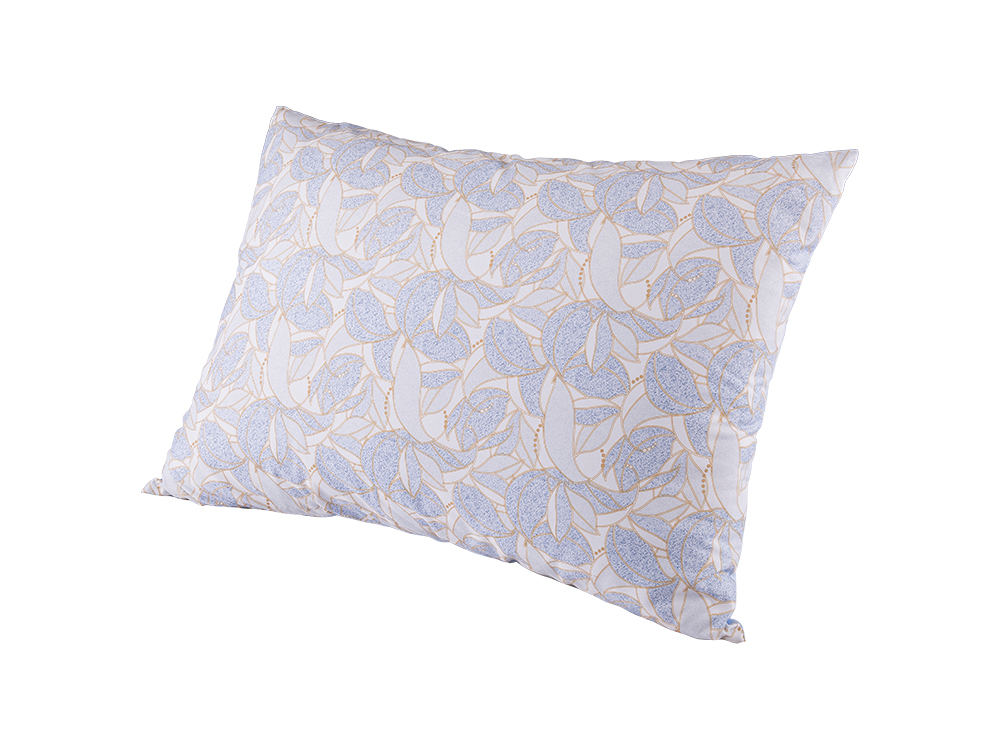
Decorative cushions are among the simplest and most effective ways to improve the appearance, comfort, and personality of an interior space. A well-designed cushion can add color to a neutral sofa, soften the appearance of a bedroom, create a more inviting reading corner, or coordinate different elements throughout a home, hotel, office, or furnished apartment. The High Elastic Chemical Fiber Decorative Printed Cushion is developed for these purposes, combining attractive printed fabric, resilient polyester filling, practical customization, and dependable home textile manufacturing expertise.
Designed in a convenient 40 x 60 cm format, with customized sizes available, this cushion offers a versatile solution for interior decoration and everyday support. Its 100% polyester printed fabric provides a practical surface for fashionable patterns and coordinated color schemes, while the high-support polyester filling delivers fullness, resilience, and a comfortable hand feel. The result is a decorative cushion that balances appearance and function rather than treating them as separate requirements.
For buyers seeking dependable home textile products, the product is also supported by a mature manufacturing operation with professional production equipment, skilled employees, technical personnel, quality management systems, and experience across a broad range of bedding categories. These strengths are important because a cushion is judged not only by its initial appearance but also by its consistency, shape retention, material quality, and suitability for repeated use.
A Practical Decorative Cushion for Modern Home Environments
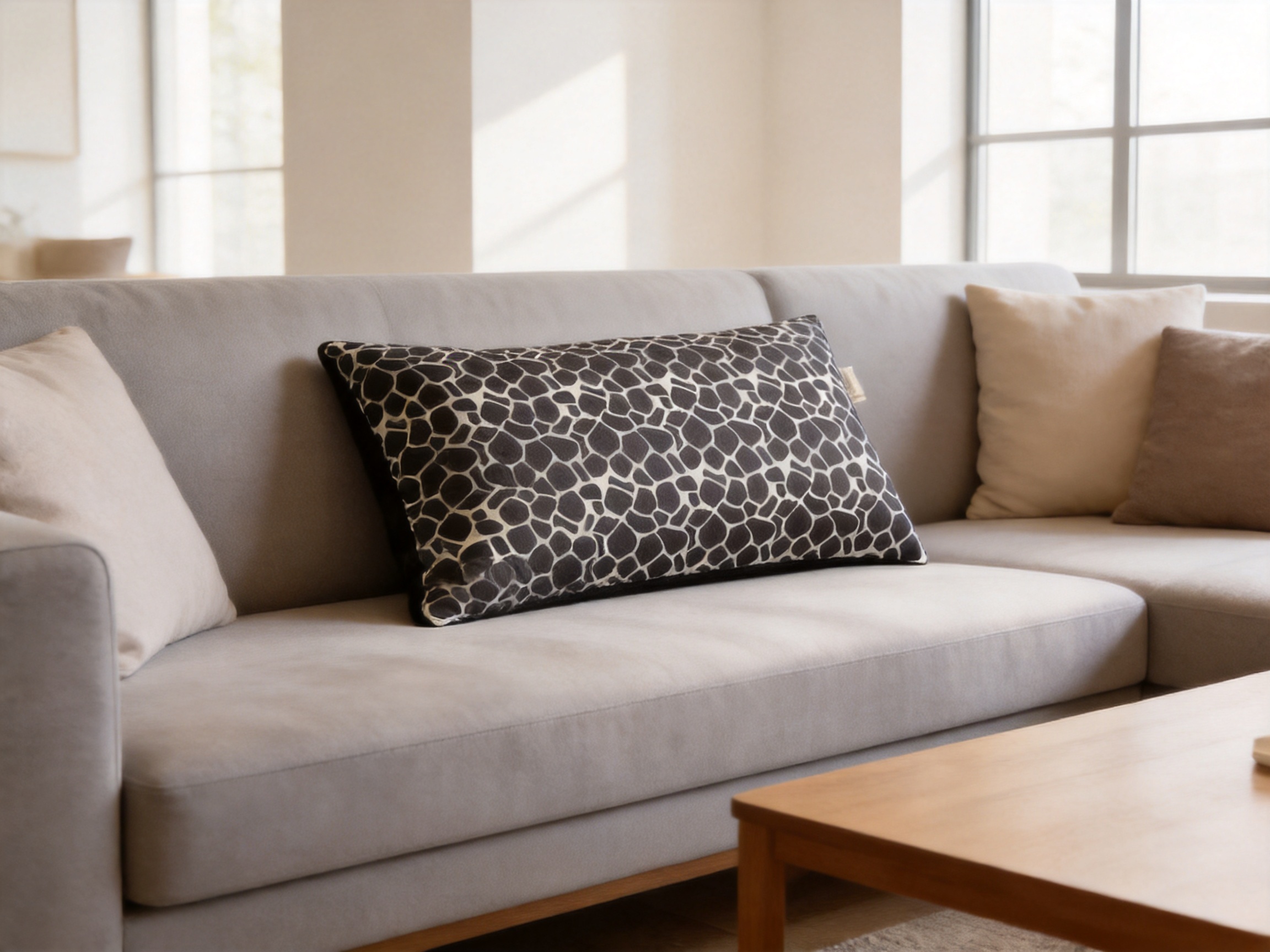
Many contemporary interiors are designed around clean lines, neutral colors, and uncluttered furniture. Although this style creates a calm and elegant atmosphere, it can sometimes appear too plain without carefully selected accessories. A printed cushion provides an efficient way to introduce visual interest without requiring major changes to furniture, wall finishes, flooring, or lighting.
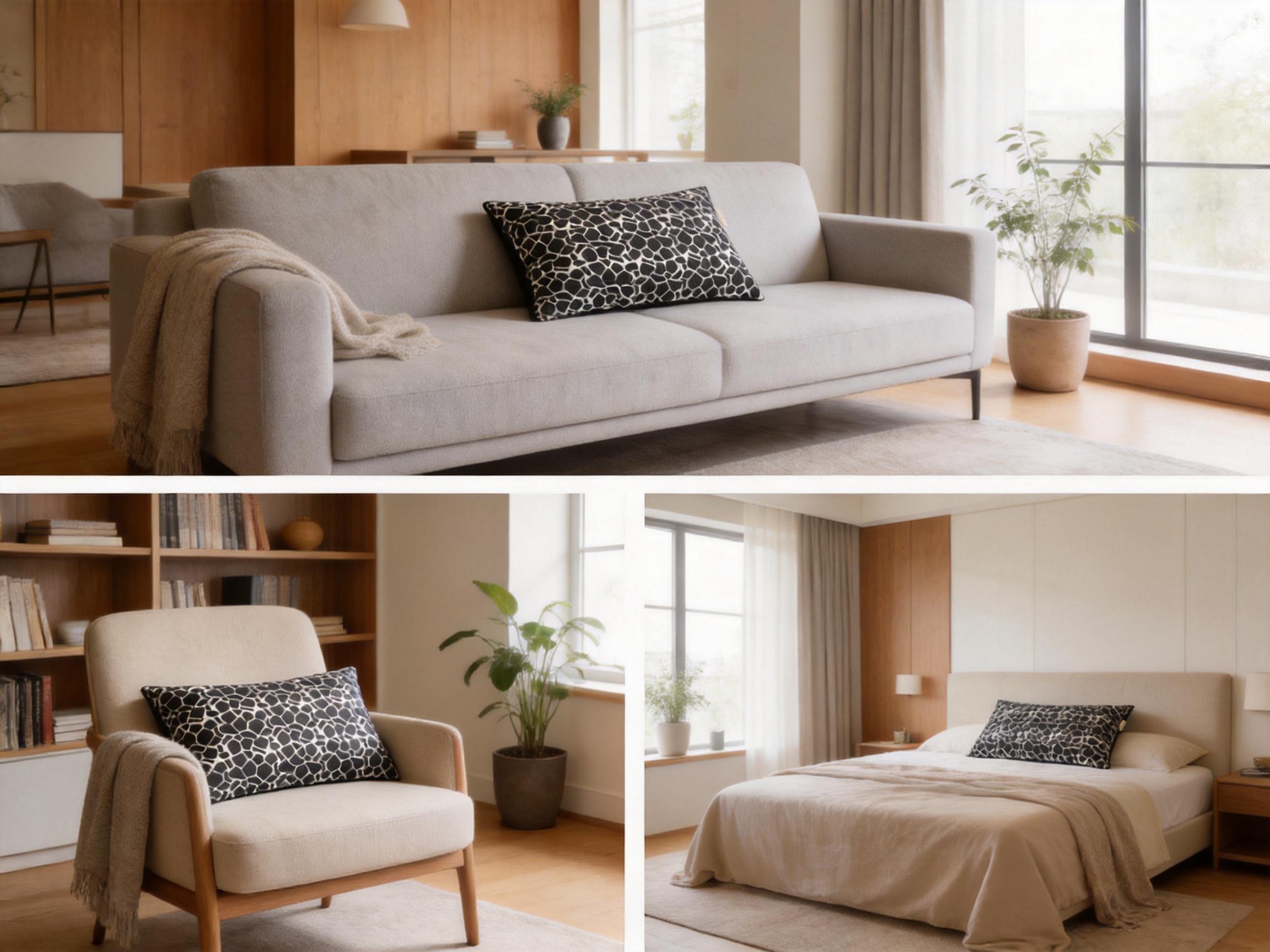
The High Elastic Chemical Fiber Decorative Printed Cushion is particularly suitable for simple-style home environments. Its printed exterior can bring pattern, color, and texture to sofas, armchairs, beds, benches, window seats, and other furniture. Because cushions are relatively compact, users can change the mood of a room seasonally or according to personal preference without replacing larger furnishings.
The cushion can be used as an accent piece in a living room, combined with plain cushions to create contrast, or matched with curtains, bedspreads, blankets, and other home textile products. In a bedroom, it can be placed against a headboard or layered with sleeping pillows to create a more finished appearance. In a hospitality setting, it can contribute to a coordinated guestroom design, lounge area, reception space, or serviced apartment interior.
Its decorative role does not prevent it from being functional. The filling is designed to provide high support, making the cushion suitable for leaning, sitting, or adding extra comfort to furniture. This combination of support and visual appeal gives the product broader value than a purely ornamental accessory.
Key Product Features
100% Polyester Printed Fabric
The cover fabric is made from 100% polyester printed fabric. Polyester is widely used in home textiles because it provides a practical balance of durability, appearance, processing flexibility, and cost efficiency. It is suitable for producing vivid printed designs and can support a broad range of decorative styles, from understated geometric patterns to expressive floral motifs and contemporary abstract graphics.
A printed polyester surface also enables manufacturers and buyers to develop coordinated collections. The same design direction can potentially be applied across cushions, bedspreads, curtains, blankets, quilt covers, or other interior textile products. This is valuable for retailers, hospitality projects, interior designers, and private-label buyers that want a unified visual identity across multiple products.
Polyester fabric is also valued for its dimensional stability and practical performance in daily environments. When properly constructed and handled, it can maintain a neat appearance during regular use. Its compatibility with modern printing and finishing processes allows buyers to select decorative concepts that match changing consumer preferences and interior design trends.
High-Support Polyester Filling
The cushion uses high-support polyester filling. Filling quality strongly affects how a cushion looks and performs. A low-quality filling may flatten quickly, create uneven areas, or fail to provide comfortable support. By contrast, a resilient polyester filling helps the cushion retain fullness and gives it a more substantial feel.
The filling is intended to support everyday decorative and functional use. It can help the cushion remain visually plump while providing a comfortable surface for leaning or placing against furniture. The balance between softness and support is especially important for a decorative cushion because excessive softness can cause the product to lose its shape, while excessive firmness may reduce comfort.
High-support filling also contributes to presentation. A well-filled cushion creates cleaner edges and a more attractive silhouette, which is essential when products are displayed in showrooms, online catalogs, retail stores, hotel rooms, and staged residential environments.
Convenient 40 x 60 cm Format
The standard size is 40 x 60 cm, a practical rectangular format that works well on sofas, beds, benches, and lounge chairs. Its proportions allow it to be used alone or combined with square and rectangular cushions in layered arrangements.
The size is large enough to make a visible contribution to a room while remaining easy to position and rearrange. It can be placed horizontally across a sofa, vertically against a backrest, or as part of a coordinated group. The format also suits many commercial display applications because it is easy to package, transport, arrange, and present.
Customized sizes are available according to customer specifications. This flexibility is valuable for buyers working with particular furniture dimensions, hotel design standards, retail collections, or project-specific requirements. A customized size can help create a more integrated appearance and reduce the need to compromise between product dimensions and interior layouts.
Customization may also support differentiated product collections. Buyers can request size variations for different market segments, allowing one design concept to be adapted for compact apartments, large sofas, hospitality furniture, children’s spaces, or premium decorative settings.
Advantages Compared with Ordinary Decorative Cushions
Balanced Decoration and Comfort
Some decorative cushions are designed primarily for appearance and provide limited support. Others focus on comfort but offer little visual character. This product is positioned between these two categories by combining a printed decorative exterior with high-support filling.
This balance gives it an advantage in spaces where accessories must perform more than one role. A cushion on a living room sofa should complement the furniture, but it may also be used when reading, watching television, relaxing, or receiving guests. A cushion in a bedroom can improve styling while providing additional support when sitting up. The product therefore contributes to both visual design and everyday usability.
More Design Flexibility
Printed polyester fabric offers greater design flexibility than a single-color cushion. Patterned surfaces can be used to create focal points, coordinate several furniture pieces, or introduce a seasonal theme. Buyers can select designs that suit minimalist, modern, classic, rustic, hotel, or commercial interiors.
Printed designs also help retailers create collections with clear visual differentiation. In competitive home textile markets, shoppers often look for products that express personal taste. A distinctive pattern can make a cushion more noticeable than a generic plain product and may help support a stronger merchandising presentation.
Suitable for Multiple Interior Applications
The product is not limited to one room or one customer group. It can be used in residential living rooms, bedrooms, guestrooms, lounges, offices, waiting areas, show homes, holiday properties, and hospitality projects. This versatility increases its usefulness for distributors and wholesale buyers.
For residential consumers, it offers a simple method of refreshing an interior. For professional buyers, it can be included in larger furnishing programs. For retailers, it can function as an accessible home décor product with broad appeal. For designers, its customized size option provides additional freedom during project development.
Efficient Product Customization
Customization is an important competitive advantage in the home textile sector. Standard products are convenient, but they may not always suit a buyer’s exact requirements. The availability of customer-specified sizing allows the product to be adapted to different furniture styles and project needs.
Customization also creates opportunities for private-label and contract manufacturing programs. Buyers can develop a collection that reflects their own market positioning while using a reliable manufacturing base. Depending on the project, customization may include coordinated dimensions, selected printed fabrics, packaging requirements, and other production details subject to technical evaluation.
Practical Material Selection
The combination of polyester printed fabric and polyester filling is practical for a decorative cushion intended for broad market use. The materials are widely recognized within the home textile industry, readily adaptable to different designs, and suitable for efficient production.
This material selection can help buyers maintain a balance between aesthetic value and commercial practicality. A decorative product needs to look attractive, but it must also be manufacturable, repeatable, and appropriate for storage and distribution. The selected materials support these requirements while allowing the cushion to remain versatile and accessible.
Design Possibilities for Different Interior Styles
Minimalist Interiors
In minimalist rooms, a printed cushion can provide a controlled visual accent. A restrained pattern or limited color palette may add depth without making the room feel crowded. The 40 x 60 cm format can be placed on a plain sofa or bed to create a deliberate focal point.
For a refined minimalist appearance, buyers may combine one printed cushion with solid-color cushions in related shades. This approach allows the pattern to stand out while preserving the calm character of the space.
Contemporary Interiors
Contemporary settings often benefit from bold shapes, contrasting colors, and expressive details. The printed fabric can support modern designs that complement metal furniture, smooth surfaces, wood accents, and neutral upholstery. Used in a group, the cushions can create rhythm and repetition across a room.
The product may also be used to update older furniture. Rather than replacing an entire sofa or chair, homeowners can add new cushions that introduce a more current design direction.
Bedroom Styling
Decorative cushions are frequently used to complete the appearance of a bed. They can be arranged in front of sleeping pillows or positioned across the center of the bed. The printed surface adds color and pattern, while the high-support filling helps create a fuller, more comfortable arrangement.
The cushion can coordinate with quilts, blankets, bedspreads, mattress covers, curtains, or other textiles. This makes it suitable for buyers who want to create complete bedroom collections rather than isolated products.
Hospitality and Commercial Spaces
Hotels, guesthouses, furnished apartments, restaurants, lounges, and offices often use cushions to make spaces more welcoming. A well-selected printed cushion can support a property’s design theme and add a layer of comfort to seating areas.
Commercial buyers may value consistency across multiple units. A professional manufacturer with established production capabilities can help support repeat orders and coordinated product programs. The availability of customized sizing may also help designers meet the requirements of specific furniture layouts.
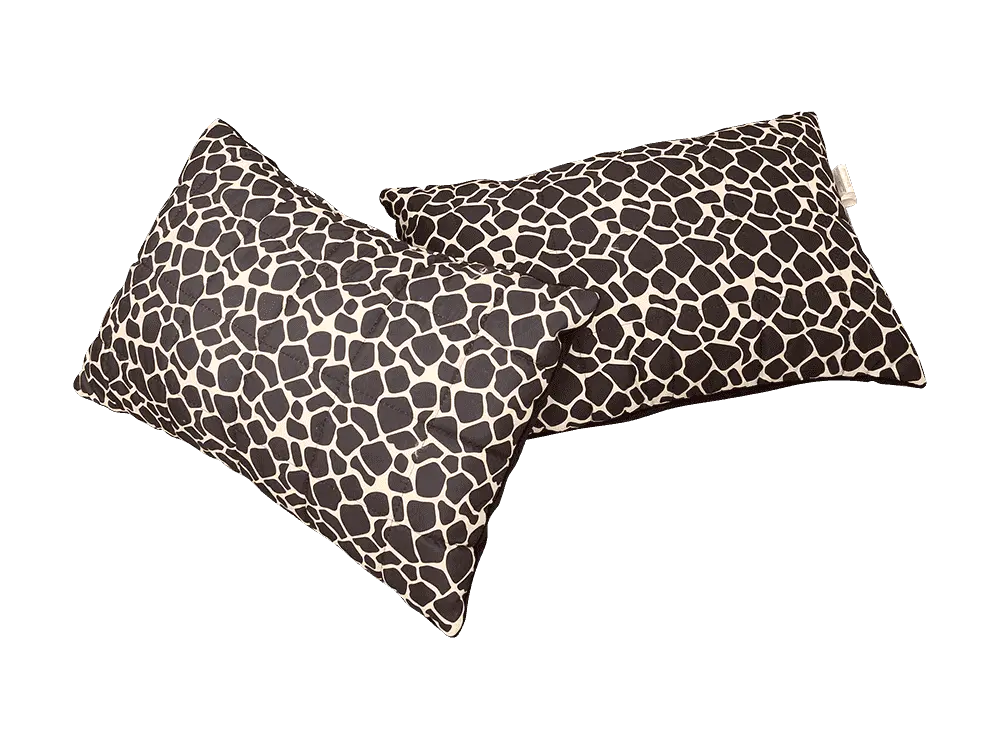
High Elastic Chemical Fiber Decorative Printed Cushion
Manufacturing Strengths Supporting Product Quality
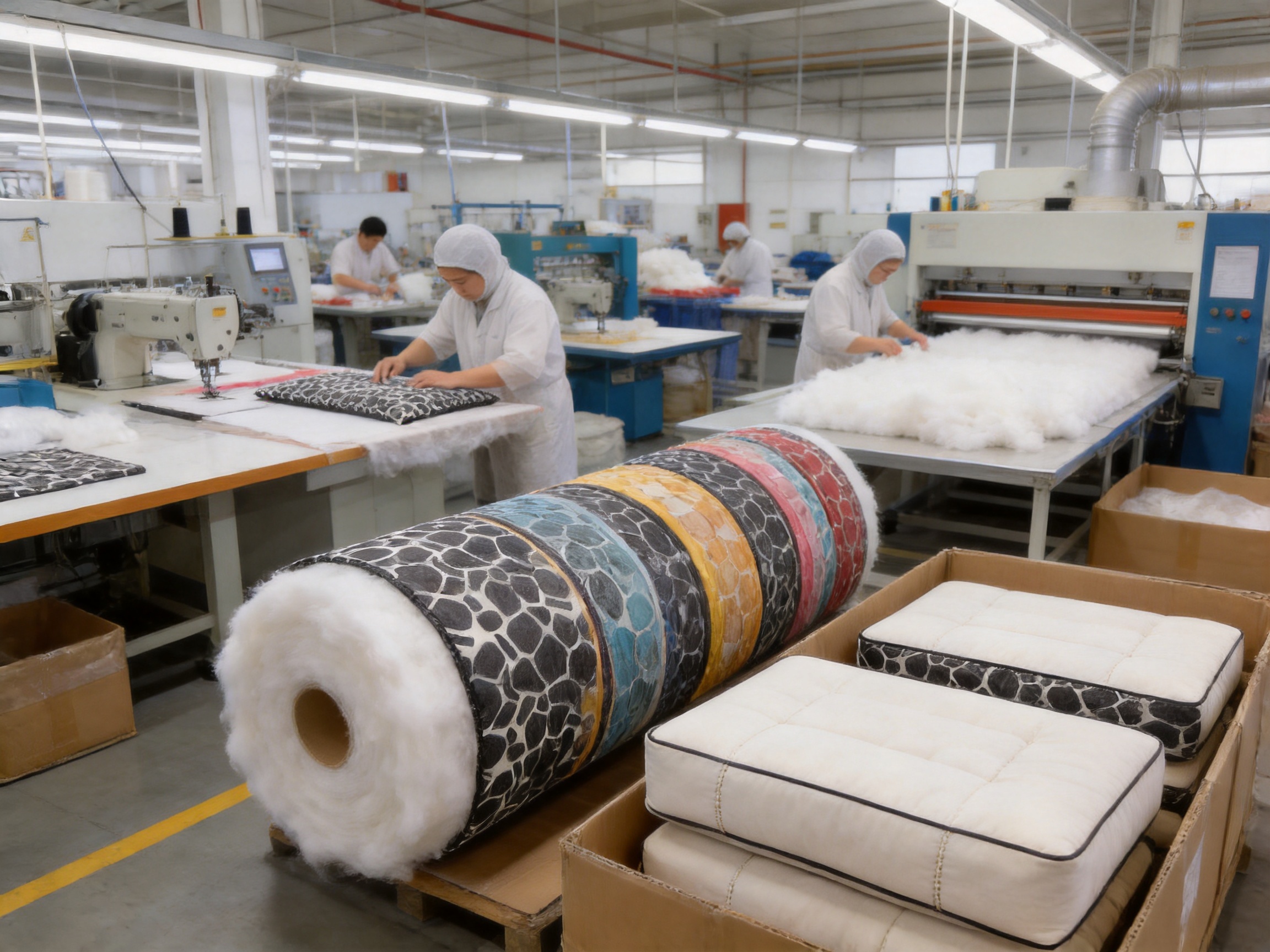
The performance of a decorative cushion depends on more than its visible fabric. Consistent quality requires suitable materials, controlled cutting, accurate sewing, reliable filling processes, careful inspection, and organized packing. Tongxiang Xinlong Bedding Co., Ltd. has developed its production capabilities through long-term participation in the home textile industry.
Established in January 2002, the company operates in Wuzhen Town, Tongxiang City, Zhejiang Province, an area with a strong connection to textile manufacturing. Its facility covers approximately 21,000 square meters, including around 18,000 square meters of construction area. The company has more than 320 employees and is equipped with various advanced production machines.
This scale supports a more structured manufacturing process than a small workshop operation. It provides room for production planning, material handling, product development, quality control, storage, and order management. For buyers, a stable production structure can be important when placing repeat orders or developing customized product lines.
Professional Production Equipment
Advanced production equipment contributes to more consistent processing. In cushion manufacturing, equipment supports key operations such as fabric cutting, printing-related handling, sewing, filling, edge formation, inspection, and packing. Appropriate machinery can improve accuracy and production efficiency while reducing avoidable variation between units.
Equipment alone does not guarantee quality, so it must be supported by trained operators and suitable process controls. The company’s combination of equipment, technical personnel, and experienced employees enables it to manage the practical requirements of home textile production more effectively.
Experienced Workforce
With more than 320 employees, the company has a substantial workforce capable of supporting multiple stages of production and order fulfillment. Experienced personnel are important for identifying fabric issues, maintaining sewing standards, managing filling density, checking product appearance, and responding to production requirements.
Home textile products may appear simple, but small manufacturing details can significantly affect customer satisfaction. Uneven filling, loose threads, inaccurate dimensions, poor alignment, or inconsistent shape can reduce the perceived value of a cushion. Skilled employees help address these details through appropriate operating procedures and inspection routines.
Product Development and Technical Capability
The company continues to develop and innovate in response to changes in the home textile industry. Professional and technical personnel support the design and production of fashionable and warm household products for different customer requirements.
For the decorative cushion, product development may involve evaluating printed fabrics, studying filling behavior, refining dimensions, improving construction details, and adapting the product to different market preferences. This development capability is useful for buyers that require more than a fixed, unchangeable catalog item.
A manufacturer able to work across several home textile categories can also understand how cushions relate to broader collections. Experience with quilts, pillows, bedspreads, blankets, mattress protectors, curtains, shower curtains, and other products can support more coordinated product development.
Controlled Manufacturing Process
Material Selection and Incoming Evaluation
The manufacturing process begins with the selection of suitable fabric and filling materials. For this cushion, the primary materials are 100% polyester printed fabric and high-support polyester filling. Material evaluation helps confirm that the fabric is appropriate for the intended appearance, hand feel, dimensions, and construction method.
Incoming materials should be checked for visible defects, color consistency, width, surface condition, and suitability for cutting and sewing. Filling materials should be assessed for cleanliness, resilience, loft, and consistency. These early checks help prevent material-related problems from moving into later production stages.
Pattern Planning and Cutting
Accurate pattern planning is essential for producing cushions with consistent dimensions. For the standard 40 x 60 cm format, cutting plans must account for construction allowances and the desired finished size. For customized orders, the same principle applies to customer-specified dimensions.
Careful cutting also helps preserve the appearance of printed fabric. Pattern placement may be considered when the design has directional elements, repeated motifs, or visual focal points. Consistent cutting supports better alignment between cushion panels and contributes to a more professional finished appearance.
Sewing and Construction
Sewing quality influences the durability, shape, and presentation of the cushion. Stitching should be secure and appropriate for the fabric and intended use. Seams need to be formed consistently, with attention to corners, edges, openings, and stress points.
Good construction helps the cushion maintain its shape when filled and used. It also reduces the likelihood of seam opening, loose threads, or uneven edges. For printed products, sewing accuracy is particularly important because misalignment can affect the appearance of the pattern.
Filling and Shape Formation
Filling is a central stage in the production of a high-support cushion. The polyester filling must be distributed appropriately so that the finished product has a balanced appearance and comfortable support. Insufficient filling may create a flat or weak appearance, while excessive or uneven filling may cause distortion.
After filling, the cushion should be checked for fullness, corner formation, surface smoothness, and overall shape. Proper formation helps the product present well in retail displays and remain comfortable in use.
Final Inspection and Packing
Final inspection provides an opportunity to identify issues before shipment. Inspectors may review fabric appearance, print quality, stitching, dimensions, filling distribution, shape, cleanliness, and packaging condition. These checks help ensure that the delivered product reflects the agreed specifications.
Careful packing is also important. Cushions must be protected from dust, moisture, compression damage, and handling problems during storage and transportation. Packaging requirements can be discussed according to the needs of the buyer, market, or project.
Quality Management and Certifications
The company places quality at the center of its business purpose and standardizes operating procedures to support continuous improvement. It has passed international certifications and management-related standards including ISO9001, ISO14001, OEKO-TEX standards, GRS, and BSCI, as stated in the supplied company information.
Each certification or standard addresses a different aspect of responsible and organized business operation. ISO9001 is associated with quality management systems and process consistency. ISO14001 relates to environmental management. OEKO-TEX-related certification supports textile safety evaluation, while GRS is connected with recycled-material claims and responsible processing requirements where applicable. BSCI is associated with social compliance and responsible workplace practices.
Certifications do not replace product-level inspection, but they can provide buyers with additional confidence in the manufacturer’s management structure and commitment to recognized requirements. For international buyers, such systems may be especially important when products must comply with internal sourcing policies, retailer expectations, or market-specific standards.
The company has also been rated as a safety production standardization enterprise for several consecutive years since 2016. This indicates continued attention to production safety and standardized workplace operation. A safe and organized factory environment benefits both employees and customers by supporting stable production and reducing operational disruption.
Why Factory Capability Matters to Buyers
When purchasing decorative cushions, buyers often evaluate more than the individual product. They also consider whether the supplier can provide consistent quality, communicate clearly, meet delivery expectations, support customization, and maintain stable production over time.
A manufacturer with broad home textile experience can offer several advantages. First, it may have a deeper understanding of fabric behavior, filling requirements, sewing methods, and packaging. Second, it may be better prepared to manage product variations and collection development. Third, it may have established quality and production systems that reduce avoidable inconsistency.
For wholesale buyers, repeatability is particularly important. A cushion purchased for one order may need to be reproduced months later with a similar appearance and performance. A structured factory operation helps support this requirement by maintaining product records, standardized processes, material controls, and production experience.
For custom buyers, technical communication is equally important. A specification such as 40 x 60 cm is straightforward, but other projects may involve unusual dimensions, specific pattern placement, coordinated products, or special packaging. The ability to discuss these details with professional technical personnel can make product development more efficient.
Applications Across Different Customer Groups
Homeowners
Homeowners can use the cushion to refresh an existing interior without making a major investment. Adding one or more printed cushions to a plain sofa can create an immediate visual change. The product can also be moved between rooms, making it a flexible home accessory.
Interior Designers
Interior designers can use the cushion as part of a complete color and material scheme. The printed fabric can introduce a selected pattern, while the customized size option allows the cushion to fit particular furniture arrangements.
Furniture and Home Décor Retailers
Retailers can present the product as an accessible decorative item with both style and functional support. It may be displayed individually, in coordinated groups, or with related bedding and home textile products. A varied printed collection can help attract customers with different tastes.
Hotels and Hospitality Projects
Hospitality buyers can use cushions to improve the comfort and visual identity of guestrooms, lounges, reception areas, and common spaces. Coordinated designs and repeatable manufacturing are useful when multiple rooms or properties require a consistent appearance.
Property Developers and Furnished Apartments
Furnished apartments and show homes often require decorative accessories that make spaces look complete and welcoming. Cushions can be used as part of a staged interior package and can help soften otherwise standardized furniture.
Promotional and Seasonal Collections
Printed cushions can also be developed for seasonal or promotional collections. Different patterns may be selected for spring, holiday, coastal, nature-inspired, contemporary, or regional themes. The ability to change the printed surface while maintaining a familiar product structure can simplify collection planning.
Merchandising and Presentation Benefits
A decorative cushion is highly visible when displayed in a store, catalog, or online product page. Its printed surface can communicate style quickly, while its size makes it easy to photograph and arrange with other products. Retailers can show the cushion on sofas, beds, benches, or chairs to demonstrate its practical use.
Layered merchandising can increase the product’s visual effect. For example, a printed 40 x 60 cm cushion may be placed behind smaller cushions or in front of larger plain cushions. This arrangement demonstrates how consumers can combine patterns and colors in their own homes.
For online sales, clear information about size, fabric, filling, and customization is important. Buyers want to understand not only how the product looks but also how it feels, how it may be used, and what options are available. A manufacturer that can supply accurate product specifications supports better communication between distributors and end customers.
Care, Handling, and Long-Term Appearance
To preserve the appearance and shape of a decorative cushion, users should follow the care instructions supplied with the final product configuration. Care requirements can depend on the specific fabric, construction, packaging, and any additional components selected for an order.
Regular gentle adjustment can help redistribute the filling and maintain a full appearance. The cushion should be protected from prolonged moisture, excessive pressure, sharp objects, and unsuitable cleaning methods. When placed in high-use areas, occasional rotation may help distribute wear more evenly.
For commercial environments, housekeeping and maintenance teams should handle the cushions according to the agreed care instructions. Appropriate storage is also important when cushions are not in use. They should be kept in a clean, dry area and protected from compression that could affect their shape.
Polyester fabric and filling provide a practical foundation for daily use, but responsible handling remains necessary for all home textile products. Good care helps preserve the printed appearance, surface condition, filling resilience, and overall presentation.
How the Product Supports Sustainable and Responsible Sourcing Goals
Many buyers now evaluate home textile suppliers according to environmental management, material transparency, workplace standards, and long-term operational responsibility. The company’s stated certifications, including ISO14001, OEKO-TEX-related standards, GRS, and BSCI, provide a foundation for discussions about these concerns.
Responsible sourcing is not limited to a single material or label. It includes how materials are selected, how production waste is managed, how workers are treated, how energy and resources are controlled, and how claims are documented. Buyers should review the specific certification scope and product requirements for each project.
The company’s continued investment in production development and standardized operating procedures may help support more organized use of materials and production resources. Its ongoing quality improvement approach also reduces the likelihood of unnecessary returns or rejected products, which can contribute to more efficient supply chains.
Comparison of Product Strengths
| Evaluation Area | Product Strength | Buyer Benefit |
|---|---|---|
| Appearance | 100% polyester printed fabric | Supports fashionable patterns, color coordination, and collection development |
| Comfort | High-support polyester filling | Provides a fuller feel and practical support for leaning or sitting |
| Standard size | 40 x 60 cm | Fits sofas, beds, benches, armchairs, and many common furniture layouts |
| Customization | Customer-specified sizes available | Allows adaptation to project, furniture, and market requirements |
| Manufacturing base | Established factory with professional equipment and more than 320 employees | Supports stable production, order management, and repeatability |
| Product range | Experience across quilts, pillows, blankets, mattress protectors, curtains, and related home textiles | Facilitates coordinated collections and broader sourcing programs |
| Management systems | International certifications and standardized operating procedures | Provides additional confidence in quality, environmental, and social management |
Recommended Product Development Approach for Buyers
Buyers considering this cushion for a new collection should begin by defining the intended market and use scenario. A retail cushion for everyday home décor may require different pattern, packaging, and pricing considerations than a cushion intended for a hotel project or premium interior collection.
The next step is to confirm the preferred size. The standard 40 x 60 cm format is suitable for many applications, while custom dimensions may be considered when the product must fit a particular furniture design or collection plan.
Printed fabric selection should reflect the target customer. Neutral patterns may suit minimalist and Scandinavian-inspired collections, while bold colors may appeal to contemporary or expressive interiors. Buyers should also consider how the pattern will coordinate with plain cushions and other home textile products.
Filling requirements should be discussed in relation to the intended use. A decorative cushion that will mainly be displayed may require a different handling and presentation focus than one intended for frequent leaning or seating support. The high-support polyester filling provides a strong starting point for a product that needs both fullness and practical comfort.
Finally, buyers should clarify inspection, packaging, labeling, delivery, and documentation requirements before production. Early communication helps reduce misunderstandings and supports a more efficient manufacturing process.
Frequently Asked Questions
What is the standard size of the cushion?
The standard size is 40 x 60 cm. This rectangular format is suitable for sofas, beds, armchairs, benches, and other common furniture applications.
Can the cushion be made in a different size?
Yes. The product can be produced according to a customer’s specified size, subject to technical review and production confirmation.
What fabric is used for the cushion?
The cushion uses 100% polyester printed fabric. This material supports decorative patterns, color variation, and coordinated home textile collections.
What type of filling does the cushion contain?
It uses high-support polyester filling. The filling is selected to provide fullness, resilience, and practical support for decorative and everyday use.
Is the cushion only suitable for decoration?
No. Although it is designed as a decorative cushion, its high-support filling also makes it suitable for leaning, sitting support, and improving comfort on furniture.
Where can the cushion be used?
It can be used in living rooms, bedrooms, guest rooms, offices, lounges, furnished apartments, hotels, show homes, and other interior environments.
Can the cushion be coordinated with other home textile products?
Yes. Its printed fabric can be selected or developed to coordinate with quilts, pillows, bedspreads, blankets, mattress protectors, curtains, and other household textiles.
What manufacturing capabilities support this product?
The manufacturer has operated since 2002 and has a facility of approximately 21,000 square meters, more than 320 employees, advanced production equipment, and professional technical personnel. These capabilities support material handling, cutting, sewing, filling, inspection, packing, and customized production.
Does the company produce products besides cushions?
Yes. Its product range includes silk cotton quilts, chemical fiber quilts, pillows, cushions, bedspreads, travel quilts, mattress protectors, blankets, quilt and pillowcases, shower curtains, curtains, and other home textile products.
What certifications and management standards are associated with the manufacturer?
The supplied company information states that the manufacturer has passed ISO9001, ISO14001, OEKO-TEX-related standards, GRS, and BSCI. It has also been recognized as a safety production standardization enterprise for several consecutive years since 2016.
How should the cushion be cared for?
Care should follow the instructions provided with the final product. In general, users should protect the cushion from prolonged moisture, excessive compression, sharp objects, and unsuitable cleaning methods. Regular gentle adjustment and proper storage can help preserve its shape and appearance.
Why is polyester suitable for this decorative cushion?
Polyester offers practical durability, printing flexibility, dimensional stability, and broad design possibilities. It is also compatible with efficient home textile production and can support a balance between appearance and commercial value.
Conclusion
The High Elastic Chemical Fiber Decorative Printed Cushion is a versatile home textile product that combines visual appeal, practical comfort, and manufacturing flexibility. Its 100% polyester printed fabric supports fashionable interior decoration, while the high-support polyester filling provides fullness and useful support. The standard 40 x 60 cm size fits many furniture arrangements, and customer-specified sizes create additional opportunities for customized projects.
Compared with ordinary decorative cushions that focus only on appearance, this product offers a more complete balance between decoration and function. It can be used across residential, hospitality, commercial, and furnishing applications, and it can be incorporated into coordinated collections with quilts, pillows, blankets, mattress protectors, curtains, and other home textile products.
The manufacturer’s long operating history, substantial production facility, professional equipment, technical personnel, experienced workforce, product development capability, quality-focused procedures, and stated international certifications provide important support behind the product. These strengths are especially valuable for buyers seeking dependable supply, consistent production, customized sizing, and broader home textile sourcing opportunities.
For retailers, designers, hospitality buyers, and consumers, this cushion offers a practical way to add color, pattern, comfort, and character to an interior. For international home textile buyers, it represents a product category with broad application potential and a manufacturing foundation capable of supporting both standard and customized requirements.
References
1. Product specification supplied for the High Elastic Chemical Fiber Decorative Printed Cushion.
2. Company information supplied for Tongxiang Xinlong Bedding Co., Ltd.
3. General principles of textile quality management and process control based on ISO 9001 concepts.
4. General principles of environmental management based on ISO 14001 concepts.
5. General textile safety and material assessment principles associated with OEKO-TEX standards.
6. General responsible sourcing and recycled-material management principles associated with GRS.
7. General social compliance principles associated with BSCI.


 +86-573-88798028
