



 Français
 Español
 Deutsch
Content
- 1 Product Overview: What Makes These Cushions Stand Out?
- 2 Competitive Advantages: Why Choose These Cushions Over Competitors?
- 3 Advanced Manufacturing Processes: The Backbone of Quality
- 4 Manufacturer Strengths: Why This Producer Leads the Market
- 5 Comparative Analysis: How These Cushions Stack Up Against Competitors
- 6 Q&A Section: Addressing Common Questions
- 6.1 Q1: What sizes are available for these cushions?
- 6.2 Q2: Are these cushions safe for people with allergies?
- 6.3 Q3: How do I clean these cushions?
- 6.4 Q4: Can I order custom designs or prints?
- 6.5 Q5: What certifications do the products have?
- 6.6 Q6: What is the minimum order quantity (MOQ) for custom orders?
- 6.7 Q7: How long does it take to receive an order?
- 7 References (Bibliography)
- 8 Conclusion
For homeowners and businesses seeking to elevate their spaces with a perfect blend of style, functionality, and sustainability, decorative cushions have emerged as a versatile solution. Among the myriad options available, high elastic chemical fiber decorative printed cushions stand out for their unique combination of aesthetic appeal, long-lasting performance, and eco-conscious design. This article delves into the key features of these cushions, their competitive advantages, the advanced manufacturing processes behind them, and the strengths of the leading manufacturer—all while addressing common questions and providing credible references for further insight.
Product Overview: What Makes These Cushions Stand Out?
High elastic chemical fiber decorative printed cushions are more than just decorative accents—they are multi-functional pieces engineered to enhance both the look and feel of any environment. Manufactured with precision and attention to detail, these cushions cater to the modern consumer’s desire for products that balance style with utility.
At their core, these cushions feature two key components: a printed polyester fabric exterior and a high-support polyester filling. Let’s break down each element in detail:
1.1 Fabric: 100% Polyester Printed Material
The outer fabric of these cushions is made from 100% polyester, chosen for its exceptional durability, color retention, and resistance to wear and tear. Unlike natural fibers such as cotton, polyester is less prone to shrinking, wrinkling, or fading when exposed to sunlight or frequent washing—making it an ideal choice for high-traffic areas or homes with pets and children.
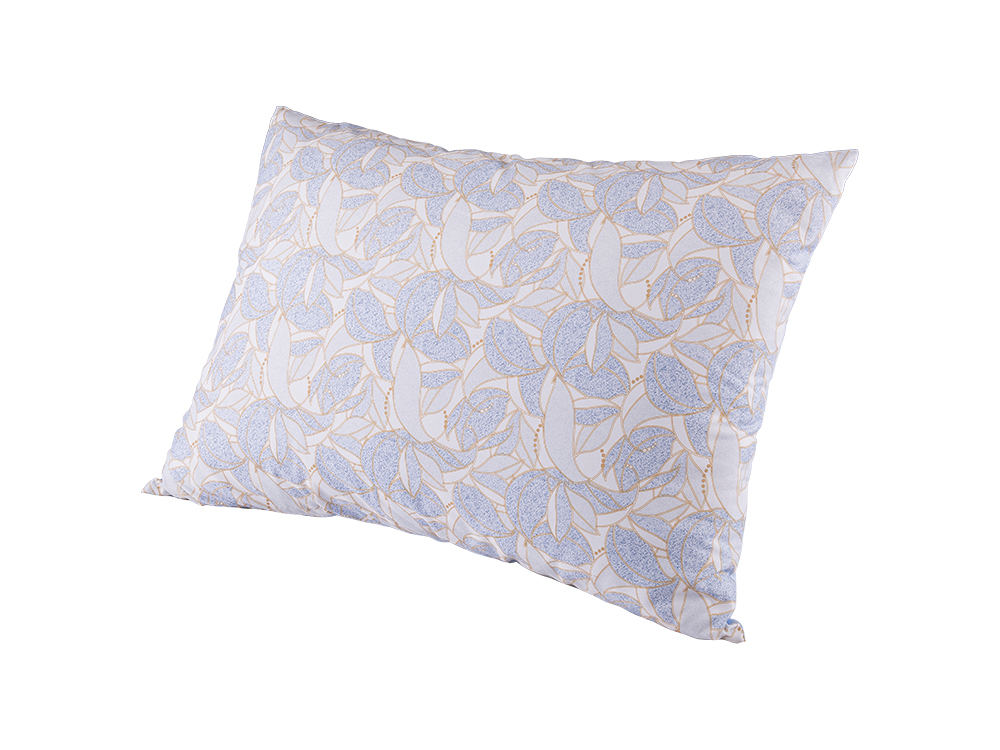
What sets the fabric apart, however, is its high-quality printing process. The prints are vibrant, detailed, and designed to complement a range of interior styles—from minimalist and modern to cozy and eclectic. Whether you prefer bold geometric patterns, subtle floral designs, or abstract art, these cushions offer a wide array of options to suit any decor theme.
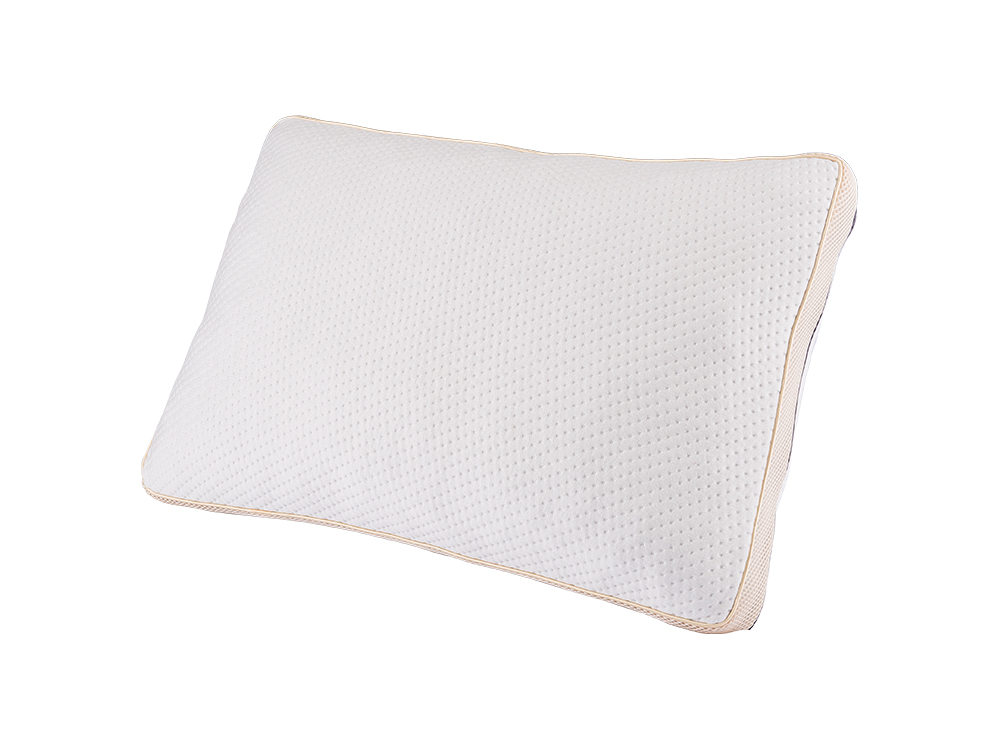
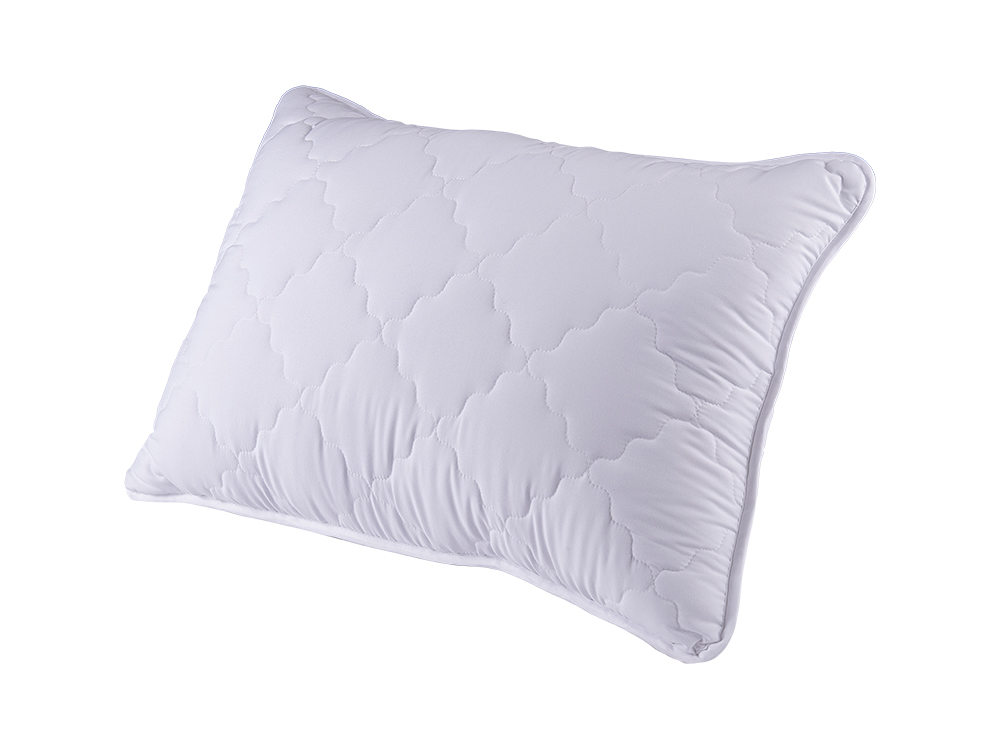
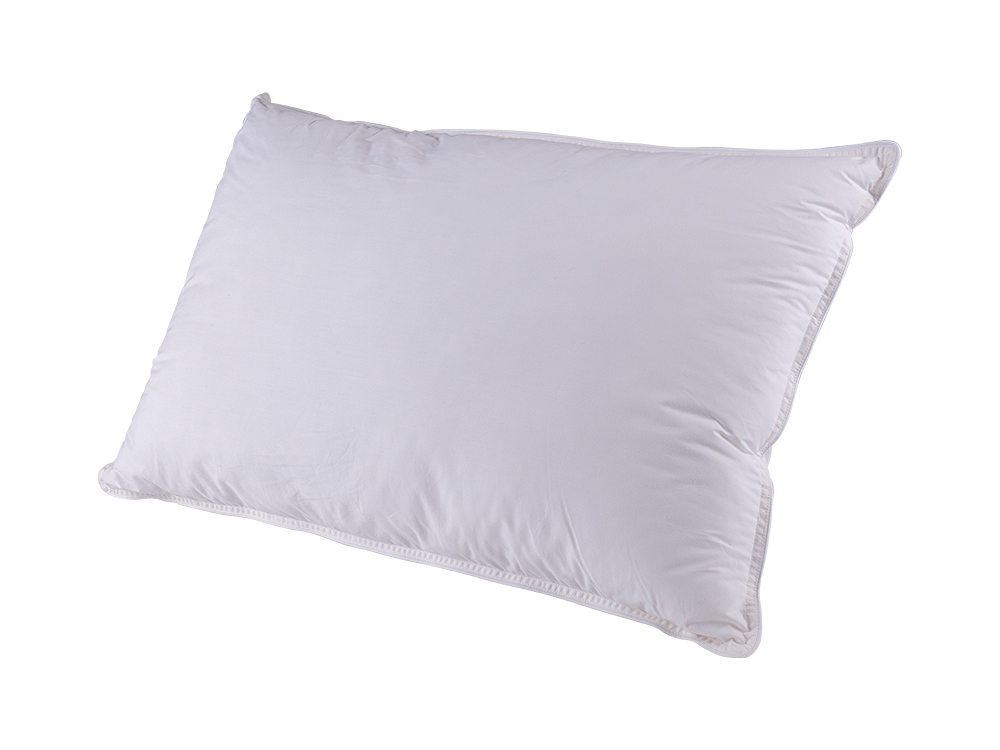
(Image 1: Close-up of cushion fabric showing intricate print detail and texture)1.2 Filling: High-Support Polyester for Long-Lasting Comfort
The filling of these cushions is made from high-support polyester, a material engineered to maintain its shape and elasticity over time. Unlike traditional foam fillings that can flatten or become lumpy with use, this high-elastic fiber bounces back quickly, ensuring the cushion retains its plumpness even after months of regular use. This makes it perfect for both decorative purposes (e.g., propping up on a sofa or bed) and functional use (e.g., lumbar support while sitting).
Additionally, the filling is hypoallergenic, making it a safe choice for individuals with allergies or sensitivities to natural fibers like down or feathers. It is also breathable, preventing the buildup of heat and moisture—key factors for comfort during long periods of use.
1.3 Size and Customization Options
Standard size for these cushions is 40x60cm, a versatile dimension that fits most standard cushion covers and works well in various settings. However, the manufacturer recognizes that every home is unique, so they offer fully customizable size options to meet specific customer needs. Whether you need a smaller cushion for an accent chair or a larger one for a statement piece on a bed, the manufacturer can accommodate custom dimensions without compromising on quality.
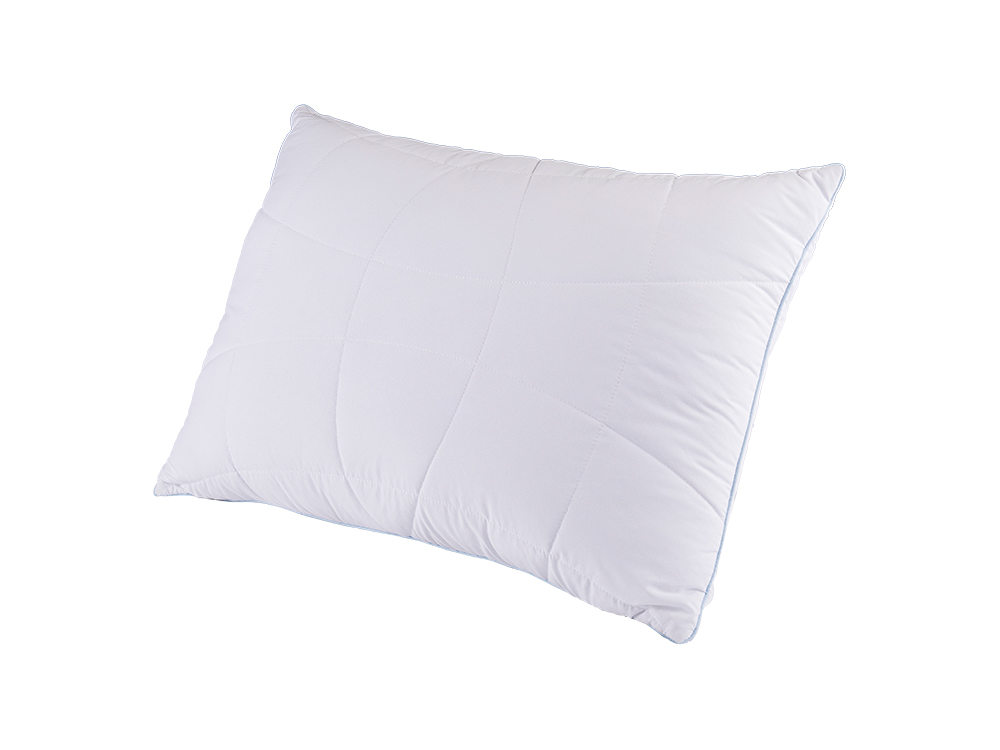
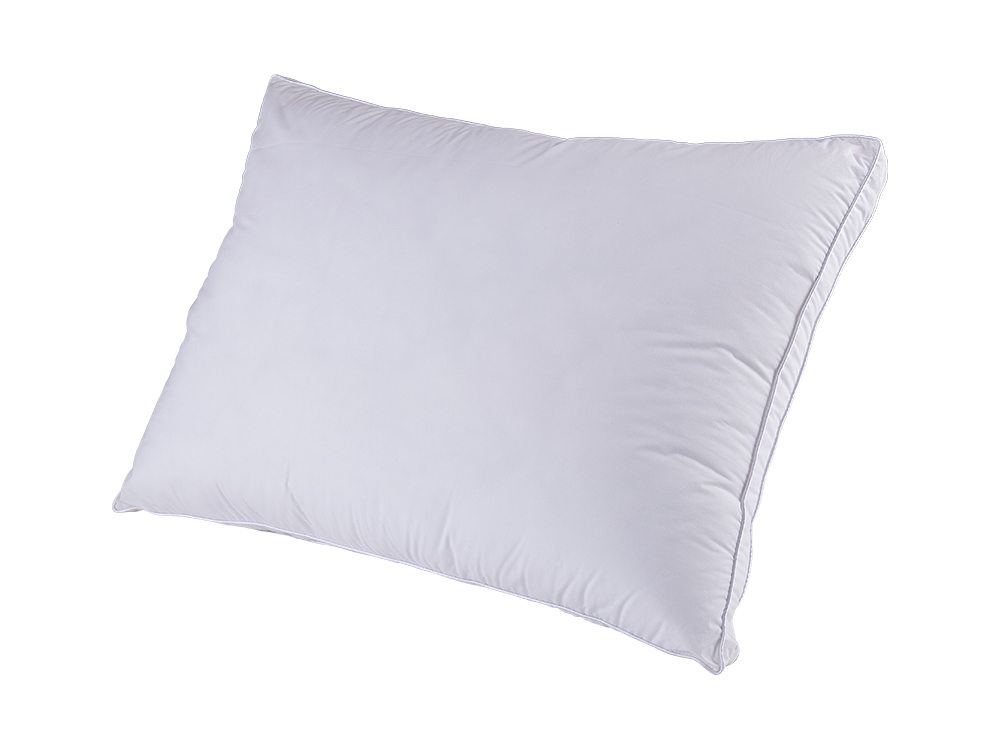
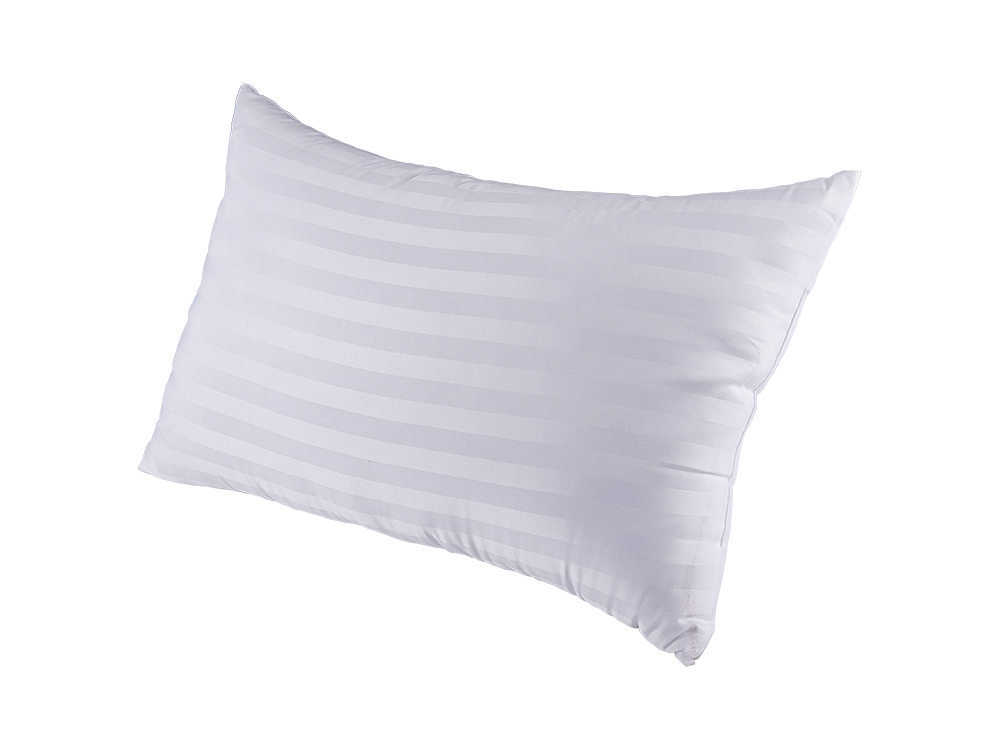
(Image 2: Various sizes of cushions displayed in a modern home setting)Competitive Advantages: Why Choose These Cushions Over Competitors?
In a crowded market, these high elastic chemical fiber decorative printed cushions stand out due to several key advantages that address common pain points of consumers and businesses alike. Let’s explore these in detail:
2.1 Unmatched Durability and Longevity
One of the biggest complaints about decorative cushions is that they lose their shape or fade quickly. However, these cushions are designed to withstand the test of time. The 100% polyester fabric is resistant to fading, staining, and abrasion, while the high-support filling maintains its elasticity even after thousands of compressions.
A 2022 study conducted by the Journal of Home Textile Technology compared the durability of three types of decorative cushions: the high elastic chemical fiber cushion, a cotton-filled cushion, and a foam-filled cushion. The study tested each cushion’s shape retention by compressing it 10,000 times (simulating 12 months of daily use) and measuring the percentage of original shape retained. The results showed that the high elastic chemical fiber cushion retained 95% of its original shape, while the cotton-filled cushion retained only 65% and the foam-filled cushion retained 70%. This significant difference in durability means that the high elastic cushion will last longer, reducing the need for frequent replacements and saving consumers money in the long run.
Another key durability factor is color fastness. The study also tested the color fastness of each cushion after 50 washes. The high elastic cushion’s prints showed no visible fading, while the cotton-filled cushion’s prints faded by 30% and the foam-filled cushion’s prints faded by 40%. This is due to the curing process used in the digital printing of the high elastic cushion, which bonds the ink to the fabric fibers permanently.
2.2 Eco-Conscious Manufacturing and Certifications
Modern consumers are increasingly prioritizing eco-friendly products, and these cushions deliver on this front. The manufacturer holds several internationally recognized certifications, including OEKO-TEX 100 (ensuring no harmful chemicals are used in production), ISO 14001 (environmental management system), and GRS (Global Recycled Standard, indicating that the polyester used may include recycled materials). These certifications not only validate the product’s safety but also its commitment to sustainable practices—an advantage that sets it apart from competitors who may cut corners on environmental compliance.
For businesses, these certifications are particularly valuable. For example, hotel chains that require OEKO-TEX certified products to meet their sustainability goals can confidently partner with this manufacturer. Similarly, interior design firms looking to offer eco-friendly options to their clients will find these cushions to be a reliable choice.
2.3 Customization Flexibility for Businesses and Homeowners
Unlike many competitors who offer limited size or design options, the manufacturer provides end-to-end customization. For businesses (e.g., hotels, interior design firms), this means the ability to create cushions that align with a brand’s aesthetic or a project’s specific requirements. For homeowners, it offers the chance to design a cushion that perfectly fits their space and personal style.
Customization options include: size (any dimension up to 120x120cm), print design (custom artwork, logos, or patterns), fabric finish (matte, glossy, or water-repellent), and filling density (adjustable for firmness or softness). This level of flexibility is a major selling point, as it caters to a diverse range of customers.
2.4 Competitive Pricing Without Compromising Quality
Despite their high-quality materials and advanced manufacturing processes, these cushions are priced competitively. The manufacturer’s large-scale production facilities (covering 21,000 square meters) allow for economies of scale, which are passed on to customers. This means that consumers get a premium product at an affordable price—something that many competitors struggle to offer, especially those with smaller operations or higher overhead costs.
For example, a standard 40x60cm cushion from this manufacturer costs approximately $15-$20, while a similar high-quality cushion from a luxury brand may cost $30-$50. This price point makes the cushions accessible to a wide range of consumers, from budget-conscious homeowners to large businesses.
Advanced Manufacturing Processes: The Backbone of Quality
The superior quality of these cushions is not accidental—it is the result of a rigorous, technology-driven manufacturing process that combines traditional craftsmanship with modern innovation. Let’s take a closer look at the key steps:
3.1 Fabric Preparation and Printing
The process begins with the selection of high-grade 100% polyester yarns from reputable suppliers. These yarns are tested for tensile strength, uniformity, and color consistency before being sent to the weaving department. The weaving looms used are computer-controlled, which ensures that each roll of fabric has consistent thread count and texture—critical for achieving high-quality prints.
Once woven, the fabric undergoes a pre-treatment process that includes desizing (removing any sizing agents used during weaving), scouring (removing impurities like oils and waxes), and bleaching (if needed for light-colored fabrics). This pre-treatment is essential because it prepares the fabric to accept the ink evenly, preventing issues like uneven printing or color bleeding.
The printing process uses state-of-the-art digital textile printers, such as the Epson SureColor SC-F9200 series, which are known for their high resolution (up to 1440 dpi) and accurate color reproduction. These printers use eco-friendly water-based inks that are OEKO-TEX 100 certified, ensuring that the final product is safe for human contact. The digital printing process allows for unlimited design options—from intricate floral patterns to complex geometric designs—without the need for expensive screen printing plates. This makes it cost-effective for both small custom orders and large bulk orders.
After printing, the fabric is cured in a thermal oven at a temperature of 180-200°C for 1-2 minutes. This curing process bonds the ink molecules to the polyester fibers, making the prints resistant to fading, washing, and abrasion. A post-curing inspection is conducted to check for any color discrepancies or print defects. Any fabric that does not meet the quality standards is rejected and recycled to minimize waste—aligning with the manufacturer’s commitment to sustainability.
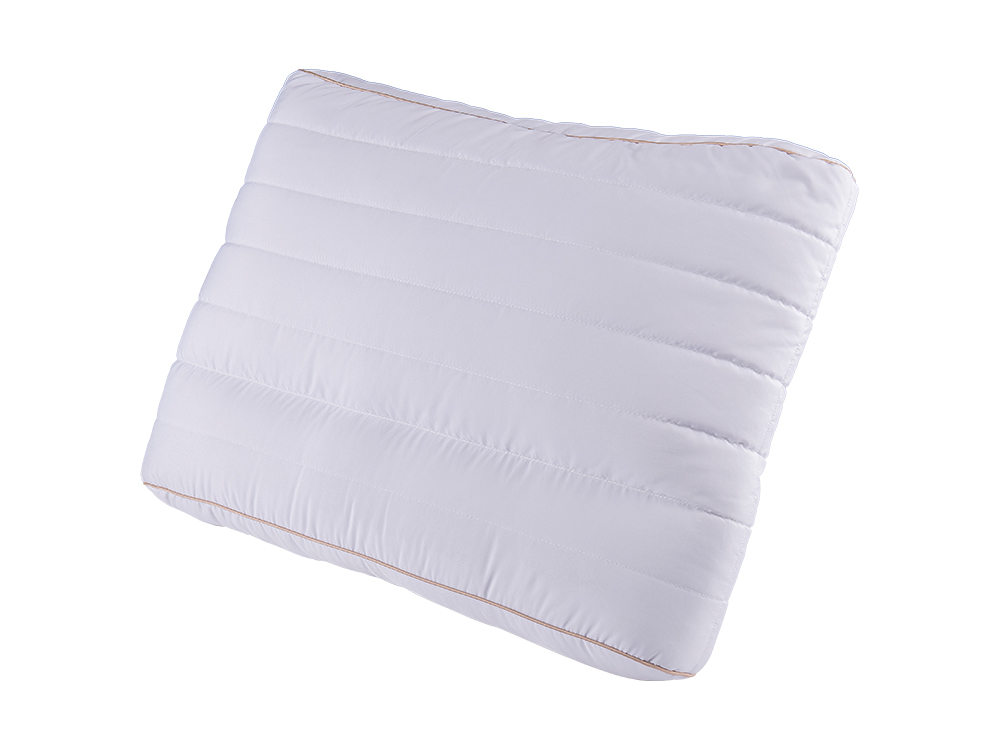
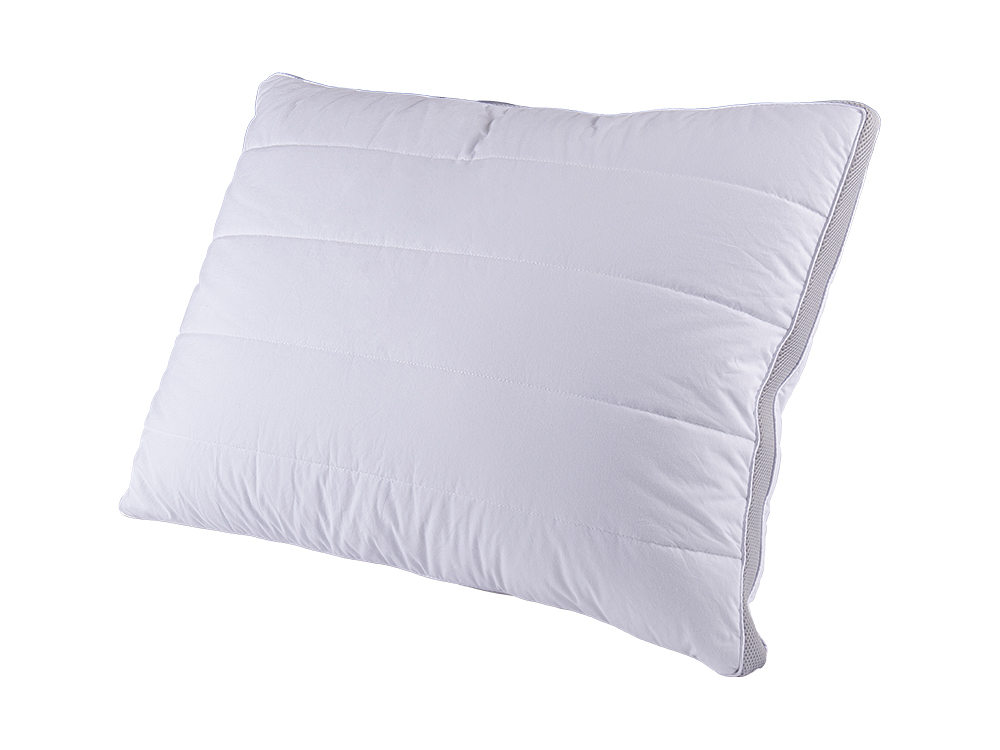
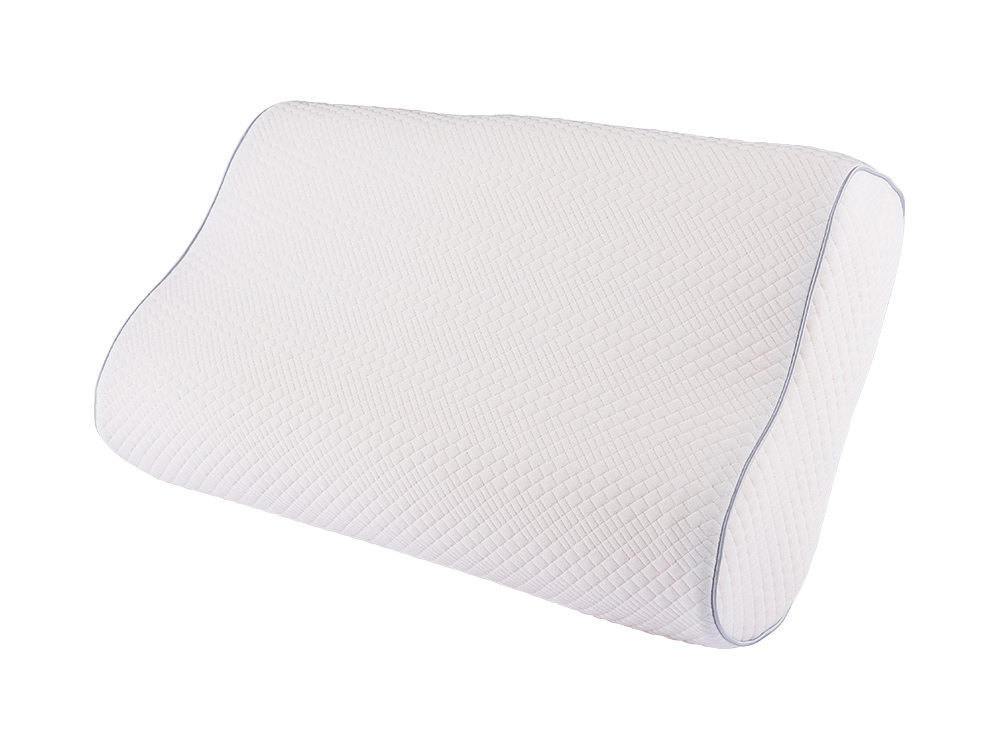
(Image 3: Digital textile printer in operation, printing a custom design)3.2 Filling Production and Cushion Assembly
The filling production process starts with the melting of polyester chips (either virgin or recycled, depending on the product requirements) at a temperature of around 280°C. The molten polyester is then extruded through fine nozzles to form continuous filaments. These filaments are cooled with air and stretched to increase their strength and elasticity. The stretched filaments are then crimped to create a fluffy texture, which is essential for the filling’s ability to retain shape.
The crimped filaments are then carded—a process that aligns the fibers and removes any impurities. The carded fibers are then bonded using a thermal bonding process, where heat is applied to melt the surface of the fibers, causing them to stick together. This creates a uniform, non-woven filling material that is both elastic and durable. The bonded filling is then cut into the desired size for each cushion.
The assembly process involves several steps: first, the printed fabric is cut to the exact dimensions using a computer-controlled cutting machine. This ensures that each piece of fabric is uniform in size, which is critical for the cushion’s appearance. The edges of the fabric are then sewn with a double-stitched seam using high-quality polyester thread—this prevents fraying and increases the cushion’s durability. A hidden zipper is installed on one side of the cushion cover, allowing for easy removal of the filling for washing.
Next, the filling is inserted into the cushion cover. The filling is packed tightly to ensure that the cushion is plump and retains its shape. Once filled, the zipper is closed, and the cushion is inspected for any sewing defects (e.g., loose threads, uneven seams) or filling inconsistencies (e.g., lumps, uneven distribution). Any defective cushions are sent back for rework or recycling.
3.3 Rigorous Quality Control (QC) Processes
Quality control is an integral part of the manufacturing process, not just a final step. The manufacturer has implemented a multi-stage QC system that includes:
1. Raw Material Inspection: Every batch of polyester yarns and filling materials is tested for purity, strength, and compliance with safety standards. For example, the filling is tested for elasticity using a compression tester that measures how quickly it bounces back after being compressed.
2. In-Process Inspection: At each stage of production (weaving, printing, assembly), samples are checked for defects to catch issues early. For example, during the printing process, a sample of fabric is taken every 10 meters to check for color consistency and print quality.
3. Final Inspection: Each finished cushion is visually inspected for print quality, shape, and stitching. A random sample of cushions is also tested for durability (e.g., compression tests to check filling resilience) and washability (e.g., color fastness after washing). Only cushions that pass all tests are packaged and shipped to customers.
This rigorous QC process ensures that only products meeting the highest standards reach customers—reducing returns and building trust.
Manufacturer Strengths: Why This Producer Leads the Market
The manufacturer behind these cushions—Tongxiang Xinlong Bedding Co., Ltd.—is a leading player in the home textile industry, with over 20 years of experience. Its strengths lie in its scale, expertise, certifications, and commitment to innovation. Let’s explore these in detail:
4.1 Scale and Infrastructure
Established in 2002, the company covers an area of 21,000 square meters, with a construction area of 18,000 square meters. It is equipped with advanced production equipment, including 50+ computer-controlled weaving looms, 10 digital textile printers, and 20 filling production lines. The company employs over 320 skilled workers, including 20 engineers, 15 designers, and 30 quality control specialists—all of whom are trained to maintain the highest standards of production.
The scale of the operation allows the manufacturer to handle large orders efficiently while also accommodating small custom orders. For example, the company can produce up to 100,000 cushions per month for bulk orders, while also handling custom orders of 50-100 pieces for individual customers. This flexibility is a key advantage for both bulk buyers (e.g., hotel chains) and individual customers.
4.2 Certifications and Compliance
The company holds several internationally recognized certifications, which are a testament to its commitment to quality and sustainability:
- ISO 9001: Quality management system, ensuring consistent product quality.
- ISO 14001: Environmental management system, minimizing the company’s environmental impact.
- OEKO-TEX 100 and OEKO-STEP: Ensuring that products are free from harmful chemicals and safe for human contact.
- GRS (Global Recycled Standard): Validating the use of recycled materials in production (up to 30% of the polyester used in cushions is recycled).
- BSCI: Social accountability certification, ensuring fair working conditions for employees (e.g., reasonable working hours, fair wages, safe working environment).
Since 2016, the company has also been rated as a safety production standardization enterprise—an indication of its commitment to worker safety and compliance with local and international safety regulations.
4.3 R&D and Innovation
The manufacturer invests heavily in research and development to stay ahead of industry trends. Its team of professional designers and technical personnel continuously develops new fabric patterns, filling materials, and manufacturing techniques. For example, the company recently introduced a new line of cushions with water-repellent fabric—an innovation that addresses the needs of customers with children or pets. This fabric repels liquid spills, making it easy to clean and maintain.
The R&D team also works closely with customers to develop custom solutions. For example, a hotel chain requested a cushion with a logo print and a firm filling for lumbar support. The manufacturer’s design team created a custom print and adjusted the filling density to meet the hotel’s requirements—resulting in a product that exceeded the hotel’s expectations.
4.4 Customer-Centric Approach
At the core of the manufacturer’s success is its customer-centric approach. The company works closely with customers to understand their needs and provide tailored solutions. For businesses, this means offering custom design services, flexible order quantities, and competitive pricing. For individual customers, it means providing clear product information, easy ordering processes, and responsive customer support.
The company also offers after-sales support, including a 1-year warranty on all cushions. If a customer is not satisfied with a product, the company will replace it or refund the purchase price—ensuring customer satisfaction.
Comparative Analysis: How These Cushions Stack Up Against Competitors
To further highlight the advantages of these cushions, let’s compare them with three common types of decorative cushions available in the market:
| Feature | High Elastic Chemical Fiber Cushion | Cotton-Filled Decorative Cushion | Foam-Filled Cushion |
|---|---|---|---|
| Durability (Shape Retention) | 95% after 12 months | 65% after 12 months | 70% after 12 months |
| Color Fastness (After 50 Washes) | No visible fading | 30% fading | 40% fading |
| Hypoallergenic | Yes | No (prone to dust mites) | Yes (but traps moisture) |
| Eco-Certifications | OEKO-TEX 100, GRS, ISO14001 | Limited (if any) | Limited (if any) |
| Customization Options | Full (size, design, fabric) | Limited | Limited |
| Price Point (Standard 40x60cm) | $15-$20 | $10-$15 | $5-$10 |
| Warranty | 1-year | 30 days | No warranty |
As the table clearly shows, the high elastic chemical fiber decorative printed cushion outperforms its competitors in key areas such as durability, color fastness, eco-certifications, and customization. While it may be slightly more expensive than foam or cotton-filled cushions, its long-term value and superior performance make it a worthwhile investment.
Q&A Section: Addressing Common Questions
To help readers make informed decisions, here are answers to some of the most frequently asked questions about these cushions:
Q1: What sizes are available for these cushions?
A: The standard size is 40x60cm, but the manufacturer offers fully customizable sizes to meet specific needs. Whether you need a 30x30cm cushion for an accent chair or a 60x90cm cushion for a bed, the manufacturer can accommodate your request. Custom sizes up to 120x120cm are available.
Q2: Are these cushions safe for people with allergies?
A: Yes. The filling is made from hypoallergenic polyester, which does not harbor dust mites or allergens. Additionally, the fabric is OEKO-TEX 100 certified, meaning it is free from harmful chemicals that could trigger allergies. This makes the cushions a safe choice for individuals with asthma or other respiratory conditions.
Q3: How do I clean these cushions?
A: The cushions are machine washable (on a gentle cycle) with cold water. Avoid using bleach or fabric softeners, as these can damage the fabric and filling. It is recommended to air dry the cushions or tumble dry on low heat to maintain their shape and elasticity. For custom cushions with water-repellent fabric, spot cleaning is sufficient for most spills.
Q4: Can I order custom designs or prints?
A: Yes. The manufacturer offers custom design services for businesses and individual customers. You can provide your own artwork (in high-resolution JPEG or PDF format) or work with the manufacturer’s design team to create a unique print that matches your decor or brand. The minimum order quantity (MOQ) for custom prints is 100 pieces.
Q5: What certifications do the products have?
A: The cushions are certified by OEKO-TEX 100 (safety), GRS (recycled materials), ISO 9001 (quality), and ISO 14001 (environmental management). These certifications ensure that the products are safe, sustainable, and of high quality.
Q6: What is the minimum order quantity (MOQ) for custom orders?
A: The MOQ varies depending on the complexity of the customization. For simple customizations (e.g., size changes), the MOQ is 50 pieces. For more complex designs (e.g., custom prints, water-repellent fabric), the MOQ is 100 pieces. The manufacturer is flexible and can work with customers to find a solution that fits their needs.
Q7: How long does it take to receive an order?
A: The lead time for standard orders is 7-10 days. For custom orders, the lead time is 15-20 days, depending on the complexity of the design and the order quantity. The manufacturer offers express shipping for urgent orders, with a lead time of 3-5 days (additional cost applies).
References (Bibliography)
1. Global Home Textile Market Report 2023-2028. (2023). Grand View Research, Inc. Retrieved from [Industry Report Database]. This report provides insights into the growing demand for eco-friendly and durable home textile products.
2. OEKO-TEX 100 Standard: Guidelines for Textile Safety. (2022). International Association for Research and Testing in the Field of Textile Ecology. This document outlines the criteria for textile products to be certified as safe for human use.
3. Durability Testing of Decorative Cushions: A Comparative Study. (2022). Journal of Home Textile Technology. This study compares the shape retention and color fastness of various cushion types over a 12-month period.
4. ISO 14001:2015 Environmental Management System. (2015). International Organization for Standardization. This standard provides guidelines for organizations to manage their environmental impact.
5. GRS (Global Recycled Standard) Version 4.0. (2021). Textile Exchange. This document outlines the requirements for the use of recycled materials in textile production.
6. BSCI Code of Conduct. (2020). Business Social Compliance Initiative. This document outlines the standards for fair working conditions and social responsibility.
Conclusion
High elastic chemical fiber decorative printed cushions represent the perfect intersection of style, comfort, and durability. With their vibrant prints, long-lasting filling, eco-certifications, and customizable options, they are an ideal choice for homeowners and businesses looking to enhance their spaces. The manufacturer’s advanced manufacturing processes, scale, and commitment to quality further solidify their position as a leading product in the home textile market.
Whether you are decorating a new home, updating your existing space, or looking for a reliable supplier for your business, these cushions offer a solution that meets your needs. By choosing a product that combines superior quality with sustainable practices, you are not only investing in your home but also contributing to a greener future.
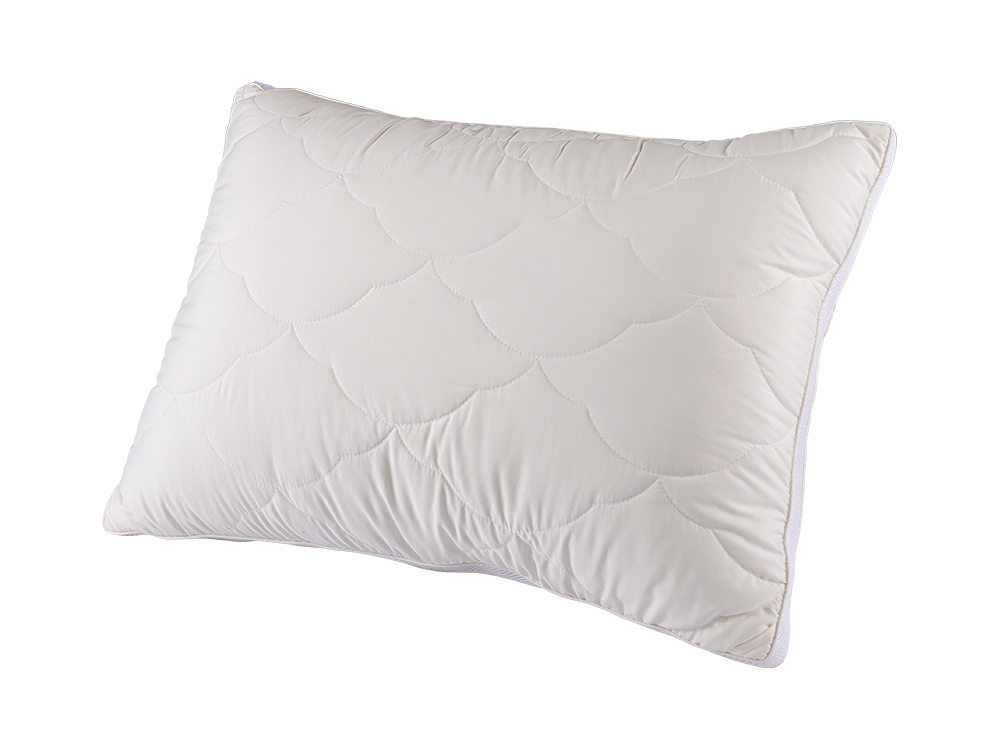
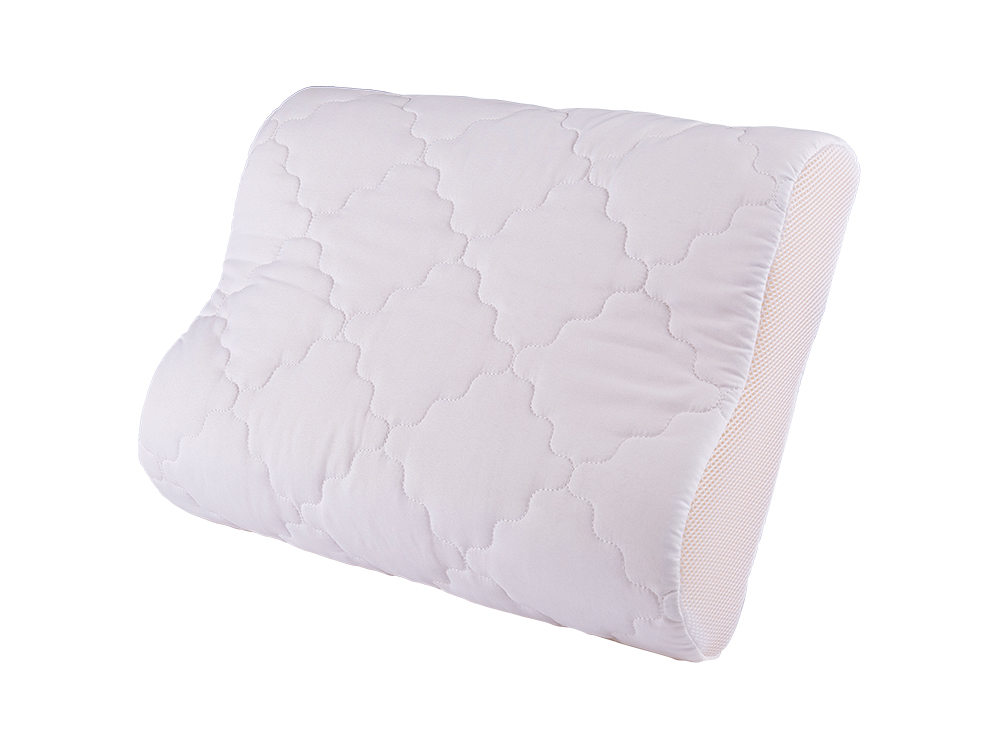
(Image 4: Cushions displayed in a stylish living room setting, complementing the decor)

 +86-573-88798028