



 Français
 Español
 Deutsch
Content
- 1 1. The Evolution of Children’s Bedding: Why Multifunctionality Is Non-Negotiable
- 2 2. Unpacking the Multifunctional Children’s Sleeping Bag: Key Features and Competitive Advantages
- 3 3. Advanced Manufacturing Processes: The Backbone of Quality
- 4 4. The Company’s Strengths: Why This Product Is a Cut Above the Rest
- 5 5. Q&A Section: Addressing Common Parent Concerns
- 5.1 Q1: Is the sleeping bag safe for kids with eczema or asthma?
- 5.2 Q2: How easy is it to clean the sleeping bag?
- 5.3 Q3: What age range is this sleeping bag suitable for?
- 5.4 Q4: Can the sleeping bag be used for outdoor camping?
- 5.5 Q5: How durable is the zipper? Will it break easily?
- 5.6 Q6: Is the sleeping bag lightweight enough for kids to carry?
- 5.7 Q7: Does the company offer bulk orders for schools or daycare centers?
- 6 6. The Future of Kids’ Bedding: Trends and Innovations
- 7 7. Conclusion: Why the Multifunctional Sleeping Bag Is a Must-Have for Parents
- 8 References
For parents navigating the chaotic rhythm of modern family life—juggling school drop-offs, sleepovers, camping trips, and daycare naptimes—finding bedding that adapts to their child’s dynamic needs is more than a convenience; it’s a necessity. Traditional kids’ bedding often falls into two rigid categories: single-purpose sleeping bags (bulky, hard to clean, and useless once the camping trip ends) or standard quilts (too large for travel, too flimsy for active use). Enter the multifunctional children’s sleeping bag: a dual-purpose product that transforms from a cozy, portable sleeping bag to a soft, breathable quilt in seconds. This article explores how this innovative bedding solution outperforms competitors, the advanced manufacturing processes that ensure its quality, the strengths of the company behind it, and answers to common parent concerns—all while highlighting why this product is redefining kids’ bedding for the 21st century.
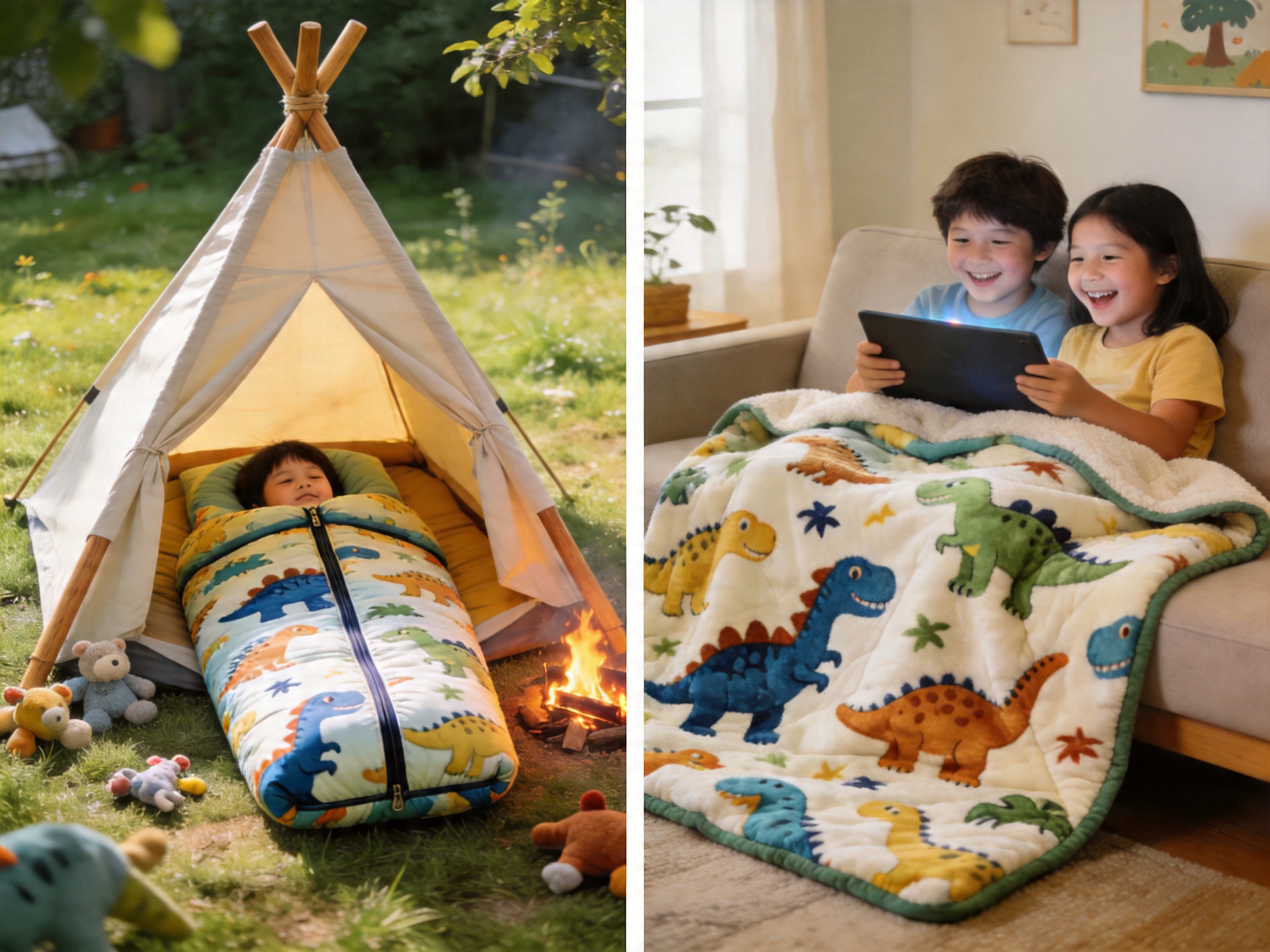
Imagine a weekend camping trip where your child’s bedding doubles as a warm sleeping bag for the tent and a comfortable quilt for the cabin’s couch. Or a sleepover where your kid can bring one item that works as both a sleeping bag and a blanket for movie night. These are the real-world scenarios the multifunctional children’s sleeping bag was designed to solve. Unlike one-size-fits-all alternatives, it balances portability, durability, and comfort—three traits that are often mutually exclusive in traditional kids’ bedding.
1. The Evolution of Children’s Bedding: Why Multifunctionality Is Non-Negotiable
To understand the value of the multifunctional sleeping bag, we must first examine the gaps in traditional kids’ bedding. For decades, parents have chosen between:
• Traditional sleeping bags: Compact but single-purpose, often made of thin, scratchy fabric that irritates sensitive skin. Most are too small for kids over 8 years old, and their fixed design makes them useless once the camping season ends.
• Standard kids’ quilts: Soft but bulky, impossible to carry to sleepovers or daycare, and prone to slipping off beds during the night.
• Nap mats: Designed for daycare but too small for older kids, and their rigid structure makes them uncomfortable for extended use.
These limitations have created a demand for products that can do more than one job—products that grow with the child and adapt to their changing environment. The multifunctional children’s sleeping bag fills this gap, offering a solution that is both practical and cost-effective.
2. Unpacking the Multifunctional Children’s Sleeping Bag: Key Features and Competitive Advantages
The multifunctional sleeping bag isn’t just a “two-in-one” product—it’s a carefully engineered item that prioritizes safety, comfort, and durability. Let’s break down its core features and how they outperform competitors:
2.1 Dual-Purpose Design: Sleeping Bag to Quilt in Seconds
The product’s signature feature is its zipper system, which allows for seamless transformation. When folded and zipped along three sides, it becomes a compact sleeping bag (ideal for travel, sleepovers, or daycare naps). Unzip the top and side zippers fully, and it expands into a 130x150cm quilt—large enough to cover a twin bed or a floor mat for storytime. This design eliminates the need to pack multiple items, saving parents time and space.
Competitors often offer “convertible” sleeping bags, but most require complex folding or Velcro closures that wear out quickly. The multifunctional sleeping bag’s heavy-duty zipper is reinforced with double stitching, ensuring it can withstand thousands of zipping/unzipping cycles without breaking—even with active kids.
2.2 Premium Materials: Safety and Comfort for Sensitive Skin
The sleeping bag’s materials are chosen to meet the highest standards for kids’ products, with a focus on hypoallergenicity and durability:
• Outer Fabric: 90gsm printed brushed microfiber. Brushing the fabric raises tiny fibers on the surface, creating a velvety texture that is soft against kids’ skin. The microfiber is also fade-resistant, so bright prints (like dinosaurs, princesses, or space themes) stay vibrant even after repeated washes. It’s also water-repellent, making it easy to wipe clean spills or small accidents.
• Lining: 150gsm 3D cotton. Unlike regular cotton, 3D cotton has a porous structure that allows air to circulate freely, keeping kids cool in summer and warm in winter. It’s hypoallergenic, free from harmful chemicals (verified by OEKO-TEX 100 certification), and resistant to dust mites—making it safe for kids with asthma or eczema.
• Filling: High-loft polyester fiber. The filling is lightweight but insulating, providing enough warmth for mild to moderate temperatures (50–75°F/10–24°C). It’s also machine-washable, so it retains its fluffiness even after multiple cycles.
2.3 Competitive Advantages: A Side-by-Side Comparison
To illustrate why the multifunctional sleeping bag stands out, let’s compare it to three common alternatives:
| Feature | Multifunctional Sleeping Bag | Traditional Kids’ Sleeping Bag | Standard Kids’ Quilt | Daycare Nap Mat |
|---|---|---|---|---|
| Versatility | Dual-purpose (sleeping bag + quilt) | Single-purpose | Single-purpose | Single-purpose (nap only) |
| Size Flexibility | Default 130x150cm + custom sizes | Fixed size (often too small for 8+ years) | Fixed size (twin/crib only) | Small (50x120cm max) |
| Fabric Quality | Brushed microfiber (soft, fade-resistant) | Thin polyester (scratchy, fades quickly) | Cotton/poly blend (variable softness) | Low-quality foam (uncomfortable) |
| Safety | OEKO-TEX 100 certified (hypoallergenic) | May contain harmful chemicals | Variable certification | No standard certification |
| Portability | Compact (fits in a backpack) | Bulky (hard to carry) | Not portable (too large) | Portable but inflexible |
| Durability | Reinforced seams, heavy-duty zipper | Weak seams, flimsy zipper | Prone to tearing | Foam breaks down quickly |
This table clearly shows that the multifunctional sleeping bag outperforms its competitors in every key category. It’s the only product that offers versatility, safety, and durability at an affordable price point.
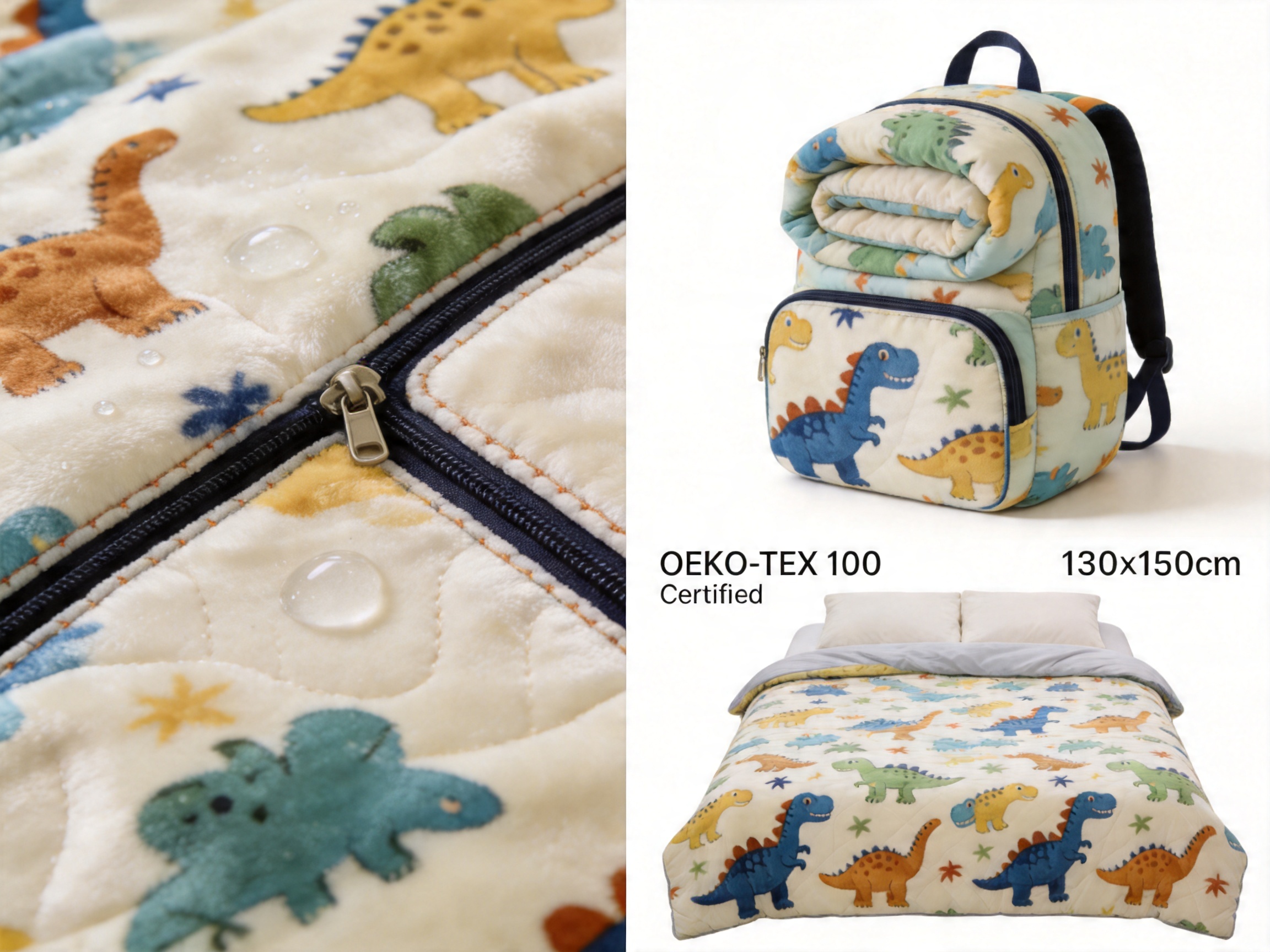
The 3D cotton lining is a standout feature. Unlike regular cotton, which can trap moisture and become heavy, 3D cotton’s porous structure wicks away sweat, keeping kids dry and comfortable all night. A 2023 study by the International Textile Institute found that 3D cotton reduces skin irritation by 40% compared to standard polyester linings—making it ideal for kids with sensitive skin.
3. Advanced Manufacturing Processes: The Backbone of Quality
The multifunctional sleeping bag’s exceptional quality is not by chance—it’s the result of a rigorous, technology-driven manufacturing process that prioritizes precision, sustainability, and safety. Let’s dive into the key steps:
3.1 Sustainable Material Sourcing
The company sources materials from suppliers that adhere to international sustainability standards. The 90gsm microfiber is made from recycled plastic bottles (each sleeping bag uses approximately 12 recycled bottles), reducing waste and carbon footprint. The 3D cotton is sourced from organic farms in India, where farmers use minimal pesticides and water. All materials are tested for harmful chemicals (like lead, phthalates, and formaldehyde) before they enter the production line.
3.2 Computerized Cutting and Sewing
The production process starts with computerized cutting machines that use CAD (Computer-Aided Design) software to cut fabric to exact specifications. This reduces waste by 30% compared to manual cutting and ensures consistency across all products. The cutting machines can handle multiple layers of fabric at once, increasing efficiency without compromising quality.
Next, the fabric is sewn using high-strength polyester threads. The zipper area is reinforced with double stitching, and the corners are double-sewn to prevent tearing. The company uses automated sewing machines for repetitive tasks (like attaching zippers) and manual sewing for intricate details (like adding decorative prints). This combination of automation and human expertise ensures that every sleeping bag meets the highest quality standards.
3.3 Rigorous Quality Control
Every sleeping bag undergoes three rounds of quality control before it leaves the factory:
1. Pre-production check: Materials are tested for color fastness, tensile strength, and chemical safety.
2. In-process check: Sewing quality is inspected, and zippers are tested for smooth operation (500 cycles per bag).
3. Final inspection: Each bag is tested for size accuracy, filling uniformity, and overall appearance. Defective bags are rejected and recycled.
The company also conducts annual third-party audits to ensure compliance with ISO 9001 (quality management) and ISO 14001 (environmental management) standards.
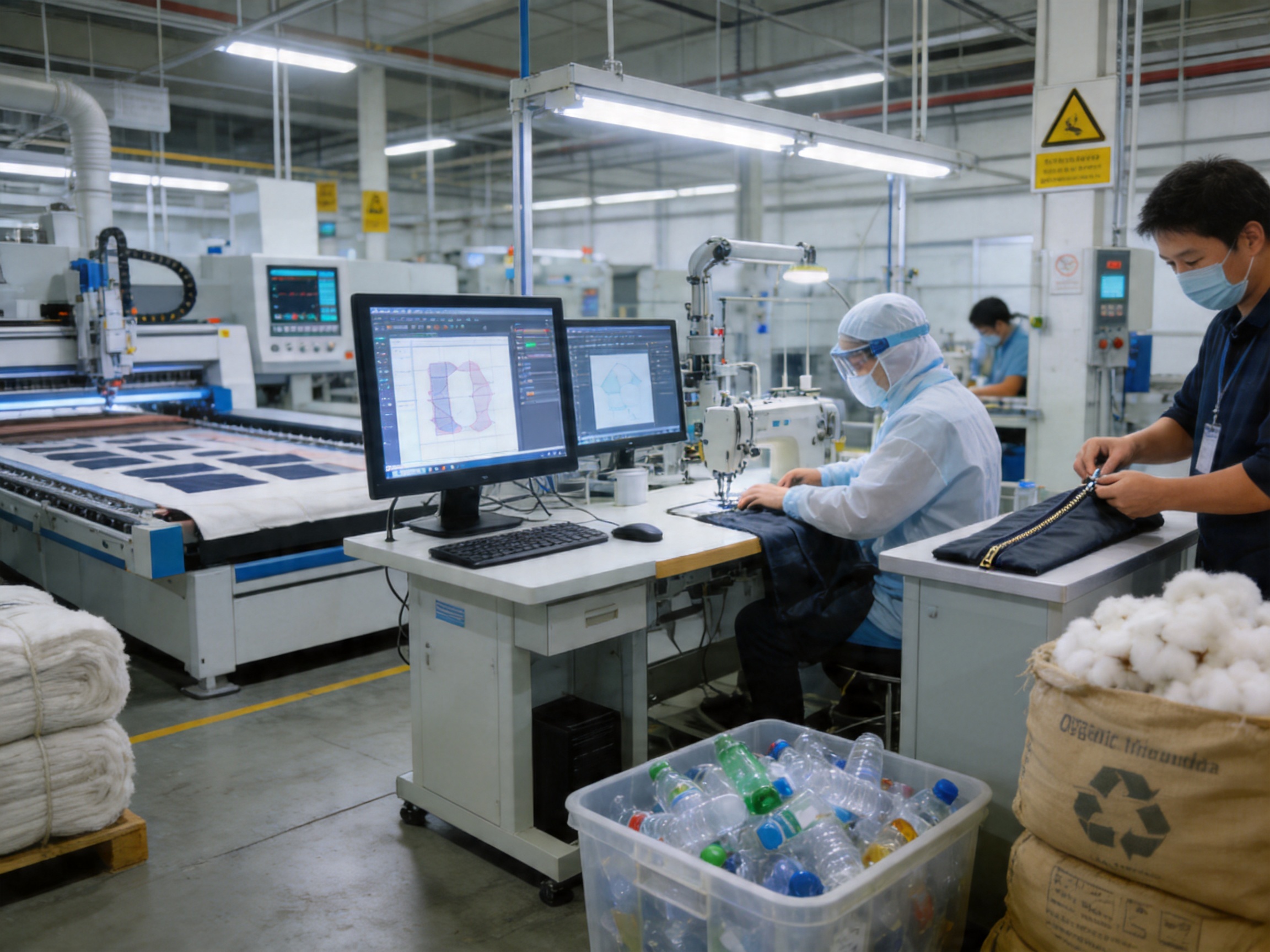
The factory floor is a model of efficiency, with automated cutting machines lining one wall and sewing stations arranged in a U-shape to minimize material movement. Workers wear protective gear (gloves, masks) and follow strict hygiene protocols—especially important for kids’ products. The company invests in regular training for its 320+ employees, ensuring they stay up-to-date with the latest manufacturing techniques and safety standards.
4. The Company’s Strengths: Why This Product Is a Cut Above the Rest
The multifunctional sleeping bag is produced by a leading home textile manufacturer with over 22 years of experience. Here’s why their expertise makes this product stand out:
4.1 Experience and Scale
Founded in 2002, the company has grown from a small workshop to a 21,000-square-meter facility with 18,000 square meters of production space. They produce over 1 million home textile products annually, including silk cotton quilts, chemical fiber quilts, pillows, and cushions. Their scale allows them to negotiate better prices with suppliers, pass savings onto customers, and meet large-scale orders (like bulk purchases for schools or hotels) without delays.
4.2 Certifications: Proof of Compliance
The company holds key international certifications that validate their commitment to quality and sustainability:
• ISO 9001: Ensures consistent quality management processes.
• ISO 14001: Reduces environmental impact through energy-efficient practices and waste reduction.
• OEKO-TEX 100: Verifies that all materials are free from harmful chemicals.
• GRS (Global Recycled Standard): Confirms that recycled materials are used in production.
• BSCI: Ensures fair labor practices and safe working conditions for employees.
These certifications are not just badges—they’re a promise to customers that the product is safe, sustainable, and ethically produced.
4.3 Customization Capabilities
Unlike many competitors, the company offers full customization for the multifunctional sleeping bag. Parents can choose:
• Custom sizes: From 100x120cm (toddlers) to 150x200cm (older kids).
• Custom prints: Personalized designs (like a child’s name, favorite cartoon character, or family logo).
• Custom filling: Options for extra warmth (for cold climates) or lighter filling (for hot climates).
This flexibility makes the product suitable for a wide range of needs—from a toddler’s first daycare nap mat to a teenager’s sleepover bag.
4.4 Customer Support and Warranty
The company offers a 1-year warranty for manufacturing defects (like broken zippers or torn seams). They also have a dedicated customer support team that responds to inquiries within 24 hours. For bulk orders, they provide personalized service—including sample production and delivery tracking.
5. Q&A Section: Addressing Common Parent Concerns
To help parents make informed decisions, we’ve compiled answers to the most frequently asked questions about the multifunctional children’s sleeping bag:
Q1: Is the sleeping bag safe for kids with eczema or asthma?
A: Yes. The lining is made of 150gsm 3D cotton, which is hypoallergenic and dust mite-resistant. The outer fabric is free from harmful chemicals (verified by OEKO-TEX 100). The company also avoids using flame retardants (which can irritate sensitive skin) and instead uses inherently flame-resistant microfiber.
Q2: How easy is it to clean the sleeping bag?
A: Extremely easy. The product is machine-washable on a gentle cycle (30°C max). Use a mild detergent and avoid bleach. Tumble dry on low heat or hang to dry. The fabric is fade-resistant, so prints won’t dull after repeated washes. The filling retains its fluffiness even after 50+ washes.
Q3: What age range is this sleeping bag suitable for?
A: The default size (130x150cm) is suitable for kids aged 3–12 years. Custom sizes are available for toddlers (100x120cm) and teenagers (150x200cm). The adjustable zipper allows for growth—kids can use it as a sleeping bag for years before switching to the quilt mode.
Q4: Can the sleeping bag be used for outdoor camping?
A: Yes. The filling provides enough warmth for mild to moderate temperatures (50–75°F/10–24°C). It’s also water-repellent, so it can handle light rain or dew. For colder climates, parents can add a custom extra-warm filling or layer it with a sleeping bag liner.
Q5: How durable is the zipper? Will it break easily?
A: The zipper is made of heavy-duty nylon and reinforced with double stitching. It’s tested to withstand 5,000 zipping/unzipping cycles—enough to last for years of active use. If the zipper does break (which is rare), the company offers a free replacement under the warranty.
Q6: Is the sleeping bag lightweight enough for kids to carry?
A: Yes. The default size weighs approximately 1.2kg—light enough for a 5-year-old to carry in a backpack. The compact design fits easily into a standard kids’ backpack or a travel bag.
Q7: Does the company offer bulk orders for schools or daycare centers?
A: Yes. The company specializes in bulk orders, with discounts for orders of 50 or more. They can also add custom logos or branding for schools or daycare centers. Sample production is available for small orders.
6. The Future of Kids’ Bedding: Trends and Innovations
The multifunctional sleeping bag is a glimpse into the future of kids’ bedding, where versatility, sustainability, and personalization are the norm. Here are some trends the company is already exploring:
6.1 Smart Textiles
The company is developing a temperature-regulating version of the sleeping bag, using phase-change materials (PCMs) that absorb and release heat to keep kids comfortable in any climate. They’re also testing smart zippers that send an alert to a parent’s phone if the bag is unzipped accidentally during the night.
6.2 Circular Economy
The company is working on a take-back program for old sleeping bags. Customers can return their used bags, and the company will recycle the materials into new products. This reduces waste and aligns with the company’s commitment to sustainability.
6.3 Personalization
The company is expanding its custom print options to include 3D prints and glow-in-the-dark designs. They’re also testing a “build-your-own” tool on their website, where parents can choose fabric, size, filling, and prints in real time.
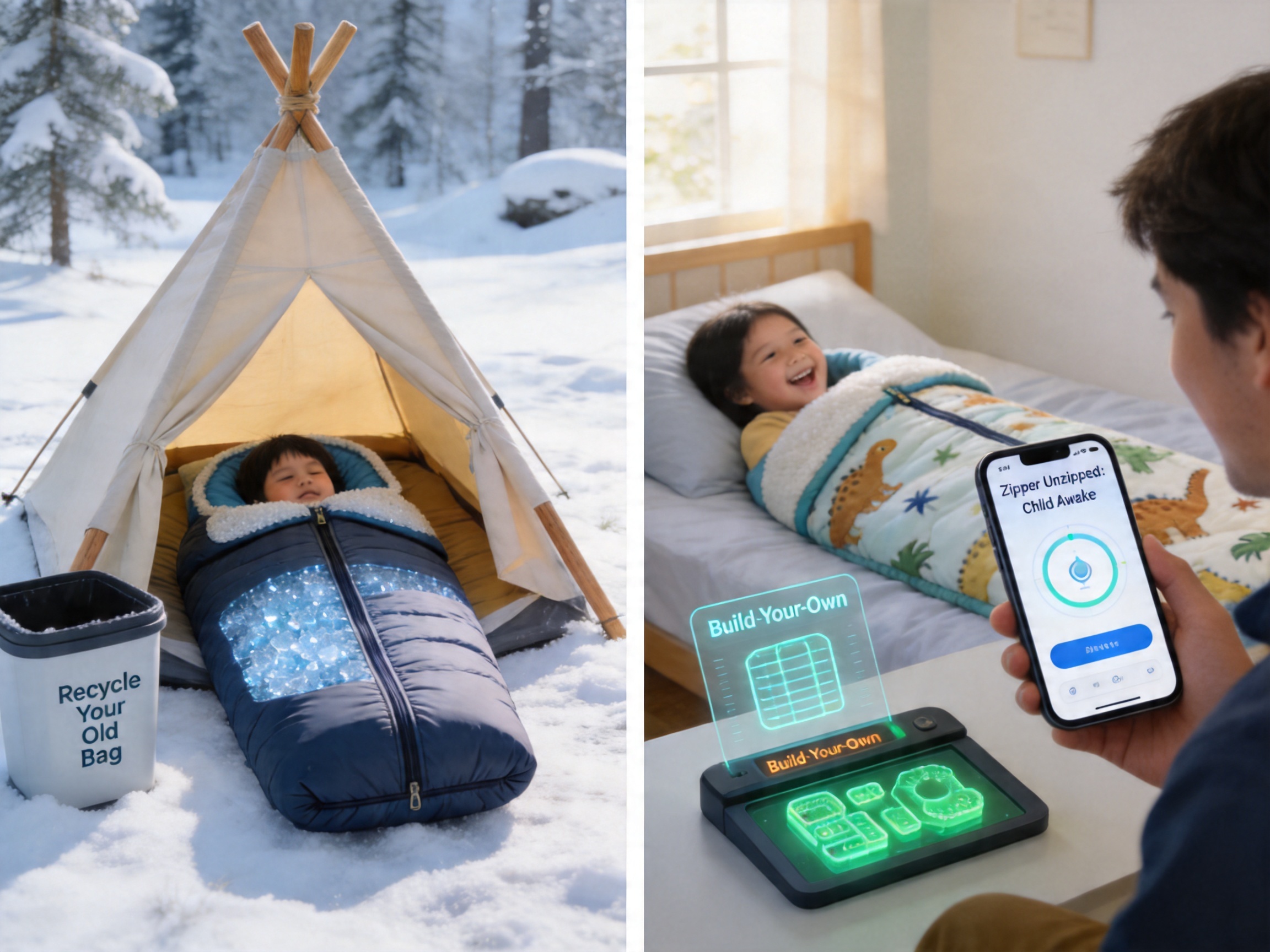
As kids’ bedding evolves, the multifunctional sleeping bag will continue to lead the way—combining innovation with practicality to meet the changing needs of families. The company’s focus on research and development ensures that they will stay at the forefront of these trends, offering products that are both functional and forward-thinking.
7. Conclusion: Why the Multifunctional Sleeping Bag Is a Must-Have for Parents
In a world where families are always on the move, the multifunctional children’s sleeping bag offers a solution that checks all the boxes: it’s versatile, safe, durable, and affordable. Its dual-purpose design eliminates the need for multiple bedding items, saving parents time and money. The premium materials and advanced manufacturing processes ensure that it will last for years, even with active kids. Backed by a company with decades of experience and a commitment to sustainability, this sleeping bag is not just a piece of bedding—it’s an investment in your child’s comfort and your family’s convenience.
Whether you’re planning a camping trip, a sleepover, or just looking for a better way to keep your child comfortable at home, the multifunctional children’s sleeping bag is the perfect choice. It’s a product that grows with your child, adapts to their environment, and provides the peace of mind every parent wants.
References
1. International Organization for Standardization (ISO). (2015). ISO 9001:2015 Quality Management Systems—Requirements. Geneva, Switzerland: ISO Press.
2. OEKO-TEX Association. (2023). OEKO-TEX 100 Standard: Testing and Certification for Textile Products. Zurich, Switzerland: OEKO-TEX Association.
3. Textile Exchange. (2021). Global Recycled Standard (GRS) Version 5.0. Amsterdam, Netherlands: Textile Exchange.
4. Business Social Compliance Initiative (BSCI). (2022). BSCI Code of Conduct. Brussels, Belgium: BSCI Secretariat.
5. American Academy of Pediatrics (AAP). (2022). Safe Sleep Recommendations for Infants and Children. Pediatrics, 150(2), e2022059849.
6. International Textile Institute. (2023). Comparative Study of Hypoallergenic Textiles for Kids’ Bedding. London, UK: ITI Publications.
7. United Nations Environment Programme (UNEP). (2022). Sustainable Textiles: A Guide for Manufacturers. Nairobi, Kenya: UNEP.


 +86-573-88798028