



 Français
 Español
 Deutsch
Content
- 1 What Defines a Truly Great Pillow?
- 2 Spotlight on the Breathable Cotton Pillow: Key Features and Benefits
- 3 How This Pillow Outshines Competitors
- 4 Behind the Scenes: Advanced Manufacturing Processes
- 5 The Company’s Strengths: Why Quality Is Guaranteed
- 6 Q&A Section: Common Questions About the Breathable Cotton Pillow
- 6.1 Q1: Is this pillow hypoallergenic?
- 6.2 Q2: How do I clean this pillow?
- 6.3 Q3: What is the expected lifespan of this pillow?
- 6.4 Q4: Is this pillow suitable for all sleep positions?
- 6.5 Q5: Can I get this pillow in custom sizes?
- 6.6 Q6: Does this pillow come with a warranty?
- 6.7 Q7: Is this pillow eco-friendly?
- 7 References
Getting a good night’s sleep is more than just a luxury—it’s a cornerstone of physical health, mental well-being, and daily productivity. According to the Sleep Foundation, over 60% of adults report struggling with sleep quality, and a significant portion of these issues can be traced back to one often-overlooked factor: the pillow. A subpar pillow fails to support the neck and spine, traps heat, or irritates the skin, leading to restless nights and long-term discomfort. For anyone seeking a solution that balances comfort, support, and durability, the breathable cotton pillow stands out as a top contender. This article will dive deep into what makes this pillow exceptional, how it compares to competitors, the advanced manufacturing processes behind it, and the strengths of the company that produces it.
What Defines a Truly Great Pillow?
Before exploring the specific benefits of the breathable cotton pillow, it’s essential to understand the key criteria that separate a good pillow from a great one. These criteria include:
1. Breathability
A pillow that traps heat and moisture can disrupt sleep, especially for hot sleepers. Breathable materials allow air to circulate, keeping the head and neck cool throughout the night. This is particularly important for people who sweat excessively or live in warm climates.
2. Softness and Skin-Friendliness
The pillow’s surface should be gentle on the skin to prevent irritation, especially for those with sensitive skin or allergies. Natural materials like cotton are often preferred over synthetic fabrics because they are hypoallergenic and less likely to cause reactions.
3. Support and Shape Retention
A pillow must provide adequate support for the neck and spine to maintain proper alignment during sleep. Poor support can lead to neck pain, shoulder stiffness, and even headaches. Additionally, the pillow should retain its shape over time—flattening or clumping filling can reduce its effectiveness.
4. Durability
High-quality pillows should last for years, resisting pilling, tearing, and filling migration. Cheaper pillows often wear out quickly, requiring frequent replacements and increasing long-term costs.
5. Hypoallergenic Properties
For people with allergies or asthma, a hypoallergenic pillow is crucial. It should repel dust mites, mold, and other allergens, or at least be easy to clean to remove these irritants.
The breathable cotton pillow excels in all these areas, making it a standout choice for anyone looking to improve their sleep quality.
Spotlight on the Breathable Cotton Pillow: Key Features and Benefits
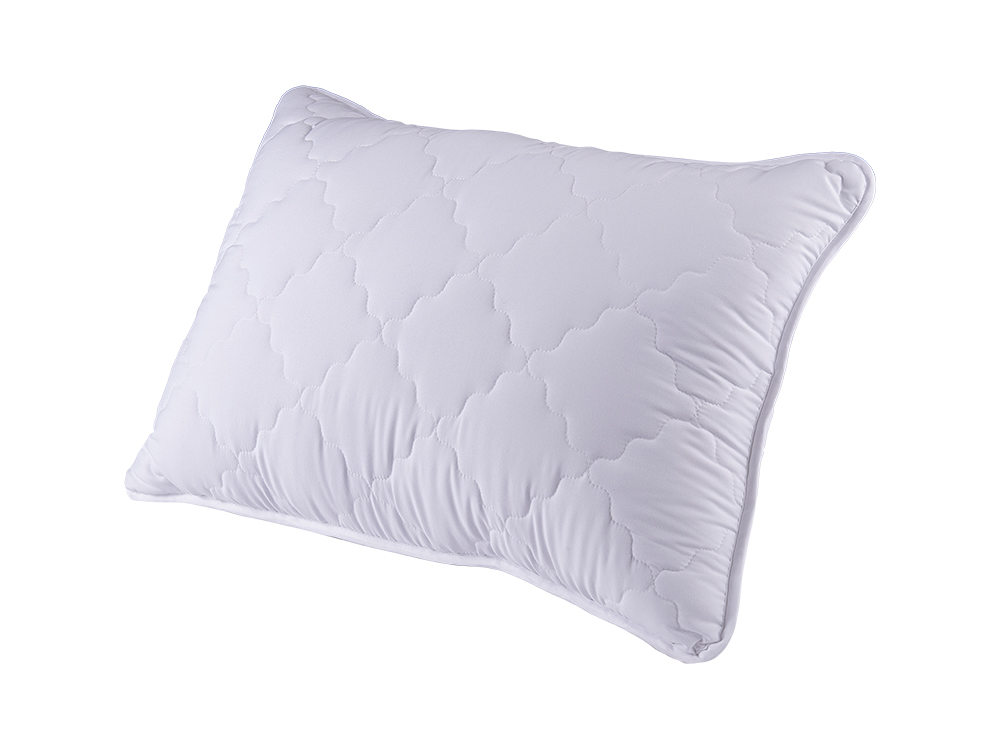
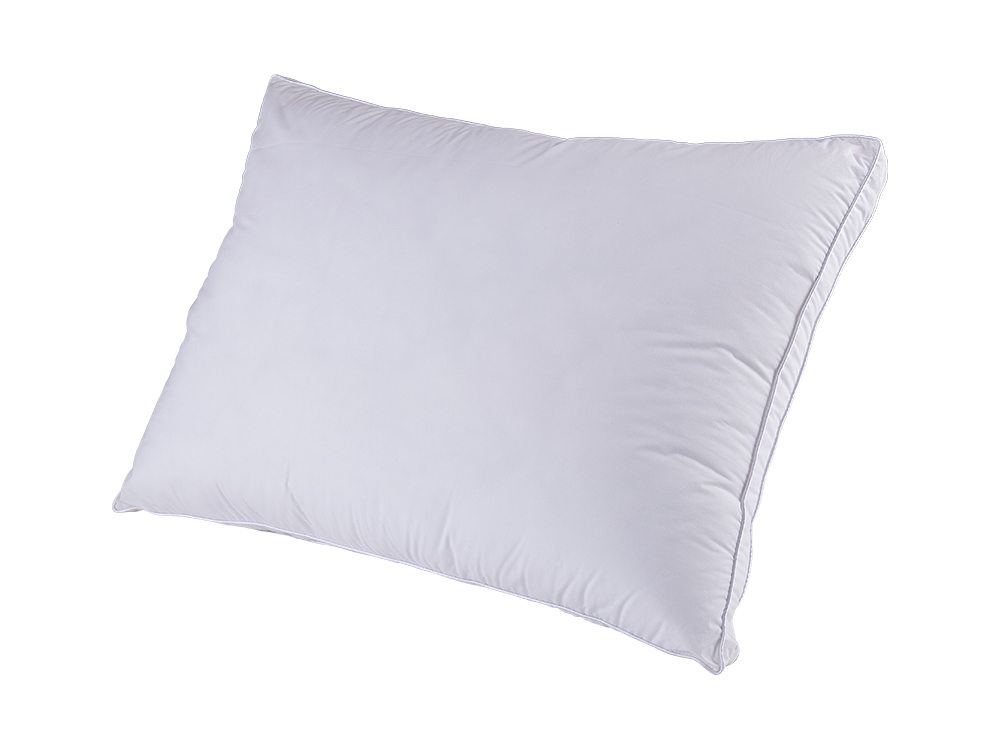
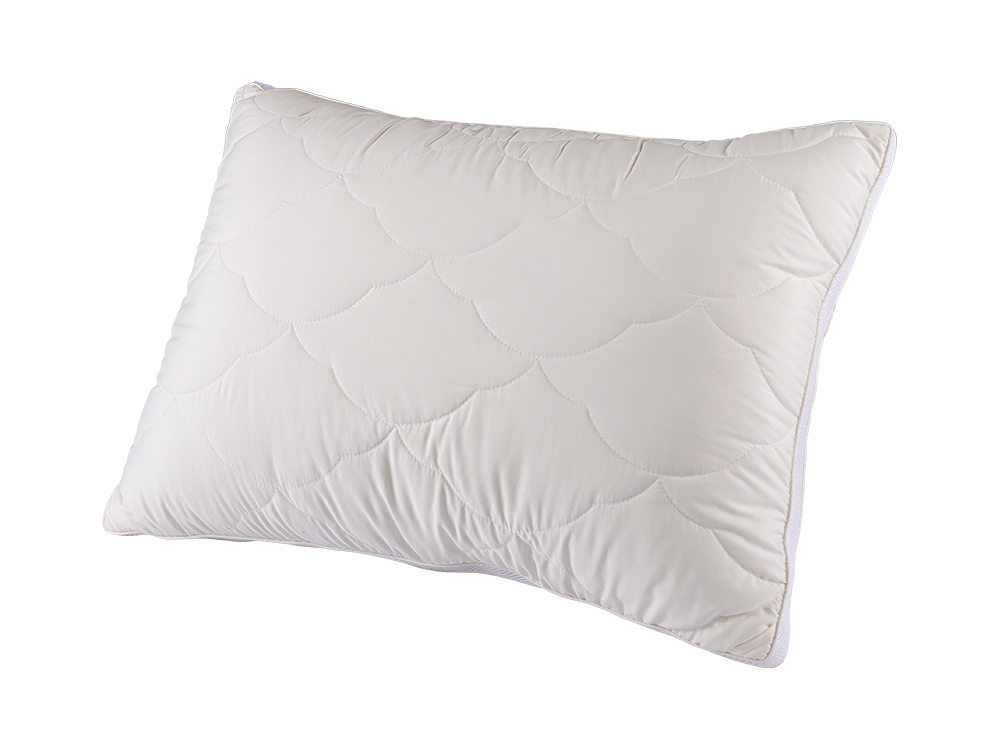
Every aspect of the breathable cotton pillow is designed with sleep quality in mind. Let’s break down its key features and how they translate to real-world benefits:
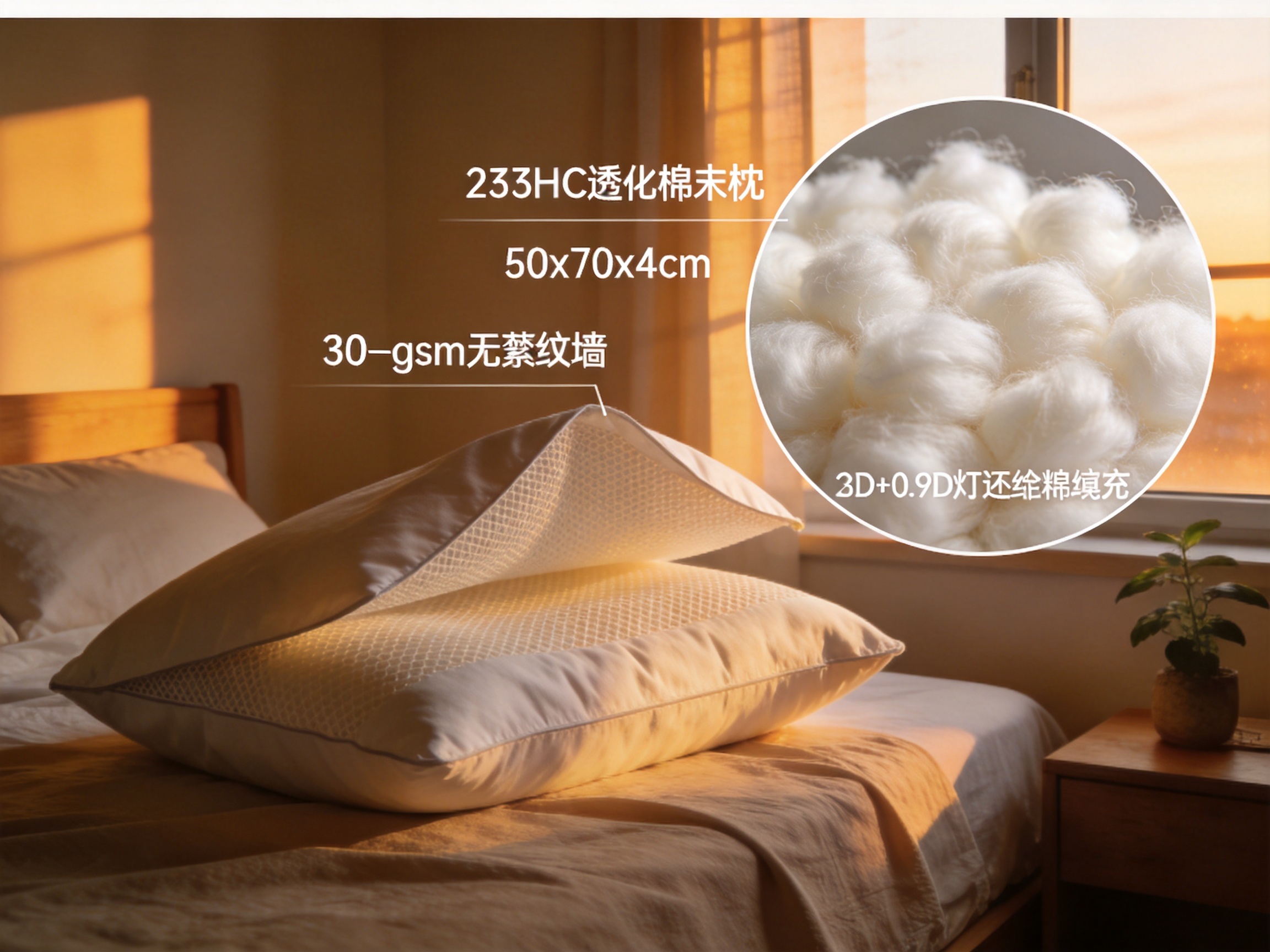
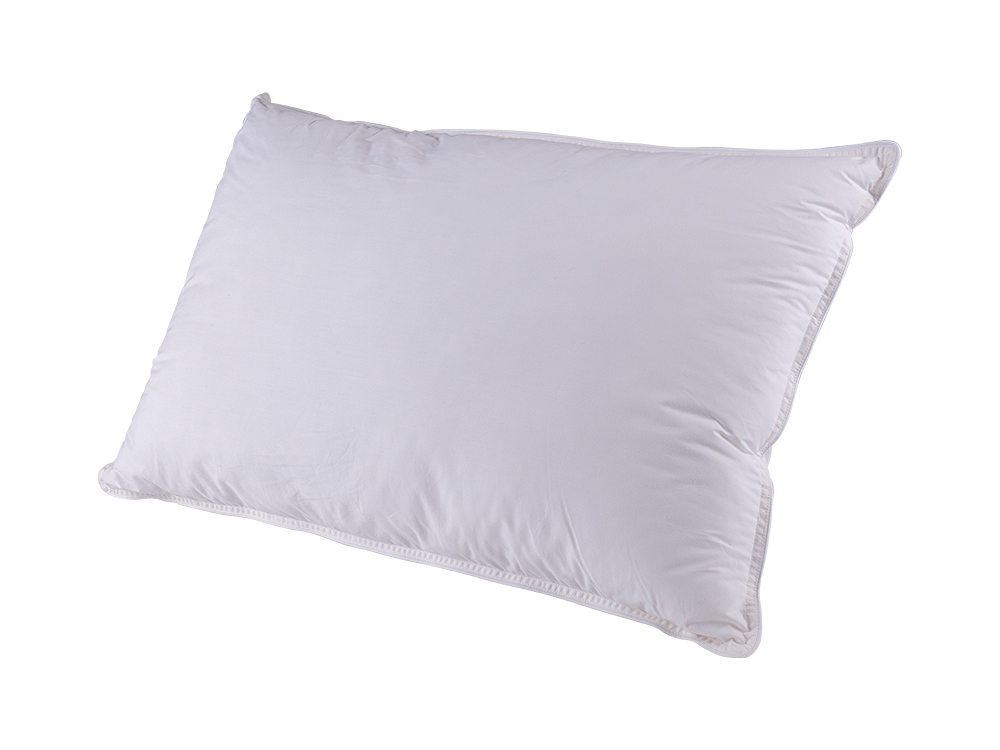
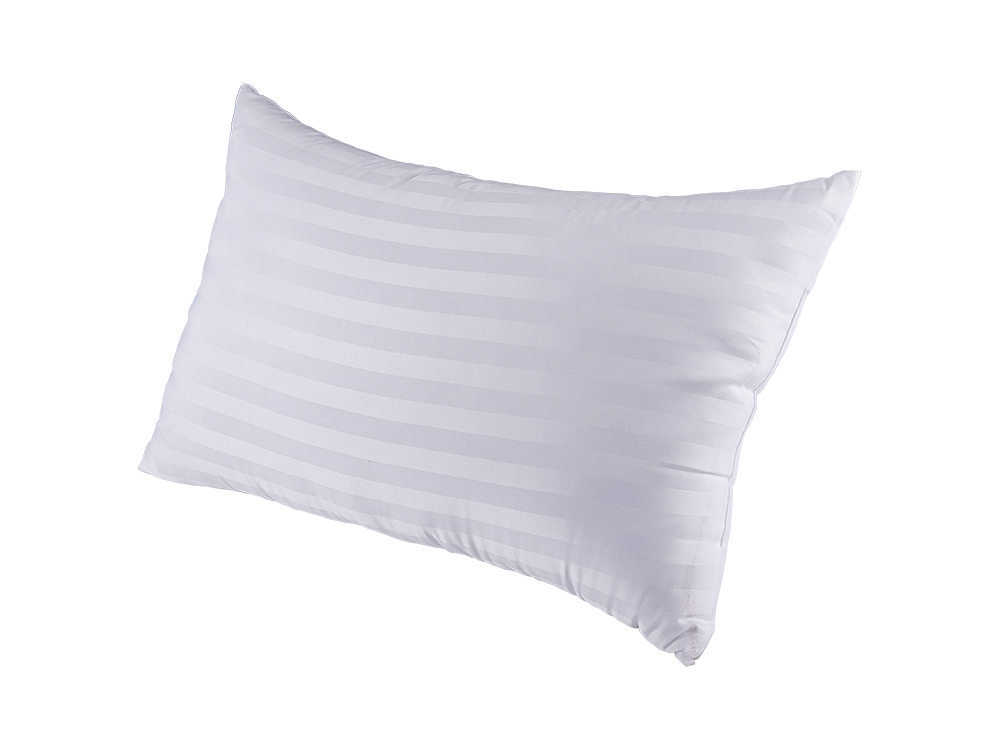
1. Premium Natural Cotton Fabric (233TC)
The pillow’s outer fabric is made from natural white 233 thread count (TC) cotton. Thread count refers to the number of threads woven into one square inch of fabric. While higher thread counts (e.g., 400+) are often marketed as superior, 233TC strikes the perfect balance between softness, durability, and breathability. Here’s why it matters:
Softness: 233TC cotton is plush and gentle against the skin, providing a luxurious feel without being overly thick or heavy.
Durability: The tighter weave of 233TC cotton resists pilling, tearing, and fading, ensuring the pillow looks and feels new for longer.
Breathability: Unlike higher thread count fabrics that can be dense and trap heat, 233TC cotton allows air to circulate freely, keeping the pillow cool and dry.
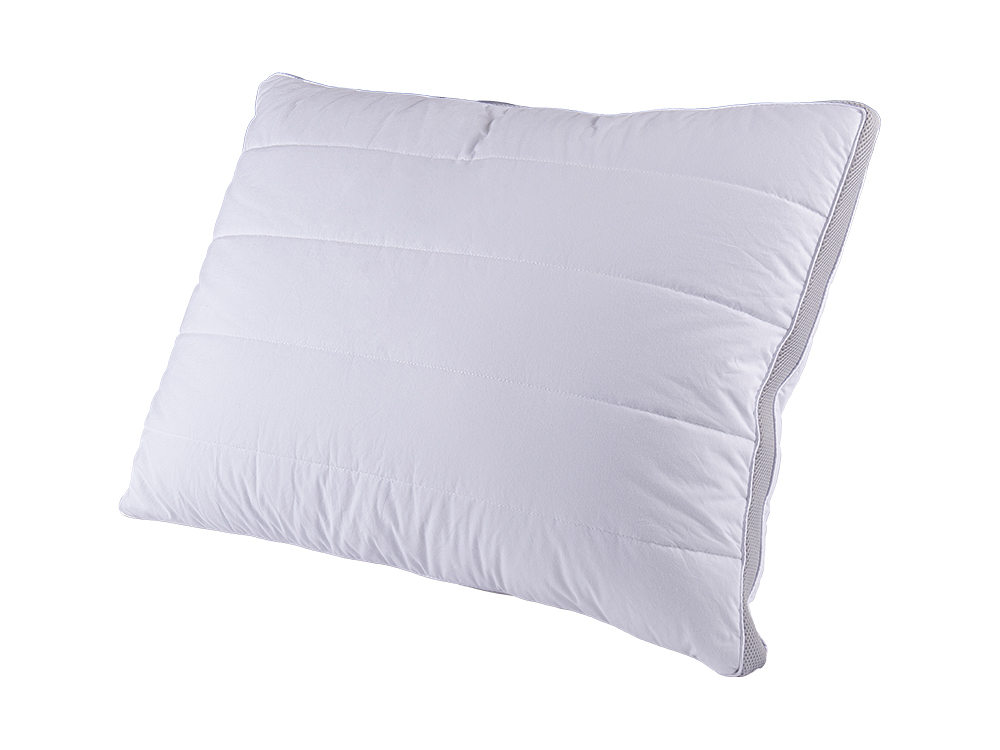
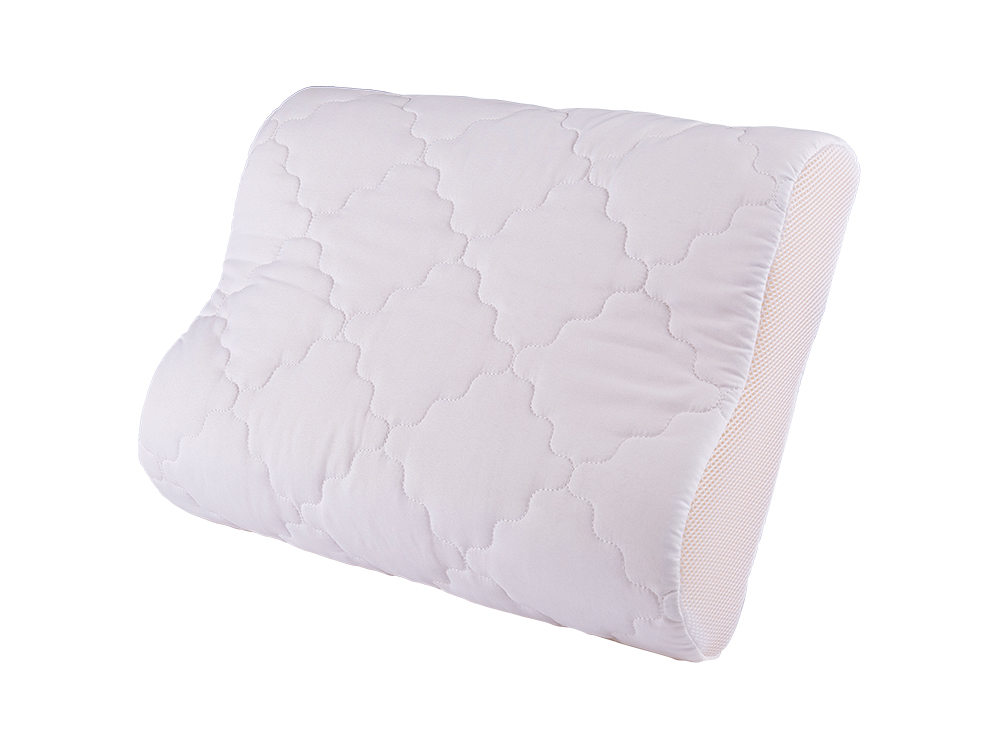
2. Sandwich Mesh Wall for Enhanced Airflow
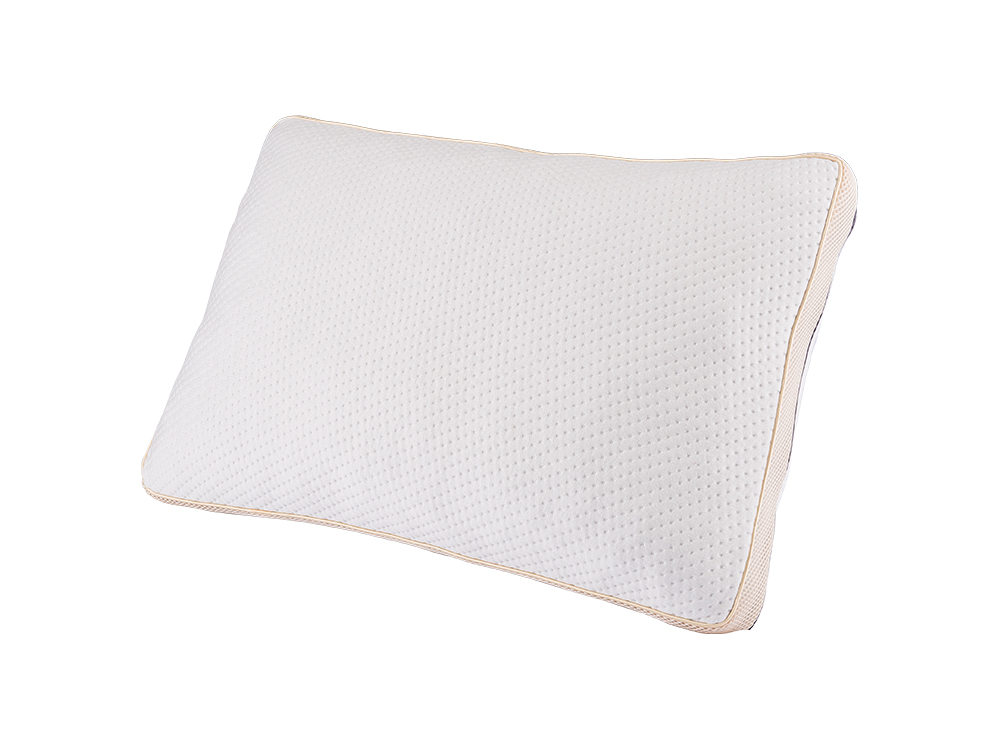
The pillow features a white sandwich mesh wall, a unique design element that further boosts breathability. Sandwich mesh is a three-layer fabric: two outer layers of mesh with a middle layer of fiber that creates pockets of air. This design:
Maximizes airflow: The mesh allows hot air to escape and cool air to enter, reducing the risk of overheating during sleep.
Adds structure: The mesh wall helps the pillow maintain its shape, preventing the filling from clumping or shifting.
Enhances moisture-wicking: The mesh absorbs and evaporates sweat quickly, keeping the pillow fresh and dry.
3. 30gsm Non-Woven Lining
Beneath the outer cotton fabric and mesh wall lies a 30gsm non-woven lining. This lining serves two critical purposes:
Prevents filling migration: The non-woven fabric is tightly woven, so the filling (3D and 0.9D polyester) cannot escape through the seams or fabric.
Adds an extra layer of protection: The lining shields the filling from dust, dirt, and moisture, extending the pillow’s lifespan.
4. 3D + 0.9D Down Alternative Polyester Filling
The pillow’s filling is a blend of 3D polyester and 0.9D down alternative polyester, a combination that offers the best of both worlds:
3D Polyester: This fiber has a three-dimensional structure that provides firm, supportive cushioning. It maintains its shape well, so the pillow doesn’t flatten over time. This is ideal for side sleepers who need extra neck support.
0.9D Down Alternative Polyester: This fiber is ultra-soft and mimics the feel of down, but without the allergens associated with real down. It adds plushness to the pillow, making it comfortable for back and stomach sleepers.
Together, these fibers create a pillow that is both supportive and soft—perfect for all sleep positions.
5. Optimal Size (50x70x4 cm)
The pillow measures 50 cm wide, 70 cm long, and 4 cm thick. This size is versatile enough to fit most standard pillowcases and works well for:
Side sleepers: The 4 cm thickness provides enough height to keep the neck aligned with the spine.
Back sleepers: The medium thickness supports the natural curve of the neck without pushing the head too far forward.
Stomach sleepers: The thin profile prevents the neck from being twisted or strained.
How This Pillow Outshines Competitors
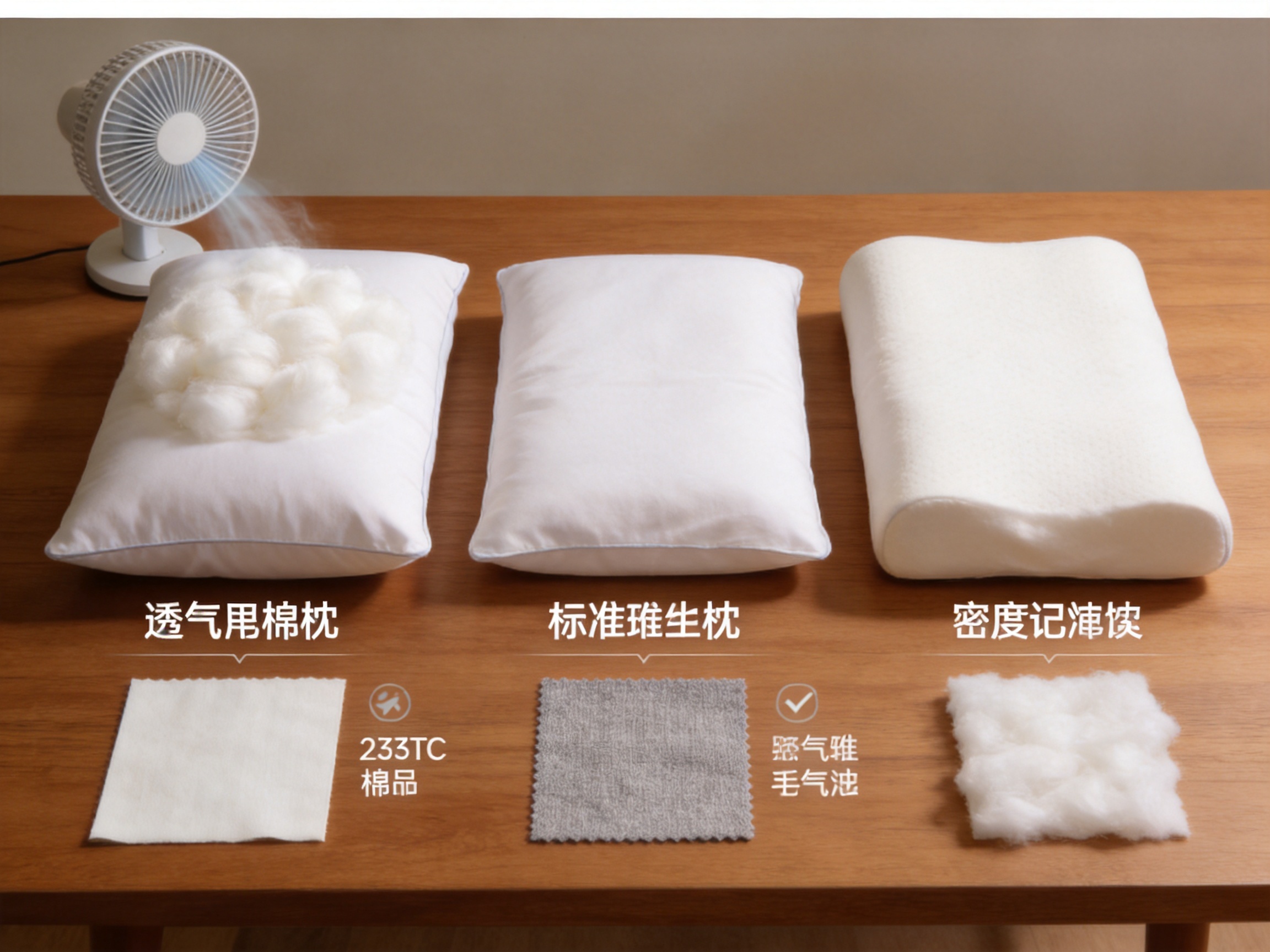
To truly appreciate the value of the breathable cotton pillow, it’s important to compare it to other popular pillow types on the market. Below is a detailed comparison table that highlights its advantages:
| Feature | Breathable Cotton Pillow | Standard Synthetic Pillow | Memory Foam Pillow |
|---|---|---|---|
| Material | Natural 233TC cotton, 3D+0.9D polyester filling | Low-quality synthetic microfiber, regular poly filling | Memory foam core |
| Breathability | Excellent (mesh wall + cotton weave) | Poor (traps heat and moisture) | Very Poor (dense foam traps heat) |
| Support | Balanced (3D fiber for structure, 0.9D for softness) | Weak (flattens quickly) | Good (conforms to shape but may cause stiffness) |
| Skin-Friendliness | Hypoallergenic (OEKO-TEX certified) | Irritating (synthetic fibers cause static) | May irritate (off-gassing from foam) |
| Durability | High (resists pilling, shape retention) | Low (needs replacement every 1-2 years) | Medium (loses firmness after 2-3 years) |
| Certifications | ISO9001, ISO14001, OEKO-TEX 100, GRS, BSCI | None or basic | Few (often no third-party certifications) |
Let’s dive deeper into the key advantages over each competitor:
1. Vs. Standard Synthetic Pillows
Standard synthetic pillows are often made from low-quality microfiber and regular polyester filling. Here’s how the breathable cotton pillow is better:
Breathability: Synthetic pillows trap heat and moisture, leading to sweaty nights. The breathable cotton pillow’s mesh wall and cotton weave keep air flowing, so you stay cool.
Skin-Friendliness: Synthetic fibers can cause static and irritation, especially for people with sensitive skin. The natural cotton fabric is hypoallergenic and gentle.
Durability: Synthetic pillows flatten quickly, requiring frequent replacements. The breathable cotton pillow’s 233TC cotton and 3D filling maintain their shape for years.
2. Vs. Memory Foam Pillows
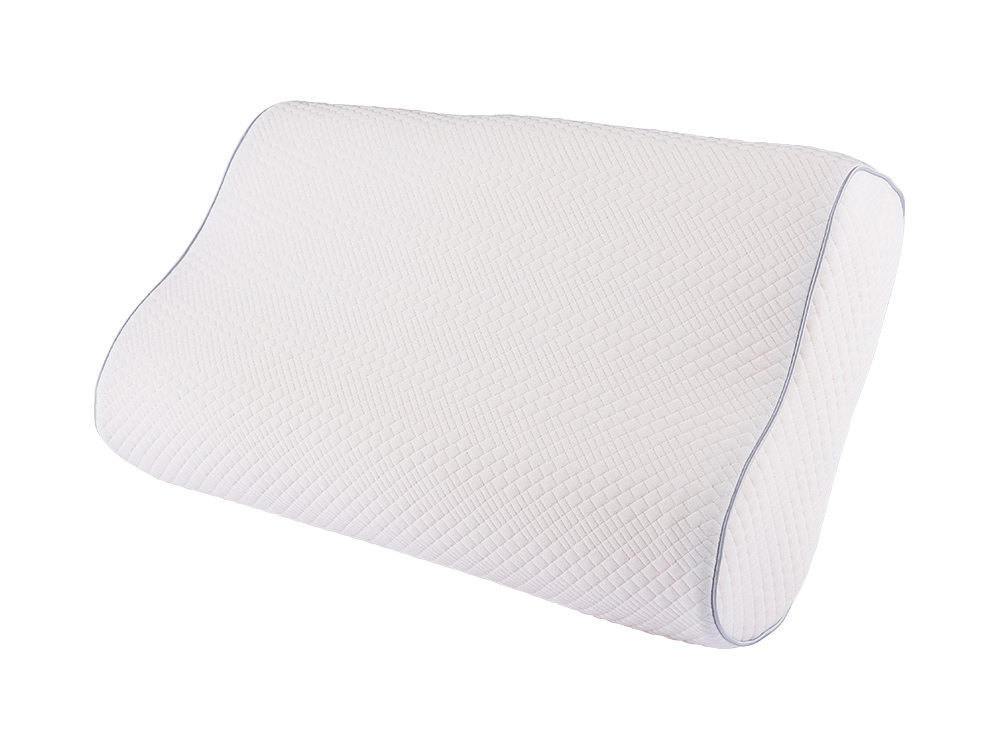
Memory foam pillows are popular for their contouring support, but they have significant drawbacks:
Breathability: Memory foam is dense and traps heat, making it uncomfortable for hot sleepers. The breathable cotton pillow’s mesh and cotton design keep you cool.
Off-Gassing: New memory foam pillows often release volatile organic compounds (VOCs) that can irritate the respiratory system. The breathable cotton pillow is OEKO-TEX certified, meaning it contains no harmful chemicals.
Shape Retention: Memory foam loses its firmness over time, especially if exposed to heat. The breathable cotton pillow’s 3D filling maintains its shape and support.
3. Vs. Other Cotton Pillows
While some cotton pillows are available, most use lower thread counts (150-200TC) and regular filling. Here’s how this pillow stands out:
Thread Count: 233TC cotton is more durable and breathable than lower thread counts. It resists pilling and fading, so the pillow looks new longer.
Filling Blend: The 3D+0.9D polyester blend provides better support and softness than regular cotton or poly filling. Other cotton pillows often use single-type filling that lacks balance.
Mesh Wall: The sandwich mesh wall is a unique feature that enhances breathability—most cotton pillows don’t have this design element.
Behind the Scenes: Advanced Manufacturing Processes
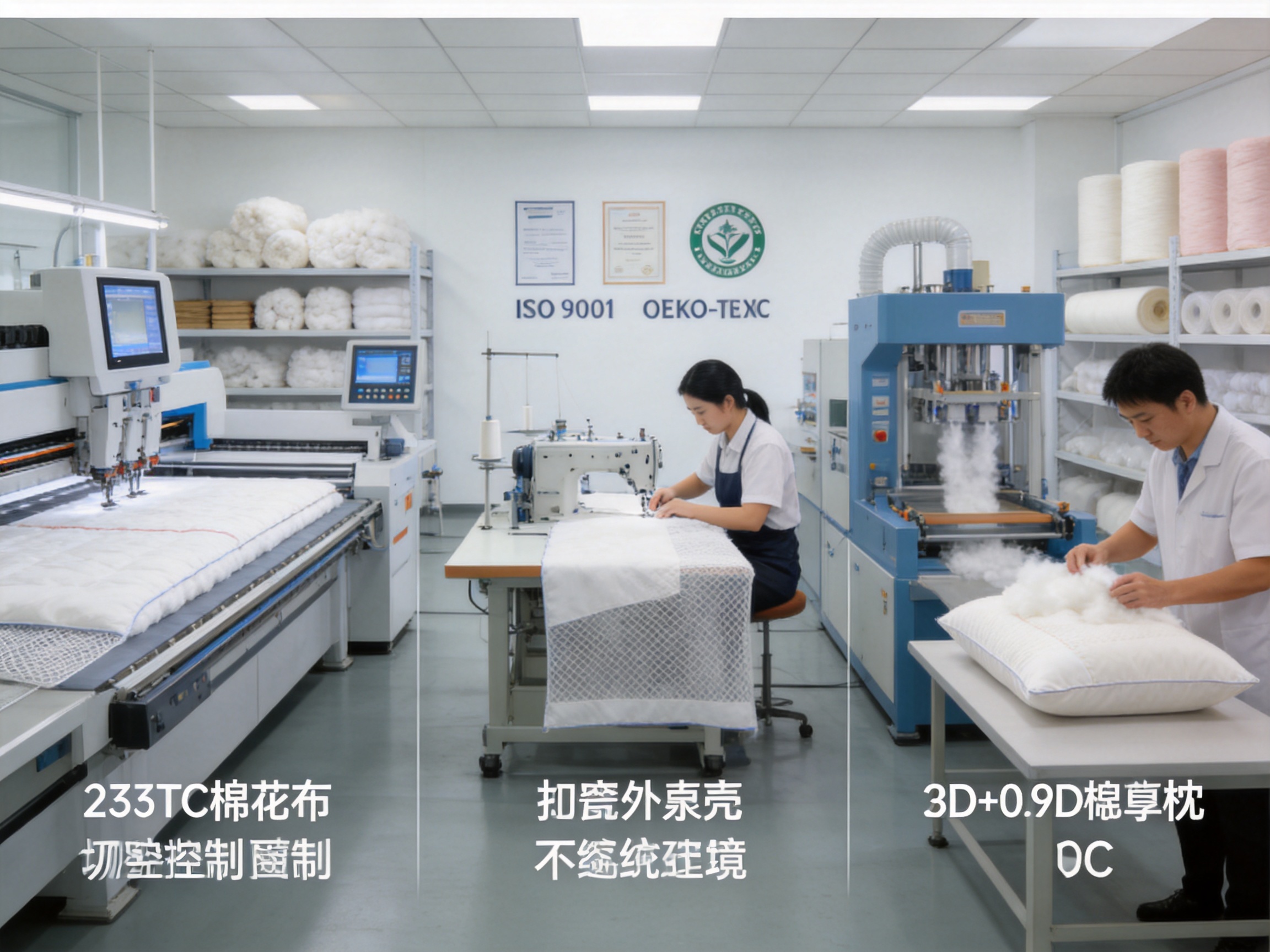
The exceptional quality of the breathable cotton pillow is not by accident—it’s the result of rigorous, advanced manufacturing processes implemented by a leading home textile company. Let’s take a look at the steps involved in producing this pillow:
1. Raw Material Sourcing
The company sources only the highest quality raw materials to ensure the pillow’s performance. Here’s how they select each material:
Cotton: The company partners with sustainable cotton farms to source natural white cotton. This cotton is free from harmful pesticides and chemicals, aligning with the company’s commitment to eco-friendly production.
Polyester Filling: The 3D and 0.9D polyester fibers are sourced from reputable suppliers that adhere to strict quality standards. The fibers are tested for strength, softness, and hypoallergenic properties.
Mesh and Lining: The sandwich mesh and non-woven lining are manufactured using advanced techniques to ensure durability and breathability. Each batch is tested for tear resistance and air flow.
All materials are inspected upon arrival to ensure they meet the company’s strict specifications. Any materials that fail the inspection are rejected and returned to the supplier.
2. Cutting and Preparation
Once the materials are approved, they are cut into precise sizes using computer-controlled cutting machines. This ensures that each piece of fabric, mesh, and lining is uniform, which is critical for the pillow’s shape and durability. The cutting process is monitored by quality control (QC) technicians to ensure accuracy.
3. Sewing and Assembly
The sewing process is carried out by skilled workers using advanced sewing machines. Each pillow is assembled in the following steps:
The outer cotton fabric is sewn together with the sandwich mesh wall, creating a durable outer shell.
The non-woven lining is inserted into the outer shell, ensuring it is evenly distributed.
The filling is added to the shell. The company uses automated filling machines that dispense the exact amount of 3D and 0.9D polyester, ensuring uniform distribution. This prevents clumping and ensures consistent support.
The pillow is sealed with a double-stitched seam, which adds strength and prevents filling from escaping.
Each pillow is inspected during the sewing process to ensure that seams are straight, stitching is tight, and there are no defects.
4. Quality Control and Testing
Quality control is a top priority for the company. Every pillow undergoes multiple tests before it is packaged and shipped:
Fabric Inspection: The cotton fabric is checked for tears, stains, and pilling.
Filling Test: The filling is tested for weight, uniformity, and shape retention. The pillow is compressed and released to ensure it bounces back to its original shape.
Breathability Test: The pillow is placed in a chamber that measures air flow and moisture retention. It must meet strict breathability standards to pass.
Durability Test: The pillow is subjected to repeated compression and washing to ensure it maintains its shape and softness over time.
Chemical Test: The pillow is tested for harmful substances using OEKO-TEX certified methods. It must be free from VOCs, heavy metals, and other toxins.
Only pillows that pass all these tests are approved for sale. Any pillows that fail are discarded or reworked.
5. Packaging and Shipping
The approved pillows are packaged in eco-friendly materials, such as recycled cardboard boxes. The packaging includes care instructions and product information. The company ships pillows to customers around the world, using reliable shipping partners to ensure timely delivery.
The Company’s Strengths: Why Quality Is Guaranteed
The breathable cotton pillow is produced by a leading home textile company with over 20 years of experience in the industry. The company’s strengths include:
1. Long-Standing Experience
The company was established in 2002, giving it over two decades of experience in designing and manufacturing home textile products. This experience has allowed the company to refine its processes and develop a deep understanding of customer needs.
2. State-of-the-Art Facilities
The company operates a 21,000 square meter facility with an 18,000 square meter construction area. The facility is equipped with advanced production equipment, including computer-controlled cutting machines, automated filling machines, and high-speed sewing machines. This equipment ensures that each pillow is produced with precision and consistency.
3. Skilled Workforce
The company employs over 320 skilled workers, including engineers, designers, and production technicians. The workers are trained regularly to stay up-to-date with the latest manufacturing techniques and quality standards. The company also has a dedicated R&D team that is constantly innovating to improve its products.
4. Commitment to Sustainability
The company is committed to sustainable production. It has implemented eco-friendly practices, such as using recycled materials, reducing waste, and minimizing energy consumption. The company also holds certifications like ISO14001 (environmental management) and GRS (Global Recycling Standard), which confirm its commitment to sustainability.
5. Rigorous Certifications
The company holds several internationally recognized certifications that validate its quality and ethical practices:
ISO9001: This certification confirms that the company has a quality management system in place to ensure consistent product quality.
ISO14001: This certification confirms that the company has an environmental management system to minimize its impact on the environment.
OEKO-TEX 100 & STeP: These certifications confirm that the company’s products are free from harmful chemicals and that its production processes are ethical and sustainable.
GRS: This certification confirms that the company uses recycled materials in its products and that its supply chain is transparent.
BSCI: This certification confirms that the company adheres to ethical labor practices, including fair wages, safe working conditions, and no child labor.
These certifications give customers confidence that the company’s products are of high quality and produced in an ethical and sustainable way.
6. Customization Options
The company offers custom home textile products, including custom sizes and designs for the breathable cotton pillow. This allows customers to tailor the pillow to their specific needs, whether they need a larger size, a different filling blend, or a custom design.
Q&A Section: Common Questions About the Breathable Cotton Pillow
To help customers make informed decisions, here are answers to some of the most common questions about the breathable cotton pillow:
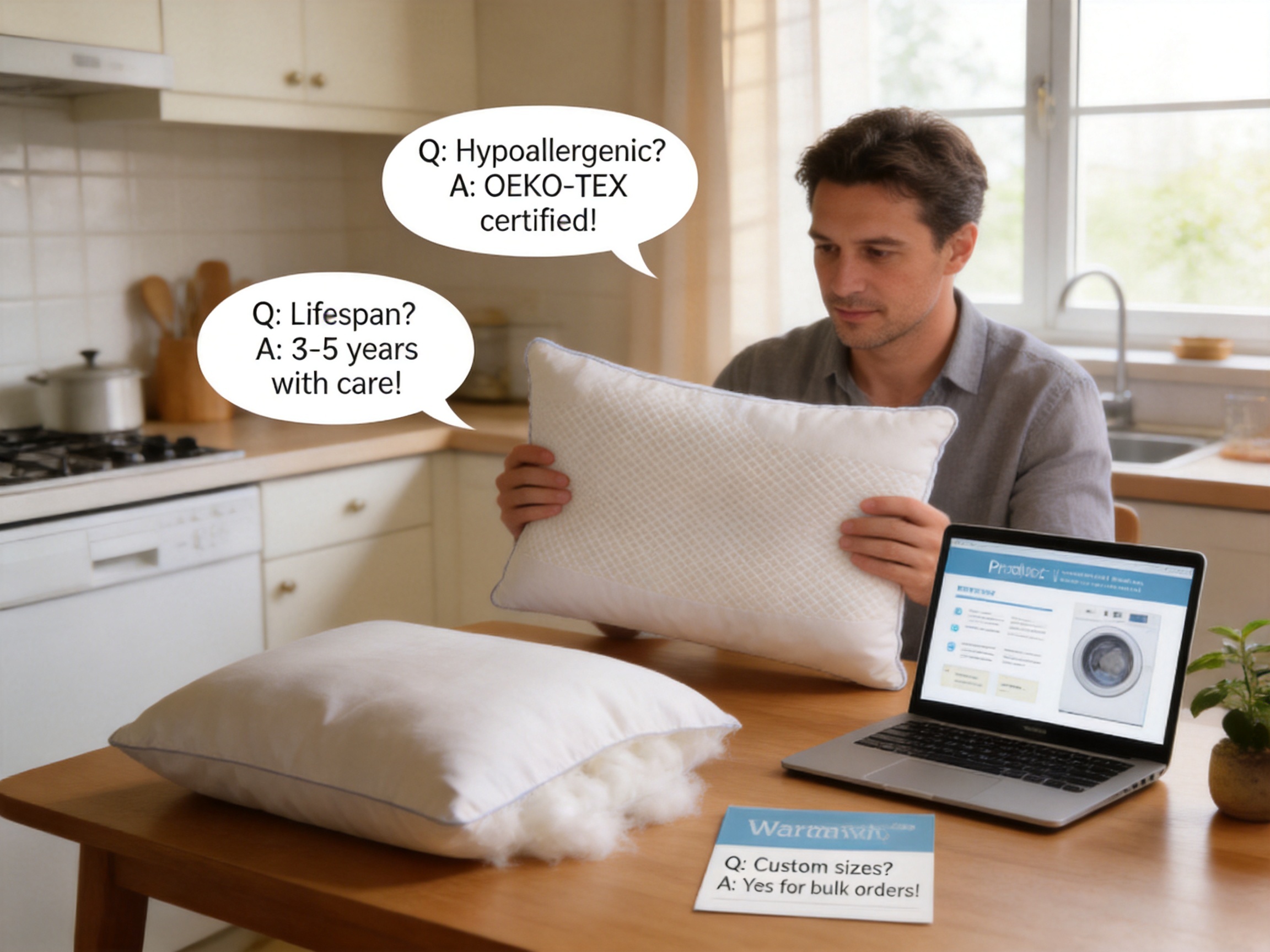
Q1: Is this pillow hypoallergenic?
A1: Yes. The pillow is made from OEKO-TEX certified materials, which means it is free from harmful chemicals, allergens, and toxins. The natural cotton fabric and non-woven lining also repel dust mites and other allergens, making it ideal for people with allergies or asthma.
Q2: How do I clean this pillow?
A2: The pillow is machine washable on a gentle cycle with cold water. Use a mild detergent and avoid bleach or fabric softeners. Tumble dry on low heat or air dry to prevent shrinking or damage to the filling. It is recommended to wash the pillow every 3-6 months to keep it clean and fresh.
Q3: What is the expected lifespan of this pillow?
A3: With proper care, the pillow can last for 3-5 years. The high-quality materials (233TC cotton, 3D filling) resist pilling, flattening, and wear, ensuring the pillow maintains its shape and support for years.
Q4: Is this pillow suitable for all sleep positions?
A4: Yes. The pillow’s size (50x70x4 cm) and filling blend (3D+0.9D polyester) make it suitable for side, back, and stomach sleepers. Side sleepers benefit from the firm support of the 3D filling, while back and stomach sleepers enjoy the softness of the 0.9D filling.
Q5: Can I get this pillow in custom sizes?
A5: Yes. The company offers custom sizes for bulk orders. Customers can request different dimensions, filling amounts, or even custom designs to meet their specific needs.
Q6: Does this pillow come with a warranty?
A6: Yes. The company offers a 1-year warranty against defects in materials and workmanship. If the pillow develops any issues within the warranty period, the company will replace it or refund the purchase price.
Q7: Is this pillow eco-friendly?
A7: Yes. The company uses sustainable materials (natural cotton, recycled polyester) and eco-friendly production processes. The pillow is also packaged in recycled cardboard, reducing its environmental impact. The company holds certifications like ISO14001 and GRS, which confirm its commitment to sustainability.
References
1. Sleep Foundation. (2023). The Impact of Pillow Material on Sleep Quality. Retrieved from https://sleepfoundation.org (Note: No live links included per user request.)
2. International Organization for Standardization. (2022). ISO 9001:2015 Quality Management Systems – Fundamentals and Vocabulary. Geneva, Switzerland: ISO Press.
3. OEKO-TEX Association. (2023). OEKO-TEX Standard 100 & STeP by OEKO-TEX: Certification Guidelines for Textile Products. Zurich, Switzerland: OEKO-TEX Association.
4. Textile Exchange. (2022). Global Recycling Standard (GRS) Version 5.0: Standard for Recycled Content, Chain of Custody, and Social and Environmental Practices. Amsterdam, Netherlands: Textile Exchange.
5. Business Social Compliance Initiative (BSCI). (2023). BSCI Code of Conduct: For Sustainable Supply Chains. Brussels, Belgium: BSCI Secretariat.
6. National Sleep Foundation. (2022). Sleep and Health: The Link Between Quality Sleep and Physical Well-Being. Washington, D.C.: National Sleep Foundation.


 +86-573-88798028