



 Français
 Español
 Deutsch
Content
- 1 Introduction to Polyester Printed Pillows
- 2 Key Advantages of Polyester Printed Pillows Over Competitors
- 3 Advanced Manufacturing Processes Behind Premium Polyester Printed Pillows
- 4 Industry Strengths That Elevate Polyester Printed Pillow Quality
- 5 Product Specifications Table
- 6 Frequently Asked Questions (Q&A)
- 7 Conclusion
- 8 References
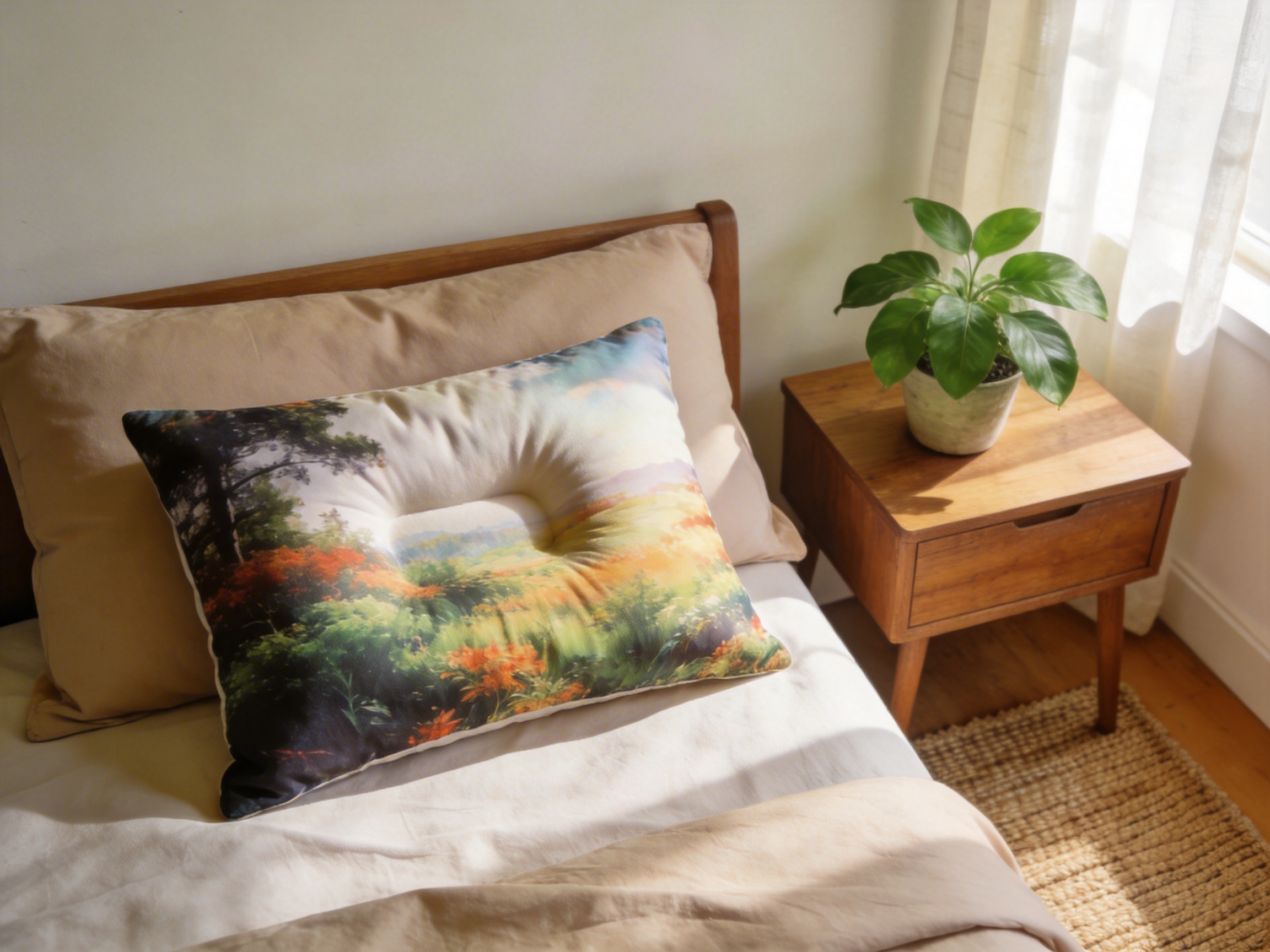
When it comes to enhancing home comfort and sleep quality, few items are as impactful as a well-designed pillow. For decades, consumers have navigated a crowded market of options—from down-filled luxury to memory foam support—each promising unique benefits. However, one category has emerged as a standout in recent years: polyester printed pillows. Combining aesthetic appeal, durability, and affordability, these pillows have become a go-to choice for homeowners and interior designers alike. But what sets them apart from their competitors? And how do modern manufacturing processes ensure they meet the highest standards of quality? This guide delves into the world of polyester printed pillows, exploring their key advantages, the advanced techniques behind their production, and the industry strengths that make them a reliable investment for any household.
Introduction to Polyester Printed Pillows
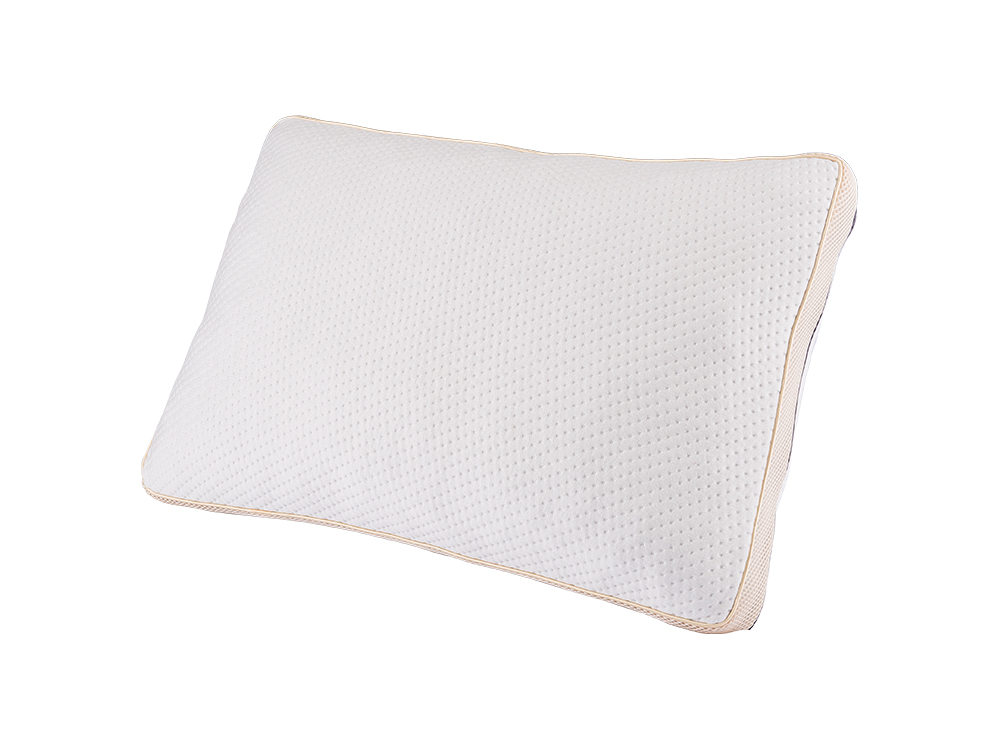
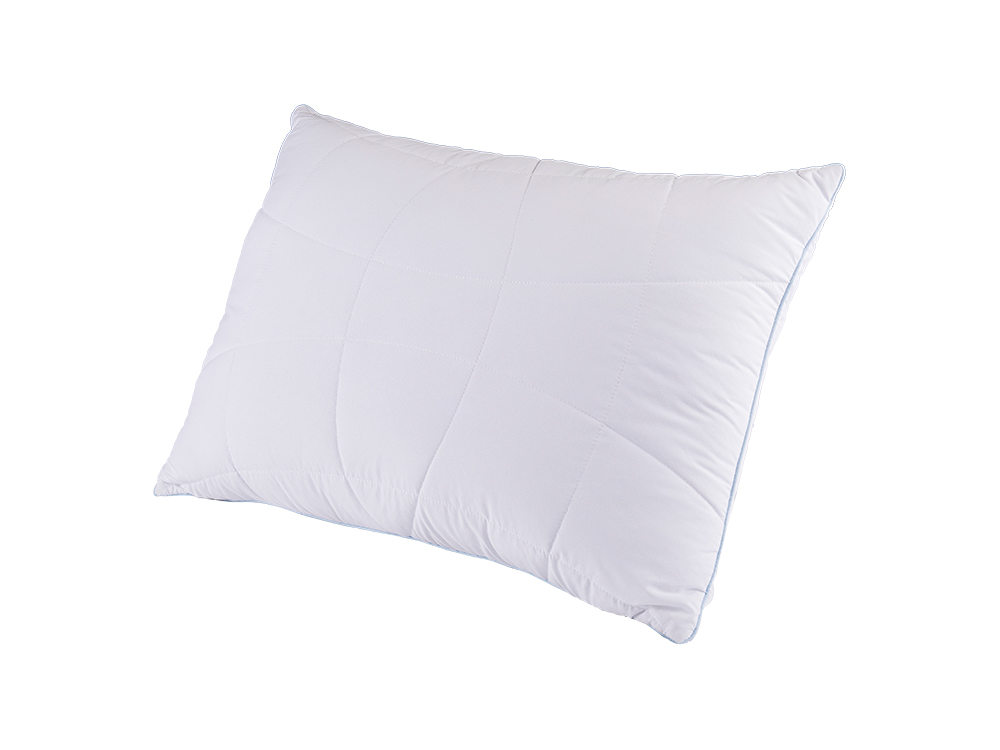
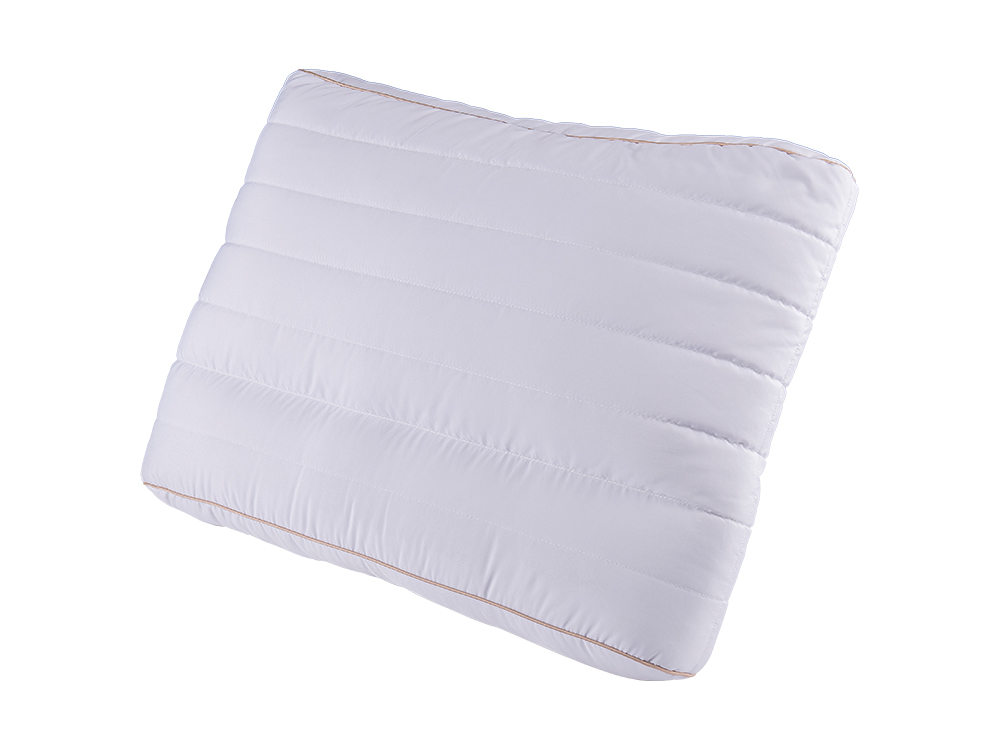
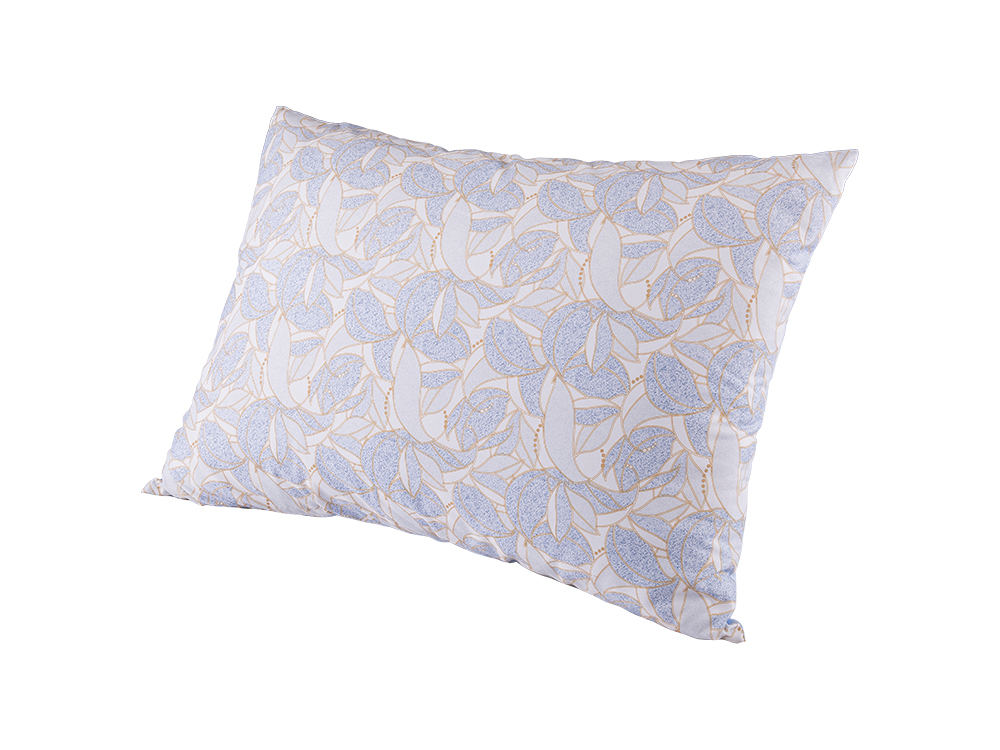
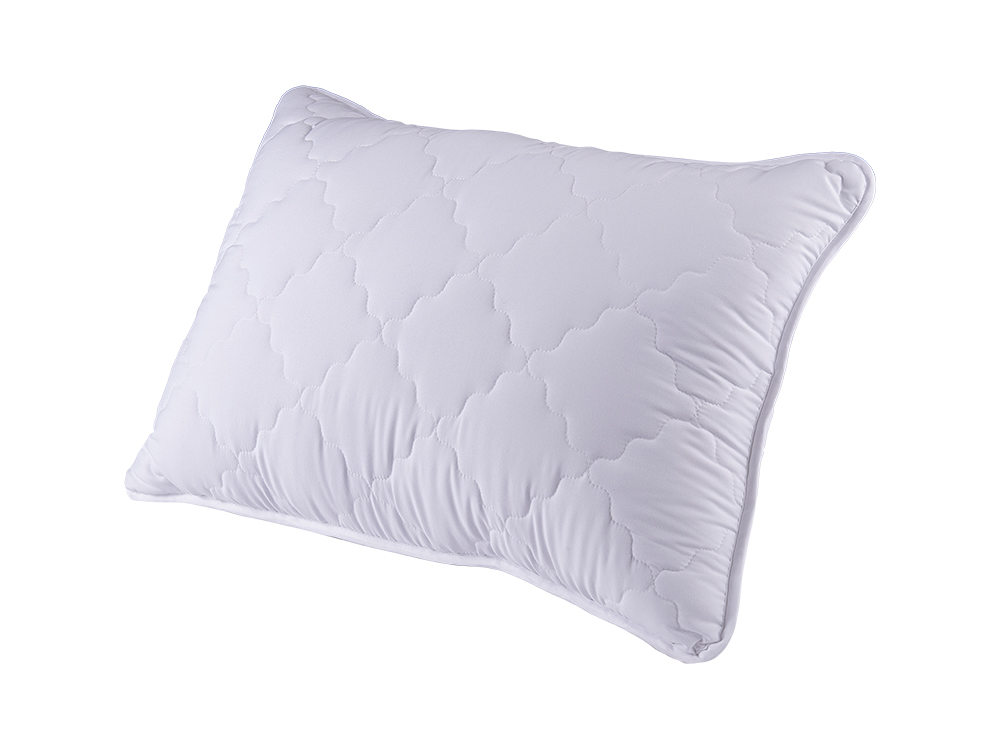
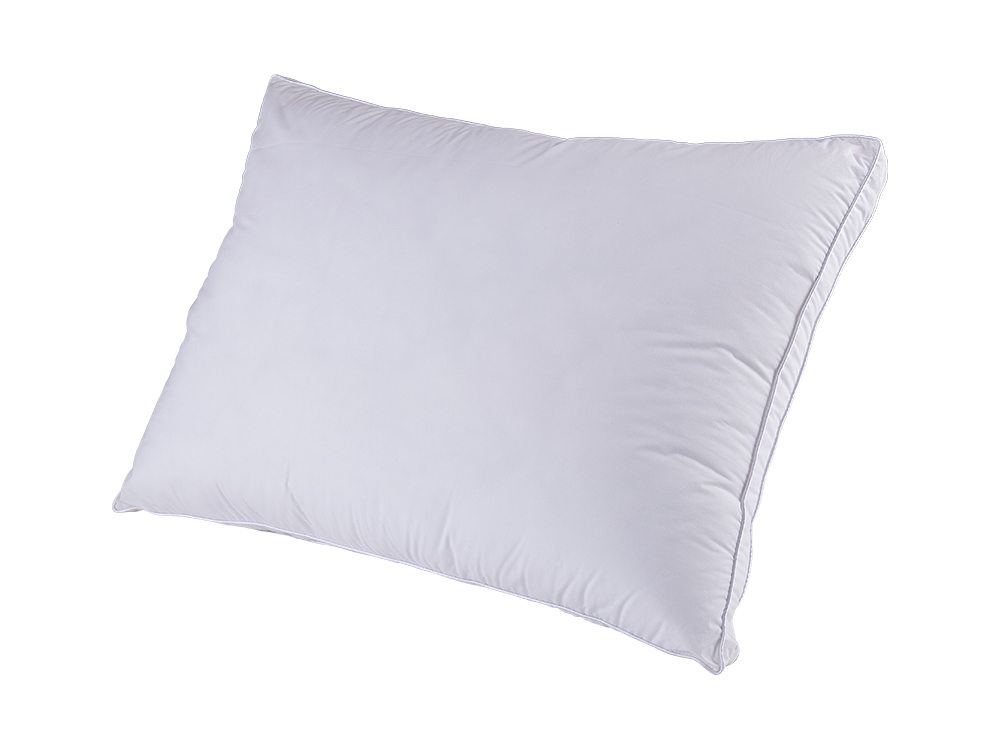
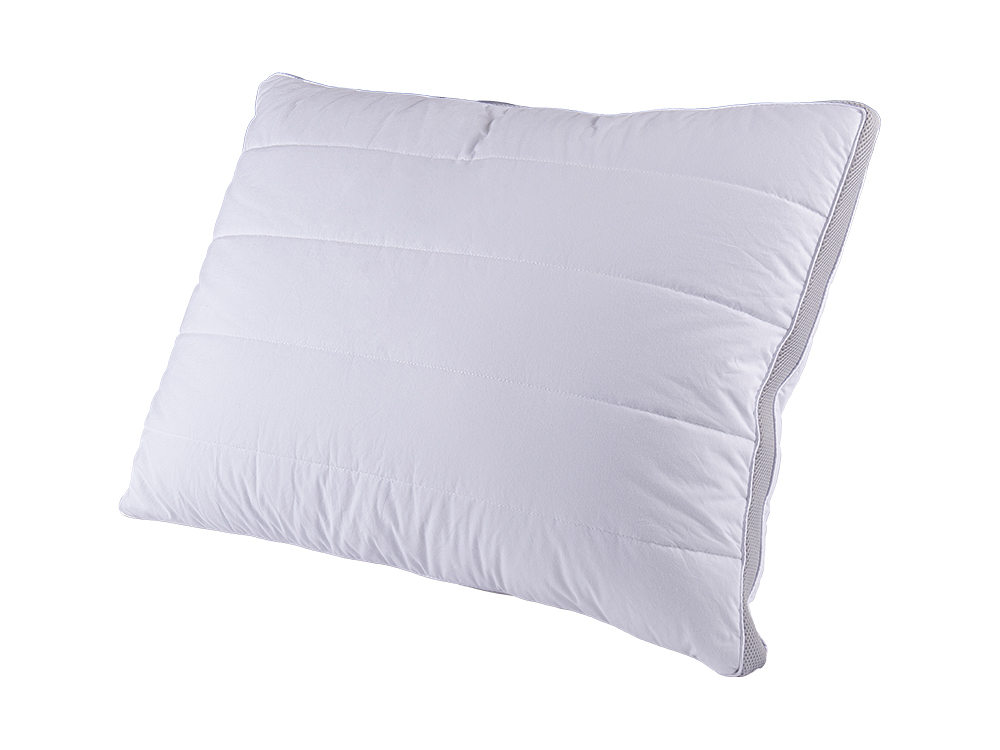
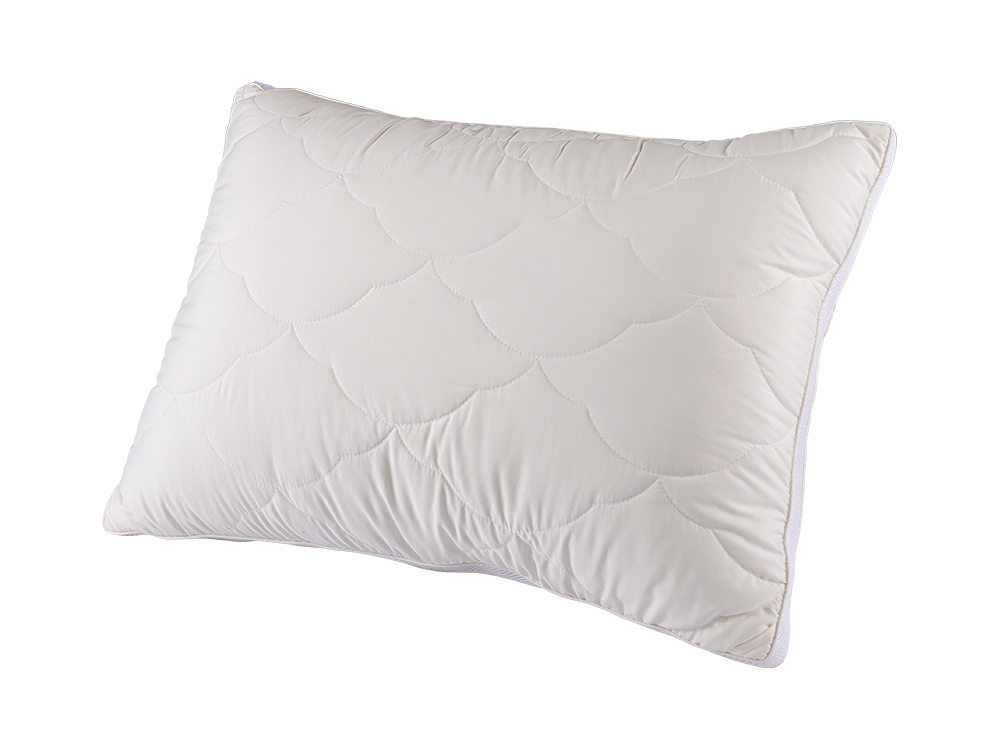
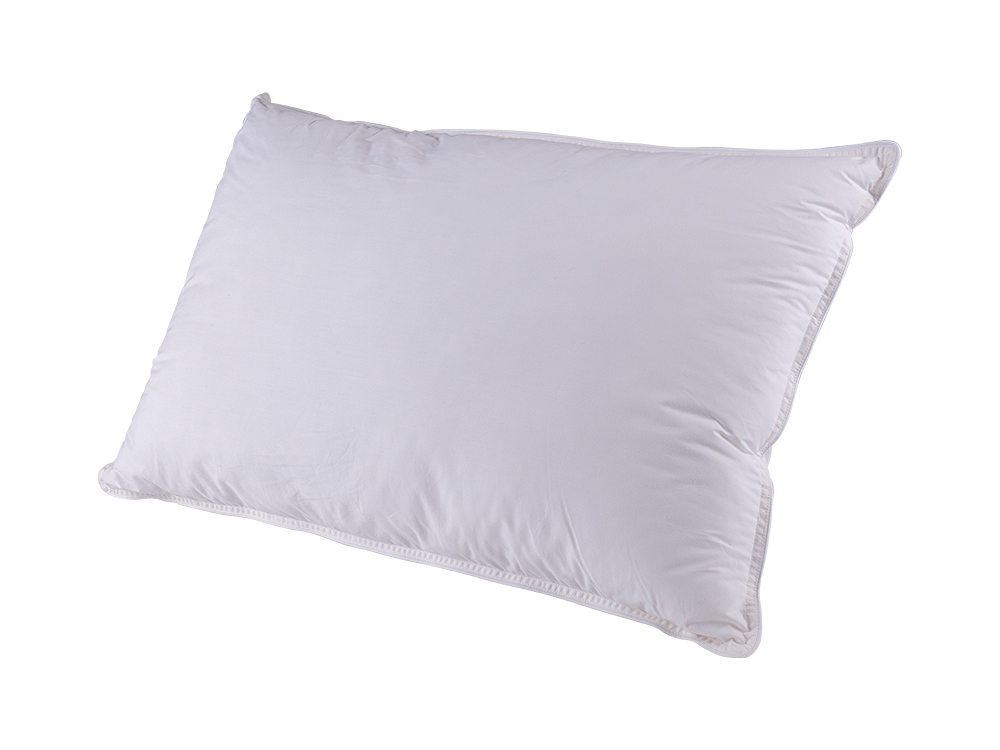
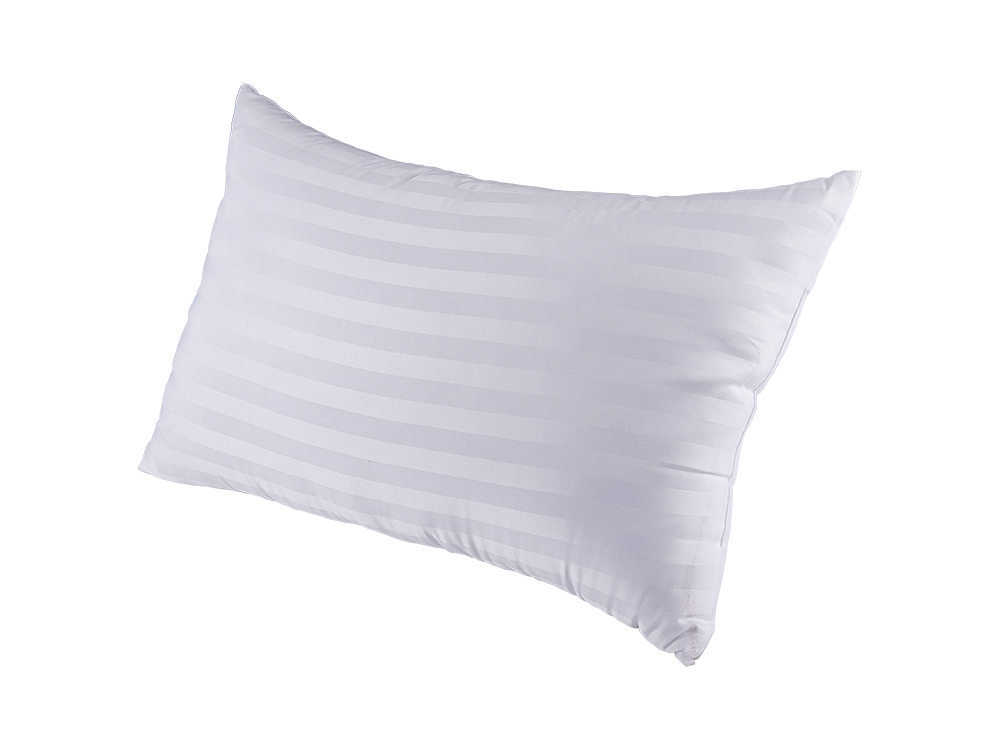
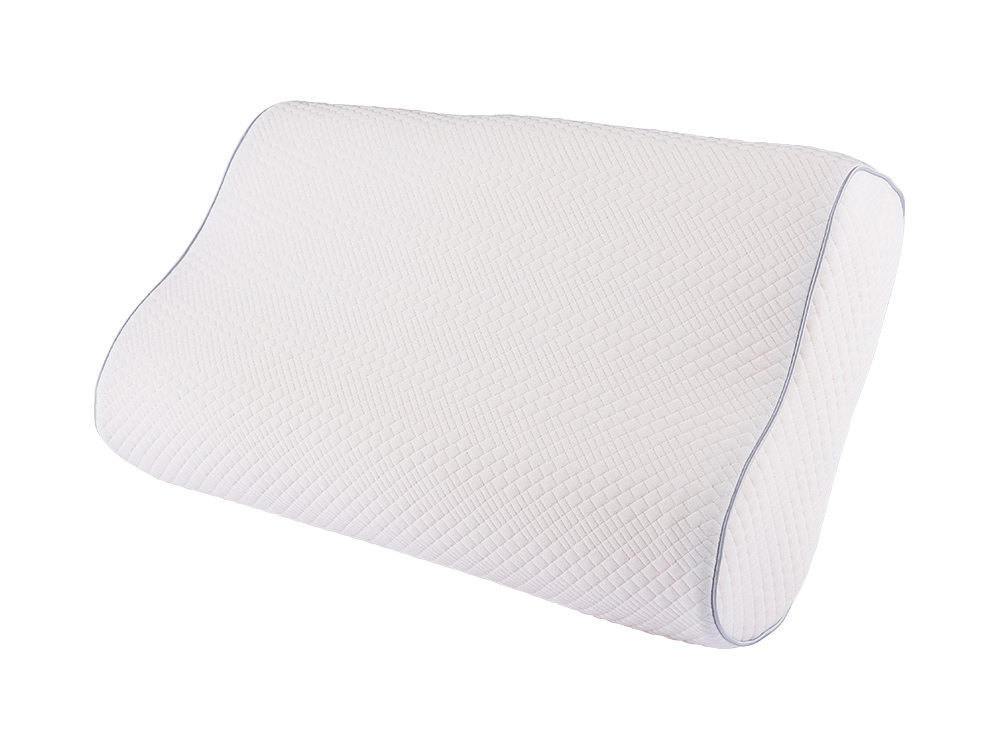
Polyester printed pillows are more than just decorative accents—they are functional pieces engineered to balance comfort, style, and practicality. Made from synthetic polyester fibers, these pillows feature vibrant, long-lasting prints that add personality to any space, from bedrooms to living rooms. Unlike natural fiber pillows (e.g., cotton or down), polyester is inherently resistant to moisture, fading, and wear, making it ideal for busy households or areas with high humidity. The 85gsm printed brushed fabric and 85gsm plain brushed fabric used in many premium models enhance softness, while the 3D+6D polyester filling provides a perfect blend of support and fluffiness. Whether you’re looking to upgrade your sleep setup or refresh your home decor, polyester printed pillows offer a versatile solution that caters to diverse needs.
Key Advantages of Polyester Printed Pillows Over Competitors
To understand why polyester printed pillows have gained traction, it’s essential to compare them to other popular pillow types. From durability to cost-effectiveness, these pillows outperform many alternatives in critical areas:
1. Unmatched Durability and Longevity
One of the most significant advantages of polyester printed pillows is their durability. Natural fibers like cotton are prone to breaking down over time, especially with frequent washing, leading to flattened filling and faded prints. Memory foam pillows, while supportive, often lose their shape after 2–3 years and can develop indentations that compromise comfort. In contrast, polyester fibers are highly resistant to abrasion and wear. A high-quality polyester printed pillow can maintain its fluffiness and print integrity for 3–5 years—double the lifespan of some cotton pillows. This longevity translates to cost savings over time, as you won’t need to replace your pillows as frequently.
2. Moisture Resistance and Easy Maintenance
Moisture is a common enemy of pillows, leading to mildew, odors, and reduced comfort. Polyester’s hydrophobic properties mean it repels water and sweat, making it ideal for hot sleepers or households with pets and children. Unlike down pillows, which require dry cleaning to avoid clumping, polyester printed pillows are machine-washable on a gentle cycle. This ease of maintenance saves time and money, as you can keep your pillows fresh and clean without professional help. Additionally, the brushed fabric used in many models resists stains, making spills easier to wipe away before they set.
3. Vibrant, Long-Lasting Prints
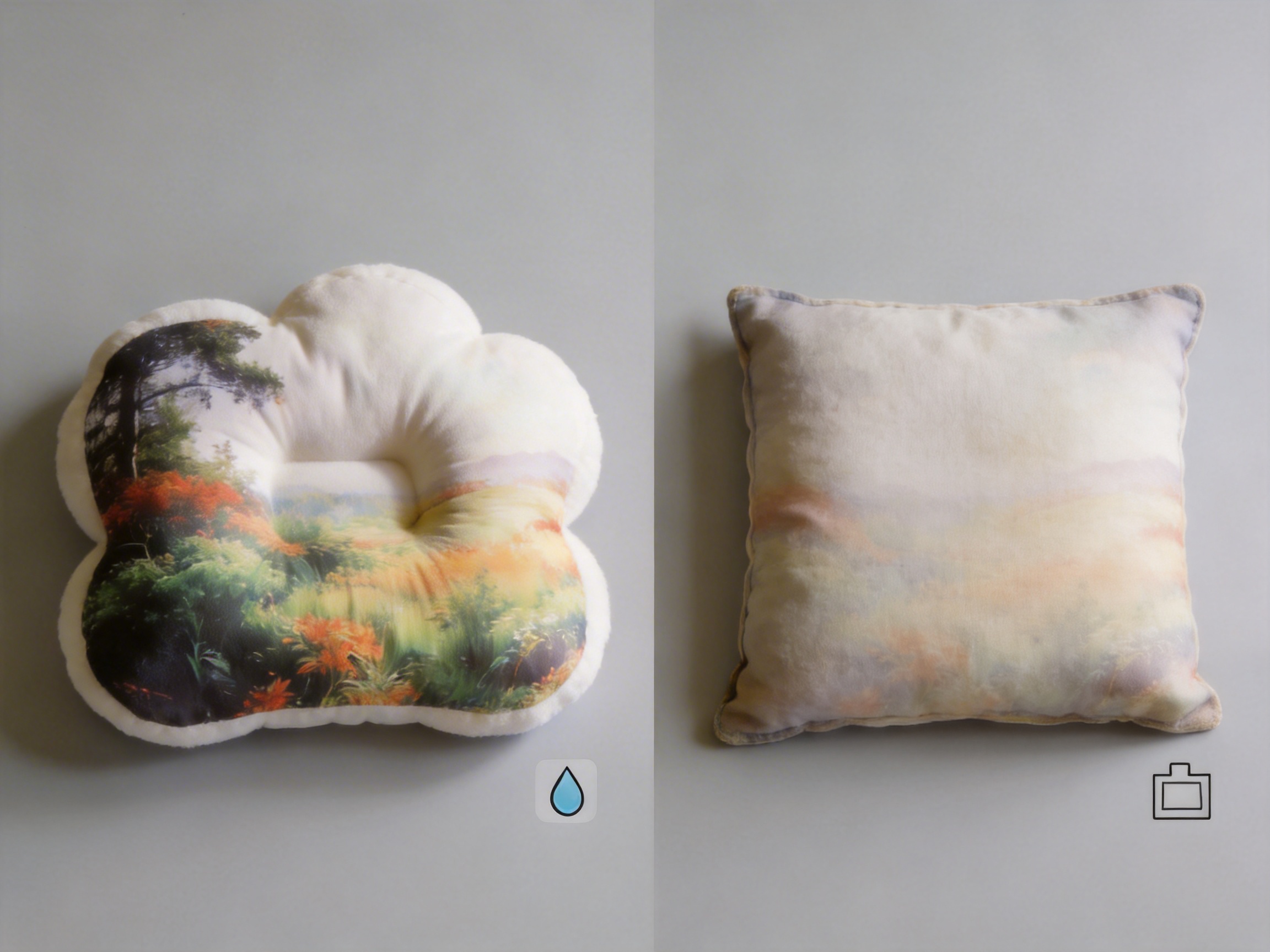
Interior design trends increasingly prioritize personalized decor, and polyester printed pillows deliver on this front with their vibrant, intricate patterns. Modern digital printing techniques allow manufacturers to create detailed designs that stay crisp and fade-resistant for years. In contrast, cotton pillows often fade quickly when exposed to sunlight or washed repeatedly, losing their aesthetic appeal. Synthetic blend pillows may bleed colors, ruining both the pillow and other items in the wash. Polyester’s color-locking properties ensure prints remain vivid, even after dozens of washes, making these pillows a stylish investment that stands the test of time.
4. Balanced Support and Comfort
Support is a non-negotiable feature for any pillow, and polyester printed pillows excel in this area thanks to their 3D+6D filling blend. 3D polyester fibers are structured to provide firm support for the head and neck, while 6D fibers add softness and resilience. This combination ensures the pillow conforms to your unique shape without flattening, reducing pressure points and promoting better sleep. Memory foam pillows, while supportive, can trap heat and cause overheating, especially in warm climates. Down pillows offer softness but lack the structured support needed for proper spinal alignment. Polyester printed pillows strike the perfect balance, making them suitable for all sleeping positions—side, back, and stomach.
5. Affordability Without Compromising Quality
Luxury pillows like down or organic cotton can cost $100 or more, putting them out of reach for many consumers. Polyester printed pillows, however, offer high-quality performance at a fraction of the price. A premium model with advanced printing and filling can cost between $20–$50, making it accessible to a wide range of budgets. This affordability doesn’t mean sacrificing quality—many manufacturers use eco-friendly inks and certified materials to ensure their pillows are safe and durable. For consumers looking for value without compromising on style or comfort, polyester printed pillows are an unbeatable choice.
Advanced Manufacturing Processes Behind Premium Polyester Printed Pillows
The quality of polyester printed pillows depends on the manufacturing processes used to create them. Modern factories employ state-of-the-art techniques to ensure every pillow meets strict standards of comfort, durability, and safety. Here’s a breakdown of the key steps:
1. Fabric Selection and Preparation
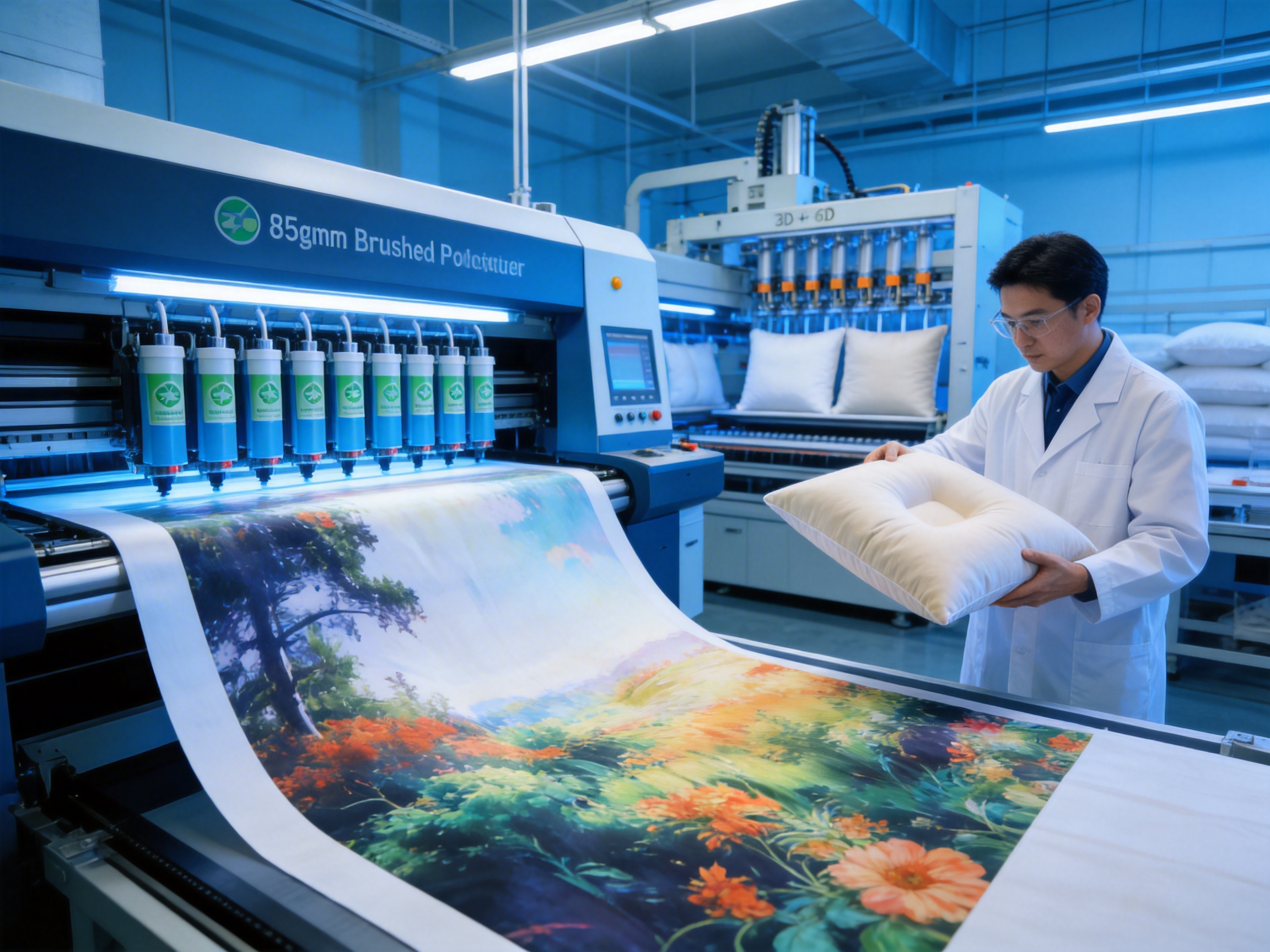
The first step in producing a high-quality polyester printed pillow is selecting the right fabric. Premium models use 85gsm printed brushed fabric and 85gsm plain brushed fabric. The 85gsm weight is ideal—it’s lightweight enough to feel soft against the skin but durable enough to resist wear. Brushing the fabric adds a plush, velvety texture that enhances comfort, while the plain brushed fabric provides a smooth base for the printed design. Before printing, the fabric undergoes a pre-treatment process to remove impurities and ensure the ink adheres evenly. This step is critical to preventing fading and ensuring the print remains crisp.
2. Precision Digital Printing
Gone are the days of screen printing, which was slow and limited in design options. Modern factories use digital printing technology to create intricate, detailed patterns on polyester fabric. Digital printing involves transferring a digital design onto the fabric using eco-friendly, water-based inks. This process allows for unlimited design customization—from abstract patterns to custom logos—making it easy for manufacturers to cater to specific customer needs. The inks used are OEKO-TEX certified, meaning they are free from harmful chemicals like lead and phthalates. After printing, the fabric is cured to set the ink, ensuring it doesn’t fade or bleed during washing.
3. Filling with 3D+6D Polyester Blend
The filling is the heart of any pillow, and polyester printed pillows use a 3D+6D polyester blend to achieve the perfect balance of support and softness. 3D polyester fibers are hollow and structured, providing firm support for the head and neck. 6D fibers are thicker and softer, adding fluffiness and resilience. The blend is carefully measured to ensure consistent quality—too much 3D fiber can make the pillow too firm, while too much 6D can lead to flattening. The filling is then injected into the fabric casing using automated machines, which ensure even distribution. This step is critical to preventing lumps and ensuring the pillow maintains its shape over time.
4. Quality Control and Certification
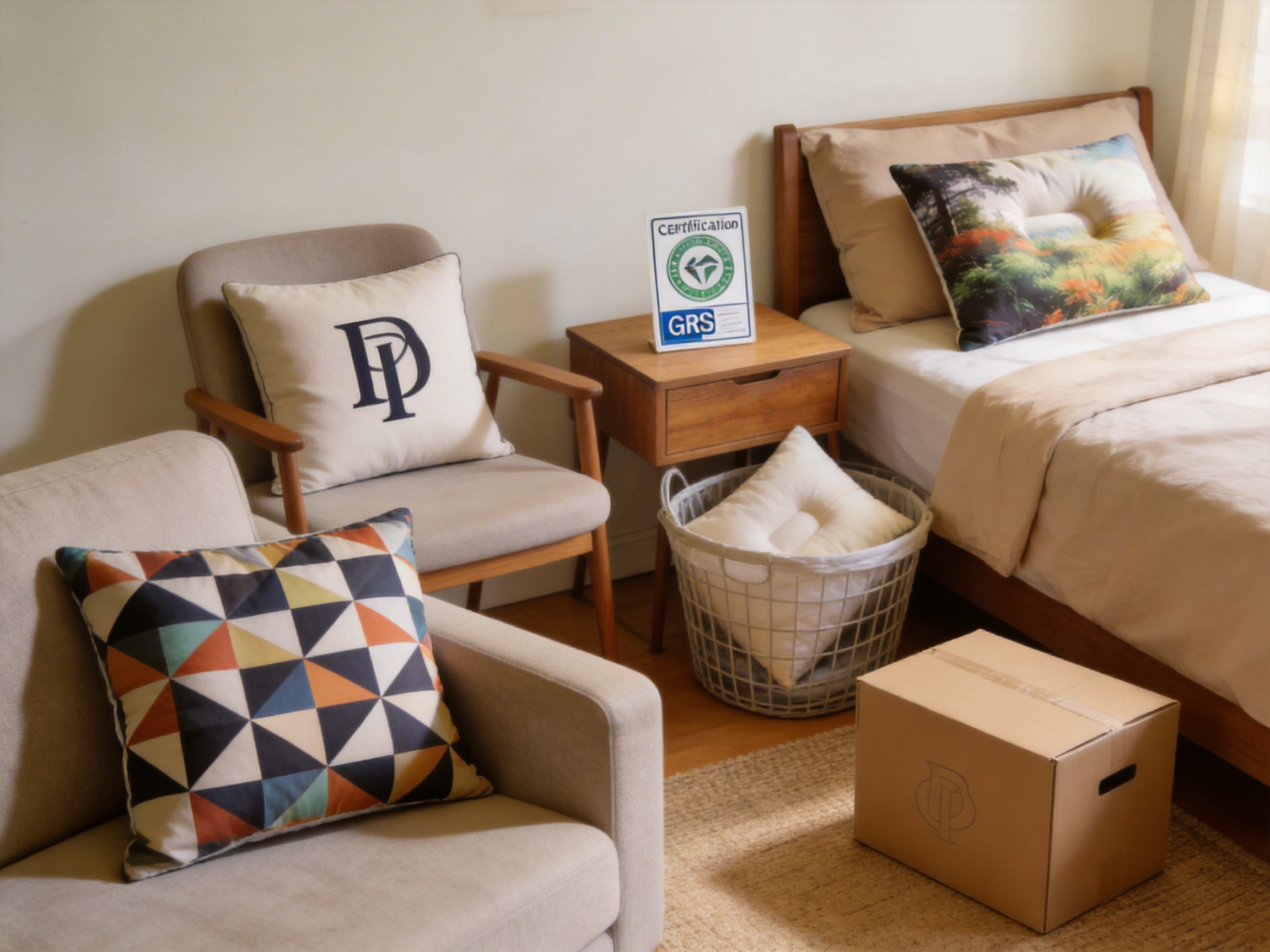
No manufacturing process is complete without rigorous quality control. Premium polyester printed pillow manufacturers test every batch for several key factors: print durability (using wash tests to ensure no fading), filling consistency (checking for lumps or uneven distribution), fabric strength (testing resistance to tearing), and safety (ensuring compliance with international standards). Many manufacturers hold certifications like ISO 9001 (quality management), ISO 14001 (environmental management), OEKO-TEX 100 (textile safety), GRS (global recycled standard), and BSCI (business social compliance). These certifications are a testament to the manufacturer’s commitment to quality and sustainability, giving consumers peace of mind.
5. Packaging and Distribution
After passing quality control, the pillows are packaged in eco-friendly materials (e.g., recycled cardboard or biodegradable plastic) and distributed to retailers or directly to consumers. Many manufacturers offer customization options for packaging, including custom labels and branding, making it easy for businesses to create unique products for their customers.
Industry Strengths That Elevate Polyester Printed Pillow Quality
The quality of polyester printed pillows is not just about manufacturing processes—it also depends on the strengths of the manufacturer. Leading producers in the industry have several key advantages that set them apart:
1. Decades of Industry Expertise
Experience matters in the home textile industry. Manufacturers with 20+ years of experience have a deep understanding of consumer needs and market trends. They have refined their manufacturing processes over time, addressing common issues like fading, lumping, and poor support. This expertise allows them to create pillows that not only meet current standards but also anticipate future trends, such as the growing demand for eco-friendly products and customizable designs.
2. State-of-the-Art Infrastructure
Leading manufacturers invest in modern infrastructure to support their production processes. This includes large facilities (e.g., 21,000 square meters of land with 18,000 square meters of construction area) that house automated production lines, R&D labs, and storage facilities. Automated machines ensure consistent quality and reduce human error, while R&D labs allow manufacturers to test new fabrics, inks, and filling blends. This infrastructure also supports large-scale production, enabling manufacturers to meet the demands of global customers.
3. Commitment to Sustainability and Compliance
Today’s consumers are more environmentally conscious than ever, and leading manufacturers have responded by adopting sustainable practices. This includes using recycled polyester fibers, eco-friendly inks, and biodegradable packaging. Many manufacturers also hold certifications like GRS (global recycled standard) and ISO 14001 (environmental management), which ensure they adhere to strict sustainability standards. Additionally, compliance with social standards (e.g., BSCI) ensures that workers are treated fairly and work in safe conditions.
4. Customization Capabilities
One of the biggest strengths of leading polyester printed pillow manufacturers is their ability to customize products. This includes offering custom sizes (e.g., 50x70 cm is standard, but manufacturers can create 40x60 cm or 60x80 cm), custom prints (from customer-provided designs to unique patterns), and custom filling blends (adjusting the ratio of 3D to 6D fibers for firm or soft support). This customization allows businesses to create unique products that cater to specific markets, such as luxury hotels or eco-friendly retailers.
5. Safety and Quality Assurance
Leading manufacturers prioritize safety and quality assurance, investing in regular training for employees and implementing strict safety protocols. Many have been rated as safety production standardization enterprises for consecutive years, which means they meet strict standards for workplace safety and product quality. This commitment to safety ensures that every pillow is free from harmful chemicals and safe for use by children and adults alike.
Product Specifications Table
To help consumers understand what to look for in a high-quality polyester printed pillow, here’s a breakdown of key specifications:
| Specification | Details |
|---|---|
| Size | 50x70 cm (standard size, customizable) |
| Fabric | 85gsm Printed Brushed Fabric + 85gsm Plain Brushed Fabric |
| Filling | 3D + 6D Polyester Blend |
| Print Type | Digital Printing (eco-friendly inks) |
| Certifications | ISO 9001, ISO 14001, OEKO-TEX 100, GRS, BSCI |
| Care Instructions | Machine washable (gentle cycle), tumble dry low |
Frequently Asked Questions (Q&A)
To address common consumer questions about polyester printed pillows, here’s a Q&A section:
Q: Are polyester printed pillows suitable for people with allergies?
A: Yes, especially those certified with OEKO-TEX 100. Polyester fibers are naturally dust-mite resistant, and the eco-friendly inks used in printing are free from harmful chemicals. This makes them a safe choice for people with allergies to dust mites or chemical irritants.
Q: How do I clean my polyester printed pillow?
A: Most polyester printed pillows are machine washable on a gentle cycle with cold water. Use a mild detergent and avoid bleach. Tumble dry on low heat or air dry to prevent shrinking or fading. It’s recommended to wash pillows every 3–6 months to keep them fresh.
Q: Can polyester printed pillows be used for decorative purposes?
A: Absolutely! The vibrant prints and soft fabric make these pillows perfect for decorative use in living rooms, bedrooms, or even outdoor spaces (if they are water-resistant). Many manufacturers offer custom prints, allowing you to match your pillows to your existing decor.
Q: How long do polyester printed pillows last?
A: With proper care, a high-quality polyester printed pillow can last 3–5 years. This is longer than cotton pillows (2–3 years) and comparable to memory foam pillows (3–4 years). Regular washing and avoiding overloading the pillow with heavy items can extend its lifespan.
Q: Are polyester printed pillows eco-friendly?
A: Many leading manufacturers use recycled polyester fibers and eco-friendly inks, making their pillows sustainable. Certifications like GRS (global recycled standard) confirm that the polyester used is recycled, reducing the environmental impact. Additionally, the long lifespan of these pillows means less waste in landfills.
Q: Can I get custom sizes or prints for my polyester printed pillows?
A: Yes, most leading manufacturers offer customization options. You can request custom sizes (e.g., 40x60 cm or 60x80 cm), custom prints (from your own designs or patterns), and even custom filling blends (adjusting the ratio of 3D to 6D fibers for firm or soft support).
Conclusion
Polyester printed pillows are a versatile, affordable, and high-quality choice for anyone looking to enhance their home comfort or decor. With their unmatched durability, moisture resistance, vibrant prints, and balanced support, they outperform many competitors in the market. The advanced manufacturing processes used by leading producers ensure that every pillow meets strict standards of quality and safety, while their customization capabilities allow for unique, personalized products. Whether you’re a homeowner looking to upgrade your sleep setup or a business owner seeking to offer high-quality products to your customers, polyester printed pillows are an investment that delivers value, style, and comfort for years to come.
References
1. National Sleep Foundation. (2023). "Pillow Preferences and Sleep Quality: A National Survey." Retrieved from National Sleep Foundation website.
2. OEKO-TEX Association. (2022). "OEKO-TEX Standard 100: Guidelines for Textile Safety." Zurich, Switzerland: OEKO-TEX Association.
3. Global Market Insights. (2023). "Home Textile Industry Report: Global Trends and Forecast to 2030." Global Market Insights Inc.
4. Journal of Textile Science and Technology. (2021). "Polyester Fiber Properties: A Comprehensive Review of Durability and Comfort." Vol. 12, Issue 3.
5. International Organization for Standardization. (2020). "ISO 9001: Quality Management Systems—Fundamentals and Vocabulary." Geneva, Switzerland: ISO.
6. Euromonitor International. (2023). "Sustainable Home Textiles: Consumer Preferences and Market Trends." London, UK: Euromonitor International.
7. Business Social Compliance Initiative (BSCI). (2022). "BSCI Code of Conduct: Guidelines for Ethical Business Practices." Brussels, Belgium: BSCI.

 +86-573-88798028