



 Français
 Español
 Deutsch
Content
- 1 Product Overview
- 2 Main Product Specifications
- 3 Softness from Aloe Vera-Treated Brushed Fabric
- 4 Antibacterial and Anti-Mite Value
- 5 Comfortable Warmth with 200gsm 3D Fiber
- 6 Design Language: White Fabric and Light Green Edging
- 7 Advantages Over Conventional Quilts
- 8 Manufacturing Strength Behind the Product
- 9 Advanced Production Processes and Quality Control
- 10 Why Polyester Microfiber Remains a Strong Bedding Choice
- 11 Applications in Home, Retail, Hospitality, and Private Label Markets
- 12 Customization Opportunities
- 13 Environmental and Social Responsibility Considerations
- 14 Comparison with Competing Bedding Products
- 15 Care, Use, and Long-Term Comfort
- 16 Quality Assurance from a Professional Bedding Factory
- 17 Why Buyers Should Consider This Quilt
- 18 Company Manufacturing Profile
- 19 Q&A Section
- 19.1 What is the Aloe Vera Treated Polyester Quilt made of?
- 19.2 What is the standard size of the quilt?
- 19.3 Why is aloe vera treatment used in the fabric?
- 19.4 Does the quilt have antibacterial and anti-mite properties?
- 19.5 Is the quilt heavy?
- 19.6 What makes 3D fiber filling beneficial?
- 19.7 How does this quilt compare with ordinary polyester quilts?
- 19.8 Can the quilt be used for hotels or guest rooms?
- 19.9 Is private-label customization available?
- 19.10 What certifications support the manufacturer’s reliability?
- 20 Conclusion
- 21 References
- 22 Product: Aloe Vera Treated Polyester Quilt
In modern home textiles, a quilt is no longer judged only by warmth. Today’s buyers look for comfort, hygiene, softness, easy maintenance, stable quality, and a pleasant sleeping experience across different seasons. The Aloe Vera Treated Polyester Quilt answers these expectations with a thoughtful combination of skin-friendly brushed fabric, antibacterial and anti-mite treatment, neat visual design, and dependable polyester filling. Designed as a microfiber quilt with a clean white appearance and light green aloe vera edging, it offers a fresh and calming look while delivering practical performance for daily bedding use.
This quilt is especially suitable for customers who want a soft, smooth, and breathable bedding product that is easier to care for than many traditional natural-fill quilts. The aloe vera-treated brushed fabric gives the surface a gentle hand feel, while the 200gsm 3D fiber filling provides balanced loft and comfort. The default size is 140x200cm, and custom sizes are available, making it adaptable for retail, hospitality, wholesale, and private-label bedding programs.
Behind the product is Tongxiang Xinlong Bedding Co., Ltd., a home textile manufacturer established in January 2002 in Zhejiang Province, China. With a large production base, advanced equipment, professional technical staff, and international certifications including ISO9001, ISO14001, OEKO-related certifications, GRS, and BSCI, the company has built strong manufacturing capabilities for quilts, pillows, cushions, mattress protectors, blankets, covers, and other household textile products. This article explores the product’s materials, benefits, manufacturing strengths, competitive advantages, applications, care value, and purchasing considerations in depth.
Aloe Vera Treated Polyester Quilt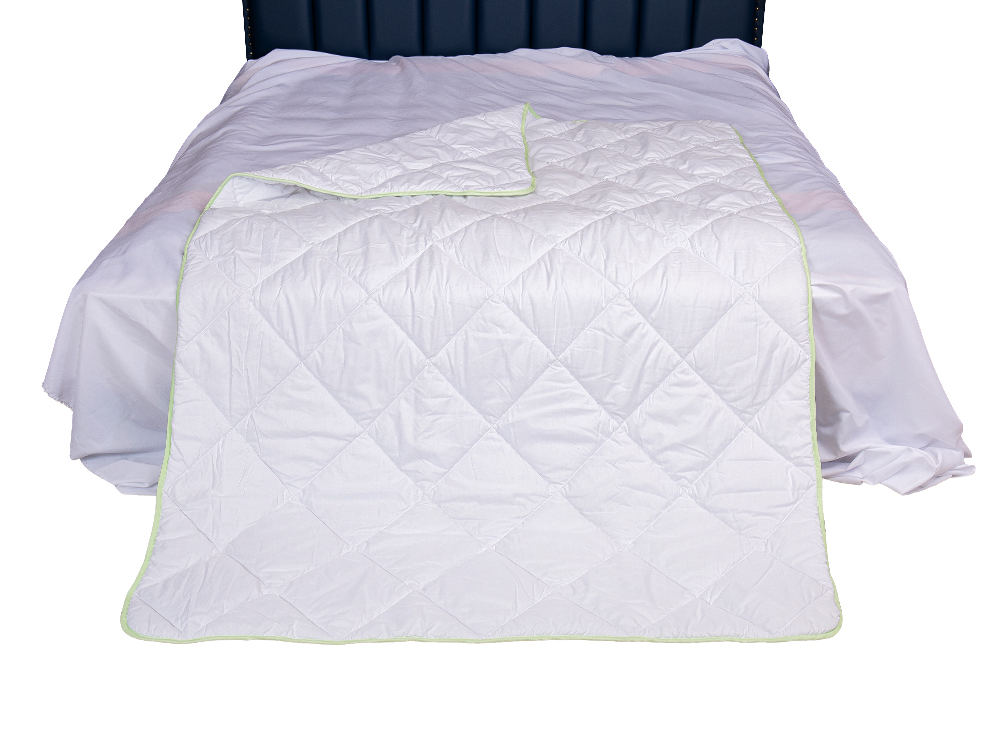
Product Overview
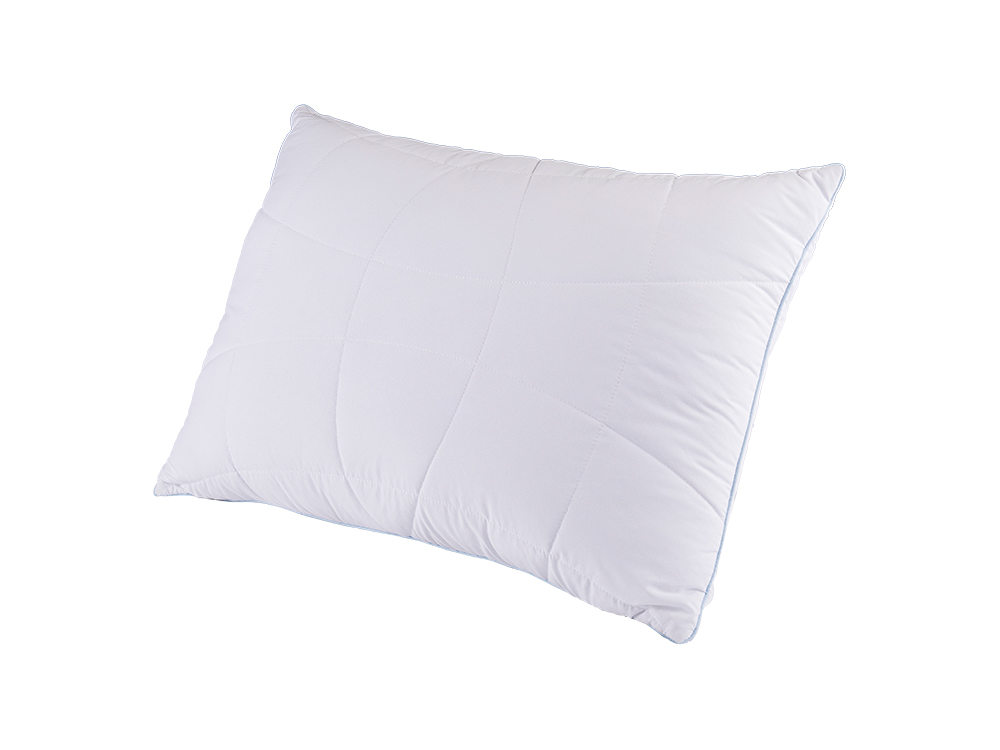
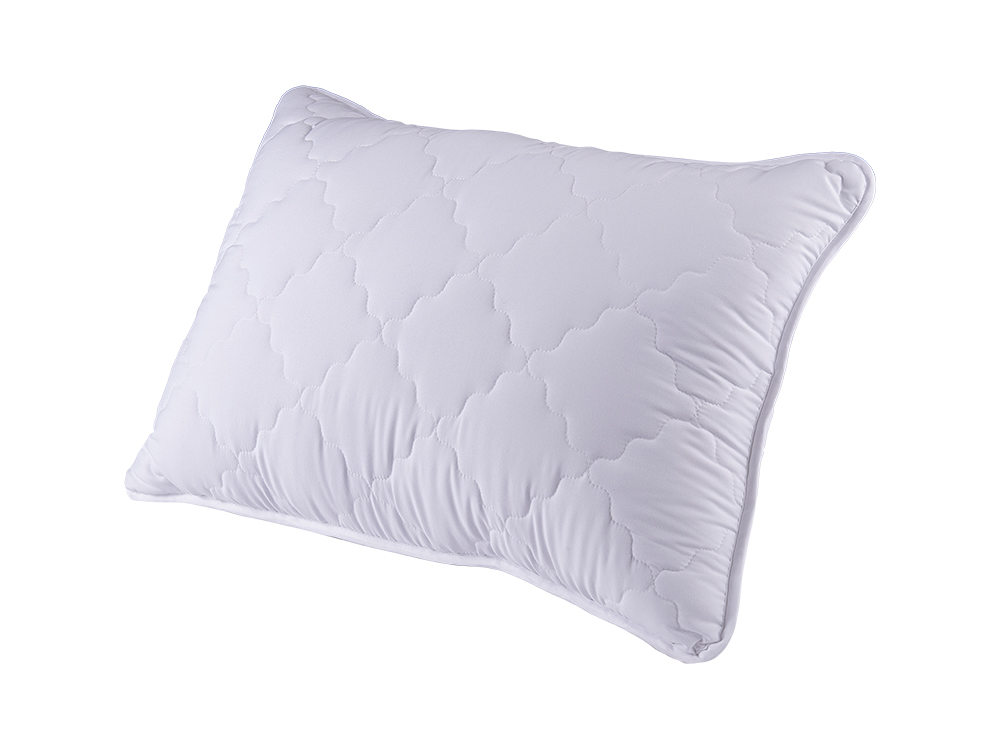
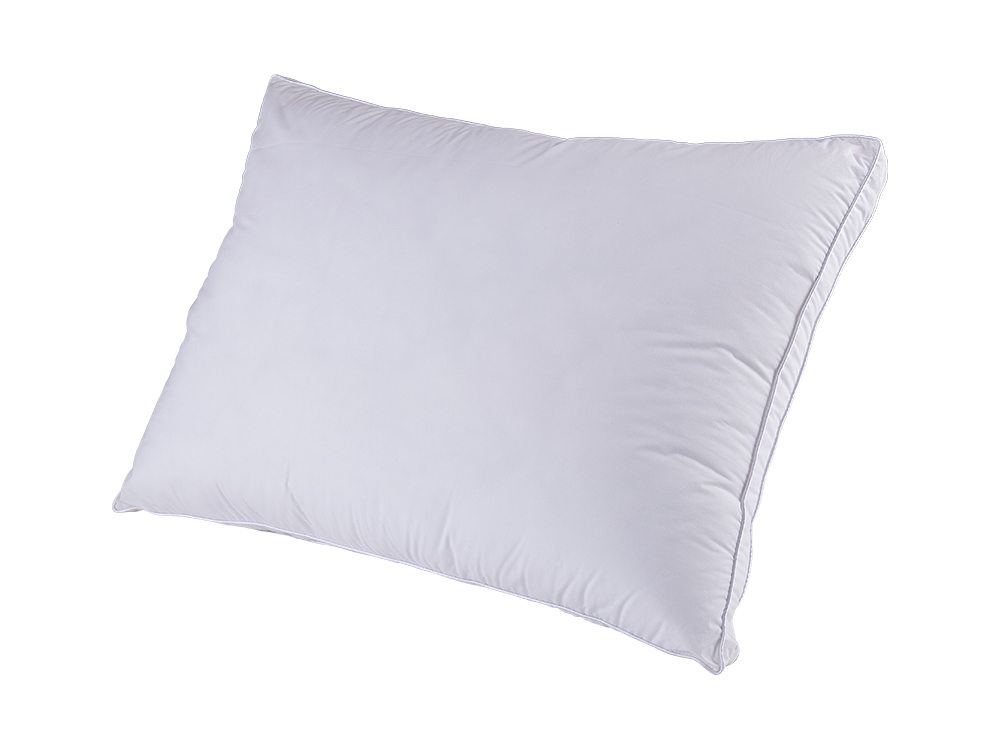
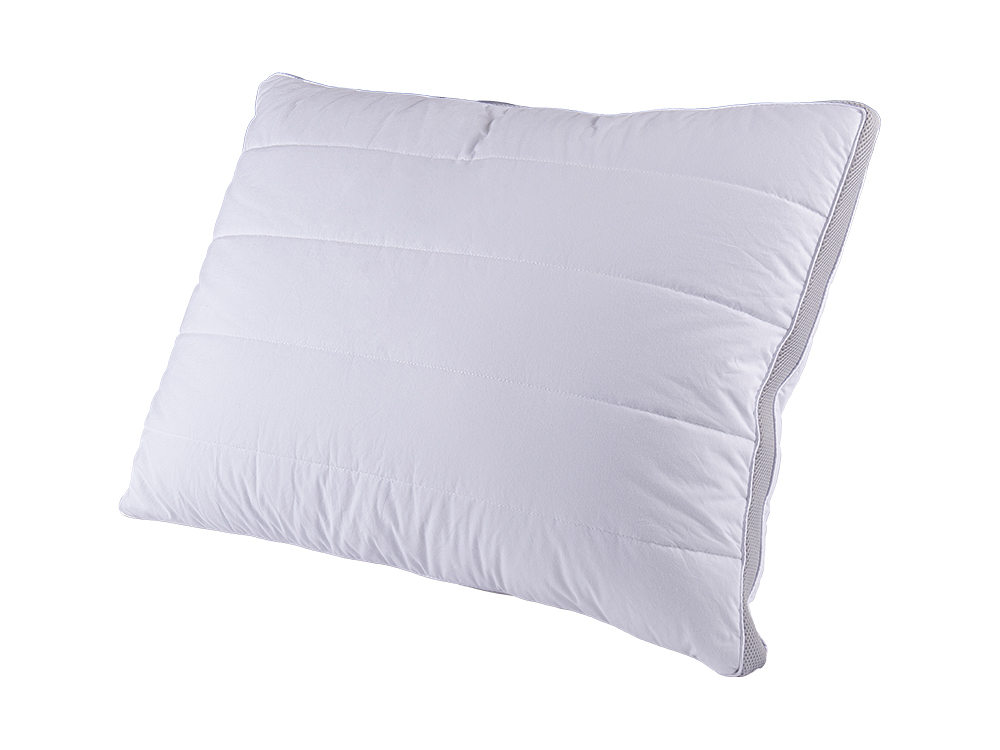
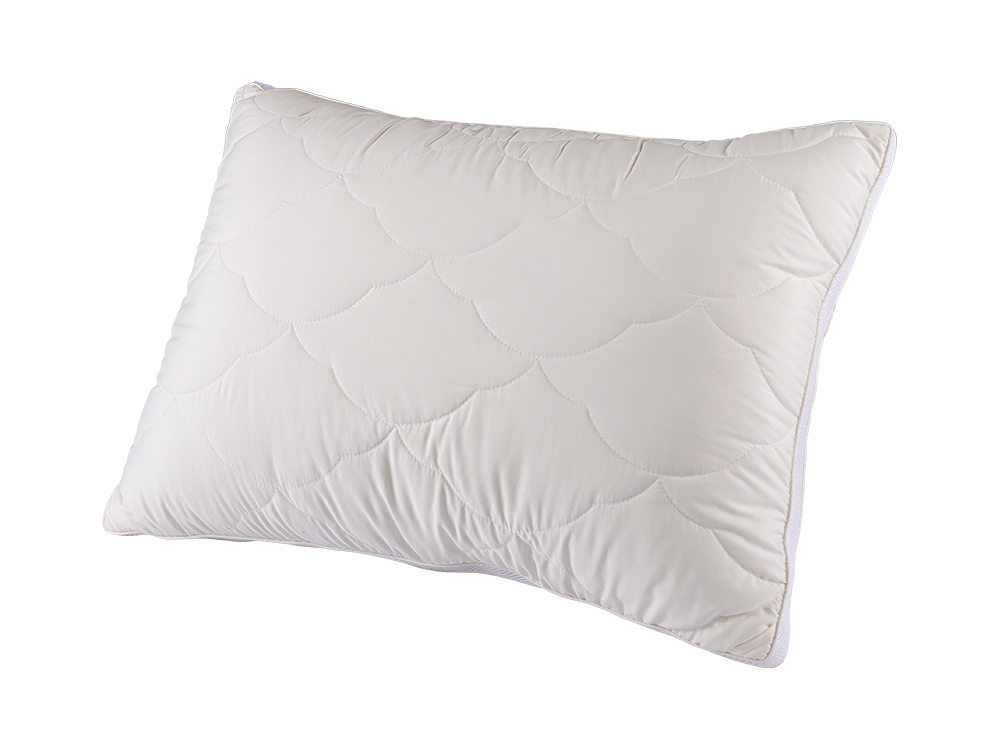
The Aloe Vera Treated Polyester Quilt is a microfiber quilt made with aloe vera-treated brushed fabric on the outer surface and 200gsm 3D fiber as the inner filling. Its standard size is 140x200cm, while customized dimensions can be produced according to customer requirements. The quilt’s appearance is simple yet distinctive: a white main fabric is accented with light green aloe vera edging, creating a fresh and hygienic visual impression that matches its functional concept.
The most important feature of the quilt is the aloe vera-treated brushed fabric. Aloe vera is widely associated with comfort and skin care in consumer products, and in bedding it helps create a soft, gentle, and pleasant touch. The treated fabric is described as antibacterial and anti-mite, which gives the quilt additional appeal for users who care about a cleaner sleeping environment. While no textile can replace regular cleaning and good bedroom hygiene, bedding with antibacterial and anti-mite properties can provide an added layer of confidence for daily use.
The 200gsm 3D fiber filling is also central to the product’s comfort. Polyester fiber is valued for its resilience, light weight, affordability, and ease of care. The 3D structure helps the filling maintain loft and air volume, creating a more comfortable feel than flat or low-resilience materials. A 200gsm filling weight positions the quilt as a practical option for moderate warmth, suitable for many climates and seasons depending on room temperature and personal preference.
Compared with heavy quilts that may feel restrictive, this polyester quilt is designed to be comfortable, manageable, and easy to use. It is a bedding product that combines softness, hygiene-oriented treatment, visual freshness, and manufacturing reliability.
Main Product Specifications
Product Name |
Aloe Vera Treated Polyester Quilt |
Product Category |
Microfiber Quilt |
Standard Size |
140x200cm |
Custom Size |
Available according to customer requirements |
Outer Fabric |
Aloe vera-treated brushed fabric |
Filling |
200gsm 3D fiber |
Key Features |
Soft touch, skin-friendly surface, antibacterial and anti-mite treatment, clean white fabric with light green edging |
Typical Applications |
Home bedding, retail bedding collections, hotel supply programs, private-label textile projects, guest rooms, dormitory bedding |
Softness from Aloe Vera-Treated Brushed Fabric
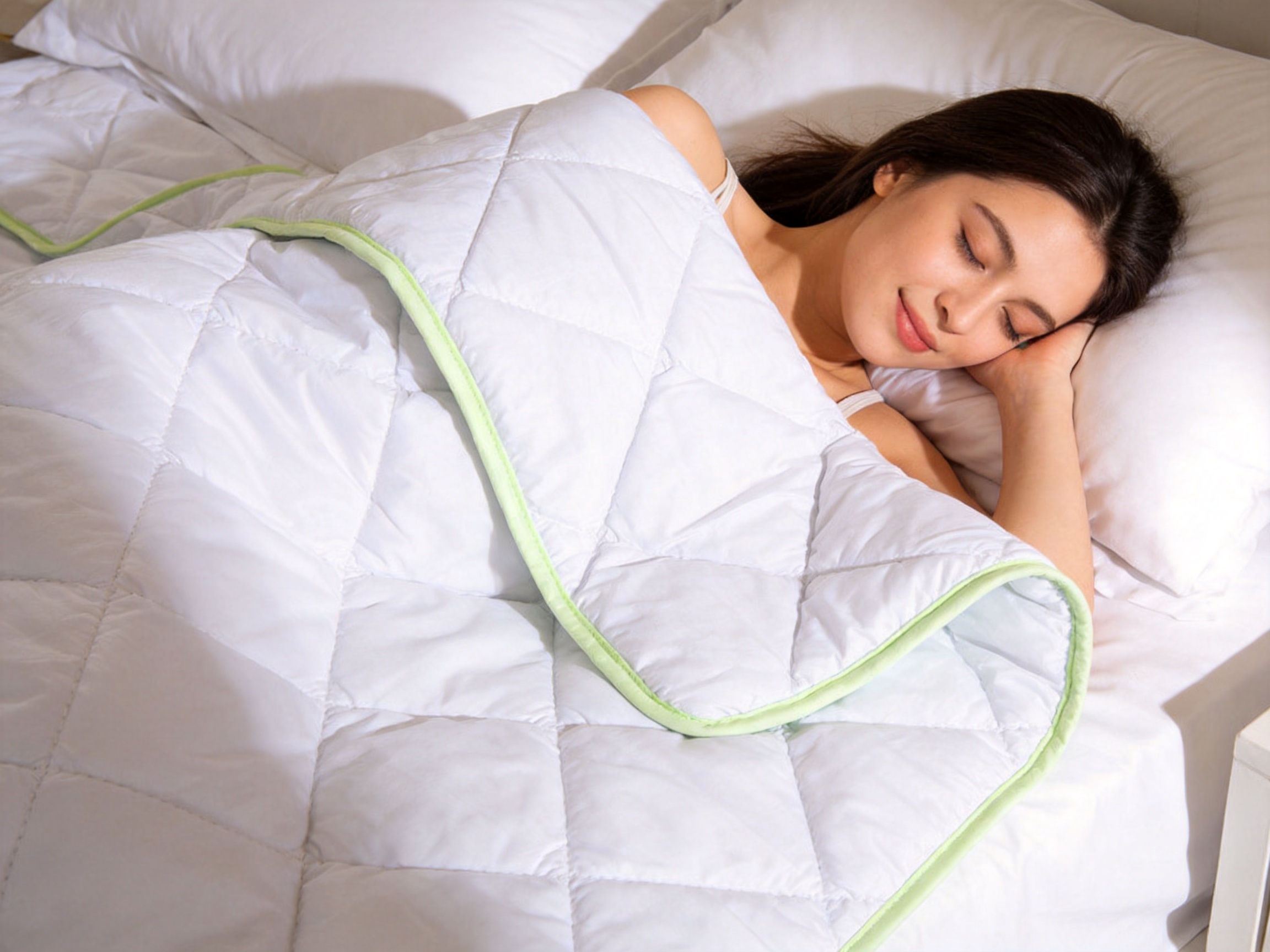
Comfort begins with the surface that touches the skin. The quilt uses aloe vera-treated brushed fabric, which is designed to feel softer and more skin-friendly than many ordinary polyester covers. Brushing improves the fabric hand feel by creating a fine, gentle surface texture. When combined with aloe vera treatment, the result is a quilt cover fabric that feels smooth, cozy, and suitable for close contact during sleep.
For many consumers, bedding comfort is not only about temperature. It is also about texture. A quilt may have excellent filling, but if the fabric feels rough, noisy, or synthetic, the sleeping experience can be disappointing. This quilt addresses that issue with a surface designed specifically for softness. The brushed fabric creates a warm and welcoming touch, while the aloe vera treatment adds a sense of freshness and care.
The skin-friendly nature of the fabric is especially valuable for users who prefer gentle bedding. In competitive bedding markets, many quilts are promoted mainly through filling weight or price. This product takes a more complete approach by improving the outer fabric experience. The surface is not treated as a minor component; it is part of the product’s identity and one of its strongest selling points.
The white fabric also contributes to the feeling of cleanliness. White bedding is commonly associated with freshness, hotels, simplicity, and purity. The light green aloe vera edging adds a subtle decorative element without making the quilt overly colorful. This balance allows the quilt to fit into many bedroom styles, from minimal modern interiors to softer natural-themed settings.
Antibacterial and Anti-Mite Value
Hygiene has become a major factor in bedding selection. Consumers increasingly pay attention to products that help support a cleaner sleep environment. The Aloe Vera Treated Polyester Quilt features antibacterial and anti-mite properties, making it more appealing than ordinary untreated quilts. These properties are particularly relevant because quilts are used for many hours every night and are exposed to body warmth, moisture, skin particles, and indoor dust.
Antibacterial treatment can help reduce the growth of certain bacteria on the fabric surface, depending on use conditions and care practices. Anti-mite functionality is also attractive because dust mites are a common concern in bedding environments. Although regular washing, ventilation, and room cleaning remain important, a quilt designed with antibacterial and anti-mite characteristics can give end users greater peace of mind.
Compared with conventional polyester quilts that focus only on warmth and cost, this product provides an additional hygiene-oriented advantage. That makes it suitable for families, guest rooms, rental properties, and hospitality environments where bedding cleanliness is a key customer expectation. In retail, the antibacterial and anti-mite positioning can also help the product stand out on shelves or online product pages.
Another advantage is that the hygiene features are combined with a soft surface. Some functional textiles may feel stiff or chemically treated, but this quilt is designed to remain soft and comfortable. The user does not need to choose between practical protection and a pleasant touch; both are integrated into the product concept.
Comfortable Warmth with 200gsm 3D Fiber
The quilt is filled with 200gsm 3D fiber, a polyester filling material designed to provide loft, lightness, and resilience. The “3D” structure refers to the fiber’s three-dimensional form, which helps trap air and maintain volume. Air retention is essential in bedding because still air contributes to insulation. At the same time, polyester fiber can remain light and manageable, making the quilt comfortable for everyday use.
A 200gsm filling weight offers balanced warmth. It is not excessively heavy, so the quilt can be used comfortably in many indoor environments. For mild climates, heated bedrooms, spring and autumn use, or customers who prefer a lighter quilt, this weight can be highly practical. It may also work as part of a layered bedding system, allowing users to add or remove blankets depending on temperature.
Polyester filling has several important advantages over some natural fills. It is generally easier to care for, more cost-effective, and more stable in large-scale production. It is also less likely to develop odor issues when properly maintained and dried. For commercial buyers, polyester filling offers predictable performance, consistent supply, and flexible pricing. These are major reasons why microfiber quilts remain popular in global bedding markets.
The 3D fiber also improves the user experience by helping the quilt recover its shape after compression. During packaging, shipping, and storage, quilts may be compressed. A resilient filling helps restore loft after unpacking. This is important for customer satisfaction, especially in e-commerce and export markets where products may spend time in cartons or vacuum packaging.
Design Language: White Fabric and Light Green Edging
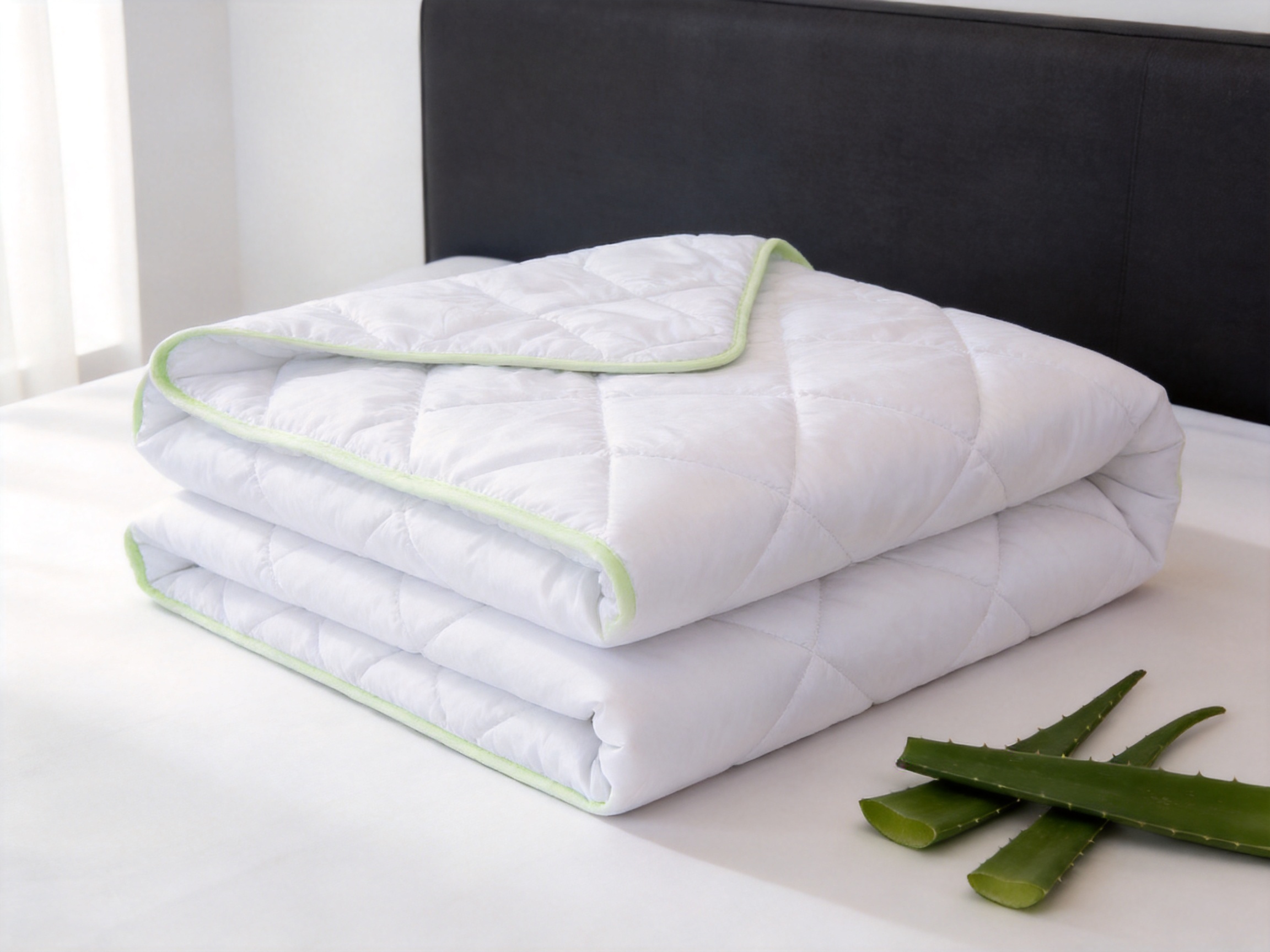
The visual design of the quilt is simple, clean, and suitable for broad market acceptance. The main fabric is white, creating an impression of freshness and hygiene. The light green edging reflects the aloe vera theme and gives the quilt a unique but restrained identity. This color combination is easy to understand for consumers: white suggests cleanliness, while green suggests nature, care, and softness.
In bedding design, small details can strongly influence perceived quality. The edging helps define the quilt’s outline, improving its appearance when folded, displayed, or placed on a bed. It also gives retailers a simple visual point of difference. Many quilts look almost identical at first glance, especially in white bedding categories. The light green border provides recognition without overwhelming the overall design.
The quilt’s calm appearance makes it suitable for multiple sales channels. It can be used in home textile stores, supermarket bedding sections, online marketplaces, hotel supply catalogs, and private-label collections. Because it is not tied to a highly specific decorative style, it can appeal to a wide customer base. Minimalism and functional design are often more successful in large-volume bedding products because they reduce the risk of style mismatch.
The aloe vera theme also supports packaging and merchandising opportunities. Retailers can highlight the fresh green edge, the soft brushed fabric, and the antibacterial and anti-mite treatment. This creates a coherent product story that is easier to communicate than a generic polyester quilt.
Advantages Over Conventional Quilts
The Aloe Vera Treated Polyester Quilt offers several advantages compared with common quilts in the same general price and category range. Many ordinary polyester quilts use basic microfiber or plain polyester fabric with no special treatment. They may provide warmth but do not always provide a premium touch or hygiene-oriented features. This product improves the outer fabric, functional treatment, and appearance while retaining the practical benefits of polyester filling.
First, the aloe vera-treated brushed fabric gives the quilt a softer and more skin-friendly touch. This is a clear advantage over rougher fabrics that may feel dry or synthetic. Because the quilt’s surface is what users experience most directly, the fabric upgrade has immediate value.
Second, the antibacterial and anti-mite properties support a cleaner sleeping experience. This makes the quilt more competitive in markets where customers care about hygiene, family health, guest satisfaction, and easy-care bedding. Ordinary quilts without such features may be less appealing to quality-conscious buyers.
Third, the 200gsm 3D fiber filling provides comfort without excessive weight. Some low-cost quilts may use flat or low-resilience filling that loses loft quickly. A resilient 3D fiber structure helps maintain a fuller feel and improves long-term usability.
Fourth, the product has a distinctive but universal design. The white body and green edging are attractive, simple, and easy to coordinate. In contrast, heavily patterned quilts may not suit all room styles, while completely plain products may lack visual identity.
Fifth, the quilt is backed by a manufacturer with extensive experience and advanced production capabilities. Buyers are not only purchasing a finished quilt; they are also relying on the factory’s quality control, customization ability, and export-ready production system. For wholesale and private-label customers, this manufacturing strength is often as important as the product itself.
Manufacturing Strength Behind the Product
Tongxiang Xinlong Bedding Co., Ltd. was established in January 2002 and has developed into a professional home textile manufacturer. The company is located in Wuzhen, Tongxiang City, Jiaxing, Zhejiang Province, China, an area with strong textile industry resources. Its production base covers 21,000 square meters, with a construction area of 18,000 square meters. With more than 320 employees and a wide range of advanced production equipment, the company has the scale and capability to serve diverse customer needs.
The company produces many home textile products, including quilts, pillows, cushions, bedspreads, travel quilts, mattress protectors, blankets, quilt covers, pillowcases, shower curtains, and curtains. This broad product range shows strong material handling experience and production flexibility. It also allows customers to develop coordinated bedding collections from one manufacturing partner instead of sourcing each item separately.
Advanced manufacturing is not only about machines. It also depends on stable procedures, trained employees, technical personnel, quality systems, and continuous innovation. The company emphasizes quality as the life of the enterprise, standardizes operating procedures, improves employee technical levels, and continuously enhances product quality. These principles are especially important for bedding products because comfort and durability depend on consistent cutting, filling distribution, stitching, finishing, packing, and inspection.
For the Aloe Vera Treated Polyester Quilt, manufacturing strength supports key quality points. The brushed fabric must be handled carefully to preserve softness. The filling must be evenly distributed to avoid cold spots or lumps. The edging must be clean and consistent to maintain the visual design. The quilt must be inspected to ensure it meets customer specifications. A capable factory is essential for achieving these results at scale.
Advanced Production Processes and Quality Control
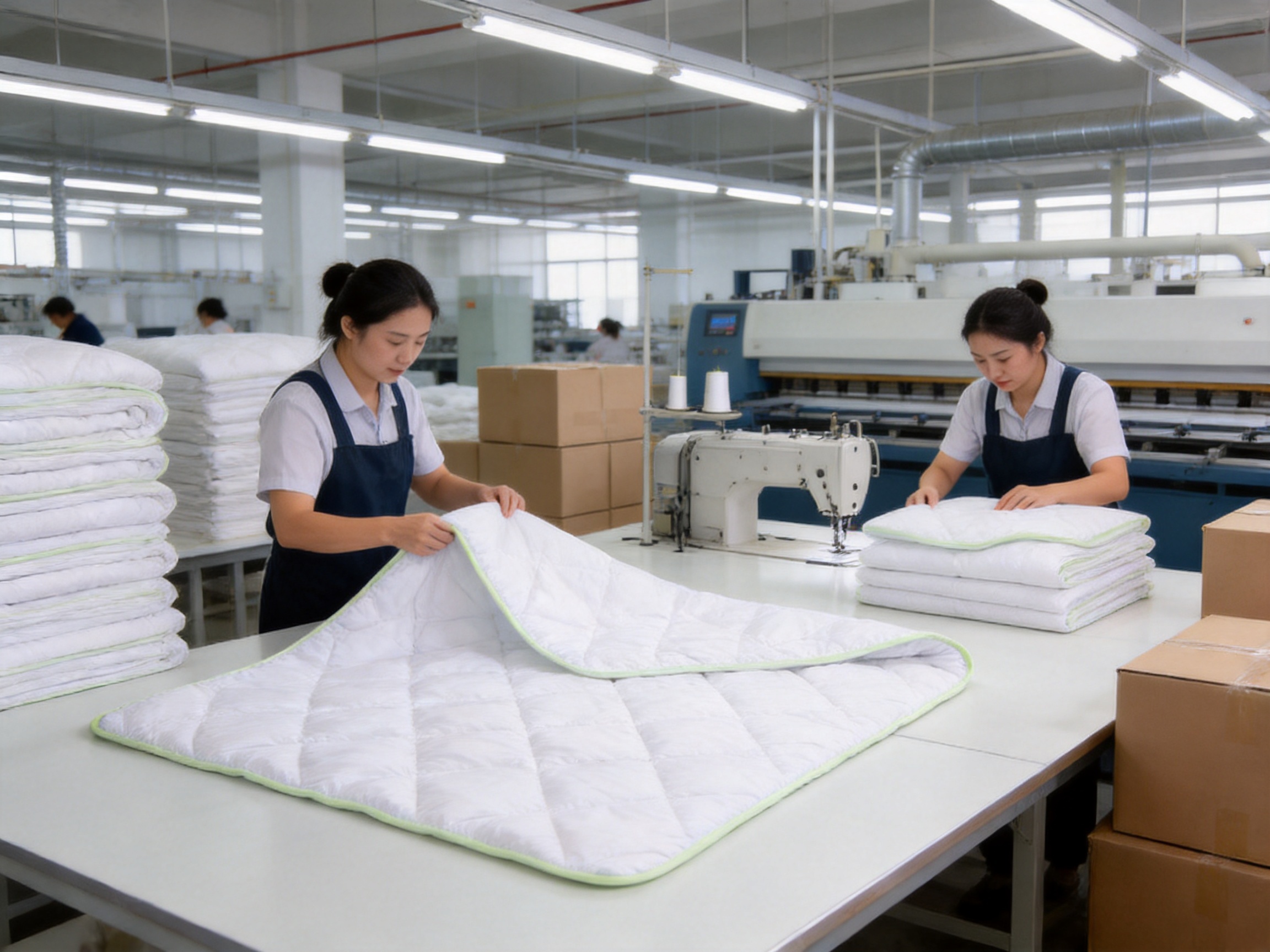
A high-quality quilt requires a complete process from material selection to finished product inspection. The manufacturing process typically begins with fabric sourcing and incoming material checks. The aloe vera-treated brushed fabric must meet requirements for appearance, softness, treatment performance, color consistency, and dimensional stability. The 3D fiber filling must be checked for weight, cleanliness, loft, and resilience.
After material preparation, fabric cutting is performed according to the required size. For the default 140x200cm size, cutting precision ensures the quilt maintains proper dimensions after sewing and finishing. For custom sizes, accurate pattern planning and cutting control are even more important because customers may have specific market standards, retail packaging dimensions, or hotel bed requirements.
The filling stage determines comfort. The 200gsm 3D fiber must be placed evenly to create stable warmth and avoid thin areas. Skilled operation and appropriate equipment help maintain consistent thickness. For quilts, uneven filling is one of the most common causes of dissatisfaction. A professional factory reduces this risk through trained workers and standardized production steps.
Sewing and edging are also critical. The light green aloe vera edging is not only decorative; it must be durable and neatly finished. Clean stitches, straight seams, secure corners, and consistent tension all affect perceived quality. Poor stitching can make even good materials look low grade. By contrast, neat sewing communicates reliability and craftsmanship.
Finishing may include thread trimming, shape adjustment, surface cleaning, pressing or soft handling, inspection, folding, and packing. Quality control teams check size, appearance, stitching, labeling, packaging, and any customer-specific requirements. For export and wholesale customers, stable packaging is important to protect the quilt during storage and transport.
The company’s certifications and management systems further support production reliability. ISO9001 indicates attention to quality management. ISO14001 reflects environmental management awareness. OEKO-related certifications are meaningful in textiles because they relate to safer textile production and chemical control. GRS supports recycled material chain-of-custody programs when applicable. BSCI reflects social compliance expectations in global supply chains. Together, these certifications strengthen customer confidence.
Why Polyester Microfiber Remains a Strong Bedding Choice
Polyester microfiber is widely used in bedding because it offers a strong balance of comfort, durability, affordability, and care convenience. While natural fillings such as down, wool, and silk have their own premium advantages, polyester quilts remain highly competitive for everyday household and commercial use. The Aloe Vera Treated Polyester Quilt uses this foundation and improves it with soft treated fabric and functional properties.
One major advantage of polyester is consistency. Natural materials can vary depending on source, season, grade, and processing. Polyester fiber can be produced with controlled specifications, helping manufacturers achieve more stable quality across large orders. This is important for retailers and distributors who need repeatable product performance.
Another advantage is care convenience. Many consumers want bedding that is easier to maintain. Polyester quilts often dry faster than heavy natural-fill quilts and are less complicated to handle. For families, students, guest houses, and hospitality buyers, easy care can be a deciding factor.
Polyester also supports flexible product design. Filling weight, fiber structure, quilting pattern, fabric type, and finishing treatment can be adjusted for different price points and target markets. This flexibility makes it ideal for custom bedding programs. A buyer may request different sizes, packaging, edge colors, filling weights, or label options, and an experienced manufacturer can adapt production accordingly.
The Aloe Vera Treated Polyester Quilt demonstrates how a polyester quilt can be more than a basic commodity. By combining 3D fiber filling with aloe vera-treated brushed fabric and antibacterial and anti-mite features, it becomes a value-added bedding product with a stronger consumer story.
Applications in Home, Retail, Hospitality, and Private Label Markets
This quilt can serve several market segments. For home users, it provides a soft and clean-feeling quilt suitable for everyday sleep. Its moderate weight makes it easy to handle, fold, and store. The white and green design creates a fresh bedroom atmosphere and can coordinate with many sheet sets and duvet covers.
For retail buyers, the quilt offers clear selling points: aloe vera-treated fabric, antibacterial and anti-mite properties, soft brushed surface, 3D fiber filling, and custom size availability. These benefits can be communicated easily on packaging, product tags, and online descriptions. Because the product is visually clean and functionally distinctive, it can fit both budget-friendly and mid-range bedding collections depending on packaging and specification choices.
For hospitality use, the quilt’s clean appearance and easy-care polyester filling are valuable. Hotels, guest houses, and serviced apartments need bedding that looks fresh, performs consistently, and can be replaced or replenished reliably. The antibacterial and anti-mite positioning may also support guest comfort expectations. Although care instructions and hotel laundering requirements must be confirmed for each order, the product concept aligns well with practical hospitality needs.
For private-label customers, the quilt provides a strong base product that can be customized. Custom sizes, packaging, labels, and possibly coordinated product sets can be developed according to market needs. The manufacturer’s broad product range also makes it possible to pair the quilt with pillows, mattress protectors, blankets, cushions, and covers to create a complete bedding line.
For online sales, the quilt has advantages in product storytelling. E-commerce customers cannot touch the fabric before purchase, so clear features become important. Terms such as aloe vera-treated brushed fabric, soft skin-friendly touch, antibacterial, anti-mite, and 200gsm 3D fiber help buyers understand the value. High-quality product images and honest specifications further increase confidence.
Customization Opportunities
Customization is one of the main strengths of a professional bedding manufacturer. While the default size of the Aloe Vera Treated Polyester Quilt is 140x200cm, custom sizes are available. This is important because bedding size standards differ by market. European, American, Asian, hotel, dormitory, and children’s bedding programs may all require different dimensions.
Beyond size, buyers may request adjustments in packaging, labeling, edge design, filling weight, carton configuration, or assortment planning. The white fabric with light green edging is the standard design, but the general manufacturing capability may support variations according to order requirements. For large buyers, customization helps build a unique product line rather than selling a generic quilt.
Private-label programs benefit from a manufacturer that understands both product performance and market presentation. A quilt must be comfortable, but it must also be presented correctly. Packaging should explain the aloe vera treatment, softness, antibacterial and anti-mite features, and filling specification. Labels should be accurate and compliant with the target market’s requirements. Cartons should protect the product during shipping and be practical for warehouse handling.
Customization also supports different pricing strategies. For example, one customer may want a lighter promotional quilt, while another may prefer a more premium version with upgraded fabric or packaging. A factory with technical staff and broad equipment resources can help customers match product specification to market positioning.
Environmental and Social Responsibility Considerations
Responsible manufacturing is increasingly important in global home textile sourcing. The company behind this quilt has passed certifications including ISO14001, OEKO-related certifications, GRS, and BSCI, reflecting attention to environmental management, textile safety, recycled material programs, and social compliance. These certifications are meaningful for buyers who must meet retailer requirements, import standards, or corporate responsibility policies.
ISO14001 relates to environmental management systems. In textile manufacturing, environmental attention may involve energy use, waste handling, chemical management, and process control. While a certification does not describe every product detail, it indicates that the company has implemented structured environmental management practices.
OEKO-related certifications are widely recognized in textiles and help address concerns about harmful substances. For bedding products that contact the skin, chemical safety is an important part of customer trust. Buyers often prefer suppliers that understand these requirements and can support documentation.
GRS, or Global Recycled Standard, is relevant when recycled materials are used and chain-of-custody verification is required. Even if a specific quilt order may vary in material composition, the company’s certification experience demonstrates readiness for sustainability-focused programs.
BSCI, the Business Social Compliance Initiative, supports responsible supply chain expectations related to labor and workplace practices. For international buyers, social compliance is often a key supplier qualification. A factory that understands these audits and standards can reduce sourcing risk.
These strengths add to the product’s competitive value. A quilt is not judged only by softness and price; buyers also consider whether the supplier can meet documentation, compliance, quality, and delivery expectations. The manufacturer’s certifications help position the Aloe Vera Treated Polyester Quilt as a product supported by a mature supply chain.
Comparison with Competing Bedding Products
In a crowded bedding market, competitive advantage comes from a combination of product features and manufacturing reliability. The Aloe Vera Treated Polyester Quilt competes against basic polyester quilts, cotton-cover quilts, low-cost microfiber comforters, and natural-fill quilts. Its strength lies in delivering enhanced comfort and hygiene-oriented features while staying practical and scalable.
Compared with basic polyester quilts, it offers a softer brushed fabric and aloe vera treatment. Basic quilts may be inexpensive but often lack a memorable feature. This product provides a clearer reason to purchase.
Compared with cotton-cover quilts, it may provide easier care and a smoother, softer brushed feel depending on fabric construction. Cotton is valued for natural breathability, but it may wrinkle more easily and can increase cost. The aloe vera-treated microfiber surface offers an attractive alternative for customers who prioritize softness and value.
Compared with down quilts, the polyester filling is generally more affordable and easier to manage. Down has excellent warmth-to-weight performance, but it may not suit all users due to cost, allergy concerns, animal-origin preferences, or care complexity. A 3D polyester fiber quilt offers a practical, animal-free, and cost-effective option.
Compared with wool or silk quilts, this product is simpler to maintain and more suitable for large-volume programs. Natural fibers may appeal to premium niche buyers, but polyester microfiber quilts can reach broader markets with stable pricing and easier logistics.
The product’s unique combination of aloe vera-treated fabric, antibacterial and anti-mite function, 200gsm 3D fiber, clean appearance, and factory customization makes it a strong competitor for both household and commercial bedding categories.
Care, Use, and Long-Term Comfort
Proper care helps maintain the quilt’s comfort and appearance. Specific washing and drying instructions should always follow the final care label provided with the product, especially for customized orders. In general, polyester quilts are valued because they are easier to care for than many natural-fill quilts. They are often lighter to handle, faster to dry, and less demanding in storage.
Users should keep the quilt dry and well ventilated. Regular airing helps maintain freshness and loft. A removable duvet cover can be used to reduce direct soiling and extend the time between washes. When washing is allowed by the care label, mild detergent and appropriate machine settings are recommended. Excessive heat should be avoided if it may affect the fabric finish, fiber resilience, or edging.
The quilt should be stored in a clean, dry place when not in use. Compression can be useful for transport, but long-term heavy compression may reduce loft. After unpacking or storage, shaking and airing the quilt can help the 3D fiber recover volume.
For hotels and commercial users, laundering procedures should be tested and confirmed before large-scale use. Institutional laundry conditions may be stronger than household washing, so specifications should be matched to the intended cleaning system. A professional manufacturer can assist buyers in selecting suitable materials and construction for their use environment.
Quality Assurance from a Professional Bedding Factory
Quality assurance is the difference between a product that looks good in a sample and a product that performs consistently across bulk orders. Tongxiang Xinlong Bedding Co., Ltd. has years of production experience and has built systems to support stable output. The company’s emphasis on standardized operations, employee skill improvement, and continuous product quality enhancement is particularly relevant for quilt manufacturing.
For the Aloe Vera Treated Polyester Quilt, quality assurance may include checking fabric softness, treatment consistency, filling weight, stitching strength, size tolerance, edge finishing, cleanliness, packing accuracy, and overall appearance. Because the quilt’s value depends on both comfort and presentation, each detail matters.
Experienced workers are important because bedding production involves many tactile judgments. Softness, loft, flatness, seam appearance, and finishing quality cannot be evaluated only by machines. Skilled employees can identify problems early and maintain consistent workmanship.
Technical personnel also contribute to product development. As the home textile market changes, customers request new fabrics, treatments, designs, packaging methods, and compliance documents. A factory with professional technical staff can respond to these changes and help buyers develop competitive products.
Production scale is another advantage. With a large facility and more than 320 employees, the company can support larger orders while maintaining process control. This matters for importers, retailers, and distributors that require dependable delivery schedules and repeat supply.
Why Buyers Should Consider This Quilt
The Aloe Vera Treated Polyester Quilt is a strong choice for buyers who want a comfortable, functional, and marketable bedding product. Its advantages are easy to communicate and meaningful to end users. The soft aloe vera-treated brushed fabric supports a pleasant skin touch. The antibacterial and anti-mite properties address hygiene concerns. The 200gsm 3D fiber filling offers practical warmth and resilience. The white fabric and light green edging provide a fresh and recognizable look.
For wholesale buyers, the quilt provides a balanced product specification that can fit multiple channels. It is not overly complicated, but it is more differentiated than a basic quilt. This makes it suitable for volume programs where both price competitiveness and feature value are important.
For retailers, the quilt offers strong shelf and online appeal. Customers can quickly understand the benefit of aloe vera-treated fabric and a cleaner sleeping experience. The design looks fresh in photos, and the product name itself communicates comfort.
For private-label brands, the quilt can serve as a base for a broader bedding collection. It can be paired with pillows, mattress protectors, blankets, cushion products, and covers produced by the same manufacturer. This supports consistent sourcing, coordinated quality, and simplified supplier management.
For hospitality buyers, the quilt delivers a clean look and practical polyester performance. Its easy-care nature and stable supply potential are valuable for rooms that require regular replacement and consistent guest presentation.
Most importantly, the product is supported by an experienced manufacturer with certifications, equipment, production scale, and quality management practices. This reduces sourcing risk and improves the likelihood of consistent product satisfaction.
Company Manufacturing Profile
Tongxiang Xinlong Bedding Co., Ltd. is located at No.268 Xingfa Road, Wuzhen, Tongxiang City, Jiaxing, Zhejiang Province, China. Established in 2002, the company has more than two decades of experience in home textile production. Its product range includes silk cotton quilts, chemical fiber quilts, pillows, cushions, bedspreads, travel quilts, mattress protectors, blankets, quilt and pillowcases, shower curtains, curtains, and other household textile products.
The company’s production area of 21,000 square meters and construction area of 18,000 square meters support broad manufacturing capacity. More than 320 employees work with advanced production equipment to meet customer needs. The company continues to develop and innovate in response to changes in the home textile industry, using professional and technical personnel to design and produce fashionable, warm, and practical household products.
Its certifications include ISO9001, ISO14001, OEKO-related certifications, GRS, and BSCI. Since 2016, the company has also been rated as a safety production standardization enterprise for consecutive years. These achievements indicate a commitment to management systems, safety, environmental responsibility, product quality, and international sourcing expectations.
Customers may contact the company by email at [email protected] or by phone at +86-573-88798028 for product inquiries, customization, and cooperation discussions.
Q&A Section
What is the Aloe Vera Treated Polyester Quilt made of?
The quilt is made with aloe vera-treated brushed fabric on the outside and 200gsm 3D fiber filling inside. The fabric is designed to be soft, skin-friendly, antibacterial, and anti-mite, while the polyester filling provides comfortable loft and practical warmth.
What is the standard size of the quilt?
The default size is 140x200cm. Custom sizes are also available, which makes the product suitable for different markets, bed sizes, retail programs, and hospitality requirements.
Why is aloe vera treatment used in the fabric?
Aloe vera treatment helps create a softer and more skin-friendly surface feel. It also gives the product a fresh, care-oriented identity that is easy for consumers to understand. Combined with brushed fabric, it improves the comfort experience of the quilt.
Does the quilt have antibacterial and anti-mite properties?
Yes. The aloe vera-treated brushed fabric is described as antibacterial and anti-mite. These features support a cleaner sleeping environment and make the quilt more competitive than ordinary untreated quilts.
Is the quilt heavy?
The quilt uses 200gsm 3D fiber filling, which provides balanced comfort without excessive weight. It is designed for practical everyday use and can be suitable for moderate warmth depending on climate, room temperature, and personal preference.
What makes 3D fiber filling beneficial?
3D fiber has a three-dimensional structure that helps trap air, maintain loft, and improve resilience. This gives the quilt a fuller and more comfortable feel compared with flatter low-resilience fillings.
How does this quilt compare with ordinary polyester quilts?
Compared with ordinary polyester quilts, this product offers a softer aloe vera-treated brushed fabric, antibacterial and anti-mite functions, attractive light green edging, and reliable 3D fiber filling. These features make it more differentiated and marketable.
Can the quilt be used for hotels or guest rooms?
Yes. Its clean white appearance, practical polyester filling, and hygiene-oriented features make it suitable for hotels, guest rooms, serviced apartments, and other hospitality environments. Buyers should confirm laundering requirements and care labels before bulk use.
Is private-label customization available?
Yes. The manufacturer supports customization, including custom sizes and other order-based requirements. Private-label buyers can discuss packaging, labeling, specifications, and coordinated bedding collections.
What certifications support the manufacturer’s reliability?
The manufacturer has passed certifications including ISO9001, ISO14001, OEKO-related certifications, GRS, and BSCI. These certifications support quality management, environmental management, textile safety awareness, recycled material programs when applicable, and social compliance expectations.
Conclusion
The Aloe Vera Treated Polyester Quilt is a well-balanced bedding product that combines comfort, hygiene-oriented functionality, attractive design, and manufacturing reliability. Its aloe vera-treated brushed fabric provides a soft and skin-friendly touch, while its antibacterial and anti-mite properties help address modern consumer concerns about cleanliness. The 200gsm 3D fiber filling offers comfortable loft and practical warmth without unnecessary heaviness.
The quilt’s white fabric and light green edging create a fresh, calm, and marketable appearance. Its default 140x200cm size and custom size availability make it adaptable for household, retail, hospitality, and private-label use. Compared with ordinary polyester quilts, it offers more distinctive value through fabric treatment, softness, hygiene features, and visual identity.
Equally important, the product is produced by an experienced home textile manufacturer with advanced equipment, a large production base, more than 320 employees, and recognized certifications. This manufacturing background supports consistent quality, customization, compliance, and reliable cooperation for global buyers.
For customers seeking a quilt that is soft, clean-looking, practical, and competitively positioned, the Aloe Vera Treated Polyester Quilt is a compelling choice. It represents the direction of modern bedding: comfortable enough for daily use, functional enough for health-conscious consumers, simple enough for broad design compatibility, and professionally manufactured for dependable supply.
References
International Organization for Standardization. ISO 9001 Quality Management Systems: Requirements.
International Organization for Standardization. ISO 14001 Environmental Management Systems: Requirements with Guidance for Use.
OEKO-TEX Association. Standard 100 by OEKO-TEX: General and Special Conditions for Textile Product Safety.
Textile Exchange. Global Recycled Standard: Certification Principles and Chain-of-Custody Requirements.
amfori. BSCI Code of Conduct and Social Compliance Guidance for Global Supply Chains.
Collier, B. J., and Epps, H. H. Textile Testing and Analysis. Pearson Education.
Gohl, E. P. G., and Vilensky, L. D. Textile Science: An Explanation of Fibre Properties. CBS Publishers.
Sinclair, R. Textiles and Fashion: Materials, Design and Technology. Woodhead Publishing.


 +86-573-88798028