



 Français
 Español
 Deutsch
Content
- 1 Understanding the Purpose of a Memory Foam Pillow
- 2 Product Overview
- 3 Ergonomic Support for the Head and Neck
- 4 Pressure Dispersion and Relaxation
- 5 The Comfort Role of 280gsm Knitted Fabric
- 6 Why the 50 x 70 cm Size Matters
- 7 Advantages Over Conventional Pillows
- 8 Support for Different Sleeping Positions
- 9 Healthier Sleep Through Better Bedding Design
- 10 Manufacturing Strength Behind the Product
- 11 Advanced Production Processes
- 12 Quality Certifications and Responsible Manufacturing
- 13 Customization and Market Flexibility
- 14 Design for Home, Hospitality, and Retail Applications
- 15 Durability and Long-Term Value
- 16 Care and Use Recommendations
- 17 Competitive Position in the Bedding Market
- 18 Company Strengths Supporting Buyer Confidence
- 19 How the Pillow Supports Better Consumer Experience
- 20 Practical Buying Considerations
- 21 Q&A Section
- 21.1 What is the main benefit of this Memory Foam Pillow?
- 21.2 What size is the pillow?
- 21.3 What fabric is used on the pillow?
- 21.4 What is inside the pillow?
- 21.5 Who can use this pillow?
- 21.6 How does this pillow compare with ordinary fiber pillows?
- 21.7 Is the pillow suitable for hotels?
- 21.8 Can the product be customized for wholesale buyers?
- 21.9 What certifications support the manufacturer’s reliability?
- 21.10 How should users care for a memory foam pillow?
- 22 Conclusion
- 23 References
Comfortable sleep begins with the correct support, and support begins with a pillow that understands the natural shape of the head, neck, and shoulders. The Memory Foam Pillow described in this article is designed as a functional bedding product with a memory foam core, a carefully balanced shape, and a soft knitted fabric cover. Its purpose is not only to provide a pleasant surface for rest, but also to help disperse pressure, reduce tension, and support healthier sleeping posture for a wide range of users.
In the modern home textile market, consumers are no longer satisfied with pillows that simply feel soft at first touch. They increasingly expect bedding products to combine comfort, durability, breathability, safety, and ergonomic performance. A pillow must be able to respond to body weight, retain supportive resilience, maintain hygiene, and remain suitable for long-term use. This Memory Foam Pillow meets these expectations through its pressure-distributing foam core, 280gsm knitted fabric, and practical 50 x 70 cm size, which fits many standard sleeping habits and bed arrangements.
The product is manufactured by Tongxiang Xinlong Bedding Co., Ltd., a home textile manufacturer established in 2002 and located in Wuzhen, Tongxiang, Jiaxing, Zhejiang Province, China. With a large production area, advanced equipment, more than 320 employees, professional technical personnel, and multiple international certifications, the company has developed strong capabilities in product design, bedding manufacturing, quality management, and customized home textile solutions.
This article explores the Memory Foam Pillow in detail, including its design philosophy, material structure, user benefits, advantages over ordinary pillow products, manufacturing strengths, quality control practices, and suitability for different markets. It also includes a product specification table, practical purchasing guidance, a Q&A section, and references for further reading on sleep ergonomics and bedding performance.
Understanding the Purpose of a Memory Foam Pillow
A pillow is a small bedding item, but it has a major effect on sleep quality. During sleep, the human body remains in one position for long periods, and the neck must be supported in a way that keeps the spine naturally aligned. If the pillow is too high, the neck may bend upward. If it is too low, the head may drop and create strain. If it is too hard, pressure points can form. If it is too soft, the head may sink without proper support. A memory foam pillow is designed to address these common problems by adapting to the sleeper’s body contours.
Memory foam is a viscoelastic material that responds to weight and temperature. When the head and neck rest on the foam, the material gradually conforms to their shape. This allows pressure to be distributed across a wider surface instead of being concentrated in limited areas. As a result, many users experience a more stable and relaxed feeling than they would with traditional fiber-filled pillows. The foam does not collapse in the same way as loose filling, and it can help maintain a consistent support profile throughout the night.
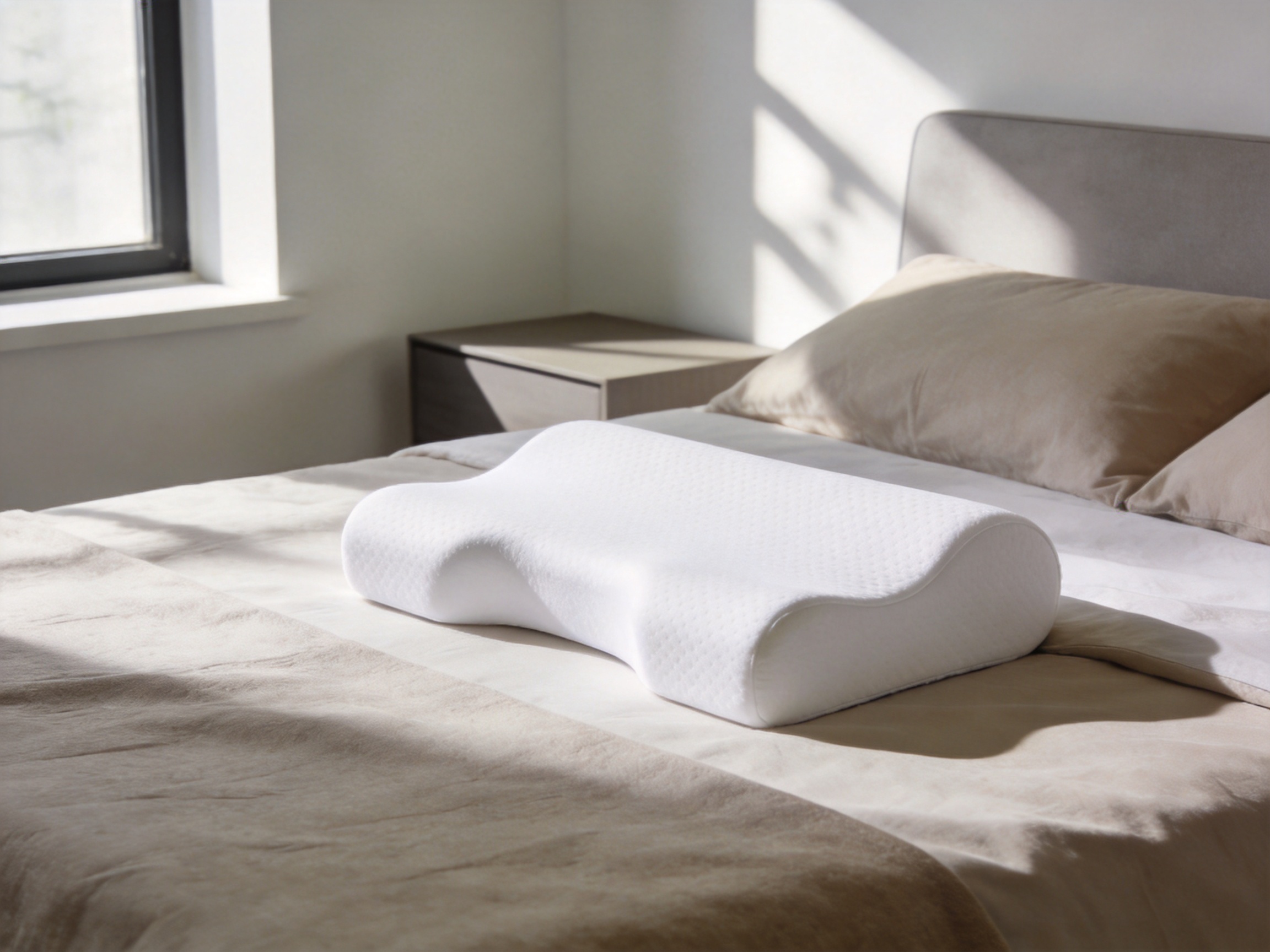
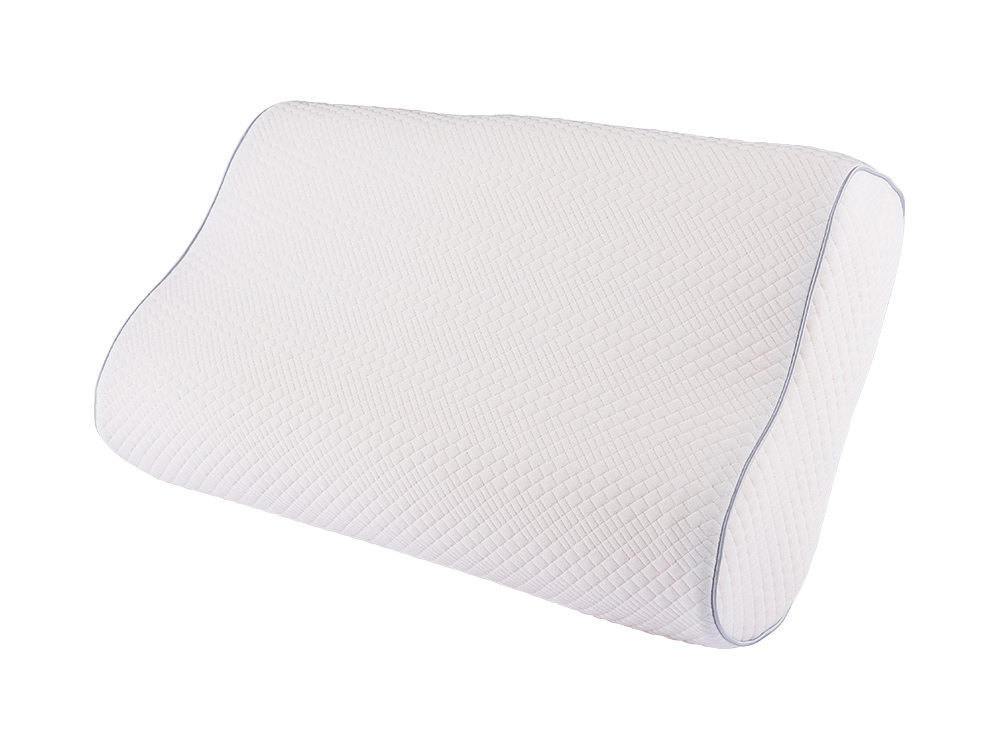
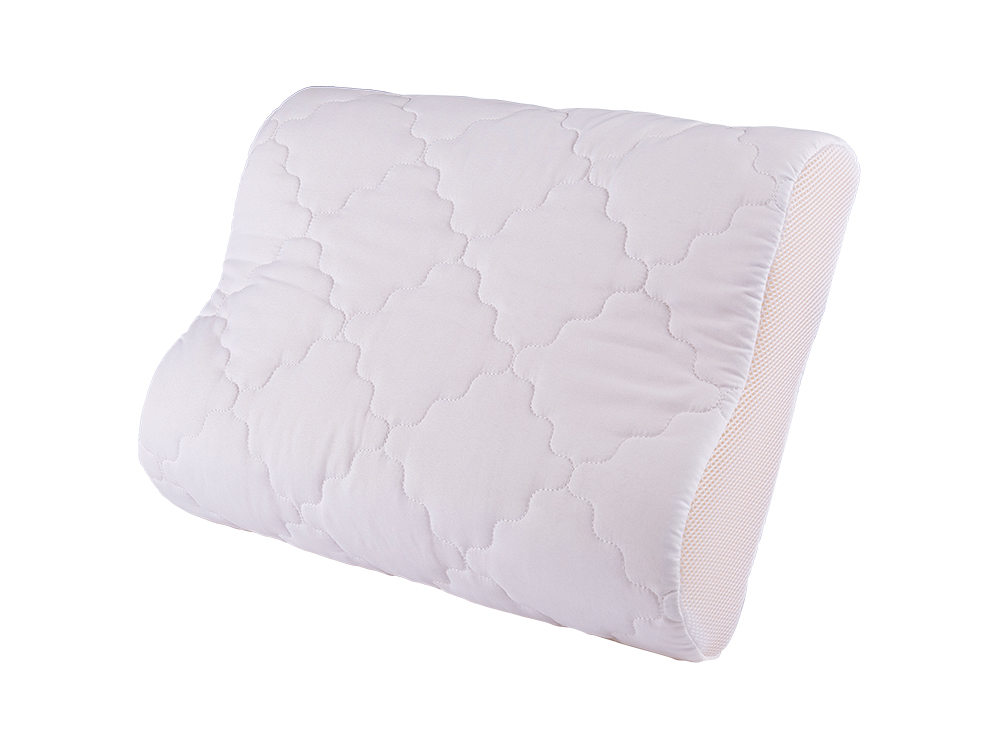
The Memory Foam Pillow featured here uses a foam core designed to fit the neck comfortably. This shape helps support the natural curve between the head and shoulders, making it suitable for people who want a more balanced sleep experience. Its design can help the head and neck relax, reduce sleep pressure, and support improved sleep quality. While no pillow can replace medical treatment for serious neck or spine conditions, a well-designed ergonomic pillow can improve daily comfort and reduce the discomfort caused by poor support.
For many households, the pillow is also a personal product. Different people may prefer different levels of firmness, height, and surface feel. However, a memory foam pillow with balanced support can serve a wide range of sleepers because it adapts better than many conventional pillow types. This adaptability is one of the product’s most important strengths and one of the reasons memory foam pillows remain popular in global bedding markets.
Product Overview
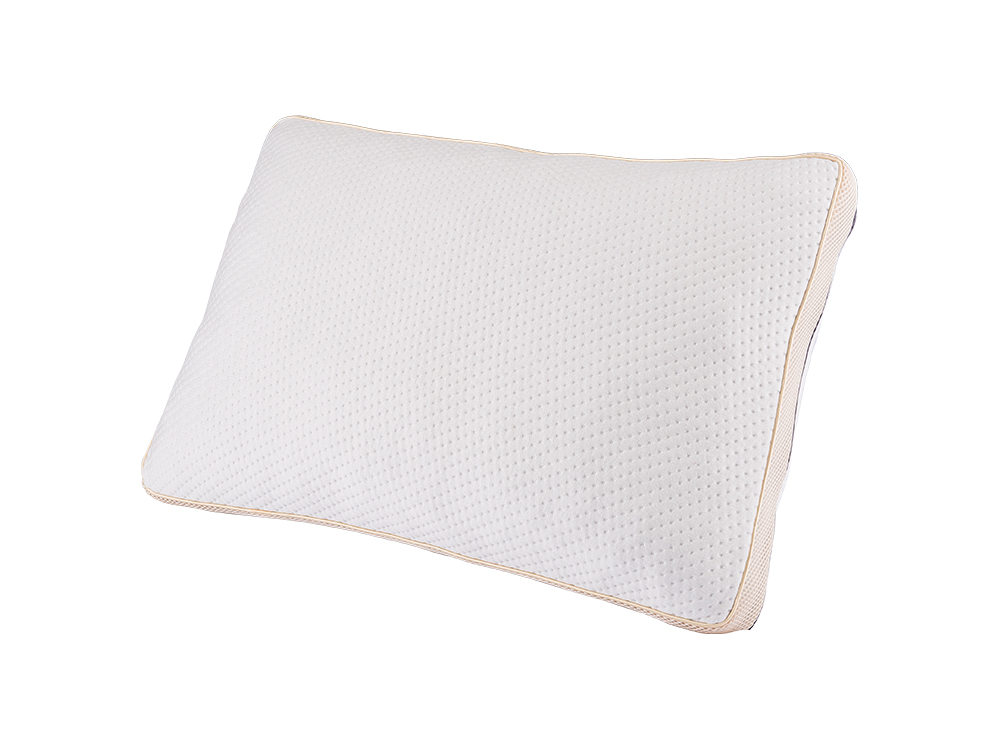
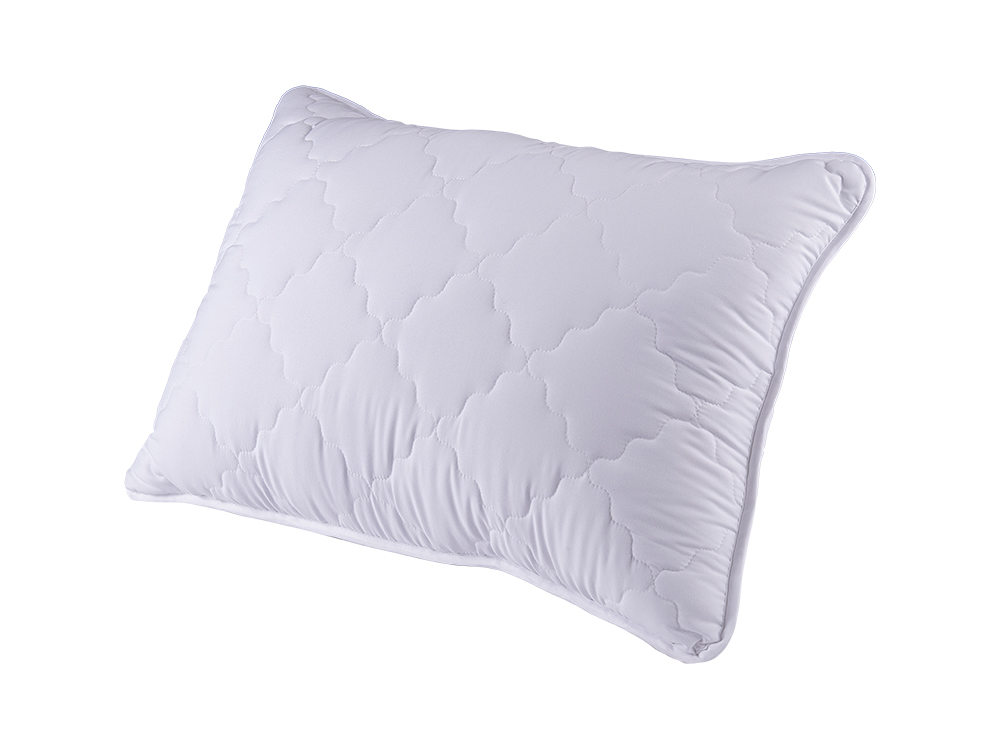
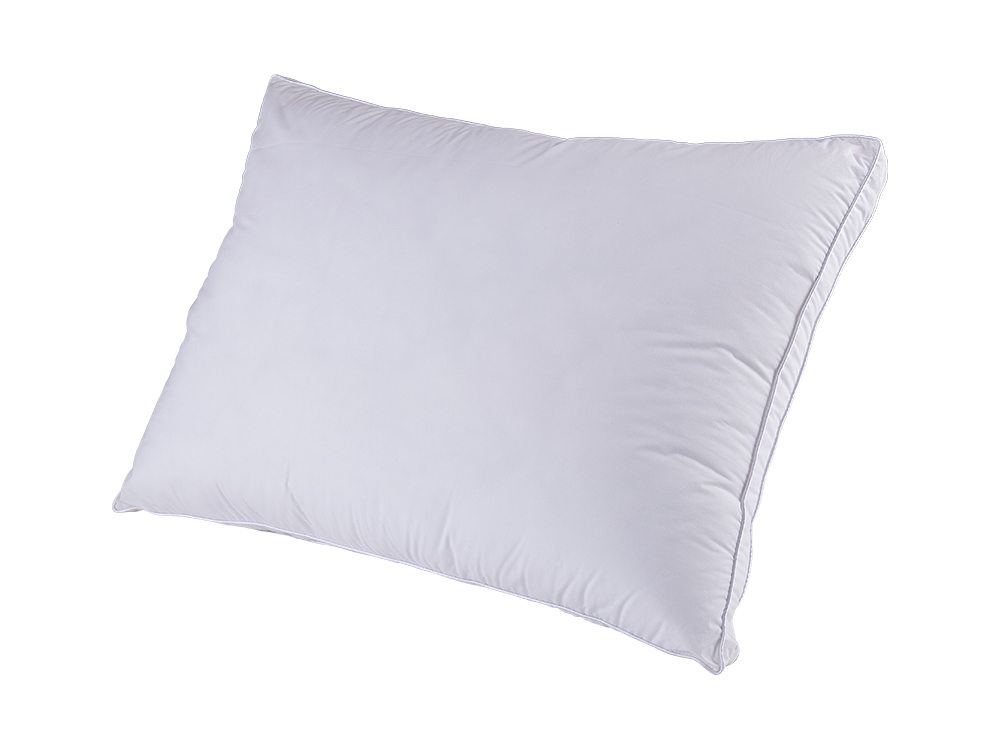
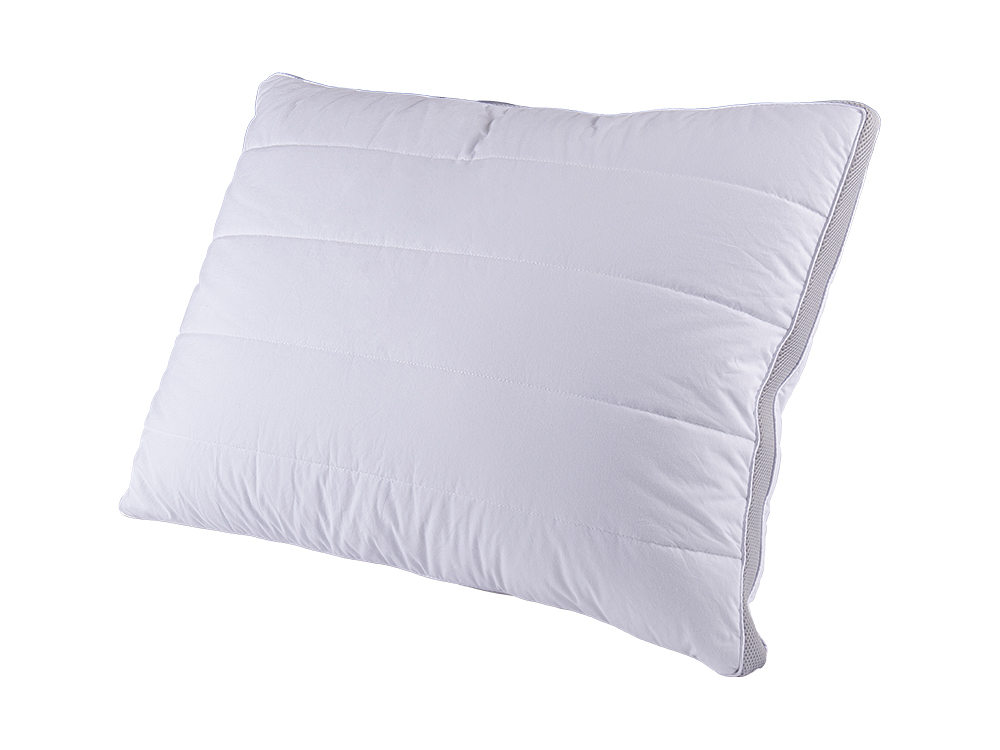
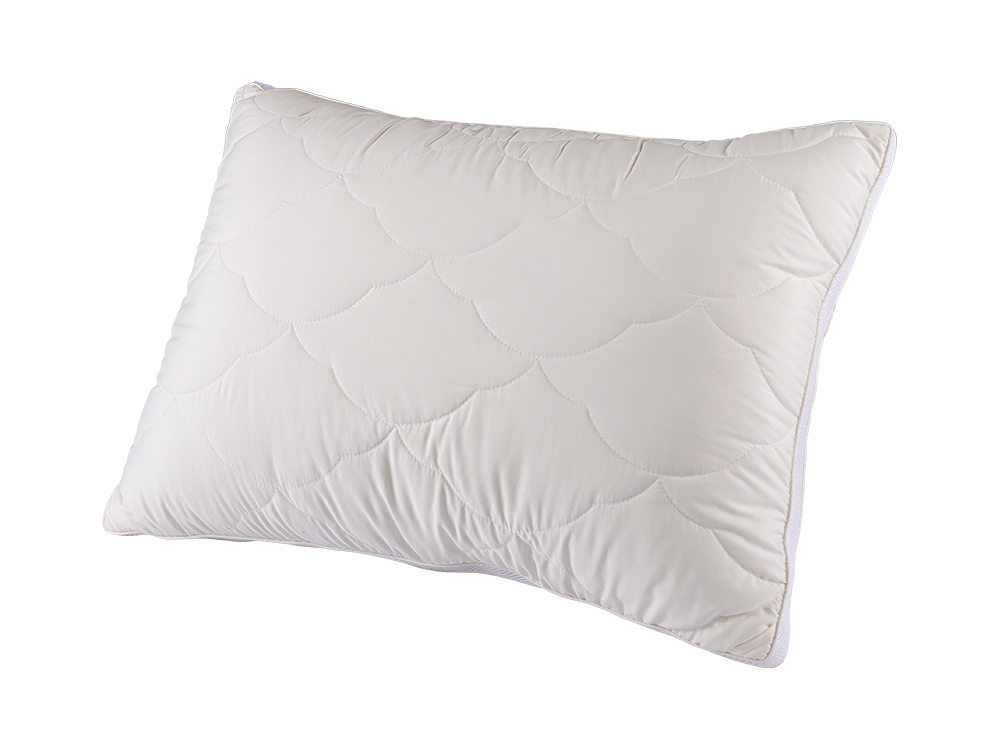
The Memory Foam Pillow is a functional home textile product made with a memory foam lining and a 280gsm knitted fabric surface. The size is 50 x 70 cm, a practical dimension suitable for many sleeping environments, including home bedrooms, guest rooms, hotels, apartments, and travel accommodation settings where a standard rectangular pillow size is preferred.
The pillow’s core design is intended to match the shape of the neck and disperse pressure on the head and neck. This pressure dispersion can contribute to a more relaxed sleeping posture and may help users wake with less stiffness caused by inadequate support. The pillow is suitable for general users who value comfort, resilience, and ergonomic bedding performance.
Its knitted fabric provides a soft hand feel and helps create a comfortable contact surface. At 280gsm, the fabric has a substantial and durable character compared with very thin covers. A good fabric cover is important because it affects the first impression of comfort, the pillow’s perceived quality, and its suitability for daily use. The combination of knitted fabric and memory foam creates a product that feels gentle while still providing internal support.
Product Name |
Memory Foam Pillow |
Product Category |
Pillow |
Size |
50 x 70 cm |
Fabric |
280gsm Knitted Fabric |
Lining |
Memory Foam |
Main Function |
Pressure dispersion, neck support, comfort improvement, and sleep quality enhancement |
Suitable Users |
General household users, hospitality buyers, bedding retailers, and customers seeking ergonomic comfort |
Ergonomic Support for the Head and Neck
The primary advantage of this pillow is its ergonomic support. Ergonomics in bedding refers to the relationship between product structure and human body posture. A pillow should support the cervical spine, keep the head balanced, and reduce unnecessary muscle tension. When the head is unsupported or unevenly supported, neck muscles may remain under stress for hours. This can make sleep feel less restorative and may contribute to morning discomfort.
The memory foam core of this pillow works by adjusting to the user’s shape. Instead of forcing the head and neck into a fixed position, the foam allows gentle contouring. This creates a customized support feeling without requiring complicated adjustment. When the user changes position, the foam gradually responds, providing a stable yet adaptive surface. This performance is especially valuable for sleepers who shift between back and side sleeping positions.
Compared with traditional polyester fiber pillows, a memory foam pillow is less likely to develop uneven lumps or hollow areas quickly. Fiber pillows can feel soft, but their filling may migrate to the edges or compress in the middle over time. This can reduce support and create an unstable surface. Memory foam, by contrast, provides a more uniform internal structure. The result is more consistent support across the pillow area.
Compared with feather or down pillows, memory foam offers a more structured feel. Feather pillows can be luxurious and moldable, but they may require frequent fluffing and may not provide enough neck support for users who need stability. Some users are also sensitive to natural fill materials. Memory foam provides a hypoallergenic-feeling alternative for many buyers, depending on the complete product construction and care environment.
Compared with ordinary sponge pillows, memory foam usually offers better contouring and pressure relief. Standard foam may rebound quickly and feel firm, while memory foam responds more slowly and shapes itself around the body. This response helps reduce pressure points and creates a feeling of secure comfort. For users who dislike pillows that bounce back strongly or push against the head, memory foam can feel more calming and supportive.
Pressure Dispersion and Relaxation
Pressure dispersion is one of the most important performance characteristics of this Memory Foam Pillow. When a pillow surface is too firm or not adaptive enough, pressure may concentrate under the back of the head, around the ears, or along the neck. These pressure points may cause discomfort, lead to frequent turning, and interrupt deep sleep. A memory foam pillow helps spread the weight of the head across a broader area.
By dispersing pressure, the pillow can help the sleeper feel more relaxed. The muscles around the neck and shoulders do not need to compensate for uneven support. This can be especially helpful after a long day of office work, travel, driving, housework, or physical activity. Many modern users spend hours looking at screens, which can create tension in the neck. While a pillow cannot correct all lifestyle-related posture issues, proper nighttime support can contribute to better recovery.
The pillow’s shape is designed to fit the neck perfectly, according to its product description. This does not mean that every individual will experience the exact same feeling, because body size, shoulder width, sleeping position, and personal preference all matter. However, the design intention is clear: to reduce unnecessary pressure, assist natural alignment, and create a healthier resting environment.
Relaxation is also psychological. A pillow that feels supportive and stable can help users settle into sleep more confidently. If a pillow constantly requires adjustment, fluffing, folding, or repositioning, it can become a source of frustration. Memory foam reduces this problem because it keeps a stable form and responds automatically to body contact. This simplicity is one of the reasons memory foam pillows are valued in both household and hospitality settings.
The Comfort Role of 280gsm Knitted Fabric
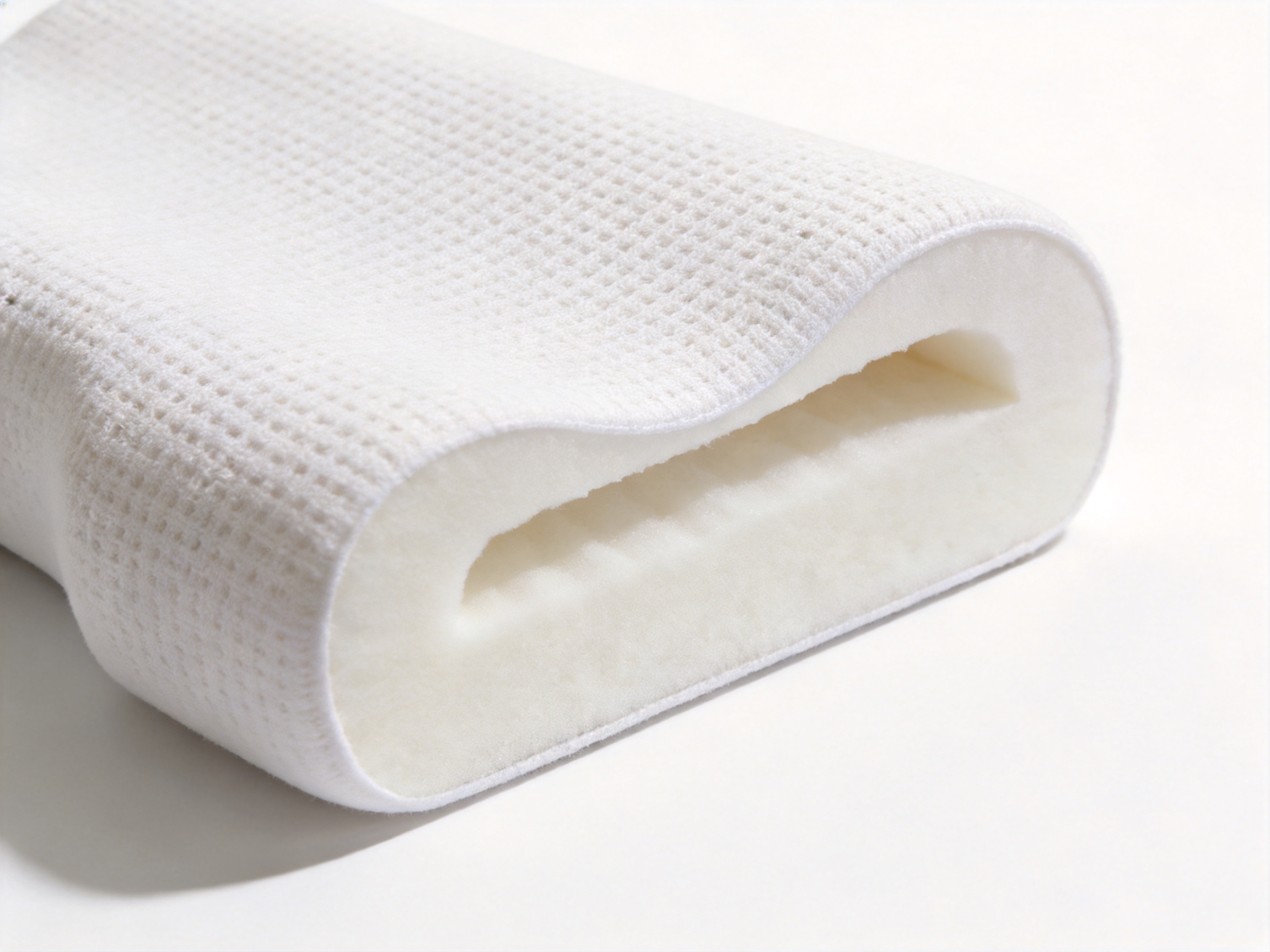
The surface fabric of a pillow is not only decorative. It plays an essential role in comfort, durability, and user experience. This Memory Foam Pillow uses 280gsm knitted fabric, which provides a soft, flexible, and comfortable surface. Knitted fabrics are generally known for their elasticity and smooth touch. Unlike stiff woven materials, knitted fabric can stretch and move slightly with the pillow core, helping preserve the adaptive feeling of memory foam.
The 280gsm weight indicates a fabric with a relatively substantial structure. A heavier knitted fabric can feel more premium than thin fabric and may provide better durability under repeated use. It can also help create a cleaner and more refined appearance. For bedding products, appearance matters because consumers often judge quality through touch, thickness, stitching, and fabric consistency.
The fabric also affects how the pillow responds to movement. If a cover is too rigid, it may limit the contouring ability of memory foam. If it is too thin, it may feel less durable and less comfortable. A balanced knitted fabric allows the foam core to perform while adding softness and surface stability. This combination helps the pillow feel comfortable from first contact and supportive after prolonged use.
For manufacturers and buyers, fabric selection is a key point of differentiation. Many competing pillows may use basic covers that reduce costs but fail to create a high-quality experience. The use of a substantial knitted fabric helps position this product as a practical and reliable option for consumers who care about both comfort and value. It also supports retail presentation because a well-made fabric cover improves the product’s visual and tactile appeal.
Why the 50 x 70 cm Size Matters
The 50 x 70 cm size is widely suitable for daily bedding use. It offers enough surface area for the head to rest comfortably and allows users to move during sleep without slipping off the pillow easily. This size can fit many pillowcases and bedding sets used in international markets, making it convenient for household buyers and commercial purchasers.
A pillow that is too small may not provide enough movement space. Users may feel restricted, especially if they turn frequently. A pillow that is too large may not fit standard pillowcases and may occupy too much bed space. The 50 x 70 cm dimension offers a balanced format. It is suitable for single beds, double beds, queen beds, and king beds, depending on arrangement preferences.
For hospitality applications, standardized sizing is especially important. Hotels, guesthouses, and furnished apartments need bedding products that fit existing covers, storage systems, laundry processes, and bed styling standards. A practical size helps reduce operational complexity. It also creates a familiar sleeping experience for guests. A memory foam pillow in this size can be used as a premium pillow option in guest rooms or sold as part of a bedding package.
For retail and wholesale buyers, the size also affects packaging, transportation, and display. A pillow with a standard size is easier to package efficiently and easier to market to consumers. It can be presented as an everyday ergonomic pillow rather than a specialty item that requires unusual accessories. This broad usability strengthens its competitiveness in multiple sales channels.
Advantages Over Conventional Pillows
The bedding market includes many pillow types, including polyester fiber pillows, cotton pillows, down pillows, feather pillows, latex pillows, gel pillows, and standard foam pillows. Each type has its own advantages, but this Memory Foam Pillow offers a strong combination of support, comfort, and consistency.
Compared with ordinary fiber pillows, the biggest advantage is structural stability. Fiber pillows may feel fluffy at first, but they often compress, clump, or lose shape with use. They may require regular shaking and reshaping. Memory foam holds a more consistent form and provides better contouring support. This can reduce replacement frequency and improve user satisfaction over time.
Compared with down or feather pillows, memory foam provides more predictable support. Down pillows are soft and lightweight, but they may not be firm enough for people who need neck alignment. Feather stems may create uneven sensations, and some users may prefer non-animal fillings. Memory foam provides a clean, modern alternative with a stable support profile.
Compared with latex pillows, memory foam often feels more contouring and less springy. Latex has strong resilience and natural elasticity, which some users enjoy, but others may find it too responsive. Memory foam has a slower recovery feel that can create a more cradling effect. This makes it appealing to users who prefer pressure relief and reduced bounce.
Compared with low-cost sponge pillows, this product offers a more refined sleep experience. Standard sponge may feel flat or overly firm and may not adapt well to body contours. Memory foam is designed for comfort and pressure distribution. When paired with 280gsm knitted fabric, the pillow achieves a higher level of user experience than many basic foam products.
Another advantage is its broad suitability. Some pillows serve only one sleeping style or one firmness preference. A well-designed memory foam pillow can suit many people because it adapts to different head shapes and resting positions. This is useful for retailers and distributors because it reduces the risk of stocking a product with overly narrow appeal.
Support for Different Sleeping Positions
Sleeping position has a major influence on pillow choice. Back sleepers usually need a pillow that supports the natural curve of the neck without pushing the head too far forward. Side sleepers generally need enough height and firmness to fill the space between the shoulder and head. Stomach sleepers often prefer lower pillows to avoid excessive neck rotation. This Memory Foam Pillow is designed as a general ergonomic pillow suitable for many users, especially those who want head and neck pressure relief.
For back sleepers, the memory foam core can cradle the head and help stabilize the neck. The adaptive structure reduces the feeling of hard contact under the skull. It can also help prevent the head from rolling excessively if the pillow shape provides balanced support. A stable back-sleeping posture can contribute to calmer rest.
For side sleepers, pressure relief is important around the ear, cheek, and jaw. A pillow surface that is too firm may create discomfort in these areas. Memory foam helps distribute pressure while maintaining support. Side sleepers also benefit from the pillow’s size because it offers room to adjust position during the night.
For combination sleepers, adaptability is essential. People who change positions need a pillow that does not require constant manual adjustment. Memory foam responds to different contact points and can help maintain comfort as the sleeper moves. This makes the product practical for many households where each user has slightly different habits.
For stomach sleepers, pillow height and personal preference are important. Some stomach sleepers may prefer very low pillows or no pillow at all. However, those who use a pillow may appreciate memory foam’s pressure-reducing surface. Retailers can guide stomach sleepers to evaluate pillow height carefully according to their comfort needs.
Healthier Sleep Through Better Bedding Design
Sleep quality is influenced by many factors, including room temperature, stress level, mattress condition, daily habits, light exposure, and bedding comfort. A pillow cannot solve every sleep problem, but it plays a meaningful role in physical comfort. When the head and neck are properly supported, the body can relax more easily. This may reduce unnecessary tossing and turning and help users maintain longer periods of uninterrupted rest.
The product description states that this pillow can reduce sleep pressure, enhance sleep quality, and make sleep healthier and more effective. These benefits are linked to its pressure-dispersing and neck-fitting design. By creating a stable support environment, the pillow helps the user rest in a more natural position. A healthier sleep environment often begins with small improvements, and choosing an appropriate pillow is one of the most accessible changes consumers can make.
In contemporary lifestyles, many people experience fatigue but still struggle with poor sleep comfort. Work pressure, screen time, commuting, and irregular schedules can make the body tense. An ergonomic pillow can become part of a nightly recovery routine. When combined with a supportive mattress, breathable bedding, and regular sleep habits, it can contribute to a more restorative sleep experience.
For families, investing in better pillows can improve everyday well-being. People spend about one-third of their lives sleeping, and bedding products are used repeatedly for months or years. A pillow that provides reliable support is not a luxury accessory; it is a daily comfort tool. The Memory Foam Pillow is designed with this practical philosophy in mind.
Manufacturing Strength Behind the Product
The quality of a pillow depends not only on material selection but also on manufacturing capability. Tongxiang Xinlong Bedding Co., Ltd. was established in January 2002 and has developed extensive experience in the home textile industry. The company produces a wide range of products, including quilts, chemical fiber quilts, pillows, cushions, bedspreads, travel quilts, mattress protectors, blankets, quilt covers, pillowcases, shower curtains, and curtains. This broad product portfolio gives the company a strong understanding of fabric handling, filling technology, stitching, finishing, packaging, and quality requirements.
The company covers an area of 21,000 square meters, with a construction area of 18,000 square meters. This production scale supports stable manufacturing capacity and allows the company to serve various customers, including distributors, retailers, private-label buyers, and customized bedding clients. A large facility is important because home textile orders often require consistent output, organized material storage, efficient workflow, and reliable delivery planning.
With more than 320 employees and advanced production equipment, the company has the personnel and technical foundation to manage complex manufacturing tasks. Bedding production requires coordination between design, material procurement, cutting, sewing, filling, inspection, packaging, and shipping. Experienced workers and modern equipment help maintain consistent dimensions, fabric quality, stitching strength, and product appearance.
The company continuously develops and innovates to adapt to changes in the home textile industry. This is especially important in the memory foam pillow market, where consumer expectations continue to rise. Buyers seek better comfort, safer materials, attractive fabrics, improved packaging, and more customized solutions. A manufacturer with professional technical personnel can respond to these needs through product development and process improvement.
Advanced Production Processes
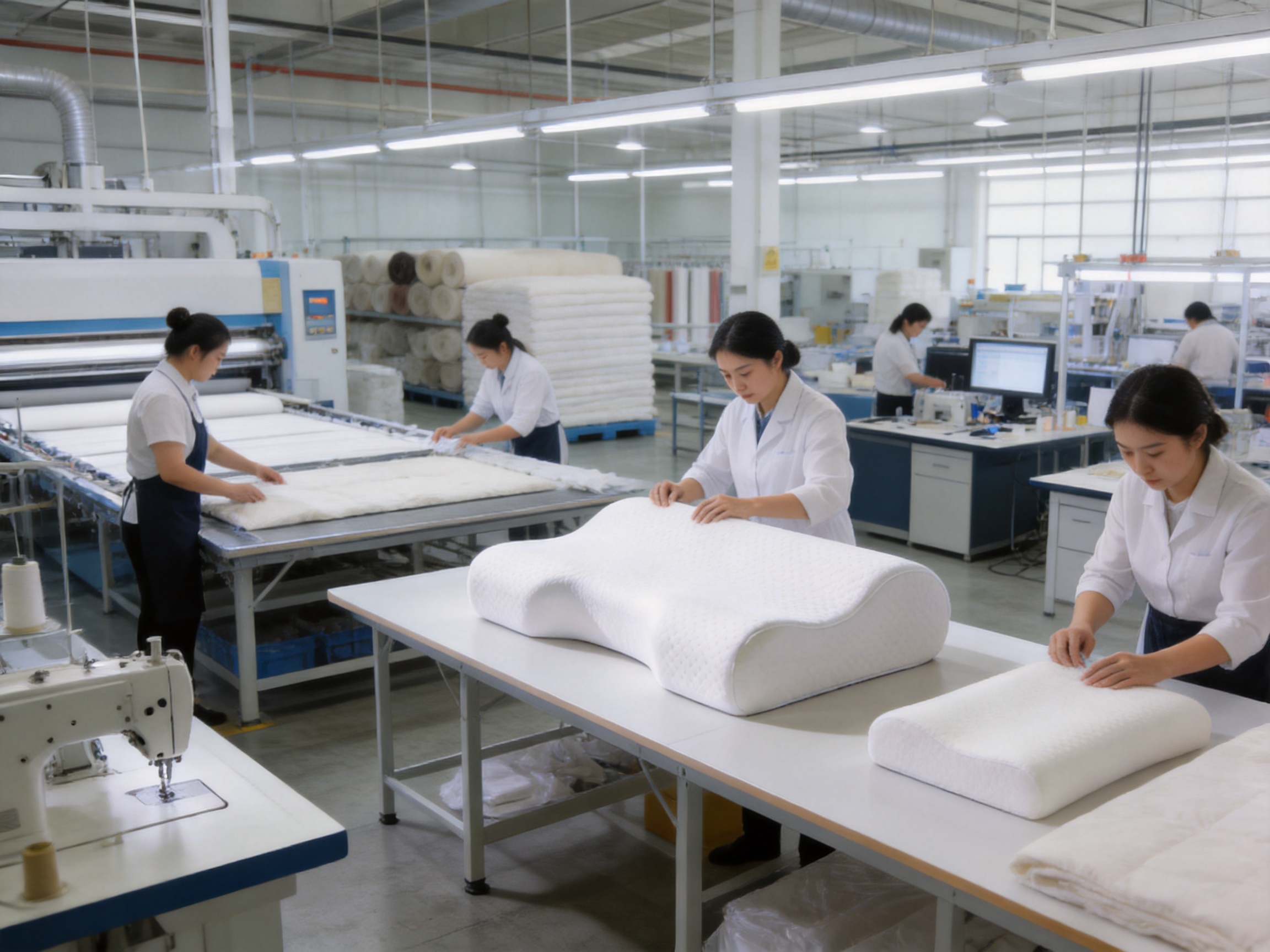
Although the exact internal production workflow may vary according to order requirements, high-quality memory foam pillow manufacturing generally involves several critical stages: material selection, foam preparation, fabric inspection, pattern cutting, cover sewing, core fitting, finishing, quality inspection, packaging, and shipment. Each stage affects the final product experience.
Material selection begins with the foam core and fabric. Memory foam must be chosen for appropriate density, resilience, comfort feel, and recovery performance. If the foam is too soft, support may be insufficient. If it is too firm, pressure relief may decline. A balanced foam core creates the correct ergonomic foundation. The 280gsm knitted fabric must also meet requirements for touch, stretch, appearance, and durability.
Foam preparation is important because the pillow core must be shaped accurately. The product’s ergonomic function depends on the core design fitting the neck comfortably. Precision in cutting or molding helps ensure that each pillow performs consistently. Uneven foam shaping can lead to poor support or visible product defects.
Fabric inspection helps detect problems before sewing. Skilled manufacturers check fabric for defects, color inconsistency, holes, stains, and weight variation. Early inspection reduces waste and prevents defective materials from entering finished products. For a pillow that will be used near the face and skin, surface quality is especially important.
Cutting and sewing must be accurate. A well-fitted cover protects the foam core and improves product presentation. If the cover is too loose, the pillow may appear wrinkled or unstable. If it is too tight, it may restrict the foam’s contouring ability. Sewing quality affects durability and consumer perception. Clean seams, consistent stitching, and proper finishing are signs of professional production.
Core fitting is another key step. The foam core must be inserted carefully so that the pillow shape remains even. The cover should align with the foam edges and contours. Workers must avoid damaging the foam or creating distortions. Proper fitting helps the pillow maintain its intended ergonomic profile.
Quality inspection may include checking size, weight, appearance, fabric condition, sewing strength, foam recovery, odor control, packaging accuracy, and labeling. Inspection ensures that the product delivered to buyers matches specifications. Consistency is crucial for wholesale and retail orders because customers expect each unit to offer the same level of quality.
Packaging protects the pillow during transportation and storage. Memory foam products may be compressed or packed according to buyer requirements, but packaging must preserve product performance and appearance. Clear packaging information, proper carton strength, and moisture protection all contribute to successful delivery.
Quality Certifications and Responsible Manufacturing
Certifications are an important indicator of manufacturing maturity. Tongxiang Xinlong Bedding Co., Ltd. has passed international certifications such as ISO9001, ISO14001, OEKO-100, OEKO-STEP, GRS, and BSCI. These certifications reflect attention to quality management, environmental management, textile safety, sustainable practices, recycled content systems where applicable, and social compliance.
ISO9001 is associated with quality management systems. For buyers, this suggests that the company follows organized procedures for maintaining product quality and continuous improvement. In bedding production, process control is essential because even small inconsistencies in fabric, stitching, or filling can affect customer satisfaction.
ISO14001 relates to environmental management. Home textile manufacturing involves energy use, water considerations, packaging materials, and waste management. A manufacturer with environmental management practices is better prepared to meet modern buyer expectations for responsible production.
OEKO-100 is widely recognized in the textile industry for testing harmful substances in textile products. For bedding items that come into close contact with the skin, textile safety is highly valued. Consumers are increasingly concerned about what they sleep on, especially products used near the face. Certification support can strengthen buyer confidence.
OEKO-STEP focuses on sustainable textile production and responsible manufacturing conditions. This is relevant for global buyers who need to evaluate suppliers not only by price but also by environmental and social standards. It helps position the manufacturer as a more reliable partner in international markets.
GRS, the Global Recycled Standard, is relevant for products and processes involving recycled materials. Even when a specific pillow model does not necessarily use recycled content, the certification demonstrates that the company has experience with sustainability-related systems and traceability requirements.
BSCI is associated with social compliance and responsible labor practices. Many international buyers require suppliers to meet social responsibility standards. A manufacturer with BSCI certification is better prepared for long-term cooperation with brands and retailers that prioritize ethical sourcing.
The company has also been rated as a safety production standardization enterprise for several consecutive years since 2016. Safety production matters because stable manufacturing depends on safe workplaces, trained employees, and controlled procedures. A safe factory is more likely to maintain production continuity, reduce accidents, and protect product quality.
Customization and Market Flexibility
One of the strengths of an experienced bedding factory is the ability to provide customized solutions. Tongxiang Xinlong Bedding Co., Ltd. offers custom home bedding for various customers. This capability is important because different markets may require different packaging, fabric styles, firmness levels, labels, colors, carton specifications, or compliance documents.
For a Memory Foam Pillow, customization may include outer fabric selection, cover design, embroidery, quilting pattern, zipper style, packaging method, private label branding, instruction cards, and carton design. Buyers may also request different foam feels or shapes depending on their target consumers. A manufacturer with technical personnel and broad production experience can support these requests more effectively than a basic trading supplier.
Retailers may need attractive packaging and clear selling points for shelf display. E-commerce sellers may prefer compressed packaging, durable cartons, and visually appealing product information. Hotels may require simple packaging, consistent bulk supply, and easy care features. Distributors may prioritize stable quality and competitive pricing. The manufacturer’s broad bedding production capacity makes it possible to serve these different channels.
Market flexibility also includes adapting to seasonal demand. Bedding sales may rise during holiday periods, back-to-school seasons, hotel renovation cycles, or promotional campaigns. A factory with a large production area and experienced workforce is better positioned to manage volume changes. This helps buyers reduce supply risk and maintain inventory stability.
Design for Home, Hospitality, and Retail Applications
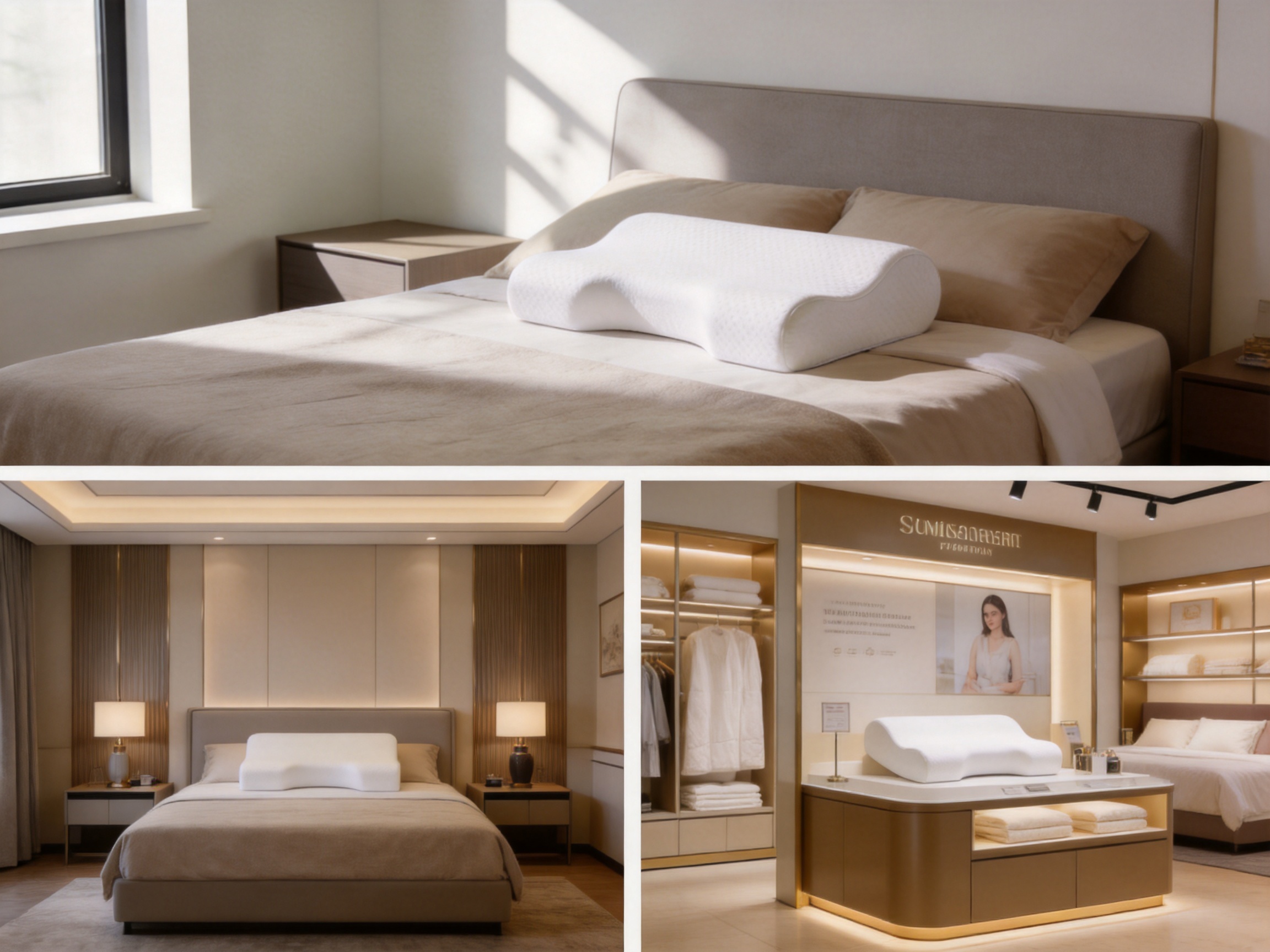
The Memory Foam Pillow can serve multiple application scenarios. In home use, it offers ergonomic comfort for daily sleep. Consumers may purchase it to replace an old pillow, improve neck support, or upgrade bedroom comfort. Its practical size and soft knitted fabric make it easy to integrate into standard bedding arrangements.
In hospitality environments, the pillow can help improve guest satisfaction. Hotels and guesthouses often compete on sleep comfort. A supportive memory foam pillow can be offered as part of a premium pillow menu or included in higher-grade rooms. Guests who sleep well are more likely to leave positive feedback and return. Bedding quality is one of the most memorable parts of a hotel stay.
In retail stores, the product has clear selling points: memory foam core, pressure dispersion, neck support, 280gsm knitted fabric, and 50 x 70 cm size. These features are easy for sales teams to explain. Consumers can understand the benefits quickly, especially if the product is displayed with touch samples or educational packaging.
In e-commerce channels, the pillow can be promoted through detailed product descriptions, images, specification tables, and benefit-focused content. Online shoppers often compare pillows based on material, size, support, cover fabric, and reviews. A memory foam pillow with strong manufacturing support and clear specifications can stand out in competitive listings.
Durability and Long-Term Value
Durability is an essential factor in pillow value. A low-cost pillow that loses shape quickly may become more expensive over time because it must be replaced frequently. A memory foam pillow with a stable core can provide longer-lasting support when used and cared for properly. The product’s durable 280gsm knitted fabric also contributes to long-term performance.
Memory foam is valued because it can recover its shape after compression. This recovery helps maintain comfort over repeated use. However, product life depends on foam quality, usage intensity, humidity, care practices, and storage conditions. Buyers should follow care instructions and use pillowcases or protective covers when appropriate.
Long-term value also includes user satisfaction. A pillow that supports better sleep can improve daily comfort, mood, and productivity. Although the direct economic value of better rest is difficult to measure, consumers often recognize the difference between poor bedding and supportive bedding. A well-designed pillow can become one of the most appreciated items in the bedroom.
For wholesale buyers, durability reduces complaints and returns. If customers feel the product performs reliably, they are more likely to repurchase and recommend it. Consistent manufacturing quality therefore supports both consumer trust and business success.
Care and Use Recommendations
Proper care helps maintain pillow performance. Memory foam should generally be protected from excessive moisture and harsh washing methods unless specific care instructions state otherwise. The foam core is usually not washed in a conventional washing machine because water can damage the material, reduce resilience, or make drying difficult. Instead, users may air the pillow regularly and keep it in a clean, dry environment.
Using a pillowcase is recommended. A pillowcase protects the knitted fabric from sweat, skin oils, dust, and everyday wear. It also allows users to wash the outer layer frequently while preserving the pillow. If the pillow includes a removable cover, the cover should be washed according to the care label.
The pillow should be allowed to expand fully after unpacking, especially if it has been compressed for shipping. Memory foam may need time to recover its shape after being packed. Placing the pillow in a ventilated room can help it reach its normal form and reduce packaging odor.
Users should place the pillow in a position that supports the neck naturally. The head should rest comfortably without forcing the chin toward the chest or letting the head tilt too far backward. If discomfort occurs, users may need to adjust sleeping position or evaluate whether the pillow height matches their body shape and mattress firmness.
Competitive Position in the Bedding Market
The Memory Foam Pillow occupies a strong position between basic pillows and luxury specialty pillows. It offers more ergonomic support than many conventional fiber pillows while remaining practical for large-scale production and broad market distribution. Its features are easy to understand and align with current consumer demand for healthier sleep products.
Several factors contribute to its competitiveness. First, the memory foam core provides a clear functional advantage. Consumers can feel the difference when the pillow adapts to their head and neck. Second, the 280gsm knitted fabric improves surface comfort and product quality perception. Third, the 50 x 70 cm size offers wide compatibility. Fourth, the manufacturer’s production scale and certifications support reliable supply and quality assurance.
In a crowded market, buyers often seek products that combine comfort claims with real manufacturing credibility. Many pillows are advertised as supportive, but not all are backed by experienced factories with advanced equipment and international certifications. The manufacturing background of Tongxiang Xinlong Bedding Co., Ltd. strengthens the product’s value proposition because it shows that the pillow is produced by a company with long-term textile expertise.
For importers and distributors, supplier reliability can be as important as product design. Delayed shipments, inconsistent quality, poor communication, or weak compliance documentation can create business problems. A manufacturer with established operations, professional personnel, and recognized certifications reduces these risks. This is a major advantage over smaller or less organized competitors.
Company Strengths Supporting Buyer Confidence
Tongxiang Xinlong Bedding Co., Ltd. has more than two decades of experience in home textile manufacturing. Experience matters because bedding production involves both technical precision and practical problem-solving. Over many years, the company has developed the ability to manage material variations, order customization, production scheduling, quality inspection, and customer requirements.
The company’s location in Wuzhen, Tongxiang, Jiaxing, Zhejiang Province, China, places it within a region known for textile and manufacturing activity. Access to supply chains, skilled labor, and logistics networks can support efficient production and export operations. For international buyers, supplier location and industrial ecosystem can influence delivery stability and cost control.
The company’s product range demonstrates versatility. Producing quilts, pillows, cushions, mattress protectors, blankets, covers, curtains, and related items requires knowledge of different materials and processes. This versatility allows the company to understand how a pillow fits within the broader bedding category. Buyers may also source multiple home textile products from the same supplier, simplifying procurement and improving collection consistency.
The company states that quality is the life of the enterprise. This principle is important in bedding because consumers interact with the product every night. A pillow must meet expectations not only when new but also after repeated use. Quality-focused procedures, employee training, technical improvement, and inspection systems all support better product outcomes.
The company’s professional and technical personnel help design and produce fashionable, warm, and practical household products. In the memory foam pillow category, technical support is essential for balancing foam feel, cover fit, ergonomic shape, and production efficiency. Continuous development helps keep the product relevant as sleep trends and consumer preferences evolve.
How the Pillow Supports Better Consumer Experience
The consumer experience begins before sleep. When users touch the 280gsm knitted fabric, they should feel softness and quality. When they place the pillow on the bed, the shape should look stable and inviting. When they lie down, the memory foam should respond gradually and reduce pressure. Through the night, the pillow should maintain support without frequent adjustment. In the morning, users should feel that the pillow helped them rest more comfortably.
This sequence of experience is important because pillow satisfaction is not based on one feature alone. A pillow can have good foam but poor fabric. It can have soft fabric but weak support. It can look attractive but lose shape quickly. The Memory Foam Pillow is designed to combine these elements into a balanced product.
For gift purchases, the pillow can be positioned as a thoughtful wellness item. Unlike decorative products, a supportive pillow offers practical daily value. For families, it can be used in master bedrooms, children’s rooms for suitable age groups, guest rooms, and vacation homes. For older users, pressure-relieving comfort may be especially appreciated, although individual health conditions should always be considered.
For buyers building a bedding collection, this pillow can pair well with quilts, mattress protectors, blankets, and mattress covers. Since the manufacturer produces multiple home textile categories, customers can create coordinated product lines. This is valuable for retailers and private-label brands seeking consistent quality and design across a full bedding range.
Practical Buying Considerations
When selecting a memory foam pillow, buyers should consider several factors. The first is support level. A good pillow should keep the head and neck aligned according to the user’s sleeping position. The second is surface comfort. Fabric quality affects the user’s first impression and long-term satisfaction. The third is size compatibility. The 50 x 70 cm size offers a practical standard for many markets.
The fourth factor is manufacturing reliability. Buyers should evaluate whether the supplier has the capacity, certifications, and experience to deliver consistent products. Tongxiang Xinlong Bedding Co., Ltd. offers advantages in this area through its established factory, advanced equipment, workforce, and quality systems.
The fifth factor is customization. Retailers or distributors may need private-label packaging, specific fabrics, or market-specific product information. A manufacturer with customization capability can help buyers differentiate their products. This is especially important in competitive bedding markets where many products appear similar at first glance.
The sixth factor is compliance. International buyers often require documentation related to textile safety, social responsibility, environmental management, and product testing. A factory with certifications such as ISO9001, ISO14001, OEKO-100, OEKO-STEP, GRS, and BSCI is better positioned to support these requirements.
Q&A Section
What is the main benefit of this Memory Foam Pillow?
The main benefit is ergonomic pressure relief. The memory foam core conforms to the head and neck, disperses pressure, and helps the user maintain a more relaxed sleeping posture.
What size is the pillow?
The pillow size is 50 x 70 cm, which is suitable for many standard bedding arrangements and pillowcases.
What fabric is used on the pillow?
The pillow uses 280gsm knitted fabric, offering a soft, comfortable, and durable surface feel.
What is inside the pillow?
The lining is memory foam, which provides contouring support and pressure distribution.
Who can use this pillow?
It is suitable for general users who want better head and neck support, including many back sleepers, side sleepers, and combination sleepers. Individual comfort depends on body shape, sleeping position, and personal preference.
How does this pillow compare with ordinary fiber pillows?
Ordinary fiber pillows may flatten, clump, or require frequent fluffing. This Memory Foam Pillow offers more stable support and better contouring, helping maintain comfort throughout the night.
Is the pillow suitable for hotels?
Yes. Its standard size, pressure-relieving comfort, and quality fabric make it suitable for hospitality applications, especially rooms that aim to provide a more premium sleep experience.
Can the product be customized for wholesale buyers?
Yes. The manufacturer has experience providing customized home bedding solutions for different customers. Possible customization may include fabric, packaging, labeling, and other order-specific requirements.
What certifications support the manufacturer’s reliability?
The manufacturer has passed certifications such as ISO9001, ISO14001, OEKO-100, OEKO-STEP, GRS, and BSCI, supporting quality management, environmental responsibility, textile safety, sustainability systems, and social compliance.
How should users care for a memory foam pillow?
Users should keep it clean and dry, use a pillowcase, air it regularly, and follow the care instructions. The foam core should generally not be machine washed unless the care label specifically allows it.
Conclusion
The Memory Foam Pillow is a functional bedding product designed for pressure dispersion, neck support, and improved sleep comfort. Its memory foam core adapts to the shape of the head and neck, helping reduce concentrated pressure and supporting a more relaxed sleeping posture. Its 280gsm knitted fabric adds softness, durability, and a premium surface feel. Its 50 x 70 cm size offers broad compatibility for home, hospitality, retail, and wholesale markets.
Compared with many conventional pillows, this product offers stronger ergonomic performance, more stable support, and a better balance of comfort and practicality. It is especially competitive because it is supported by the manufacturing strength of Tongxiang Xinlong Bedding Co., Ltd., a company with more than two decades of home textile experience, advanced production equipment, a large workforce, international certifications, and broad customization capabilities.
For consumers, the pillow provides a practical way to improve nightly comfort. For retailers and distributors, it offers clear selling points and reliable manufacturing support. For hospitality buyers, it can enhance guest sleep experience. For private-label customers, it provides a strong foundation for customized bedding collections.
In a market where sleep quality is increasingly valued, a pillow must do more than fill a pillowcase. It must support the body, feel comfortable, maintain quality, and come from a manufacturer capable of consistent production. This Memory Foam Pillow meets those expectations through thoughtful design, appropriate materials, and professional manufacturing strength.
References
Walker, M. Why We Sleep: Unlocking the Power of Sleep and Dreams. Scribner.
Kryger, M. H., Roth, T., and Dement, W. C. Principles and Practice of Sleep Medicine. Elsevier.
Grandner, M. A. Sleep and Health. Academic Press.
Oborne, D. J. Ergonomics at Work: Human Factors in Design and Development. Wiley.
Sanders, M. S., and McCormick, E. J. Human Factors in Engineering and Design. McGraw-Hill.
International Organization for Standardization. ISO9001 Quality Management Systems Guidelines.
International Organization for Standardization. ISO14001 Environmental Management Systems Guidelines.
OEKO-TEX Association. Standard 100 by OEKO-TEX Product Testing Principles.
OEKO-TEX Association. STeP by OEKO-TEX Sustainable Textile Production Criteria.
Textile Exchange. Global Recycled Standard Implementation Manual.


 +86-573-88798028