



 Français
 Español
 Deutsch
Content
- 1 Understanding the Honeycomb Bread TPE Cooling Pillow
- 2 Cooling Comfort for Different Sleep Preferences
- 3 The Functional Value of Honeycomb TPE Fabric
- 4 3D Fiber Filling for Balanced Support
- 5 Advantages Compared with Conventional Pillow Designs
- 6 Manufacturing Strength and Product Development Capability
- 7 Quality Management and Process Control
- 8 From Material Selection to Finished Pillow
- 9 Why Factory Experience Matters to International Buyers
- 10 Applications Across Residential and Commercial Markets
- 11 Merchandising and Product Communication
- 12 Care, Handling, and Buyer Considerations
- 13 Responsible Manufacturing and Continuous Improvement
- 14 Questions and Answers
- 14.1 What is the Honeycomb TPE Cooling Pillow?
- 14.2 What size is the pillow?
- 14.3 What does TPE mean?
- 14.4 What is the purpose of the honeycomb pattern?
- 14.5 Is the pillow actively refrigerated?
- 14.6 What is 3D fiber filling?
- 14.7 How does this pillow differ from a standard polyester pillow?
- 14.8 How does it differ from a memory foam pillow?
- 14.9 Can the pillow be used in hotels?
- 14.10 Can the product be customized?
- 14.11 Which certifications does the manufacturer report?
- 14.12 Where is the manufacturer located?
- 14.13 How long has the company been operating?
- 14.14 What other products does the company produce?
- 14.15 What should buyers confirm before ordering?
- 14.16 Is the pillow suitable for every sleeper?
- 15 Conclusion
- 16 References
- 17 Product: Honeycomb Bread TPE Cooling Pillow
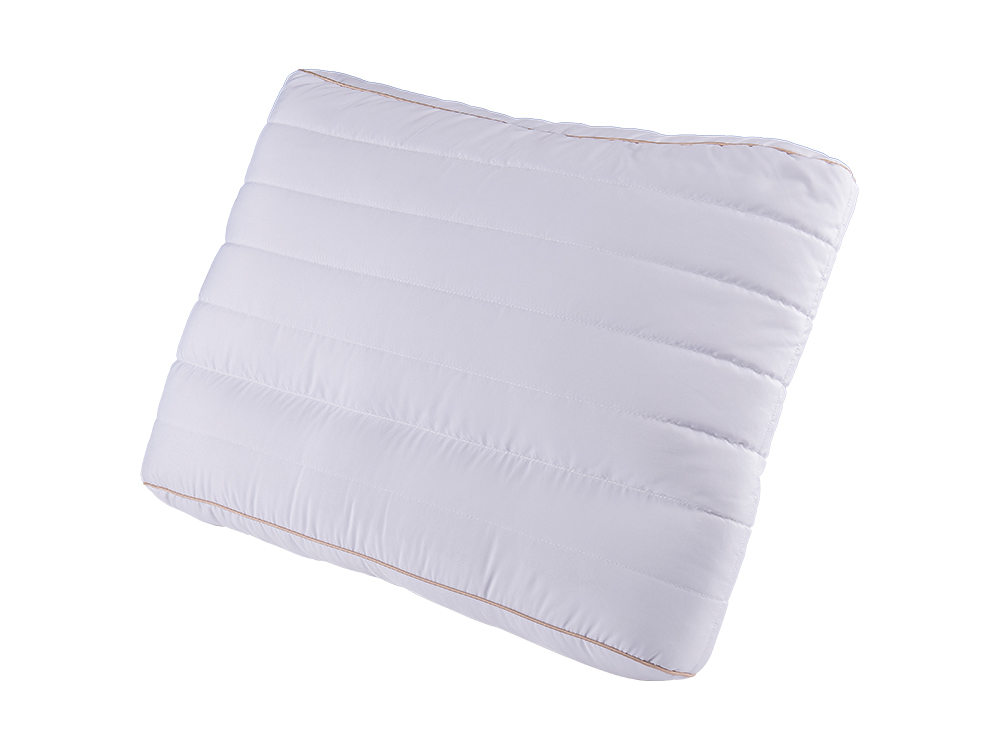
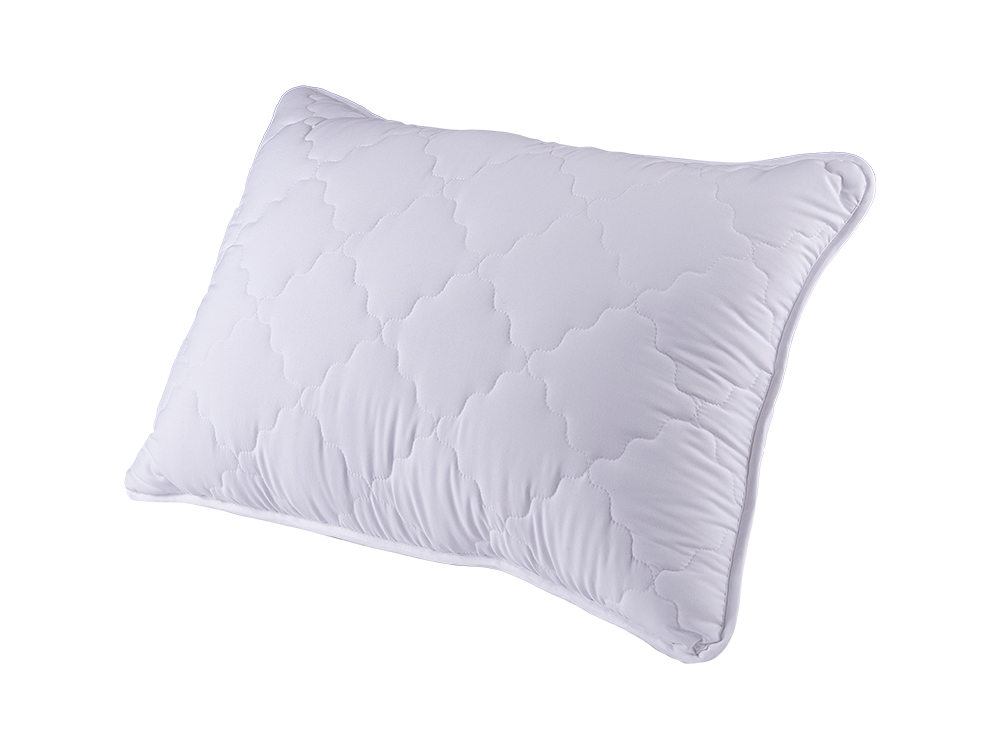
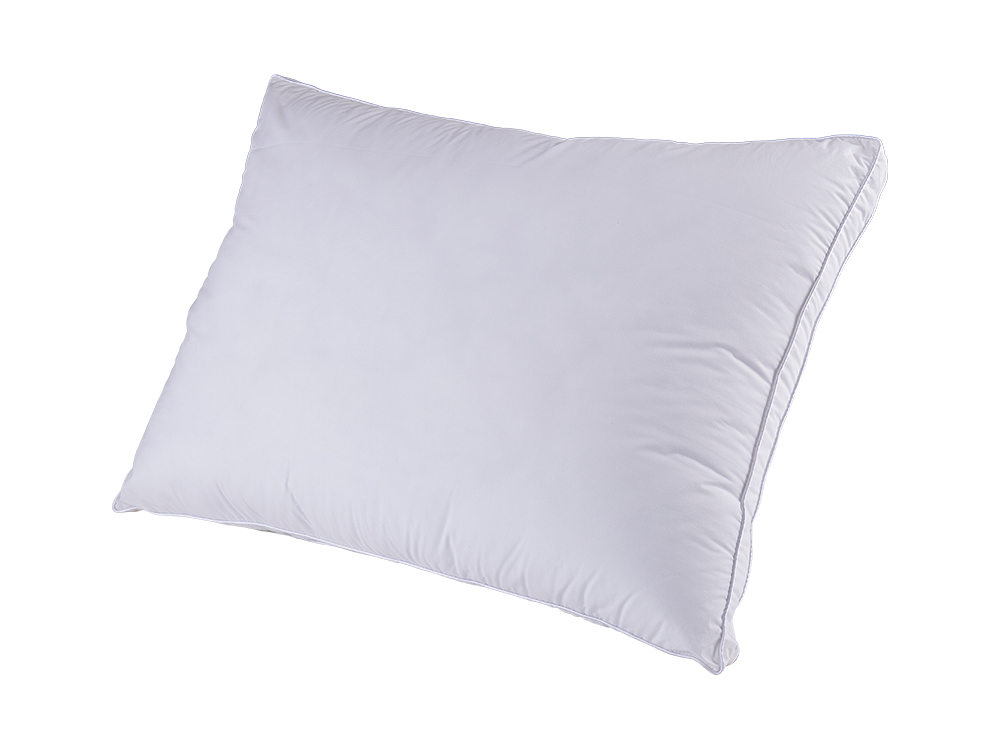
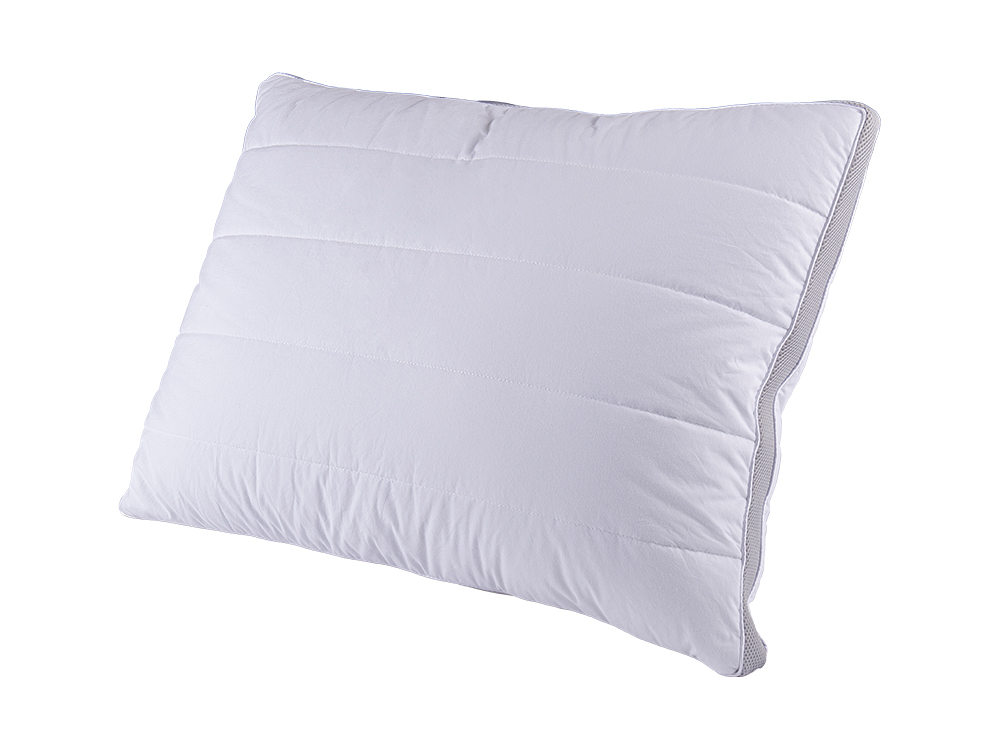
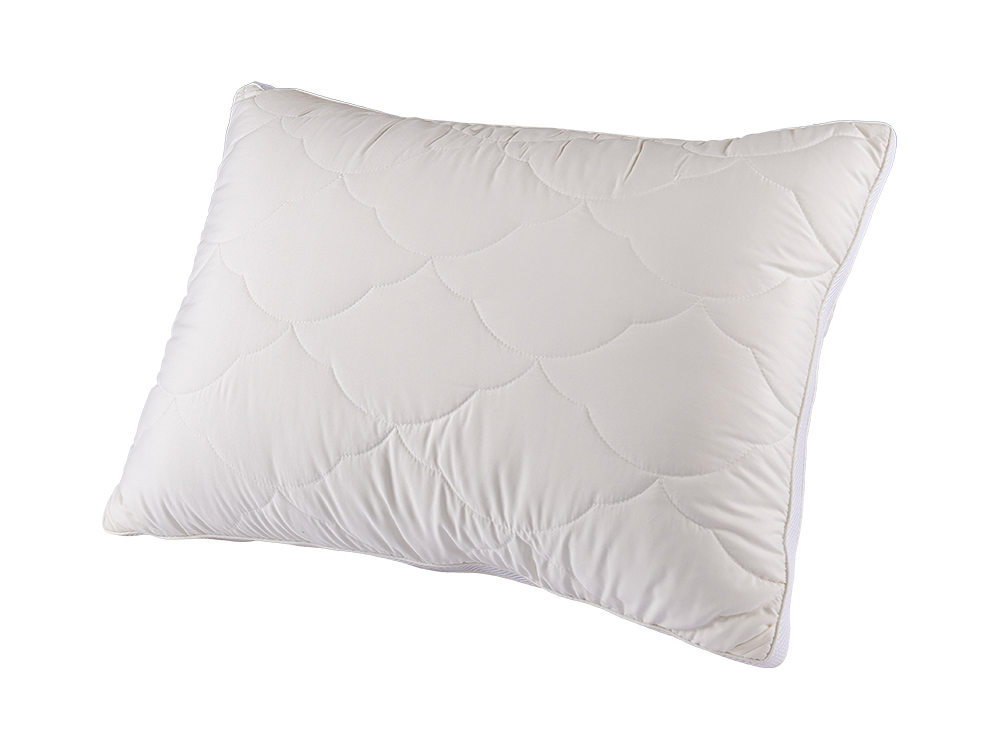
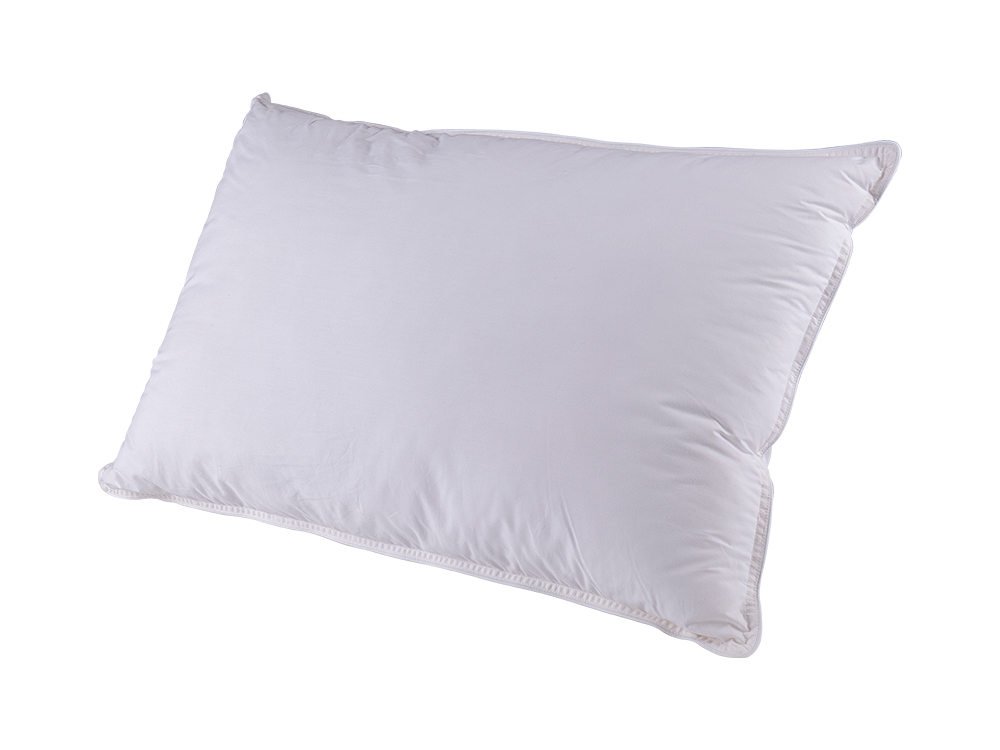
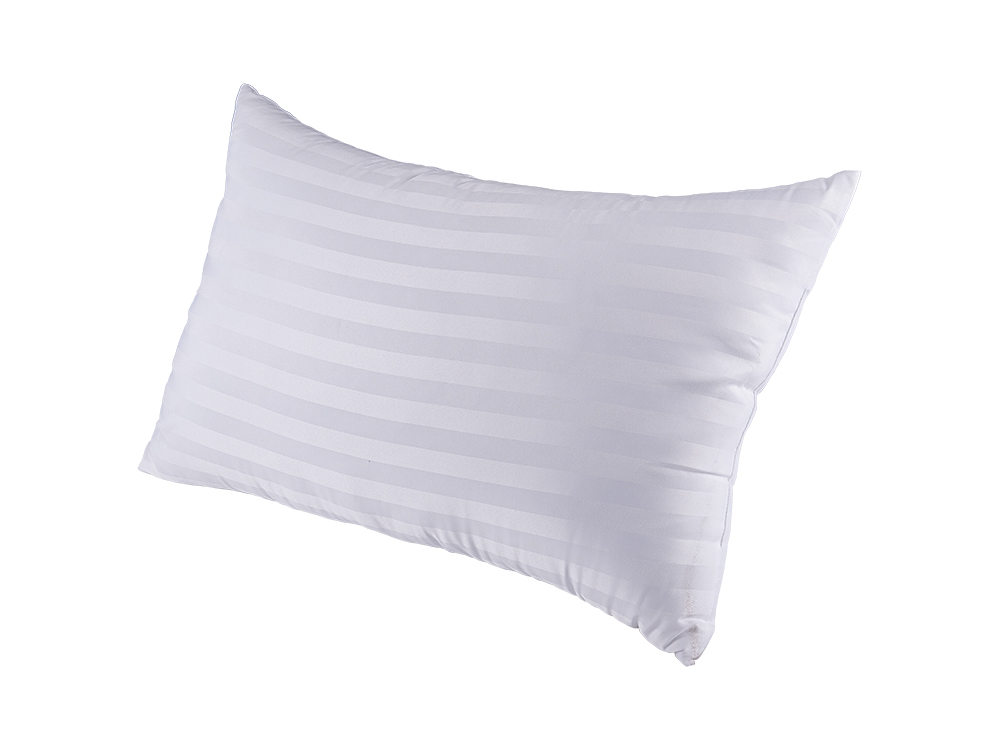
Sleep comfort is no longer defined only by softness. Today’s consumers are looking for bedding products that combine pressure relief, temperature management, reliable construction, easy maintenance, and an attractive appearance. The Honeycomb Bread TPE Cooling Pillow responds to these expectations with a carefully developed combination of honeycomb TPE cooling gel fabric and supportive 3D fiber filling. Designed in a generous 50 x 70 centimeter format, it provides a balanced surface for sleeping, reading, relaxing, and everyday bedroom use.
This pillow is positioned within the modern cooling pillow category, where material selection and manufacturing precision are especially important. A pillow may feel soft at first touch, but long-term comfort depends on how its surface, filling, dimensions, ventilation, and resilience work together. The Honeycomb Bread design brings these elements into one product. Its textured cooling surface helps create a cooler contact experience, while the 3D fiber filling gives the pillow a light, resilient structure that can support comfortable use over time.
The product is manufactured by Tongxiang Xinlong Bedding Co., Ltd., a home textile producer based in Wuzhen, Tongxiang City, Zhejiang Province, China. Established in January 2002, the company has developed extensive experience in pillows, quilts, cushions, mattress protectors, blankets, bedspreads, pillowcases, curtains, shower curtains, and other household textile products. Its broad product knowledge supports an integrated approach to design, material selection, production management, inspection, and customer service.
With a facility covering approximately 21,000 square meters and a construction area of approximately 18,000 square meters, the company has the space and organizational capacity to support professional bedding production. Its workforce includes more than 320 employees, supported by technical personnel and modern manufacturing equipment. The company also reports certifications and management systems including ISO 9001, ISO 14001, OEKO-TEX, OEKO-STEP, GRS, and BSCI, together with years of safety production standardization recognition.
For buyers seeking a cooling pillow that is comfortable, visually distinctive, adaptable to different markets, and produced by an experienced bedding factory, this design offers a practical and high-value solution.

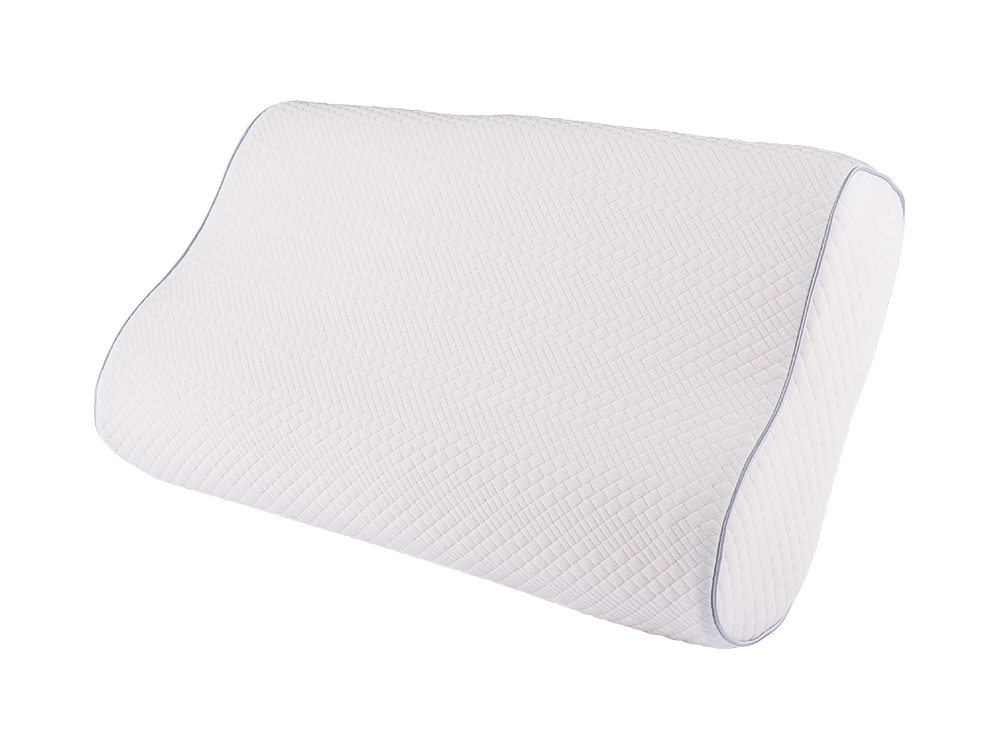
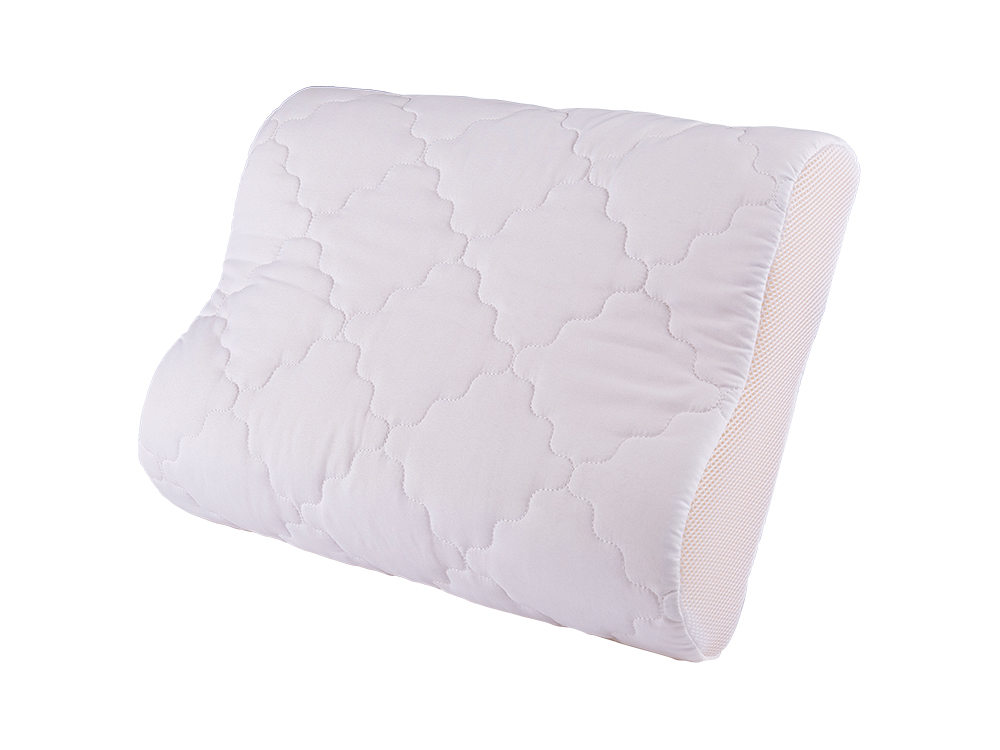
Honeycomb Bread TPE Cooling Pillow
Understanding the Honeycomb Bread TPE Cooling Pillow
The Honeycomb Bread TPE Cooling Pillow is a specialized pillow made from two main material components: honeycomb TPE cooling gel fabric and 3D fiber filling. These components are selected to address two different aspects of sleep comfort. The outer material is responsible for the touch, visual appearance, and cooling sensation of the sleep surface. The filling provides loft, softness, flexibility, and internal support.
TPE, or thermoplastic elastomer, is a material family known for combining certain flexible characteristics with the processability of thermoplastic materials. In bedding applications, TPE can be formed into structured surfaces that are flexible, tactile, and visually distinctive. When developed as a cooling gel fabric, it can provide a cool-to-the-touch experience that is particularly appealing to warm sleepers and consumers who prefer a fresh sleeping surface.
The honeycomb structure is not simply decorative. A repeating open-cell or honeycomb-inspired pattern can help create a more textured contact surface. It can also contribute to the pillow’s visual identity and give the material a modern, technical appearance. This makes the product suitable for consumers who want bedding that looks different from ordinary smooth polyester or cotton pillows.
The “bread” design name suggests a full, comfortable form with a soft and inviting visual profile. The product is designed to communicate warmth and comfort while using a cooling surface to manage the first-contact sensation. This combination creates a contrast that can appeal to a wide range of consumers: the pillow looks soft and substantial, yet its surface is engineered for a cooler experience.
The 50 x 70 centimeter size is a practical standard for many bedrooms and hospitality applications. It offers sufficient width for normal sleeping positions without becoming excessively large or difficult to handle. The size can also fit a broad range of pillowcase formats, depending on regional market conventions and the final cover specifications selected by the buyer.
Product Element | Specification | Primary Function |
Product category | Cooling pillow | Provides a cooler and more comfortable sleeping experience |
Size | 50 x 70 centimeters | Offers a versatile format for residential and commercial use |
Surface fabric | Honeycomb TPE cooling gel fabric | Creates a cool, textured, modern contact surface |
Filling | 3D fiber | Supports loft, softness, resilience, and lightweight comfort |
Application | Home, hospitality, guest rooms, and bedding collections | Adapts to multiple sales and usage environments |
Cooling Comfort for Different Sleep Preferences
Temperature is a major factor in perceived sleep comfort. A pillow that retains too much heat can become uncomfortable, especially for people who sleep warmly, live in humid climates, or use bedding in rooms with limited air circulation. The Honeycomb TPE Cooling Pillow is designed to respond to this concern through its cooling gel fabric surface.
The cooling effect of a pillow can be understood in terms of contact sensation, surface structure, and heat exchange. A cool-touch material may feel noticeably fresher when the sleeper first places the head on the pillow. This initial sensation can contribute to relaxation and comfort. The honeycomb surface also creates a distinctive texture that may help reduce the feeling of a flat, heat-trapping contact area.
It is important to distinguish a cooling pillow from an actively refrigerated or electronically cooled product. This pillow does not require batteries, electrical components, or a complicated operating system. Its cooling character comes from the material construction of the fabric and the way the surface interacts with the body. That makes it easy to use, simple to position, and suitable for ordinary bedrooms.
The pillow can be especially attractive in warm-weather markets. In tropical, subtropical, and summer-season environments, consumers often seek bedding that feels less heavy and less insulating. Retailers can present the pillow as part of a complete warm-weather collection alongside lightweight quilts, breathable mattress protectors, and cooling bedding accessories.
The product may also be suitable for people who change sleeping positions throughout the night. A cooling surface can remain relevant whether the sleeper rests on the back, side, or in a partially turned position. The 50 x 70 centimeter footprint provides a broad support area, while the 3D fiber filling helps the pillow preserve its general shape during normal use.
Although individual comfort preferences vary, the design offers a practical alternative to traditional pillows that rely solely on cotton, ordinary polyester, memory foam, or down-like filling. Instead of focusing only on softness or firmness, the product adds a temperature-related feature that can help it stand out in a crowded bedding market.
The Functional Value of Honeycomb TPE Fabric
The honeycomb TPE cooling gel fabric is the defining feature of this pillow. Traditional pillow fabrics often depend on woven or knitted textiles with relatively uniform surfaces. By contrast, the honeycomb structure gives the product a recognizable appearance and a more engineered visual identity.
A patterned surface can influence how a product is perceived before it is even used. Consumers often associate honeycomb designs with structure, organization, and ventilation. In the context of a pillow, this visual language suggests that the product has been developed with more than basic textile construction in mind. It communicates a sense of modern functionality that can be valuable in retail displays, online product listings, and hospitality procurement presentations.
The TPE material also offers a flexible feel. Unlike a rigid plastic surface, a properly designed thermoplastic elastomer surface can bend and respond to pressure. This flexibility is important for bedding because the pillow must remain comfortable when the user changes position or applies pressure with the head and neck.
The cooling gel fabric provides a product differentiation strategy for manufacturers, importers, distributors, and private-label buyers. Many standard pillows compete primarily on price, fill weight, or fabric softness. A TPE cooling surface creates another point of difference. It allows buyers to offer a product with a stronger technical story while preserving the familiar form and convenience of a conventional pillow.
The honeycomb pattern can also support a premium product presentation. A well-made cooling pillow may be displayed as an upgraded bedding item rather than a basic commodity. Its design can fit collections focused on wellness, summer comfort, modern interiors, sleep technology, or hotel-quality bedding.
For consumers, the surface offers a sensory experience that begins before sleep. The texture, cool touch, and contemporary appearance can make the pillow feel more specialized than a conventional smooth-cover product. For businesses, these characteristics create additional opportunities for packaging, merchandising, photography, and product education.
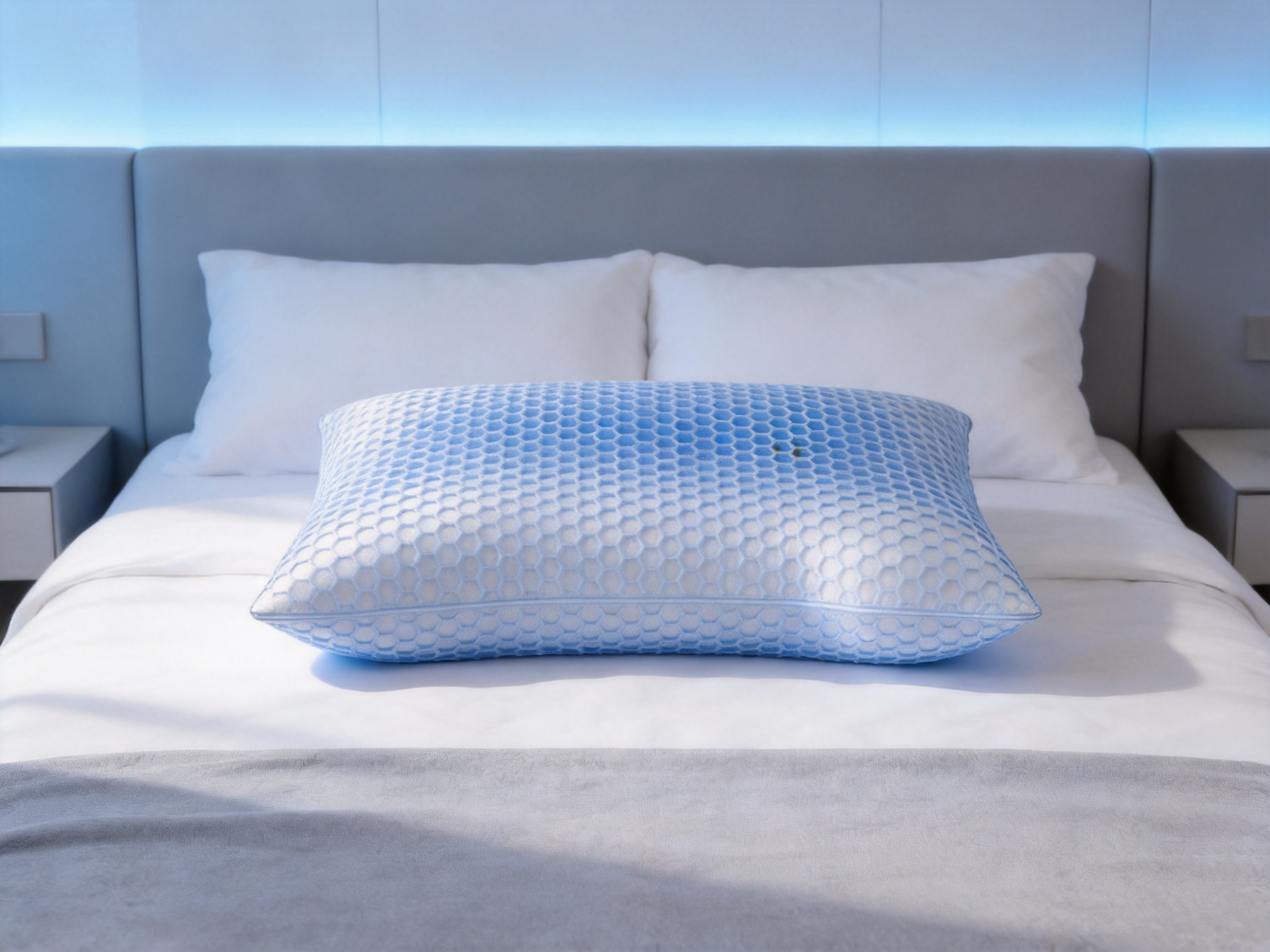
3D Fiber Filling for Balanced Support
The filling of the Honeycomb TPE Cooling Pillow is 3D fiber. This type of fiber construction is commonly valued for its ability to create loft and resilience while maintaining a relatively light overall structure. In a pillow, the filling must provide more than volume. It should help the product feel comfortable under pressure and recover its general shape after use.
One advantage of 3D fiber is its ability to form a spring-like internal structure. The three-dimensional arrangement of fibers can create air spaces within the filling, contributing to a lighter and more flexible feel. These spaces may also help prevent the filling from becoming an overly dense mass, supporting a more pleasant hand feel during handling.
For manufacturers and buyers, fiber filling provides practical versatility. It can be produced in consistent batches, processed using established textile equipment, and incorporated into different pillow formats. Compared with some natural fillings, synthetic fiber can offer more predictable specifications and easier standardization across production runs.
The filling is also an important part of the product’s balance. A cooling surface alone does not guarantee comfort. If the interior is too flat, too dense, or too unstable, the user may not receive the expected sleeping experience. The combination of a responsive 3D fiber interior and a structured TPE exterior is intended to give the pillow both softness and body.
The product is not presented as an orthopedic medical device, and it should not be marketed as treating a medical condition. However, its broad size and resilient filling can support ordinary sleeping comfort. Buyers can position it as an everyday pillow for consumers who want a fresh surface and a supportive, lightweight feel.
The filling also contributes to the pillow’s practical handling. A product that is not unnecessarily heavy is easier to package, transport, place on beds, and manage in hotel or residential environments. For wholesalers and retailers, manageable weight can be beneficial during warehouse operations and order fulfillment.
Advantages Compared with Conventional Pillow Designs
The bedding market includes many types of pillows, including cotton-filled pillows, polyester fiber pillows, memory foam pillows, latex pillows, down pillows, and gel-infused foam designs. Each category has a place in the market, but each also has limitations. The Honeycomb TPE Cooling Pillow is designed to compete by combining several desirable features rather than relying on one material alone.
Compared with ordinary polyester pillows
Ordinary polyester pillows can be affordable and widely available, but they may offer limited differentiation. Their fabric surfaces are often smooth and familiar, and their selling points may focus mainly on softness or price. The Honeycomb TPE Cooling Pillow adds a distinctive cooling surface and a visible honeycomb structure. This gives retailers a stronger product story and allows the item to occupy a more specialized position.
Compared with traditional cotton pillows
Cotton pillows can provide a natural textile association, but cotton filling may compress over time and may not provide the same cooling gel surface. The TPE design is intended for consumers who prioritize temperature sensation and modern material technology. It can therefore complement, rather than replace, natural-fiber bedding collections.
Compared with memory foam pillows
Memory foam is often associated with contouring support, but some users find foam pillows heavy, dense, or warm. The Honeycomb TPE Cooling Pillow uses 3D fiber instead of a solid foam core, creating a lighter and more flexible type of support. The TPE surface provides a cooling feature without requiring the pillow to be built around a dense foam block.
Compared with ordinary gel pillows
Some gel pillows use a gel layer or gel insert beneath a textile cover. The Honeycomb TPE fabric approach makes the cooling material a more visible and integrated part of the product design. The honeycomb surface gives the pillow a recognizable identity and can provide a more direct tactile experience.
Compared with down or feather pillows
Down and feather pillows are appreciated for softness and traditional luxury, but they may not suit consumers who prefer synthetic materials, structured support, or a cool-touch surface. The TPE and 3D fiber combination offers a different kind of comfort, with more emphasis on contemporary performance and easy product positioning.
Compared with low-cost commodity pillows
Low-cost pillows compete aggressively on price, but they may have limited material storytelling and weak visual differentiation. This cooling pillow can support a more premium presentation. Its technical fabric, patterned surface, and specialized category provide features that are easy for sales teams and product pages to explain.
Comparison Point | Conventional Pillow | Honeycomb TPE Cooling Pillow |
Surface experience | Usually smooth textile | Textured honeycomb cooling gel surface |
Temperature positioning | Often not a primary feature | Designed specifically for a cool-contact experience |
Internal structure | May use basic fiber or foam | 3D fiber filling for light resilience |
Visual identity | Common and familiar | Modern honeycomb appearance |
Product positioning | General-purpose bedding | Specialized cooling and comfort bedding |
Retail storytelling | Often centered on softness or price | Can emphasize material technology, cooling, design, and comfort |
Manufacturing Strength and Product Development Capability
The performance of a bedding product depends not only on its material specification but also on the manufacturer’s ability to control production. A cooling pillow requires coordination between fabric development, filling preparation, cutting, assembly, finishing, inspection, and packaging. Inconsistent production can affect dimensions, surface appearance, filling distribution, and overall user experience.
Tongxiang Xinlong Bedding Co., Ltd. has been active in the home textile industry since January 2002. This long operating history gives the company experience across a broad range of bedding categories. Its product portfolio includes silk cotton quilts, chemical fiber quilts, pillows, cushions, bedspreads, travel quilts, mattress protectors, blankets, quilt covers, pillowcases, shower curtains, curtains, and related household products.
Experience across multiple categories can strengthen pillow manufacturing because many technical issues overlap. Fabric handling, filling control, stitching quality, dimensional stability, packaging, and inspection are relevant to pillows as well as quilts, protectors, and cushions. A factory that understands these related products can draw on wider production knowledge when developing new bedding designs.
The company’s facility covers approximately 21,000 square meters, with about 18,000 square meters of construction area. This scale supports the separation and organization of production activities. Material storage, preparation, sewing, filling, inspection, and packing can be managed within a structured manufacturing environment, helping reduce unnecessary movement and improve workflow coordination.
The company employs more than 320 people and is equipped with various advanced production machines. A modern equipment base can support more consistent processing and reduce reliance on irregular manual operations. Skilled employees remain important, particularly for product inspection, process adjustment, sewing, finishing, and problem-solving, but equipment helps improve repeatability and production efficiency.
For international buyers, factory experience and production scale can reduce sourcing risk. A supplier capable of producing several categories of home textile products may be better prepared to support coordinated bedding programs. Buyers can potentially develop cooling pillows alongside quilts, mattress protectors, cushions, blankets, or pillowcases, creating a consistent product family from one manufacturing partner.
Quality Management and Process Control
Quality in a pillow is created through a sequence of controlled decisions. The raw materials must meet the agreed specifications. The fabric must be handled correctly. The filling must be distributed consistently. Seams must be secure. Dimensions must remain within acceptable tolerances. Finished products must be inspected before packing.
The company reports compliance with ISO 9001, an internationally recognized quality management system. A quality management framework encourages documented procedures, defined responsibilities, corrective actions, process monitoring, and continual improvement. For a bedding buyer, this type of system can support confidence that production is managed through repeatable procedures rather than informal methods alone.
The company also reports ISO 14001 certification. Environmental management is increasingly relevant to global bedding buyers, retailers, and consumers. An environmental management system can encourage more systematic attention to resource use, waste handling, operational impacts, and improvement targets. It does not mean that every product has identical environmental characteristics, but it demonstrates that environmental management is part of the company’s organizational framework.
OEKO-TEX and OEKO-STEP are also listed among the company’s international certifications. These standards are associated with textile safety and responsible production considerations. Buyers should confirm the exact scope, validity, and applicability of certifications for a particular product order, but the presence of such systems demonstrates an orientation toward recognized international requirements.
The company further reports GRS and BSCI credentials. The Global Recycled Standard is related to recycled materials and chain-of-custody requirements when applicable, while BSCI is associated with social compliance and responsible working conditions. As with all certification claims, product buyers should request current documentation and verify whether the certification covers the specific facility, material, and order in question.
Quality control for this pillow can include verification of fabric appearance, honeycomb pattern consistency, surface feel, filling weight, filling distribution, finished size, stitching strength, packaging condition, and labeling accuracy. Buyers may also define additional inspection requirements based on their market, such as color standards, packaging format, carton strength, barcode placement, and sampling procedures.
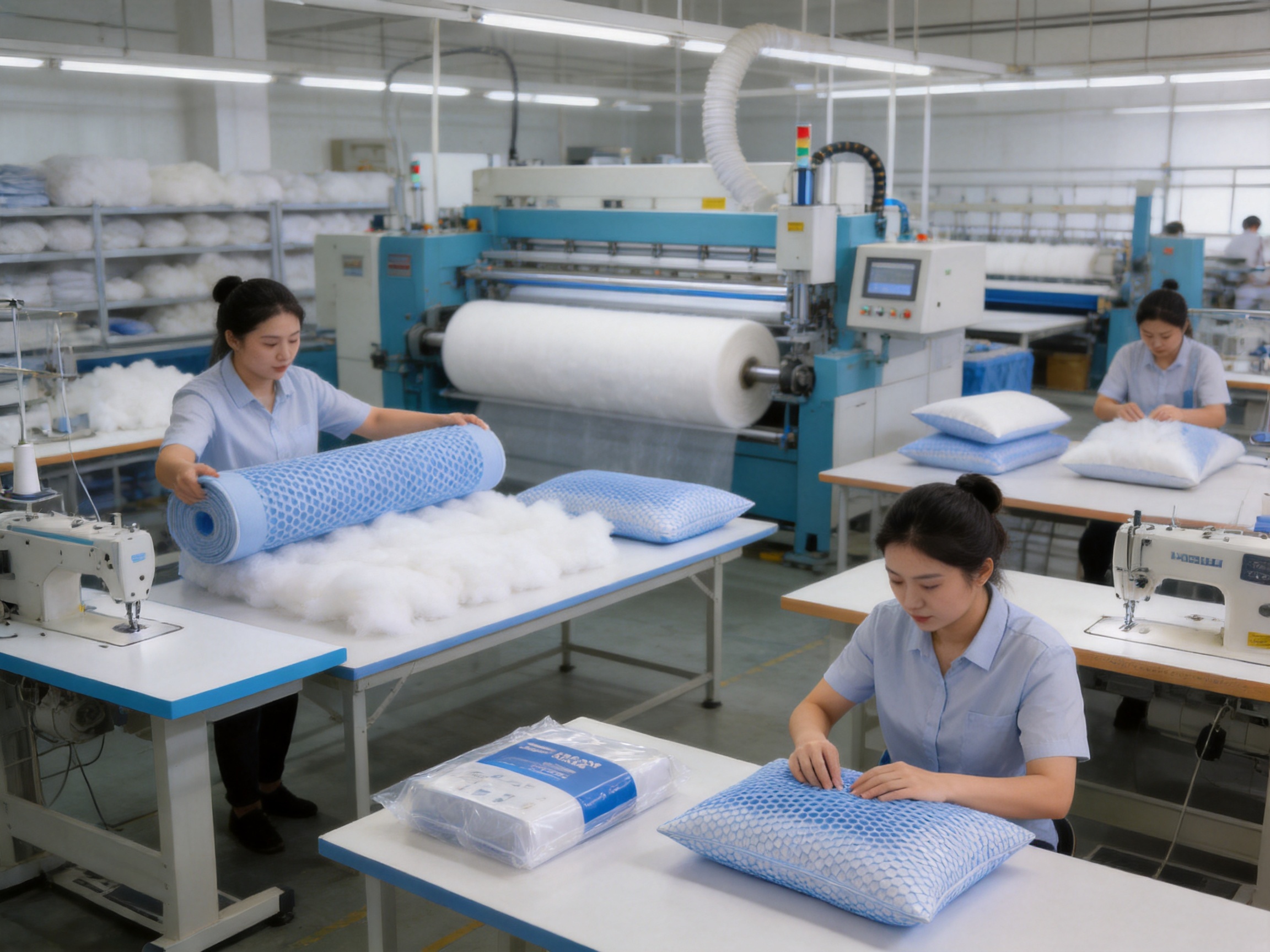
From Material Selection to Finished Pillow
The manufacturing process begins with material planning. The surface fabric and 3D fiber filling must be matched to the intended pillow construction. The fabric must be suitable for cutting and assembly, while the filling must provide the target loft and hand feel. Material specifications should be reviewed before bulk production begins to ensure that the finished pillow matches the approved sample.
After material preparation, the TPE cooling fabric can be cut according to the required dimensions and construction design. Accurate cutting is important because even small dimensional differences can influence the final shape, seam alignment, and filling distribution. Production teams may use templates, cutting equipment, or other controlled methods to maintain consistency.
The 3D fiber filling must also be prepared for insertion. The amount of filling influences the pillow’s height, softness, and recovery. Too little filling may create a flat or unstable result, while too much can make the product overly firm or distort the cover. Controlled filling procedures help maintain consistency across units.
The cover and internal components are then assembled. Depending on the final construction, the process may include sewing, joining, closing, edge finishing, and shaping. The honeycomb surface requires careful handling to preserve its visual quality. Seams should be neat and secure, with attention paid to corners, closures, and areas exposed to repeated pressure.
After assembly, the pillow may be shaped and finished to distribute the 3D fiber evenly. This stage is important because filling can shift during insertion or sewing. The final product should have a balanced form without obvious empty areas, excessive lumps, or irregular edges.
Inspection follows production. Staff can check the finished size, surface appearance, material integrity, seam quality, filling distribution, and overall presentation. Products that do not meet the required standards can be identified before packing, helping protect the consistency of shipments and reduce avoidable customer complaints.
Packaging is the final stage before shipment. Cooling pillows may be packed individually, compressed where appropriate, placed in protective bags, or arranged in cartons according to buyer requirements. Packaging design can support both protection and retail presentation. Buyers should discuss compression limits and recovery requirements to ensure that packaging does not negatively affect the pillow’s shape or surface.
Why Factory Experience Matters to International Buyers
International bedding buyers often need more than a single finished product. They may require reliable communication, sample development, production scheduling, packaging customization, inspection support, and documentation. An experienced factory can contribute to each of these stages.
A supplier with more than two decades of industry history can offer practical knowledge about common production challenges. This may include fabric shrinkage, filling variation, color matching, seam construction, packaging compression, and transportation considerations. Experience does not eliminate every risk, but it can improve the supplier’s ability to identify and manage those risks.
The company’s location in Zhejiang Province places it within an important Chinese manufacturing region with established textile and home furnishing supply networks. Access to related material and production resources can support efficiency and product development. It can also help the factory respond to changing market demands, including the growing interest in cooling textiles and functional bedding.
The company’s broad product range is another sourcing advantage. A buyer developing a complete bedding collection may prefer to work with one supplier that can manufacture cooling pillows, mattress protectors, quilts, blankets, cushions, and other products. Coordinating multiple product categories through one experienced partner can simplify communication and support visual consistency across the collection.
For private-label customers, the pillow may be developed with customized packaging, labels, color combinations, product naming, and market-specific presentation. Any customization should be confirmed through technical specifications and approved samples. The basic 50 x 70 centimeter format and TPE cooling surface provide a strong foundation, while packaging and product details can be adapted to the buyer’s commercial strategy.
Applications Across Residential and Commercial Markets
The Honeycomb TPE Cooling Pillow is suitable for direct-to-consumer bedding sales, department stores, home furnishing retailers, online marketplaces, hospitality suppliers, and contract furnishing projects. Its cooling positioning gives it relevance in both seasonal and year-round markets.
Residential bedrooms
Home users may select the pillow for everyday sleeping, guest rooms, summer bedding, or personal comfort upgrades. Its technical appearance can appeal to consumers interested in wellness and sleep accessories. Retailers can display it as a specialized pillow for warm sleepers or as part of a modern bedding range.
Guest rooms
Hotels, serviced apartments, and guesthouses may consider cooling pillows as an added comfort feature. A distinctive pillow can support a property’s effort to provide a more memorable sleep environment. Commercial buyers should evaluate laundering, cover protection, replacement cycles, and care requirements according to their operating conditions.
Seasonal collections
The cooling surface makes the product suitable for spring and summer product launches. It can be promoted alongside lightweight quilts, breathable blankets, mattress protectors, and cooling sheets. Seasonal merchandising can help retailers create a complete comfort story rather than presenting the pillow as an isolated item.
Wellness and sleep-focused retail
Consumers increasingly connect sleep with broader wellness. A cooling pillow can be placed in collections focused on relaxation, recovery, bedroom comfort, and better sleep routines. Marketing should remain accurate and avoid unsupported medical claims, but it can legitimately describe the product’s cooling surface, structured design, and comfortable filling.
Promotional and corporate gifting
With suitable packaging, a pillow may be included in home comfort programs, hospitality gifts, wellness promotions, or seasonal campaigns. Buyers can discuss packaging dimensions, branding, instruction cards, and carton configuration with the manufacturer.
Merchandising and Product Communication
A successful cooling pillow needs clear communication. The most important product information should be presented in language that ordinary consumers can understand. The central message can focus on the combination of honeycomb TPE cooling gel fabric and resilient 3D fiber filling.
Retail descriptions may explain that the pillow is designed to provide a cool-to-the-touch surface and a lightweight, comfortable interior. They can mention the 50 x 70 centimeter size and identify the pillow as suitable for warm sleepers, summer use, modern bedrooms, and customers seeking a more distinctive alternative to conventional pillows.
Visual merchandising should make the honeycomb structure easy to see. Close-up photography can show the surface pattern, while lifestyle images can demonstrate how the pillow fits within a bedroom. Packaging may use concise icons or diagrams to identify the cooling fabric, 3D fiber filling, size, and care instructions.
Retailers should avoid exaggerated claims such as guaranteed temperature reduction, medical treatment, or universal suitability. Cooling sensations vary according to room temperature, humidity, bedding layers, clothing, individual physiology, and personal preference. Accurate communication builds trust and reduces the possibility of consumer misunderstanding.
Recommended Message | Purpose |
Honeycomb TPE cooling gel fabric | Explains the defining surface material |
Cool-to-the-touch comfort | Communicates the intended contact sensation without overstatement |
3D fiber filling | Highlights the light and resilient internal structure |
50 x 70 centimeter format | Allows customers to assess size and compatibility |
Modern honeycomb design | Emphasizes visual differentiation |
Suitable for home and hospitality use | Broadens the product’s commercial application |
Care, Handling, and Buyer Considerations
Care instructions should be confirmed according to the final construction, cover design, and buyer requirements. Because TPE cooling fabric may have different care characteristics from ordinary textile fabric, users should follow the supplied instructions rather than assuming that every washing method is appropriate.
Buyers should clarify whether the pillow is machine washable, whether a removable cover is included, what water temperature is acceptable, and how the product should be dried. If the complete pillow is not intended for machine washing, a removable protective cover may be recommended for regular household use or hospitality applications.
Storage and transportation conditions should also be discussed. If the pillows are compressed for shipment, the supplier should provide guidance about the recommended compression duration and recovery time. Once unpacked, pillows may need to be shaken, reshaped, and allowed to recover before use.
Importers should confirm all technical and commercial details before placing a bulk order. These may include exact dimensions, tolerance, fabric composition, filling weight, color, packaging, labeling, carton quantity, shipping marks, inspection standards, and documentation. Sample approval is particularly important for a product whose surface feel and appearance are central to its appeal.
Buyers should also request current certification information where relevant. Certification names and standards can apply to specific facilities, materials, or production scopes. Confirming the valid documentation helps ensure that the product is correctly represented in the destination market.
Responsible Manufacturing and Continuous Improvement
The modern home textile industry is increasingly focused on responsible production. Customers, retailers, and brands want to understand not only how a product feels but also how it is made. Manufacturing systems that address quality, environmental management, worker welfare, and traceability can support stronger long-term relationships.
The company’s reported ISO 9001 and ISO 14001 systems indicate attention to quality and environmental management. Its reported OEKO-TEX, OEKO-STEP, GRS, and BSCI credentials further reflect an approach that considers textile safety, responsible production, recycled-material requirements where applicable, and social compliance.
Continuous improvement is particularly important for functional bedding. Materials and consumer preferences continue to change. Cooling fabrics, breathable constructions, recycled fibers, new packaging methods, and more efficient production processes are all areas where manufacturers may continue to innovate.
The company states that it continues to develop and innovate in response to changes in the home textile industry. Its technical personnel and production equipment support the design and manufacture of fashionable and practical household products. This approach is relevant to the Honeycomb TPE Cooling Pillow because the product combines a modern material surface with a familiar bedding format.
For buyers, continuous improvement can mean more than a new product every season. It can include better dimensional consistency, improved packaging, more efficient filling processes, clearer care labels, stronger inspection procedures, and more responsive customer service. These improvements may contribute to lower total sourcing risk even when the visible product remains similar.

Questions and Answers
What is the Honeycomb TPE Cooling Pillow?
It is a cooling pillow with a honeycomb TPE cooling gel fabric surface and 3D fiber filling. The product is designed to combine a cool-touch experience with a light, resilient, and comfortable interior.
What size is the pillow?
The specified size is 50 x 70 centimeters. Buyers should confirm final dimensional tolerances and any available customization before production.
What does TPE mean?
TPE means thermoplastic elastomer. It describes a material family that combines flexibility with thermoplastic processing characteristics. In this pillow, TPE is used as part of the cooling gel fabric surface.
What is the purpose of the honeycomb pattern?
The honeycomb pattern gives the pillow a distinctive appearance and textured surface. It supports the product’s modern cooling-pillow positioning and helps distinguish it from ordinary smooth-cover pillows.
Is the pillow actively refrigerated?
No. The pillow is not an electrical or battery-operated cooling device. Its cooling character comes from the material construction and surface properties of the honeycomb TPE cooling gel fabric.
What is 3D fiber filling?
3D fiber is a three-dimensional synthetic fiber structure used to create loft, flexibility, and resilience. In this pillow, it provides the internal body and contributes to a lightweight comfort profile.
How does this pillow differ from a standard polyester pillow?
A standard polyester pillow may focus mainly on basic softness and affordability. The Honeycomb TPE Cooling Pillow adds a specialized cooling surface, a honeycomb design, and a more distinctive material story.
How does it differ from a memory foam pillow?
The Honeycomb TPE Cooling Pillow uses 3D fiber filling rather than a dense solid foam core. It is designed to provide a lighter and more flexible feel while adding a cool-touch surface.
Can the pillow be used in hotels?
It may be suitable for guest rooms, serviced apartments, and other hospitality settings. Commercial buyers should confirm care instructions, laundering requirements, protective covers, replacement cycles, and packaging before placing an order.
Can the product be customized?
Customization should be discussed with the manufacturer. Possible areas may include packaging, labels, colors, product presentation, filling weight, and related bedding products. All custom details should be confirmed through approved specifications and samples.
Which certifications does the manufacturer report?
The company reports ISO 9001, ISO 14001, OEKO-TEX, OEKO-STEP, GRS, and BSCI certifications or credentials. Buyers should request current documentation and verify the applicable scope for the specific product and order.
Where is the manufacturer located?
The manufacturer is located at No. 268 Xingfa Road, Wuzhen, Tongxiang City, Jiaxing, Zhejiang Province, China.
How long has the company been operating?
The company was established in January 2002 and has developed more than two decades of experience in home textile manufacturing.
What other products does the company produce?
The company produces various home textile products, including quilts, pillows, cushions, bedspreads, travel quilts, mattress protectors, blankets, quilt covers, pillowcases, shower curtains, curtains, and related household textile products.
What should buyers confirm before ordering?
Buyers should confirm material composition, size, filling weight, color, construction, care instructions, packaging, labeling, carton details, inspection requirements, certifications, lead time, and shipping arrangements. A production sample should be approved before bulk manufacturing.
Is the pillow suitable for every sleeper?
Comfort is personal, so no pillow can be guaranteed to suit every sleeper. The product is designed for consumers who appreciate a cool-touch surface, a modern textured design, and a lightweight 3D fiber filling.
Conclusion
The Honeycomb TPE Cooling Pillow is a modern bedding product that combines functional surface technology with familiar everyday comfort. Its honeycomb TPE cooling gel fabric provides a visually distinctive and cool-touch surface, while the 3D fiber filling supports a resilient and lightweight interior. The 50 x 70 centimeter format gives the pillow broad residential and commercial usefulness.
Its principal advantage over conventional pillows is the integration of several selling points in one design. It is not simply a soft pillow, a gel pillow, or a decorative pillow. It is a specialized cooling product with a recognizable pattern, a contemporary material profile, and a clear retail story.
The manufacturer strengthens the product proposition through long-term home textile experience, a substantial production facility, more than 320 employees, modern equipment, technical personnel, and a broad product portfolio. Reported quality, environmental, textile safety, recycled-material, and social compliance systems further support the company’s ability to serve international buyers.
For retailers, the pillow offers differentiation in a competitive bedding category. For hospitality suppliers, it provides an opportunity to introduce a cooling comfort feature into guest rooms. For private-label customers, it offers a strong base for developing a modern sleep product with customized packaging and coordinated bedding items.
With accurate product communication, appropriate care guidance, careful quality control, and confirmed buyer specifications, the Honeycomb TPE Cooling Pillow can serve as a practical and appealing addition to contemporary home textile collections.
References
1. Product specification information for the Honeycomb Bread TPE Cooling Pillow, including size, fabric, filling, category, and product description.
2. Company information supplied for Tongxiang Xinlong Bedding Co., Ltd., including establishment history, facility scale, workforce, product categories, and manufacturing capabilities.
3. ISO 9001 quality management system principles and guidance for consistent production and continual improvement.
4. ISO 14001 environmental management system principles for organizational environmental performance and process control.
5. General technical literature concerning thermoplastic elastomers and their flexibility, processability, and use in consumer products.
6. General textile engineering references concerning synthetic fiber structures, loft, resilience, and filling distribution in bedding products.
7. General guidance on textile product inspection, dimensional control, seam quality, filling consistency, packaging, and pre-shipment verification.
8. General information concerning OEKO-TEX, OEKO-STEP, GRS, and BSCI certification and responsible textile production frameworks.


 +86-573-88798028
