



 Français
 Español
 Deutsch
Content
- 1 1. Product Overview
- 2 2. The Significance of the 210T Polyester Shell
- 3 3. 3D Polyester Filling and Loft Performance
- 4 4. Comfort for Spring and Summer Use
- 5 5. Skin-Friendly Surface and Everyday Handling
- 6 6. Advantages Over Basic Polyester Quilts
- 7 7. Manufacturing Expertise and Factory Capabilities
- 8 8. Production Process for a High-Quality Polyester Quilt
- 9 9. Quality Management and Certifications
- 10 10. Product Development and Customization Potential
- 11 11. Applications Across Different Customer Segments
- 12 12. Care, Storage, and Product Longevity
- 13 13. Considerations for Buyers and Importers
- 14 14. Why Factory Experience Matters
- 15 15. Sustainability and Responsible Production Considerations
- 16 16. Positioning the Product in the Market
- 17 17. Frequently Asked Questions
- 17.1 Q1: What is the size of the Luxury Polyester Quilt?
- 17.2 Q2: What fabric is used for the outer shell?
- 17.3 Q3: What is the filling material?
- 17.4 Q4: Which season is the quilt designed for?
- 17.5 Q5: Is the quilt suitable for customers who prefer synthetic bedding?
- 17.6 Q6: What makes this quilt different from a basic polyester quilt?
- 17.7 Q7: Can the product be customized?
- 17.8 Q8: Is the product suitable for hotels and other commercial users?
- 17.9 Q9: What certifications are associated with the manufacturer?
- 17.10 Q10: How should buyers evaluate a sample?
- 17.11 Q11: Can the quilt be used without an additional duvet cover?
- 17.12 Q12: Where is the manufacturer located?
- 18 18. Conclusion
- 19 References
- 20 Product: Luxury Polyester Quilt
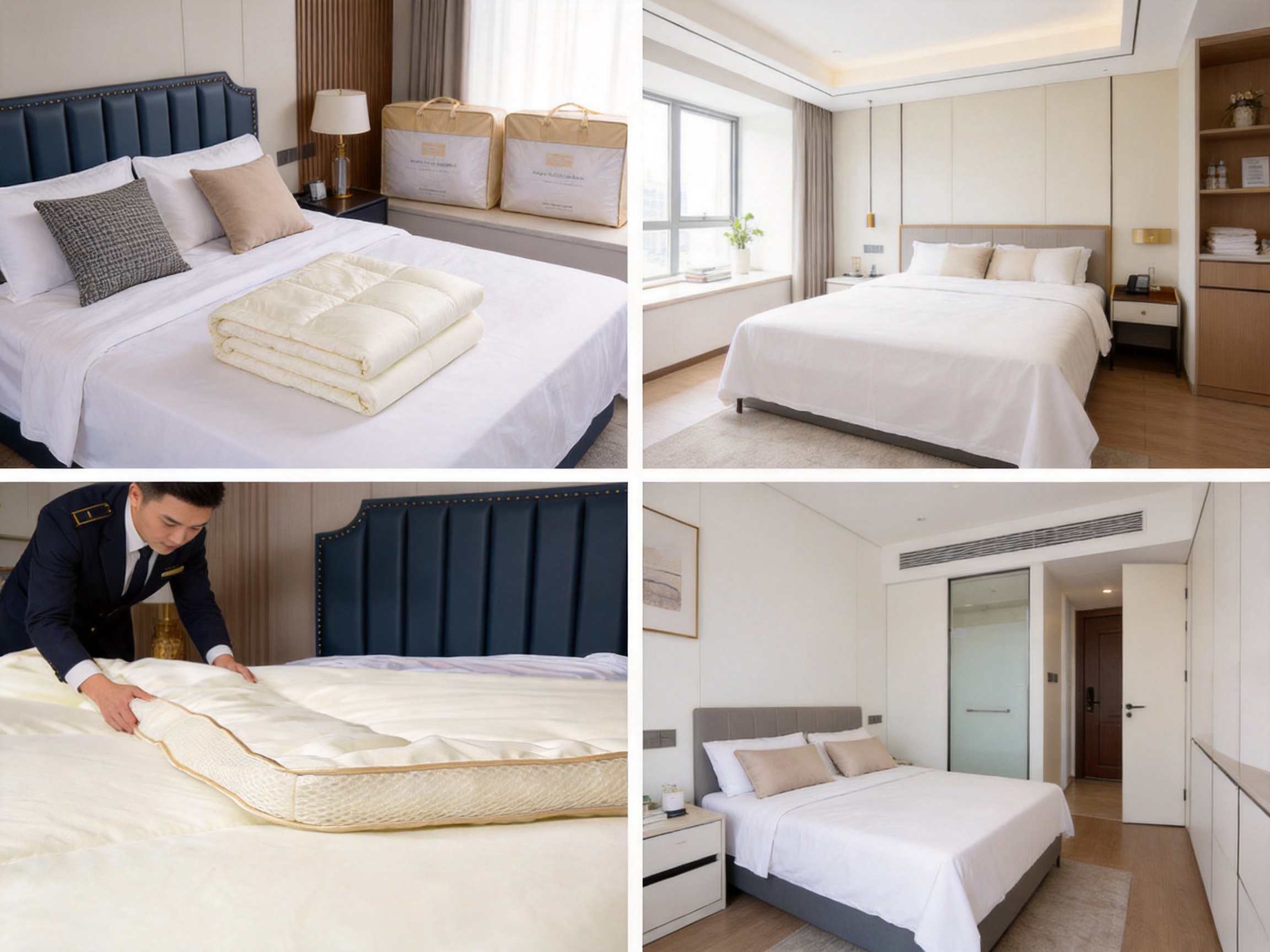
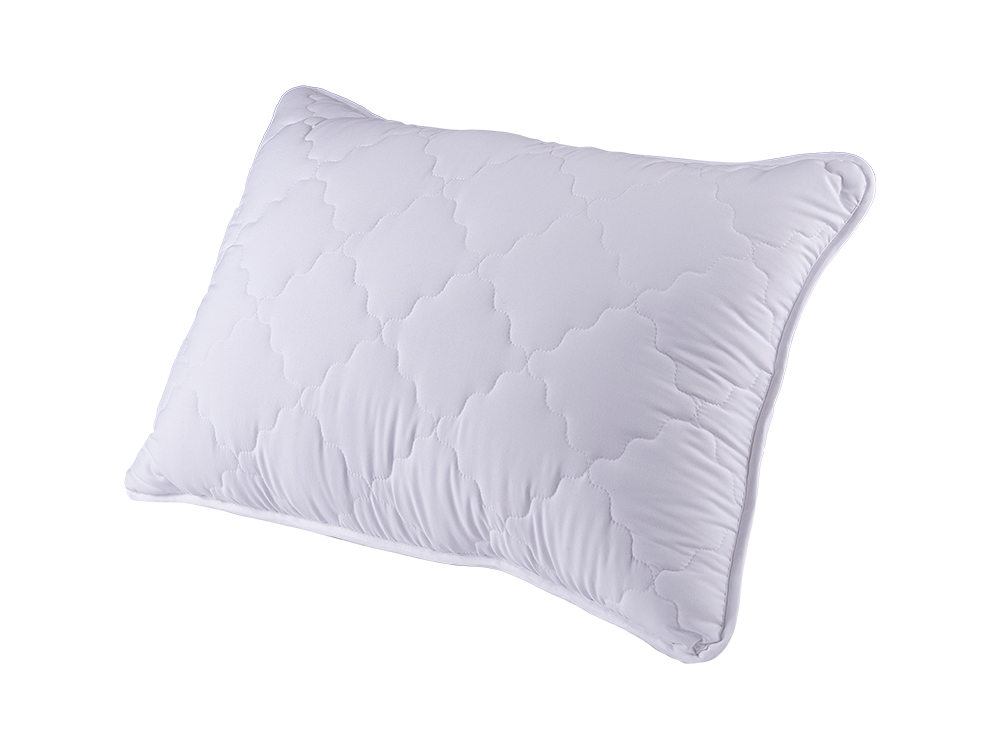
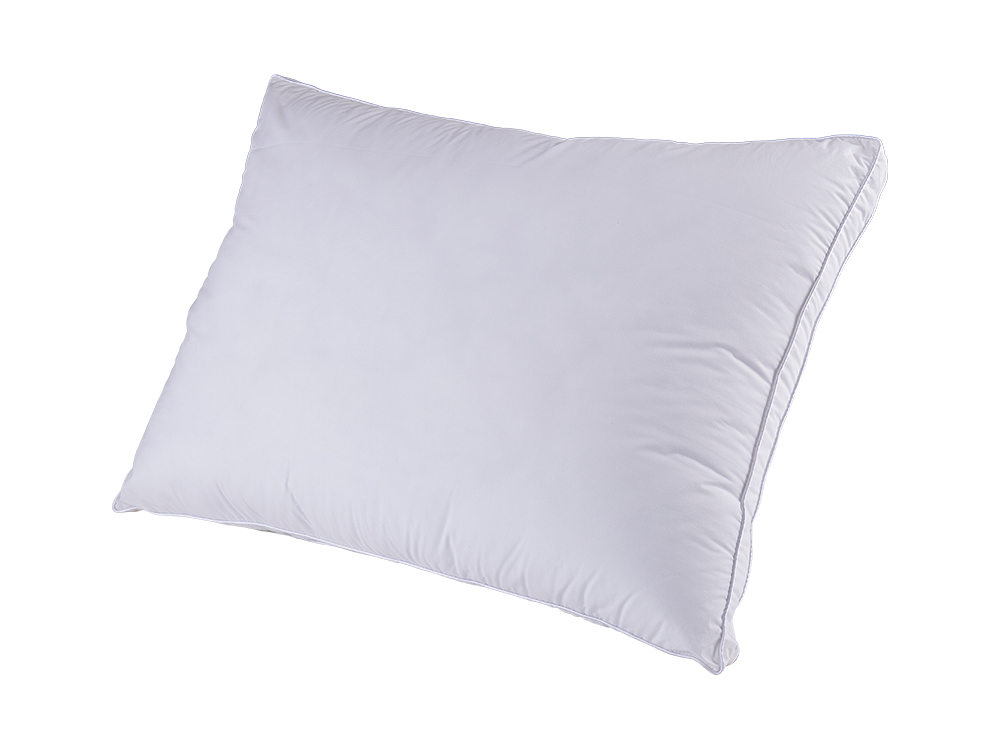
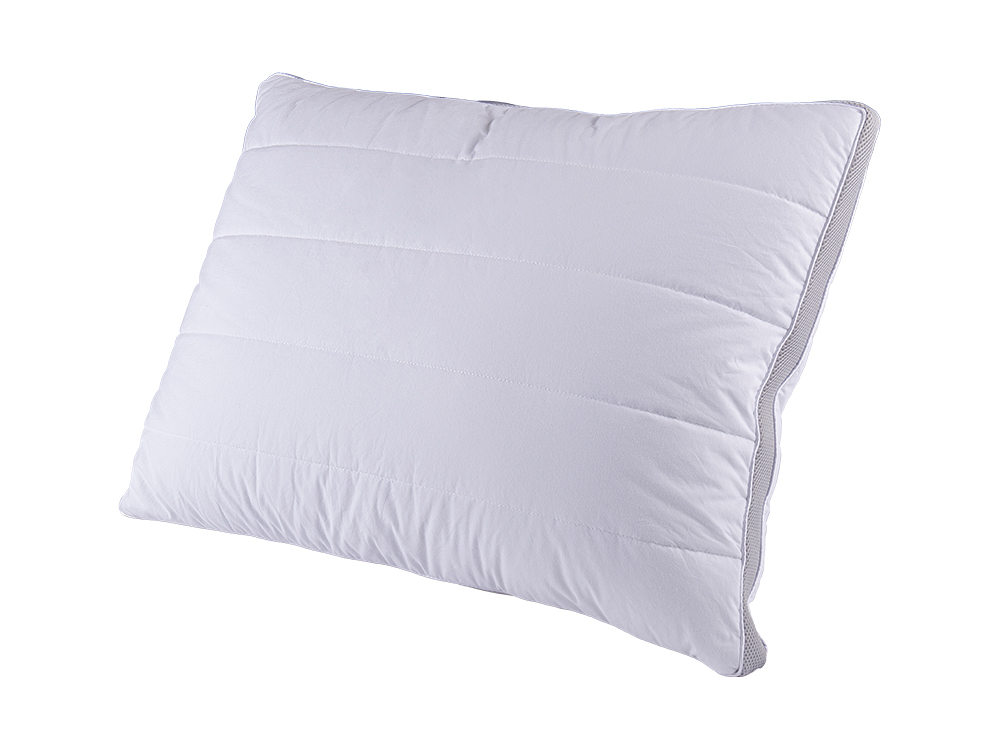
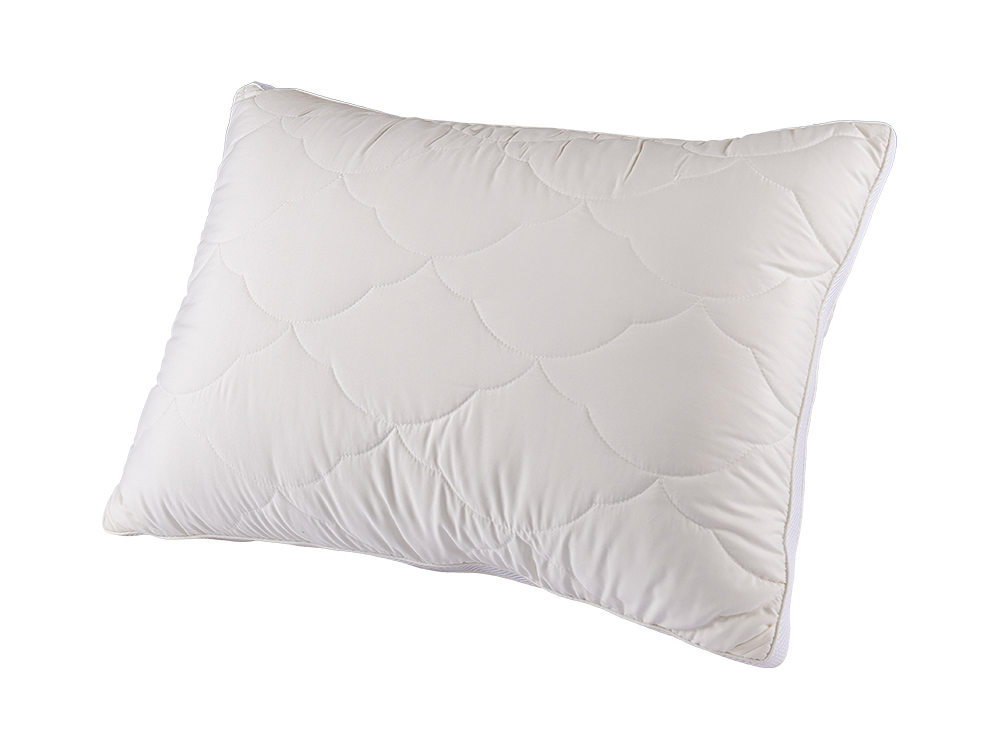
A well-made quilt should do more than add warmth to a bed. It should feel pleasant against the skin, remain breathable through changing temperatures, retain its shape after repeated use, and present a refined appearance that complements the bedroom. The Luxury Polyester Quilt is designed around these practical and aesthetic expectations. Combining champagne-colored polyester pongee fabric with a soft 3D polyester filling, it offers a balanced solution for spring and summer bedding, guest rooms, hospitality projects, and everyday home use.
With its 140 x 200 cm format, 210T high-density polyester shell, 95gsm outer fabric, and 250gsm filling, the quilt provides comfortable coverage without the excessive weight associated with heavy cold-weather bedding. Its soft and delicate touch, fluffy construction, skin-friendly surface, and breathable character make it suitable for sleepers who prefer a lighter layer with a polished appearance.
The product is manufactured by Tongxiang Xinlong Bedding Co., Ltd., an established home textile manufacturer with more than two decades of experience in quilt, pillow, cushion, mattress protector, blanket, bedspread, curtain, and related bedding production. The company combines professional personnel, specialized equipment, standardized operating procedures, quality management, and continuous product development to serve different customer requirements.
This article examines the product’s materials, construction, user benefits, manufacturing strengths, quality considerations, customization potential, and advantages over ordinary polyester quilts. It also explains why a reliable factory partnership is important when sourcing bedding for retail, hospitality, wholesale, and private-label applications.
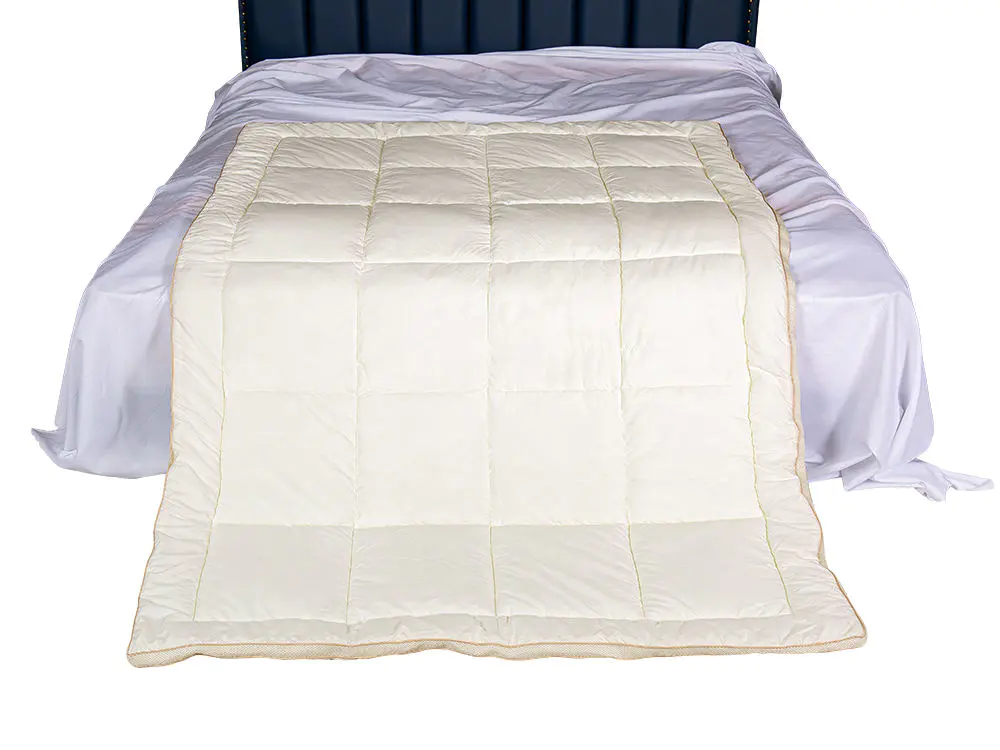
Luxury Polyester Quilt
1. Product Overview
The Luxury Polyester Quilt is a lightweight-to-medium quilt intended primarily for spring and summer conditions. Its design focuses on softness, breathability, easy care, and an elevated visual finish. The champagne color gives the quilt a warm, sophisticated appearance, while the polyester pongee shell creates a smooth and delicate hand feel.
Polyester is widely used in modern bedding because it offers consistent performance, convenient maintenance, and dependable production efficiency. However, not every polyester quilt provides the same level of comfort or finish. Differences in yarn density, fabric construction, filling distribution, sewing quality, and finishing processes can significantly affect the final product. This quilt is positioned above basic bedding by combining a high-density 210T shell with a carefully selected 3D polyester filling and a presentation intended to convey luxury.
The quilt is available in a 140 x 200 cm size. This format is practical for a single bed, a compact double bed, youth bedding, guest accommodation, and layered bedding arrangements. It can also be used as a supplementary cover over a sheet or as a lightweight standalone quilt during warmer seasons.
Product Attribute | Specification |
Product Type | Luxury polyester quilt |
Category | Microfiber quilt |
Size | 140 x 200 cm |
Shell Fabric | 210T high-density polyester fabric |
Shell Fabric Weight | 95gsm |
Filling | 250gsm 3D polyester |
Color | Champagne |
Recommended Season | Spring and summer |
The specifications create a useful relationship between shell and filling. The 95gsm outer fabric is light enough to preserve flexibility, while the 250gsm filling adds loft and cushioning. The resulting construction is not intended to imitate a heavy winter duvet. Instead, it delivers a softer, airier layer for moderate temperatures and climate-controlled interiors.
2. The Significance of the 210T Polyester Shell
The shell is the part of a quilt that comes into direct contact with the user and is also responsible for much of its appearance. A 210T high-density polyester fabric offers a closer, more uniform surface than loosely constructed low-density alternatives. The term “T” generally refers to the thread count or construction density used to identify the fabric. In practical terms, a higher-density shell can contribute to a smoother touch, improved visual consistency, and better containment of the internal filling.
The champagne polyester pongee fabric used for this quilt has a refined surface character. Pongee fabrics are valued for their smoothness, clean appearance, and suitability for finished products requiring a polished look. In a bedding application, this type of shell can make the quilt appear more substantial and carefully made, even though the overall product remains light enough for seasonal use.
One advantage of a high-density polyester shell is its ability to create a more comfortable contact surface. Rough or poorly finished fabric may feel abrasive, particularly when used without an additional cover. A smooth shell is more suitable for sleepers who are sensitive to texture or who prefer a clean, gentle hand feel.
The fabric also contributes to the quilt’s visual appeal. Champagne is a versatile neutral shade that can work with white, cream, beige, taupe, gray, and many wood-toned bedroom interiors. It offers more warmth and visual depth than plain white while remaining sufficiently understated for hospitality rooms, residential bedrooms, and coordinated textile collections.
Compared with inexpensive printed or very thin polyester shells, the 210T fabric can provide a more premium impression. This difference is important for retailers and distributors because customers often judge bedding before using it. Surface smoothness, color presentation, stitching regularity, and overall drape influence a shopper’s perception of value.
3. 3D Polyester Filling and Loft Performance
The quilt contains 250gsm 3D polyester filling. This filling is designed to create a fluffy and resilient internal structure. The three-dimensional arrangement of synthetic fibers helps form air spaces within the quilt, supporting loft and contributing to a soft, cushioned feel.
Air trapped within the filling is an important part of quilt comfort. A quilt does not need to be extremely heavy to feel warm or cozy. Fiber loft can help create a layer of insulation while preserving a lighter hand. This makes a 3D polyester quilt particularly appropriate for spring and summer, when users often want comfort without the dense weight of a winter product.
Polyester filling also offers practical benefits for commercial and household use. It can be produced with consistent fiber characteristics, allowing manufacturers to achieve relatively uniform thickness across the quilt. It is also compatible with efficient washing and care routines when the finished product is properly constructed and the care instructions are followed.
The 250gsm filling weight provides a meaningful level of substance. It is heavier and fuller than an ultra-light summer cover, but it remains more moderate than a thick cold-season quilt. The result is a flexible product that can serve as the primary quilt in warm regions or as an additional layer during transitional weather.
Another benefit of synthetic filling is its suitability for customers who prefer alternatives to animal-derived materials. Polyester can offer a consistent, accessible, and scalable option for large-volume bedding programs. It also makes product specifications easier to standardize across different production batches when the supplier maintains careful control over fiber preparation and filling distribution.
4. Comfort for Spring and Summer Use
Seasonal suitability is one of the product’s main strengths. Spring and summer bedding must respond to a different comfort requirement than winter bedding. Users typically want enough softness and coverage to feel secure, but they may not want excessive heat, bulk, or weight. The combination of a breathable-feeling shell and 250gsm 3D filling addresses this balance.
The quilt’s soft construction allows it to settle naturally over the body rather than feeling rigid. Its fluffy structure offers gentle cushioning, while the lighter overall format makes it easier to fold, store, and layer. This is useful in homes where bedding is changed seasonally or where compact storage is important.
Breathability is influenced by many factors, including fiber structure, fabric construction, room temperature, humidity, personal sleeping habits, and the use of additional bedding layers. No quilt can guarantee the same experience for every sleeper. Nevertheless, the lightweight polyester shell and moderate filling level are appropriate for customers seeking a less dense seasonal quilt.
The product can be used in bedrooms with natural ventilation as well as in air-conditioned environments. In a cool room, it can provide a comfortable covering without the need for a heavy duvet. In a warmer room, it can function as a soft decorative and practical layer when users prefer some coverage but limited insulation.
For hospitality operators, seasonal versatility can simplify room preparation. A 140 x 200 cm quilt can be selected for single rooms, youth accommodations, compact guest rooms, dormitory settings, and supplementary bedding programs. Its neutral color also makes it easy to coordinate with sheets, pillowcases, mattress protectors, and decorative throws.
5. Skin-Friendly Surface and Everyday Handling
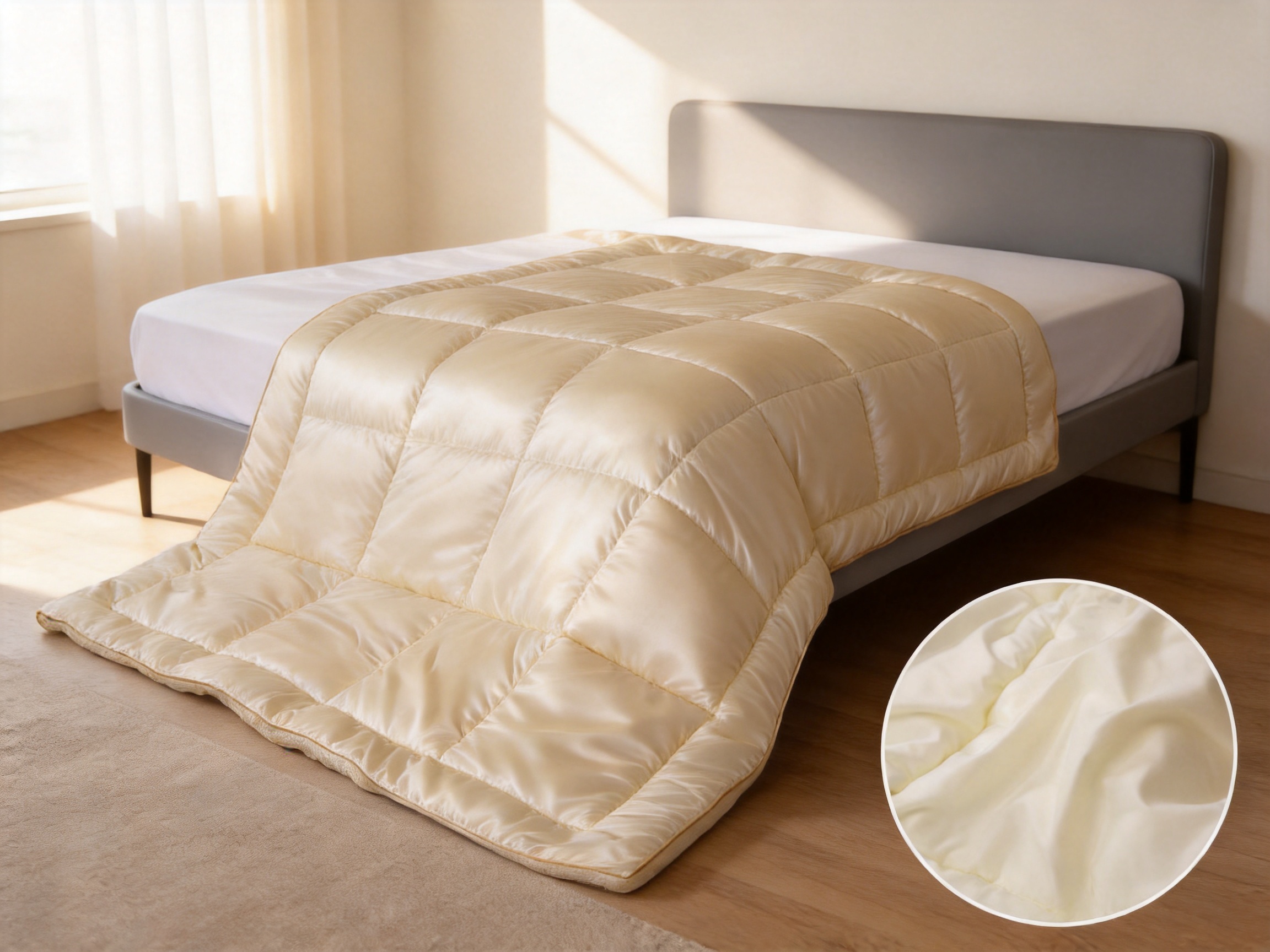
The product description emphasizes a soft, delicate, skin-friendly hand feel. These qualities matter because bedding remains in close contact with the body for extended periods. A quilt that feels smooth and comfortable can improve the user’s overall impression of the sleeping environment.
The high-density polyester shell is designed to avoid the coarse sensation sometimes associated with low-grade synthetic fabric. Its smoothness can also help the quilt slide comfortably over sheets and reduce the visually uneven appearance that may occur with rougher materials.
Everyday handling is another important consideration. A quilt should be easy to lift, fold, place on a bed, and remove for laundering or storage. The product’s moderate size and filling weight support practical handling for individual users, housekeeping staff, and retail customers.
Its synthetic composition can also be attractive to buyers who prioritize straightforward care. Polyester bedding is commonly selected for its durability, dimensional stability, and compatibility with regular maintenance. Actual care performance depends on the finished construction, laundering temperature, drying method, and instructions supplied with the product. Clear care labeling remains essential for protecting the quilt’s appearance and loft over time.
6. Advantages Over Basic Polyester Quilts
Polyester quilts occupy a broad range of quality levels. A basic product may use a thin shell, uneven filling, limited finishing, or insufficient inspection. The Luxury Polyester Quilt differentiates itself through the combination of fabric density, filling structure, color presentation, and manufacturing support.
6.1 More Refined Surface Appearance
Many entry-level quilts are designed primarily around low cost. Their shells may appear flat, dull, or inconsistent, particularly under retail lighting. The champagne pongee shell offers a more polished visual effect. This can support a higher-value product position and create a stronger first impression for consumers.
6.2 Better Balance Between Loft and Weight
Very heavy quilts can feel cumbersome in warmer weather, while extremely thin quilts may lack softness and coverage. The 250gsm 3D polyester filling offers a middle position: sufficient loft for a fluffy feel without the bulk of a winter-weight design.
6.3 Improved Comfort Against the Skin
A smooth, high-density shell can feel more pleasant than a rough or loosely constructed fabric. For customers who use the quilt directly over their sleepwear or sheet, this difference is especially noticeable.
6.4 More Consistent Commercial Presentation
Retailers, hotel groups, distributors, and private-label buyers need products that look consistent from one unit to the next. Professional manufacturing systems can help control color, dimensions, filling distribution, stitching, and packing. This consistency is more difficult to achieve through informal or poorly managed production.
6.5 Flexible Market Positioning
The product can be marketed as a seasonal comforter, a lightweight quilt, a guest-room cover, a premium synthetic bedding option, or part of a coordinated home textile collection. Its neutral color and practical size allow it to serve more than one customer segment.
7. Manufacturing Expertise and Factory Capabilities
The quality of a quilt depends not only on its bill of materials but also on the factory’s ability to convert those materials into a stable finished product. Tongxiang Xinlong Bedding Co., Ltd. was established in January 2002 and is located in Wuzhen, Tongxiang, Zhejiang Province, China. The company operates in the home textile sector and has developed experience across a broad range of bedding and household textile categories.
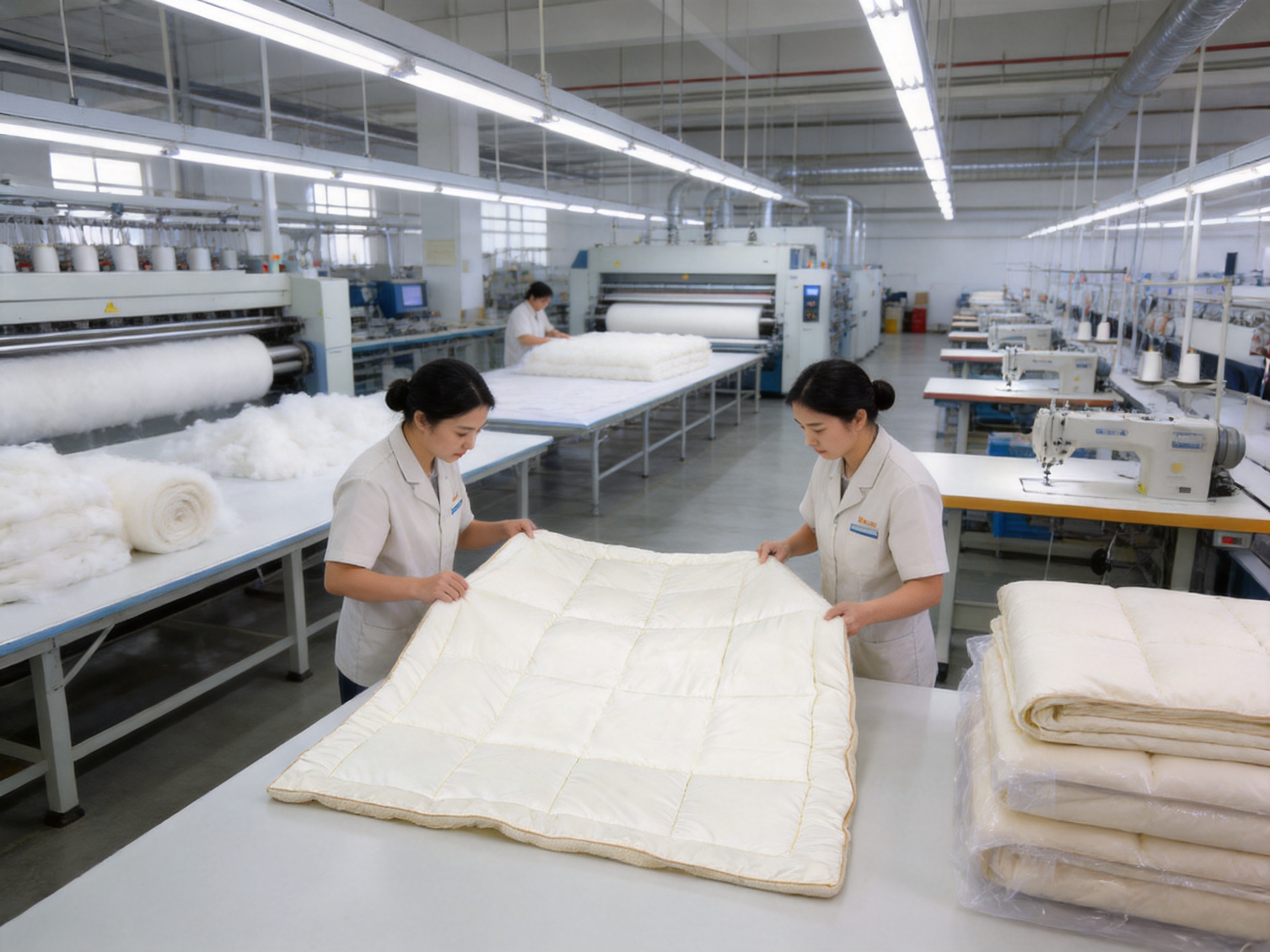
The company covers approximately 21,000 square meters, with a construction area of approximately 18,000 square meters. It has more than 320 employees and is equipped with various production machines and supporting facilities. This scale provides a foundation for organized manufacturing, production scheduling, quality inspection, product development, and order coordination.
A factory with multiple product categories can bring useful technical knowledge to quilt production. Experience with silk cotton quilts, chemical fiber quilts, pillows, cushions, bedspreads, travel quilts, mattress protectors, blankets, quilt covers, pillowcases, shower curtains, and curtains exposes the production team to different fabrics, fillings, sewing methods, finishing requirements, and packaging formats.
Such breadth can support better decision-making during product development. A supplier that understands only one narrow process may have difficulty evaluating how shell fabric, filling, stitching, packaging, and care requirements interact. A broader home textile manufacturer is more likely to recognize the practical effects of material selection and construction choices.
8. Production Process for a High-Quality Polyester Quilt
Although exact production details may vary according to order requirements, a professional quilt manufacturing process generally consists of several controlled stages. Each stage influences the final comfort, appearance, and durability of the product.
8.1 Material Selection
The process begins with the selection and verification of shell fabric and filling materials. For this product, the primary materials are 210T high-density polyester fabric and 3D polyester filling. The fabric should be checked for color consistency, width, surface defects, weight, and construction. Filling should be evaluated for cleanliness, loft, uniformity, and suitability for the specified weight.
8.2 Fabric Preparation and Cutting
Fabric is prepared and cut according to the required finished dimensions, seam allowances, and production layout. Accurate cutting helps reduce waste and supports consistent finished sizes. It also ensures that panels align correctly during sewing and quilting.
8.3 Filling Preparation
The polyester filling is opened, loosened, and distributed to achieve the intended loft. Proper preparation helps prevent compacted areas and supports a more even hand feel. If filling is distributed unevenly, some portions of the quilt may feel thin while others become unnecessarily bulky.
8.4 Layer Assembly
The shell fabric and filling are positioned in layers. At this point, careful alignment is important. The filling must extend evenly across the usable area, and the shell should remain smooth without excessive tension or wrinkling.
8.5 Quilting or Securing
Quilting, stitching, or other securing methods help maintain the position of the filling inside the shell. The selected pattern and stitch density affect appearance, flexibility, and filling stability. A well-executed process helps reduce shifting during use and laundering.
8.6 Edge Finishing
Edges are closed and finished to create a clean outline. Edge construction must be strong enough to support routine handling while remaining visually neat. Properly finished edges also contribute to a more professional retail presentation.
8.7 Inspection and Measurement
Finished quilts can be inspected for dimensions, surface defects, stitching irregularities, loose threads, filling distribution, color consistency, and general appearance. Quality checks are especially important for products supplied in volume because small inconsistencies can become significant when multiplied across a large order.
8.8 Packing
The quilt is folded and packed according to the customer’s requirements. Packaging may be designed for retail display, wholesale transportation, hospitality distribution, or private-label presentation. Packaging should protect the product while avoiding unnecessary compression that could affect loft if the item is stored for a prolonged period.
9. Quality Management and Certifications
Tongxiang Xinlong Bedding Co., Ltd. places quality at the center of its operating philosophy. The company has passed international certifications and assessment programs including ISO 9001, ISO 14001, OEKO-TEX, OEKO-STEP, GRS, and BSCI, according to the supplied company information. These systems and certifications reflect attention to quality management, environmental practices, product-related standards, recycled-material considerations, and social responsibility.
Certification alone does not replace product inspection, but it can provide useful evidence of a factory’s commitment to formal procedures. ISO 9001 is associated with quality management systems and process consistency. ISO 14001 relates to environmental management. OEKO-TEX standards are commonly associated with the assessment of harmful substances in textile products. GRS is relevant to recycled content and chain-of-custody requirements where applicable. BSCI is connected with social compliance assessment.
For buyers, the value of a structured management system is practical. It can support clearer documentation, better process control, more consistent communication, and systematic corrective action when a quality issue is discovered. These capabilities are especially important for importers and brands that must maintain reliable standards across repeated purchase orders.
The company also reports that it has been rated as a safety production standardization enterprise for several consecutive years since 2016. This indicates continued attention to safe operations and workplace procedures. A stable and responsible production environment benefits both employees and customers because it supports more predictable manufacturing performance.
10. Product Development and Customization Potential
Home textile markets vary by region, season, customer type, and retail channel. A product that performs well in one market may need adjustments in size, color, filling weight, packaging, labeling, or fabric selection for another. A manufacturer with professional technical personnel and product development capabilities can help buyers adapt a basic concept to specific commercial requirements.
Possible customization areas may include dimensions, colors, fabric qualities, filling weights, quilting patterns, edge treatments, labels, packing methods, and carton marks. Any modification should be evaluated for its effect on cost, production time, performance, and minimum order quantity.
For a private-label program, the champagne color can serve as a starting point for a neutral bedding collection. Buyers may request coordinated pillowcases, mattress protectors, blankets, cushions, or bedspreads to create a complete product range. A factory experienced in multiple home textile categories can make it easier to coordinate related items.
Customization may also be valuable for hospitality customers. Hotels, serviced apartments, dormitories, and guest accommodation providers often require standardized dimensions, care labels, packing units, and replacement programs. A stable supply partner can help maintain continuity between initial orders and later replenishment.
11. Applications Across Different Customer Segments
11.1 Residential Bedding
For households, the quilt provides an attractive seasonal layer for a single bed or compact sleeping area. Its champagne color can complement a variety of room styles, from minimalist and contemporary interiors to warm, traditional bedrooms.
11.2 Guest Rooms
Guest-room operators often value products that balance appearance, comfort, maintenance, and replacement cost. A synthetic quilt can be practical for rooms requiring frequent turnover, provided it is cared for according to the supplied instructions.
11.3 Student and Staff Accommodation
The 140 x 200 cm size is suitable for many single-bed arrangements. The moderate weight makes the quilt easier to distribute, store, and replace in dormitory or staff accommodation settings.
11.4 Retail and E-Commerce
The refined champagne color and luxury-oriented presentation can support retail positioning above basic commodity bedding. Product photography, accurate specification communication, and appropriate packaging can help retailers explain the quilt’s value to customers.
11.5 Wholesale and Distribution
Wholesalers can include the quilt in a broader home textile assortment. Its seasonal positioning allows distributors to offer a product for spring and summer demand while its synthetic composition supports scalable sourcing.
11.6 Promotional and Project Bedding
Organizations furnishing temporary housing, accommodation projects, or seasonal properties may require practical bedding in consistent specifications. A reliable factory partner can support planned volumes and repeat procurement.
12. Care, Storage, and Product Longevity
Proper care is important for maintaining softness, loft, color, and overall appearance. Buyers should follow the care label supplied with the finished product because washing and drying recommendations may vary according to construction, finishing, packaging, and customer requirements.
In general, harsh treatment should be avoided when it is not permitted by the care instructions. Excessive heat, aggressive mechanical action, unsuitable detergents, or prolonged compression may affect synthetic fibers and fabric appearance. Thorough drying is also important because residual moisture can create an unpleasant odor and reduce storage stability.
When the quilt is not in use, it should be stored in a clean, dry, well-ventilated place. Long-term storage under heavy compression may reduce loft. A breathable storage bag can be preferable to an airtight package when the product is being stored for an extended period, provided the storage environment is dry and clean.
For hospitality and commercial users, a documented care routine can help extend product life. Staff should be trained to inspect quilts for staining, loose threads, seam damage, or filling displacement. Early identification of problems can support repair, controlled replacement, and more consistent guest experience.
13. Considerations for Buyers and Importers
When evaluating this quilt for a commercial purchase, buyers should consider more than the unit price. Important points include the target market, expected season, finished size, fabric and filling specifications, packaging, labeling, inspection requirements, delivery schedule, and after-sales communication.
Sample approval is recommended before bulk production. A sample allows the buyer to evaluate color, hand feel, loft, dimensions, stitching, packing volume, and overall presentation. It also provides an opportunity to confirm whether the product matches the intended retail or hospitality position.
Buyers should clearly define tolerances for size, weight, color, sewing, and packaging. They should also confirm whether the quoted specifications refer to pre-wash or finished dimensions and whether the stated fabric and filling weights are nominal or subject to an agreed tolerance.
For repeat orders, maintaining a confirmed specification sheet is useful. The document can include approved fabric, color standard, filling weight, finished size, quilting method, labeling, packaging, carton configuration, and inspection requirements. This reduces ambiguity and supports product consistency over time.
Buyer Evaluation Area | Recommended Check |
Materials | Confirm 210T polyester shell, 95gsm fabric, and 250gsm 3D polyester filling |
Dimensions | Verify finished size of 140 x 200 cm and acceptable tolerances |
Appearance | Review champagne color, surface smoothness, quilting, and edge finish |
Comfort | Assess softness, loft, flexibility, and filling distribution from a sample |
Packaging | Confirm folding method, labels, retail packaging, and shipping cartons |
Compliance | Discuss applicable certification, testing, and documentation needs |
Production | Confirm lead time, order quantity, inspection method, and replenishment capability |
14. Why Factory Experience Matters
Bedding production may appear simple, but consistent quality requires coordination among fabric purchasing, filling preparation, cutting, sewing, quilting, inspection, packing, and shipment. A factory with long-term sector experience is better positioned to identify problems before they affect the finished order.
Established manufacturing experience can also improve communication. Buyers may need support when selecting a fabric density, adjusting filling weight, changing size, preparing packaging, or developing a coordinated product range. A technically capable supplier can discuss the practical consequences of each decision instead of treating every requirement as an isolated instruction.
Company scale is another consideration. With more than 320 employees and substantial factory facilities, Tongxiang Xinlong Bedding Co., Ltd. has the organizational foundation to manage multiple product categories and customer programs. The company’s history since 2002 also indicates long-term participation in the home textile industry rather than short-term trading activity.
Continuous innovation is important because consumer expectations change. Buyers increasingly look for softness, appearance, responsible production, certifications, practical maintenance, and dependable delivery. A manufacturer that invests in technical personnel, equipment, process improvement, and product development is more likely to respond effectively to these expectations.
15. Sustainability and Responsible Production Considerations
Polyester bedding should be assessed not only by comfort and cost but also by manufacturing responsibility and product life. Longer-lasting products can reduce the frequency of replacement, while efficient production and careful material planning may reduce unnecessary waste. Environmental management systems and recycled-material standards can provide additional information for buyers developing responsible sourcing programs.
The company’s reported ISO 14001 and GRS certifications are relevant to buyers who need to discuss environmental management or recycled content. The exact applicability of a certification to a particular product should always be confirmed during order discussions, especially when a buyer requires certified recycled fibers or chain-of-custody documentation.
Responsible sourcing also includes workplace practices, safety, and compliance. The reported BSCI assessment and safety production standardization experience may be useful to organizations that maintain supplier approval procedures. Buyers should identify the documentation required by their own compliance policies and confirm it with the manufacturer before production.
Product durability is itself an important sustainability factor. A quilt that maintains its appearance, loft, and usability through regular care can provide better value over its service life than a cheaper product requiring early replacement. The combination of a high-density shell, structured filling, and controlled manufacturing is therefore relevant both to product quality and to responsible consumption.
16. Positioning the Product in the Market
The Luxury Polyester Quilt can be positioned between basic utility bedding and premium natural-fiber quilts. It does not attempt to compete by imitating every characteristic of down, wool, or silk. Instead, it offers a distinct value proposition: refined synthetic fabric, soft seasonal comfort, practical maintenance, consistent specifications, and factory-supported quality.
This positioning can appeal to customers who want a polished product but prefer synthetic materials. It can also suit buyers who need predictable sourcing, stable production, and a price structure that supports larger-volume programs.
For retail, terms such as soft, lightweight, breathable-feeling, fluffy, seasonal, easy-care, and champagne-colored may help communicate the product’s intended benefits. Marketing statements should remain accurate and should not promise performance beyond the verified specifications or applicable test results.
For business buyers, the stronger selling points may be consistency, production capability, customization support, certifications, broad product expertise, and the possibility of developing related home textile items through one manufacturing partner.
17. Frequently Asked Questions
Q1: What is the size of the Luxury Polyester Quilt?
The specified size is 140 x 200 cm. This size is suitable for a single bed, compact sleeping area, youth bedding, guest accommodation, and other applications requiring a practical single-quilt format.
Q2: What fabric is used for the outer shell?
The outer shell is made from 210T high-density polyester fabric with a stated fabric weight of 95gsm. The fabric is described as champagne-colored polyester pongee with a soft and delicate hand feel.
Q3: What is the filling material?
The quilt contains 250gsm 3D polyester filling. This filling is intended to provide a fluffy, soft structure with moderate seasonal warmth and comfortable loft.
Q4: Which season is the quilt designed for?
The quilt is suitable for spring and summer use. It can also be used as a light layer during transitional weather or in air-conditioned rooms, depending on the user’s personal comfort preference.
Q5: Is the quilt suitable for customers who prefer synthetic bedding?
Yes. Both the outer fabric and filling are polyester-based, making the product a suitable option for customers seeking a synthetic alternative to down, wool, or other animal-derived fillings.
Q6: What makes this quilt different from a basic polyester quilt?
Its differentiating features include the 210T high-density pongee shell, refined champagne color, 250gsm 3D polyester filling, soft hand feel, fluffy construction, and manufacturing support from an established home textile factory.
Q7: Can the product be customized?
Customization may be possible for selected requirements such as size, color, fabric, filling weight, quilting pattern, labeling, and packaging. Buyers should discuss technical feasibility, minimum order quantity, cost, and lead time with the manufacturer.
Q8: Is the product suitable for hotels and other commercial users?
Its practical size, neutral color, synthetic construction, and seasonal weight can make it suitable for guest rooms, serviced apartments, dormitories, and other commercial accommodation settings. Commercial buyers should confirm care, inspection, packaging, and replacement requirements before ordering.
Q9: What certifications are associated with the manufacturer?
The supplied company information reports ISO 9001, ISO 14001, OEKO-TEX, OEKO-STEP, GRS, and BSCI certifications or assessments. Buyers should confirm the current status, scope, and product applicability of any certification needed for a specific order.
Q10: How should buyers evaluate a sample?
Buyers should check color, fabric smoothness, filling distribution, loft, finished dimensions, stitching, edge construction, loose threads, labels, folding, and packaging. A sample should be reviewed against the confirmed specification before bulk production begins.
Q11: Can the quilt be used without an additional duvet cover?
The smooth polyester shell is suitable for direct use as a quilt, but the preferred arrangement depends on the user, care routine, and intended market. A duvet cover may provide additional styling options and protection, while direct use emphasizes the shell’s soft surface.
Q12: Where is the manufacturer located?
Tongxiang Xinlong Bedding Co., Ltd. is located at No. 268 Xingfa Road, Wuzhen, Tongxiang City, Jiaxing, Zhejiang Province, China.
18. Conclusion
The Luxury Polyester Quilt is a carefully balanced seasonal bedding product. Its 210T high-density polyester pongee shell contributes a smooth, refined surface, while the 250gsm 3D polyester filling provides soft loft and moderate warmth. The 140 x 200 cm size is practical for single beds, guest rooms, youth accommodation, and flexible home use.
Compared with basic polyester quilts, the product offers a stronger combination of appearance, touch, structure, and commercial presentation. Its champagne color supports a premium visual position, and its lightweight-to-medium construction makes it appropriate for spring and summer conditions. The synthetic composition also supports consistent sourcing and practical maintenance when the product is cared for according to its instructions.
The manufacturer adds value through long-term industry experience, a broad home textile product range, professional personnel, substantial facilities, advanced production equipment, quality-focused procedures, and reported international certifications and assessments. These strengths are important for buyers seeking more than a single finished item. They support product development, customization, repeat orders, quality control, and coordinated sourcing across multiple bedding categories.
For retailers, distributors, hospitality operators, and private-label buyers, the quilt offers a reliable foundation for a soft, attractive, and commercially versatile bedding program. Its materials and construction meet the needs of customers looking for comfortable seasonal bedding with a more polished finish than ordinary low-cost polyester products.
References
1. Product specification sheet for the Luxury Polyester Quilt, including dimensions, fabric, filling, color, and seasonal positioning.
2. Technical information on 210T high-density polyester fabric and polyester pongee construction.
3. General textile manufacturing principles for quilt filling preparation, quilting, edge finishing, inspection, and packaging.
4. ISO 9001 quality management system principles for manufacturing organizations.
5. ISO 14001 environmental management system principles for textile production facilities.
6. OEKO-TEX textile safety and harmful-substance assessment principles.
7. Global Recycled Standard principles for recycled material claims and supply-chain management.
8. Business Social Compliance Initiative principles for responsible workplace assessment.
9. General care and storage guidance for polyester-filled quilts and household bedding.
10. Company information supplied by Tongxiang Xinlong Bedding Co., Ltd., including manufacturing history, facilities, product categories, workforce, certifications, and quality policy.


 +86-573-88798028
