



 Français
 Español
 Deutsch
Content
- 1 Product Overview: A Classic Quilted Polyester Pillow for Modern Bedding Needs
- 2 Why Brushed Fabric Matters in Pillow Comfort
- 3 The Role of 3D and 6D Polyester Filling
- 4 Advantages Over Common Competing Pillows
- 5 Design Details That Improve the User Experience
- 6 Manufacturing Strength Behind the Product
- 7 Advanced Production Process for Consistent Pillow Quality
- 8 Quality Certifications and Responsible Manufacturing Standards
- 9 Customization Potential for Different Bedding Markets
- 10 Applications in Home, Hospitality, and Retail
- 11 How the Pillow Supports Better Rest
- 12 Comparison With Other Pillow Filling Materials
- 13 Importance of Consistent Quality in Large Orders
- 14 Material Selection and Comfort Engineering
- 15 Company Strengths Supporting Global Buyers
- 16 Durability and Long-Term Product Value
- 17 Why This Pillow Is Suitable for Private Label Programs
- 18 Environmental and Social Responsibility Considerations
- 19 Quality Control Points for the Quilted Polyester Pillow
- 20 Buyer Benefits: From Product Performance to Supply Reliability
- 21 Care, Handling, and Practical Use Recommendations
- 22 Q&A Section
- 22.1 What makes this quilted polyester pillow different from ordinary polyester pillows?
- 22.2 Is the pillow soft or firm?
- 22.3 Why is brushed fabric used?
- 22.4 Does the quilted design have a function?
- 22.5 What are 3D and 6D polyester fibers?
- 22.6 Is this pillow suitable for hotels?
- 22.7 Can the pillow be customized?
- 22.8 What manufacturing strengths support this product?
- 22.9 How does the pillow compare with down or memory foam pillows?
- 22.10 Who is the ideal buyer for this pillow?
- 23 Conclusion: A Practical Pillow With Softness, Resilience, and Manufacturing Confidence
- 24 References
- 25 Product: Quilted Polyester Pillow
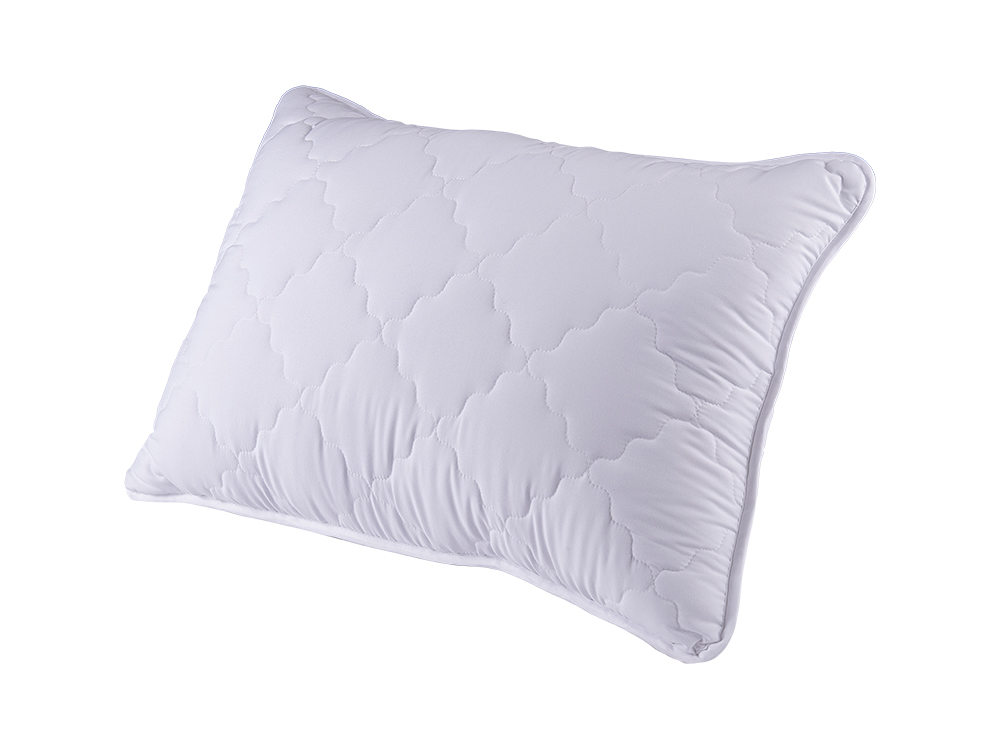
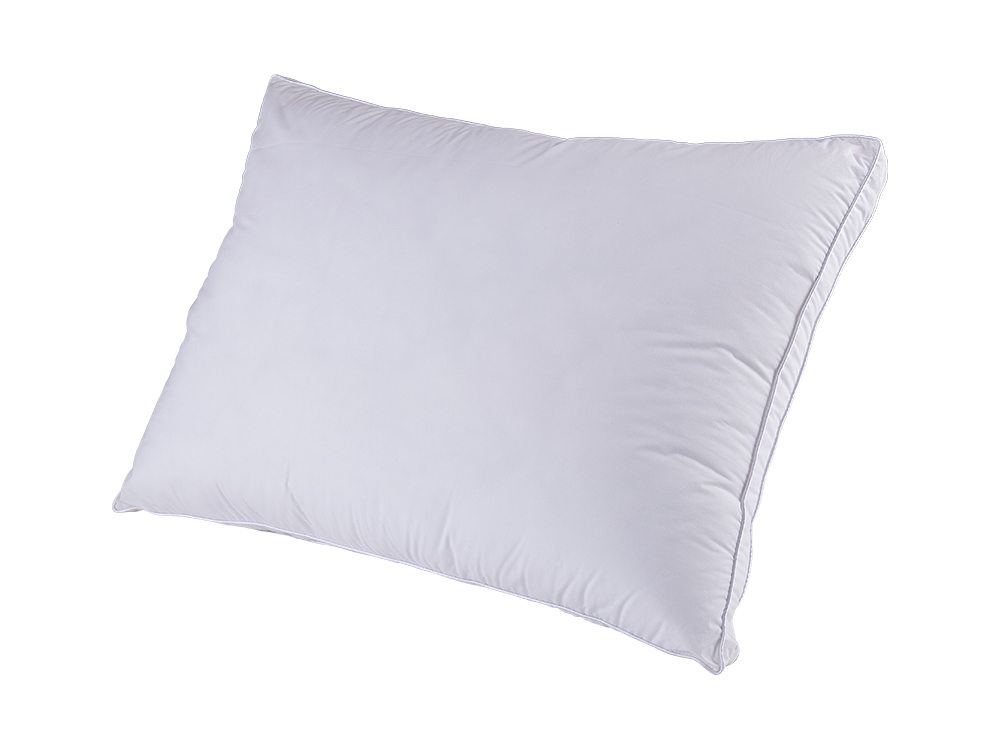
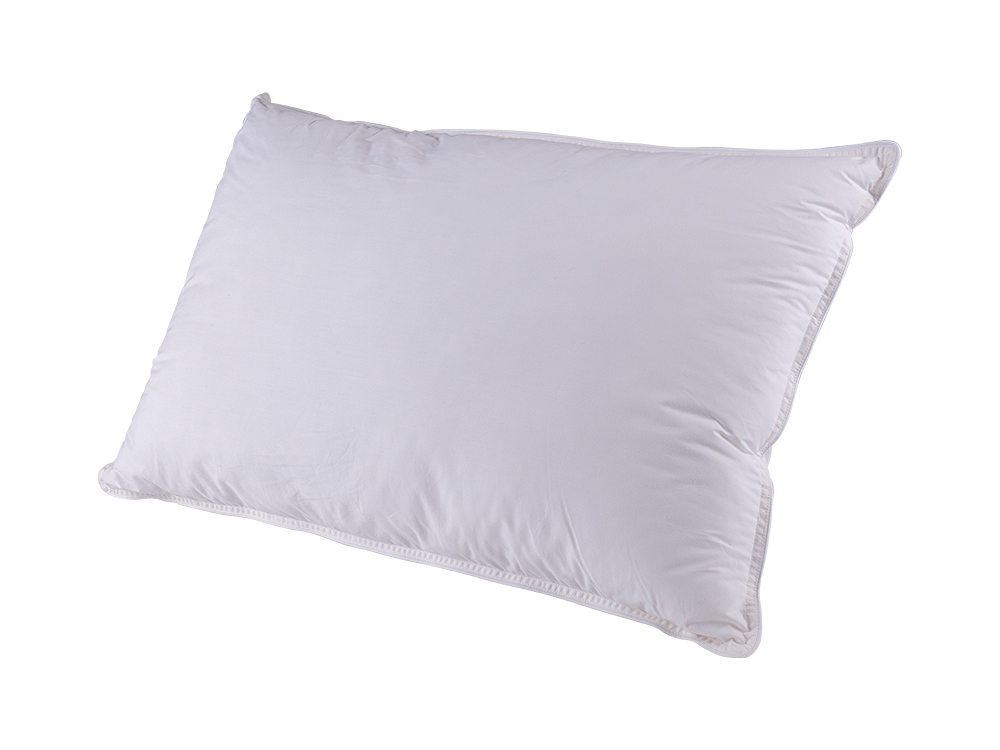
A pillow is one of the most personal products in the home textile category because it supports the head, neck, and shoulders every night and directly influences the feeling of rest. The Quilted Polyester Pillow presented here is designed for daily comfort, stable support, soft hand feel, and long-term resilience. It combines an 85gsm brushed fabric, a 30gsm non-woven lining, and a mixed 3D plus 6D polyester filling to create a pillow that feels gentle on the skin while maintaining a full, fluffy structure.
In the competitive bedding market, many pillows look similar at first glance, yet their performance can differ significantly after weeks or months of use. A pillow may feel soft when new but flatten quickly. Another may appear supportive but feel stiff against the face. This quilted polyester pillow aims to balance softness, volume, durability, and practical value. Its simple quilted design gives it a clean appearance, while the brushed fabric surface adds a smooth and skin-friendly touch that is suitable for a wide range of home bedding environments.
The product belongs to the pillow category and is especially suitable for buyers seeking a polyester pillow with reliable resilience, a comfortable surface, and cost-effective everyday performance. It can serve retailers, wholesalers, hotel bedding programs, home textile brands, and customized bedding projects that require stable manufacturing, consistent quality, and flexible supply capability.
Quilted Polyester Pillow
Product Overview: A Classic Quilted Polyester Pillow for Modern Bedding Needs
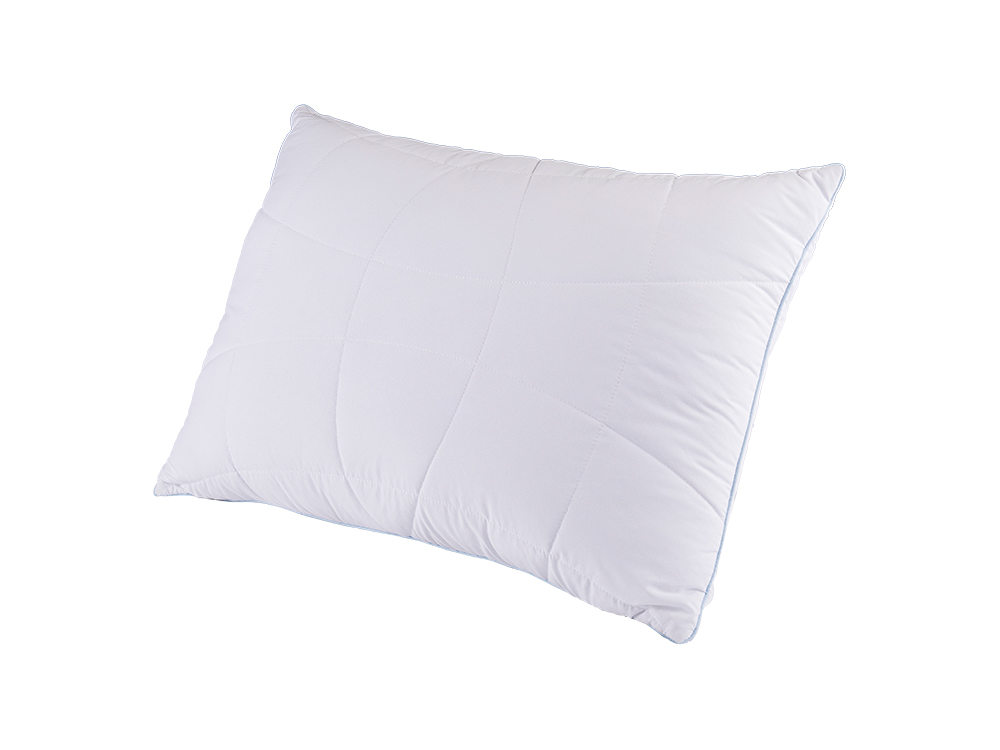
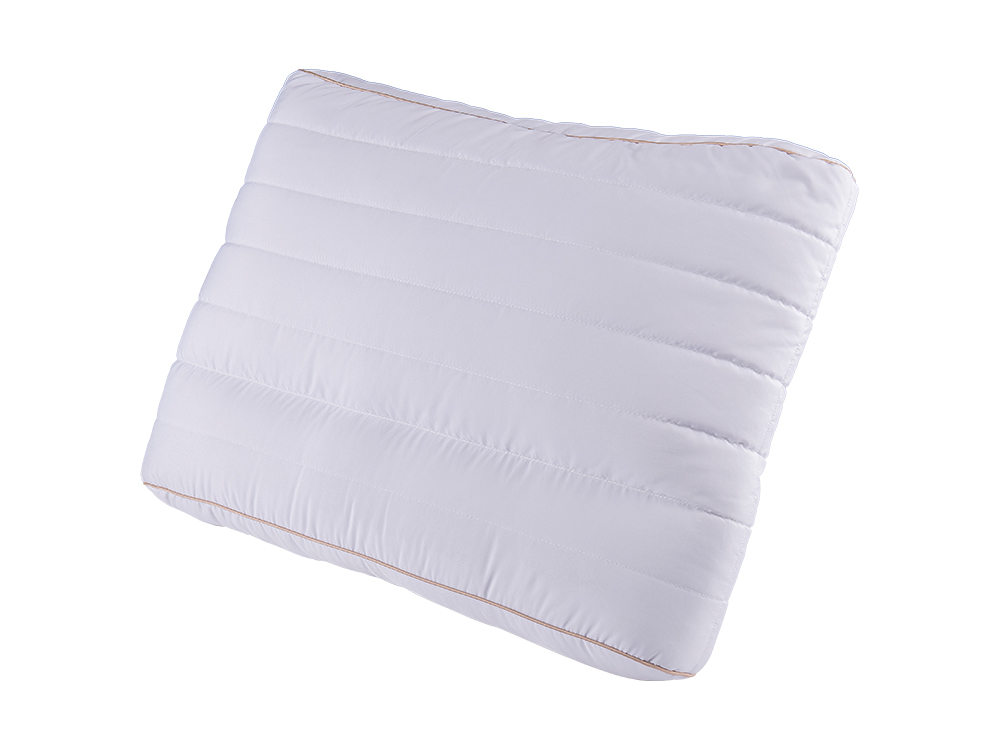
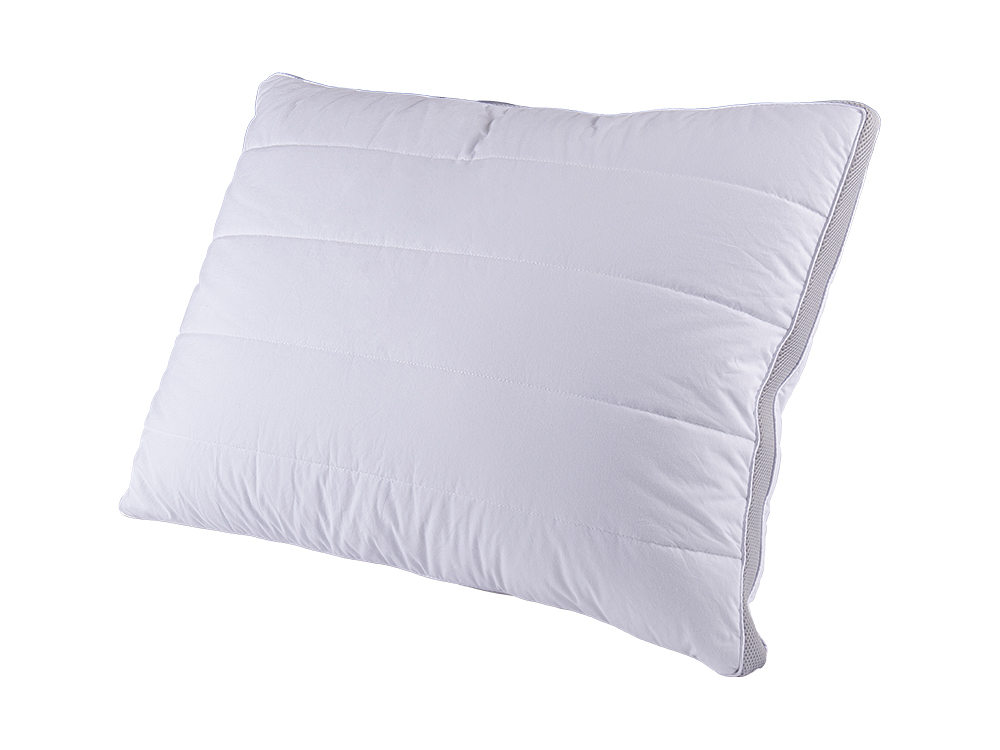
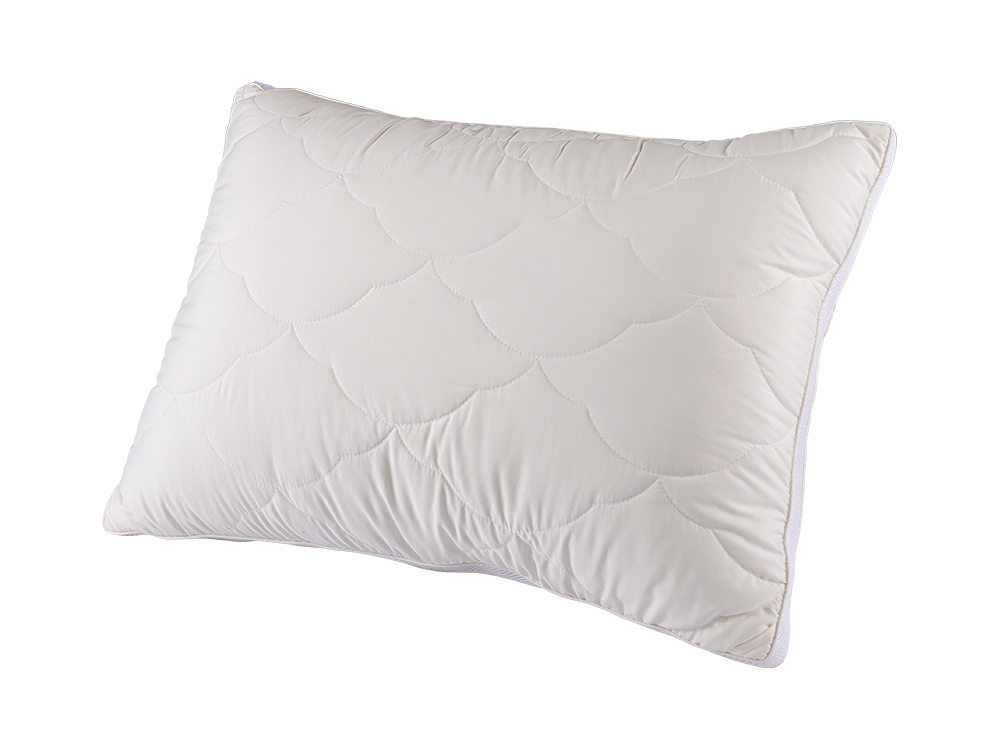
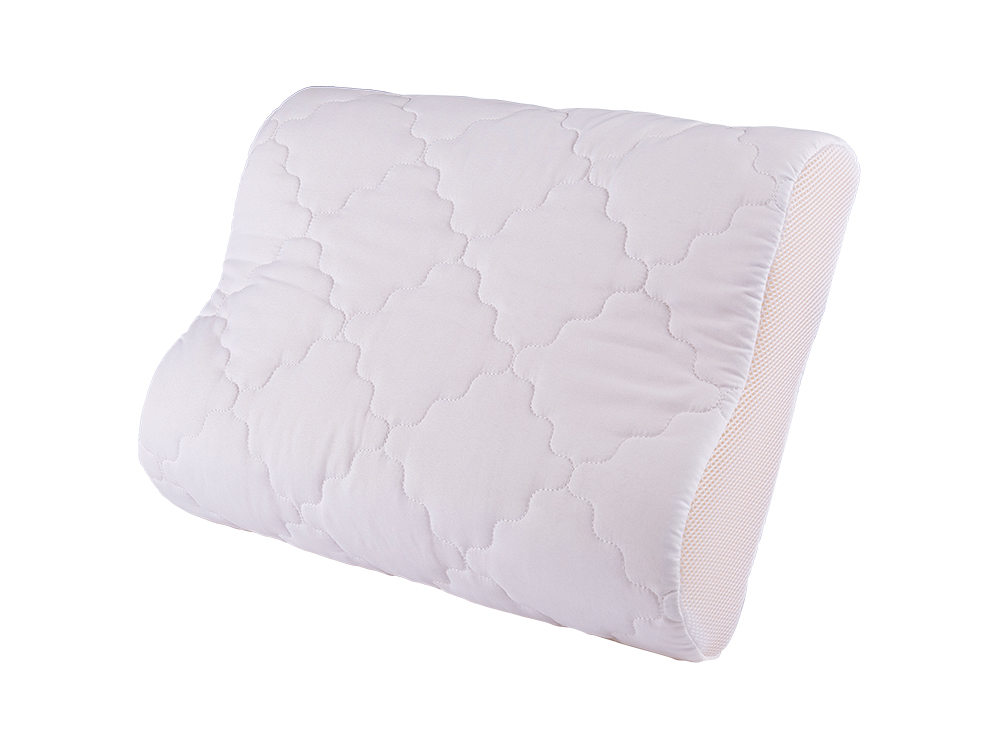
The Quilted Polyester Pillow is built around a classic and simple quilted design. This design is not only decorative; it also helps distribute the internal filling more evenly across the pillow body. Even distribution is important because a pillow with uneven filling can create high and low areas that affect sleep comfort. The quilted structure helps maintain a neat shape and gives the pillow a fuller, more refined appearance.
The outer fabric uses 85gsm brushed fabric. Brushing gives the fabric a softer surface and improves the tactile experience. When the skin touches the pillow, the surface feels smoother and warmer than many plain untreated fabrics. This matters because the face and neck are sensitive areas, and a pillow should not feel rough or irritating during rest.
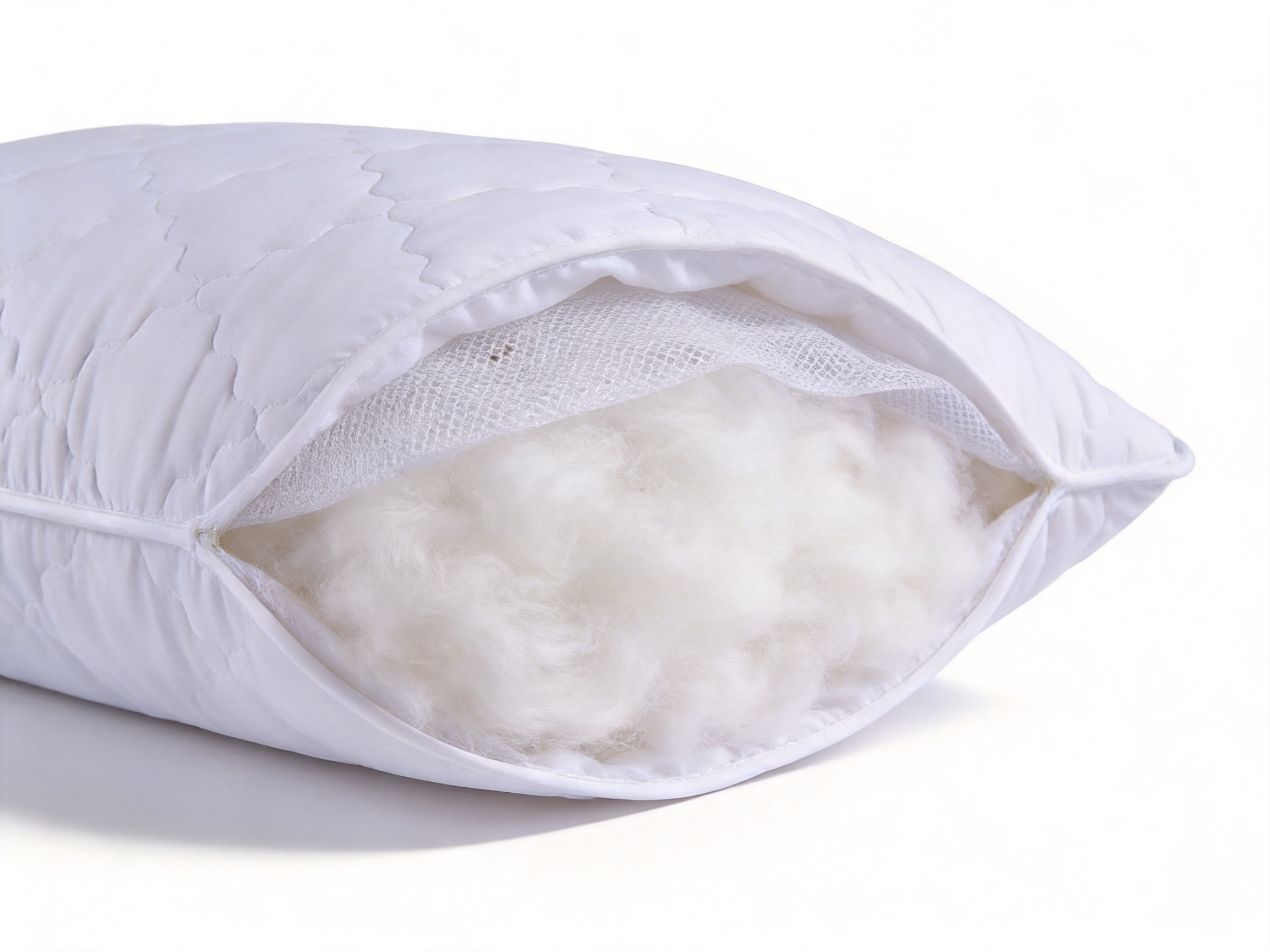
The internal lining uses 30gsm non-woven fabric, which supports the structure of the pillow and helps contain the filling. A good lining contributes to product stability, improves workmanship, and helps the pillow retain its intended shape. The filling is made from a combination of 3D and 6D polyester fibers. This combination is selected to provide loft, rebound, and softness. The filling is fluffy and full, and the pillow is designed not to deform easily after long-term use.
Product Type |
Quilted Polyester Pillow |
Fabric |
85gsm Brushed Fabric |
Lining |
30gsm Non-Woven Fabric |
Filling |
3D plus 6D Polyester |
Key Features |
Soft touch, fluffy filling, good resilience, simple quilted design, skin-friendly feel |
Suitable Applications |
Home bedding, retail bedding collections, hospitality supplies, customized textile programs |
Why Brushed Fabric Matters in Pillow Comfort
The surface fabric is the first point of contact between the user and the pillow. A pillow can contain high-quality filling, but if the surface feels harsh, the total comfort experience will be reduced. The 85gsm brushed fabric used in this product provides a soft hand feel and a gentle touch. Brushing modifies the fabric surface by raising fine fibers, creating a smoother and warmer sensation.
Compared with ordinary low-weight fabric that may feel thin or stiff, the brushed fabric creates a more comfortable tactile layer. This helps the pillow feel inviting from the first use. The fabric is also suitable for a clean quilted pattern, allowing the pillow to look simple, classic, and easy to match with different bedding sets.
In the market, many budget pillows use basic shell fabrics that are selected mainly for low cost. These fabrics may satisfy basic covering requirements but often lack the soft surface effect that consumers appreciate. By using 85gsm brushed fabric, this pillow offers a more refined feel while still maintaining the practical advantages of polyester bedding products.
The brushed effect also supports the product’s positioning as a skin-friendly pillow. Skin-friendly comfort does not depend on one material alone; it results from the combination of fabric smoothness, balanced filling, breathable structure, neat stitching, and stable quality control. This pillow is designed around that complete comfort experience.
The Role of 3D and 6D Polyester Filling
The filling inside a pillow determines loft, resilience, support, and long-term shape retention. This pillow uses a blend of 3D and 6D polyester fibers. Polyester is widely used in modern bedding because it is lightweight, adaptable, cost-effective, and suitable for large-scale consistent production. When processed properly, polyester fiber can create a fluffy and supportive filling that responds well to repeated compression.
3D polyester fiber generally contributes softness, flexibility, and a comfortable loft. 6D polyester fiber is often thicker and can enhance fullness and rebound. When these fiber types are blended, the filling can achieve a more balanced structure than a pillow made from only one fiber specification. The result is a pillow that feels soft enough for relaxation but full enough to provide daily support.
Many competing pillows suffer from quick flattening because their filling has weak rebound or poor fiber distribution. Once compressed repeatedly, the pillow loses volume and becomes less comfortable. This quilted polyester pillow is designed with good resilience so that it does not deform easily after long-term use. The fluffy filling returns toward its original shape after pressure is released, helping maintain comfort over time.
The choice of polyester filling also makes the pillow suitable for diverse markets. It can be used in everyday household bedding, guest rooms, dormitory bedding sets, hotel supply programs, and retail pillow collections. Polyester filling is also practical for customized production because fill weight, firmness, packaging, and outer fabric can often be adjusted according to different buyer requirements.
Advantages Over Common Competing Pillows
The bedding market contains many pillow options, including down pillows, feather pillows, memory foam pillows, latex pillows, and standard fiber pillows. Each material has its own advantages, but this quilted polyester pillow offers a practical combination that is especially valuable for buyers who need comfort, durability, stable pricing, and scalable production.
Balanced Comfort at Practical Cost
Natural down pillows can feel very soft and luxurious, but they are often more expensive and may require specialized care. Memory foam pillows provide contouring support, but some users find them too firm, too warm, or too slow to rebound. Latex pillows can be durable, but they are heavier and may have a distinct material feel that not all users prefer. This quilted polyester pillow provides a comfortable middle ground. It is soft, full, and resilient while remaining suitable for broad consumer needs and practical purchasing budgets.
More Adaptable Than Specialized Pillow Types
Highly specialized pillows are often designed for narrow sleeping preferences. For example, a contour memory foam pillow may suit certain neck-support needs but may not satisfy users who prefer a traditional fluffy pillow shape. The Quilted Polyester Pillow maintains a familiar and widely accepted pillow profile. This makes it easier for hotels, retailers, and home textile distributors to offer it to a broad range of consumers.
Soft Surface Without Complicated Maintenance
The brushed fabric surface gives the pillow a gentle touch, while the polyester filling supports practical care and handling. For large buyers, easy handling matters because bedding products need to be stored, transported, displayed, and supplied efficiently. A pillow that is attractive, soft, and practical can reduce after-sales concerns and improve customer satisfaction.
Good Resilience for Long-Term Value
A common issue with lower-quality pillows is that they look full in packaging but collapse quickly after use. This reduces perceived value and may lead to complaints. The 3D plus 6D polyester filling is chosen to provide rebound and fullness, helping the pillow resist deformation. Long-term resilience is a key advantage because consumers judge pillow quality not only by first touch but by how it performs over time.
Clean Quilted Design for Multiple Bedding Styles
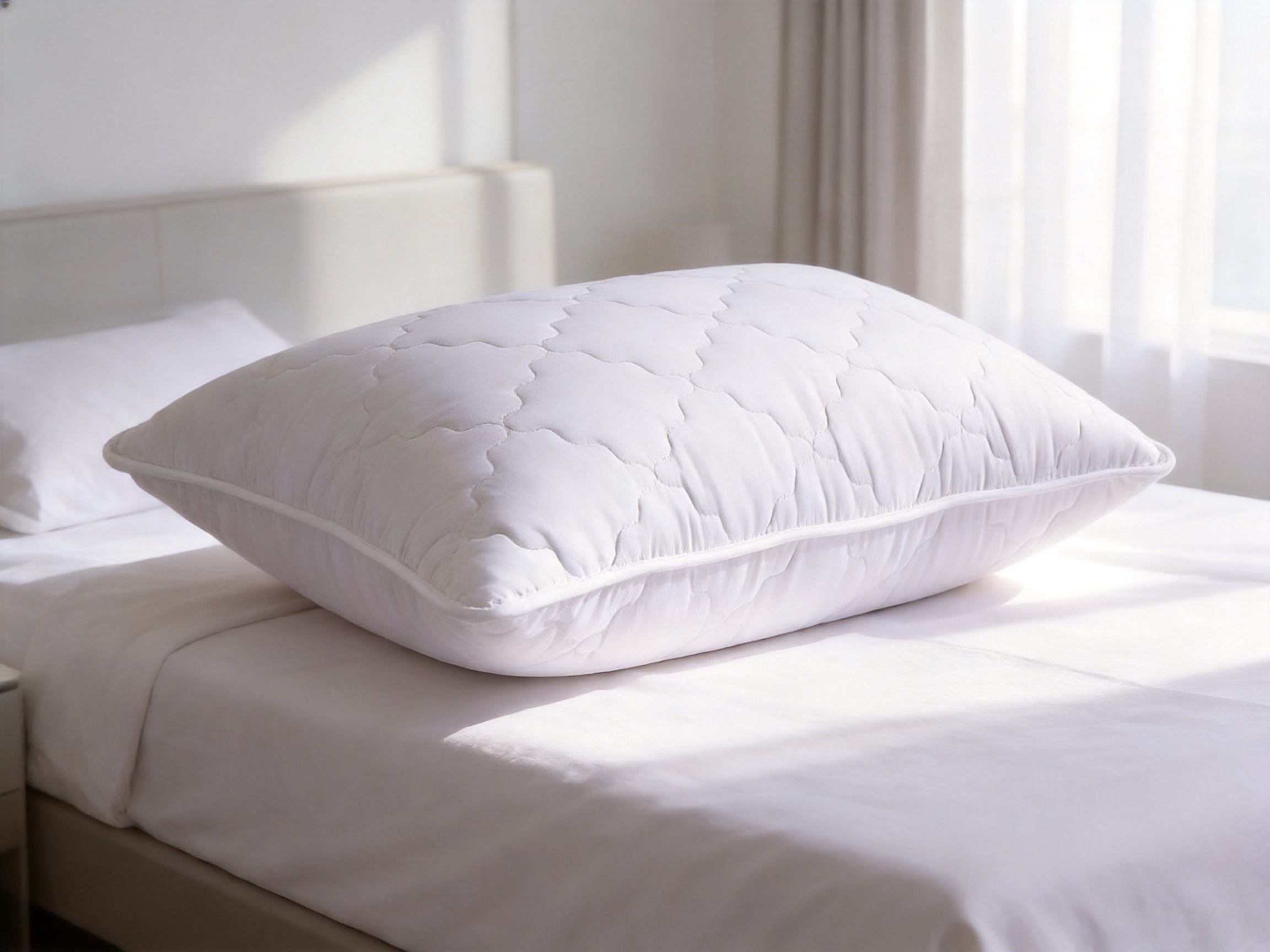
The simple quilted design gives the pillow a neat appearance. It can work with classic white bedding, printed bedding sets, hotel room designs, and retail bedding displays. Unlike overly decorative pillows that suit only one design style, this pillow maintains broad visual compatibility. This increases its commercial flexibility for different markets.
Design Details That Improve the User Experience
A pillow is a simple product from the outside, but small design details can significantly affect comfort. The quilted surface, fabric weight, lining selection, filling composition, and finishing process all contribute to the final user experience. This pillow combines these elements into a practical structure.
The quilted design helps the pillow surface remain visually balanced. It also creates a sense of quality because quilting requires controlled stitching and consistent spacing. Consumers often associate quilting with comfort and workmanship, especially in bedding products such as quilts, mattress protectors, and pillows.
The 85gsm brushed fabric is light enough for comfort and soft enough for direct touch. It supports a comfortable hand feel without making the pillow unnecessarily heavy. The 30gsm non-woven lining gives internal support and helps stabilize the filling. This is especially important in repeated use, because the pillow is compressed, folded, pressed, and reshaped many times during its service life.
The fiber filling is fluffy and full. Fullness is not only visual; it affects how the pillow supports the head. A pillow that is too flat can make the neck bend uncomfortably. A pillow that is too hard can create pressure. This product is designed to provide a pleasant combination of loft and softness, making it a reliable everyday choice.
Manufacturing Strength Behind the Product
Reliable pillow performance depends heavily on manufacturing capability. The producer of this quilted polyester pillow has long experience in home textile production and operates with an extensive product range that includes quilts, chemical fiber quilts, pillows, cushions, bedspreads, travel quilts, mattress protectors, blankets, quilt covers, pillowcases, shower curtains, curtains, and related textile items. This broad manufacturing background supports a deep understanding of fabric behavior, filling performance, stitching methods, quality inspection, and packaging standards.
The factory was established in 2002 and has developed into a professional home textile manufacturing enterprise with a large production base. It covers an area of 21,000 square meters, with a construction area of 18,000 square meters. A facility of this scale is important for buyers who need stable production capacity, organized workflow, and the ability to handle repeated or customized orders.
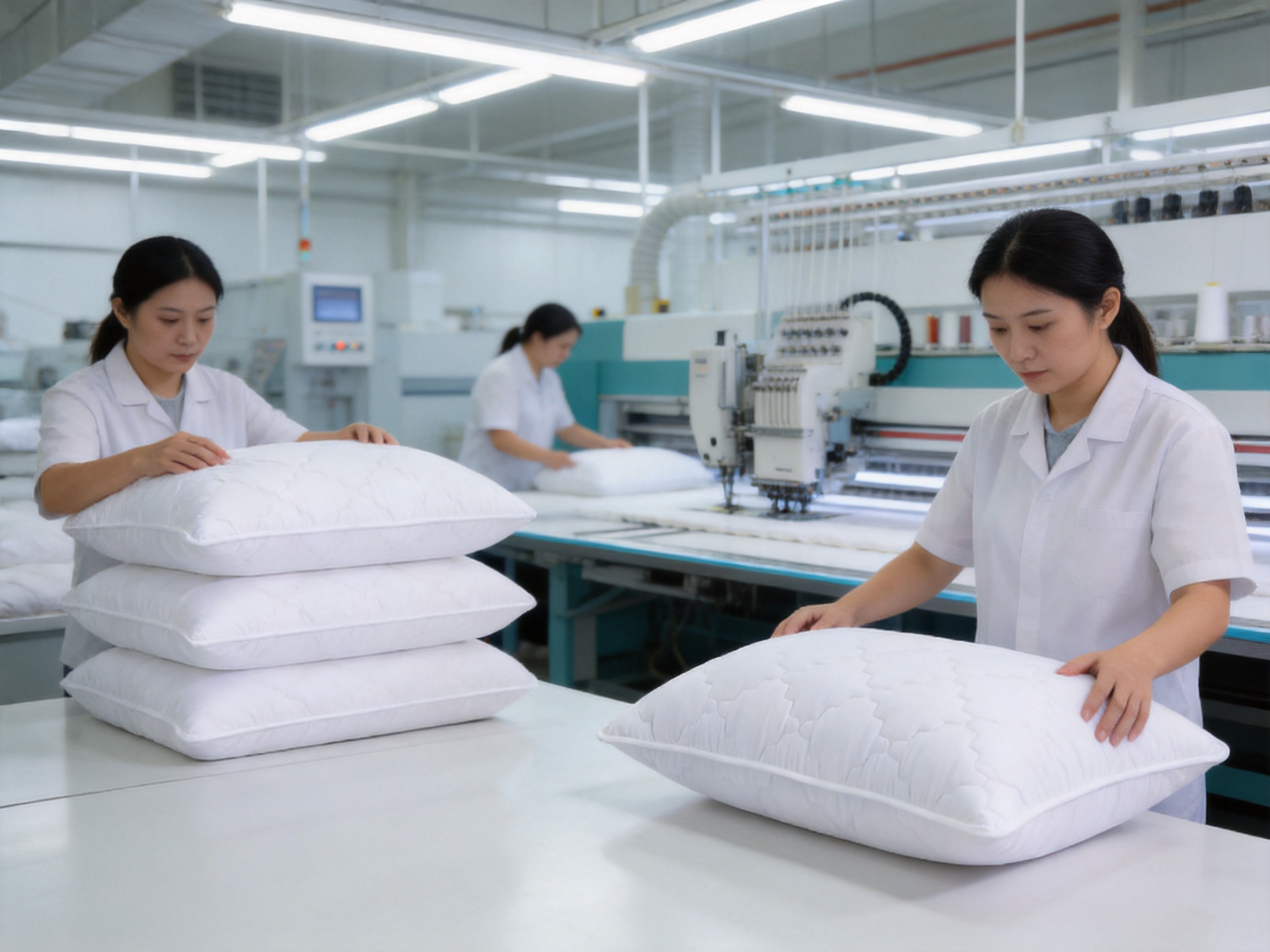
With more than 320 employees, the company has the human resources needed for production, inspection, material handling, packing, and order coordination. Bedding production requires teamwork across multiple stages, from material preparation to cutting, quilting, filling, sewing, checking, and packaging. Skilled workers and experienced production managers help ensure that each pillow meets expected standards.
The factory is equipped with various advanced production equipment. For quilted polyester pillows, equipment capability affects stitching consistency, production efficiency, filling accuracy, and final appearance. Advanced equipment helps reduce variation, improve output stability, and support customized production requirements. For buyers, this means more predictable quality and better order fulfillment.
Advanced Production Process for Consistent Pillow Quality
The making of a high-quality polyester pillow involves multiple steps. Each step must be controlled carefully because a small weakness in one stage can affect the final product. The production process starts with material selection. Fabric, lining, and filling must meet the required specifications before entering production. The 85gsm brushed fabric needs to provide the desired surface feel, while the 30gsm non-woven lining must support internal structure. The 3D and 6D polyester filling must be clean, fluffy, and suitable for rebound performance.
After material preparation, fabric cutting is performed according to product size and construction requirements. Accurate cutting helps ensure that pillow panels align properly during sewing and quilting. Consistent panel dimensions are especially important for large orders, where every item must look uniform.
The quilting process follows. Quilting requires controlled stitching tension, clean lines, and stable pattern placement. A neat quilted surface improves appearance and helps support even filling distribution. Poor quilting can cause fabric puckering, irregular surface patterns, or weak stitching. Advanced quilting equipment and trained operators help avoid these issues.
The lining and outer shell are then assembled. Sewing quality is essential because seams must hold the pillow structure together during repeated use. Strong seams reduce the risk of opening, fiber leakage, or deformation. The pillow is filled with the 3D plus 6D polyester blend, and filling quantity must be controlled to achieve the intended loft and softness. Too little filling creates a flat pillow; too much filling can make it stiff or uneven. Accurate filling control is therefore a key part of product quality.
After filling, the pillow is closed and shaped. Workers inspect the product for surface defects, stitching issues, filling balance, and overall appearance. Quality inspection may include checking dimensions, hand feel, resilience, cleanliness, and packaging condition. The final pillow must look full, feel soft, and maintain its quilted structure.
Quality Certifications and Responsible Manufacturing Standards
In modern international trade, buyers do not evaluate a manufacturer only by price. They also look at certifications, management systems, environmental responsibility, product safety, and social compliance. The company behind this pillow has passed international certifications including ISO9001, ISO14001, OEKO-related standards, GRS, and BSCI. These certifications demonstrate a structured approach to quality management, environmental management, textile safety, recycled material standards, and social responsibility.
ISO9001 is associated with quality management systems. For pillow production, this means the manufacturer has procedures to control processes, monitor quality, and improve consistency. ISO14001 relates to environmental management, which is increasingly important for global buyers seeking responsible suppliers. OEKO standards are widely recognized in textiles and help support confidence in material safety. GRS is relevant for recycled material verification when applicable, and BSCI reflects attention to social compliance and responsible business practices.
The company has also been rated as a safety production standardization enterprise for several consecutive years since 2016. Safety production matters because a well-managed factory is more likely to maintain stable operations, protect employees, and reduce production interruptions. For buyers, such stability supports reliable delivery schedules and long-term cooperation.
The company states that quality is the life of the enterprise. This principle is reflected in standardized operating procedures, continuous improvement of employee technical levels, and efforts to enhance product quality. For a product like the Quilted Polyester Pillow, this means that quality is not treated as a final inspection only. It is built into material selection, production control, equipment use, worker training, and order management.
Customization Potential for Different Bedding Markets
One of the strengths of an experienced home textile factory is the ability to customize products for different customers. The Quilted Polyester Pillow can serve as a standard product, but it can also inspire variations in size, fabric, filling weight, packaging, quilting pattern, label design, and order specification. Different markets often require different pillow profiles. A hotel may prefer a fuller pillow with a clean white surface. A retail brand may require special packaging and private labels. A wholesaler may need practical bulk packing for efficient transportation.
The manufacturer’s broad product portfolio supports integrated bedding programs. A buyer may source not only pillows but also quilts, mattress protectors, blankets, cushion items, mattress covers, and related home textile products. This allows coordinated product development and consistent quality across categories. For example, a retailer can create a bedding collection that includes pillows, quilts, and mattress protectors from one supplier, simplifying communication and quality control.
Customization also helps buyers respond to seasonal trends. In cooler seasons, consumers may prefer bedding products that feel warmer and fuller. In warmer seasons, lighter and more breathable products may be prioritized. With professional technical personnel and manufacturing experience, the factory can develop fashionable and warm household products according to customer needs.
For international buyers, customization is not only about design. It includes compliance documentation, packing methods, carton labeling, shipping coordination, and stable repeat production. A capable factory can help reduce the complexity of sourcing by managing both product details and production execution.
Applications in Home, Hospitality, and Retail
The Quilted Polyester Pillow is versatile. In home use, it serves as a comfortable everyday pillow for bedrooms, guest rooms, and family bedding sets. Its soft brushed surface and resilient filling make it suitable for people who prefer a traditional fluffy pillow feel. The clean appearance fits easily into different interior styles.
In hospitality, pillows must meet practical requirements. Hotels, guest houses, serviced apartments, and dormitory suppliers need pillows that are comfortable, consistent, and cost-effective. A pillow that retains shape and offers reliable softness can improve guest satisfaction while supporting operational efficiency. The quilted design also presents a neat and clean look, which is important in hospitality bedding.
For retail, the product has strong display potential because it looks full and has a recognizable quilted surface. Consumers often judge pillows by touch and visible fullness. A pillow that feels soft and rebounds well can perform better in store demonstrations. Retailers can position it as an everyday comfort pillow with skin-friendly fabric and durable polyester filling.
For wholesale and distribution, the product’s material structure supports stable supply and practical pricing. Polyester pillows can be produced in volume while maintaining consistent specifications, which helps distributors manage inventory and meet market demand. The ability to adapt packaging and size specifications further improves its commercial value.
How the Pillow Supports Better Rest
Rest is influenced by many factors, including room environment, mattress quality, bedding layers, sleep posture, and pillow comfort. A pillow does not solve every sleep issue, but it plays an important role in daily relaxation. The Quilted Polyester Pillow supports rest through softness, loft, and resilience.
Softness helps the user settle comfortably. A harsh or overly firm pillow can create pressure points and make it difficult to relax. The brushed fabric surface improves the initial comfort impression, while the polyester filling provides a gentle cushioning effect. This makes the pillow welcoming at bedtime.
Loft helps maintain a comfortable head position. If a pillow loses height too quickly, the user may feel unsupported. The 3D plus 6D polyester filling is designed to remain fluffy and full, supporting a more stable sleeping surface. Good resilience helps the pillow recover after compression, improving long-term usability.
The pillow’s traditional structure also supports freedom of movement. Some specialized pillows restrict head position because of contour shapes or dense materials. This quilted polyester pillow offers a more flexible feel, allowing users to adjust it, fluff it, and position it according to personal comfort preferences.
Comparison With Other Pillow Filling Materials
When choosing a pillow product for commercial supply, buyers often compare filling materials. Down is known for softness and luxury, but it is expensive and may not suit consumers with sensitivities or ethical preferences. Feather pillows are supportive but can feel sharp if quills are noticeable. Memory foam provides contouring but can retain heat and may have a firmer feel. Latex is resilient and durable but heavier and more costly. Standard low-grade polyester pillows are affordable but may flatten quickly.
The Quilted Polyester Pillow is designed to avoid the weaknesses of low-grade fiber pillows while preserving the practical benefits of polyester. By using a 3D plus 6D filling blend, it improves fullness and rebound. By using brushed fabric, it improves surface comfort. By incorporating a non-woven lining and quilted design, it strengthens product structure and appearance.
This combination makes the pillow competitive in the middle market segment, where buyers require more than the cheapest product but still need price efficiency. It can appeal to customers who want softness without the high cost of down, resilience without the density of foam, and ease of use without complicated care requirements.
Importance of Consistent Quality in Large Orders
For individual consumers, one pillow matters. For retailers and distributors, thousands of pillows must meet the same standard. Consistency is therefore a major competitive advantage. A pillow order with inconsistent filling weight, uneven sewing, or varied hand feel can create serious problems for the buyer. Customers may return products, complain about quality differences, or lose trust in the retail brand.
The factory’s long history, production scale, and certified management systems help support consistency. Standardized operating procedures ensure that workers follow defined production steps. Advanced equipment improves accuracy and efficiency. Skilled employees help identify and correct issues during production. Quality inspection helps ensure that the final goods meet customer expectations before shipment.
Consistency also affects packaging and logistics. Pillows must be packed properly to protect shape, reduce contamination, and optimize shipping volume. A professional manufacturer understands how to balance compression, presentation, and recovery. Proper packaging helps the pillow arrive in good condition and supports a better customer experience.
Material Selection and Comfort Engineering
Comfort engineering in bedding is the process of selecting and combining materials to achieve a target feel. For this pillow, comfort comes from the interaction between fabric, lining, filling, and construction. The brushed fabric creates softness at the surface. The non-woven lining supports the internal structure. The polyester filling creates loft and resilience. The quilting improves distribution and appearance.
The 85gsm fabric weight is practical because it offers enough substance for a pleasant touch while avoiding excessive heaviness. The 30gsm lining is light but functional. The 3D and 6D polyester blend creates a layered filling behavior, with fine softness and stronger rebound working together. This is why the pillow can feel soft while still maintaining fullness.
Compared with pillows that rely only on a single selling point, such as extreme softness or extreme firmness, this pillow focuses on balanced performance. Balanced performance is often more successful in mass bedding markets because it satisfies a wider group of users. A pillow that is moderately soft, full, resilient, and easy to match with bedding sets can become a dependable core product.
Company Strengths Supporting Global Buyers
The manufacturer is located in Zhejiang Province, China, an area with strong textile production resources and supply chain advantages. Its location and industry experience support material sourcing, production coordination, and export-oriented business. The company has been producing home textile products for more than two decades, giving it practical knowledge of market changes, customer requirements, and product innovation.
The factory continues to develop and innovate in order to adapt to the changing home textile industry. This is important because consumer preferences are not fixed. Bedding buyers now pay attention to comfort, safety, environmental responsibility, value, appearance, and customization. A manufacturer that invests in technical personnel and production improvement can better respond to these demands.
The company’s product range includes many bedding and household textile categories. This broad capability allows it to support one-stop sourcing for buyers who need pillows, quilts, blankets, mattress protectors, mattress covers, cushions, and related home textile products. A supplier with multiple categories can help customers build complete product programs with coordinated quality standards.
The company’s emphasis on customer needs is also important. Different customers require different specifications, and successful manufacturing depends on communication and flexibility. Whether the customer is a retailer, importer, hotel supplier, or private-label brand, the ability to adjust product details and maintain stable quality is a major advantage.
Durability and Long-Term Product Value
Durability in a pillow does not mean that the pillow never changes. All pillows experience compression over time. However, a durable pillow should maintain comfort, shape, and usability longer than a poorly made alternative. The Quilted Polyester Pillow is designed with good resilience and resistance to deformation after long-term use. This improves long-term value for both consumers and commercial buyers.
The filling blend contributes to durability by helping the pillow recover after pressure. The quilted construction helps preserve a more stable distribution of material. The lining supports internal integrity. The outer brushed fabric provides a comfortable surface while maintaining a clean appearance. Together, these details reduce the risk of rapid flattening and uneven feel.
Long-term value is especially important in hospitality and retail. In hospitality, frequent use requires products that continue to feel acceptable after repeated guest stays. In retail, consumer satisfaction after purchase affects reviews, repeat sales, and brand reputation. A pillow that holds its shape better can improve customer confidence and reduce replacement frequency.
Why This Pillow Is Suitable for Private Label Programs
Private label buyers need products that can be adapted to their brand positioning. The Quilted Polyester Pillow is suitable for private label programs because its core structure is versatile. It can be positioned as a soft everyday pillow, a quilted comfort pillow, a hotel-style pillow, or a value-enhanced polyester pillow. Depending on buyer requirements, the product can be customized in packaging, labeling, size, fill weight, and presentation.
A strong private label product must be reliable. If a brand sells a pillow under its own name, the pillow must satisfy consumers and protect brand reputation. This product’s soft brushed fabric, resilient filling, and neat quilted appearance provide a strong foundation for brand programs. The manufacturer’s certifications and production experience further support buyer confidence.
Private label success also depends on repeatability. A buyer may launch a product, test market response, and then reorder. The factory’s production capacity and standardized processes help support repeat orders with consistent specifications. This is a critical advantage compared with smaller or less organized suppliers that may struggle to reproduce the same product quality over time.
Environmental and Social Responsibility Considerations
Modern home textile buyers increasingly consider environmental and social responsibility when selecting suppliers. Certifications such as ISO14001, GRS, and BSCI help demonstrate awareness of these requirements. While the Quilted Polyester Pillow is primarily presented as a comfort and resilience product, the manufacturing background supports responsible sourcing discussions and compliance-oriented procurement.
Environmental management can include waste control, energy awareness, and process improvement. Social compliance can include workplace standards, labor conditions, and safety practices. These factors are not visible in the finished pillow, but they matter to global buyers, especially those selling into markets with strict supplier evaluation systems.
Responsible manufacturing also contributes to long-term business stability. A factory that follows management systems and safety standards is better prepared to serve customers reliably. For buyers, this reduces risk and supports sustainable cooperation.
Quality Control Points for the Quilted Polyester Pillow
Several quality control points are especially important for this pillow. First, fabric inspection ensures that the brushed surface meets softness and appearance requirements. Fabric defects such as stains, holes, uneven brushing, or shade variation should be detected before cutting.
Second, filling inspection ensures that the polyester fiber is fluffy, clean, and suitable for the required rebound. Poor filling quality can cause odor, lumping, or quick flattening. The 3D plus 6D blend must be prepared and distributed properly to achieve the target feel.
Third, quilting inspection checks stitch consistency, pattern accuracy, and fabric smoothness. Uneven quilting can reduce the product’s visual appeal. Fourth, sewing inspection checks seam strength and closure quality. Weak seams can cause product failure during use.
Fifth, final product inspection evaluates pillow shape, fullness, resilience, dimensions, cleanliness, and packaging. A full and even pillow indicates that the materials and workmanship have been combined successfully. These inspection points are essential for maintaining quality in both standard and customized orders.
Buyer Benefits: From Product Performance to Supply Reliability
For buyers, the value of this pillow extends beyond its material list. It offers a combination of product performance and supply reliability. The product performance includes soft brushed fabric, fluffy polyester filling, good resilience, and a classic quilted look. Supply reliability comes from a large manufacturing base, experienced employees, advanced equipment, certifications, and a long history in home textile production.
This combination is important because a good product from an unreliable supplier creates risk, while a reliable supplier with an ordinary product may not help buyers compete. The Quilted Polyester Pillow brings both sides together: a commercially attractive pillow and a manufacturing background capable of supporting volume orders and customization.
Buyers can use this pillow to strengthen product lines in home bedding, hospitality supply, wholesale distribution, e-commerce bedding, and private-label programs. Its familiar design makes it easy to introduce to the market, while its material advantages help distinguish it from lower-grade alternatives.
Care, Handling, and Practical Use Recommendations
Proper care helps extend the life of any pillow. While specific care instructions should follow the final label provided with each order, general handling principles can help users maintain comfort. The pillow should be kept dry and clean. Regular airing can help preserve freshness. A pillowcase is recommended to protect the surface from oils, dust, and daily wear.
Users may gently fluff the pillow to restore loft after compression. Because the filling is designed for resilience, occasional reshaping can help maintain even comfort. For commercial use, pillows should be stored in clean, dry conditions and protected from excessive compression for long periods unless packaging is designed for compressed shipping and recovery.
Retailers and hospitality buyers should communicate care expectations clearly to end users. Clear care guidance reduces misuse and improves satisfaction. Practical care is one reason polyester pillows remain popular in many markets; they are easy to handle and suitable for everyday bedding programs.
Q&A Section
What makes this quilted polyester pillow different from ordinary polyester pillows?
This pillow combines 85gsm brushed fabric, a 30gsm non-woven lining, and a 3D plus 6D polyester filling. Many ordinary polyester pillows use basic shell fabric and lower-grade filling that may flatten quickly. This product is designed for a softer surface, fuller shape, and better resilience.
Is the pillow soft or firm?
The pillow is designed to feel soft, fluffy, and full. The polyester filling blend provides cushioning and rebound, creating a balanced comfort level suitable for everyday use. It is not intended to feel as dense as memory foam or as heavy as latex.
Why is brushed fabric used?
Brushed fabric provides a smoother and more skin-friendly touch. Since the face and neck often contact the pillow surface, a soft fabric improves the overall comfort experience.
Does the quilted design have a function?
Yes. The quilted design improves appearance and can help support more even distribution of the pillow structure. It also gives the pillow a classic, clean, and marketable look.
What are 3D and 6D polyester fibers?
They are polyester fiber specifications used to create different comfort and rebound effects. The blend helps the pillow feel fluffy while maintaining good resilience and fullness.
Is this pillow suitable for hotels?
Yes. Its soft touch, neat appearance, practical material structure, and good resilience make it suitable for hotels, guest rooms, serviced apartments, and other hospitality environments.
Can the pillow be customized?
Yes. Depending on order requirements, customization may include size, fill weight, packaging, labels, quilting pattern, and other specifications. The manufacturer has broad home textile production capability and experience in customer-oriented development.
What manufacturing strengths support this product?
The factory has more than two decades of home textile manufacturing experience, a production area of 21,000 square meters, a construction area of 18,000 square meters, more than 320 employees, advanced production equipment, and international certifications related to quality, environmental management, textile safety, recycled material standards, and social compliance.
How does the pillow compare with down or memory foam pillows?
Down pillows can be softer but are usually more expensive and may require special care. Memory foam pillows provide contouring but can feel firm or warm. This quilted polyester pillow offers a practical balance of softness, resilience, familiar shape, and cost-effective supply.
Who is the ideal buyer for this pillow?
The pillow is suitable for retailers, wholesalers, importers, hospitality suppliers, private-label bedding brands, and home textile distributors seeking a comfortable and reliable polyester pillow.
Conclusion: A Practical Pillow With Softness, Resilience, and Manufacturing Confidence
The Quilted Polyester Pillow is a strong example of how thoughtful material selection and professional manufacturing can improve a familiar bedding product. Its 85gsm brushed fabric provides a soft and skin-friendly surface. Its 30gsm non-woven lining supports structure. Its 3D plus 6D polyester filling creates a fluffy and full feel with good resilience. Its quilted design adds classic visual appeal and helps distinguish it from plain low-grade alternatives.
For consumers, the pillow offers everyday comfort and a pleasant touch. For commercial buyers, it provides a reliable product foundation for retail, hospitality, wholesale, and private-label programs. Its advantages over many competing pillows include balanced softness, practical cost, good rebound, broad market adaptability, and stable manufacturing support.
Behind the product is a mature home textile manufacturer with extensive production experience, advanced equipment, a large workforce, certified management systems, and a broad product portfolio. These strengths help ensure that the pillow is not merely comfortable in concept but dependable in real-world production and supply.
In a market where customers expect comfort, durability, safety, and value, this quilted polyester pillow offers a well-balanced solution. It is simple in appearance, comfortable in touch, resilient in use, and supported by professional manufacturing capability. For buyers seeking a competitive pillow product that combines softness with commercial practicality, it is a compelling choice.
References
American Association of Textile Chemists and Colorists. Textile Testing and Quality Control Principles.
International Organization for Standardization. ISO9001 Quality Management Systems Guidelines.
International Organization for Standardization. ISO14001 Environmental Management Systems Guidelines.
OEKO-TEX Association. Standard 100 by OEKO-TEX Testing Criteria and Textile Safety Principles.
Textile Institute. Fibres, Yarns and Fabrics: Fundamental Concepts for Home Textile Products.
Global Recycled Standard. Certification Principles for Recycled Textile Materials.
Business Social Compliance Initiative. Social Compliance and Responsible Supply Chain Management Framework.


 +86-573-88798028