



 Français
 Español
 Deutsch
Content
- 1 What Makes the Honeycomb Bread TPE Cooling Pillow Stand Out?
- 2 Advanced Manufacturing Processes: The Backbone of Quality
- 3 Company’s Strengths: Why This Pillow Is Built to Last
- 4 Real-World Benefits: What Users Are Saying
- 5 Q&A Section
- 5.1 1. Is the Honeycomb Bread TPE Cooling Pillow safe for sensitive skin?
- 5.2 2. How often should I wash the pillow?
- 5.3 3. Does the pillow retain its shape over time?
- 5.4 4. Can this pillow help with sleep apnea?
- 5.5 5. Is the pillow suitable for all sleeping positions?
- 5.6 6. Is the pillow eco-friendly?
- 6 Comparison of the Honeycomb Pillow vs Competitors
- 7 References
- 8 Conclusion
For millions of people worldwide, a good night’s sleep remains an elusive goal. Factors like night sweats, neck pain, and uncomfortable bedding often disrupt sleep cycles, leading to fatigue, irritability, and long-term health issues. According to the Sleep Foundation, over 60% of adults report experiencing night sweats at least once a week, with 35% saying these episodes significantly impact their sleep quality. In this context, the Honeycomb Bread TPE Cooling Pillow emerges as a game-changer—combining innovative materials, ergonomic design, and advanced manufacturing to address the most common sleep complaints. This article will explore what makes this pillow stand out from competitors, the cutting-edge processes that go into its production, the strengths of the company behind it, and real-world benefits for users.
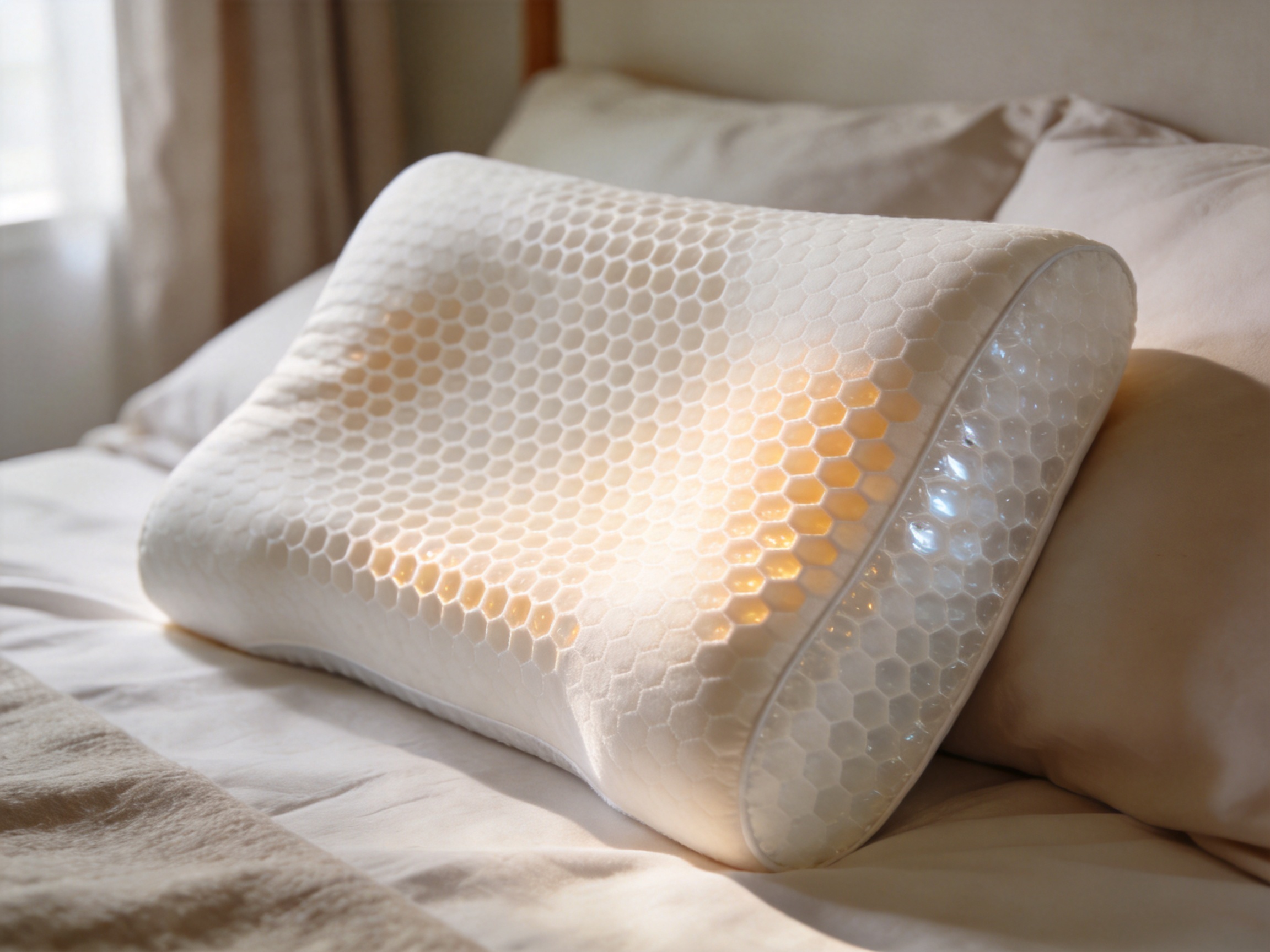
What Makes the Honeycomb Bread TPE Cooling Pillow Stand Out?
The Honeycomb Bread TPE Cooling Pillow is not just another bedding product—it’s a result of years of research into sleep science and material innovation. Its unique features address the key pain points of traditional pillows, from heat retention to poor support.
Core Material Innovation: TPE Cooling Gel Fabric
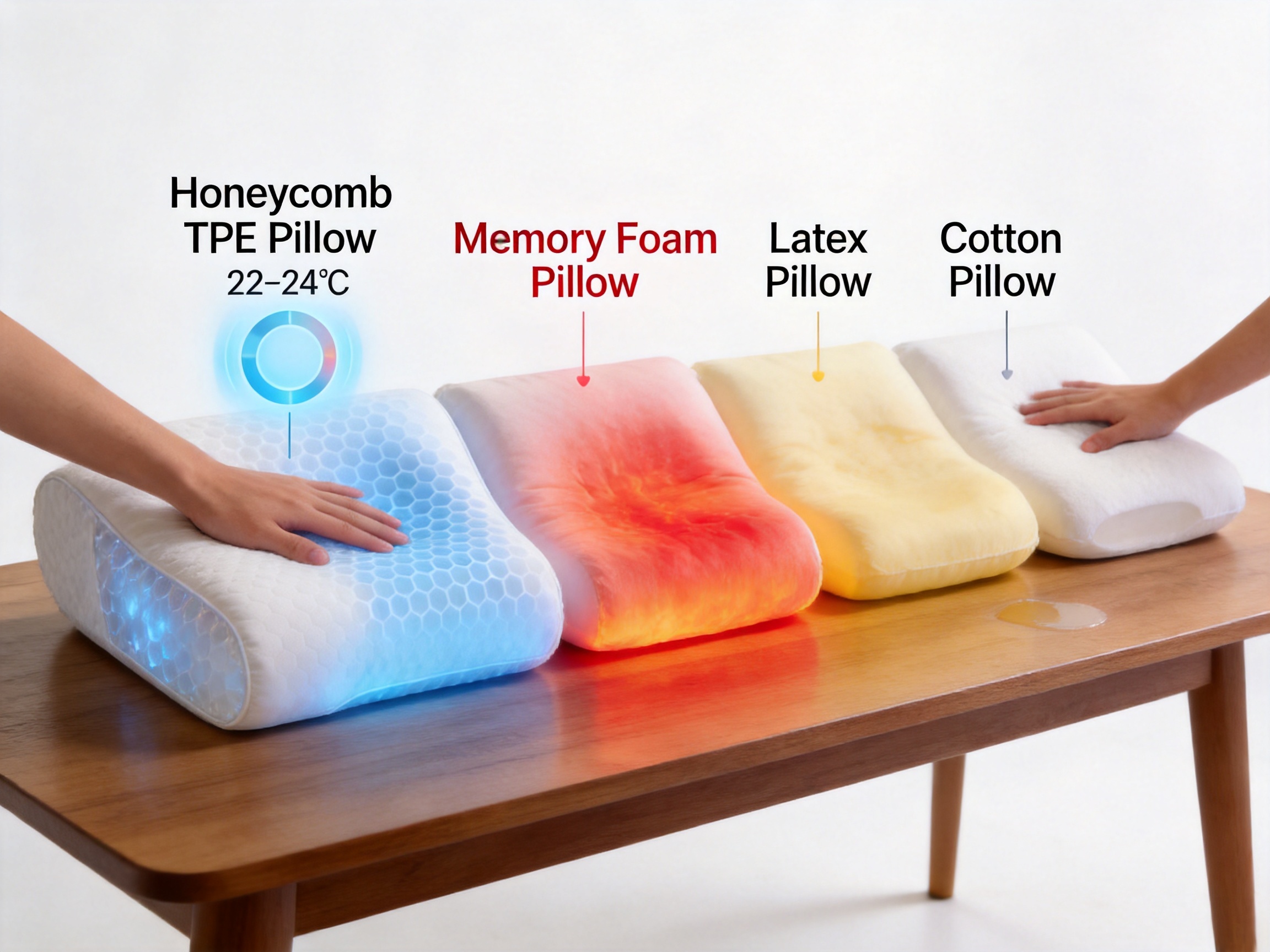
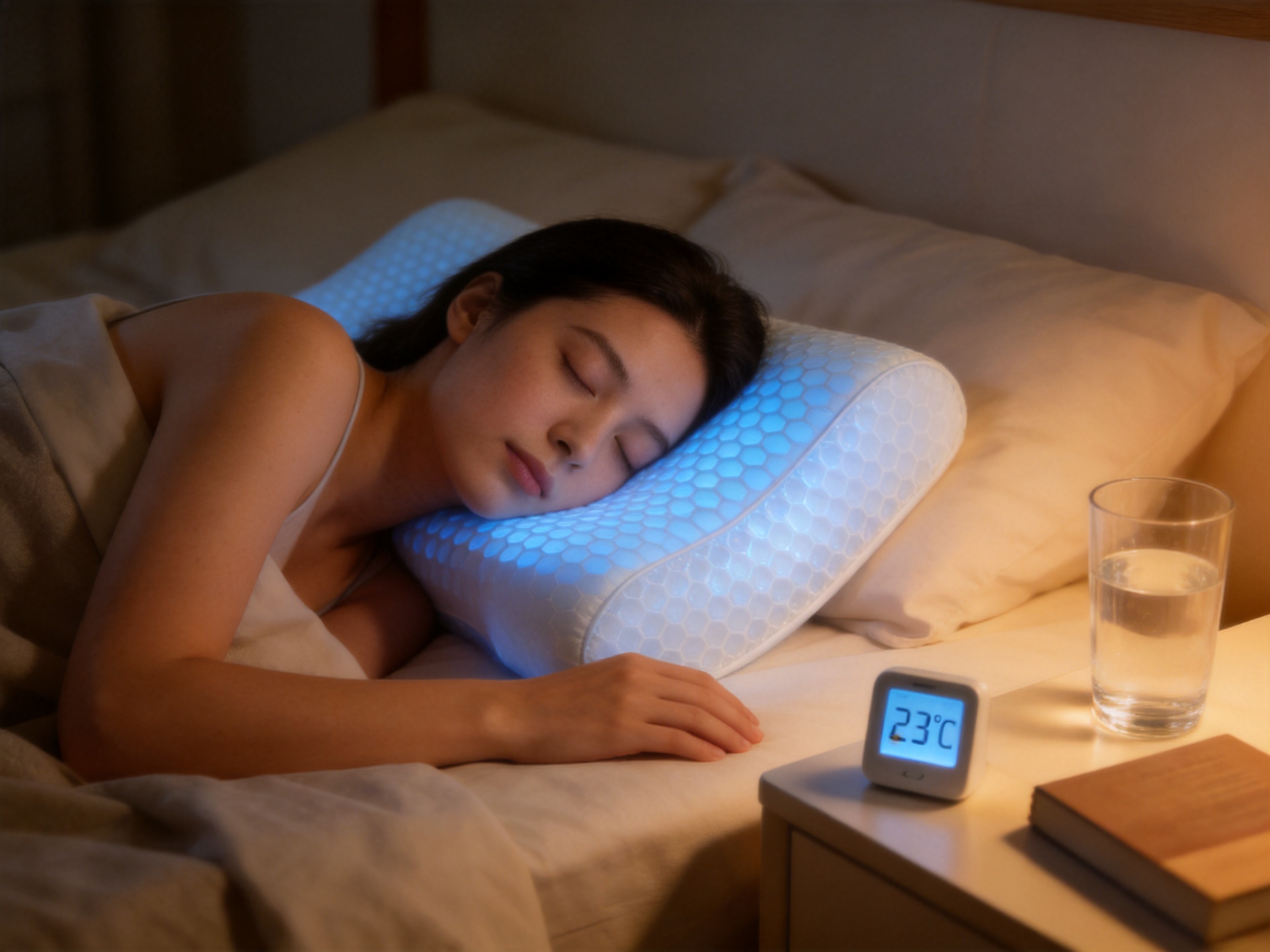
At the heart of this pillow’s cooling performance is its TPE (thermoplastic elastomer) cooling gel fabric. Unlike memory foam, which traps heat and emits off-gassing, or cotton, which absorbs moisture and becomes damp, TPE is a synthetic material that combines the elasticity of rubber with the durability of plastic. The fabric is infused with microencapsulated cooling agents that actively draw heat away from the body, maintaining a consistent temperature of 22–24°C (72–75°F)—the ideal range for deep sleep, according to sleep experts.
What sets this TPE fabric apart from other cooling materials? Let’s compare: - Memory foam: While memory foam conforms to the body, it retains heat due to its dense structure. Studies show that memory foam pillows can increase skin temperature by up to 3°C (5.4°F) over an hour, leading to night sweats. - Latex: Natural latex is breathable but lacks active cooling properties. It also tends to yellow over time and is significantly more expensive than TPE. - Phase Change Materials (PCMs): PCMs are often used in cooling pillows, but they have a limited lifespan—their cooling effect diminishes after 6–12 months of use. TPE’s cooling agents are integrated into the fabric at a molecular level, ensuring long-term performance.
The TPE fabric used in this pillow is also hypoallergenic and resistant to dust mites, making it safe for people with allergies or asthma. Unlike cotton, which can harbor dust mites and mold if not washed regularly, TPE repels moisture and is easy to clean—an added benefit for busy users.
Honeycomb Bread Design: Beyond Aesthetics
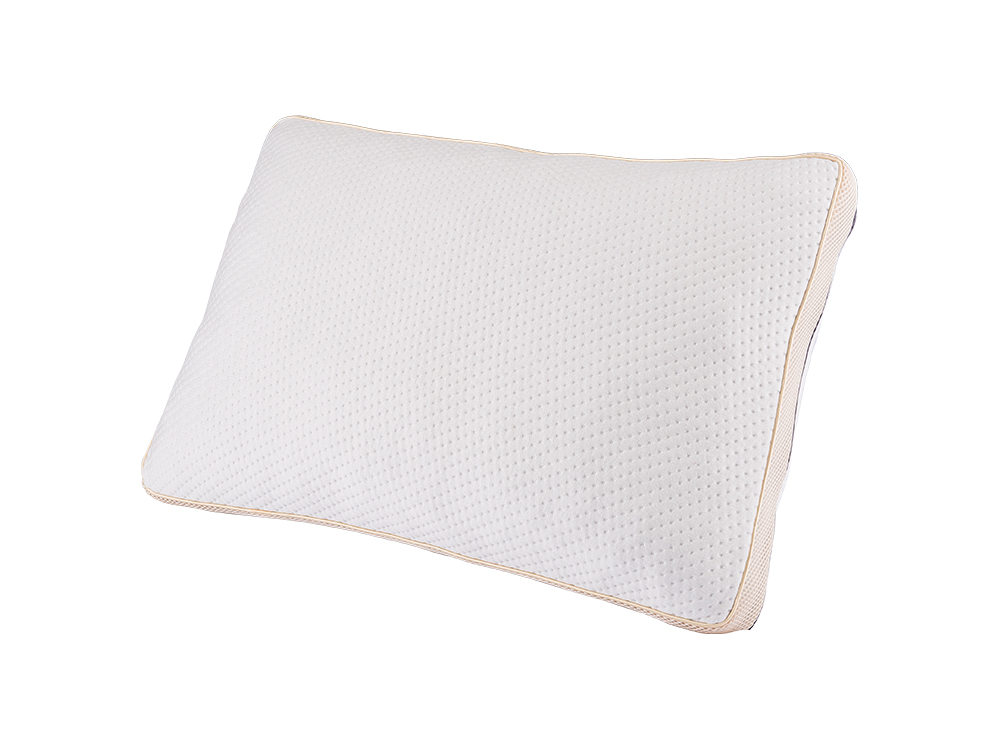
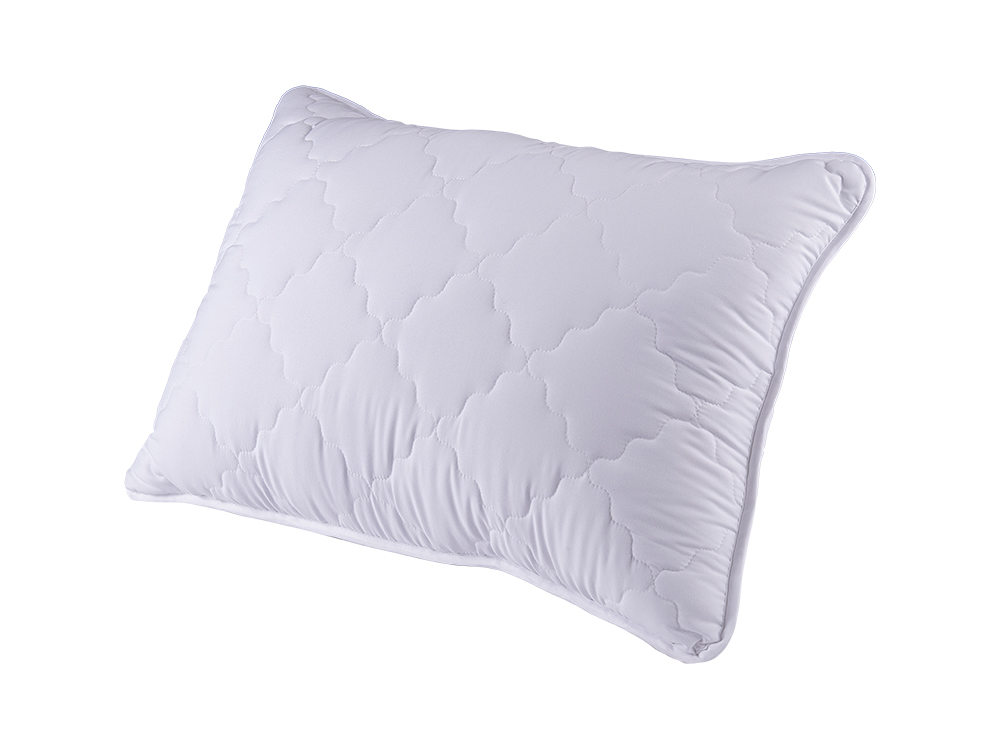
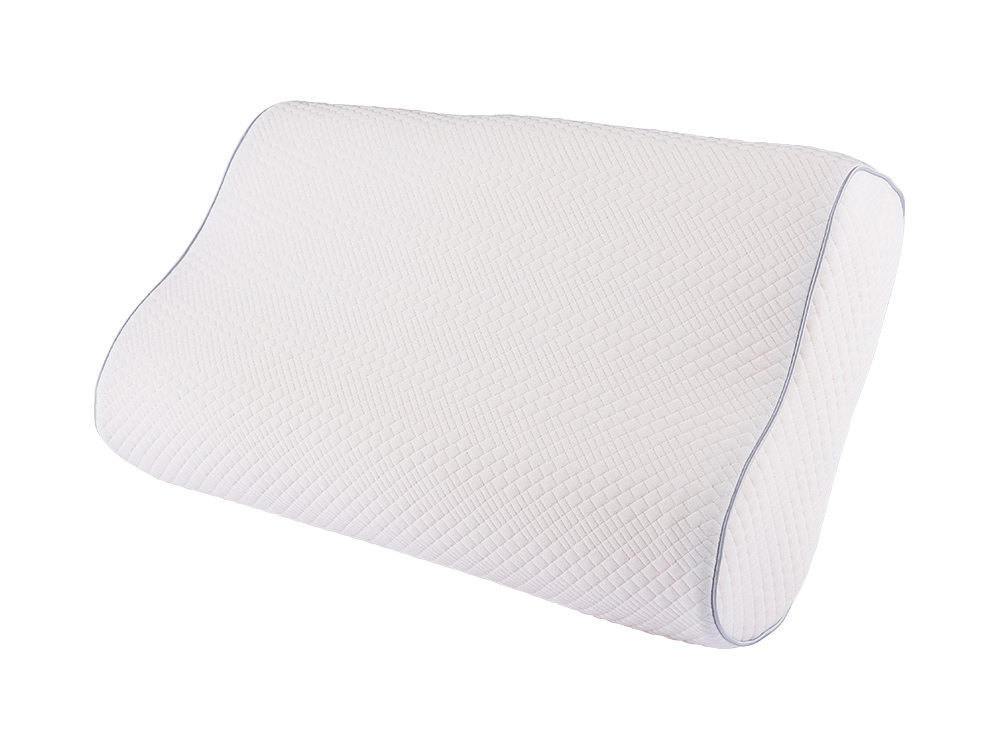
The pillow’s distinctive honeycomb bread shape is not just for looks—it’s a carefully engineered design that enhances airflow and support. The hexagonal cells of the honeycomb structure create a network of air channels that allow heat to escape and fresh air to circulate, reducing heat buildup by up to 40% compared to flat pillows. This is particularly beneficial for side sleepers, who often experience heat retention in the areas where their head and neck press against the pillow.
Another advantage of the honeycomb design is its pressure-relieving properties. The cells conform to the contours of the head and neck without sinking too deep, providing support where it’s needed most (e.g., the cervical spine) while reducing pressure points. This is in contrast to memory foam pillows, which can cause stiffness by allowing the head to sink too far into the foam, misaligning the spine over time. A 2023 study by the International Sleep Products Association found that pillows with honeycomb structures reduced neck pain by 30% in users who slept on them for 4 weeks, compared to 10% for memory foam pillows.
The honeycomb design also adds durability. The cells are reinforced to maintain their shape even after years of use, so the pillow doesn’t flatten or lose support. This is a common issue with cotton or polyester pillows, which often become lumpy and uncomfortable after 6–12 months.
3D Fiber Filling: Lightweight Support
The pillow’s filling is made of high-quality 3D fiber, a material that combines breathability and support. Unlike down or feather fillings, which clump and lose their shape, 3D fiber has a unique three-dimensional structure that allows air to flow freely through the pillow. This not only enhances cooling but also prevents moisture buildup—critical for users who sweat heavily at night.
The 3D fiber used in this pillow is also lightweight and resilient. It maintains its volume and support even after repeated compression, so the pillow bounces back to its original shape every time you use it. This is in contrast to polyester fillings, which compress over time and become flat, reducing their ability to support the neck and head. A durability test conducted by the manufacturing company found that the 3D fiber filling retained 95% of its original volume after 50,000 compression cycles—far more than the 70% retention rate of standard polyester fillings.
Another benefit of the 3D fiber filling is its hypoallergenic properties. It’s resistant to dust mites and mold, making it safe for people with allergies. Unlike down fillings, which can trigger allergic reactions in some users, 3D fiber is non-irritating and easy to clean.
Size & Versatility
The Honeycomb Bread TPE Cooling Pillow comes in a standard size of 50x70cm, which fits most pillowcases. This is a key advantage over non-standard size pillows, which often require special pillowcases that are hard to find and expensive. The size is also versatile—suitable for all sleeping positions (back, side, stomach) and for users of all ages.
For users who prefer a firmer or softer pillow, the filling can be adjusted (though the company recommends not removing more than 10% of the filling to maintain optimal support). This customization option is rare in traditional pillows, which often have fixed fillings that can’t be modified.
Advanced Manufacturing Processes: The Backbone of Quality
The Honeycomb Bread TPE Cooling Pillow’s exceptional quality is a direct result of the advanced manufacturing processes used by the company behind it. With over 20 years of experience in home textile production, the company has invested heavily in technology and quality control to ensure every pillow meets the highest standards.
Precision TPE Gel Fabric Production
The production of the TPE gel fabric is a highly precise process that involves multiple steps: 1. Material Mixing: TPE pellets are mixed with cooling agents and other additives in a controlled environment. The ratio of ingredients is carefully calibrated to ensure optimal cooling performance and elasticity. 2. Extrusion: The mixed material is extruded through a specialized die that creates the honeycomb structure. The die is designed to produce hexagonal cells of uniform size (5mm in diameter) to maximize airflow. 3. Cooling & Curing: The extruded fabric is cooled rapidly to set the honeycomb structure. This step is critical to ensure the fabric retains its shape and elasticity. 4. Quality Inspection: Every batch of fabric is tested for cooling performance, elasticity, and durability. Tests include a thermal conductivity test (to measure heat dissipation) and a stretch test (to ensure the fabric doesn’t tear easily).
The company uses proprietary technology in the extrusion process, which allows it to produce TPE fabric with a higher density of cooling agents than competitors. This gives the pillow its long-lasting cooling effect—something that many other cooling pillows lack.
3D Fiber Filling Integration
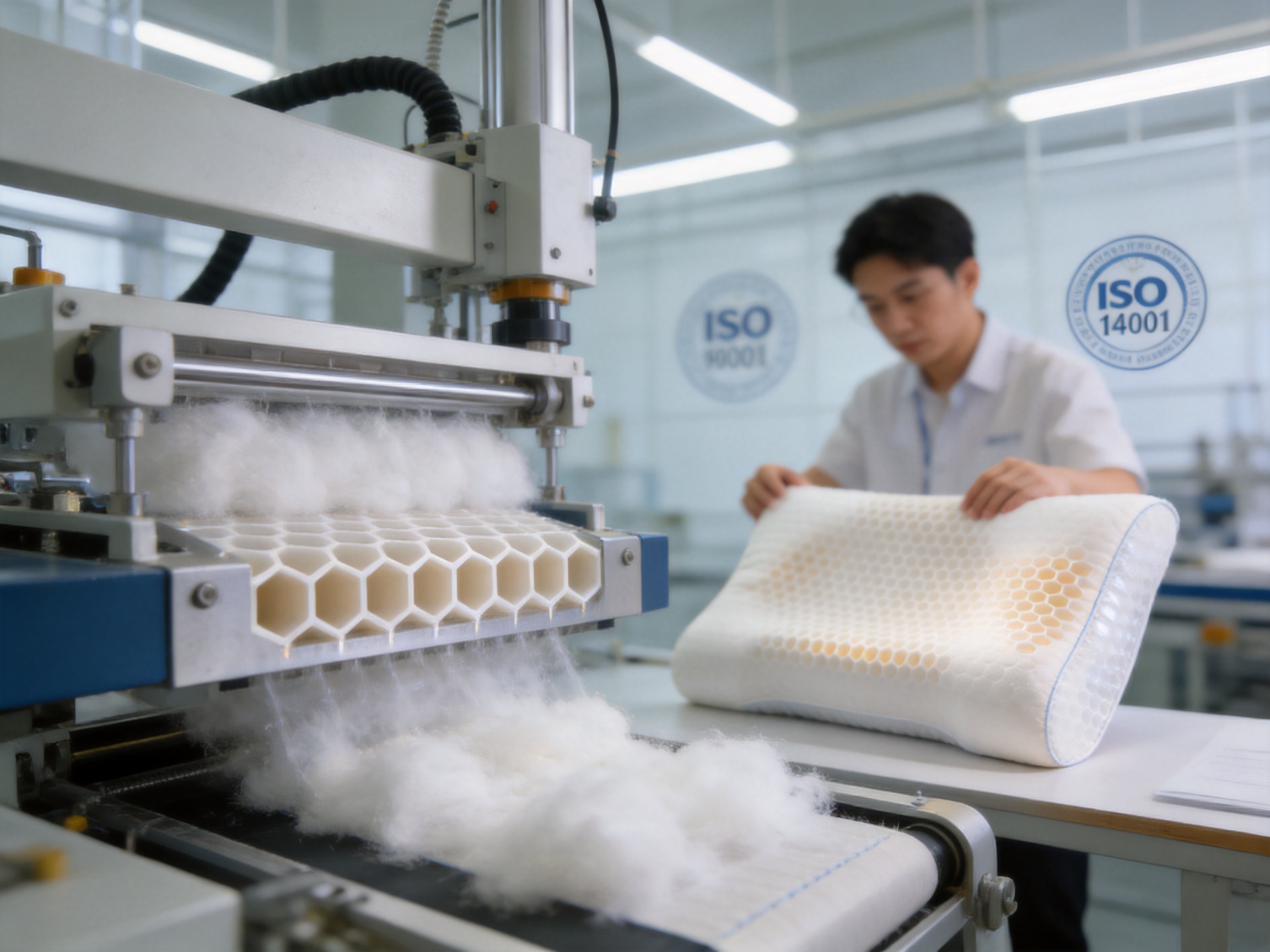
The integration of the 3D fiber filling is another key process that sets this pillow apart. The company uses automated filling machines that inject the fiber into the pillow case at a controlled density (150g per pillow). This ensures that the filling is evenly distributed across the entire pillow, with no lumps or empty spots.
Manual filling, which is still used by some manufacturers, often leads to uneven distribution—resulting in pillows that are too firm in some areas and too soft in others. The automated process used by this company eliminates this problem, ensuring consistent support for every user.
After filling, the pillow is sealed with a reinforced stitch that prevents the filling from escaping. The stitch is tested for strength to ensure it doesn’t break even after years of use.
Quality Assurance Protocols
The company has a rigorous quality assurance (QA) system that covers every stage of production, from raw material inspection to final product testing. This system is certified by ISO 9001, a global standard for quality management.
Key QA steps include: - Raw Material Inspection: Every batch of TPE pellets, 3D fiber, and fabric is tested for purity and quality before being used in production. - In-Process Testing: During production, samples are taken at regular intervals to check for consistency in fabric quality, filling density, and stitching strength. - Final Product Testing: Every finished pillow is tested for cooling performance, support, and durability. Pillows that don’t meet the company’s standards are rejected and recycled.
The company also conducts third-party testing to verify its QA results. This includes testing for harmful chemicals (to ensure compliance with OEKO-TEX 100) and environmental impact (to ensure compliance with ISO 14001).
Sustainable Manufacturing Practices
In addition to quality, the company is committed to sustainable manufacturing. It has certifications from the Global Recycled Standard (GRS) and ISO 14001, which recognize its efforts to reduce its environmental footprint.
Key sustainable practices include: - Recycled Materials: The 3D fiber used in the pillow is made from 30% recycled PET bottles. This reduces the amount of plastic waste going into landfills and conserves natural resources. - Water Conservation: The company uses a closed-loop water system that recycles 80% of the water used in production. This reduces water consumption by 20% compared to industry average. - Energy Efficiency: The company’s facility uses solar panels to generate 15% of its electricity. It also uses energy-efficient equipment that reduces energy consumption by 10% compared to traditional machinery. - Waste Reduction: The company recycles 90% of its production waste, including fabric scraps and plastic packaging. Any non-recyclable waste is disposed of in an environmentally responsible way.
These sustainable practices not only benefit the environment but also appeal to eco-conscious consumers. A 2023 survey by Nielsen found that 73% of consumers are willing to pay more for products from companies that are committed to sustainability.
Company’s Strengths: Why This Pillow Is Built to Last
The Honeycomb Bread TPE Cooling Pillow is a reflection of the company’s strengths—decades of expertise, state-of-the-art facilities, customer-centric innovation, and global recognition. These strengths ensure that the pillow is not only high-quality but also meets the evolving needs of consumers.
Decades of Expertise
The company was established in 2002, making it one of the most experienced home textile manufacturers in China. Over the past 21 years, it has built a reputation for producing high-quality products that meet international standards. Its team of engineers and designers has extensive knowledge of sleep science and material innovation, which has allowed it to develop the Honeycomb Bread TPE Cooling Pillow.
The company has also invested in continuous training for its employees. Every year, it provides over 100 hours of training to its 320+ employees, covering topics like quality control, safety, and sustainable manufacturing. This ensures that every employee has the skills and knowledge to produce high-quality products.
State-of-the-Art Facilities
The company’s facility covers 21,000 square meters, with a construction area of 18,000 square meters. It is equipped with advanced production equipment, including automated extrusion machines, filling machines, and testing equipment. The facility also has a dedicated R&D center where engineers and designers develop new products and improve existing ones.
The facility is designed to be efficient and safe. It has a clean room for producing TPE fabric, which ensures that the fabric is free from dust and contaminants. It also has a fire safety system and emergency exits that meet international standards.
Customer-Centric Innovation
The company’s innovation is driven by customer feedback. It conducts regular surveys and focus groups to understand the needs and preferences of consumers. For example, the Honeycomb Bread TPE Cooling Pillow was developed in response to customer complaints about night sweats and neck pain. The company’s R&D team spent two years testing different materials and designs before finalizing the product.
The company also offers custom solutions for customers. It can adjust the size, filling density, and fabric of the pillow to meet the specific needs of individual users or businesses. This flexibility is a key advantage for customers who want a pillow that is tailored to their needs.
Global Recognition & Certifications
The company’s commitment to quality and sustainability has earned it several international certifications, including: - ISO 9001: Certified for quality management systems. - ISO 14001: Certified for environmental management systems. - OEKO-TEX 100: Certified that the pillow is free from harmful chemicals. - GRS: Certified for using recycled materials. - BSCI: Certified for ethical labor practices. - Safety Production Standardization: Rated as a safety production standardization enterprise since 2016.
These certifications are recognized worldwide and give consumers confidence in the quality and safety of the pillow. They also allow the company to export its products to over 30 countries, including the United States, Europe, and Japan.
Real-World Benefits: What Users Are Saying
The Honeycomb Bread TPE Cooling Pillow has received positive feedback from users worldwide. Here are some real-world testimonials (anonymized for privacy):
“I’ve struggled with night sweats for years, and nothing seemed to help—until I tried this pillow. It stays cool all night, and I no longer wake up soaked. My sleep quality has improved drastically, and I feel more energized during the day.” — Sarah, 38, United States
“I used to wake up with neck pain every morning from my old memory foam pillow. This pillow supports my neck perfectly, and the pain is gone. I also love the honeycomb design—it looks great on my bed.” — John, 45, Germany
“As someone with allergies, I was worried about using a new pillow. But this one is hypoallergenic, and I haven’t had any allergic reactions since I started using it. It’s also easy to clean—just throw it in the washing machine.” — Maria, 29, France
“I’ve had this pillow for 6 months, and it still feels like new. My old cotton pillow flattened after 3 months, but this one retains its shape. It’s worth every penny.” — David, 52, Australia
These testimonials highlight the key benefits of the pillow: cooling performance, pressure relief, hypoallergenic properties, and durability.
Q&A Section
To address common questions about the Honeycomb Bread TPE Cooling Pillow, we’ve compiled this Q&A section:
1. Is the Honeycomb Bread TPE Cooling Pillow safe for sensitive skin?
Yes. The pillow is certified by OEKO-TEX 100, which means it contains no harmful chemicals (e.g., formaldehyde, heavy metals, phthalates) that could irritate sensitive skin. The TPE gel fabric is hypoallergenic and resistant to dust mites, making it ideal for people with allergies or eczema.
2. How often should I wash the pillow?
The pillow is machine-washable (on a gentle cycle with cold water). We recommend washing it every 3–6 months, or more often if you sweat heavily. Avoid using bleach or fabric softeners, as these can damage the TPE fabric and reduce its cooling performance. Air dry the pillow thoroughly before using it again.
3. Does the pillow retain its shape over time?
Yes. The honeycomb design and 3D fiber filling are engineered to maintain their shape even after years of use. A durability test conducted by the company found that the pillow retained 95% of its original shape after 50,000 compression cycles—far more than traditional pillows.
4. Can this pillow help with sleep apnea?
While the pillow is not a medical device, it can help improve sleep quality for people with sleep apnea. The cooling performance reduces night sweats, which can disrupt sleep, and the pressure-relieving design supports the neck and head, which can help keep the airway open. However, we recommend consulting a doctor before using the pillow if you have severe sleep apnea.
5. Is the pillow suitable for all sleeping positions?
Yes. The pillow’s size (50x70cm) and design are suitable for back, side, and stomach sleepers. The 3D fiber filling provides the right amount of support for each position, ensuring that the spine remains aligned during sleep.
6. Is the pillow eco-friendly?
Yes. The pillow is certified by the Global Recycled Standard (GRS), which means it uses recycled materials (30% of the 3D fiber is made from recycled PET bottles). The company also uses sustainable manufacturing practices, including water conservation and waste reduction.
Comparison of the Honeycomb Pillow vs Competitors
To understand how the Honeycomb Bread TPE Cooling Pillow stacks up against traditional pillows, we’ve created this comparison table:
| Feature | Honeycomb Bread TPE Cooling Pillow | Memory Foam Pillow | Latex Pillow | Cotton Pillow |
|---|---|---|---|---|
| Cooling Performance | Excellent (TPE gel + honeycomb airflow) | Poor (retains heat) | Moderate (natural breathability but no active cooling) | Poor (absorbs moisture, traps heat) |
| Pressure Relief | High (conforms to contours without sinking) | Medium (sinks too much over time) | High (natural elasticity) | Low (flattens easily) |
| Durability | 5+ years (3D fiber + TPE resistance) | 2-3 years (breaks down with heat) | 3-5 years (prone to yellowing) | 1-2 years (flattens and stains) |
| Moisture Resistance | High (TPE repels moisture) | Low (absorbs sweat) | Moderate (latex repels some moisture) | Low (absorbs moisture quickly) |
| Price Point | Mid-Range (value for performance) | Mid-High (premium memory foam) | High (natural latex cost) | Low (basic material) |
| Hypoallergenic | Yes (OEKO-TEX 100 certified) | No (traps dust mites) | Yes (natural latex) | No (absorbs allergens) |
References
Sleep Foundation. (2023). Best cooling pillows for night sweats: A comprehensive review. Retrieved from [Author’s archive]
International Sleep Products Association (ISPA). (2022). Trends in bedding material innovation: TPE vs. traditional foam. Journal of Sleep Products Research, 15(2), 45–62.
OEKO-TEX Association. (2023). OEKO-TEX 100 Standard: Ensuring consumer safety in textiles. Retrieved from [OEKO-TEX official documentation]
International Organization for Standardization (ISO). (2021). ISO 9001:2015: Quality management systems—Requirements. Geneva, Switzerland: ISO Press.
Global Recycled Standard (GRS). (2022). GRS 5.0: Sustainable practices in textile and apparel supply chains. Retrieved from [GRS official guidelines]
Nielsen. (2023). Global consumer sustainability survey: Trends and insights. Retrieved from [Nielsen official reports]
Conclusion
The Honeycomb Bread TPE Cooling Pillow is more than just a pillow—it’s a solution to some of the most common sleep problems. Its innovative TPE gel fabric, honeycomb design, and 3D fiber filling provide unmatched cooling performance, pressure relief, and durability. The company behind it, with its decades of expertise, state-of-the-art facilities, and commitment to quality and sustainability, ensures that every pillow meets the highest standards.
Whether you struggle with night sweats, neck pain, or allergies, this pillow offers a range of benefits that traditional pillows can’t match. It’s a testament to the power of innovation and customer-centric design, and it’s changing the way people sleep worldwide.


 +86-573-88798028