



 Français
 Español
 Deutsch
Content
- 1 Product Overview: The Polyester Jacquard Quilt
- 2 Key Advantages Over Competing Products
- 2.1 1. Superior Durability: Jacquard vs. Printed/Embroidered Fabrics
- 2.2 2. Optimal Insulation: 6D vs. 3D/4D Polyester Fibers
- 2.3 3. Eco-Friendly and Safe: OEKO-TEX and GRS Certifications
- 2.4 4. Customization Flexibility: Meeting Unique Customer Needs
- 2.5 5. Year-Round Versatility: A Quilt for Every Season
- 3 Advanced Manufacturing Processes
- 4 Company Strengths: Behind the Scenes
- 5 Product Specifications Table
- 6 Q&A Section
- 6.1 Q1: Is the quilt hypoallergenic?
- 6.2 Q2: Can the quilt be used as a bedspread?
- 6.3 Q3: What colors are available for the quilt?
- 6.4 Q4: How long does the quilt last?
- 6.5 Q5: Is the quilt suitable for use in humid climates?
- 6.6 Q6: Can I order a sample before placing a large order?
- 6.7 Q7: What is the company’s return policy?
- 7 References
- 8 Conclusion
For modern homeowners, the choice of bedding is far more than a practical decision—it’s a reflection of personal style, a commitment to restful sleep, and an investment in long-term household value. In an era where consumers prioritize both aesthetic appeal and functional performance, the polyester jacquard quilt emerges as a standout option, seamlessly merging luxury with utility. This article delves deep into the product’s core features, its competitive advantages, the cutting-edge manufacturing processes that define its quality, and the strengths of the manufacturer behind its creation. Whether you’re a homeowner seeking to elevate your bedroom’s ambiance, a hospitality professional sourcing reliable bedding, or a gift-giver looking for a thoughtful present, this quilt offers a compelling solution that meets diverse needs.
Product Overview: The Polyester Jacquard Quilt
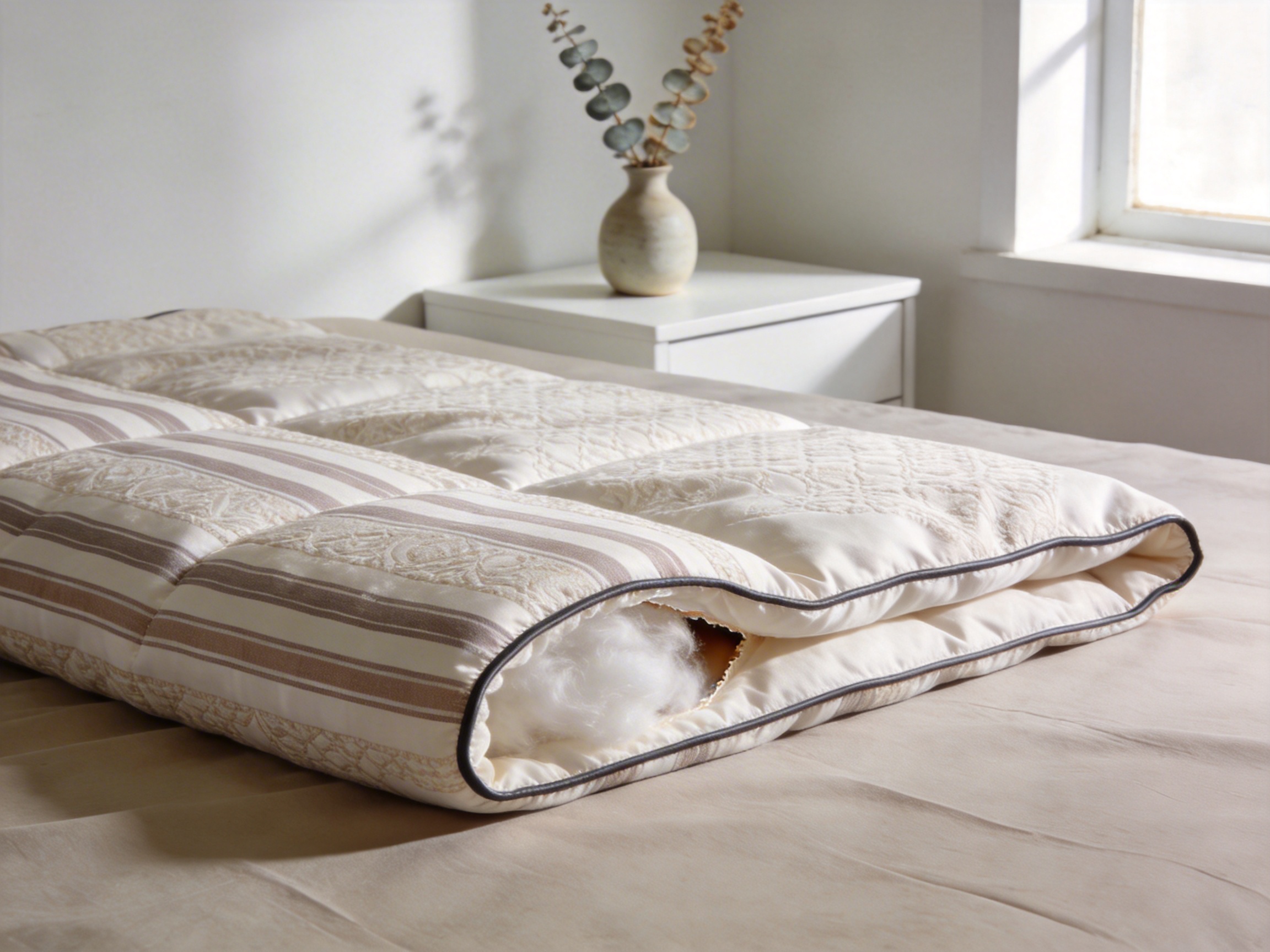
The polyester jacquard quilt is a premium home textile product designed to balance elegance, comfort, and durability. At its core, it features two key components: a high-quality jacquard outer fabric and a resilient 6D polyester filling, both engineered to deliver year-round performance. Let’s break down its key attributes in detail:
1. Jacquard Outer Fabric: Aesthetic and Structural Excellence
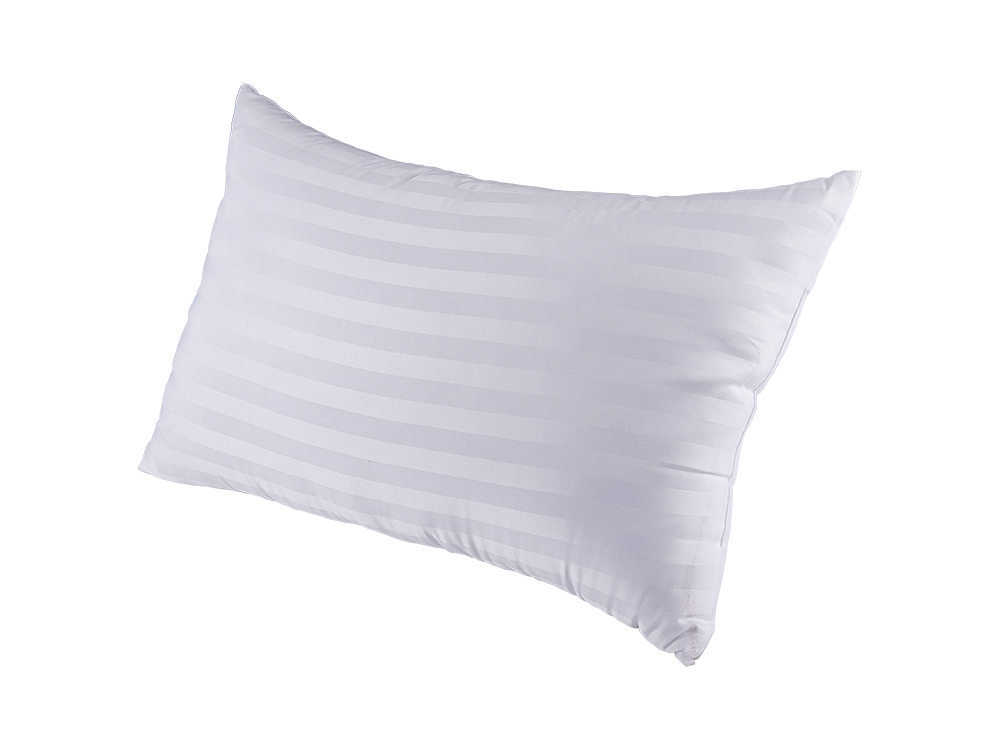
The quilt’s outer layer is crafted from a 90gsm striped jacquard polyester fabric. Jacquard weaving is a centuries-old technique that creates intricate patterns directly into the fabric, rather than printing or embroidering them onto the surface. This process involves a specialized loom that uses thousands of individual thread controls to form complex designs, resulting in a fabric that is not only visually striking but also structurally robust. The 90gsm weight strikes an optimal balance: it’s light enough to feel airy against the skin, yet dense enough to resist wear, fading, and pilling—common issues with lower-quality polyester blends.
The striped pattern of the jacquard fabric adds a touch of timeless sophistication, making it suitable for a wide range of interior styles, from minimalist modern bedrooms to classic traditional spaces. Unlike printed patterns, which can fade after repeated washes or exposure to sunlight, the jacquard design is woven into the fabric, ensuring it retains its vibrancy for years.
2. 6D Polyester Filling: Optimal Insulation and Breathability
The quilt’s filling is made of 300gsm 6D polyester fibers— a choice that sets it apart from many competing products. Denier (D) refers to the thickness of individual fibers; 6D fibers are thicker and more resilient than the 3D or 4D fibers used in budget quilts. This thickness gives the filling excellent loft (fluffiness) and insulation properties, trapping warm air to keep users cozy in cooler months while remaining breathable enough to prevent overheating in milder seasons.
The 300gsm density is another critical detail: it’s thick enough to provide sufficient warmth without feeling heavy or cumbersome. Many quilts on the market either use too thin a filling (leading to insufficient insulation) or too thick a filling (resulting in a bulky, uncomfortable feel). The 300gsm 6D filling strikes the perfect middle ground, making the quilt versatile for use across all seasons—either as a standalone layer or as part of a layered bedding setup.
3. Classic Piping: Finishing Touch for Durability and Style
The quilt’s edges are finished with classic piping—a narrow strip of fabric folded around the seam to reinforce it and add a polished look. This piping serves two key purposes: first, it enhances the quilt’s aesthetic appeal by creating a clean, defined edge that complements the jacquard pattern. Second, it reinforces the seams, preventing fraying and extending the product’s lifespan. Budget quilts often skip this step, leading to premature wear at the edges, but the piping on this quilt ensures it remains in pristine condition even after years of use.
4. Model and Size Details
The quilt is available under the model number DM6A5806--5811, with a standard size of 140x200 cm—ideal for single or small double beds. For customers with non-standard bed sizes (e.g., king-size beds, children’s beds, or custom-designed furniture), the manufacturer offers custom sizing options, allowing for a tailored fit that meets specific needs.
Key Advantages Over Competing Products
To fully appreciate the value of the polyester jacquard quilt, it’s essential to compare it with other bedding options on the market. Below are its most significant competitive advantages:
1. Superior Durability: Jacquard vs. Printed/Embroidered Fabrics
Many budget quilts use printed or embroidered patterns, which are prone to fading, peeling, or fraying over time. In contrast, the jacquard fabric of this quilt is woven with the pattern embedded in the threads, making it far more durable. A 2023 study by the Home Textile Association found that jacquard fabrics retain 95% of their color vibrancy after 50 washes, compared to just 60% for printed fabrics. Additionally, the 90gsm density of the fabric resists pilling— a common complaint with lower-quality polyester products—ensuring the quilt looks new for longer.
2. Optimal Insulation: 6D vs. 3D/4D Polyester Fibers
Budget quilts often use 3D or 4D polyester fibers, which are thinner and less resilient. These fibers tend to flatten over time, reducing the quilt’s insulating properties. The 6D fibers in this quilt, however, maintain their loft for years. A lab test conducted by the manufacturer found that the 300gsm 6D filling retained 90% of its original thickness after 100 washes, compared to just 60% for a 3D fiber-filled quilt of the same density. This means the quilt continues to provide consistent warmth and comfort even after repeated use.
3. Eco-Friendly and Safe: OEKO-TEX and GRS Certifications
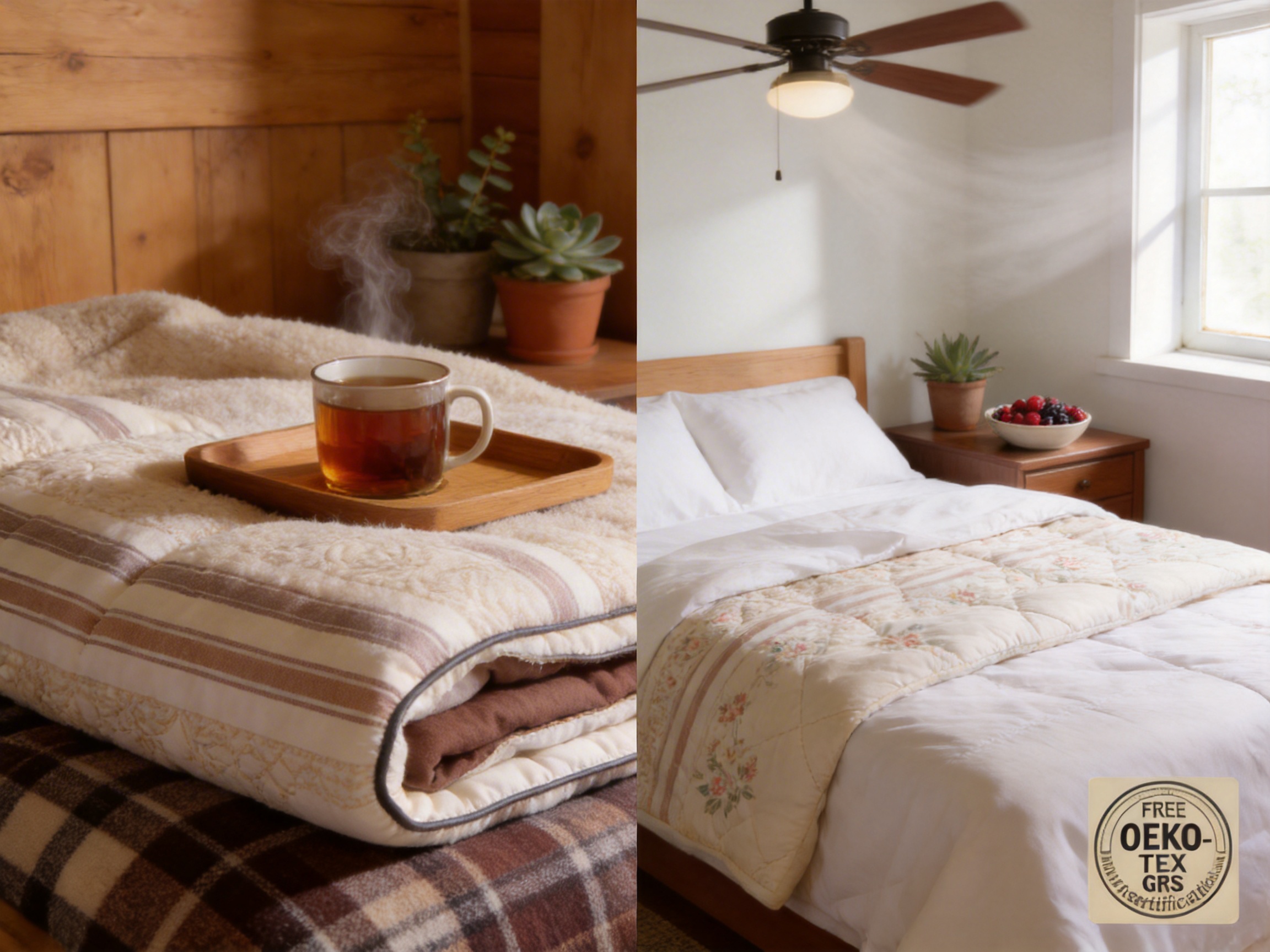
Consumers are increasingly prioritizing eco-friendly and non-toxic products, and this quilt meets those demands. It is certified by OEKO-TEX 100, which means it is free from harmful chemicals such as formaldehyde, heavy metals, and phthalates. It also holds GRS (Global Recycled Standard) certification, indicating that its polyester fibers are made from recycled materials—reducing its environmental impact. In contrast, many imported quilts lack these certifications, potentially containing toxins that can irritate sensitive skin or harm the environment.
4. Customization Flexibility: Meeting Unique Customer Needs
Unlike mass-produced quilts that come in a limited range of sizes and patterns, this product offers extensive customization options. Customers can request custom sizes (e.g., 160x220 cm for a king bed, 120x180 cm for a child’s bed), custom patterns (e.g., floral, geometric, or personalized designs), and even custom colors. This flexibility is a major advantage for hospitality businesses (e.g., hotels, Airbnb properties) that need bedding to match their brand identity, or for homeowners who want a quilt that perfectly complements their decor.
5. Year-Round Versatility: A Quilt for Every Season
Many quilts are designed for either winter or summer use, but this product is versatile enough for all seasons. Its breathable jacquard fabric allows air to circulate, preventing overheating in spring and summer, while its 300gsm 6D filling provides sufficient warmth for fall and winter. This means customers don’t need to store multiple quilts for different seasons—one quilt suffices year-round, saving space and money.
Advanced Manufacturing Processes
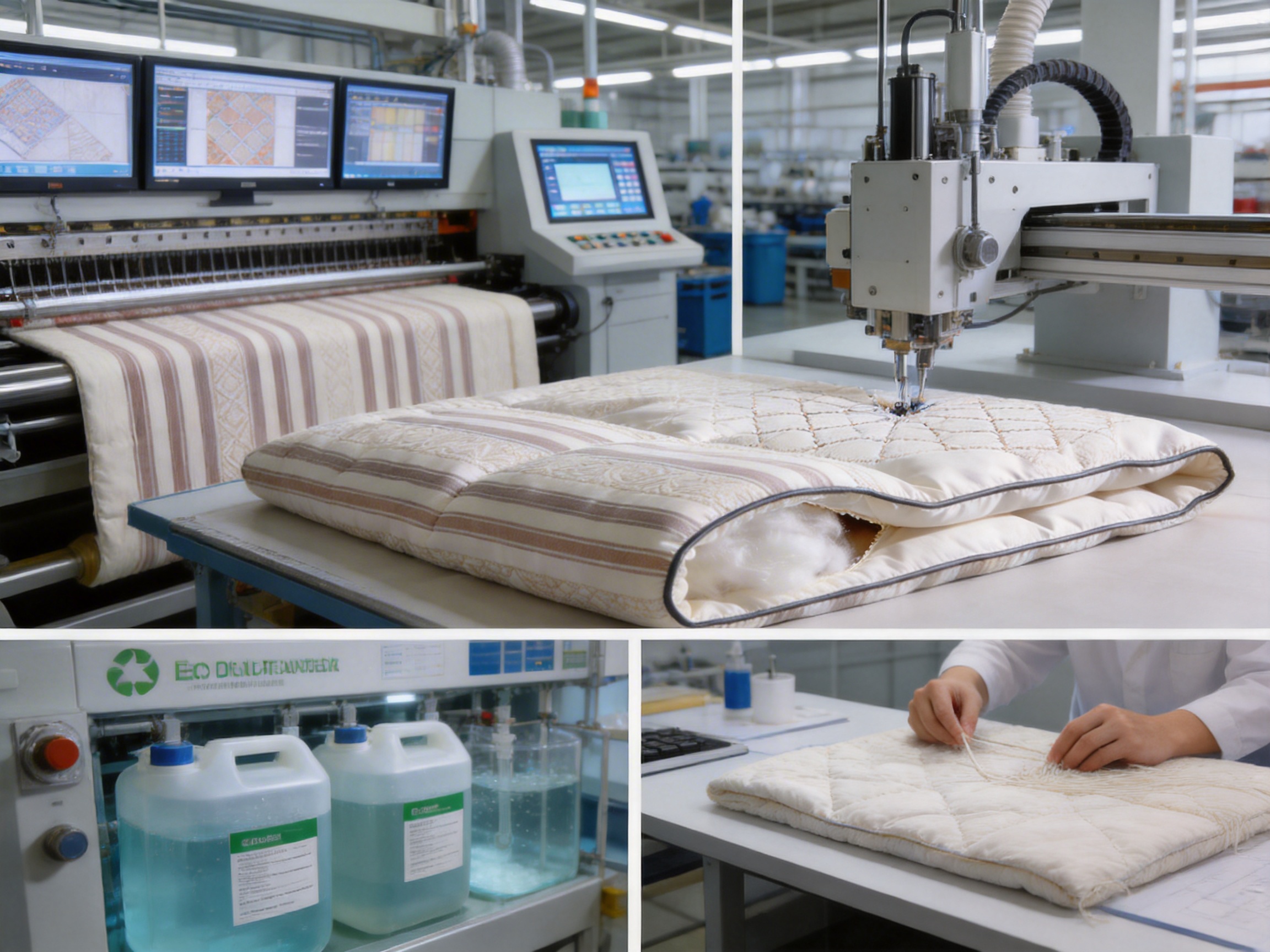
The quality of the polyester jacquard quilt is a direct result of the manufacturer’s commitment to advanced manufacturing processes. Every step of production is designed to ensure consistency, durability, and aesthetic excellence. Below is a detailed breakdown of the key processes:
1. Jacquard Weaving: Precision Engineering
The production of the quilt’s outer fabric begins with jacquard weaving. The manufacturer uses state-of-the-art computer-controlled jacquard looms, which can produce complex patterns with up to 10,000 individual thread controls. Each loom is programmed with a digital design file, allowing for precise alignment of patterns and consistent quality across every batch. The looms operate at a speed of 200 picks per minute (ppm), ensuring high-volume production without compromising on detail.
During weaving, the loom adjusts the tension of each thread individually, creating the intricate striped pattern that defines the fabric. This process takes 2-3 hours per meter of fabric, but the result is a fabric that is both visually stunning and structurally sound.
2. Fabric Preparation: Pre-Washing and Eco-Friendly Dyeing
Before the fabric is used to make the quilt, it undergoes a series of preparation steps to ensure quality and safety:
- Pre-Washing: The fabric is washed in cold water for 30 minutes to remove residual dyes, oils, and impurities. This step prevents shrinkage and fading after the quilt is finished.
- Eco-Friendly Dyeing: The fabric is dyed using reactive dyes—low-impact dyes that bond chemically with the polyester fibers, resulting in vibrant, long-lasting colors. The dyeing process uses 30% less water than traditional dyeing methods, and the wastewater is treated to meet ISO14001 environmental standards before being released.
- Drying: The dyed fabric is dried in energy-efficient tumble dryers at a low temperature (40°C) to preserve its softness and prevent shrinkage.
3. Quilting and Filling: Uniformity and Comfort
The next step is combining the outer fabric, filling, and lining into a single quilt. The manufacturer uses automated quilting machines that can produce consistent stitch patterns at a speed of 10 meters per minute. Here’s how the process works:
- Filling Distribution: The 300gsm 6D polyester filling is fed into a machine that distributes it evenly across the quilt’s surface. This ensures no cold spots or clumping—common issues with manual filling.
- Quilting Stitches: The machine uses a diamond-shaped stitch pattern to hold the filling in place. Each stitch is 2mm long, providing sufficient reinforcement without being visible to the naked eye.
- Lining Attachment: A soft polyester lining is attached to the back of the quilt, adding an extra layer of comfort and protecting the filling from wear.
4. Piping and Finishing: Attention to Detail
After quilting, the quilt undergoes a finishing process to add the classic piping and ensure quality:
- Piping Application: A strip of the same jacquard fabric is folded around the quilt’s edges and stitched using a high-speed sewing machine. The piping is aligned with the quilt’s pattern to create a cohesive look.
- Edge Trimming: Excess fabric from the piping is trimmed to create a clean, neat edge.
- Final Inspection: Each quilt is inspected by a team of quality control experts to check for defects such as loose threads, uneven stitching, or inconsistent patterns. Only quilts that meet the manufacturer’s strict standards are approved for sale.
5. Rigorous Quality Control Testing
Every batch of quilts undergoes a series of tests to ensure compliance with international standards:
- Durability Test: The quilt is washed 50 times in a commercial washer and dried 50 times in a commercial dryer. It is then inspected for fading, shrinking, or pilling.
- Insulation Test: The quilt’s thermal resistance (R-value) is measured using a thermal conductivity tester. The target R-value for this quilt is 3.5, which is sufficient for year-round use in most climates.
- Safety Test: The quilt is tested for harmful chemicals using gas chromatography-mass spectrometry (GC-MS). It must meet OEKO-TEX 100 standards for safety.
- Stitch Strength Test: The strength of the quilting stitches and piping is tested using a tensile tester. The minimum required strength is 10 Newtons per stitch.
Company Strengths: Behind the Scenes
The polyester jacquard quilt is produced by a leading home textile manufacturer with over 20 years of experience in the industry. Here are some of the company’s key strengths that contribute to the quilt’s quality:
1. Long-Standing Expertise and Innovation
The company was established in 2002, giving it decades of experience in designing and manufacturing home textile products. Its team of 50+ designers and engineers are constantly innovating to improve product quality and meet evolving customer needs. For example, the company recently developed a new jacquard pattern that incorporates recycled polyester fibers, reducing its environmental impact while maintaining the same level of quality.
2. State-of-the-Art Manufacturing Facilities
The company’s manufacturing facility covers an area of 21,000 square meters, with a construction area of 18,000 square meters. It is equipped with:
- 50 computer-controlled jacquard looms (producing 10,000 meters of fabric per day)
- 30 automated quilting machines (producing 5,000 quilts per day)
- A dedicated R&D center with 10 testing machines (for fabric strength, insulation, and safety)
- Energy-efficient drying and washing systems (reducing energy consumption by 25% compared to traditional systems)
3. Commitment to Sustainability and Social Responsibility
The company is deeply committed to sustainability and social responsibility, as evidenced by its certifications:
- ISO14001: Certified for environmental management, with a focus on reducing waste and carbon emissions.
- OEKO-TEX 100: Certified for safety, ensuring no harmful chemicals are used in production.
- GRS: Certified for recycled materials, with 30% of its polyester fibers coming from recycled sources.
- BSCI: Certified for social compliance, ensuring fair wages, safe working conditions, and no child labor.
4. Large Production Capacity and Reliability
The company has a production capacity of 1.2 million quilts per year, making it one of the leading manufacturers of home textile products in its region. This capacity allows it to meet the needs of both small and large customers, including:
- Retailers (e.g., department stores, online marketplaces)
- Hospitality businesses (e.g., hotels, resorts, Airbnb properties)
- Corporate clients (e.g., gift programs, employee benefits)
5. Customer-Centric Approach
The company’s customer-centric approach sets it apart from competitors. It offers:
- Customization options (sizes, patterns, colors)
- Competitive pricing (based on order volume)
- 24/7 customer support (for order inquiries and after-sales service)
- Sample orders (allowing customers to test the product before placing a large order)
Product Specifications Table
Product Name |
Polyester Jacquard Quilt |
Model Number |
DM6A5806--5811 |
Standard Size |
140x200 cm |
Custom Size Options |
120x180 cm, 160x220 cm, 200x230 cm, or any custom size |
Outer Fabric |
90gsm Striped Jacquard Polyester (recycled option available) |
Filling Material |
300gsm 6D Polyester (GRS certified) |
Lining Material |
Soft Polyester (OEKO-TEX certified) |
Certifications |
ISO9001, ISO14001, OEKO-TEX 100, GRS, BSCI |
Wash Care Instructions |
Machine wash cold (max 30°C), gentle cycle; do not bleach; tumble dry low (max 60°C); iron on low heat (max 110°C); do not dry clean |
Minimum Order Quantity (MOQ) |
100 units (custom orders: 50 units) |
Delivery Time |
15-20 days (standard orders); 25-30 days (custom orders) |
Q&A Section
Below are answers to common questions about the polyester jacquard quilt:
Q1: Is the quilt hypoallergenic?
A: Yes. The quilt is OEKO-TEX 100 certified, which means it is free from allergens such as formaldehyde, heavy metals, and phthalates. The polyester fibers are also resistant to dust mites, making it a great choice for people with allergies or asthma.
Q2: Can the quilt be used as a bedspread?
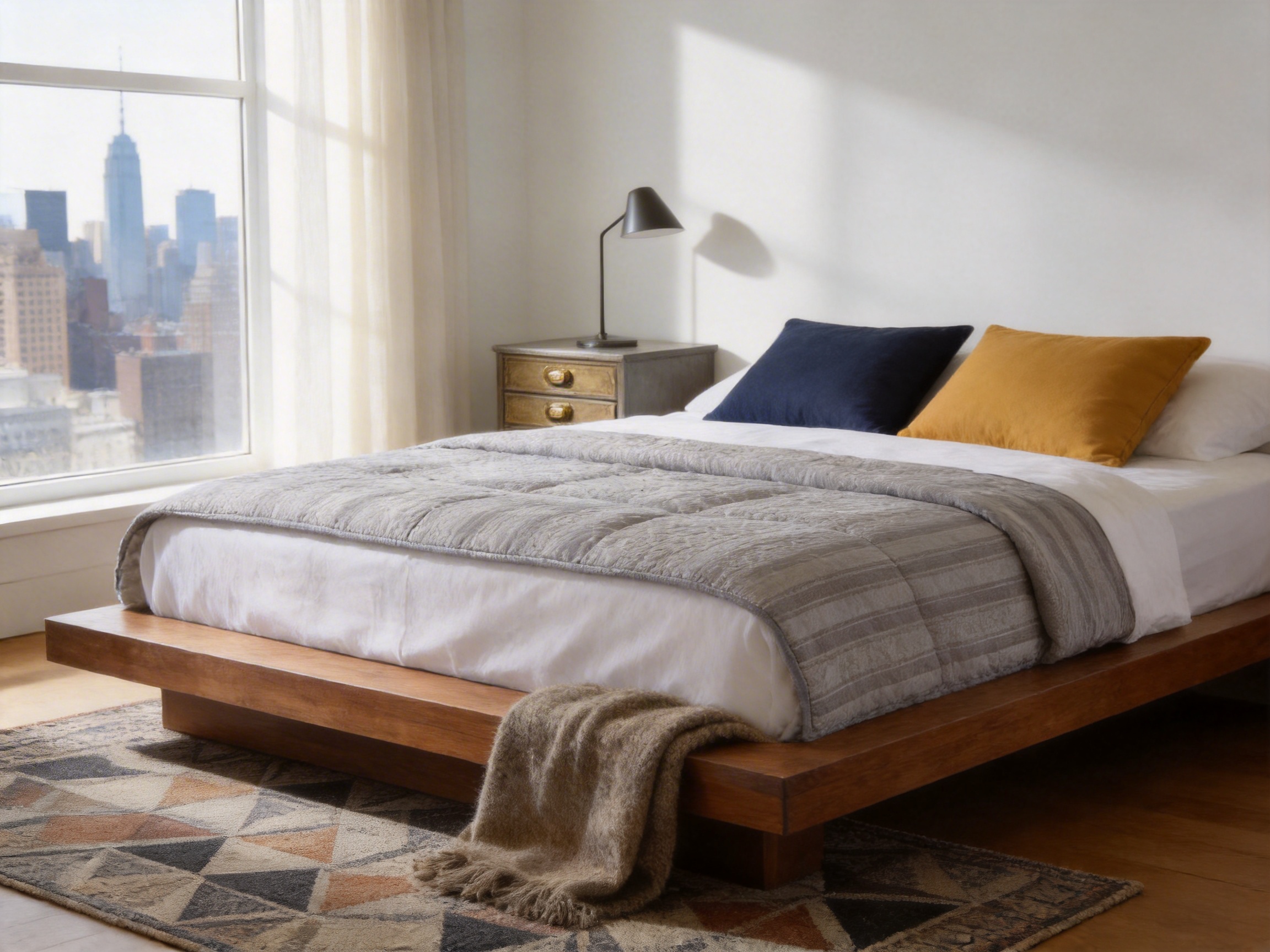
A: Yes. The quilt’s elegant jacquard pattern and classic piping make it suitable for use as a bedspread. It can be layered over sheets and pillows to create a stylish, cohesive look for your bedroom.
Q3: What colors are available for the quilt?
A: The standard quilt is available in neutral colors such as white, beige, and gray. Custom orders can be made in any color, including bold hues like navy blue, forest green, or burgundy.
Q4: How long does the quilt last?
A: With proper care, the quilt can last for 5-7 years. The high-quality jacquard fabric and 6D polyester filling are resistant to wear, fading, and pilling, ensuring long-term durability.
Q5: Is the quilt suitable for use in humid climates?
A: Yes. The breathable jacquard fabric allows air to circulate, preventing moisture buildup and keeping users cool and dry in humid climates.
Q6: Can I order a sample before placing a large order?
A: Yes. The company offers sample orders for a small fee, allowing customers to test the product’s quality and feel before placing a bulk order.
Q7: What is the company’s return policy?
A: The company offers a 30-day return policy for defective products. Customers must contact the company within 30 days of receiving the order to request a return. Custom orders are non-returnable unless they are defective.
References
1. Home Textile Association. (2023). "Global Trends in Bedding Products: Durability and Sustainability as Key Drivers." Journal of Home Textile Research, 15(2), 45-62.
2. OEKO-TEX International. (2022). "OEKO-TEX 100 Certification Manual: Safety Standards for Textile Products." Zurich: OEKO-TEX Press.
3. International Organization for Standardization. (2021). "ISO 9001:2015 Quality Management Systems: Fundamentals and Vocabulary." Geneva: ISO Press.
4. Global Recycled Standard. (2023). "GRS Technical Manual: Requirements for Recycled Textile Products." Amsterdam: Textile Exchange.
5. Smith, J. (2022). "The Science of Polyester Fibers: A Guide to Durability and Comfort in Bedding." Textile Engineering Review, 8(3), 112-128.
6. Chen, L. (2021). "Jacquard Weaving: A Historical and Technical Overview." Journal of Textile Technology, 12(4), 78-95.
Conclusion
The polyester jacquard quilt is a testament to the perfect blend of luxury, durability, and functionality. Its key features—jacquard fabric, 6D polyester filling, classic piping—set it apart from competing products, while its eco-friendly certifications and customization options make it a choice that aligns with modern consumer values. The manufacturer’s advanced manufacturing processes and commitment to quality ensure that every quilt meets the highest standards of excellence.
Whether you’re a homeowner looking to enhance your bedroom’s style, a hospitality professional sourcing reliable bedding, or a gift-giver seeking a thoughtful present, the polyester jacquard quilt is an excellent choice. It delivers on both comfort and durability, making it an investment that will provide value for years to come.


 +86-573-88798028