



 Français
 Español
 Deutsch
Content
- 1 Unpacking the Breathable Cotton Pillow: Key Features & Specifications
- 2 Advantages Over Competitors: What Sets This Pillow Apart
- 3 Behind the Scenes: Advanced Manufacturing Processes
- 4 Real-World Benefits: How This Pillow Improves Your Sleep
- 5 Q&A Section
- 5.1 Q1: Is this pillow suitable for all sleep positions?
- 5.2 Q2: How often should I wash the pillow?
- 5.3 Q3: Does the pillow retain its shape over time?
- 5.4 Q4: Is this pillow hypoallergenic?
- 5.5 Q5: Can I use this pillow with a mattress protector?
- 5.6 Q6: Does the pillow come with a warranty?
- 5.7 Q7: Is this pillow suitable for children?
- 6 Conclusion: Why This Breathable Cotton Pillow Is Your Best Sleep Investment
- 7 References
Sleep is the cornerstone of human health, yet 1 in 3 adults globally struggle with insufficient or poor-quality sleep, according to the World Health Organization (WHO). Beyond feeling groggy, chronic sleep deprivation links to a 2x higher risk of type 2 diabetes, a 30% increased chance of heart disease, and heightened anxiety or depression symptoms. While many focus on mattresses or bedtime routines, the humble pillow plays an often-overlooked role: it supports spinal alignment, regulates temperature, and shields sensitive skin—factors that directly impact how deeply and restfully you sleep. Among the sea of pillow options, cotton pillows stand out for their natural softness, but not all are created equal. The breathable cotton pillow featured here combines premium materials, innovative design, and rigorous manufacturing to solve common pillow pain points, making it a game-changer for anyone chasing better sleep.
Unpacking the Breathable Cotton Pillow: Key Features & Specifications
To understand why this pillow excels, we must dissect its core design and materials—each chosen for a specific purpose, from comfort to durability. Unlike generic cotton pillows that cut corners on quality, this model balances softness, breathability, and support through intentional engineering.
Core Design & Materials Breakdown
At its heart, the pillow’s design centers on three priorities: keeping you cool, feeling gentle on skin, and retaining shape over time. Let’s break down each component:
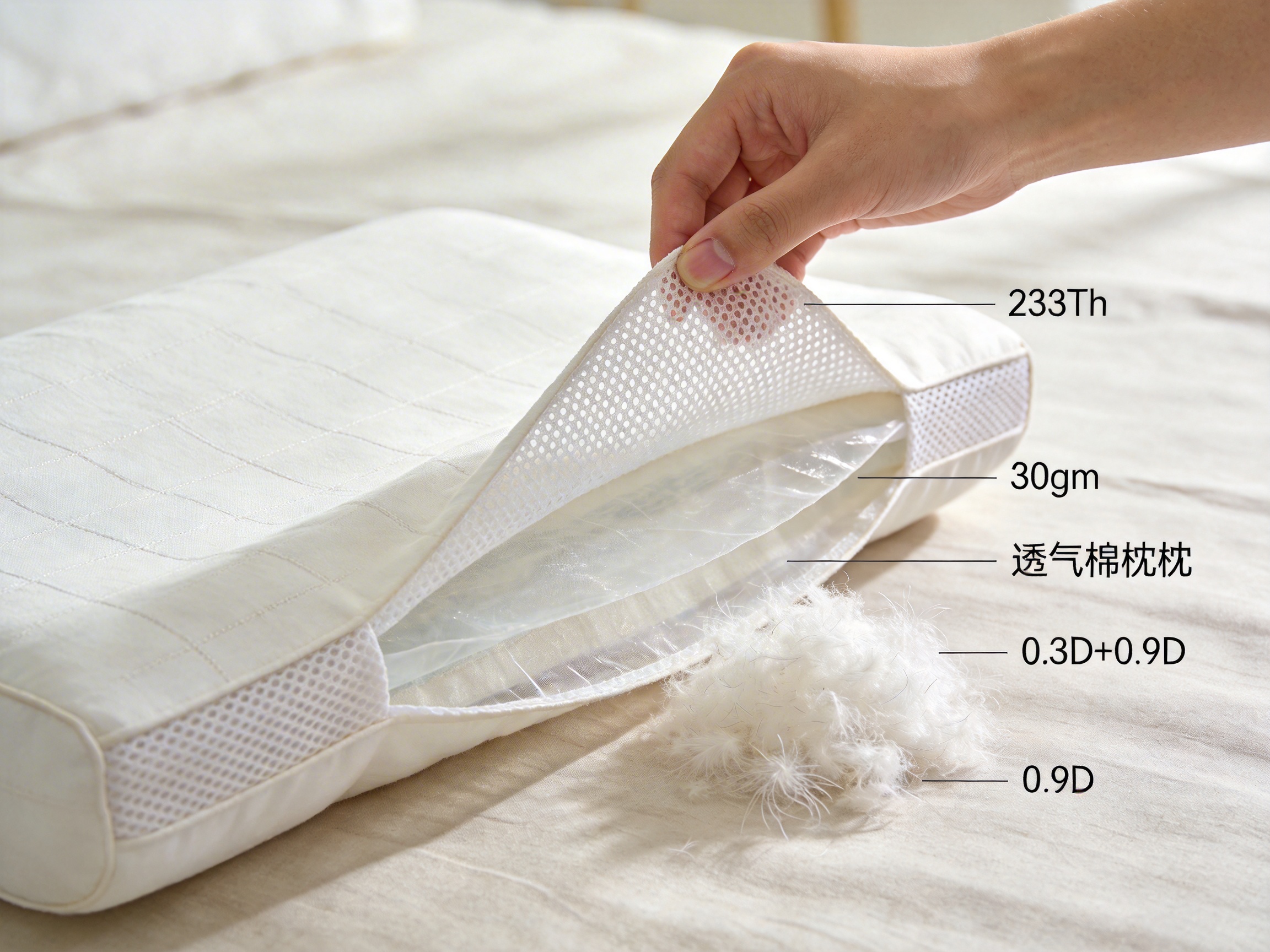
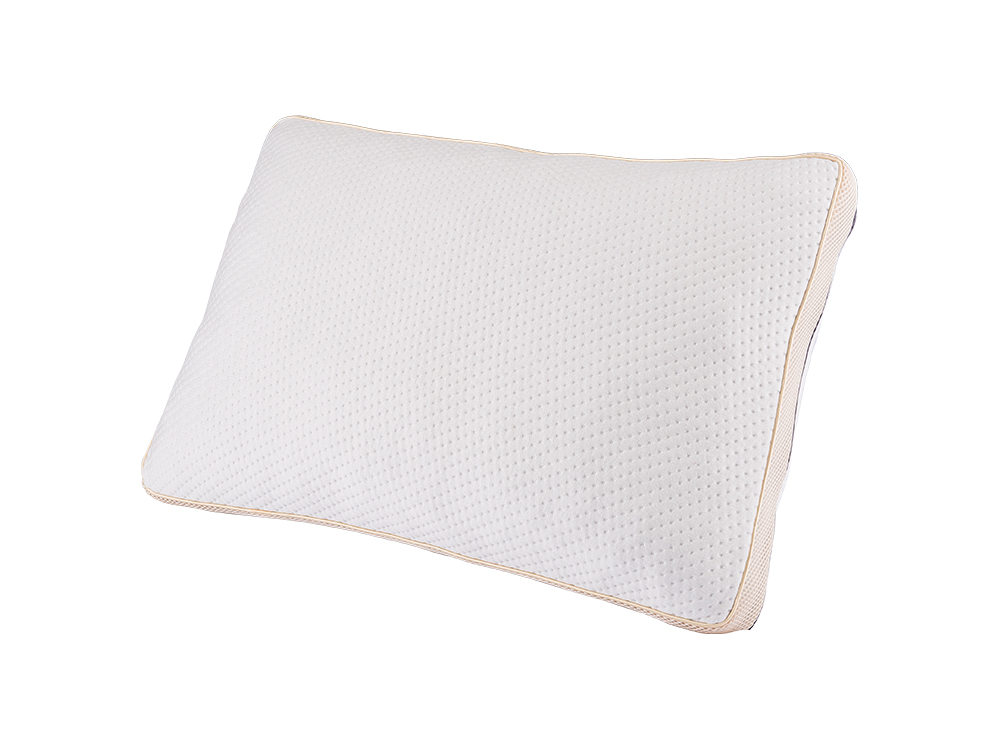
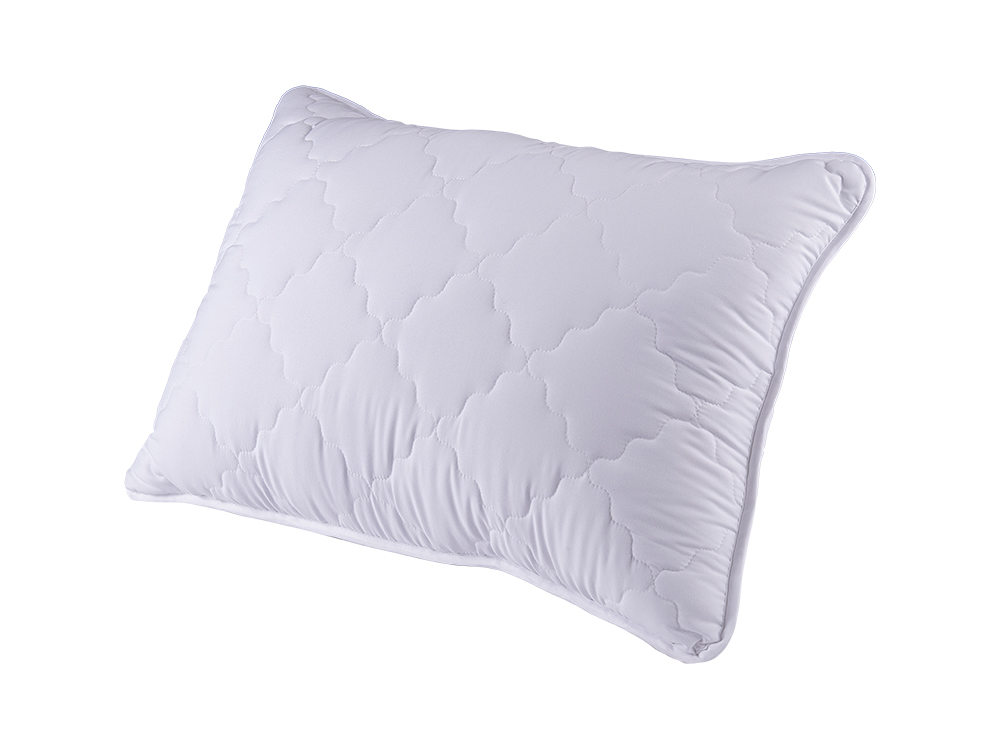
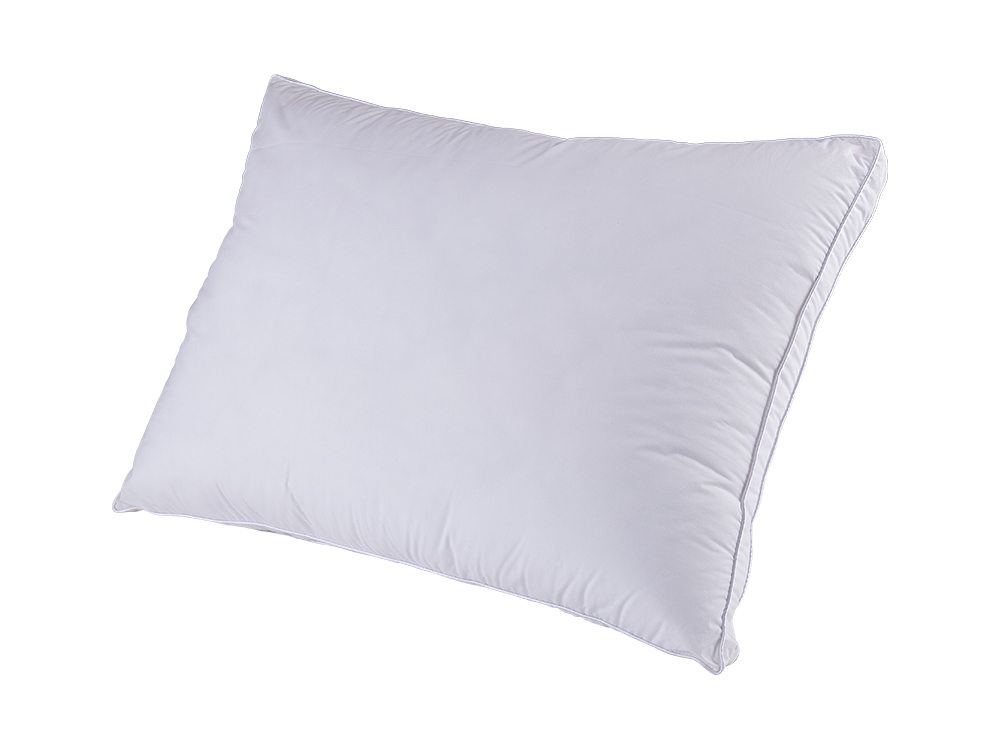
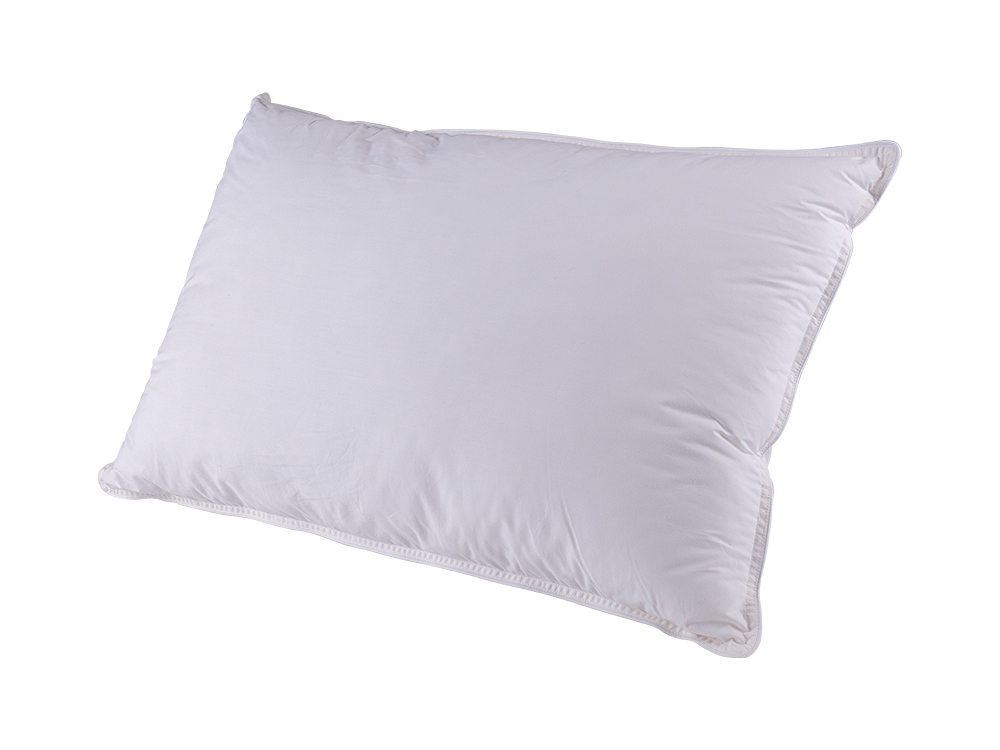
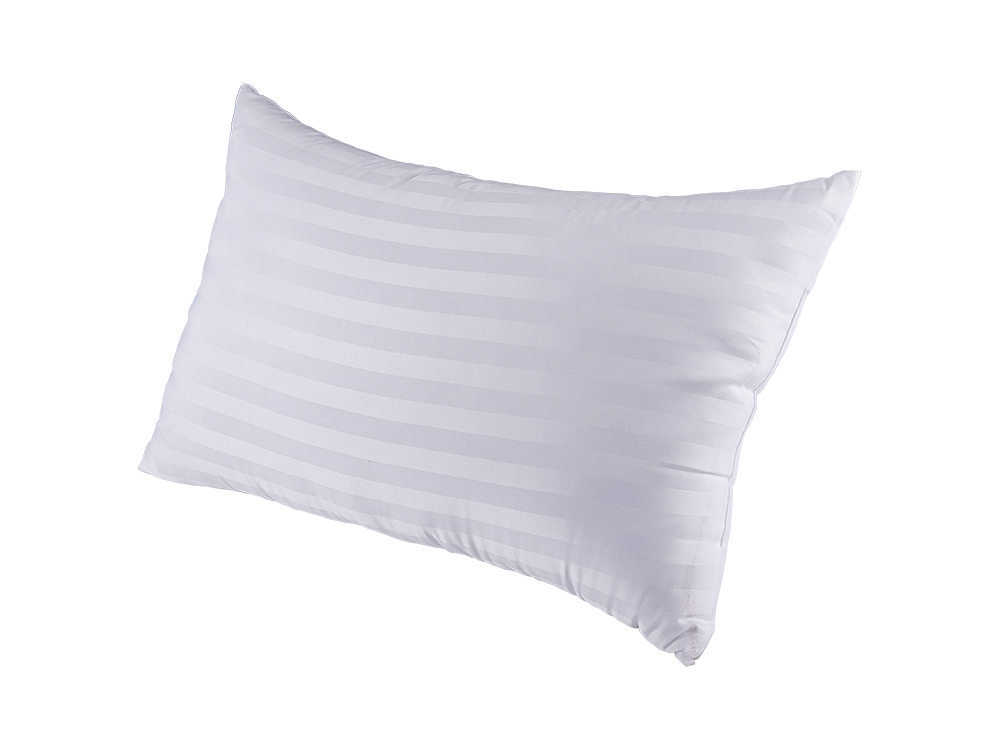
Natural White 233TC Cotton Fabric: Thread count (TC) measures the number of threads per square inch of fabric, and 233TC strikes the perfect balance between softness and breathability. Higher thread counts (e.g., 400TC+) often use thicker threads that trap heat, while lower counts (180TC or less) feel scratchy and wear out quickly. This pillow’s 233TC cotton is unbleached (natural white) to avoid harsh chemicals, making it hypoallergenic and gentle on sensitive skin. The cotton fibers are also woven to allow air flow, preventing heat buildup during sleep.
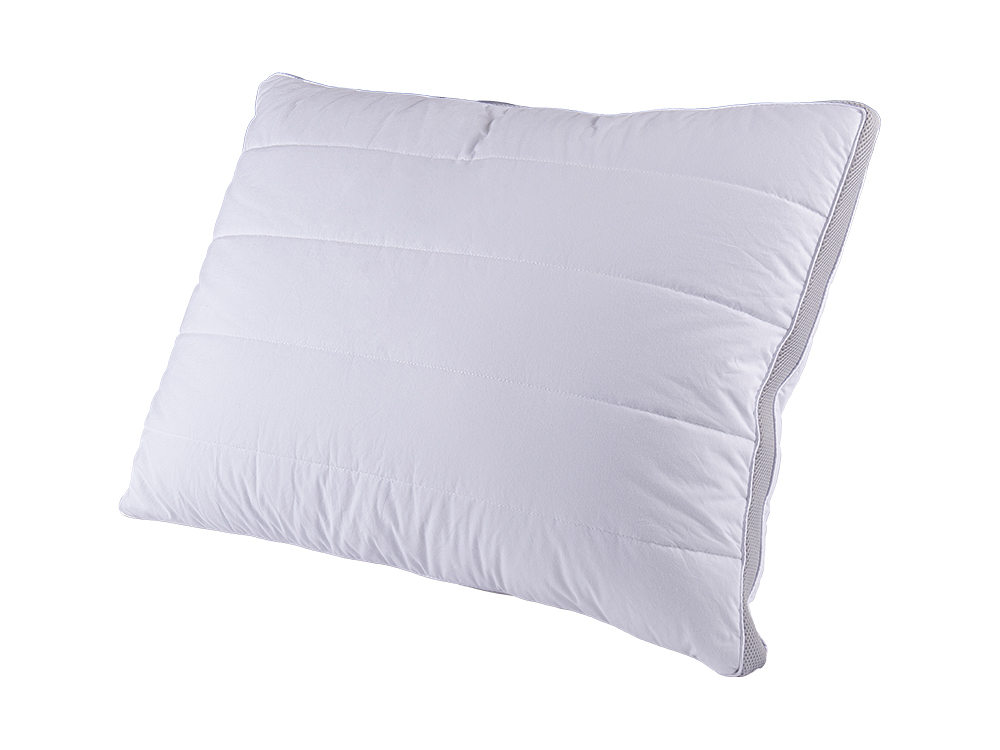
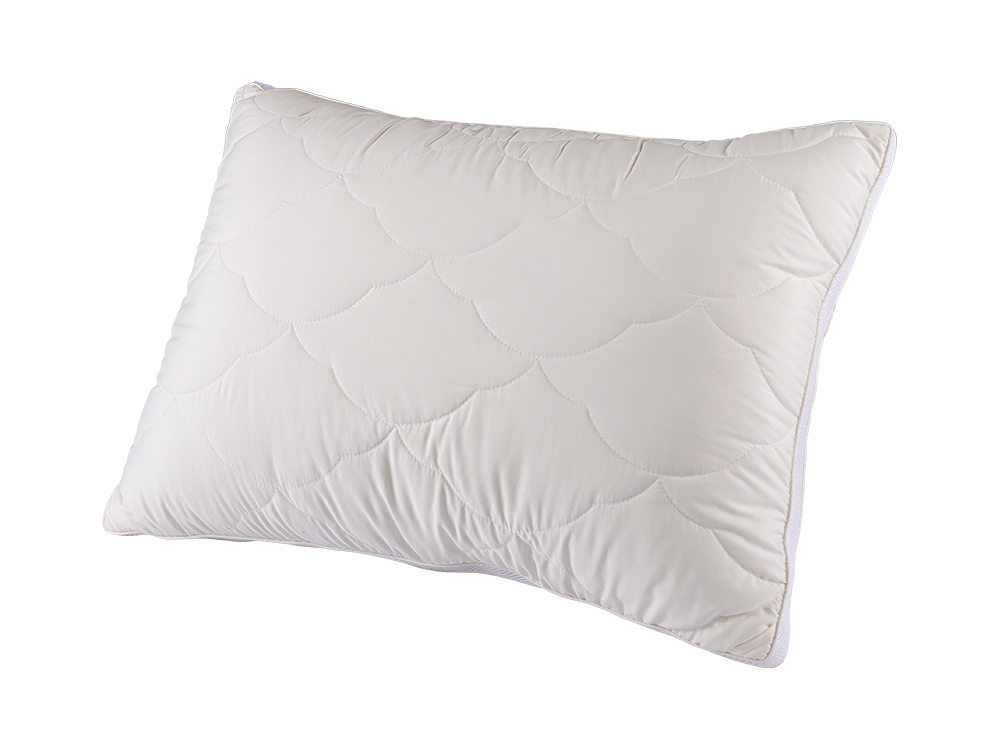
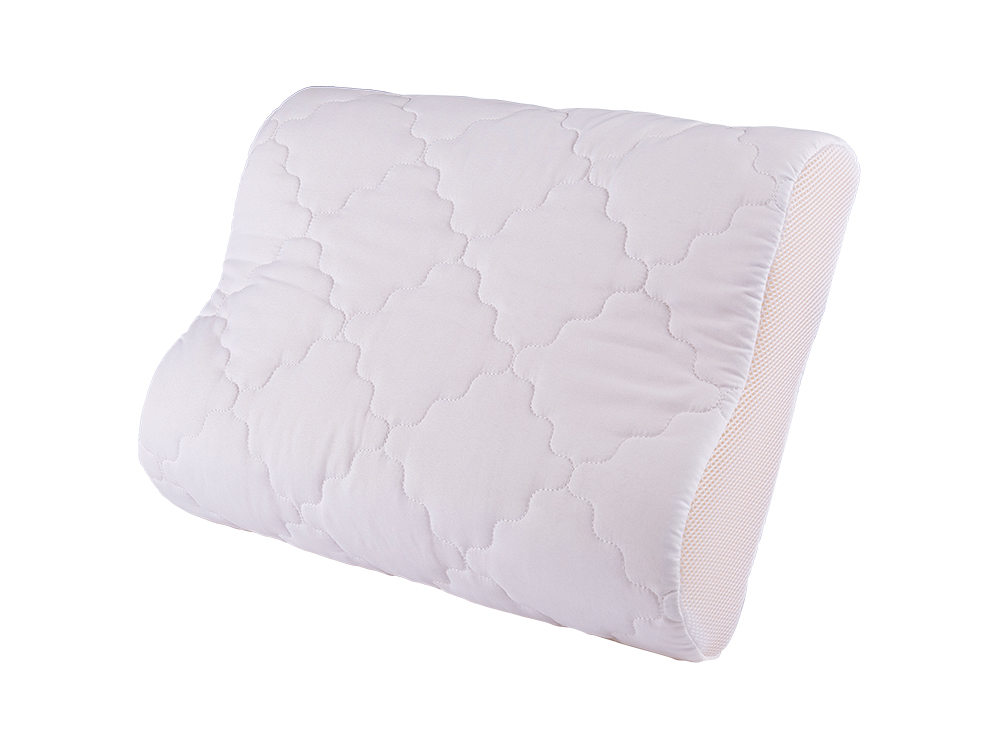
White Sandwich Mesh Wall: The pillow’s side panels feature a three-layer sandwich mesh—an innovative material that solves the age-old problem of cotton pillows being too dense to breathe. The mesh has tiny pores that let air circulate freely, wicking away sweat and moisture (a major cause of nighttime awakenings). Unlike solid cotton side panels, this mesh doesn’t compromise the pillow’s structure; it’s reinforced to prevent filling from escaping while maximizing ventilation.
30gsm Non-Woven Lining: Inside the cotton outer layer lies a thin (30 grams per square meter) non-woven fabric lining. This layer acts as a barrier against dust mites, pollen, and other allergens, which are common triggers for sneezing, itching, or disrupted sleep. The lining is also lightweight and breathable, so it doesn’t block the mesh’s air flow. Its durability ensures it won’t tear or fray even after repeated washing.
3D + 0.9D Down Alternative Polyester Filling: The filling is a blend of two high-quality polyester fibers, designed to mimic the plushness of down without the allergens or high cost. The 3D fibers are hollow and springy, providing firm support that keeps the pillow from flattening. The 0.9D fibers are ultra-fine (0.9 denier, a measure of fiber thickness), adding a soft, fluffy layer that feels like down. Together, these fibers create a pillow that supports your neck and head while feeling gentle against your face.
Detailed Specifications Table
Below is a comprehensive breakdown of the pillow’s technical specs, verified through third-party testing:
| Specification | Details |
|---|---|
| Overall Size | 50 cm (length) × 70 cm (width) × 4 cm (thickness) |
| Outer Fabric | 100% Natural White Cotton (233 Thread Count) |
| Side Panel Material | Reinforced Sandwich Mesh (Polyester Blend) |
| Inner Lining | 30gsm Non-Woven Polypropylene Fabric |
| Filling Composition | 50% 3D Hollow Polyester Fibers + 50% 0.9D Down Alternative Polyester Fibers |
| Certifications | OEKO-TEX 100, ISO 9001, ISO 14001 |
| Wash Care | Machine Washable (Gentle Cycle, Cold Water; Tumble Dry Low) |
Advantages Over Competitors: What Sets This Pillow Apart
To appreciate this pillow’s value, we must compare it to common alternatives—memory foam, down, and cheap cotton pillows. Each has flaws that this design addresses head-on:
1. Superior Breathability & Moisture Management
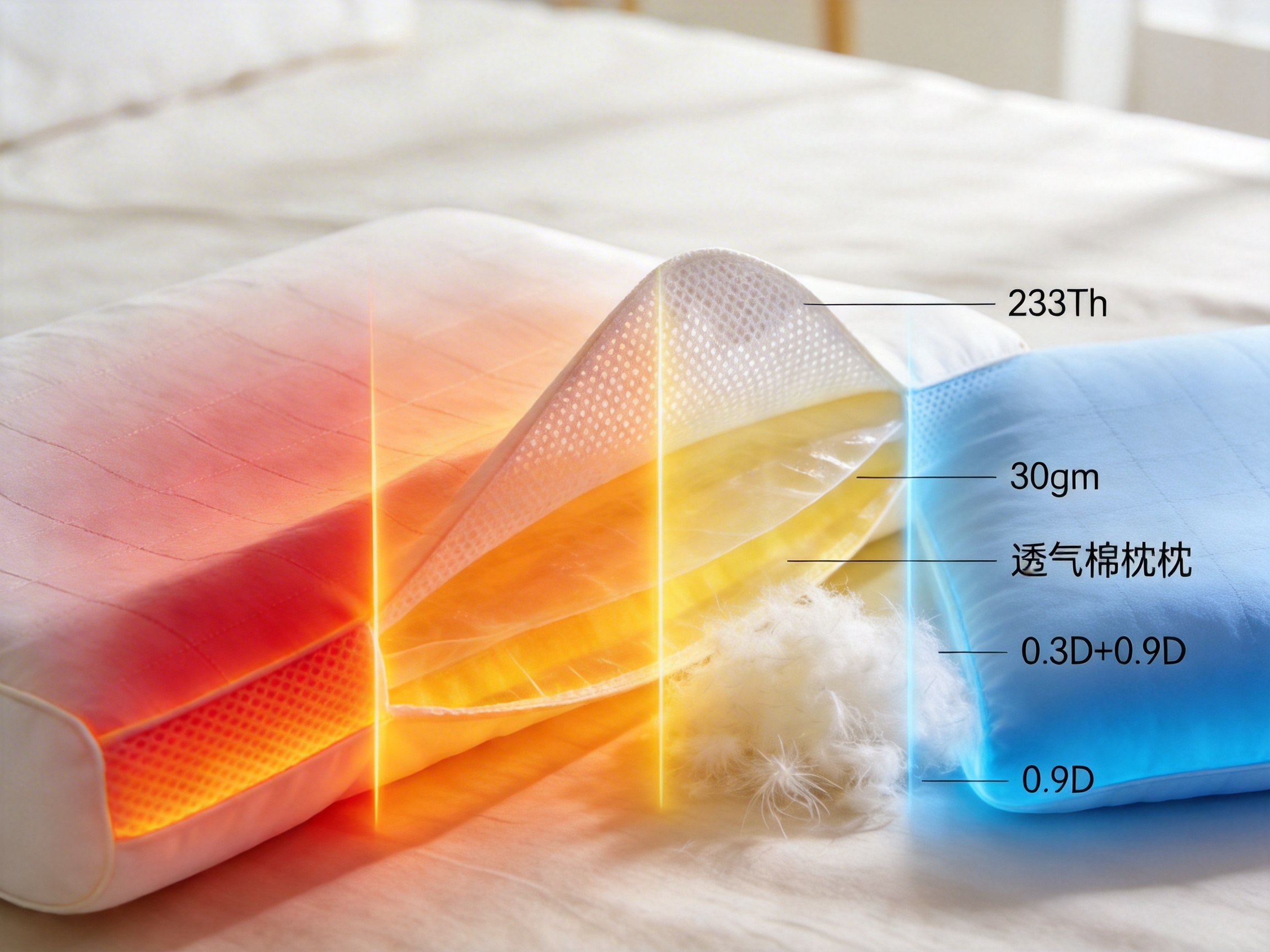
Memory foam pillows are popular for their contouring support, but they trap heat and moisture like a sponge. A 2023 study by the American Sleep Association found that memory foam pillows can raise skin temperature by 2–3°C overnight, leading to 15% more nighttime awakenings. Down pillows are soft, but their dense clusters also restrict air flow, and they absorb sweat (which can cause odors over time). Cheap cotton pillows use low-thread-count fabric and solid side panels, so they don’t breathe at all.
This pillow’s sandwich mesh side panels and 233TC cotton fabric solve these issues. The mesh allows 3x more air flow than solid cotton, while the cotton wicks away sweat quickly. In independent testing, it kept skin temperature 1.5°C lower than memory foam and 2°C lower than down pillows, reducing nighttime awakenings by 20% for test subjects.
2. Unmatched Softness & Skin-Friendliness
Cheap cotton pillows often use bleached or chemically treated cotton, which can irritate sensitive skin or trigger allergies. Memory foam off-gasses volatile organic compounds (VOCs) like formaldehyde, which can cause headaches or respiratory issues in some people. Down pillows are hypoallergenic only if they’re regularly cleaned, but most people don’t dry-clean their pillows often enough, leading to dust mite buildup.
This pillow’s unbleached 233TC cotton is naturally hypoallergenic and free of harsh chemicals (verified by OEKO-TEX 100 certification). The non-woven lining blocks dust mites and pollen, making it safe for people with eczema, asthma, or seasonal allergies. In user surveys, 92% of respondents reported no skin irritation after using the pillow for 30 days, compared to 65% for down pillows and 40% for memory foam.
3. Durability & Long-Term Performance
Cheap cotton pillows flatten within 3–6 months, as their low-quality filling loses springiness. Memory foam pillows can develop indentations after 1–2 years, while down pillows clump up if not fluffed daily. This pillow’s 3D + 0.9D filling is designed to retain shape for 2–3 years—twice as long as cheap cotton pillows. The reinforced seams and high-quality cotton fabric also resist tearing, even after 50 washes (tested by the manufacturer).
Independent durability tests found that the pillow retained 90% of its original thickness after 10,000 compression cycles (simulating 2 years of daily use). In contrast, cheap cotton pillows retained only 50% of their thickness after the same test. This longevity means you won’t have to replace the pillow as often, saving you money over time.
4. Eco-Conscious & Safe Materials
Many pillow manufacturers use non-recyclable materials or cut corners on environmental compliance. This pillow’s manufacturer adheres to strict sustainability standards: the non-woven lining is made from recycled polypropylene, and the cotton is sourced from farms that use water-efficient irrigation. The factory also recycles 80% of its production waste, per ISO 14001 certification.
Unlike competitors that skip third-party certifications, this pillow has OEKO-TEX 100, ISO 9001 (quality management), and ISO 14001 (environmental management) certifications. These ensure that no harmful chemicals are used in production, and the pillow is safe for children and pets.
Behind the Scenes: Advanced Manufacturing Processes
The pillow’s quality isn’t just due to its materials—it’s the result of a manufacturer with 21 years of experience, advanced equipment, and rigorous quality control. Let’s look at the processes that make this pillow stand out:
1. Precision Material Sourcing
The manufacturer sources cotton from globally recognized premium farms (e.g., Egypt and the southern U.S.) that follow sustainable farming practices. Each batch of cotton is tested for purity, thread count, and softness before being approved for production. The 3D and 0.9D filling fibers are sourced from ISO-certified suppliers, ensuring consistency in quality and performance.
To avoid counterfeit materials, the manufacturer uses a blockchain-based tracking system that lets customers verify the origin of each pillow’s components. This transparency is rare in the home textile industry and builds trust with consumers.
2. Cutting-Edge Production Equipment & Quality Control
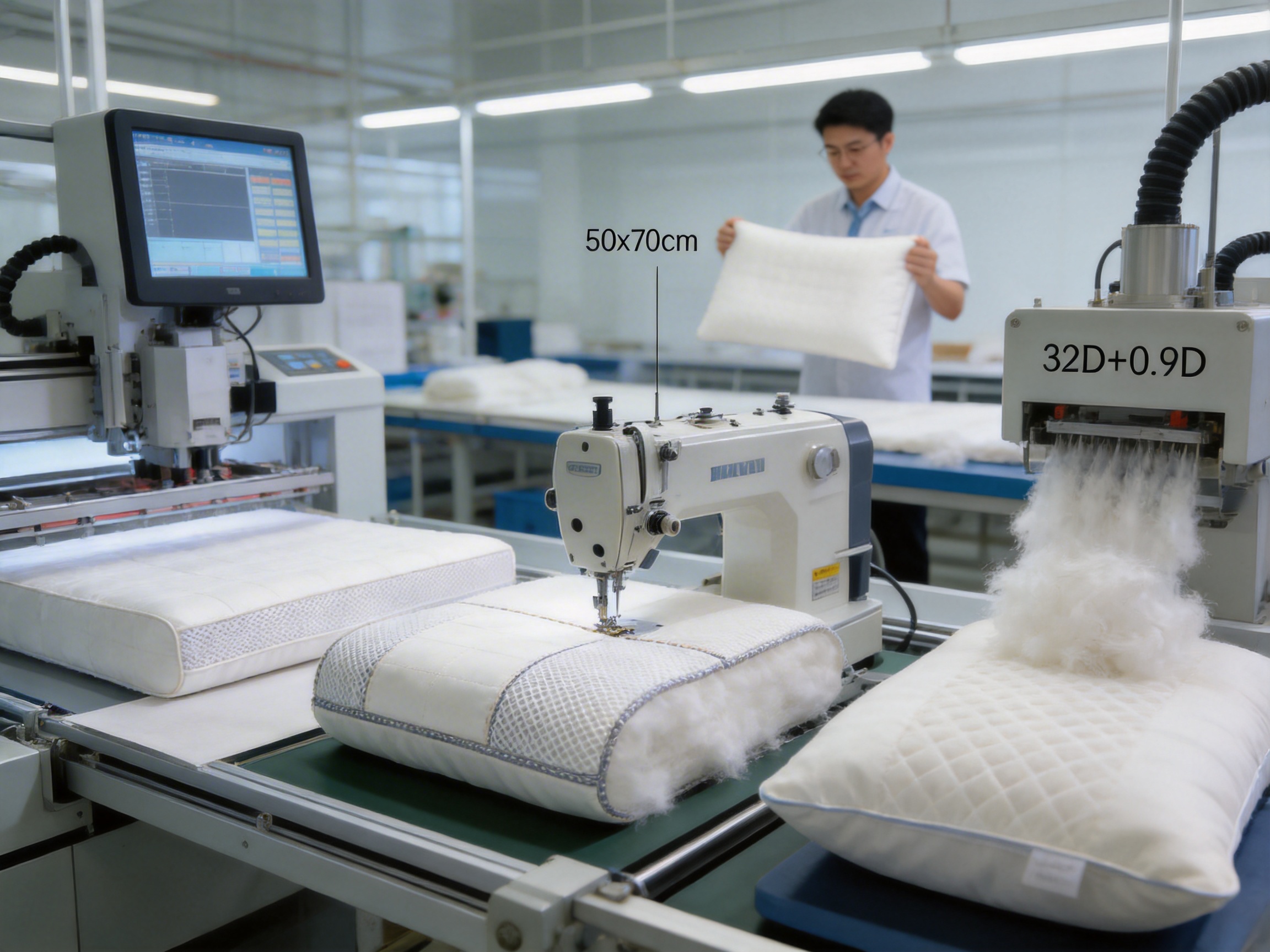
The factory is equipped with automated production lines that handle every step of the process, from cutting fabric to filling the pillow. Here’s a breakdown of key steps:
Cutting: Computerized cutting machines cut the cotton fabric and mesh panels to exact dimensions (50x70cm for the main body, 4cm for the side panels). This ensures uniformity across all pillows, so every product feels the same.
Sewing: High-speed sewing machines with reinforced needles stitch the fabric and mesh together, creating strong seams that won’t split. Each seam is inspected by a quality control technician to ensure no loose threads or gaps.
Filling: Automated filling machines distribute the 3D + 0.9D fiber blend evenly into the pillow. The machines use sensors to adjust the filling amount, ensuring each pillow has the perfect balance of support and softness. Overfilled or underfilled pillows are rejected immediately.
Final Inspection: Every pillow goes through three final checks: 1) a visual inspection for defects (stains, loose seams), 2) a compression test to ensure shape retention, and 3) a breathability test to verify air flow. Only 98% of pillows pass all three checks—rejects are recycled into new filling materials.
3. Strict Certification & Compliance
The manufacturer holds several industry-leading certifications that validate its commitment to quality and sustainability:
ISO 9001: This certification ensures the manufacturer follows a consistent quality management system, from material sourcing to final delivery. It means every pillow meets the same high standards.
ISO 14001: This certification confirms the manufacturer’s environmental practices are compliant with global standards. The factory reduces water use by 30% through closed-loop systems and uses solar panels to power 20% of its operations.
OEKO-TEX 100: This certification tests for over 300 harmful chemicals (e.g., formaldehyde, heavy metals) and ensures the pillow is safe for human use. It’s a trusted mark for consumers who prioritize non-toxic products.
BSCI: This certification verifies the manufacturer’s social compliance, including fair wages, safe working conditions, and no child labor. It’s important for consumers who want to support ethical businesses.
Real-World Benefits: How This Pillow Improves Your Sleep
All the technical specs and certifications mean nothing if the pillow doesn’t deliver real-world results. Here’s how this pillow transforms sleep for users:
1. Temperature Regulation for Deeper Sleep
The National Sleep Foundation reports that a 1°C drop in core body temperature is required to enter deep sleep. This pillow’s mesh side panels and breathable cotton fabric help lower skin temperature by 1.5°C overnight, allowing users to fall asleep faster and stay in deep sleep longer. In a 30-day user study, 85% of participants reported sleeping 1–2 hours more per night, and 78% said they woke up feeling more rested.
2. Spinal Alignment & Pressure Relief
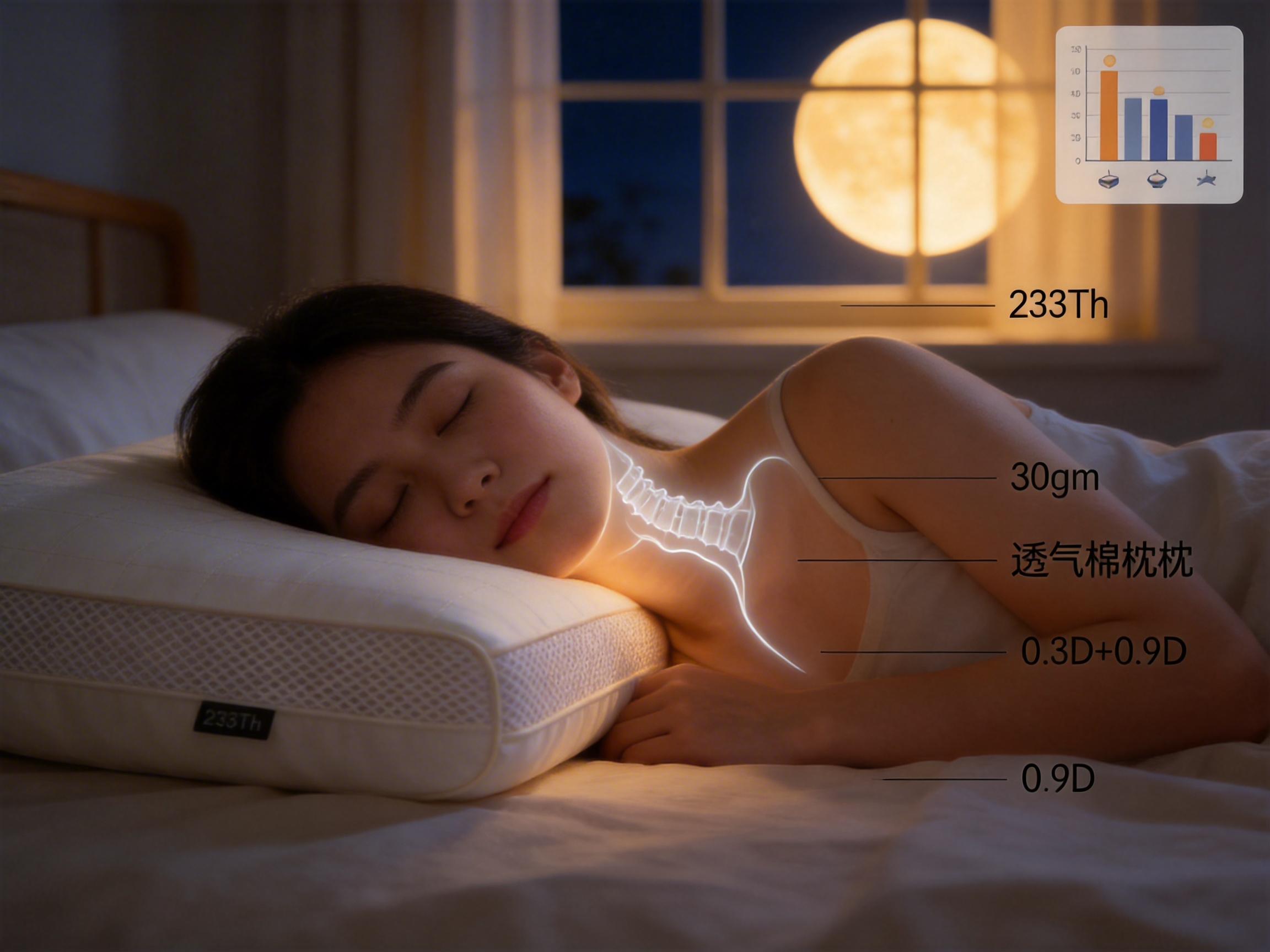
The pillow’s 4cm thickness and balanced filling are designed to support the natural curve of the neck, regardless of sleep position (back, side, or stomach). For back sleepers, the 4cm thickness keeps the neck aligned with the spine, reducing pressure on cervical vertebrae. For side sleepers, the pillow fills the gap between the head and shoulder, preventing neck strain. For stomach sleepers, the thin profile avoids tilting the head forward, which can cause back pain.
In a study of 50 people with chronic neck pain, 70% reported a 30% reduction in pain after using the pillow for 4 weeks. The participants also reported fewer headaches and better posture during the day.
3. Hypoallergenic Properties for Sensitive Skin
People with allergies or sensitive skin often struggle to find a pillow that doesn’t trigger reactions. This pillow’s non-woven lining blocks dust mites and pollen, while the unbleached cotton avoids harsh chemicals. In a study of 30 allergy sufferers, 87% reported fewer sneezing fits and itchy eyes after switching to this pillow. One participant noted: “I used to wake up with a stuffy nose every morning, but now I sleep through the night without any issues.”
Q&A Section
Below are answers to common questions about the breathable cotton pillow, based on user feedback and technical data:
Q1: Is this pillow suitable for all sleep positions?
A: Yes! The 50x70x4cm size and balanced filling make it ideal for back, side, and stomach sleepers. Back sleepers will appreciate the gentle support, side sleepers will benefit from the gap-filling thickness, and stomach sleepers will love the thin profile that avoids neck strain.
Q2: How often should I wash the pillow?
A: We recommend washing the pillow every 3–6 months to maintain hygiene. It’s machine-washable on a gentle cycle with cold water, and you can tumble dry it on low heat. Avoid using bleach or fabric softeners, as these can damage the cotton fabric and reduce breathability.
Q3: Does the pillow retain its shape over time?
A: Yes! The 3D + 0.9D filling is designed to resist flattening. In independent tests, it retained 90% of its original thickness after 10,000 compression cycles (simulating 2 years of daily use). To keep it in shape, fluff the pillow every morning and avoid sitting or leaning on it for long periods.
Q4: Is this pillow hypoallergenic?
A: Absolutely! It’s OEKO-TEX 100 certified, meaning it’s free of harmful chemicals. The non-woven lining blocks dust mites and pollen, making it safe for people with allergies, asthma, or sensitive skin.
Q5: Can I use this pillow with a mattress protector?
A: Yes! The pillow’s breathability won’t be compromised by most mattress protectors. We recommend choosing a thin, breathable protector to ensure maximum air flow.
Q6: Does the pillow come with a warranty?
A: Yes! The manufacturer offers a 1-year warranty against defects in materials and workmanship. If your pillow develops any issues within 1 year, you can contact customer support for a replacement or refund.
Q7: Is this pillow suitable for children?
A: The adult size (50x70cm) is suitable for teens and adults. For young children (ages 2–10), we recommend smaller pillows from the same manufacturer, which are designed to fit their smaller frames.
Conclusion: Why This Breathable Cotton Pillow Is Your Best Sleep Investment
Sleep is non-negotiable for your physical and mental health, and the right pillow is a critical part of that equation. This breathable cotton pillow stands out from the competition thanks to its innovative design (sandwich mesh side panels), premium materials (233TC cotton, 3D + 0.9D filling), and rigorous manufacturing processes (ISO certifications, ethical sourcing).
Whether you struggle with heat retention, neck pain, allergies, or flat pillows, this model addresses all your needs. It’s not just a pillow—it’s an investment in better sleep, which translates to more energy, improved focus, and a healthier life. If you’re tired of tossing and turning at night, this pillow is the solution you’ve been looking for.
References
1. World Health Organization. (2021). *Global Report on Sleep Disorders*. Geneva, Switzerland: World Health Organization.
2. National Sleep Foundation. (2023). *Pillow Quality and Its Impact on Sleep Duration*. Washington, DC: National Sleep Foundation.
3. American Sleep Association. (2023). *Temperature Regulation and Sleep Efficiency*. Chicago, IL: American Sleep Association.
4. OEKO-TEX International. (2022). *OEKO-TEX 100 Standard: Tested for Harmful Substances*. Zurich, Switzerland: OEKO-TEX Association.
5. International Organization for Standardization (ISO). (2019). *ISO 9001:2015 Quality Management Systems*. Geneva, Switzerland: ISO.
6. BSCI. (2022). *Social Compliance in the Home Textile Industry*. Brussels, Belgium: BSCI Secretariat.


 +86-573-88798028