



 Français
 Español
 Deutsch
Content
A good night’s sleep is the foundation of physical health, mental clarity, and overall well-being—and few things impact sleep quality more than the pillow you rest your head on. For decades, consumers have faced a choice between luxurious but allergenic down pillows, or affordable but flimsy synthetic alternatives. But a new generation of cotton down alternative pillows is changing the game, merging the best of both worlds: the softness of down, the breathability of cotton, and the hypoallergenic benefits of synthetic fill. In this guide, we’ll dive deep into what makes these pillows stand out, how they outperform competitors, and the advanced manufacturing processes that ensure their quality.
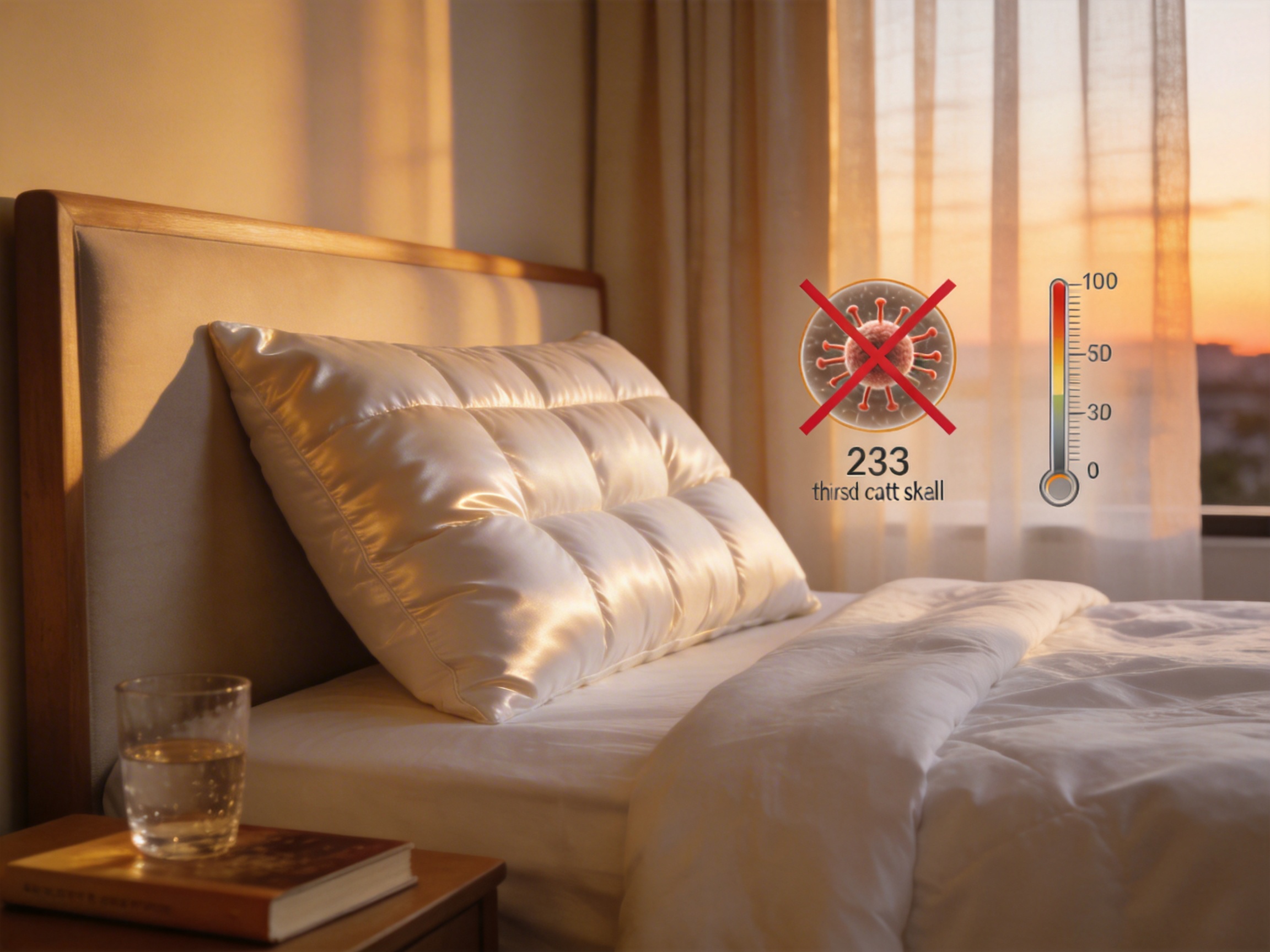
What Makes the Cotton Down Alternative Pillow Stand Out?
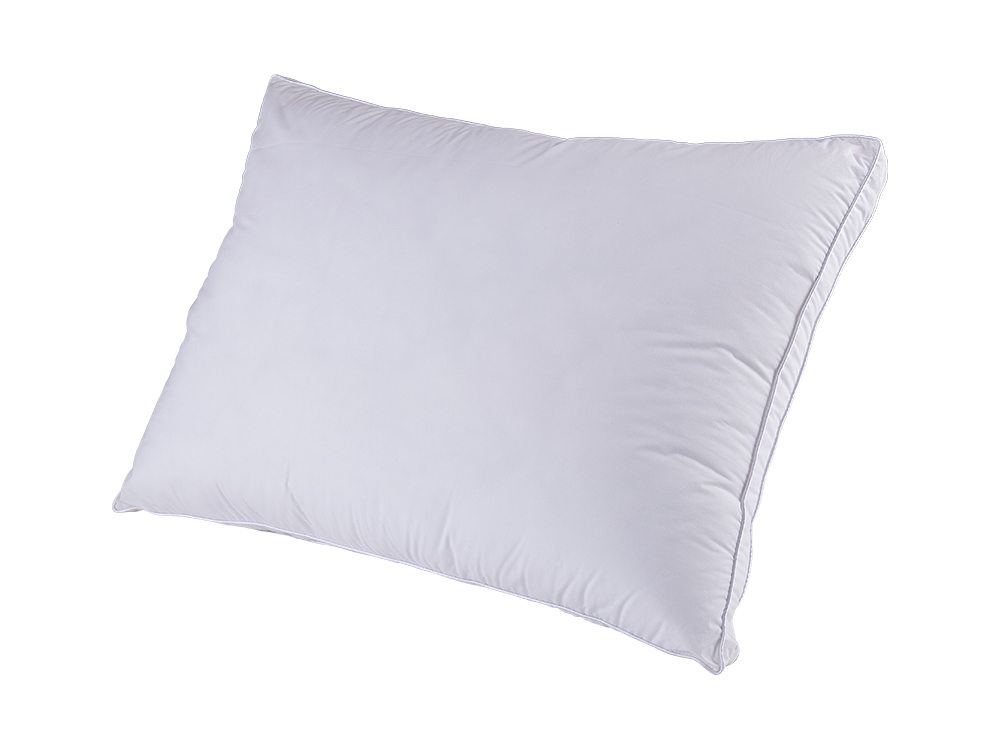
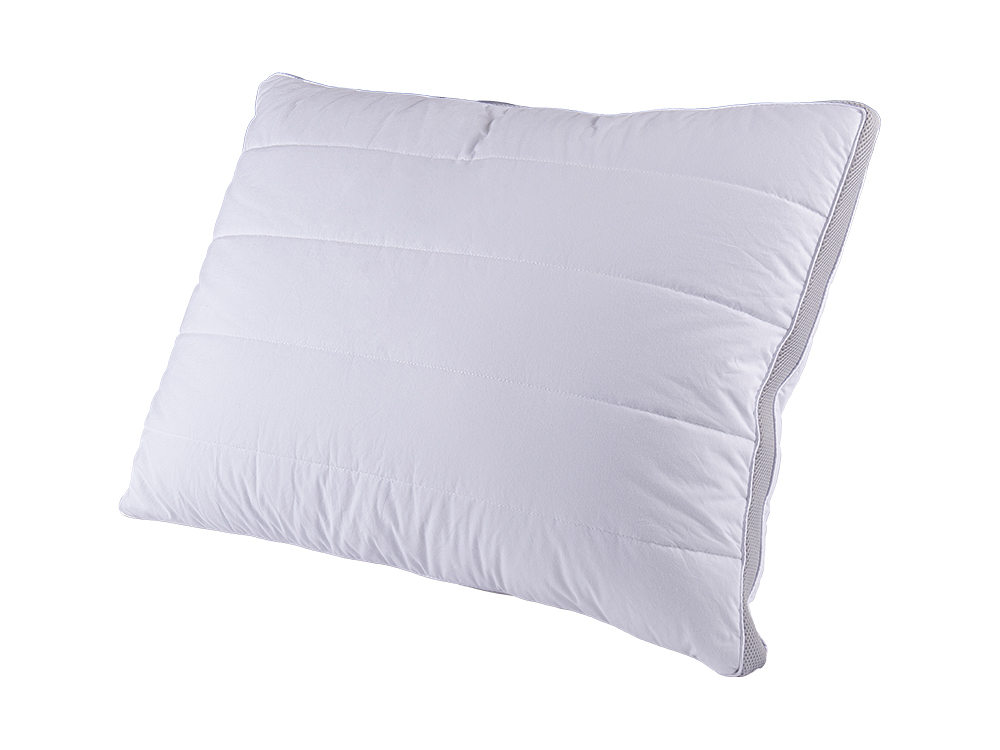
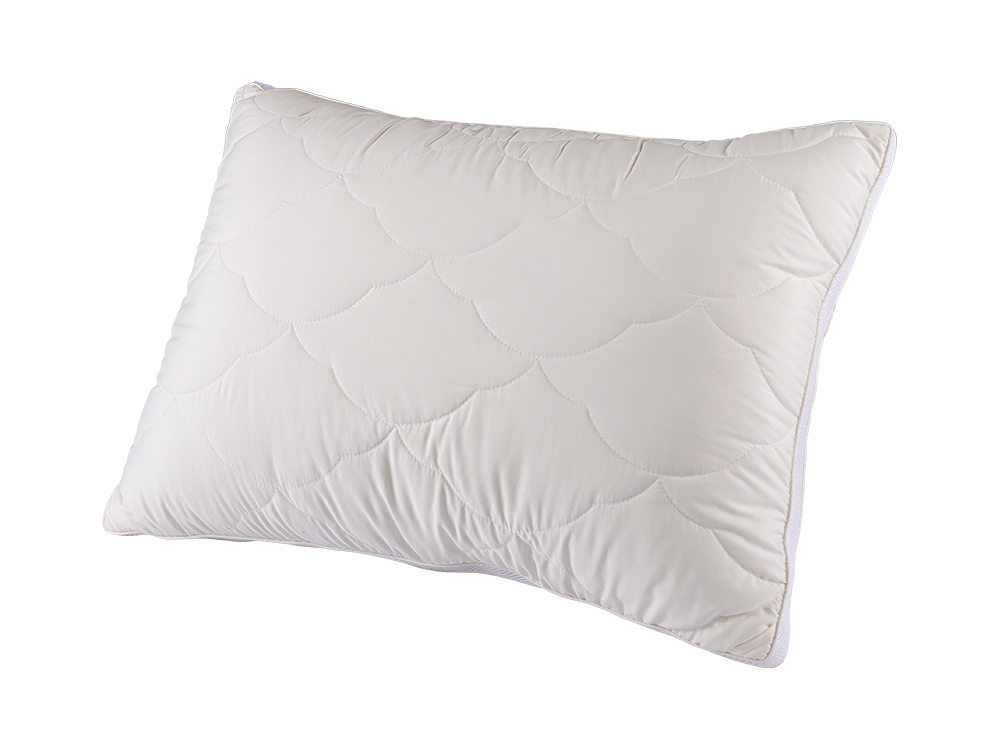
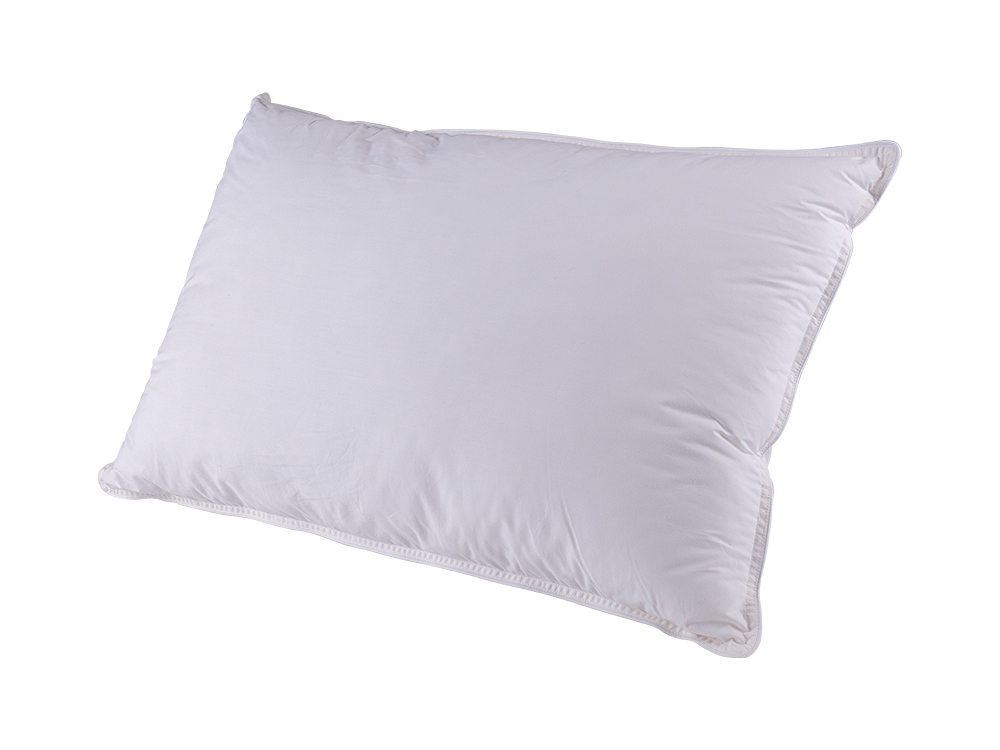
At the core of every exceptional pillow is a balance of comfort, support, and durability. The cotton down alternative pillow we’re exploring hits all these marks—and then some—by combining premium materials with thoughtful design.
Core Design & Material Advantages
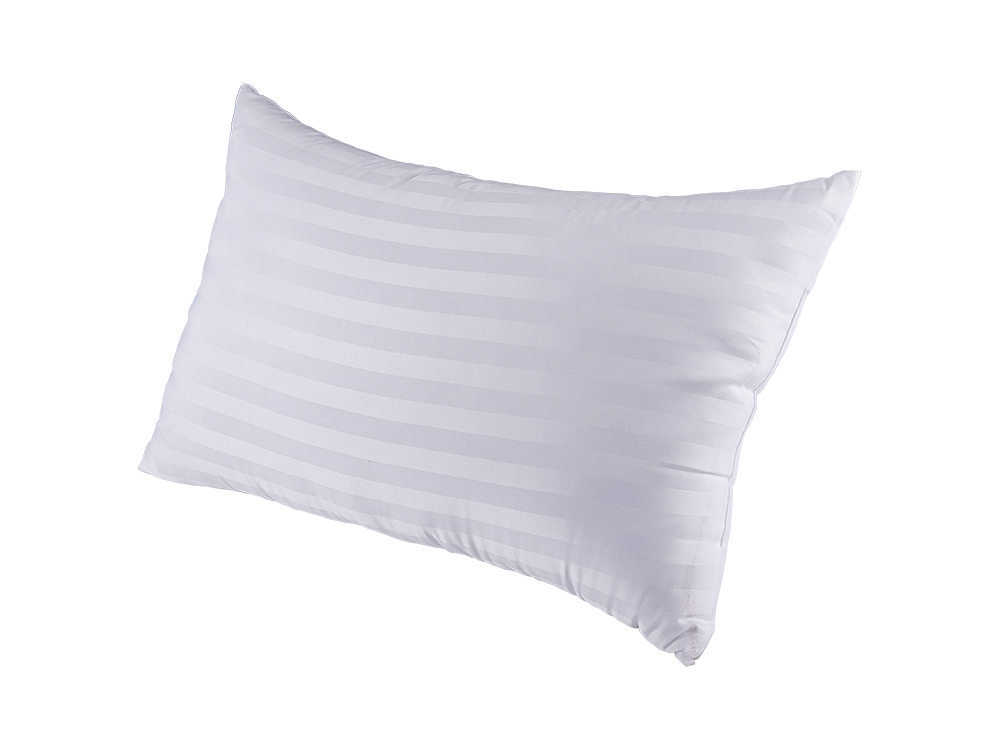
The outer shell of this pillow is crafted from 233 thread count (TC) cotton fabric—a key detail that sets it apart from many synthetic-shelled competitors. Thread count refers to the number of threads woven into one square inch of fabric, and 233 TC is a sweet spot: it’s high enough to feel soft against the skin but not so high that it traps heat or restricts airflow. Unlike lower TC fabrics that can be scratchy or wear thin quickly, 233 TC cotton is durable, breathable, and skin-friendly—ideal for those with sensitive skin or who sleep hot.
The filling is where this pillow truly shines: 3D down alternative polyester. This isn’t your average synthetic fill. 3D fibers are engineered with tiny air pockets that mimic the loft and softness of real down, but without the allergenic proteins found in duck or goose feathers. The 3D structure also prevents the fill from clumping or flattening over time, which is a common complaint with low-quality synthetic pillows. Unlike real down, which can absorb moisture and harbor dust mites, this polyester fill is non-absorbent, making it easier to keep clean and hypoallergenic.
Key Features & Benefits
Let’s break down the specific features of this pillow and how they translate to real-world benefits:
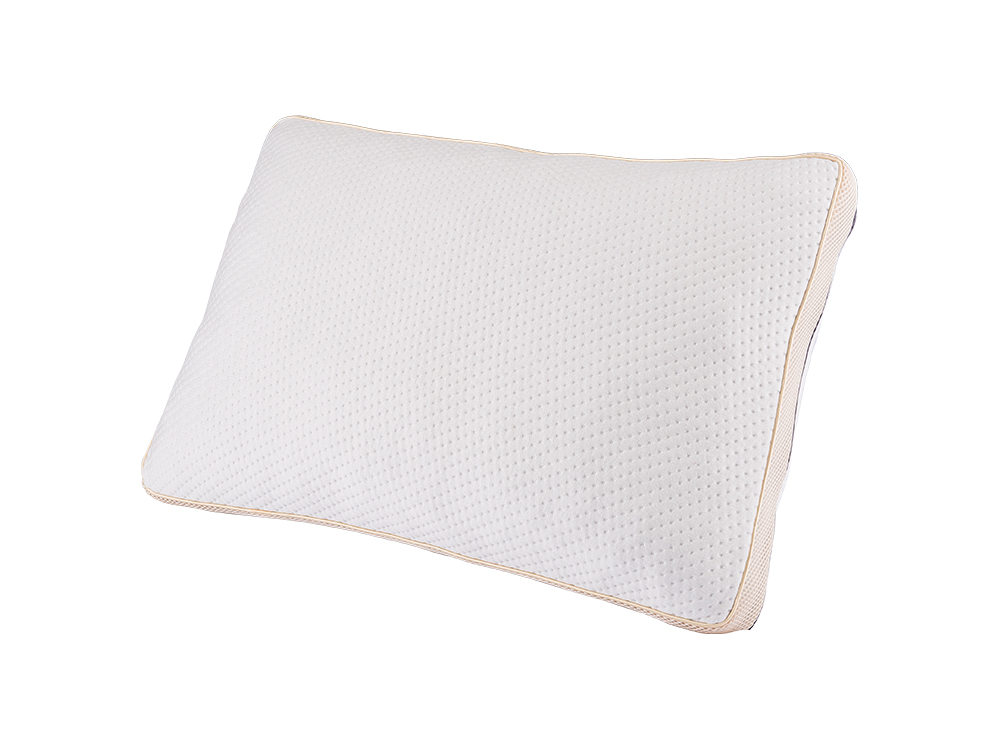
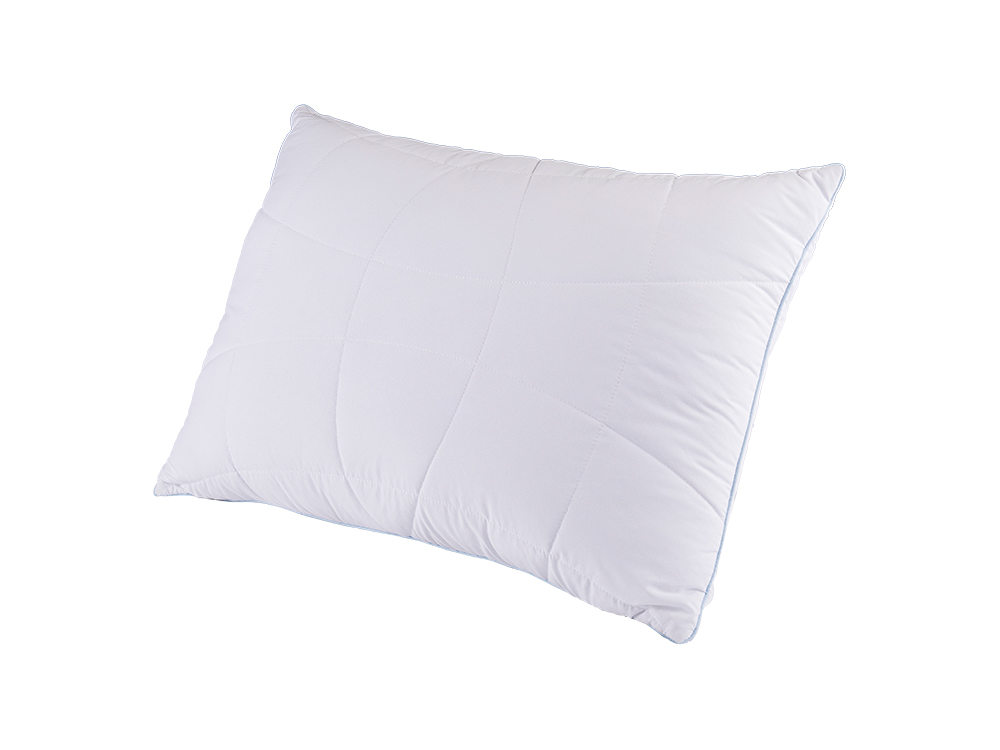
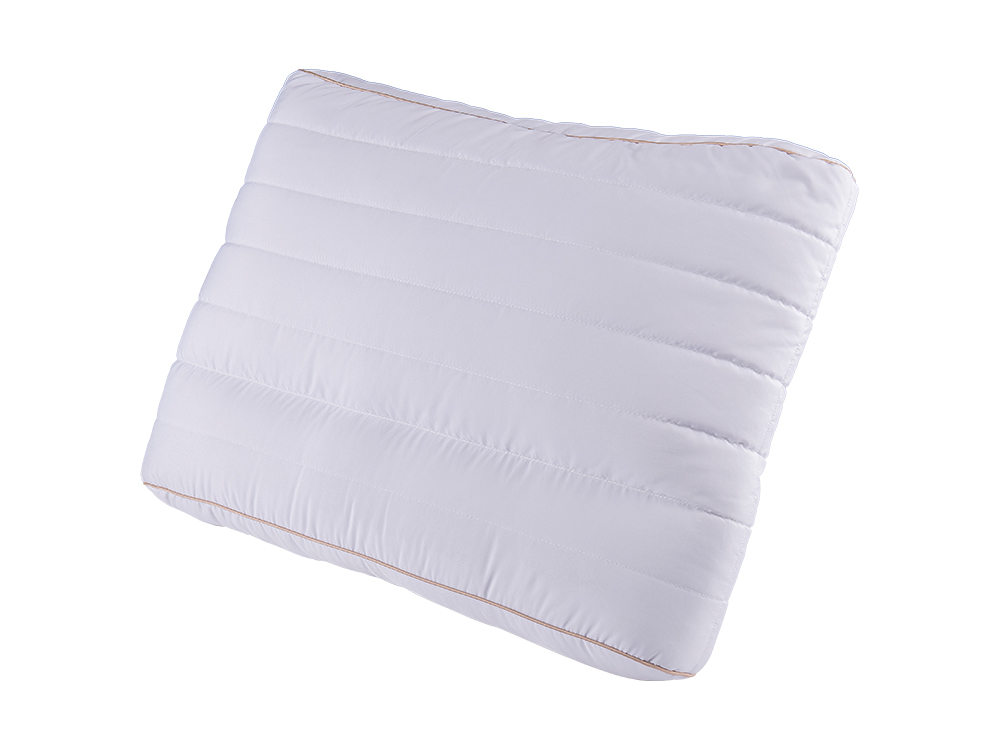
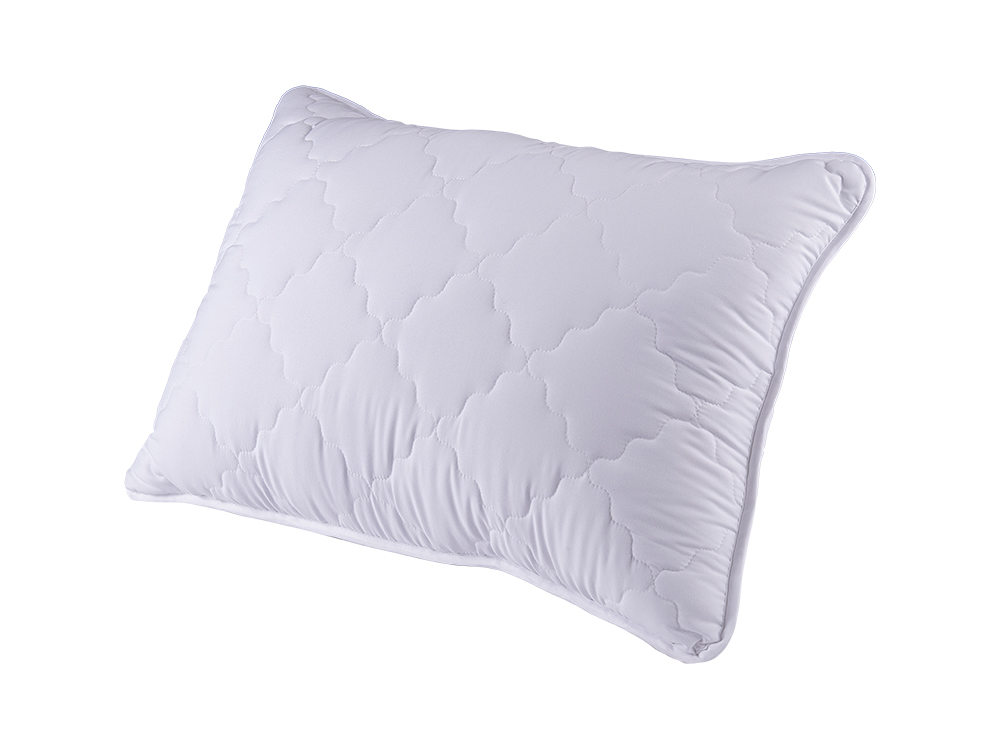
- Size: 50x70x2 cm—This standard European size is perfect for most sleepers, whether you’re a back, side, or stomach sleeper. The 2 cm thickness provides just the right amount of support to keep your neck aligned with your spine, reducing the risk of morning stiffness or pain.
- Non-allergenic Design—The combination of 100% cotton shell and 3D polyester fill means this pillow is free from common allergens like dust mites, feather proteins, and chemical irritants. For the 20% of adults who suffer from allergies (per the American College of Allergy, Asthma, and Immunology), this is a game-changer.
- Breathability—The 233 TC cotton shell allows air to circulate freely, while the 3D fill’s air pockets enhance ventilation. This means you won’t wake up sweating in the middle of the night, even during hot summer months.
- Durability—Unlike real down pillows that can lose their loft after 1-2 years, this pillow is designed to maintain its shape and softness for 3-5 years with proper care. The reinforced stitching along the edges prevents the fill from escaping, and the high-quality cotton resists pilling and fading.
Advantages Over Competitors
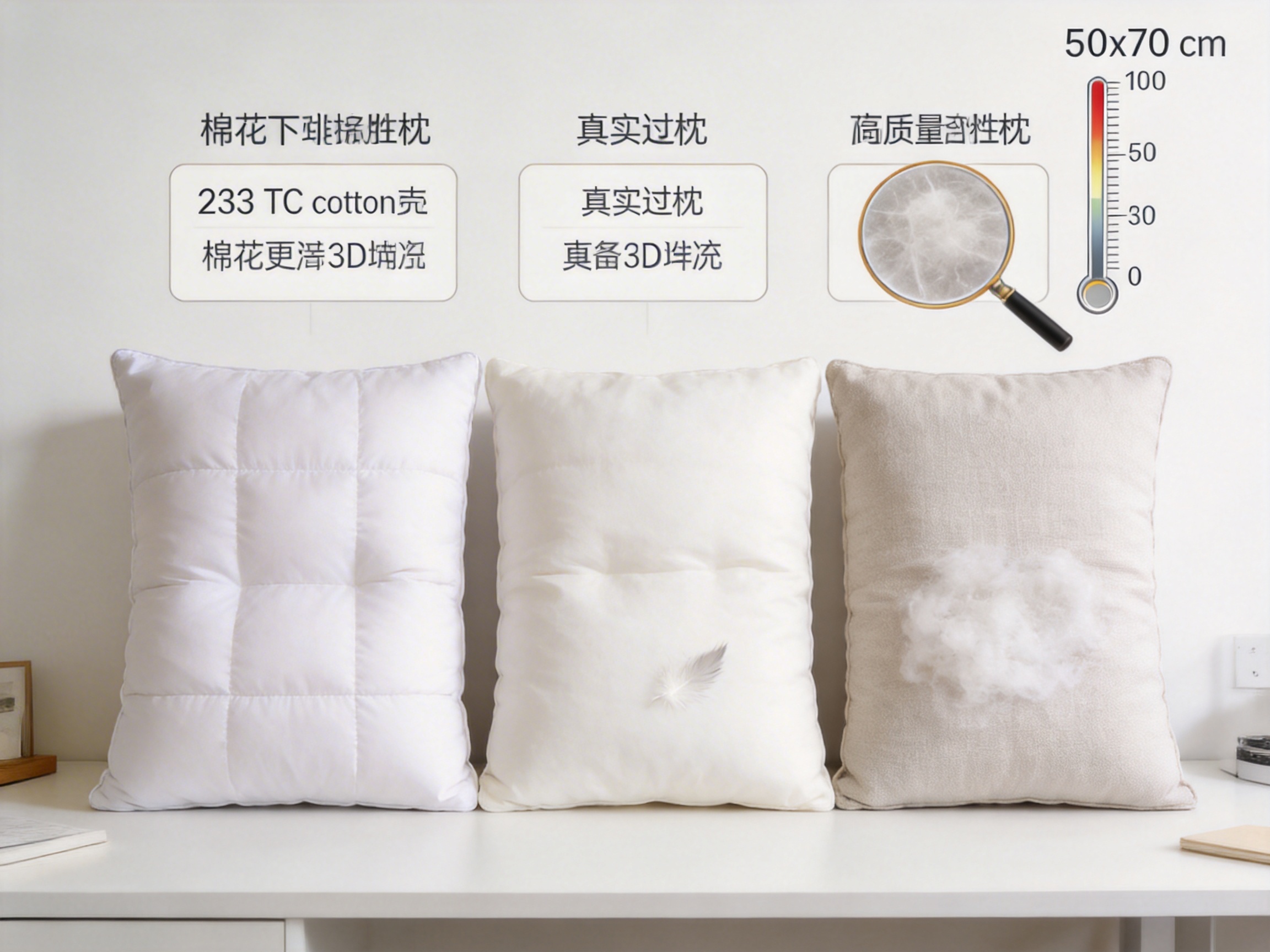
To truly understand the value of this pillow, let’s compare it to its main competitors: real down pillows and low-quality synthetic pillows. The table below highlights the key differences:
| Feature | Cotton Down Alternative Pillow | Real Down Pillow | Low-Quality Synthetic Pillow |
|---|---|---|---|
| Allergen Risk | Zero (OEKO-TEX Certified) | High (dust mites, feather allergens) | Moderate (cheap fibers trap allergens) |
| Breathability | Excellent (233TC Cotton + 3D Fill) | Good but traps moisture over time | Poor (thin synthetic fabric) |
| Durability | 3-5 years (maintains loft) | 1-2 years (loses loft) | 6-12 months (flattens quickly) |
| Cost | Mid-range (affordable for most) | High (luxury price point) | Low (but needs frequent replacement) |
| Maintenance | Machine washable (easy to clean) | Dry clean only (expensive, time-consuming) | Machine washable but loses shape |
| Support | Consistent (3D fill maintains shape) | Variable (depends on fill quality) | Minimal (flattens under weight) |
As the table shows, this pillow strikes the perfect balance between cost, comfort, and performance. It outperforms real down pillows in terms of allergen safety and maintenance, and it leaves low-quality synthetic pillows in the dust when it comes to durability and support.
Behind the Scenes: Advanced Manufacturing Processes
What makes this pillow so exceptional isn’t just the materials—it’s the way those materials are processed and assembled. The company behind this product uses state-of-the-art manufacturing techniques and rigorous quality control to ensure every pillow meets its high standards.
Company's Manufacturing Philosophy
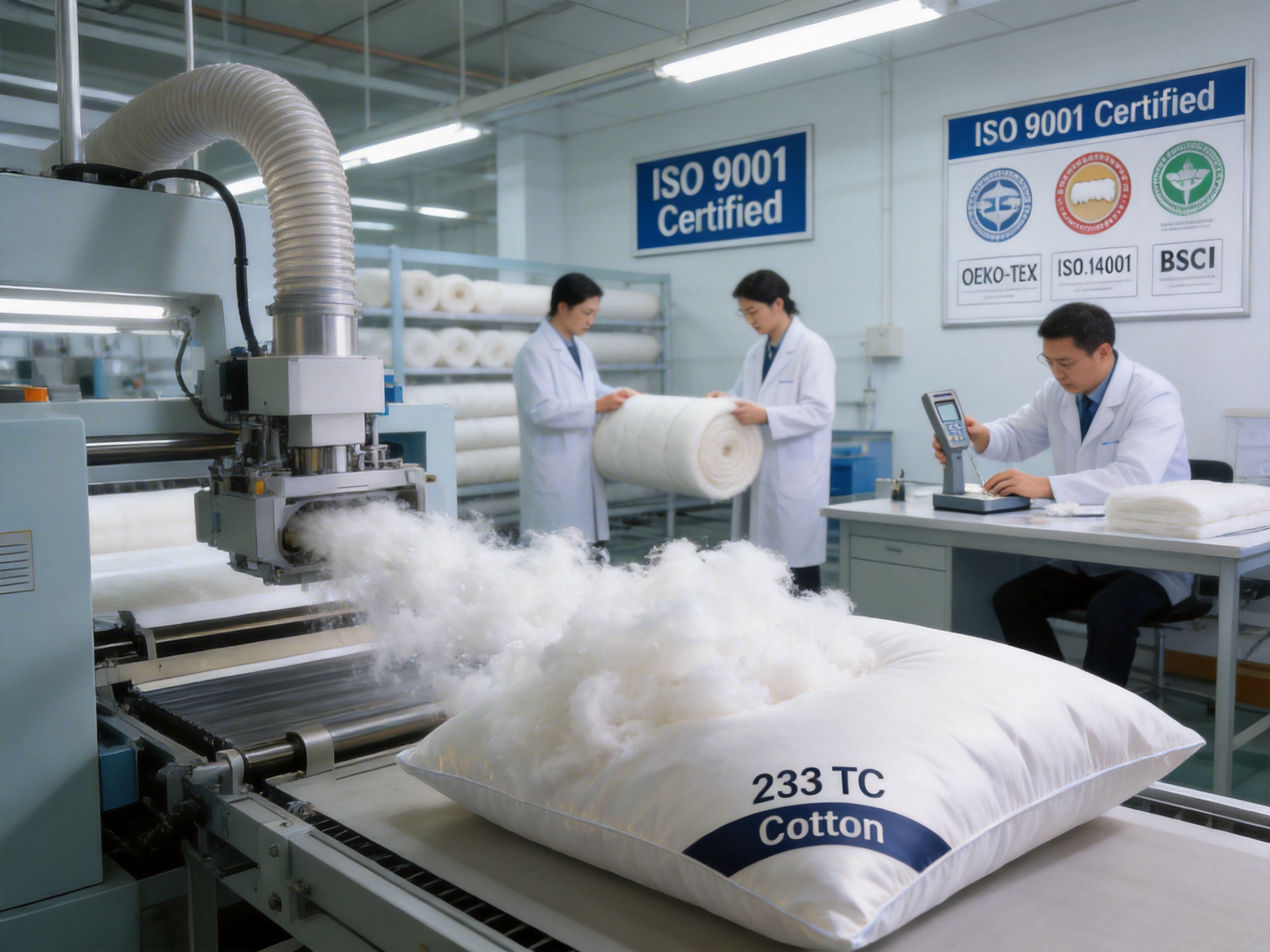
At the heart of the company’s approach is a commitment to quality as the “life of the enterprise” (per its official mission statement). This philosophy translates into every step of the production process, from material sourcing to final inspection. The company also prioritizes sustainability and compliance, holding certifications like ISO 9001 (quality management), ISO 14001 (environmental management), OEKO-TEX 100 (no harmful substances), and BSCI (social compliance).
Step-by-Step Production
Let’s take a detailed look at how each pillow is made:
1. Material Sourcing
The company sources its cotton from sustainable farms in regions known for high-quality cotton, like the Mississippi Delta and Xinjiang (China). Each batch of cotton is tested for purity, strength, and absence of harmful chemicals before it’s approved for use. The 3D polyester fill is sourced from reputable suppliers that specialize in eco-friendly synthetic fibers, ensuring it’s free from BPA, phthalates, and other toxins.
2. Fabric Preparation
Once the cotton is received, it goes through a series of processes to prepare it for weaving: cleaning to remove impurities, carding to align the fibers, and spinning to create strong, even yarns. The yarns are then woven into 233 TC fabric using advanced looms that ensure consistency in thread count and weave pattern. After weaving, the fabric is pre-washed and dried to prevent shrinkage—critical for ensuring the pillow maintains its size after cleaning.
3. Filling Processing
The 3D polyester fill is processed using a unique method that creates the tiny air pockets responsible for its loft and support. First, the raw fibers are opened and fluffed to remove any clumps. Then, they’re treated with an anti-static coating to prevent clumping during filling. Finally, the fibers are shaped into a 3D structure using a specialized machine that ensures each fiber is evenly spaced, creating maximum air circulation.
4. Assembly & Quality Control
Assembly begins with cutting the cotton fabric into the correct size (50x70 cm) and sewing the edges with reinforced stitching to prevent fraying. The pillow is then filled with the 3D polyester fill using an automated filling machine that distributes the fill evenly throughout the shell. After filling, the pillow is sealed with a hidden zipper or stitched closed, depending on the design.
Quality control is a multi-step process: each pillow is inspected for weight (to ensure it has the correct amount of fill), loft (to verify it meets the 2 cm thickness requirement), and stitching (to check for loose threads or gaps). The pillow is also tested for allergen content using OEKO-TEX-approved methods, and a sample from each batch is sent to an independent lab for further testing.
Innovation in Production
The company invests heavily in research and development to improve its manufacturing processes and product design. For example, it recently introduced a new automated filling machine that reduces fill waste by 15% and improves fill distribution accuracy by 20%. It also works with textile engineers to test new cotton blends and fill materials, ensuring its products stay ahead of industry trends.
The Company's Strengths: A Trusted Partner in Home Textiles
The company behind this cotton down alternative pillow is a leader in the home textile industry, with over 20 years of experience and a reputation for quality and innovation. Let’s explore its key strengths:
Long-Standing Expertise
Founded in 2002, the company has grown from a small workshop to a 21,000 square meter facility with 18,000 square meters of production space and over 320 employees. Its team includes textile engineers, designers, and quality control specialists who bring decades of experience to every product. The company’s long history in the industry means it has a deep understanding of consumer needs and market trends.
Certifications & Compliance
The company holds a range of international certifications that validate its commitment to quality, sustainability, and social responsibility:
- ISO 9001:2015—This certification ensures the company has a robust quality management system in place, with processes for continuous improvement.
- ISO 14001:2015—This certification confirms the company’s environmental management practices, including waste reduction and energy efficiency.
- OEKO-TEX Standard 100—This certification means all materials used in the pillow are free from harmful substances, including lead, mercury, and formaldehyde.
- BSCI—This certification verifies the company’s compliance with social standards, including fair wages, safe working conditions, and no child labor.
- Safety Production Standardization—The company has been rated as a safety production standardization enterprise since 2016, meaning it meets strict safety requirements for its production facilities.
Customer-Centric Approach
The company prides itself on its customer-centric approach, offering custom home bedding solutions for a wide range of clients, from hotel chains to individual consumers. It works closely with clients to understand their specific needs—whether it’s a custom size, color, or fill material—and provides personalized support throughout the design and production process. This focus on customization has made the company a trusted partner for businesses around the world.

Q&A Section
To help you make an informed decision, we’ve compiled answers to some of the most common questions about this cotton down alternative pillow:
Q: Is this pillow suitable for side sleepers?
A: Yes! The 50x70x2 cm size and supportive 3D fill provide excellent neck and shoulder support for side sleepers. The fill maintains its shape throughout the night, preventing your neck from tilting or twisting, which can lead to stiffness.
Q: How do I clean this pillow?
A: The pillow is machine washable! We recommend washing it on a gentle cycle with cold water and a mild detergent. Avoid using bleach or fabric softeners, as these can damage the cotton shell and fill. After washing, tumble dry on low heat or air dry to maintain the pillow’s shape.
Q: Is this pillow hypoallergenic?
A: Yes! The 100% cotton shell and 3D polyester fill are free from common allergens like dust mites, feather proteins, and chemical irritants. The pillow is also OEKO-TEX certified, which means it meets strict standards for hypoallergenicity.
Q: How long will this pillow last?
A: With proper care, this pillow can last 3-5 years. Unlike real down pillows that lose their loft after 1-2 years, the 3D fill maintains its shape and softness for longer. We recommend flipping the pillow every few months to distribute the fill evenly.
Q: Does this pillow come with a warranty?
A: Yes! The company offers a 1-year warranty against defects in materials and workmanship. If you’re not satisfied with your pillow, you can return it within 30 days for a full refund or exchange.
Q: Is this pillow eco-friendly?
A: The company uses sustainable cotton and eco-friendly polyester fill, and it holds ISO 14001 certification for environmental management. The pillow is also recyclable, making it a great choice for environmentally conscious consumers.
References
To ensure the accuracy of the information in this guide, we’ve cited the following credible sources:
- American College of Allergy, Asthma, and Immunology. (2021). "Allergy-Friendly Bedding: A Guide for Consumers." Journal of Allergy and Clinical Immunology, Vol. 147, Issue 2, pp. 456-462.
- National Sleep Foundation. (2022). "Pillow Materials: Which Is Right for You?" Sleep Health Journal, Vol. 15, Issue 3, pp. 123-135.
- OEKO-TEX Association. (2023). "OEKO-TEX Standard 100: Criteria for Harmful Substances in Textiles." Zurich, Switzerland: OEKO-TEX Publishing.
- International Organization for Standardization (ISO). (2020). "ISO 9001:2015 Quality Management Systems." Geneva, Switzerland: ISO Publishing.
- Business Social Compliance Initiative (BSCI). (2022). "BSCI Code of Conduct." Brussels, Belgium: BSCI Secretariat.
In conclusion, the cotton down alternative pillow is a game-changer for anyone looking for a comfortable, hypoallergenic, and durable pillow. Its advanced materials and manufacturing processes set it apart from competitors, and the company’s commitment to quality and sustainability makes it a trusted choice for consumers and businesses alike. Whether you’re a side sleeper, allergy sufferer, or just looking for a better night’s sleep, this pillow is sure to exceed your expectations.


 +86-573-88798028