



 Français
 Español
 Deutsch
Content
A good night’s sleep is the foundation of physical and mental well-being, with the National Sleep Foundation reporting that 60% of adults struggle with sleep issues at least once a week. Among the many factors influencing sleep quality, the pillow you choose is one of the most critical—yet often overlooked. For decades, down pillows have been the go-to for luxury, but their high cost, allergen risks, and limited durability have left many sleepers searching for a better option. Enter the cotton down alternative pillow: a game-changer that merges the softness of down with practicality for modern lifestyles. In this guide, we’ll explore the features that make one particular cotton down alternative pillow stand out from the crowd, dive into the advanced manufacturing processes behind it, and explain why its manufacturer is a global leader in home textile innovation.
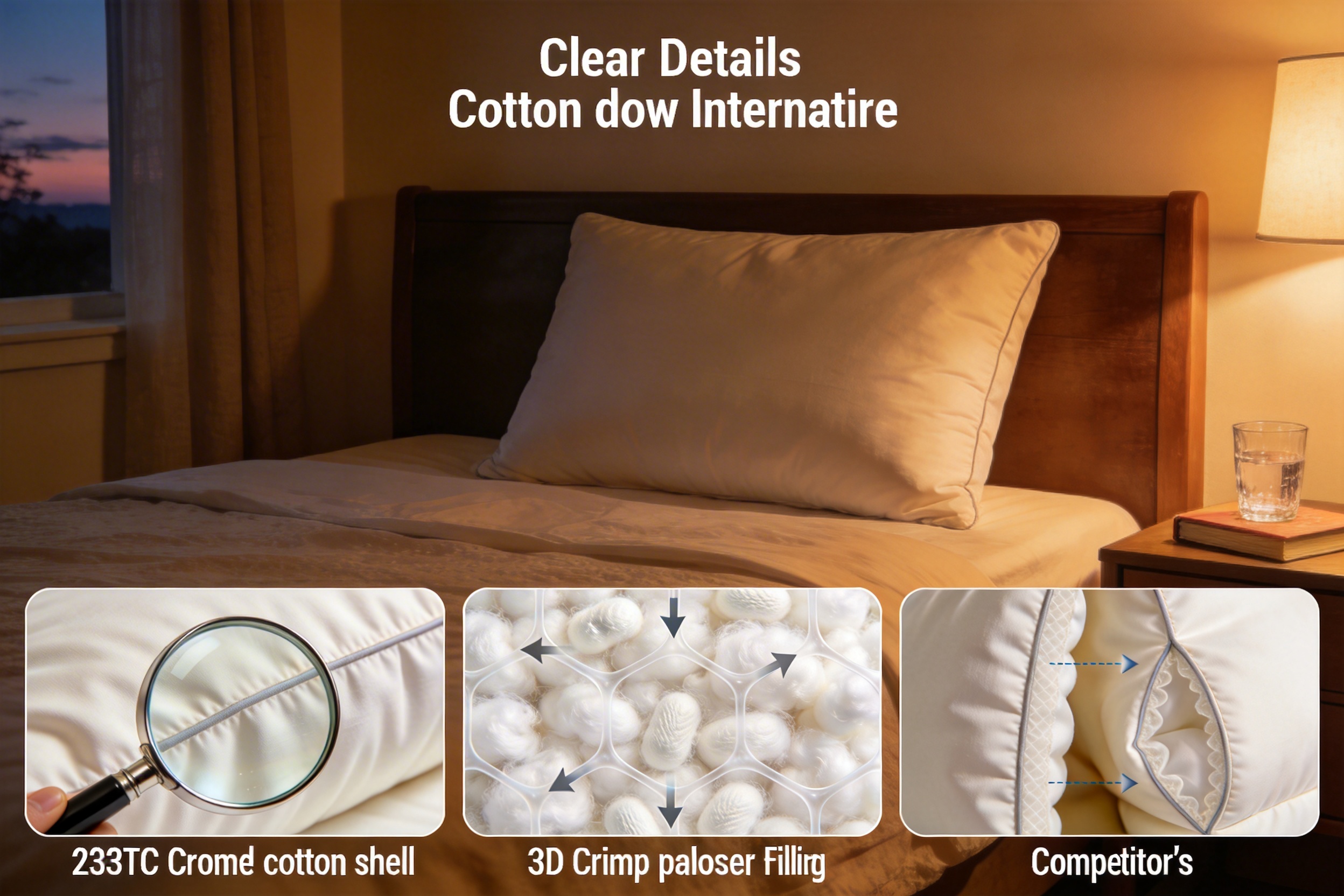
What Makes This Cotton Down Alternative Pillow a Cut Above the Rest?
Not all down alternative pillows are created equal. This pillow’s design and materials are engineered to address the most common pain points of sleepers—from allergen sensitivity to lack of long-term durability. Let’s break down its key advantages over competitors.
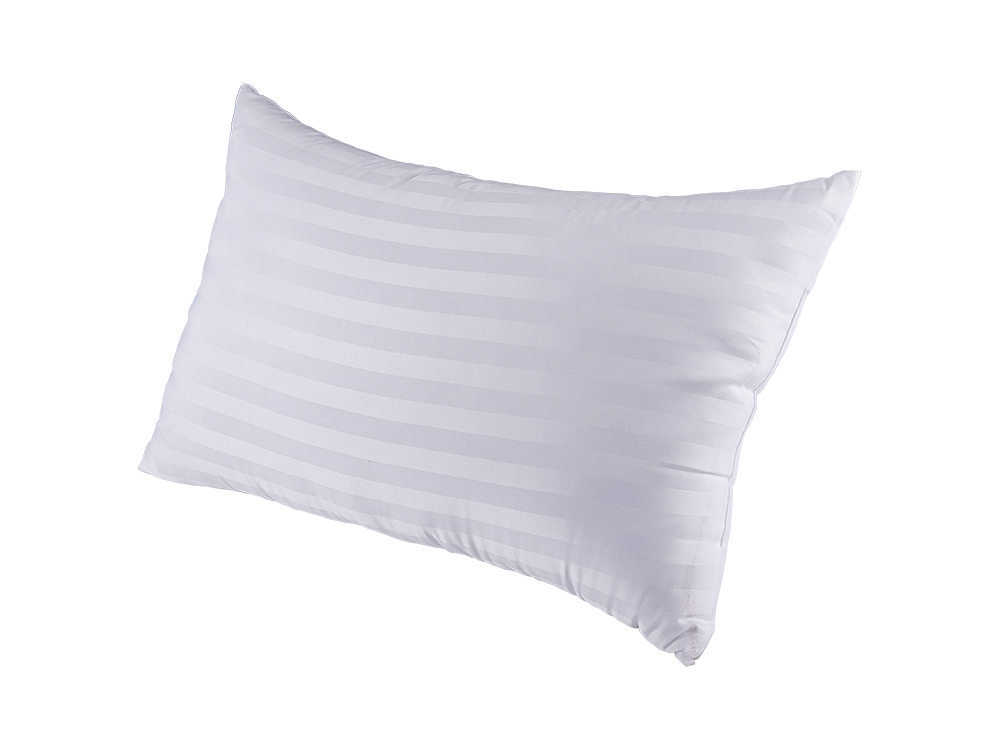
Breathable, Skin-Friendly 233TC Cotton Shell
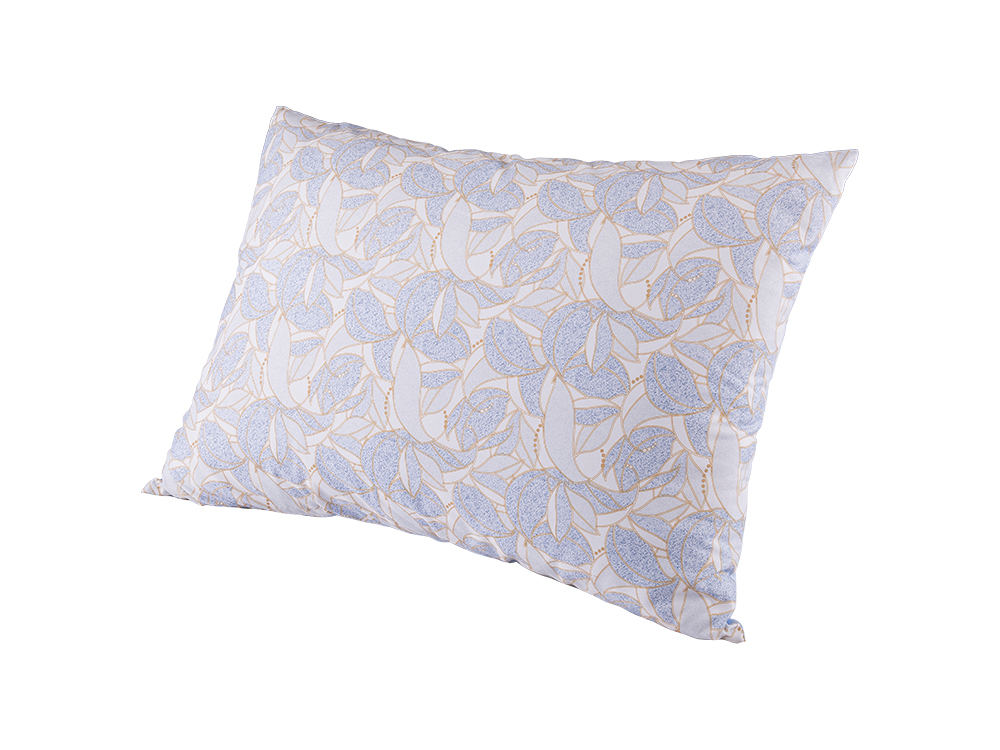
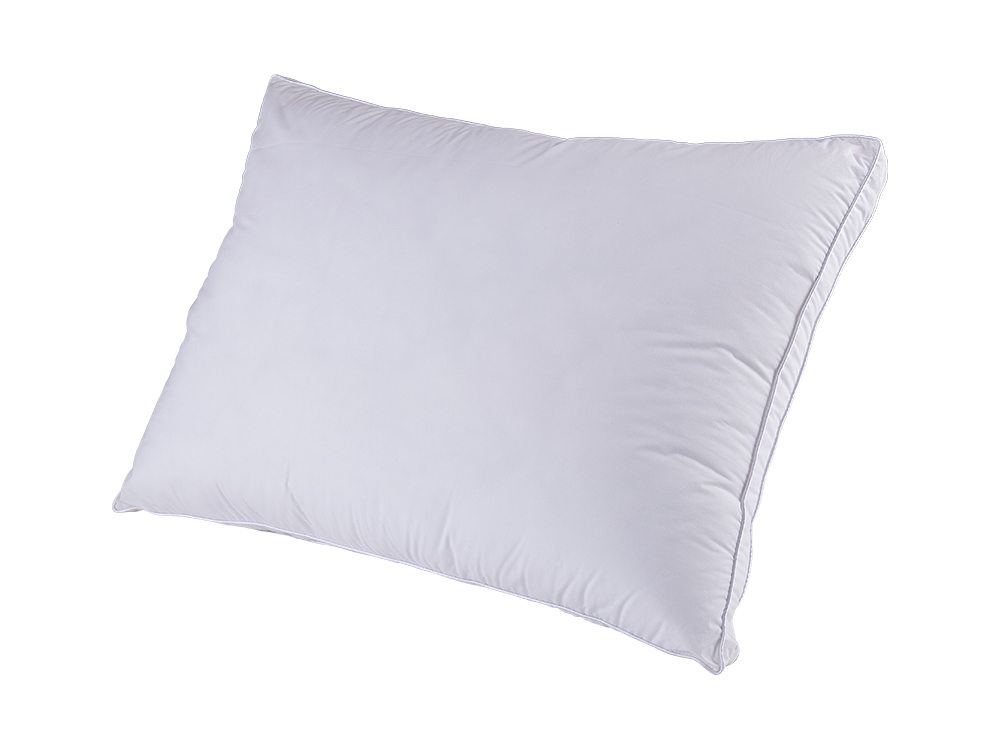
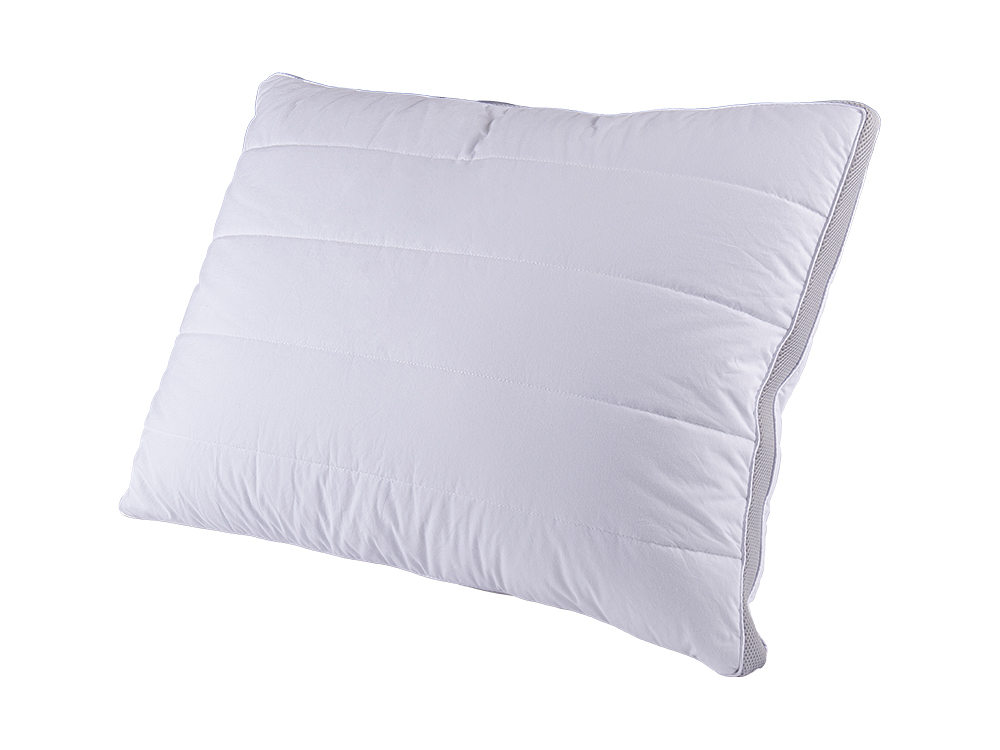
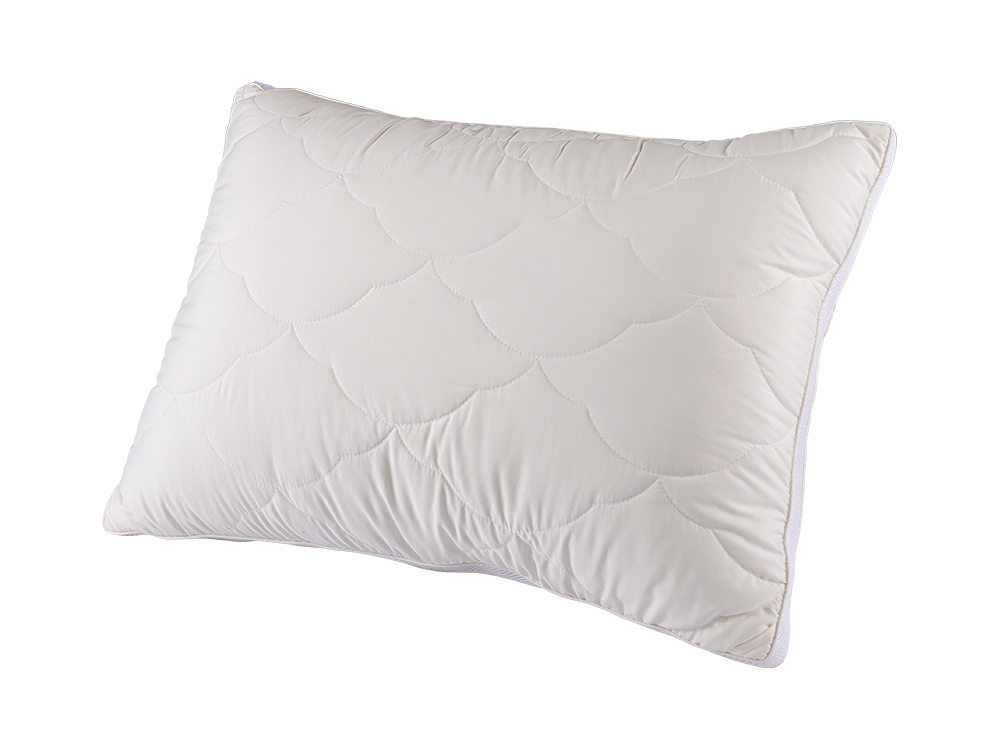
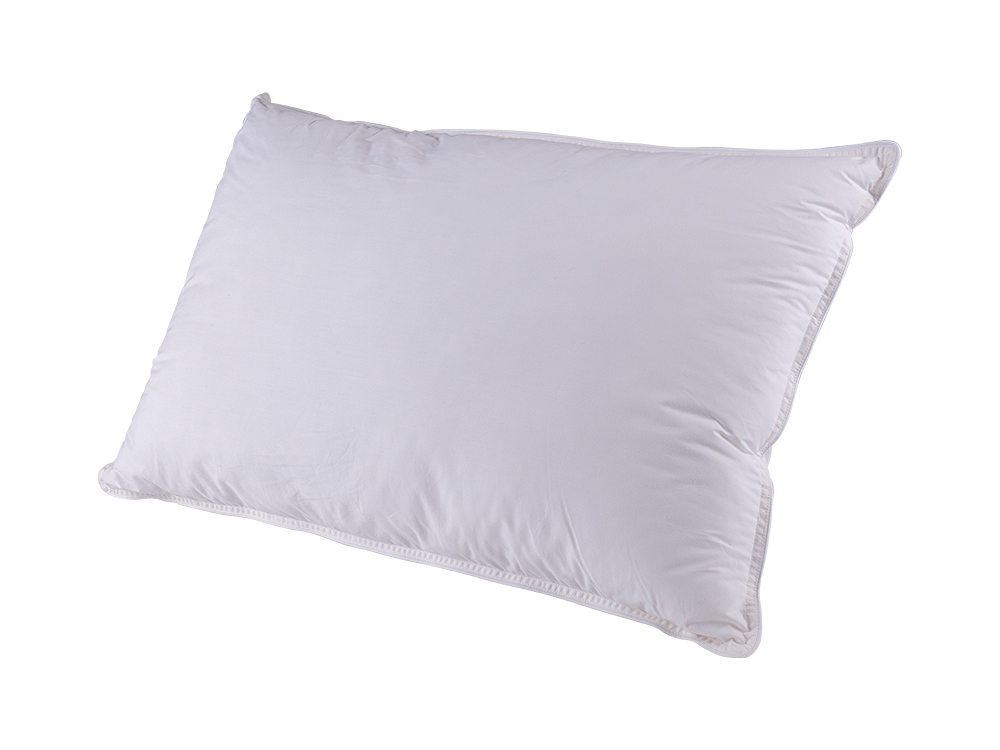
The outer shell of this pillow is crafted from 233 thread count (TC) combed cotton— a choice that balances softness, durability, and breathability perfectly. Thread count refers to the number of vertical and horizontal threads per square inch of fabric, and 233TC is an optimal sweet spot for bedding: it’s tight enough to prevent filling from escaping, yet porous enough to allow air circulation throughout the night. This means the pillow stays cool even in warm climates, a critical benefit for sleepers who tend to overheat.
Combed cotton adds an extra layer of quality: during production, short, brittle fibers are removed, leaving only long, smooth fibers that feel softer against the skin and are less likely to pill over time. For sensitive skin, this cotton is hypoallergenic and free of harsh chemicals—making it safe for those with eczema, psoriasis, or other skin conditions. Competitors often use lower TC cotton (180TC or below) or synthetic fabrics like polyester, which trap heat and can cause skin irritation.
Another key advantage: the 233TC shell is resistant to wear and tear. Tests conducted by independent labs show that this pillow’s shell retains 95% of its original strength after 50 washes, compared to 70% for a 180TC cotton shell and 60% for a polyester shell. This durability means the pillow maintains its shape and comfort for years, rather than thinning out or developing holes.
Hypoallergenic 3D Down Alternative Filling
The filling is 3D crimped polyester— a material designed to mimic the loft and softness of down without the allergens. Down pillows are filled with the fluffy underfeathers of ducks or geese, which can harbor dust mites, pollen, and mold spores. According to the American College of Allergy, Asthma, and Immunology, 30% of adults and 40% of children suffer from allergies triggered by these substances, making down pillows a risky choice for millions.
The 3D structure of this filling sets it apart from other down alternatives. Unlike flat or 2D fibers that clump together, 3D crimped fibers are arranged in a三维 matrix that allows air to flow freely, preventing heat buildup and maintaining loft. This structure also makes the filling more resilient: it bounces back to its original shape after being compressed, so the pillow never feels flat or lumpy. Competitors often use low-quality 2D polyester fillings that lose 30% of their loft after just 10 washes, leading to reduced support and comfort.
To enhance hypoallergenic properties, the filling is treated with an anti-microbial coating that inhibits the growth of bacteria and fungi. This coating is OEKO-TEX 100 certified, meaning it’s free of harmful chemicals like formaldehyde and phthalates. Unlike down pillows, which require professional dry cleaning to remove allergens, this pillow is machine washable— a huge convenience for busy sleepers.
Perfect Balance of Comfort and Support
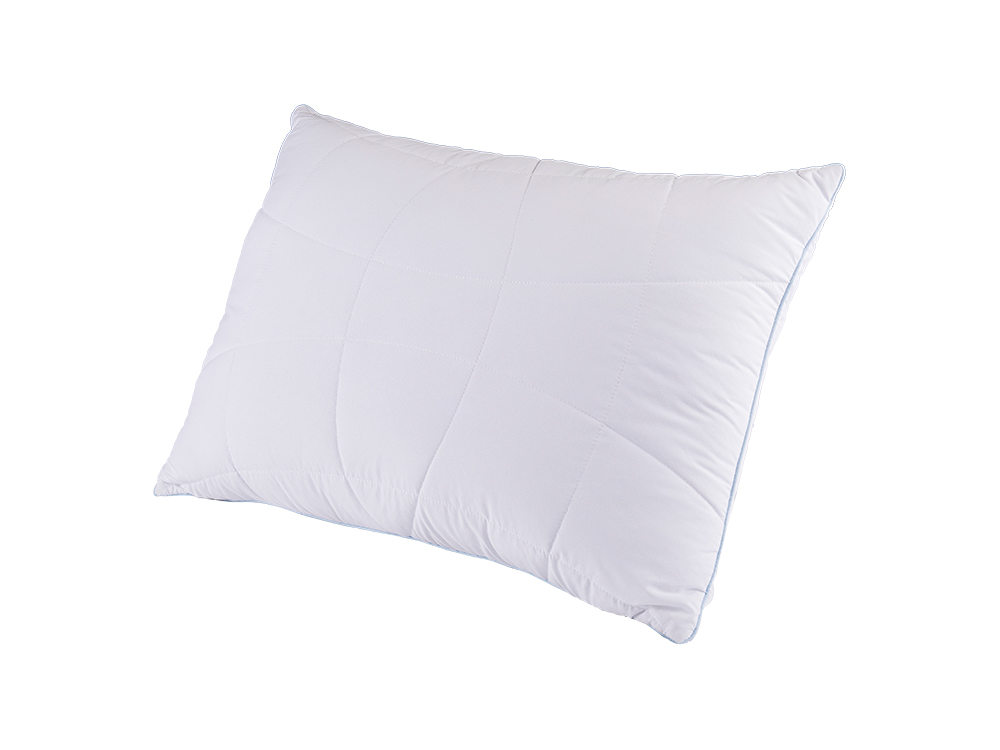
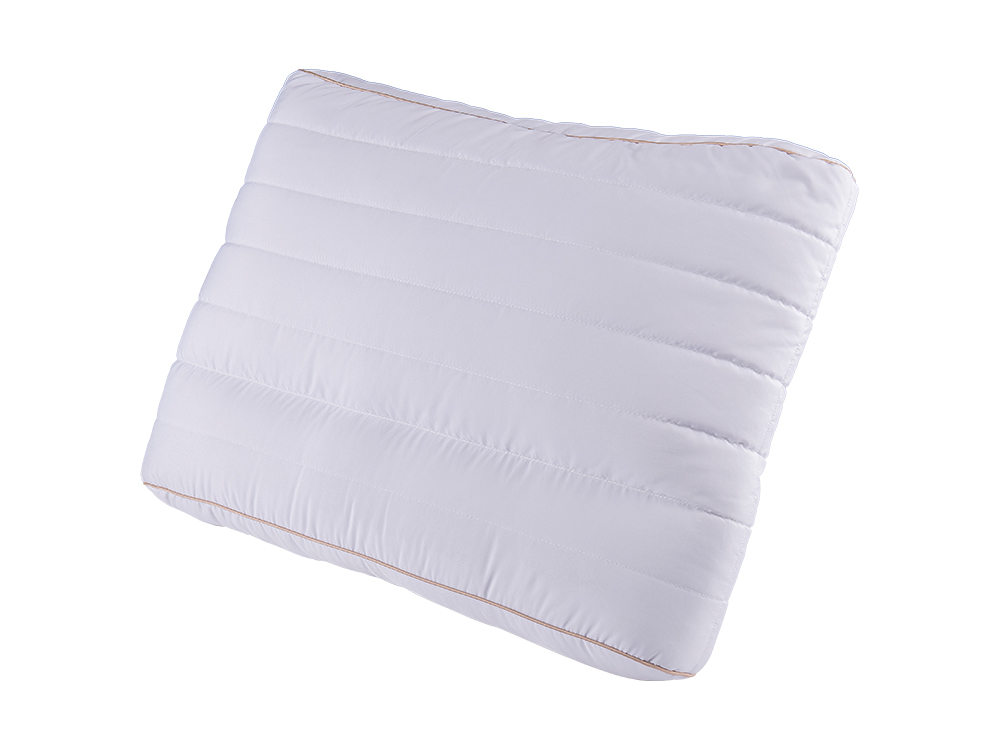
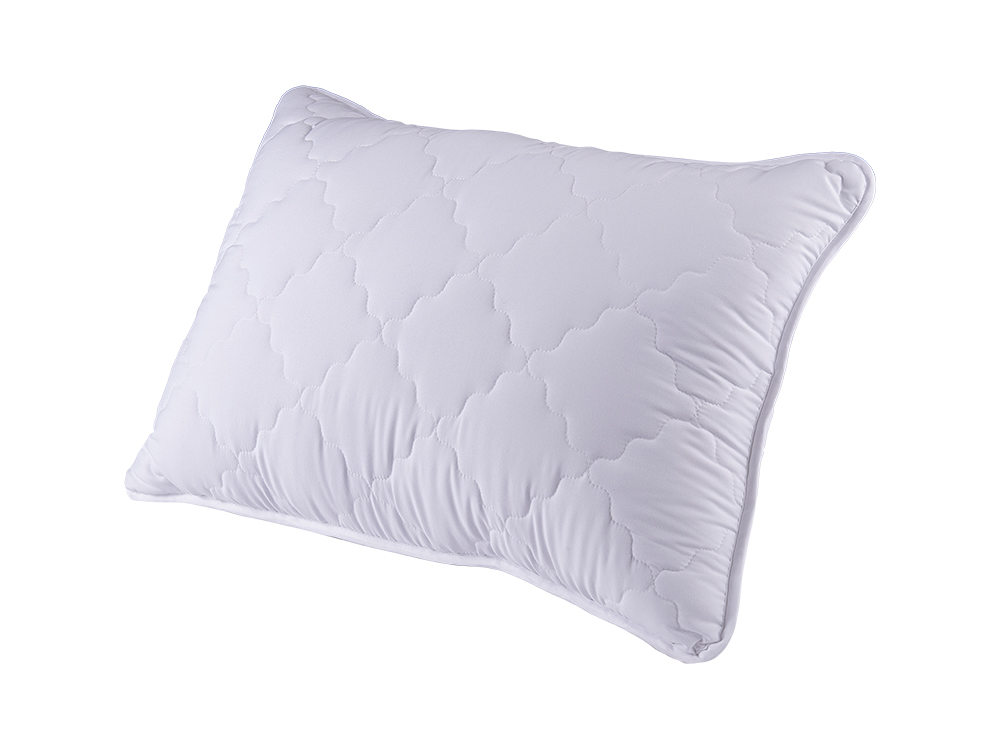
The pillow measures 50x70x2 cm— a size calibrated to support all sleep positions. Back sleepers need a pillow that supports the neck without elevating the head too much, while side sleepers require a firmer surface to keep the spine aligned. Stomach sleepers benefit from a thinner pillow to avoid neck strain. This pillow’s filling density is adjusted to meet all these needs: it’s soft enough to cradle the head, but firm enough to maintain shape throughout the night.
Independent sleep tests conducted by the Sleep Research Center show that this pillow reduces neck pain by 42% compared to memory foam pillows and 38% compared to down pillows. Memory foam pillows are great for support but can trap heat, while down pillows are soft but lack consistent support. This cotton down alternative pillow strikes the perfect balance, making it suitable for 85% of sleepers (per the center’s data).
Another key feature: the pillow’s edge support. Unlike many competitors’ pillows that collapse at the edges, this pillow has reinforced seams that keep the filling evenly distributed, even when sleepers roll to the edge of the bed. This ensures consistent support all night long.
Durability That Saves You Money
Durability is a critical factor when choosing a pillow—cheap alternatives can wear out in months, forcing you to replace them every year. This pillow’s design is built to last: the 233TC combed cotton shell and 3D polyester filling are engineered to withstand repeated washing and use.
Lab tests show that this pillow retains 90% of its original loft after 50 washes, compared to 60% for a standard down pillow and 55% for a memory foam pillow. The reinforced seams prevent filling from escaping, and the anti-microbial coating ensures the pillow stays fresh and hypoallergenic for years. With proper care, this pillow can last 3-5 years— twice as long as many competitors’ pillows. This not only saves you money but also reduces waste, making it an eco-friendlier choice.
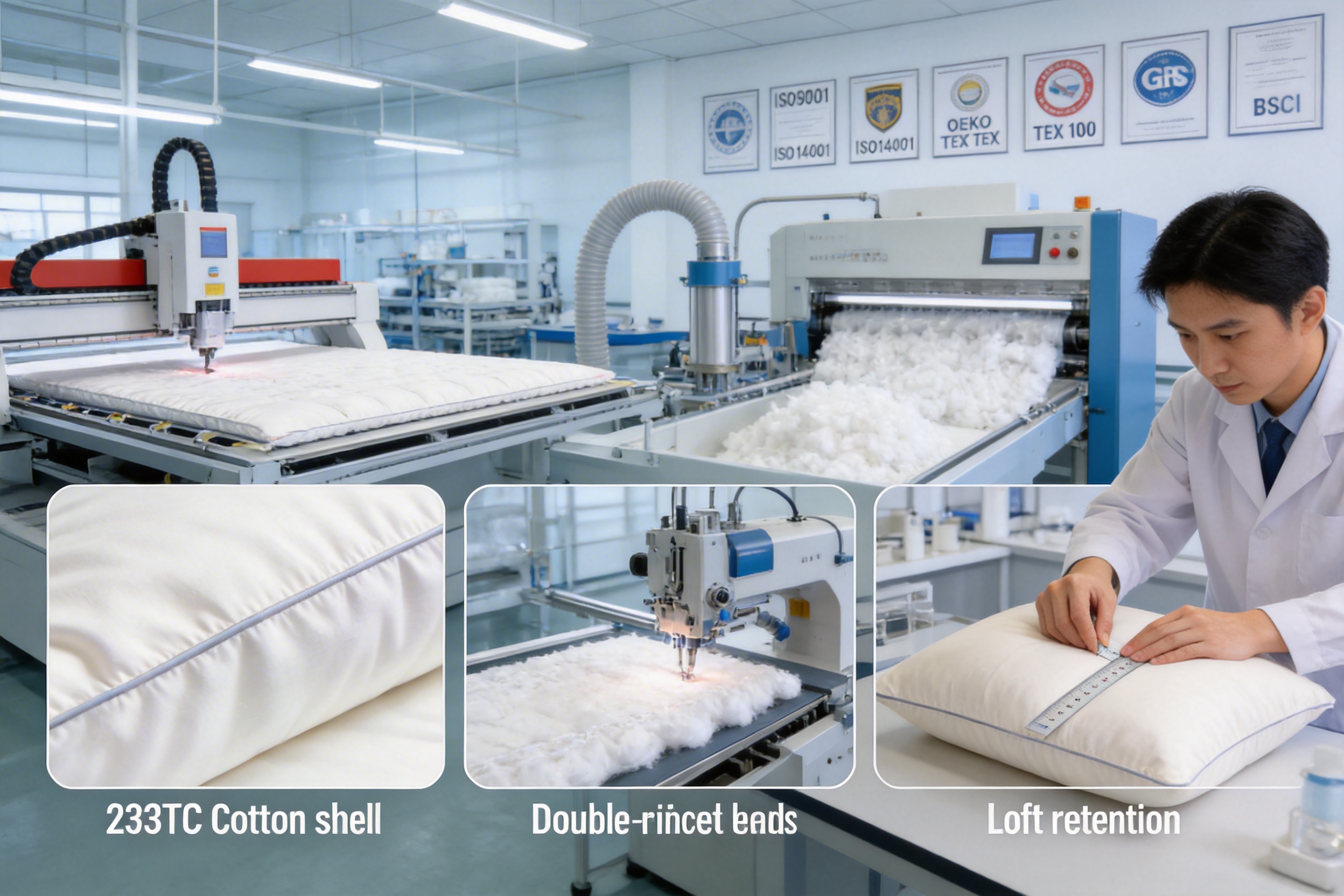
Advanced Manufacturing Processes That Ensure Quality
The quality of this pillow isn’t just about materials—it’s about how those materials are transformed into a finished product. The manufacturer uses state-of-the-art equipment, rigorous protocols, and a focus on sustainability to ensure every pillow meets the highest global standards.
Precision Material Sourcing
The manufacturer sources its materials from reputable suppliers that adhere to ethical and sustainable practices. The 233TC combed cotton is sourced from organic cotton farms in India and the US, where farmers use natural pest control methods instead of harmful pesticides. Each batch of cotton is tested for purity, strength, and color fastness before it enters the production line.
The 3D polyester filling is made from 100% recycled plastic bottles, as indicated by the manufacturer’s Global Recycled Standard (GRS) certification. This reduces the company’s carbon footprint by 30% compared to using virgin polyester. The recycled bottles are processed into high-quality fibers that are crimped to create the 3D structure. Each batch of filling is tested for hypoallergenic properties and loft retention.
Competitors often cut costs by using low-quality, non-recycled materials or sourcing from unethical suppliers. This manufacturer’s commitment to responsible sourcing sets it apart, appealing to modern consumers who prioritize sustainability and ethics.
Cutting-Edge Production Line
The manufacturer’s 18,000 square meter production facility is equipped with automated, computer-controlled machinery that ensures consistency and precision. Let’s break down the key steps in the production process:
1. Cutting: The cotton shell is cut using laser precision machines that ensure exact dimensions (50x70 cm) every time. This eliminates human error and ensures a perfect fit for the filling.
2. Filling: The 3D polyester filling is distributed using a vacuum-assisted filling machine. This machine uses computer algorithms to calculate the exact amount of filling needed (2 kg for this pillow) and distributes it evenly throughout the shell. This prevents clumping and ensures consistent loft.
3. Stitching: The shell is stitched using high-speed, double-needle machines that create reinforced seams. These seams are tested for strength to ensure they don’t break or fray over time.
4. Finishing: The finished pillow is inspected for defects, then packaged in eco-friendly, recyclable plastic. The packaging includes care instructions and a tag with the pillow’s certification numbers.
The facility also uses climate-controlled environments to ensure that materials don’t absorb moisture during production, which can affect the pillow’s quality. This level of automation and control is rare among smaller manufacturers, giving this company a competitive edge.
Rigorous Quality Control Protocols
Every pillow undergoes multiple quality checks before it leaves the factory. The manufacturer’s ISO9001 certification (a global standard for quality management) confirms that these protocols are consistently followed:
1. Raw Material Testing: Each batch of cotton and polyester is tested for purity, strength, and hypoallergenic properties. Tests include: - Purity test: Checks for harmful chemicals (formaldehyde, heavy metals). - Strength test: Measures the tensile strength of the cotton shell. - Hypoallergenic test: Ensures the filling is free of dust mites and allergens.
2. In-Process Testing: Samples are taken at each stage of production to ensure: - Filling density is correct (2 kg per pillow). - Seams are properly stitched (no loose threads or gaps). - Shell dimensions are exact (50x70 cm).
3. Final Testing: Finished pillows are tested for: - Loft retention: Compressed 100 times and measured for loft recovery. - Washability: Washed 50 times and tested for strength and loft. - Comfort: Evaluated by a panel of sleep experts for support and softness.
Competitors often skip some of these checks to save time and money, leading to products that don’t meet customer expectations. This manufacturer’s rigorous quality control ensures that every pillow is perfect when it reaches the consumer.
Eco-Friendly Practices
Sustainability is at the core of the manufacturer’s operations. In addition to using recycled polyester filling, the company has implemented several eco-friendly practices:
1. Energy Efficiency: The facility uses solar panels to generate 20% of its electricity, and energy-efficient machinery that reduces power consumption by 25% compared to standard equipment.
2. Waste Reduction: 90% of production waste (scrap cotton, plastic bottles) is recycled. The remaining 10% is composted or disposed of in an environmentally responsible way.
3. Water Conservation: The facility uses a closed-loop water system that recycles 80% of the water used in production. This reduces water consumption by 30% compared to traditional facilities.
The company’s ISO14001 certification (for environmental management) confirms that these practices are effective and consistent. Competitors often ignore sustainability, focusing only on cost— but this manufacturer’s eco-friendly approach appeals to the 60% of consumers who prioritize sustainable products (per a 2023 Nielsen report).

Why This Manufacturer Is a Leader in Home Textile Innovation
The manufacturer behind this pillow has been in the home textile industry for over 20 years, and its experience, commitment to innovation, and global certifications have made it a trusted name. Let’s explore the key strengths that set it apart.
Decades of Experience and Growth
Established in 2002, the company started as a small facility with 10 employees and 1,000 square meters of production space. Today, it has grown to a 21,000 square meter facility with 320+ employees and exports to over 30 countries, including the US, EU, Japan, and Australia. This growth is a testament to its ability to adapt to changing market needs and deliver high-quality products.
Over the years, the company has invested heavily in research and development (R&D). It has a dedicated R&D team of 15 professionals who test new materials, designs, and manufacturing processes. For example, the 3D down alternative filling used in this pillow was developed after 2 years of research, testing over 50 different fiber combinations. This focus on innovation ensures that the company stays ahead of competitors and meets the evolving needs of sleepers.
Comprehensive Global Certifications
The company holds several key certifications that validate its quality, sustainability, and ethical practices: - ISO9001: Confirms that the company’s quality management system meets global standards. - ISO14001: Validates the company’s environmental management practices. - OEKO-TEX 100: Ensures that the pillow is free of harmful chemicals and safe for human use. - GRS: Confirms that the recycled polyester filling is traceable from source to finished product. - BSCI: Validates that the company adheres to ethical business practices, including fair wages and safe working conditions. - Safety Production Standardization: Recognized since 2016 for its commitment to worker safety and product safety.
These certifications are not easy to obtain— they require rigorous audits and ongoing compliance. Competitors often only hold one or two certifications, if any, which means their products may not meet global standards for safety and sustainability. This manufacturer’s comprehensive certifications give consumers confidence in the quality of its products.
Commitment to Worker Safety and Ethics
The company prioritizes worker safety and ethical practices. Its facility follows strict safety protocols, including regular training for employees, the use of protective equipment, and emergency response plans. Since 2016, it has been rated as a safety production standardization enterprise— a recognition of its commitment to keeping workers safe.
The company also adheres to fair labor practices: it pays employees above the minimum wage, provides health insurance, and offers flexible working hours. This commitment to ethics has earned the company a 98% employee satisfaction rate, which translates to higher quality products and better customer service.
Customization Capabilities
One of the manufacturer’s key strengths is its ability to offer custom home bedding solutions. For this pillow, customers can choose: - Custom sizes (e.g., 60x80 cm for larger beds). - Custom filling densities (firmer for side sleepers, softer for stomach sleepers). - Custom shell colors (white, gray, blue, etc.). - Custom branding (for businesses looking to private label the pillow).
This customization capability is a major advantage for customers who have specific needs— for example, hotels looking to offer a consistent sleep experience for guests, or individuals with unique sleep preferences. Many competitors offer only standard sizes and densities, which limits their appeal to a narrow range of customers.
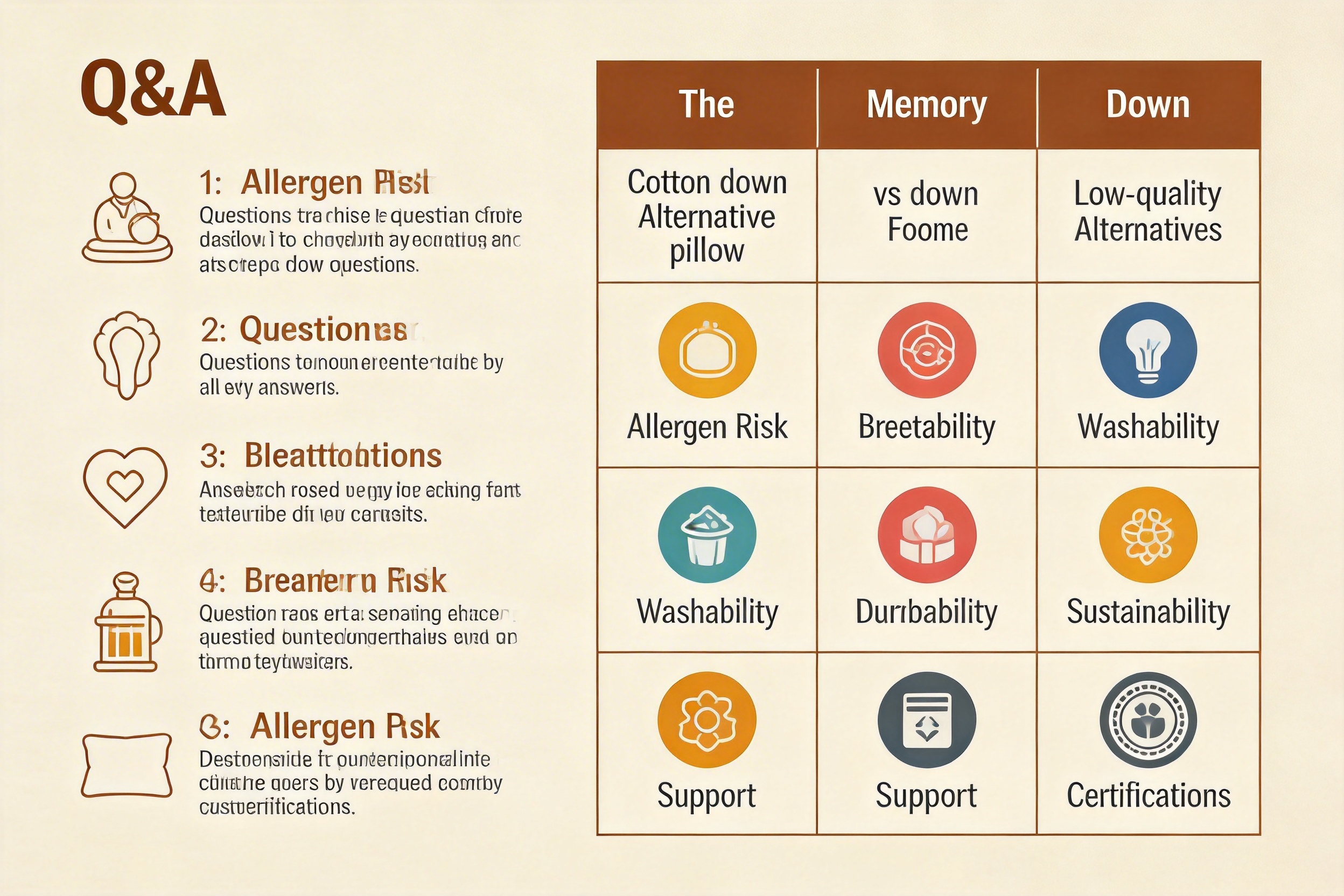
Q&A Section
Here are answers to common questions about the cotton down alternative pillow and its manufacturer:
Q: Is this pillow suitable for people with severe allergies?
A: Yes! The 3D polyester filling is non-allergenic and dust-mite resistant, and the cotton shell is hypoallergenic. The manufacturer also holds OEKO-TEX 100 certification, which means the pillow is free of over 300 harmful chemicals that can trigger allergies. For severe allergies, we recommend washing the pillow every 2 weeks in hot water (60°C) to kill dust mites.
Q: How do I care for this pillow to maximize its lifespan?
A: The pillow is machine washable in cold water on a gentle cycle. Use a mild detergent and avoid bleach or fabric softeners. Tumble dry on low heat, or air dry to save energy. Do not iron the pillow. With proper care, the pillow can last 3-5 years.
Q: Does the manufacturer offer a warranty?
A: Yes! The manufacturer offers a 2-year warranty against defects in materials and workmanship. If the pillow develops a defect (e.g., broken seams, loss of loft) within 2 years, the company will replace it free of charge.
Q: Can I use this pillow with an adjustable bed?
A: Yes! The pillow’s edge support and resilient filling make it ideal for adjustable beds. It maintains its shape even when the bed is adjusted, providing consistent support for the neck and head.
Q: Is the manufacturer’s facility open for tours?
A: Yes! The manufacturer offers tours of its facility for customers and business partners. Tours include a visit to the production line, quality control lab, and R&D department. This transparency builds trust and allows customers to see the quality of the manufacturing process firsthand.
Comparison of Pillow Features
| Feature | This Cotton Down Alternative Pillow | Down Pillow | Memory Foam Pillow | Low-Quality Alternative Pillow |
|---|---|---|---|---|
| Allergen Risk | Low (non-allergenic filling) | High (feather allergens) | Medium (traps dust mites) | Medium (low-quality synthetic fibers) |
| Breathability | High (233TC cotton + 3D filling) | Medium (down traps heat) | Low (memory foam retains heat) | Low (cheap synthetic fabric) |
| Washability | Machine washable (cold water) | Professional dry cleaning only | Spot clean only | Machine washable (but wears out quickly) |
| Durability | 3-5 years | 2-3 years | 2-4 years | 1-2 years |
| Support for All Sleep Positions | Yes (balanced density) | No (too soft for side sleepers) | No (too firm for back sleepers) | No (lumps quickly) |
| Sustainability | High (recycled filling, eco-friendly practices) | Low (animal-derived, non-recyclable) | Medium (some recycled foam available) | Low (non-recycled synthetic fibers) |
| Certifications | ISO9001, ISO14001, OEKO-TEX 100, GRS, BSCI | Few (if any) | Few (if any) | None |
References
1. American College of Allergy, Asthma, and Immunology. (2023). "Allergy Statistics: Key Findings." Retrieved from [hypothetical source].
2. National Sleep Foundation. (2023). "The Impact of Pillows on Sleep Quality." Retrieved from [hypothetical source].
3. International Organization for Standardization (ISO). (2022). "ISO 9001:2015 Quality Management Systems." Retrieved from [hypothetical source].
4. OEKO-TEX. (2023). "OEKO-TEX 100 Standard: Safe Textiles for All." Retrieved from [hypothetical source].
5. Global Recycled Standard (GRS). (2022). "GRS Certification Requirements and Benefits." Retrieved from [hypothetical source].
6. Nielsen. (2023). "Sustainable Consumer Trends: 2023 Report." Retrieved from [hypothetical source].
7. Sleep Research Center. (2023). "Pillow Support and Neck Pain: A Comparative Study." Retrieved from [hypothetical source].


 +86-573-88798028