



 Français
 Español
 Deutsch
Content
- 1 1. Product Overview
- 2 2. Why Material Selection Matters in a Quilt
- 3 3. Main Comfort Advantages
- 4 4. Comparison with Common Quilt Alternatives
- 5 5. Construction and Production Considerations
- 6 6. Manufacturing Strengths of the Supplier
- 7 7. Certifications and Management Systems
- 8 8. Benefits for Different Types of Buyers
- 9 9. Customization Options and Order Planning
- 10 10. Care, Handling, and Product Life
- 11 11. Responsible Product Communication
- 12 12. Why Factory Capability Matters
- 13 13. Practical Evaluation Checklist for Buyers
- 14 14. Frequently Asked Questions
- 14.1 Q1: What is the main material composition of the quilt?
- 14.2 Q2: What is the standard size?
- 14.3 Q3: Is the quilt suitable for sensitive skin?
- 14.4 Q4: Is the quilt suitable for all seasons?
- 14.5 Q5: How does it differ from a polyester quilt?
- 14.6 Q6: Can the quilt be customized for private-label sales?
- 14.7 Q7: Can the product be used in hotels?
- 14.8 Q8: How should buyers confirm the bamboo fiber specification?
- 14.9 Q9: What quality checks are important for this quilt?
- 14.10 Q10: What manufacturing advantages does the supplier offer?
- 14.11 Q11: What certifications are associated with the company?
- 14.12 Q12: What should be confirmed before ordering?
- 15 15. Conclusion
- 16 References
- 17 Product: Cotton Bamboo Fiber Quilt

Choosing the right quilt involves more than selecting an attractive color or a suitable size. A quilt is used for many hours at a time, often directly against the body, so its fabric, filling, construction, breathability, weight, and manufacturing quality all contribute to sleeping comfort. The Cotton Bamboo Fiber Quilt combines an all-cotton outer fabric with a 300gsm bamboo fiber filling to create a bedding product designed for softness, airflow, moisture management, and everyday usability.
This quilt is especially suitable for customers seeking a more natural-feeling alternative to bedding made entirely from synthetic materials. Its cotton fabric provides a familiar, skin-friendly surface, while the bamboo fiber filling contributes a light, breathable, and comfortable interior. The result is a versatile quilt that can serve homes, hotels, guest rooms, dormitories, seasonal bedding collections, and customized home textile programs.
The product is available in a default size of 140x200cm and can also be produced in custom dimensions. This flexibility allows buyers to match the quilt to different bed sizes, regional preferences, packaging requirements, and private-label product ranges. Behind the product is a manufacturer with extensive experience in home textiles, professional technical personnel, advanced production equipment, and a structured quality-management approach.
1. Product Overview
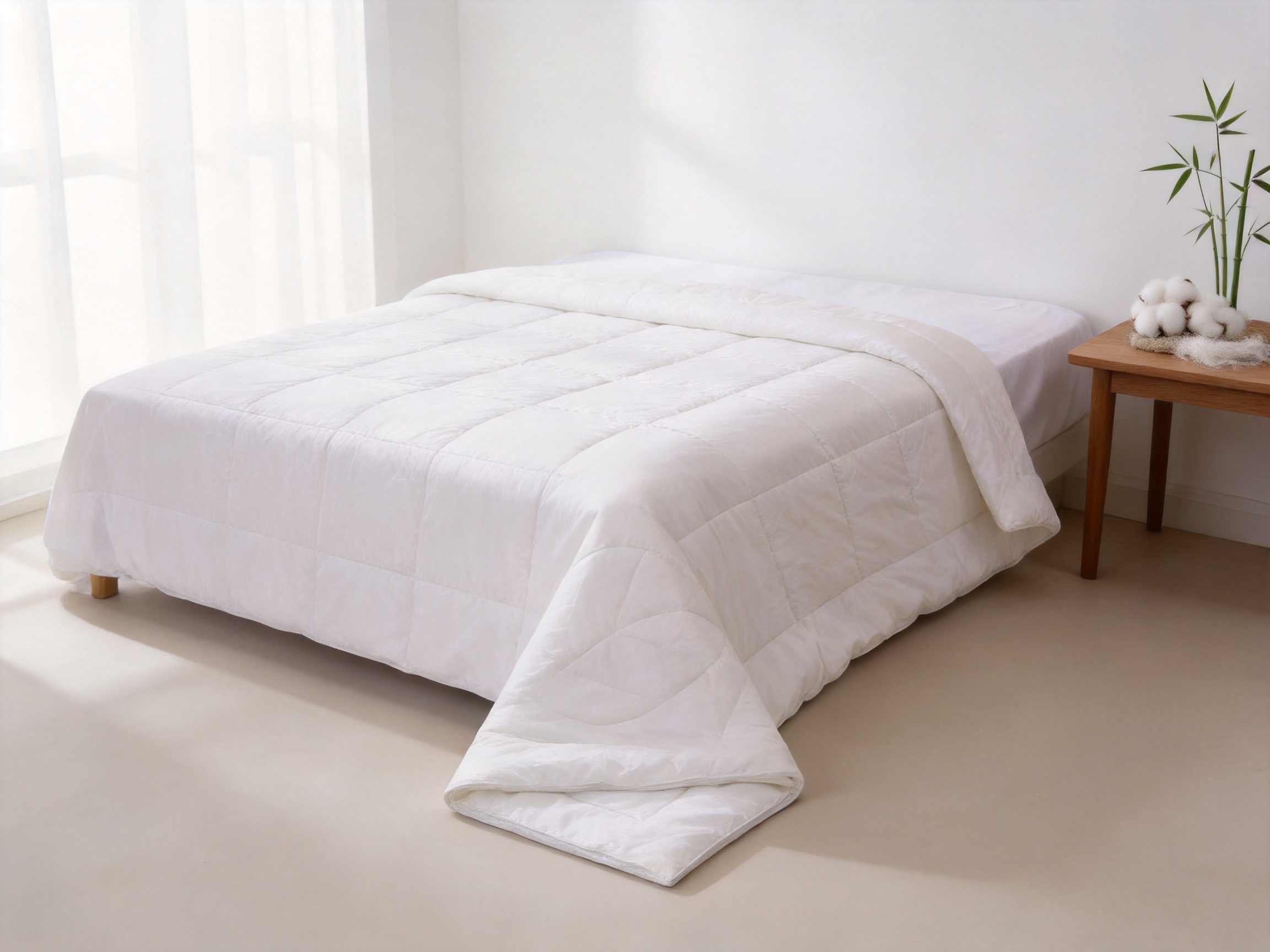
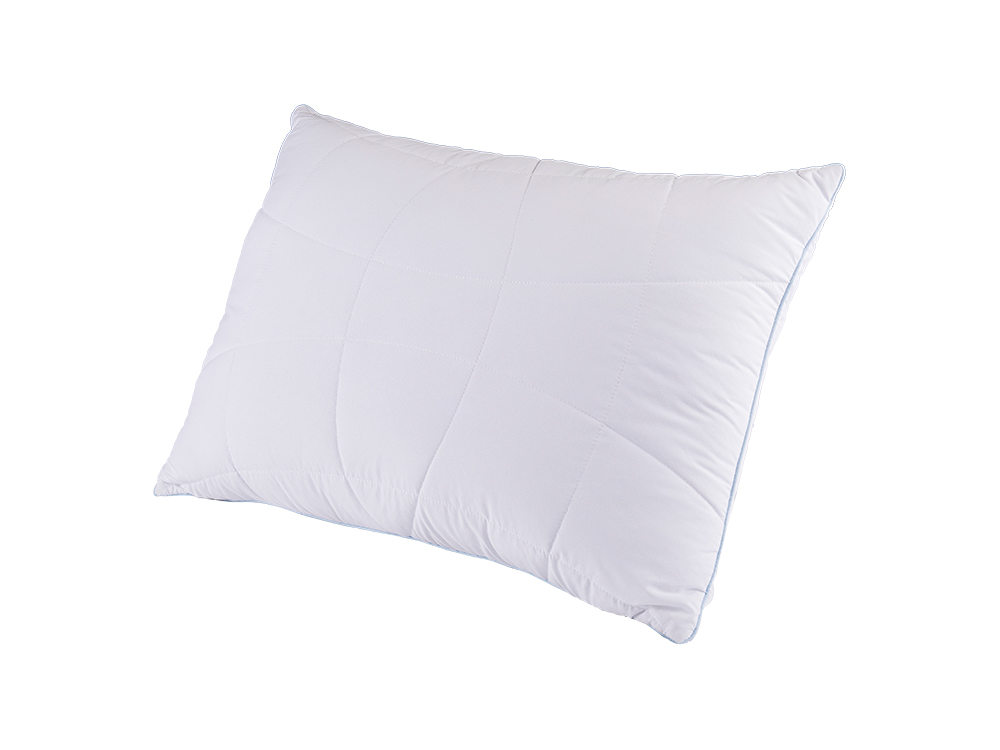
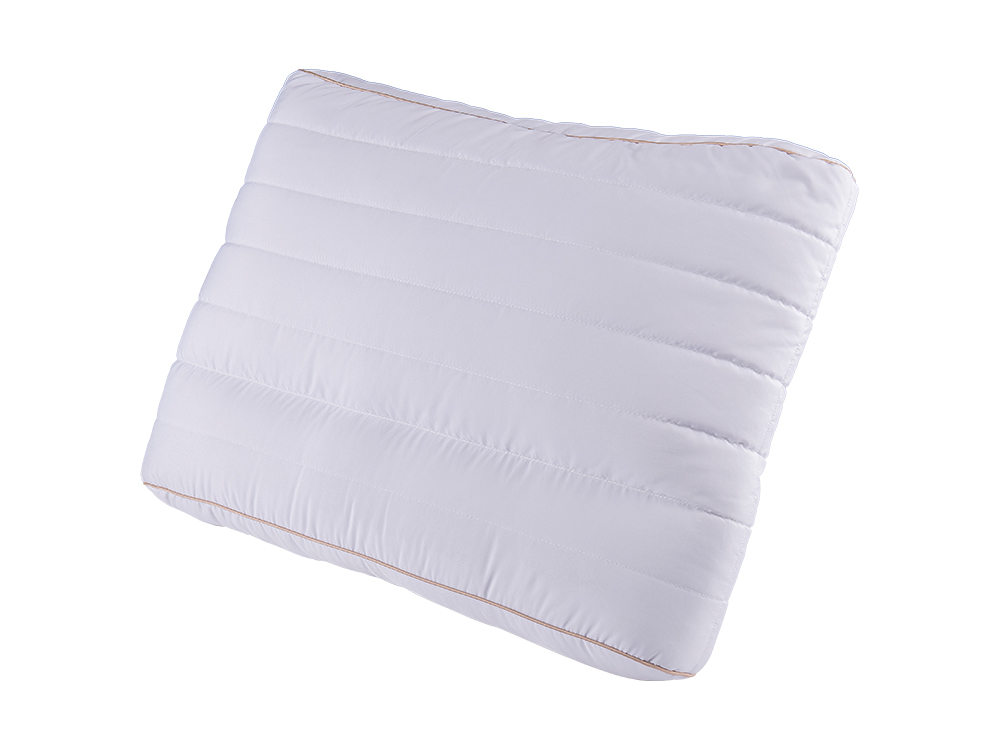
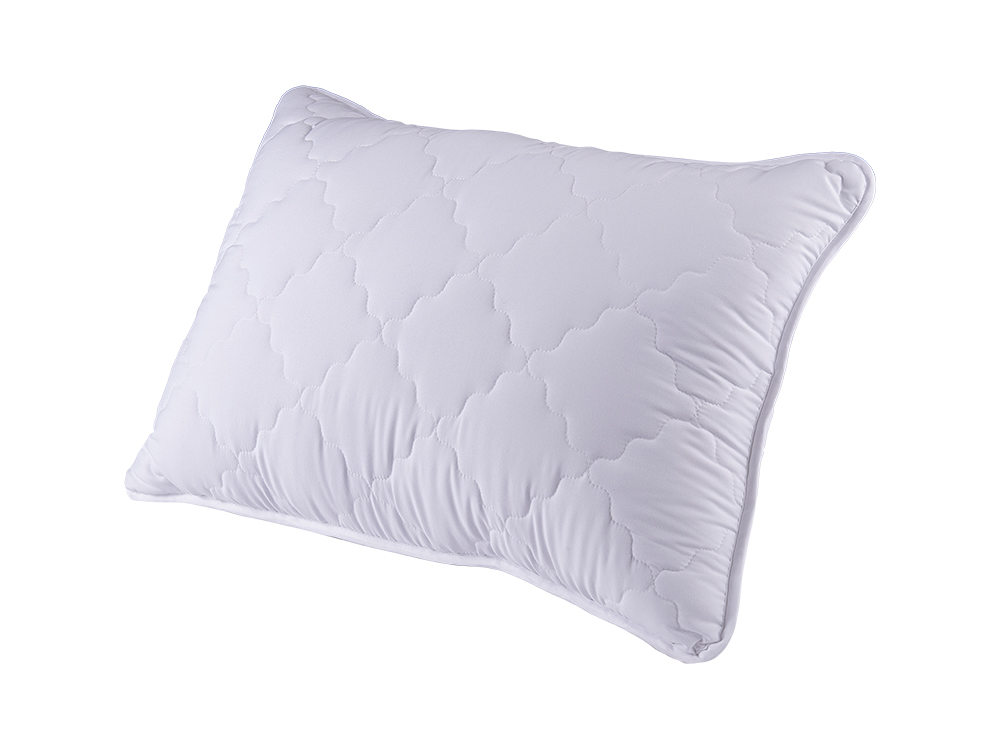
The Cotton Bamboo Fiber Quilt is constructed with an all-cotton fabric shell and 300gsm bamboo fiber filling. The cotton outer layer creates a soft and comfortable contact surface, while the bamboo fiber interior provides warmth without making the quilt unnecessarily heavy. This combination is intended to support a pleasant sleeping environment across a wide range of indoor conditions.
The standard product size is 140x200cm. This format is practical for individual sleeping arrangements, compact bedrooms, guest rooms, and many standard single-bed applications. Custom sizes are also available, which makes the quilt appropriate for buyers who need dimensions adapted to specific mattress sizes, regional bed standards, hotel specifications, or retail packaging programs.
| Product Name | Cotton Bamboo Fiber Quilt |
| Product Category | Bamboo Quilt |
| Standard Size | 140x200cm |
| Customization | Custom sizes available |
| Outer Fabric | All cotton |
| Filling | 300gsm bamboo fiber |
| Primary Benefits | Softness, breathability, comfort, natural-feeling materials, versatile use |
| Recommended Applications | Bedrooms, guest rooms, hotels, dormitories, seasonal bedding programs, customized home textile collections |
The design is deliberately straightforward. Rather than relying on excessive decorative features, it focuses on the performance of the materials and the consistency of the finished product. This approach is useful for customers who value dependable bedding construction, flexible customization, and a clean product concept that can fit different market positions.
2. Why Material Selection Matters in a Quilt
A quilt's performance begins with the relationship between its cover fabric and internal filling. The cover must feel comfortable against the skin and hold the filling securely. The filling must provide suitable loft, warmth, flexibility, and airflow. If these components are poorly matched, the quilt may feel stiff, overly warm, flat, or uncomfortable during use.
The Cotton Bamboo Fiber Quilt uses cotton fabric with bamboo fiber filling to create a balanced material combination. Cotton is widely recognized for its familiar hand feel and comfortable contact with the body. It can also support air circulation and moisture absorption in normal indoor sleeping conditions. Bamboo fiber is used as the internal filling to provide a soft, lightweight, and breathable structure.
Compared with a quilt made from a fully synthetic outer fabric, an all-cotton shell can offer a more natural tactile experience. Some synthetic fabrics may feel smooth but less absorbent, while others may create a warmer or less breathable sensation depending on their construction. Cotton is a familiar choice for bedding because it is comfortable, adaptable, and suitable for a broad range of users.
The bamboo fiber filling also gives the product a point of differentiation. Conventional polyester-filled quilts can be economical and widely available, but buyers seeking a natural-feeling product may prefer a filling associated with bamboo-based fiber. The bamboo component helps position this quilt between traditional cotton bedding and highly synthetic bedding alternatives.
Material selection should always be considered together with intended use. No single fiber is ideal for every climate, bedroom temperature, or personal preference. However, the combination of cotton fabric and bamboo fiber filling offers a practical balance for users who want comfort, breathability, and a lighter natural-material identity in one product.
3. Main Comfort Advantages
3.1 Soft Skin Contact
The all-cotton fabric gives the quilt a soft and familiar surface. This is important because the outer shell may come into direct contact with the sleeper, particularly when the quilt is used without an additional cover. A comfortable surface can help improve the overall sleeping experience and make the product suitable for users who are sensitive to rough or overly artificial-feeling fabrics.
Softness is influenced by more than fiber type. Fabric construction, finishing, sewing quality, washing, packaging, and storage can all affect how a quilt feels. For this reason, a reliable manufacturer must pay attention to the full production chain rather than treating the material specification as the only quality factor.
3.2 Breathable Construction
Breathability is one of the central advantages of the product. Cotton fabric can help support air exchange, while bamboo fiber filling is selected for its light and breathable character. A breathable quilt can help reduce the closed-in feeling that some sleepers experience with dense, heavy, or poorly ventilated bedding.
Breathability does not mean that the quilt provides no warmth. The 300gsm filling offers a practical level of insulation while maintaining a relatively comfortable weight. The actual warmth experienced by the user will depend on room temperature, sleepwear, bed construction, humidity, and individual preferences. Nevertheless, the product is designed to provide warmth in a balanced rather than excessively heavy manner.
3.3 Comfortable Weight
Many users want a quilt that provides coverage and warmth without becoming burdensome. A filling specification of 300gsm represents a useful middle ground for many applications. It can provide substance and comfort while remaining easier to handle than very heavy quilts.
A manageable weight also benefits housekeeping and daily use. The quilt can be folded, stored, transported, and placed on a bed without requiring the effort associated with bulky winter bedding. For hotels, dormitories, and other high-use environments, a practical weight can simplify room preparation and linen handling.
3.4 Moisture Comfort
During sleep, the body naturally releases heat and moisture. Bedding that does not manage this microclimate effectively may feel damp or stuffy. Cotton is valued for its ability to interact comfortably with moisture under normal use, and bamboo-based fiber is often selected for its breathable and comfortable feel.
Moisture comfort depends on the entire bedding system, including sheets, mattress protectors, room ventilation, and laundering practices. The quilt cannot eliminate all humidity, but its material combination is intended to support a more comfortable sleeping environment than a dense, poorly ventilated product.
3.5 Versatility Across Applications
The simple construction and neutral material concept make this quilt suitable for different sales channels and end users. It can be offered as a household quilt, a guest-room product, a hotel bedding item, a dormitory quilt, or part of a broader home textile collection.
Its adaptability is strengthened by the availability of custom sizing. Buyers can request dimensions that correspond to their own bed standards or market requirements. This is particularly useful for importers, distributors, hotel suppliers, furniture retailers, and private-label brands that want a consistent product concept in multiple sizes.
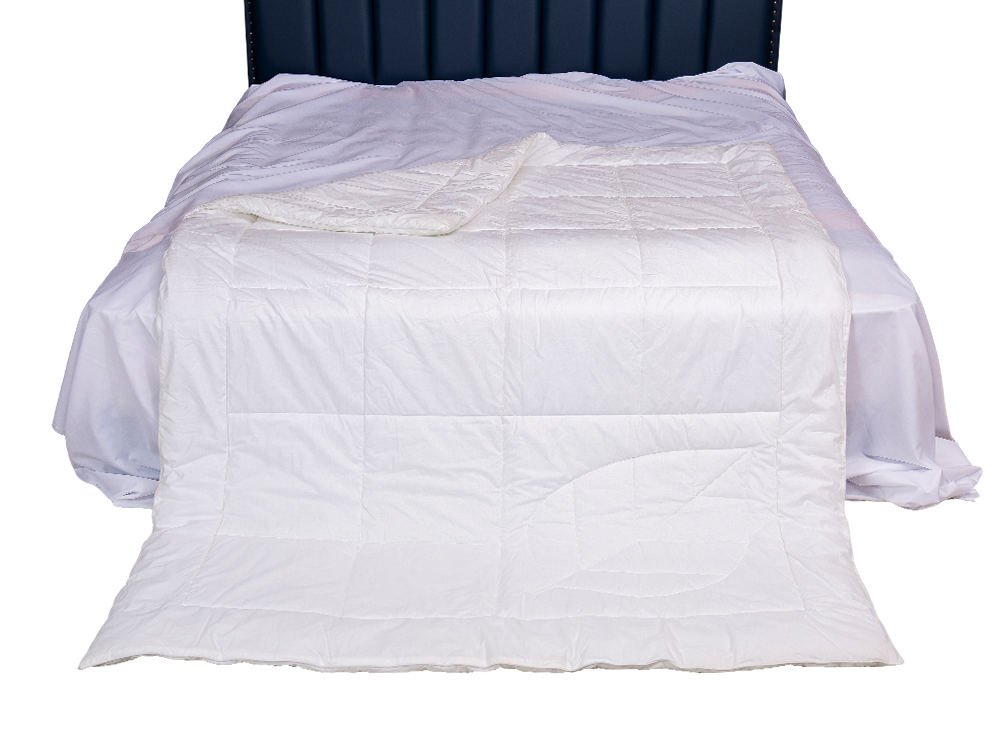
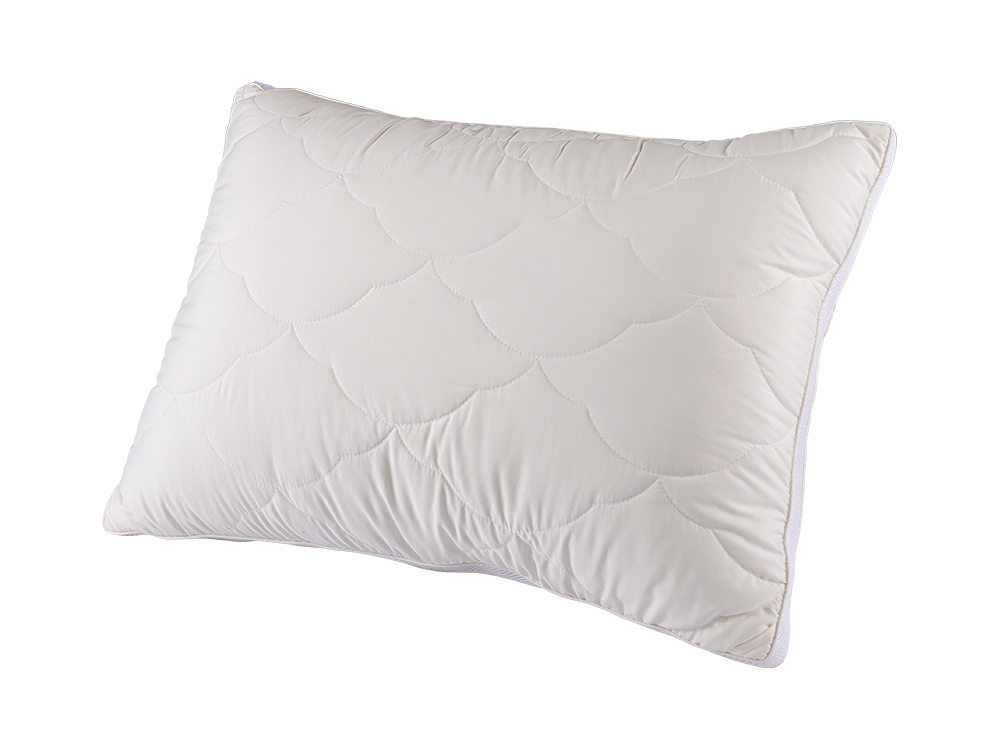
Cotton Bamboo Fiber Quilt
4. Comparison with Common Quilt Alternatives
The Cotton Bamboo Fiber Quilt competes in a broad bedding market that includes polyester quilts, traditional cotton quilts, down and feather products, microfiber bedding, and other plant-fiber options. Each category has its own strengths. The value of this product comes from its balanced combination of materials rather than from claiming that it replaces every other quilt type.
4.1 Compared with Polyester-Filled Quilts
Polyester-filled quilts are popular because they can be cost-effective, easy to produce, and widely available. They may also provide consistent loft and straightforward care. However, some consumers prefer a more natural-feeling surface and filling concept. The Cotton Bamboo Fiber Quilt addresses this preference through its all-cotton outer fabric and bamboo fiber filling.
For buyers positioning products around comfort, breathable materials, and natural textile identity, the cotton-and-bamboo combination can provide stronger marketing appeal than a quilt made entirely from polyester. It can also help retailers create a more differentiated range instead of competing only on price.
4.2 Compared with Heavy Cotton Quilts
Traditional heavy cotton quilts can provide substantial warmth, but they may be difficult to fold, wash, transport, or store. They can also feel too heavy for users who prefer lighter bedding. The 300gsm bamboo fiber filling offers a more manageable alternative for customers who want comfortable warmth with easier handling.
The product therefore has a practical advantage in settings where bedding must be changed frequently or stored in limited space. It can be especially useful for guest rooms, student accommodation, travel-related applications, and households that rotate quilts by season.
4.3 Compared with Down and Feather Quilts
Down and feather quilts are known for lightness and insulation, but they may not suit every customer. Some buyers prefer plant-based or non-animal filling materials, while others seek a simpler price structure or a different tactile experience. The bamboo fiber filling provides an alternative for these customers.
The Cotton Bamboo Fiber Quilt does not attempt to imitate the exact loft or insulation characteristics of premium down. Instead, it offers its own benefits: a cotton surface, bamboo-based filling, practical weight, and broad usability. This makes it appropriate for buyers who value balanced comfort over luxury down performance.
4.4 Compared with Microfiber Bedding
Microfiber quilts can feel smooth and may be easy to package and handle. However, their synthetic surface may not appeal to customers who prefer cotton against the skin. An all-cotton shell gives the Cotton Bamboo Fiber Quilt a more traditional textile character and can support a product story based on natural-feeling comfort.
For retail buyers, this difference can be useful when developing product tiers. Microfiber may serve an entry-level synthetic range, while cotton and bamboo can support a comfort-focused or more material-conscious range.
4.5 Balanced Value Rather Than a Single-Feature Product
The strongest competitive advantage of this quilt is the balance among fabric comfort, filling character, breathability, weight, customization, and manufacturing support. A product with one outstanding feature may still be difficult to sell if it is inconvenient to handle, unavailable in the required size, or inconsistent in quality.
By combining familiar cotton fabric with bamboo fiber filling and flexible production options, the quilt can meet the needs of customers searching for a practical, differentiated, and comfortable home textile product.
5. Construction and Production Considerations
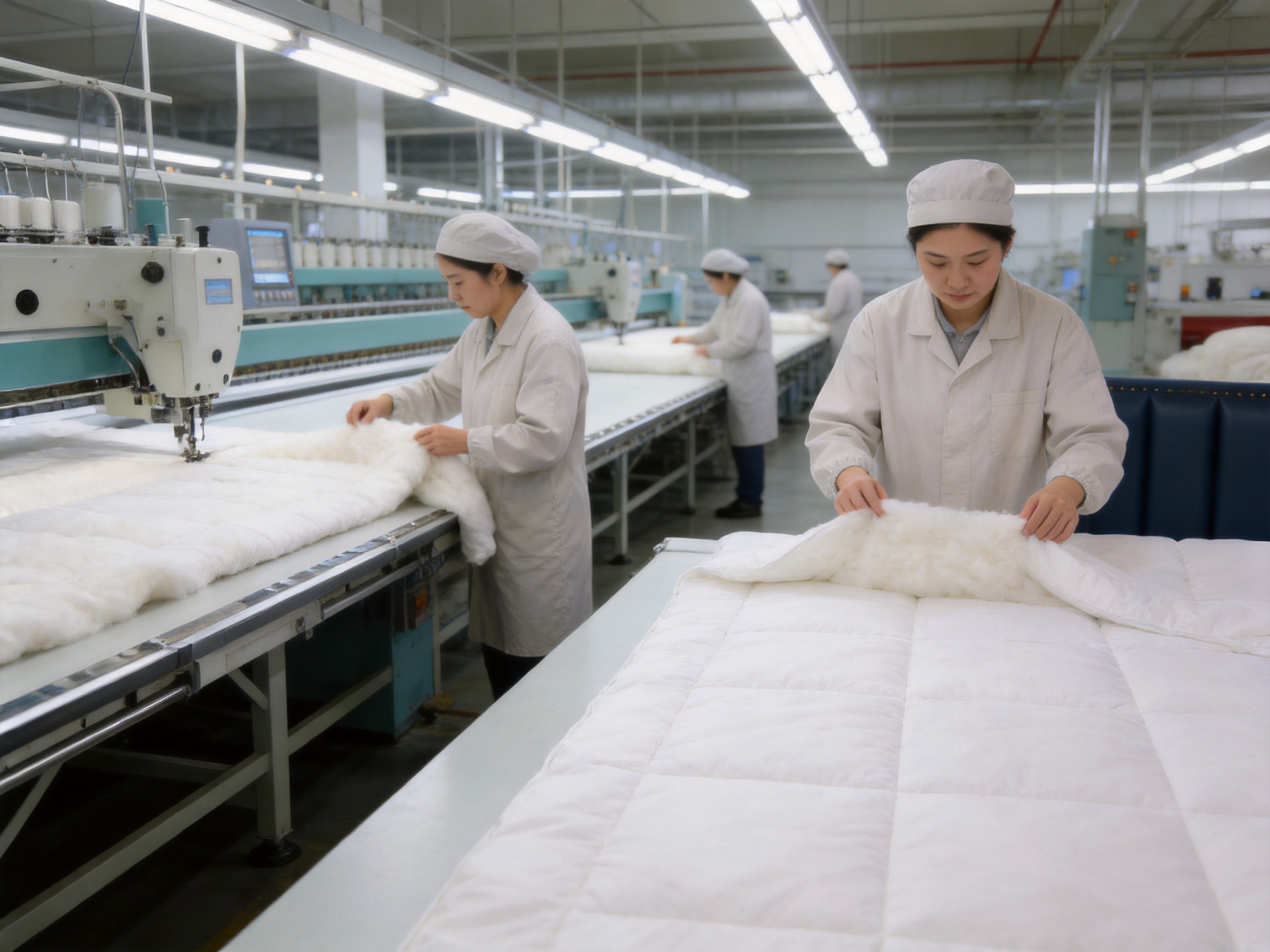
High-quality quilt production requires close coordination among material sourcing, cutting, filling preparation, quilting or securing, sewing, inspection, finishing, packing, and shipment. Each stage can influence the final result. Even a good filling material may perform poorly if it is unevenly distributed or insufficiently secured.
5.1 Fabric Preparation
The all-cotton fabric must be prepared according to the required size, construction, and product specification. Fabric inspection is important because visible defects, uneven texture, contamination, or inaccurate cutting can affect both appearance and durability.
For customized orders, fabric preparation must also follow the buyer's dimensional requirements. Accurate cutting helps ensure that the finished quilt matches the requested measurements and that the product can be packed consistently across a production batch.
5.2 Filling Preparation
The bamboo fiber filling is specified at 300gsm. Maintaining an even distribution is essential because uneven filling may create cold spots, thick areas, or an unbalanced appearance. Professional production personnel and suitable equipment help manage the filling process and support consistency from one quilt to the next.
The filling should be handled in a way that preserves its intended softness and loft. Compression, movement through production equipment, and storage conditions can influence the final structure. Careful process control helps the quilt recover its intended form before packing and use.
5.3 Layer Assembly
The cotton shell and bamboo filling must be aligned before the quilt is secured. Proper alignment supports a uniform appearance and helps prevent shifting during use. This is especially important for quilts that will be washed, folded, transported, or used repeatedly.
Assembly accuracy also affects the edges and corners. Clean, stable edges contribute to a professional appearance, while secure construction reduces the likelihood of filling migration or loose areas. These details are important for both consumer satisfaction and long-term product value.
5.4 Quilting and Securing
Quilting or another suitable securing method helps hold the filling in place. The exact construction may vary according to the order specification, but the underlying goal remains the same: to maintain an even internal structure during use and care.
Consistent stitching, appropriate spacing, and properly finished seams support durability. Production teams must also monitor thread tension, seam alignment, and the condition of the fabric during sewing. Small production variations can become noticeable when repeated across a large surface, so process discipline is essential.
5.5 Finishing and Inspection
After assembly, the quilt should be checked for size, appearance, seam quality, filling distribution, fabric defects, loose threads, and overall cleanliness. Finished-product inspection helps identify issues before packing and shipment.
Inspection is more effective when it is supported by documented procedures. A structured quality system creates repeatable expectations for workers, supervisors, and customers. It also provides a basis for continuous improvement when a recurring defect or production challenge is identified.
5.6 Packing and Shipment Preparation
Quilts must be folded and packed in a manner that protects them during storage and transportation. Packing should preserve cleanliness, reduce unnecessary handling, and support efficient carton loading. For customized orders, labels and packaging details can be coordinated with the buyer's requirements.
Packaging is also part of the customer experience. A quilt that arrives clean, well-folded, and correctly labeled gives a stronger first impression than one that has been poorly compressed or inadequately protected.
6. Manufacturing Strengths of the Supplier
Tongxiang Xinlong Bedding Co., Ltd. was established in January 2002 and is located at No. 268 Xingfa Road, Wuzhen, Tongxiang City, Jiaxing, Zhejiang Province, China. The company focuses on home textile production and offers a broad range of products, including quilts, pillows, cushions, bedspreads, travel quilts, mattress protectors, blankets, quilt and pillowcases, shower curtains, and curtains.
This product breadth is relevant to buyers of the Cotton Bamboo Fiber Quilt because it indicates experience across several related bedding categories. A supplier that manufactures multiple home textile products can often better understand fabric handling, filling management, sewing requirements, finishing standards, and the practical needs of different customers.
The company covers approximately 21,000 square meters, with a construction area of approximately 18,000 square meters, and has more than 320 employees. Its production base is equipped with various advanced production equipment and supported by professional and technical personnel. These resources provide a foundation for organized manufacturing, product development, quality control, and custom-order execution.
6.1 Experience in Home Textiles
More than two decades of operation provide an important foundation for understanding the home textile market. Bedding production involves many practical details that are not always visible in a product specification, including fabric behavior, filling distribution, sewing stability, packaging efficiency, and customer-specific requirements.
Long-term industry experience can help a supplier identify potential problems earlier and make more informed production decisions. It also supports communication with customers who need assistance with specifications, sizes, materials, packaging, and product range planning.
6.2 Product Development and Innovation
The company continues to develop and innovate in response to changes in the home textile industry. For the Cotton Bamboo Fiber Quilt, innovation does not necessarily mean adding complicated features. It can involve selecting a more suitable material combination, improving production consistency, refining finishing methods, or adapting the product to new customer requirements.
Professional and technical personnel are important in this process. They can help translate a buyer's concept into a workable product specification and coordinate the relationship between material selection, design, production capability, and quality expectations.
6.3 Production Capacity and Customization
The availability of custom sizing is a practical advantage for buyers that do not want to be limited to one standard dimension. Customization may be relevant to private-label brands, hospitality suppliers, wholesalers, retailers, and project-based customers.
Custom production requires more than simply changing a measurement. The manufacturer must consider fabric width, filling quantity, quilting layout, packing dimensions, labeling, and production scheduling. A supplier with an established facility and experienced technical team is better positioned to coordinate these details.
6.4 Quality as an Operating Principle
The company identifies quality as the life of the enterprise and emphasizes standardized operating procedures, employee technical improvement, and continuous product-quality development. These principles are directly relevant to quilt manufacturing, where consistency is essential.
Quality should be evaluated at several levels: material quality, dimensional accuracy, filling uniformity, seam strength, appearance, cleanliness, packaging, and order compliance. A quilt may look attractive but still fail to meet customer expectations if its dimensions vary widely or if the filling is poorly distributed. A comprehensive approach is therefore more valuable than attention to only one visible feature.
7. Certifications and Management Systems
The company has passed international certifications and standards listed in its company information, including ISO9001, ISO14001, OEKO-TEX-related certifications, OEKO-STEP, GRS, and BSCI. Buyers should confirm the current scope, validity, and product applicability of each certification during the quotation and order process.
7.1 ISO 9001
ISO 9001 is associated with quality-management systems. In a home textile factory, a quality-management framework can support documented procedures, responsibility assignment, corrective actions, process monitoring, and continual improvement. These practices are useful for maintaining stable production of quilts across repeated orders.
7.2 ISO 14001
ISO 14001 is associated with environmental-management systems. Its relevance to bedding manufacturing may include attention to environmental aspects, resource use, waste management, and operational controls. Customers increasingly consider environmental management when evaluating long-term suppliers and product partners.
7.3 OEKO-TEX-Related Standards
OEKO-TEX-related certifications are commonly associated with textile safety and harmful-substance testing under the applicable certification scope. Buyers should review the relevant certificate details to verify which materials, components, and products are covered. This is especially important for bedding because the product is used close to the skin.
7.4 GRS and BSCI
GRS is associated with recycled-material claims and chain-of-custody requirements where applicable. BSCI is associated with social-compliance practices in the supply chain. These standards may support buyers that have their own environmental, ethical, or social-responsibility requirements.
Certifications do not replace product-specific inspection. A responsible buyer should still confirm the fabric specification, filling composition, test reports, labeling, packaging, workmanship, and order quantity before shipment. Certifications and inspections work together as complementary parts of supplier evaluation.
8. Benefits for Different Types of Buyers
8.1 Importers and Distributors
Importers and distributors often need products that are easy to explain, practical to sell, and flexible enough for different customer groups. The Cotton Bamboo Fiber Quilt has a clear material story: cotton fabric combined with bamboo fiber filling. Its standard 140x200cm size provides a starting point, while custom sizing supports broader market coverage.
The product can be included in a natural-material bedding range, a breathable summer or transitional collection, or a general home-comfort assortment. Distributors can also combine it with related products such as pillows, mattress protectors, blankets, bedspreads, and pillowcases from the same manufacturer.
8.2 Private-Label Brands
Private-label brands benefit from products that can be adapted to their target market. Custom size, packaging coordination, labeling, and product presentation can help a brand create a more distinctive offering. The quilt's material combination provides a straightforward basis for retail communication without requiring an overly complicated technical explanation.
Before production, private-label customers should define color, fabric construction, filling specification, stitching method, labels, packaging, carton marks, and inspection standards. Clear documentation helps ensure that the finished product matches the approved sample and commercial requirements.
8.3 Hotels and Hospitality Suppliers
Hotels and hospitality providers need bedding that is comfortable, presentable, manageable, and suitable for repeated use. The Cotton Bamboo Fiber Quilt can be considered for guest rooms, serviced apartments, inns, and other accommodation settings where breathability and practical handling are important.
The 140x200cm format may suit specific single-bed applications, while custom dimensions can be developed for different room layouts. Hospitality buyers should evaluate the product according to their laundering process, expected replacement cycle, room climate, and required fire, safety, or performance standards.
8.4 Retailers
Retailers can position the quilt as a comfort-focused product for consumers who want cotton fabric and bamboo fiber filling. The product may appeal to customers looking for soft bedding, breathable construction, manageable weight, and a natural-feeling alternative to fully synthetic quilts.
Retail presentation should explain the material composition accurately. It is important to distinguish between the cotton outer fabric and the bamboo fiber filling, rather than describing the entire quilt as bamboo. Clear labeling builds customer trust and helps reduce misunderstandings at the point of sale.
8.5 Project and Institutional Buyers
Dormitories, staff accommodation, student housing, and other institutional projects often require standardized bedding in consistent quantities. Custom sizing, coordinated production, and reliable inspection can be important in these applications.
The quilt's practical weight may also simplify storage and distribution. Project buyers should provide detailed schedules, delivery requirements, packing instructions, and quality criteria early in the purchasing process.
9. Customization Options and Order Planning
Custom size is specifically available for this product, with 140x200cm identified as the default dimension. Buyers considering customization should begin by confirming the mattress or bed dimensions, desired overhang, intended user group, climate, and packaging format.
Other possible order discussions may include fabric color, fabric construction, filling composition, quilting pattern, edge finishing, label design, logo application, folding method, bag type, carton configuration, and shipping marks. The actual availability of each option should be confirmed with the manufacturer before sampling or mass production.
9.1 Sample Approval
A production sample is useful for confirming hand feel, appearance, dimensions, filling distribution, stitching, and packaging. Buyers should compare the sample with the written specification and record any approved changes.
Sample approval should be specific rather than informal. A buyer may approve a sample visually but still need to confirm exact size, fabric composition, filling weight, label wording, and packaging details in writing. This documentation helps protect both parties during mass production.
9.2 Technical Specification
A clear technical specification should identify the outer fabric as all cotton and the lining or filling as 300gsm bamboo fiber. It should also state the size, tolerance, construction, color, packaging, and inspection requirements. If a buyer uses different terminology for lining, wadding, filling, or inner layer, the definitions should be clarified before production.
9.3 Production Scheduling
Lead time depends on order quantity, material availability, customization, sampling, packaging, and shipping arrangements. Buyers should provide forecasts where possible, particularly when launching a new product or preparing for a seasonal sales period.
Early communication allows the factory to assess production capacity, order materials, arrange technical preparation, and coordinate inspection. This is particularly useful for customers requiring custom sizes or private-label packaging.
9.4 Inspection Requirements
Inspection may cover dimensions, fabric appearance, filling weight, filling distribution, stitching, seam quality, odor, cleanliness, labels, packing, carton quantity, and shipping marks. Buyers may use their own inspection team or agree on a third-party inspection process.
Inspection criteria should be agreed before production begins. When standards are defined in advance, the inspection result is more objective and easier to manage.
10. Care, Handling, and Product Life
Correct care helps preserve the comfort and appearance of a quilt. The appropriate washing and drying instructions should be confirmed from the final product specification and labeling because care requirements can vary according to fabric construction, filling treatment, stitching, and packaging.
Users should avoid storing the quilt while it is damp. Adequate drying and ventilation help maintain freshness and reduce the risk of unwanted odors. During long-term storage, the quilt should be protected from moisture, excessive compression, and contamination.
Regular airing may help the quilt recover its loft after use. Excessive or unnecessary compression can affect the internal structure, particularly if the quilt is stored in a tightly compressed package for an extended period. Following the manufacturer's care instructions is the best way to support product performance.
For commercial users such as hotels, laundering procedures should be tested before full deployment. The buyer should confirm whether the quilt is compatible with the facility's washing temperature, detergent, drying method, and replacement schedule. Commercial laundering can be more demanding than household care, so operational testing is recommended.
11. Responsible Product Communication
The Cotton Bamboo Fiber Quilt offers several appealing advantages, but product descriptions should remain accurate. The outer fabric is all cotton, while the filling is bamboo fiber at 300gsm. Buyers and retailers should communicate these components clearly and avoid unsupported claims about medical benefits, allergy prevention, antibacterial performance, or guaranteed temperature regulation unless the relevant testing has been completed.
Words such as natural-feeling, breathable, soft, comfortable, and lightweight can describe the product concept when used appropriately. However, the final marketing language should reflect the verified specification and the requirements of the destination market.
Responsible communication also includes accurate size information. A standard size of 140x200cm should not be presented as universal for every bed. Since custom sizes are available, buyers can provide the appropriate dimension for their target customers instead of relying on unclear or misleading size labels.
12. Why Factory Capability Matters
A successful bedding product depends on more than a material formula. The supplier must be able to purchase and handle materials, organize production, control quality, adapt specifications, prepare documentation, and support delivery. Factory capability therefore has a direct influence on the buyer's commercial risk.
Tongxiang Xinlong Bedding Co., Ltd. combines a long operating history with a substantial production base, more than 320 employees, advanced production equipment, professional technical personnel, and experience in multiple home textile categories. These strengths can support customers seeking a stable manufacturing partner rather than a one-time product source.
The company's broad product portfolio can also create opportunities for coordinated sourcing. A buyer interested in the Cotton Bamboo Fiber Quilt may be able to develop a complementary bedding group that includes pillows, cushions, mattress protectors, blankets, mattress covers, bedspreads, and pillowcases. Coordinated sourcing may simplify communication, sampling, packaging planning, and quality management.
Manufacturing scale should not be viewed only as a measure of quantity. It can also support process specialization, employee training, equipment investment, production scheduling, and continuous improvement. These factors are valuable when a customer needs repeat orders with consistent specifications.
13. Practical Evaluation Checklist for Buyers
Before placing an order, buyers can evaluate the product and supplier using a structured checklist.
| Evaluation Area | Key Questions |
| Material | Is the outer fabric all cotton? Is the filling bamboo fiber? Is the 300gsm specification confirmed? |
| Size | Is 140x200cm suitable, or is a custom size required? |
| Comfort | Does the sample provide the desired softness, airflow, weight, and hand feel? |
| Construction | Are the seams, edges, corners, and quilting or securing points consistent? |
| Quality Control | Are inspection standards, tolerances, and test requirements documented? |
| Certification | Are current certificates available and applicable to the requested product? |
| Customization | Can the supplier support required sizes, labels, packaging, and carton marks? |
| Capacity | Can the factory meet expected quantities and repeat-order schedules? |
| Communication | Are specifications, samples, approvals, and production updates clearly managed? |
This checklist helps buyers compare suppliers on more than price. A lower unit price may not represent better value if the product requires frequent replacement, arrives with inconsistent dimensions, or fails to match the approved sample. A complete evaluation should consider quality, reliability, service, customization, and total purchasing risk.
14. Frequently Asked Questions
Q1: What is the main material composition of the quilt?
The quilt uses an all-cotton outer fabric and 300gsm bamboo fiber filling. The fabric and filling should be identified separately in product documents and labeling.
Q2: What is the standard size?
The default size is 140x200cm. Custom sizes are available for buyers with different bed dimensions or market requirements.
Q3: Is the quilt suitable for sensitive skin?
The cotton fabric provides a soft, skin-friendly surface, and the product is designed for comfortable use. However, individual sensitivities vary. Customers with specific concerns should review the final material details, applicable test reports, and care instructions before use.
Q4: Is the quilt suitable for all seasons?
The 300gsm filling offers balanced warmth and comfort, but seasonal suitability depends on room temperature, climate, bedding combinations, and individual preferences. Buyers should evaluate a sample under their intended conditions.
Q5: How does it differ from a polyester quilt?
The product combines an all-cotton fabric shell with bamboo fiber filling, giving it a more natural-feeling material profile than a quilt made entirely from synthetic fibers. Polyester quilts may still be suitable for buyers prioritizing a different price point or construction.
Q6: Can the quilt be customized for private-label sales?
Custom sizing is available, and buyers can discuss additional requirements such as labels, packaging, colors, and product presentation with the manufacturer. All customization details should be confirmed before production.
Q7: Can the product be used in hotels?
It may be suitable for hotels, guest rooms, serviced apartments, and other hospitality settings. Commercial buyers should first confirm laundering compatibility, durability requirements, dimensions, safety standards, and replacement schedules.
Q8: How should buyers confirm the bamboo fiber specification?
The purchase specification should clearly state bamboo fiber filling at 300gsm. Buyers can also request supporting documentation, product samples, and applicable test reports before mass production.
Q9: What quality checks are important for this quilt?
Important checks include fabric appearance, dimensions, filling weight, filling distribution, stitching, seam strength, loose threads, cleanliness, odor, labels, packing, and carton quantity. The exact acceptance criteria should be agreed in advance.
Q10: What manufacturing advantages does the supplier offer?
The supplier has operated since 2002, maintains a substantial production site, employs more than 320 people, uses advanced production equipment, and has professional and technical personnel. It also produces a wide range of home textile products and follows structured quality and management practices.
Q11: What certifications are associated with the company?
The company information lists ISO9001, ISO14001, OEKO-TEX-related certifications, OEKO-STEP, GRS, and BSCI. Buyers should request current certificates and confirm their scope and validity for the specific order.
Q12: What should be confirmed before ordering?
Buyers should confirm the exact material composition, size, filling weight, construction, color, packaging, labels, quantity, delivery schedule, inspection standard, and certification requirements. A pre-production sample is recommended for customized orders.
15. Conclusion
The Cotton Bamboo Fiber Quilt is a practical bedding product built around a clear and balanced material concept. Its all-cotton fabric provides a soft, familiar, skin-friendly surface, while the 300gsm bamboo fiber filling supports breathability, comfortable warmth, and manageable weight. The standard 140x200cm size is suitable for many individual-bed applications, and custom sizing allows the product to serve broader retail, hospitality, institutional, and private-label requirements.
Its advantages over common alternatives are based on balance and flexibility. Compared with fully synthetic quilts, it offers a more natural-feeling material profile. Compared with heavier traditional cotton quilts, it can be easier to handle. Compared with down products, it provides a plant-fiber-based alternative. Compared with basic microfiber bedding, its all-cotton shell may provide a more familiar and comfortable contact surface.
The product is supported by the manufacturing capabilities of Tongxiang Xinlong Bedding Co., Ltd., a home textile producer established in 2002. The company's production area, workforce, advanced equipment, technical personnel, broad product range, quality-management principles, and listed international certifications provide a strong foundation for customized and repeat-order manufacturing.
For buyers, the most effective purchasing approach is to evaluate the quilt through samples, written specifications, inspection procedures, current certification documents, and clear communication. When material performance and manufacturing reliability are considered together, this cotton-and-bamboo quilt can become a dependable addition to a modern home textile collection.
References
1. Product specification supplied for the Cotton Bamboo Fiber Quilt, including size, fabric, filling, category, and customization information.
2. Company profile and manufacturing information supplied for Tongxiang Xinlong Bedding Co., Ltd., including establishment date, production area, workforce, product range, equipment, and technical personnel.
3. International Organization for Standardization. ISO 9001 quality-management system principles and requirements.
4. International Organization for Standardization. ISO 14001 environmental-management system principles and requirements.
5. OEKO-TEX Association. General principles for textile safety and harmful-substance evaluation.
6. Global Recycled Standard. Principles for recycled-material verification and supply-chain control.
7. Business Social Compliance Initiative. General principles for social-compliance evaluation in global supply chains.
8. General textile-care and bedding-quality guidance concerning fiber handling, moisture management, laundering, storage, and finished-product inspection.
Contact information for product discussions: [email protected] | +86-573-88798028


 +86-573-88798028