



 Français
 Español
 Deutsch
Content
- 1 Product Overview
- 2 Why Cotton Is an Effective Pillow Shell Material
- 3 The Role of Three-Dimensional Down Alternative Polyester
- 4 Comfort Characteristics and Everyday Use
- 5 Advantages Over Conventional Feather and Down Pillows
- 6 Advantages Over Entirely Synthetic Shell-and-Fill Pillows
- 7 Manufacturing Strengths of the Producer
- 8 Advanced Production Process for the Cotton Down Alternative Pillow
- 9 Quality Management and International Certifications
- 10 Environmental and Responsible Manufacturing Considerations
- 11 Customization and Private-Label Opportunities
- 12 Applications Across Different Sales Channels
- 13 How This Pillow Compares with Common Market Alternatives
- 14 Purchasing and Product Evaluation Guidance
- 15 Care, Storage, and Product Longevity
- 16 Company Capability in Broader Home Textile Production
- 17 Q&A
- 17.1 What is the Cotton Down Alternative Pillow made of?
- 17.2 What size is the pillow?
- 17.3 Is the pillow made with natural down?
- 17.4 Why choose cotton for the outer shell?
- 17.5 Is the pillow suitable for sensitive users?
- 17.6 Is the pillow firm or soft?
- 17.7 Can the pillow be customized?
- 17.8 Who manufactures the product?
- 17.9 What production capabilities does the company have?
- 17.10 Which certifications or management systems are associated with the company?
- 17.11 Can the pillow be used in hotels and guest rooms?
- 17.12 How should the pillow be packed?
- 17.13 What should buyers check before bulk production?
- 18 Conclusion
- 19 References
- 20 Product: Cotton down Alternative Pillow
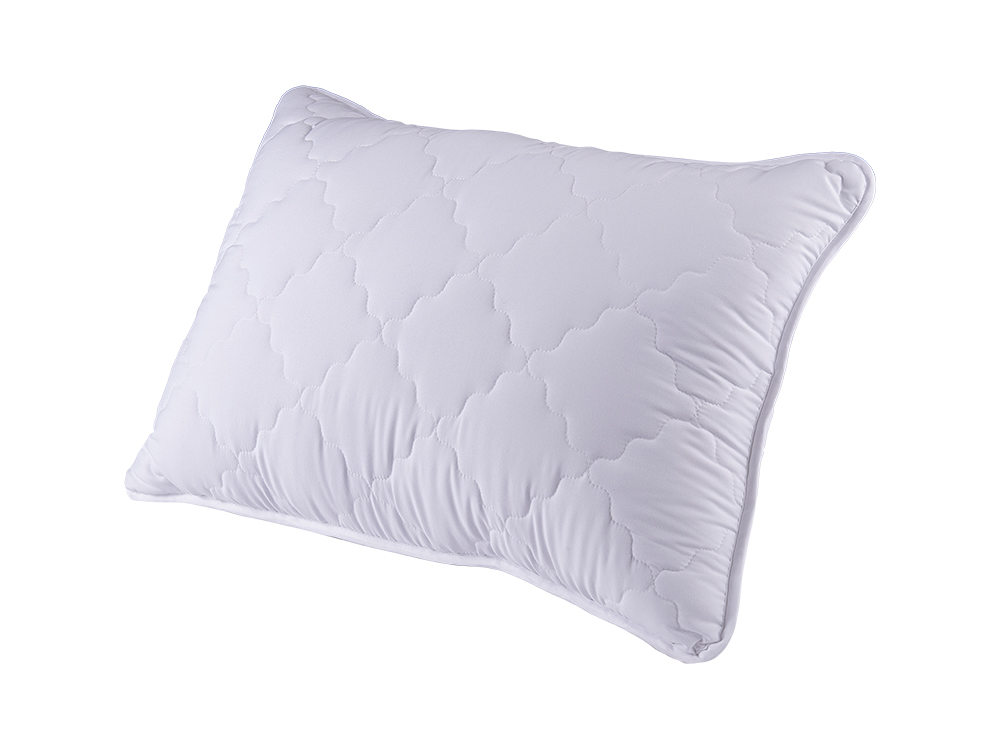
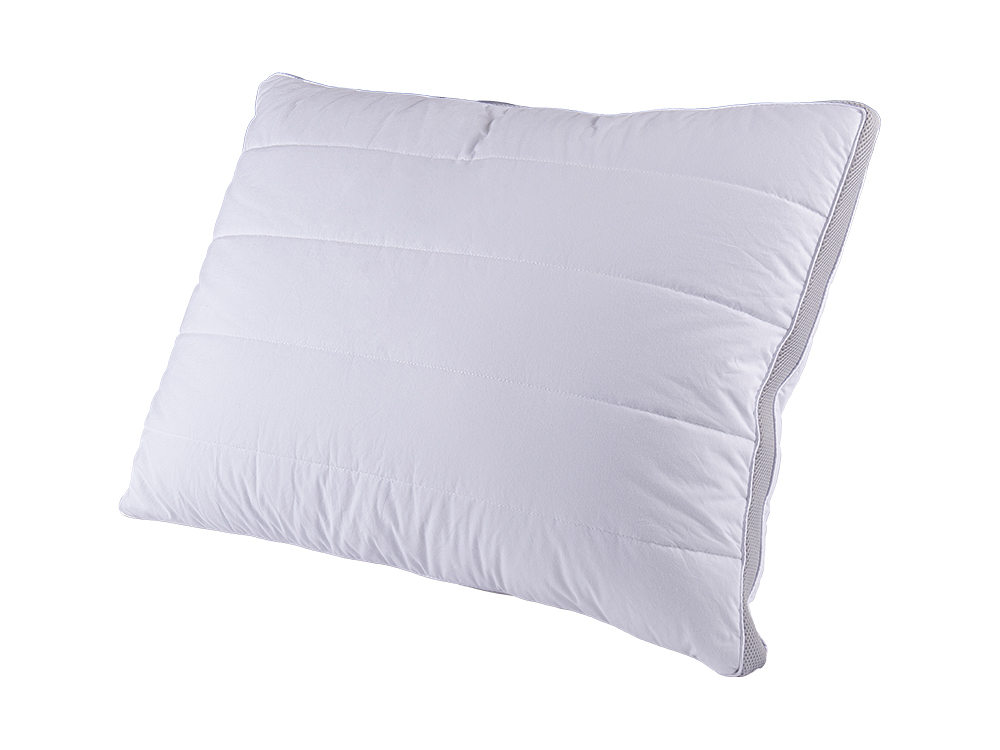
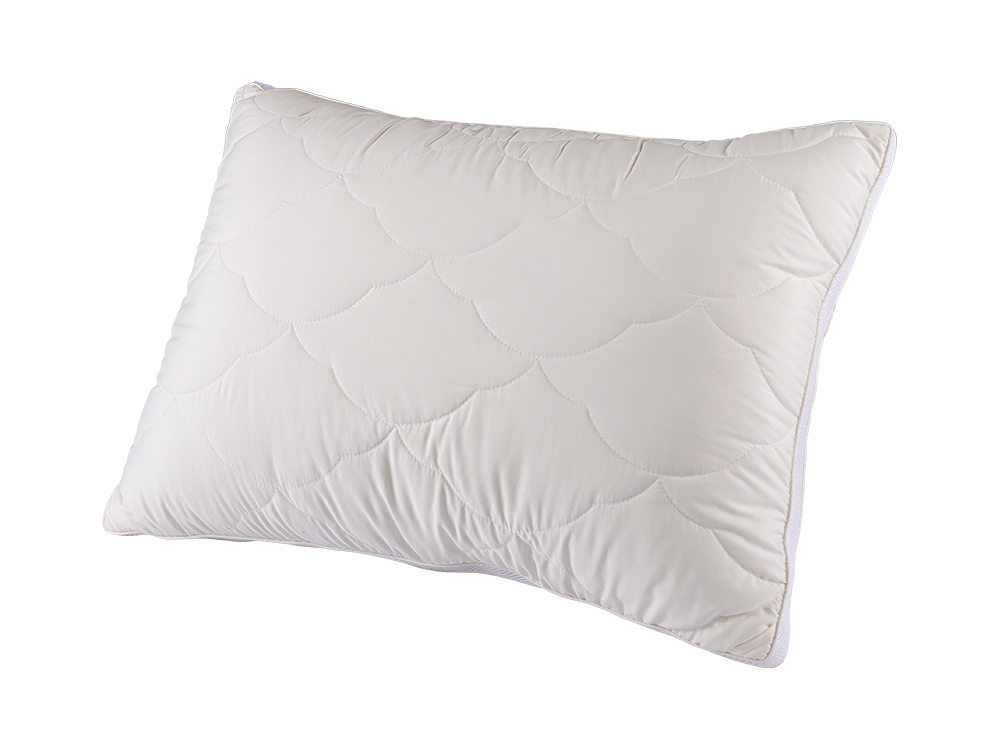
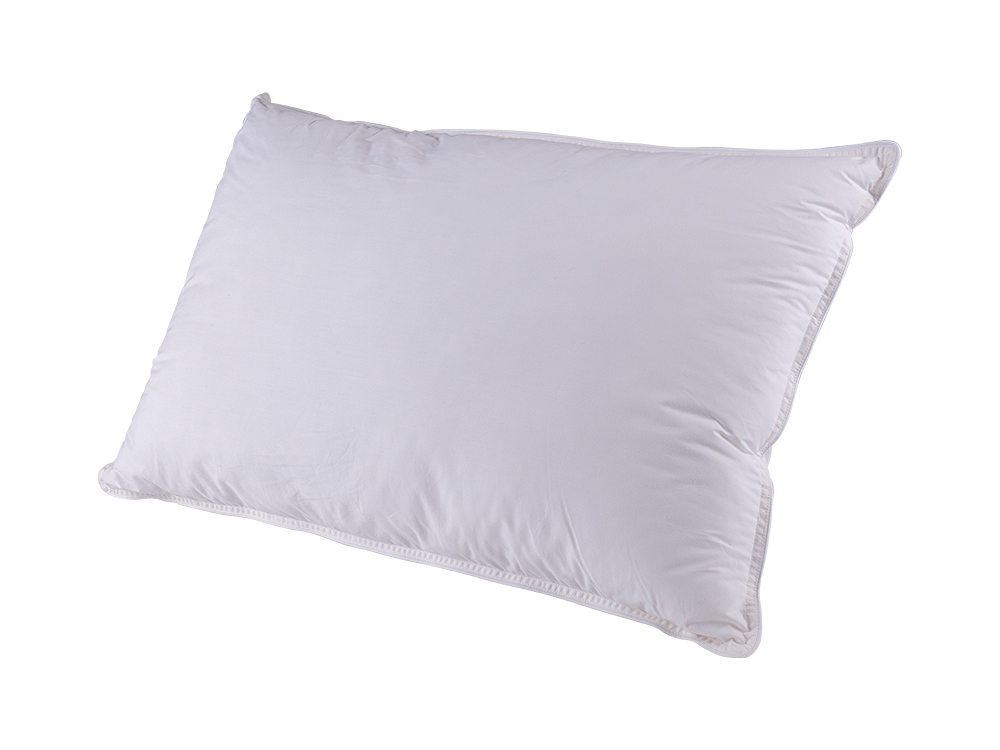
A pillow influences much more than the appearance of a bed. It affects the way the head and neck are supported, the comfort of the sleeping surface, the cleanliness of the bedroom environment, and the overall quality of rest. For this reason, selecting a pillow requires attention to its shell fabric, filling material, construction, maintenance requirements, and manufacturing consistency. The Cotton Down Alternative Pillow combines a breathable cotton outer shell with a soft three-dimensional down alternative polyester filling to create a comfortable and practical bedding solution for everyday use.
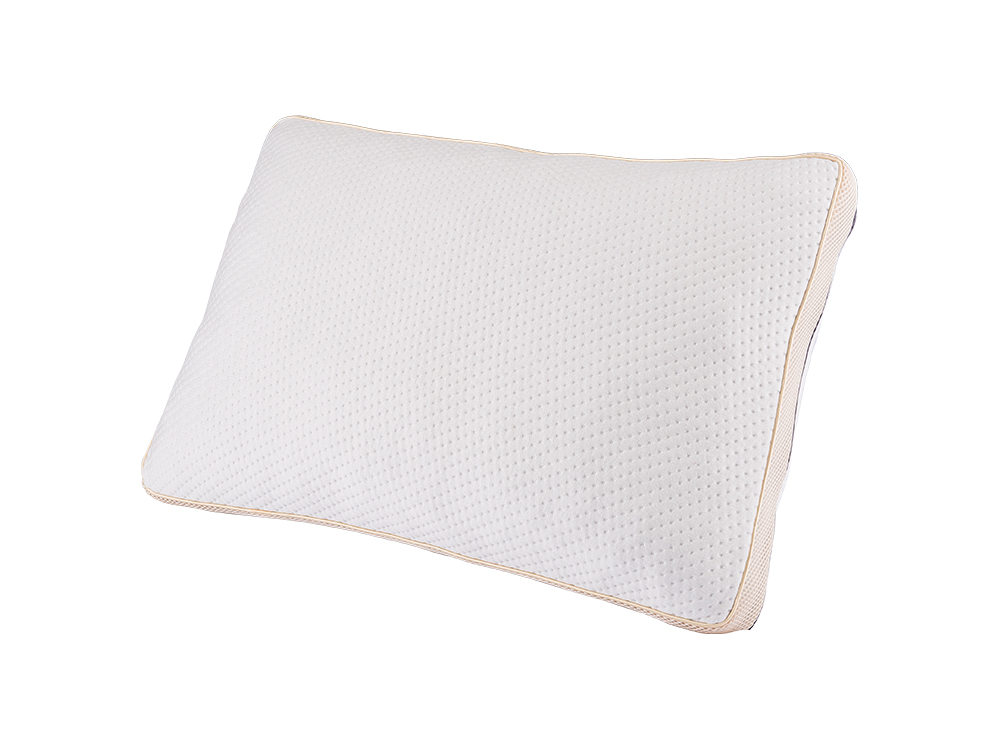
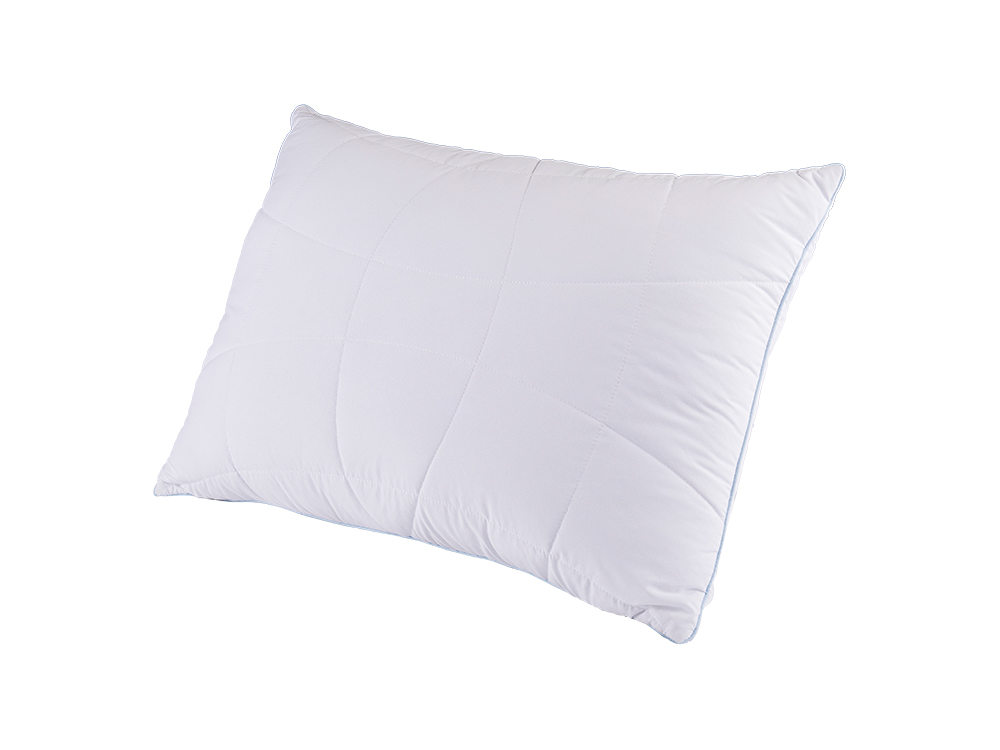
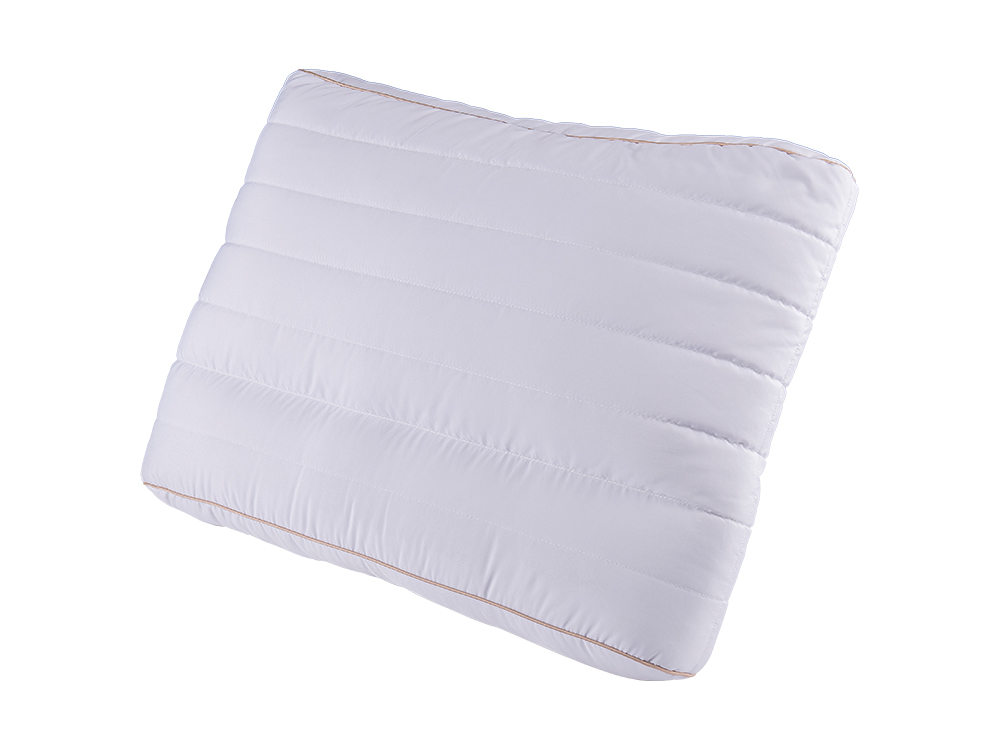
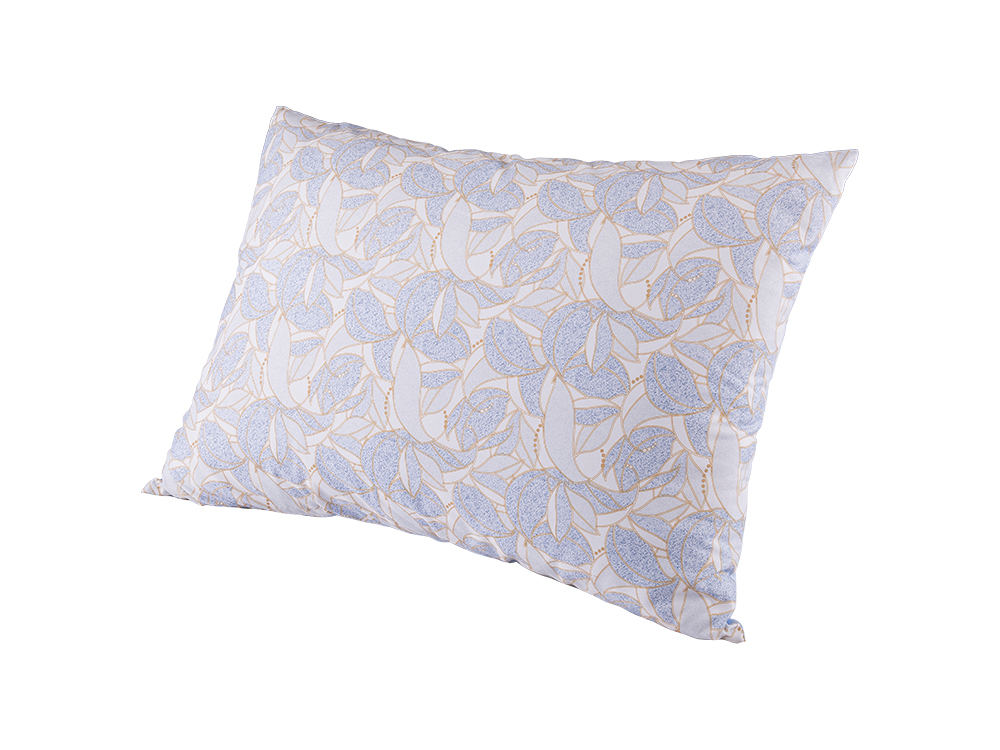
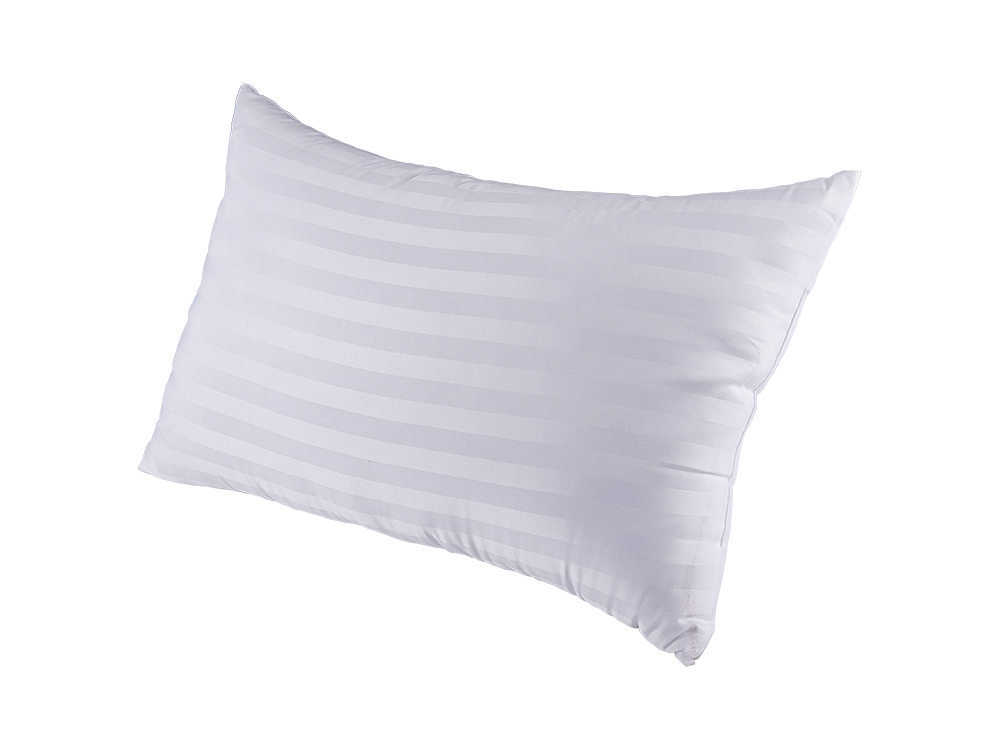
Designed in a 50 x 70 x 2 cm format, this pillow offers a broad sleeping surface while maintaining a relatively streamlined profile. Its 233-thread-count cotton fabric provides a smooth and skin-friendly outer layer, while the down alternative filling delivers a soft, resilient feel without relying on natural feathers or down. The result is a pillow intended for customers who appreciate the touch of down but prefer a non-allergenic, animal-free, and easier-to-standardize alternative.
The product is manufactured by Tongxiang Xinlong Bedding Co., Ltd., an established home textile producer based in Wuzhen, Tongxiang City, Zhejiang Province, China. With a large production site, experienced personnel, professional technical staff, and multiple international management and social responsibility certifications, the company is equipped to serve customers seeking dependable home bedding products and customized manufacturing support.
This article examines the pillow’s material advantages, comfort characteristics, construction details, production strengths, quality management practices, and potential applications. It also explains why cotton and down alternative polyester form a balanced combination for modern bedding collections.
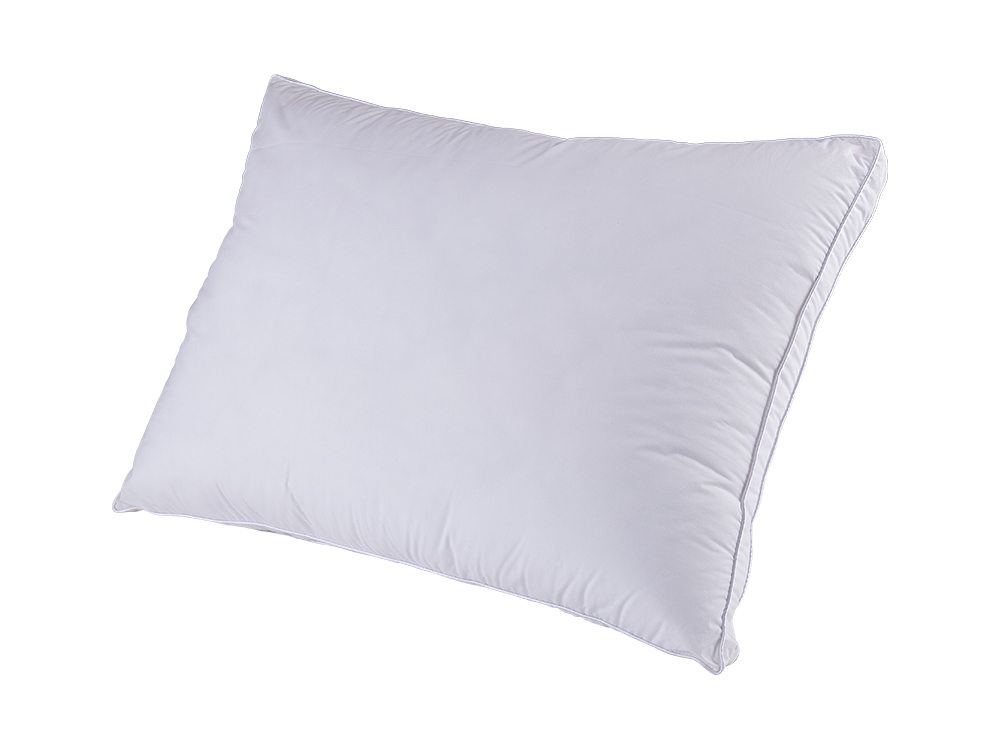
Cotton down Alternative Pillow
Product Overview
The Cotton Down Alternative Pillow is built around two primary materials: a cotton shell and a three-dimensional down alternative polyester filling. Each material contributes a distinct performance characteristic. Cotton forms the surface that comes into contact with the sleeper, while the polyester filling provides loft, softness, and shape recovery within the pillow.
The outer shell uses 233-thread-count cotton fabric. Thread count is one factor used to describe fabric construction, referring broadly to the number of threads woven into a given area. Although thread count alone does not determine total fabric quality, a 233-thread-count cotton shell can provide a comfortable balance of smoothness, breathability, durability, and cost efficiency when it is properly woven and finished.
The filling is described as 3D down alternative polyester. This type of synthetic filling is designed to imitate several desirable qualities associated with down, including lightness, softness, loft, and a gentle hand feel. At the same time, it avoids many of the practical concerns that some customers associate with natural down, such as feather leakage, animal-origin preferences, odor sensitivity, and variation in fill structure.
The pillow measures 50 x 70 x 2 cm. This rectangular format is suitable for a variety of home bedding environments, including guest rooms, hotels, furnished apartments, dormitories, and family bedrooms. Its dimensions can also make it suitable for use as part of coordinated bedding programs in which pillowcases, quilts, mattress covers, and other accessories are produced in complementary sizes and materials.
| Product feature | Specification or characteristic | Customer benefit |
| Product type | Cotton down alternative pillow | Combines a natural cotton surface with synthetic down-like softness |
| Size | 50 x 70 x 2 cm | Provides a practical rectangular sleeping surface for various bedding settings |
| Outer fabric | 233-thread-count cotton fabric | Offers a breathable, smooth, and skin-friendly surface |
| Filling | Three-dimensional down alternative polyester | Creates lightweight softness, loft, and a non-feather alternative |
| Allergy positioning | Non-allergenic design intention | Suitable for customers seeking a sensitive-skin and feather-free option |
| Product application | Home, hospitality, guest room, and customized bedding programs | Supports flexible use across retail and contract bedding channels |
Why Cotton Is an Effective Pillow Shell Material
Cotton remains one of the most widely used natural fibers in bedding because it offers a familiar combination of comfort, breathability, versatility, and broad consumer acceptance. A pillow shell made from cotton feels natural against the face and head. It can also help create a more comfortable microclimate around the sleeper by allowing air and moisture vapor to move more readily than many tightly coated or less breathable synthetic fabrics.
Breathability is particularly important for pillows because the head and neck remain in contact with the product for extended periods. A breathable fabric can help reduce the sensation of heat and stuffiness that may occur when the surface traps warmth. While actual temperature performance depends on room conditions, sleepwear, pillowcase selection, filling density, and individual physiology, cotton is generally recognized as a comfortable choice for bedding applications where airflow and natural hand feel are valued.
The cotton shell also contributes to the pillow’s skin-friendly character. Many sleepers prefer a smooth natural fabric near the face, especially those with sensitive skin or a strong preference for cotton bedding. The surface can be used beneath a removable pillowcase or directly within a bedding ensemble, depending on the customer’s intended product configuration and care instructions.
A 233-thread-count construction can offer a useful midpoint between lightweight comfort and practical durability. A fabric that is too open may be more vulnerable to filling migration or surface wear, while a fabric that is excessively dense may feel less breathable and can increase material cost. The selected cotton specification is therefore appropriate for a pillow intended to combine comfort with scalable production.
Cotton is also highly compatible with coordinated home textile collections. The same general fabric family can be used in pillowcases, quilt covers, mattress protectors, mattress covers, cushions, and other bedding products. This allows wholesalers, retailers, hospitality buyers, and private-label customers to develop a visually and materially consistent product range.
The Role of Three-Dimensional Down Alternative Polyester
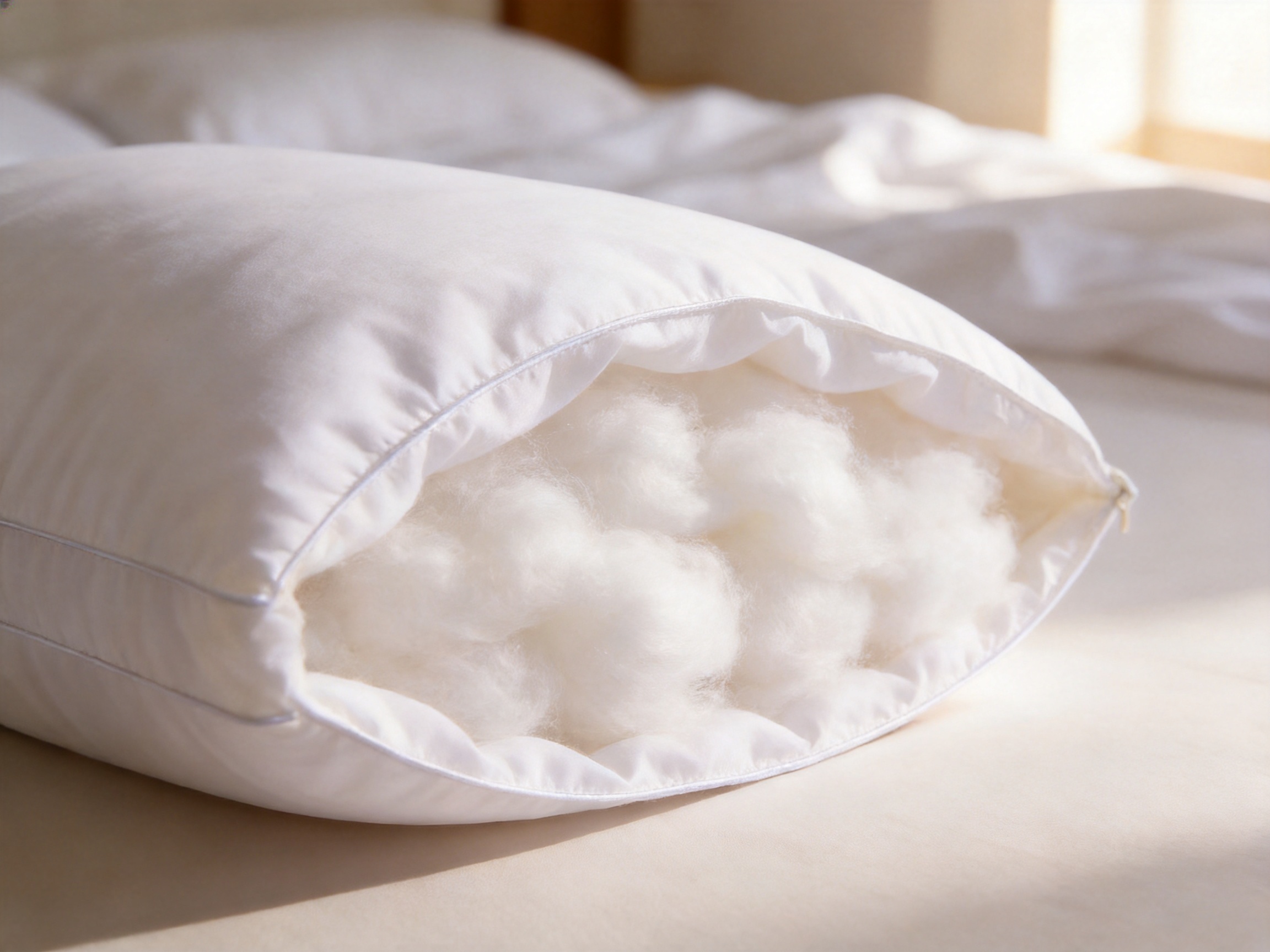
The filling is a central feature of this pillow. Three-dimensional down alternative polyester is engineered to provide a soft, airy, and resilient structure. Unlike a flat sheet or compact fiber mass, three-dimensional fibers are intended to create volume and loft within the pillow. This structure can help the filling feel fuller while maintaining a lightweight character.
Down alternative filling is attractive to customers who like the soft, enveloping sensation of down but require a non-feather solution. Some people prefer to avoid animal-derived materials for ethical, personal, or product-standard reasons. Others may be concerned about feather quills, leakage, natural odor, or the variability that can occur in natural filling. A synthetic alternative offers a more uniform material platform that can be specified and reproduced more consistently in manufacturing.
The polyester filling can also support a non-allergenic product position. The product description identifies the pillow as completely non-allergenic and suitable for sensitive people. In commercial communication, final allergy-related claims should always be supported by appropriate testing, documentation, and market-specific wording. Nevertheless, the use of a down alternative rather than natural feather or down can make the product an attractive option for consumers looking for a feather-free bedding solution.
Another advantage of synthetic filling is production consistency. Natural down can vary according to source, blend, cleanliness, fill power, and processing conditions. Polyester fibers can be manufactured to more controlled specifications, making it easier for a factory to manage filling weight, distribution, and repeatability across production batches. This is particularly valuable for customers ordering multiple containers, seasonal collections, hospitality quantities, or private-label programs.
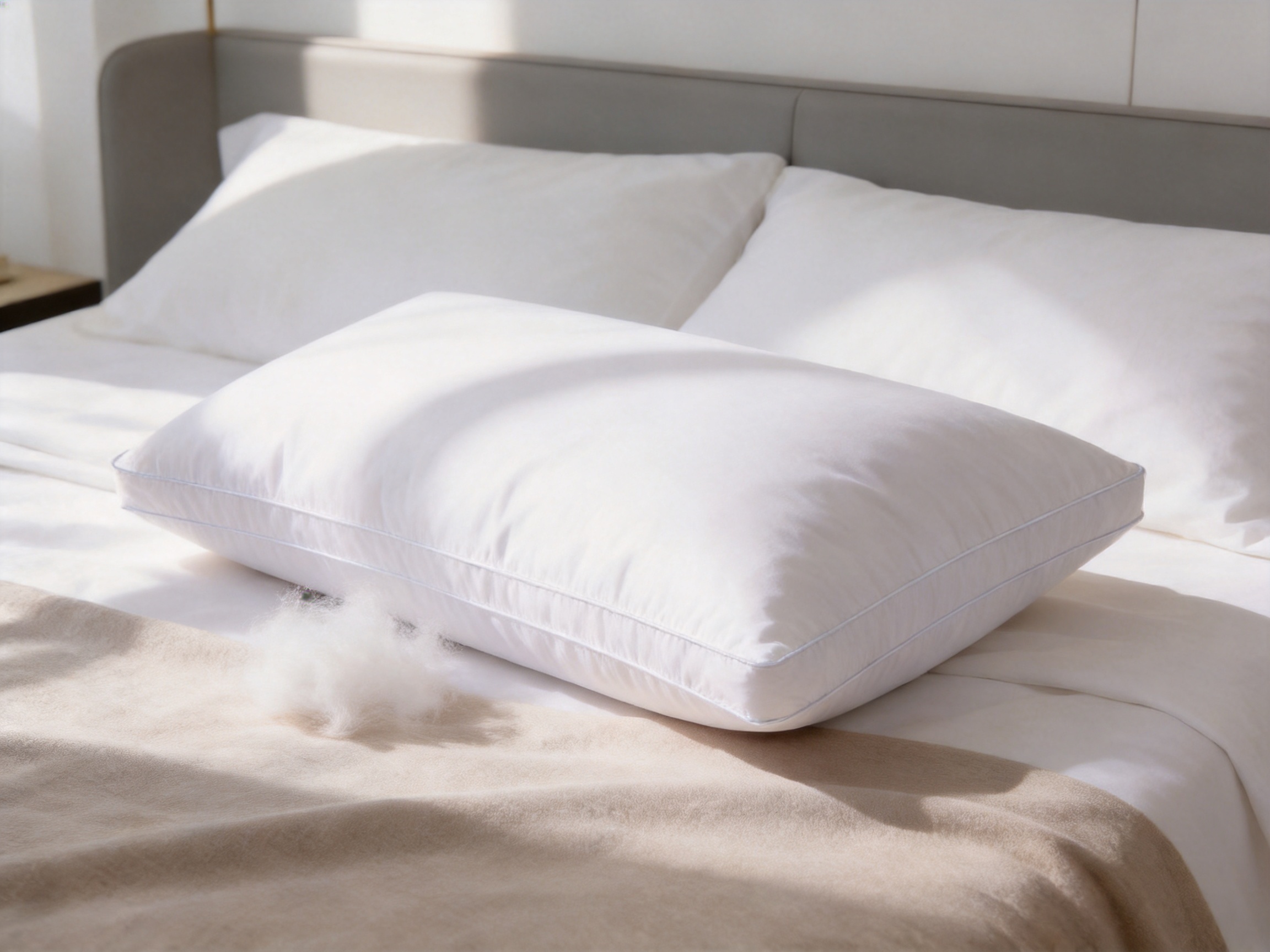
The three-dimensional structure can also help the pillow maintain a soft and inviting appearance. With appropriate filling quantity, quilting or closing methods, and packaging controls, the product can be prepared for shipment while preserving its intended loft. After unpacking, the pillow may require gentle shaking and airing so that the filling can redistribute and recover from compression during transportation.
Comfort Characteristics and Everyday Use
Comfort is personal, and no single pillow construction is ideal for every sleeper. However, the Cotton Down Alternative Pillow is designed to address several common preferences: a soft touch, a breathable surface, a feather-free interior, and a lightweight feel. These characteristics make it suitable for customers who do not want a firm or highly structured pillow and who prefer a gentle sleeping surface.
The 50 x 70 cm footprint provides sufficient width for many standard sleeping arrangements. The 2 cm listed height indicates a relatively low-profile product specification. This may appeal to sleepers who prefer a flatter pillow, use more than one pillow, place the pillow beneath another cushion, or require a compact format for guest and travel-related bedding applications. Buyers should confirm whether the listed height represents the compressed, finished, or nominal loft measurement, as actual loft can vary according to filling weight, finishing, and packaging.
A low-profile construction can be particularly useful in bedding programs that prioritize a neat appearance and easy stacking. Hotels, serviced apartments, and guest accommodation providers may value pillows that can be stored efficiently and paired with different sleeping arrangements. Retail customers may also appreciate a pillow that can be incorporated into a broader bedding set without creating excessive bulk.
The cotton shell contributes a cool and natural hand feel, while the polyester filling provides softness without the prickly sensation that can sometimes be associated with feather-filled products. The combination is suitable for customers who want a plush surface but do not want to sacrifice practical handling and repeatable performance.
For best results, the pillow should be used with a suitable pillowcase and handled according to the care instructions supplied for the final production version. Regular airing, gentle fluffing, and appropriate washing procedures can help maintain freshness and appearance. Care requirements may vary according to the exact sewing construction, label requirements, and buyer specifications.
Advantages Over Conventional Feather and Down Pillows
The most direct comparison is with natural feather and down pillows. Natural filling is valued for its softness and loft, but it can also introduce concerns that do not apply in the same way to synthetic alternatives. Feather shafts may occasionally be felt through the shell or escape through seams. Natural filling may also require more careful sourcing, cleaning, and traceability procedures.
A down alternative pillow eliminates the use of feather quills and down clusters. This can make the sleeping experience more uniform and may reduce concerns about sharp points, leakage, or shifting feather components. The synthetic filling is also easier to position as a consistent option for customers who prefer animal-free products.
Another advantage is supply stability. Natural down quality can be affected by seasonal supply, geographic origin, processing capacity, and changes in raw material pricing. Polyester filling is produced through an industrial process that allows manufacturers to plan specifications and quantities more systematically. This can support more predictable purchasing and production schedules.
Cleaning and hygiene expectations can also influence product selection. While all pillows require suitable care, synthetic fills are often selected for their practical maintenance profile. They can be incorporated into products designed for regular laundering, subject to the washing and drying limits of the completed item. For institutional customers, the ability to establish clear care procedures can be an important consideration.
The Cotton Down Alternative Pillow may also offer a more accessible price structure than premium natural down products. This can help retailers and hospitality providers offer a comfortable pillow at a competitive price while maintaining a natural cotton touch. Actual pricing depends on fabric quality, filling weight, order quantity, packaging, certifications, customization, and delivery terms.
| Comparison factor | Cotton down alternative pillow | Natural feather or down pillow |
| Surface feel | Soft cotton contact surface | Depends on shell fabric and filling construction |
| Filling origin | Synthetic polyester | Animal-derived feather or down |
| Feather quills | Not present | May be present in feather blends |
| Material consistency | Can be specified and reproduced through controlled manufacturing | May vary according to natural source and processing |
| Consumer positioning | Suitable for feather-free and animal-free preferences | Appeals to customers seeking natural down characteristics |
| Supply planning | Based on manufactured fiber supply | Influenced by natural material availability and sourcing |
| Potential retail advantage | Combines familiar cotton comfort with broad market accessibility | Can support a premium natural-material position |
Advantages Over Entirely Synthetic Shell-and-Fill Pillows
The product also has advantages over pillows that use synthetic fabric for both the shell and filling. Polyester shells can be durable and cost-effective, but some customers prefer the natural touch and moisture management associated with cotton. The cotton outer layer gives the pillow a more familiar bedding character and can improve its appeal in retail and hospitality environments where tactile comfort influences purchasing decisions.
Using cotton on the surface also makes it easier to coordinate the pillow with other cotton-rich bedding products. A buyer developing a natural-feel collection can combine the pillow with cotton pillowcases, quilts, duvet covers, mattress protectors, and bedspreads. This coordinated material story can create a stronger product presentation than a collection built from unrelated surface fabrics.
The cotton shell and polyester fill provide a balanced construction rather than relying on one material to deliver every performance quality. Cotton contributes breathability and surface comfort. Polyester contributes loft, softness, and filling consistency. This division of functions is one of the product’s main competitive strengths.
Compared with lower-cost pillows made with very short or loosely distributed synthetic fibers, a three-dimensional filling structure can provide a more substantial hand feel. The exact result depends on fiber quality, fill weight, construction, and finishing, but the product is positioned to deliver a more refined alternative to basic flat-fill bedding.
Manufacturing Strengths of the Producer
Tongxiang Xinlong Bedding Co., Ltd. was established in January 2002 and operates in Wuzhen Town, Tongxiang City, Zhejiang Province. The company is located at No. 268 Xingfa Road, Wuzhen, Tongxiang City, Jiaxing, Zhejiang Province, China. Its long operating history provides experience in the development and production of home textile products, including quilts, pillows, cushions, bedspreads, mattress protectors, blankets, quilt and pillowcases, curtains, and related household textile goods.
The company covers approximately 21,000 square meters, with a construction area of approximately 18,000 square meters. This scale provides space for production operations, material handling, quality control, product development, storage, and administrative functions. A substantial facility can support more organized workflow management than a very small workshop, especially when the manufacturer serves different product categories and customer specifications.
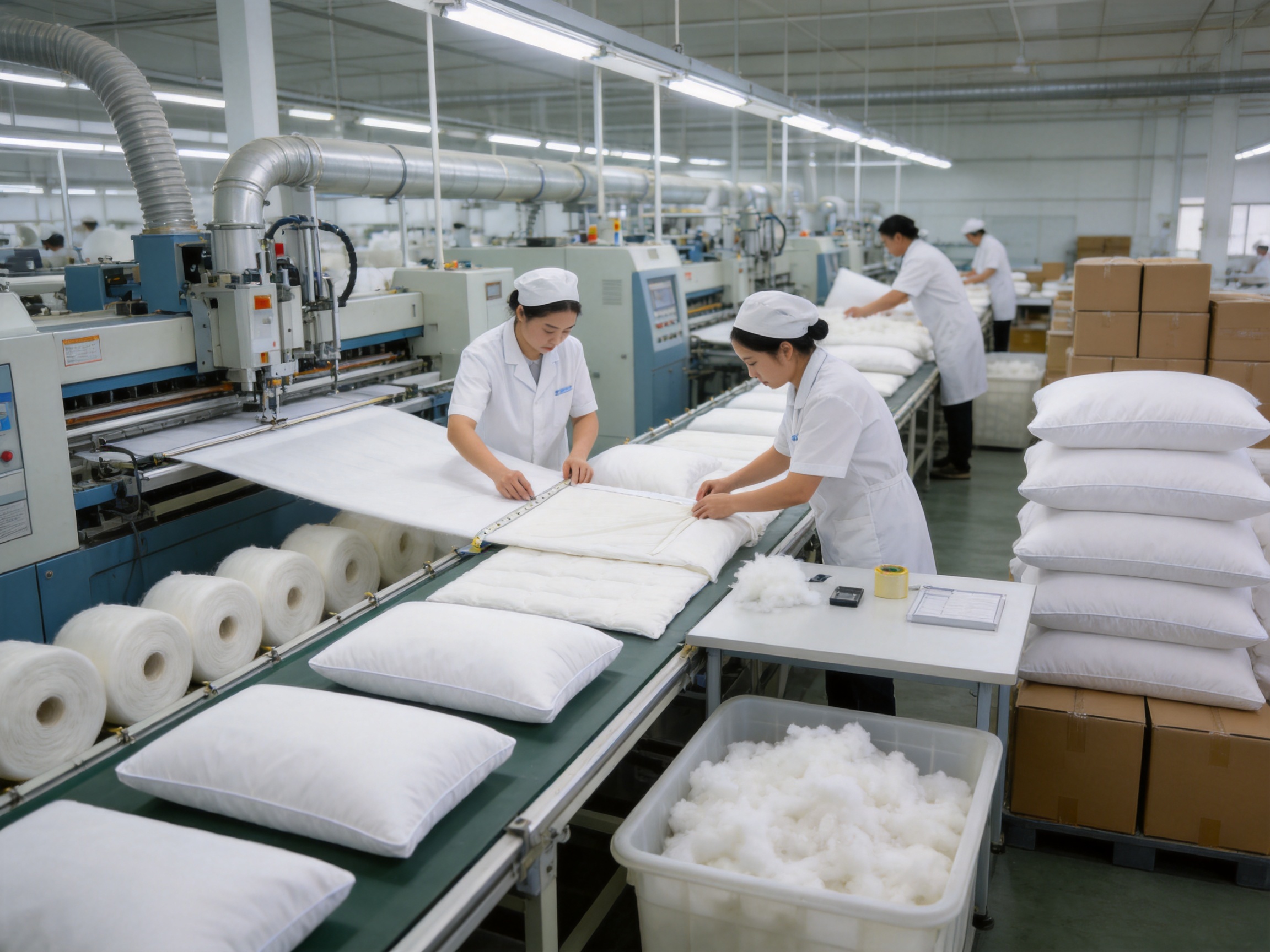
The company has more than 320 employees and is equipped with various advanced production machines. An experienced workforce combined with production equipment can help manage multiple stages of pillow manufacturing, including fabric preparation, cutting, filling, sewing, inspection, finishing, packing, and shipment preparation.
Modern home textile manufacturing is not limited to sewing. It involves raw material evaluation, technical pattern development, cutting accuracy, filling distribution, seam integrity, label compliance, packaging design, and final inspection. A capable producer must coordinate each stage so that the finished product reflects the approved sample and remains consistent across larger production quantities.
The company’s product development approach is supported by professional and technical personnel. This is important for customers seeking custom bedding because private-label products often require adjustments to dimensions, fabric composition, filling weight, quilting design, edge treatment, color, packaging, and labeling. Technical personnel can help convert a general product concept into a manufacturable specification.
Advanced Production Process for the Cotton Down Alternative Pillow
Material Selection and Incoming Inspection
Production begins with the selection and inspection of the cotton fabric, polyester filling, sewing thread, labels, packaging materials, and other components. The fabric must be checked for color consistency, visible defects, width, weight, hand feel, and general suitability for cutting and sewing. The filling should be reviewed for cleanliness, resilience, uniformity, and conformity with the approved specification.
Incoming inspection helps prevent material problems from entering later production stages. If a defect is discovered after cutting or filling, the cost of correction can be much higher. Early inspection therefore supports both quality control and production efficiency.
Fabric Preparation
The cotton fabric is prepared for cutting according to the approved product dimensions and seam allowances. Preparation may include fabric relaxation, alignment, spreading, and defect marking. Accurate preparation is especially important for products made in repeated quantities because small dimensional inconsistencies can become visible when pillows are placed side by side.
Depending on the final design, the shell may be formed from panels that are cut to a controlled size and then joined around the filling. The construction must allow sufficient room for the three-dimensional polyester fill while maintaining a clean edge and reliable seam strength.
Cutting and Panel Control
Cutting can be performed using production equipment suited to the fabric type and order volume. The purpose is to create repeatable panels with consistent dimensions. Controlled cutting reduces waste and helps maintain uniformity across finished pillows.
Panel control may include checking length, width, squareness, seam allowance, and alignment. In larger orders, production teams can use approved templates or digital pattern systems to maintain repeatable results. These controls are valuable for private-label customers who need the same dimensions over multiple purchase cycles.
Filling Preparation and Distribution
The down alternative polyester is measured or prepared according to the approved filling specification. A consistent filling amount is important because it influences loft, softness, weight, and appearance. Too little filling may result in a flat or uneven pillow, while excessive filling can create unnecessary firmness, strain the seams, or change the intended profile.
The filling must be distributed carefully inside the cotton shell. Uneven distribution can cause thin areas, lumpy sections, or inconsistent support. Production workers and equipment must work together to position the material throughout the pillow body before the closing seam is completed.
Sewing and Closing
Sewing joins the cotton panels and contains the filling inside the pillow. Stitch density, seam allowance, thread selection, and machine settings all influence the durability of the finished product. A well-controlled closing process helps reduce the risk of filling migration and supports a clean, professional appearance.
For customers ordering customized products, edge details can be adjusted according to the requested design. Possible considerations include piping, binding, decorative stitching, labels, closures, and packaging format. Any additional feature should be evaluated for its effect on comfort, manufacturability, cost, and care performance.
Shaping, Inspection, and Finishing
After sewing, the pillow is shaped and checked for its dimensions, filling distribution, seam appearance, and overall hand feel. Finishing may include trimming loose threads, removing temporary marks, checking labels, and preparing the product for packing.
Inspection is not only a final activity. Quality checks may occur at multiple points during production so that problems can be corrected before they affect a larger quantity. This approach can reduce rework and improve the consistency of the final shipment.
Packaging and Shipment Preparation
The completed pillow may be packed according to the buyer’s requirements. Packaging options can vary from individual bags to coordinated sets, carton packing, retail packaging, or hospitality bulk packing. Compression may be used to reduce shipping volume, but packaging specifications should be evaluated carefully to ensure that the product can recover its intended loft after opening.
Shipment preparation also involves quantity verification, carton labeling, documentation, and loading controls. These procedures help reduce errors when products are shipped to distributors, retailers, hotels, or international customers.
Quality Management and International Certifications
The company reports certification and assessment systems including ISO 9001, ISO 14001, OEKO-TEX, OEKO-STEP, GRS, and BSCI. Each system addresses a different aspect of business, production, environmental management, material responsibility, or social compliance. Certification details should be confirmed for the specific facility, product, scope, validity period, and destination market before commercial claims are published.
ISO 9001 is associated with quality management systems. In a bedding factory, a quality management framework can support documented procedures, responsibility assignments, corrective actions, process monitoring, and continuous improvement. These elements help create a more systematic approach to product consistency.
ISO 14001 relates to environmental management systems. Its principles can encourage organizations to identify environmental aspects, manage relevant impacts, comply with applicable requirements, and improve environmental performance. For home textile customers with sustainability objectives, an environmental management framework can be an important part of supplier evaluation.
OEKO-TEX-related standards are commonly associated with testing textiles and components for harmful substances, although the exact standard and certificate scope must be verified. Buyers should request current documentation and confirm whether it covers the specific cotton fabric, filling, finished pillow, or other components used in the order.
GRS, or the Global Recycled Standard, is associated with recycled material content and related chain-of-custody and social, environmental, and chemical requirements. If a buyer requests recycled polyester or a recycled-content product, the applicable certificate scope and transaction documentation should be confirmed. The standard should not be assumed to apply automatically to every product manufactured by a certified facility.
BSCI is commonly used as a social compliance assessment framework for evaluating working conditions and responsible business practices. Social responsibility is increasingly important to international buyers, particularly those supplying major retailers and institutional customers. A responsible manufacturing environment supports long-term supplier relationships and helps customers meet their own procurement standards.
Environmental and Responsible Manufacturing Considerations
Responsible bedding production requires attention to materials, energy use, water management, waste reduction, packaging, working conditions, and product lifespan. The combination of cotton and polyester presents both opportunities and responsibilities. Cotton is a natural fiber, while polyester is a manufactured fiber. Buyers may evaluate the product according to their own sustainability priorities, including recycled content, durability, certification, packaging reduction, and end-of-life considerations.
A durable pillow can reduce the frequency of replacement and thereby improve material efficiency over its service life. Quality fabric, reliable seams, appropriate filling distribution, and stable production standards all contribute to useful product longevity. A pillow that retains its comfort and appearance for a reasonable period can offer better overall value than an inexpensive product that quickly becomes flat or uneven.
Production efficiency can also reduce avoidable waste. Accurate cutting, proper material planning, controlled filling quantities, and organized packaging help minimize excess consumption. A factory with experience across multiple home textile categories may be able to coordinate material sourcing and production planning more effectively.
For buyers seeking specific environmental claims, detailed verification is essential. Recycled polyester, organic cotton, low-impact dyes, and certified packaging each require appropriate documentation. Product descriptions should accurately reflect the materials and certifications associated with the actual order rather than relying on general factory-level statements.
Customization and Private-Label Opportunities
The Cotton Down Alternative Pillow can serve as a foundation for customized bedding programs. Buyers may wish to adjust the fabric composition, color, size, filling weight, sewing design, packaging, branding, or care labeling. Customization should be discussed through a formal specification process so that the final product can be sampled, evaluated, approved, and reproduced.
Size customization can be useful for different markets. Some customers require standard retail dimensions, while others need hotel formats, decorative pillow sizes, European-style dimensions, or bedding sizes designed for a particular regional market. The 50 x 70 cm base specification provides a practical starting point for discussions.
Filling customization can influence the softness and loft of the pillow. A buyer may request a lighter or fuller construction depending on the target customer. Any change to filling weight should be evaluated alongside shell size, seam strength, packaging compression, and expected washing behavior.
Fabric customization may involve color, finishing, weave, thread count, fiber blend, or printed design. Cotton remains a strong choice for a natural hand feel, but the exact fabric specification can be adapted to meet budget, performance, and visual requirements.
Private-label packaging can help retailers and online sellers create a distinctive product identity. Packaging may include product information, care instructions, material details, size, country of origin, certification references, and barcode requirements. Clear communication is particularly important for pillows because customers want to understand the filling type, fabric composition, cleaning method, and expected feel before purchase.
Applications Across Different Sales Channels
Retail Bedding Collections
Retailers can position the pillow as a comfortable, practical, and feather-free bedding product. Its cotton shell supports a natural-material message, while the down alternative filling appeals to customers seeking softness without animal-derived fill. The product can be sold individually or as part of a coordinated bedding collection.
Hospitality and Guest Accommodation
Hotels, serviced apartments, dormitories, and guesthouses often require bedding that is comfortable, consistent, and easy to manage across many rooms. A standardized down alternative pillow can simplify procurement and replacement. Buyers can also request packaging and labeling suitable for bulk handling or housekeeping operations.
Online Bedding Sales
For online retailers, the product’s material story is straightforward to communicate. The cotton shell, 233-thread-count fabric, three-dimensional polyester filling, dimensions, and feather-free positioning can be presented clearly in product listings. Accurate photography, size diagrams, care information, and packaging details can help reduce customer uncertainty.
Seasonal and Gift Programs
Soft bedding products are commonly included in seasonal promotions, home-comfort collections, and gift programs. The pillow can be combined with quilts, blankets, cushions, mattress protectors, or pillowcases to create a broader home textile offering. Coordinated packaging may increase its suitability for retail campaigns.
Institutional and Contract Projects
Furniture suppliers, accommodation developers, and contract furnishing companies may require pillows in large quantities with consistent specifications. The producer’s production capacity, workforce, equipment, and experience across home textile categories can support these projects, subject to order requirements and production scheduling.
How This Pillow Compares with Common Market Alternatives
Many pillows compete on price alone, but price does not fully describe bedding value. The Cotton Down Alternative Pillow offers a combination of materials that can support a stronger product position. Compared with basic polyester pillows, it adds a cotton surface and a more refined three-dimensional filling concept. Compared with feather pillows, it removes quills and offers a feather-free alternative. Compared with premium natural down pillows, it can provide a more accessible and consistent option.
The pillow’s competitive advantage is therefore based on balance rather than a single extreme feature. It is not positioned as the firmest pillow, the tallest pillow, or the most luxurious natural-fill product. Instead, it brings together breathable cotton, soft synthetic filling, practical dimensions, and manufacturing flexibility.
This balance is valuable in markets where customers have different preferences but retailers need a manageable product assortment. A retailer can present the pillow as a versatile everyday option, while a hospitality buyer can evaluate it for consistency and operational practicality. A private-label customer can use it as a base for further material and packaging customization.
| Market alternative | Potential limitation | Positioning of the cotton down alternative pillow |
| Basic hollow polyester pillow | May have a less natural surface and simpler filling structure | Adds a cotton shell and three-dimensional down alternative filling |
| Feather pillow | May contain quills and may not suit feather-free preferences | Provides a soft, non-feather filling solution |
| Natural down pillow | May have higher cost and greater sourcing variation | Offers a more standardized synthetic alternative |
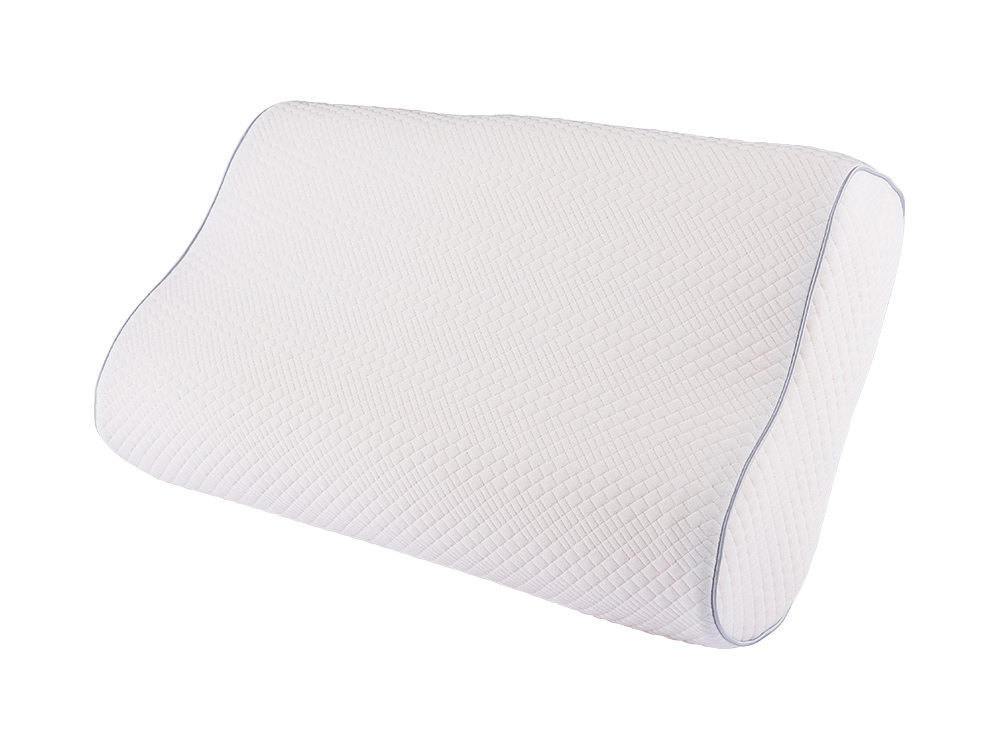
| Dense memory foam pillow | May feel firmer, heavier, or less flexible | Provides a softer and more compressible bedding experience |
| Decorative cushion insert | May be designed primarily for appearance rather than sleeping comfort | Is designed as a functional pillow for everyday bedding use |
Purchasing and Product Evaluation Guidance
Buyers should begin by confirming the intended end use. A pillow designed for retail sale may require different packaging, labeling, and presentation from one supplied to a hotel or institutional project. The expected laundering frequency, room environment, target price, delivery schedule, and certification requirements should all be considered before final approval.
Sampling is an important part of the purchasing process. A buyer should assess the sample’s surface hand feel, filling distribution, dimensions, seam quality, weight, loft, odor, packaging recovery, and overall appearance. If the sample is compressed for shipment, it should be opened and allowed to recover before evaluation.
Buyers should also request a clear technical specification. The specification may include fabric composition, thread count, fabric weight, filling material, filling weight, finished dimensions, tolerance, sewing method, label details, packaging, carton quantity, and inspection standard. A written specification reduces misunderstandings between sampling and bulk production.
Where allergy, safety, environmental, or certification claims are important, buyers should request supporting documents. Claims such as non-allergenic, recycled, organic, certified, or suitable for sensitive users should be reviewed according to the regulations and advertising practices of the destination market.
Quality inspection can be arranged before shipment according to the buyer’s requirements. Inspection criteria may include visual defects, measurement tolerances, filling weight, seam integrity, fabric damage, stains, odor, packaging, carton condition, and quantity. A clearly defined inspection plan helps both parties understand what constitutes an acceptable shipment.
Care, Storage, and Product Longevity
Care instructions should be finalized for the completed product because washing performance depends on the exact fabric, filling quantity, seam construction, label design, and finishing method. Customers should follow the care label supplied with the product rather than relying on general assumptions.
In general, pillows benefit from regular airing and gentle handling. Fluffing can help redistribute the filling and restore volume after use. When stored, pillows should be kept in a clean, dry, and well-ventilated location. Long-term storage in excessive compression may affect the recovery of the filling.
Pillowcases should be washed regularly because they provide the first line of protection against skin oils, perspiration, dust, and cosmetic residue. The pillow itself should be cleaned according to the approved care instructions. Thorough drying is especially important for filled bedding products because residual moisture can affect freshness and material condition.
Proper care can extend the useful life of the pillow. The cotton shell should be protected from unnecessary abrasion, harsh chemicals, and excessive heat. The filling should not be exposed to avoidable moisture or rough treatment. Retailers and hospitality operators can improve customer satisfaction by providing clear, readable care information.
Company Capability in Broader Home Textile Production
The producer’s broader product range includes silk cotton quilts, chemical fiber quilts, pillows, cushions, bedspreads, travel quilts, mattress protectors, blankets, quilt and pillowcases, shower curtains, curtains, and related home textile products. This range demonstrates experience with different fabric constructions, filling materials, sewing requirements, and finished product formats.
A supplier capable of producing multiple bedding categories can offer advantages to buyers seeking vendor consolidation. Instead of managing separate factories for pillows, quilts, mattress protectors, and blankets, a customer may be able to coordinate a wider home textile program through one experienced manufacturing partner. Consolidation can simplify communication, sampling, quality management, and shipment planning.
Product-category breadth can also support collection development. A pillow can be designed to complement a quilt, mattress cover, blanket, or cushion through shared colors, fabrics, labels, and packaging. Coordinated collections often create a stronger retail presentation and can encourage multi-item purchases.
The company’s stated focus on quality, standardized operating procedures, employee technical improvement, and product innovation supports a structured approach to manufacturing. In a competitive home textile market, these capabilities can help a supplier respond to changing consumer preferences while maintaining dependable production processes.
Q&A
What is the Cotton Down Alternative Pillow made of?
The pillow uses a 233-thread-count cotton outer shell and a three-dimensional down alternative polyester filling. The cotton provides a breathable, skin-friendly contact surface, while the polyester filling is designed to imitate the softness and loft associated with down.
What size is the pillow?
The listed size is 50 x 70 x 2 cm. Buyers should confirm whether the height refers to the nominal finished height, compressed height, or another measurement convention before placing a large order.
Is the pillow made with natural down?
No. The filling is three-dimensional down alternative polyester, not natural feather or down. This makes the pillow suitable for customers seeking a feather-free or animal-free alternative.
Why choose cotton for the outer shell?
Cotton is widely valued for its natural hand feel, breathability, and suitability for bedding. The cotton shell can feel comfortable against the skin and can be coordinated with other cotton-based home textile products.
Is the pillow suitable for sensitive users?
The product is described as non-allergenic and friendly to sensitive people. Buyers should request relevant test reports and confirm the correct regulatory wording for their target market before making specific allergy claims.
Is the pillow firm or soft?
The down alternative filling and product description indicate a soft and comfortable feel. The final firmness depends on filling weight, shell dimensions, construction, and finishing. Buyers should evaluate a physical sample for the desired comfort level.
Can the pillow be customized?
Customization may be available for dimensions, fabric, color, filling quantity, labels, packaging, and other construction details. The exact options, minimum order quantity, sampling process, and production schedule should be confirmed with the manufacturer.
Who manufactures the product?
The product is manufactured by Tongxiang Xinlong Bedding Co., Ltd., a home textile producer established in 2002 in Wuzhen, Tongxiang City, Zhejiang Province, China.
What production capabilities does the company have?
The company operates a facility covering approximately 21,000 square meters, with approximately 18,000 square meters of construction area. It has more than 320 employees, professional technical personnel, and various production machines for home textile manufacturing.
Which certifications or management systems are associated with the company?
The provided company information identifies ISO 9001, ISO 14001, OEKO-TEX, OEKO-STEP, GRS, and BSCI among its certifications or international assessments. Buyers should verify current certificates, scopes, and product applicability for each order.
Can the pillow be used in hotels and guest rooms?
Its standardized size, soft down alternative filling, cotton surface, and scalable manufacturing profile may make it suitable for hospitality and guest-room programs. Commercial buyers should evaluate durability, laundering requirements, packaging, and replacement policies before approval.
How should the pillow be packed?
Packaging can be selected according to the buyer’s requirements. Options may include individual packaging, retail packaging, set packaging, compressed packing, and bulk cartons. Packaging should protect the product while allowing the filling to recover after opening.
What should buyers check before bulk production?
Buyers should review the approved sample, dimensions, tolerances, fabric composition, fabric quality, filling material, filling weight, sewing details, labels, packaging, care instructions, inspection standard, delivery schedule, and certification documentation.
Conclusion
The Cotton Down Alternative Pillow is a practical bedding product that combines the familiar comfort of cotton with the soft, lightweight character of three-dimensional down alternative polyester. Its 233-thread-count cotton shell offers a breathable and skin-friendly surface, while the synthetic filling provides a feather-free solution with consistent production potential.
Its advantages over conventional feather and down pillows include the absence of quills, a more uniform filling platform, and suitability for customers who prefer non-animal materials. Compared with basic all-synthetic pillows, it offers a more natural surface and a stronger material story. Its 50 x 70 x 2 cm format also provides flexibility for home, hospitality, retail, and customized bedding applications.
The product is supported by a manufacturer with a long operating history, a substantial production facility, more than 320 employees, professional technical personnel, advanced production equipment, and experience across a broad home textile product range. The company’s reported quality, environmental, material, and social responsibility systems provide additional points for evaluation by international buyers.
For retailers, importers, hotels, and private-label bedding companies, the pillow offers a balanced combination of comfort, practical material selection, manufacturing consistency, and customization potential. When supported by clear specifications, appropriate testing, careful inspection, and accurate product communication, it can serve as a dependable component of a modern home textile collection.
References
1. Product specification supplied for the Cotton Down Alternative Pillow, including dimensions, fabric, filling, description, and product category.
2. International Organization for Standardization. Quality management systems and principles associated with ISO 9001.
3. International Organization for Standardization. Environmental management systems and principles associated with ISO 14001.
4. OEKO-TEX Association. General principles for textile and component testing related to harmful substances.
5. Textile Exchange. Global Recycled Standard principles for recycled materials, chain of custody, and responsible production.
6. amfori. Business Social Compliance Initiative principles concerning responsible working conditions and social performance.
7. Cotton Incorporated. General technical information regarding cotton fiber properties and textile applications.
8. International textile manufacturing practices concerning fabric inspection, filling distribution, sewing quality, packaging, and finished-product evaluation.


 +86-573-88798028