



 Français
 Español
 Deutsch
Content
- 1 Product Overview
- 2 Why Cotton Remains a Strong Choice for Pillow Fabric
- 3 Sandwich Construction and Airflow
- 4 Down-Alternative Polyester Filling
- 5 Comfort for Sensitive Sleepers and Families
- 6 Elegant Appearance for Modern Bedding Collections
- 7 Advantages Compared with Conventional Pillow Options
- 8 Manufacturing Strengths of the Producer
- 9 Production Process for a High-Quality Cotton Pillow
- 10 Quality Management and International Certifications
- 11 Why Manufacturing Scale Matters to Buyers
- 12 Applications Across Residential and Commercial Markets
- 13 Care, Use, and Product Longevity
- 14 Customization and Product Development Potential
- 15 Sustainability and Responsible Production Considerations
- 16 How This Pillow Supports a Complete Bedding Program
- 17 Frequently Asked Questions
- 17.1 What are the dimensions of the Elegant Cotton Fabric Pillow?
- 17.2 What fabric is used on the outside of the pillow?
- 17.3 What is the grey side section made from?
- 17.4 What type of filling does the pillow use?
- 17.5 Is the pillow suitable for sensitive users?
- 17.6 Does the pillow contain natural feathers?
- 17.7 What makes the sandwich design useful?
- 17.8 Can the pillow be used in hotels or guest rooms?
- 17.9 Can the product be customized?
- 17.10 What manufacturing experience does the producer have?
- 17.11 Which certifications are associated with the company?
- 17.12 How should the pillow be cared for?
- 18 Conclusion
- 19 References
- 20 Product: Elegant Cotton Fabric Pillow
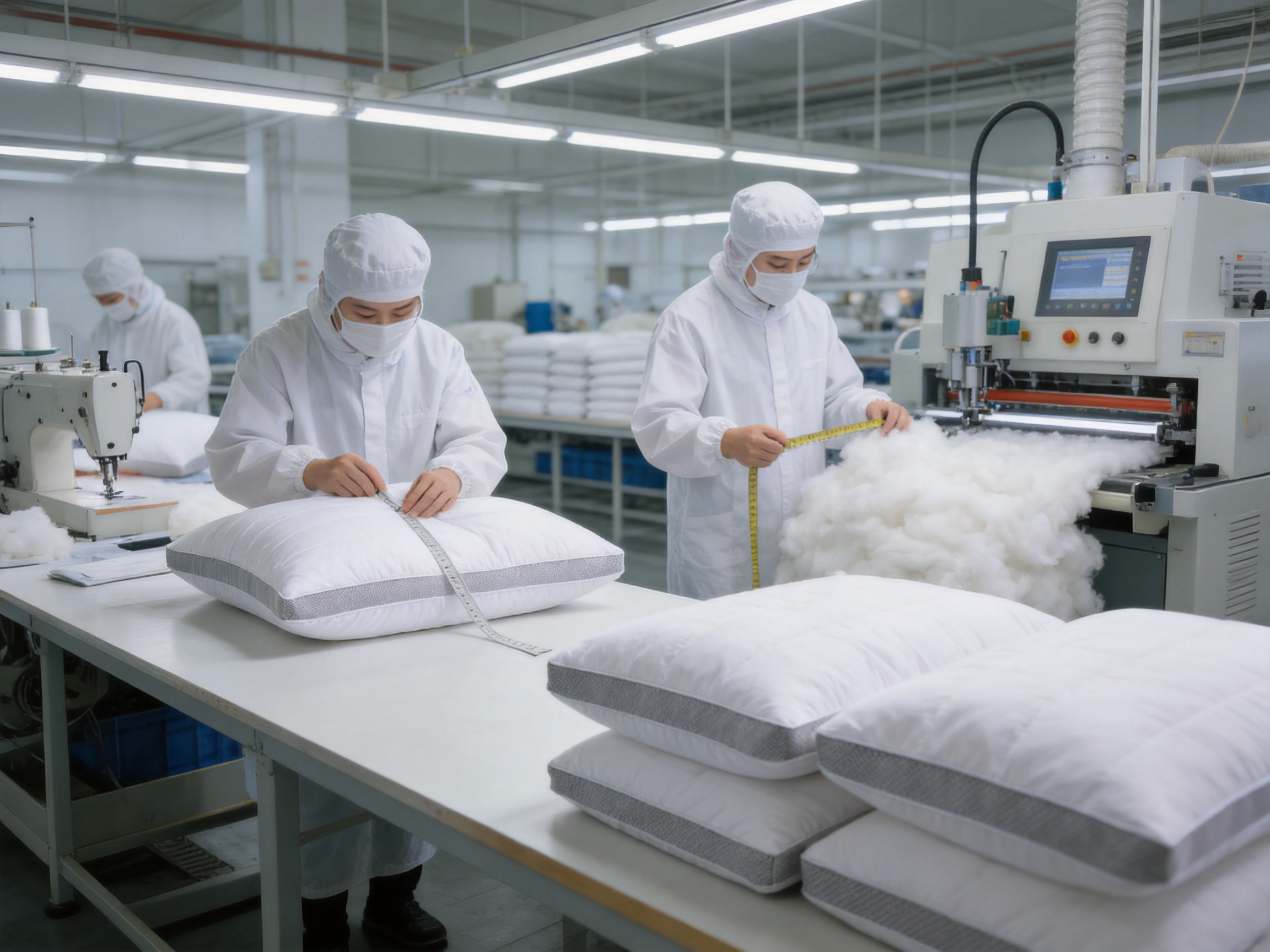
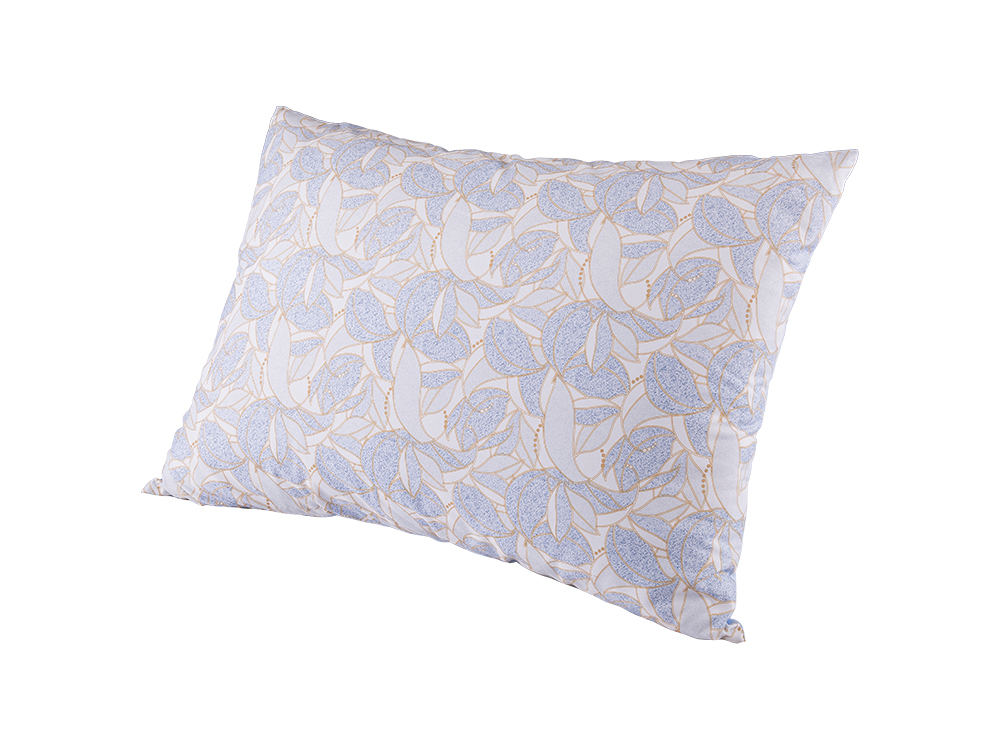
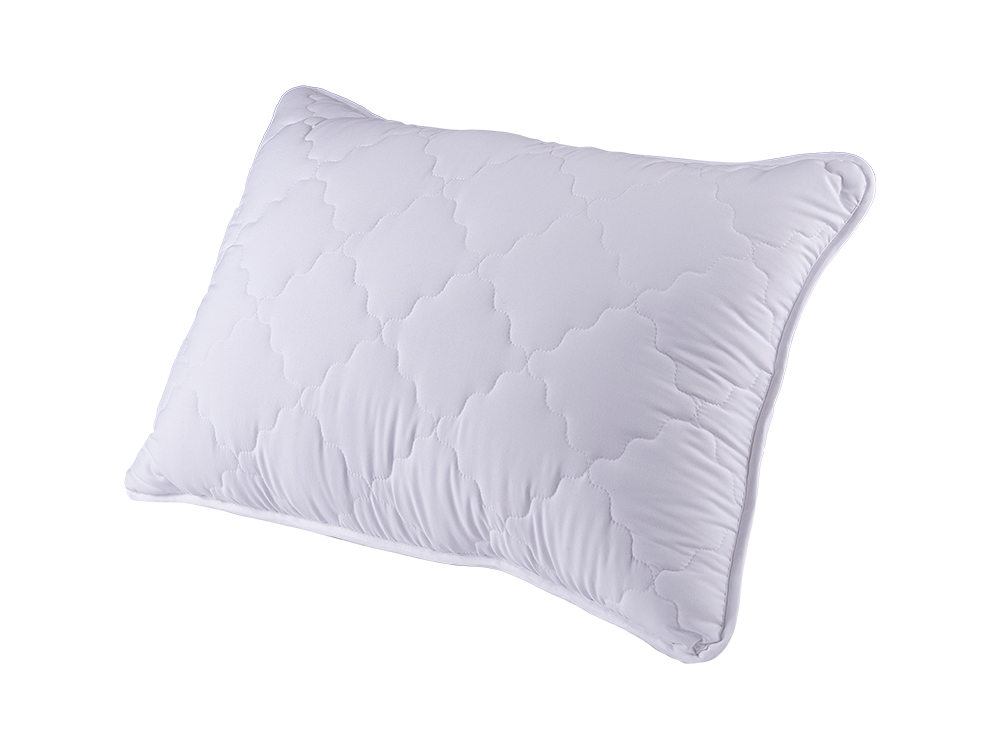
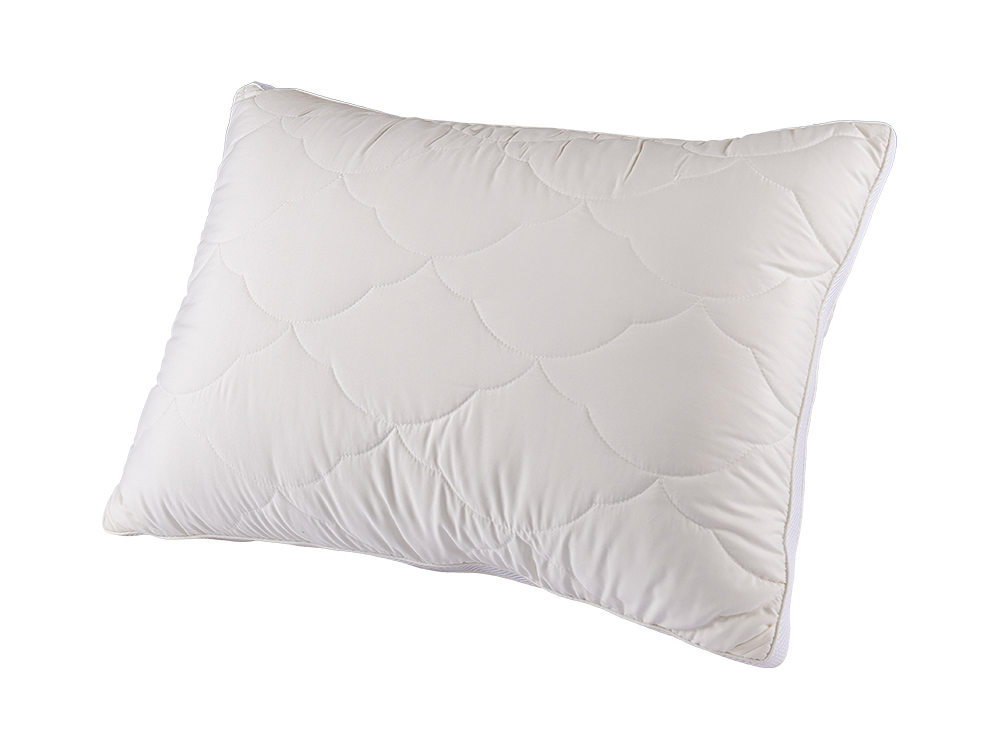
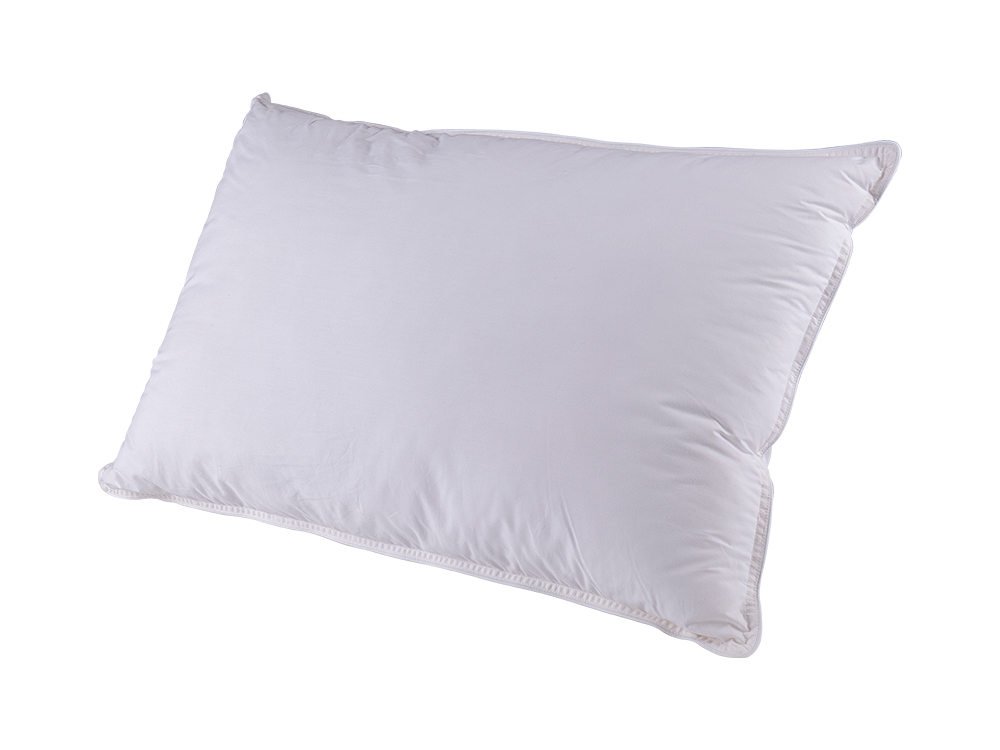
A pillow is one of the most important elements in a bedding system because it supports the head and neck, influences sleeping posture, and affects how comfortable a person feels throughout the night. While many pillows appear similar at first glance, differences in fabric, internal filling, ventilation, construction, durability, and manufacturing control can significantly influence the user experience. The Elegant Cotton Fabric Pillow is designed to bring these essential qualities together in one balanced product.
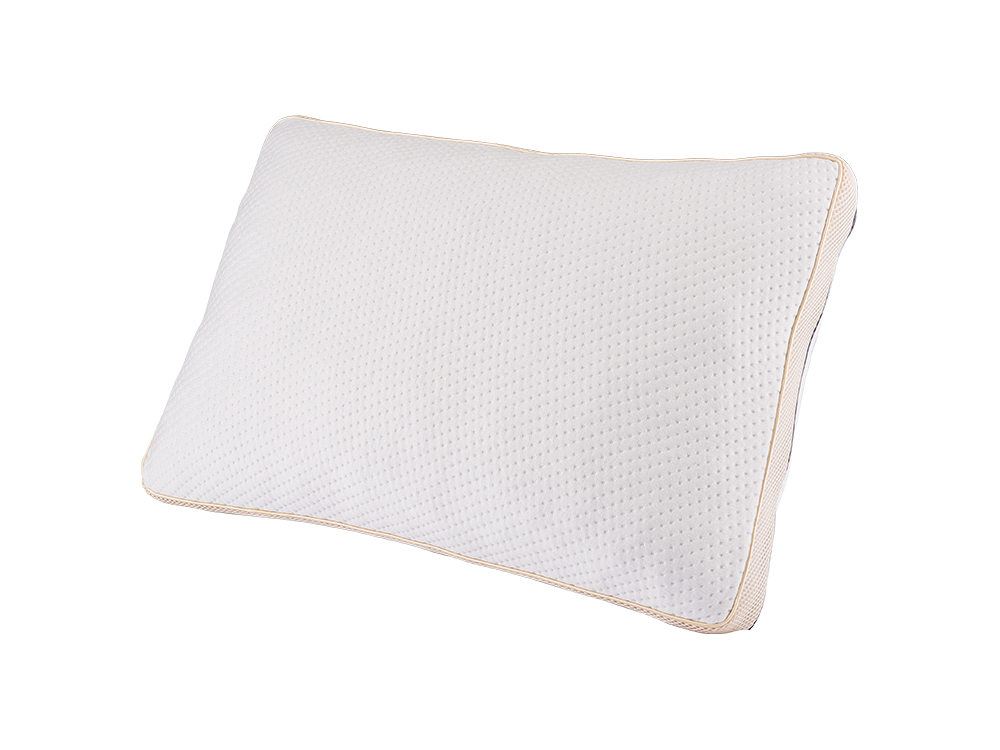
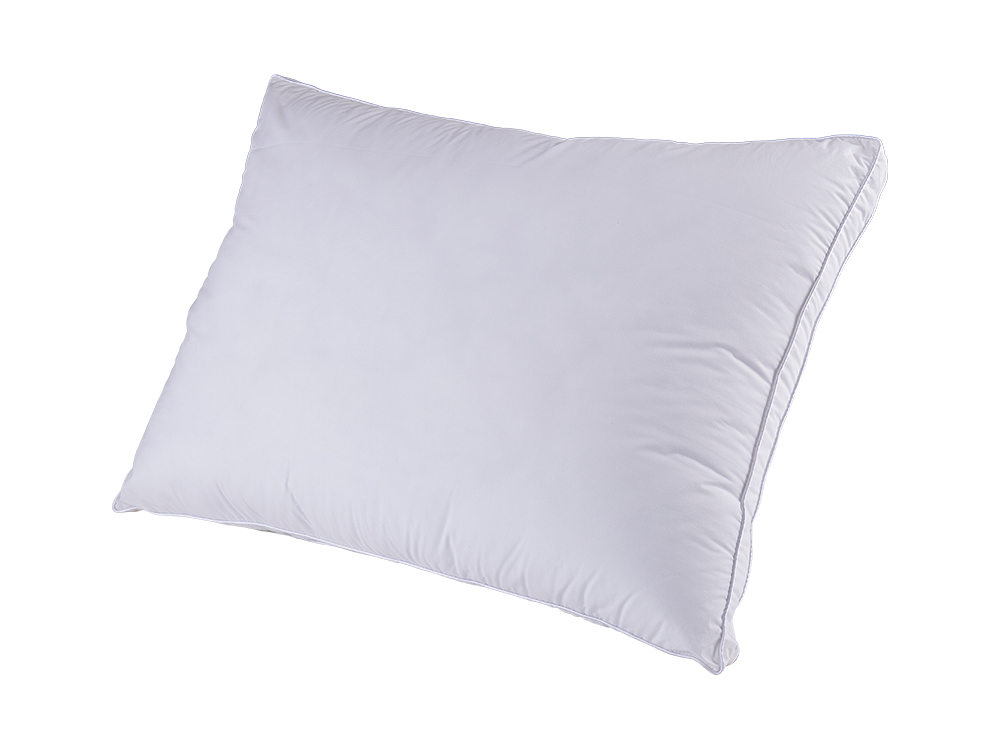
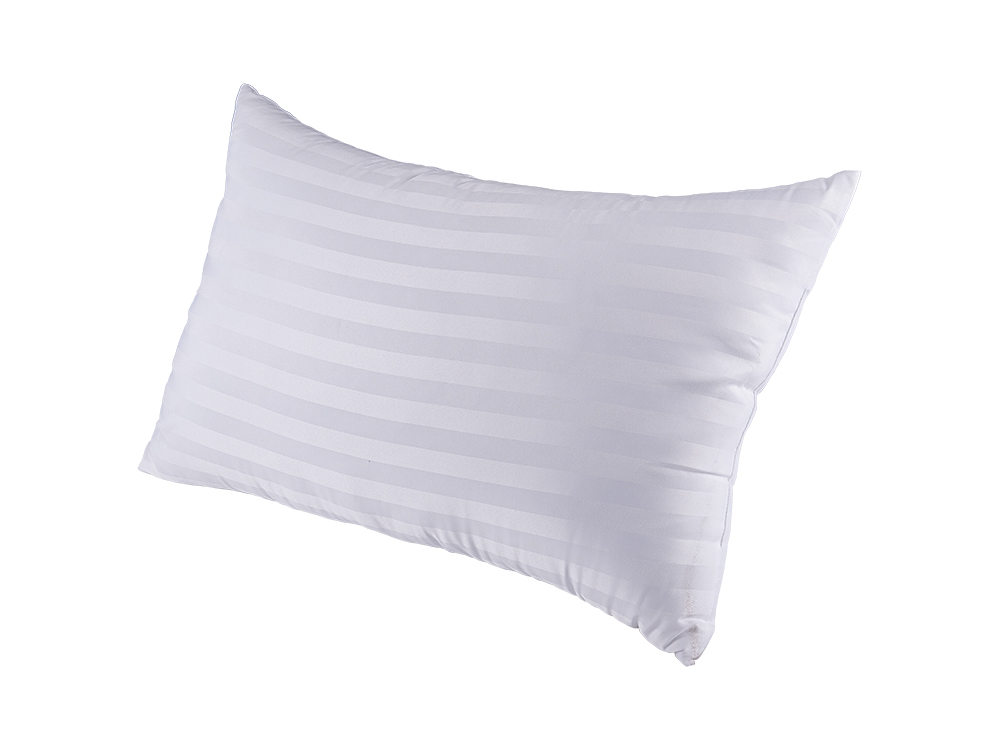
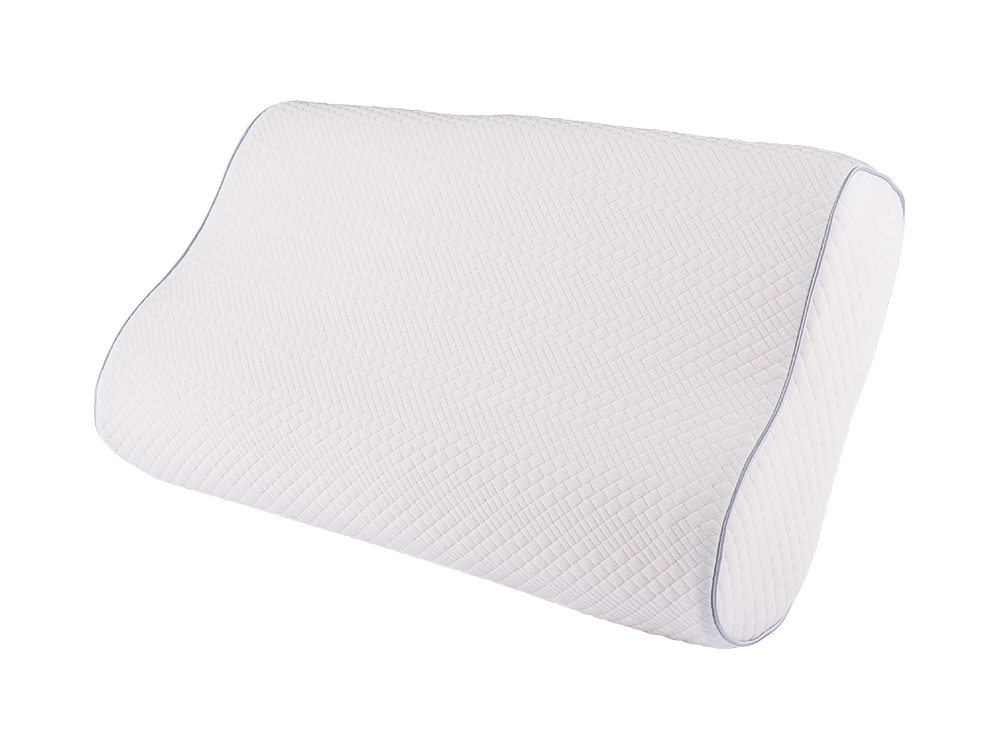
Created for customers seeking a soft, breathable, skin-friendly, and visually refined pillow, this cotton pillow combines a 233-thread-count cotton fabric shell with a grey sandwich mesh wall and a blended 3D and 0.9D down-alternative polyester filling. Its 50 x 70 x 4 centimeter format provides a practical rectangular profile for bedrooms, guest rooms, hospitality applications, and customized bedding collections.
The pillow is developed by Tongxiang Xinlong Bedding Co., Ltd., a professional home textile manufacturer with experience in producing pillows, quilts, mattress protectors, blankets, cushions, bedspreads, pillowcases, curtains, and other household textile products. The company’s production capabilities, technical personnel, quality-focused operating procedures, international certifications, and continued investment in equipment support the consistent development of products for different markets and customer requirements.
More than a soft surface for resting the head, this pillow represents a considered approach to modern bedding design. Its natural-feeling cotton cover, moisture-wicking and breathable structure, imitation down filling, and sandwich construction are intended to provide comfort without unnecessary heaviness. At the same time, the product’s clean appearance makes it suitable for customers who value both practical performance and simple, elegant design.
Product Overview
The Elegant Cotton Fabric Pillow is a cotton pillow designed around four primary priorities: comfort, breathability, softness, and versatility. The outer fabric uses 233-thread-count cotton, which provides a smooth and pleasant contact surface. Cotton is widely valued in bedding because it is comfortable against the skin, familiar to consumers, and capable of supporting a breathable sleeping environment when properly constructed.
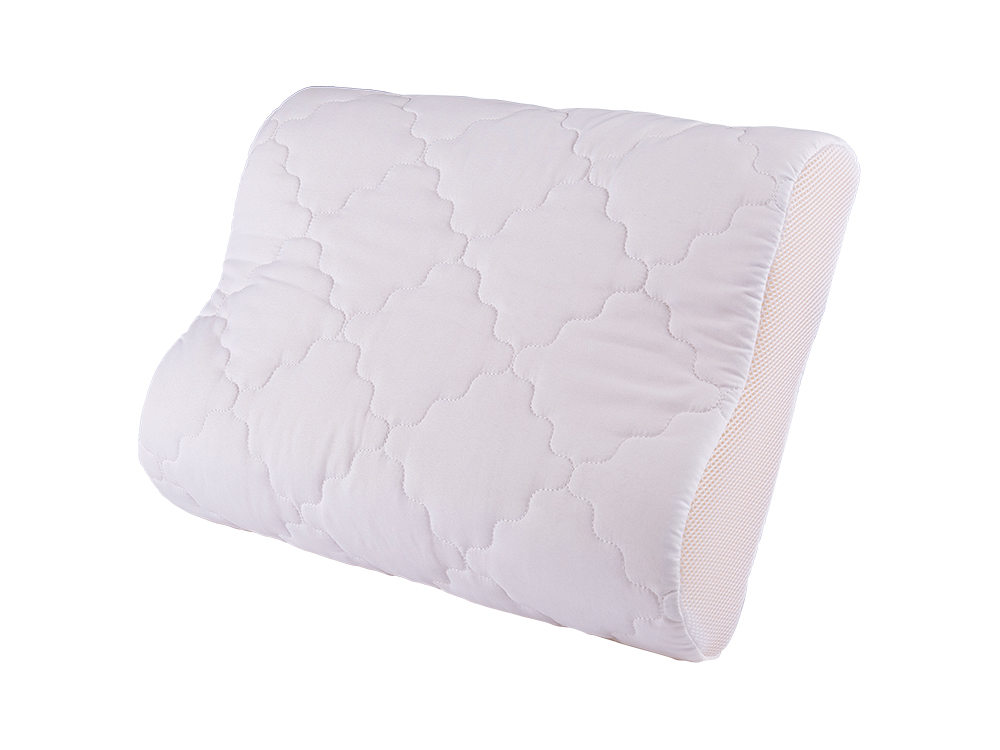
The pillow also uses a grey sandwich mesh wall. This side construction creates a visually distinctive edge while supporting airflow around the body of the pillow. Instead of presenting a completely closed and visually heavy profile, the mesh wall contributes to a lighter appearance and is consistent with the product’s emphasis on ventilation and moisture management.
Inside, the pillow contains 3D and 0.9D down-alternative polyester. This combination is selected to imitate some of the soft, airy feel associated with down while avoiding the use of natural feathers. The filling is dry and soft in hand, making the product suitable for customers who prefer a plush sleeping surface but want a synthetic alternative.
The product is described as non-allergenic and suitable for sensitive people and infants. As with all bedding products, individual needs may vary, and proper cleaning and care remain important. Nevertheless, the material selection and down-alternative design make this pillow a practical option for households that seek a soft filling without natural down or feathers.
Product title | Elegant Cotton Fabric Pillow |
Product category | Cotton Pillow |
Size | 50 x 70 x 4 centimeters |
Outer fabric | 233-thread-count cotton fabric |
Side wall | Grey sandwich mesh |
Filling | 3D and 0.9D down-alternative polyester |
Primary qualities | Skin-friendly, breathable, moisture-wicking, soft, dry, and elegant |
Intended users | General household users, sensitive sleepers, and infants, subject to individual suitability |
Why Cotton Remains a Strong Choice for Pillow Fabric
Cotton continues to be one of the most familiar and trusted fibers in home textiles. Its popularity comes from its comfortable hand feel, natural origin, adaptability, and broad consumer acceptance. In a pillow, the outer fabric is in frequent contact with the face, neck, and hair, so softness and comfort are particularly important.
The 233-thread-count cotton fabric used for this pillow offers a refined balance between smoothness and everyday practicality. Thread count alone does not determine the complete quality of a textile, but it is one of several specifications that help describe the fabric’s construction. When combined with appropriate finishing, accurate cutting, careful sewing, and controlled filling, cotton fabric can provide a comfortable surface suitable for daily use.
Cotton also supports the pillow’s skin-friendly positioning. People who sleep on their sides or move frequently during the night may experience repeated contact between the pillow and the face. A smooth textile surface can help create a more pleasant sleeping environment than rough or overly rigid materials. This is especially relevant for families choosing bedding for children or users with sensitive preferences.
Another advantage of cotton is its familiar moisture behavior. During sleep, the body naturally releases heat and moisture. A suitable cotton textile can contribute to a drier and more comfortable surface by helping manage moisture at the outer layer. The product’s sandwich mesh wall further supports the overall focus on airflow and breathability.
Compared with pillows covered in dense, poorly ventilated synthetic fabrics, a cotton-covered pillow may feel less stuffy and more natural in use. Compared with very delicate luxury fabrics, cotton can offer a more approachable combination of comfort, practicality, and ease of integration into everyday bedding programs. This balance gives the pillow broad appeal for residential, guest-room, and hospitality applications.
Sandwich Construction and Airflow
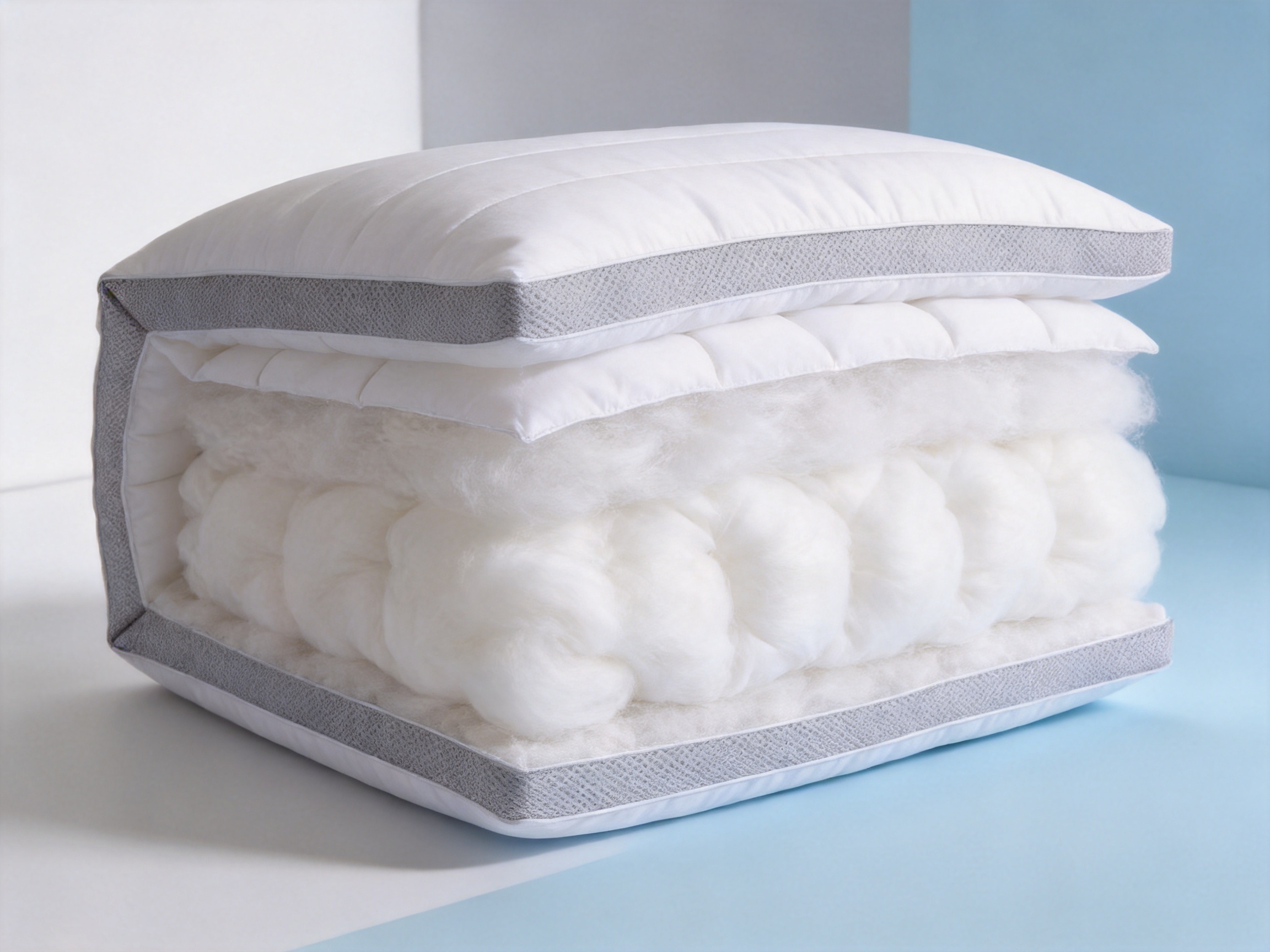
The sandwich design is one of the defining features of the product. In bedding, a sandwich structure generally refers to the coordinated use of layered or adjoining materials to create a combination of softness, support, stability, and ventilation. In this pillow, the grey sandwich mesh wall forms an important part of the exterior construction.
The mesh wall gives the pillow a clear visual edge and introduces a ventilated component around its perimeter. Air can move more effectively through an open mesh structure than through a completely dense side panel. While no pillow can eliminate all heat and moisture, improved air circulation can help reduce the sensation of trapped warmth and support a fresher sleeping environment.
This design is particularly useful for sleepers who prefer a pillow that does not feel overly compact or sealed. It also contributes to the product’s modern appearance. The grey tone creates a subtle contrast with the cotton fabric and gives the pillow a clean, contemporary character without excessive decoration.
The sandwich approach can also support production consistency. Clearly defined layers and edge components give manufacturers an organized construction sequence. The cotton fabric, internal filling, mesh wall, and joining seams can be inspected as separate elements before the completed pillow is evaluated. This structured process helps reduce variation and supports repeatable production for customer orders.
In comparison with conventional pillows that rely on a single fabric shell and a simple closed edge, the sandwich design offers a more distinctive construction concept. It gives the product an identifiable design feature while serving a functional purpose. The result is a pillow that can compete not only through softness but also through its visual structure and breathable profile.
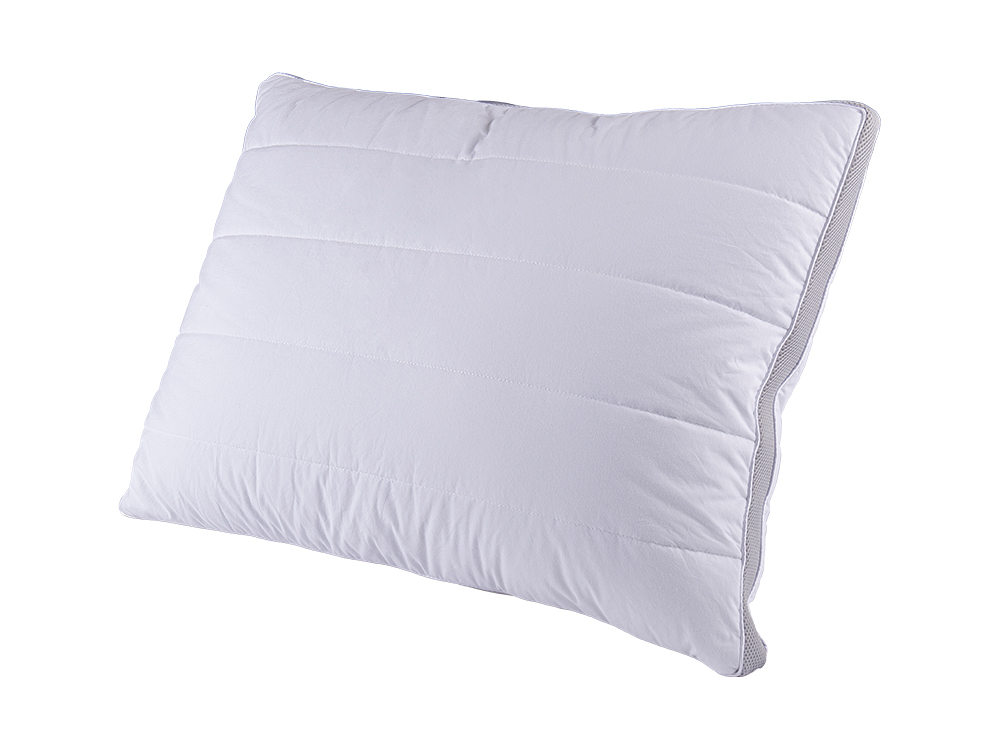
Elegant Cotton Fabric Pillow
Down-Alternative Polyester Filling
The internal filling has a major effect on a pillow’s softness, resilience, loft, and overall sleeping sensation. The Elegant Cotton Fabric Pillow uses 3D and 0.9D down-alternative polyester. This filling is designed to imitate the light, soft character associated with down while providing a synthetic alternative for customers who prefer not to use feather or down materials.
Down-alternative polyester is widely used in modern bedding because it offers a consistent and versatile filling solution. Unlike natural down, which can vary according to source, grade, and processing, manufactured polyester fibers can be produced with defined characteristics. This supports more predictable product development and makes it easier for manufacturers to establish repeatable filling specifications.
The combination of 3D and 0.9D fibers contributes to the product’s soft and dry hand feel. Different fiber characteristics can be used to create a more balanced filling structure, allowing the pillow to feel comfortable without becoming excessively dense. The intended result is a gentle, airy surface that welcomes the head while retaining a practical shape.
For customers who experience concern about feather materials, a down-alternative pillow can be an attractive choice. It avoids the presence of natural feathers and supports a clean, uniform filling concept. The supplied product information identifies the pillow as non-allergenic, making it appropriate for sensitive users and infants when selected and used according to their individual needs.
The synthetic filling also supports product consistency across multiple units. A manufacturer can control the quantity, distribution, and processing of the filling more systematically than with naturally variable materials. This is especially valuable for retailers, hotel purchasers, importers, and bedding brands that require a stable product profile across repeated orders.
Another advantage is design flexibility. Polyester filling can be adapted for different pillow heights, sizes, softness levels, and customer specifications. The current product is supplied in a 50 x 70 x 4 centimeter format, but a professional bedding manufacturer can use its technical and production resources to develop other home textile configurations as required by a customer project.
Comfort for Sensitive Sleepers and Families
Sensitive sleepers often look for bedding that feels soft, does not create excessive heat, and avoids materials that may cause discomfort. The product’s cotton surface, breathable mesh wall, and down-alternative polyester filling address these concerns through a coordinated material system rather than a single feature.
The cotton fabric provides a smooth contact surface. The mesh wall supports the product’s ventilation concept. The synthetic filling avoids natural feathers and delivers a soft, dry feel. Together, these elements create a pillow that is designed to be gentle and accessible for a broad range of users.
Parents and caregivers may also seek bedding options with simple materials and a clean construction concept for children. The pillow is described as suitable for infants and sensitive people. However, infant bedding should always be selected with attention to age, sleeping position, supervision, product care, and applicable safety guidance. The product’s softness and material profile are useful features, but they should be considered as part of a complete bedding safety decision.
For adults, the pillow can be suitable for bedrooms where comfort and understated appearance are equally important. Its neutral grey mesh wall and cotton body can coordinate with a wide range of sheets, duvet covers, quilts, and mattress protectors. The design does not depend on bold patterns, making it suitable for minimalist, classic, contemporary, and hospitality interiors.
Elegant Appearance for Modern Bedding Collections
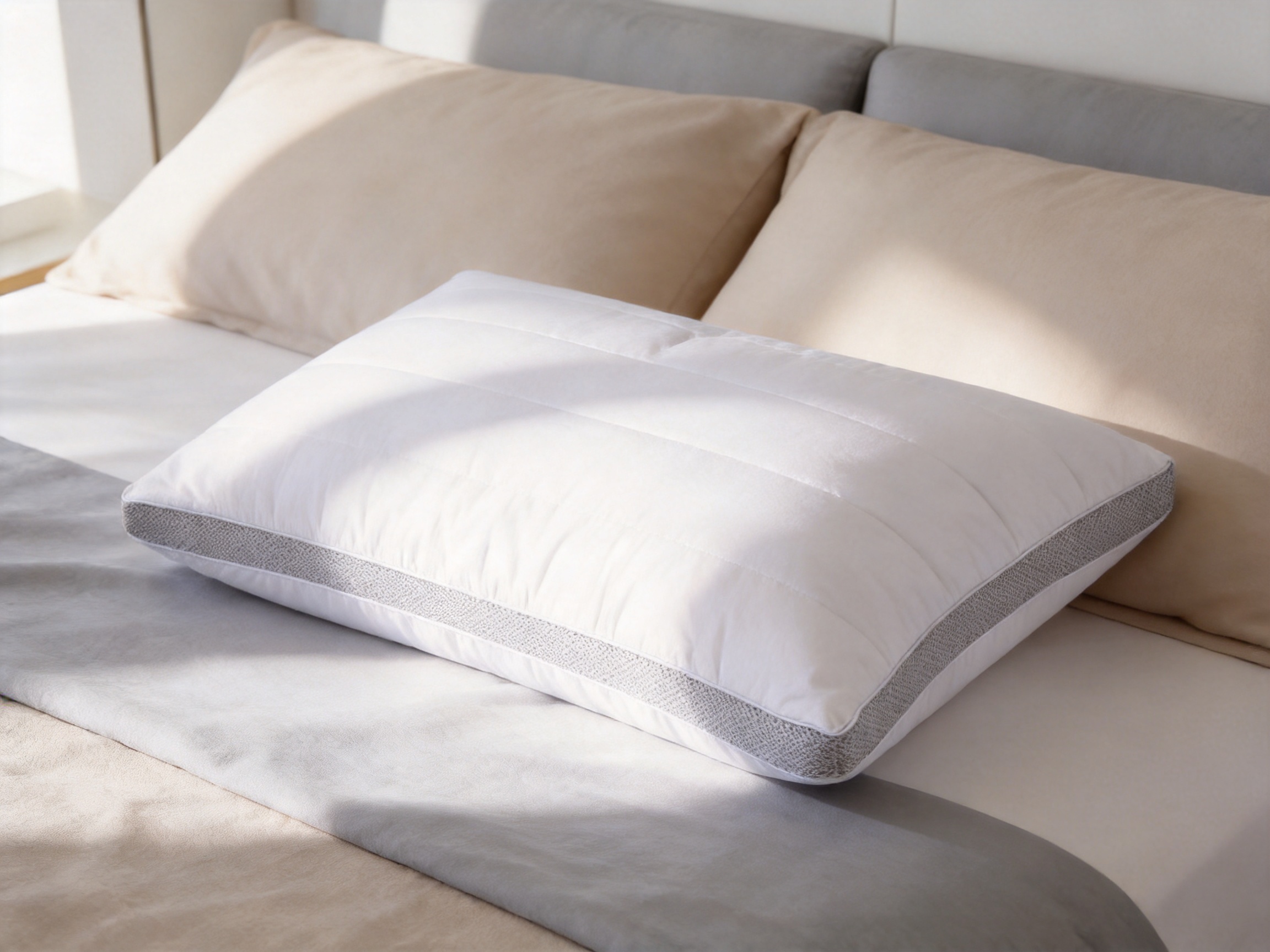
A pillow is often partially visible even when placed inside a pillowcase, and its construction can influence how a bedding collection looks and feels. The Elegant Cotton Fabric Pillow uses a simple design language that emphasizes clean lines, natural-feeling fabric, and a restrained grey accent.
This understated appearance gives buyers flexibility. Retailers can position the pillow as part of a premium basic collection, a natural comfort range, a family bedding line, or a hospitality supply program. Its design is sufficiently refined for customers who want more than a plain commodity pillow, yet sufficiently simple for broad commercial use.
The grey sandwich mesh wall adds a contemporary detail without making the product visually complicated. It can also help distinguish the pillow from standard all-white pillows in product photography, showroom displays, and packaging presentations. A clear visual identity can support product recognition and assist retailers in building a cohesive bedding assortment.
Because the product uses a neutral palette and practical rectangular format, it can be paired with many fabric colors and patterns. It may complement cotton bedding, quilted bedspreads, blankets, mattress covers, cushions, and decorative pillows. This compatibility helps buyers develop coordinated room collections rather than purchasing isolated products.
Advantages Compared with Conventional Pillow Options
The product’s competitive value comes from the interaction of several features. A conventional low-cost pillow may offer only a basic shell and generic filling. By contrast, this pillow combines a defined cotton fabric specification, a breathable sandwich mesh construction, a selected down-alternative filling, and a refined appearance.
One important advantage is the balance between natural-feeling surface comfort and synthetic filling performance. Customers who prefer cotton against the skin may not want a fully synthetic outer fabric. At the same time, customers who want a consistent, feather-free filling may prefer polyester instead of natural down. This pillow addresses both preferences in one construction.
A second advantage is breathability. The product description emphasizes moisture-wicking and breathable performance, and the grey mesh wall supports this design direction. Compared with a dense, enclosed pillow structure, a ventilated edge can help promote air movement and reduce a heavy visual and physical impression.
A third advantage is the combination of softness and practical maintenance expectations associated with down-alternative polyester. Natural down can be valued for its lightness, but it may not be suitable for every customer or every supply program. A synthetic alternative can offer a more standardized material choice while retaining a soft, comfortable character.
A fourth advantage is suitability for sensitive users. The product is identified as non-allergenic and appropriate for sensitive people and infants. This positioning can help retailers and distributors respond to customers who actively look for bedding made without feather filling or with a gentler material profile.
A fifth advantage is design versatility. The neutral cotton body and grey mesh wall can fit into many bedroom styles. The pillow can be marketed as an everyday sleeping pillow, a guest-room pillow, a family bedding item, or part of a coordinated home textile collection.
Finally, the product benefits from a manufacturer capable of producing multiple categories of home textiles. Buyers seeking a broader sourcing relationship may be able to coordinate pillow programs with quilts, mattress protectors, blankets, cushions, mattress covers, and related products. This can simplify supplier management and support consistent quality expectations across a bedding range.
Manufacturing Strengths of the Producer
Tongxiang Xinlong Bedding Co., Ltd. was established in January 2002 and is located in Longxiang Industrial Park, Wuzhen Town, Tongxiang City, Zhejiang Province, China. The company operates from a site covering approximately 21,000 square meters, with a construction area of approximately 18,000 square meters. It has more than 320 employees and is equipped with various advanced production machines.
These resources provide a substantial foundation for the development and manufacture of home textile products. Pillow production requires more than sewing a fabric shell and inserting filling. It involves material selection, fabric inspection, cutting accuracy, layer alignment, filling control, seam construction, shape formation, finishing, inspection, and packing. A manufacturer with dedicated personnel, equipment, and established operating procedures is better positioned to coordinate these stages.
The company produces a broad range of home textile products, including silk cotton quilts, chemical fiber quilts, pillows, cushions, bedspreads, travel quilts, mattress protectors, blankets, quilt and pillowcases, shower curtains, and curtains. This product diversity demonstrates experience across different fabrics, fillings, construction methods, and finished-product requirements.
Such a product portfolio can also support cross-category innovation. Knowledge gained from mattress protector production may contribute to moisture-management concepts. Experience with quilts and blankets may strengthen filling and quilting capabilities. Cushion and bedspread production may support decorative finishing and fabric coordination. Although each product requires its own specifications, a broad manufacturing background creates opportunities for shared technical learning.
The company states that it continues to develop and innovate in response to the changing home textile industry. It is equipped with professional and technical personnel who design and produce fashionable and warm household products for different customer needs. This emphasis on development is relevant to products such as the Elegant Cotton Fabric Pillow, where market requirements increasingly combine comfort, appearance, breathability, and material preferences.
Production Process for a High-Quality Cotton Pillow
Material Selection and Incoming Inspection
The production process begins with the selection and inspection of raw materials. For this pillow, key materials include 233-thread-count cotton fabric, grey sandwich mesh, and 3D and 0.9D down-alternative polyester. Each material must be evaluated for suitability before entering production.
Fabric inspection may consider width, color consistency, surface appearance, weaving defects, stains, holes, and other visible irregularities. The mesh wall requires attention to openness, strength, color, and dimensional stability. Filling materials require checks related to cleanliness, fiber condition, uniformity, and suitability for the specified product construction.
Effective incoming inspection helps prevent quality problems from moving into later production stages. It also supports more consistent finished products, particularly when large quantities are manufactured for commercial customers. Clear specifications and documented inspection procedures provide a foundation for reliable production planning.
Pattern Planning and Cutting
After material approval, fabric components are prepared according to the required pillow dimensions. The 50 x 70 x 4 centimeter specification must be translated into cutting patterns that account for seam allowances, edge construction, filling volume, and the intended finished shape.
Accurate cutting is important because small variations in component dimensions can influence assembly, symmetry, and final appearance. Efficient cutting plans can also help reduce material waste. Professional production equipment and experienced operators support repeatable cutting across large batches.
The cotton fabric and mesh wall must be cut in a manner that supports proper alignment. If the mesh is positioned unevenly, the pillow may not have a balanced appearance. Careful pattern planning helps ensure that the side wall connects smoothly with the top and bottom panels.
Layer Assembly and Sewing
The sandwich design requires coordinated assembly of the cotton panels and grey mesh wall. During sewing, operators must maintain alignment, control seam allowances, and avoid excessive puckering or distortion. The goal is to create a stable shell that retains the intended profile after filling.
Seam quality is essential for both appearance and durability. Stitch density, thread tension, seam width, and corner handling can affect the finished product. Strong and consistent seams help keep the filling contained and support repeated use.
The company’s established operating procedures and technical workforce are important at this stage. Standardized methods allow workers to follow defined sequences while quality personnel can inspect key points during production. This approach helps minimize variation between individual pillows.
Filling and Distribution
The 3D and 0.9D down-alternative polyester must be measured and distributed according to the product specification. Too little filling can result in a flat or unstable pillow, while excessive filling can create unnecessary firmness or stress on the seams. Balanced distribution is therefore central to comfort and appearance.
Filling equipment and production controls can improve repeatability. Operators may also inspect the pillow during and after filling to identify uneven areas, empty corners, or excessive clumping. Proper filling distribution helps the product maintain its intended rectangular shape and soft, dry hand feel.
The filling stage should also protect the cleanliness of the product. Controlled production areas, appropriate handling procedures, and careful packaging preparation can reduce the possibility of contamination before the pillow reaches the customer.
Shaping, Finishing, and Inspection
Once filled, the pillow is shaped and inspected. Finishing may include checking the corners, smoothing the fabric, confirming the mesh wall position, trimming loose threads, and ensuring that the overall appearance is consistent with the approved sample.
Inspection should evaluate dimensions, sewing quality, filling distribution, fabric appearance, color coordination, and labeling or packing requirements. The pillow’s softness and loft may also be reviewed through production checks designed for the customer’s quality standard.
A finished product inspection provides an important final opportunity to remove defects before shipment. For buyers purchasing in volume, consistent inspection is particularly valuable because it protects the uniform appearance of a retail or hospitality collection.
Quality Management and International Certifications
The company has passed international certifications including ISO 9001, ISO 14001, OEKO-TEX Standard 100, OEKO-TEX STeP, GRS, and BSCI, according to the supplied company information. These certifications and assessments represent important elements of the company’s quality, environmental, textile safety, and social responsibility framework.
ISO 9001 is associated with quality management systems and structured approaches to customer requirements, process control, corrective action, and continual improvement. For a pillow manufacturer, a quality management system can support the consistent handling of specifications, inspections, production records, and customer feedback.
ISO 14001 relates to environmental management systems. In a home textile factory, environmental management may involve attention to resource use, waste control, production procedures, and continual environmental improvement. Responsible environmental practices are increasingly relevant to buyers developing long-term bedding programs.
OEKO-TEX Standard 100 is widely recognized in textile markets for testing harmful substances in textile products and components. OEKO-TEX STeP focuses on sustainable textile and leather production facilities. These certifications can provide additional confidence to customers who consider textile safety and responsible manufacturing when selecting bedding suppliers.
GRS, or the Global Recycled Standard, is connected with recycled materials and responsible processing requirements when applicable to certified products. BSCI is associated with social compliance and responsible working conditions within supply chains. The relevance of each certification depends on the specific product, materials, scope, and current certification status, so buyers should confirm applicable documentation for their individual order.
The company also states that it has been rated as a safety production standardization enterprise for several consecutive years since 2016. Safety standardization supports the development of organized workplace procedures and risk-control practices. A safer and more structured factory environment can contribute to more stable production operations.
Why Manufacturing Scale Matters to Buyers
Manufacturing scale is valuable when it is supported by appropriate systems and experienced personnel. The company’s 21,000-square-meter site, 18,000-square-meter construction area, and workforce of more than 320 employees provide the capacity to manage multiple product categories and customer programs.
For a buyer, this may offer several practical benefits. First, a larger and established factory can be better prepared to manage repeat orders. Second, dedicated technical and production personnel can support product development and specification adjustments. Third, experience across many home textile categories can make it easier to coordinate a complete bedding range.
Scale can also support supply continuity. A factory that routinely handles different materials and product types may have more developed processes for production planning, material purchasing, inspection, packing, and shipment coordination. These capabilities are important for customers who need dependable delivery and consistent product quality.
At the same time, scale should not replace communication. Each buyer should confirm product specifications, acceptable tolerances, packaging, testing, lead times, and order quantities directly with the manufacturer. The value of an established factory is strongest when its resources are combined with clear technical documentation and effective customer cooperation.
Applications Across Residential and Commercial Markets
The Elegant Cotton Fabric Pillow is suitable for a broad range of potential applications. In residential bedrooms, it can serve as a daily sleeping pillow for adults, children, and sensitive users. Its neutral appearance makes it easy to integrate into existing bedding collections.
For guest rooms, the pillow offers a clean and approachable design that can complement standardized bedding programs. Hotels, serviced apartments, vacation properties, and dormitory operators may value the combination of cotton comfort, synthetic filling, and a consistent rectangular size.
Retailers can position the pillow in several ways. It may be presented as a breathable cotton pillow, a down-alternative pillow, a sensitive-sleeper option, or an elegant basic for modern bedrooms. Its feature combination allows different marketing angles without changing the underlying product.
Distributors and importers may also include the pillow in a broader home textile assortment. Since the manufacturer produces quilts, mattress protectors, blankets, cushions, mattress covers, pillowcases, and related items, buyers may explore coordinated sourcing opportunities across multiple categories.
For private-label customers, the pillow may provide a base product for further development. Possible areas for discussion can include dimensions, fabric colors, labels, packaging, filling levels, embroidery, retail presentation, and matching products. Any customization should be confirmed through technical samples and written specifications before production.
Care, Use, and Product Longevity
Proper care helps preserve the appearance and comfort of any pillow. Customers should follow the care instructions supplied with the final product because cleaning methods can vary according to fabric treatments, construction, filling, labeling requirements, and packaging specifications.
Regular airing can help maintain freshness between washes. Using a suitable pillowcase can protect the cotton fabric from direct contact with oils, perspiration, cosmetics, and other substances. A pillow protector may provide an additional layer of protection, especially in homes, hotels, and childcare environments.
When washing is permitted, the product should be cleaned according to the manufacturer’s instructions. Excessive heat, unsuitable detergents, aggressive mechanical treatment, or incomplete drying may affect the cotton shell, mesh wall, filling distribution, or seam performance. Thorough drying is especially important for filled bedding products.
Users should also inspect the pillow periodically. If seams become damaged, the filling shifts significantly, or the pillow no longer provides the desired comfort, replacement or professional assessment may be appropriate. Longevity depends on use frequency, body weight, sleeping habits, care routine, storage conditions, and environmental factors.
Customization and Product Development Potential
Home textile buyers often require products that are adapted to a particular market. A professional manufacturer can discuss product development variables such as size, thickness, fabric composition, color, mesh design, filling blend, softness, labeling, and packaging.
The current pillow uses a 50 x 70 x 4 centimeter format, 233-thread-count cotton fabric, a grey sandwich mesh wall, and 3D and 0.9D down-alternative polyester. These specifications provide a clear starting point for development. Buyers can evaluate the sample and determine whether the dimensions and material balance suit their target customers.
For warmer climates, a buyer may place greater emphasis on breathability and moisture management. For colder climates, the product may be positioned as part of a warmer bedding collection. For hospitality projects, the focus may be on standardized sizing, durability, easy care, and coordinated color. For family products, the focus may be on softness, skin-friendly materials, and feather-free filling.
Customization should be managed through a structured development process. The buyer and manufacturer should confirm the product brief, approve materials, review a prototype or sample, establish tolerances, confirm testing requirements, and approve packaging before mass production. This process helps protect both product performance and commercial consistency.
Sustainability and Responsible Production Considerations
Modern bedding buyers increasingly evaluate not only comfort and price but also how products are made. Responsible production can involve material selection, energy management, waste reduction, packaging choices, workplace conditions, and transparent quality systems.
The company’s ISO 14001, OEKO-TEX, GRS, and BSCI-related certifications and assessments indicate attention to environmental, textile safety, recycled-material, and social responsibility considerations, subject to the scope of each certification. Buyers should request current documentation and confirm how each standard applies to the specific product and order.
The down-alternative filling can also support a material preference for customers who do not want natural feather or down. A synthetic filling provides a consistent alternative and may simplify product positioning for retailers serving customers with different material sensitivities or ethical preferences.
Product durability is another aspect of responsible consumption. A pillow that maintains useful performance for an appropriate service period can reduce the need for frequent replacement. Consistent materials, controlled construction, and careful care can all contribute to better product utilization.
How This Pillow Supports a Complete Bedding Program
The pillow is part of a wider home textile category that includes quilts, mattress protectors, blankets, mattress covers, cushions, bedspreads, pillowcases, curtains, and related items. A coordinated bedding program can create greater value than a collection of unrelated products.
For example, a retailer may combine the cotton pillow with a matching quilt and mattress protector to create a complete sleeping set. A hotel buyer may coordinate pillows with mattress covers, blankets, and pillowcases. A home goods brand may use the pillow as a core product while expanding into cushions, bedspreads, and seasonal bedding.
Shared sourcing can improve visual coordination. The grey mesh wall can inspire accent colors for cushions or blankets, while the cotton fabric can serve as a reference for other products in the same collection. Coordinated material stories help retailers communicate a clear product identity to consumers.
A manufacturer with experience across these categories can also help buyers evaluate technical compatibility. Different products may require different fillings, seam types, quilting patterns, fabric weights, or care labels, but a knowledgeable supplier can organize these requirements within a broader product development plan.
Frequently Asked Questions
What are the dimensions of the Elegant Cotton Fabric Pillow?
The stated finished size is 50 x 70 x 4 centimeters. Buyers should confirm dimensional tolerances and any alternative size requirements with the manufacturer before placing an order.
What fabric is used on the outside of the pillow?
The outer fabric is 233-thread-count cotton. This fabric is selected for its comfortable, skin-friendly feel and its suitability for a breathable bedding product.
What is the grey side section made from?
The side section is made from grey sandwich mesh. It contributes to the pillow’s distinctive appearance and supports the product’s emphasis on airflow and breathability.
What type of filling does the pillow use?
The filling combines 3D and 0.9D down-alternative polyester. It is designed to provide a soft, dry, airy feel while offering a synthetic alternative to natural down and feathers.
Is the pillow suitable for sensitive users?
The product information describes the pillow as non-allergenic and suitable for sensitive people and infants. Individual needs differ, so buyers and caregivers should review the complete product information, care instructions, and applicable safety guidance before use.
Does the pillow contain natural feathers?
The specified filling is down-alternative polyester, not natural feather or down. This makes the pillow suitable for customers who prefer a synthetic filling option.
What makes the sandwich design useful?
The sandwich design combines the cotton pillow body with a grey mesh wall. This construction gives the pillow a more distinctive appearance and supports air movement around the edge compared with a fully dense, closed side structure.
Can the pillow be used in hotels or guest rooms?
Its practical size, neutral appearance, cotton surface, and down-alternative filling make it a potential option for guest rooms, hotels, serviced apartments, and other hospitality environments. Commercial buyers should confirm durability, laundering, packaging, and compliance requirements for their specific application.
Can the product be customized?
Customization may be discussed with the manufacturer. Potential development areas can include size, fabric, color, filling, softness, labels, packaging, and coordinated bedding items. Final possibilities depend on order quantity, technical feasibility, and approved specifications.
What manufacturing experience does the producer have?
Tongxiang Xinlong Bedding Co., Ltd. was established in 2002 and produces a wide range of home textile products. The company has more than 320 employees, a site of approximately 21,000 square meters, advanced production equipment, professional technical personnel, and experience with pillows, quilts, cushions, mattress protectors, blankets, bedspreads, curtains, and related items.
Which certifications are associated with the company?
The supplied company information lists ISO 9001, ISO 14001, OEKO-TEX Standard 100, OEKO-TEX STeP, GRS, and BSCI among the company’s international certifications or assessments. Buyers should request current documentation and confirm the scope applicable to the specific product and order.
How should the pillow be cared for?
Care should follow the instructions supplied with the final product. In general, using a pillowcase or protector, allowing the pillow to air, avoiding unsuitable washing methods, and ensuring complete drying can help maintain its condition. Specific care requirements must be confirmed from the product label.
Conclusion
The Elegant Cotton Fabric Pillow combines a comfortable cotton surface, breathable sandwich mesh construction, and soft down-alternative polyester filling in a clean 50 x 70 x 4 centimeter format. Its material combination is designed to meet the needs of customers who want softness, moisture management, skin-friendly comfort, and a feather-free filling option.
Compared with basic conventional pillows, the product offers a more considered balance of appearance and function. The 233-thread-count cotton fabric creates a refined contact surface, while the grey mesh wall provides a distinctive edge and supports airflow. The 3D and 0.9D polyester filling contributes to a dry, soft, down-like feel with the consistency associated with manufactured fibers.
The product is also supported by the capabilities of an established home textile manufacturer. Since 2002, Tongxiang Xinlong Bedding Co., Ltd. has developed a broad product portfolio, invested in production equipment, employed more than 320 people, and maintained a quality-oriented approach to manufacturing. Its stated certifications and safety-management history further support its ability to serve customers seeking structured production and responsible supply practices.
For retailers, distributors, hospitality purchasers, and private-label bedding brands, this pillow offers a versatile foundation for a modern comfort collection. It can be used as an individual product or coordinated with quilts, mattress protectors, blankets, mattress covers, cushions, pillowcases, and other home textiles. Through appropriate sampling, specification approval, quality control, and care guidance, it can become a reliable part of a complete bedding program.
References
1. Product specification sheet for the Elegant Cotton Fabric Pillow, including dimensions, fabric, side wall, filling, and product features.
2. Company profile and manufacturing information supplied by Tongxiang Xinlong Bedding Co., Ltd.
3. General textile quality-management principles associated with ISO 9001.
4. General environmental-management principles associated with ISO 14001.
5. General textile safety principles associated with OEKO-TEX Standard 100.
6. General sustainable textile production principles associated with OEKO-TEX STeP.
7. General recycled-material and supply-chain principles associated with the Global Recycled Standard.
8. General social compliance principles associated with the Business Social Compliance Initiative.
9. General guidance on cotton textile comfort, moisture management, and bedding construction.
10. General product-care considerations for cotton-covered pillows and polyester-filled bedding.

 +86-573-88798028
