



 Français
 Español
 Deutsch
Content
- 1 Product Overview
- 2 Softness and Comfort of Flannel Fabric
- 3 Warmth Retention and Insulating Structure
- 4 Durability and Reduced Shedding
- 5 Machine Washability and Easy Care
- 6 Advantages Over Basic Blanket Alternatives
- 7 Manufacturing Expertise and Production Capability
- 8 Advanced Production Process for a Filled Flannel Blanket
- 9 Quality Management and Certifications
- 10 Customization for Different Markets
- 11 Applications in Residential and Commercial Settings
- 12 Why Factory Experience Matters to Buyers
- 13 How to Evaluate a Flannel Blanket Before Purchase
- 14 Product Positioning and Marketing Value
- 15 Responsible and Organized Manufacturing
- 16 Ordering and Product Development Considerations
- 17 Q&A
- 17.1 What is the main material structure of the blanket?
- 17.2 What is the standard size?
- 17.3 Is the blanket suitable for cold seasons?
- 17.4 Can the blanket be machine washed?
- 17.5 Will the blanket lose its warmth after washing?
- 17.6 Does the flannel surface shed?
- 17.7 What makes the blanket different from a basic single-layer blanket?
- 17.8 Can the product be customized for a private-label brand?
- 17.9 What types of buyers may use this product?
- 17.10 What other products does the manufacturer produce?
- 17.11 Where is the manufacturer located?
- 17.12 How long has the company been operating?
- 17.13 What production resources does the company have?
- 17.14 Does the company have management and compliance certifications?
- 17.15 How should a buyer begin a customized project?
- 18 Conclusion
- 19 References
- 20 Product: Flannel Blanket
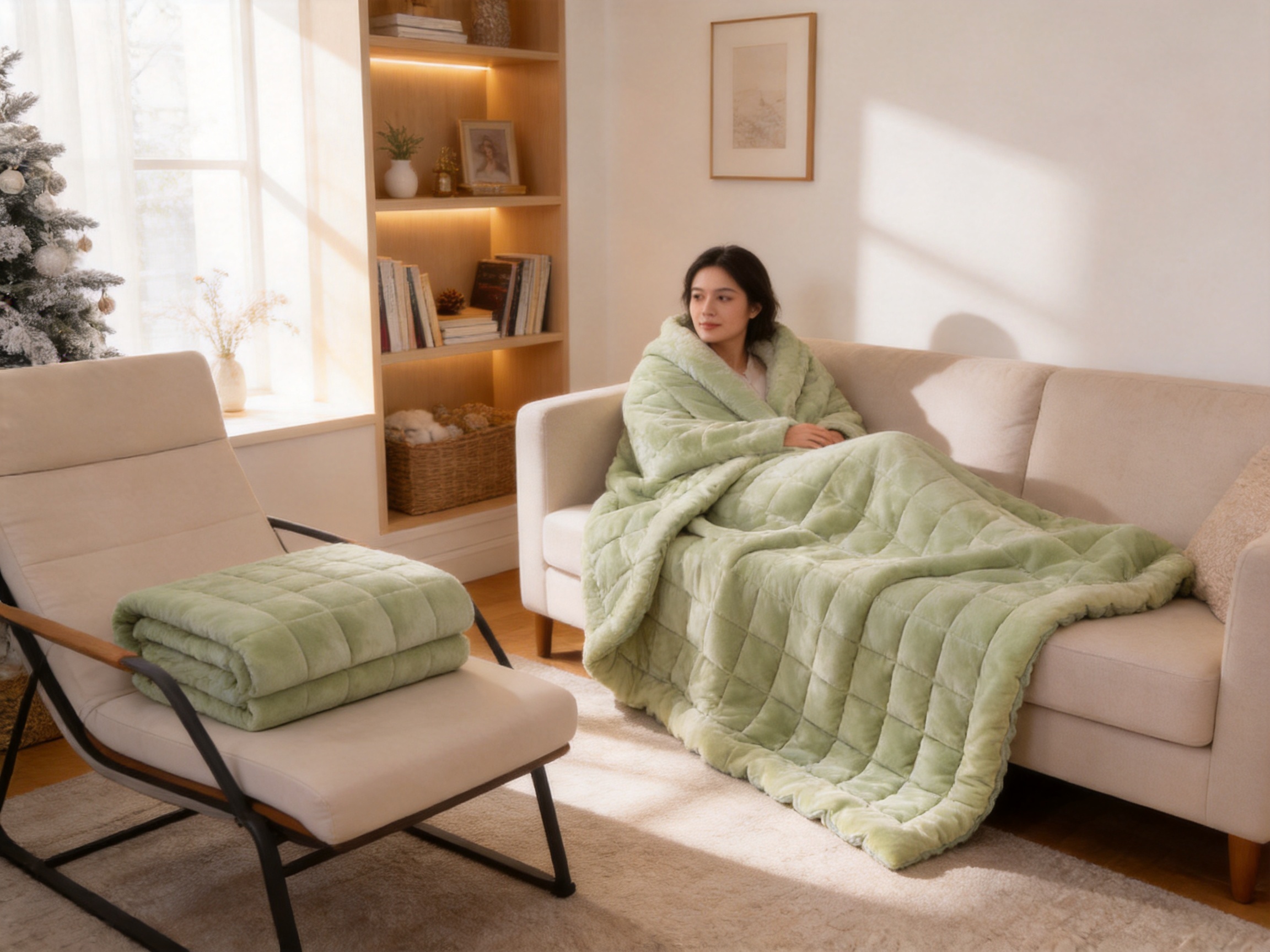
A well-designed blanket should do more than provide temporary warmth. It should feel pleasant against the skin, retain heat through extended use, remain attractive after repeated washing, and offer enough flexibility to suit different sleeping environments, customer preferences, and seasonal requirements. The flannel blanket presented here is developed around these practical needs. It combines a soft 180gsm flannel face, a 90gsm brushed fabric base, and a 3D fiber filling to create a warm, comfortable, and durable bedding product for cold seasons.
As part of a broader home textile portfolio, this blanket is suitable for manufacturers, wholesalers, retailers, hospitality suppliers, private-label brands, and other buyers looking for dependable bedding products. Its default size is 140*200cm, while customized dimensions can be discussed for different markets and applications. The construction is also suitable for product programs that require coordinated bedding collections, including quilts, pillows, mattress protectors, mattress covers, cushions, blankets, and related household textiles.
The product’s value comes from the balance among softness, warmth, fabric performance, easy care, and manufacturing adaptability. Many blankets can feel warm but become flat over time. Others may feel soft at first but shed, lose their surface quality, or become less comfortable after washing. This flannel blanket is designed to address these common concerns through a brushed textile structure, a fluffy 3D fiber filling, and production practices supported by an experienced bedding manufacturer.
Product Overview
The flannel blanket is a quilted or filled blanket made for use during cold weather and transitional seasons. Its outer fabric uses 180gsm flannel, recognized for its soft touch and comfortable surface. A 90gsm brushed fabric is used as the base layer, supporting the overall structure and contributing to the blanket’s smooth, warm hand feel. Inside, 3D fiber filling provides loft and cushioning while helping the blanket maintain a fluffy appearance.
The product is intended to offer warmth without creating an excessively rigid or heavy sleeping layer. Its soft surface makes it suitable for direct contact with the body, while the filling helps create a comfortable insulating space. The result is a blanket that can be used independently, layered with other bedding, or incorporated into a complete cold-season bedding arrangement.
Product Name |
Flannel Blanket |
Product Category |
Flannel Quilt |
Default Size |
140*200cm |
Customization |
Customized sizes available according to project requirements |
Face Fabric |
180gsm flannel fabric |
Base Fabric |
90gsm brushed fabric |
Filling |
3D fiber |
Main Application |
Cold-season home bedding and household textile programs |
Care Feature |
Machine washable, with warmth performance designed to remain effective after washing |
The 140*200cm format provides a practical starting point for many individual sleeping and lounging applications. Because bedding requirements differ by region, bed size, distribution channel, and consumer preference, the option to customize dimensions is important. Buyers can use a standard size for efficient product development or request a different specification for a private-label collection, hospitality program, seasonal promotion, or regional retail market.
Softness and Comfort of Flannel Fabric
The first experience a user has with a blanket is often its hand feel. A blanket may provide adequate insulation, but if its surface feels rough, stiff, or uncomfortable, it is less likely to become a preferred household product. Flannel is valued for its gentle, soft texture, and the 180gsm flannel face used in this blanket gives the product a substantial yet comfortable surface.
The fabric is designed to feel soft against the skin and warm to the touch. This tactile quality is especially valuable in cold weather, when consumers often look for bedding that feels inviting immediately after entering bed. The brushed surface creates a pleasant touch that can make the blanket suitable for sleeping, relaxing, reading, watching television, or adding an extra layer to a sofa or guest room.
Compared with a basic flat woven blanket, the flannel surface can provide a more cushioned and comforting user experience. Compared with fabrics that have a very loose or delicate surface, a properly manufactured flannel blanket can offer a more stable construction for regular household use. The product is intended to maintain this comfortable character through normal use and machine washing.
Softness is not only a matter of fiber selection. It also depends on finishing, fabric weight, surface brushing, sewing quality, and the way the filling is distributed. The combination of a 180gsm flannel face and a 90gsm brushed base allows the manufacturer to build a layered textile rather than relying on a single thin surface. This supports a fuller hand feel and gives the blanket a more complete, finished character.
For retailers and brands, the soft hand feel can also support product presentation. Consumers often touch blankets before purchase, whether in a store, showroom, sample room, or trade display. A surface that feels warm and smooth can communicate comfort immediately. For online sellers, the same benefit can be conveyed through close-up photography, lifestyle imagery, and product descriptions focused on softness, warmth, and easy care.
Warmth Retention and Insulating Structure
Warmth is the central performance requirement for a cold-season blanket. The product uses a 3D fiber filling to help create loft between the outer textile layers. This loft contributes to thermal comfort by providing a soft, airy structure that supports heat retention. The blanket is therefore designed to do more than simply add fabric weight; it creates a filled layer intended to surround the user with comfortable warmth.
The 3D fiber filling also contributes to the blanket’s fluffy appearance. A blanket that retains some of its loft can look more inviting and feel more substantial than a flat, compressed product. The filling provides a soft cushion beneath the flannel face and helps the product achieve a fuller profile without requiring an excessively heavy construction.
The warm-to-the-touch sensation comes from the interaction of the surface fabric and the internal structure. Flannel’s brushed surface is pleasant when first contacted, while the filled construction helps the blanket retain warmth during continued use. This combination gives the product an advantage over simple single-layer coverings that may feel cool at first and provide limited insulation.
Warmth requirements vary according to climate, indoor heating, sleeping habits, and the way the blanket is layered. For this reason, the product can be positioned as a versatile cold-season item rather than a one-purpose thermal solution. It may serve as a primary blanket in moderate conditions, an additional layer in colder rooms, or a comfortable throw-style covering for relaxation areas.
For commercial buyers, the balance between warmth and usability is important. A blanket that is too heavy may be inconvenient to fold, package, store, and ship. A blanket that is too thin may not satisfy consumers seeking a visibly warm product. The flannel face, brushed base, and 3D fiber filling provide a practical construction that communicates warmth while retaining the flexibility expected from a household blanket.
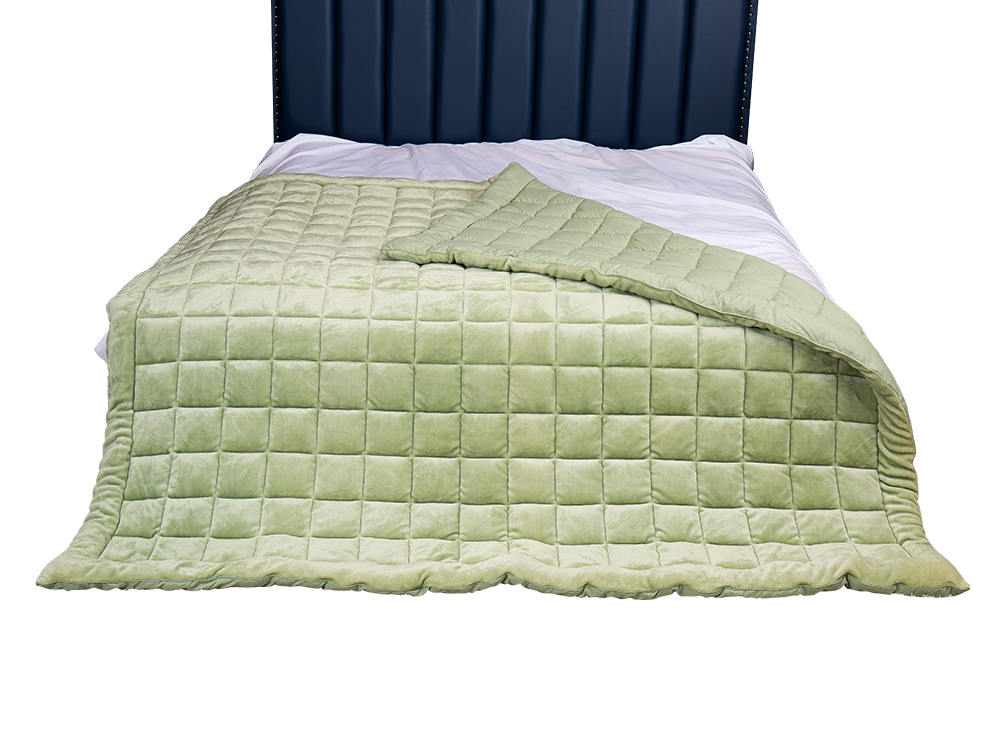
Flannel Blanket
Durability and Reduced Shedding
Surface shedding is a common concern in soft textile products. Loose fibers can affect appearance, create a poor first impression, and reduce user confidence. The flannel blanket is described as a non-shedding product under normal use, reflecting the importance of a stable surface and controlled textile processing. Maintaining the integrity of the face fabric helps preserve comfort and appearance over the product’s useful life.
Durability in bedding is created through several connected factors. The fabric must be appropriate for the intended application, the layers must be assembled consistently, and the filling must be held in place. Stitching and edge finishing also need to support repeated handling, folding, washing, and storage. A well-controlled production process helps ensure that the blanket is not only attractive when new but also dependable in everyday use.
The 180gsm flannel face gives the blanket a more substantial surface than a very lightweight brushed textile. The 90gsm brushed base adds another layer of support, while the 3D fiber filling contributes body. Together, these components produce a structured blanket with a fuller construction than a single-layer fleece or thin printed cover.
For buyers comparing products from different suppliers, construction transparency is an advantage. Clear information about face fabric weight, base fabric weight, filling type, and available size allows a purchasing team to evaluate products more effectively. It also supports accurate product descriptions, packaging information, internal quality standards, and customer service communication.
Durability does not mean that a blanket is immune to all wear. Correct washing, appropriate drying, and careful storage remain important. However, a product designed with suitable materials and controlled manufacturing can provide a stronger foundation for repeated use than a blanket selected only for its initial appearance or low purchase price.
Machine Washability and Easy Care
Consumers increasingly expect bedding to be easy to maintain. A blanket that requires complicated cleaning may be used less frequently or become difficult for hospitality and rental applications. This flannel blanket is machine washable, making it suitable for households and commercial users who value convenient care.
Machine washability supports hygiene, seasonal maintenance, and regular household use. Users can clean the blanket with standard laundry equipment rather than relying exclusively on professional services. This is particularly practical for families, guest rooms, dormitories, vacation properties, and hospitality environments where bedding may require frequent refreshment.
The product is designed so that its warmth effect is not reduced after washing when the blanket is cared for appropriately. This is a significant advantage because some filled blankets can lose loft, become uneven, or feel less warm after repeated laundering. A stable filling structure and suitable fabric assembly help the blanket continue to provide a comfortable level of insulation over time.
Care instructions should always be confirmed for the final production specification, because washing temperature, cycle selection, detergent, drying method, and machine capacity can influence the result. Nevertheless, the machine-washable design gives buyers a useful foundation for developing clear consumer care guidance. Retail packaging and product labels can communicate the recommended care method once the final order specification has been confirmed.
Easy care also supports product longevity. When consumers can wash a blanket conveniently, they are more likely to maintain it properly. This can improve satisfaction and reduce the likelihood that the product will be discarded because of cleaning inconvenience. For brands, the combination of softness, warmth, and washability can create a stronger overall value proposition than warmth alone.
Advantages Over Basic Blanket Alternatives
The flannel blanket can be compared with several common alternatives in the bedding market. A thin single-layer blanket may be inexpensive and easy to store, but it generally provides less loft and may offer limited warmth. A conventional woven blanket may provide structure but feel less soft against the skin. A very thick blanket may provide substantial insulation but become heavy, bulky, or difficult to wash.
This product is positioned between these extremes. Its flannel face contributes softness, the brushed base adds textile depth, and the 3D fiber filling contributes warmth and loft. The construction aims to provide a comfortable balance rather than maximizing only one characteristic.
Evaluation Point |
Flannel Blanket |
Potential Limitation of Basic Alternatives |
Surface Feel |
Soft, gentle, and warm to the touch |
Single-layer or low-quality fabrics may feel thin or less comfortable |
Warmth Structure |
3D fiber filling creates a fluffy insulating layer |
Flat blankets may provide less loft and reduced insulation |
Layer Construction |
180gsm flannel face with 90gsm brushed base |
Some alternatives use one lightweight fabric layer |
Care |
Machine washable for convenient maintenance |
Special-care products may be less convenient for frequent use |
Customization |
Default 140*200cm with customizable sizing |
Standard-only products may not fit specific programs |
Seasonal Use |
Designed for cold seasons and flexible layering |
Some products may be too light or too heavy for varied conditions |
The product’s advantage is therefore cumulative. It does not depend on a single feature but on the way multiple features work together. A soft surface alone does not guarantee warmth. Filling alone does not guarantee a pleasant hand feel. Washability alone does not guarantee long-term comfort. The combined design addresses the main expectations of a practical cold-season blanket.
For buyers developing a retail assortment, this balanced positioning can simplify product selection. The blanket may be marketed as a comfort-focused product for consumers who want warmth without an overly complicated care routine. It can also be included in seasonal campaigns, winter bedding collections, gift assortments, guest-room programs, and coordinated home textile ranges.
Manufacturing Expertise and Production Capability
The product is manufactured by Tongxiang Xinlong Bedding Co., Ltd., a home textile company established in January 2002. The company is located in Wuzhen, Tongxiang City, Zhejiang Province, China, an area associated with textile production and home furnishing industries. Its experience in bedding manufacturing provides a foundation for producing filled quilts, blankets, pillows, cushions, mattress protectors, bedspreads, travel quilts, quilt and pillowcases, shower curtains, curtains, and other home textile products.
The company covers approximately 21,000 square meters, including a construction area of approximately 18,000 square meters. It has more than 320 employees and is equipped with various production machines and manufacturing resources. This scale supports organized production, professional coordination, and the ability to handle different home textile categories within one manufacturing organization.
A broad product portfolio is useful when producing a specialized blanket because it develops knowledge across related bedding structures. Blanket production may involve fabric inspection, cutting, filling preparation, quilting or stitching, edge finishing, inspection, packing, and shipment coordination. Experience with pillows, quilts, mattress protectors, and cushions can contribute to practical understanding of filling materials, soft textile handling, dimensional stability, and finished-product quality.
The company continues to develop and innovate in response to changes in the home textile industry. Professional and technical personnel support the design and manufacture of fashionable and warm household products. For buyers, this means the supplier is not limited to repeating one fixed product. It can work with customers on specifications, product adjustments, and different household textile requirements.
Manufacturing capability is particularly important for customized bedding. A buyer may need a different length or width, a modified fabric combination, a coordinated product group, or packaging adapted to a particular sales channel. The ability to discuss these requirements with an experienced factory can reduce communication gaps between product concept and finished goods.
Advanced Production Process for a Filled Flannel Blanket
Although the exact production sequence may vary according to order requirements, a professional filled blanket typically passes through several controlled stages. Each stage influences the final product’s appearance, comfort, and performance. The following process describes the manufacturing logic behind a product using a flannel face, brushed base, and 3D fiber filling.
Material Selection and Incoming Inspection
Production begins with the selection of the specified fabrics and filling. The 180gsm flannel face and 90gsm brushed base must be checked against the approved specification. Inspection may consider fabric weight, width, color consistency, surface appearance, hand feel, and visible defects. The 3D fiber filling is also reviewed for cleanliness, loft, uniformity, and suitability for the planned construction.
Incoming inspection is important because finished-product consistency depends on raw-material consistency. Variations in fabric width can affect cutting efficiency and final dimensions. Differences in surface brushing can affect the perceived softness of different production batches. Uneven filling can create variations in thickness or warmth. Early inspection allows potential issues to be identified before they move into later production stages.
Fabric Preparation and Cutting
After inspection, fabrics are prepared for cutting. The production team plans the cutting layout according to the selected size, fabric width, pattern direction, and order quantity. For the standard 140*200cm format, the cutting process must account for sewing allowances, edge finishing, shrinkage considerations, and any required pattern alignment.
Accurate cutting contributes to dimensional consistency. If panels are cut unevenly, the blanket may become difficult to assemble or may show tension along the edges. Controlled cutting also supports material efficiency, helping reduce waste and improve cost management for larger production programs.
Filling Preparation and Distribution
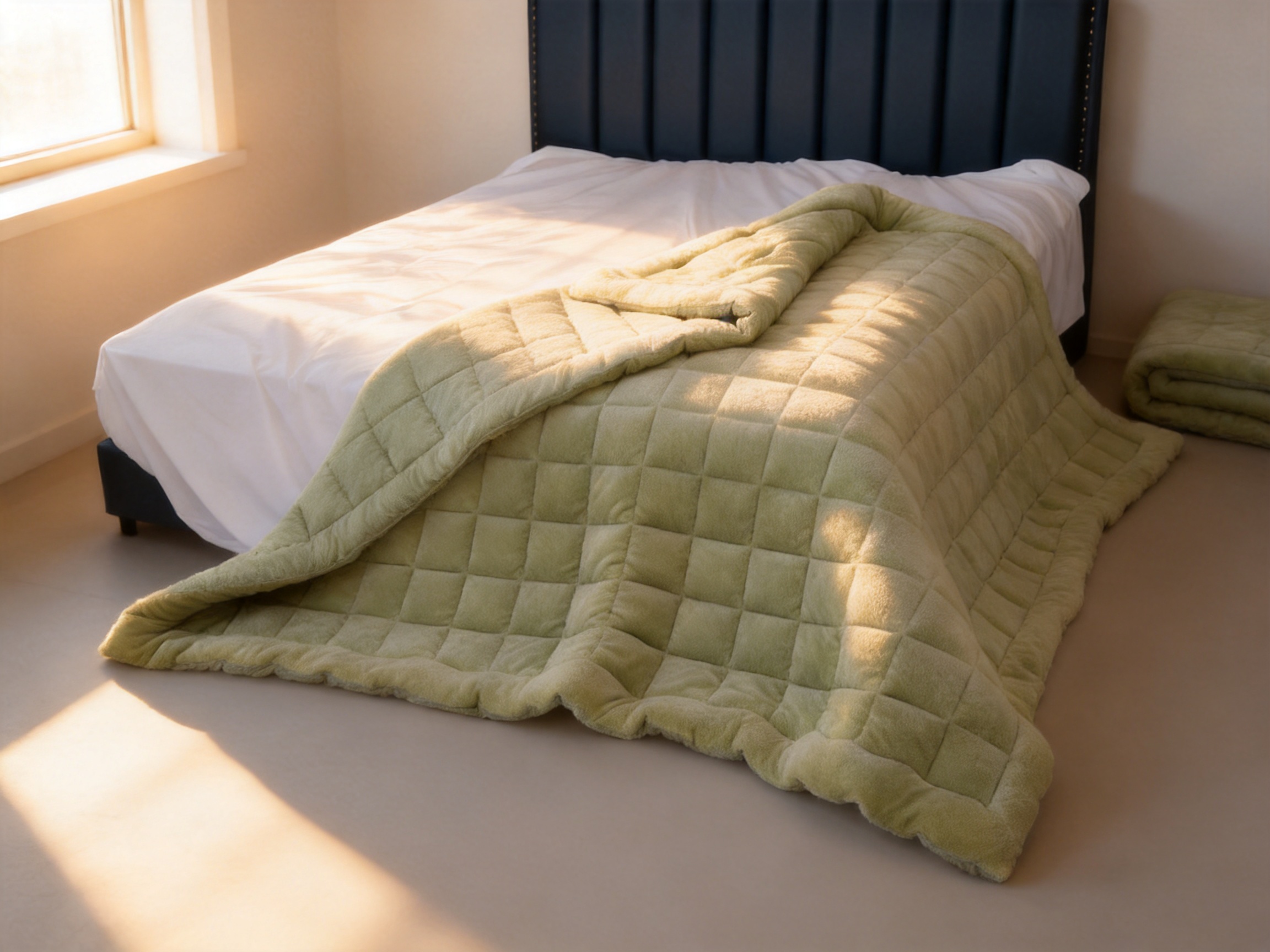
The 3D fiber filling is prepared and distributed between the fabric layers. Uniform distribution is essential because concentrated or insufficient filling can affect warmth, loft, appearance, and comfort. A professional production team manages the filling so that the completed blanket has a balanced feel from one area to another.
The filling must also be secured during assembly. A well-controlled process reduces the possibility of movement, bunching, or excessive compression during use and washing. The exact quilting or securing method can be selected according to the final design, size, customer requirements, and equipment configuration.
Layer Assembly and Quilting
The flannel face, 3D fiber filling, and brushed base are assembled into a unified blanket structure. Quilting or controlled stitching helps hold the layers together and contributes to dimensional stability. It can also add visual character to the finished product, depending on the selected pattern and sewing method.
Quilting must be balanced carefully. Stitching that is too loose may not hold the filling effectively, while stitching that is too dense can compress the filling and reduce the desired fluffy feel. Professional operators and suitable machinery help maintain a consistent relationship between secure construction and comfortable loft.
Edge Finishing
The blanket edges are finished to create a clean appearance and support long-term use. Edge construction may involve binding, overlocking, folding, or another approved method depending on the design. Good edge finishing improves the product’s visual presentation and helps protect the fabric layers during handling, laundering, folding, and packaging.
Edges are also important from a consumer perspective because they are frequently touched and handled. A smooth, secure edge supports the overall perception of quality. When the blanket is displayed in a retail environment, neat corners and consistent borders can make a noticeable difference in product presentation.
Final Inspection and Packing
Before packing, finished blankets can be inspected for size, stitching, fabric appearance, filling distribution, edge quality, cleanliness, and general workmanship. Any required labels, folding methods, inserts, or packaging components can be reviewed against the approved order details.
Proper folding and packing help protect the blanket during storage and transportation. Packaging can also be adapted to the buyer’s requirements, subject to confirmation during product development. For retail customers, packaging may need to communicate size, fabric composition, care instructions, and seasonal benefits. For bulk or hospitality buyers, the emphasis may be on efficient cartons and practical handling.
Quality Management and Certifications
Quality is identified by the company as a central principle of its business operation. The manufacturing organization has passed international certifications and standards including ISO9001, ISO14001, OEKO-related certifications, GRS, and BSCI, according to the supplied company information. These certifications and systems indicate attention to quality management, environmental management, social responsibility, and material-related requirements.
ISO9001 is associated with quality management systems and structured procedures. In a bedding factory, a quality management approach can support document control, process monitoring, corrective action, inspection procedures, and continual improvement. These practices are valuable for products such as flannel blankets, where consistency across fabric, filling, dimensions, stitching, and finishing is important.
ISO14001 relates to environmental management systems. Environmental management can encourage a factory to monitor resource use, production impacts, waste handling, and operational procedures. For home textile buyers, this provides additional information when evaluating suppliers for long-term cooperation and responsible sourcing programs.
OEKO-related certifications are relevant to textile products and may address the testing of materials and substances. The supplied information refers to OEKO-100 and OEKO-STEP. Buyers should confirm the specific certificate scope, validity, product coverage, and applicable testing requirements for each order. Such verification is an important part of responsible procurement.
GRS is associated with recycled materials and chain-of-custody requirements when applicable. BSCI is associated with social compliance and workplace practices. The availability of these certifications can help buyers conduct supplier assessments, although each customer should review the current documents and confirm whether they apply to the specific flannel blanket specification.
The company has also been rated as a safety production standardization enterprise for several consecutive years since 2016, according to the provided information. Production safety is directly relevant to stable factory operations. A safe and organized workplace supports employee well-being, reduces operational disruption, and contributes to more reliable order fulfillment.
Certifications do not replace product-specific inspection. Buyers should still approve samples, confirm materials, establish acceptable quality limits, and conduct inspections appropriate to their market. However, a documented management framework and established factory systems can provide a stronger foundation for these activities than an informal production arrangement.
Customization for Different Markets
The default product size is 140*200cm, but customization is available. This flexibility allows the blanket to serve different bed formats, consumer preferences, and distribution strategies. A buyer may require a longer blanket for a specific market, a different width for a particular bed size, or a customized dimension for use as a sofa blanket, travel blanket, guest-room item, or promotional product.
Customization should be considered as a complete product decision rather than a simple change in length and width. The selected dimensions may affect fabric consumption, filling quantity, quilting layout, packaging size, carton loading, shipping efficiency, and retail presentation. A professional factory can help evaluate these connected factors before mass production.
Brands may also develop customized collections around the same basic construction. For example, a seasonal range may use different colors, printed surfaces, coordinated pillow products, or matching quilts. A hotel supplier may request a practical color palette and packaging format. A retailer may want a private-label label, specific folding method, barcode placement, or presentation bag.
The company’s experience with multiple categories of home textile products supports coordinated sourcing. Buyers can potentially discuss blankets alongside quilts, pillows, cushions, mattress protectors, bedspreads, quilt covers, and pillowcases. Sourcing several related items from one experienced manufacturer may simplify communication, sampling, production scheduling, and quality coordination.
Customization also provides an opportunity to align the product with local climate and consumer expectations. Some markets emphasize lightweight warmth, while others prefer a fuller winter construction. Some customers prioritize compact packaging, while others want a generously presented blanket. The fundamental flannel-and-3D-fiber design can serve as a starting point for a product specification tailored to the target market.
Applications in Residential and Commercial Settings
In residential use, the flannel blanket can be placed on a bed as a primary cold-season cover or used as an additional layer. Its soft surface makes it suitable for bedrooms, guest rooms, children’s rooms, reading corners, and living-room seating. The 140*200cm size can also be used as a versatile household format for individual sleeping and relaxation applications.
For guest rooms and vacation properties, machine washability is an important practical benefit. The blanket can be refreshed between uses according to the property’s established laundry procedures. Its warm and soft character can contribute to a more welcoming guest experience, especially during autumn and winter.
In hospitality and accommodation environments, buyers typically consider more than appearance. They may evaluate repeated-use performance, laundering convenience, packing, replacement availability, and the consistency of future production batches. A manufacturer with an established bedding portfolio and structured quality systems can be a suitable partner for these requirements, subject to project-specific evaluation.
Retailers can position the product in seasonal bedding displays, winter home collections, comfort-focused assortments, or value-added gift programs. The product’s most communicable features include the soft flannel surface, warm 3D fiber filling, brushed base fabric, machine washability, and customizable size.
Online sellers can use the same product characteristics to build informative listings. Clear descriptions should explain the layered construction, intended seasonal use, available dimensions, care expectations, and material specifications. Product imagery should show the surface texture, blanket loft, folded presentation, and use in a comfortable home setting.
Corporate and promotional buyers may also consider blankets for seasonal gifts, employee care packages, hospitality welcome sets, or household product campaigns. For such applications, customization of size, color, label, packaging, and quantity may be discussed during the order development process.
Why Factory Experience Matters to Buyers
Selecting a blanket supplier involves more than comparing a single sample. Buyers need to understand whether a manufacturer can maintain quality during larger production, communicate clearly, support changes, and manage related processes such as inspection and packing. Factory experience reduces the risk that a product concept will be difficult to reproduce at commercial scale.
Tongxiang Xinlong Bedding Co., Ltd. has been operating since 2002 and focuses on home textile products. Its more than two decades of industry experience provide a basis for understanding fabric behavior, filled-product assembly, bedding dimensions, and seasonal product development. The company’s range includes many products that share materials or construction principles with flannel blankets.
The factory’s scale, with approximately 21,000 square meters of land area, an approximately 18,000-square-meter construction area, and more than 320 employees, supports the organization of multiple production activities. A larger manufacturing structure may provide advantages in workforce specialization, production planning, equipment access, and order coordination. These advantages should always be assessed against the specific capacity and schedule required for a buyer’s project.
Advanced equipment is another important element. Modern production equipment can support consistent cutting, sewing, quilting, filling, finishing, and inspection. Equipment alone does not guarantee quality, but it can improve repeatability when combined with trained personnel, documented procedures, and appropriate supervision.
The company also emphasizes continued development and innovation. This is relevant in a market where consumers expect bedding to combine comfort, appearance, functionality, and responsible production. A supplier capable of adapting products can help brands respond to changing seasonal trends and customer expectations without abandoning dependable manufacturing principles.
How to Evaluate a Flannel Blanket Before Purchase
Buyers should begin by reviewing the product specification. The face fabric should be confirmed as 180gsm flannel, the base as 90gsm brushed fabric, and the filling as 3D fiber unless a revised specification is approved. The requested size, tolerance, color, stitching design, edge finish, label, packaging, and care instructions should be documented clearly.
Sample evaluation should include touch, appearance, loft, weight, warmth, seam security, edge construction, and dimensional accuracy. The sample should be examined both unfolded and folded. Buyers may also wish to observe whether the surface remains attractive after a suitable washing test carried out according to the agreed care method.
For larger programs, inspection criteria should be agreed before production. These may include acceptable variations in dimensions, color, fabric weight, filling distribution, sewing, stains, holes, loose threads, packaging, and labeling. A written specification helps all parties evaluate the finished product using the same expectations.
Buyers should also confirm the documentation associated with any claimed certification. The name of the certificate, issuing organization, validity period, scope, and covered materials or products should be reviewed. If a customer requires testing for a particular market, those requirements should be communicated before materials are purchased or production begins.
Finally, commercial buyers should evaluate communication and after-sales support. A suitable supplier should be able to discuss sample revisions, production schedules, packing details, shipping documents, and quality concerns in a clear and timely manner. These practical factors can influence the success of a product program as much as the blanket’s initial appearance.
Product Positioning and Marketing Value
The flannel blanket has a clear seasonal identity. It can be presented as a warm and soft home textile for cold weather, emphasizing comfort, easy care, and lasting usefulness. The product’s layered construction gives marketing teams specific information to communicate rather than relying on vague descriptions such as “soft” or “warm.”
Marketing content can explain that the blanket uses a 180gsm flannel face, a 90gsm brushed base, and 3D fiber filling. These details help customers understand why the product feels soft and has a fuller structure. Product descriptions can also mention the default 140*200cm size and the availability of customized dimensions for selected orders.
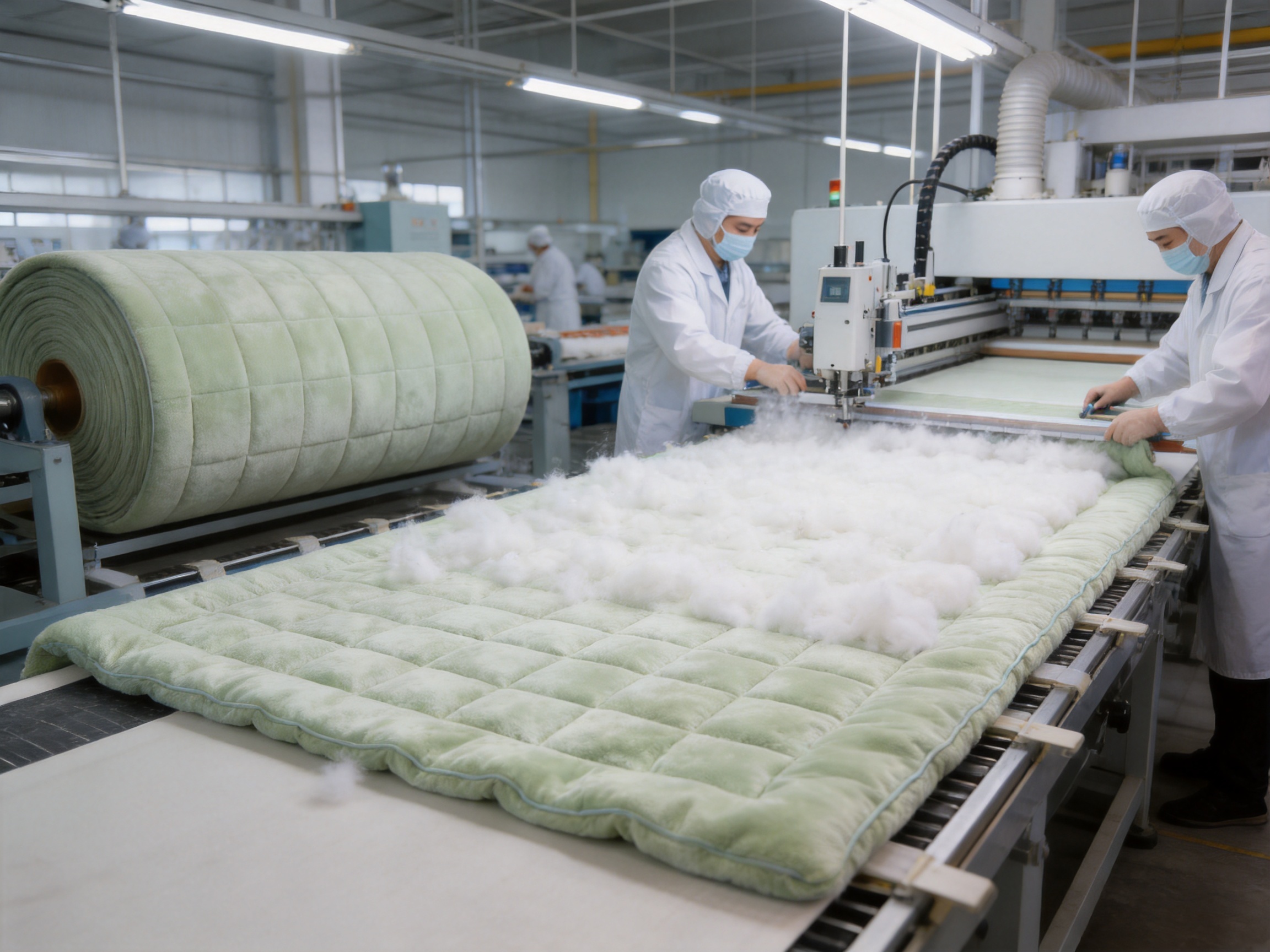
Retail presentation can focus on touch and loft. Folded displays should allow customers to see the surface texture and feel the fabric when possible. Lifestyle photography can show the blanket on a bed, sofa, or reading chair. Packaging should preserve the product’s clean appearance while providing essential information about size, materials, washing, and intended use.
For private-label brands, the factory’s broader home textile capability can support collection building. A flannel blanket may be combined with pillows, cushions, mattress protectors, quilts, or bedspreads to create a coordinated seasonal range. A collection approach can increase the product’s visibility and help retailers present a complete bedding solution rather than a single isolated item.
The product can also be positioned around practical value. Consumers often want bedding that feels luxurious but remains manageable in everyday life. The combination of soft touch, warm filling, machine washability, and durable construction gives the blanket a balanced message: comfort for immediate enjoyment and convenience for continued use.
Responsible and Organized Manufacturing
Modern home textile purchasing increasingly includes questions about how products are made. Buyers may consider quality systems, environmental procedures, social compliance, worker safety, material traceability, and production transparency. The manufacturer’s reported ISO9001, ISO14001, OEKO-related, GRS, and BSCI certifications provide a basis for these discussions, while project-specific verification remains necessary.
Organized manufacturing can benefit product quality in several ways. Standardized procedures help employees follow consistent methods. Documented inspections make it easier to identify and correct problems. Environmental management encourages attention to production impacts. Social compliance systems support responsible workplace practices. Safety standardization contributes to stable operations and employee protection.
Responsible production is also connected to product life. A blanket that remains comfortable, attractive, and functional over repeated use may offer better practical value than a product that must be replaced quickly. Durability, washability, and stable warmth can therefore be viewed as both consumer benefits and resource-conscious product characteristics.
Buyers should communicate their own sustainability requirements clearly. These may concern recycled content, restricted substances, packaging materials, chemical testing, social audits, or environmental reporting. The manufacturer can then confirm which requirements are applicable to the proposed blanket and which documents or tests can be provided.
Ordering and Product Development Considerations
A successful order begins with a complete product brief. The brief should identify the intended market, final size, fabric colors, filling requirements, quilting or stitching preferences, edge finish, labels, packaging, order quantity, delivery schedule, and inspection expectations. Clear information enables the factory to prepare an accurate sample and quotation.
Sampling is an important stage because it converts written requirements into a physical product. Buyers should assess the sample carefully and record any changes. If a different size or construction is requested, the effect on fabric consumption, filling quantity, weight, packing dimensions, and production cost should be reviewed before approval.
Color approval should be handled carefully because textile colors may appear different under various lighting conditions and on different screens. Buyers should use approved references where possible and confirm whether color tolerance standards are required. The flannel surface and brushed base should also be reviewed together to ensure that the final combination has the desired appearance.
Packaging development should reflect the sales channel. Retail packaging may require individual bags, inserts, barcodes, hangtags, or display-friendly folding. Wholesale and hospitality orders may prioritize protective bulk packing and efficient carton loading. Packaging specifications should be finalized before mass production to avoid unnecessary changes late in the process.
Production monitoring and final inspection help ensure that the approved sample is represented in the finished order. Buyers may use internal inspection teams, third-party inspection services, or agreed factory inspection procedures. The appropriate method depends on order size, market requirements, risk level, and the buyer’s quality system.
Q&A
What is the main material structure of the blanket?
The blanket uses 180gsm flannel fabric as the face, 90gsm brushed fabric as the base, and 3D fiber as the filling. This combination is designed to provide a soft surface, a fuller construction, and comfortable cold-season warmth.
What is the standard size?
The default size is 140*200cm. Customized dimensions can be discussed for different beds, markets, hospitality projects, private-label programs, or other applications.
Is the blanket suitable for cold seasons?
Yes. The blanket is specifically described as a cold-season product. Its warm-to-the-touch flannel surface and 3D fiber filling are intended to provide comfortable insulation for cooler conditions.
Can the blanket be machine washed?
Yes. The blanket is machine washable. The final care label should specify the appropriate washing and drying instructions for the approved production specification.
Will the blanket lose its warmth after washing?
The product is designed so that its warmth effect is not reduced after washing when it is cared for appropriately. Buyers should confirm the recommended care process and conduct their own washing evaluation if particular performance standards are required.
Does the flannel surface shed?
The product description states that the fabric does not shed under normal use. Buyers can include surface appearance and shedding performance in sample approval and quality inspection procedures.
What makes the blanket different from a basic single-layer blanket?
The blanket combines a 180gsm flannel face, a 90gsm brushed base, and 3D fiber filling. This layered construction gives it a softer hand feel, more body, and greater warmth potential than a simple flat single-layer covering.
Can the product be customized for a private-label brand?
Customized sizing is available, and other project details may be discussed with the manufacturer. These can include colors, labels, packaging, stitching, and coordinated home textile products, subject to confirmation during product development.
What types of buyers may use this product?
The blanket may suit wholesalers, retailers, private-label brands, hospitality suppliers, accommodation operators, promotional-product buyers, and other organizations sourcing cold-season home textiles.
What other products does the manufacturer produce?
The company produces various home textile products, including silk cotton quilts, chemical fiber quilts, pillows, cushions, bedspreads, travel quilts, mattress protectors, blankets, quilt and pillowcases, shower curtains, curtains, and related household textile products.
Where is the manufacturer located?
The company is located at No. 268 Xingfa Road, Wuzhen, Tongxiang City, Jiaxing, Zhejiang Province, China.
How long has the company been operating?
Tongxiang Xinlong Bedding Co., Ltd. was established in January 2002. The company has developed its home textile manufacturing activities over more than two decades.
What production resources does the company have?
The company covers approximately 21,000 square meters, has an approximately 18,000-square-meter construction area, employs more than 320 people, and is equipped with various production machines and manufacturing resources.
Does the company have management and compliance certifications?
According to the supplied information, the company has passed certifications and standards including ISO9001, ISO14001, OEKO-related certifications, GRS, and BSCI. Buyers should request and verify current documents and confirm their scope for a specific order.
How should a buyer begin a customized project?
A buyer should provide the intended application, size, materials, colors, filling, stitching, edge finish, labels, packaging, quantity, delivery schedule, and quality requirements. The manufacturer can then prepare a product discussion, sample, or quotation based on the project brief.
Conclusion
The flannel blanket is designed as a balanced cold-season bedding product combining a soft 180gsm flannel face, a 90gsm brushed base, and 3D fiber filling. Its key benefits include a gentle hand feel, warm-to-the-touch comfort, a fluffy internal structure, reduced shedding, machine washability, and warmth designed to remain effective after washing.
Its advantages over simpler alternatives come from the complete construction rather than one isolated feature. The product provides a practical combination of softness, insulation, convenience, and flexible sizing. These characteristics make it suitable for residential use, retail collections, hospitality applications, private-label programs, seasonal promotions, and coordinated home textile ranges.
The manufacturing foundation adds further value. Established in 2002, Tongxiang Xinlong Bedding Co., Ltd. operates from a substantial production site, employs more than 320 people, maintains a wide home textile portfolio, and uses professional production resources. Its reported quality, environmental, textile, recycled-material, social-compliance, and safety-related systems provide useful support for buyers evaluating a long-term factory partner.
For companies seeking a dependable flannel blanket, the most important next steps are sample approval, specification confirmation, care validation, packaging development, and order-specific quality planning. With these details clearly defined, the product can be adapted to different markets while preserving its central value: comfortable softness, reliable warmth, and practical everyday use.
References
1. Product specification supplied for the flannel blanket, including fabric weights, filling, dimensions, care characteristics, and product category.
2. Company profile supplied for Tongxiang Xinlong Bedding Co., Ltd., including establishment date, manufacturing location, facility size, workforce, product range, and production capabilities.
3. International Organization for Standardization. ISO 9001 quality management system principles.
4. International Organization for Standardization. ISO 14001 environmental management system principles.
5. OEKO-TEX textile safety and responsible textile production information.
6. Global Recycled Standard material and chain-of-custody principles.
7. amfori BSCI social compliance framework information.
8. General textile manufacturing and filled bedding quality-control practices.


 +86-573-88798028