



 Français
 Español
 Deutsch
Content
- 1 1. Product Overview
- 2 2. Why the Product Design Is Competitive
- 3 3. Materials and Performance Characteristics
- 4 4. Manufacturing Strengths and Production Capability
- 5 5. Quality Control for the Classic Cotton Pillow
- 6 6. Applications in Different Markets
- 7 7. Comparing the Pillow with Alternative Product Types
- 8 8. Sustainability and Responsible Manufacturing Considerations
- 9 9. Product Development and Customization Process
- 10 10. Care, Handling, and Expected Use
- 11 11. Purchasing Advantages for International Buyers
- 12 12. Questions and Answers
- 12.1 Q1: What is the standard size of the Classic Cotton Pillow?
- 12.2 Q2: What fabric is used for the pillow shell?
- 12.3 Q3: What is the filling made from?
- 12.4 Q4: Can the pillow’s filling weight be customized?
- 12.5 Q5: Is the pillow suitable for hotels?
- 12.6 Q6: Can the pillow be used in a private-label product line?
- 12.7 Q7: How does this pillow compare with a memory foam pillow?
- 12.8 Q8: What should a buyer check during sample approval?
- 12.9 Q9: Does the manufacturer produce other home textile products?
- 12.10 Q10: What certifications or management systems are reported?
- 12.11 Q11: Is Natural White suitable for hotel bedding?
- 12.12 Q12: Can the product be ordered with different comfort levels?
- 13 13. Conclusion
- 14 References
- 15 Product: Classic Cotton Pillow
A pillow is one of the most important elements in a complete bedding system. It supports the head and neck, influences sleeping posture, affects perceived mattress comfort, and contributes to the overall appearance of a bedroom. Although pillows may appear simple, their performance depends on the relationship between fabric, filling, construction, dimensions, loft, softness, resilience, hygiene, and manufacturing consistency.
The Classic Cotton Pillow is designed as a straightforward, adaptable, and commercially practical bedding solution. Its simple appearance allows it to fit naturally into private homes, hotels, guest rooms, dormitories, serviced apartments, and other accommodation environments. At the same time, its construction provides manufacturers, wholesalers, hospitality buyers, and private-label customers with room to adjust the internal filling weight according to different requirements.
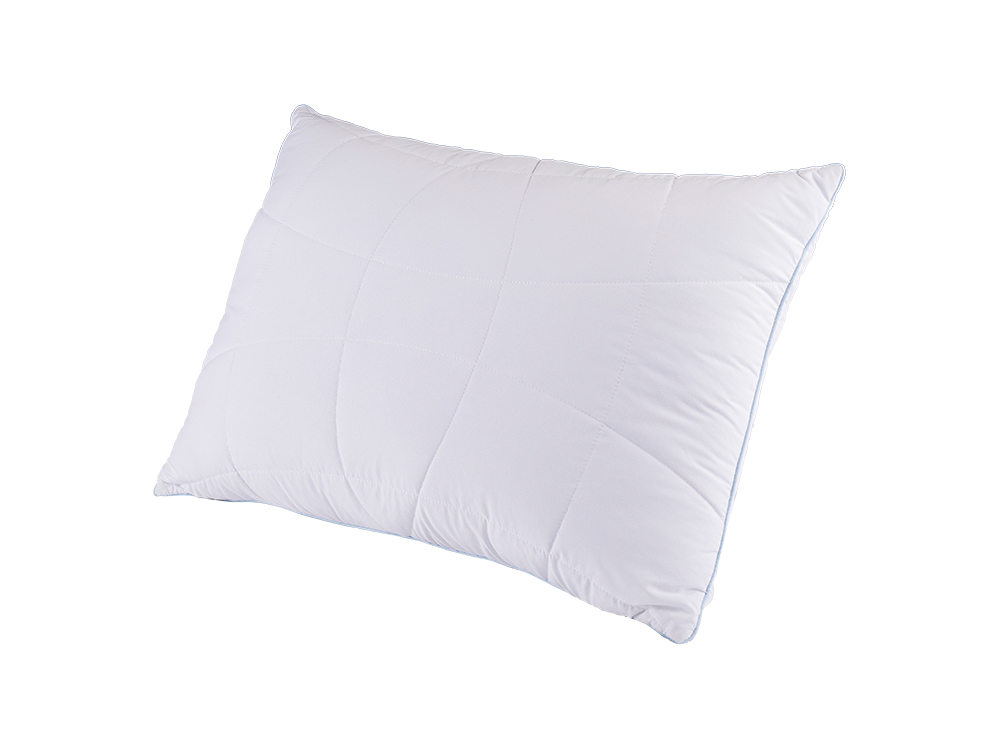
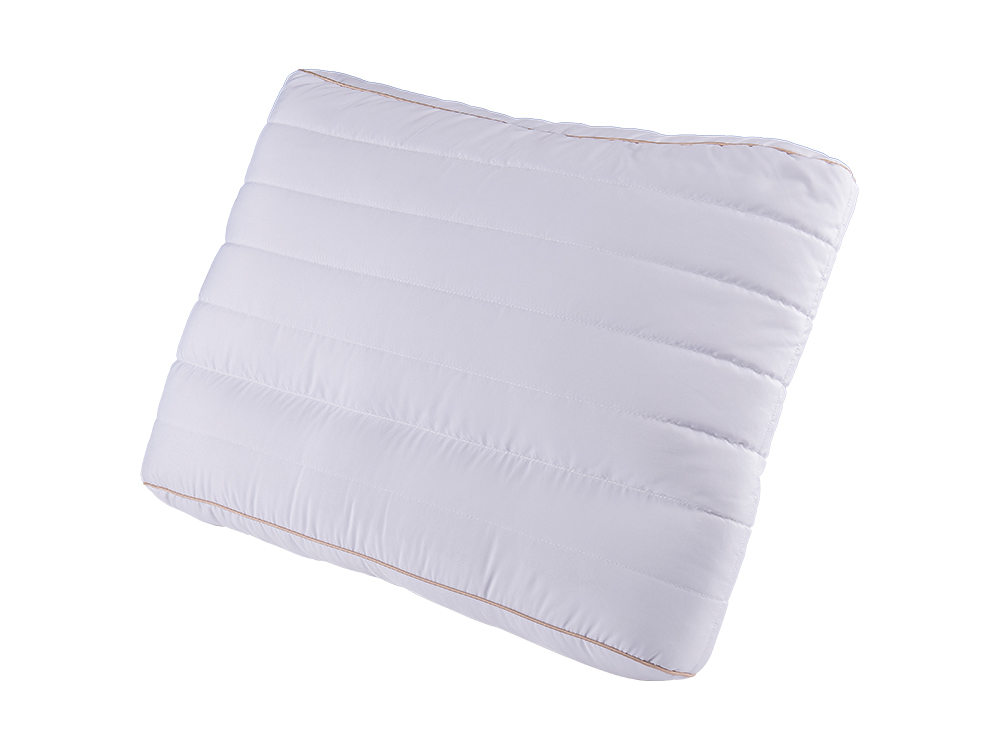
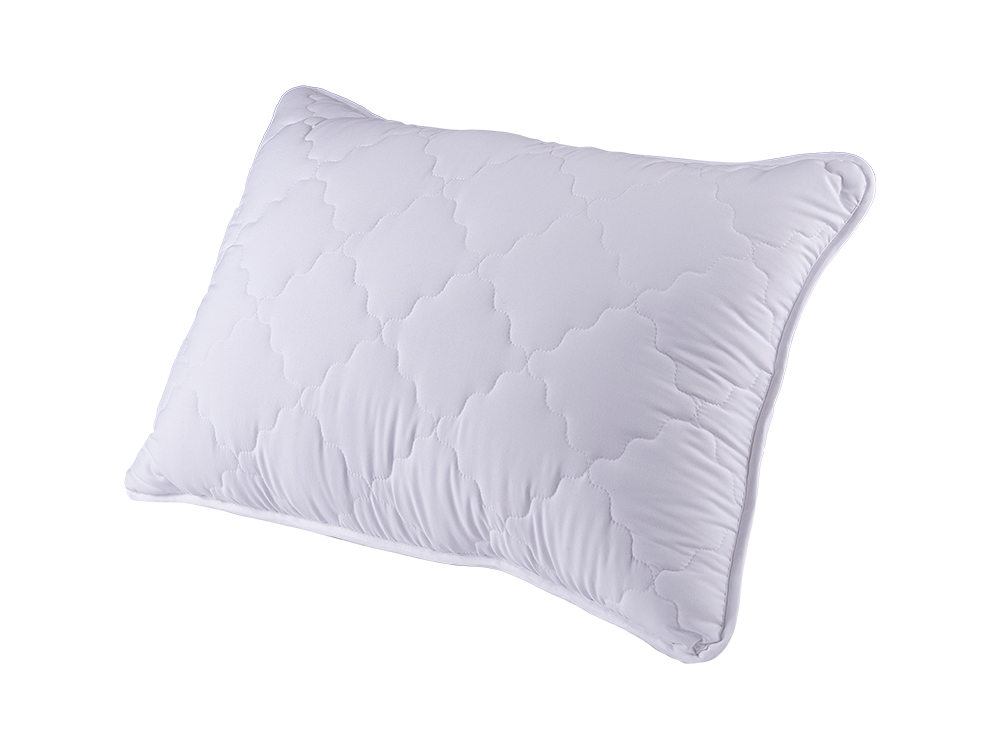
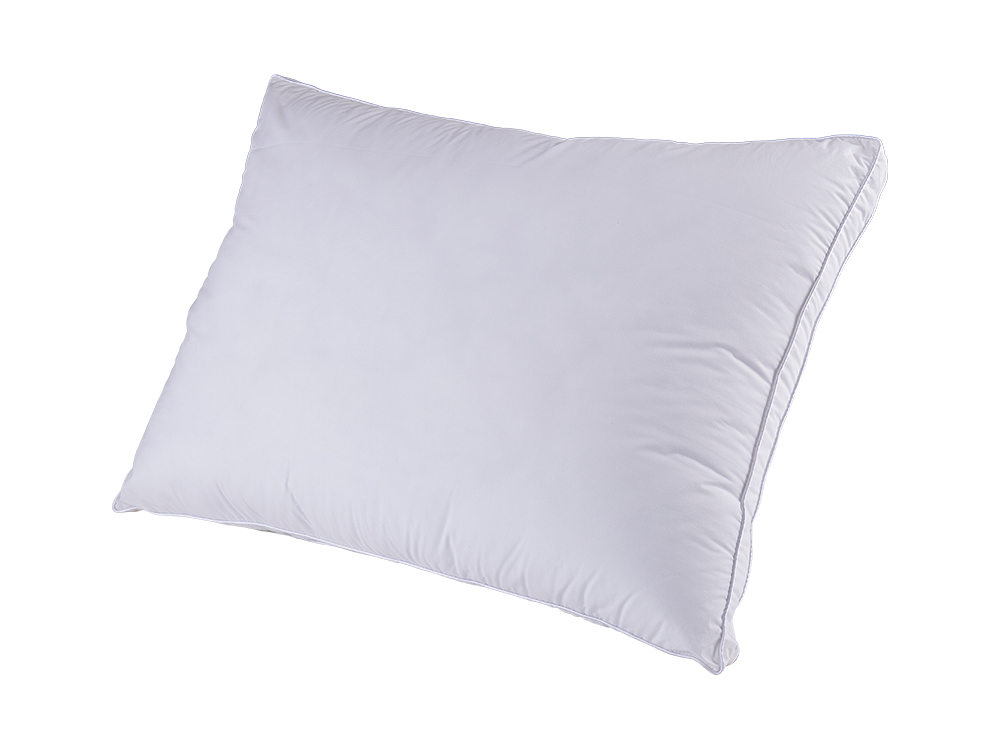
The product uses Natural White 233-thread-count cotton fabric and a 3D plus 6D polyester filling blend. It is supplied in a 50 x 70 x 4 centimeter format, creating a balanced rectangular profile for everyday use. The design emphasizes dependable comfort rather than excessive decoration, making the pillow suitable for customers who value easy coordination, stable production, and flexible purchasing options.
Behind the product is Tongxiang Xinlong Bedding Co., Ltd., a home textile manufacturer established in January 2002. The company operates from Wuzhen, Tongxiang, Zhejiang Province, an area with a strong textile and manufacturing heritage. Its production scope includes pillows, quilts, cushions, mattress protectors, blankets, mattress covers, bedspreads, pillowcases, quilt covers, curtains, shower curtains, and other household textile products.
This article examines the Classic Cotton Pillow in detail. It explains the product’s materials, dimensions, comfort characteristics, customization potential, quality considerations, manufacturing advantages, commercial applications, care expectations, and purchasing value. It also considers how a specialized bedding producer can support stable product development from material selection through finished-product inspection.
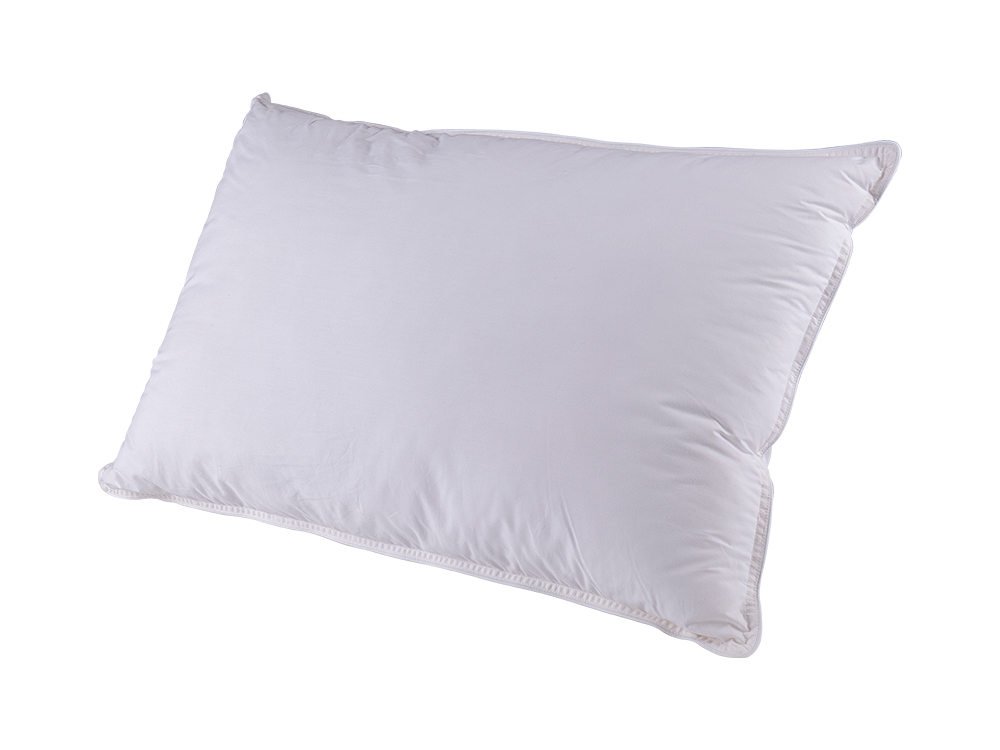
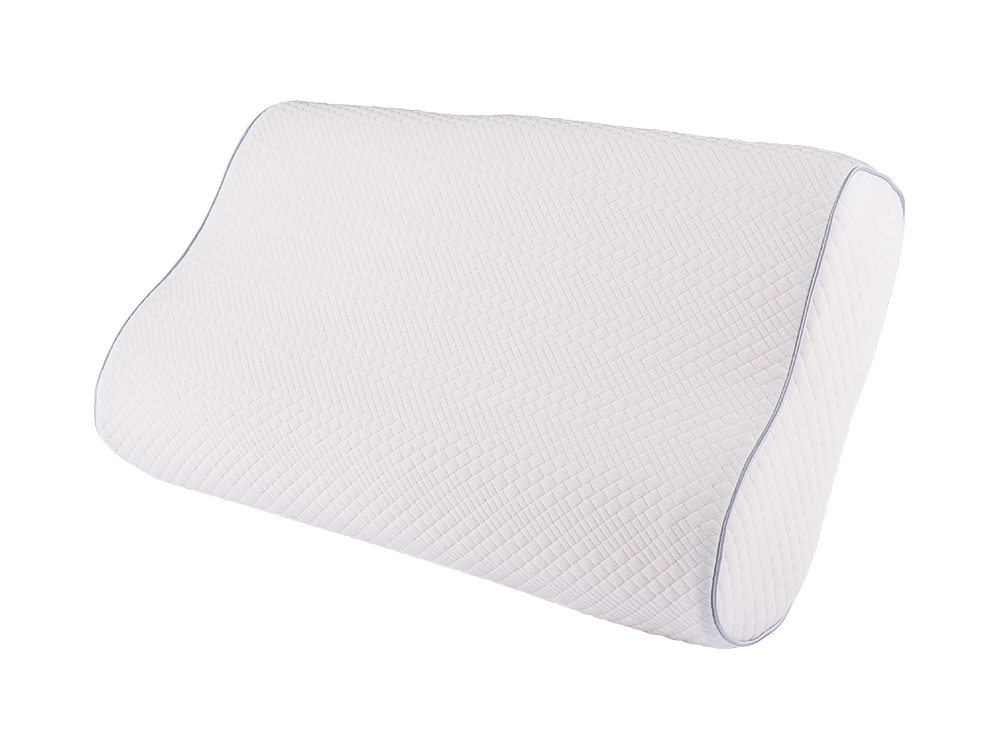
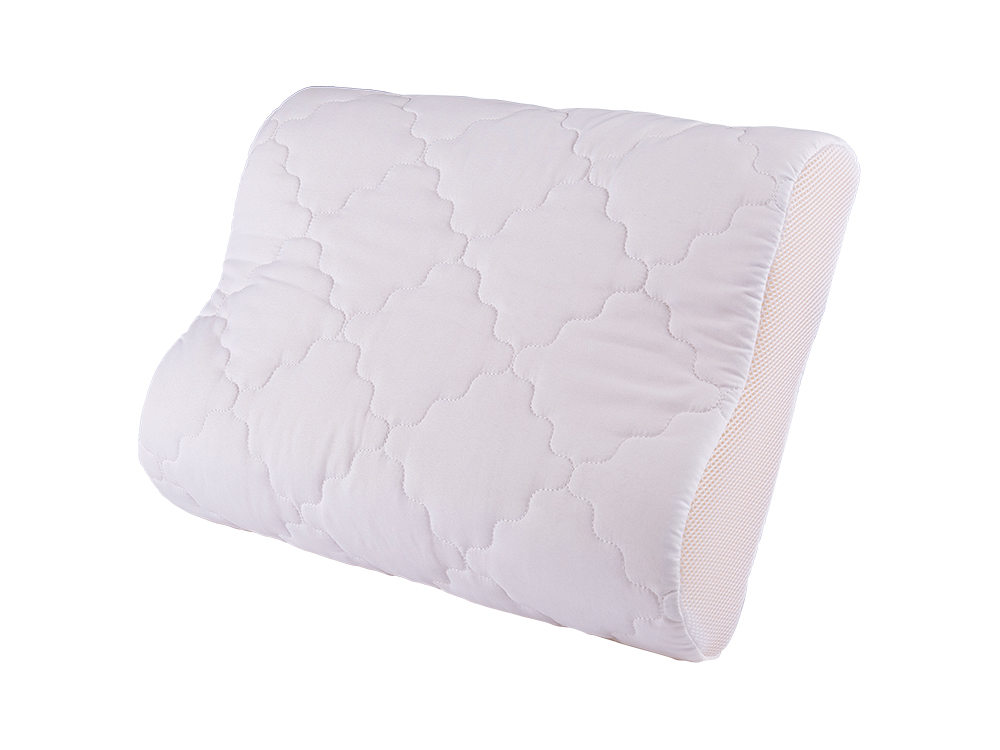
Classic Cotton Pillow
1. Product Overview
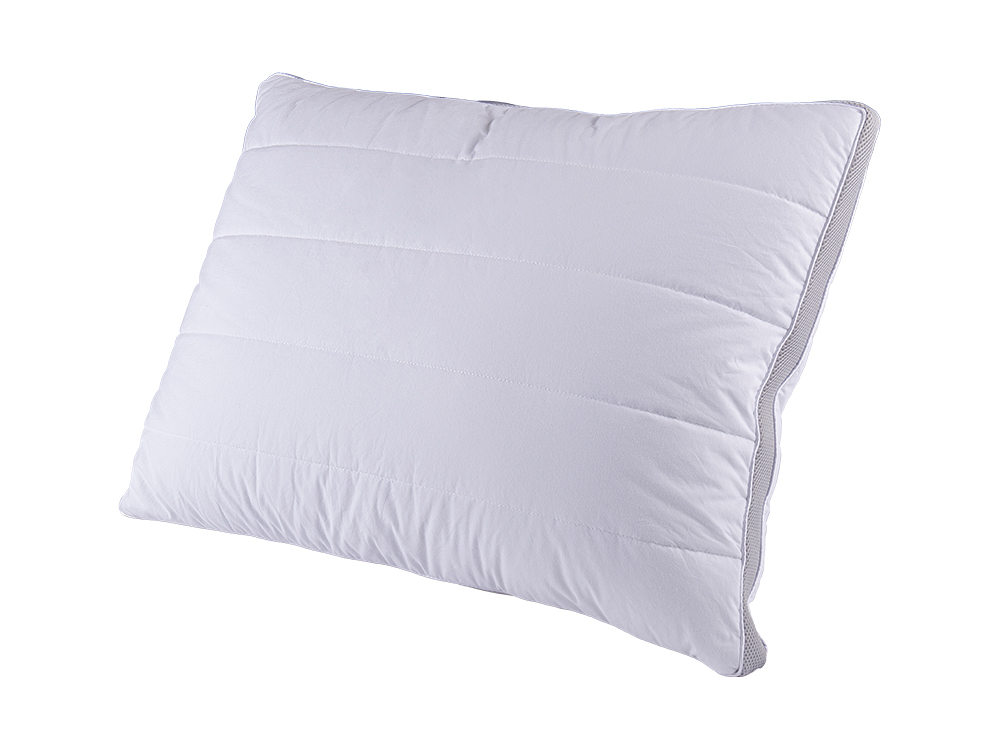
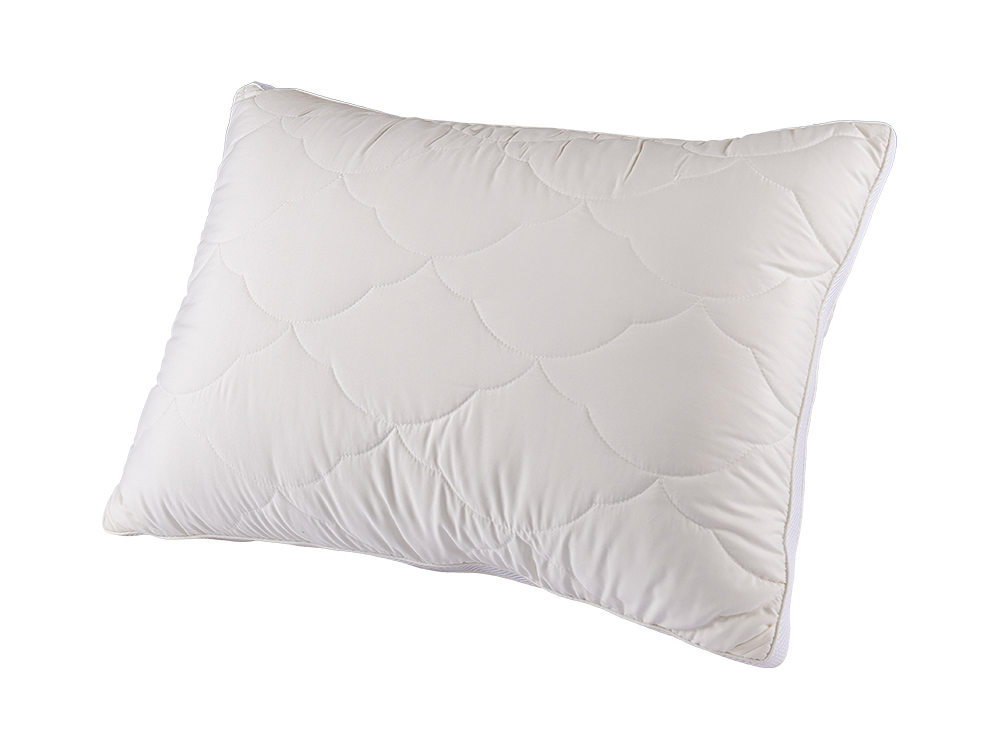
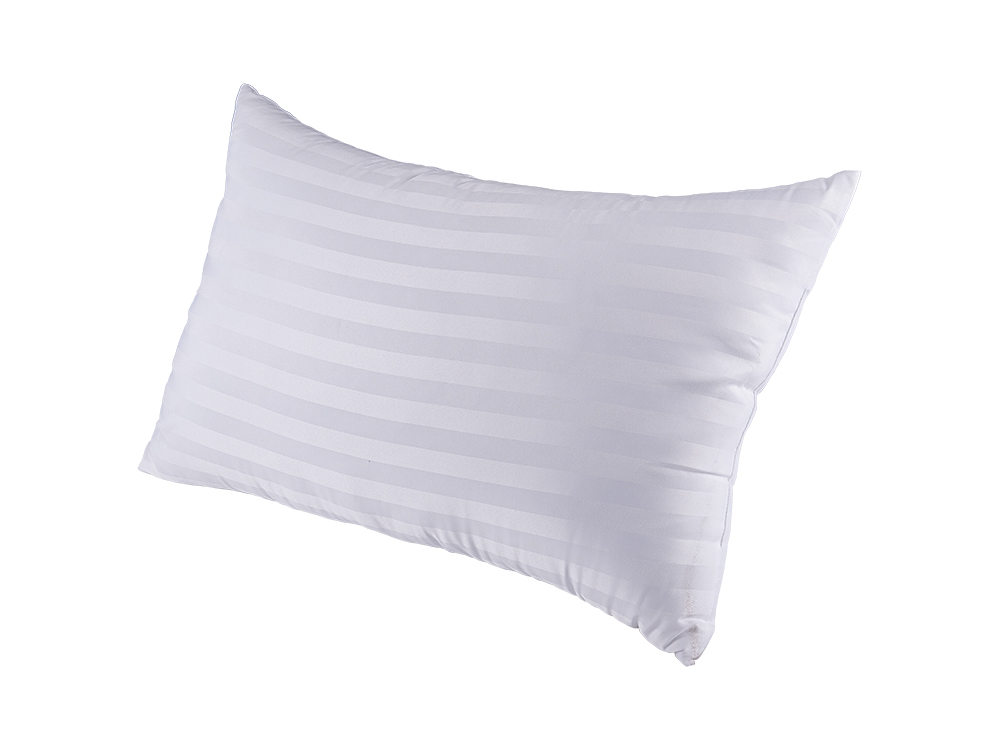
The Classic Cotton Pillow is a conventional rectangular pillow intended for daily sleeping and general bedding use. Its design is intentionally clean and uncomplicated. Instead of relying on complex shaping, decorative embroidery, or highly specialized contouring, it focuses on the fundamentals of a practical pillow: a comfortable outer fabric, a resilient filling, a usable size, and the ability to accommodate different customer preferences.
The product measures 50 x 70 x 4 centimeters. This format offers a broad sleeping surface while remaining easy to place on standard beds. The rectangular form is familiar to both household and hospitality users, which reduces the need for special pillowcases or unusual bedding arrangements. For hotels and large accommodation projects, familiar dimensions can simplify purchasing, room preparation, housekeeping, and replacement procedures.
The outer fabric is Natural White 233TC Cotton. The natural white color gives the pillow a clean and versatile appearance. It can be used beneath white, cream, gray, pastel, or patterned bedding, and it can also be incorporated into hotel room designs that rely on neutral colors. Cotton fabric is widely recognized in bedding applications for its comfortable hand feel, breathability, and natural fiber character.
The filling consists of 3D plus 6D polyester. These fiber specifications indicate different fiber structures or grades designed to contribute to loft, resilience, and a fuller hand. Polyester filling is commonly used in commercial bedding because it is lightweight, adaptable, relatively easy to process, and suitable for large-scale production. The combination of 3D and 6D fibers allows the filling blend to be developed for an appropriate balance between softness and support.
One of the most important characteristics of this pillow is that the inner filling weight can be adjusted according to customer requirements. This flexibility is valuable because pillow comfort is not identical for every user. Some customers prefer a lighter and softer pillow, while others need greater volume and support. Hospitality groups may also request different filling weights for different room categories, climates, or guest preferences.
Product Attribute |
Specification |
Practical Meaning |
Product type |
Classic cotton pillow |
Suitable for everyday household and hospitality bedding |
Size |
50 x 70 x 4 cm |
Rectangular format with a broad usable surface |
Outer fabric |
Natural White 233TC Cotton |
Neutral appearance and comfortable textile hand feel |
Filling |
3D plus 6D polyester |
Designed for loft, softness, and resilience |
Filling adjustment |
Available according to customer requirements |
Supports different comfort levels and project specifications |
Primary uses |
Homes, hotels, guest rooms, and commercial bedding projects |
Adaptable to various purchasing environments |
2. Why the Product Design Is Competitive
The bedding market includes many types of pillows, ranging from low-cost basic products to highly engineered memory foam, latex, feather, down, and ergonomic models. The Classic Cotton Pillow competes in a different and important segment: practical, adjustable, easy-to-source bedding for regular use. Its competitive value comes from balancing familiar materials, adaptable filling, efficient production, and broad application potential.
2.1 A familiar and widely accepted format
Customers are often more comfortable purchasing products that are easy to understand. A rectangular cotton pillow with polyester filling is familiar to household buyers, hotel operators, distributors, and purchasing departments. It does not require extensive explanation about unusual materials, special sleeping positions, or complex maintenance routines. This familiarity can support faster product selection and smoother integration into existing bedding programs.
For commercial customers, a standard format can also reduce operational complications. Housekeeping teams can identify the pillow easily, storage teams can stack or pack it efficiently, and procurement departments can compare it with existing bedding inventories. When a pillow is intended for high-volume use, practical compatibility may be more valuable than unnecessary design complexity.
2.2 Balance between softness and resilience
The 3D plus 6D polyester filling is intended to provide a balanced internal structure. Very soft fillings may flatten quickly or fail to maintain a comfortable shape. Very firm fillings may feel rigid or unsuitable for users who prefer a softer sleeping surface. A blended polyester construction can be developed to deliver a fuller appearance while retaining flexibility during use.
Fiber-based fillings also have the advantage of being adjustable. The manufacturer can alter the quantity of filling to create different loft levels without redesigning the complete product. This allows the same basic pillow design to serve several customer segments. It can be produced in a lighter version for users who prefer a low profile, a medium version for general household use, or a fuller version for users who desire additional volume.
2.3 Cotton fabric for comfort and visual versatility
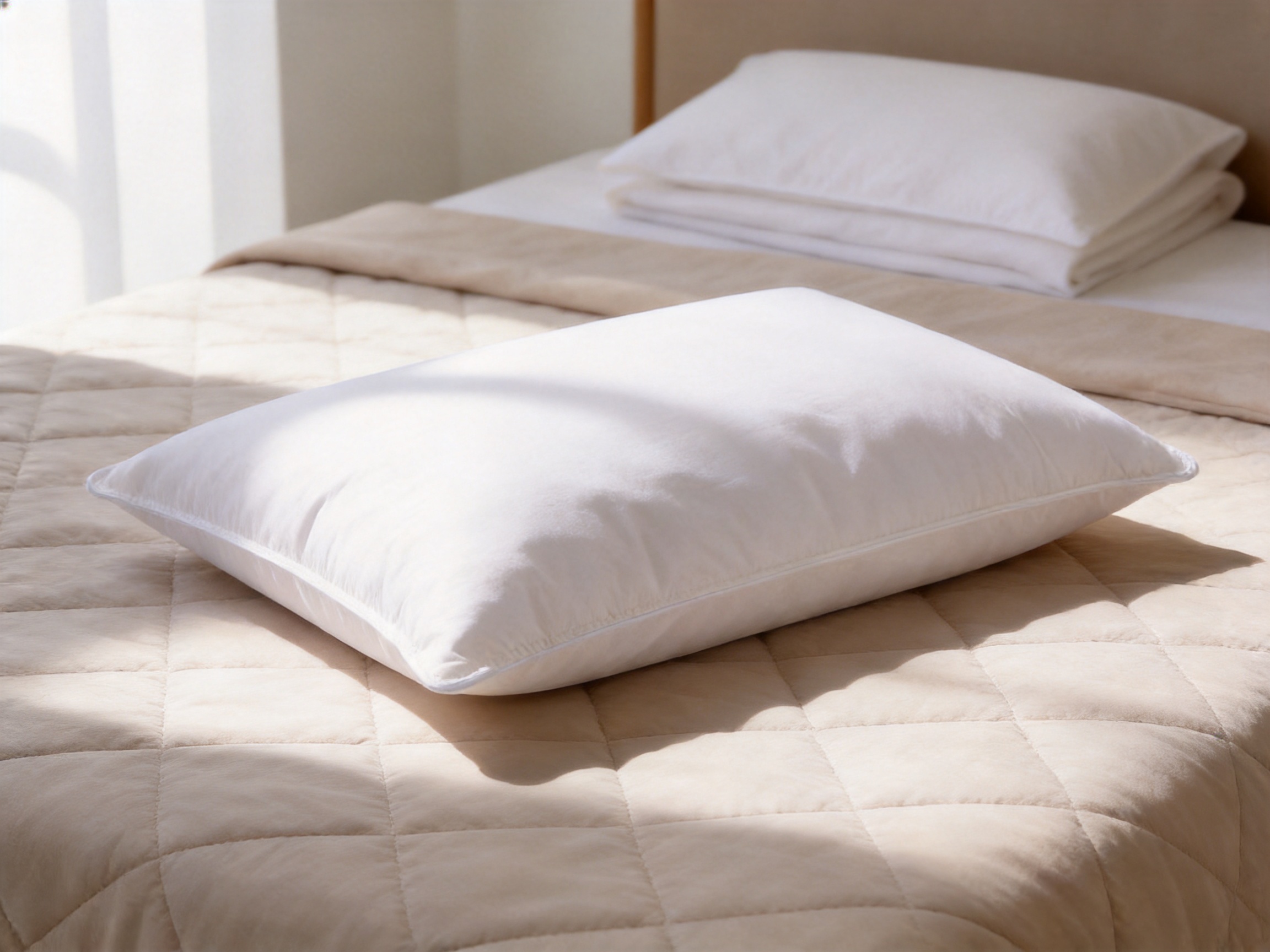
Natural White 233TC Cotton contributes to the pillow’s everyday usability. Cotton is widely used in bedding because it offers a familiar touch and a natural fiber surface. The fabric can feel comfortable against the skin when used directly or beneath a pillowcase, and its neutral color supports a wide variety of bedding styles.
The natural white appearance is particularly useful for hospitality applications. White or near-white bedding is often associated with cleanliness, simplicity, and professional room presentation. It can also make inspection easier because visible marks or stains are more readily identified during housekeeping checks. For private-label customers, the neutral base may be combined with custom packaging, labels, pillowcases, or coordinated bedding collections.
2.4 Customizable filling weight
Fixed specifications are not always suitable for every market. Retail customers, hotels, distributors, and project buyers may have different expectations regarding pillow thickness and firmness. The ability to adjust filling weight is therefore a significant product advantage.
Customization may be considered in relation to the target climate, room type, customer group, mattress height, pillowcase design, and price position. A hotel serving guests who prefer a traditional full pillow may select a higher filling weight. A retailer selling lightweight bedding may request a softer and more compressible version. A hospitality group may develop separate specifications for standard rooms, premium rooms, and replacement stock.
This flexibility helps avoid the limitations of a one-specification approach. It also allows buyers to maintain a recognizable product design while adapting performance to local market requirements. In practical terms, a customer can retain the same outer fabric and general shape while requesting a different internal weight.
2.5 A sensible cost-to-performance proposition
Not every customer needs an advanced contour pillow or a premium natural filling. Many buyers need a dependable product that delivers acceptable comfort, straightforward care, and consistent supply at a manageable cost. The Classic Cotton Pillow is positioned for this type of requirement.
Polyester filling can offer a cost-effective alternative to more expensive filling materials while maintaining a soft and resilient feel. Cotton fabric provides a familiar textile surface without requiring an elaborate outer construction. The simple design reduces unnecessary components, which can support efficient production and easier quality control. These characteristics may help buyers achieve a practical balance between product presentation, user comfort, and purchasing budget.
3. Materials and Performance Characteristics
3.1 Natural White 233TC Cotton fabric
Thread count is one way to describe the density of woven fabric. A 233-thread-count cotton fabric represents a relatively refined bedding textile compared with very basic low-density materials. In a pillow application, the fabric must perform several functions at the same time. It must feel comfortable, contain the filling, withstand sewing, support repeated handling, and maintain a clean appearance.
The Natural White color is not only an aesthetic decision. Neutral bedding materials are easier to coordinate across product lines. A manufacturer can use the same pillow body with different outer pillowcases, packaging designs, or bedding collections. This makes the product suitable for both stand-alone sales and inclusion in larger home textile programs.
Cotton also has a familiar identity in the bedding market. Many consumers associate it with softness, breathability, and natural comfort. While the complete performance of a pillow depends on the entire construction rather than fabric alone, the cotton shell provides an appealing foundation for a conventional sleeping product.
3.2 3D and 6D polyester filling
The filling is the functional core of the pillow. It determines much of the product’s loft, resilience, hand feel, weight, and recovery after compression. The use of 3D and 6D polyester enables the manufacturer to create a blended filling structure rather than relying on a single fiber specification.
Different fiber structures can affect how the filling occupies space and responds to pressure. A suitable blend may help the pillow remain full while allowing it to compress under the head. After use, the filling can be fluffed or redistributed to restore a more even shape. This is important for daily bedding because users generally expect a pillow to remain usable over an extended period rather than becoming permanently flat after limited use.
Polyester fibers are also compatible with industrial bedding production. They can be measured, opened, blended, filled, and distributed using established production methods. This supports repeatable manufacturing and makes it easier to produce different filling weights for different customer orders.
3.3 Loft and support considerations
The listed product size is 50 x 70 x 4 centimeters, but the perceived loft may vary depending on filling weight, compression, packaging, and use. Buyers should therefore evaluate both dimensions and filling quantity when defining a final specification. A pillow’s comfort cannot be determined by exterior measurements alone.
A lower filling weight may create a softer, flatter, and more compressible pillow. A higher filling weight may produce a fuller profile and stronger resistance to compression. Neither option is universally superior. The correct choice depends on the intended user and sales position. The important advantage is that the product platform allows this choice to be made during development.
For hotels, consistency is especially important. Once the preferred filling weight has been selected, production should remain within an agreed tolerance so that replacement pillows feel similar to the original room inventory. This is where professional manufacturing procedures become essential.
4. Manufacturing Strengths and Production Capability
A bedding product’s quality depends not only on its material list but also on how reliably it is manufactured. The Classic Cotton Pillow is produced by a company with more than two decades of experience in home textile production. Since its establishment in January 2002, Tongxiang Xinlong Bedding Co., Ltd. has developed a broad product range and a dedicated manufacturing base.
The company’s facility covers approximately 21,000 square meters, with a construction area of approximately 18,000 square meters. It has more than 320 employees and is equipped with various production machines and supporting systems. This scale provides a foundation for handling regular orders, repeat programs, and different categories of home textile products.
4.1 Experience across multiple bedding categories
Manufacturing pillows alongside quilts, mattress protectors, blankets, cushions, bedspreads, covers, curtains, and related products creates useful technical knowledge. Different products require different approaches to fabric handling, filling control, sewing, packaging, and inspection. Experience across these categories can help a manufacturer understand how products perform as part of a complete bedding system.
For example, a buyer developing a hotel bedding program may need pillows, quilts, mattress protectors, blankets, and covers from the same source. A supplier capable of producing multiple categories may simplify communication, sampling, documentation, and order coordination. It may also support better visual and technical consistency across the final room set.
4.2 Material preparation and inspection
Reliable pillow manufacturing begins before sewing. Cotton fabric should be checked for appearance, width, color consistency, weaving defects, and suitability for the planned construction. Polyester filling should be assessed for cleanliness, fiber condition, loft characteristics, and compatibility with the requested filling weight.
Material preparation may include fabric relaxation, cutting planning, filling preparation, and production scheduling. These steps reduce avoidable variation. When materials are correctly prepared, the sewing and filling stages can operate more consistently, and the finished pillow is more likely to meet the agreed specification.
4.3 Controlled cutting and sewing
The pillow shell must be cut accurately so that the finished product has a stable shape. Inaccurate cutting can lead to uneven edges, inconsistent dimensions, or difficulties during filling. Consistent sewing is equally important. Stitch density, seam allowance, thread quality, and edge closure all influence the pillow’s durability and appearance.
A professional production process should include checks for skipped stitches, open seams, loose threads, puckering, uneven corners, and incomplete closures. These details may appear small, but they have a direct effect on customer perception and product service life. A cleanly finished pillow also supports more efficient packaging and presentation.
4.4 Filling control
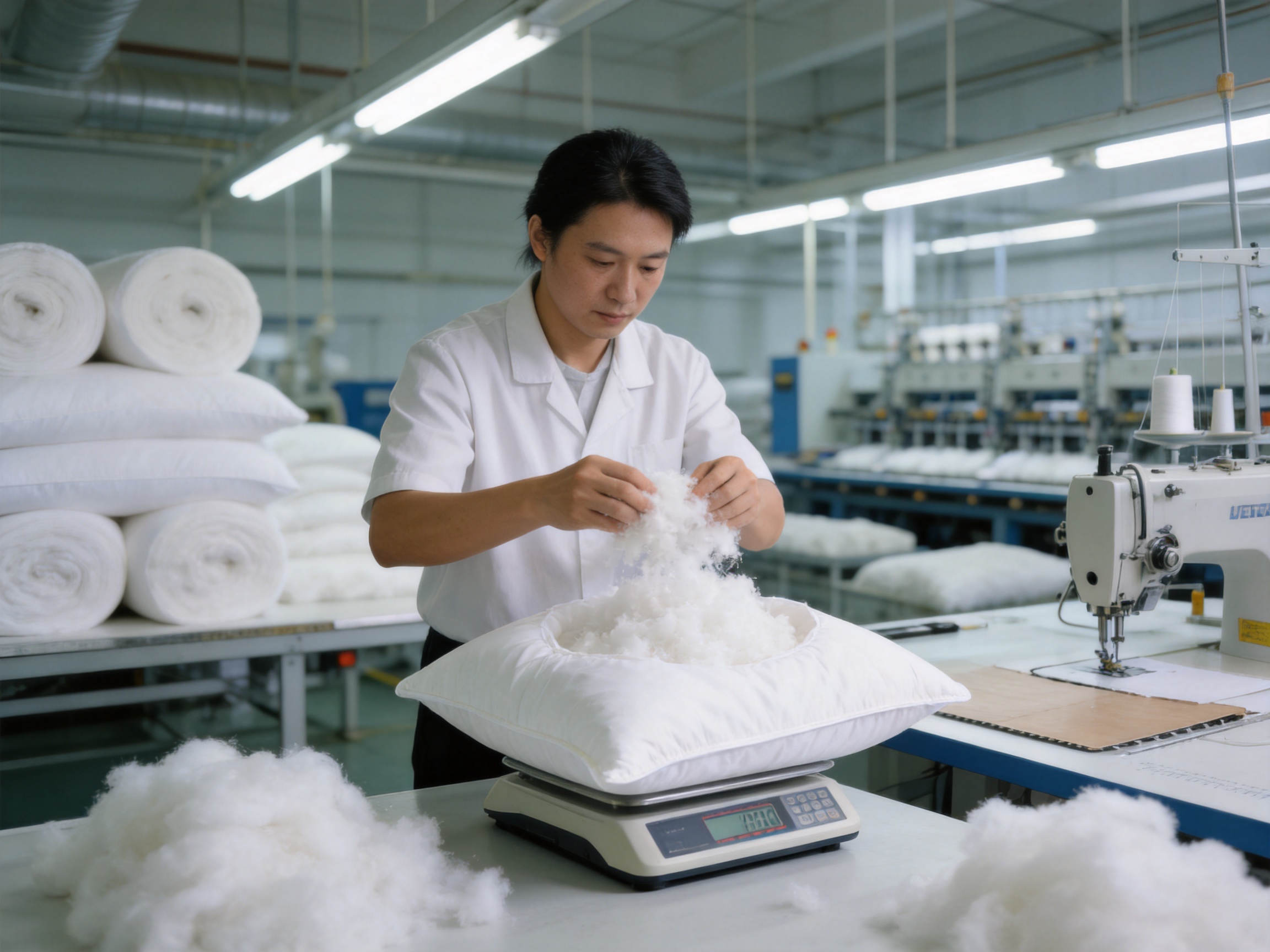
Filling control is particularly important for this product because filling weight may be adjusted according to customer requirements. The production team must measure the correct amount for each specification and distribute it evenly inside the shell. Underfilling may create a thin or uneven pillow, while overfilling may make the product excessively firm or difficult to insert into a pillowcase.
Consistent filling distribution also helps prevent empty zones and lumps. Depending on the production process, fiber opening and blending may be used to create a more uniform filling mass before insertion. After filling, the pillow may be shaped and checked to confirm that the internal material has reached the intended corners and edges.
4.5 Finishing and final inspection
Finishing can include thread trimming, shaping, surface cleaning, measurement checks, weight verification, appearance inspection, and packaging preparation. These steps help convert a technically completed pillow into a commercially ready product.
Final inspection should compare the finished goods against the approved sample or technical specification. Important checkpoints may include fabric color, dimensions, filling weight, loft, seam condition, overall shape, cleanliness, label placement, and packing requirements. A documented inspection approach helps create accountability and supports repeat orders.
4.6 Management systems and certifications
The company reports certifications and management qualifications including ISO 9001, ISO 14001, OEKO-TEX-related standards, GRS, and BSCI. These certifications or assessments indicate attention to quality management, environmental management, textile safety, recycled-material systems where applicable, and social compliance.
Certifications do not replace product-specific inspection, but they can provide buyers with additional confidence in the supplier’s organizational framework. For international customers, documented systems may also assist with vendor qualification and internal purchasing procedures. Buyers should confirm the scope, validity, and applicability of any certification to the specific product and production site.
The company also reports several consecutive years of recognition as a safety production standardization enterprise since 2016. A structured approach to workplace safety can support more stable operations, reduce preventable disruption, and contribute to a professional manufacturing environment.
5. Quality Control for the Classic Cotton Pillow
Quality control should be considered throughout the product lifecycle rather than only at the end of production. For the Classic Cotton Pillow, a practical control plan can be divided into incoming material inspection, process inspection, filling verification, final inspection, and packaging review.
5.1 Incoming fabric inspection
Incoming cotton fabric should be examined for the correct color, construction, width, surface appearance, and general cleanliness. The inspection should identify visible weaving faults, stains, holes, abnormal marks, and inconsistent coloration. The fabric should also be reviewed for suitability for cutting and sewing.
When a natural white fabric is used, color consistency is important because differences can be visible when pillows are placed together. Hotels and distributors may require a consistent appearance across multiple production batches. Retained samples and batch records can help support comparison during repeat production.
5.2 Filling inspection and weight verification
The polyester filling should be checked to confirm that the correct 3D and 6D materials are being used. The filling should be clean and suitable for the intended product. If the buyer has specified a particular blend ratio or internal structure, this should be recorded in the production specification.
Filling weight should be verified using calibrated weighing equipment. A suitable tolerance should be agreed before production begins. The acceptable range may depend on the product’s purpose, target price, packaging method, and customer expectations. Weight records can be especially valuable for customized orders.
5.3 Dimensional and appearance checks
The finished pillow should be measured in a consistent manner. Because filling can expand or compress depending on handling, the inspection method should define how the pillow is positioned and rested before measurement. The 50 x 70 x 4 centimeter specification should be interpreted together with the agreed measurement tolerance and sampling method.
Appearance checks should confirm that the pillow is clean, evenly shaped, free from obvious lumps, and properly closed. The surface should not show unacceptable stains, loose threads, needle damage, or severe seam puckering. The pillow should also be compatible with the intended packing format.
5.4 Packaging review
Packaging protects the product during storage and transportation. It should prevent contamination, excessive compression, moisture exposure, and accidental damage. The packaging format may vary according to the buyer’s requirements, including bulk cartons for hospitality projects, individual bags for retail, or compressed packing for logistics efficiency.
Compression can reduce shipping volume, but the buyer should evaluate how quickly the pillow recovers after unpacking. Packaging instructions may recommend allowing the product to expand and be fluffed before use. The supplier and buyer should agree on the appropriate packing method during sample approval.
6. Applications in Different Markets
6.1 Household bedding
For household use, the Classic Cotton Pillow offers a familiar and adaptable option. It can be used in master bedrooms, guest rooms, children’s rooms, vacation homes, and seasonal accommodation. Its neutral fabric and conventional shape make it easy to combine with different pillowcases and bedding colors.
Household customers may select different filling weights according to sleeping habits. Some may prefer a low and soft pillow, while others may want additional volume. Since the product can be developed with adjusted filling, retailers and private-label brands can create several versions within one recognizable product family.
6.2 Hotels and hospitality projects
Hotels require products that are comfortable, presentable, durable, easy to replace, and available in consistent quantities. A classic rectangular pillow is convenient for room setup and housekeeping. Its simple form can be used across standard rooms, family rooms, guesthouses, inns, and serviced apartments.
The ability to customize filling weight is useful when a hotel wants to define a particular guest experience. A hotel may request a fuller pillow for a premium room collection or a softer version for a general room package. It may also order a consistent replacement stock to maintain the same feel as pillows already in service.
For hospitality buyers, a supplier’s broader production capability can be an additional advantage. The same company may be able to coordinate pillows with mattress protectors, quilts, blankets, cushions, and other room textiles. This can reduce the number of separate vendors and help create a more consistent purchasing process.
6.3 Wholesale and distribution
Wholesalers often need products that can serve multiple downstream customers. A customizable pillow platform allows a distributor to develop variants for different retail channels without starting from a completely new design each time. The same basic cotton shell may be paired with different filling weights, labels, packaging, or product names.
Distributors also value reliable lead times, repeatability, packaging flexibility, and clear technical information. A manufacturer with a substantial facility and experience across several bedding categories may be better positioned to support regular replenishment and mixed product programs, subject to confirmed production capacity and order planning.
6.4 Private-label bedding
The clean design of the Classic Cotton Pillow is suitable for private-label development. Buyers may add their own brand identity through labels, packaging, printed inserts, pillowcase coordination, or retail presentation. Because the product itself is visually understated, it can support different market positions, from economical everyday bedding to a clean, hospitality-inspired home collection.
Private-label customers should establish a detailed product specification before bulk production. This should include fabric construction, color, filling composition, filling weight, dimensions, stitching requirements, label details, packaging, carton marks, inspection standards, and any testing requirements. Clear documentation helps ensure that samples and bulk production remain aligned.
7. Comparing the Pillow with Alternative Product Types
Consumers and purchasing teams may compare this product with down, feather, memory foam, latex, microfiber, and contour pillows. Each type has its own advantages and limitations. The Classic Cotton Pillow is most competitive when the buyer prioritizes versatility, adjustability, familiar materials, and efficient commercial supply.
Pillow Type |
Typical Strength |
Possible Consideration |
Position of the Classic Cotton Pillow |
Down or feather |
Traditional softness and premium perception |
May require higher cost and specific care expectations |
Offers a practical non-down alternative with adjustable polyester filling |
Memory foam |
Contoured support and pressure response |
Can feel warmer or less adaptable to conventional bedding programs |
Provides a familiar flexible filling experience for general use |
Latex |
Resilience and distinctive support |
Usually has a different feel, weight, and price structure |
Uses a lighter textile-based construction for broad applications |
Basic microfiber pillow |
Accessible price and light weight |
May have fewer fabric or specification options |
Adds a 233-thread-count cotton shell and adjustable filling potential |
Contoured ergonomic pillow |
Designed for specific sleeping positions |
Less universal and may require user adaptation |
Uses a conventional shape suitable for many users and room types |
This comparison does not mean that one pillow type is suitable for everyone. Instead, it demonstrates the product’s market position. The Classic Cotton Pillow is not intended to replace every specialty pillow. Its strength lies in serving a broad audience with a comfortable, familiar, customizable, and commercially manageable design.
8. Sustainability and Responsible Manufacturing Considerations
Modern bedding buyers increasingly consider the environmental and social conditions associated with production. A responsible approach includes attention to material efficiency, production waste, energy use, packaging, worker safety, and supply chain transparency.
The company reports ISO 14001-related environmental management credentials and GRS-related certification. Depending on the specific certified scope, these systems may support more structured environmental procedures and recycled-material management. Buyers should verify the precise certification details and determine whether they apply to the requested fabric, filling, packaging, and production order.
Polyester filling can also be evaluated from a sustainability perspective. Some customers may request virgin polyester for specific performance or quality reasons, while others may explore recycled polyester options. The final choice should be documented clearly because recycled content, fiber type, certification status, and performance can vary.
Material efficiency is another consideration. Accurate cutting can reduce fabric waste, while controlled filling can reduce unnecessary material variation. Appropriate packaging can balance product protection with reduced material use. Buyers may also review carton utilization, shipment volume, and packaging recyclability as part of their procurement assessment.
Social compliance is relevant to international sourcing. The company reports BSCI-related compliance, which may support buyer assessments of workplace practices. As with all certification claims, customers should request current documents and confirm the applicable facility, audit date, scope, and status before relying on them for a purchasing decision.
9. Product Development and Customization Process
A successful customized pillow project usually begins with a clear brief. The buyer should define the intended market, expected comfort level, sales channel, target price, packaging format, order quantity, and delivery requirements. This information allows the manufacturer to recommend a suitable filling weight and production configuration.
9.1 Specification confirmation
The technical specification should identify the outer fabric as Natural White 233TC Cotton or another approved material, the 50 x 70 x 4 centimeter size, the 3D plus 6D polyester filling, the target filling weight, the stitching requirements, and the packaging details. Any labels, barcodes, care instructions, carton marks, or private-label elements should also be listed.
9.2 Sample development
Sampling allows the buyer to assess fabric hand feel, pillow fullness, softness, resilience, appearance, dimensions, and packaging. If several filling weights are being considered, it is useful to compare them side by side. The buyer can then select the version that best suits the intended customer.
The sample should be evaluated after unpacking and allowing sufficient time for the filling to recover. Compression during transport may temporarily alter the shape. Buyers should also consider the pillow inside the intended pillowcase, because the final appearance and available space can differ from the loose sample.
9.3 Approval and bulk production
Once the sample is approved, the final specification should be documented. Bulk production should follow the approved sample and agreed tolerances. Any change in fabric, filling, sewing, packaging, or labeling should be communicated and approved before implementation.
For repeat orders, retained samples and production records can support consistency. A clear reference sample helps the supplier and buyer compare future batches and identify any unwanted variation. This is especially important for hotels and distributors that need replacement stock to match previously supplied products.
10. Care, Handling, and Expected Use
Care instructions should be based on the final construction and confirmed by the manufacturer. The cotton shell and polyester filling may have specific washing, drying, and storage requirements. Customers should follow the care label and avoid applying a cleaning method that has not been approved for the product.
A pillowcase is recommended for normal use because it protects the pillow surface from body oils, dust, moisture, and stains. Regularly changing the pillowcase can help maintain a cleaner sleeping environment. The pillow may also benefit from periodic airing and gentle fluffing to redistribute the filling.
During storage, pillows should be kept in a dry, clean, and well-ventilated environment. Long-term heavy compression may affect the recovery of the filling. If the product is shipped in compressed packaging, it should be unpacked according to the supplier’s instructions and allowed to regain its intended form before use.
Hotels and other commercial users should establish a housekeeping procedure for inspection. Staff can check for stains, odor, damaged seams, excessive flattening, and loss of shape. Replacing pillows according to a defined service policy helps maintain consistent guest comfort and room presentation.
11. Purchasing Advantages for International Buyers
International buyers generally assess more than the appearance of a single product. They consider communication, production capacity, quality systems, documentation, customization, packaging, compliance, and the supplier’s ability to support future orders. The Classic Cotton Pillow and its manufacturing background offer several points for consideration.
First, the product has a clear and uncomplicated specification. Buyers can readily identify the size, fabric, filling, color, and customization option. Second, the product can be adapted through filling weight without changing its basic design. Third, the manufacturer has broad experience in home textile categories, which may support coordinated orders.
The company’s location in Zhejiang Province places it within an important Chinese textile manufacturing region. Its facility scale and workforce provide a foundation for organized production, although buyers should always confirm current capacity, lead time, minimum order quantity, and order-specific conditions.
Certification and management systems can also support supplier evaluation. ISO 9001, ISO 14001, OEKO-TEX-related standards, GRS, and BSCI-related credentials may be relevant depending on the buyer’s requirements. Proper due diligence should include reviewing current documents, product testing, sample approval, and inspection arrangements.
Finally, direct communication with the supplier can help buyers make informed decisions about filling weight, packaging, private labeling, and coordinated bedding products. A pillow’s success depends on matching its specification to the actual market rather than selecting materials in isolation.

12. Questions and Answers
Q1: What is the standard size of the Classic Cotton Pillow?
The listed size is 50 x 70 x 4 centimeters. Buyers should confirm the applicable measurement tolerance and measurement method before placing a production order.
Q2: What fabric is used for the pillow shell?
The specified outer fabric is Natural White 233TC Cotton. The neutral color supports different bedding styles and is particularly suitable for household and hospitality applications.
Q3: What is the filling made from?
The filling is specified as 3D plus 6D polyester. This fiber blend is intended to provide a balance of softness, loft, resilience, and production flexibility.
Q4: Can the pillow’s filling weight be customized?
Yes. The inner filling weight can be adjusted according to customer requirements. This allows buyers to request different levels of softness, fullness, and support while retaining the same general product design.
Q5: Is the pillow suitable for hotels?
Yes. Its conventional rectangular shape, neutral appearance, adjustable filling, and straightforward construction make it suitable for hotels, guesthouses, serviced apartments, and other accommodation projects.
Q6: Can the pillow be used in a private-label product line?
Yes. The simple design can support private-label packaging, labels, coordinated pillowcases, and broader bedding collections. The buyer should confirm all branding and packaging details before bulk production.
Q7: How does this pillow compare with a memory foam pillow?
The Classic Cotton Pillow uses a flexible fiber filling and a conventional rectangular shape, while memory foam pillows generally provide a more structured and pressure-responsive form. The cotton pillow may be more suitable for buyers seeking a familiar, adaptable, and easily integrated bedding product.
Q8: What should a buyer check during sample approval?
The buyer should check the fabric hand feel, color, dimensions, filling weight, fullness, softness, resilience, seam quality, cleanliness, labels, packaging, and compatibility with the intended pillowcase.
Q9: Does the manufacturer produce other home textile products?
Yes. The company reports production of quilts, pillows, cushions, mattress protectors, blankets, mattress covers, bedspreads, quilt covers, pillowcases, curtains, shower curtains, and related home textile products.
Q10: What certifications or management systems are reported?
The company reports ISO 9001, ISO 14001, OEKO-TEX-related standards, GRS, and BSCI-related credentials, as well as safety production standardization recognition. Buyers should request current documentation and confirm the scope of each certification.
Q11: Is Natural White suitable for hotel bedding?
Natural White is a versatile neutral color that can create a clean and coordinated appearance. It is commonly suitable for hotel and hospitality bedding, subject to the buyer’s design and housekeeping requirements.
Q12: Can the product be ordered with different comfort levels?
Different comfort levels can generally be developed by adjusting the filling weight and confirming the desired construction through samples. Buyers should evaluate multiple versions before final approval.
13. Conclusion
The Classic Cotton Pillow is a practical bedding product built around familiar materials, a usable rectangular format, and adaptable internal construction. Its Natural White 233-thread-count cotton shell gives it a clean and versatile appearance, while the 3D plus 6D polyester filling is designed to provide softness, volume, and resilience for everyday use.
Its principal advantage is flexibility. The filling weight can be adjusted to meet different customer requirements, allowing the same product platform to serve household buyers, hotels, distributors, private-label brands, and bedding projects. This adaptability is supported by a simple design that is easy to understand, coordinate, package, replace, and integrate into existing bedding programs.
The manufacturing background of Tongxiang Xinlong Bedding Co., Ltd. adds further value for buyers seeking a home textile supplier with experience across multiple product categories. A facility of approximately 21,000 square meters, a workforce of more than 320 employees, advanced production equipment, and reported quality, environmental, textile safety, social compliance, and safety management credentials provide a foundation for organized production.
As with any textile product, the final result depends on the confirmed specification, material quality, production controls, inspection plan, and communication between buyer and manufacturer. Buyers should approve samples carefully, define filling weight and tolerances, confirm packaging, verify certification documents, and establish clear requirements for repeat orders.
For customers seeking a dependable, customizable, and commercially versatile pillow rather than a highly specialized ergonomic product, the Classic Cotton Pillow represents a strong and practical option. Its combination of cotton comfort, polyester resilience, adjustable filling, broad application potential, and experienced manufacturing support makes it suitable for many modern bedding programs.
References
1. Product specification supplied for the Classic Cotton Pillow, including dimensions, fabric, filling, product category, and customization information.
2. Company profile supplied for Tongxiang Xinlong Bedding Co., Ltd., including establishment history, facility information, workforce, product categories, and manufacturing capabilities.
3. ISO 9001 quality management system principles for production consistency and process control.
4. ISO 14001 environmental management system principles for responsible manufacturing practices.
5. OEKO-TEX textile safety framework and related product safety considerations.
6. Global Recycled Standard principles for recycled-material claims and chain-of-custody management.
7. Business Social Compliance Initiative principles concerning social responsibility and workplace practices.
8. General bedding quality-control practices covering fabric inspection, filling-weight verification, dimensional control, seam inspection, packaging, and final product assessment.


 +86-573-88798028
