



 Français
 Español
 Deutsch
Content
- 1 Product Overview
- 2 How the Memory Foam Core Supports Sleep
- 3 Advantages Compared with Conventional Pillow Fillings
- 4 Comfort and Ergonomic Design
- 5 Fabric and Core Construction
- 6 Benefits for Consumers
- 7 Benefits for Hotels, Retailers, and Wholesale Buyers
- 8 Advanced Manufacturing Capabilities
- 9 Production Process for the Memory Foam Pillow
- 10 Quality Management and Certifications
- 11 Product Development and Customization Strengths
- 12 Why Choose This Pillow for a Bedding Collection?
- 13 Care, Handling, and Use Recommendations
- 14 Purchasing Considerations for Importers and Distributors
- 15 Frequently Asked Questions
- 15.1 What is the main advantage of this memory foam pillow?
- 15.2 What size is the pillow?
- 15.3 What material is used inside the pillow?
- 15.4 What material is used for the outer fabric?
- 15.5 Is the pillow suitable for every sleeping position?
- 15.6 Can the pillow help support the neck?
- 15.7 How is this pillow different from a polyester fiber pillow?
- 15.8 Can the product be customized?
- 15.9 Is the manufacturer able to produce other bedding products?
- 15.10 What certifications does the company have?
- 15.11 How should the pillow be cared for?
- 15.12 Can the pillow be supplied for hotels or wholesale programs?
- 15.13 Where is the manufacturer located?
- 16 Conclusion
- 17 References
- 18 Product: Memory Foam Pillow
A pillow is one of the most important elements of a healthy sleep system. Although it occupies less space than a mattress or quilt, it directly supports the head, neck, and upper shoulders for several hours every night. The right pillow can promote a more natural sleeping posture, reduce uncomfortable pressure, and help the body relax. The wrong pillow may contribute to stiffness, poor alignment, restless movement, and an unsatisfactory sleeping experience.
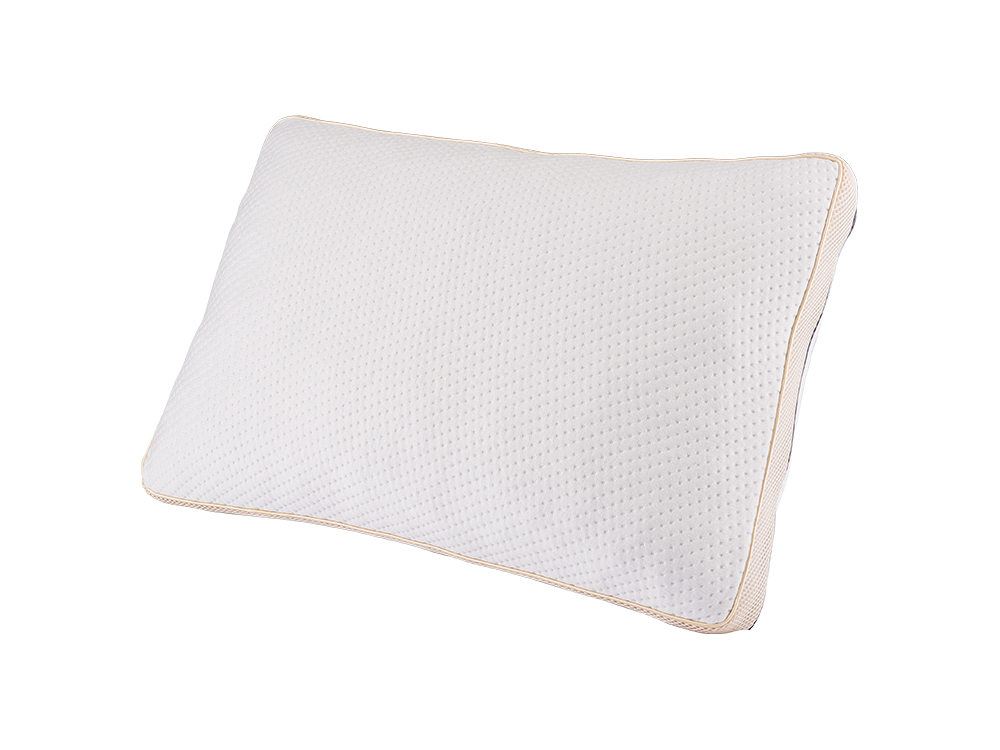
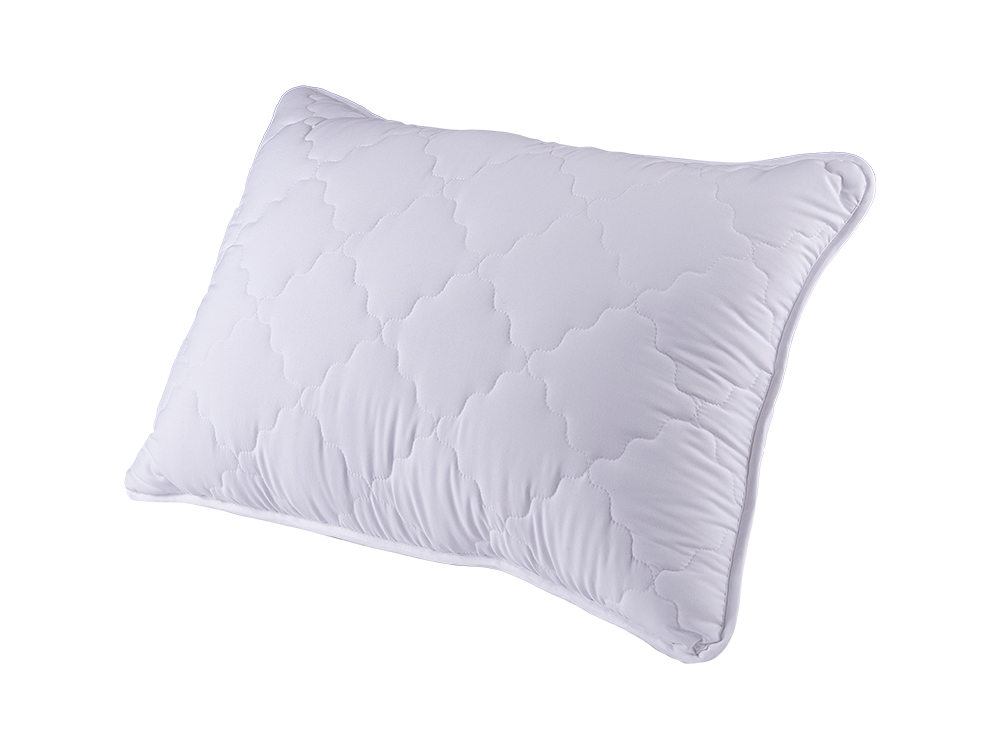
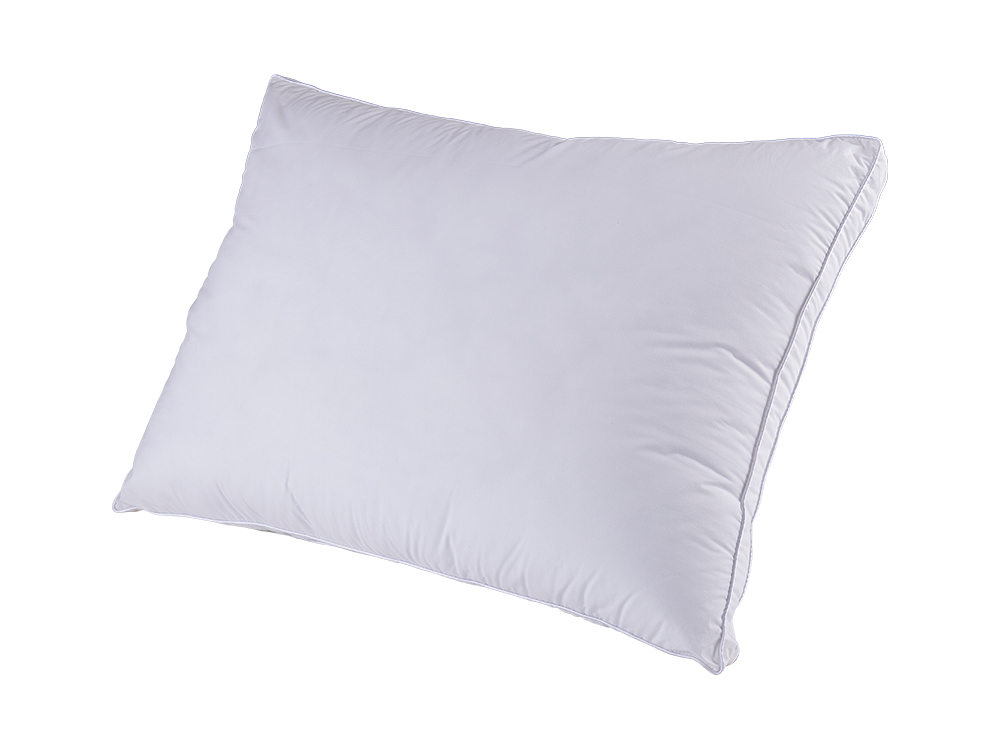
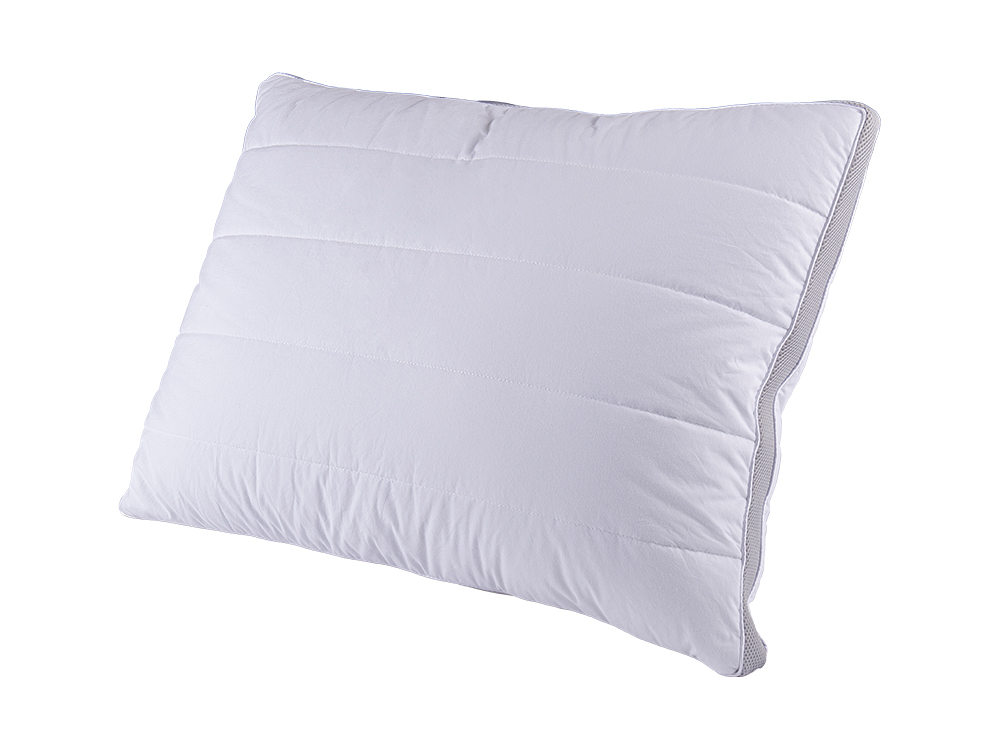
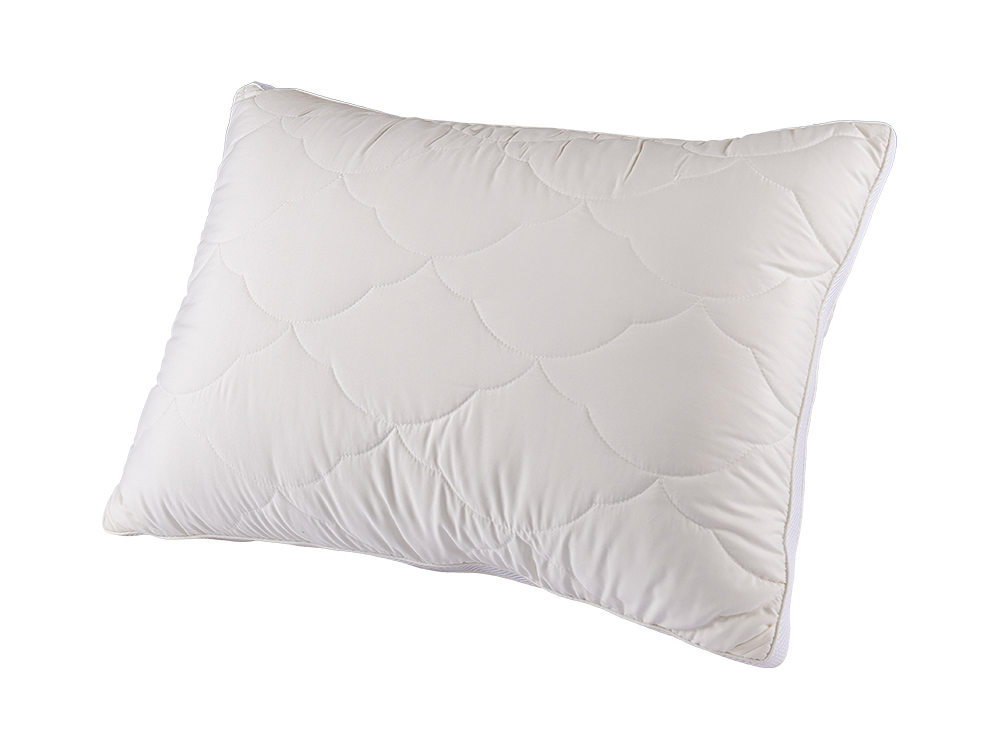
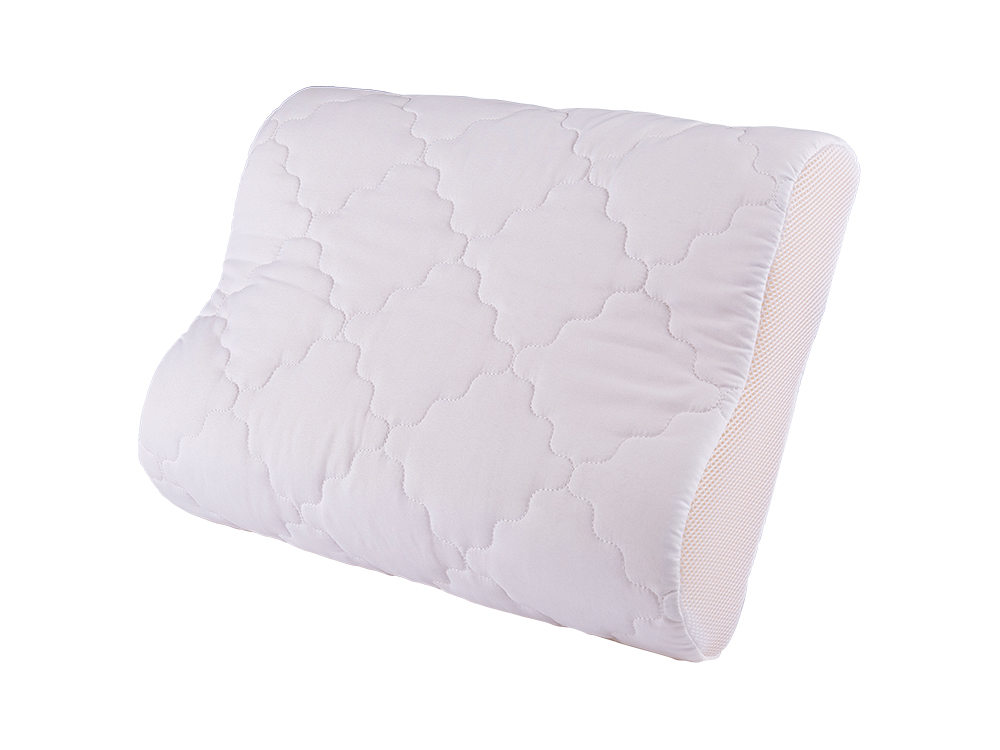
This memory foam pillow is designed to provide balanced support, pressure dispersion, and comfortable neck positioning in one functional bedding product. With a 50 x 70 cm format, a 280gsm knitted fabric cover, and a memory foam core, it is suitable for bedrooms, guest rooms, hotels, furnished apartments, healthcare-oriented sleep environments, and bedding collections for retail or wholesale distribution.
Unlike conventional pillows that depend mainly on loose fiber, feather, or basic polyester filling, this product uses a shaped memory foam core. The foam is intended to respond to the weight and contour of the head and neck, helping the pillow maintain supportive contact instead of quickly collapsing or shifting. Its design combines adaptive comfort with a practical rectangular size, making it an attractive option for customers seeking a modern alternative to traditional sleeping pillows.
Manufactured by Tongxiang Xinlong Bedding Co., Ltd., the pillow reflects the capabilities of an established home textile producer with experience in pillows, quilts, mattress protectors, blankets, cushions, mattress covers, bedspreads, curtains, and related household products. The company’s production facilities, technical personnel, quality systems, certifications, and product development experience support consistent manufacturing for customers with different market requirements.
Memory Foam Pillow
Product Overview
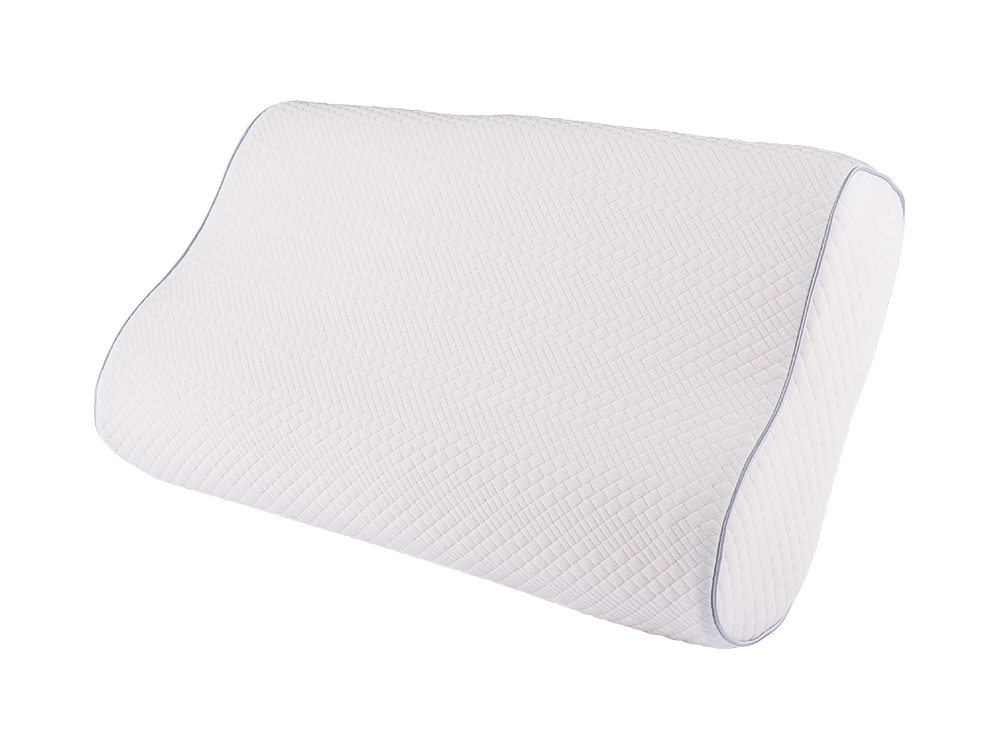
The memory foam pillow is a functional sleep product developed around the needs of head and neck support. Its main structural component is a memory foam lining, while the exterior uses 280gsm knitted fabric. The foam core provides the primary support function, and the textile cover contributes to softness, surface comfort, and a finished appearance suitable for home bedding collections.
The pillow measures 50 x 70 cm. This familiar rectangular format offers enough surface area for different sleeping positions while remaining compatible with many standard pillowcases and bedding arrangements. It can be used as a primary sleeping pillow or as part of a coordinated bedding program that includes quilts, mattress protectors, blankets, mattress covers, and decorative cushions.
Product Feature |
Specification |
Functional Value |
Product type |
Memory foam pillow |
Adaptive support for the head and neck |
Size |
50 x 70 cm |
Practical rectangular sleeping format |
Outer fabric |
280gsm knitted fabric |
Comfortable textile surface and finished appearance |
Core or lining |
Memory foam |
Contoured support and pressure distribution |
Suggested applications |
Home, hotel, guest room, retail, and wholesale bedding |
Flexible use across multiple bedding channels |
The product is also identified by the working alias “slow-rebound pillow,” which reflects the characteristic response of memory foam. When pressure is applied, the material can gradually respond to the shape and weight of the user rather than immediately returning to its original position. This creates a more enveloping support experience than many conventional fillings.
How the Memory Foam Core Supports Sleep
During sleep, the head and neck need a stable but comfortable foundation. The ideal amount of support depends on sleeping posture, body shape, mattress firmness, and personal preference. A pillow that is too soft may allow the head to sink excessively. A pillow that is too firm may create pressure points or push the neck into an uncomfortable position. Memory foam offers an intermediate approach by combining resilience with contouring behavior.
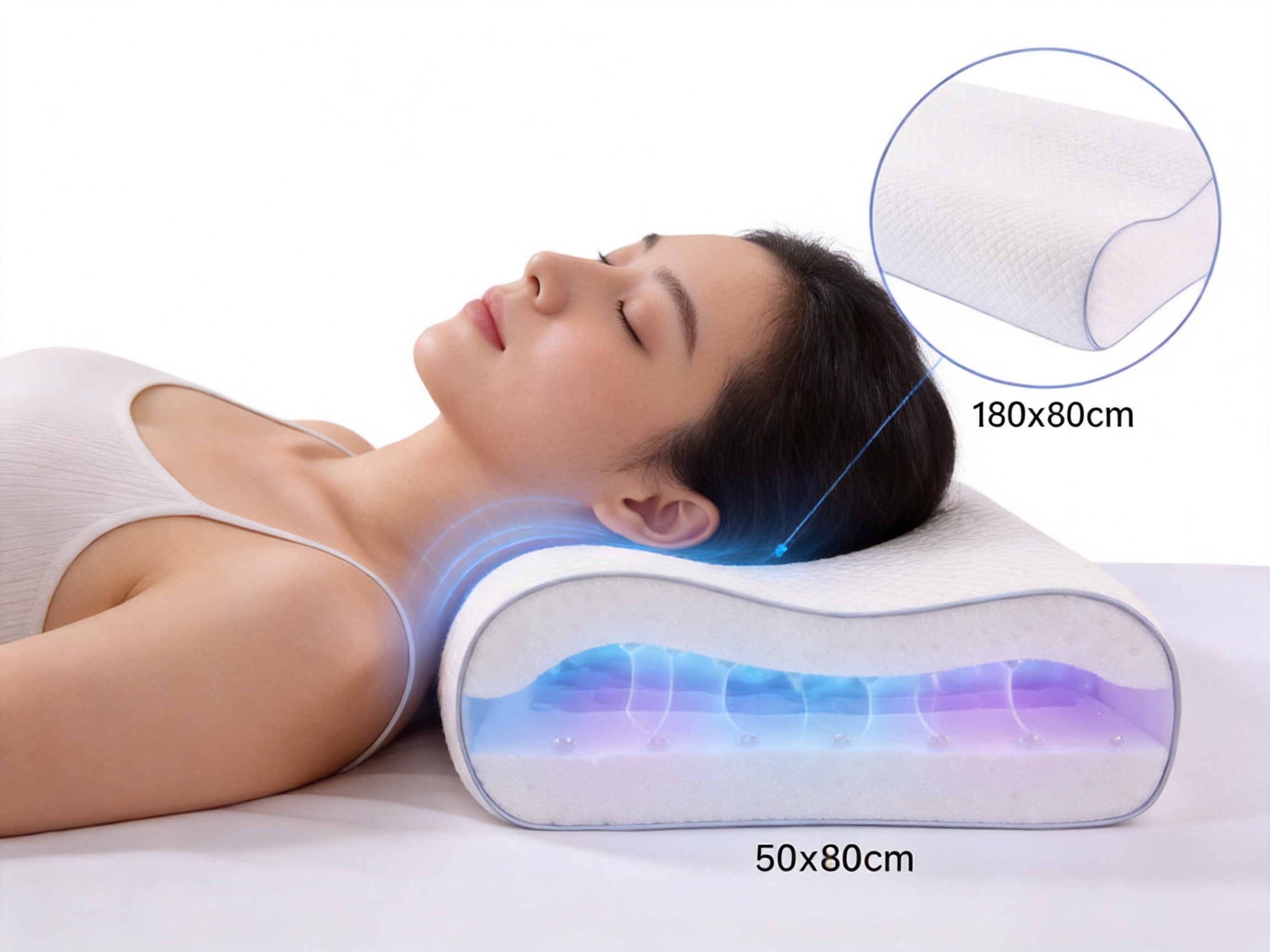
The foam core is designed to respond progressively under pressure. Instead of acting as a completely rigid block, it can adapt to the shape of the user’s head and neck. This helps distribute contact more evenly across the surface. The result is intended to reduce concentrated pressure on sensitive areas and create a smoother transition between the head, neck, and sleeping surface.
The product description emphasizes a shape that fits the neck. This design objective is important because the neck bridges the gap between the shoulders and the head. If that gap is not adequately supported, the muscles may remain tense while the person is trying to sleep. By filling the space more consistently, the pillow can help promote a relaxed posture and support a more comfortable resting position.
Memory foam can also reduce the need for frequent pillow adjustment. Traditional fiber-filled pillows may shift or develop uneven areas during the night, particularly when the user changes position. A molded or structured foam core is less likely to move in the same way. This can give the pillow a more stable feel and help preserve its intended support profile over repeated use.
The product is not intended to diagnose, treat, or prevent any medical condition. However, its ergonomic purpose is clear: it is designed to help disperse pressure around the head and neck, support a more natural sleeping position, and contribute to a calmer sleep environment. Individual results will vary according to body structure, sleep posture, mattress type, and personal comfort preferences.
Advantages Compared with Conventional Pillow Fillings
More Consistent Structural Support
Loose fillings such as polyester fiber, down alternatives, or other soft materials can provide immediate comfort, but they may compress unevenly. Users often need to reshape or fluff such pillows to restore their original loft. Memory foam has a more defined internal structure. Its support is generated by the foam body rather than by a collection of loose fibers, giving the pillow a consistent foundation from edge to edge.
This consistency can be valuable for customers who prefer a pillow that feels stable throughout the night. It is also useful for hospitality and retail buyers who want a product with a clear performance identity. The pillow can be marketed not only as a soft furnishing but also as a support-oriented sleep accessory.
Adaptive Pressure Distribution
A conventional firm pillow may resist the user’s head without adapting sufficiently to individual contours. A very soft pillow may adapt easily but fail to maintain enough support. Memory foam is positioned between these extremes. It can compress in response to body weight while retaining enough resistance to prevent immediate flattening.
This adaptive behavior helps spread contact over a wider area. Instead of concentrating the load at a few pressure points, the foam can create a more gradual support surface. For sleepers who experience discomfort from hard or uneven pillows, this characteristic may offer a more pleasant experience.
Reduced Shifting of the Core
Because the lining is made from memory foam, the internal material is less likely to migrate from one side of the pillow to another. Fiber-filled pillows can form valleys, lumps, or thin areas after extended use. A foam core generally preserves a more unified structure, which supports a predictable feel when the pillow is placed on the bed.
Stable construction is particularly relevant to commercial bedding. Hotels, serviced apartments, and retailers need products that deliver a consistent experience across multiple units. A structured core makes it easier to communicate the product’s characteristics and maintain a recognizable level of comfort.
Modern Product Positioning
Memory foam has become strongly associated with ergonomic bedding, pressure management, and contemporary sleep technology. A memory foam pillow can therefore occupy a more specialized market position than a basic cushion. It may appeal to consumers who are actively researching sleep products, replacing older pillows, or building a more supportive bedding environment.
For distributors and private-label buyers, this positioning can complement a broader home textile collection. A memory foam pillow can be offered alongside mattress protectors, quilted blankets, fitted bedding, and mattress covers to create a complete sleep solution rather than a single isolated product.
Comfort and Ergonomic Design
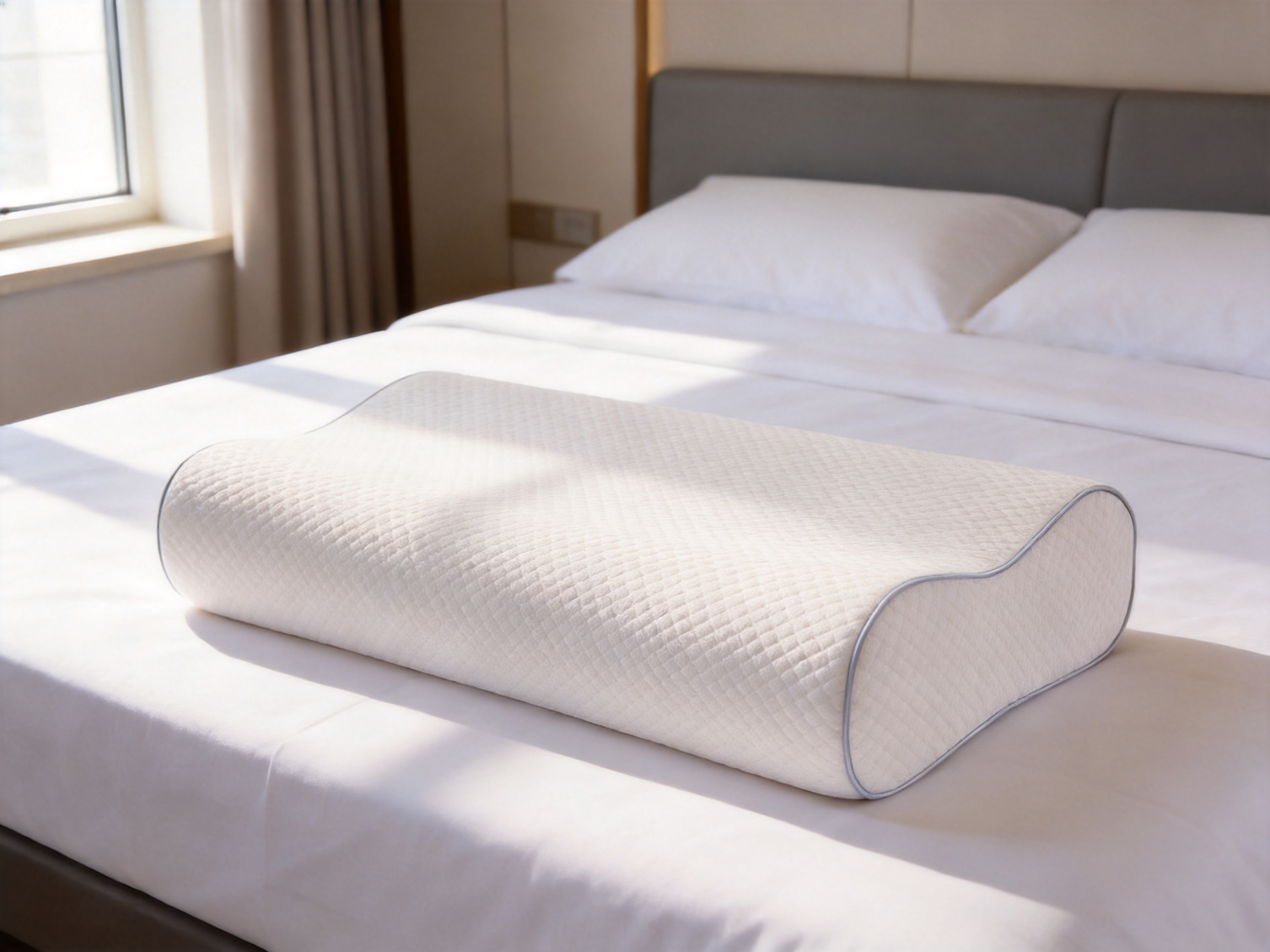
The product’s primary ergonomic aim is to support the neck while allowing the head to rest comfortably. A well-designed pillow should not force the neck sharply upward or allow it to fall too far downward. The correct relationship depends on whether the user sleeps on the back, side, or stomach, as well as on the firmness of the mattress and the width of the shoulders.
For back sleepers, a supportive memory foam pillow can help maintain a more neutral relationship between the head and upper spine. The core can fill the natural curve beneath the neck while allowing the head to remain comfortably supported. This may reduce the sensation of the head being unsupported or pushed forward.
For side sleepers, the pillow needs to bridge the distance between the head and the mattress created by the shoulder. The 50 x 70 cm format provides a broad surface for positioning, while the foam core offers a stable support layer. Side sleepers may appreciate the way memory foam can adapt to the pressure generated by the head and shoulder area.
Stomach sleepers generally prefer a lower and softer support profile because excessive height can place the neck in an awkward position. As with any pillow, individual suitability should be assessed according to personal posture and comfort. The product is designed for broad usability, but no single pillow construction is equally ideal for every person.
The knitted fabric exterior supports the comfort experience by creating a soft textile interface between the user and the foam core. The 280gsm specification indicates a substantial knitted fabric weight compared with many lightweight pillow coverings. The result is a cover that can contribute to a more durable and premium-feeling product presentation.
A quality surface fabric also matters for the overall appearance of a pillow. Even when the product is used inside a pillowcase, the underlying cover can influence its shape, hand feel, and perceived value. For manufacturers, hotel suppliers, and retailers, the combination of memory foam and knitted fabric creates a product specification that is easy to explain and differentiate.
Fabric and Core Construction
280gsm Knitted Fabric
The cover uses 280gsm knitted fabric. Knitted textile structures are often selected for bedding because they can provide softness, flexibility, and a comfortable hand feel. The fabric can follow the shape of the inner core more readily than a very rigid woven material, helping create a smooth and practical pillow surface.
The fabric weight also supports a more substantial impression. Customers frequently judge bedding products through touch before they evaluate technical specifications. A comfortable knitted cover can help communicate quality at the point of sale, in hotel rooms, or during product sampling. It may also support the pillow’s ability to maintain a finished and presentable appearance under normal use.
For private-label programs, the cover provides an appropriate foundation for additional development options, subject to confirmed production requirements. Buyers may discuss labeling, packaging, color, dimensions, and other specifications with the manufacturer. This makes the base product suitable for companies seeking a flexible sourcing partner rather than an off-the-shelf item only.
Memory Foam Inner Structure
The memory foam lining is the defining feature of the pillow. It distinguishes the product from basic polyester or feather alternatives and provides the core mechanical function. The foam can respond to pressure and return gradually, helping the pillow balance contouring comfort with structural stability.
A foam core also allows the product to maintain a clear design identity. Rather than relying only on softness, the pillow can be presented as a support-focused bedding solution. This is especially relevant in markets where consumers are increasingly interested in sleep posture, pressure distribution, and the relationship between bedding products and everyday comfort.
It is important to follow the manufacturer’s care and usage instructions. Memory foam products should be protected from unsuitable heat, excessive moisture, and improper compression. Proper handling during storage, transportation, and use helps preserve the intended shape and performance of the core.
Benefits for Consumers
The central consumer benefit is a more supportive and relaxing sleep experience. By helping the head and neck remain comfortably positioned, the pillow may reduce the feeling of strain that can occur when a pillow is too flat, too uneven, or unable to maintain its shape. A better-supported position may also reduce the need to turn or rearrange the pillow repeatedly.
The pillow can help disperse pressure across the contact area. This is useful for people who dislike the concentrated firmness of traditional pillows or the unstable feel of loose filling. The foam’s slow-rebound response creates a gradual, cushioned sensation that may feel more controlled than a pillow that immediately springs back.
Another advantage is the possibility of improved sleep continuity. A pillow cannot guarantee uninterrupted sleep, because sleep quality depends on many physical and environmental factors. Nevertheless, a comfortable and stable support surface may reduce minor sources of disturbance, helping users settle more easily and maintain a relaxed sleeping posture.
The pillow is suitable for a broad range of users because its functional purpose is not limited to one age group or one bedroom style. It can be used in adult bedrooms, guest accommodations, student housing, vacation properties, and hospitality settings. Buyers should still consider individual posture, preferred firmness, and any personal health-related requirements when selecting a pillow.
Its practical size also makes it easy to combine with existing bedding. A 50 x 70 cm pillow can be used with a wide range of pillowcases and coordinated textile products. This supports convenient replacement, simple merchandising, and efficient integration into complete bedding sets.
Benefits for Hotels, Retailers, and Wholesale Buyers
Commercial buyers need more than an attractive product. They require stable specifications, dependable production, practical packaging, consistent quality, and a supplier capable of handling repeat orders. This memory foam pillow offers a clearly defined construction that can be presented to customers through measurable specifications: size, fabric weight, and memory foam lining.
For hotels, the product can contribute to a more supportive guest-room sleep environment. It may be placed in standard rooms, upgraded rooms, or wellness-oriented accommodation packages. Its modern memory foam positioning can support hospitality businesses that want to communicate attention to sleep comfort and guest experience.
For retailers, the pillow offers a clear point of differentiation from low-cost, unstructured alternatives. The terms “memory foam,” “pressure distribution,” “neck support,” and “slow rebound” are understandable product benefits that can be used in responsible merchandising. The product can be displayed in bedding departments, sleep accessory collections, and home comfort sections.
For wholesalers and importers, the pillow can form part of a broader assortment from one home textile manufacturing source. Purchasing pillows together with quilts, mattress protectors, blankets, cushions, and mattress covers may simplify supplier management and support coordinated product launches.
Its rectangular format and neutral functional purpose also provide merchandising flexibility. The pillow can be sold individually, in pairs, as part of a bedding set, or within a room package. Packaging and labeling should be confirmed according to the buyer’s market, regulatory requirements, branding strategy, and shipping method.
Advanced Manufacturing Capabilities
Tongxiang Xinlong Bedding Co., Ltd. was established in January 2002 and has developed experience in the production of home textile products. The company is located in Longxiang Industrial Park, Wuzhen Town, Tongxiang City, Zhejiang Province, China. Its location places it within a region known for textile production, product development, and manufacturing supply chains.
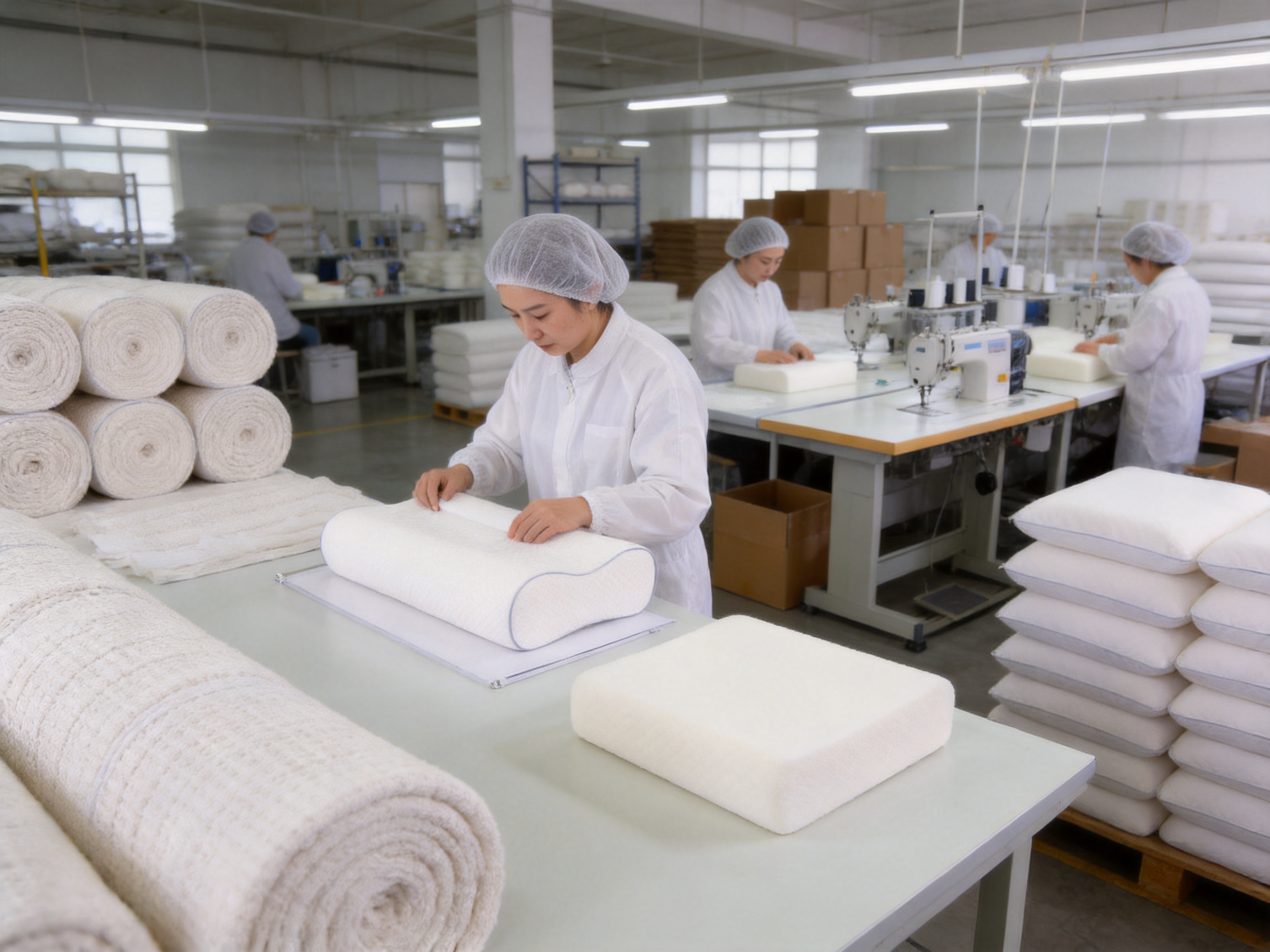
The company covers approximately 21,000 square meters, with a construction area of approximately 18,000 square meters. It has more than 320 employees and is equipped with a range of advanced production equipment. This scale supports the organization of multiple manufacturing activities, from material preparation and cutting to sewing, assembly, inspection, packaging, and shipment.
A production facility with dedicated space and specialized equipment can provide several advantages. It allows manufacturing processes to be coordinated internally, reduces dependence on fragmented external processing, and makes it easier to implement standardized operating procedures. It also provides a stronger foundation for repeat production and product consistency.
The company produces a broad range of home textile products, including silk cotton quilts, chemical fiber quilts, pillows, cushions, bedspreads, travel quilts, mattress protectors, blankets, quilt and pillowcases, shower curtains, and curtains. This product diversity creates valuable cross-category knowledge. Experience with quilts and mattress protectors, for example, can support a more complete understanding of bedding performance, textile handling, and consumer expectations.
For the memory foam pillow, manufacturing competence involves more than sewing an outer cover. The foam core must be matched with the textile shell, the dimensions must be controlled, and the finished product must be inspected for appearance, construction, and packaging. The manufacturer’s broader home textile experience supports an integrated approach to these requirements.
Production Process for the Memory Foam Pillow
Material Planning and Incoming Inspection
Production begins with material planning. The memory foam, knitted fabric, thread, labels, packaging components, and other required materials must be prepared according to the product specification and order requirements. Incoming materials should be checked for identity, quantity, appearance, and suitability before entering the production workflow.
For the knitted fabric, inspection may include checking color, surface appearance, weight, width, stretch behavior, and visible defects. For the foam, relevant checks may include dimensions, surface condition, resilience, and overall consistency. These controls help prevent material problems from progressing into cutting or final assembly.
Fabric Cutting and Component Preparation
The knitted fabric is prepared and cut according to the required pillow dimensions and construction method. Accurate cutting is essential because the cover must fit the memory foam core without excessive looseness or undue compression. Cutting accuracy also supports consistent product appearance across multiple units.
Component preparation may include preparing panels, closures, labels, edge materials, and other details required by the approved design. Where customers have private-label requirements, branding elements can be incorporated according to confirmed artwork and packaging instructions.
Sewing and Cover Assembly
The fabric panels are sewn to create the pillow cover. Seam quality influences strength, appearance, and the ability of the cover to contain the inner core. Operators and production supervisors should monitor seam alignment, stitch density, thread tension, edge finishing, and the overall shape of the assembled cover.
A well-assembled cover should provide a clean appearance and an appropriate fit. The 280gsm knitted fabric must be handled carefully so that stretching, distortion, or uneven tension does not affect the final product. Controlled sewing procedures can help maintain repeatability between production batches.
Foam Core Insertion
After the cover is prepared, the memory foam core is inserted. This stage requires care because the foam may need to be compressed or positioned to enter the cover without damaging the fabric or distorting the finished shape. The core should be placed evenly so that the pillow provides balanced support across its usable surface.
Once inserted, the product can be adjusted and checked for fit. The cover should not be excessively loose, and the foam should not be forced into a way that creates permanent deformation. Correct assembly helps the pillow retain its intended profile during use and storage.
Final Inspection and Packing
Finished pillows are inspected for dimensions, fabric appearance, seam quality, labeling, shape, and general workmanship. Inspection procedures may be applied during production as well as at the final stage. Early checks allow issues to be corrected before large quantities are completed.
Packaging must protect the pillow during handling, storage, and transportation. Memory foam products may require appropriate compression, folding, or recovery time depending on the approved packing method. Buyers should confirm packing specifications with the manufacturer to ensure that the product reaches the market in the intended condition.
Manufacturing Stage |
Main Objective |
Quality Consideration |
Material preparation |
Prepare approved foam and textile materials |
Material identity, quantity, appearance, and consistency |
Fabric cutting |
Create accurately sized cover components |
Dimensional accuracy and defect control |
Sewing |
Assemble a durable and attractive cover |
Seam strength, alignment, stitching, and finishing |
Core insertion |
Fit the memory foam into the cover |
Even placement, shape, and appropriate fit |
Final inspection |
Verify finished product requirements |
Size, appearance, workmanship, labeling, and packing |
Quality Management and Certifications
Quality is presented by the company as a central business principle. The manufacturer has passed international certifications and management-related standards including ISO 9001, ISO 14001, OEKO-TEX, OEKO-TEX STeP, GRS, and BSCI, according to the supplied company information. These certifications and assessments represent important elements of a structured approach to quality, environmental management, textile safety, responsible production, and social compliance.
ISO 9001 is associated with quality management systems. In a manufacturing environment, a quality management system can help organize documented procedures, responsibilities, process monitoring, corrective actions, and continuous improvement. For buyers, this provides a more formal framework for managing product consistency than informal inspection alone.
ISO 14001 relates to environmental management systems. Its relevance to a home textile manufacturer includes structured attention to environmental aspects, operational controls, compliance obligations, and ongoing improvement. Environmental management is increasingly important to international buyers who evaluate suppliers according to broader sustainability expectations.
OEKO-TEX-related certifications are commonly associated with textile product safety and responsible chemical management. GRS is connected with recycled content and chain-of-custody requirements where applicable. BSCI is associated with social compliance and responsible workplace expectations. The exact scope, validity, and product coverage of certifications should always be confirmed during procurement.
Certifications do not replace product-specific testing or buyer inspection. They work best as part of a broader quality program that includes approved samples, technical specifications, production monitoring, final inspection, and clear communication between supplier and customer. For the memory foam pillow, buyers should confirm the applicable standards for their destination market and intended sales channel.
Product Development and Customization Strengths
The company’s stated commitment to development and innovation supports customers who require more than standard production. Home textile markets change continuously, with buyers seeking new textures, materials, sizes, packaging concepts, and functional features. An experienced manufacturer can help evaluate whether a proposed change is practical, cost-effective, and suitable for scalable production.
Customization may involve cover fabric, color, labeling, packaging, dimensions, firmness, product combinations, and order configuration. Any customized specification should be confirmed through samples and written technical documents before mass production. This protects both the buyer and the manufacturer by creating a shared reference for quality and performance.
The memory foam pillow can also be integrated into coordinated bedding programs. A distributor may combine it with quilts, blankets, mattress protectors, cushions, or mattress covers using compatible colors and packaging. A coordinated collection can improve shelf presentation, simplify marketing, and encourage customers to purchase multiple sleep products.
Product development should be guided by the needs of the target market. For example, a hotel supplier may prioritize durability, simple care, and repeatability. A retail customer may focus on hand feel, packaging, visual appeal, and consumer-friendly information. An online seller may require compact shipping dimensions, photography samples, and clear feature communication.
Because the manufacturer has experience across several home textile categories, customers can discuss a broader project with one supplier. This may help reduce communication complexity and support a more consistent approach to materials, quality expectations, and delivery planning.
Why Choose This Pillow for a Bedding Collection?
A successful bedding collection usually combines comfort, function, visual consistency, and reliable supply. This memory foam pillow supports all four objectives. Its foam core creates a clear functional advantage, its knitted fabric provides a comfortable surface, its rectangular size is commercially practical, and its manufacturer has the infrastructure to support large-scale home textile production.
The pillow also complements products that address other parts of the sleep environment. A mattress protector helps maintain mattress cleanliness and comfort. A quilt or blanket contributes warmth. A mattress cover protects and finishes the sleeping surface. Cushions and coordinated textile accessories complete the room presentation. The memory foam pillow serves as the head and neck support component in this broader system.
Compared with a basic commodity pillow, the product offers more developed performance language. Buyers can explain how the memory foam core responds to pressure, how the shape supports the neck, and how the substantial knitted cover contributes to comfort. This makes it easier to establish a clear value proposition without relying only on decoration or low pricing.
For international customers, supplier reliability is equally important. The manufacturer’s more than two decades of operating experience, production area, workforce, equipment, technical personnel, and management certifications provide a foundation for professional cooperation. Customers can communicate their product requirements and evaluate samples before confirming production arrangements.
Care, Handling, and Use Recommendations
Users should place the pillow on a clean, dry sleeping surface and use a suitable pillowcase. A pillowcase helps protect the knitted fabric from body oils, dust, and everyday contact while allowing the memory foam product to remain part of a hygienic bedding routine.
The pillow should be kept away from excessive heat, open flame, and prolonged direct exposure to harsh environmental conditions. Memory foam should not normally be treated like a loose washable fiber filling. Buyers and end users should follow the care instructions supplied with the specific product, particularly regarding washing, drying, ventilation, and compression.
During transportation or storage, the pillow should be packed according to the approved packaging method. If it is compressed for shipment, it may require time to recover its intended shape after unpacking. The recovery period can vary according to the foam construction, compression level, temperature, and storage duration.
Users should allow the product to ventilate if a new-product odor is noticed after opening. Adequate airflow can help dissipate temporary manufacturing or packaging odors. The product should be used only after it has recovered appropriately and meets the user’s expectations for shape and comfort.
Regularly changing and washing the outer pillowcase can help maintain a cleaner sleep environment. The pillow itself should be inspected periodically for visible damage, loss of shape, or other signs that replacement may be appropriate. Product life depends on usage, care, environmental conditions, and the specific foam and cover construction.
Purchasing Considerations for Importers and Distributors
Before placing an order, buyers should confirm the final product specification, including size tolerance, cover material, foam type, firmness, color, labeling, packaging, carton dimensions, and quantity per carton. These details are especially important when the product will be sold in a regulated market or included in a private-label program.
Buyers should request a production sample or approved reference sample. The sample can be used to evaluate the pillow’s dimensions, hand feel, rebound response, cover appearance, seam construction, and overall comfort. It should remain available as a quality reference throughout the order process.
Shipping requirements should also be discussed in advance. Memory foam pillows may be shipped in different forms depending on the buyer’s logistics plan. Compression can reduce transport volume, but the packaging method must be selected carefully to protect recovery and presentation. Carton strength, moisture protection, labeling, and palletization should be agreed upon before production.
Destination-market requirements may include textile labeling, chemical safety testing, packaging marks, flammability rules, consumer care instructions, and documentation. The buyer is responsible for confirming the legal requirements applicable to the intended country or region, while the manufacturer can discuss available documentation and testing support.
Lead time depends on order quantity, customization, raw material availability, packaging, production scheduling, and inspection requirements. Early communication allows the factory to evaluate capacity and provide a more realistic production plan. Repeat orders may benefit from established materials and approved specifications.
Frequently Asked Questions
What is the main advantage of this memory foam pillow?
The main advantage is the combination of a supportive memory foam core and a comfortable 280gsm knitted fabric cover. The foam is designed to adapt to the head and neck, distribute pressure, and provide a more stable support experience than many loose-fill pillows.
What size is the pillow?
The pillow measures 50 x 70 cm. This rectangular format is suitable for common bedding arrangements and can be used in bedrooms, guest rooms, hotels, and other accommodation environments.
What material is used inside the pillow?
The lining or core is made from memory foam. This material provides the pillow’s slow-rebound, contouring, and support-oriented characteristics.
What material is used for the outer fabric?
The outer fabric is 280gsm knitted fabric. It is selected to provide a comfortable textile surface, flexibility, and a substantial finished appearance.
Is the pillow suitable for every sleeping position?
The product is designed for broad use, but personal suitability depends on sleeping position, shoulder width, mattress firmness, body shape, and individual comfort preference. Back, side, and stomach sleepers may experience the pillow differently.
Can the pillow help support the neck?
Yes. The product is designed to fit the neck and provide support beneath the head and neck area. Its purpose is to help promote a comfortable sleeping posture and disperse pressure, although individual results will vary.
How is this pillow different from a polyester fiber pillow?
A polyester fiber pillow generally relies on loose or bundled fibers that can shift and compress. This product uses a memory foam core with a more unified structure, allowing it to provide more consistent support and a slow-rebound response.
Can the product be customized?
Customization should be discussed with the manufacturer. Potential areas may include size, fabric, color, labeling, packaging, firmness, and coordinated bedding products. All custom requirements should be confirmed through samples and written specifications.
Is the manufacturer able to produce other bedding products?
Yes. The company produces a range of home textile products, including quilts, pillows, cushions, bedspreads, travel quilts, mattress protectors, blankets, quilt and pillowcases, shower curtains, curtains, and related items.
What certifications does the company have?
According to the supplied company information, the company has passed or obtained international certifications and assessments including ISO 9001, ISO 14001, OEKO-TEX, OEKO-TEX STeP, GRS, and BSCI. Buyers should confirm current certificates, validity, and scope during procurement.
How should the pillow be cared for?
The pillow should be used with a suitable pillowcase and kept away from excessive heat and moisture. Care instructions supplied with the specific product should be followed, especially regarding washing, drying, storage, and compression.
Can the pillow be supplied for hotels or wholesale programs?
Yes. Its defined size, memory foam construction, and practical bedding application make it suitable for hospitality, wholesale, retail, and private-label programs, subject to order quantity, packaging, and product requirements.
Where is the manufacturer located?
Tongxiang Xinlong Bedding Co., Ltd. is located at No. 268 Xingfa Road, Wuzhen, Tongxiang City, Jiaxing, Zhejiang Province, China.
Conclusion
This memory foam pillow provides a modern alternative to conventional loose-fill bedding products. Its 50 x 70 cm size offers practical usability, its 280gsm knitted fabric creates a comfortable and substantial outer surface, and its memory foam core is designed to support the head and neck while distributing pressure more evenly.
The product’s strongest competitive advantage is the combination of adaptive comfort and stable construction. It is intended to reduce the need for constant reshaping, provide a more consistent support profile, and help create a relaxed sleep environment. These qualities make it relevant to consumers, retailers, hotels, wholesalers, and private-label bedding brands.
Behind the product is an established home textile manufacturer with production facilities covering approximately 21,000 square meters, a construction area of approximately 18,000 square meters, more than 320 employees, advanced equipment, technical personnel, and experience dating back to 2002. Its range of certifications and product categories supports a structured approach to quality, responsible production, and continuous development.
For buyers seeking a functional pillow that can be integrated into a wider home bedding collection, this memory foam design offers a strong balance of comfort, support, manufacturing capability, and commercial flexibility. Final specifications, certifications, testing, packaging, and customization options should be confirmed directly with the manufacturer before ordering.
References
1. Product specification supplied for the 50 x 70 cm memory foam pillow, including fabric, lining, product description, and intended function.
2. Company information supplied for Tongxiang Xinlong Bedding Co., Ltd., including company history, production area, workforce, product categories, equipment, and certifications.
3. ISO 9001 quality management system principles and manufacturing process guidance.
4. ISO 14001 environmental management system principles for manufacturing organizations.
5. General textile product safety and responsible chemical management principles associated with OEKO-TEX standards.
6. General recycled-material and supply-chain principles associated with the Global Recycled Standard.
7. General social compliance and responsible workplace principles associated with the Business Social Compliance Initiative.
8. General bedding design principles concerning pillow support, sleeping posture, pressure distribution, and consumer comfort.


 +86-573-88798028
