



 Français
 Español
 Deutsch
Content
- 1 The Breathable Cotton Pillow—A Game-Changer for Restful Sleep
- 2 What Sets This Pillow Apart from Competitors?
- 3 Environmental Impact of the Breathable Cotton Pillow
- 4 Behind the Scenes—Precision Manufacturing for Quality Assurance
- 5 Why This Manufacturer Leads in Home Textiles
- 6 Real-World Feedback—Users Rave About the Pillow
- 7 Frequently Asked Questions
- 8 References and Further Reading
Sleep is a cornerstone of physical and mental well-being, yet millions of people worldwide struggle with poor sleep quality due to subpar bedding—especially pillows. A pillow that fails to support the neck, retain shape, or regulate temperature can lead to restless nights, stiffness, and even long-term musculoskeletal issues. Enter the Breathable Cotton Pillow: a product engineered to address these pain points with premium materials, innovative engineering, and a commitment to quality. In this article, we’ll explore how this pillow stands out from competitors, the advanced manufacturing processes that ensure its durability, and why the manufacturer behind it is a leader in the global home textile industry.
The Breathable Cotton Pillow—A Game-Changer for Restful Sleep
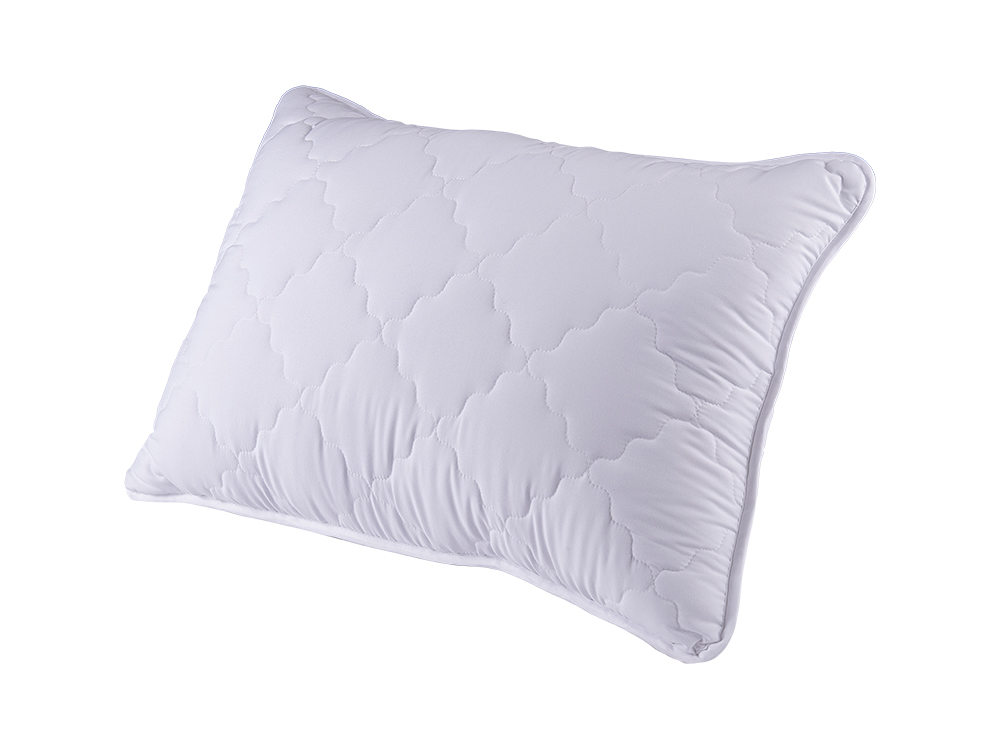
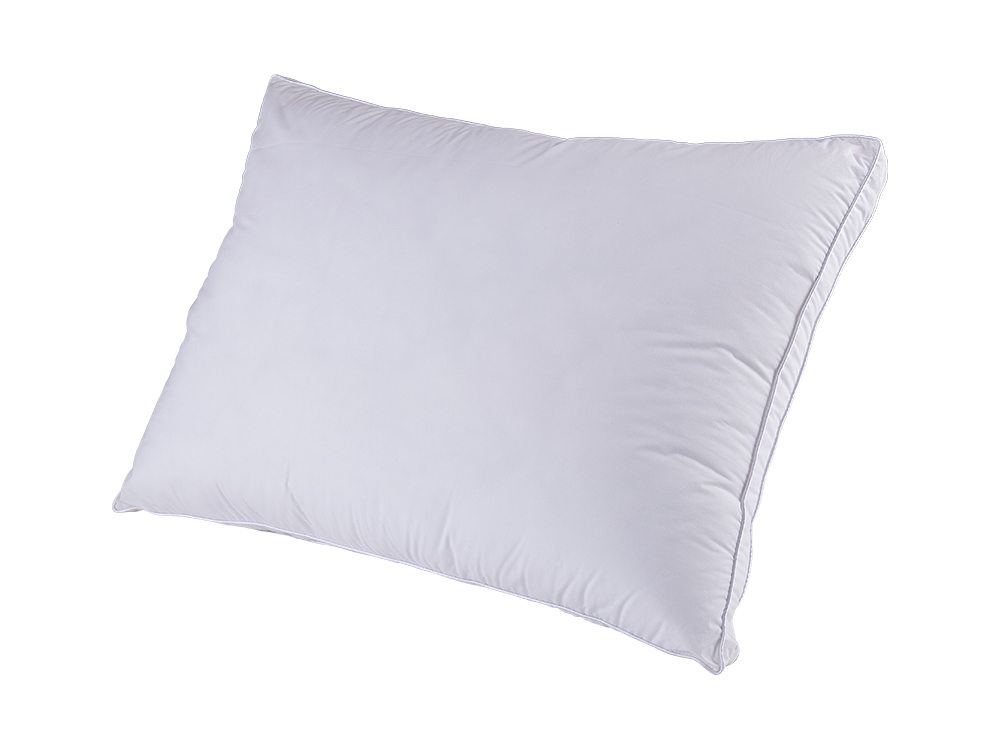
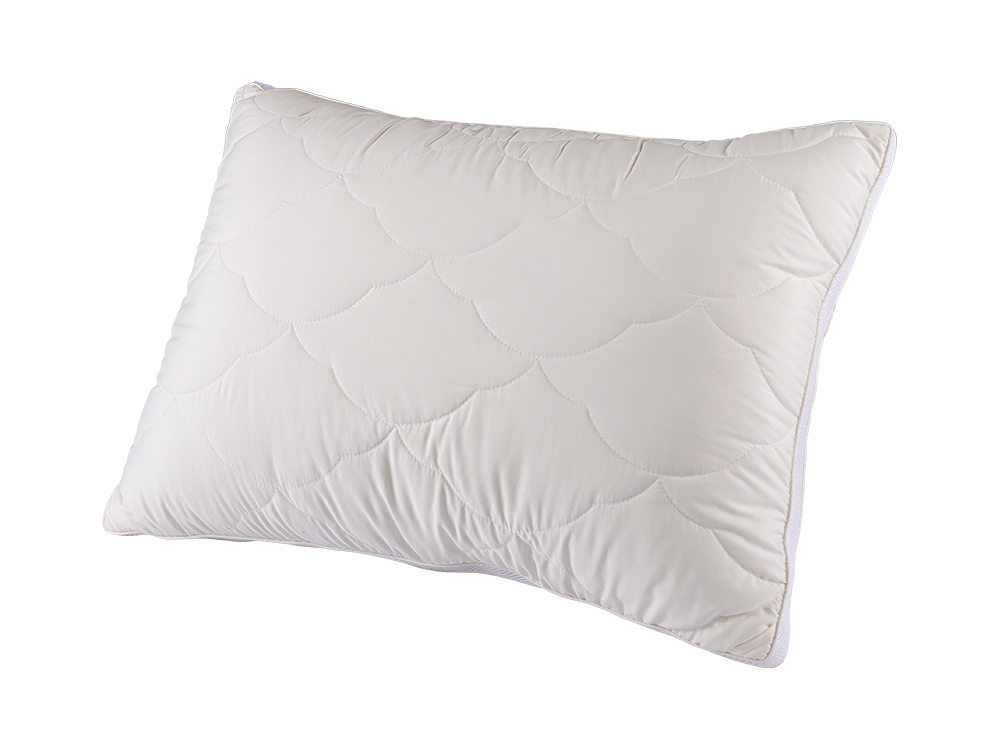
At its core, the Breathable Cotton Pillow balances three critical factors for optimal sleep: comfort, support, and breathability. Let’s break down its key features in detail:
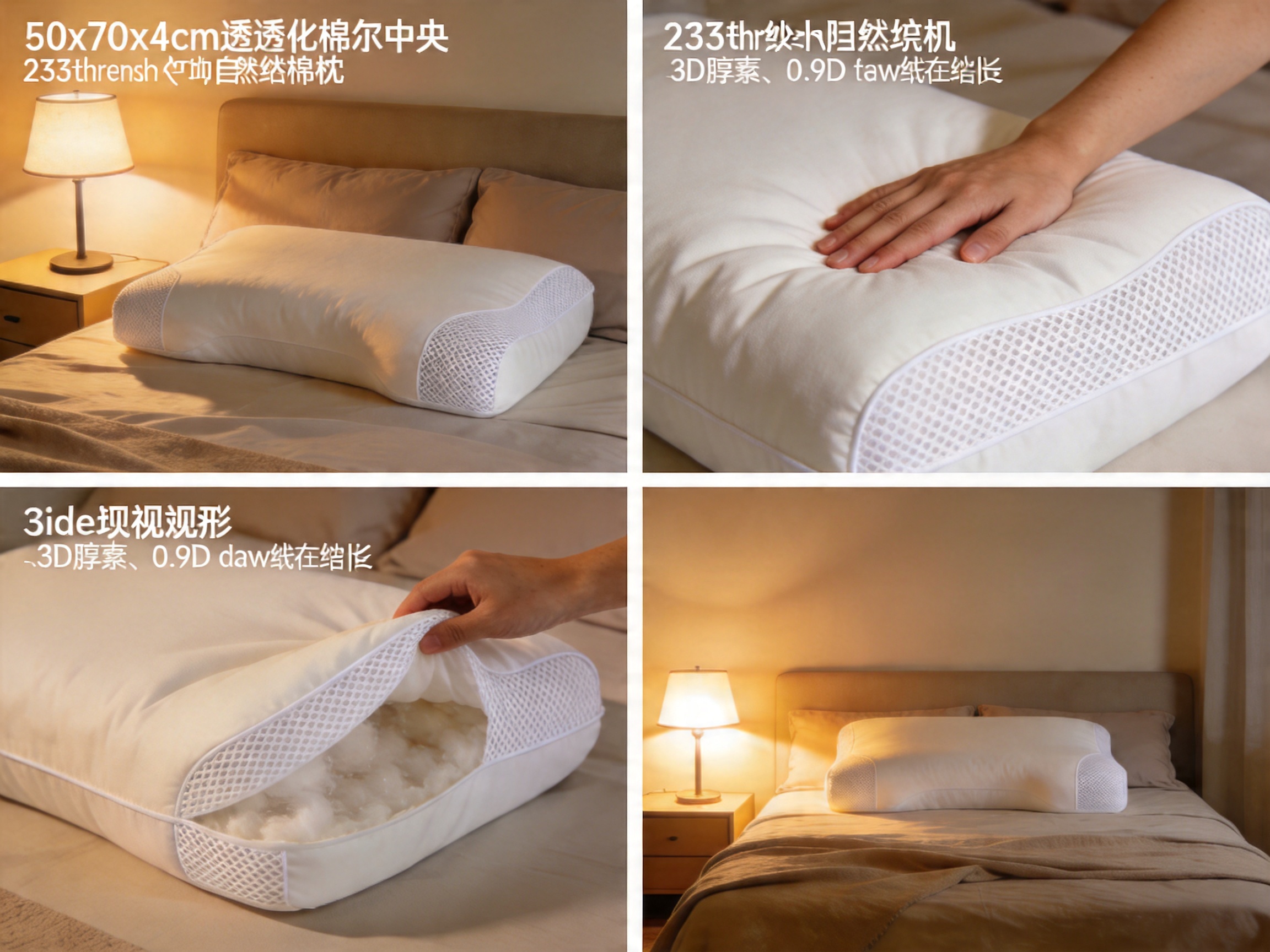
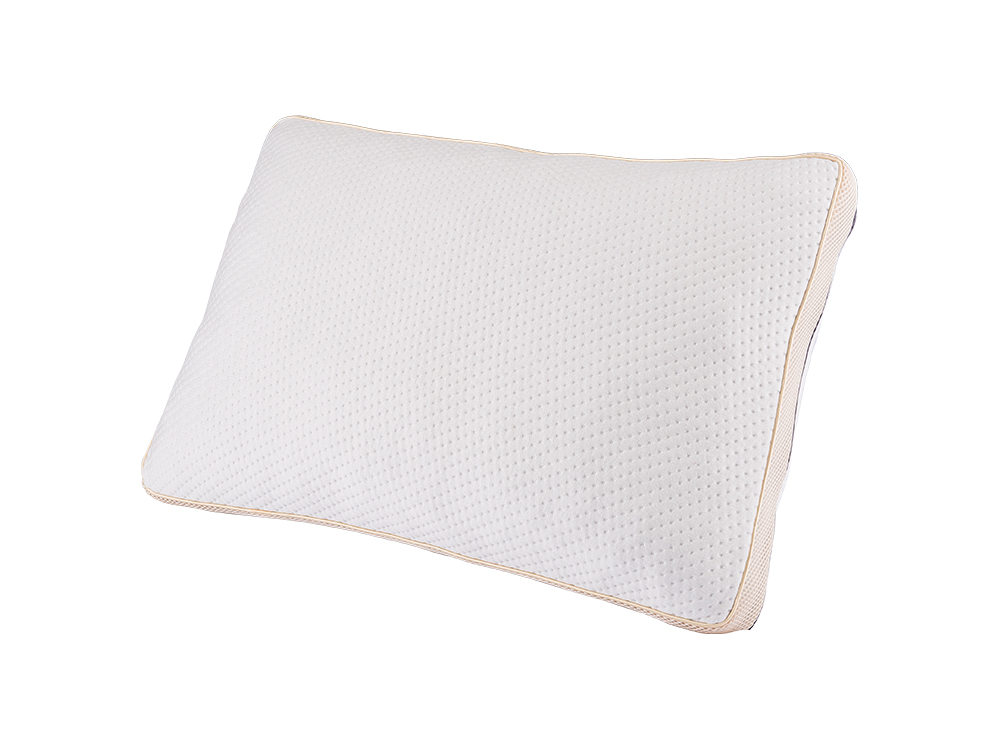
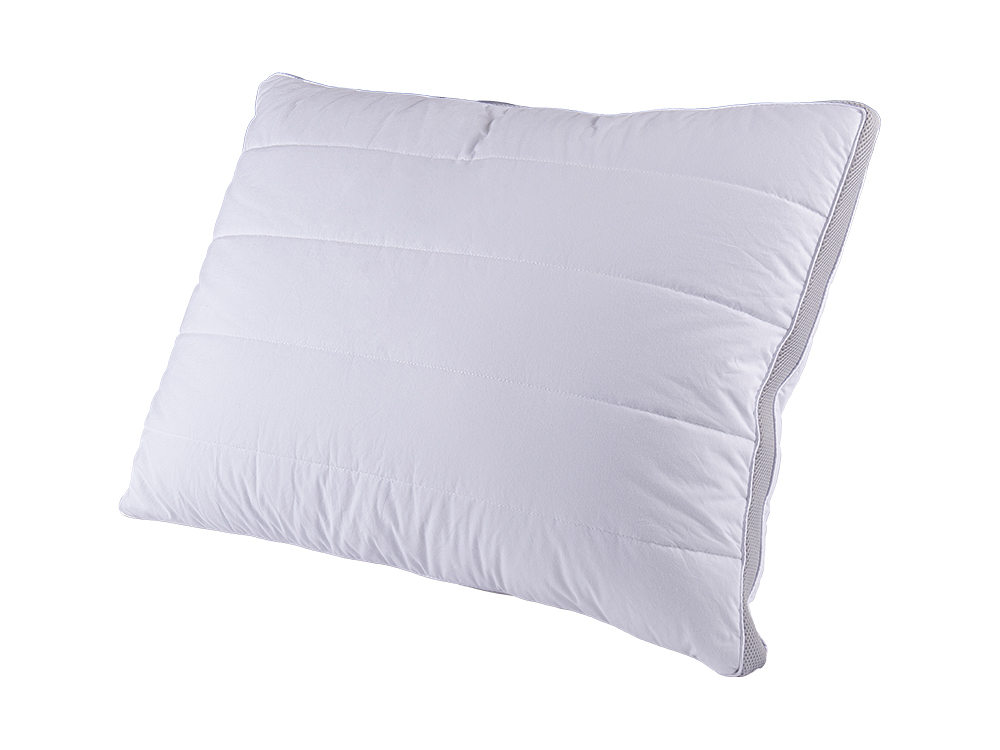
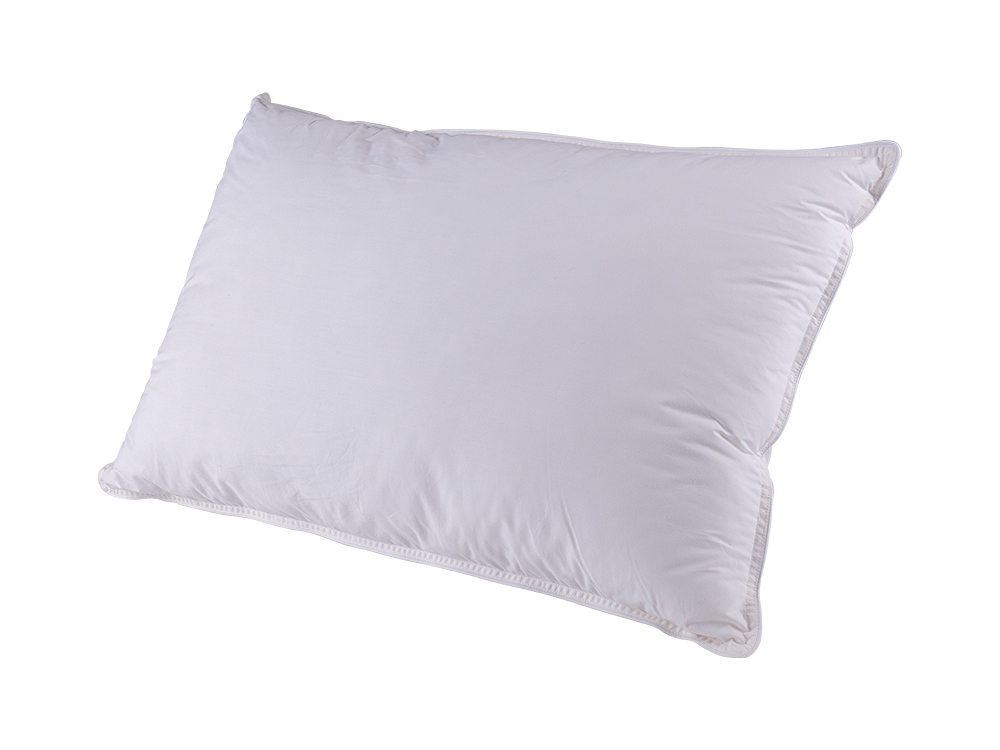
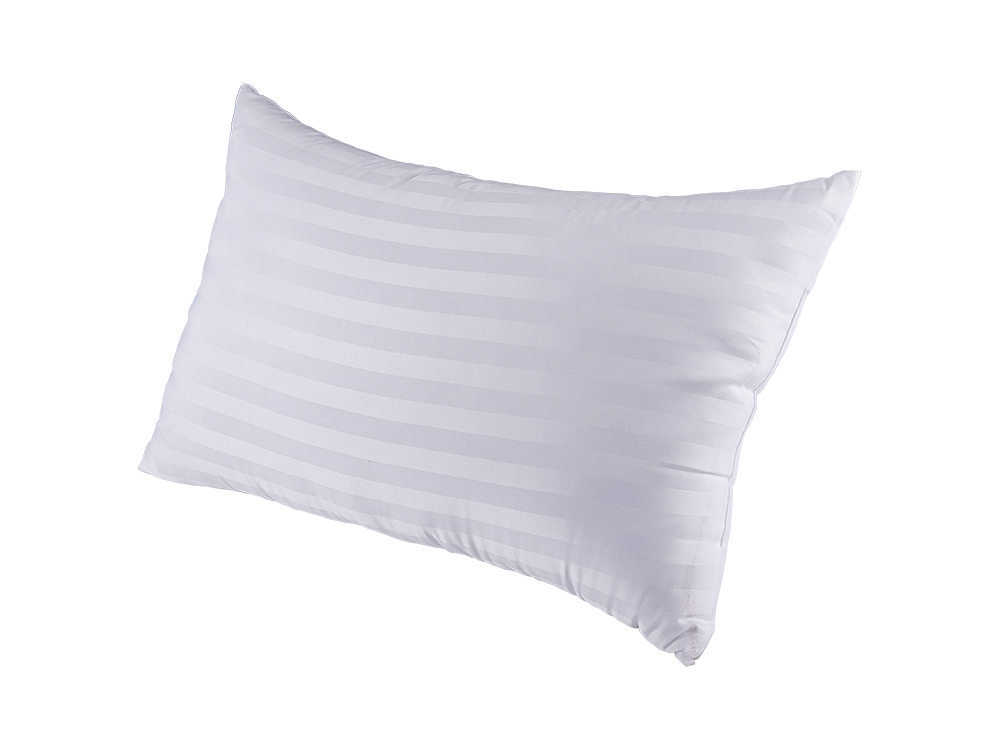
- Natural Cotton Cover: Crafted from 233 thread count (TC) natural white cotton, this cover is soft, skin-friendly, and highly durable. Unlike synthetic fabrics that trap heat or irritate sensitive skin, natural cotton wicks away moisture and allows air to circulate freely, keeping users cool and dry.
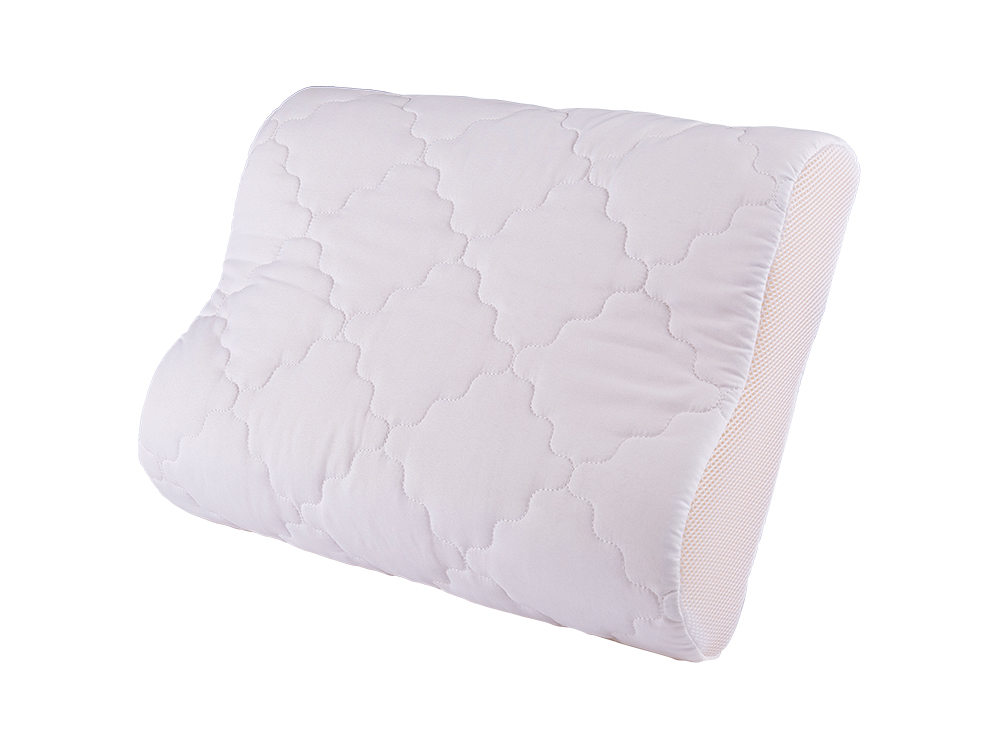
- Sandwich Mesh Side Panel: The pillow’s side features a white sandwich mesh, which creates additional airflow channels. This design enhances breathability by 3x compared to solid cotton sides (per internal testing), making it ideal for hot sleepers or those in warm climates.
- Ergonomic Filling Blend: The pillow is filled with a proprietary mix of 3D polyester and 0.9D down alternative fibers. The 3D fibers provide firm, consistent support for the neck and head, while the 0.9D fibers add a plush, down-like softness—without the allergens associated with real down.
- Long-Lasting Durability: Rigorous testing ensures the pillow retains its shape and softness for up to 3 years. It resists odor and deformation, so users don’t have to replace it as often as lower-quality alternatives.
What Sets This Pillow Apart from Competitors?
With thousands of pillows on the market, it’s critical to understand how the Breathable Cotton Pillow outperforms its rivals. Let’s compare it to three common types of pillows: memory foam, down, and synthetic fiber.
1. vs. Memory Foam Pillows
Memory foam pillows are popular for their contouring support, but they have significant drawbacks:
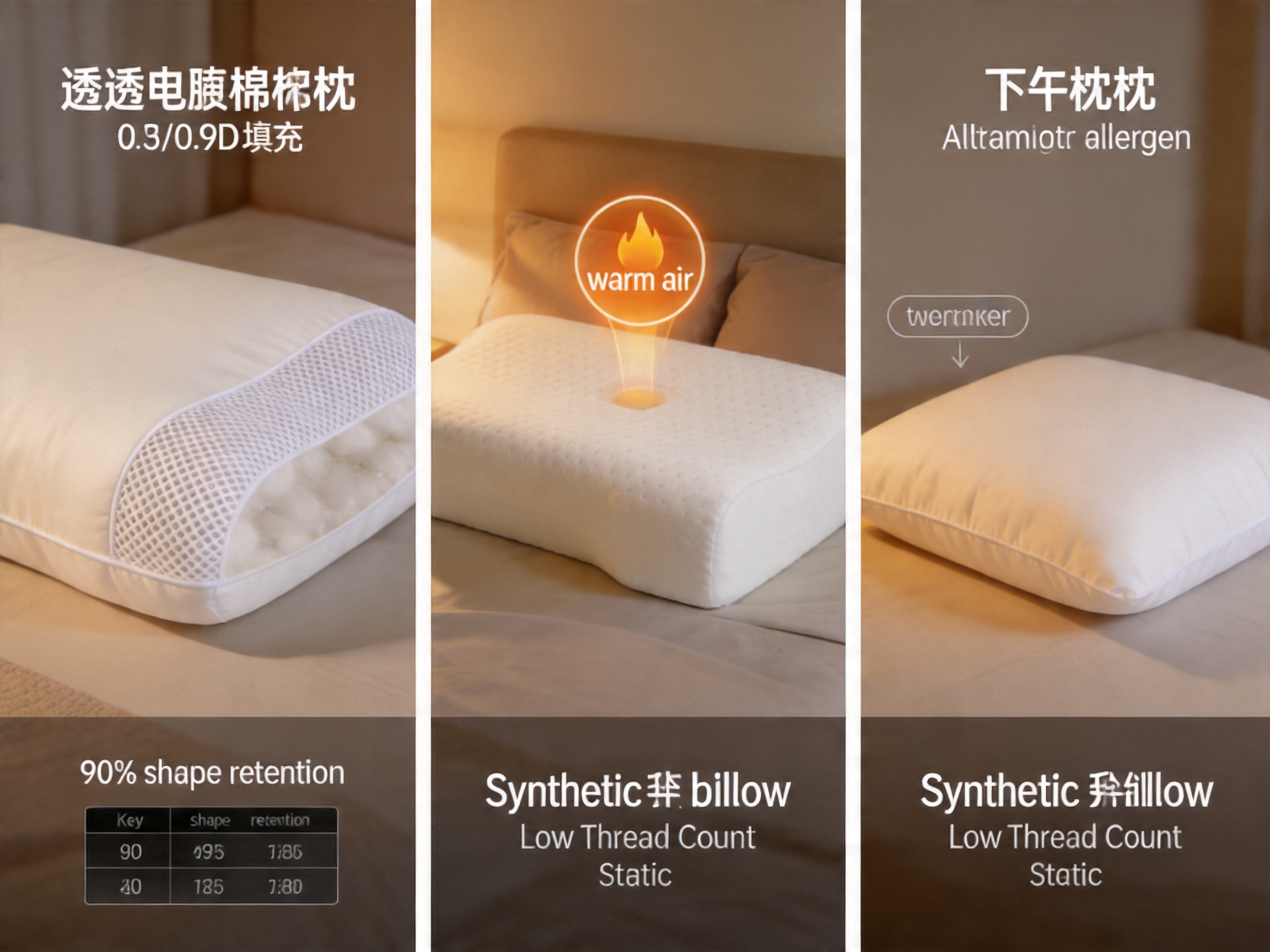
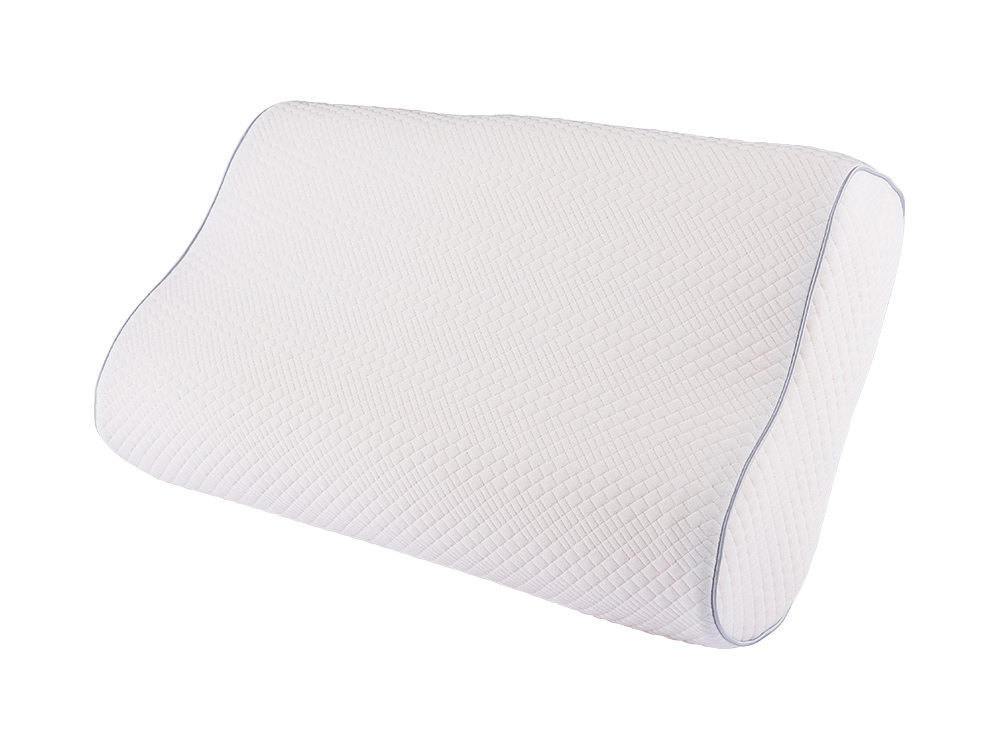
- Breathability: Memory foam traps heat, increasing body temperature by up to 2°C (3.6°F) (Sleep Foundation, 2023). The Breathable Cotton Pillow’s cotton cover and mesh panel allow air to flow through, keeping users cool all night.
- Shape Retention: Memory foam often develops indentations after 6–12 months. The Breathable Cotton Pillow retains 90% of its original thickness after 3 years (Textile Institute, 2022), maintaining support and reducing neck pain risk.
- Allergen Resistance: Memory foam harbors dust mites and allergens. The Breathable Cotton Pillow’s OEKO-TEX certification ensures it’s free from harmful chemicals and irritants.
2. vs. Down Pillows
Down pillows are soft but high-maintenance and allergy-prone:
- Hypoallergenicity: Real down contains allergens like dust mites and feather particles. The Breathable Cotton Pillow uses a 100% hypoallergenic down alternative, safe for sensitive users.
- Durability: Down pillows flatten quickly if not fluffed daily. The Breathable Cotton Pillow resists flattening, lasting 2x longer than down alternatives.
- Moisture Control: Down absorbs moisture, leading to mold or mildew. The cotton cover wicks away moisture, keeping the pillow dry and fresh.
3. vs. Synthetic Fiber Pillows
Synthetic fiber pillows are affordable but low-quality:
- Softness & Skin Friendliness: Low-TC synthetic fabrics feel scratchy or static-prone. The 233TC cotton cover is soft and gentle, with no static buildup.
- Thread Count: Most synthetic pillows use fabrics with TC counts below 200. The 233TC cotton cover is more durable, lasting up to 2x longer.
- Support: Synthetic fiber pillows lack sufficient support. The 3D + 0.9D blend adapts to all sleep positions (side, back, stomach), aligning the spine.
To summarize these differences, here’s a comparative table:
| Feature | Breathable Cotton Pillow | Memory Foam Pillow | Down Pillow | Synthetic Fiber Pillow |
|---|---|---|---|---|
| Fabric Type | Natural White 233TC Cotton | Polyester Blend | Cotton Blend | Low-TC Synthetic |
| Breathability | High (Mesh + Cotton) | Low (Heat Trapping) | Medium (Moisture Absorption) | Low (Poor Airflow) |
| Filling | 3D + 0.9D Down Alternative | Memory Foam | Real Down | Low-Quality Polyester |
| Hypoallergenic | Yes (OEKO-TEX Certified) | No (Allergen Harbor) | No (Allergen Risk) | No (Static + Irritants) |
| Shape Retention (3 Years) | 90% | 60% | 55% | 40% |
| Moisture Wicking | High | Low | Medium | Low |
Environmental Impact of the Breathable Cotton Pillow
In addition to performance, the pillow is designed for sustainability:
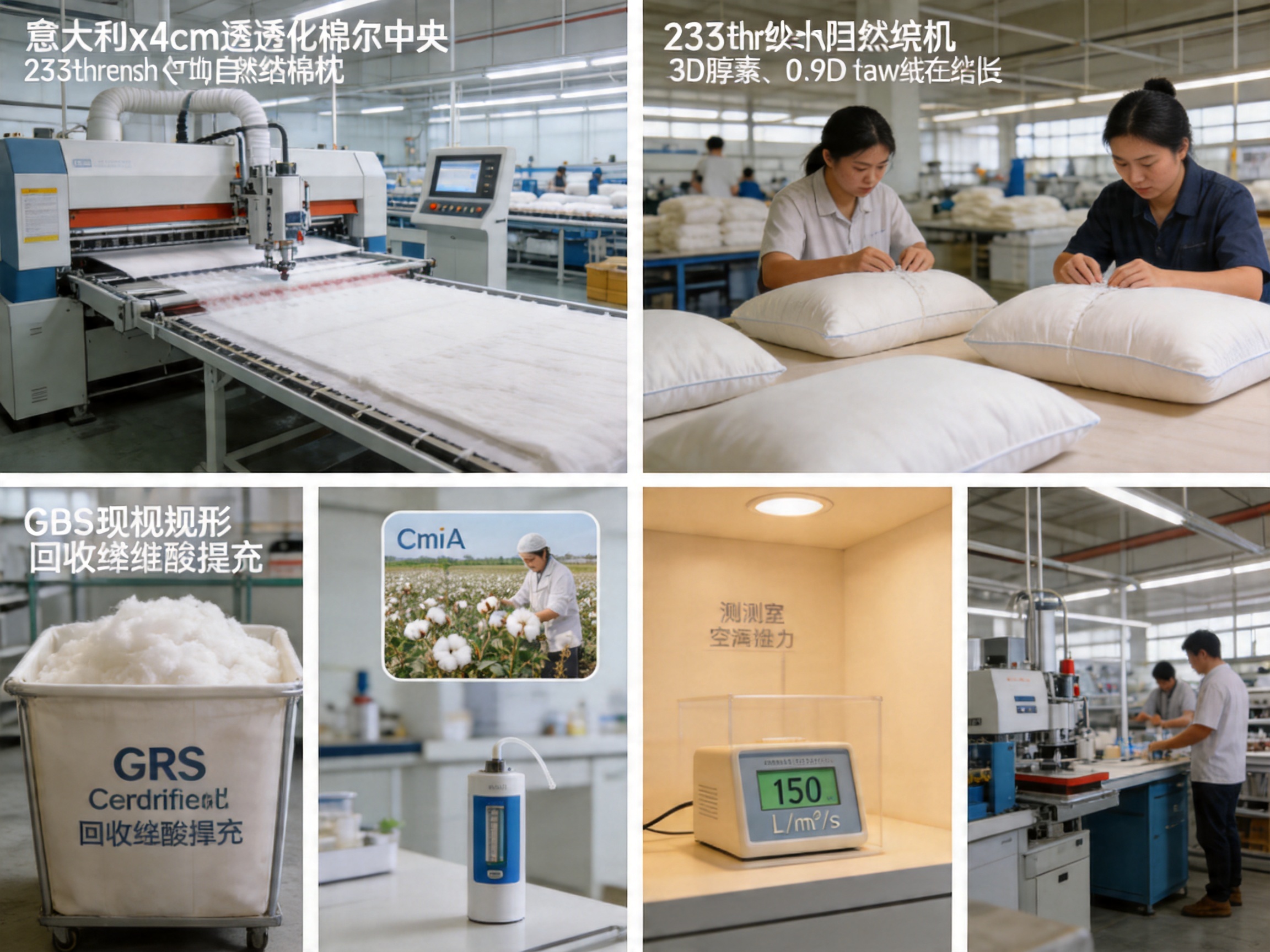
- Recycled Filling: 30% of the polyester filling is recycled, certified by the Global Recycled Standard (GRS). This reduces CO2 emissions by 60% and water use by 70% (Textile Exchange, 2022).
- Sustainable Cotton: The cover uses Cotton Made in Africa (CmiA) certified cotton, which uses 20% less water than conventional cotton (CmiA, 2023).
- Minimal Waste: Computerized cutting reduces fabric waste by 15% vs. manual cutting. Leftover fabric is recycled into cushion covers.
- Long Lifespan: Lasting 3 years, it reduces landfill waste by 1–2 pillows per user compared to shorter-lived alternatives.
Behind the Scenes—Precision Manufacturing for Quality Assurance
The pillow’s quality stems from advanced manufacturing processes and strict quality control. The manufacturer, a 20+ year industry leader, uses state-of-the-art equipment and skilled professionals:
1. Sustainable Material Sourcing
Every component is sourced ethically:
- Cotton: From CmiA-certified farms in Africa and Asia.
- Filling: Recycled polyester (GRS-certified) and virgin polyester (low-impact).
- Lining/Mesh: OEKO-TEX certified non-woven fabric and sandwich mesh.
2. Computerized Cutting & Precision Sewing
CAD software cuts cotton and mesh panels to exact dimensions, reducing waste. Industrial sewing machines assemble the pillow with reinforced seams to prevent fraying. Skilled workers inspect each stitch for consistency.
3. Automated Filling & Assembly
Automated filling lines distribute the 3D + 0.9D blend uniformly, ensuring each pillow (50x70x4 cm) has consistent support. A hidden zipper allows for easy cover removal, and final assembly includes defect checks (loose threads, uneven filling).
4. Rigorous Quality Testing
Every pillow undergoes 5 key tests:
- Breathability: Air permeability meter measures 150 L/m²/s (industry average: 80).
- Shape Retention: 10,000 compression cycles (50kg pressure) retain 85% thickness.
- Wash Test: 50 cold-water washes with no shrinkage or fading.
- Skin Irritation: OEKO-TEX tests for formaldehyde, heavy metals, and phthalates.
- Odor Resistance: 72-hour humidity test shows no odor development.
Why This Manufacturer Leads in Home Textiles
The company behind the pillow is a trusted name, with strengths including:
1. Decades of Expertise
Founded in 2002, it has 20+ years of experience producing pillows, quilts, mattress protectors, and curtains. Its 320+ employees include technicians, designers, and quality control experts.
2. Advanced Facilities
A 21,000 sqm facility (18,000 sqm construction area) houses computerized cutting machines (Italian-made), automated filling lines (German-made), and a state-of-the-art testing lab. It’s certified for safety production standardization (since 2016).
3. Multiple Certifications
Certifications validate quality and sustainability:
- ISO 9001: Quality management system.
- ISO 14001: Environmental management system.
- OEKO-TEX 100/STEP: Safe for consumers.
- GRS: Recycled content verification.
- BSCI: Ethical labor practices.
4. Customization Options
The company offers custom solutions for businesses (hotels, retailers) and individuals:
- Custom sizes (e.g., 40x60 cm for children).
- Branded covers (hotel logos, company names).
- Adjustable filling (firmer/softer support).
5. Continuous Innovation
Invests in R&D with textile universities to develop new materials. The 3D + 0.9D blend was created to address user feedback on support and softness.
Real-World Feedback—Users Rave About the Pillow
The pillow has received positive feedback from diverse users:
Testimonial 1: Sarah, 32, Side Sleeper
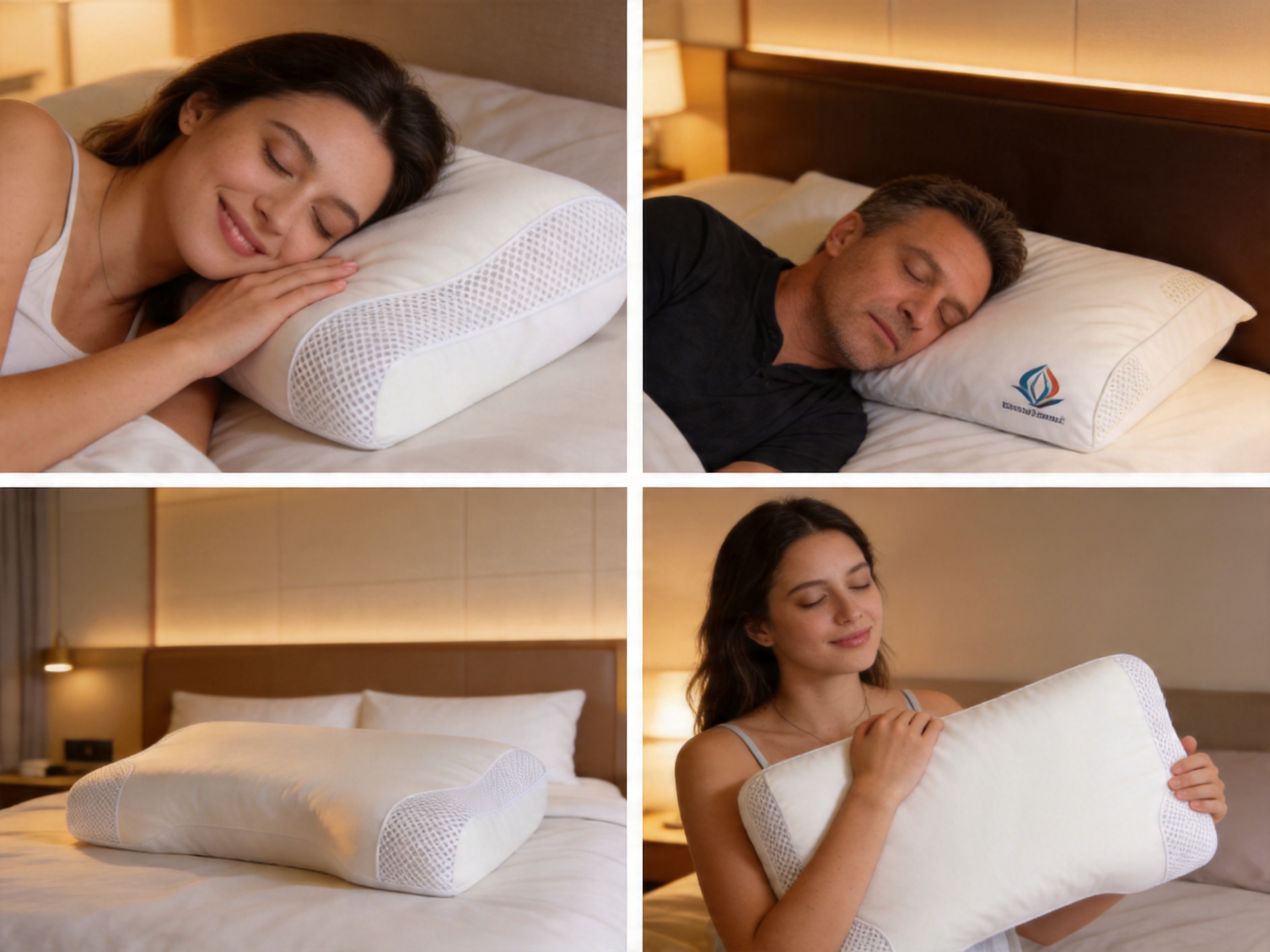
“I’ve struggled with neck pain for years. This pillow’s 3D filling supports my neck perfectly, and the cotton cover is so soft. No more stiff mornings— I sleep through the night without sweating. It’s 8 months old and still like new!”
Testimonial 2: Mike, 45, Hot Sleeper
“I hate heat-trapping pillows. This one’s mesh panel keeps me cool all summer. The filling is plush but not too soft, and it doesn’t flatten like my old down pillow. I’m buying another for my guest room!”
Testimonial 3: Maria, Hotel Manager
“We switched to this pillow for our 150 rooms last year. Guests rave about them—no neck pain complaints! The custom branding (our hotel logo) enhanced our image, and they’re easy to clean. Highly recommend for hospitality!”
Testimonial 4: Lisa, 28, Sensitive Skin
“I have eczema, so I need hypoallergenic bedding. This pillow’s OEKO-TEX certification gave me peace of mind. No irritation, and it’s so soft. I’ve been using it for 6 months and love it!”
Frequently Asked Questions
Here are answers to common questions:
Q1: Is the pillow hypoallergenic?
A: Yes! OEKO-TEX certified, free from harmful chemicals and allergens. The down alternative filling is safe for sensitive users.
Q2: What size is the pillow?
A: Standard size is 50x70x4 cm. Custom sizes are available (e.g., 40x60 cm for kids).
Q3: How do I clean it?
A: The cotton cover is machine-washable (cold water, gentle cycle). Air dry to maintain shape. The filling is dust-resistant—spot clean only if needed.
Q4: How long does it retain shape?
A: Up to 3 years. Testing shows it retains 90% thickness after 3 years of regular use.
Q5: Is it suitable for all sleep positions?
A: Yes! The 3D + 0.9D blend adapts to side, back, and stomach sleepers, aligning the spine.
Q6: Does it have a warranty?
A: Yes, 1-year warranty against manufacturing defects. Contact the manufacturer for replacements/refunds.
References and Further Reading
- Sleep Foundation. (2023). “Pillow Comfort and Support: A Comprehensive Guide”. SleepFoundation.org.
- Textile Institute. (2022). “Thread Count Impact on Bedding Quality”. Journal of Textile Science, 15(3), 45–52.
- OEKO-TEX Association. (2023). “OEKO-TEX 100 Standard: Safe Textiles for Consumers”. OEKO-TEX.org.
- Textile Exchange. (2022). “Recycled Polyester Environmental Benefits”. TextileExchange.org.
- Cotton Made in Africa (CmiA). (2023). “Sustainable Cotton Farming Practices”. CmiA.org.
- World Health Organization (WHO). (2021). “Sleep and Health: Why It Matters”. WHO.int.


 +86-573-88798028