



 Français
 Español
 Deutsch
Content
- 1 Product Overview
- 2 Soft Brushed Fabric for Everyday Comfort
- 3 Quilting for Appearance and Structural Stability
- 4 3D and 6D Polyester Filling
- 5 Protective Non-Woven Lining
- 6 Advantages Compared with Basic Polyester Pillows
- 7 Comfort in Residential Use
- 8 Suitability for Hospitality and Commercial Projects
- 9 Manufacturing Strengths and Production Experience
- 10 Quality Management and Certifications
- 11 Product Development and Customization Potential
- 12 Applications Across Different Sales Channels
- 13 Practical Considerations for Buyers
- 14 Why Choose an Experienced Home Bedding Factory
- 15 Environmental and Social Manufacturing Considerations
- 16 Inspection Priorities for the Quilted Polyester Pillow
- 17 Communication and Order Coordination
- 18 Conclusion
- 19 Questions and Answers
- 19.1 What materials are used in the Quilted Polyester Pillow?
- 19.2 What is the main benefit of the brushed fabric?
- 19.3 What does the quilted design contribute to the product?
- 19.4 Is the pillow designed to remain fluffy?
- 19.5 Is this pillow suitable for hotels?
- 19.6 Can the pillow be customized?
- 19.7 What types of customers can purchase this product?
- 19.8 Does the company manufacture other home textile products?
- 19.9 What quality systems or certifications are associated with the manufacturer?
- 19.10 How should buyers evaluate a sample?
- 19.11 Can the pillow be sold as part of a bedding set?
- 19.12 What information should be included in an inquiry?
- 20 References
- 21 Product: Quilted Polyester Pillow
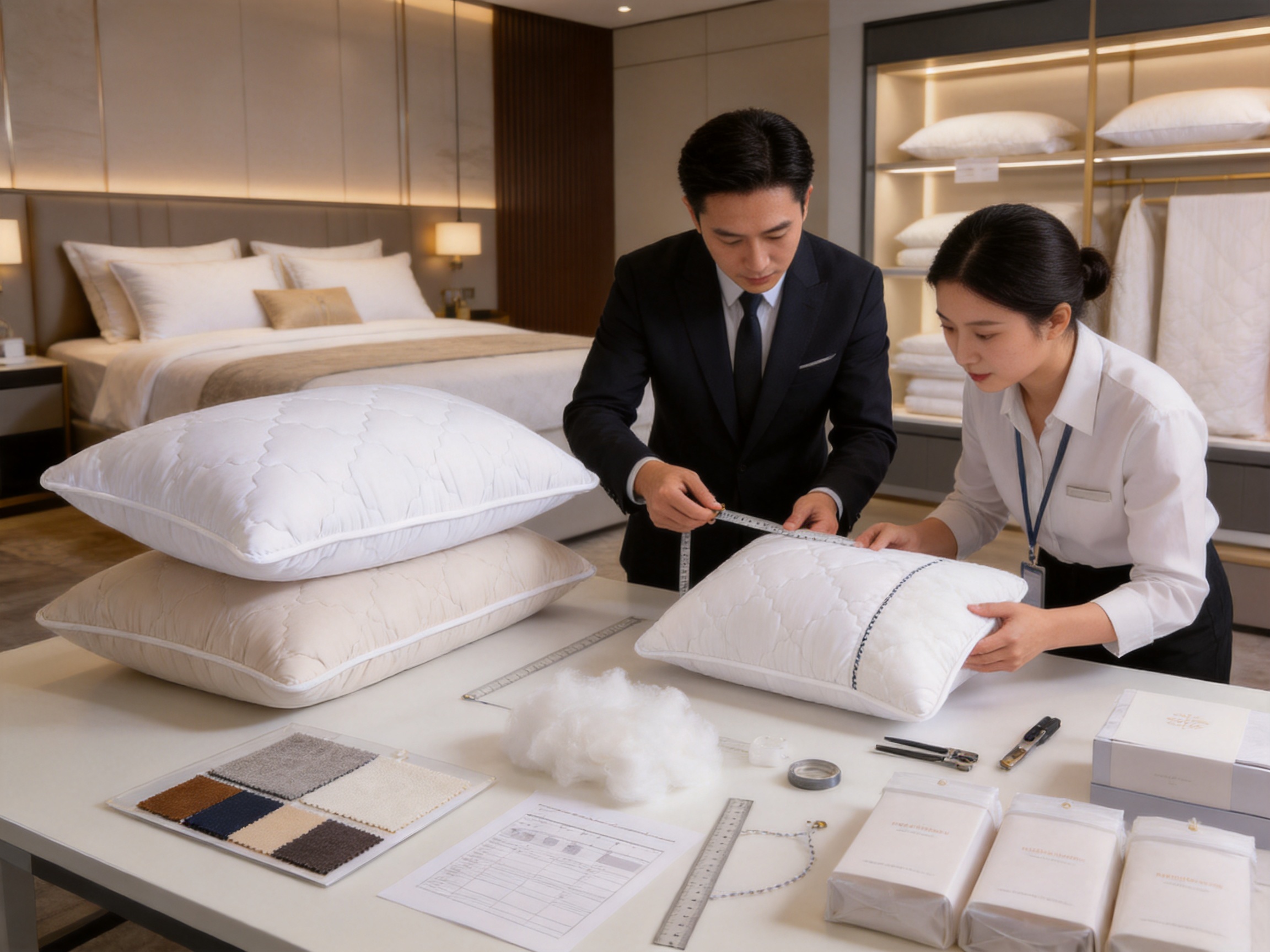
A pillow is one of the most important elements in a comfortable sleeping environment. Although it may appear simple, a well-designed pillow must combine softness, resilience, breathability, structural stability, and a pleasant hand feel. It also needs to remain attractive and functional after repeated use, washing, handling, and storage. The Quilted Polyester Pillow is designed around these practical requirements, offering a balanced combination of a brushed polyester exterior, a protective non-woven lining, and a resilient 3D and 6D polyester filling.
This product is suitable for bedding distributors, hospitality suppliers, retailers, importers, and private-label customers seeking a dependable polyester pillow for everyday use. Its classic quilted appearance gives it a neat and familiar look, while the brushed fabric creates a soft surface that is comfortable against the skin. Inside, the fluffy polyester filling helps the pillow maintain volume and recover its shape after compression.
Manufactured by Tongxiang Xinlong Bedding Co., Ltd., the pillow reflects the company’s experience in producing a broad range of home textile products. The manufacturer operates from a substantial production base in Wuzhen, Tongxiang, Zhejiang Province, and has developed capabilities covering product design, material selection, sewing, filling, quilting, inspection, and order coordination. These capabilities help provide customers with a consistent supply of home bedding products for different markets and applications.
Product Overview
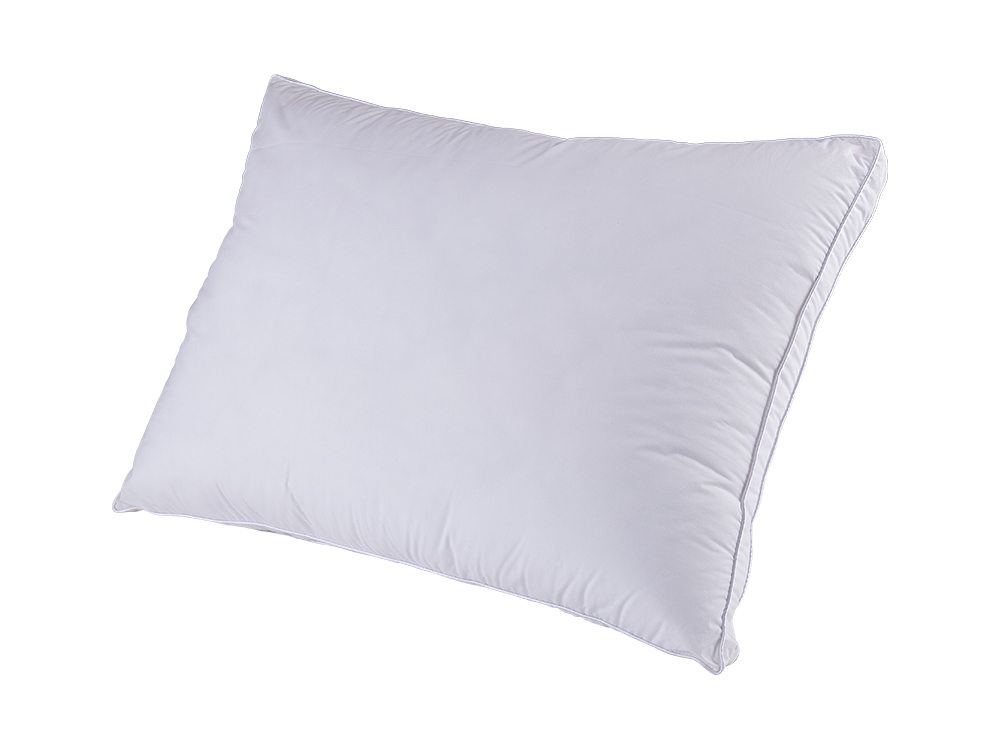
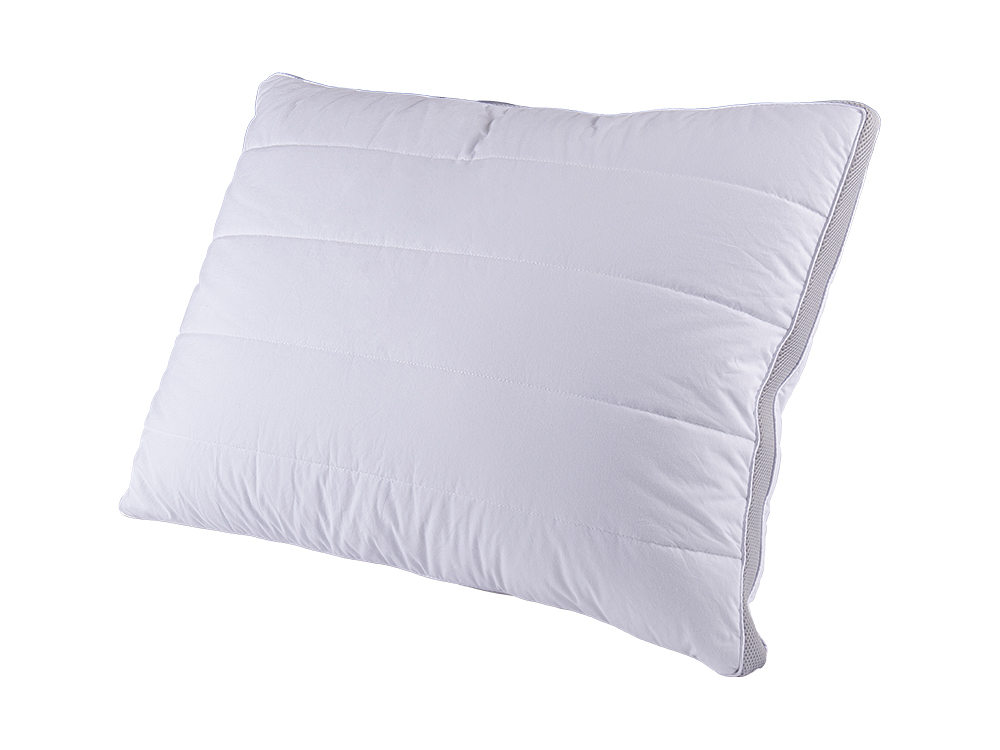
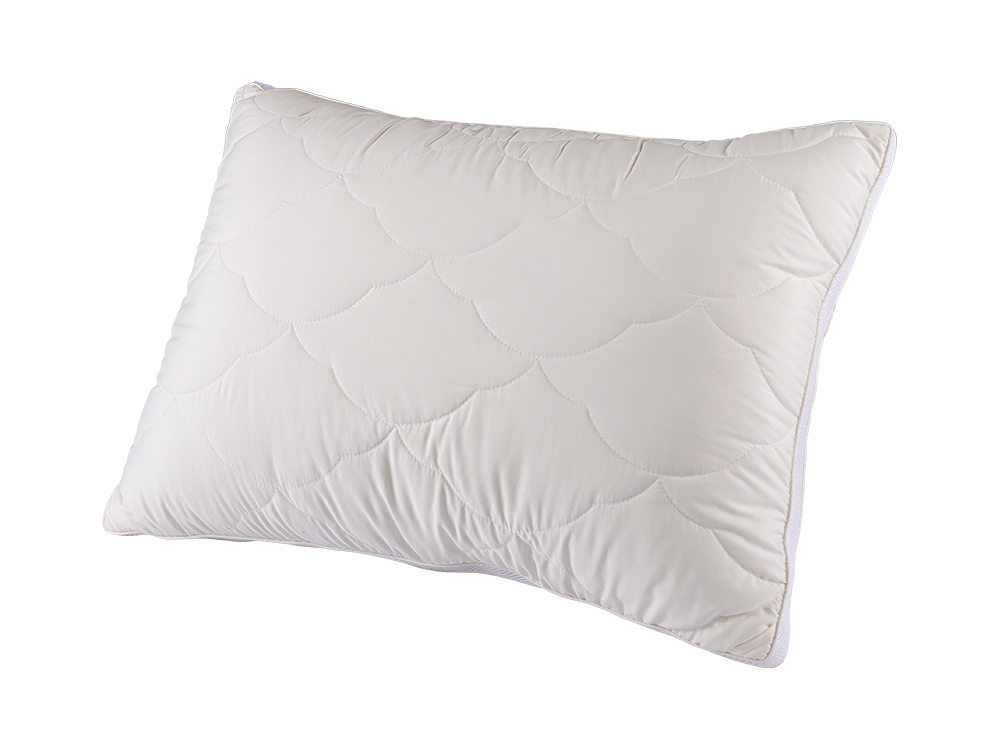
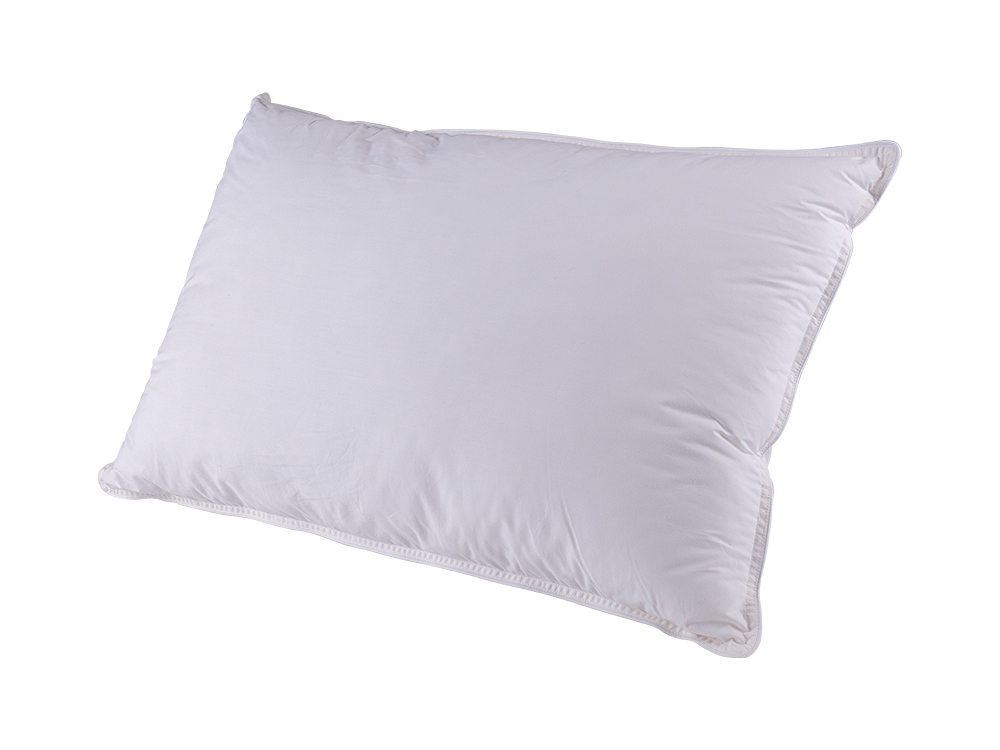
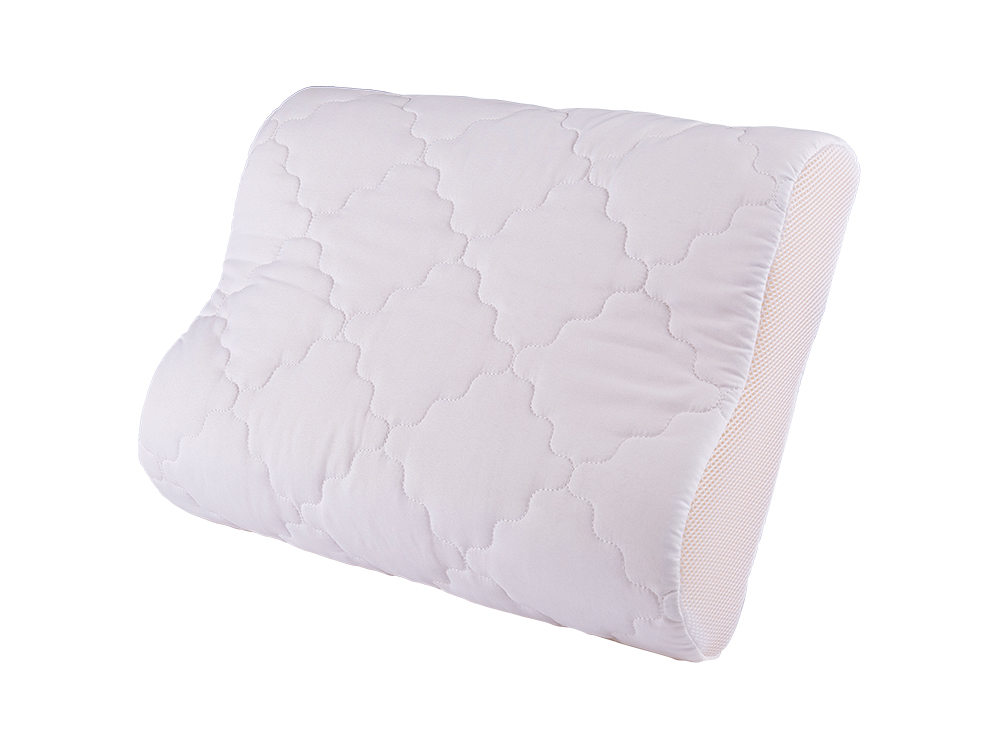
The Quilted Polyester Pillow belongs to the polyester pillow category and is identified by the product reference DM6A5961-5956. It uses an 85gsm brushed fabric as its primary outer material, a 30gsm non-woven fabric as the lining, and a combination of 3D and 6D polyester fibers as the filling. This construction is intended to create a pillow that is soft to the touch, full in appearance, and resistant to deformation during long-term use.
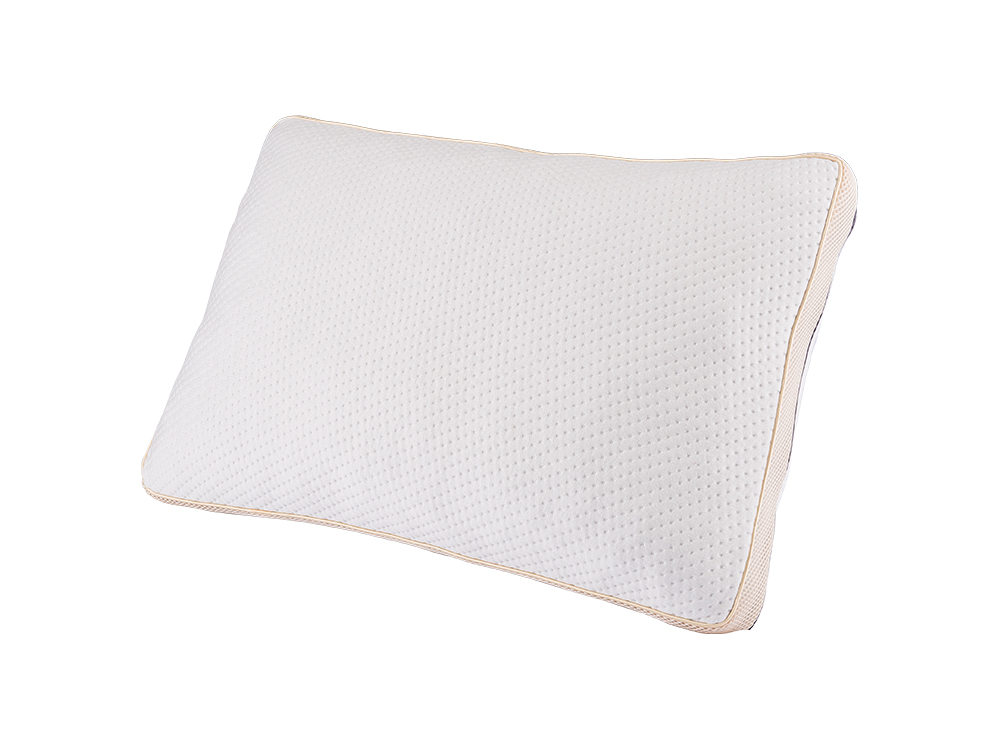
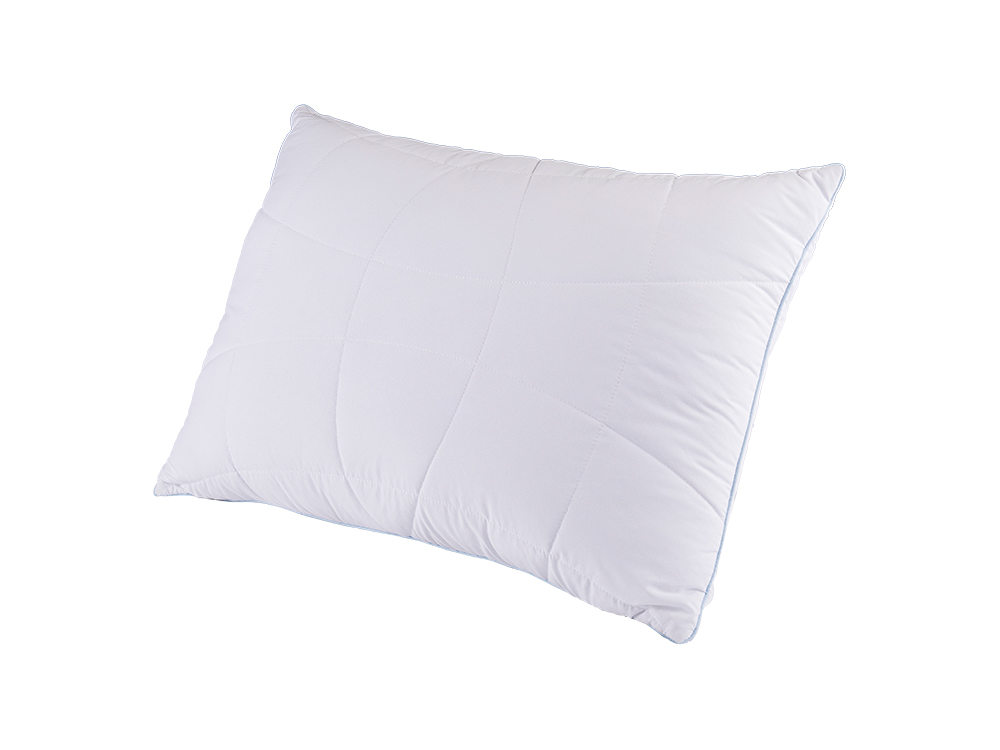
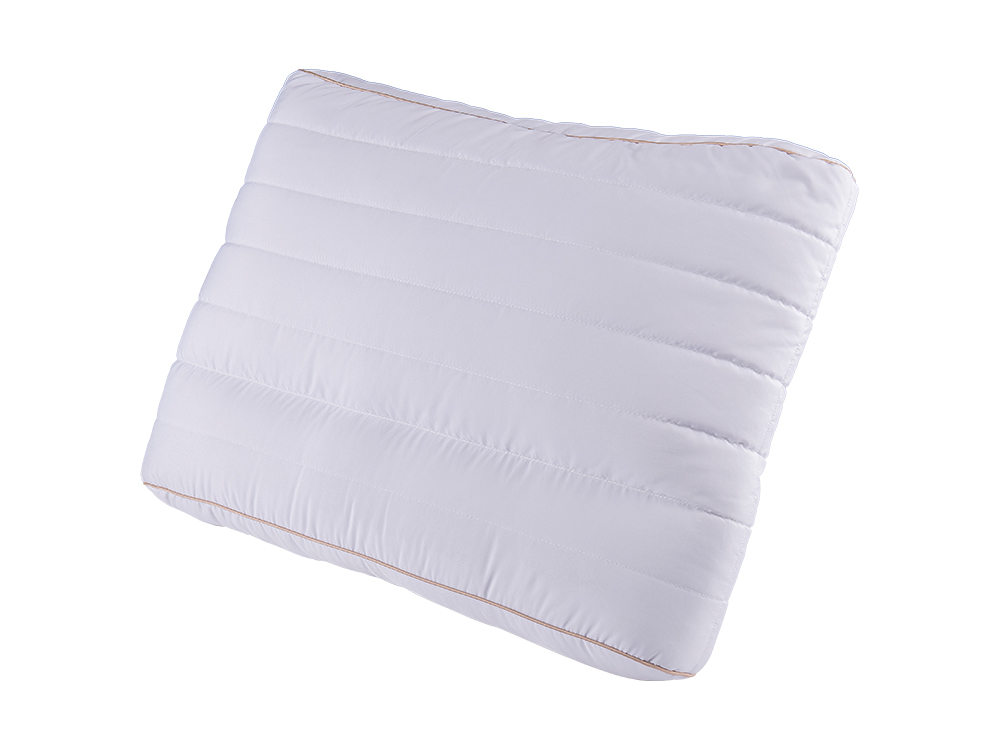
The quilted surface is a key part of the product’s design. Quilting helps create a stable, orderly appearance while assisting in the distribution of the internal filling. By securing the outer layers and reducing unnecessary movement between the shell and the filling, the quilted structure supports a more uniform product shape. It also adds visual texture, allowing the pillow to look more finished and presentable when displayed on a bed, sofa, showroom shelf, or hotel room.
The pillow is intentionally designed with a classic and simple aesthetic. This makes it easy to coordinate with different bedding collections, bedroom styles, and retail product ranges. It does not depend on a highly specialized decorative pattern, so it can be positioned as an everyday comfort product, a practical replacement pillow, a guest-room accessory, or part of a larger home textile assortment.
Product Attribute |
Specification or Description |
Product Name |
Quilted Polyester Pillow |
Product Category |
Polyester Pillow |
Product Reference |
DM6A5961-5956 |
Outer Fabric |
85gsm Brushed Fabric |
Lining |
30gsm Non-Woven Fabric |
Filling |
3D and 6D Polyester |
Surface Construction |
Quilted design |
Primary Product Qualities |
Soft hand feel, fluffy filling, shape recovery, and a neat appearance |
Soft Brushed Fabric for Everyday Comfort
The outer fabric has a direct influence on how a pillow feels during use. The 85gsm brushed fabric used in this product is selected to provide a smooth and gentle surface with a noticeable brushed effect. Brushing raises and softens the surface fibers, creating a warmer and more pleasant tactile quality than a basic unprocessed polyester fabric.
For a pillow, this surface quality is important because the product is used close to the face and neck. A soft hand feel can improve the first impression of the product and contribute to a more comfortable sleep environment. It is also valuable for retailers and hospitality operators because the fabric gives the pillow a more inviting appearance and helps communicate comfort before the product is even used.
The brushed surface has a practical visual advantage as well. Its subtle texture gives the pillow a fuller and softer appearance, helping it look more substantial when placed on a bed or displayed in product photography. The material is simple enough for broad market appeal while still offering a refined touch that distinguishes it from a plain, flat polyester shell.
Compared with pillows made with less carefully selected shell fabrics, a brushed outer surface can provide a more comfortable balance between durability and softness. It supports the positioning of the pillow as a user-friendly product for homes, guest bedrooms, dormitories, serviced apartments, and other environments where comfort and practicality are equally important.
Quilting for Appearance and Structural Stability
The classic quilted design provides more than decorative value. It helps organize the relationship between the outer fabric, lining, and filling. When a pillow is used repeatedly, the filling can shift if the internal construction does not provide sufficient control. The quilted surface helps reduce excessive movement and supports a more regular overall shape.
A stable quilted structure can also help the pillow maintain a tidy appearance during storage, transportation, and retail presentation. Bedding products are often compressed, stacked, packed, and unpacked several times before reaching the final consumer. A well-controlled construction makes it easier for the pillow to recover its intended form after handling.
The design also supports product consistency. A classic quilting pattern can be reproduced across production batches, allowing buyers to build a uniform collection. This is important for distributors and retailers that require multiple units to match in appearance. It is also useful for hotel and accommodation projects, where consistent presentation is part of the customer experience.
Another advantage is versatility. The quilted appearance complements modern, traditional, minimalist, and functional bedding collections. It can be sold as an individual pillow or combined with quilts, mattress protectors, blankets, cushions, mattress covers, and other products in a coordinated home textile program.
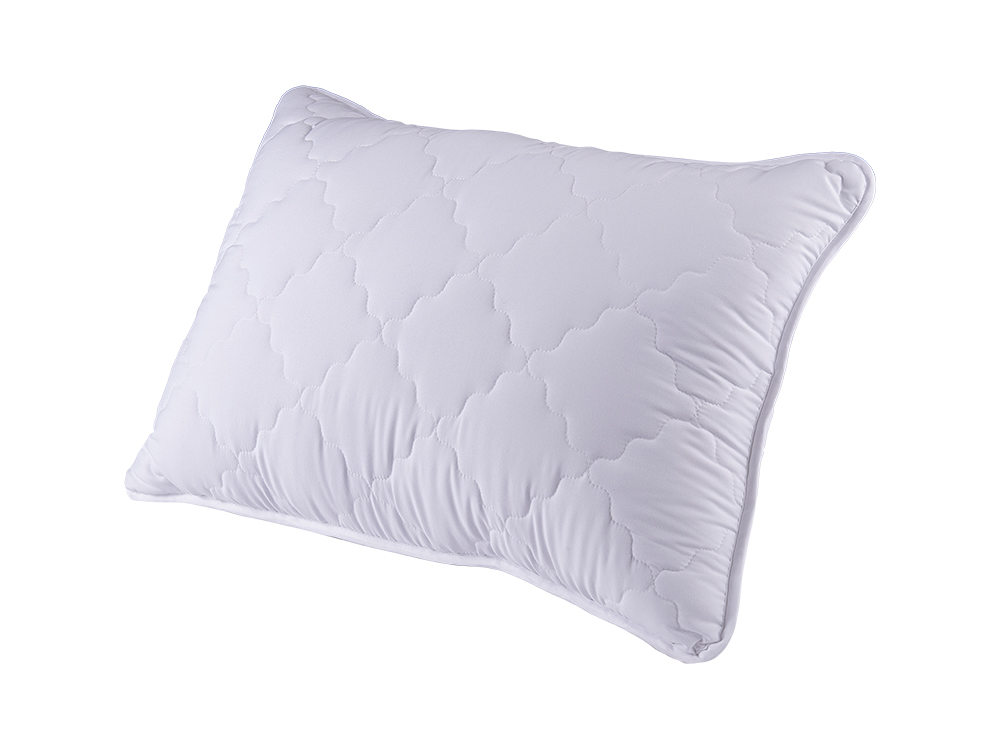
Quilted Polyester Pillow
3D and 6D Polyester Filling
The pillow uses a combination of 3D and 6D polyester filling. Polyester fibers are widely used in bedding because they are lightweight, versatile, and capable of providing a soft, lofty structure. The combination of different fiber specifications helps create a filling that feels fluffy while retaining useful resilience.
The term 3D generally refers to a three-dimensional fiber structure, while 6D refers to a larger or fuller fiber specification. In a blended filling system, these fibers can contribute to different aspects of the pillow’s performance. Finer or more flexible fibers can help produce a soft hand feel, while fuller fibers can contribute to loft and volume. The result is a filling designed to feel substantial without becoming excessively heavy.
Fullness is an important selling point for pillows. A pillow that appears thin or underfilled may be perceived as less comfortable, even before use. The 3D and 6D polyester filling gives the product a fluffy profile and helps it maintain a generous appearance. This can benefit both consumers and commercial buyers because the product presents well in retail packaging, product photography, and hospitality room settings.
Resilience is another key characteristic. A resilient filling can compress under pressure and then recover when the pressure is removed. This is especially valuable for pillows because they are repeatedly compressed by the head, arms, bedding, packaging, and storage. The product is designed not to deform easily after long-term use, helping it retain a more consistent form over time.
Compared with a low-loft filling that quickly becomes flat, the 3D and 6D construction provides a more durable sense of volume. Compared with a poorly distributed loose filling, it can offer a more controlled and balanced internal structure when properly processed and inserted into the quilted shell.
Protective Non-Woven Lining
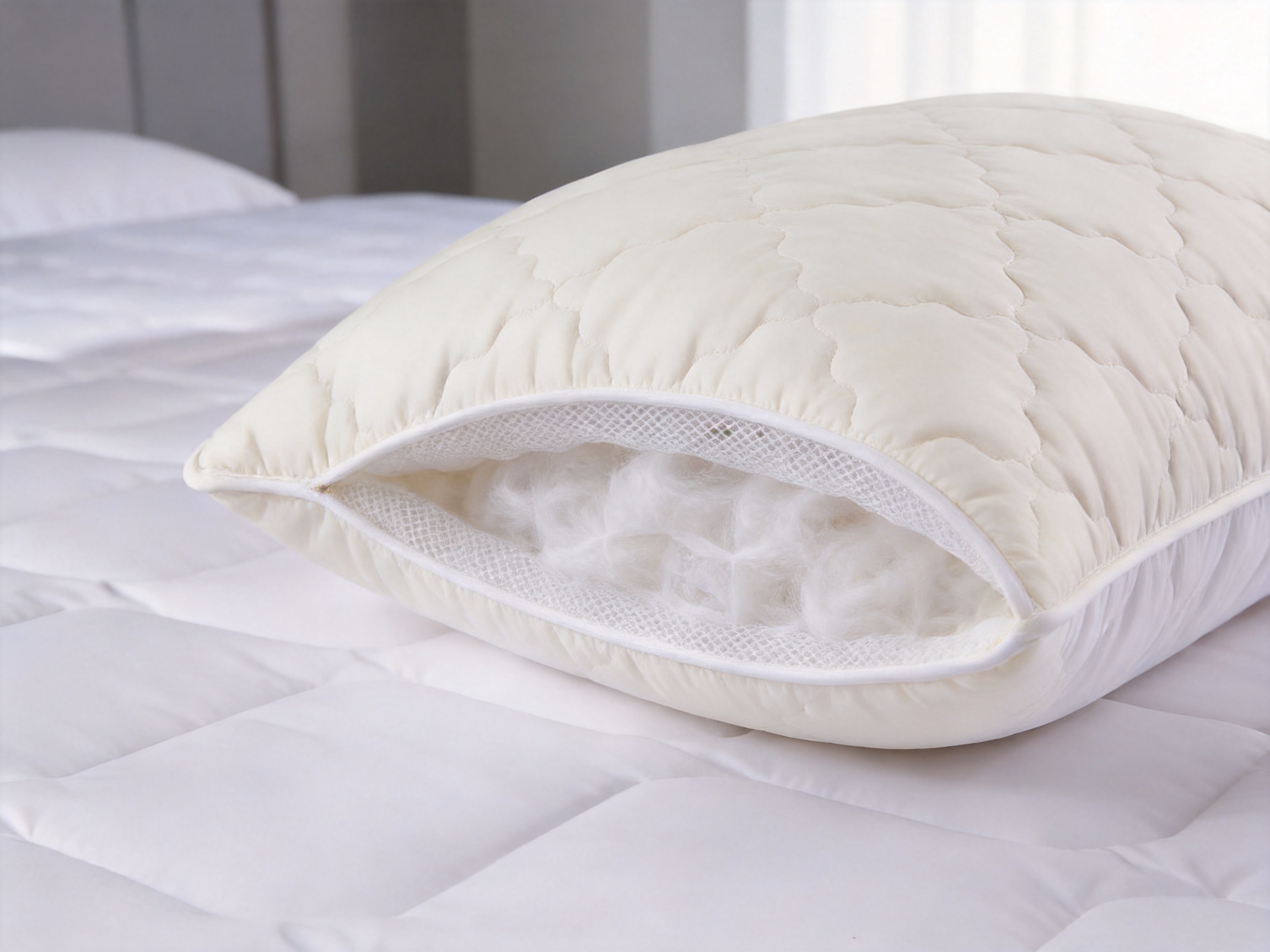
The product includes a 30gsm non-woven fabric lining. The lining serves as an additional internal layer between the outer shell and the polyester filling. This layer helps contain the fibers and supports a cleaner, more controlled construction during filling and sewing.
A lining is valuable in a pillow because it helps separate the filling from the outer fabric. It can contribute to a smoother interior assembly and reduce the possibility of loose fibers moving directly toward the exterior shell. It also adds another level of organization to the manufacturing process, allowing the outer material and internal filling to perform their respective functions more efficiently.
The non-woven lining is lightweight, which helps preserve the soft and flexible nature of the pillow. It provides internal support without making the product unnecessarily rigid or heavy. This balance is important for a pillow intended to feel fluffy and comfortable.
For production teams, the lining also assists with the handling of the filling during assembly. A clearly defined internal layer can make the filling process more orderly and support consistent sewing and quilting. As a result, the final pillow can achieve a more uniform appearance across different production units.
Advantages Compared with Basic Polyester Pillows
Many polyester pillows are available in the market, but their performance and appearance can vary significantly depending on material quality, filling selection, construction, and manufacturing control. The Quilted Polyester Pillow offers several advantages over a basic pillow made with a plain shell and a less structured filling system.
Improved Surface Softness
The brushed fabric gives the pillow a softer and more pleasant surface than a standard smooth polyester fabric. This can create a stronger comfort impression and make the product more suitable for direct-contact use.
More Attractive Product Presentation
The quilted design provides a clean and finished look. It helps the pillow appear fuller, more organized, and more premium than a plain, unquilted alternative. This is an advantage for retail displays, online listings, catalog photography, and hospitality presentation.
Better Filling Loft
The 3D and 6D polyester filling is selected to create a fluffy and full pillow profile. This helps the product avoid the underfilled appearance that can weaken the perceived value of lower-quality pillows.
Enhanced Shape Recovery
The product is designed to resist deformation during long-term use and provide good resilience. This means the pillow can recover more effectively after compression, contributing to lasting comfort and a more consistent appearance.
Practical Material Combination
The combination of brushed fabric, non-woven lining, and polyester filling provides a practical balance of comfort, stability, and manufacturing efficiency. Each material has a clear function, and together they form a cohesive bedding product.
Broad Market Compatibility
The simple quilted appearance and neutral product concept make the pillow suitable for many sales channels. It can serve as a household bedding item, a hotel pillow, a guest pillow, a dormitory product, or a component of a larger home textile collection.
Comfort in Residential Use
For residential customers, the pillow offers a straightforward solution for everyday sleeping and resting. Its soft brushed cover can feel pleasant against the skin, while the fluffy polyester filling provides a comfortable sense of volume. The construction is suitable for consumers who prefer a soft and resilient synthetic pillow rather than a specialized natural filling.
The pillow can be used in master bedrooms, guest bedrooms, children’s rooms, vacation homes, and furnished rental properties. Its classic design makes it easy to coordinate with existing bedding. It can also be purchased as a replacement pillow when an older pillow has lost its loft or shape.
Many households prefer polyester pillows because they offer practical value and consistent availability. Unlike highly specialized pillow types that may require particular care or have a narrower audience, a polyester pillow can appeal to a broad range of users. Its familiar material category and simple design make it easy for consumers to understand.
The product can also function as an extra pillow for reading, relaxing, watching television, or supporting the upper body. Its resilience and fullness allow it to serve more than one purpose within the home.
Suitability for Hospitality and Commercial Projects
Hotels, serviced apartments, dormitories, healthcare-related accommodation, and other commercial environments need bedding products that combine comfort, attractive presentation, and dependable supply. The Quilted Polyester Pillow is well suited to these requirements because its design is practical and its materials are widely used in the bedding sector.
The quilted exterior can contribute to a clean and consistent room presentation. When multiple pillows are placed on beds across guest rooms, uniform shape and appearance help support a professional standard. The classic design is unlikely to conflict with different interior decoration styles or bed linen colors.
Commercial buyers also benefit from a product that can be integrated into a wider supply program. A company purchasing pillows may also require quilts, mattress protectors, blankets, mattress covers, cushions, or other home textile products. A manufacturer with capabilities across these categories can help simplify sourcing and coordination.
For hospitality operators, resilience is particularly important because pillows are subject to frequent use and repeated handling. A filling that recovers its shape helps maintain a comfortable presentation throughout the service period. Although actual care performance depends on the final specifications and applicable laundering instructions, the product’s resilient polyester construction is designed for practical, repeated use.
Manufacturing Strengths and Production Experience
The product is manufactured by Tongxiang Xinlong Bedding Co., Ltd., a home textile producer established in January 2002. The company is located in Longxiang Industrial Park, Wuzhen Town, Tongxiang City, Zhejiang Province, China. Its long operating history provides experience in the development and production of various bedding and home textile products.
The company’s product range includes silk cotton quilts, chemical fiber quilts, pillows, cushions, bedspreads, travel quilts, mattress protectors, blankets, quilt and pillowcases, shower curtains, curtains, and related household products. This broad category coverage is valuable because pillow manufacturing can benefit from knowledge gained through other bedding products. Experience with quilting, filling, sewing, fabric handling, and quality inspection can be applied across multiple product types.
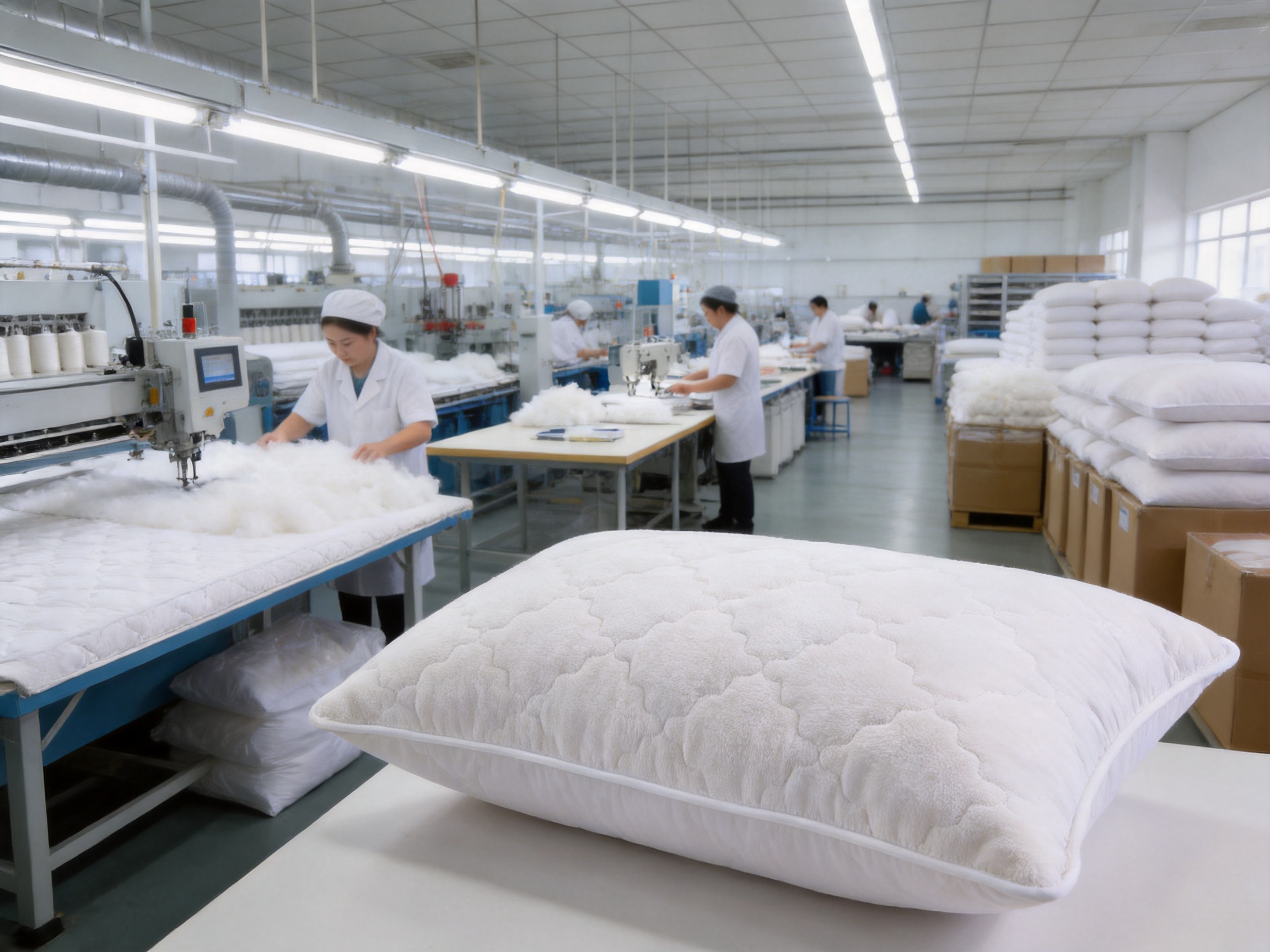
The company covers approximately 21,000 square meters, including a construction area of approximately 18,000 square meters. It has more than 320 employees and is equipped with various production machines and supporting equipment. This scale allows the company to organize production activities across different stages, including material preparation, cutting, sewing, filling, quilting, inspection, finishing, and packing.
A manufacturing base of this size can offer useful advantages to customers. It can support production planning, improve coordination between departments, and provide capacity for different order requirements. It also allows professional personnel to focus on product development and process improvement while production teams manage manufacturing execution.
Material Preparation
The manufacturing process begins with the selection and preparation of the outer fabric, lining, and filling materials. For this pillow, the main materials are 85gsm brushed fabric, 30gsm non-woven fabric, and 3D and 6D polyester fibers. Proper preparation helps ensure that materials are ready for cutting, quilting, filling, and sewing.
Fabric inspection can be used to identify visible defects, irregularities, stains, or inconsistencies before the material enters the main production process. This step is important because the outer fabric directly influences the product’s appearance and hand feel.
Cutting and Panel Preparation
After material preparation, fabric panels are cut according to the product design and required dimensions. Accurate cutting supports consistent pillow size and helps ensure that the outer shell, lining, and quilted sections align correctly during assembly.
Good panel preparation also reduces unnecessary material waste and improves production efficiency. Consistent cutting is particularly important when producing multiple units for a customer because dimensional differences can affect the appearance of a finished set.
Quilting and Layer Control
The quilting stage brings together the outer fabric and internal lining in a controlled pattern. The process helps create the product’s characteristic surface design and supports the stability of the material layers.
Careful quilting requires control of stitch placement, tension, pattern alignment, and fabric movement. If the tension is too high, the surface may become overly compressed. If it is too low, the pattern may appear loose or uneven. Experienced production personnel and suitable equipment help maintain a consistent quilted effect.
Filling and Distribution
The 3D and 6D polyester fibers are inserted into the prepared pillow shell. The amount of filling and its distribution influence the final loft, softness, resilience, and shape. A controlled filling process helps reduce empty areas and supports a fuller, more balanced product.
Filling distribution is especially important for pillows because uneven internal volume can cause one side to feel fuller than the other. A consistent production method helps create a more uniform result and improves the appearance of the finished item.
Sewing and Closure
Once the filling has been inserted and distributed, the pillow is closed through sewing. The seam must be secure enough to contain the filling while maintaining a neat appearance. Stitch quality can influence the product’s durability, presentation, and resistance to fiber escape.
Professional sewing control includes attention to seam alignment, thread tension, stitch density, corner formation, and edge finishing. These details may appear small, but they contribute significantly to the overall impression of a bedding product.
Inspection and Finishing
Finished pillows can be inspected for dimensions, appearance, quilting quality, filling distribution, seam security, fabric condition, and general cleanliness. Products may also be checked for loose threads, visible defects, irregular shape, or packaging concerns.
Inspection is not limited to the final stage. Effective quality management begins with incoming material checks and continues through production. By identifying problems earlier, manufacturers can reduce rework and improve consistency in the finished product.
Packing and Order Preparation
After inspection, the pillows are prepared for packing and shipment. Packaging requirements may vary depending on the customer, sales channel, transport method, and destination market. Appropriate packing helps protect the product during handling and supports efficient storage.
Order preparation also requires accurate quantity control, product identification, carton organization, and documentation. These logistical details are important for importers and distributors managing large quantities or multiple product references.
Quality Management and Certifications
Tongxiang Xinlong Bedding Co., Ltd. states that it has passed international certifications and assessment systems including ISO 9001, ISO 14001, OEKO-TEX, OEKO-TEX STeP, GRS, and BSCI. These certifications and systems represent important aspects of quality management, environmental management, material responsibility, workplace practices, or social compliance, depending on the specific standard and certification scope.
ISO 9001 is associated with quality management systems and process consistency. A quality management approach can help define procedures, responsibilities, documentation, corrective actions, and continuous improvement activities. For a pillow manufacturer, such a system can support repeatable handling of materials, production instructions, inspection routines, and customer requirements.
ISO 14001 is associated with environmental management systems. Environmental management can help a factory identify relevant impacts, establish controls, and improve the way it manages resources and operational activities. This is increasingly important for buyers seeking more responsible supply chain partners.
OEKO-TEX-related certifications are widely recognized in the textile sector and are associated with the assessment of harmful substances and responsible textile production, subject to the scope of the relevant certificate. OEKO-TEX STeP focuses on sustainable textile and leather production facilities and may consider areas such as environmental performance, chemical management, quality management, social responsibility, and worker safety.
GRS, or the Global Recycled Standard, is associated with recycled materials and related chain-of-custody and social, environmental, and chemical requirements. The exact applicability to a particular product depends on the material content and certification scope. Buyers should confirm certificate validity and product-specific coverage during order discussions.
BSCI is associated with social compliance assessment in global supply chains. Responsible workplace practices are increasingly important for international customers, retailers, and brands evaluating manufacturing partners.
Together, these certifications and systems demonstrate that the manufacturer has invested in organized production management, quality development, environmental awareness, and supply chain responsibility. Customers should always request current documentation and verify whether a certificate applies to the specific facility, material, and product being ordered.
Product Development and Customization Potential
Home textile customers often require products adapted to specific market preferences. These preferences may include dimensions, filling weight, fabric color, quilting pattern, packaging format, labeling, and assortment coordination. A manufacturer with professional technical personnel and experience across multiple home textile categories can support the development of customized products.
The Quilted Polyester Pillow provides a practical starting point for customization. Customers may discuss alternative sizes for standard retail, hospitality, decorative, or travel applications. Different dimensions can affect filling quantity, quilting layout, packing volume, and shipping efficiency, so these factors should be confirmed during product development.
Fabric customization may include different colors, surface finishes, or fabric weights, subject to material availability and minimum order requirements. The brushed effect is an important part of the existing product identity, but other fabric options may be considered for customers seeking a coordinated collection.
Filling customization can involve adjustments to fiber blend, filling weight, loft, or firmness. A lighter filling may be suitable for a softer or more economical product, while a higher filling weight may provide greater volume. The appropriate option depends on the intended market, price positioning, packaging method, and consumer expectations.
Quilting patterns can also be adapted. A classic design supports broad appeal, but buyers may request alternative geometric patterns, channel quilting, square quilting, or other constructions. Any change to the pattern should be evaluated for its effect on filling distribution, production speed, appearance, and cost.
Packaging is another area where customization can add value. Individual bags, bulk cartons, retail-ready packaging, insert cards, woven labels, care labels, and barcode systems may be considered according to the customer’s distribution model. Clear packaging and appropriate product information can help consumers understand the material composition and care requirements.
Applications Across Different Sales Channels
Retail Bedding Stores
The pillow can be displayed as an individual comfort product or grouped with quilts, mattress protectors, blankets, and pillowcases. Its soft appearance and quilted surface make it suitable for physical store displays where consumers can evaluate the product visually and by touch.
Online Retail
Online retailers can highlight the brushed fabric, fluffy filling, quilted design, and resilience in product descriptions. High-quality product photography can show the surface texture, fullness, stitching, and overall shape. Clear specification tables can also help customers compare the pillow with other products.
Hotel and Hospitality Supply
The pillow is suitable for hospitality procurement where a simple, consistent, and comfortable product is required across multiple rooms. Buyers can coordinate the pillow with other bedding products to create a complete room supply package.
Furniture and Home Goods Retailers
Furniture stores and home goods retailers may offer the pillow as an accompanying product for beds, mattresses, bedroom furniture, sofa beds, or guest-room packages. Its broad styling makes it easy to include in different home furnishing categories.
Private-Label Collections
Importers and private-label customers can use the product construction as the basis for a branded bedding collection. The manufacturer’s capabilities in fabric, quilting, filling, and packing can support product adjustments intended to meet the positioning of different customer markets.
Practical Considerations for Buyers
Buyers should define the target application before confirming production details. A pillow for a hotel may require different filling weight, packaging, and delivery planning from a pillow intended for a premium retail collection. Clarifying the target consumer helps the manufacturer recommend suitable specifications.
Dimensions and tolerances should be confirmed in writing. Pillow sizes can vary between regions and markets, and even small dimensional differences may affect the compatibility of pillowcases and bedding sets.
Filling weight should also be specified. The same fiber type can create different comfort results depending on the amount of filling used and the final product dimensions. Buyers may request samples to compare loft, softness, resilience, and visual fullness.
Fabric color and appearance should be approved through physical samples where possible. Digital images and screens may not reproduce color accurately. A sample approval process helps reduce misunderstandings related to shade, texture, quilting, and packaging.
Customers should also discuss care labeling and laundering recommendations. Although polyester is widely used in practical bedding products, the final care instructions depend on the complete construction, sewing, quilting, packaging, and applicable market requirements.
Packaging compression should be evaluated carefully. Compression can reduce shipping volume, but excessive or prolonged compression may affect the time needed for the pillow to recover its loft after unpacking. The ideal packing method should balance transport efficiency with product presentation.
Buyer Evaluation Area |
Key Questions |
Material |
Is the brushed fabric, lining, and filling combination suitable for the target market? |
Comfort |
Does the sample provide the desired softness, loft, and resilience? |
Dimensions |
Does the pillow match the intended pillowcase and bedding sizes? |
Appearance |
Are the quilting pattern, surface texture, color, and shape consistent with the collection? |
Quality |
Are seams secure, filling distribution even, and visible surfaces free from defects? |
Packaging |
Does the packing method protect the product and meet retail or commercial requirements? |
Compliance |
Are current certificates and product-specific documents available for review? |
Supply |
Can the factory support the expected order quantity, delivery schedule, and repeat orders? |
Why Choose an Experienced Home Bedding Factory
Working with an experienced home bedding factory can provide advantages beyond the production of one individual pillow. A factory with a broad product portfolio understands the relationship between different bedding categories and can help customers build a more complete product range.
For example, a retailer may require pillows that coordinate with quilts, blankets, mattress protectors, and mattress covers. A manufacturer experienced in these categories may be able to align fabric selections, colors, quilting effects, packing formats, and quality expectations across the assortment.
Experience also supports problem-solving. Bedding production involves many variables, including fabric behavior, fiber distribution, sewing tension, quilting compression, product dimensions, packing volume, and transport handling. A factory that has managed these variables over many years is better positioned to identify practical solutions during development and mass production.
Production experience is particularly important for repeat orders. Customers need products that remain consistent over time, even when production is scheduled in different periods. Clear specifications, documented procedures, sample confirmation, and quality checks help support continuity from one order to the next.
The company’s stated focus on quality as a central business principle is consistent with the needs of professional buyers. Standardized operating procedures, employee training, technical development, and ongoing process improvement can all contribute to more stable product results.
Environmental and Social Manufacturing Considerations
Modern home textile buyers increasingly evaluate not only product performance but also the manufacturing environment in which products are made. Environmental management, responsible material handling, employee welfare, workplace safety, and supply chain transparency can influence purchasing decisions.
The manufacturer’s stated certifications and assessments, including ISO 14001, OEKO-TEX-related systems, GRS, and BSCI, indicate attention to these broader industry concerns. These systems should be understood as part of a structured management approach rather than as a substitute for product-specific verification.
Polyester is a synthetic fiber that can offer consistent performance, lightweight construction, and reliable availability. When responsibly specified and managed, it can be used in practical bedding products designed for long service life. Product durability is itself an important sustainability consideration because a pillow that maintains its shape and usability for longer may not need to be replaced as frequently.
Customers with specific environmental objectives should communicate those objectives at the quotation and development stages. They may need information about recycled content, packaging materials, factory environmental procedures, chemical requirements, or certification scope. Early communication allows the manufacturer to evaluate suitable materials and documentation.
Inspection Priorities for the Quilted Polyester Pillow
A professional inspection plan should address both visible and functional characteristics. The outer fabric should be checked for defects, stains, holes, uneven brushing, color inconsistency, and damage. The quilted pattern should be examined for alignment, skipped stitches, loose threads, irregular tension, and incomplete sections.
The lining should be secure and appropriately positioned. The filling should be distributed evenly enough to avoid noticeable thin areas, lumps, or empty corners. The finished pillow should have a balanced shape and should not show obvious deformation when placed on a flat surface.
Seams should be inspected for secure stitching and adequate closure. Loose or broken stitches can reduce durability and may allow filling to escape. Edges and corners should be neat, with no excessive thread tails or unfinished areas.
Dimensional inspection is also important. Measurements should be taken according to the agreed specification and tolerance. If the pillow is sold with a pillowcase or as part of a set, the dimensions should be checked for compatibility.
Packaging inspection should confirm the correct quantity, labels, carton markings, product references, and packing method. Accurate identification is essential for international shipments, warehouse receiving, and inventory control.
Communication and Order Coordination
Successful manufacturing depends on clear communication between the buyer and the factory. Product specifications should cover materials, dimensions, filling weight, quilting design, colors, labels, packing, inspection requirements, and delivery expectations.
Samples are useful for confirming the physical characteristics of the product. A sample allows the buyer to evaluate softness, fullness, resilience, hand feel, appearance, and construction before mass production. Any changes should be recorded so that the approved sample becomes a clear reference for manufacturing.
For larger projects, buyers may also request a pre-production sample, production photographs, inspection reports, or shipment samples. The appropriate level of control depends on the order size, customer requirements, market regulations, and product positioning.
Repeat orders benefit from a retained specification file. This file may include the approved fabric, filling composition, quilting pattern, measurements, packing details, labels, and inspection standards. Maintaining this information supports more efficient communication and helps reduce variation between orders.
Conclusion
The Quilted Polyester Pillow is a practical and versatile bedding product designed to combine comfort, appearance, and reliable everyday performance. Its 85gsm brushed fabric gives the surface a soft and skin-friendly feel, while the classic quilted design provides a neat visual finish and supports structural stability. The 30gsm non-woven lining helps organize the internal construction, and the 3D and 6D polyester filling creates a fluffy, full profile with good resilience.
Compared with a basic unquilted polyester pillow, this product offers a more refined appearance, a softer surface, improved filling loft, and stronger shape-retention potential. Its simple design makes it suitable for residential users, hotels, furnished properties, retailers, distributors, and private-label bedding collections.
The manufacturer adds value through experience, production scale, broad home textile capabilities, professional technical personnel, and structured quality management. With a factory area of approximately 21,000 square meters, more than 320 employees, and production experience dating back to 2002, Tongxiang Xinlong Bedding Co., Ltd. is positioned to support both standard products and customized home textile programs.
For buyers seeking a dependable polyester pillow, the product offers a balanced starting point for comfort-focused and commercially practical bedding collections. Final specifications, certification coverage, packaging, care instructions, and customization options should be confirmed according to the requirements of each order and destination market.
Questions and Answers
What materials are used in the Quilted Polyester Pillow?
The pillow uses 85gsm brushed fabric for the outer shell, 30gsm non-woven fabric for the lining, and a filling made from 3D and 6D polyester fibers.
What is the main benefit of the brushed fabric?
The brushed fabric creates a soft and pleasant surface with a good brushed effect. It is intended to provide a skin-friendly hand feel and a more comfortable user experience.
What does the quilted design contribute to the product?
The quilted design creates a classic and attractive appearance while helping organize the outer layers and support a more stable pillow structure. It can also help the pillow maintain a neat appearance during storage and use.
Is the pillow designed to remain fluffy?
Yes. The 3D and 6D polyester filling is selected to create a fluffy and full profile. The product is also designed to provide good resilience and resist deformation during long-term use.
Is this pillow suitable for hotels?
It can be suitable for hotels, serviced apartments, guest rooms, dormitories, and other commercial accommodation environments that require a practical, comfortable, and consistently presented polyester pillow. Final specifications should be selected according to the project requirements.
Can the pillow be customized?
Customization may be discussed for dimensions, filling weight, fabric options, colors, quilting patterns, labels, and packaging. Availability, minimum order quantities, and technical feasibility should be confirmed with the manufacturer.
What types of customers can purchase this product?
The pillow may be suitable for bedding retailers, importers, distributors, hospitality suppliers, furniture stores, home goods companies, and private-label bedding customers.
Does the company manufacture other home textile products?
Yes. The company produces various home textile products, including quilts, chemical fiber quilts, pillows, cushions, bedspreads, travel quilts, mattress protectors, blankets, quilt and pillowcases, shower curtains, curtains, and related products.
What quality systems or certifications are associated with the manufacturer?
The company states that it has passed or obtained systems and certifications including ISO 9001, ISO 14001, OEKO-TEX, OEKO-TEX STeP, GRS, and BSCI. Buyers should request current documentation and confirm the specific scope applicable to the product and facility.
How should buyers evaluate a sample?
Buyers should examine the fabric hand feel, quilting consistency, filling distribution, pillow fullness, shape recovery, dimensions, seam security, overall appearance, and packaging. The approved sample should be documented as the reference for mass production.
Can the pillow be sold as part of a bedding set?
Yes. Its classic quilted appearance makes it suitable for coordination with quilts, blankets, mattress protectors, mattress covers, cushions, pillowcases, and other home textile products.
What information should be included in an inquiry?
An inquiry should include the required dimensions, target quantity, filling preference, fabric requirements, colors, quilting design, labels, packaging, delivery destination, inspection expectations, and any applicable compliance requirements.
References
1. Product specification information supplied for the Quilted Polyester Pillow, including fabric, lining, filling, design, and product reference.
2. Company information supplied for Tongxiang Xinlong Bedding Co., Ltd., including establishment date, production location, facility area, employee number, product categories, and manufacturing capabilities.
3. ISO 9001 quality management system principles and general quality assurance practices.
4. ISO 14001 environmental management system principles and general environmental management practices.
5. OEKO-TEX textile safety and sustainable production framework information.
6. Global Recycled Standard principles concerning recycled materials and chain-of-custody management.
7. Business Social Compliance Initiative principles concerning responsible supply chain and workplace practices.


 +86-573-88798028