



 Français
 Español
 Deutsch
Content
- 1 1. Understanding the Product Concept
- 2 2. The Advantages of Stripe Jacquard Fabric
- 3 3. The Role of 3D and 6D Polyester Filling
- 4 4. Product Advantages Compared with Basic Pillow Alternatives
- 5 5. Manufacturing Strengths of the Producer
- 6 6. Certifications and Responsible Manufacturing
- 7 7. Quality Control Considerations for the Pillow
- 8 8. Commercial Applications
- 9 9. Presentation and Merchandising Opportunities
- 10 10. Care, Handling, and Buyer Communication
- 11 11. Why Manufacturing Partnership Matters
- 12 12. Frequently Asked Questions
- 12.1 Q1: What is the size of the Stripe Jacquard Polyester Pillow?
- 12.2 Q2: What fabric is used for the outer shell?
- 12.3 Q3: What type of filling does the pillow contain?
- 12.4 Q4: Is the pillow suitable for hotels?
- 12.5 Q5: What makes jacquard different from printed fabric?
- 12.6 Q6: Can the product be customized?
- 12.7 Q7: Is the product available for private label programs?
- 12.8 Q8: What certifications does the manufacturer state that it has passed?
- 12.9 Q9: Is polyester a practical material for pillows?
- 12.10 Q10: How should buyers evaluate a sample?
- 12.11 Q11: Can the pillow be sold with quilts and blankets?
- 12.12 Q12: What should be confirmed before mass production?
- 13 13. Conclusion
- 14 References
- 15 Product: Stripe Jacquard Polyester Pillow
A pillow is one of the most important products in a bedroom. It supports the head and neck, influences sleeping posture, contributes to temperature comfort, and affects the overall appearance of the bed. Although pillows may look simple, their performance depends on several carefully coordinated elements, including fabric construction, filling quality, loft, resilience, stitching, finishing, and manufacturing consistency. For retailers, hospitality buyers, importers, and home textile distributors, selecting a pillow therefore requires more than choosing an attractive surface design.
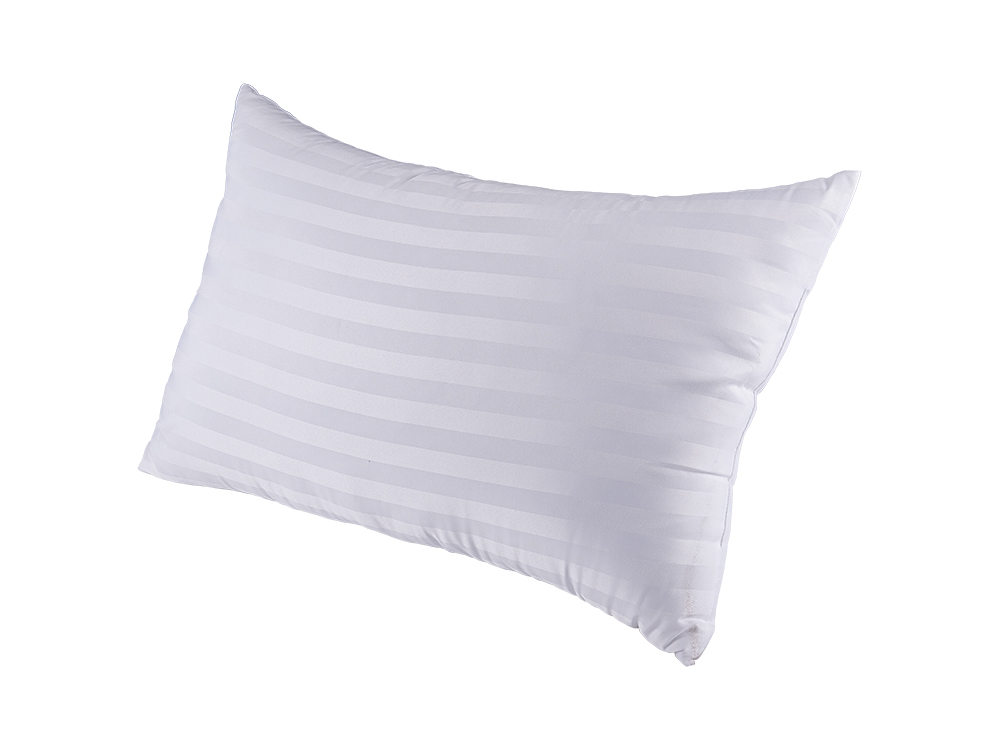
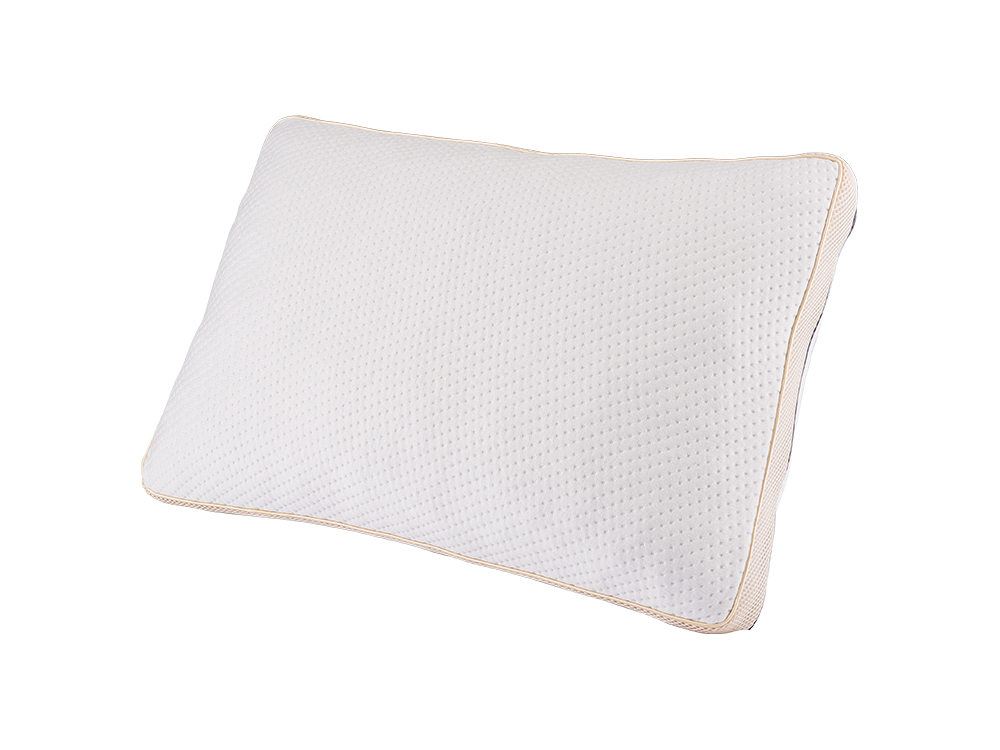
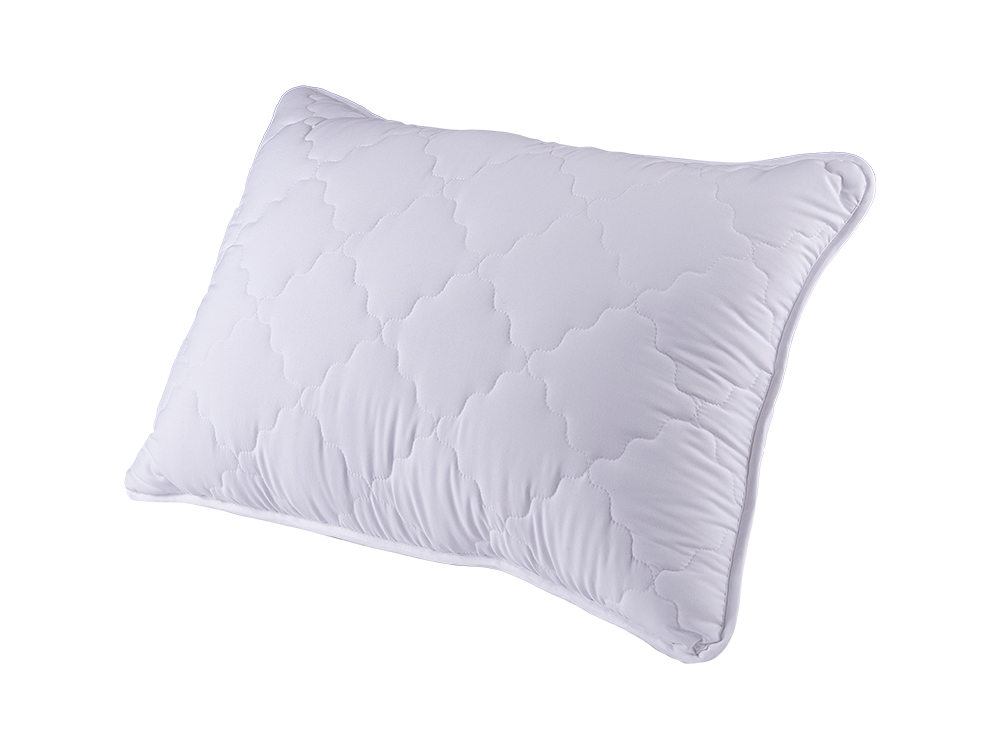
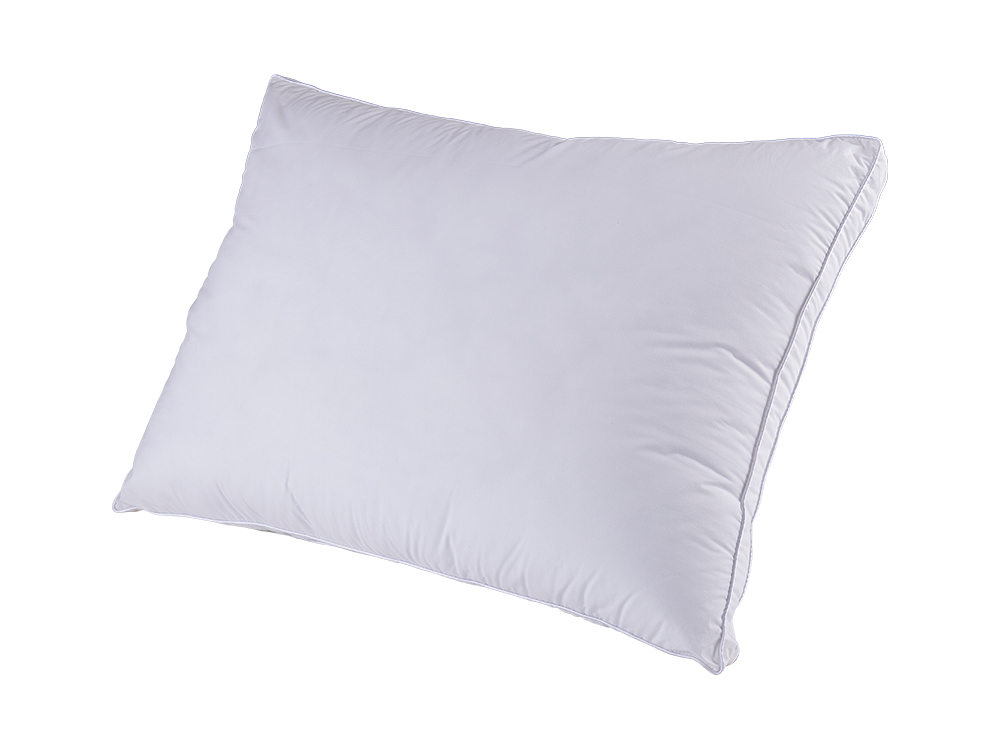
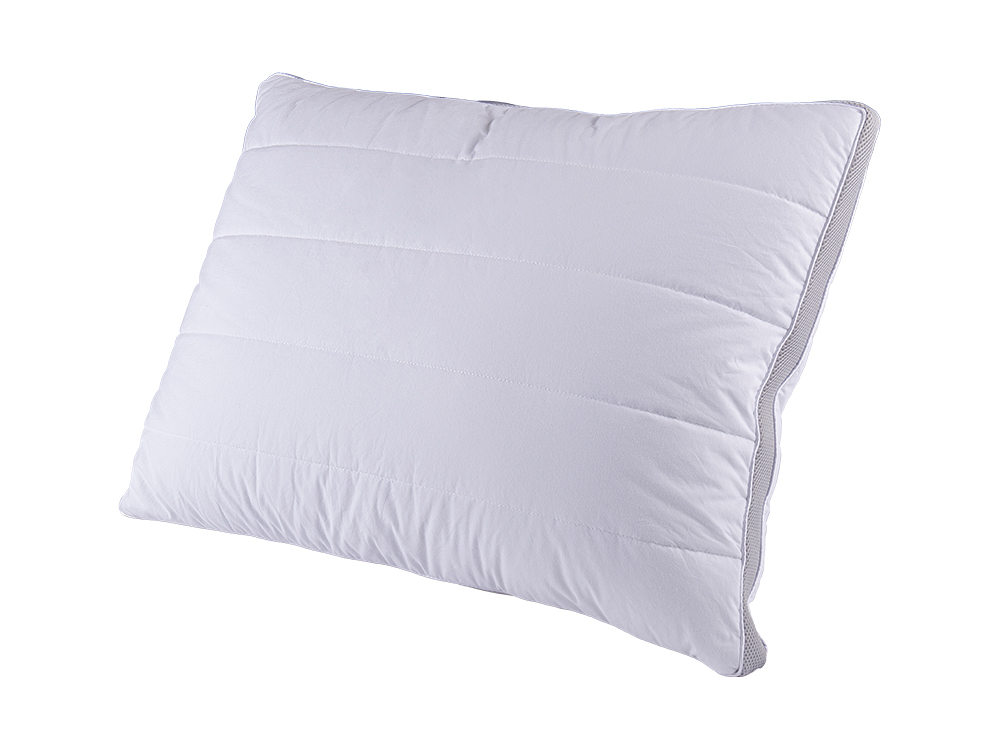
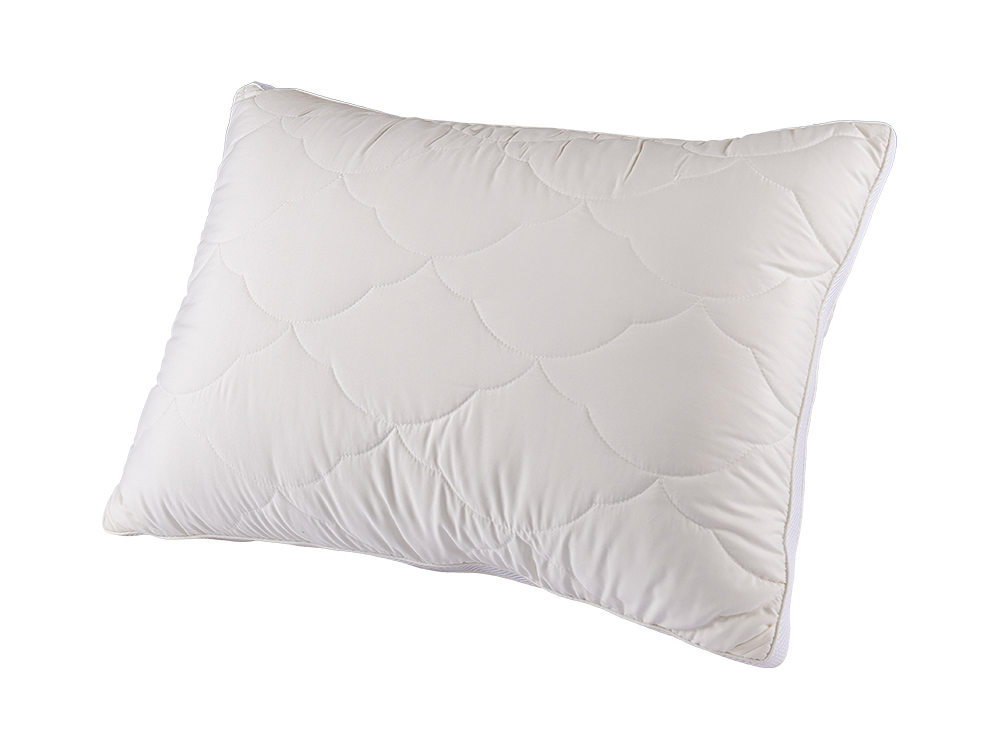
The Stripe Jacquard Polyester Pillow combines a decorative striped appearance with a soft, smooth hand feel and a full, fluffy structure. Its 90gsm polyester stripe jacquard fabric provides visual texture without creating an overly heavy product, while the combination of 3D and 6D polyester filling is designed to create volume, softness, and recovery. With a standard size of 50x70 cm, the pillow is suitable for many bedroom settings and can be incorporated into residential, hospitality, rental, and retail bedding collections.
Manufactured by Tongxiang Xinlong Bedding Co., Ltd., the pillow reflects the capabilities of an experienced home textile producer with a large production facility, specialized technical personnel, modern equipment, and established quality and environmental management systems. The company’s broad product portfolio also allows it to understand the pillow as part of a complete bedding environment rather than as an isolated item.
Stripe Jacquard Polyester Pillow
1. Understanding the Product Concept
The Stripe Jacquard Polyester Pillow is designed around a balance of appearance, comfort, practicality, and production efficiency. The surface is made from polyester stripe jacquard fabric. Jacquard construction allows decorative patterns to be integrated into the fabric structure rather than simply printed onto the surface. In this product, the stripe effect creates a refined visual rhythm that can add depth to a bed without relying on bright colors or complicated graphics.
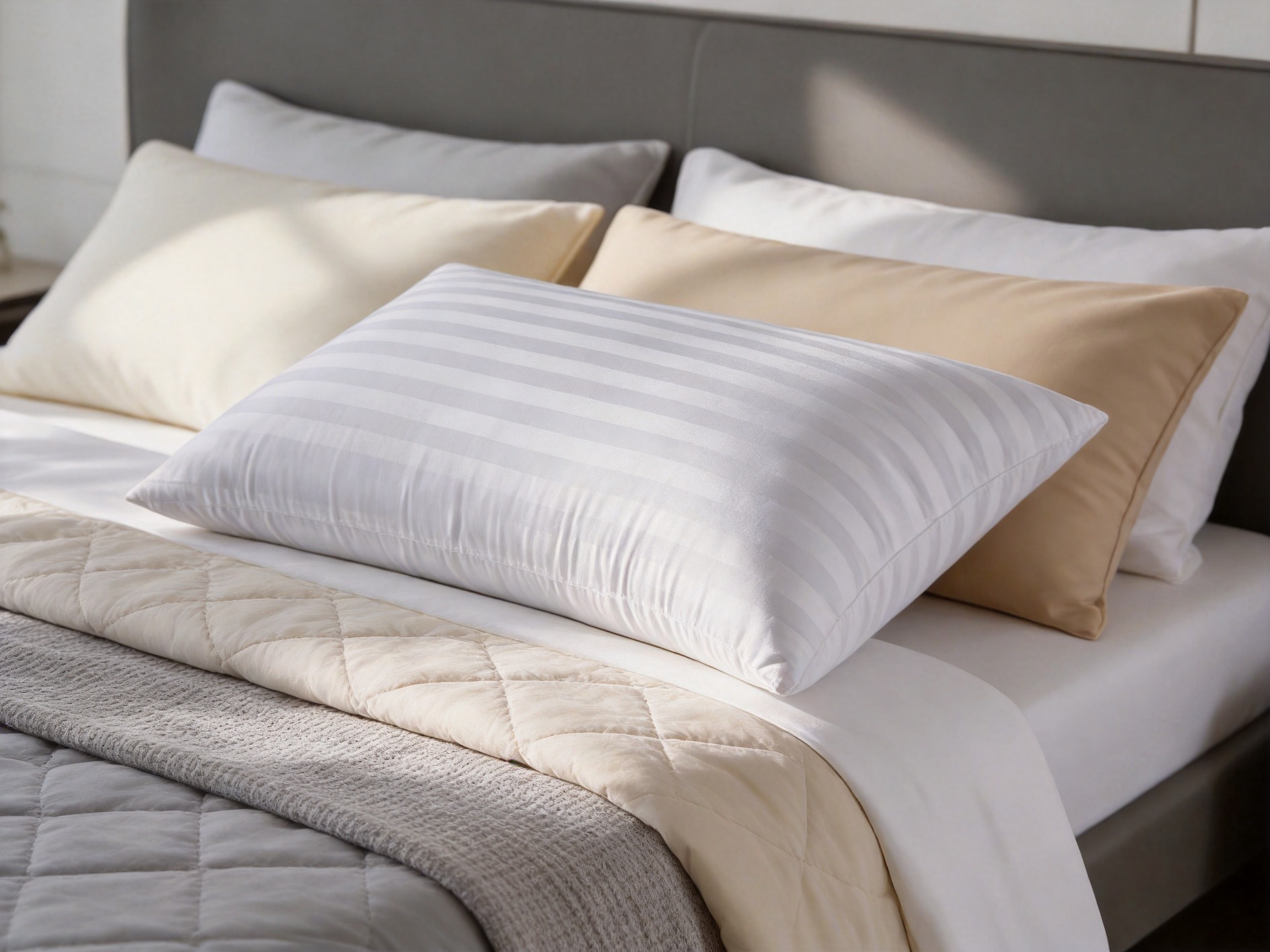
The design is intentionally versatile. Stripes are among the most adaptable patterns in home textiles because they can complement contemporary, transitional, minimalist, and classic interiors. A subtle stripe can make bedding appear more organized and polished, while the neutral character of the pattern allows the pillow to coordinate with quilts, blankets, mattress covers, cushions, and pillowcases from different collections.
The pillow has a size of 50x70 cm. This dimension provides a practical rectangular profile for sleeping, layering, and display. It can be used as a primary sleeping pillow in markets that favor rectangular formats, or as part of a layered arrangement in which larger pillows provide support and smaller cushions create decorative contrast.
Its construction uses a 90gsm polyester stripe jacquard fabric and a blended 3D plus 6D polyester filling. The fabric offers a smooth touch and a visually distinctive finish, while the filling combination supports the pillow’s fluffy appearance. The product description emphasizes an ultra-smooth texture and careful design intended to make the pillow exceptionally full.
Key Product Specifications
Product type |
Stripe jacquard polyester pillow |
Category |
Jacquard pillow |
Size |
50x70 cm |
Outer fabric |
90gsm polyester stripe jacquard fabric |
Filling |
3D plus 6D polyester filling |
Primary design feature |
Integrated striped jacquard texture |
Product applications |
Residential bedding, hospitality, retail, and contract supply |
These specifications create a product that is visually elevated but commercially practical. Polyester is widely used in bedding because it can provide a consistent appearance, dependable performance, and efficient processing. When it is combined with a textured jacquard construction and multi-denier filling, it can deliver a more developed product experience than a basic plain polyester pillow.
2. The Advantages of Stripe Jacquard Fabric
Fabric selection determines much of a pillow’s first impression. The outer shell is the part that consumers see and touch, and it also influences how the filling is contained. The stripe jacquard fabric used for this pillow is designed to offer both decorative interest and a smooth tactile experience.
Integrated Pattern and Long-Term Visual Appeal
In a jacquard fabric, the pattern is formed through the arrangement of yarns during weaving. This differs from a surface print, where a design is applied after the base fabric has been created. The integrated structure of jacquard fabric gives the stripes a dimensional quality and allows the design to remain part of the textile itself.
This construction can provide a more sophisticated appearance than a simple printed stripe. The result is especially valuable for buyers who want bedding that looks premium without using complicated ornamentation. The pattern is easy to coordinate with solid-color bedding, printed duvet covers, textured blankets, and decorative cushions.
Smooth and Comfortable Hand Feel
The product description highlights an ultra-smooth texture. This quality is important because the pillow comes into direct contact with the face and neck during sleep. A smooth fabric can contribute to a more pleasant sleeping experience and can make the product feel refined when handled in a store or displayed in a showroom.
A smooth hand feel also supports the pillow’s positioning in multiple market segments. It can appeal to consumers seeking everyday comfort, hotels looking for a neat and inviting bed presentation, and retailers who want a product that communicates quality immediately through touch.
Lightweight Fabric Construction
The fabric specification is 90gsm polyester stripe jacquard. This relatively light construction can help the pillow remain comfortable and manageable while allowing the filling to define the overall body of the product. The shell does not need to overpower the filling; instead, it provides a clean exterior and a decorative surface while the interior supplies loft and softness.
For manufacturers, a controlled fabric weight also supports efficient material planning and product consistency. For distributors, it can contribute to practical packing and transportation considerations. The final product remains substantial in appearance without necessarily becoming unnecessarily heavy.
Adaptability Across Bedding Collections
Stripes offer strong collection-building potential. A single stripe jacquard pillow can be coordinated with solid quilts, patterned bedspreads, mattress protectors, blankets, and cushions. This makes it easier for retailers to create complete bedroom displays and for manufacturers to develop matching or complementary home textile lines.
Because the stripe pattern is not tied to a highly specific trend, the product can remain commercially relevant across different seasons. It can be presented as a classic bedding essential, a modern hotel-style accessory, or a refined decorative pillow depending on the surrounding products and packaging.
3. The Role of 3D and 6D Polyester Filling
The filling determines whether a pillow feels flat, overly firm, loose, or comfortably full. The Stripe Jacquard Polyester Pillow uses a combination of 3D and 6D polyester filling. Different fiber structures and deniers can be selected to create a more balanced internal composition than a single filling type used alone.
Creating Fullness and Loft
The product is described as extremely fluffy. This visual and physical fullness can make a substantial difference in both consumer perception and bed presentation. A pillow with good loft appears inviting when placed on a bed, while its internal volume can contribute to a soft and supportive feel.
Three-dimensional fiber structures are commonly used to encourage resilience and air space within a filling. When the fibers are arranged to retain loft, the pillow can maintain a fuller appearance after handling and normal use. Six-denier polyester fibers can contribute additional body and structure, helping the filling feel substantial rather than insubstantial.
Balanced Softness and Support
A pillow must be soft enough to feel comfortable but full enough to provide useful support. If the filling is too loose, the pillow may collapse quickly. If it is too dense, the product may feel hard or inflexible. Combining different filling characteristics allows the manufacturer to pursue a more balanced result.
The 3D plus 6D filling approach is therefore a meaningful product advantage. It supports the pillow’s fluffy profile while helping it retain a consistent form. The precise comfort experience can vary according to filling weight, quilting, stitching, and individual preference, but the construction is well suited to a pillow positioned between decorative softness and practical everyday use.
Suitable for Different Product Positions
The filling system gives buyers flexibility in how they market the pillow. It can be introduced as a comfortable bedroom essential, an upgrade from basic flat pillows, or an attractive addition to a coordinated bedding range. Hotels and serviced apartments may value its full appearance because well-shaped pillows improve the visual presentation of rooms.
Retailers can also use the pillow in seasonal displays. During colder seasons, its fluffy structure can complement quilts and blankets that create a layered, cozy bedroom. During warmer seasons, the smooth striped surface can remain attractive as a lightweight visual accent within a clean bedding arrangement.
4. Product Advantages Compared with Basic Pillow Alternatives
Every market contains pillows made at different quality and price levels. The Stripe Jacquard Polyester Pillow is not simply competing on the presence of filling; it offers a combination of surface design, material selection, shape, and production experience.
Compared with Plain Woven Polyester Pillows
Plain woven polyester pillows can be practical, but their appearance may be basic and their surface may not communicate a premium product position. The stripe jacquard construction adds texture and pattern directly to the outer fabric. This allows the pillow to stand out on a retail shelf, in a product catalog, or on a hotel bed.
The jacquard structure also gives the product a more deliberate design identity. Rather than appearing like an undifferentiated bedding commodity, it can be presented as part of a considered home textile collection.
Compared with Printed Pillow Covers
Printed designs can offer vivid graphics and extensive visual variety. However, a woven jacquard pattern has a different character. The stripes are integrated into the textile structure, giving the surface a more tactile and understated appearance. This can be advantageous for buyers who prefer quiet luxury, durable-looking textures, and patterns that coordinate easily with other bedding.
The striped design is also less dependent on a particular graphic trend. A fashion print may become difficult to sell when consumer preferences change, while a restrained stripe can remain useful across multiple product cycles.
Compared with Single-Composition Filling
A pillow made with only one type of fiber may provide acceptable comfort, but it may not offer the same balance of loft, softness, and resilience as a carefully combined filling system. The use of both 3D and 6D polyester filling indicates an effort to engineer the internal feel rather than simply fill the shell with a single undifferentiated material.
This combination can make the product more attractive to buyers seeking a fuller pillow with a soft hand and stable appearance. It also provides a clear technical feature that can be communicated in product specifications and sales materials.
Compared with Low-Volume Pillows
Low-volume pillows may be inexpensive, but they can appear underfilled and may not create the inviting appearance expected in modern bedroom styling. Fullness is particularly important in hospitality and retail presentation. A fluffy pillow creates a sense of comfort at first sight and can make an entire bedding arrangement look more complete.
The Stripe Jacquard Polyester Pillow is therefore positioned to provide greater visual impact than a thin, basic pillow. Its volume can help it function both as a practical sleeping product and as a decorative element within a layered bed.
5. Manufacturing Strengths of the Producer
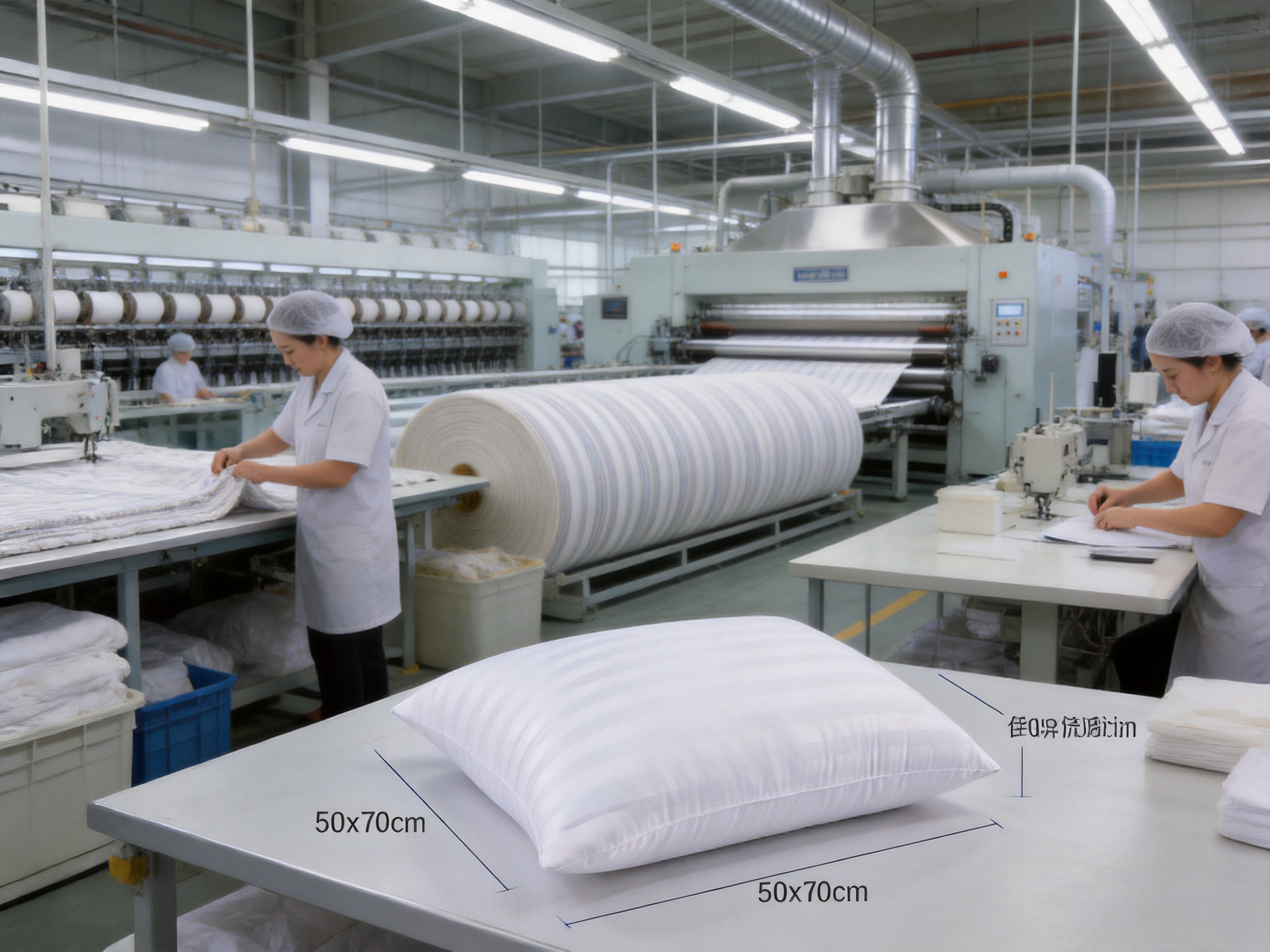
Product performance is closely connected to manufacturing capability. Tongxiang Xinlong Bedding Co., Ltd. was established in January 2002 and has developed substantial experience in the home textile sector. The company is located in Wuzhen Town, Tongxiang City, Zhejiang Province, an area associated with textile production and manufacturing activity.
The company operates across approximately 21,000 square meters, with a construction area of approximately 18,000 square meters. It employs more than 320 people and is equipped with various advanced production machines. These resources provide a strong foundation for producing consistent bedding products at commercial scale.
Experience in a Broad Product Portfolio
The company produces a wide range of home textile products, including silk cotton quilts, chemical fiber quilts, pillows, cushions, bedspreads, travel quilts, mattress protectors, blankets, quilt and pillowcases, shower curtains, and curtains. This breadth of experience is relevant to the Stripe Jacquard Polyester Pillow because it demonstrates knowledge of multiple bedding structures and finishing requirements.
A manufacturer that produces pillows alongside quilts, mattress protectors, blankets, and covers can better understand how different products work together in a complete bedding system. It can also support customers who want coordinated collections rather than a single standalone item.
For buyers, this creates opportunities for product consolidation. Instead of sourcing every category from a separate supplier, they may be able to discuss complementary items with one experienced home textile producer. This can simplify communication, product planning, and quality coordination.
Technical Personnel and Product Development
The company continues to develop and innovate in response to changes in the home textile industry. Professional and technical personnel are involved in designing and producing fashionable and warm household products. This technical foundation is important because bedding products must respond to both consumer expectations and manufacturing realities.
In the case of the Stripe Jacquard Polyester Pillow, product development includes the coordination of fabric appearance, surface smoothness, filling selection, volume, and final presentation. These elements must be evaluated together. A beautiful fabric will not create a successful pillow if the filling is inconsistent, and a full filling will not deliver a refined product if the outer shell is poorly made.
Advanced Equipment and Process Control
Advanced production equipment supports repeatability. In large-scale home textile manufacturing, consistency is essential. Pillow shells must be cut accurately, filling must be distributed evenly, seams must be secure, and the final dimensions must remain within the agreed specification.
Modern equipment can help reduce variation in these processes. It can support more stable production rates, improve material utilization, and allow technical teams to monitor important quality points. Consistent processing is particularly important for wholesale orders, where buyers expect units from different production batches to maintain a similar appearance and feel.
Quality as a Core Business Principle
The company identifies quality as the life of the enterprise. Its operating approach includes standardized procedures, continuous improvement of employee technical skills, and ongoing efforts to improve product quality. This philosophy supports the requirements of bedding buyers who need reliable products rather than occasional samples that cannot be reproduced at scale.
Standardized operating procedures are valuable throughout the manufacturing process. They can cover incoming material inspection, fabric handling, cutting, filling, sewing, finishing, inspection, packing, and shipment preparation. Each stage contributes to the final customer experience.
6. Certifications and Responsible Manufacturing
Modern buyers increasingly evaluate more than product appearance and price. They also consider factory management, environmental responsibility, workplace standards, and supply chain transparency. Tongxiang Xinlong Bedding Co., Ltd. has passed international certifications and assessments including ISO9001, ISO14001, OEKO-TEX, OEKO-STEP, GRS, and BSCI, as stated in the company information.
ISO9001 Quality Management
ISO9001 is associated with quality management systems. A quality management framework helps an organization define procedures, assign responsibilities, maintain records, identify risks, and improve processes. For a pillow manufacturer, this type of system can support greater consistency in materials, production controls, inspections, and customer service.
Certification alone does not replace product testing or responsible management, but it demonstrates that quality processes are structured rather than informal. This is significant for importers and distributors who need confidence in repeat orders.
ISO14001 Environmental Management
ISO14001 relates to environmental management systems. It encourages organizations to identify environmental aspects of their operations, establish controls, monitor performance, and pursue improvement. In textile manufacturing, environmental management may involve energy use, waste handling, chemical controls, water management, and resource efficiency.
For customers developing more responsible product lines, a supplier with environmental management experience can be a valuable partner. It also reflects the broader expectation that home textile factories should consider the environmental effects of their activities.
OEKO-TEX and OEKO-STEP
OEKO-TEX-related standards are commonly associated with the assessment of harmful substances in textiles and with safer production practices. OEKO-STEP focuses on sustainable textile and leather production facilities. These certifications and systems can be relevant to buyers who want products manufactured under recognized safety and production principles.
For a pillow that comes into close contact with the face and skin, material safety is especially important. Buyers should always confirm the specific scope, validity, and applicable product or facility coverage of any certification during procurement, but the company’s stated certification portfolio indicates an awareness of these concerns.
Global Recycled Standard
The Global Recycled Standard, or GRS, is associated with recycled material content and chain-of-custody requirements, together with social, environmental, and chemical processing criteria. Its relevance depends on the specific materials and production program selected for an order. The existence of GRS capability can nevertheless support customers developing recycled-content home textile collections.
BSCI and Social Compliance
BSCI is associated with social compliance and responsible workplace practices in global supply chains. Buyers increasingly expect factories to address labor conditions, ethical operations, and workplace management. A supplier familiar with social compliance assessments can be better prepared to support the documentation and expectations of international customers.
7. Quality Control Considerations for the Pillow
A successful pillow must satisfy several quality checkpoints. The outer fabric should have a consistent stripe appearance, smooth hand feel, and clean finishing. The dimensions should be stable, and the filling should be distributed evenly so that the pillow does not develop visibly thin or overly dense areas.
Fabric Inspection
Fabric inspection may include checking color consistency, stripe alignment, weaving defects, stains, snags, and surface irregularities. Because the design is based on stripes, alignment and visual continuity are especially important. Any irregularity can be more noticeable on a structured pattern than on a plain fabric.
The fabric should also be handled carefully during cutting and sewing. Maintaining the intended direction of the stripe pattern can improve the visual quality of the finished product.
Filling Distribution
The combination of 3D and 6D polyester filling must be distributed in a way that supports the intended shape and loft. Uneven filling can create lumps, thin corners, or an unbalanced profile. Proper filling procedures and final inspection help ensure that the pillow looks full from multiple angles.
Compression during packing is another consideration. If pillows are compressed for transport, buyers may need to allow time for them to recover their intended shape after opening. Packaging specifications should be agreed according to the order requirements and distribution channel.
Seam and Edge Construction
Seams must be secure enough to contain the filling during normal handling and use. Clean edges help the pillow retain its shape and contribute to a more professional appearance. Inspection should focus on skipped stitches, loose threads, open seams, and inconsistent edge finishing.
Dimensional Control
The stated size is 50x70 cm. Dimensional tolerances should be agreed between the buyer and supplier, particularly when pillows are intended for matching pillowcases or coordinated bedding sets. Stable dimensions improve presentation and help prevent fit problems in downstream products.
8. Commercial Applications
The Stripe Jacquard Polyester Pillow can serve several sales channels because it combines a practical size with an attractive decorative surface.
Retail Bedding Collections
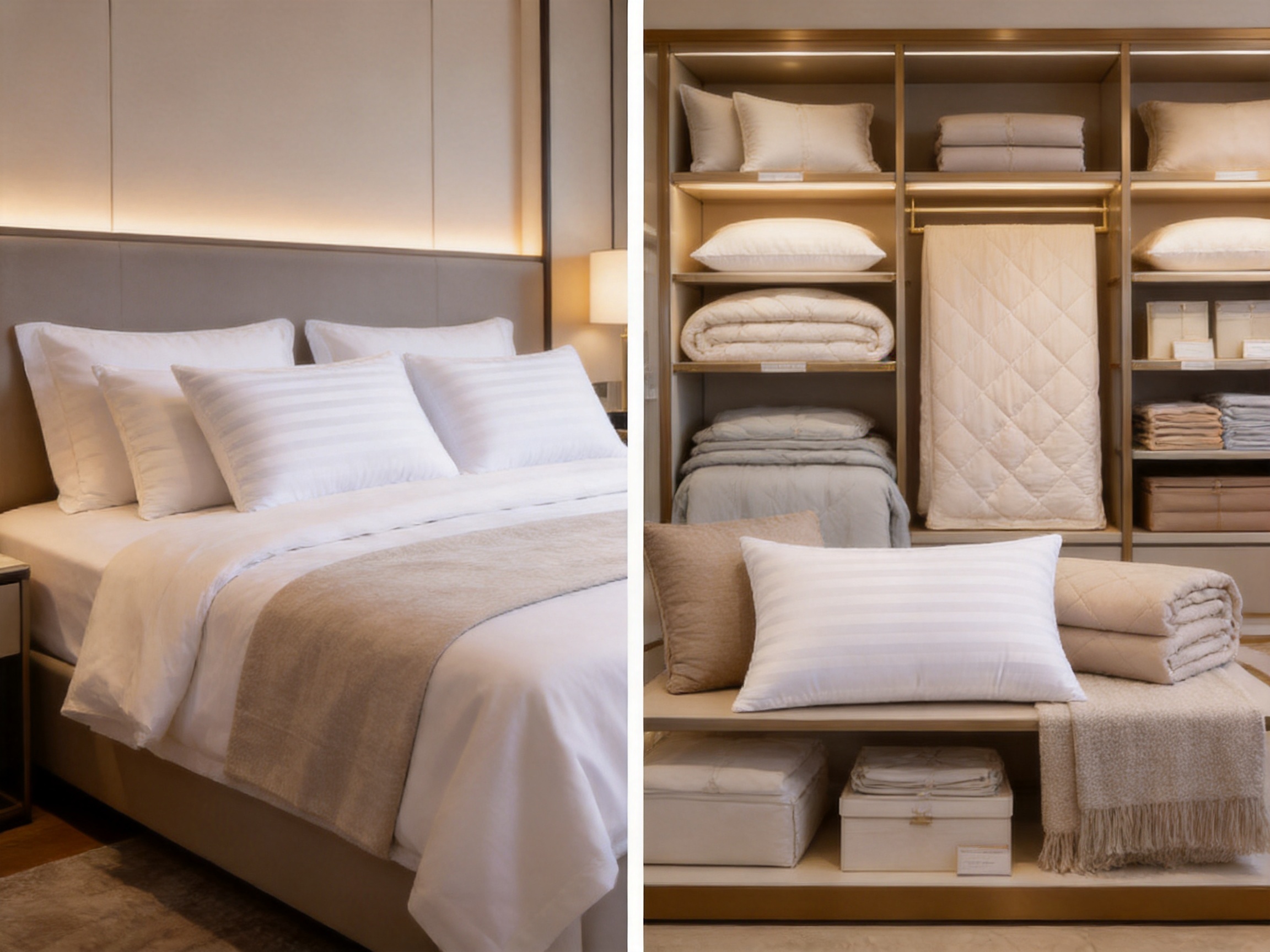
For retail, the pillow can be displayed as an everyday comfort product or as a refined upgrade. Its stripe design provides a clear visual selling point, while the 3D and 6D filling provides a technical feature that can be communicated on packaging and product pages.
Retailers may place it alongside quilts, blankets, mattress protectors, pillowcases, and cushions. The neutral striped character can support cross-selling because it coordinates with many colors and patterns.
Hotels and Hospitality
Hospitality buyers need bedding that looks clean, comfortable, and consistent across rooms. A full pillow helps create a welcoming bed presentation, while the smooth jacquard fabric contributes a polished appearance. The 50x70 cm size can be incorporated into room layouts that use standard rectangular sleeping pillows.
Hotels may also value a supplier with experience across multiple bedding categories. A company capable of producing pillows, quilts, mattress protectors, blankets, bedspreads, and related items can support broader hospitality sourcing programs.
Serviced Apartments and Rental Properties
Serviced apartments and furnished rental properties often require products that offer a balance of appearance, durability, and reasonable procurement cost. The Stripe Jacquard Polyester Pillow can help create a finished bedroom environment without requiring highly specialized decorative pieces.
Home Textile Wholesalers
Wholesalers can include the pillow in seasonal or year-round assortments. Its classic stripe design reduces dependence on a single fashion trend, while its product specifications make it easy to position within different pricing tiers.
Private Label and Custom Programs
Customers with private label requirements may discuss packaging, labeling, color development, size variations, filling weights, fabric options, and coordinated products with the manufacturer. Any customization should be confirmed through technical sampling and written specifications before bulk production.
9. Presentation and Merchandising Opportunities
The product’s visual qualities create several merchandising possibilities. A pillow with a stripe jacquard surface can be presented in a minimalist bedroom display with solid bedding, allowing the fabric texture to become the main decorative feature. It can also be layered with patterned cushions and blankets to create a more luxurious arrangement.
For e-commerce photography, the pillow should be shown both as a close-up textile product and as part of a complete bed. A close-up image can communicate the stripe structure and smooth texture, while a room scene can demonstrate scale and styling potential. Product information should clearly state the 50x70 cm size, fabric weight, filling composition, and care instructions.
Packaging copy can focus on the product’s smooth surface, fluffy construction, jacquard stripes, and versatile styling. Buyers should avoid making unsupported medical or therapeutic claims. The pillow can be described in terms of comfort, loft, softness, appearance, and construction rather than promising to prevent or cure health conditions.
10. Care, Handling, and Buyer Communication
Care instructions should be established according to the final materials, sewing construction, and testing results. Polyester fabric and filling are commonly selected for practical home textile use, but washing, drying, and ironing requirements must be confirmed for the specific product. Buyers should request approved care instructions before preparing retail packaging.
Storage conditions also matter. Pillows should be kept in a clean, dry environment away from excessive moisture, strong odors, and sharp objects. If the product is packed under compression, the recommended recovery method should be communicated clearly to distributors and end users.
Wholesale buyers should also confirm order details such as color, fabric construction, filling weight, packaging format, carton dimensions, labeling, inspection standards, and delivery schedule. Clear documentation reduces misunderstandings and helps ensure that samples and bulk goods are evaluated according to the same criteria.
11. Why Manufacturing Partnership Matters
Choosing a pillow is also choosing a supply partner. A product may be attractive in a sample, but commercial success depends on whether the supplier can repeat the quality, manage production, communicate clearly, and respond to changing market requirements.
Tongxiang Xinlong Bedding Co., Ltd. combines long-term industry experience with a broad product range, a sizeable facility, more than 320 employees, advanced equipment, technical personnel, and stated international certifications. These strengths create a foundation for serving customers that require more than small-scale product development.
The company’s location in Zhejiang Province also places it within an established manufacturing environment. This can support access to textile expertise, production resources, and related supply chain services. For international customers, the most important consideration remains the supplier’s ability to meet the specific requirements of the order through confirmed samples, controlled production, and documented quality procedures.
The company’s focus on continuous improvement is particularly relevant in a competitive home textile market. Consumers expect products to look attractive, feel comfortable, and provide dependable value. Buyers expect suppliers to offer stable quality, responsive service, and production flexibility. A manufacturer that actively develops its technical capabilities is better positioned to address these expectations.
12. Frequently Asked Questions
Q1: What is the size of the Stripe Jacquard Polyester Pillow?
The stated size is 50x70 cm. Buyers who require a different dimension should discuss customization, tolerances, and matching pillowcase requirements with the manufacturer before placing an order.
Q2: What fabric is used for the outer shell?
The pillow uses 90gsm polyester stripe jacquard fabric. The jacquard construction creates the striped surface pattern within the woven fabric structure and contributes to the product’s smooth, refined appearance.
Q3: What type of filling does the pillow contain?
The filling is a combination of 3D and 6D polyester fibers. This combination is intended to support fullness, softness, and a fluffy appearance.
Q4: Is the pillow suitable for hotels?
Yes, its full appearance, rectangular size, smooth fabric, and adaptable stripe design make it suitable for hospitality applications. Hotels should confirm their required filling weight, care method, packaging, testing, and contract specifications before purchasing.
Q5: What makes jacquard different from printed fabric?
Jacquard patterns are formed through the arrangement of yarns during weaving, while printed patterns are applied to the surface of an already constructed fabric. The jacquard stripe therefore has an integrated textile structure and a tactile quality that differs from a surface print.
Q6: Can the product be customized?
Customization possibilities should be discussed directly with the manufacturer. Depending on order quantity and technical feasibility, buyers may inquire about colors, dimensions, filling weights, labels, packaging, fabric alternatives, and coordinated bedding products.
Q7: Is the product available for private label programs?
The company’s manufacturing capabilities and broad home textile experience may support private label discussions. Buyers should provide brand, packaging, labeling, compliance, and quality requirements at the sampling stage.
Q8: What certifications does the manufacturer state that it has passed?
The company information states that it has passed or holds international certifications and assessments including ISO9001, ISO14001, OEKO-TEX, OEKO-STEP, GRS, and BSCI. Buyers should request current documentation and confirm the exact scope applicable to the product and order.
Q9: Is polyester a practical material for pillows?
Polyester is widely used in bedding because it can offer consistent processing, a smooth hand feel, resilience, and practical commercial performance. Its suitability depends on the fabric construction, filling quality, finishing, care instructions, and the expectations of the target market.
Q10: How should buyers evaluate a sample?
Buyers should examine the fabric appearance, stripe alignment, hand feel, dimensions, filling distribution, loft, seam quality, edge finishing, odor, packaging, and recovery after handling. The sample should be compared with the written specification that will govern bulk production.
Q11: Can the pillow be sold with quilts and blankets?
Yes. The stripe pattern is versatile and can coordinate with quilts, blankets, mattress protectors, bedspreads, cushions, and pillowcases. A coordinated collection can help retailers create a more complete bedroom presentation.
Q12: What should be confirmed before mass production?
Important points include approved sample, fabric composition and weight, color standard, stripe direction, pillow size, filling type and weight, sewing construction, labeling, packaging, carton details, inspection standard, delivery schedule, and applicable certification documentation.
13. Conclusion
The Stripe Jacquard Polyester Pillow offers a practical combination of decorative design and everyday comfort. Its 90gsm polyester stripe jacquard fabric creates an elegant surface with a smooth hand feel, while the 3D and 6D polyester filling supports a full and fluffy profile. The 50x70 cm format makes it suitable for a wide range of bedroom arrangements, from residential beds to hospitality interiors.
Compared with basic plain polyester pillows, printed pillow products, single-filling constructions, and low-volume alternatives, this design offers a more complete product proposition. It has visual texture, adaptable styling, a clearly defined filling system, and a presentation that can support both comfort-focused and decorative merchandising.
Its value is strengthened by the manufacturing capabilities of Tongxiang Xinlong Bedding Co., Ltd. Established in 2002, the company operates a sizeable production facility, employs more than 320 people, uses advanced equipment, and maintains experience across a broad range of home textile products. Its stated ISO9001, ISO14001, OEKO-TEX, OEKO-STEP, GRS, and BSCI certifications and assessments further demonstrate attention to quality, environmental management, material safety, recycled-content capability, and social responsibility.
For retailers, wholesalers, hospitality buyers, and private label customers, the pillow can serve as a flexible addition to a broader bedding program. Its classic stripe design supports long-term merchandising, while the manufacturer’s integrated home textile experience can assist with coordinated product sourcing. With clear specifications, controlled sampling, and careful quality management, the product is well positioned for customers seeking a refined, commercially practical polyester pillow.
References
1. Product specification supplied for the Stripe Jacquard Polyester Pillow, including dimensions, fabric composition, filling composition, and product category.
2. Company information supplied for Tongxiang Xinlong Bedding Co., Ltd., including establishment date, facility size, employee number, product range, manufacturing capabilities, and quality philosophy.
3. International Organization for Standardization. Quality management principles and ISO9001 quality management system guidance.
4. International Organization for Standardization. Environmental management principles and ISO14001 environmental management system guidance.
5. OEKO-TEX Association. General principles concerning textile safety, harmful substance evaluation, and responsible textile production.
6. Global Recycled Standard. General principles concerning recycled material content, chain of custody, social criteria, environmental criteria, and chemical processing.
7. Business Social Compliance Initiative. General principles concerning responsible supply chain and workplace assessment practices.
8. General textile manufacturing references concerning jacquard weaving, polyester fiber construction, filling distribution, sewing quality, and bedding product inspection.


 +86-573-88798028
