



 Français
 Español
 Deutsch
Content
- 1 Product Overview
- 2 Key Technical Specifications
- 3 Breathability and Moisture Management
- 4 Comfort and Support Characteristics
- 5 Advantages Over Conventional Pillow Designs
- 6 Manufacturing Process and Production Control
- 7 Factory Capabilities and Organizational Strengths
- 8 Quality and Certification Considerations
- 9 Customization and Private-Label Potential
- 10 Applications in Residential and Commercial Markets
- 11 Packaging, Storage, and Logistics
- 12 Care and Product Longevity
- 13 Comparison with Common Competitor Categories
- 14 How Buyers Can Evaluate Samples
- 15 Environmental and Responsible Manufacturing Considerations
- 16 Why Manufacturing Experience Matters
- 17 Recommended Product Positioning
- 18 Q&A
- 18.1 What is the size of the Breathable Cotton Pillow?
- 18.2 What fabric is used on the outside?
- 18.3 What makes the pillow breathable?
- 18.4 What type of filling does the pillow use?
- 18.5 Does the pillow contain natural down?
- 18.6 What is the purpose of the non-woven lining?
- 18.7 Is this pillow suitable for every sleeping position?
- 18.8 Can the pillow be customized?
- 18.9 Is the pillow suitable for hotels?
- 18.10 How should buyers evaluate product quality?
- 18.11 What other products can be sourced from the manufacturer?
- 18.12 What certifications are associated with the company?
- 19 Conclusion
- 20 References
- 21 Product: Breathable Cotton Pillow
A pillow is one of the most important components of a healthy and comfortable sleeping environment. It supports the head and neck, influences body alignment, affects temperature management, and contributes to the overall feeling of rest. Although many pillows appear similar at first glance, their performance depends on the quality of the outer fabric, the structure of the side wall, the type of filling, the internal lining, and the manufacturing methods used to assemble them.
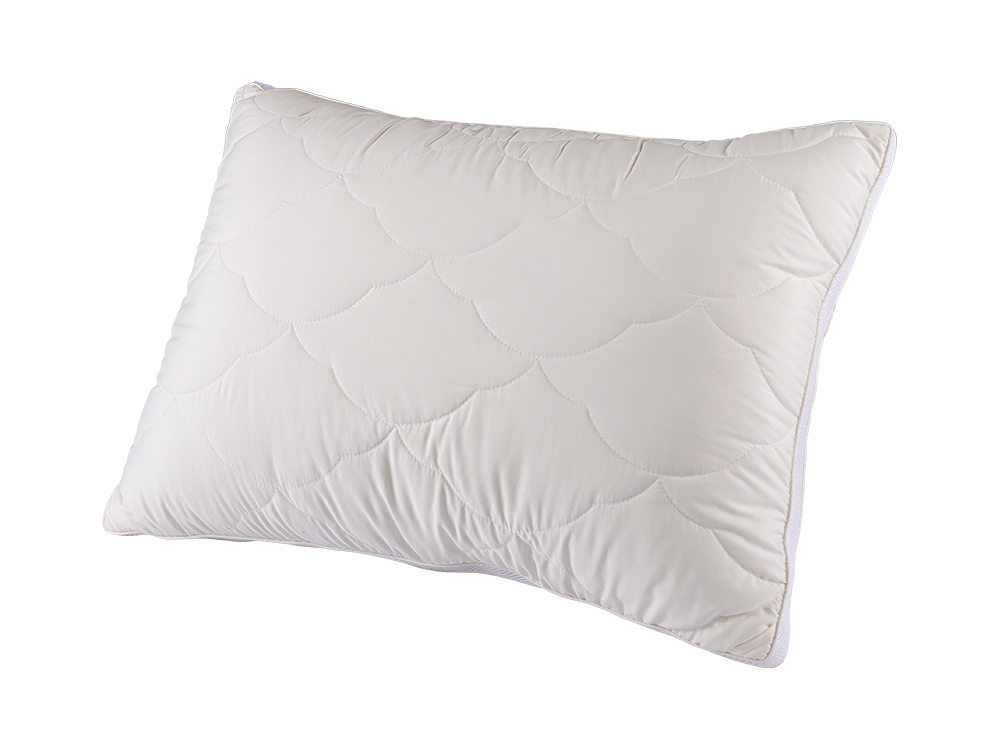
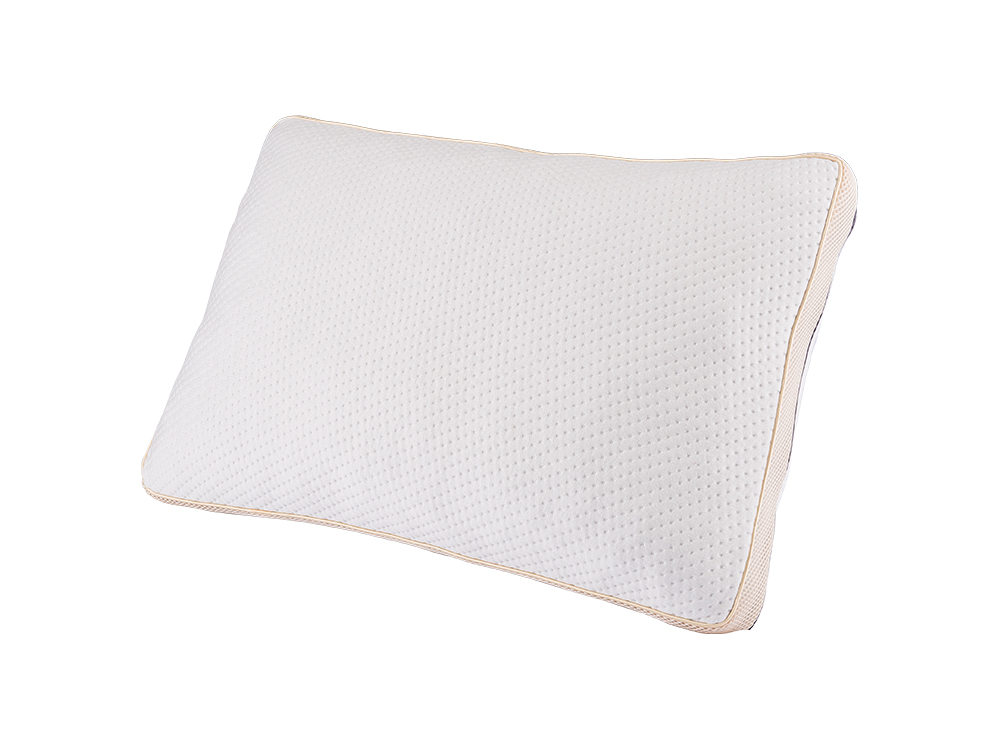
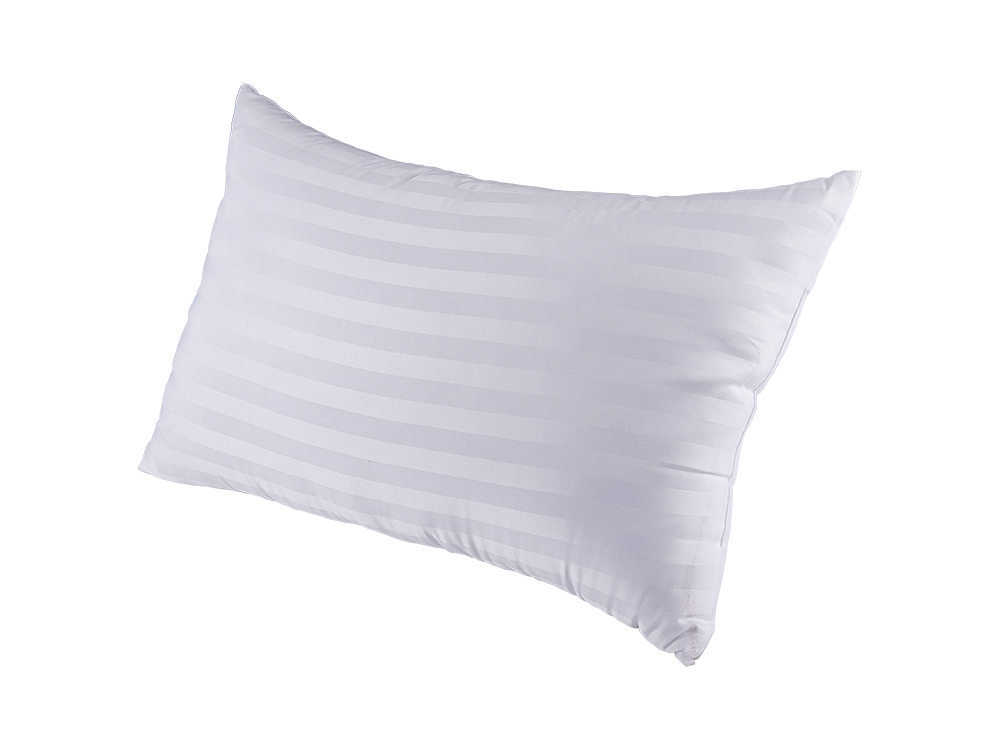
The Breathable Cotton Pillow is designed around these essential performance factors. It combines a soft natural white cotton shell, a breathable sandwich mesh wall, a protective non-woven lining, and a resilient down-alternative polyester filling. Its construction is intended to create a pillow that feels comfortable against the skin while allowing air and moisture to move through the product more effectively than a completely enclosed, non-breathable design.
With a finished size of 50 x 70 x 4 centimeters, the pillow is suitable for a wide range of residential, hospitality, and contract bedding applications. Its relatively slim profile provides a balanced combination of softness, lightness, and support. The design can also be adapted for customers who require customized home textile products, private-label bedding programs, or coordinated collections of pillows, quilts, mattress protectors, blankets, mattress covers, and cushions.
This article examines the product in detail, including its materials, construction, comfort benefits, manufacturing advantages, quality considerations, customization potential, and suitability for different markets. It also explains how the production capabilities of Tongxiang Xinlong Bedding Co., Ltd. support consistent home textile manufacturing at scale.
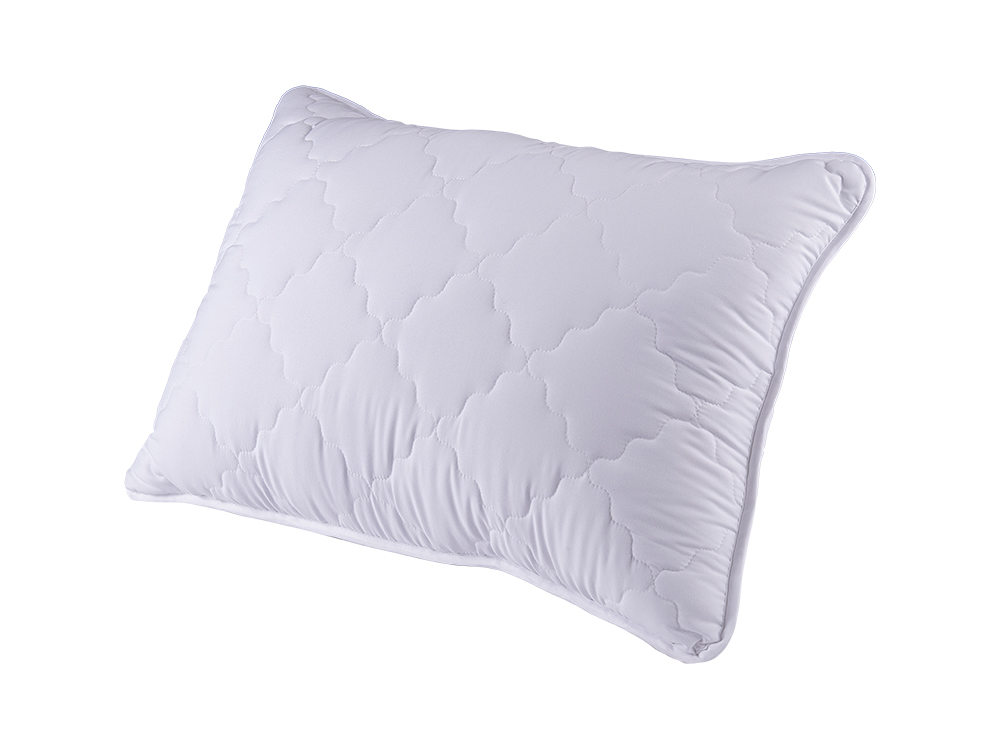
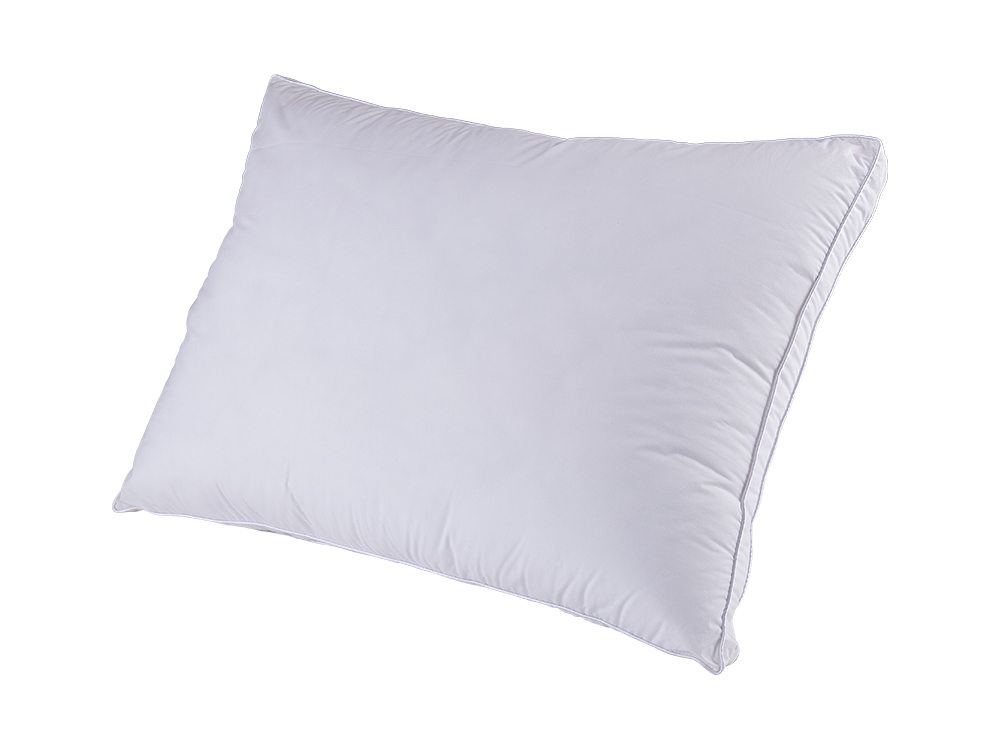
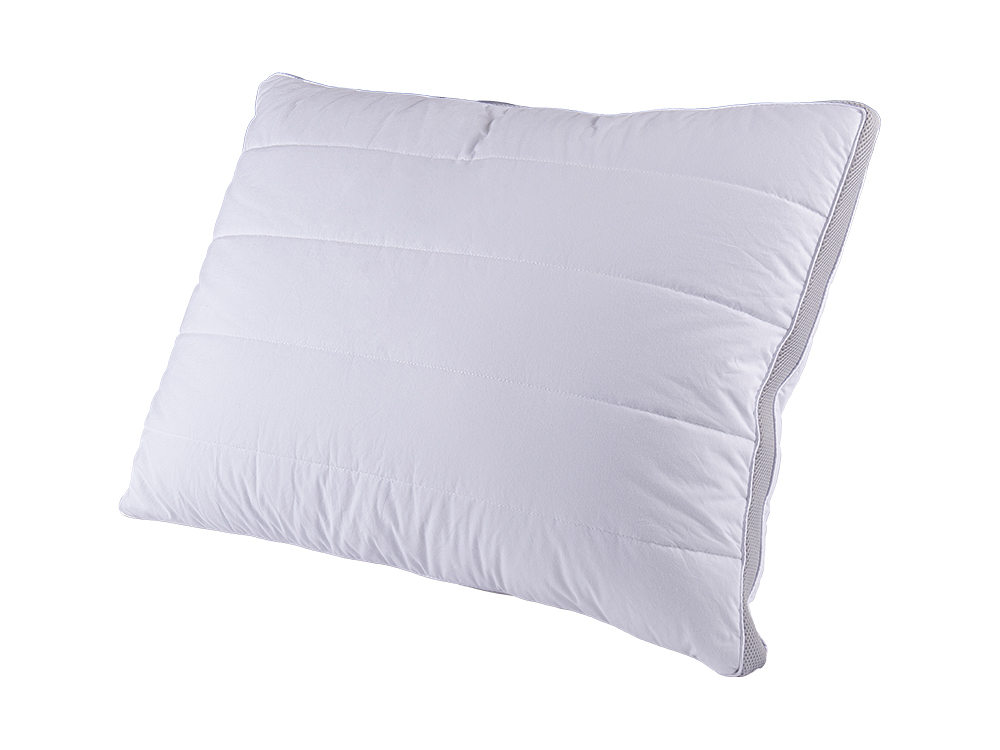
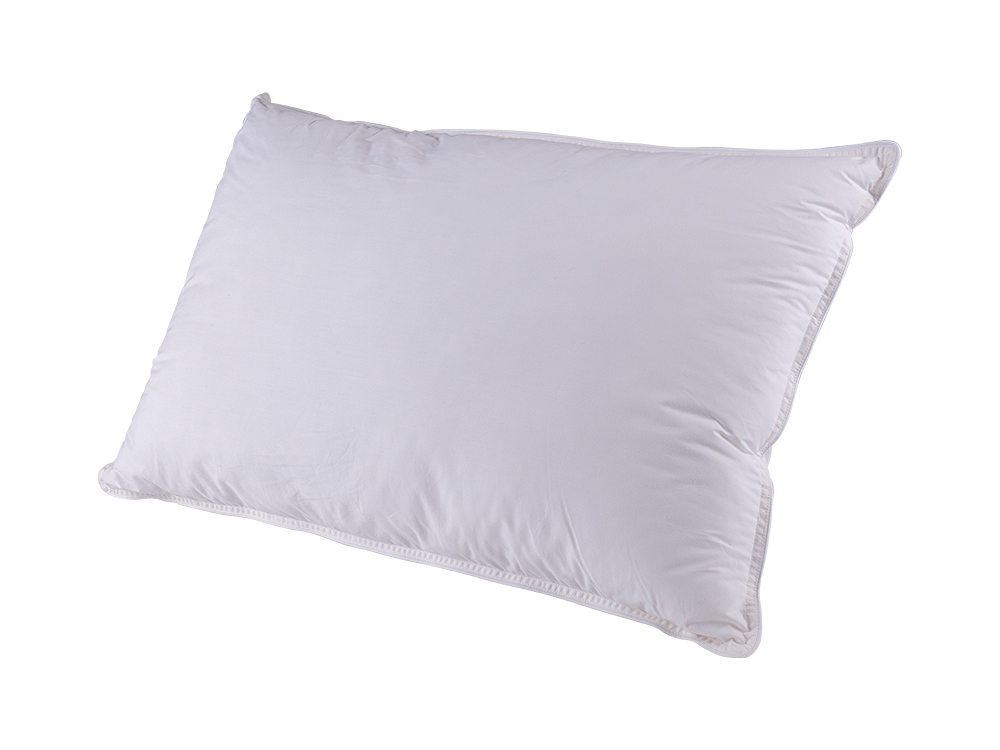
Breathable Cotton Pillow
Product Overview
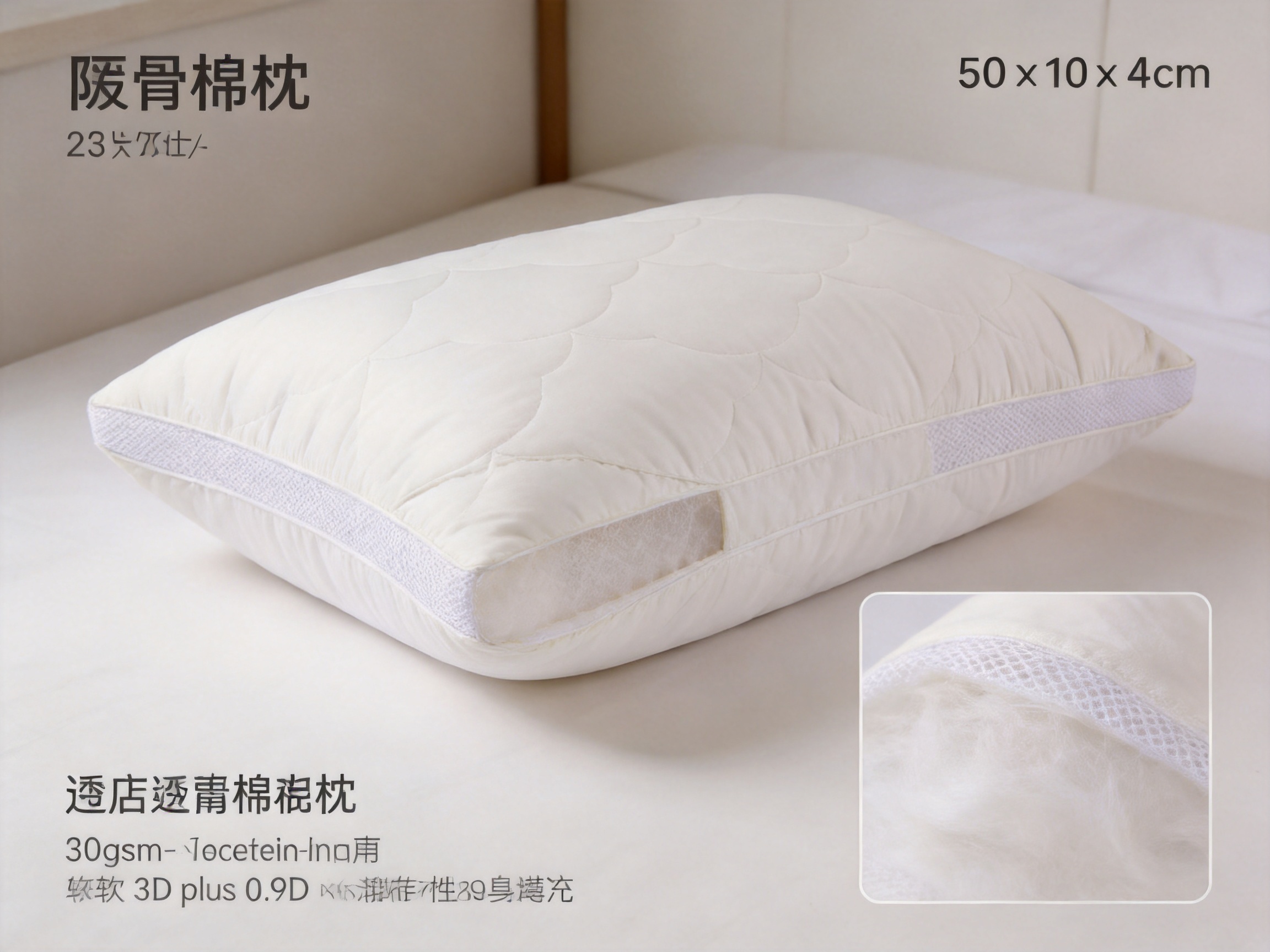
The Breathable Cotton Pillow uses a natural white 233TC cotton fabric as its primary outer shell. Cotton remains a widely preferred bedding material because it offers a familiar hand feel, good moisture absorption, and a naturally comfortable surface. The 233-thread-count construction provides a practical balance between softness, durability, appearance, and production efficiency.
The outer fabric is designed to be soft and skin-friendly. This is particularly important because the pillow remains in direct contact with the face and neck for many hours at a time. A fabric that feels smooth and comfortable can improve the overall sleep experience, while a breathable construction helps reduce the uncomfortable feeling that may occur when heat and moisture become trapped inside bedding.
A white sandwich mesh wall is incorporated into the side construction. This mesh creates an air-permeable border around the pillow, allowing the interior filling to exchange air more freely. Instead of relying exclusively on a solid fabric enclosure, the design uses the side wall as an additional pathway for ventilation. This feature is especially valuable in warm climates, humid environments, guest rooms, and hospitality settings where bedding must provide consistent comfort across different users.
The internal lining consists of 30gsm non-woven fabric. This lining contributes to the organization and protection of the filling while supporting efficient assembly. It helps separate the polyester filling from the outer shell and can contribute to a cleaner, more stable internal structure during use and handling.
The filling is a combination of 3D and 0.9D down-alternative polyester. This blend is intended to create a soft and lofty hand feel without using natural down. Down-alternative polyester is widely used in modern bedding because it offers a practical combination of resilience, cleanability, availability, and consistent specification. The combination of fiber types helps balance loft, softness, and recovery.
The product description emphasizes moisture-wicking, breathability, and resistance to odor and deformation during long-term use. Actual performance will depend on care conditions, packaging, use intensity, washing procedures, and the final specifications agreed with the buyer. Nevertheless, the product architecture is clearly focused on long-lasting comfort and practical everyday performance.
Key Technical Specifications
| Component | Specification | Functional Contribution |
|---|---|---|
| Finished size | 50 x 70 x 4 cm | Provides a practical rectangular sleeping surface with a slim, comfortable profile. |
| Outer fabric | Natural white 233TC cotton | Offers a soft, familiar, skin-friendly surface with a clean appearance. |
| Side wall | White sandwich mesh | Improves air circulation and supports moisture management around the pillow edge. |
| Lining | 30gsm non-woven fabric | Helps contain and organize the filling while supporting product stability. |
| Filling | 3D plus 0.9D down-alternative polyester | Provides softness, resilience, loft, and a down-like hand feel without natural down. |
| Color direction | Natural white and white components | Creates a clean, versatile appearance suitable for home and commercial bedding programs. |
The specifications show how each component contributes to the complete product. The performance of a pillow is not determined by the filling alone. A high-quality filling can lose its advantages if it is enclosed in a poorly ventilated shell, while a breathable shell may not provide the expected comfort if the filling is uneven or insufficiently distributed. The coordinated use of cotton, mesh, non-woven fabric, and polyester helps create a more balanced product.
Breathability and Moisture Management
Breathability is one of the principal advantages of this pillow design. During sleep, the body naturally releases heat and moisture. The head and neck are in close contact with the pillow, which means the pillow surface can become warmer and more humid than other bedding areas. If the internal structure does not permit adequate air movement, the product may feel stuffy or damp.
The cotton outer layer provides a comfortable textile surface with the ability to absorb and release a certain amount of moisture. The sandwich mesh side wall provides an additional ventilation zone. This side construction can help air move through the product when the sleeper changes position or when the pillow is aired between uses.
Airflow is also influenced by the filling structure. The 3D polyester component is designed to maintain a light, open form, while the finer 0.9D polyester component contributes softness and a smoother hand feel. When properly distributed, these fibers create spaces within the filling that support a more breathable internal structure than a densely compressed filling.
Compared with a pillow made entirely from a tightly woven, non-ventilated outer shell, the mesh-sided design offers a clear functional distinction. It does not eliminate heat or moisture, and no textile can guarantee the same sensation for every sleeper. However, the construction is intended to reduce the tendency of the interior to feel sealed and stagnant.
For customers selling bedding in warmer regions, the breathable structure can be an important product differentiator. It may also be attractive to hotels, serviced apartments, dormitories, and furnished rental properties where users have different preferences for warmth and ventilation.
Comfort and Support Characteristics
The 50 x 70 x 4 centimeter format provides a broad rectangular surface without creating an excessively tall pillow profile. Its relatively moderate thickness may suit sleepers who prefer a lower or more adaptable pillow. It can also function as part of a layered bedding arrangement in which users combine the pillow with other support products.
The down-alternative polyester filling is intended to create softness with practical resilience. Natural down can provide excellent loft, but it may raise concerns about sourcing, allergen sensitivity, cost, or care requirements for some customers. A polyester alternative allows manufacturers to offer a soft and compressible feel while maintaining a consistent industrial specification.
The 3D fiber component helps the filling retain volume and recover after compression. The 0.9D fiber contributes a fine, soft texture that can make the pillow feel smoother and more comfortable. The combination is useful for manufacturers seeking a balance between plushness and structural stability rather than an extremely firm or rigid pillow.
Comfort is also affected by the way the filling is prepared and inserted. Even distribution is essential. Uneven filling can produce thin areas, lumps, or differences in support from one side of the pillow to the other. A professional production process must therefore include careful material preparation, controlled filling, shaping, inspection, and finishing.
The pillow is not presented as a medical or orthopedic product, and its suitability will vary according to sleeping position, body shape, personal preference, and mattress firmness. Side sleepers may prefer a higher level of support, while back or stomach sleepers often choose a lower profile. Buyers can discuss alternative sizes, thicknesses, filling weights, or quilting structures if their target market requires a different comfort level.
Advantages Over Conventional Pillow Designs
Breathable Side Construction
One of the clearest advantages over a conventional solid-wall pillow is the use of a sandwich mesh side panel. A standard pillow with four solid fabric sides may be comfortable, but its structure can restrict air exchange. The mesh wall creates a more ventilated perimeter and gives the pillow a distinctive performance feature that can be communicated clearly to customers.
Natural Cotton Contact Surface
The natural white cotton shell provides a familiar textile experience. Compared with some synthetic-only pillow covers, cotton can offer a softer and more natural hand feel. It also presents a clean appearance that works well with white bedding, hotel linens, neutral bedroom décor, and private-label packaging.
Down-Alternative Filling
The polyester filling offers an alternative to natural down. This can broaden the product’s appeal to consumers who prefer animal-free materials, require a more standardized filling, or want an easier-to-position price point. The filling can also provide consistent production results when its fiber composition and weight are carefully controlled.
Balanced Construction
The pillow is not dependent on one material to provide every benefit. Cotton contributes surface comfort, mesh supports ventilation, non-woven fabric helps manage the internal structure, and polyester provides loft and softness. This multi-component approach can provide more balanced performance than a simplified pillow made from one outer fabric and one basic filling.
Versatility for Different Sales Channels
The product can be considered for retail bedding collections, hospitality supply, furniture packages, home textile distributors, online product ranges, and customized customer programs. Its white color and straightforward rectangular shape make it easy to coordinate with other bedding products.
Practical Long-Term Use
The product description highlights resistance to odor and deformation during long-term use. These characteristics are especially relevant for pillows because they are compressed, repositioned, stored, and cleaned repeatedly. The polyester filling is selected for its resilience, while the breathable construction is intended to help the product remain fresher during regular use.
Manufacturing Process and Production Control
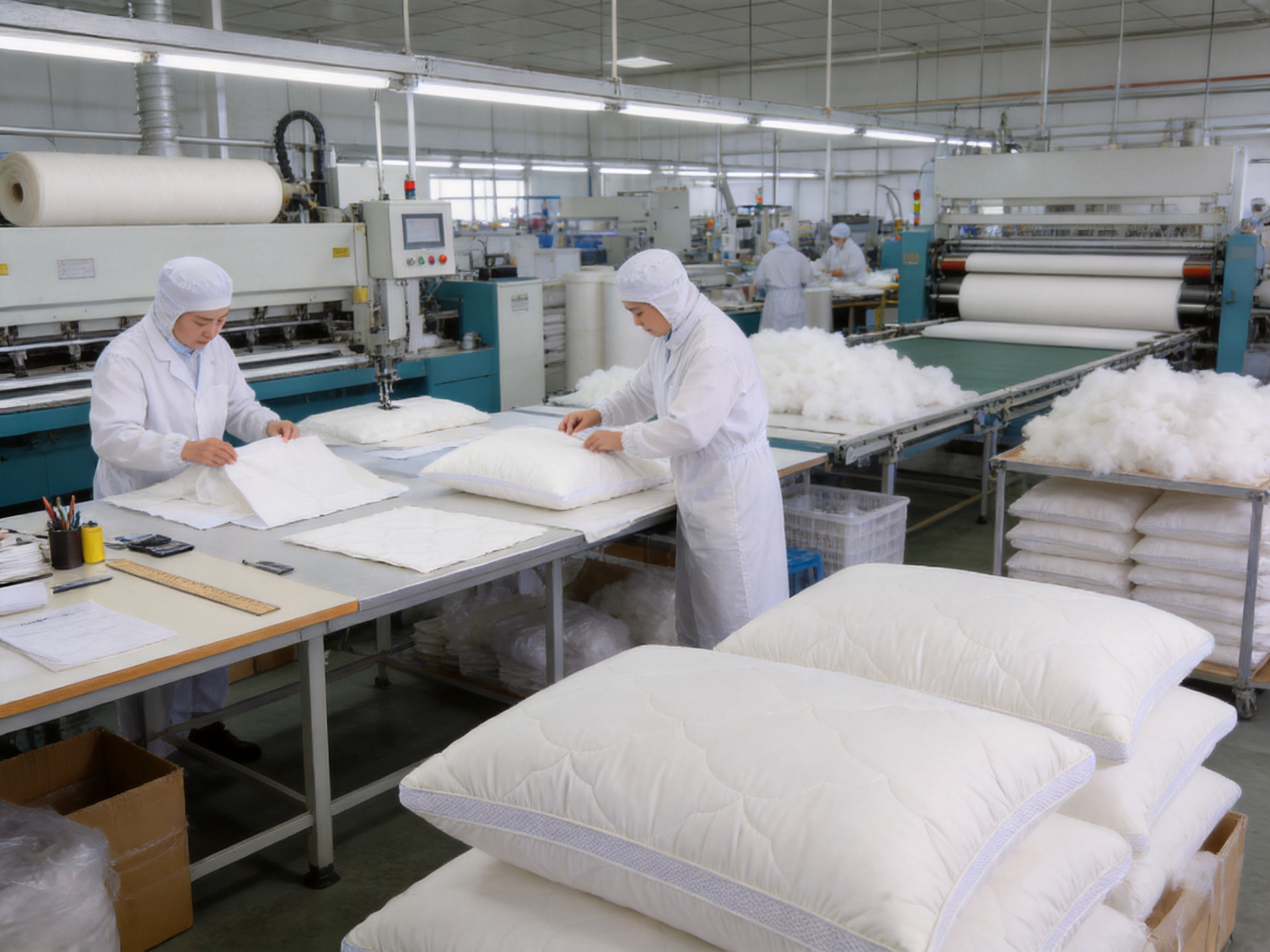
Advanced bedding production is a sequence of controlled operations rather than a single manufacturing step. Each material must be checked, prepared, assembled, shaped, finished, and inspected. Consistency in these stages is essential for maintaining product quality across large orders.
Material Selection and Incoming Inspection
Production begins with the selection of cotton fabric, mesh, non-woven lining, polyester fibers, thread, labels, packaging materials, and other components. Incoming inspection may include checks of fabric width, color, weight, thread count, surface appearance, mesh structure, fiber condition, and documentation.
For a white pillow, visual consistency is particularly important. Differences in whiteness or surface appearance can become noticeable when products are packed together or displayed beside other white bedding items. Fabric rolls should therefore be managed carefully to reduce shade variation and ensure that the correct materials are assigned to each production order.
Fabric Preparation and Cutting
The cotton shell and mesh wall are prepared according to approved patterns and dimensions. Accurate cutting helps maintain the final 50 x 70 x 4 centimeter size and reduces unnecessary material waste. Production teams must also consider grain direction, seam allowance, pattern alignment, and the relationship between the top, bottom, and side pieces.
Proper cutting is especially important for a pillow with a mesh side wall. If the wall panel is cut too short, the corners may pull or distort during sewing. If it is too long, excess material may create ripples or uneven fullness. Controlled cutting supports a cleaner appearance and more stable final shape.
Sewing and Side-Wall Assembly
The cotton panels and sandwich mesh are joined through a planned sewing sequence. The process must create secure seams without unnecessarily restricting the flexibility or ventilation of the mesh. Stitch density, thread tension, seam allowance, corner formation, and edge alignment all affect the final quality.
The side wall must be attached evenly around the pillow perimeter. A professional sewing operation aims to prevent puckering, open seams, skipped stitches, loose threads, and uneven corners. The seam should be strong enough to withstand filling, compression, handling, packaging, and normal use.
Lining and Filling Preparation
The 30gsm non-woven fabric lining is incorporated to help contain and organize the filling. The 3D and 0.9D polyester fibers must be prepared so that they can be distributed as evenly as possible. Fiber opening and blending influence the loft, softness, and recovery of the finished pillow.
Filling weight is a critical production parameter. Too little filling may cause a flat or under-supported product, while too much may produce excessive firmness, reduce breathability, and place unnecessary stress on the seams. The correct filling weight is determined by the approved product specification, target comfort, finished dimensions, and customer requirements.
Filling, Shaping, and Closing
Once the shell and lining have been prepared, the filling is inserted and distributed. Production personnel or filling equipment must ensure that the material reaches the corners and side areas without creating concentrated lumps. The pillow is then shaped and closed according to the selected construction method.
Shaping may involve manual adjustment, controlled compression, or mechanical forming. The objective is to produce a pillow with even fullness, a stable outline, and a consistent thickness. Products may be checked individually or by sampling, depending on the order requirements and quality plan.
Finishing and Inspection
Finishing operations can include trimming loose threads, checking labels, examining seams, correcting minor surface irregularities, and preparing products for packaging. Inspection should cover dimensions, fabric appearance, mesh attachment, filling distribution, odor, cleanliness, workmanship, and packaging accuracy.
Quality control is most effective when it is integrated throughout production. If inspection occurs only at the end, a material problem or sewing issue may already have affected a large quantity. Early checks can help identify deviations before they become costly or difficult to correct.
Factory Capabilities and Organizational Strengths
Tongxiang Xinlong Bedding Co., Ltd. was established in January 2002 and is located in the Wuzhen area of Tongxiang, Zhejiang Province, China. The company operates from a facility covering approximately 21,000 square meters, with a construction area of approximately 18,000 square meters. Its workforce includes more than 320 employees.
The company produces a broad range of home textile products, including silk cotton quilts, chemical fiber quilts, pillows, cushions, bedspreads, travel quilts, mattress protectors, blankets, quilt and pillowcases, shower curtains, and curtains. This product diversity is valuable because it allows the manufacturer to understand the relationship between individual bedding items and complete home textile programs.
A manufacturer producing pillows alongside quilts, mattress protectors, blankets, and mattress covers can support coordinated sourcing. Customers may be able to develop matching product families with consistent colors, packaging concepts, fabric directions, and quality expectations. This can simplify communication and help create a more coherent collection.
The company is equipped with various production machines and has professional and technical personnel. Its stated emphasis on development and innovation supports the ability to design and produce products for different customer requirements. For a buyer, this can be important when a standard product needs to be adjusted in size, filling, packaging, fabric, labeling, or construction.
Manufacturing strength is not limited to machinery. It also depends on experienced operators, production planning, technical supervision, quality management, material coordination, and customer communication. A factory with a broad product range must organize these functions carefully to maintain stable performance across different orders.
Quality and Certification Considerations
The company reports certifications and management qualifications including ISO9001, ISO14001, OEKO-TEX-related certifications, GRS, and BSCI. These certifications and assessments represent important areas of focus such as quality management, environmental management, textile safety, recycled material standards, and social responsibility.
Certification details should always be verified according to the specific certificate scope, validity period, facility, product category, and buyer requirements. Nevertheless, the presence of recognized management and compliance systems can give international customers a useful starting point when evaluating a manufacturing partner.
ISO9001 is generally associated with quality management systems and controlled procedures. ISO14001 relates to environmental management practices. OEKO-TEX standards are commonly connected with harmful-substance testing and textile product safety, although the exact requirements depend on the applicable standard and certificate. GRS relates to recycled materials and chain-of-custody requirements, while BSCI is commonly used in social compliance assessment programs.
For a pillow buyer, quality verification may include fabric testing, color evaluation, dimensional checks, filling weight inspection, seam strength testing, appearance review, packaging checks, and wash or compression testing where relevant. Buyers may also request pre-production samples, approval samples, inspection reports, and shipment inspections.
Customization and Private-Label Potential
The pillow’s straightforward construction makes it suitable for customization. Buyers may request changes to the finished size, thickness, filling weight, fabric composition, mesh color, label design, packaging, carton markings, or product assortment. Any change should be evaluated for its effect on comfort, breathability, production cost, and lead time.
For private-label customers, the product can be integrated into a larger bedding identity through branded labels, printed packaging, belly bands, bags, cartons, instruction cards, and coordinated photography. The neutral white appearance provides a flexible foundation for different market positions, from value-oriented home goods to refined hospitality bedding.
Customization can also target climate and consumer preferences. A customer selling in a hot region may emphasize mesh ventilation and lightweight construction. A customer serving cooler markets may request a fuller filling weight or coordinate the pillow with warmer quilts and blankets. Hospitality buyers may prioritize standardized dimensions, packaging efficiency, durability, and repeat-order consistency.
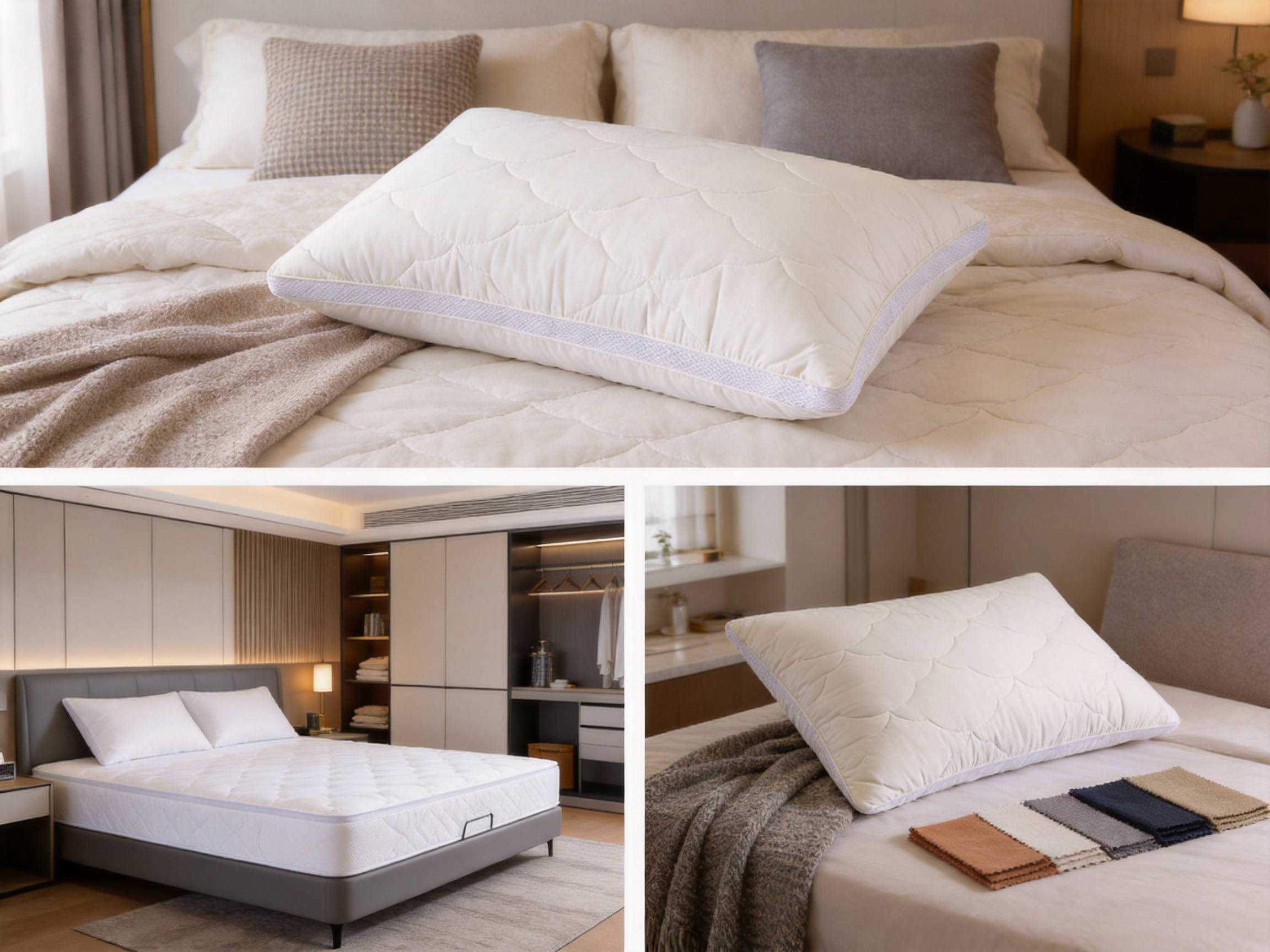
Retailers may also create collections that combine the pillow with mattress protectors, mattress covers, quilts, blankets, and cushions. Coordinated product lines can increase cross-selling opportunities and make it easier for consumers to build a complete bedroom environment from one supplier.
Applications in Residential and Commercial Markets
Household Bedding
For home use, the pillow provides a practical combination of cotton softness, breathable construction, and down-alternative comfort. It can be used in master bedrooms, guest rooms, children’s rooms, vacation homes, and furnished apartments, subject to the selected care instructions and buyer specifications.
Hotels and Hospitality
Hotels and guest accommodations require bedding that is comfortable, visually clean, easy to coordinate, and suitable for repeated handling. The white cotton surface fits conventional hospitality aesthetics, while the breathable side structure provides a useful comfort feature. Commercial customers should confirm the product’s washing, drying, replacement, and packaging requirements before placing a large order.
Furnished Rentals and Serviced Apartments
Furnished rentals often need standardized bedding products that can be purchased in repeat quantities. The pillow’s uncomplicated shape and neutral color make it suitable for apartment packages and property management programs. Its down-alternative filling may also appeal to operators seeking consistent products without natural down.
Retail and E-Commerce
For retail and online sales, the pillow offers several clear communication points: natural cotton fabric, breathable sandwich mesh, down-alternative polyester filling, a compact rectangular format, and a soft white appearance. Product descriptions should present these features accurately and avoid unsupported medical or performance claims.
Institutional and Contract Projects
Dormitories, residential care settings, employee accommodations, and other contract projects may require large quantities of standardized pillows. In these markets, buyers typically evaluate unit cost together with durability, delivery capability, packaging, replacement planning, and compliance documentation.
Packaging, Storage, and Logistics
Pillows are lightweight but bulky products, so packaging design has a direct effect on logistics efficiency. Compression packaging may reduce carton volume, but the acceptable compression level and recovery period should be tested before commercial shipment. Excessive compression or extended storage under pressure can affect the product’s loft and shape.
Packaging should protect the pillow from dust, moisture, staining, and handling damage. Individual polybags, reusable fabric bags, paper packaging, cartons, or customized retail packaging may be selected according to the target market. Labels should identify the product, size, fiber content, care instructions, quantity, and any required compliance information.
Storage conditions should be clean, dry, and well ventilated. Products should be kept away from direct sunlight, excessive humidity, chemical odors, and sharp objects. Proper carton stacking is also important because excessive pressure can change the appearance of compressed bedding.
Before shipment, buyers should confirm carton dimensions, loading quantities, gross and net weights, pallet requirements, barcode information, shipping marks, and documentation. These details are particularly important for international distribution and large-scale retail programs.
Care and Product Longevity
Care instructions should be finalized according to the actual materials, seams, labels, filling, and customer testing requirements. A pillow with polyester filling may be suitable for certain washing methods, but the correct temperature, cycle, detergent, drying method, and recovery procedure must be verified rather than assumed.
Regular airing can help maintain a fresher feel between cleaning cycles. Users should avoid storing the pillow in damp conditions and should allow it to dry completely after washing. Moisture retained inside bedding can affect odor, comfort, and material performance.
Gentle handling helps preserve the shell and side mesh. Pulling forcefully on the mesh, exposing the product to sharp objects, or using unsuitable cleaning chemicals may damage the construction. A pillowcase is recommended to protect the cotton shell from body oils, cosmetics, and everyday staining.
Product longevity depends on use intensity, cleaning frequency, climate, storage, and individual habits. The pillow’s polyester filling and structured construction are intended to support practical long-term use, but regular inspection remains valuable. If the product becomes permanently flat, damaged, stained, or uncomfortable, replacement may be appropriate.
Comparison with Common Competitor Categories
The Breathable Cotton Pillow should be compared with competing products by construction and intended use rather than by price alone. A low-cost pillow may use a simple polyester shell and basic filling, while a premium pillow may use specialized foam, natural down, or complex adjustable components. Each category has a different performance profile.
Compared with a basic polyester pillow, this product offers a cotton contact surface and a breathable mesh side wall. Compared with a solid cotton pillow, it introduces additional ventilation through the side construction. Compared with a natural down pillow, it offers a down-alternative filling that may be preferred by customers seeking a more standardized, animal-free, or easily specified material.
Compared with memory foam, the polyester pillow generally provides a softer, more flexible, and more traditional bedding feel. It does not provide the same type of pressure response or contouring associated with foam. This difference should be presented honestly so that buyers can select the product according to their intended market.
Compared with highly adjustable pillows, the fixed construction is simpler and easier to standardize. Customers who want a straightforward pillow for coordinated bedding programs may value this simplicity. Buyers seeking height adjustment, removable inserts, or specialized orthopedic shaping may require a different construction.
| Comparison Category | Typical Strength | Position of the Breathable Cotton Pillow |
|---|---|---|
| Basic synthetic pillow | Simple construction and economical pricing | Adds cotton surface comfort and breathable mesh-side construction. |
| Solid cotton pillow | Natural textile surface | Combines cotton with additional perimeter ventilation. |
| Natural down pillow | Lightweight softness and loft | Uses a down-alternative polyester filling with consistent specification. |
| Memory foam pillow | Contouring and pressure response | Provides a softer, more flexible traditional pillow feel. |
| Adjustable pillow | Customizable height or firmness | Offers a simpler fixed format for efficient standardization. |
How Buyers Can Evaluate Samples
A sample evaluation should begin with a visual and tactile inspection. Buyers can check the whiteness and surface smoothness of the cotton, the uniformity of the mesh, the appearance of seams, and the general shape of the pillow. The sample should be compared with the approved specification rather than judged only by first impression.
Dimensions should be measured after the pillow has been unpacked and allowed to recover from compression. Measurements may include length, width, thickness, seam position, and side-wall height. A consistent measurement method should be used because soft products can change shape when placed under different amounts of pressure.
Filling distribution can be checked by gently compressing different areas of the pillow. Buyers should look for excessive thinness, hard lumps, empty corners, or irregular recovery. The product should be assessed in the position in which it will normally be used, since a pillow can feel different when held vertically, laid flat, or compressed under the head.
The mesh side wall should be examined for secure attachment, even tension, open seams, and abrasion. Cotton panels should be inspected for weaving defects, stains, oil marks, and uneven coloration. Labels and packaging should be reviewed for accuracy and durability.
If the product is intended for repeated commercial laundering, buyers should request appropriate testing or conduct trials using the proposed care process. Testing may assess dimensional change, seam integrity, filling recovery, surface appearance, odor, and drying behavior. The results can help determine whether the product is appropriate for the intended market.
Environmental and Responsible Manufacturing Considerations
Home textile buyers increasingly consider the environmental and social aspects of production as well as product performance. Relevant issues include material selection, energy use, water use, packaging, waste reduction, chemical management, worker welfare, and product life.
The company’s reported ISO14001 and GRS-related credentials indicate attention to environmental management and recycled material systems, subject to certificate scope and verification. Customers requiring recycled content should confirm the precise percentage, material source, documentation, and chain-of-custody requirements for the specific order.
Material efficiency is another important consideration. Accurate cutting can reduce fabric waste, while controlled filling operations can reduce fiber loss. Durable construction may also reduce the frequency of replacement, supporting a longer usable life. Packaging should be selected to protect the product without creating unnecessary material consumption.
Social responsibility is relevant to large international supply programs. The company reports BSCI-related compliance, and buyers should confirm current assessment status, facility coverage, and any customer-specific ethical sourcing requirements. Responsible production is most effective when supported by written procedures, worker training, safety controls, and ongoing improvement.
Why Manufacturing Experience Matters
A long operating history can contribute to more reliable production because it allows a factory to develop experience with materials, equipment, quality problems, and customer requirements. Since its establishment in 2002, Tongxiang Xinlong Bedding Co., Ltd. has developed a product portfolio covering many categories of household textiles.
This experience can be valuable when a customer requires more than a single pillow. A complete bedding program may involve matching specifications across pillows, quilts, mattress protectors, blankets, mattress covers, cushions, and covers. Coordinating these products requires knowledge of fabric behavior, filling performance, packaging, and production scheduling.
Factory scale also matters, although it should not be considered a substitute for product-specific controls. A facility with approximately 21,000 square meters of area and more than 320 employees can provide resources for production organization, technical support, material management, and quality inspection. The actual suitability of the factory should still be confirmed through samples, documentation, communication, and order performance.
Professional technical personnel can assist with translating a buyer’s concept into a workable specification. They may help identify suitable fabric weights, mesh structures, filling combinations, seam methods, packaging formats, and testing requirements. This technical dialogue can reduce misunderstandings and improve the final product.
Recommended Product Positioning
The Breathable Cotton Pillow can be positioned as a practical comfort product that combines soft cotton contact, airflow-supporting construction, and resilient down-alternative filling. Its most convincing selling points are tangible and easy to understand: a 233TC cotton outer fabric, breathable sandwich mesh side wall, 30gsm non-woven lining, and 3D plus 0.9D polyester filling.
For consumers, the product may be presented as a soft, breathable pillow for everyday sleep. For hospitality buyers, the emphasis may shift toward clean appearance, standard dimensions, coordinated sourcing, and practical commercial performance. For distributors, the product can be included in a broader home textile assortment.
Marketing language should remain accurate. It is appropriate to discuss breathability, cotton comfort, down-alternative filling, and construction. Claims related to medical treatment, allergy prevention, guaranteed odor elimination, or universal suitability should not be made unless supported by appropriate testing and documentation.
Q&A
What is the size of the Breathable Cotton Pillow?
The listed size is 50 x 70 x 4 centimeters. Buyers should confirm whether the dimensions refer to the finished product before or after compression and whether an acceptable tolerance is included in the final specification.
What fabric is used on the outside?
The outer fabric is natural white 233TC cotton. It is selected for a soft, skin-friendly surface and a clean appearance suitable for household and commercial bedding.
What makes the pillow breathable?
The main ventilation feature is the white sandwich mesh side wall. The cotton surface and open structure of the polyester filling also support the overall breathability of the construction.
What type of filling does the pillow use?
The filling consists of 3D and 0.9D down-alternative polyester. This combination is intended to provide softness, loft, resilience, and a down-like hand feel without using natural down.
Does the pillow contain natural down?
No natural down is listed in the specification. The filling is described as down-alternative polyester, which may appeal to customers seeking a synthetic alternative.
What is the purpose of the non-woven lining?
The 30gsm non-woven lining helps contain and organize the filling while supporting the internal structure of the pillow. It also separates the filling from the outer shell.
Is this pillow suitable for every sleeping position?
Suitability depends on individual preference, body shape, mattress firmness, and sleeping position. The 4-centimeter profile may appeal to users who prefer a lower or more flexible pillow, but buyers should evaluate samples for their specific target market.
Can the pillow be customized?
Potential customization areas may include size, thickness, filling weight, fabric, color, labels, packaging, and product assortment. Each change should be confirmed with the manufacturer because it may affect cost, lead time, performance, and minimum order quantities.
Is the pillow suitable for hotels?
The white appearance, rectangular format, and practical construction may make it suitable for hospitality applications. Hotels should confirm laundering requirements, durability expectations, packaging, replacement planning, and any required testing before ordering.
How should buyers evaluate product quality?
Buyers should inspect fabric appearance, mesh attachment, seam quality, dimensions, filling distribution, thickness, recovery, odor, labels, and packaging. For commercial use, washing or compression trials may also be appropriate.
What other products can be sourced from the manufacturer?
The company produces a range of home textile products, including quilts, chemical fiber quilts, cushions, bedspreads, travel quilts, mattress protectors, blankets, quilt and pillowcases, shower curtains, and curtains. This can support coordinated product development.
What certifications are associated with the company?
The company reports ISO9001, ISO14001, OEKO-TEX-related certifications, GRS, and BSCI. Buyers should verify the current certificates, applicable scopes, facility information, and product-specific requirements.
Conclusion
The Breathable Cotton Pillow is designed as a balanced home textile product rather than a basic filling enclosed in a simple shell. Its 233TC cotton exterior provides a soft and familiar surface, while the sandwich mesh side wall adds a clear ventilation feature. The 30gsm non-woven lining supports internal organization, and the 3D plus 0.9D polyester filling provides a practical down-alternative comfort solution.
Its principal advantages over simpler competing designs include breathable side construction, cotton surface comfort, standardized synthetic filling, neutral appearance, and suitability for coordinated bedding programs. The pillow is appropriate for consideration in residential, hospitality, retail, e-commerce, furnished rental, and contract supply markets.
The manufacturing capabilities of Tongxiang Xinlong Bedding Co., Ltd. add value through product breadth, factory scale, technical personnel, production equipment, and reported quality, environmental, textile safety, recycled material, and social responsibility systems. These strengths can support both standard orders and customized home textile programs.
For buyers, the best purchasing decision should be based on approved samples, clear specifications, verified documentation, suitable testing, and effective communication about packaging and care. When these factors are managed carefully, the Breathable Cotton Pillow can serve as a comfortable, breathable, and commercially versatile addition to a modern bedding collection.
References
1. Product specification supplied for the Breathable Cotton Pillow, including dimensions, fabric, mesh wall, lining, filling, and product description.
2. General textile engineering principles relating to cotton fabric construction, fiber distribution, mesh ventilation, and non-woven lining applications.
3. General quality management practices for cut-and-sew home textile production.
4. General guidance on textile product inspection, dimensional tolerance, filling distribution, seam quality, and packaging control.
5. General principles associated with ISO9001 quality management systems.
6. General principles associated with ISO14001 environmental management systems.
7. General principles associated with OEKO-TEX textile safety standards.
8. General principles associated with the Global Recycled Standard and recycled textile supply chains.
9. General principles associated with BSCI social compliance assessment.
10. Company information supplied for Tongxiang Xinlong Bedding Co., Ltd., including company history, facility size, workforce, product range, certifications, and manufacturing capabilities.


 +86-573-88798028