



 Français
 Español
 Deutsch
Content
- 1 Product Overview
- 2 Ergonomic Design for Neck and Head Support
- 3 Soft Quilted Comfort
- 4 Advantages Compared with Conventional Pillows
- 5 Manufacturing Process and Quality-Oriented Production
- 6 Advanced Manufacturing Strengths
- 7 Applications and Market Positioning
- 8 Care, Handling, and Product Longevity
- 9 Why This Product Offers Strong Competitive Value
- 10 Recommended Buyer Evaluation Points
- 11 Q&A
- 11.1 What is the main feature of the Multifunctional Memory Foam Pillow?
- 11.2 What are the dimensions of the pillow?
- 11.3 What material is used for the outer fabric?
- 11.4 What is the quilted layer filled with?
- 11.5 What is inside the pillow?
- 11.6 Is the pillow suitable for different sleeping positions?
- 11.7 How is this pillow different from a regular fiber-filled pillow?
- 11.8 Does the pillow provide medical treatment?
- 11.9 Can the product be customized?
- 11.10 What manufacturing capabilities support this product?
- 11.11 What certifications and recognitions are associated with the manufacturer?
- 11.12 How should the pillow be cared for?
- 11.13 Who may be interested in this product?
- 12 Conclusion
- 13 References
- 14 Product: Multifunctional Memory Foam Pillow
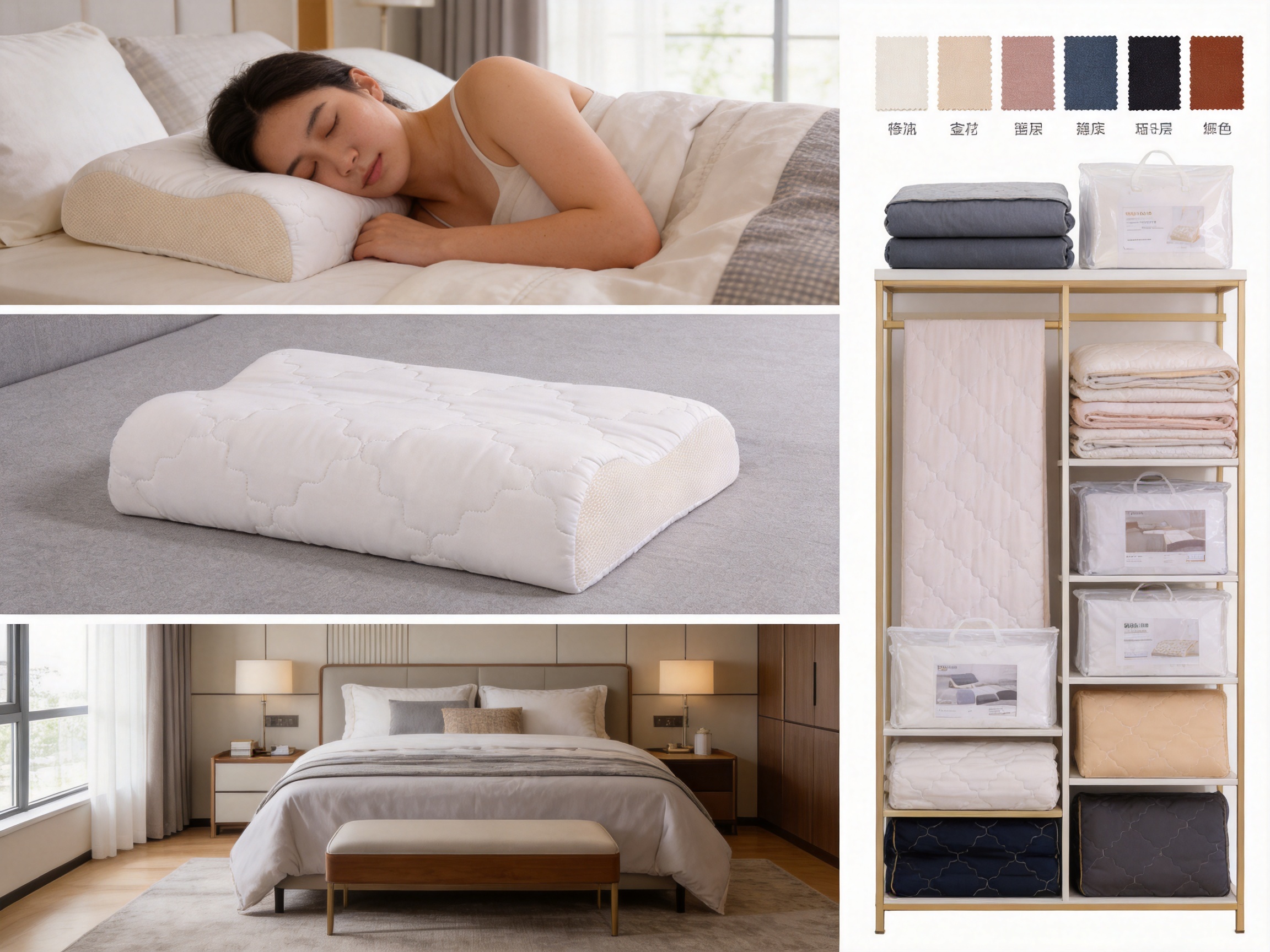
A pillow is one of the most important elements in a healthy sleep environment. It supports the head, cushions the neck, influences spinal alignment, and contributes to the overall comfort of the bed. Although pillows may appear simple, their performance depends on many factors, including the shape of the inner filling, the resilience of the core, the softness of the outer fabric, the structure of the quilted layer, ventilation, durability, and ease of care.
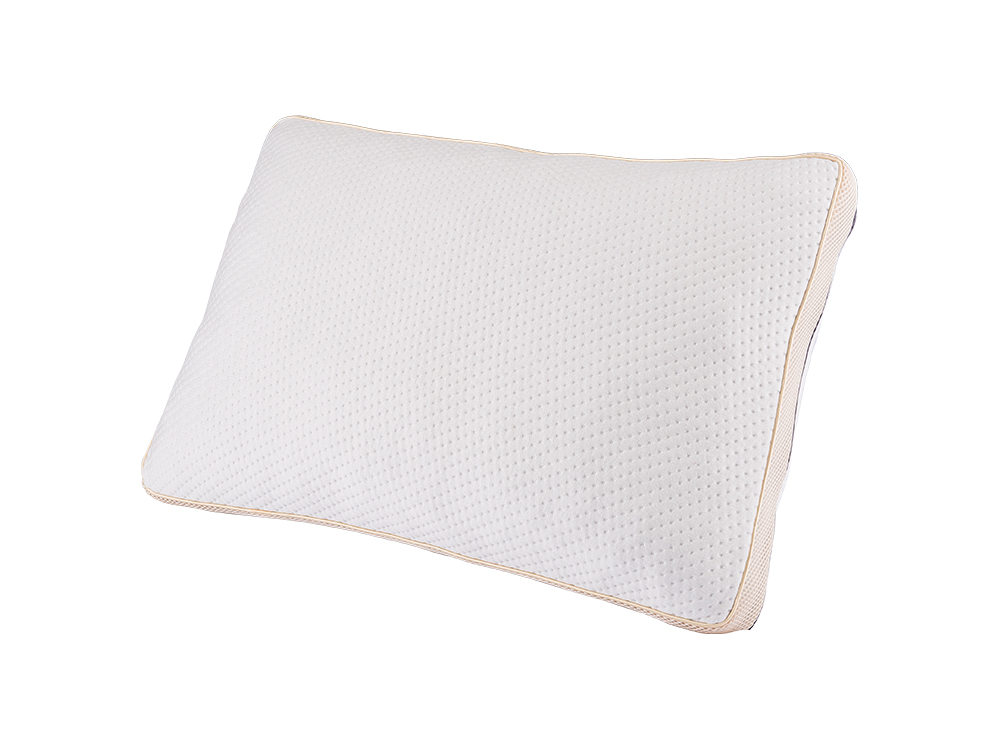
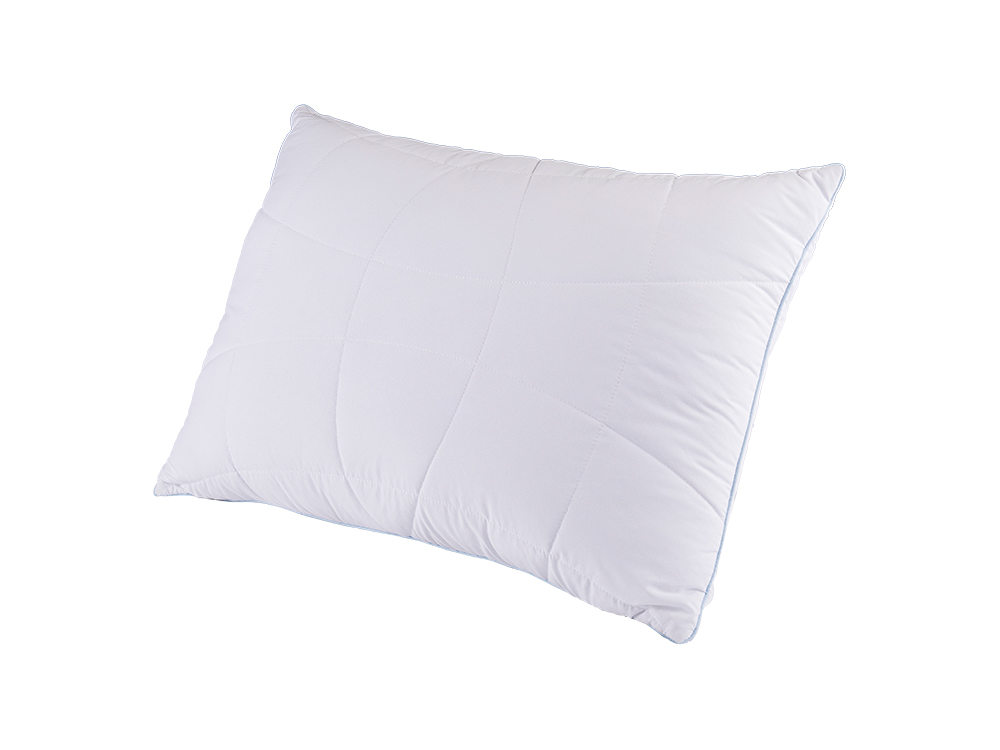
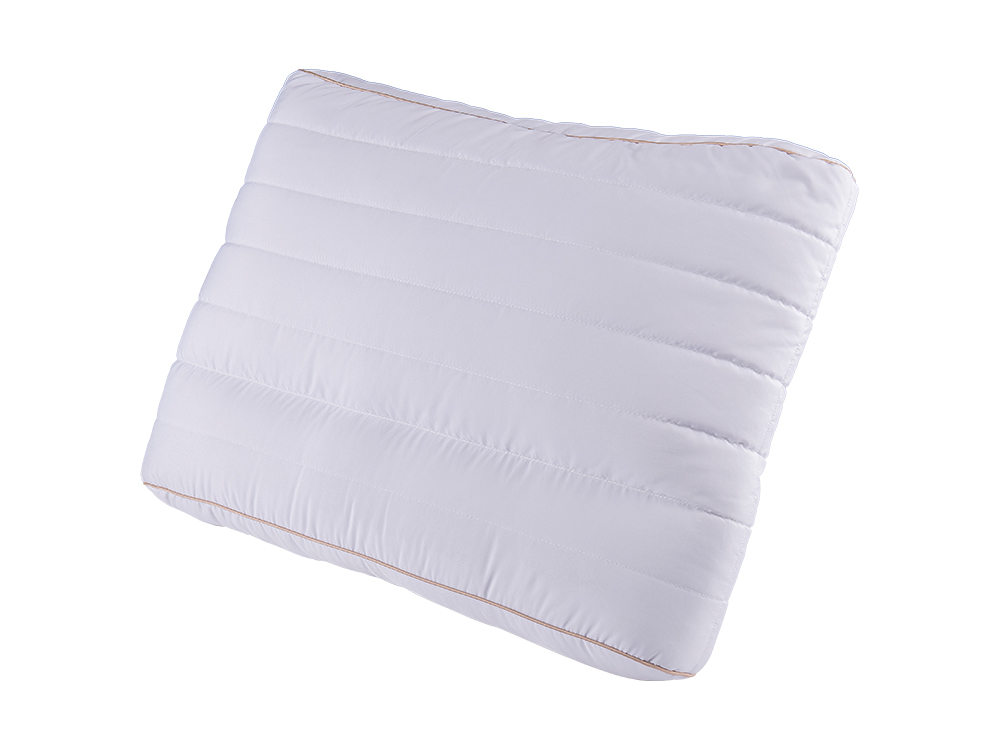
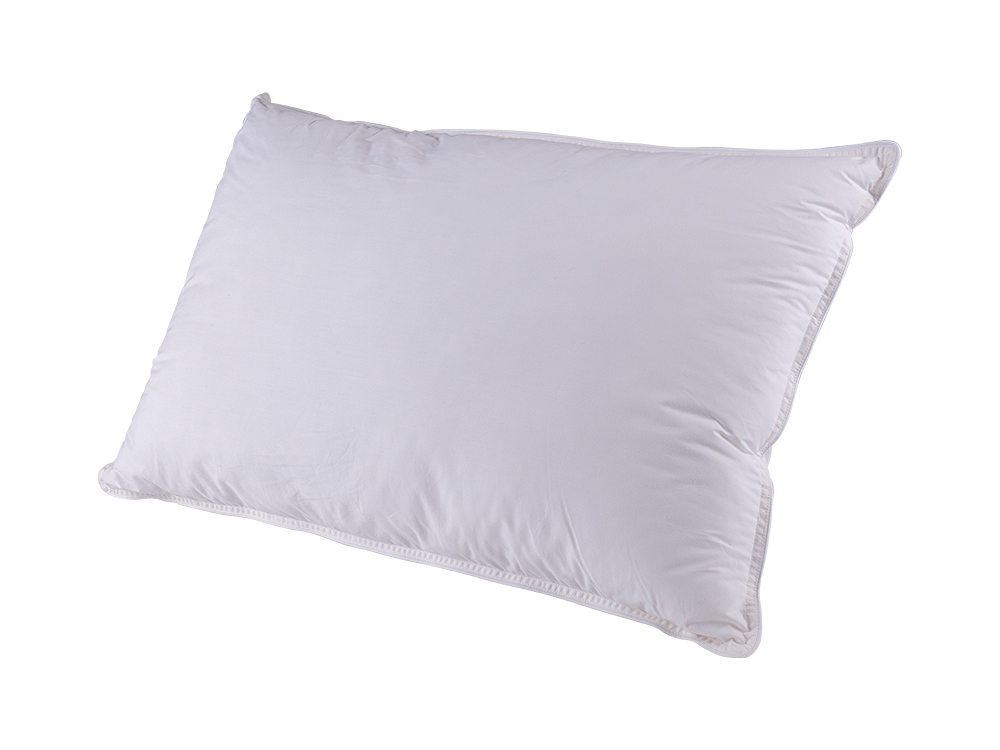
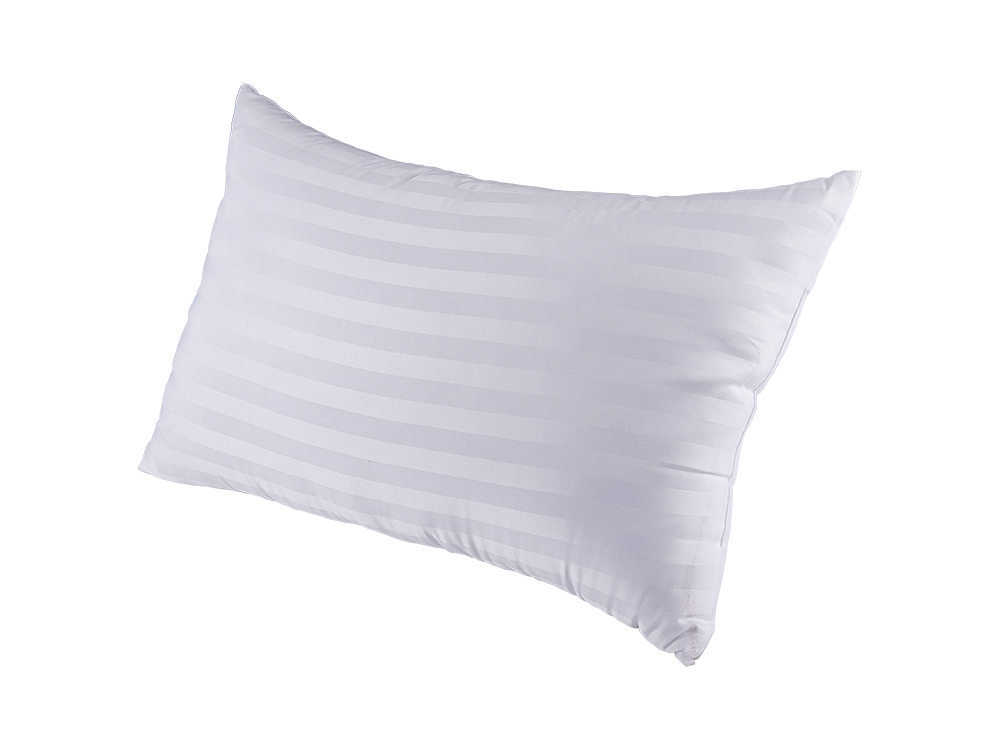
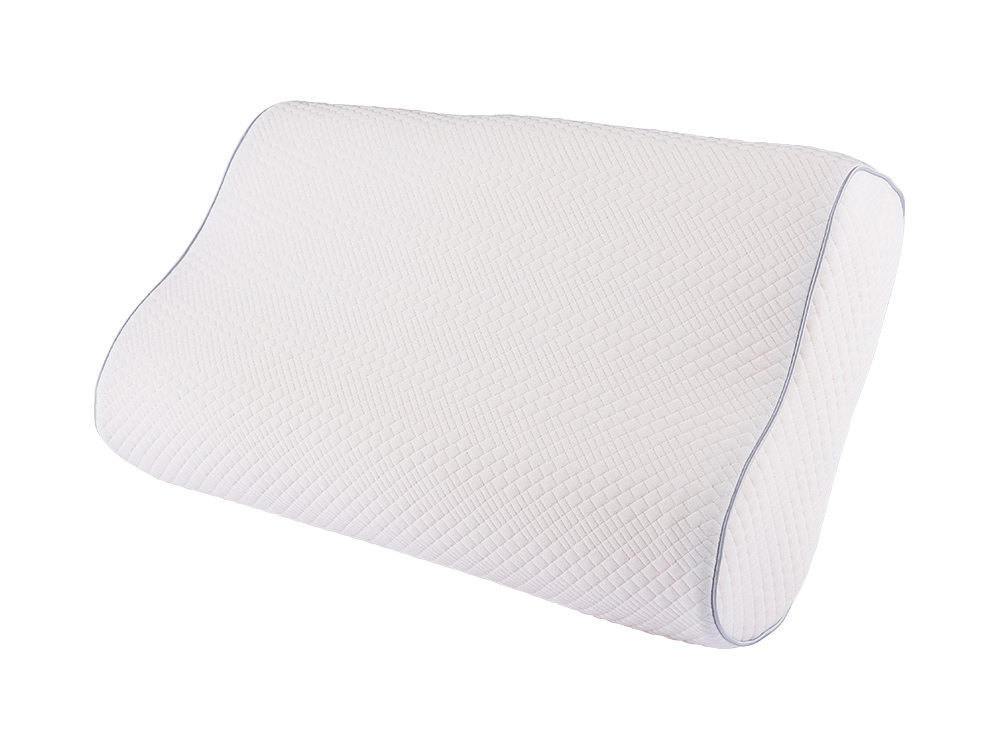
The Multifunctional Memory Foam Pillow is designed to address these needs through a combination of ergonomic memory foam support, a wavy slow-rebound structure, a soft quilted shell, and carefully selected textile materials. With a size of 60 x 70 x 5/7 cm, the pillow provides a broad sleeping surface while maintaining a contoured profile that supports different sleeping positions. Its outer shell uses 95gsm brushed fabric, while the quilted layer is filled with 3D polyester to create a soft and comfortable surface. Inside, a memory foam core helps distribute pressure and adapt to the natural curve of the neck.
This product is manufactured by Tongxiang Xinlong Bedding Co., Ltd., a professional home textile manufacturer with extensive experience in pillows, quilts, mattress protectors, blankets, mattress covers, cushions, bedspreads, pillowcases, curtains, and other household textile products. The company combines product development, material selection, sewing, quilting, inspection, and order coordination to provide customized home bedding solutions for different customers.
Product Overview
The Multifunctional Memory Foam Pillow brings together the comfort of a quilted textile exterior and the supportive characteristics of a shaped memory foam core. Its design is intended for consumers who want more than a conventional fiber-filled pillow. Traditional soft pillows can lose their shape during the night, while very firm pillows may create uncomfortable pressure around the neck and shoulders. This product is designed to provide a balanced solution: a gentle surface feel with a responsive inner structure.
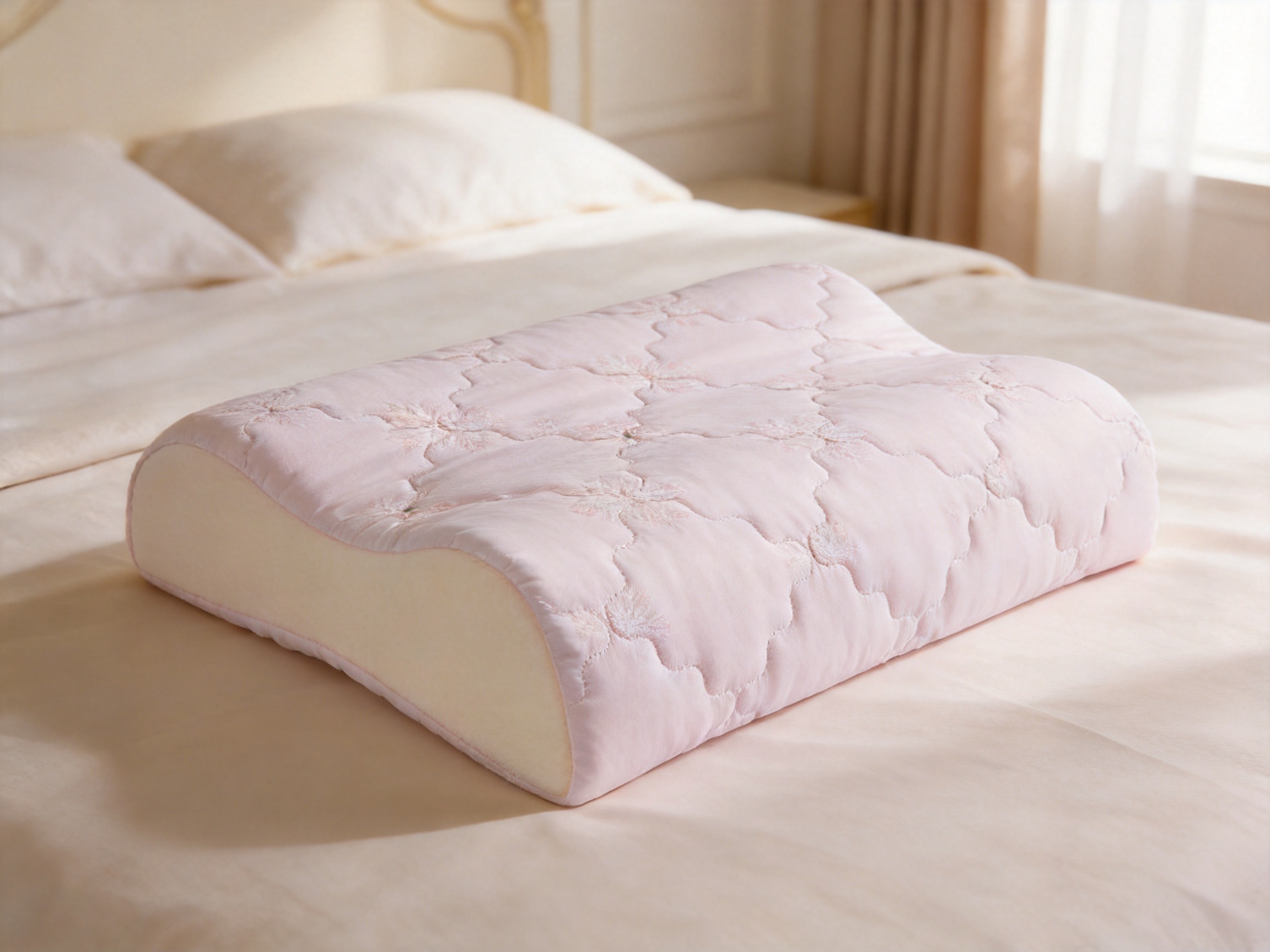
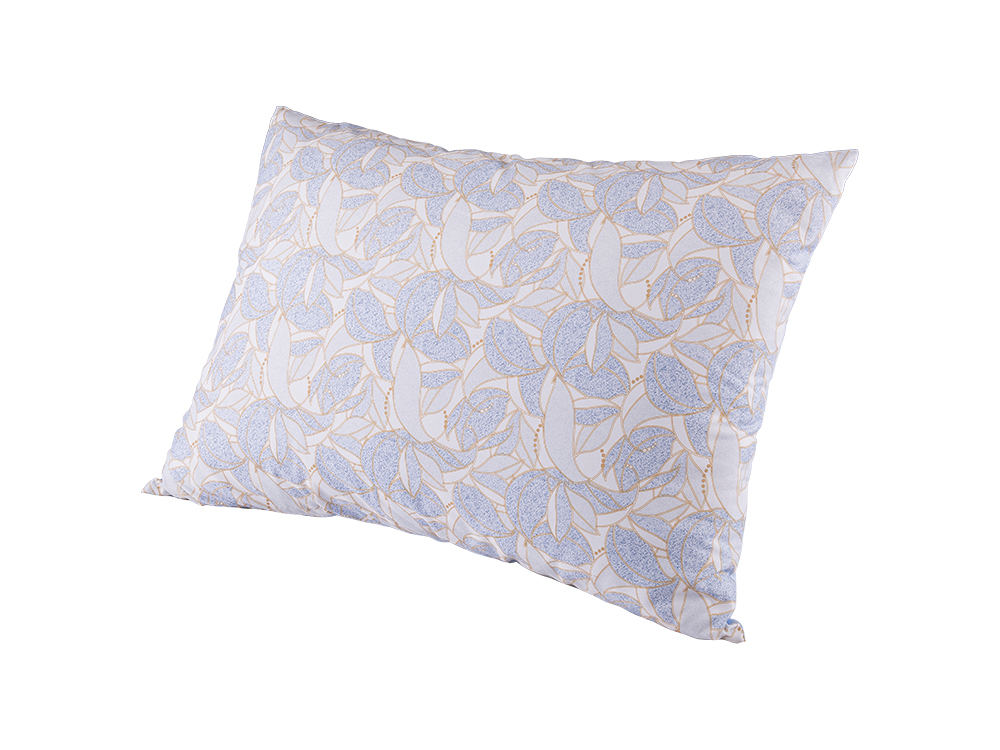
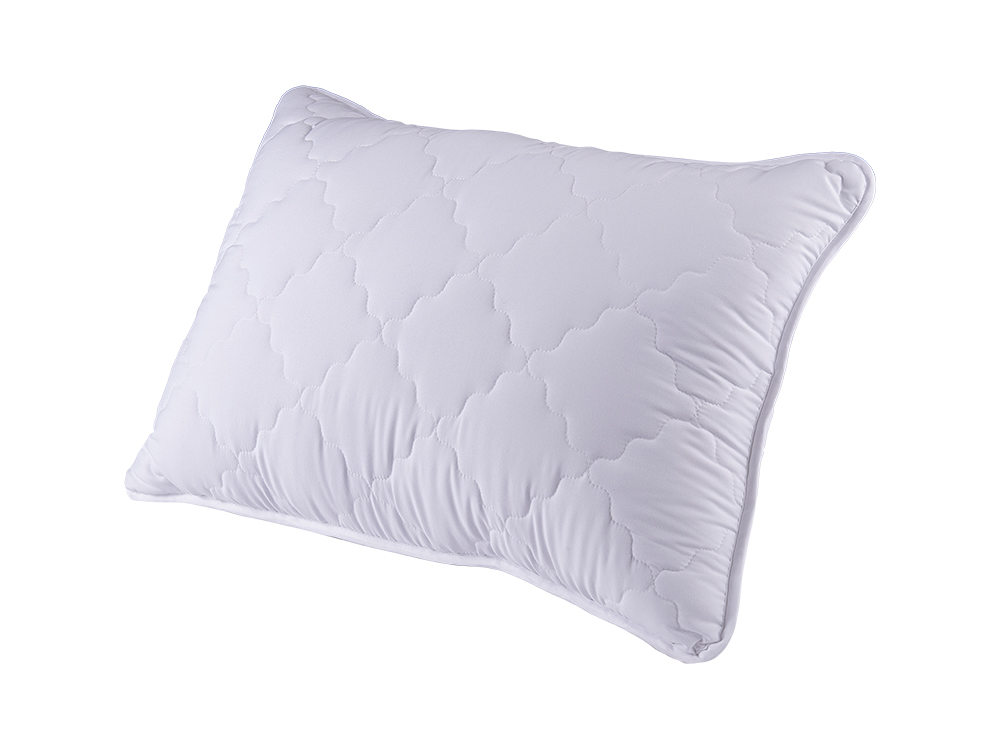
The pillow has a simple floral design that gives the shell a clean and attractive appearance. The quilted layer adds visual texture and creates a soft, cushioned hand feel. When the user rests on the pillow, the outer layer helps reduce the direct sensation of the foam core, making the sleeping surface feel more welcoming and comfortable.
The inner memory foam core uses a wavy slow-rebound design. Rather than presenting a completely flat block, the shaped foam structure is intended to follow the neck and head more naturally. The gradual rebound of memory foam allows the core to respond to body weight and pressure. This can help reduce the feeling of sudden resistance that is sometimes associated with rigid pillow fillings.
The product specification includes the following materials and dimensions:
| Component | Specification | Functional Contribution |
|---|---|---|
| Overall size | 60 x 70 x 5/7 cm | Broad sleeping surface with a contoured height profile |
| Outer fabric | 95gsm brushed fabric | Soft, warm, and skin-friendly surface feel |
| Lining | 30gsm non-woven fabric | Supports the internal construction and helps contain the filling layers |
| Quilted layer filling | 3D polyester | Light cushioning, loft, and surface softness |
| Inner core | Memory foam | Contoured support and slow-rebound pressure response |
The combination of these materials allows the pillow to serve different customer preferences. It can be used in household bedrooms, guest rooms, hospitality environments, seasonal bedding collections, and private-label home textile programs. Its neutral, functional design also makes it suitable for a wide range of bedding styles.
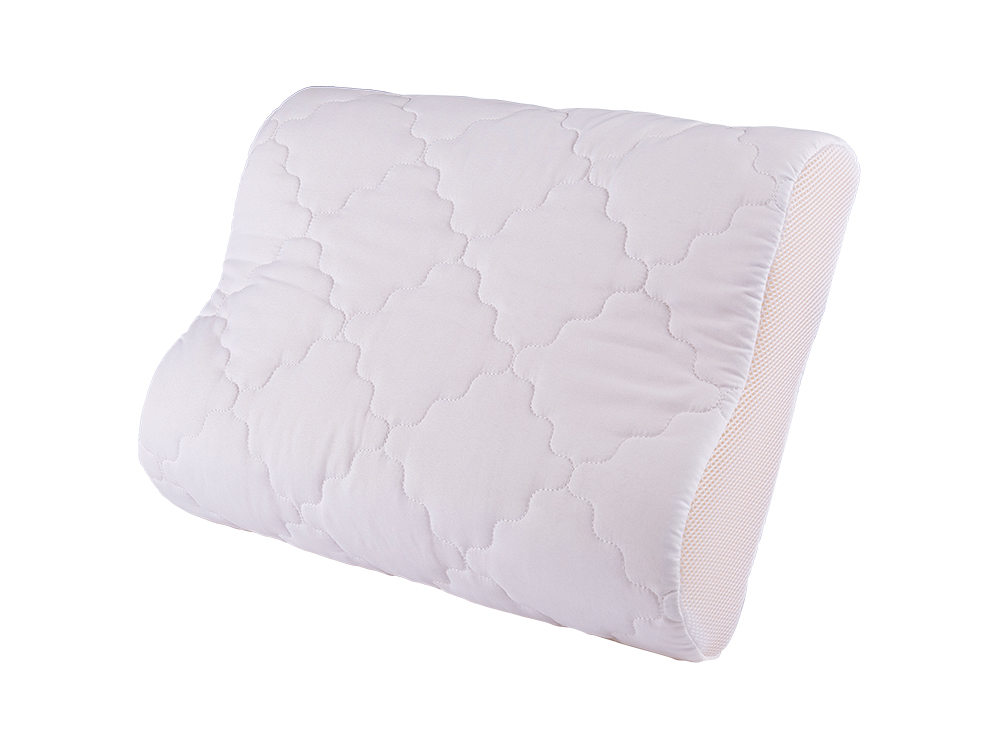
Multifunctional Memory Foam Pillow
Ergonomic Design for Neck and Head Support
The primary advantage of a memory foam pillow is its ability to respond to the pressure applied by the head and neck. When a sleeper rests on the pillow, the foam gradually compresses in areas where more weight is concentrated. This creates a more personalized contact surface than a completely uniform filling. The result is a supportive feel that can help the head and neck remain in a more stable position during sleep.
The wavy structure of the inner core is particularly important. A flat foam surface may provide support, but a contoured structure can offer more variation in height and pressure response. The 5/7 cm specification indicates a different height profile across the pillow, allowing the design to accommodate the natural curve between the head, neck, and shoulders. This profile may be useful for sleepers who prefer a pillow that is not completely flat.
A properly designed pillow should support the neck without pushing the head too far forward. If the pillow is too high, the neck may remain in an awkward position. If it is too low, the head may tilt downward and leave the neck without sufficient support. The contoured design of this pillow is intended to create a more balanced transition between the head and shoulder area.
The broad 60 x 70 cm size provides room for movement. Sleepers can change position without immediately moving beyond the supported area. A larger surface can also be helpful for people who prefer to use the pillow across the width of a standard bed or combine it with decorative and functional bedding layers.
Although individual comfort preferences vary, the pillow is suitable for multiple sleeping styles. Back sleepers may appreciate the supportive central area and moderate profile. Side sleepers can benefit from the structure that helps fill the space between the head and shoulder. Combination sleepers may value the memory foam’s ability to respond gradually as body position changes.
Supportive Rather Than Rigid
One difference between memory foam and hard support materials is the way pressure is distributed. A rigid material provides resistance immediately, while memory foam responds progressively. This gradual response allows the surface to conform to the user instead of forcing the head into one fixed position.
The pillow is not designed to feel hard or mechanical. The quilted shell, brushed fabric, and 3D polyester layer soften the first point of contact. Beneath this gentle surface, the memory foam core provides structure. This layered construction creates a combination of softness and support that is difficult to achieve with a single filling material.
For customers comparing the product with standard polyester-filled pillows, the key difference is shape retention and structural responsiveness. Polyester-filled pillows can feel soft and lightweight, but the filling may shift or compress unevenly over time. A memory foam core remains a defined support component, helping the pillow preserve its intended form during use.
Soft Quilted Comfort
The outer shell has a direct effect on the user’s first impression of a pillow. Even a technically advanced core may not feel comfortable if the surface is rough, stiff, or poorly finished. This product uses 95gsm brushed fabric, selected for its soft hand feel and close-to-skin comfort.
Brushed fabric is processed to create a fine, raised surface. This produces a smoother and warmer touch than many unprocessed flat fabrics. The surface is suitable for bedding applications because it provides comfort without relying on excessive thickness. It also complements the simple floral design of the pillow shell.
The quilted layer adds another dimension to the construction. Quilting connects the shell fabric, filling, and lining into a more stable panel. The 3D polyester filling increases loft and creates a lightly cushioned surface. It helps the pillow feel less direct and less dense when the user first lies down.
Quilting also contributes to the visual quality of the product. The stitch pattern helps maintain an organized appearance and gives the pillow a finished, retail-ready look. Compared with a plain, unquilted shell, a quilted design can communicate greater attention to detail and make the product more appealing in a bedding collection.
The simple floral pattern is intentionally versatile. It can be coordinated with solid-color bedding, printed duvet covers, hotel-style white linens, or other home textile designs. Because the appearance is attractive without being overly decorative, the pillow can be positioned as both a practical sleeping product and an elegant addition to the bedroom.
Layered Construction
The pillow uses a layered construction in which each material has a specific purpose. The brushed fabric creates the external comfort surface. The 3D polyester filling adds loft and softness. The 30gsm non-woven lining helps support the interior structure. The memory foam core delivers the main ergonomic function.
This approach is more effective than asking one material to perform every role. A foam core alone may provide support but feel too firm at the surface. A thick fiber layer alone may feel soft but lack stable support. By combining multiple layers, the pillow can provide a more balanced sleep experience.
Layered construction also supports manufacturing flexibility. Depending on customer requirements, the outer fabric, color, pattern, quilting method, packaging, and labeling may be adjusted while maintaining the basic memory foam concept. This makes the product suitable for private-label projects, seasonal collections, and different market positioning strategies.
Advantages Compared with Conventional Pillows
The home bedding market includes many pillow types, including polyester-filled pillows, down and feather pillows, latex pillows, cotton pillows, and basic foam pillows. Each type has its own benefits, but the Multifunctional Memory Foam Pillow offers a distinctive combination of ergonomic support, surface softness, and visual appeal.
Compared with Standard Fiber-Filled Pillows
Fiber-filled pillows are popular because they are lightweight, familiar, and often economical. However, loose or semi-loose fillings can shift during the night. The pillow may become uneven, develop low areas, or require frequent reshaping. A memory foam core reduces this movement because the main support element is a single shaped structure.
The quilted 3D polyester layer still provides the soft, airy feeling associated with textile bedding, but the core gives the pillow a more stable foundation. This can be attractive to users who want softness without excessive flattening.
Compared with Flat Foam Pillows
Flat foam pillows may offer consistent support, but they do not always provide a natural transition between the head and neck. The wavy profile of this product introduces a contoured support surface. Its varying height can help accommodate the shape of the neck and the space created by the shoulders.
The slow-rebound behavior also improves the user experience. Instead of returning immediately to its original shape, the foam responds gradually to pressure. This can make the pillow feel more adaptive and may reduce the sensation of being pushed away from the support surface.
Compared with Very Firm Support Pillows
Some supportive pillows rely on dense materials that can feel uncomfortably firm. While firmness is useful for maintaining structure, excessive hardness can create pressure points around the head, ear, or neck. The quilted shell and 3D polyester layer help moderate the contact feel of the memory foam core.
This balance may make the product more broadly acceptable to households in which different users have different comfort preferences. It can also help retailers position the pillow as a comfort-oriented support product rather than as a specialized medical or orthopedic device.
Compared with Conventional Decorative Pillows
Decorative pillows often focus on appearance but provide limited functional support. The Multifunctional Memory Foam Pillow is designed to combine visual appeal with practical sleep performance. The floral shell and quilting contribute to appearance, while the memory foam core serves the functional needs of the sleeper.
This dual purpose can be valuable for retailers and distributors. The product may be presented as part of a coordinated bedroom collection while still offering a clear performance feature that distinguishes it from purely decorative cushions.
Manufacturing Process and Quality-Oriented Production
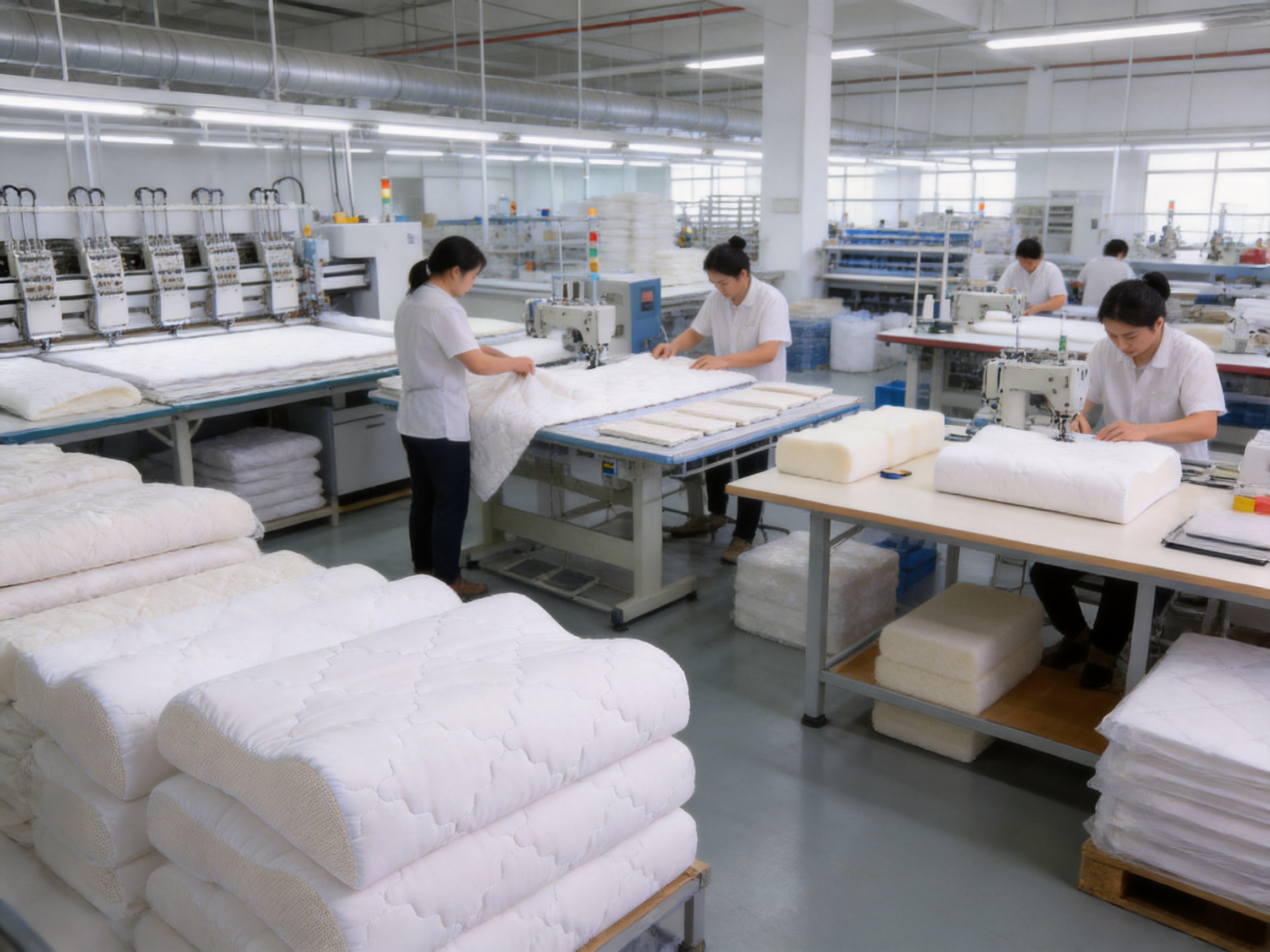
The performance of a pillow depends not only on its design but also on the consistency of its manufacturing process. Accurate cutting, stable quilting, appropriate filling, secure sewing, careful assembly, and final inspection all affect the finished product. As an experienced home textile manufacturer, Tongxiang Xinlong Bedding Co., Ltd. has developed production capabilities across these areas.
The company was established in January 2002 and is located in Wuzhen, Tongxiang, Zhejiang Province, China. It operates in the home textile sector and produces a broad range of bedding and household textile products. Its product categories include quilts, pillows, cushions, bedspreads, mattress protectors, blankets, mattress covers, quilt and pillowcases, shower curtains, and curtains.
The company covers approximately 21,000 square meters, with a construction area of approximately 18,000 square meters. Its workforce includes more than 320 employees, supported by various production machines and professional technical personnel. This scale allows the manufacturer to coordinate product development and production across multiple home textile categories.
Material Preparation
Production begins with the preparation and inspection of the materials. The brushed fabric, non-woven lining, 3D polyester filling, and memory foam core must be matched according to the product specification. Material preparation includes checking dimensions, surface quality, color consistency, thickness, and general suitability for the intended construction.
For the outer shell, fabric handling is important because brushing and surface finishing can influence the appearance and hand feel. The fabric must be cut accurately so that the floral design and quilted structure are presented consistently. Any material variation may affect the final look of the product, making incoming material control an important part of the process.
Quilting and Panel Formation
The outer fabric, 3D polyester filling, and lining are assembled into a quilted panel. Quilting keeps the filling distributed across the surface and helps prevent excessive movement within the shell. The process also creates the decorative texture associated with the product.
Consistent quilting requires control over stitch spacing, tension, alignment, and panel dimensions. If the stitching is too tight, the layer may become unnecessarily compressed. If it is too loose, the filling may shift or the surface may lose its intended appearance. Professional production equipment and trained operators help maintain a stable result throughout the manufacturing run.
The quilted panel is then prepared for sewing and assembly. Edge alignment is important because the outer shell must fit around the memory foam core without creating excessive looseness or compression. Accurate panel formation contributes to both appearance and functional comfort.
Memory Foam Core Preparation
The memory foam core is the central functional component of the pillow. Its shape, dimensions, density, and surface finish influence the final support experience. The wavy structure must be formed consistently so that each pillow offers the intended height profile and contour.
Core preparation may include cutting, shaping, dimensional checking, and visual inspection. The foam should be free from major surface defects and should fit properly within the quilted shell. A well-matched relationship between the core and shell prevents excessive bunching, loose areas, or uneven support.
Because memory foam responds to pressure and temperature, manufacturing and storage conditions must be managed carefully. Proper handling helps protect the foam from unnecessary deformation before it reaches the final assembly stage. Packaging and transport planning are also important when supplying customers in different regions.
Assembly and Sewing
During final assembly, the quilted shell, lining, and memory foam core are brought together. Sewing must be secure enough to withstand repeated use, movement, and routine handling. Seam quality is especially important in bedding because weak or uneven seams may affect durability and appearance.
Operators inspect the shell for consistent stitching, clean edges, appropriate shape, and proper fit. The product should have a smooth and attractive appearance after assembly. Any loose threads, irregular seams, fabric damage, or obvious deformation should be identified and corrected before packing.
Inspection and Finishing
Quality inspection is performed throughout production rather than only at the end. In-process checks can identify problems before they affect a large quantity of goods. Final inspection typically considers dimensions, fabric appearance, quilting, sewing, filling distribution, foam condition, labeling, and packaging.
The company emphasizes quality as a central business principle. It has obtained international certifications and management recognitions including ISO9001, ISO14001, OEKO-TEX Standard 100, OEKO-TEX STeP, GRS, and BSCI. These certifications and recognitions indicate a structured approach to quality management, environmental management, textile safety, responsible production, and social compliance. Specific certification scope and validity should always be confirmed for the relevant order and production site.
Advanced Manufacturing Strengths
The manufacturer’s strength is not limited to one pillow design. Its broader capability in home textile production creates several advantages for customers seeking reliable product development and supply coordination.
Experience Across Multiple Home Textile Categories
Because the company produces quilts, pillows, cushions, mattress protectors, blankets, mattress covers, bedspreads, pillowcases, curtains, and related products, it understands how different bedding components work together. This can help customers develop coordinated product ranges rather than sourcing every item from unrelated suppliers.
A coordinated supplier can support consistent fabric selection, color development, packaging style, product labeling, and quality expectations across a collection. For retailers and importers, this may simplify communication and reduce the complexity of managing multiple production partners.
Product Development and Customization
The company continues to develop and innovate in response to changes in the home textile market. Professional and technical personnel participate in the design and production of fashionable and functional household products. This development capability is useful for customers who want to modify the standard pillow design.
Potential customization areas may include fabric composition, color, print, quilting pattern, label, packaging, dimensions, and product assortment. Any modification must be reviewed with the manufacturer to confirm feasibility, minimum order requirements, material availability, testing, and production timing.
Production Capacity and Workforce
A facility with a substantial production area, a workforce of more than 320 employees, and multiple types of equipment is positioned to manage larger and more varied home textile orders. Capacity is not simply a matter of machine quantity. It also depends on production planning, material coordination, operator experience, inspection procedures, and communication between departments.
The company’s long operating history since 2002 provides practical experience in handling changing customer requirements, textile trends, and product categories. This experience can be valuable when developing a new bedding item, adapting a product for a particular market, or arranging repeat orders with consistent specifications.
Quality and Compliance Awareness
Home textile customers increasingly require more than attractive design and competitive pricing. They also expect stable quality, responsible manufacturing, textile safety, and documented management systems. The company’s certifications and social responsibility recognitions support its ability to work with customers that maintain formal supplier requirements.
For buyers, compliance should be viewed as part of the overall supply relationship. Product specifications, restricted substance requirements, packaging rules, labeling standards, inspection procedures, and shipment documents should be agreed upon before production. A clear technical file helps ensure that the finished pillow matches the customer’s expectations.
Applications and Market Positioning
The Multifunctional Memory Foam Pillow can be positioned in several different market segments. Its combination of comfort, support, and decorative appearance allows it to fit both functional and lifestyle-oriented product lines.
Retail Bedding Collections
Retailers can include the pillow in collections focused on improved sleep comfort, ergonomic bedding, or bedroom upgrades. The memory foam core provides a clear selling point, while the floral quilted shell gives the product an inviting appearance on a shelf or online product page.
The size and layered construction make it suitable for a broad customer base. Retail presentation can emphasize the slow-rebound core, contoured support, soft brushed shell, and quilted surface. These features are easy for consumers to understand and compare with ordinary pillows.
Private-Label Programs
Private-label customers may adapt the product to fit their brand identity. Possible adjustments include color, print, label, packaging, carton design, and product naming. The manufacturer’s experience with home textile categories can support the development of a consistent private-label assortment.
When planning a private-label order, the buyer should provide clear specifications for dimensions, materials, tolerances, packaging, barcodes, labels, testing, and inspection. Early confirmation helps the factory prepare materials and avoid changes late in the production cycle.
Hospitality and Guest Accommodation
Hotels, serviced apartments, guest houses, and other accommodation providers often seek pillows that combine comfort with a polished appearance. The quilted shell gives the pillow a finished look, while the memory foam core provides a defined support feature.
Hospitality customers may require additional specifications, such as washable covers, special packaging, fire-related requirements, color standards, replacement programs, or bulk delivery schedules. These requirements should be evaluated in advance because they may influence the construction and testing process.
Seasonal and Promotional Bedding
The floral pattern and soft quilted surface can also support seasonal bedding programs. The product may be included in spring, summer, wedding, housewarming, or home-improvement promotions. Its practical function gives it stronger long-term value than a purely decorative seasonal item.
Care, Handling, and Product Longevity
Proper care helps preserve the appearance and performance of any pillow. Because this product includes a memory foam core and a layered textile shell, care instructions should follow the manufacturer’s recommendations and the final product label.
Memory foam cores are generally not treated in the same way as loose fiber fillings. Excessive water, high heat, or aggressive mechanical washing may affect the foam or the internal construction. If the pillow includes a removable cover, cleaning the cover separately may be preferable. Buyers should confirm whether the finished design includes a removable cover and what washing instructions apply.
Regular airing can help maintain freshness. The pillow should be protected from prolonged exposure to direct sunlight, extreme heat, and moisture. When storing or transporting the product, it should be kept in a clean, dry environment and handled in a way that avoids permanent compression or deformation.
Consumers should also understand that memory foam may require a short adjustment period. The slow-rebound response can feel different from a traditional soft pillow. After use, the foam may gradually return toward its original shape. Allowing sufficient recovery time can help maintain the intended contour.
For commercial buyers, packaging design should protect the pillow from dust, moisture, compression damage, and handling abrasion. Packaging should also communicate the product’s materials, dimensions, care method, and key comfort features in a clear way.
Why This Product Offers Strong Competitive Value
The competitive value of the Multifunctional Memory Foam Pillow comes from the way its features work together. It is not based on memory foam alone. The product combines a shaped support core, a soft brushed outer fabric, a 3D polyester quilted layer, a decorative floral design, and a broad contoured profile.
From the consumer’s perspective, the pillow offers a clear progression from surface comfort to internal support. The outer shell feels soft against the skin. The quilted layer adds loft and cushioning. The memory foam core responds to pressure and supports the head and neck. This layered user experience can distinguish the product from pillows that provide only one primary benefit.
From the buyer’s perspective, the product is supported by an experienced manufacturer with a wide home textile portfolio, professional production personnel, extensive factory facilities, and documented quality and compliance systems. This combination can reduce the risks associated with sourcing a technically specialized product from an inexperienced supplier.
From a product development perspective, the pillow can serve as a foundation for customization. Customers may develop coordinated colors, patterns, packaging, and bedding accessories around the basic design. This creates opportunities for product differentiation without requiring an entirely new manufacturing concept.
Recommended Buyer Evaluation Points
Before placing an order, buyers should evaluate the product using a complete technical and commercial checklist. The following points can help ensure that the finished goods meet the intended market requirements.
Confirm the Technical Specification
Confirm the overall dimensions, height profile, fabric weight, lining specification, quilted filling, foam type, foam density if required, cover construction, seam details, and packaging method. If a tolerance range is necessary, it should be included in the technical documents.
Review Samples
A physical sample allows the buyer to assess the hand feel, shape, rebound behavior, quilting quality, fabric appearance, floral pattern, and general workmanship. It is useful to approve a sealed or signed sample before bulk production begins.
Define Testing Requirements
Depending on the destination market, customers may require textile safety testing, colorfastness testing, dimensional stability testing, chemical compliance documentation, packaging testing, or other evaluations. Requirements should be identified before material purchasing and production scheduling.
Align Packaging and Labeling
Packaging is part of the product presentation and logistics process. Buyers should provide exact instructions for labels, care symbols, fiber content, country-of-origin information, barcodes, cartons, polybags, inserts, and shipping marks. Clear artwork approval helps avoid errors.
Establish Inspection Procedures
Buyers may use factory inspections, third-party inspections, or agreed internal quality procedures. Inspection criteria should address appearance, dimensions, construction, materials, quantity, packaging, and labeling. A clear acceptance standard benefits both the buyer and the manufacturer.
Q&A
What is the main feature of the Multifunctional Memory Foam Pillow?
The main feature is its combination of a wavy slow-rebound memory foam core and a soft quilted textile shell. The core is designed to provide contoured support, while the outer layers create a softer and more comfortable sleeping surface.
What are the dimensions of the pillow?
The listed size is 60 x 70 x 5/7 cm. The height profile is designed to provide a contoured shape rather than a completely flat surface.
What material is used for the outer fabric?
The outer fabric is specified as 95gsm brushed fabric. Its brushed surface is intended to provide a soft, comfortable, and close-to-the-skin hand feel.
What is the quilted layer filled with?
The quilted layer is filled with 3D polyester. This material contributes loft, light cushioning, and a soft surface sensation.
What is inside the pillow?
The inner support component is a memory foam core. Its slow-rebound behavior allows it to respond gradually to pressure and support the head and neck.
Is the pillow suitable for different sleeping positions?
The contoured profile and broad surface are intended to accommodate different sleeping preferences, including back sleeping, side sleeping, and combination sleeping. Individual comfort depends on body shape, mattress firmness, personal preference, and sleeping habits.
How is this pillow different from a regular fiber-filled pillow?
A regular fiber-filled pillow may shift or flatten as the filling moves. This product uses a defined memory foam core that provides more stable internal support, while the 3D polyester quilted layer preserves a soft textile feel.
Does the pillow provide medical treatment?
The pillow is a bedding product designed for comfort and support. It should not be presented as a medical device or as a treatment for a health condition unless it has received the appropriate authorization and supporting evidence for the relevant market.
Can the product be customized?
Customization may be possible for areas such as fabric, color, print, quilting, labeling, packaging, dimensions, and coordinated bedding items. The exact options, minimum order quantity, sample process, and production schedule should be confirmed with the manufacturer.
What manufacturing capabilities support this product?
The manufacturer has operated since 2002 and produces a broad range of home textile products. Its facilities cover approximately 21,000 square meters, with an approximately 18,000-square-meter construction area and more than 320 employees. The company also uses professional technical personnel and various production equipment.
What certifications and recognitions are associated with the manufacturer?
The company has passed or obtained certifications and recognitions including ISO9001, ISO14001, OEKO-TEX Standard 100, OEKO-TEX STeP, GRS, and BSCI. Buyers should verify the current validity, scope, and applicability of each certification for their specific project.
How should the pillow be cared for?
Care should follow the final product label and manufacturer’s instructions. Because the pillow contains memory foam, buyers should confirm whether the cover is removable and avoid assuming that the entire pillow can be machine washed or exposed to high heat.
Who may be interested in this product?
Potential customers include bedding retailers, importers, distributors, private-label brands, hospitality businesses, home furnishing stores, and companies developing coordinated home textile collections.
Conclusion
The Multifunctional Memory Foam Pillow is designed to provide a balanced combination of comfort, support, appearance, and manufacturing flexibility. Its wavy slow-rebound memory foam core follows the concept of contoured neck support, while the 5/7 cm profile offers a structured alternative to flat pillows. The 95gsm brushed fabric creates a soft surface, and the 3D polyester quilted layer adds cushioning and visual refinement.
Its competitive advantage comes from the complete construction rather than from one isolated material. The product brings together ergonomic foam support, a comfortable textile shell, stable quilting, a versatile floral design, and a broad sleeping surface. This makes it suitable for both functional bedding programs and lifestyle-oriented home textile collections.
The manufacturing partner adds further value through long-term industry experience, broad product coverage, professional personnel, production facilities, customization capability, and quality-oriented management systems. For buyers seeking a memory foam pillow that can be developed into a reliable retail, private-label, hospitality, or coordinated bedding program, this product offers a practical and adaptable starting point.
References
1. Product specification for Multifunctional Memory Foam Pillow, including size, fabric, lining, quilted filling, and inner core details.
2. Manufacturer-provided company profile and production capability information for Tongxiang Xinlong Bedding Co., Ltd.
3. General principles of pillow ergonomics, sleeping posture, and pressure distribution in bedding design.
4. General textile manufacturing practices for fabric inspection, quilting, sewing, filling control, and finished-product inspection.
5. International quality, environmental, textile safety, recycled material, and social responsibility management frameworks referenced by the manufacturer.
6. General product development and sourcing principles for private-label bedding, hospitality textiles, packaging, and supplier quality management.


 +86-573-88798028