



 Français
 Español
 Deutsch
Content
- 1 Product Overview
- 2 Softness and Surface Comfort
- 3 Warmth Without Excessive Weight
- 4 The Advantage of 3D and 6D Polyester Filling
- 5 Embossed Jacquard Appearance
- 6 Advantages Over Common Competitor Options
- 7 Manufacturing Strengths and Production Capability
- 8 Advanced Process Control from Material to Finished Quilt
- 9 Quality Management and Responsible Production
- 10 Why Factory Experience Matters to Buyers
- 11 Value-Oriented Product Positioning
- 12 Functional Applications
- 13 Care, Storage, and Product Longevity
- 14 Purchasing and Quality Evaluation Considerations
- 15 Customization Possibilities
- 16 Sustainability and Material Responsibility
- 17 Company Infrastructure and Industry Experience
- 18 Why This Quilt Is a Practical Competitive Choice
- 19 Recommended Product Messaging
- 20 Q&A
- 20.1 What is the size of the Polyester Embossed Brushed Quilt?
- 20.2 What fabric is used on the outside?
- 20.3 What is the quilt filled with?
- 20.4 Is the quilt designed for customers with a limited budget?
- 20.5 Does the embossed pattern affect comfort?
- 20.6 Is this quilt suitable for winter?
- 20.7 Can the product be customized?
- 20.8 What should buyers inspect before placing a bulk order?
- 20.9 What company manufactures the quilt?
- 20.10 Does the company have quality and compliance systems?
- 20.11 How should the quilt be stored?
- 20.12 Can it be used in hospitality projects?
- 21 Conclusion
- 22 References
- 23 Product: Polyester Embossed Brushed Quilt
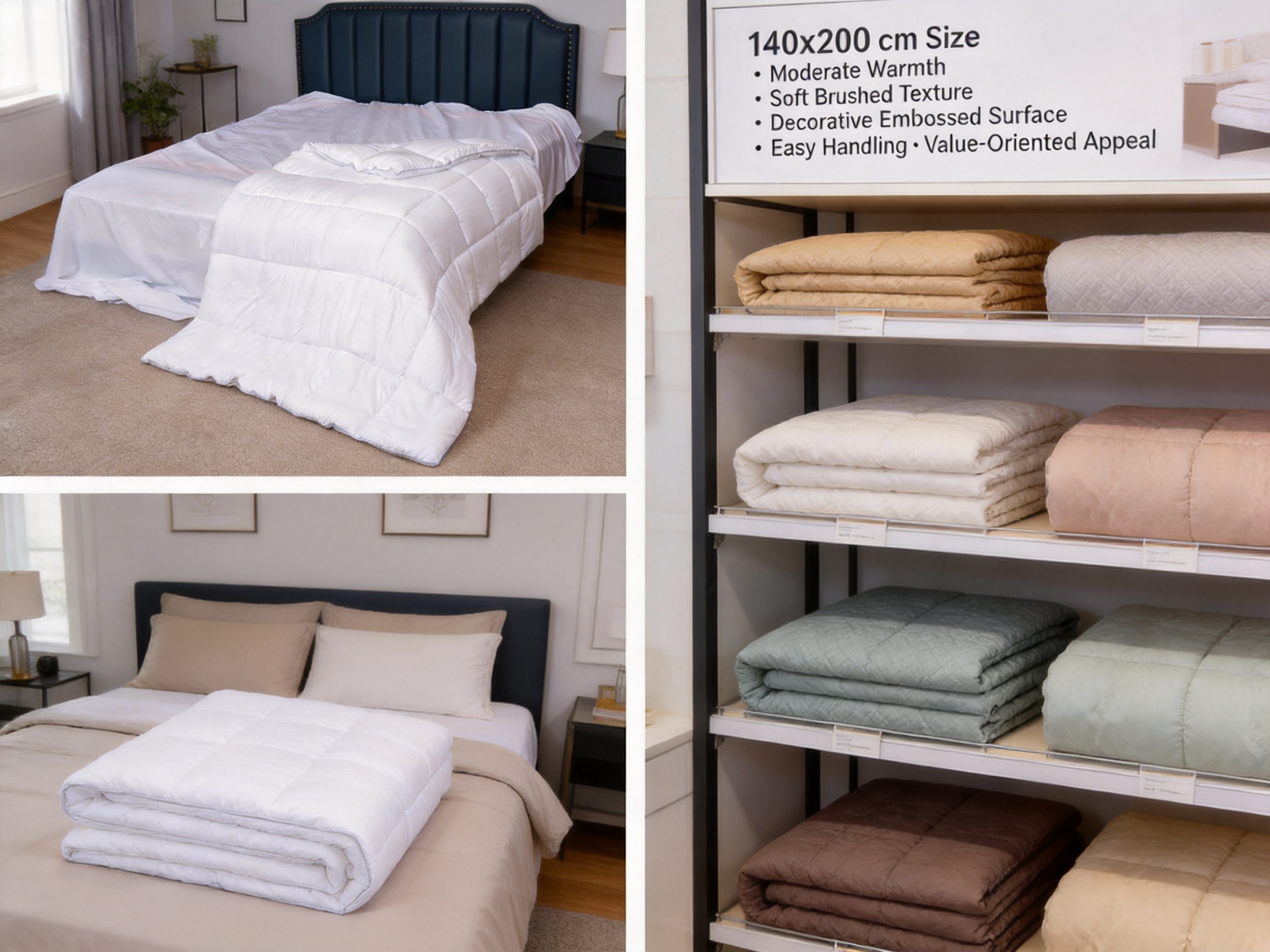
A quilt is more than a layer placed over a bed. It contributes to sleeping comfort, visual appeal, seasonal warmth, and the overall atmosphere of a bedroom. For buyers seeking a practical bedding solution with an attractive appearance, the Polyester Embossed Brushed Quilt offers a balanced combination of softness, warmth, durability, and cost efficiency. Its brushed outer fabric provides a pleasant hand feel, while the embossed surface introduces a refined decorative effect without requiring expensive natural fibers or complex ornamental additions.
This quilt is designed for customers who want dependable everyday bedding at a reasonable cost. It combines a 90gsm polyester jacquard brushed fabric with a 300gsm filling made from 3D and 6D polyester fibers. The result is a lightweight yet warm bedding product with a comfortable surface, suitable for homes, guest rooms, rental properties, hospitality applications, and value-oriented retail collections.
With a size of 140x200 cm, the quilt is particularly suitable for single beds and compact sleeping environments. Its design supports easy handling, convenient storage, and efficient laundering. At the same time, its embossed pattern helps it look more sophisticated than a plain basic quilt. This combination makes the product attractive to both end users and professional buyers searching for a cost-effective home textile item that still offers a polished appearance.
Product Overview
The Polyester Embossed Brushed Quilt is constructed around three main elements: an outer fabric, an inner filling, and a decorative embossed finish. Each component has a specific role in determining the quilt’s comfort, appearance, performance, and price.
The outer layer uses 90gsm polyester jacquard brushed fabric. Polyester is widely used in bedding because it provides stable performance, good resistance to everyday wear, and efficient production. The brushed treatment gives the fabric a softer and warmer touch than many untreated woven fabrics. It also contributes to a more inviting surface, making the quilt comfortable to use directly against other bedding layers.
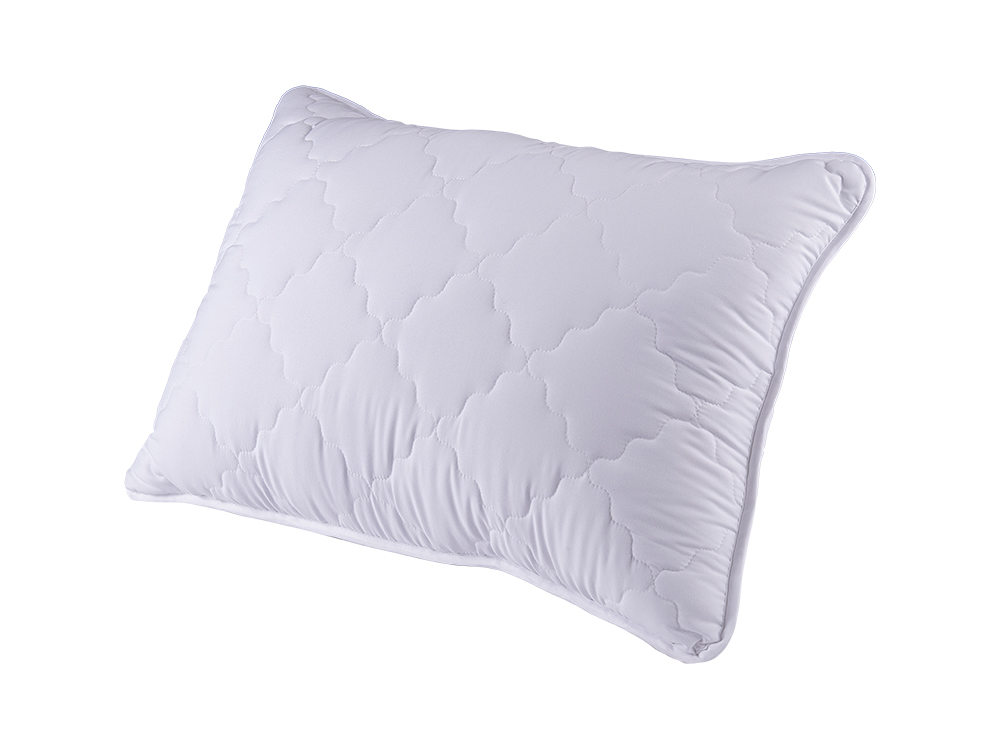
The jacquard structure allows visual interest to be incorporated into the fabric itself. Instead of relying only on printed decoration, the fabric can display a dimensional pattern that is integrated into its construction. The embossed effect gives the quilt a richer appearance and can help conceal minor signs of everyday use better than a completely smooth, single-color surface.
The filling consists of 300gsm 3D and 6D polyester. These fibers are selected to provide loft, softness, resilience, and warmth. The combination supports a comfortable sleeping environment without making the quilt unnecessarily heavy. A well-balanced synthetic filling can also recover its shape after regular use, folding, and laundering, helping the product maintain a more attractive appearance over time.
The 140x200 cm size is suitable for single beds and individual sleepers. It can also function as a compact guest quilt, a children’s bedding layer where appropriate, or an additional warm layer for seasonal use. The manageable dimensions make it convenient for packaging, shipping, storage, and retail display.
| Product Attribute | Specification | Practical Benefit |
| Product type | Polyester embossed brushed quilt | Combines decorative appearance with soft everyday comfort |
| Size | 140x200 cm | Suitable for single beds and compact sleeping spaces |
| Outer fabric | 90gsm polyester jacquard brushed fabric | Soft hand feel, attractive texture, and efficient production |
| Filling | 300gsm 3D + 6D polyester | Provides loft, warmth, and a comfortable quilted feel |
| Surface effect | Embossed jacquard pattern | Adds visual depth and a more premium appearance |
| Primary market position | Value-oriented home bedding | Offers a practical balance of price, comfort, and style |
Softness and Surface Comfort
The first quality that users notice when handling bedding is often the fabric’s touch. A rough or rigid surface can make a quilt feel inexpensive, even when its construction is otherwise sound. The brushed polyester fabric used in this product is intended to provide a softer and more pleasant hand feel. Brushing gently raises fine fibers on the surface, creating a warmer and smoother contact layer.
This surface treatment is especially useful during cooler seasons. The fine surface fibers can reduce the initially cold sensation that some smooth synthetic fabrics may produce. When the quilt is placed on the bed, the brushed texture contributes to a cozy feeling and supports the overall impression of warmth.
Softness is also important for layered bedding. The quilt can be used over a sheet, underneath a duvet cover, or as an additional layer during colder weather. Its brushed surface is compatible with a wide range of bedding styles and does not depend on a particular mattress, sheet, or decorative arrangement.
Compared with many basic plain polyester quilts, an embossed brushed quilt can provide a more tactile and visually engaging experience. The surface does not need additional elaborate embellishment to appear finished. This helps control production complexity while preserving a more refined presentation.
Warmth Without Excessive Weight
Warmth is determined by several factors, including the type and weight of the filling, the fabric structure, the quilting arrangement, and the ability of the product to retain air. The 300gsm 3D and 6D polyester filling is designed to provide a substantial level of insulation for a practical everyday quilt.
Polyester fibers can create air spaces within the filling. These spaces help slow the movement of heat away from the body. The loft of the filling also contributes to a fuller appearance and a softer feel. Because the product uses synthetic fibers rather than a dense, heavy material, it can provide warmth while remaining manageable for users who prefer bedding that is not excessively bulky.
The quilt’s warmth makes it suitable for transitional seasons, cool bedrooms, and indoor environments where moderate insulation is required. Its performance can also be adjusted through layering. In warmer conditions, it may be used as a standalone cover. In colder conditions, it can be combined with sheets, blankets, or another quilt.
The actual comfort level will depend on room temperature, humidity, personal preference, sleepwear, and the presence of other bedding layers. For this reason, the product should be positioned as a practical medium-weight quilt rather than as a universal solution for every climate. Its principal advantage is its versatility and balanced construction.
The Advantage of 3D and 6D Polyester Filling
The filling specification of 300gsm 3D + 6D polyester reflects the use of polyester fibers with different structural characteristics. In bedding manufacturing, fiber formation and resilience influence the loft, recovery, softness, and distribution of the filling.
Three-dimensional fibers can help create a springier internal structure. Their shape may encourage the filling to retain volume and support a more resilient feel. Six-dimensional fibers can contribute additional softness, bulk, and a fuller hand. When these fiber types are combined, the filling can achieve a balance between loft and comfort rather than feeling either overly flat or excessively rigid.
A mixed-fiber filling can also support product consistency during manufacturing. The fibers can be processed into a more even layer before quilting, helping reduce visible thin spots and improving the appearance of the finished item. Proper opening, blending, and distribution are important because an uneven filling can produce cold areas, lumps, or an irregular surface.
Synthetic filling offers several practical benefits over some natural alternatives. It is generally easier to standardize, easier to scale for larger orders, and suitable for buyers who prefer animal-free materials. It can also provide a predictable balance of weight, softness, and warmth across production batches when the manufacturing process is carefully controlled.
For customers who want a quilt that feels warm and comfortable but remains accessible in price, the 3D and 6D polyester filling is a strong practical choice. It supports the product’s value proposition without requiring the higher material cost associated with certain premium natural fillings.
Embossed Jacquard Appearance
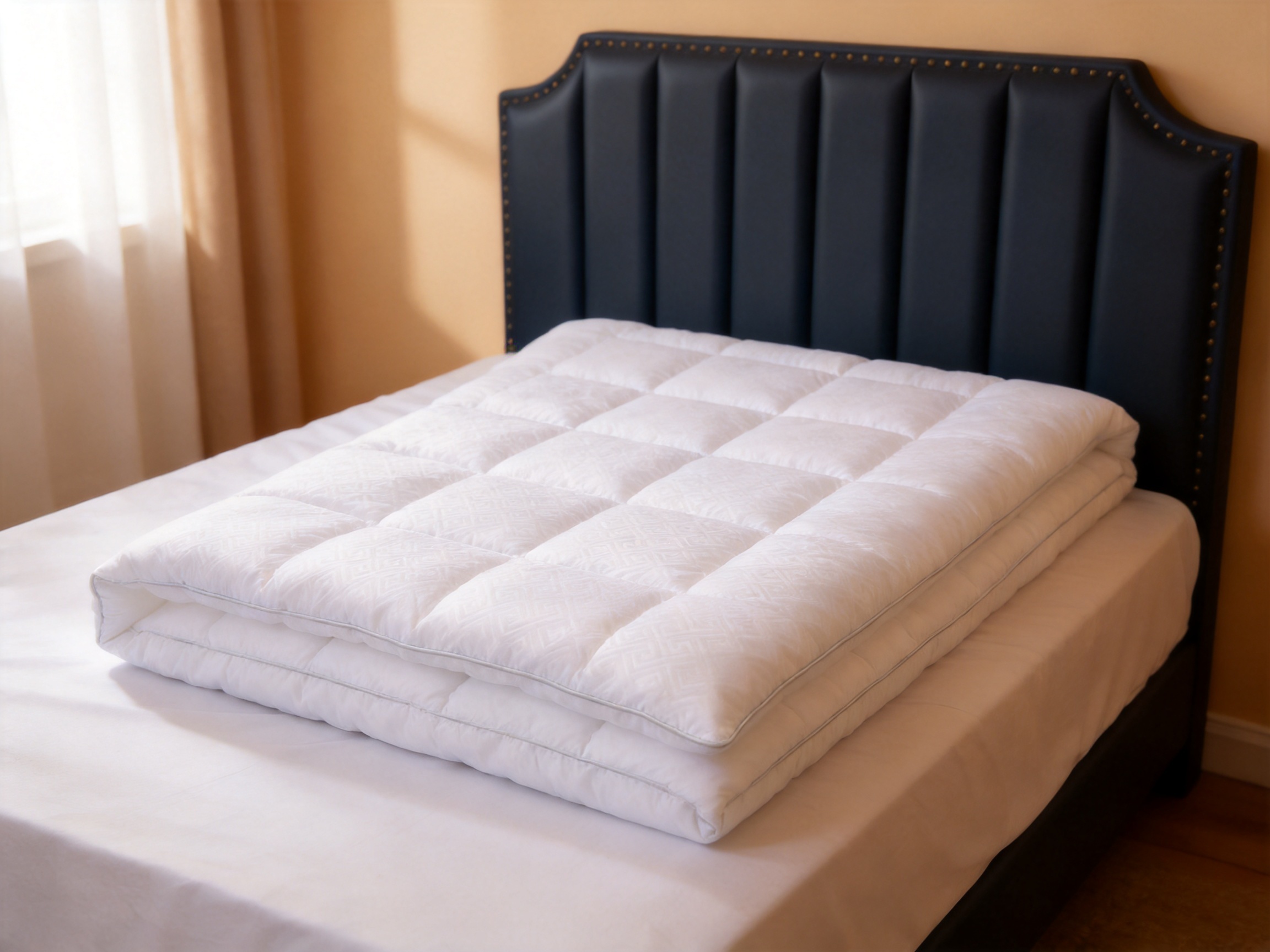
The embossed pattern is one of the product’s most important visual features. A plain quilt can be functional, but a textured or dimensional surface often creates a stronger impression when displayed in a bedroom or retail environment. The jacquard construction provides pattern definition within the fabric, while the embossed effect enhances the perception of depth.
This type of decoration can appeal to consumers who want bedding that looks elegant without being overly ornate. The pattern may complement modern, traditional, minimalist, or transitional interiors depending on the selected color and surrounding décor. Because the design is integrated into the textile surface, it can appear more sophisticated than a simple printed motif.
The embossed texture also provides a tactile difference. When a customer touches the quilt, the pattern becomes part of the product experience rather than remaining only a visual element. This is valuable in retail presentations, showrooms, hospitality purchasing, and catalog photography, where the product must communicate comfort and quality at a glance.
Another advantage is that the decorative treatment supports a premium appearance at a controlled cost. More complex decoration may require additional sewing, embroidery, appliqué, or accessory components. An embossed jacquard surface can create visual richness through fabric development itself, helping manufacturers offer attractive products to customers with price-sensitive requirements.
Advantages Over Common Competitor Options
The Polyester Embossed Brushed Quilt competes with several categories of bedding, including plain polyester quilts, lightweight microfiber quilts, cotton-filled quilts, down-style quilts, and more heavily decorated bedding products. Its advantage is not that it replaces every alternative, but that it offers a well-balanced choice for a specific market need.
Compared with Plain Polyester Quilts
Plain polyester quilts are often selected for their low cost and simple construction. However, their smooth, undecorated surface may provide a basic appearance. The embossed brushed quilt improves on this presentation by adding texture, depth, and a softer surface while retaining the practical benefits of polyester.
For retailers, this can create a stronger shelf or catalog presence. For consumers, it can make an affordable quilt feel more considered and suitable for a finished bedroom. The product therefore provides a design advantage without abandoning the cost benefits of synthetic fiber manufacturing.
Compared with Untreated Synthetic Fabrics
Untreated synthetic fabric can be durable and easy to produce, but it may not always provide the warmest or softest first impression. The brushed finish improves the tactile experience. This is important because bedding is a sensory product: consumers evaluate it through touch, appearance, weight, and perceived warmth.
The brushed surface can also contribute to a more comfortable experience during the first contact with the quilt. This gives the product an advantage in comparison with basic fabrics that feel smooth but less warm or inviting.
Compared with Heavy Natural-Fiber Quilts
Natural-fiber quilts can offer distinctive characteristics, but they may involve higher material costs, more complex sourcing, and greater variability in weight or performance. Some consumers also prefer synthetic bedding for reasons related to care, consistency, or personal material preferences.
The polyester quilt offers a more standardized and economical option. It can be manufactured with consistent specifications and is suitable for buyers seeking predictable pricing and reliable availability. This is particularly valuable for hospitality groups, distributors, project purchasers, and retailers managing repeat orders.
Compared with Highly Decorated Quilts
Embroidered, appliquéd, or heavily embellished quilts may have strong decorative appeal, but additional components and production steps can increase cost. They may also require more care in handling and packaging. The embossed surface of this quilt provides a refined appearance with a comparatively streamlined design approach.
This makes the product appropriate for customers who appreciate elegance but want to avoid unnecessary decorative expense. The design is attractive enough for regular household use while remaining practical for high-volume production and distribution.
Manufacturing Strengths and Production Capability
The product is manufactured by Tongxiang Xinlong Bedding Co., Ltd., a home textile producer established in January 2002. The company is located in Longxiang Industrial Park, Wuzhen Town, Tongxiang City, Zhejiang Province, China. Its long operating history provides experience in developing and producing a broad range of bedding and household textile products.
The company’s product range includes silk cotton quilts, chemical fiber quilts, pillows, cushions, bedspreads, travel quilts, mattress protectors, blankets, quilt and pillowcases, shower curtains, and curtains. This breadth is relevant to the Polyester Embossed Brushed Quilt because it indicates familiarity with different fabric structures, filling materials, sewing techniques, finishing requirements, and product categories.
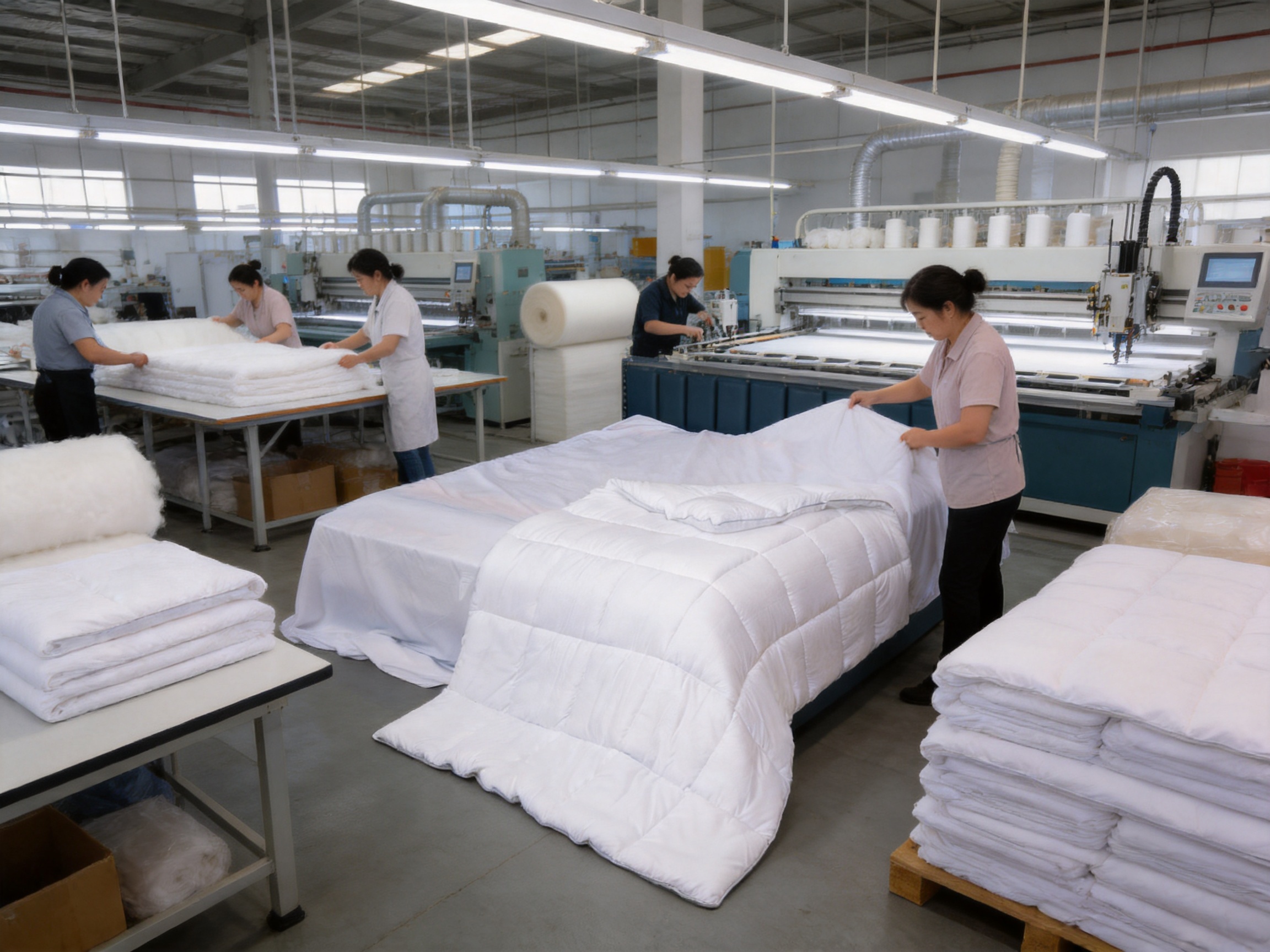
The company covers approximately 21,000 square meters, with a construction area of approximately 18,000 square meters. It employs more than 320 people and is equipped with various production machines and textile manufacturing facilities. A facility of this scale can support coordinated operations across material preparation, fabric handling, filling processing, quilting, sewing, inspection, packing, and shipment preparation.
Manufacturing a quilt consistently requires more than selecting attractive materials. The outer fabric must be inspected for defects, the filling must be opened and distributed evenly, the layers must be aligned, and the quilting or closing process must hold the internal materials securely. Dimensions must remain within an acceptable range, and the final product must be checked for loose threads, irregular seams, stains, and packaging issues.
A company with experience across multiple home textile products can use shared knowledge from one category to improve another. For example, experience with mattress protectors and blankets may support better handling of synthetic fabrics, while experience with pillows and cushions may contribute to filling control and fiber distribution. This cross-category capability can strengthen product development and production flexibility.
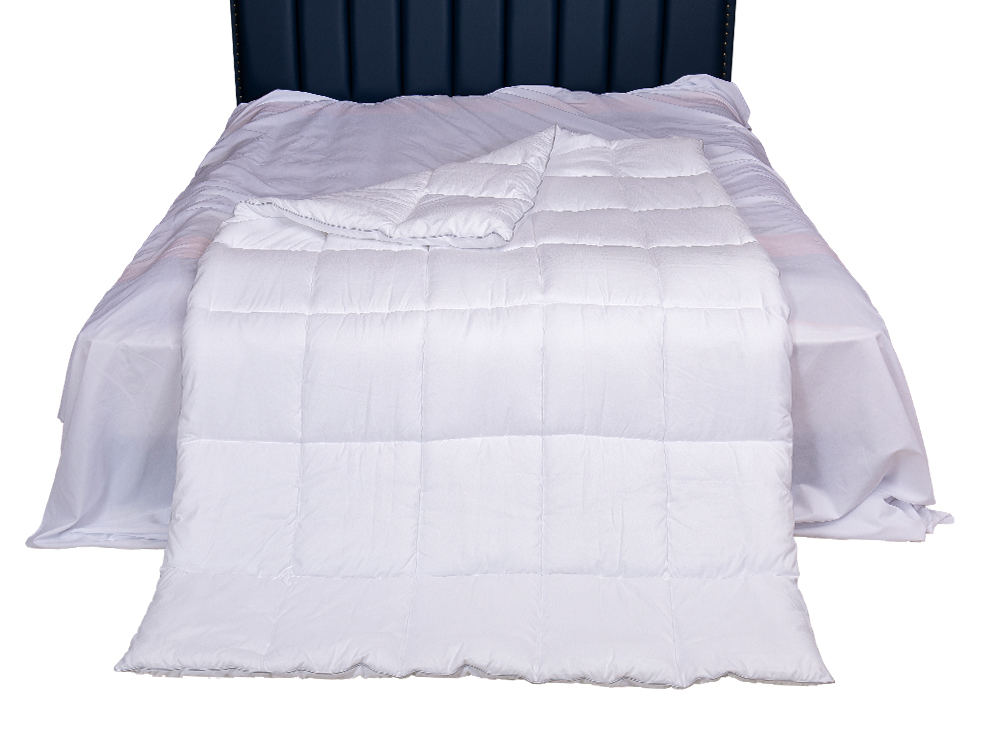
Polyester Embossed Brushed Quilt
Advanced Process Control from Material to Finished Quilt
The manufacturing process begins with material selection and incoming inspection. Polyester jacquard brushed fabric must be checked for color consistency, surface quality, pattern definition, width, and general uniformity. The filling must also be reviewed for cleanliness, softness, fiber quality, and suitability for the specified weight.
Incoming inspection helps reduce the risk of inconsistent production. If fabric rolls vary significantly in shade, texture, or width, the finished quilts may not present a uniform appearance. Similarly, if filling quality changes from one batch to another, the quilt’s loft and hand feel can become inconsistent. Careful material control is therefore the foundation of a dependable final product.
After inspection, the fabric is prepared for cutting or panel formation. Accurate measurement is important because the finished size is 140x200 cm. Cutting equipment and production templates must be managed carefully to reduce dimensional variation and material waste.
The filling is then opened and distributed to create an even layer. Polyester fibers may arrive compressed for transportation or storage, so they need to be loosened and prepared before being inserted into the quilt structure. This stage influences the product’s softness, fullness, and warmth. Uneven distribution can lead to thin sections and an irregular surface, so production personnel must monitor the filling layer closely.
The fabric and filling layers are assembled before quilting or securing. Quilting helps connect the outer layers and maintain the position of the filling during normal use. It also contributes to the finished appearance by creating a consistent surface structure. The stitching pattern must be sufficiently secure while remaining visually appropriate for the embossed fabric.
Edge finishing is another important process. The perimeter should be closed cleanly so that the filling remains inside the quilt and the product can withstand routine handling. Corners and seams require particular attention because they may experience additional stress during folding, packaging, laundering, and use.
After sewing, finished quilts should undergo inspection. Typical checks may include size measurement, fabric appearance, stitch integrity, filling distribution, surface cleanliness, label placement, and packaging accuracy. Although the exact inspection system may vary by order, disciplined checking helps protect product consistency and customer confidence.
The final stage is folding and packaging. A quilt that is neatly folded and correctly packed is easier to store, transport, display, and sell. Packaging also protects the product from dust and handling damage during shipment. Efficient packaging design can support better logistics while preserving the quilt’s presentation for the customer.
Quality Management and Responsible Production
The company reports certification and compliance credentials including ISO 9001, ISO 14001, OEKO-TEX-related certification, OEKO-STEP, GRS, and BSCI. These certifications and systems represent important areas of quality management, environmental management, material responsibility, workplace standards, and social compliance. Specific certification scope should always be confirmed for the relevant facility, product, material, and purchase order.
ISO 9001 is associated with quality management systems. In a bedding factory, a quality management approach can support documented procedures, responsibility allocation, process monitoring, corrective action, and continual improvement. These principles are relevant to quilt production because product quality depends on consistency at many stages rather than on final inspection alone.
ISO 14001 is associated with environmental management systems. For textile production, environmental management may involve resource use, waste handling, energy management, chemical controls, and operational improvement. Responsible environmental practices can benefit manufacturers and buyers by encouraging more systematic control of production impacts.
OEKO-TEX-related standards are commonly associated with testing textiles and components for certain harmful substances. Buyers should review current documentation and product-specific test reports when chemical safety is a purchasing requirement. The company’s stated certification portfolio demonstrates an awareness of international expectations in the home textile market.
GRS is associated with recycled materials and chain-of-custody requirements where applicable. If recycled polyester or other certified inputs are requested, the exact material composition and certification scope should be agreed during product development. This distinction is important because a company may hold a certification while an individual product requires separate confirmation.
BSCI is associated with social compliance and responsible working conditions. A factory’s attention to social standards can be significant for international buyers who must evaluate supplier ethics, workplace practices, and responsible sourcing. These considerations are increasingly important alongside price, design, and delivery performance.
The company also states that it has been rated as a safety production standardization enterprise for several consecutive years since 2016. Workplace safety supports operational continuity and protects employees. It can also contribute to a more stable manufacturing environment, which is valuable for long-term supply relationships.
Why Factory Experience Matters to Buyers
For a buyer, selecting a quilt supplier involves more than evaluating one sample. The supplier must be able to reproduce the sample, maintain agreed specifications, communicate about materials, support packaging requirements, and respond to quality concerns. Factory experience helps reduce uncertainty in these areas.
A manufacturer that has operated since 2002 has had time to develop experience with seasonal demand, material procurement, product adjustments, export preparation, and customer-specific requirements. This does not eliminate the need for inspections or clear specifications, but it can provide a stronger foundation for reliable cooperation.
The company’s broad home textile product portfolio may also make it a useful partner for buyers seeking product-category expansion. A customer who begins with quilts may later require pillows, cushions, mattress protectors, blankets, bedspreads, or related items. Working with a supplier that already understands these categories can simplify communication and support coordinated sourcing.
Product development can also benefit from a factory’s technical personnel. The company states that it is equipped with professional and technical staff to design and produce fashionable and warm household products. In practice, technical support may include fabric selection, filling recommendations, pattern development, size adjustment, quilting layout, packaging design, and sample revision.
These capabilities are particularly useful when a buyer wants to adapt the Polyester Embossed Brushed Quilt for a specific market. Potential adjustments may include color, embossed pattern, filling weight, dimensions, edge treatment, label, packaging, and order quantity. The feasibility of each adjustment should be confirmed through sampling and technical review.
Value-Oriented Product Positioning
The product is explicitly suitable for customers who want to save money. Value-oriented does not have to mean unattractive or uncomfortable. The central objective is to allocate material and production costs toward features that customers notice and use most: a soft surface, adequate warmth, reliable filling, attractive appearance, and practical dimensions.
The use of polyester supports cost control and production consistency. The jacquard embossed finish adds visual value without necessarily requiring expensive decorative accessories. The 300gsm synthetic filling provides useful warmth without the higher cost that can accompany some premium natural materials. Together, these choices create a product positioned between a very basic quilt and a high-priced luxury quilt.
For retailers, this positioning can support several market segments. The quilt may be offered as an entry-level decorative bedding product, a seasonal promotion, a guest-room item, a student or rental-home essential, or an affordable replacement quilt. Its appearance allows it to participate in collections where plain utility products may appear too basic.
For hospitality and institutional purchasers, the balance of price and performance can be especially relevant. Buyers often need products that are comfortable, presentable, manageable in quantity, and suitable for repeated handling. Synthetic quilts can offer predictable specifications and practical procurement advantages, although laundering and use requirements should be evaluated for each application.
Functional Applications
Single Bedrooms
The 140x200 cm size is suitable for single beds and individual sleeping spaces. It can provide a complete covering for one sleeper while remaining easy to fold and store. The embossed design can complement bedroom décor without requiring a separate decorative bedspread.
Guest Rooms
Guest rooms benefit from bedding that looks clean, comfortable, and presentable. The brushed surface and embossed pattern help create a welcoming impression. The moderate size also allows housekeeping staff to handle the product efficiently.
Student and Rental Housing
Students and renters often need bedding that offers comfort and visual appeal without a high purchase price. A polyester quilt can be an appropriate option because it is practical, adaptable, and easy to combine with existing sheets and blankets.
Seasonal Retail Collections
The product can be included in autumn and winter collections or marketed as a transitional-season quilt. Its surface texture and warm filling support seasonal merchandising, while its cost profile allows retailers to offer an accessible price point.
Additional Bedding Layers
The quilt can be used as an additional layer when a single blanket is not sufficient. Its manageable weight makes it convenient to place over a duvet or under another cover, depending on personal preference and room conditions.
Care, Storage, and Product Longevity
Proper care can help preserve the quilt’s appearance and performance. Buyers should follow the care instructions supplied with the final product because recommended washing methods may depend on the specific fabric finish, quilting construction, labeling requirements, and packaging configuration.
Before washing, the quilt should be checked for open seams, loose threads, or damage. Treating small issues early can help prevent them from becoming more serious during laundering. The product should also be washed with compatible items and should not be overloaded into a machine that is too small for its dimensions.
Gentle washing and appropriate detergent can help protect the brushed surface and embossed appearance. Excessively aggressive washing, harsh chemicals, or very high heat may affect the fabric, stitching, or filling. Drying should be completed thoroughly because retained moisture can create an unpleasant odor and reduce comfort.
After drying, the quilt can be gently shaken or spread flat to help restore its loft. If it is stored for an extended period, it should be clean and fully dry before folding. Storage in a breathable textile bag or suitable protective packaging can help reduce exposure to dust and moisture.
Compression may be useful for transportation, but long-term storage under heavy compression can reduce the apparent loft of some fillings. Allowing the quilt to rest and expand after unpacking can help restore its normal shape. Retailers should also store packaged products in a dry, clean environment away from direct sunlight and excessive heat.
Because the quilt uses a brushed surface, repeated friction against rough surfaces should be minimized. Careful handling during merchandising and housekeeping can help maintain the attractive appearance of the embossed pattern.
Purchasing and Quality Evaluation Considerations
Professional buyers should evaluate a sample before confirming a large order. The sample should be reviewed for color, pattern clarity, hand feel, filling distribution, edge finishing, quilting security, dimensions, labeling, and packaging. If the product will be sold under a private label, the label and packaging should also be checked for regulatory and market requirements.
Size tolerance should be agreed in advance. A stated size of 140x200 cm should be supported by a documented measurement method and acceptable tolerance range. Buyers should clarify whether measurements are taken before or after washing, whether the quilt is measured flat, and how filling loft may influence the result.
Fabric weight and filling weight should also be defined clearly. The specification lists 90gsm fabric and 300gsm filling, but the buyer should confirm whether these figures refer to nominal values, average values, or target values. Clear technical documentation helps prevent misunderstandings between sample approval and bulk production.
Pattern and color approval are important for embossed products. The appearance may vary depending on lighting, dye lot, fabric tension, and photography. A physical or digitally approved reference should be retained for production comparison. Multiple colors should be reviewed individually because the same embossed design may appear differently across shades.
Packaging requirements should cover folding method, bag or carton type, carton dimensions, quantity per carton, barcode placement, labeling language, and shipping marks. Correct packaging can reduce damage and improve warehouse efficiency.
Buyers who require specific certifications, recycled content, restricted-substance testing, or social compliance documentation should request current and relevant documents before order confirmation. Certification details should match the actual manufacturing site and product scope wherever applicable.
Customization Possibilities
The base specification provides a clear starting point for customization. Depending on order quantity, equipment, and technical feasibility, buyers may discuss changes to color, jacquard pattern, quilting pattern, filling composition, filling weight, size, edge binding, label, and packaging.
Color customization can help a retailer coordinate the quilt with a broader bedding collection. Neutral colors may suit minimalist or hospitality environments, while seasonal colors can support promotional collections. Colorfastness and production consistency should be evaluated during sampling.
Pattern customization can create a more distinctive product identity. Buyers may choose a subtle embossed structure for understated interiors or a stronger pattern for decorative retail presentation. The pattern should remain compatible with the brushed fabric and should not compromise the quilt’s flexibility or comfort.
Filling adjustments may be considered for different climates or market segments. A lower filling weight may suit warmer regions or summer use, while a higher filling weight may be preferred for colder conditions. Any change should be tested for loft, warmth, weight, quilting stability, and packaging dimensions.
Size customization may be useful when the target market uses different bed standards. The 140x200 cm format is suitable for a single bed, but buyers may require other dimensions for regional retail or hospitality projects. New sizes should be sampled because changes in dimensions can affect filling distribution and quilting layout.
Private-label packaging can help retailers create a consistent brand presentation. Packaging may include product information, care instructions, material composition, size, country-of-origin details, and required compliance marks. All information should be reviewed for accuracy before mass printing.
Sustainability and Material Responsibility
Polyester bedding should be evaluated within a broader material and product-lifecycle context. Synthetic fibers can offer long service life, consistent production, and resistance to certain forms of wear. A quilt that remains usable for a longer period may reduce the frequency of replacement.
At the same time, buyers may have sustainability requirements related to recycled content, manufacturing impact, packaging, and end-of-life disposal. The company’s stated GRS-related certification may be relevant when certified recycled materials are requested, but buyers should confirm whether the specific quilt uses certified recycled polyester and obtain the appropriate documentation.
Environmental management systems can encourage manufacturers to monitor resource use, waste, emissions, and operational controls. The company’s stated ISO 14001 certification indicates that environmental management is included in its reported management framework. Buyers may request further information about the specific practices relevant to their project.
Packaging choices can also influence sustainability. Efficient folding and carton utilization can reduce transportation volume. Recyclable or reduced packaging may be considered when it meets protection, labeling, and retail requirements. Any packaging change should balance environmental objectives with moisture protection, cleanliness, and product presentation.
Responsible sourcing also includes labor and workplace conditions. The company’s stated BSCI-related compliance reflects attention to social responsibility expectations. Buyers should conduct their own supplier assessment according to the requirements of their market, organization, and customers.
Company Infrastructure and Industry Experience
Tongxiang Xinlong Bedding Co., Ltd. has specialized in home textile products for more than two decades. Its history, workforce, factory area, technical personnel, equipment, and certification portfolio form the foundation behind the Polyester Embossed Brushed Quilt.
The company’s location in Tongxiang, Zhejiang Province places it within an important Chinese textile manufacturing region. Access to textile materials, production services, technical resources, and logistics can support efficient development and manufacturing. Regional industry concentration may also provide opportunities for material sourcing and supply-chain coordination.
The company’s reported workforce of more than 320 employees supports the idea of an organized manufacturing operation rather than a small workshop focused on a narrow product range. Different responsibilities can be assigned to production, quality control, product development, administration, packing, and customer coordination.
Its manufacturing purpose is centered on quality and continual improvement. This approach is appropriate for bedding because customer satisfaction depends on repeated consistency. A single attractive sample is not enough; the same level of fabric quality, filling distribution, sewing, dimensions, and packaging must be maintained across production batches.
Experience in quilts, pillows, mattress protectors, blankets, cushions, curtains, and other household textiles can also strengthen innovation. The company can draw upon knowledge of different materials and applications when developing new products or adapting existing designs.
Why This Quilt Is a Practical Competitive Choice
The Polyester Embossed Brushed Quilt is competitive because it addresses several purchasing priorities simultaneously. It provides a soft and comfortable surface, practical warmth, a decorative embossed appearance, a manageable single-bed size, and a value-oriented material structure.
Many products excel in one area while compromising another. A very low-cost quilt may appear plain or feel less comfortable. A luxury quilt may provide premium materials but exceed the budget of everyday consumers. A heavily decorated product may look attractive but involve greater cost and more complicated care. This quilt is designed to occupy a useful middle position.
Its brushed fabric improves comfort. Its jacquard embossed structure improves appearance. Its 3D and 6D polyester filling supports warmth and loft. Its synthetic construction contributes to stable manufacturing and accessible pricing. Its factory origin provides access to established production experience and a broad home textile capability.
For distributors and retailers, the product can be positioned as an affordable decorative quilt. For hospitality and project buyers, it can be considered as a practical, presentable bedding layer. For consumers, it offers a comfortable and visually attractive solution for everyday use.
Recommended Product Messaging
Marketing communication should present the quilt accurately and focus on benefits that can be supported by the specification. Suitable themes include brushed softness, embossed elegance, practical warmth, value-oriented comfort, single-bed suitability, and synthetic filling resilience.
Retail descriptions can explain that the jacquard embossed surface creates visual depth while the brushed finish provides a softer touch. The filling can be described as a 300gsm blend of 3D and 6D polyester fibers designed for comfortable warmth and loft.
For business buyers, communication can emphasize manufacturing consistency, product development experience, factory capacity, quality systems, certification documentation, and customization possibilities. These points are often more relevant to professional procurement than decorative language alone.
Claims should remain specific and responsible. The product should not be described as suitable for every climate, completely maintenance-free, or equivalent to premium natural fillings unless independent testing and product documentation support those statements. Accurate communication protects both the supplier and the buyer.
Q&A
What is the size of the Polyester Embossed Brushed Quilt?
The listed size is 140x200 cm. This format is generally suitable for a single bed or an individual sleeper. Buyers requiring other dimensions should discuss customized sizing during product development.
What fabric is used on the outside?
The outer fabric is listed as 90gsm polyester jacquard brushed fabric. It combines a textured jacquard structure with a brushed finish intended to improve softness and surface comfort.
What is the quilt filled with?
The filling is specified as 300gsm 3D + 6D polyester. This combination is intended to provide a soft, lofty, and warm interior while supporting practical cost control.
Is the quilt designed for customers with a limited budget?
Yes. The product is specifically described as suitable for customers who want to save money. Its polyester materials, efficient decorative construction, and practical filling help create a balance between affordability and comfort.
Does the embossed pattern affect comfort?
The embossed pattern primarily contributes to appearance and texture. The brushed surface provides the main soft-touch benefit, while the filling supports warmth and cushioning. The finished comfort will also depend on quilting construction and the user’s preferred bedding layers.
Is this quilt suitable for winter?
The 300gsm filling provides useful warmth, but suitability depends on room temperature, local climate, personal preference, and other bedding layers. It is best positioned as a practical warm quilt for cool conditions and transitional seasons rather than as a guarantee for every severe winter environment.
Can the product be customized?
Potential customization may include color, pattern, size, filling weight, quilting arrangement, labels, and packaging. The available options depend on order quantity, material availability, production requirements, and sample approval.
What should buyers inspect before placing a bulk order?
Buyers should inspect fabric appearance, softness, pattern clarity, filling distribution, dimensions, stitching, edges, labels, packaging, and compliance documentation. A written specification and approved sample should be used as the reference for bulk production.
What company manufactures the quilt?
The product is manufactured by Tongxiang Xinlong Bedding Co., Ltd., a Chinese home textile producer established in 2002. The company produces quilts, pillows, cushions, blankets, mattress protectors, bedspreads, curtains, and other household textile products.
Does the company have quality and compliance systems?
The company reports certifications and compliance credentials including ISO 9001, ISO 14001, OEKO-TEX-related certification, OEKO-STEP, GRS, and BSCI. Buyers should request current documents and confirm the scope applicable to the specific product and order.
How should the quilt be stored?
The quilt should be stored clean and fully dry in a clean, dry environment. A breathable protective bag is preferable for longer storage. Extended heavy compression should be avoided when possible because it may reduce the filling’s apparent loft.
Can it be used in hospitality projects?
It may be considered for guest rooms, rental properties, student housing, and other value-oriented accommodation settings. Buyers should evaluate laundering frequency, required durability, safety standards, packaging, and replacement schedules for their specific application.
Conclusion
The Polyester Embossed Brushed Quilt offers a well-rounded answer to the demand for attractive, comfortable, and affordable bedding. Its 90gsm polyester jacquard brushed fabric creates a soft and inviting surface, while the embossed pattern adds visual depth and a more refined appearance. The 300gsm 3D and 6D polyester filling provides practical warmth, softness, and loft without making the product unnecessarily heavy or expensive.
Its 140x200 cm size makes it especially appropriate for single beds, compact bedrooms, guest rooms, rental properties, student housing, and seasonal bedding collections. The quilt can be used independently or combined with other layers, giving users flexibility across different room conditions and personal comfort preferences.
Compared with plain polyester quilts, untreated synthetic bedding, heavily decorated products, and some higher-cost natural-fiber alternatives, this quilt provides a strong balance of appearance, comfort, warmth, manufacturing efficiency, and price. Its embossed brushed construction creates added value through fabric design rather than excessive ornamentation.
The product is supported by a manufacturer with a long history in home textile production, a substantial factory operation, more than 320 employees, broad category experience, technical personnel, advanced equipment, and reported international quality, environmental, material, and social compliance credentials. These strengths provide a useful foundation for buyers seeking both a finished product and a capable long-term manufacturing partner.
For customers who want practical comfort and decorative appeal at an accessible price, the Polyester Embossed Brushed Quilt is a competitive and versatile home textile choice.
References
1. Product specification supplied for the Polyester Embossed Brushed Quilt, including size, fabric, filling, product category, and product description.
2. Company information supplied for Tongxiang Xinlong Bedding Co., Ltd., including establishment history, factory area, workforce, product range, and manufacturing capabilities.
3. ISO 9001 quality management system principles and related quality-control practices.
4. ISO 14001 environmental management system principles for manufacturing organizations.
5. OEKO-TEX textile safety and harmful-substance testing principles.
6. Global Recycled Standard principles concerning recycled materials and chain-of-custody management.
7. BSCI-related principles concerning social compliance and responsible workplace practices.
8. General textile manufacturing practices for fiber preparation, filling distribution, quilting, sewing, inspection, packaging, and product quality control.


 +86-573-88798028