



 Français
 Español
 Deutsch
Content
- 1 What Is a Poly-Cotton Mattress Protector?
- 2 Core Product Specifications
- 3 Advantages of the Cotton-Polyester Fabric Blend
- 4 The Role of 200gsm 6D Polyester Filling
- 5 Classic Diamond Quilting and Its Functional Benefits
- 6 How This Product Compares with Common Alternatives
- 7 Manufacturing Strengths Behind the Product
- 8 Quality Management and Certification Awareness
- 9 Benefits for Retailers and Private-Label Buyers
- 10 Applications Across Different Markets
- 11 Care, Washing, and Product Longevity
- 12 Customization Options and Buyer Considerations
- 13 Why Manufacturing Location and Experience Matter
- 14 Responsible Product Positioning
- 15 Quality Checklist for Professional Buyers
- 16 Frequently Asked Questions
- 16.1 What is the standard size of this mattress protector?
- 16.2 What is the fabric composition?
- 16.3 What type of filling is used?
- 16.4 What does the diamond quilting do?
- 16.5 Is the mattress protector waterproof?
- 16.6 Is it suitable for summer?
- 16.7 Can the product be customized for different beds?
- 16.8 Is the product suitable for hotels?
- 16.9 How does it compare with a mattress topper?
- 16.10 What certifications are associated with the manufacturer?
- 16.11 Can matching bedding products be sourced from the same company?
- 16.12 What should buyers confirm before ordering?
- 17 Conclusion
- 18 References
- 19 Product: Poly-Cotton Mattress Protector

A mattress protector is one of the most practical additions to a well-made bed. It helps preserve the mattress, improves sleeping comfort, simplifies routine washing, and gives bedding manufacturers, retailers, hospitality suppliers, and private-label brands a dependable product for year-round use. The Poly-Cotton Mattress Protector described in this article is designed around these essential needs. It combines a balanced cotton-polyester surface, a soft 200gsm 6D polyester filling, and classic diamond quilting to create a practical protective layer for residential and commercial bedding applications.
Manufactured by Tongxiang Xinlong Bedding Co., Ltd., this mattress protector is suitable for customers looking for a comfortable, easy-care, and customizable bedding product. Its standard specification is 160 x 200 cm, while dimensions can be adjusted according to customer requirements. The combination of 35% cotton and 65% polyester gives the cover a useful balance between natural softness, durability, dimensional stability, and manageable production cost.
Unlike a basic, unfilled mattress sheet, this product adds a quilted cushioning layer between the sleeper and the mattress. Unlike some highly specialized protectors, it focuses on practical everyday comfort and easy maintenance rather than unnecessary complexity. Its classic appearance, flexible sizing, and straightforward construction make it suitable for spring and summer collections, guest rooms, student accommodation, rental housing, hotels, and general home textile ranges.
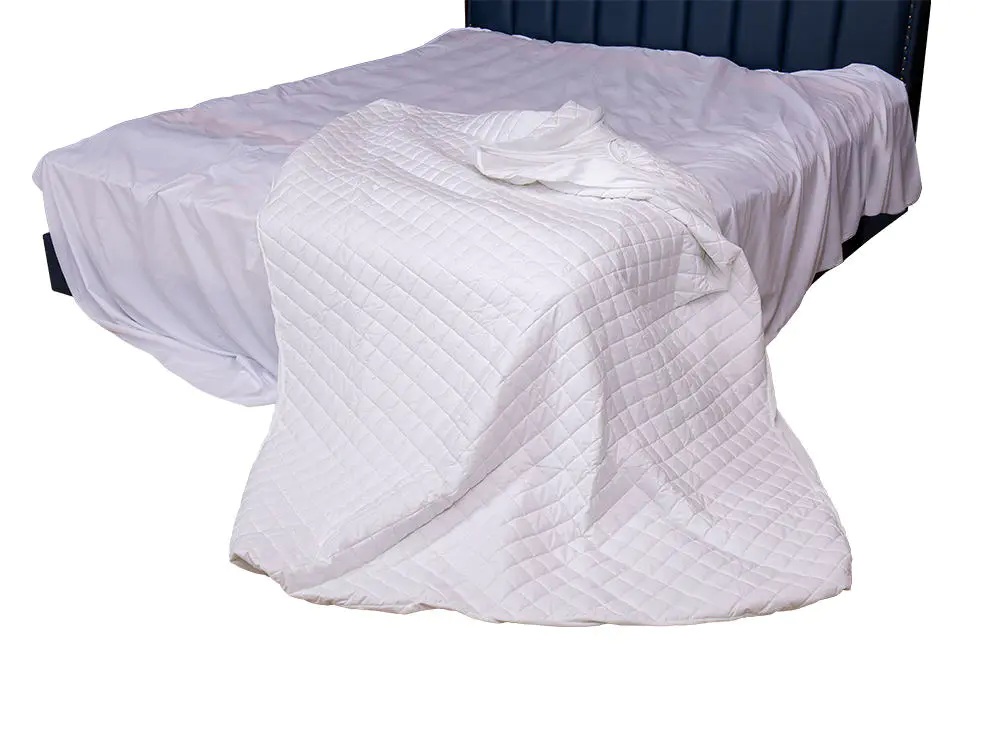
Poly-Cotton Mattress Protector
What Is a Poly-Cotton Mattress Protector?
A poly-cotton mattress protector is a quilted bedding layer designed to sit over a mattress and beneath the fitted sheet. It provides a cleaner, more comfortable interface for sleeping while helping reduce the direct exposure of the mattress to dust, perspiration, skin oils, accidental spills, and everyday wear. The protector is not intended to replace a waterproof mattress encasement in applications where complete liquid impermeability is required. Instead, it is a breathable and comfortable textile layer that adds practical protection and gentle padding.
The featured product uses a fabric blend of 35% cotton and 65% polyester. Cotton contributes a familiar natural hand feel and helps the surface feel comfortable against the body. Polyester contributes strength, wrinkle resistance, color stability, faster drying, and improved resistance to repeated household washing. The blend is particularly useful for products that need to balance comfort with durability and cost efficiency.
The filling is 200gsm 6D polyester. GSM means grams per square meter and indicates the weight of the filling material. A 200gsm filling offers visible softness and light cushioning without making the protector excessively thick or heavy. The 6D polyester fiber construction supports a lofted, resilient feel that is appropriate for warm-weather and transitional-season bedding.
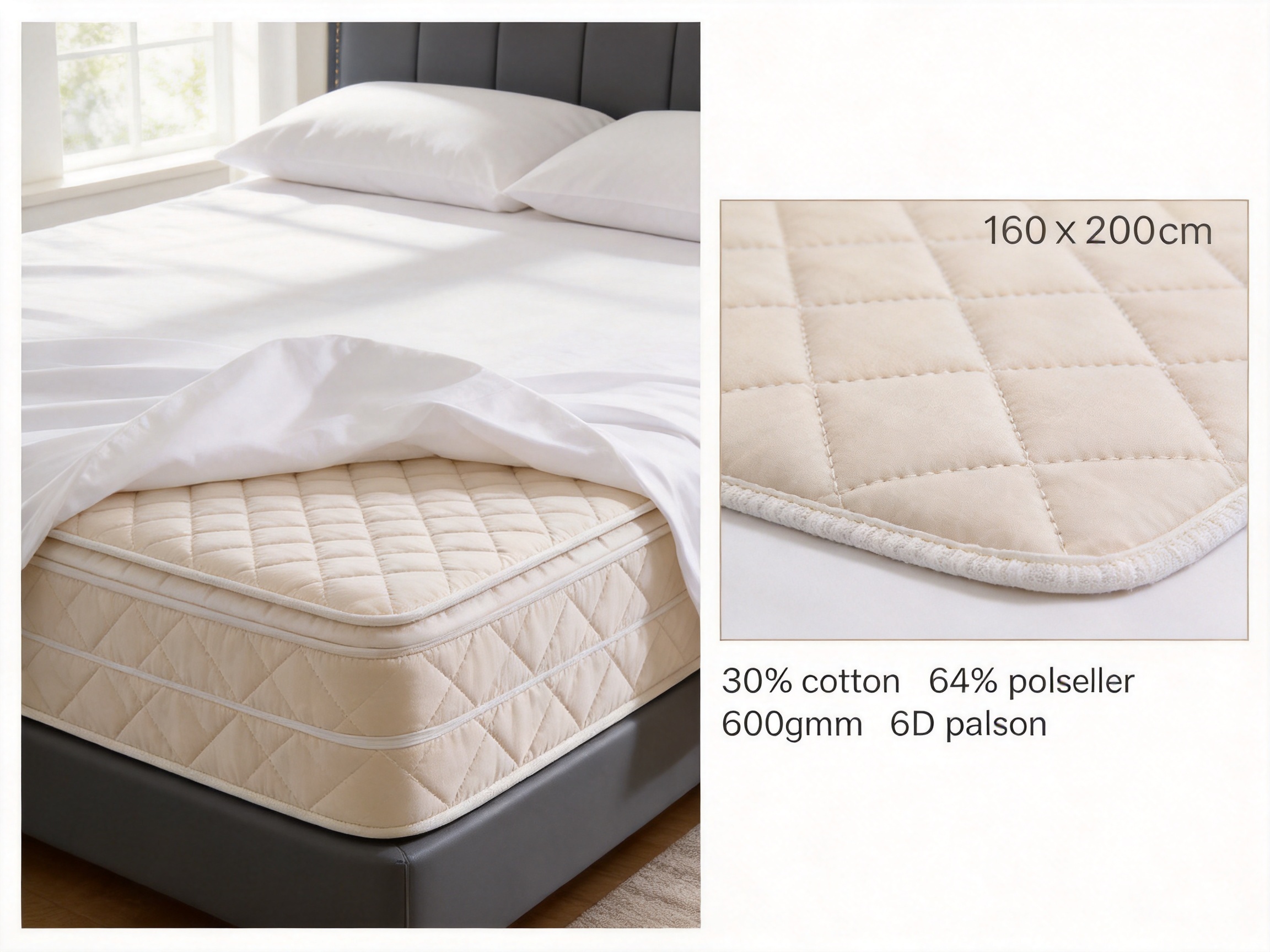
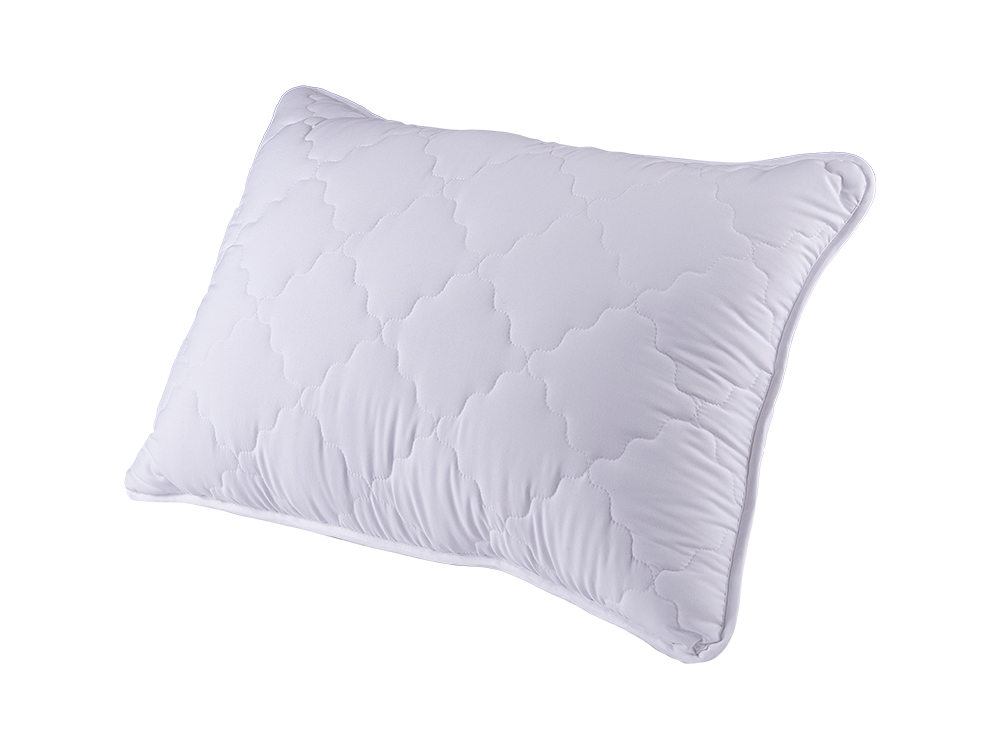
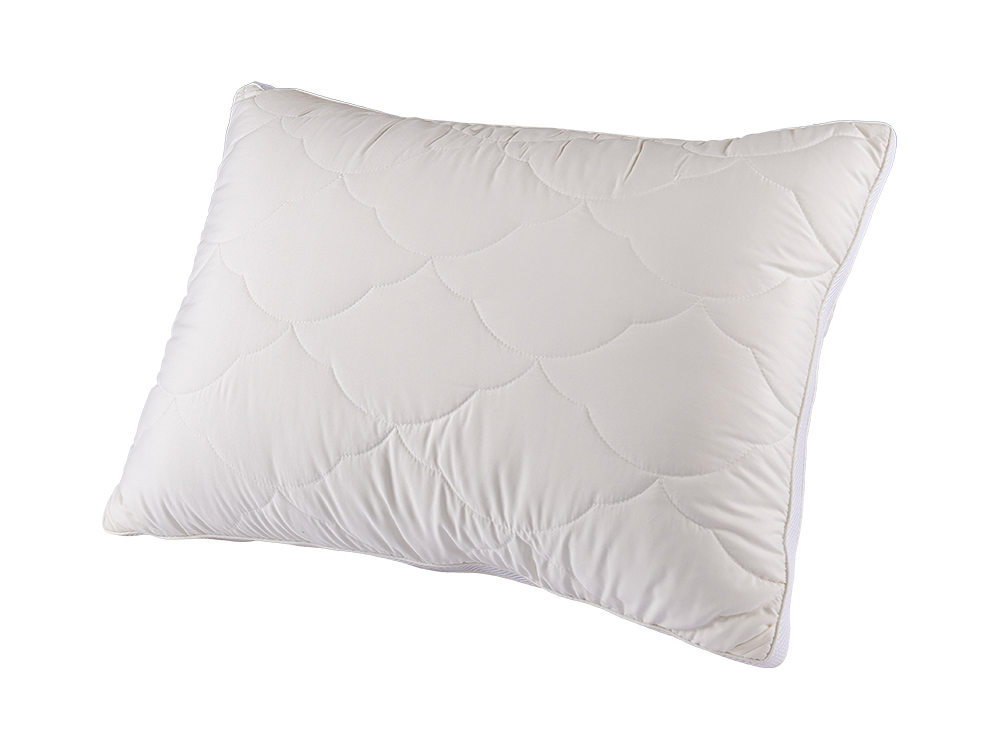
The protector is finished with classic diamond quilting. Quilting joins the top fabric, filling, and backing through a regular stitched pattern. This construction helps distribute the filling evenly across the surface and reduces the likelihood of excessive shifting during use or washing. The diamond design also gives the product a familiar, clean, and commercially appealing appearance.
Core Product Specifications
The following table summarizes the standard information provided for this mattress protector.
| Specification | Details |
|---|---|
| Product title | Poly-Cotton Mattress Protector |
| Product category | Poly/Cotton Mattress Protector |
| Standard size | 160 x 200 cm |
| Surface fabric | 35% cotton, 65% polyester |
| Filling | 200gsm 6D polyester |
| Construction | Classic diamond quilting |
| Customization | Size can be customized according to customer requirements |
| Recommended use | Residential bedding, guest rooms, hotels, rental housing, dormitories, and retail bedding collections |
The 160 x 200 cm specification is a practical standard for many full or double-bed applications in international markets. However, mattress dimensions differ by country, region, and supplier. The ability to customize the size allows importers and bedding brands to develop products for local mattress standards, contract projects, and private-label collections.
Advantages of the Cotton-Polyester Fabric Blend
Choosing the right cover fabric is central to the performance of a mattress protector. A fully natural cotton construction can offer a pleasant hand feel, but it may be more susceptible to shrinkage, wrinkling, slower drying, and higher production costs depending on the yarn and finishing method. A fully synthetic fabric can offer excellent durability and easy care, but some customers may prefer the familiar comfort associated with cotton. A cotton-polyester blend addresses these competing requirements in a balanced way.
Comfortable Surface Feel
The 35% cotton content gives the surface a softer and more natural tactile quality than many basic polyester-only fabrics. Cotton is widely recognized in bedding because it feels comfortable, familiar, and suitable for direct contact with sheets and sleepers. In a quilted protector, the filling and stitching further soften the overall hand feel.
Improved Durability
The 65% polyester content helps the protector withstand the repeated handling associated with bedding products. Polyester fibers are valued for their tensile strength, abrasion resistance, and ability to retain their structure over time. These properties are important when the product is washed frequently or used in accommodation settings where bedding is changed regularly.
Practical Care Characteristics
Polyester generally dries faster than cotton and is less likely to develop heavy wrinkling after washing. This makes a blended protector easier to return to service after laundering. Faster drying can be especially useful in humid regions, high-turnover hospitality environments, and homes without large drying spaces.
Balanced Commercial Value
A cotton-polyester blend can help manufacturers and buyers achieve a desirable balance between comfort, product life, and price. It provides an accessible product position for customers who want something more substantial than a simple mattress sheet but do not necessarily require premium natural fibers or specialized waterproof membranes.
The Role of 200gsm 6D Polyester Filling
Filling determines much of a quilted protector’s softness, loft, weight, and seasonal suitability. The 200gsm 6D polyester filling used in this product gives it a moderate, comfortable profile. It creates a cushioned surface without the excessive bulk that can make a protector difficult to wash, fold, pack, or store.
The 6D designation refers to the fiber denier, a measurement associated with fiber thickness. In practical product development, the selected fiber specification influences the texture, resilience, and loft of the filling. Polyester filling is widely used in home textiles because it is lightweight, easy to handle, relatively quick to dry, and suitable for repeated manufacturing and laundering processes.
A 200gsm weight is versatile. It can add a soft buffer to a firm mattress while remaining appropriate for spring and summer use. It is also suitable for customers who want gentle cushioning rather than a thick mattress topper. The filling is distributed through diamond quilting so that the protector maintains a consistent feel across the sleeping surface.
Light Cushioning Without Excessive Thickness
Some mattress toppers are designed to significantly alter the feel of a mattress. A protector serves a different purpose. It should improve comfort while preserving the general support characteristics of the mattress beneath it. The moderate 200gsm filling offers a useful middle ground: enough loft to soften the contact surface, but not so much that the protector becomes difficult to fit under a sheet.
Suitable for Seasonal Bedding
The product description identifies the protector as popular for spring and summer. Its moderate filling and blended cover make it appropriate for customers who want a quilted layer without the warmth of a heavy winter mattress pad. It can also be incorporated into layered bedding systems, where additional blankets or quilts are added according to room temperature.
Efficient Storage and Distribution
A medium-weight protector is easier to fold, package, transport, and store than a bulky high-loft product. This can help retailers and distributors manage warehouse space and shipping arrangements. For private-label programs, the practical profile also allows the product to be presented in compact packaging while retaining a visibly quilted appearance when opened.
Classic Diamond Quilting and Its Functional Benefits
Diamond quilting is more than a decorative surface treatment. The stitch pattern connects the upper fabric, filling, and backing into a unified structure. This helps prevent the filling from accumulating in one area and leaving other areas thin. Even distribution is important because a mattress protector is exposed to pressure and movement across the full sleeping surface.
The repeated diamond pattern also creates a recognizable bedding appearance. It is classic enough to fit traditional home textile collections while remaining simple enough for contemporary bedrooms. Retailers can position it as a practical everyday product, and contract buyers can use it in guest rooms without introducing a visually distracting design.
Improved Filling Stability
Without sufficient quilting, loose filling may shift during use, especially when the protector is folded, fitted, or washed. Quilting creates controlled compartments that help maintain the distribution of the polyester fibers. Although normal care is still necessary, the stitched structure supports better long-term consistency than an unquilted loose-fill layer.
Consistent Surface Appearance
The diamond pattern provides a regular visual rhythm across the product. This supports quality presentation in retail photography, showroom displays, catalogues, and hospitality procurement samples. A consistent pattern also makes it easier for manufacturers to maintain a repeatable product identity across different sizes.
Enhanced Tactile Comfort
Quilting gives the surface a gently raised texture that can feel softer and more comfortable than a flat, unfilled fabric layer. Combined with the 200gsm polyester filling, it creates a cushioned sleeping surface while preserving the practical function of a mattress protector.
How This Product Compares with Common Alternatives
Customers evaluating mattress protectors may encounter several different categories, including flat cotton pads, polyester-only protectors, waterproof protectors, thick mattress toppers, and premium natural-fiber pads. The Poly-Cotton Mattress Protector occupies a practical middle position within this range.
Compared with a Basic Flat Sheet
A flat sheet mainly covers the mattress and can be removed for washing, but it does not provide meaningful cushioning. The quilted protector adds a filling layer and a stitched construction, creating a more substantial barrier between the sleeper and the mattress. It can therefore improve comfort while also helping preserve the mattress surface.
Compared with a Polyester-Only Protector
A polyester-only protector may offer strong easy-care performance and competitive pricing. However, the cotton content in this product can provide a more natural hand feel and a more balanced textile character. For buyers who want synthetic durability without giving up all of the familiar comfort of cotton, the blended construction may be more appealing.
Compared with a Waterproof Protector
Waterproof protectors often use a membrane or coated layer to resist liquid penetration. They are useful for childcare, healthcare, hospitality, and other applications where liquid protection is a primary requirement. However, some waterproof constructions may feel less breathable or less textile-like. The featured protector is better suited to customers who prioritize soft quilted comfort, routine washability, and a traditional bedding feel rather than full waterproof performance.
Compared with a Thick Mattress Topper
A thick topper is generally designed to change the firmness or pressure-relief characteristics of a mattress. It may contain substantial foam, fiber, wool, or other filling. The Poly-Cotton Mattress Protector is lighter and more practical for daily handling. It provides moderate cushioning and protection without turning into a separate sleep surface that requires specialized fitting or storage.
Compared with Premium Natural-Fiber Products
Premium wool, silk, bamboo, or high-grade long-staple cotton protectors can offer specialized benefits and luxury positioning. They may also require more careful sourcing, processing, and care. The cotton-polyester construction is a more accessible option for buyers who need reliable commercial performance, scalable production, and a competitive price point.
Manufacturing Strengths Behind the Product
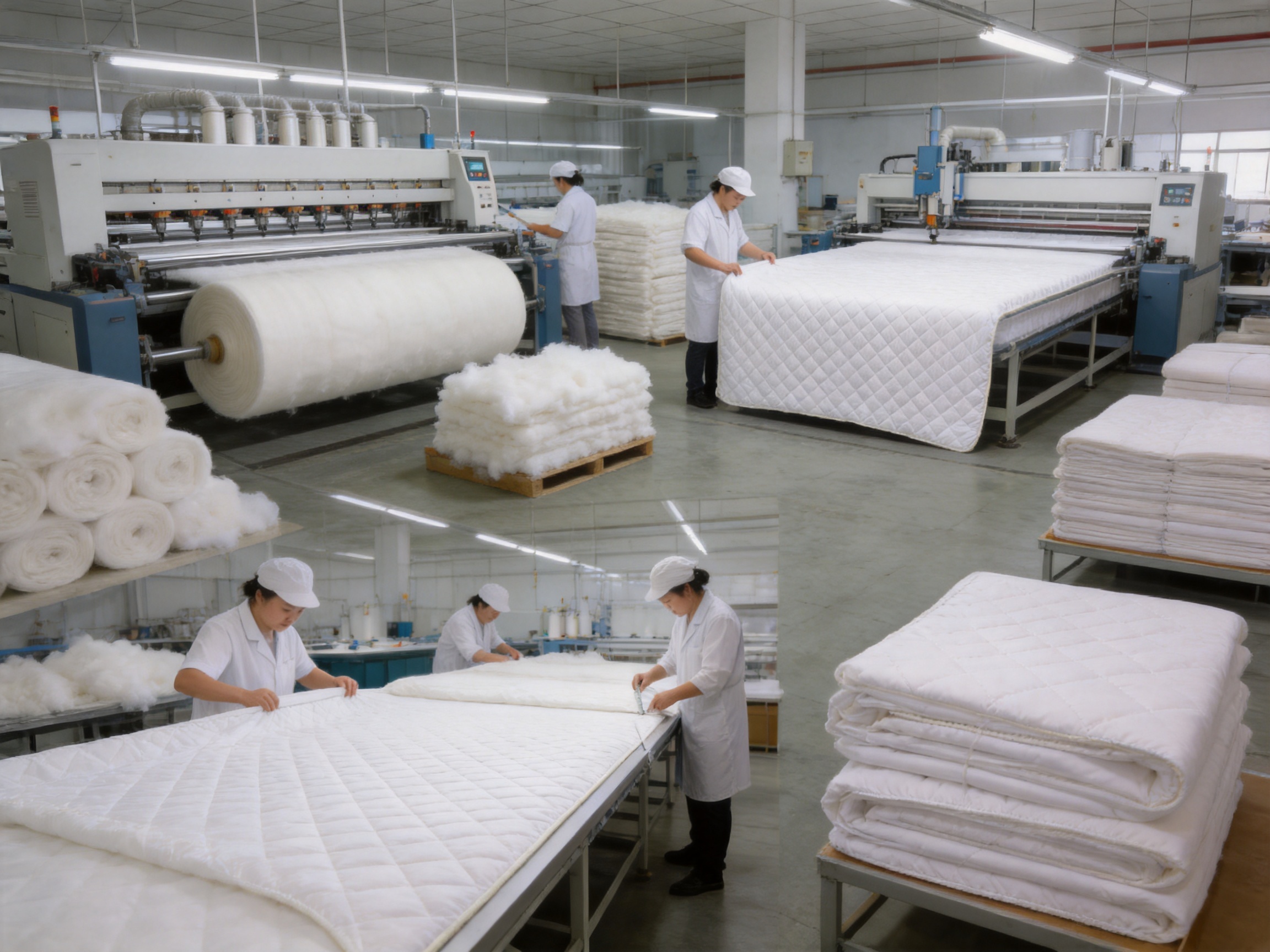
The performance of a mattress protector depends not only on its material specification but also on how consistently it is manufactured. Tongxiang Xinlong Bedding Co., Ltd. was established in January 2002 and has developed experience in the production of home textile products. The company operates in Longxiang Industrial Park, Wuzhen Town, and has a reported site area of approximately 21,000 square meters, with a construction area of approximately 18,000 square meters.
The company has more than 320 employees and is equipped with various production machines for home textile manufacturing. This scale supports coordinated work across material preparation, cutting, filling, quilting, sewing, inspection, finishing, and packing. For buyers, a structured production organization can be important because a mattress protector must maintain consistent dimensions, filling distribution, stitch appearance, and finishing quality from one production batch to the next.
Product Development and Design Capability
Home textile markets change continuously. Customers may request different sizes, fabric blends, filling weights, quilting patterns, packaging formats, and color options. The company states that it continues to develop and innovate in response to market changes. This product-development orientation can support buyers who need to adapt a standard mattress protector to a particular retail program or contract requirement.
The ability to customize dimensions is particularly valuable. Mattress sizes are not fully standardized worldwide, and professional buyers often require measurements that correspond to local bed frames, hotel rooms, dormitory furniture, or existing product collections. A manufacturer familiar with customized home textile production can help convert these requirements into cutting, quilting, and sewing specifications.
Material Preparation
Manufacturing begins with the selection and preparation of the face fabric, filling, and supporting layers. For this product, the principal material combination is a 35% cotton and 65% polyester fabric with 200gsm 6D polyester filling. Proper preparation helps ensure that fabric panels are clean, aligned, and suitable for quilting.
Filling preparation is also important. Polyester fibers should be distributed in a controlled manner before quilting so that the finished protector has a consistent thickness. Uneven filling can create thin zones, thick ridges, or an inconsistent hand feel. Organized production procedures help reduce these variations.
Cutting and Dimensional Control
Cutting panels to the correct dimensions is essential when manufacturing a mattress protector. Incorrect cutting can lead to poor alignment, insufficient coverage, or excessive fabric waste. A professional factory environment can use established patterns, measurement checks, and production documentation to maintain consistency across standard and customized sizes.
Dimensional control becomes especially important after quilting because fabric and filling can respond differently to stitching tension. Effective production planning accounts for expected shrinkage, seam allowances, and the final usable dimensions required by the customer.
Quilting Operations
The diamond quilting stage joins the fabric and filling into the recognizable finished structure. Stitch density, pattern alignment, thread tension, and machine settings all influence the result. Consistent quilting helps create an even appearance and supports the stability of the 200gsm filling.
Quality control during quilting may include checking for skipped stitches, broken threads, uneven diamonds, fabric puckering, and areas where the filling has not been captured properly. Attention to these details helps protect both the visual value and functional performance of the product.
Sewing and Edge Finishing
After quilting, the edges must be finished so that the layers remain secure and the protector can withstand handling. Edge construction influences durability, appearance, and ease of use. A clean edge finish helps the product look complete when presented to customers and reduces the risk of loose fabric during repeated washing.
For customized orders, the factory must also coordinate edge finishing with the requested dimensions and any additional design requirements. Clear technical communication between the buyer and manufacturer is important at this stage.
Inspection and Final Preparation
Finished protectors can be inspected for overall dimensions, fabric defects, quilting quality, filling distribution, stitching security, cleanliness, and packaging presentation. Final preparation may include thread trimming, folding, labeling, packing, and carton organization. These steps are essential for ensuring that the product arrives ready for retail distribution or installation in a guest room.
Quality Management and Certification Awareness
Tongxiang Xinlong Bedding Co., Ltd. reports that it has passed international certifications and management-related standards including ISO 9001, ISO 14001, OEKO-TEX related standards, GRS, and BSCI. Certification details should always be confirmed for the specific factory, product, production period, and applicable scope, but the company’s stated certification portfolio indicates an emphasis on quality management, environmental management, material responsibility, and social compliance.
ISO 9001 Quality Management Principles
ISO 9001 is associated with systematic quality management. In a bedding factory, quality management principles can support documented procedures, traceability, corrective actions, inspection records, and continuous improvement. These practices are useful for a product such as a mattress protector because buyers expect repeatable dimensions, consistent materials, and stable workmanship.
ISO 14001 Environmental Management Principles
ISO 14001 relates to environmental management systems. Textile manufacturing involves fabric handling, energy use, packaging, waste, and process management. An environmental management framework can encourage a company to identify environmental impacts, establish controls, and pursue ongoing improvements.
OEKO-TEX Related Product Safety Considerations
OEKO-TEX standards are commonly associated with testing textiles for certain harmful substances. For bedding products, material safety is an important purchasing consideration because the finished product is used close to the body for extended periods. Buyers should request current documentation and verify that the certification applies to the relevant materials and finished product.
GRS and Recycled Material Claims
The Global Recycled Standard is associated with recycled content and related chain-of-custody requirements. The presence of a GRS-related certification in a company profile does not automatically mean that every product contains recycled material. Buyers seeking recycled content should confirm whether the specific mattress protector, fabric, filling, or packaging is covered and what percentage of recycled content is included.
BSCI and Social Compliance
BSCI is associated with social compliance and responsible working conditions in supply chains. For international buyers, social compliance can be an important part of supplier evaluation alongside product quality, capacity, delivery performance, and communication.
Benefits for Retailers and Private-Label Buyers
The Poly-Cotton Mattress Protector offers a strong foundation for a practical bedding assortment. Retailers can present it as an affordable upgrade from an unfilled mattress sheet, while private-label brands can use the customizable dimensions and established construction as a basis for their own product programs.
Broad Market Appeal
The classic diamond design and neutral functional positioning can appeal to a wide range of customers. It is not limited to a particular age group, interior style, or bedroom theme. This broad appeal can simplify assortment planning and reduce the risk associated with highly specialized designs.
Useful Seasonal Positioning
The moderate filling makes the product suitable for spring and summer collections. It can also be marketed as a year-round basic in climates where heavy winter bedding is unnecessary. Retailers may group it with sheets, quilts, pillows, blankets, and other mattress-care products to create coordinated bedding solutions.
Custom Size Opportunities
Size customization enables brands to serve local mattress standards and niche furniture categories. This is valuable for online retailers, hotel suppliers, student housing providers, and furniture companies that use nonstandard bed dimensions. Custom sizing can also help brands differentiate themselves from competitors that sell only a limited range of standard sizes.
Efficient Product Education
The product is easy to explain to consumers. Its main benefits are clear: cotton-polyester comfort, quilted cushioning, 200gsm polyester filling, easy washing, and mattress protection. A straightforward value proposition can reduce the need for complicated marketing claims and help customers make a confident purchase decision.
Applications Across Different Markets
Residential Bedrooms
In homes, the protector helps maintain a cleaner mattress surface and provides a soft quilted layer beneath the fitted sheet. It is suitable for master bedrooms, guest rooms, children’s rooms, and spare beds. Customers may appreciate the ability to remove and wash the protector more easily than the mattress itself.
Hotels and Guest Accommodation
Hotels and guesthouses require bedding products that look presentable, feel comfortable, and can be managed through regular laundry cycles. A quilted mattress protector can be used as part of a layered bed system. Buyers in this sector should evaluate the product against their exact laundering, fitting, fire-safety, and hygiene requirements.
Student Housing and Dormitories
Shared accommodation benefits from bedding products that are practical, washable, and cost-conscious. The blended fabric and polyester filling are suitable for a product category where routine handling and frequent cleaning may be expected.
Rental Properties
Landlords and property managers can use mattress protectors to help maintain furnishings between tenants. The protector creates a replaceable textile layer that is easier to clean or renew than the mattress beneath it. This can contribute to better maintenance planning and a more consistent presentation of furnished rental units.
Healthcare-Adjacent and Care Settings
Some care environments may use quilted protectors for comfort, but specialized healthcare requirements must be assessed separately. Where infection control, fluid resistance, flame performance, or pressure management is required, a standard cotton-polyester quilted protector may need to be supplemented or replaced by a product designed specifically for that application.
Care, Washing, and Product Longevity
The product description emphasizes that the mattress protector is easy to wash. Proper care still matters. Buyers should follow the final care label supplied with the specific production batch because washing temperature, drying method, detergent selection, and size may affect the recommended instructions.
Before washing, users should check that the protector fits comfortably inside the machine and that the machine has sufficient capacity for the quilted item. Overloading can prevent effective cleaning and may place unnecessary stress on the fabric and stitching. A balanced wash cycle and suitable detergent can help preserve the textile surface.
Thorough drying is important for quilted bedding. Any remaining moisture within the filling can create an unpleasant odor and reduce freshness. Polyester filling generally dries efficiently, but the protector should still be dried completely before storage or use. Periodic airing can also help maintain freshness between washes.
Users should avoid harsh chemicals unless specifically recommended for the product. Bleaching agents, aggressive solvents, or excessive heat may affect color, fibers, stitching, or dimensional stability. Care instructions should be communicated clearly to consumers through labels, packaging, or product literature.
Expected Maintenance Benefits
Because the protector can be removed and washed, it helps reduce the need to clean the mattress itself. This does not eliminate the need for mattress care, but it can make routine maintenance more manageable. A washable protective layer is especially useful in guest rooms, rental properties, and households where bedding is changed frequently.
Customization Options and Buyer Considerations
The standard product is specified at 160 x 200 cm, but the size can be customized according to customer requirements. When requesting a customized order, buyers should provide the finished mattress dimensions, desired drop or side coverage, attachment method, quilting pattern, fabric color, filling weight, packaging requirements, and labeling instructions.
It is also important to define whether the product should be a loose quilted pad, a fitted protector with elastic, or another construction. The provided product information identifies a classic quilted mattress protector but does not specify a fitted skirt or elasticized edge. These details should be confirmed during technical development.
Other points for discussion may include fabric weight, thread color, edge binding, wash testing, shrinkage allowance, folding method, carton quantity, barcode placement, and private-label packaging. Clear specifications reduce the risk of misunderstanding and make sample approval more efficient.
Sampling and Approval
A sample should be evaluated for dimensions, hand feel, loft, quilting consistency, edge construction, color, odor, and overall appearance. Buyers may also wish to conduct laundering tests to observe shrinkage, filling stability, seam performance, and drying behavior. A signed or documented sample can then serve as the reference standard for bulk production.
Packaging and Presentation
Packaging should protect the protector from dust, moisture, compression damage, and handling during transportation. Retail packaging may include a product label, material composition, size, care instructions, country-of-origin information, and brand identity. Contract buyers may prefer bulk packing to reduce packaging costs and simplify warehouse handling.
Why Manufacturing Location and Experience Matter
Tongxiang is widely associated with China’s textile and home furnishing industries. A manufacturer operating in an established textile region may benefit from access to fabric suppliers, filling suppliers, equipment technicians, logistics services, and skilled production labor. These industrial connections can support more efficient sourcing and coordination.
The company’s history, beginning in 2002, represents more than two decades of participation in the home textile sector. Experience does not replace product-specific evaluation, but it can help a factory understand the practical issues involved in producing quilts, pillows, cushions, blankets, bedspreads, mattress protectors, mattress covers, and related household textile goods.
The company reports a broad product range, including silk cotton quilts, chemical fiber quilts, pillows, cushions, bedspreads, travel quilts, mattress protectors, blankets, quilt and pillowcases, shower curtains, and curtains. This range suggests familiarity with multiple filling materials, textile constructions, quilting operations, and finishing requirements.
A broad production portfolio can also support coordinated sourcing for customers who want to develop a complete bedding collection. A buyer may begin with the mattress protector and later request matching quilts, pillows, cushions, blankets, or bed linen. Consolidating related products with an experienced home textile supplier may simplify communication and quality management.
Responsible Product Positioning
Product communication should accurately distinguish between what the protector does and what it does not do. It can be described as a quilted mattress protector with moderate cushioning, a cotton-polyester cover, 200gsm 6D polyester filling, and easy-care characteristics. It should not be promoted as waterproof, antimicrobial, flame-resistant, hypoallergenic, or medically protective unless the relevant performance has been specifically tested and documented.
Responsible descriptions are beneficial for both buyers and manufacturers. Accurate claims build trust, reduce consumer confusion, and help ensure that the product is matched with the correct application. If additional performance features are required, the buyer and manufacturer can discuss appropriate materials, treatments, testing, and certification before production.
Sustainability communication should also be precise. The product uses polyester in both the blended fabric and filling, and polyester can contribute to long product life and easy care. However, claims about recycled content, reduced environmental impact, or certified materials should be supported by documentation for the specific product. The company’s stated certifications may provide a starting point for verification.
Quality Checklist for Professional Buyers
Before placing a production order, professional buyers can review the following areas:
Confirm the final dimensions and acceptable tolerances.
Verify the fabric composition and fabric weight.
Confirm that the filling is 200gsm 6D polyester or the agreed alternative.
Review the diamond quilting pattern, stitch density, and thread quality.
Check edge construction and reinforcement.
Evaluate color, hand feel, loft, and overall appearance against an approved sample.
Request relevant material safety and management-system documentation.
Discuss washing, drying, shrinkage, and durability expectations.
Confirm packaging, labeling, carton dimensions, and shipping marks.
Establish inspection procedures and acceptable defect levels.
Clarify production lead time, minimum order quantity, and customization charges.
This checklist helps convert a general product concept into a controlled commercial specification. It also supports better communication between the buyer, technical team, quality department, and factory.
Frequently Asked Questions
What is the standard size of this mattress protector?
The standard listed size is 160 x 200 cm. The manufacturer can customize the size according to customer requirements, subject to production discussion and technical confirmation.
What is the fabric composition?
The cover fabric consists of 35% cotton and 65% polyester. This blend combines a comfortable cotton component with the durability and easy-care characteristics associated with polyester.
What type of filling is used?
The filling is 200gsm 6D polyester. It provides moderate loft and light cushioning without the excessive bulk of a heavy mattress topper.
What does the diamond quilting do?
The diamond quilting joins the fabric and filling, helps maintain more even filling distribution, reduces shifting, and gives the protector a classic decorative appearance.
Is the mattress protector waterproof?
The supplied information does not identify this product as waterproof. It is a quilted textile protector intended to provide comfort and general mattress protection. Waterproof performance would require a specific membrane, coating, construction, and relevant testing.
Is it suitable for summer?
Yes. The product is described as popular for spring and summer. Its 200gsm filling gives light cushioning and moderate warmth rather than the heavy insulation associated with winter bedding.
Can the product be customized for different beds?
Yes. The size can be customized according to customer requirements. Buyers should provide accurate mattress measurements and confirm the desired construction, edge coverage, and fitting method.
Is the product suitable for hotels?
It may be suitable for hotels and guest accommodation where a washable, quilted mattress protector is required. Commercial buyers should first confirm laundry procedures, durability requirements, fire-safety regulations, hygiene standards, and fitting specifications.
How does it compare with a mattress topper?
A mattress topper is usually thicker and intended to significantly modify mattress comfort or firmness. This product is a lighter quilted protector that adds moderate cushioning while helping protect the mattress surface.
What certifications are associated with the manufacturer?
The company reports certifications or related compliance credentials including ISO 9001, ISO 14001, OEKO-TEX related standards, GRS, and BSCI. Buyers should request current certificates and verify their scope for the specific product and production order.
Can matching bedding products be sourced from the same company?
The company reports producing a broad range of home textile products, including quilts, pillows, cushions, blankets, bedspreads, mattress protectors, mattress covers, quilt covers, pillowcases, shower curtains, and curtains. Buyers can discuss whether coordinated products are available for their collection.
What should buyers confirm before ordering?
Buyers should confirm dimensions, fabric composition, filling weight, quilting pattern, edge finishing, packaging, labeling, care instructions, certifications, inspection standards, lead time, and any specific performance requirements.
Conclusion
The Poly-Cotton Mattress Protector is a practical bedding product built around a balanced combination of comfort, durability, easy care, and manufacturing flexibility. Its 35% cotton and 65% polyester fabric provides a useful middle ground between natural softness and synthetic performance. The 200gsm 6D polyester filling adds light cushioning, while classic diamond quilting supports filling stability and gives the protector a familiar, commercially attractive appearance.
Its advantages are especially relevant for customers who want a dependable everyday protector rather than a highly specialized or excessively thick product. Compared with a basic flat sheet, it provides more comfort and structure. Compared with a heavy mattress topper, it is easier to handle and maintain. Compared with a waterproof protector, it offers a more traditional quilted textile feel. These characteristics make it suitable for home bedding, retail collections, hotels, rental properties, dormitories, and other practical applications.
The product is supported by the manufacturing experience and production resources of Tongxiang Xinlong Bedding Co., Ltd. The company’s reported factory scale, product range, technical personnel, equipment, quality focus, and international management certifications provide a foundation for serving domestic and overseas bedding customers. Its ability to customize sizes gives buyers additional flexibility when developing products for local bed dimensions or private-label programs.
For the best result, buyers should treat the standard 160 x 200 cm specification as a starting point and confirm every production detail through samples and written technical requirements. With appropriate quality control, accurate product claims, and clear communication, this poly-cotton quilted protector can become a reliable component of a modern home textile assortment.
References
1. Tongxiang Xinlong Bedding Co., Ltd., product information for the Poly-Cotton Mattress Protector, including material composition, filling specification, size, quilting construction, and customization details.
2. Tongxiang Xinlong Bedding Co., Ltd., corporate information concerning company history, manufacturing facilities, product range, employee resources, and quality-management practices.
3. ISO 9001, Quality Management Systems: Requirements.
4. ISO 14001, Environmental Management Systems: Requirements with Guidance for Use.
5. OEKO-TEX, textile product safety and harmful-substance testing principles.
6. Global Recycled Standard, recycled-content and chain-of-custody principles.
7. Business Social Compliance Initiative, supply-chain social compliance principles.
8. General textile manufacturing principles relating to fiber blends, quilting, polyester filling, laundering, dimensional control, and finished-product inspection.


 +86-573-88798028
