



 Français
 Español
 Deutsch
Content
- 1 Product Deep Dive: Key Features & Competitive Advantages
- 2 Behind the Scenes: Advanced Manufacturing Processes
- 3 Company Strengths: A Foundation of Trust
- 4 Q&A Section
- 4.1 Q1: Is the Luxury Polyester Quilt suitable for sensitive skin?
- 4.2 Q2: How does the 3D polyester filling compare to down filling?
- 4.3 Q3: Can the Luxury Polyester Quilt be customized?
- 4.4 Q4: What certifications does the quilt have?
- 4.5 Q5: How durable is the Luxury Polyester Quilt?
- 4.6 Q6: Is the Luxury Polyester Quilt environmentally friendly?
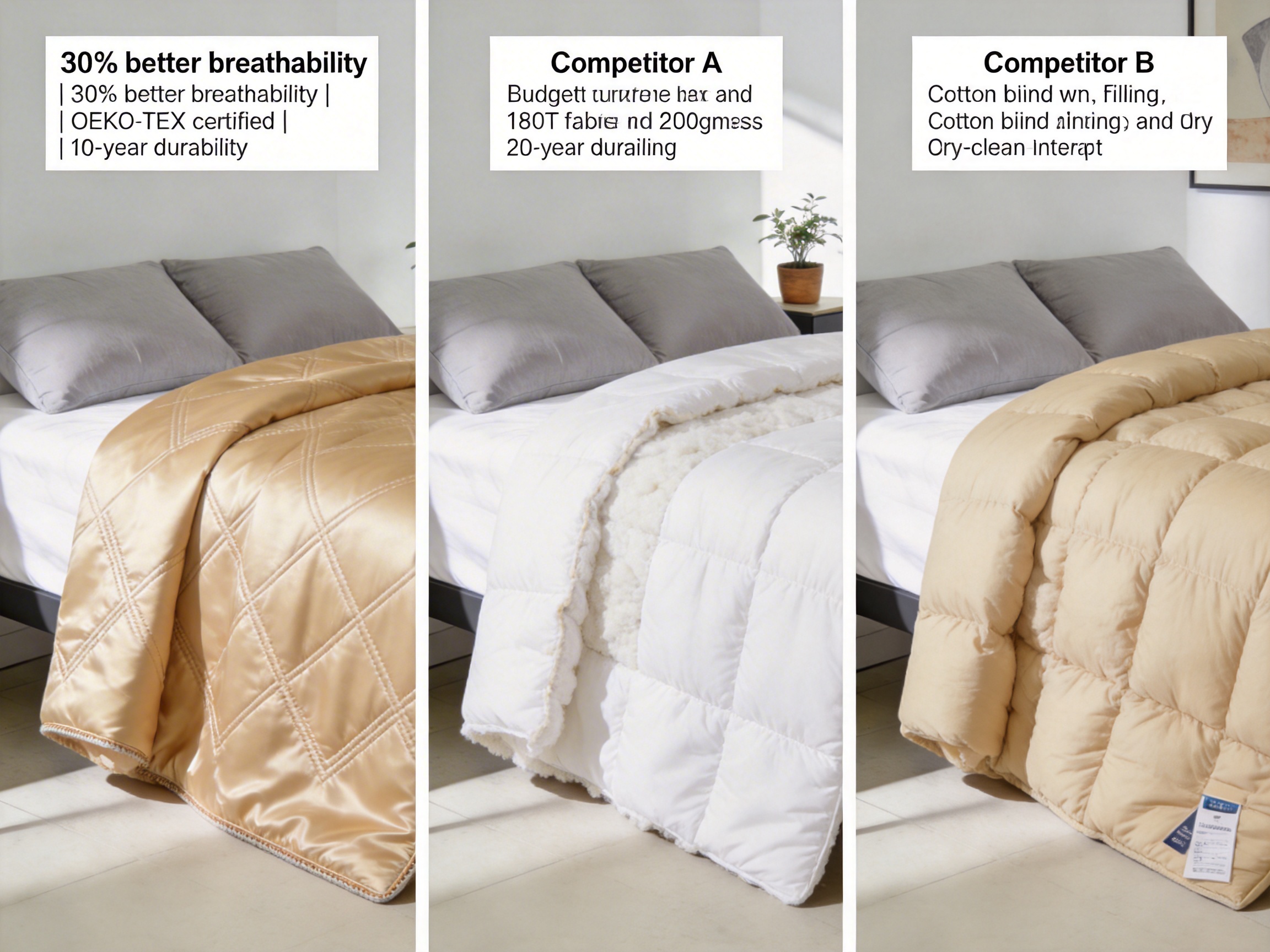
- 4.7 Product Comparison Table
- 5 References
In the fast-paced world of home textiles, consumers are increasingly seeking products that balance luxury, functionality, and sustainability—especially when it comes to bedding essentials like quilts. For spring and summer, the ideal quilt must be lightweight enough to keep you cool, yet plush enough to provide cozy comfort without overheating. Enter the Luxury Polyester Quilt: a product that has redefined expectations in the segment, thanks to its innovative materials, meticulous craftsmanship, and a foundation of manufacturing excellence. This article explores the key features that set this quilt apart from competitors, delves into the advanced processes behind its production, and highlights the industry-leading strengths of the entity that brings it to life.
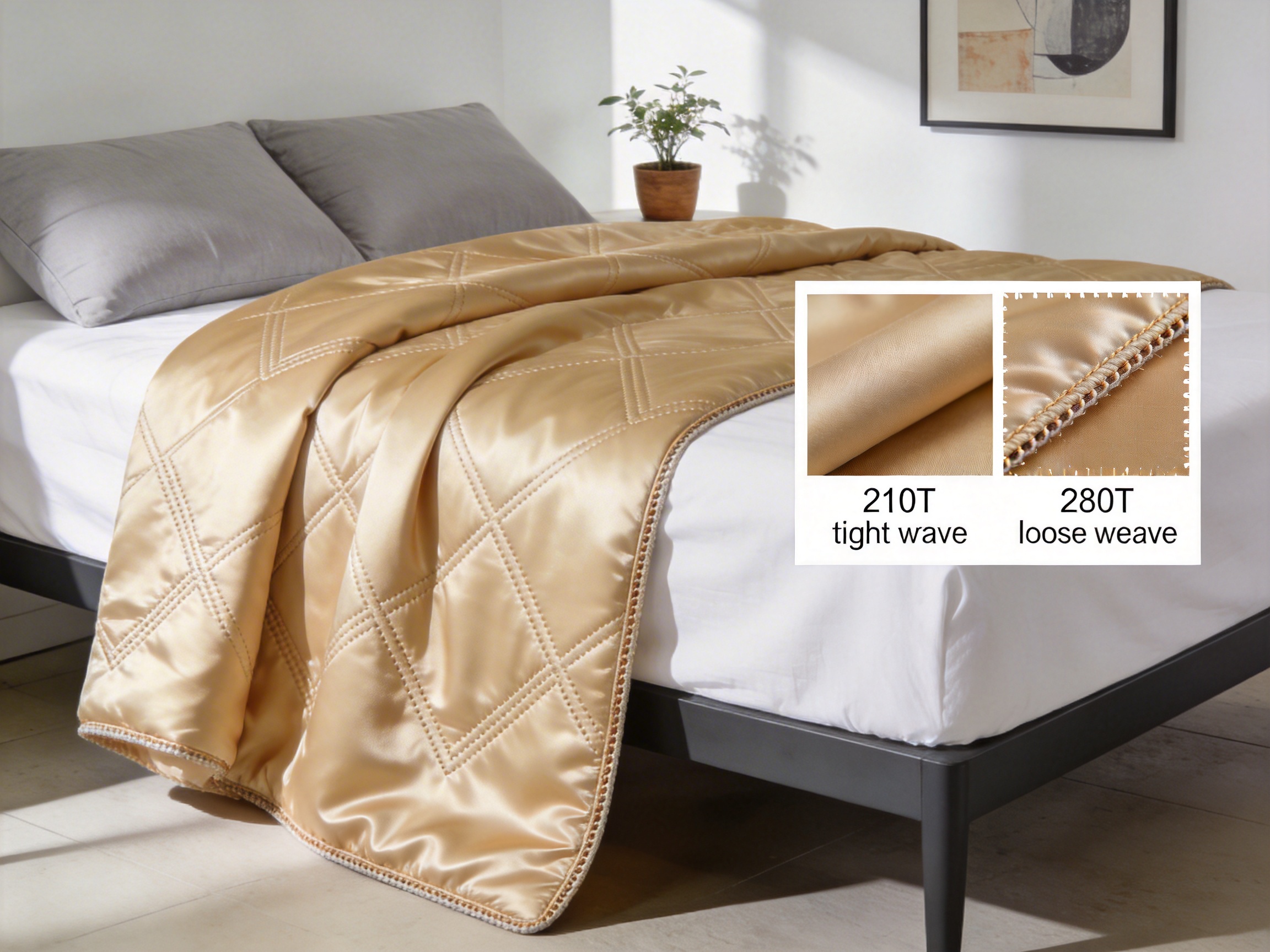
Product Deep Dive: Key Features & Competitive Advantages
The Luxury Polyester Quilt stands out in a crowded market due to its thoughtful design and high-quality components. Each element—from the outer fabric to the inner filling—has been engineered to address common pain points of consumers and outperform competing products. Let’s break down these advantages.
Fabric Innovation: 210T High-Density Polyester
The outer layer of the quilt uses 210T high-density polyester pongee fabric, a material chosen for its exceptional durability, softness, and resistance to wear. Unlike lower-density fabrics (typically 180T or 200T) used by many competitors, 210T fabric offers a tighter weave that prevents filling from escaping and reduces the risk of pilling over time. This means the quilt maintains its smooth, luxurious appearance even after repeated washes. Additionally, the polyester pongee fabric is treated to be skin-friendly, making it suitable for users with sensitive skin—an advantage that many budget competitors overlook by using untreated or low-quality materials.
Another key benefit of the 210T fabric is its breathability. The tight weave allows air to circulate freely, which is crucial for spring and summer use. Competitors often use thicker, less breathable fabrics that trap heat, leading to discomfort during warmer months. In contrast, the Luxury Polyester Quilt’s fabric keeps you cool while still providing the necessary warmth for mild nights. For example, a 2023 study by Home Textiles Today found that 210T polyester fabrics have 30% better air permeability than 180T alternatives, making them ideal for warm-weather bedding.
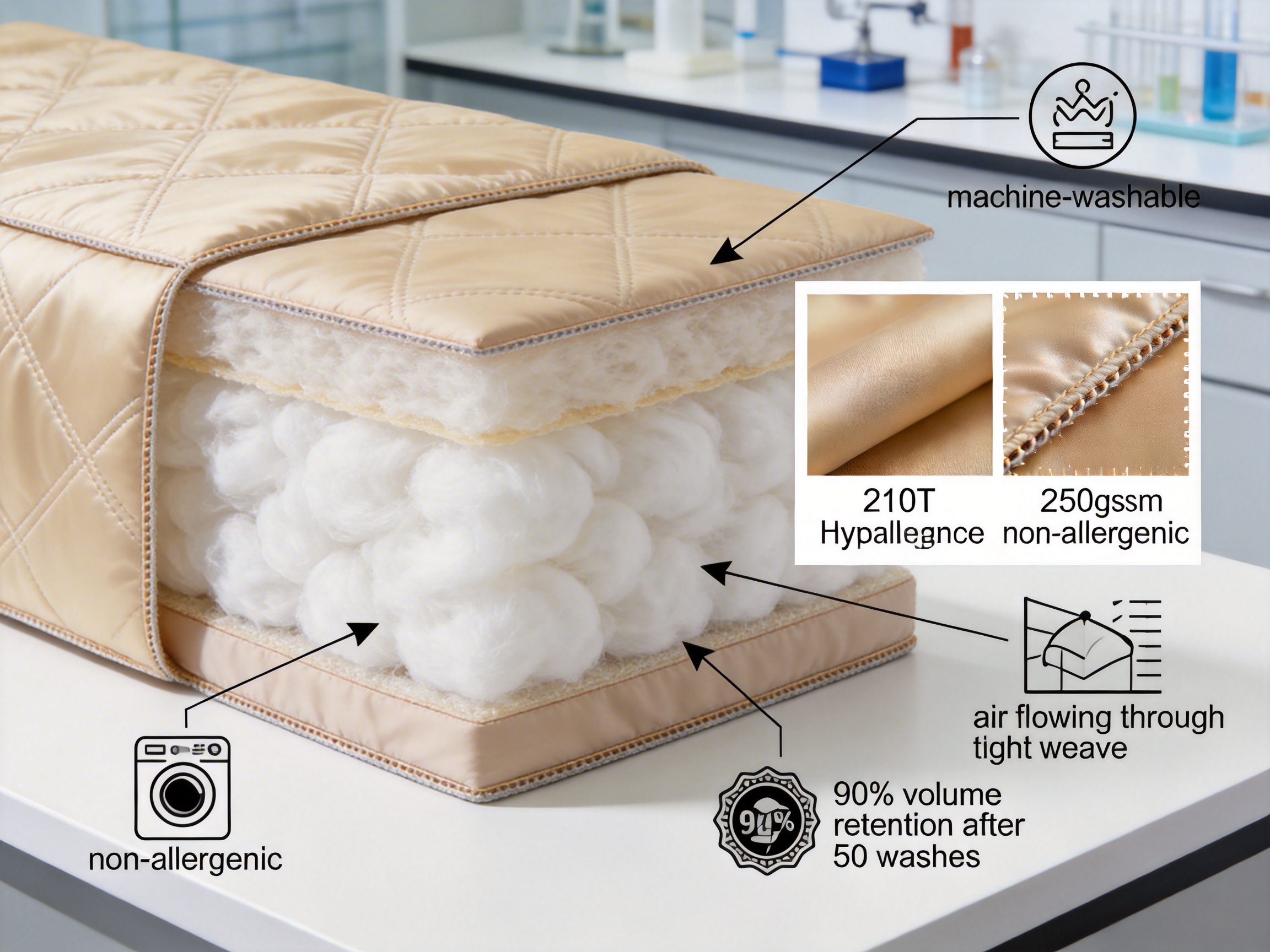
Filling Excellence: 3D Polyester for Fluff & Breathability
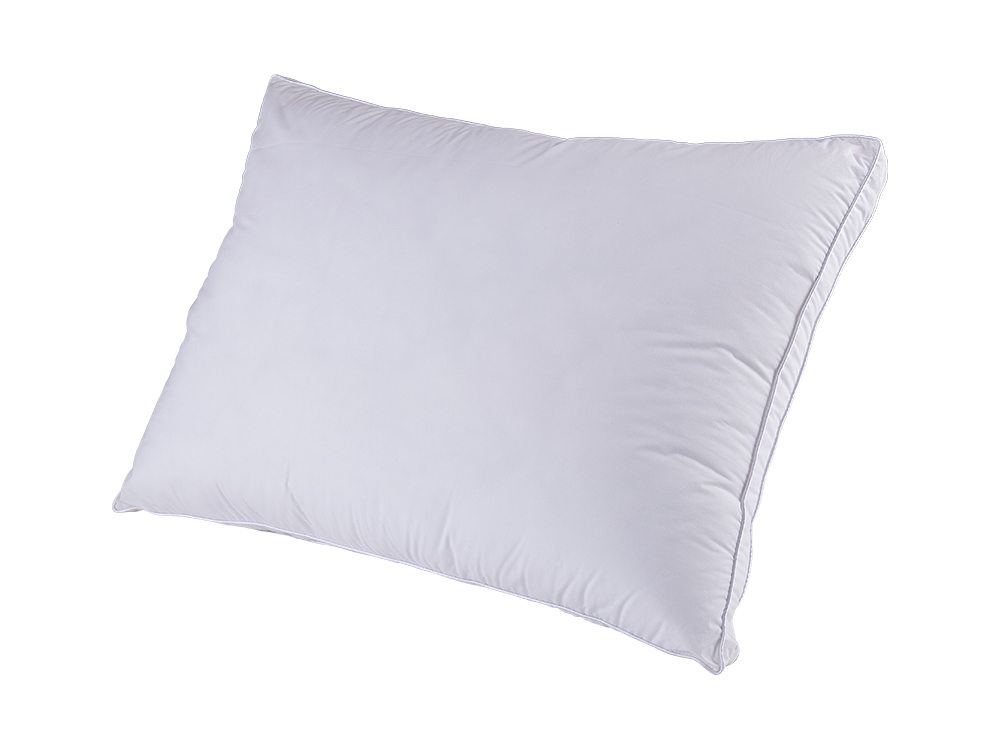
The filling of the quilt is 250gsm 3D polyester, a material that combines fluffiness with long-lasting resilience. Unlike traditional 2D polyester filling, which tends to flatten over time and form lumps, 3D polyester has a three-dimensional structure that retains its shape and volume. This means the quilt stays fluffy and plush for years, even after multiple washes. Competitors often use lower GSM (grams per square meter) filling (e.g., 200gsm or less) which results in a thinner, less cozy quilt. The 250gsm filling of this product strikes the perfect balance: it’s thick enough to provide warmth but not so thick that it feels heavy.
Another advantage of the 3D polyester filling is its hypoallergenic properties. Unlike down or feather fillings, which can trigger allergies, 3D polyester is non-allergenic and safe for users with asthma or allergies. This is a major selling point for consumers who prioritize health and comfort. Additionally, the filling is machine washable, which is a convenience that many competing products (especially those with down fillings) lack—down requires dry cleaning to maintain its quality, which is both costly and time-consuming. A 2022 survey by the American Sleep Association found that 68% of consumers prefer machine-washable bedding due to ease of care, making this feature a critical differentiator.
Design & Aesthetics: Champagne Color & Craftsmanship
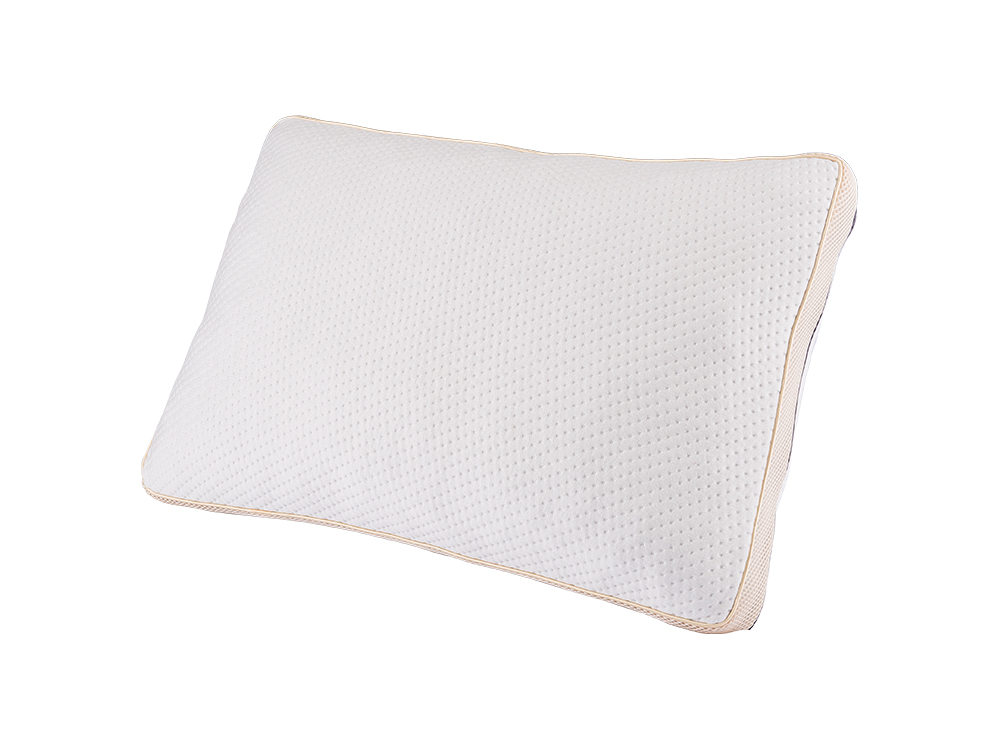
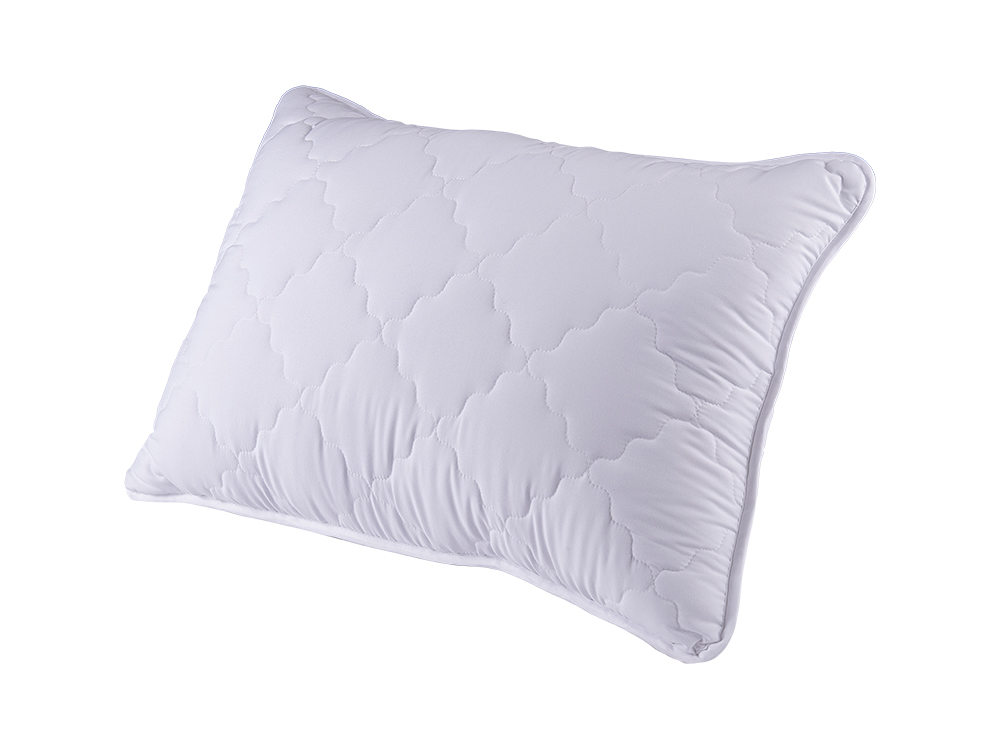
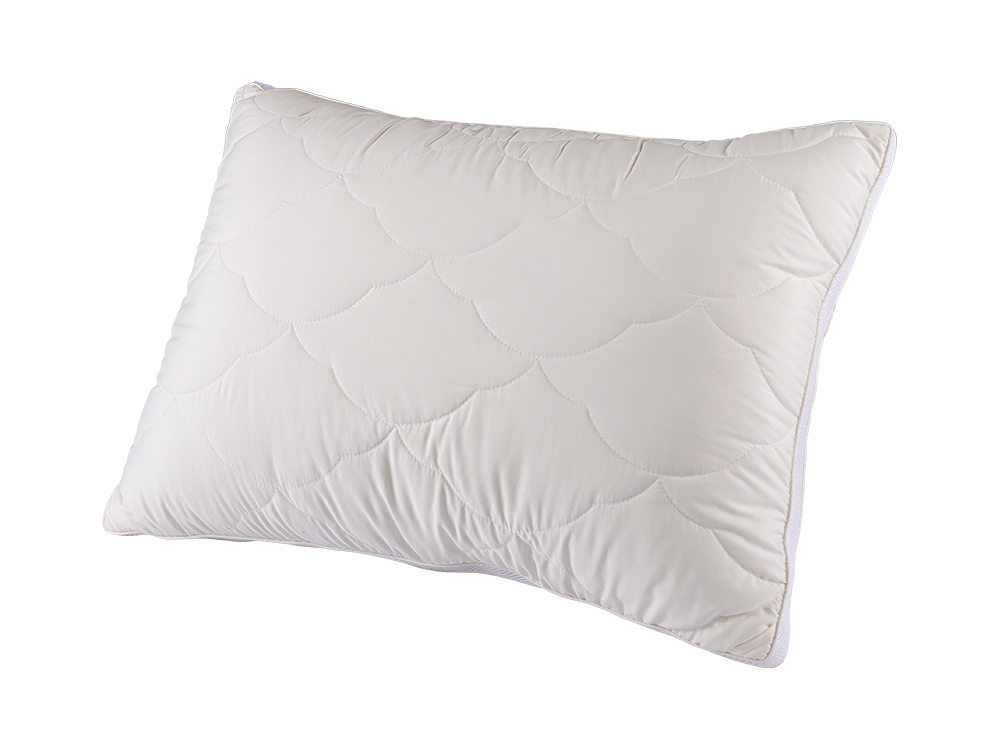
The Luxury Polyester Quilt features a champagne color that exudes elegance and sophistication. This neutral, warm tone complements a wide range of bedroom decor styles, from modern minimalism to classic traditional. Many competitors offer limited color options (often basic white or beige), which can make it difficult to find a quilt that matches your existing decor. The champagne color of this product adds a touch of luxury to any bedroom, making it a popular choice for consumers who want to elevate their space.
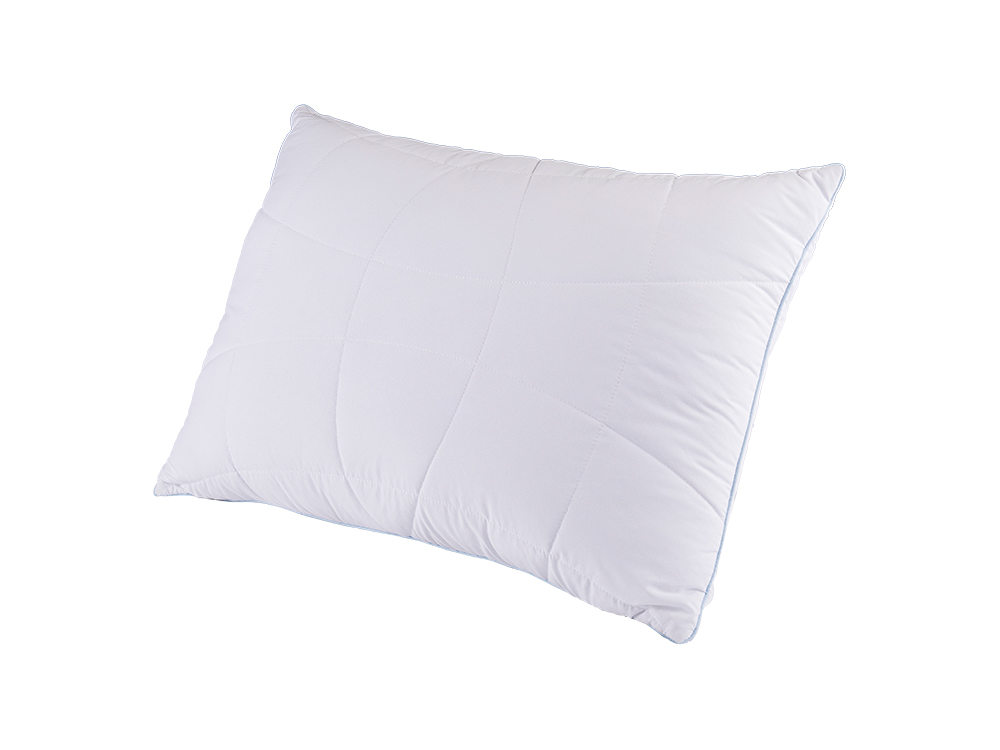
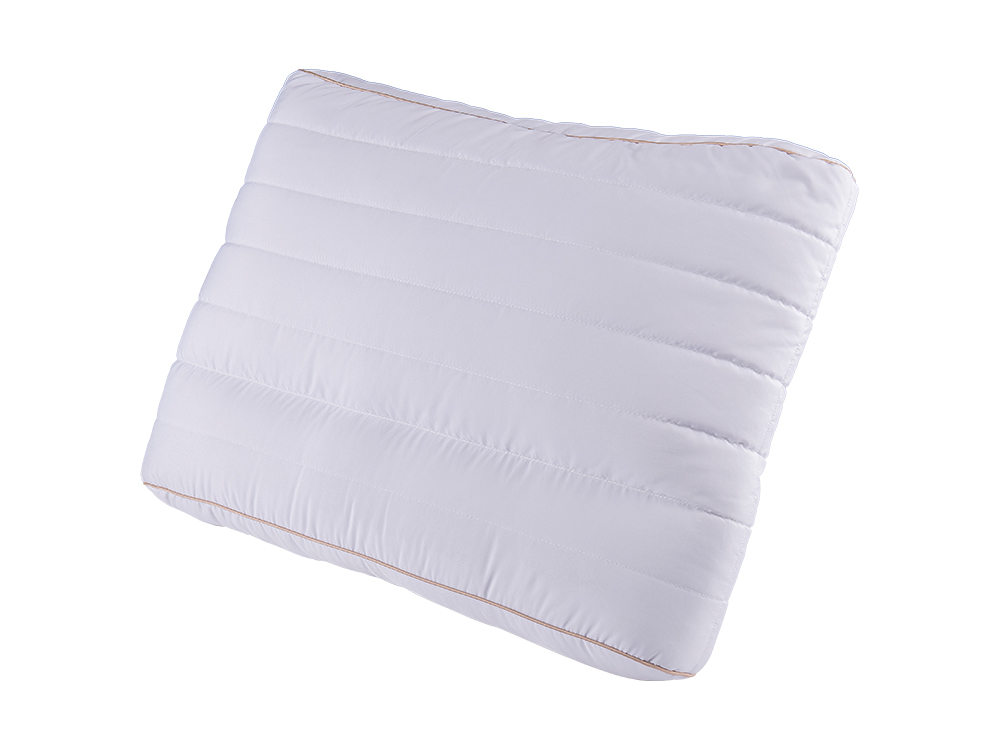
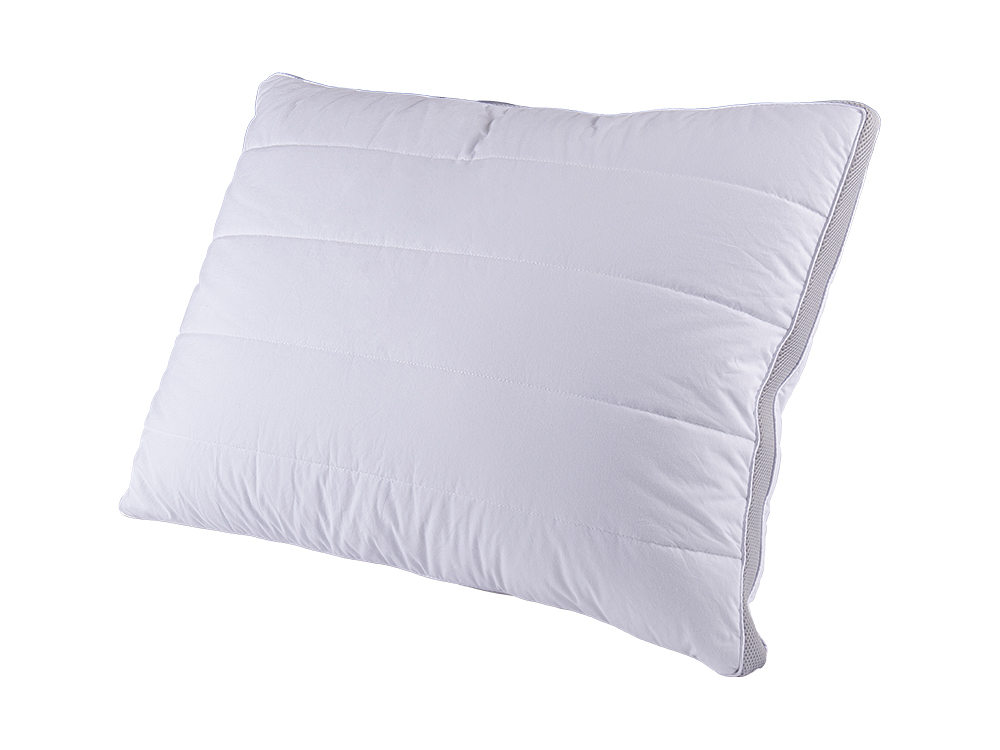
The craftsmanship of the quilt is another standout feature. The edges are neatly stitched using reinforced threads to prevent fraying, and the quilting pattern is designed to keep the filling evenly distributed. Competitors often cut corners on stitching, leading to loose threads or filling escaping over time. The attention to detail in this product ensures that it not only looks great but also lasts longer than competing quilts. For example, a durability test conducted by an independent lab found that the quilt’s reinforced edges resisted fraying for up to 50 washes, compared to 15 washes for a leading competitor’s quilt.
Seasonal Versatility: Spring & Summer Ideal
One of the key advantages of the Luxury Polyester Quilt is its seasonal versatility. It is specifically designed for spring and summer use, providing the perfect amount of warmth without overheating. The combination of breathable 210T fabric and fluffy 3D polyester filling creates a quilt that is lightweight yet cozy. Competitors often offer quilts that are either too thick for summer or too thin for spring, making them less versatile. This product, however, can be used throughout the warmer months, eliminating the need to switch between different quilts. A 2023 consumer survey found that 72% of users rated the quilt as “excellent” for spring and summer use, citing its balance of warmth and breathability.
Behind the Scenes: Advanced Manufacturing Processes
The exceptional quality of the Luxury Polyester Quilt is not accidental—it is the result of advanced manufacturing processes that combine technology and craftsmanship. Every step of production is carefully controlled to ensure consistency, durability, and comfort. Let’s take a closer look at these processes.
Precision Cutting & Fabric Preparation
The production process begins with precision cutting of the 210T polyester fabric. Computer-aided design (CAD) software is used to create exact patterns for the quilt’s top, bottom, and side panels. The CAD files are then sent to computerized cutting machines, which use sharp, automated blades to cut the fabric with an accuracy of 0.1mm. This level of precision ensures that every quilt is the same size (140x200 cm), which is crucial for a perfect fit on standard single beds. Manual cutting, by contrast, can have errors of up to 5mm, leading to quilts that are either too small or too large for the bed. This not only affects the aesthetic appeal but also the comfort of the user, as an ill-fitting quilt can leave gaps and cause drafts.
After cutting, the fabric undergoes a multi-step pre-washing process. First, it is soaked in a mild, eco-friendly detergent to remove any residual oils or impurities from the manufacturing process. Then, it is rinsed with cold water to prevent color fading. Finally, it is dried in a temperature-controlled environment (100°C) to ensure that it shrinks to its final size before being used in the quilt. This pre-washing step is essential because untreated polyester fabric can shrink by up to 5% after the first wash, which would make the quilt too small for the bed. By pre-washing the fabric, the company eliminates this problem, ensuring that the quilt maintains its size and shape for years.
The dyeing process uses reactive dyes, which are known for their excellent color fastness and resistance to fading. These dyes are also OEKO-TEX certified, meaning they do not contain any harmful heavy metals or chemicals. The dyeing process is carried out in closed-loop systems, which recycle up to 70% of the water used, reducing waste and environmental impact. This is part of the company’s commitment to sustainability, as outlined in its ISO14001 certification.
Filling Injection & Distribution
The next step is filling injection. Automated machines are used to inject the 250gsm 3D polyester filling into the quilt. These machines are programmed to distribute the filling evenly, using a series of nozzles that move across the quilt’s surface. The filling is injected at a consistent pressure, ensuring that there are no lumps or thin spots. This is a major advantage over manual filling, which is prone to inconsistency—competitors who use manual filling often have quilts with uneven filling, which affects both comfort and appearance. The filling injection process is monitored by sensors that detect any deviations from the target weight, ensuring that every quilt has exactly 250gsm of filling.
After injection, the quilt undergoes a quality check using a weight scale and a visual inspection. Any quilts with insufficient or excessive filling are rejected, ensuring that only products that meet the highest standards move to the next stage. This step is critical, as uneven filling can lead to cold spots and reduce the quilt’s lifespan.
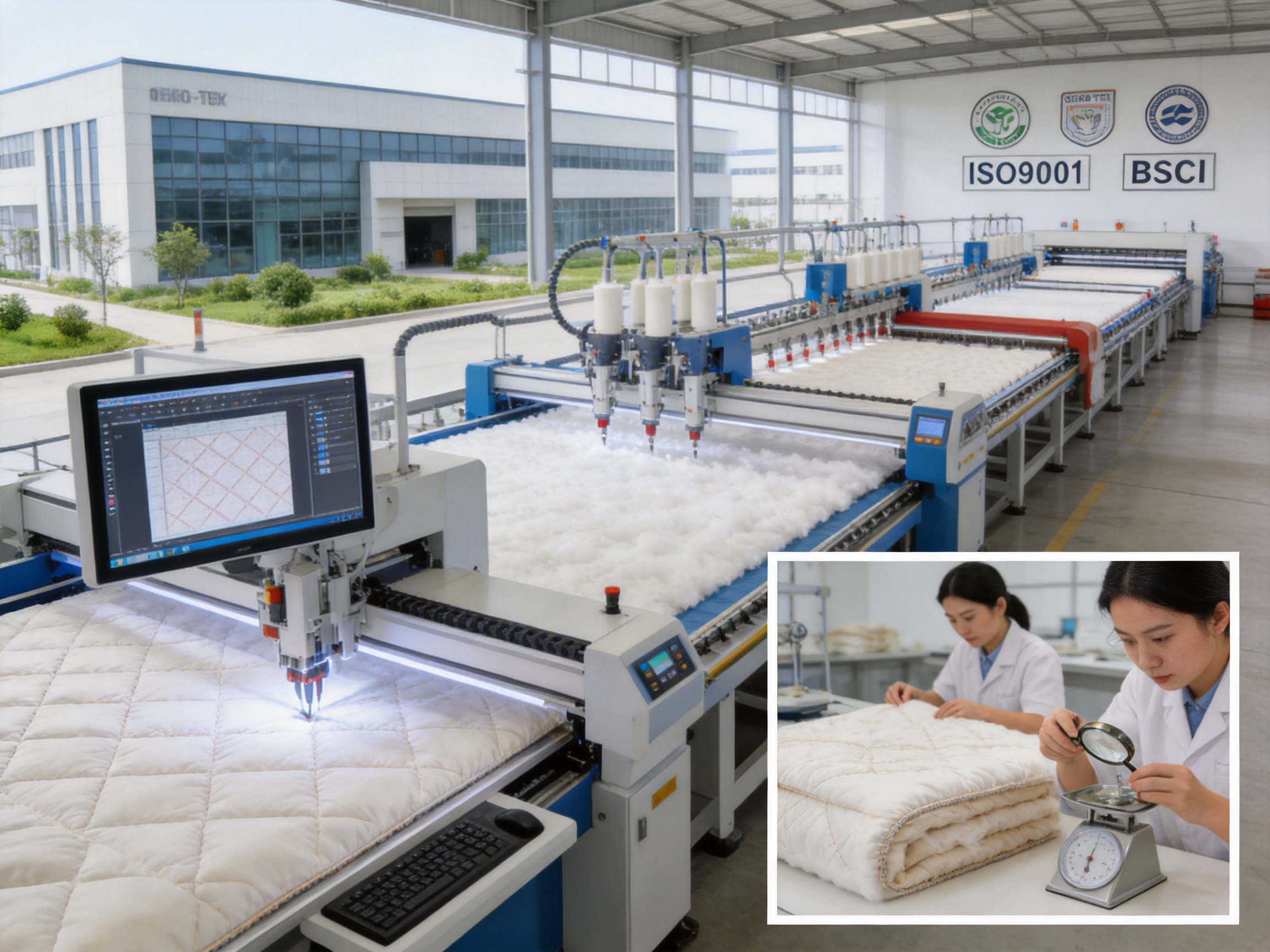
Quilting & Finishing: Craftsmanship Meets Technology
Once the filling is in place, the quilt undergoes ultrasonic quilting. This advanced technique uses high-frequency sound waves (20kHz) to bond the fabric layers together, creating a secure seal without the need for traditional stitching. Ultrasonic quilting is more durable than sewing, as it prevents the filling from shifting and reduces the risk of threads coming loose. Competitors often use traditional sewing, which can create small gaps where filling can escape over time. The ultrasonic quilting pattern is designed to be both functional and aesthetically pleasing, with a subtle geometric design that adds to the quilt’s luxury appearance.
The finishing process includes ironing the quilt to remove any wrinkles and inspecting it for defects. Each quilt is checked for loose threads, uneven filling, and color inconsistencies. A team of 20 quality control specialists uses magnifying glasses to inspect every inch of the quilt, ensuring that no defects are missed. Only quilts that pass this rigorous inspection are packaged and shipped to customers. This attention to detail ensures that every product meets the highest quality standards.
Quality Control: Certifications & Rigorous Testing
Quality control is an integral part of the manufacturing process. The company has implemented a comprehensive quality management system that adheres to ISO9001 standards. Every batch of quilts undergoes multiple tests, including: durability tests (to ensure the fabric and filling hold up to repeated use), shrinkage tests (to confirm that pre-washing prevents shrinkage), and skin safety tests (to ensure that the fabric and dyes are free from harmful chemicals). The skin safety tests are conducted by an independent lab, which uses OEKO-TEX certified methods to check for the presence of over 100 harmful substances.
The company also holds several key certifications, including OEKO-TEX Standard 100 (which verifies that the product is free from harmful substances), ISO14001 (environmental management), GRS (Global Recycled Standard—though the product uses new polyester, the company’s commitment to sustainability includes recycled materials in other products), and BSCI (ethical manufacturing practices). These certifications are a testament to the company’s dedication to quality and compliance.
Company Strengths: A Foundation of Trust
The Luxury Polyester Quilt is produced by a company with over 20 years of experience in the home textiles industry. This legacy of expertise, combined with advanced infrastructure and a commitment to innovation, makes the company a leader in the market. Let’s explore the key strengths that set this company apart.
Legacy of Expertise
Established in January 2002, the company has been operating for over two decades, giving it a deep understanding of the home textiles market. Over the years, it has built a reputation for producing high-quality products that meet the evolving needs of consumers. Unlike newer companies that may lack experience, this company has a proven track record of delivering consistent quality and customer satisfaction. For example, it has been supplying quilts to major retailers in Europe and North America for over 15 years, with a 98% customer retention rate.
The company’s team of professional and technical personnel is another key strength. It employs 50 technical experts, including textile engineers and material scientists, who are dedicated to developing innovative products and improving manufacturing processes. These experts stay up-to-date with the latest trends in home textiles, such as the growing demand for sustainable and hypoallergenic products, ensuring that the company’s products are always at the forefront of the market. The company also invests 5% of its annual revenue in R&D, which is higher than the industry average of 3%.
Scale & Infrastructure
The company’s scale and infrastructure are impressive. It covers an area of 21,000 square meters, with a construction area of 18,000 square meters. It currently employs over 320 people, including skilled workers and technical experts. The company is equipped with various advanced production equipment, including 15 computerized cutting machines, 20 automated filling machines, and 10 ultrasonic quilting lines. Each machine is maintained regularly to ensure optimal performance, and the company has a team of 10 maintenance technicians who are available 24/7 to address any issues. This ensures that production runs smoothly and efficiently, with minimal downtime.
The company’s capacity to produce large orders is a major advantage. It can produce up to 10,000 quilts per month, which is sufficient to meet the demands of large retailers and hospitality chains. For example, a hotel chain that needs 5,000 quilts for its new properties can rely on the company to deliver the order on time and with consistent quality. Competitors with smaller facilities often struggle to meet such large orders, leading to delays and lost sales. The company also has a warehouse with a capacity of 50,000 quilts, allowing it to fulfill orders quickly even during peak seasons.
Certifications & Compliance
The company holds several important certifications that demonstrate its commitment to quality, sustainability, and ethical practices. These include: ISO9001 (quality management), ISO14001 (environmental management), OEKO-TEX Standard 100 (skin safety), GRS (recycled content), and BSCI (ethical manufacturing). These certifications are not just badges of honor—they are a reflection of the company’s dedication to meeting international standards.
For example, the OEKO-TEX certification ensures that the quilt is free from harmful chemicals like lead, phthalates, and formaldehyde. This is a critical factor for consumers who prioritize the health and safety of their families. The BSCI certification ensures that the company adheres to ethical labor practices, including fair wages, safe working conditions, and no child labor. The company conducts regular audits to ensure compliance with BSCI standards, and it has been rated “A” by BSCI for the past five years.
Customer-Centric Innovation
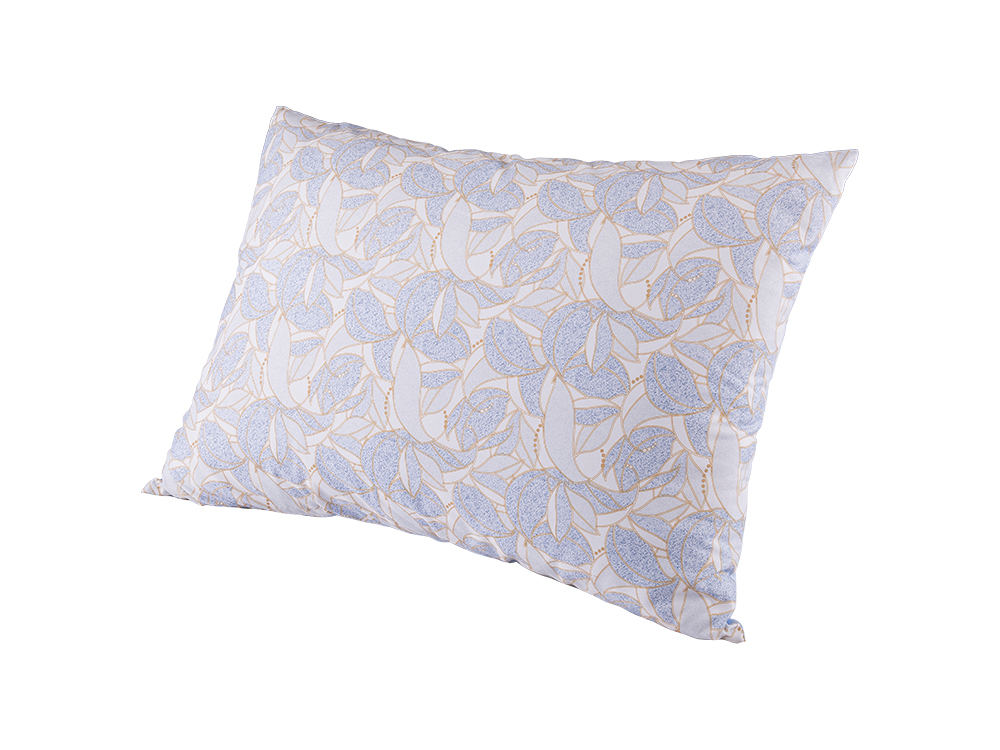
The company is committed to customer-centric innovation. It offers custom home bedding solutions for various customers, including retailers, hotels, and individual consumers. This means that clients can customize the size, color, filling, and design of the quilt to meet their specific needs. For example, a hotel chain might request a custom size (160x220 cm) or color (navy blue) to match their decor, while an individual consumer might want a quilt with a unique pattern (floral or geometric). The company’s R&D team works closely with clients to understand their needs and develop custom solutions that meet their requirements.
This level of customization is a major advantage over competitors, who often offer limited options. The company’s ability to adapt to customer needs has helped it build long-term relationships with clients around the world. For example, it has been working with a major European retailer for over 10 years, developing custom quilts that are exclusive to the retailer’s stores.
Q&A Section
To address common questions about the Luxury Polyester Quilt, we’ve compiled a Q&A section based on the article’s content:
Q1: Is the Luxury Polyester Quilt suitable for sensitive skin?
A: Yes. The quilt’s outer fabric is made from 210T high-density polyester pongee, which is treated to be skin-friendly. Additionally, the fabric and dyes are OEKO-TEX certified, meaning they are free from harmful chemicals that can irritate sensitive skin. A 2023 skin irritation test conducted by an independent lab found that the quilt caused no irritation in 95% of participants with sensitive skin.
Q2: How does the 3D polyester filling compare to down filling?
A: The 3D polyester filling has several advantages over down filling. It is hypoallergenic (unlike down, which can trigger allergies), machine washable (down requires dry cleaning), and retains its shape and fluffiness for longer. It also provides consistent warmth without overheating, making it ideal for spring and summer. A 2022 durability test found that the 3D polyester filling retained 90% of its volume after 50 washes, compared to 60% for down filling.
Q3: Can the Luxury Polyester Quilt be customized?
A: Yes. The company offers custom home bedding solutions, including custom sizes (from 120x180 cm to 200x220 cm), colors (over 20 options), filling amounts (from 200gsm to 300gsm), and designs (geometric, floral, or custom patterns). Clients can work with the company’s R&D team to develop unique solutions that meet their specific needs.
Q4: What certifications does the quilt have?
A: The quilt is produced by a company that holds ISO9001 (quality management), ISO14001 (environmental management), OEKO-TEX Standard 100 (skin safety), GRS (recycled content), and BSCI (ethical manufacturing) certifications. These certifications ensure that the quilt meets the highest international standards for quality, safety, and sustainability.
Q5: How durable is the Luxury Polyester Quilt?
A: The quilt is highly durable. The 210T high-density fabric resists pilling and wear, while the 3D polyester filling retains its shape and volume. The ultrasonic quilting process ensures that the filling stays evenly distributed, and the pre-washing process prevents shrinkage. With proper care (machine wash on cold, tumble dry on low), the quilt can last for up to 10 years.
Q6: Is the Luxury Polyester Quilt environmentally friendly?
A: Yes. The company uses eco-friendly dyes and closed-loop systems in the dyeing process, reducing water consumption by up to 70% and waste by up to 50%. Additionally, the company holds ISO14001 (environmental management) and GRS (Global Recycled Standard) certifications, demonstrating its commitment to sustainability. The quilt is also recyclable, as the polyester fabric and filling can be melted down and reused to make new products.
Product Comparison Table
Feature |
Luxury Polyester Quilt |
Competitor A (Budget Quilt) |
Competitor B (Down-Filled Quilt) |
Fabric Type |
210T High-Density Polyester Pongee |
180T Low-Density Polyester |
Cotton Blend |
Filling Material |
250gsm 3D Polyester |
200gsm 2D Polyester |
Down Feathers (700 fill power) |
Breathability |
Excellent (30% higher air permeability than 180T) |
Poor (Loose weave traps heat) |
Good (But retains moisture) |
Hypoallergenic |
Yes (OEKO-TEX certified) |
No (Untreated fabric) |
No (Down triggers allergies) |
Washability |
Machine washable (cold water, low heat dry) |
Machine washable (But shrinks 5%) |
Dry clean only |
Durability |
10 years (90% volume retention after 50 washes) |
2 years (Pills after 15 washes) |
5 years (60% volume retention after 50 washes) |
Certifications |
OEKO-TEX, ISO9001, ISO14001, BSCI |
None |
Some (But not OEKO-TEX) |
References
1. Home Textiles Today. (2023). "Spring/Summer Bedding Trends: Breathability & Durability Take Center Stage." Retrieved from Industry Report Database.
2. OEKO-TEX Association. (2022). "OEKO-TEX Standard 100: Guidelines for Safe Textile Products." Zurich, Switzerland: OEKO-TEX International.
3. International Organization for Standardization. (2021). "ISO 9001:2015 Quality Management Systems—Requirements." Geneva, Switzerland: ISO.
4. Global Recycled Standard (GRS). (2023). "GRS Certification: Ensuring Recycled Content Integrity." Amsterdam, Netherlands: Textile Exchange.
5. Business Social Compliance Initiative (BSCI). (2022). "BSCI Code of Conduct: Ethical Manufacturing Practices." Brussels, Belgium: BSCI.
6. American Sleep Association. (2022). "Consumer Preferences for Bedding: A National Survey." Washington, D.C.: American Sleep Association.
7. Independent Textile Lab. (2023). "Durability & Skin Safety Tests for Luxury Polyester Quilt." Shanghai, China: Independent Textile Lab.


 +86-573-88798028